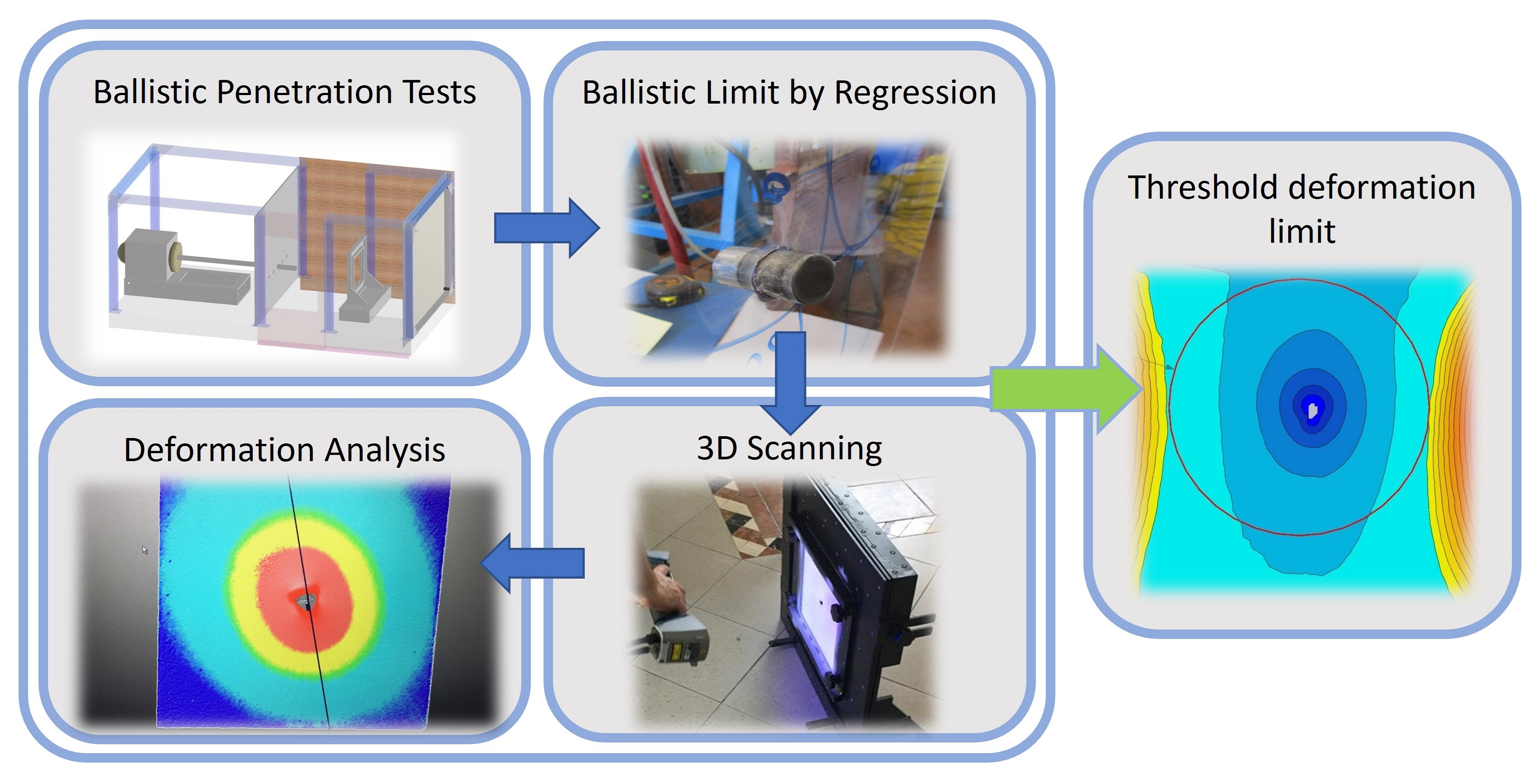
Withstanding Capacity of Machine Guards: Evaluation and Validation by 3D Scanners



Abstract
Share and Cite
Landi, L.; Logozzo, S.; Morettini, G.; Valigi, M.C. Withstanding Capacity of Machine Guards: Evaluation and Validation by 3D Scanners. Appl. Sci. 2022, 12, 2098. https://doi.org/10.3390/app12042098
Landi L, Logozzo S, Morettini G, Valigi MC. Withstanding Capacity of Machine Guards: Evaluation and Validation by 3D Scanners. Applied Sciences. 2022; 12(4):2098. https://doi.org/10.3390/app12042098
Chicago/Turabian StyleLandi, Luca, Silvia Logozzo, Giulia Morettini, and Maria Cristina Valigi. 2022. "Withstanding Capacity of Machine Guards: Evaluation and Validation by 3D Scanners" Applied Sciences 12, no. 4: 2098. https://doi.org/10.3390/app12042098
APA StyleLandi, L., Logozzo, S., Morettini, G., & Valigi, M. C. (2022). Withstanding Capacity of Machine Guards: Evaluation and Validation by 3D Scanners. Applied Sciences, 12(4), 2098. https://doi.org/10.3390/app12042098