Article

Visual Sentiment Analysis Using Deep Learning Models with Social Media Data
1
Department of ECE, Karunya Institute of Technology and Sciences, Coimbatore 641114, Tamil Nadu, India
2
Faculty of Economics, Computer Science and Engineering, Vasile Goldis Western University of Arad, 310025 Arad, Romania
3
Faculty of Exact Sciences, Aurel Vlaicu University of Arad, 310032 Arad, Romania
*
Author to whom correspondence should be addressed.
Appl. Sci. 2022, 12(3), 1030; https://doi.org/10.3390/app12031030
Submission received: 24 December 2021 / Revised: 16 January 2022 / Accepted: 17 January 2022 / Published: 19 January 2022
(This article belongs to the Special Issue User Experience for Advanced Human-Computer Interaction II)

Abstract

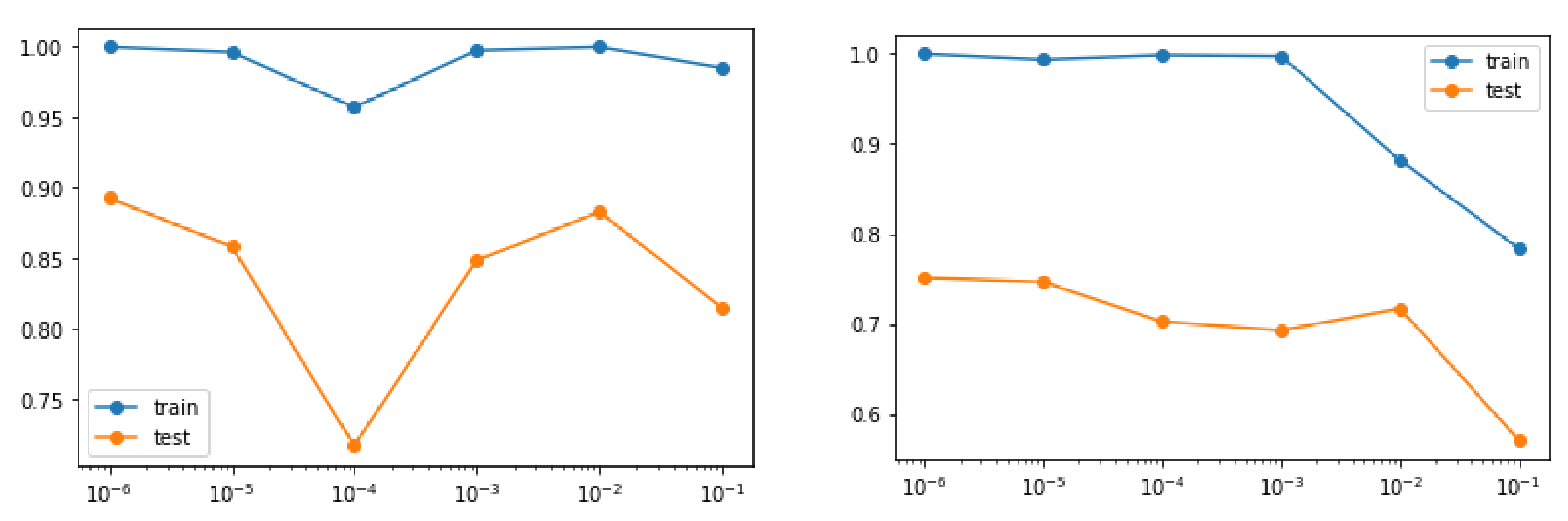
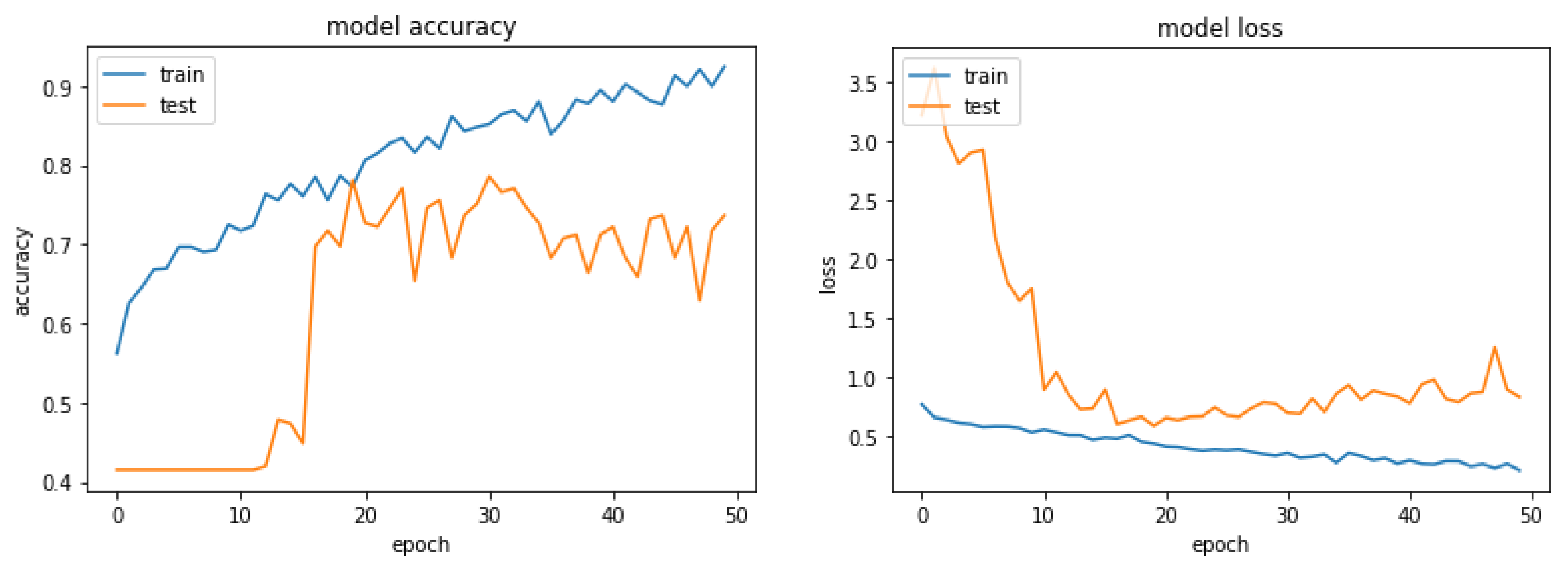
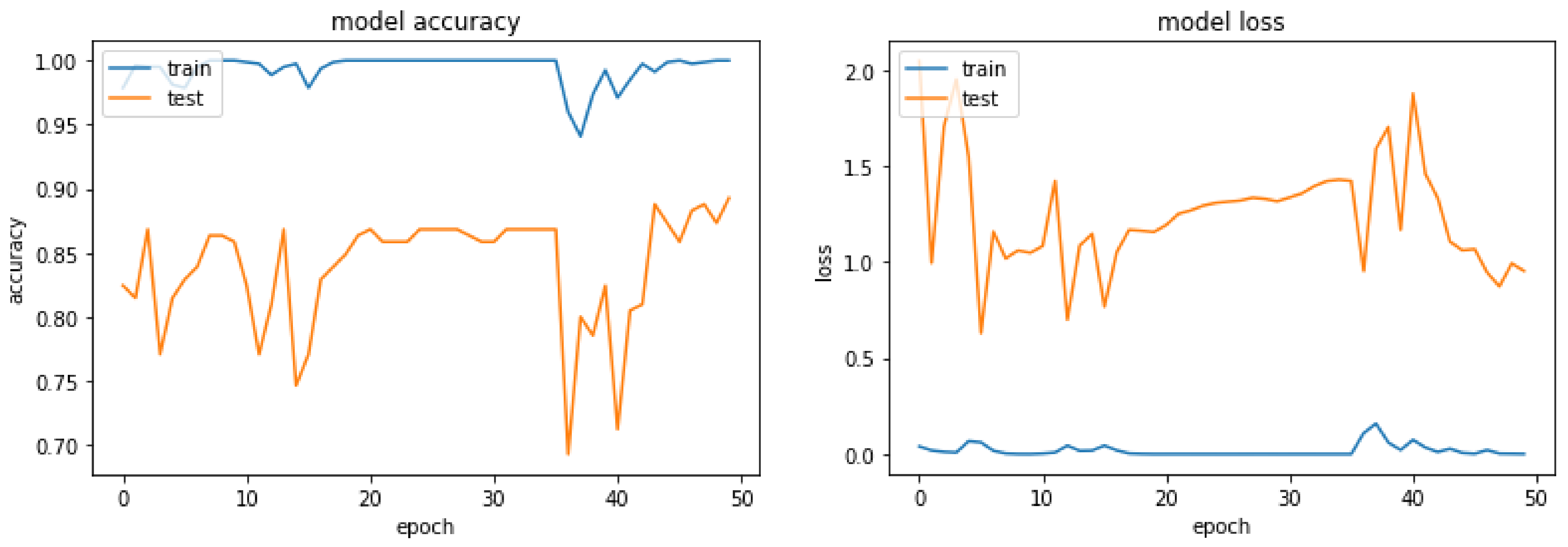
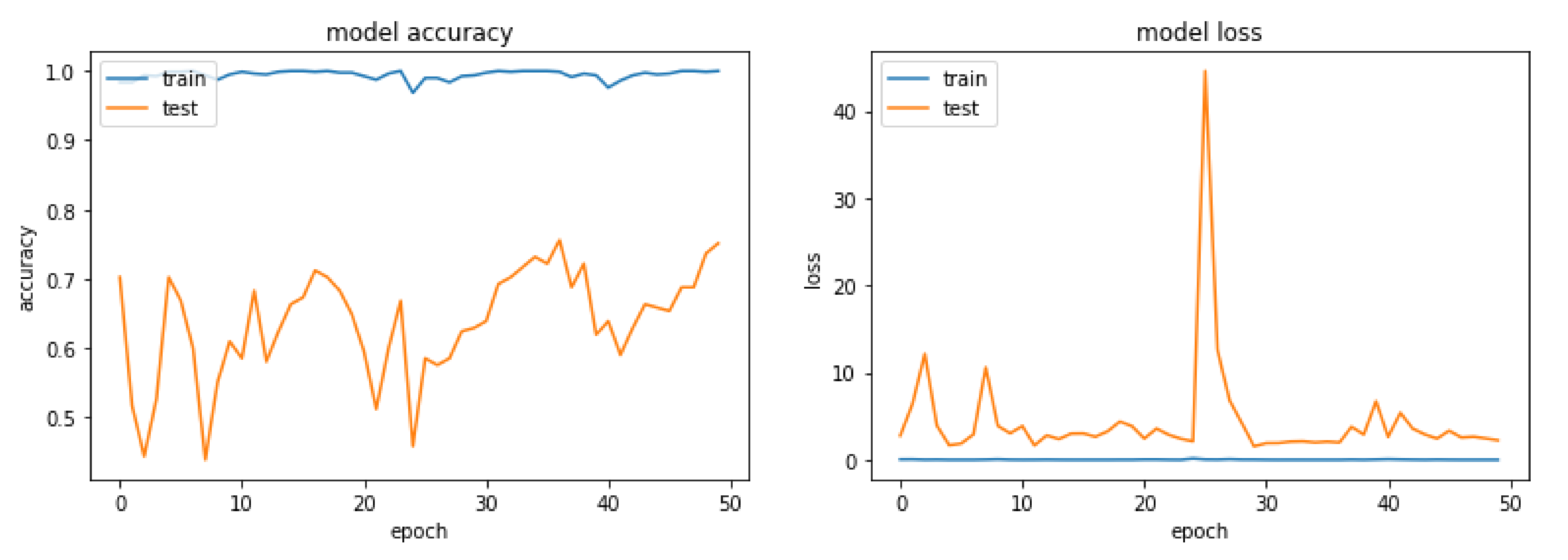
Analyzing the sentiments of people from social media content through text, speech, and images is becoming vital in a variety of applications. Many existing research studies on sentiment analysis rely on textual data, and similar to the sharing of text, users of social media share more photographs and videos. Compared to text, images are said to exhibit the sentiments in a much better way. So, there is an urge to build a sentiment analysis model based on images from social media. In our work, we employed different transfer learning models, including the VGG-19, ResNet50V2, and DenseNet-121 models, to perform sentiment analysis based on images. They were fine-tuned by freezing and unfreezing some of the layers, and their performance was boosted by applying regularization techniques. We used the Twitter-based images available in the Crowdflower dataset, which contains URLs of images with their sentiment polarities. Our work also presents a comparative analysis of these pre-trained models in the prediction of image sentiments on our dataset. The accuracies of our fine-tuned transfer learning models involving VGG-19, ResNet50V2, and DenseNet-121 are 0.73, 0.75, and 0.89, respectively. When compared to previous attempts at visual sentiment analysis, which used a variety of machine and deep learning techniques, our model had an improved accuracy by about 5% to 10%. According to the findings, the fine-tuned DenseNet-121 model outperformed the VGG-19 and ResNet50V2 models in image sentiment prediction.
Keywords: image sentiment analysis; transfer learning; deep learning and social media image sentiment analysis; transfer learning; deep learning and social media