An Efficient Deep Learning Approach for Colon Cancer Detection
 ,
,  ,
,  ,
,  and
and 
Abstract
1. Introduction
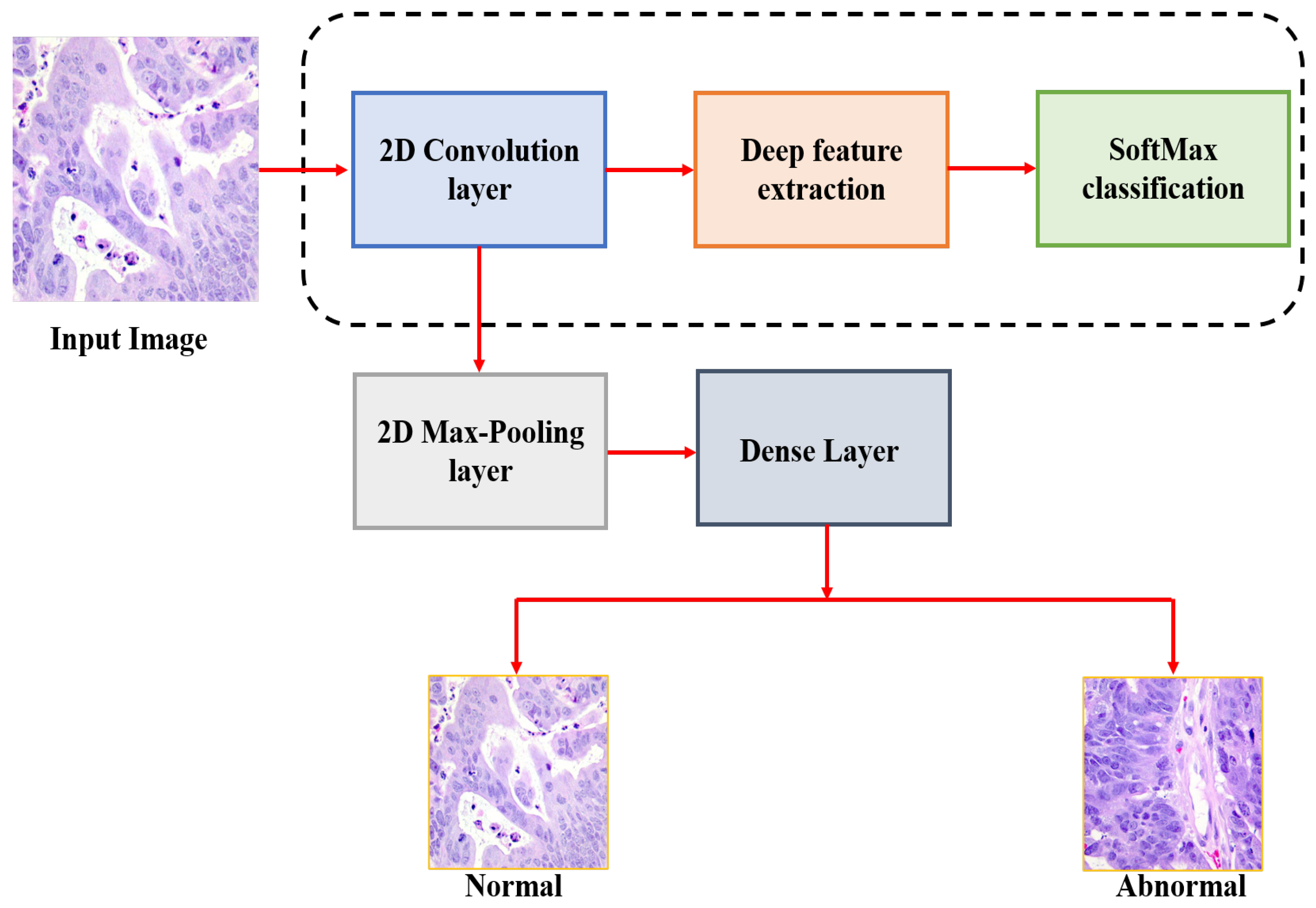
- We propose a new end-to-end lightweight deep learning approach based on CNN for efficient colon cancer detection. Unlike the previous methods, the proposed method is less complex and consists of a few layers. In addition, unlike most previous work, our method is ended to end without using any external stages of machine learning such as feature extraction and classification stages. Our method outperformed most of the previous deep learning approaches in this field.
- The efficiency of the proposed system is analyzed with histopathological images database and is compared with the existing state-of-the-art methods in this field. Unlike the other methods, the proposed method achieved the highest accuracy using a small database.
- We propose an algorithm that can achieve good results at classification tasks, which is an important component for the development of automated computer-aided systems for colon cancer detection. Part of our source code can be found at:
2. Related Work
3. Deep Learning Approach
3.1. Histopathological Image Data
3.2. The Proposed Approach
The Architecture of the CNN Model
4. Results and Discussion
5. Conclusions
Author Contributions
Funding
Institutional Review Board Statement
Informed Consent Statement
Data Availability Statement
Acknowledgments
Conflicts of Interest
References
- Makhdoomi, R.H.; ul Khurshid, S.; Shah, B.M. Pathology in Colorectal Malignancy. In New Treatment Modalities in Rectal Cancer; Springer: Berlin/Heidelberg, Germany, 2020; pp. 73–96. [Google Scholar]
- Gout, S.; Huot, J. Role of cancer microenvironment in metastasis: Focus on colon cancer. Cancer Microenviron. 2008, 1, 69–83. [Google Scholar] [CrossRef] [Scilit] [PubMed]
- Hughes, R.; Magee, E.; Bingham, S. Protein degradation in the large intestine: Relevance to colorectal cancer. Curr. Issues Intest. Microbiol. 2000, 1, 51–58. [Google Scholar] [PubMed]
- Kune, G.A.; Kune, S.; Read, A.; MacGowan, K.; Penfold, C.; Watson, L.F. Colorectal Polyps, Diet, Alcohol, and Family History of Colorectal Cancer: A Case-Control Study. Nutr. Cancer 1991, 16, 25–30. [Google Scholar] [CrossRef] [Scilit] [PubMed]
- Toğaçar, M. Disease type detection in lung and colon cancer images using the complement approach of inefficient sets. Comput. Biol. Med. 2021, 137, 104827. [Google Scholar] [CrossRef] [Scilit] [PubMed]
- Kumar, N.; Sharma, M.; Singh, V.P.; Madan, C.; Mehandia, S. An empirical study of handcrafted and dense feature extraction techniques for lung and colon cancer classification from histopathological images. Biomed. Signal Process. Control 2022, 75, 103596. [Google Scholar] [CrossRef] [Scilit]
- Yildirim, M.; Cinar, A. Classification with respect to colon adenocarcinoma and colon benign tissue of colon histopathological images with a new CNN model: MA_ColonNET. Int. J. Imaging Syst. Technol. 2022, 32, 155–162. [Google Scholar] [CrossRef] [Scilit]
- Masud, M.; Sikder, N.; Nahid, A.A.; Bairagi, A.K.; AlZain, M.A. A machine learning approach to diagnosing lung and colon cancer using a deep learning-based classification framework. Sensors 2021, 21, 748. [Google Scholar] [CrossRef] [Scilit] [PubMed]
- Hamida, A.B.; Devanne, M.; Weber, J.; Truntzer, C.; Derangère, V.; Ghiringhelli, F.; Forestier, G.; Wemmert, C. Deep learning for colon cancer histopathological images analysis. Comput. Biol. Med. 2021, 136, 104730. [Google Scholar] [CrossRef] [Scilit] [PubMed]
- Kather, J.N.; Weis, C.A.; Bianconi, F.; Melchers, S.M.; Schad, L.R.; Gaiser, T.; Marx, A.; Zöllner, F.G. Multi-class texture analysis in colorectal cancer histology. Sci. Rep. 2016, 6, 27988. [Google Scholar] [CrossRef] [Scilit] [PubMed]
- Ohata, E.F.; Chagas, J.V.S.D.; Bezerra, G.M.; Hassan, M.M.; de Albuquerque, V.H.C. A novel transfer learning approach for the classification of histological images of colorectal cancer. J. Supercomput. 2021, 77, 9494–9519. [Google Scholar] [CrossRef] [Scilit]
- Lu, J.; Liu, R.; Zhang, Y.; Zhang, X.; Zheng, L.; Zhang, C.; Zhang, K.; Li, S.; Lu, Y. Research on the development and application of a detection platform for colorectal cancer tumor sprouting pathological characteristics based on artificial intelligence. Intell. Med. 2022, 2, 82–87. [Google Scholar] [CrossRef] [Scilit]
- Chen, H.; Zhao, H.; Shen, J.; Zhou, R.; Zhou, Q. Supervised machine learning model for high dimensional gene data in colon cancer detection. In Proceedings of the 2015 IEEE International Congress on Big Data, New York, NY, USA, 27 June–2 July 2015; pp. 134–141. [Google Scholar]
- Akbar, B.; Gopi, V.P.; Babu, V.S. Colon cancer detection based on structural and statistical pattern recognition. In Proceedings of the 2015 2nd International Conference on Electronics and Communication Systems (ICECS), Coimbatore, India, 26–27 February 2015; pp. 1735–1739. [Google Scholar]
- Su, Y.; Tian, X.; Gao, R.; Guo, W.; Chen, C.; Chen, C.; Jia, D.; Li, H.; Lv, X. Colon cancer diagnosis and staging classification based on machine learning and bioinformatics analysis. Comput. Biol. Med. 2022, 145, 105409. [Google Scholar] [CrossRef] [Scilit] [PubMed]
- Hammad, M.; Kandala, R.N.; Abdelatey, A.; Abdar, M.; Zomorodi-Moghadam, M.; San Tan, R.; Acharya, U.R.; Pławiak, J.; Tadeusiewicz, R.; Makarenkov, V.; et al. Automated detection of Shockable ECG signals: A Review. Inf. Sci. 2021, 571, 580–604. [Google Scholar] [CrossRef] [Scilit]
- Hammad, M.; Iliyasu, A.M.; Subasi, A.; Ho, E.S.; Abd El-Latif, A.A. A multitier deep learning model for arrhythmia detection. IEEE Trans. Instrum. Meas. 2020, 70, 1–9. [Google Scholar] [CrossRef] [Scilit]
- Zhang, Y.; He, X.; Tian, Z.; Jeong, J.J.; Lei, Y.; Wang, T.; Zeng, Q.; Jani, A.B.; Curran, W.J.; Patel, P.; et al. Multi-needle detection in 3D ultrasound images using unsupervised order-graph regularized sparse dictionary learning. IEEE Trans. Med Imaging 2020, 39, 2302–2315. [Google Scholar] [CrossRef] [Scilit] [PubMed]
- Hammad, M.; Tawalbeh, L.; Iliyasu, A.M.; Sedik, A.; Abd El-Samie, F.E.; Alkinani, M.H.; Abd El-Latif, A.A. Efficient multimodal deep-learning-based COVID-19 diagnostic system for noisy and corrupted images. J. King Saud Univ.-Sci. 2022, 34, 101898. [Google Scholar] [CrossRef] [Scilit] [PubMed]
- Hammad, M.; Bakrey, M.; Bakhiet, A.; Tadeusiewicz, R.; Abd El-Latif, A.A.; Pławiak, P. A novel end-to-end deep learning approach for cancer detection based on microscopic medical images. Biocybern. Biomed. Eng. 2022, 42, 737–748. [Google Scholar] [CrossRef] [Scilit]
- Borkowski, A.A.; Bui, M.M.; Thomas, L.B.; Wilson, C.P.; DeLand, L.A.; Mastorides, S.M. Lung and colon cancer histopathological image dataset (lc25000). arXiv 2019, arXiv:1912.12142. [Google Scholar]
- Zhang, Z. Improved adam optimizer for deep neural networks. In Proceedings of the IEEE/ACM 26th International Symposium on Quality of Service (IWQoS), Banff, AB, Canada, 4–6 June 2018. [Google Scholar]
- Ho, Y.; Wookey, S. The real-world-weight cross-entropy loss function: Modeling the costs of mislabeling. IEEE Access 2019, 8, 4806–4813. [Google Scholar] [CrossRef] [Scilit]
- Zhang, Y.; Liu, S.; Qu, X.; Shang, X. Multi-instance discriminative contrastive learning for brain image representation. Neural Comput. Appl. 2022, 1–14. [Google Scholar] [CrossRef] [Scilit]
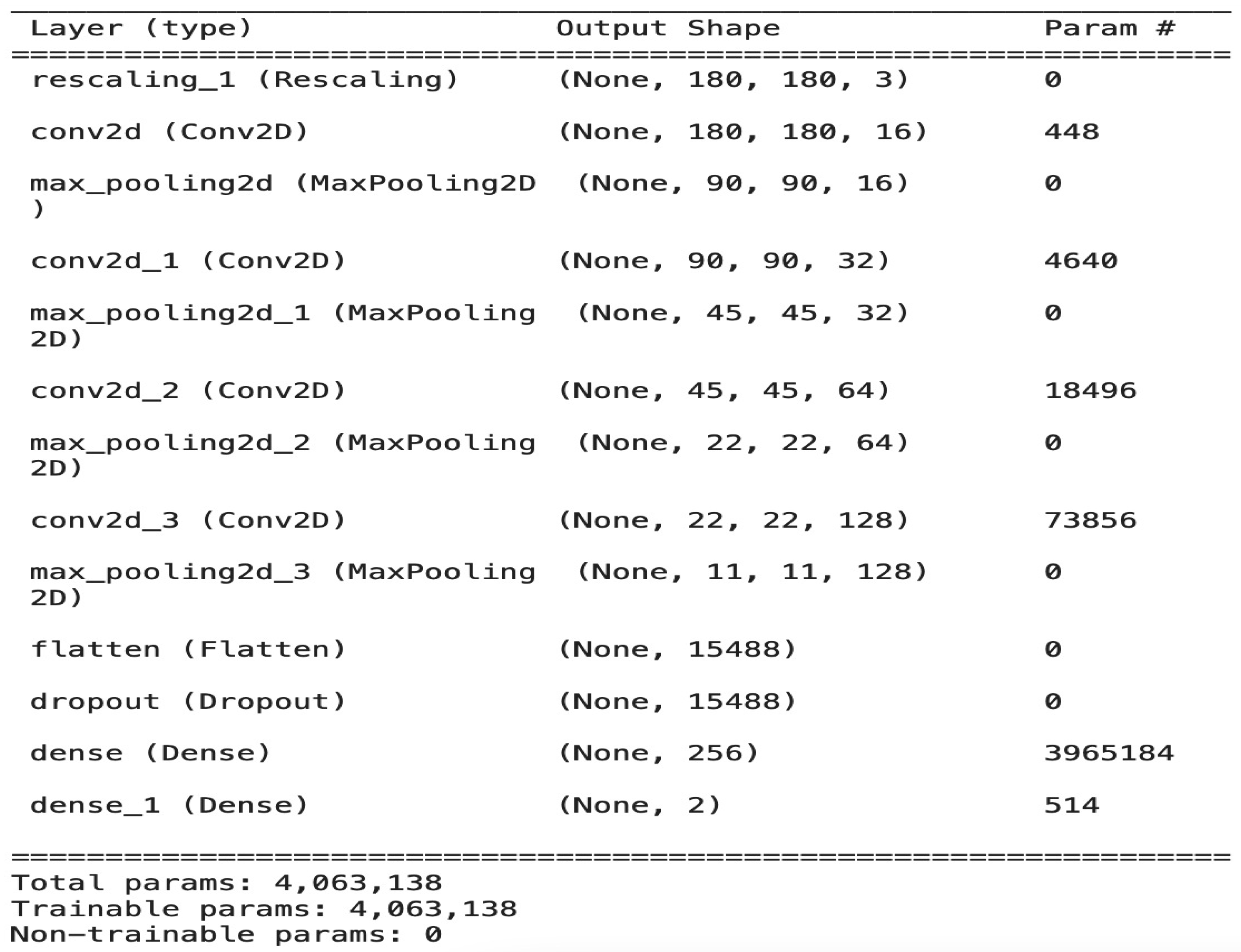
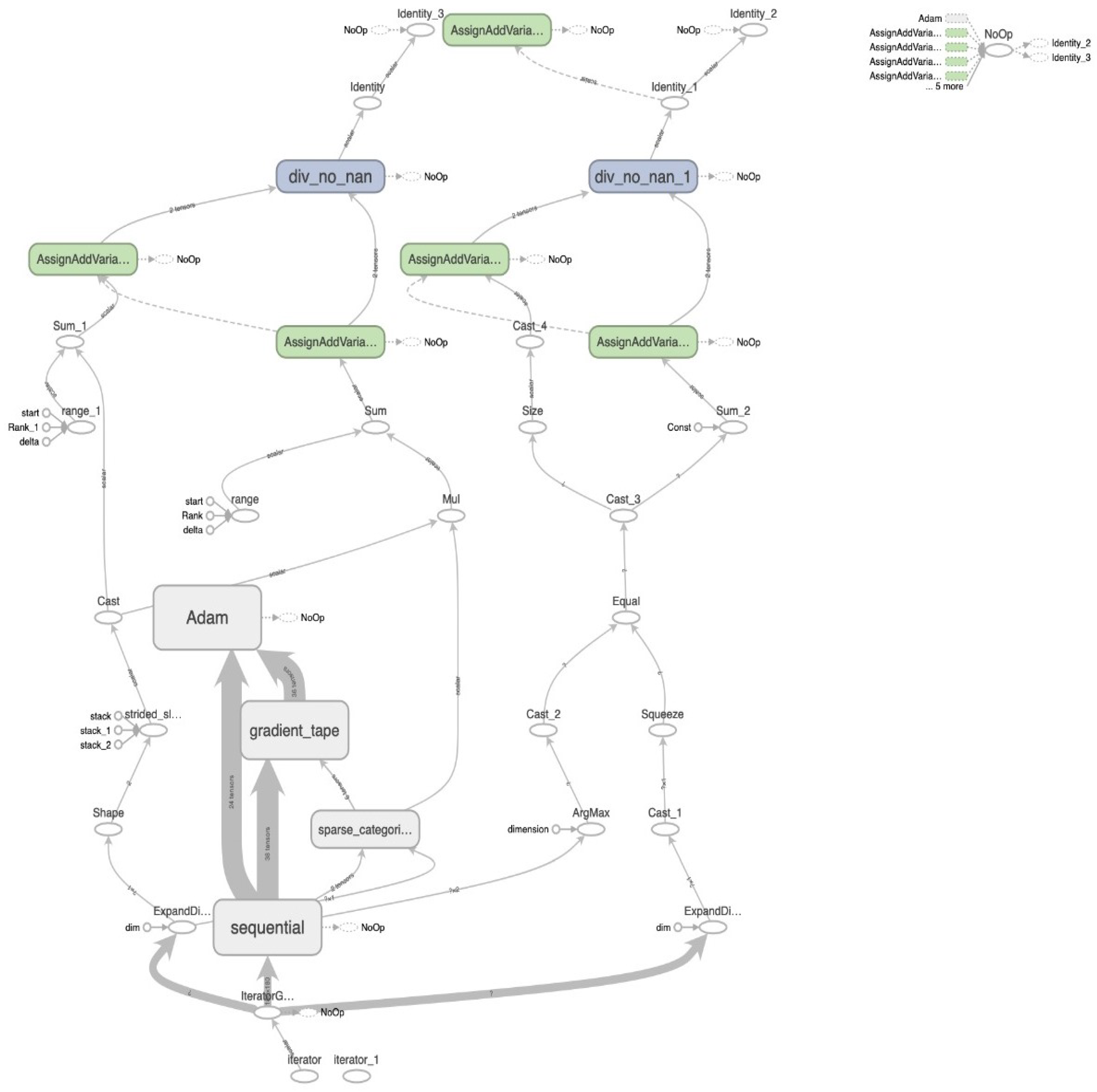

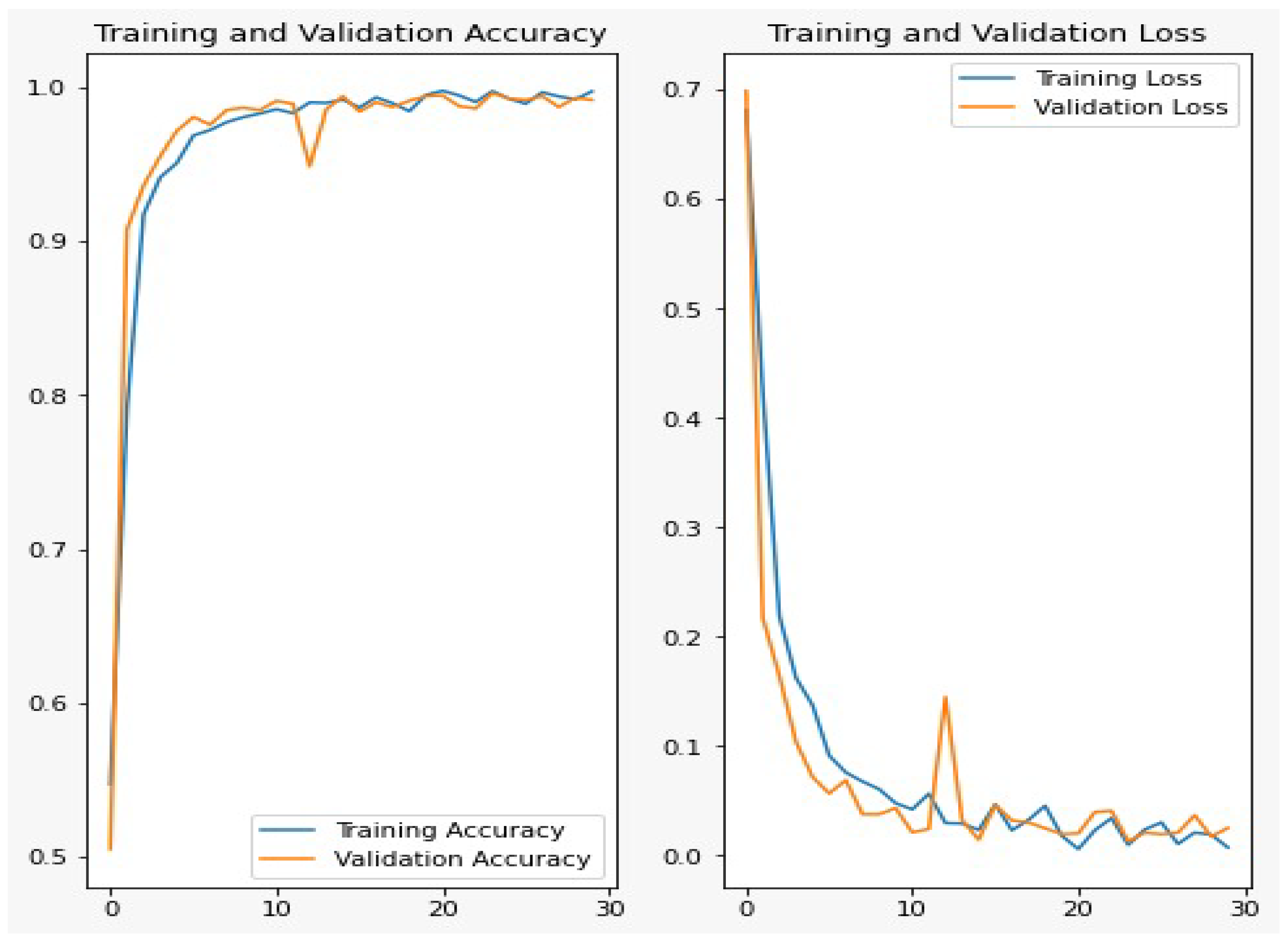
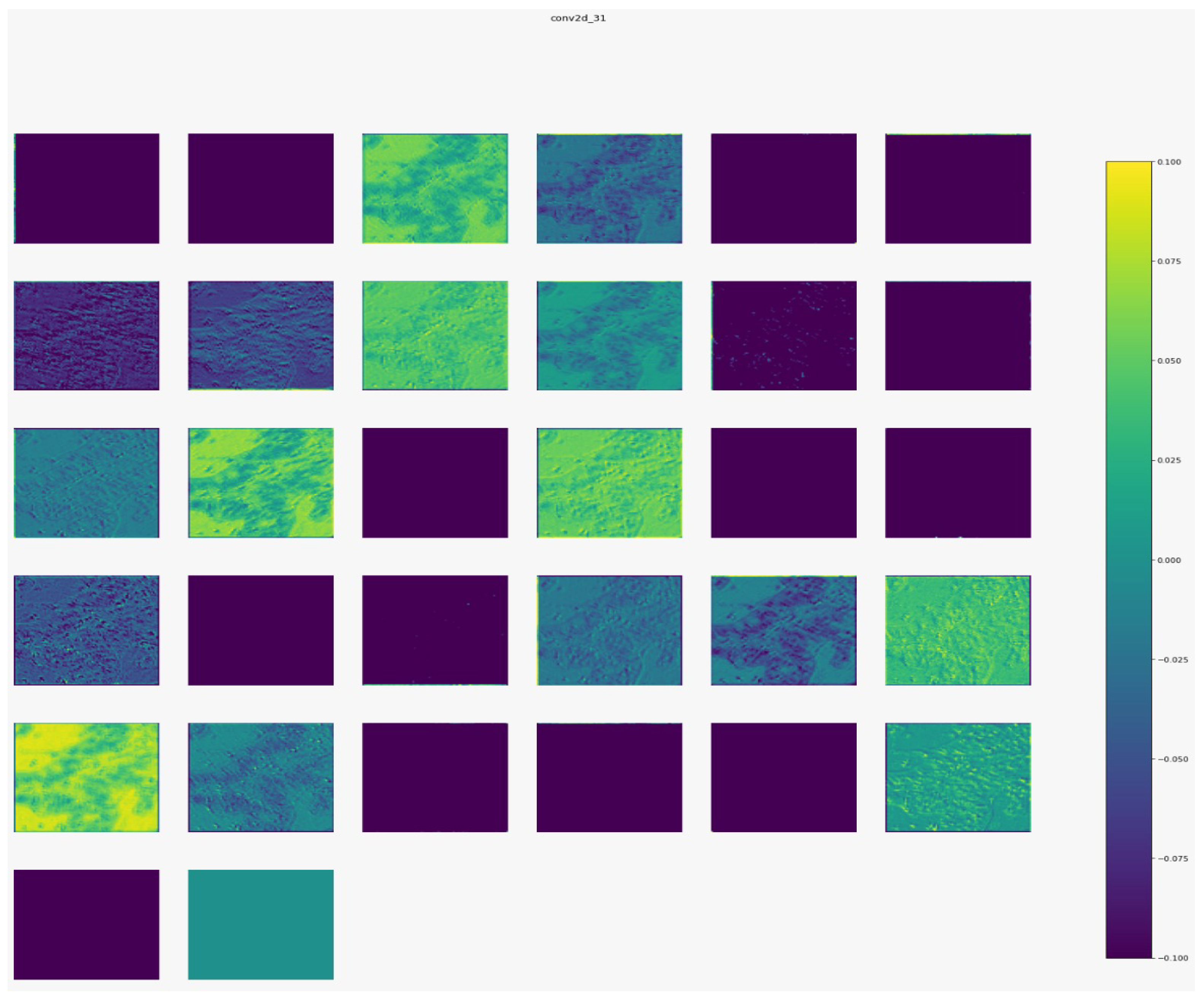
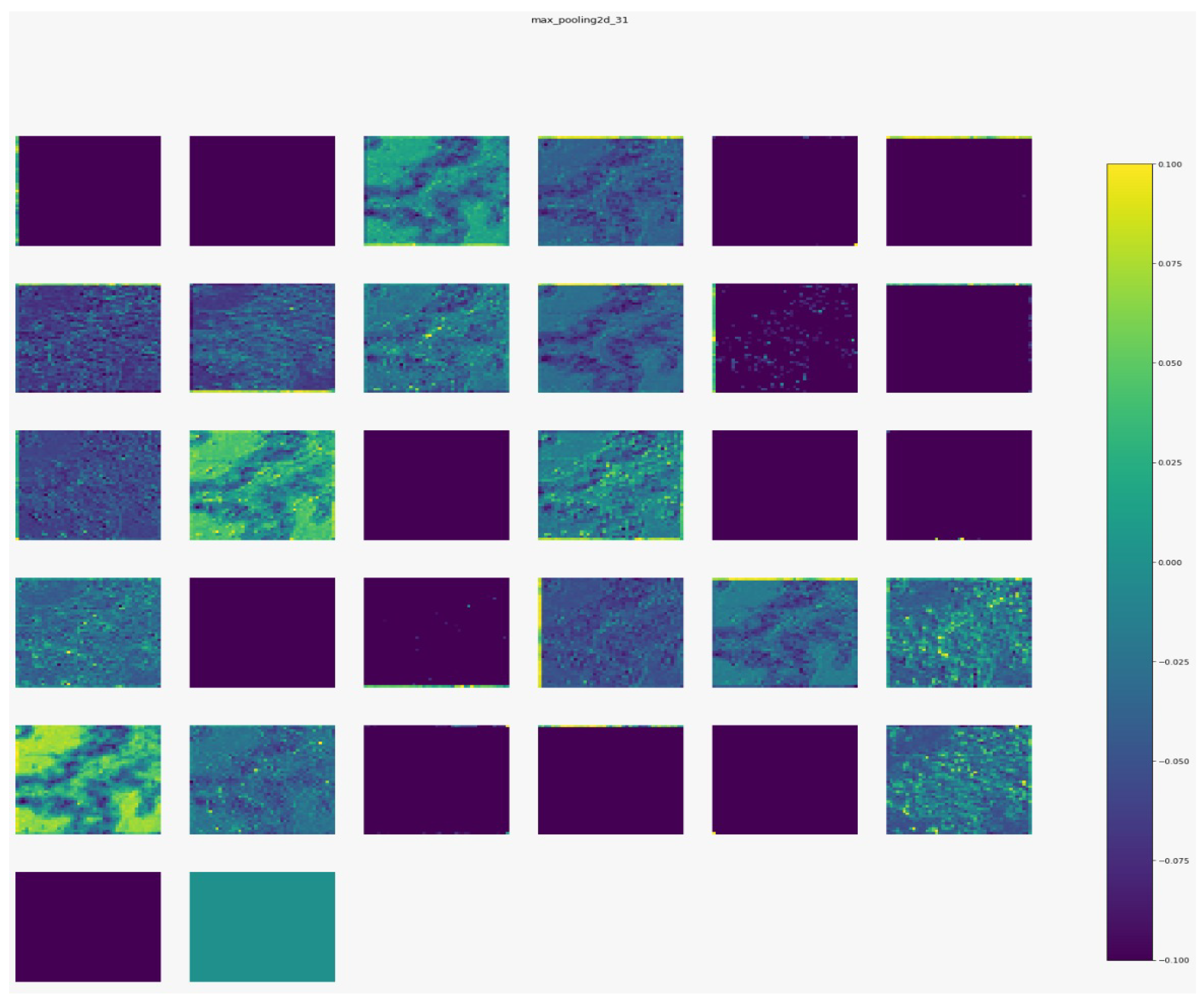
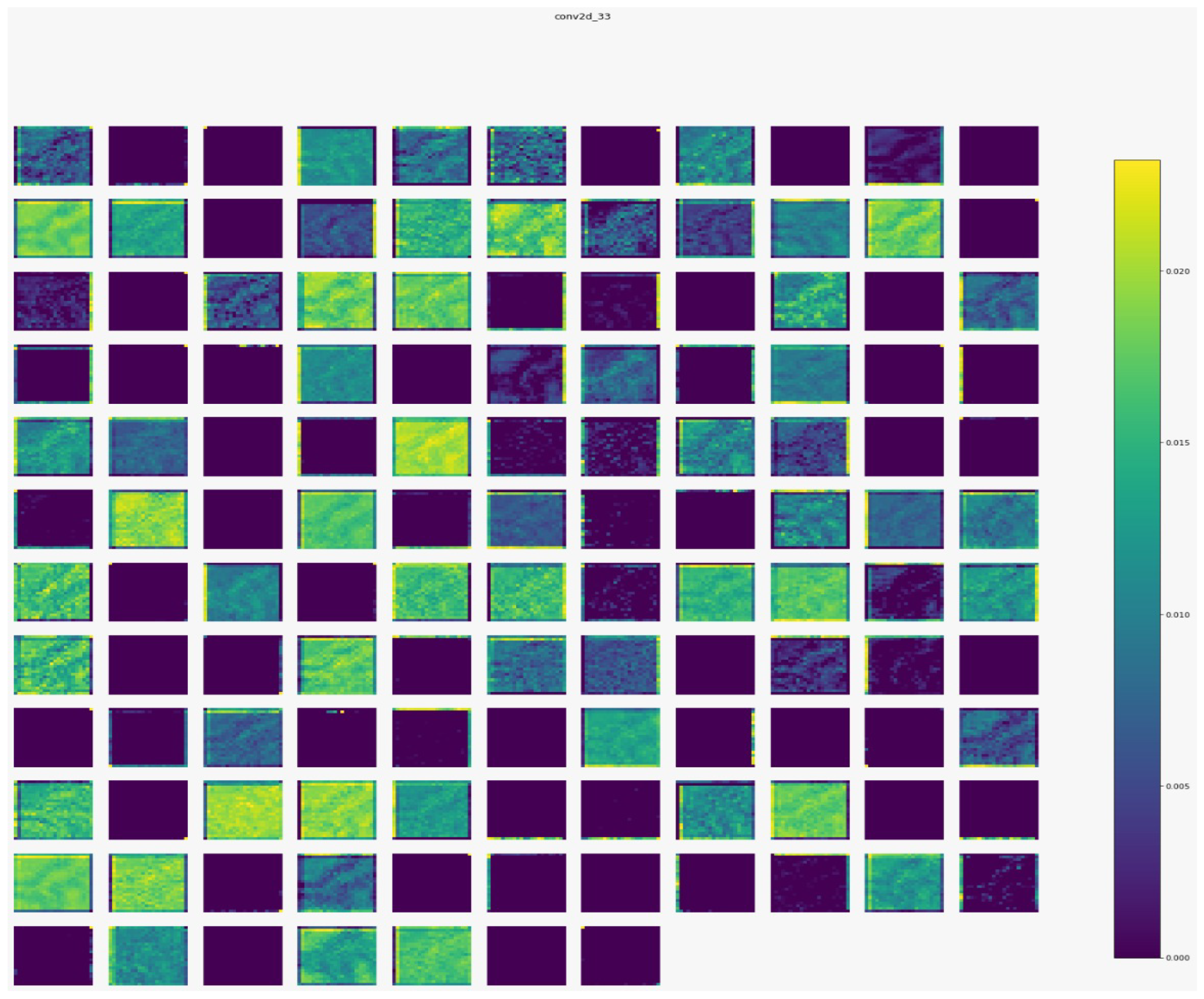
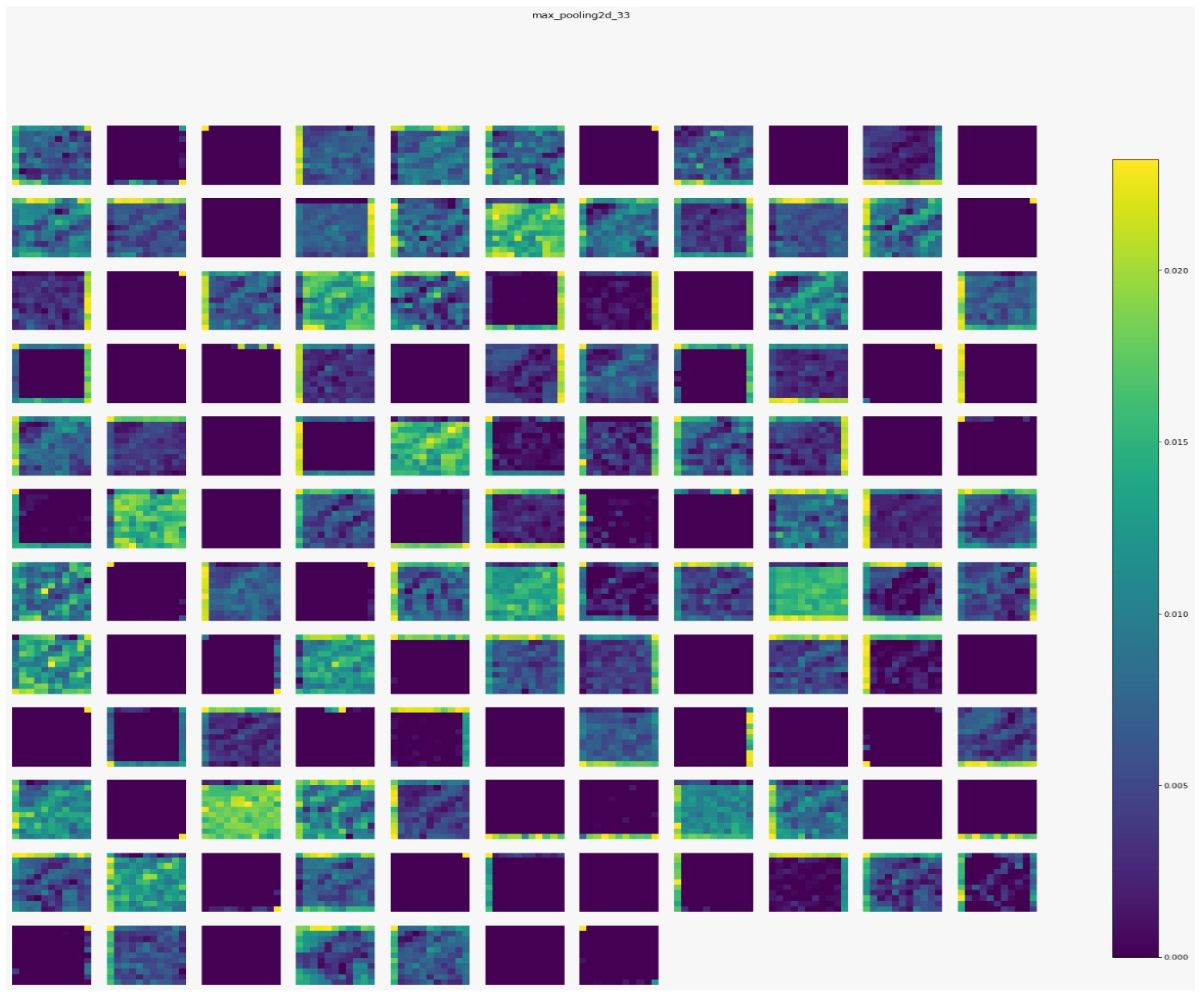
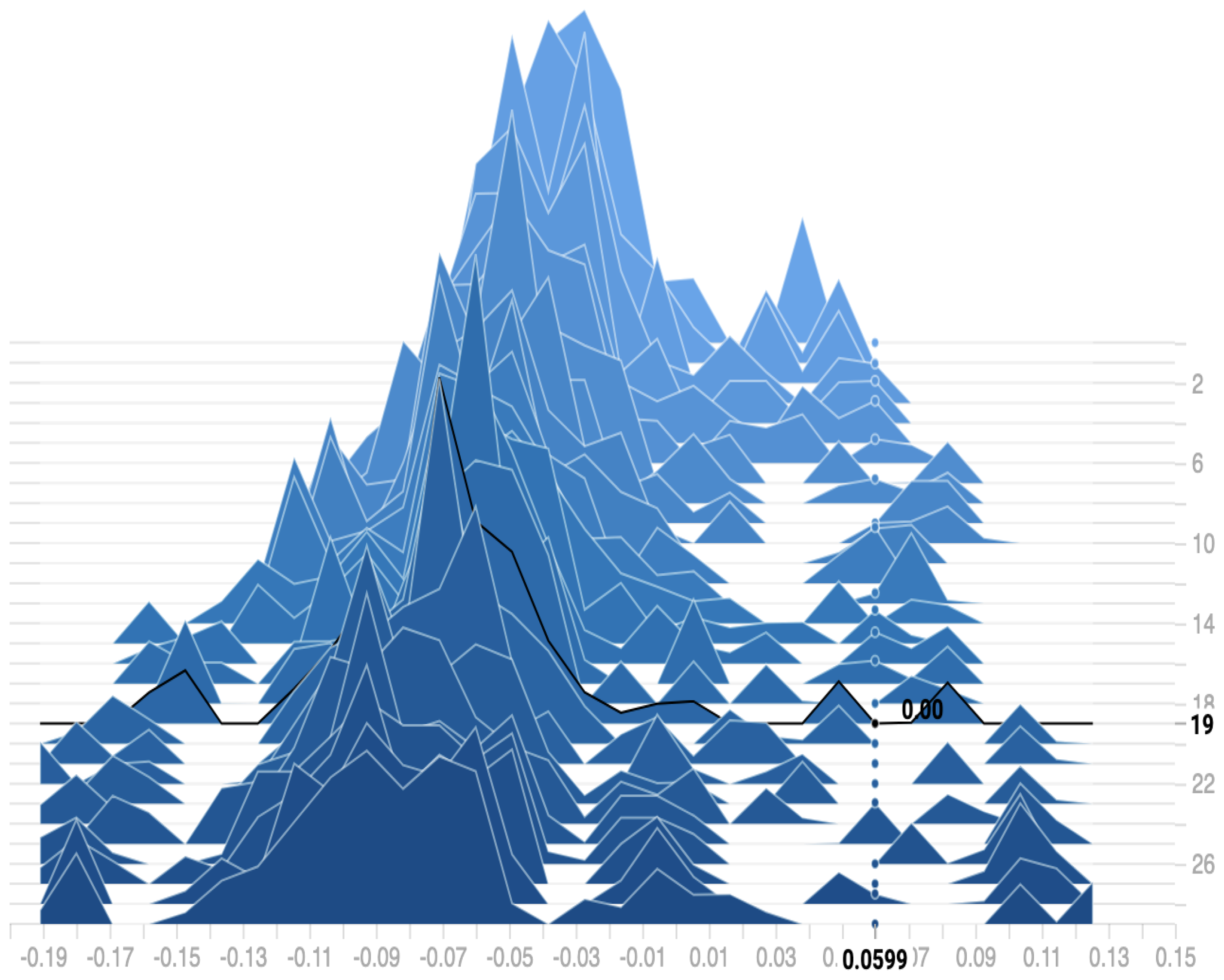

| Model | # of Layer | Dropout Rate | Total Parameters | Accuracy |
|---|---|---|---|---|
| Model 1 | 14 | 0.5% | 2,031,778 | 56% |
| Model 2 | 16 | 0.5% | 2,097,826 | 49.50% |
| Model 3 | 10 | 0.5% | 7,954,210 | 95.15% |
| Model 4 | 12 | 0.8% | 2,031,778 | 50.50% |
| Model 5 | 10 | 0.8% | 4,063,138 | 98.53% |
| Model 6 | 14 | 0.8% | 7,954,210 | 97.65% |
| Model 7 | 12 | 0.5% | 40,631,38 | 99.5% |
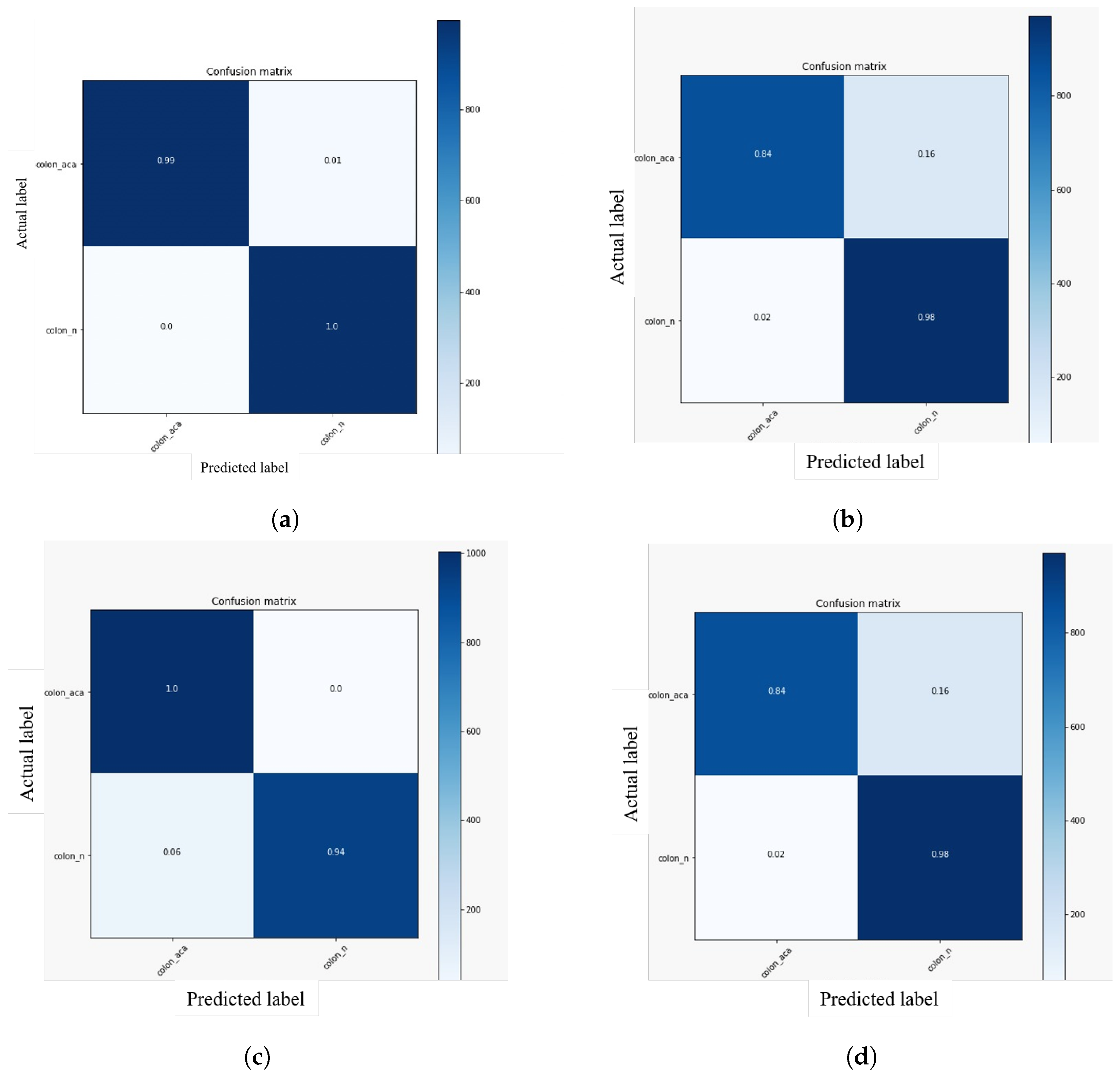
| Accuracy | Precision | Recall | F1-Score | SPE | MCC |
|---|---|---|---|---|---|
| 99.50% | 99% | 100% | 99.49% | 99% | 99% |
| Author/Year | Approaches | Accuracy |
|---|---|---|
| Hamida et al., 2021 [9] | Data augmentation and transfer learning | 99.12% |
| Tongacar et al., 2021 [5] | DarkNet-19 model and SVM | 99.69% |
| Yildirim and Cinar et al., 2021 [7] | CNN-based, MA_ColonNET | 99.75% |
| Ohata et al., 2021 [11] | DenseNet169 and SVM | 92.08% |
| Our Method 2022 | Lightweight CNN | 99.50% |
Publisher’s Note: MDPI stays neutral with regard to jurisdictional claims in published maps and institutional affiliations. |
© 2022 by the authors. Licensee MDPI, Basel, Switzerland. This article is an open access article distributed under the terms and conditions of the Creative Commons Attribution (CC BY) license (https://creativecommons.org/licenses/by/4.0/).
Share and Cite
Sakr, A.S.; Soliman, N.F.; Al-Gaashani, M.S.; Pławiak, P.; Ateya, A.A.; Hammad, M. An Efficient Deep Learning Approach for Colon Cancer Detection. Appl. Sci. 2022, 12, 8450. https://doi.org/10.3390/app12178450
Sakr AS, Soliman NF, Al-Gaashani MS, Pławiak P, Ateya AA, Hammad M. An Efficient Deep Learning Approach for Colon Cancer Detection. Applied Sciences. 2022; 12(17):8450. https://doi.org/10.3390/app12178450
Chicago/Turabian StyleSakr, Ahmed S., Naglaa F. Soliman, Mehdhar S. Al-Gaashani, Paweł Pławiak, Abdelhamied A. Ateya, and Mohamed Hammad. 2022. "An Efficient Deep Learning Approach for Colon Cancer Detection" Applied Sciences 12, no. 17: 8450. https://doi.org/10.3390/app12178450
APA StyleSakr, A. S., Soliman, N. F., Al-Gaashani, M. S., Pławiak, P., Ateya, A. A., & Hammad, M. (2022). An Efficient Deep Learning Approach for Colon Cancer Detection. Applied Sciences, 12(17), 8450. https://doi.org/10.3390/app12178450