Article

Design and Mechanical Performance of a Fiber-Constrained Annular Flexible Actuator for Direct Ventricular Assist Devices

School of Mechanical and Electrical Engineering, Central South University, Changsha 410000, Hunan, China
*
Authors to whom correspondence should be addressed.
Appl. Sci. 2022, 12(11), 5405; https://doi.org/10.3390/app12115405
Submission received: 27 April 2022 / Revised: 20 May 2022 / Accepted: 21 May 2022 / Published: 26 May 2022
(This article belongs to the Special Issue AI Applications in the Industrial Technologies)

Abstract

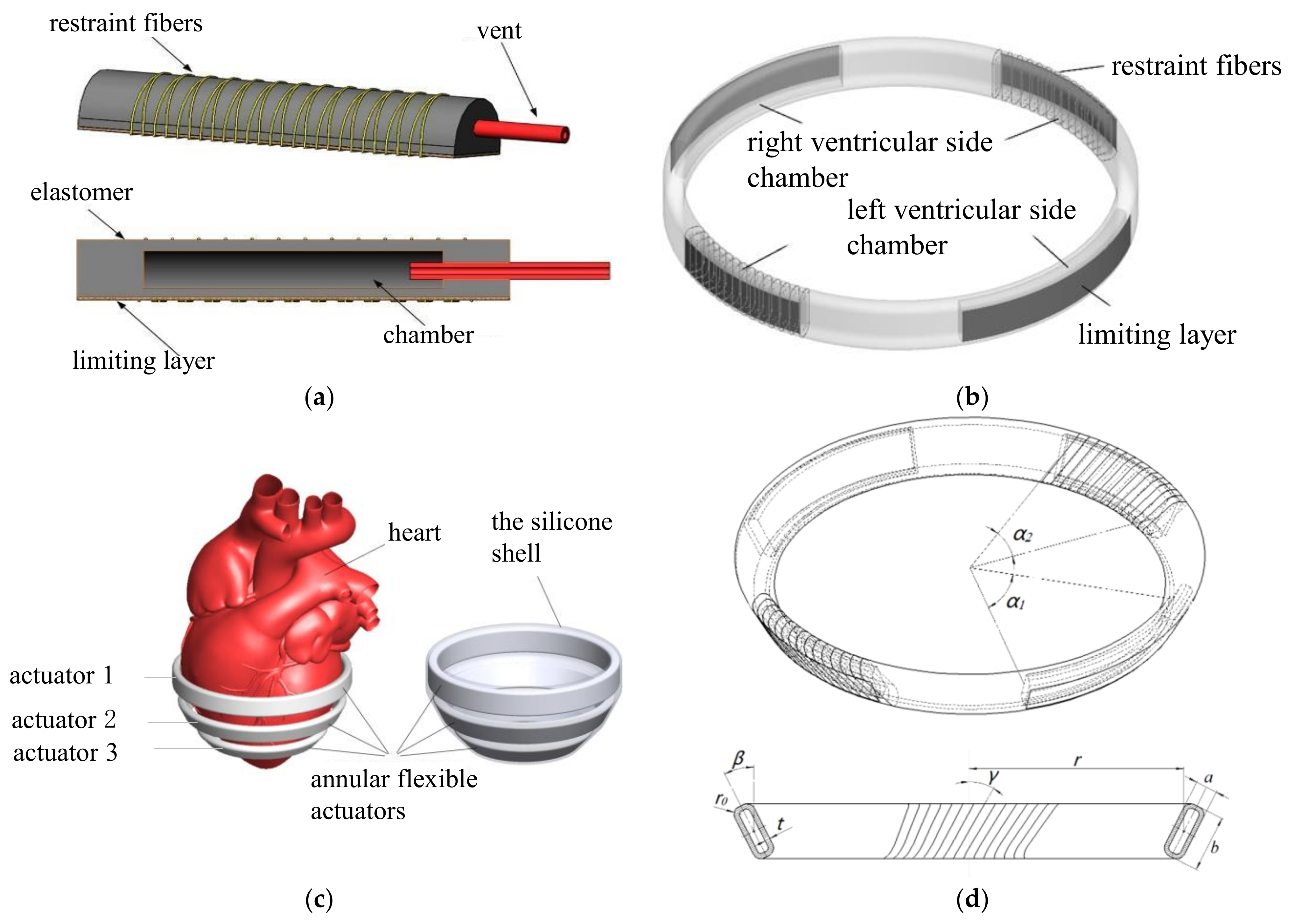
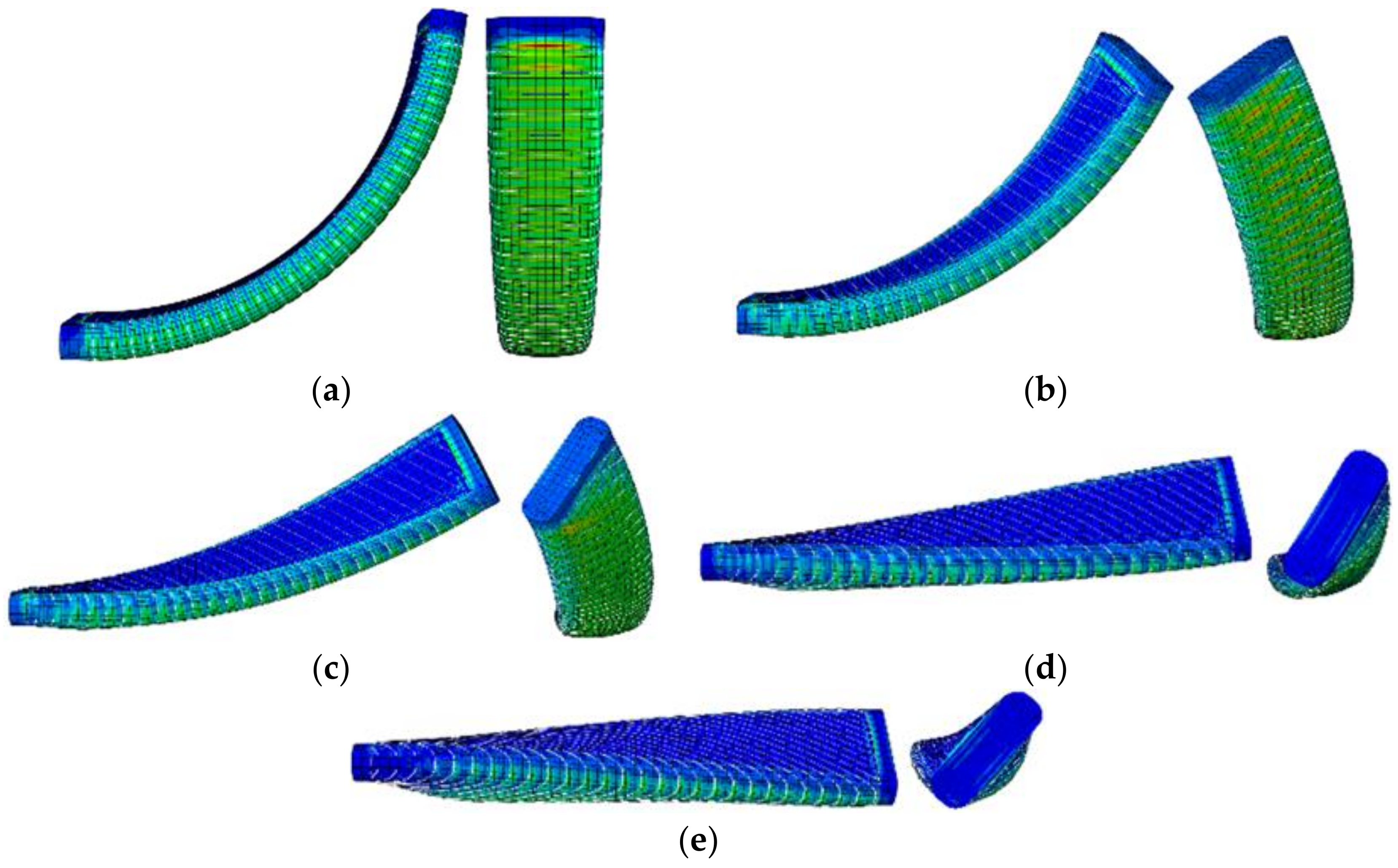
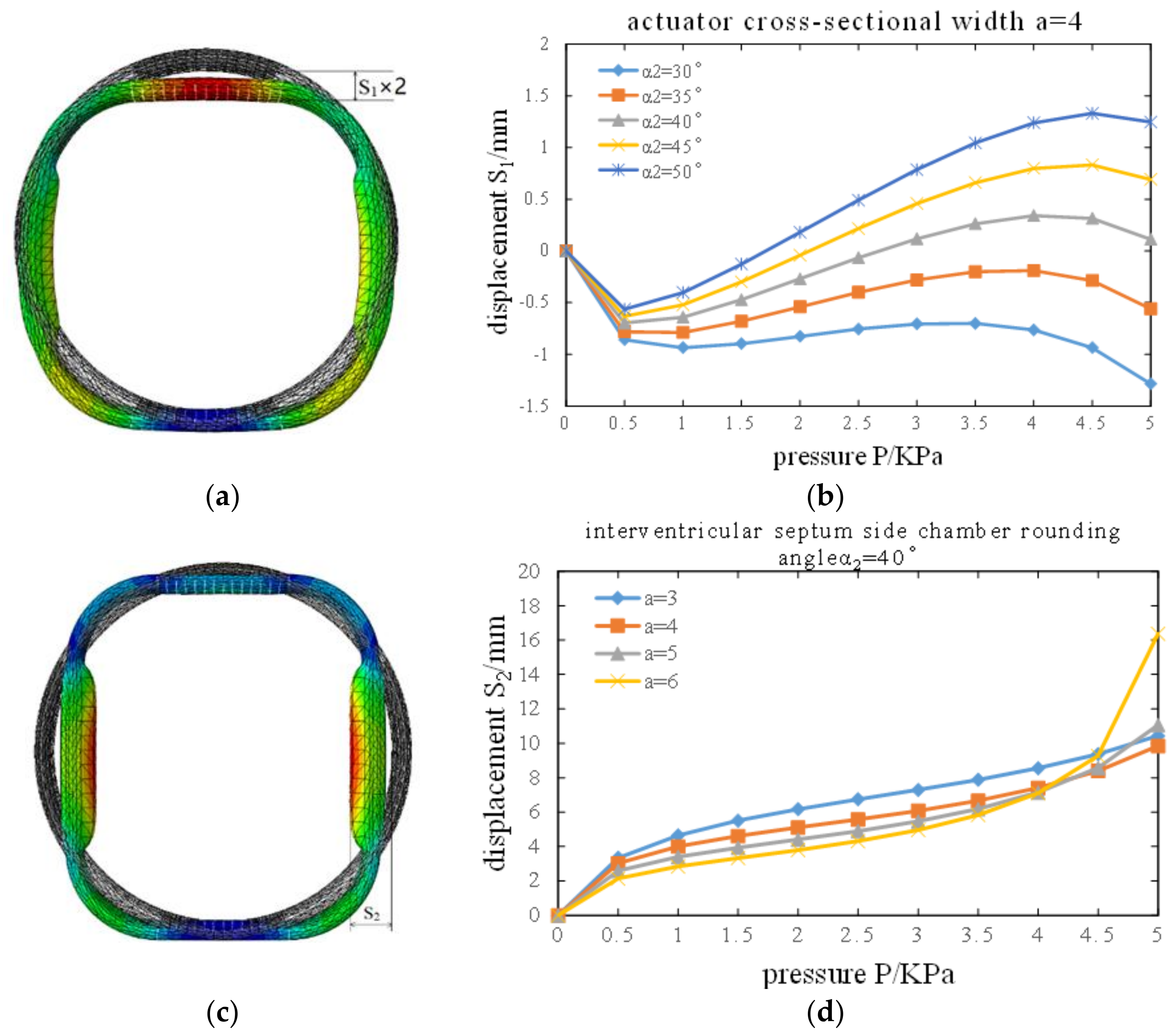
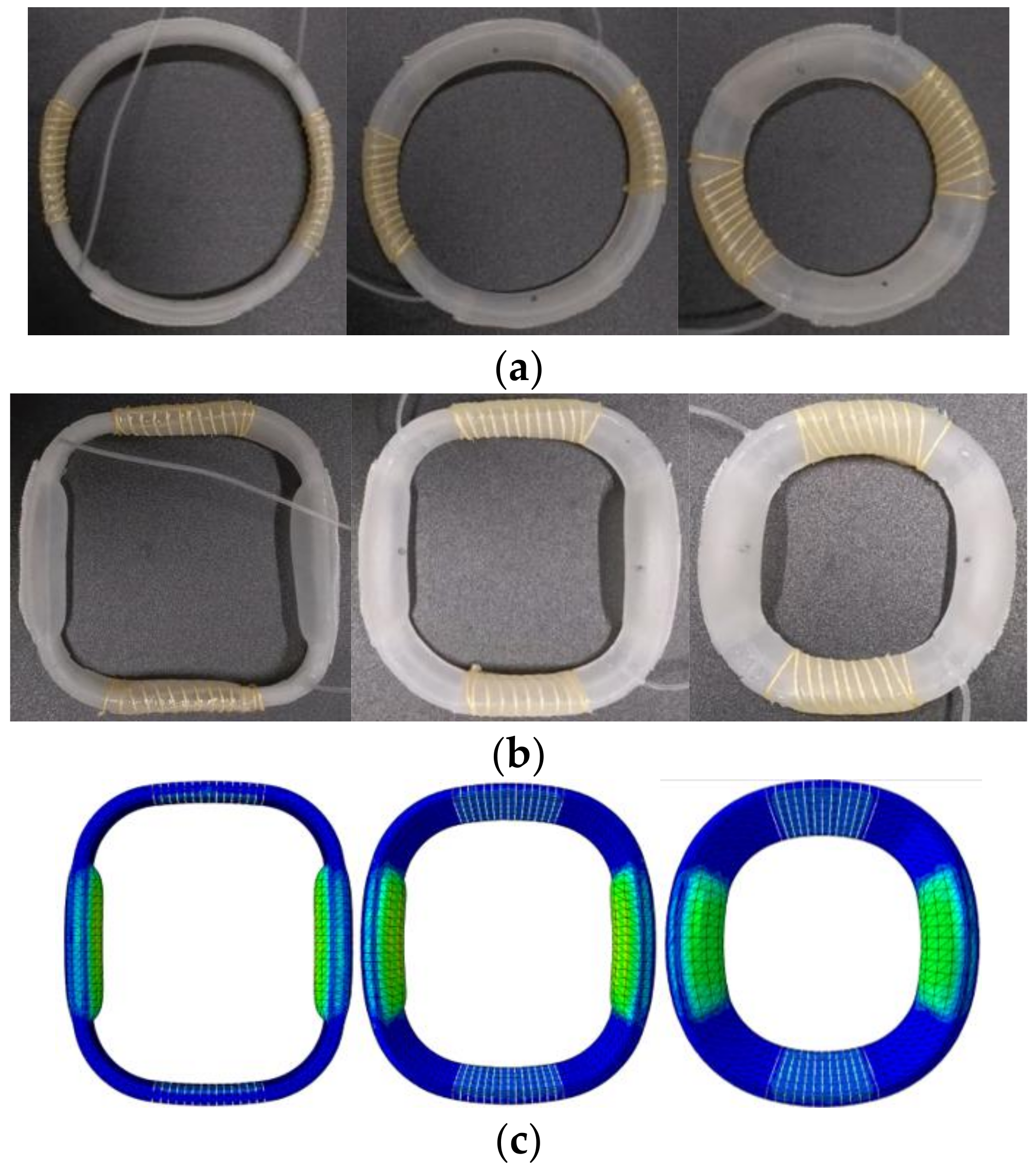
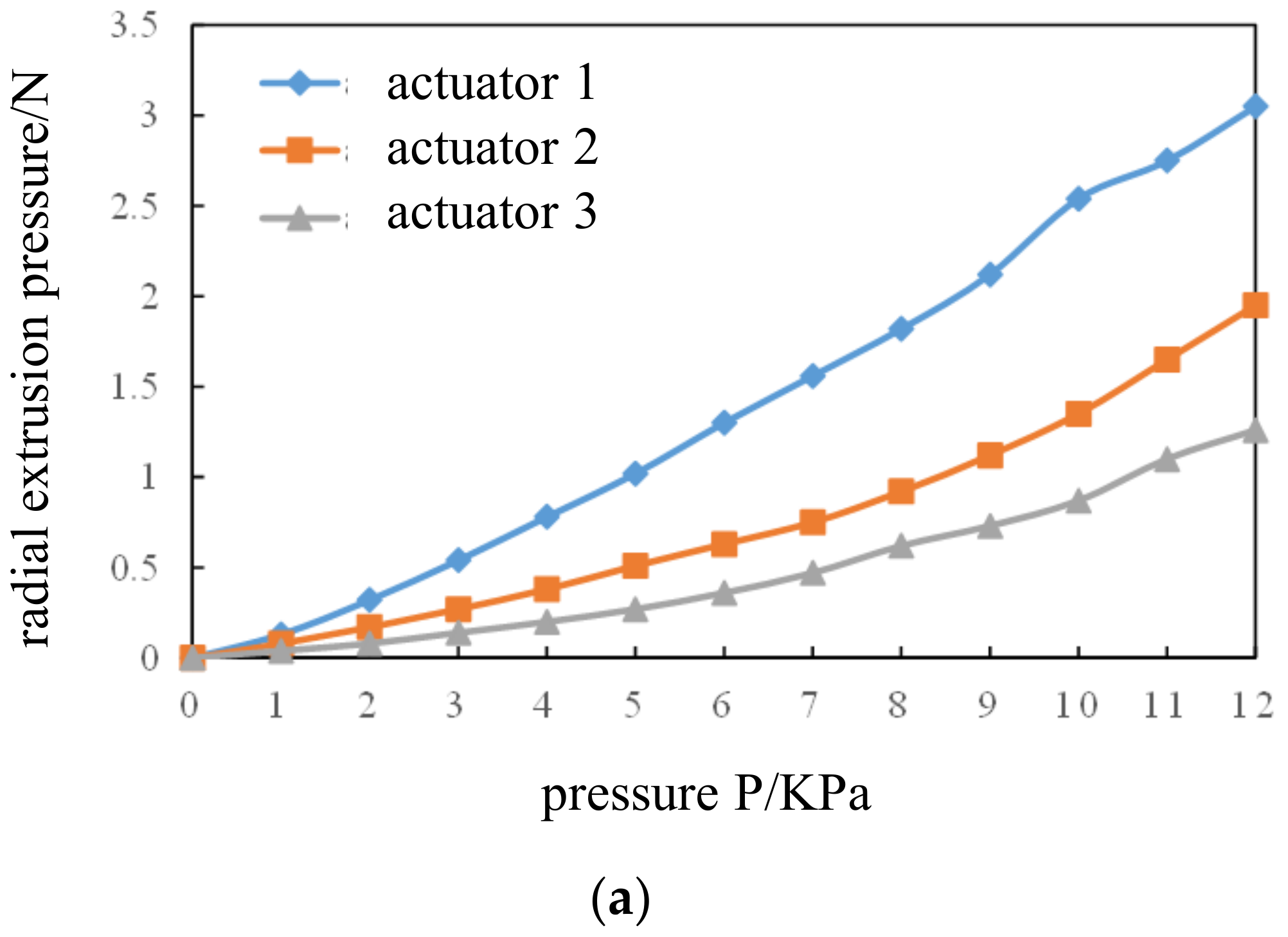
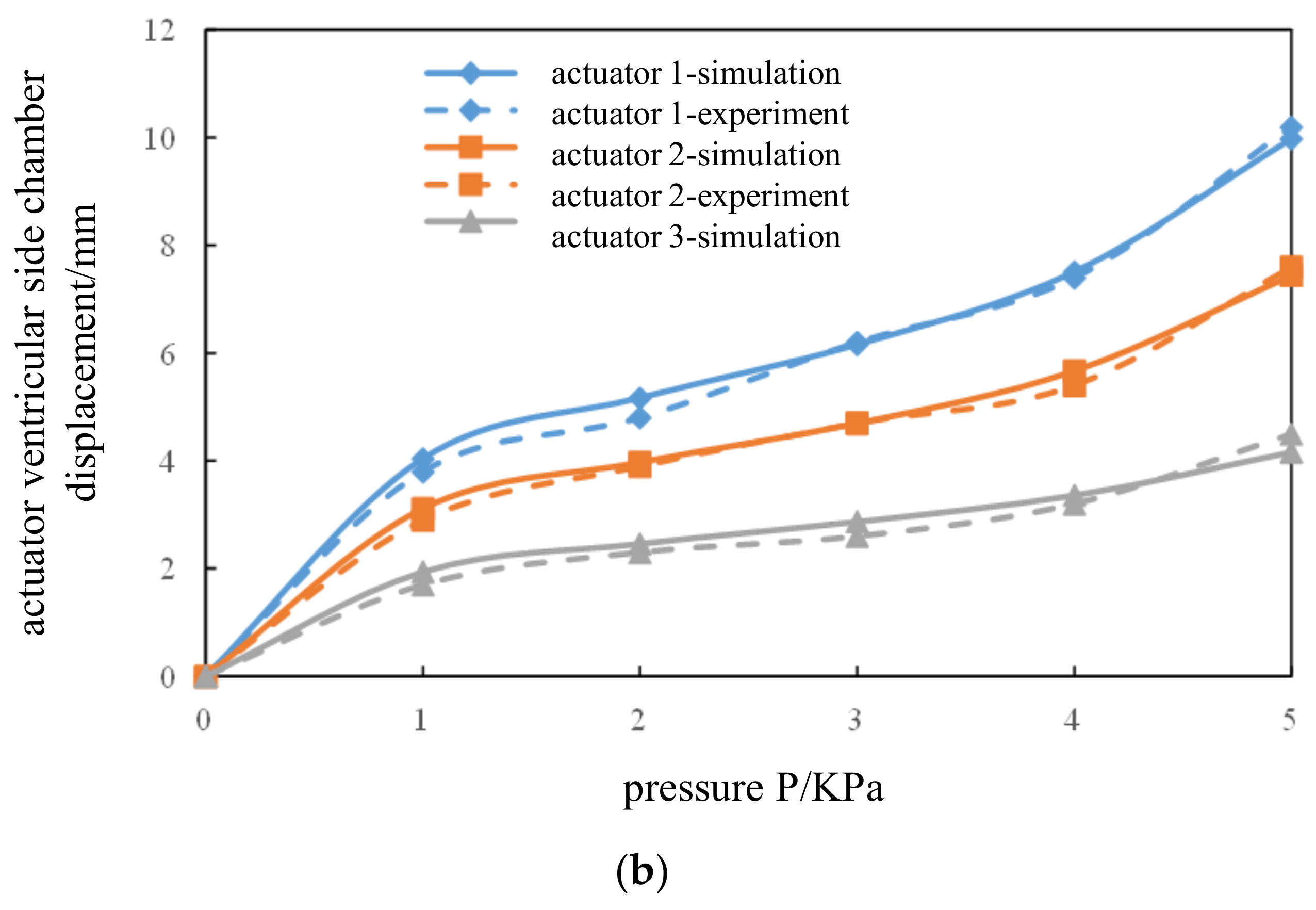
With the development of various new intelligent materials, pneumatic artificial muscles are becoming widely used as actuators in industry, with their advantages of having a simple and compact structure, smooth action, fast response and movement closer to natural biological muscle movement. This paper introduced the concept of a fiber-constrained flexible actuator for direct ventricular assist devices. The structural parameters of the actuator were initially determined based on the morphology of the human heart; the model of the flexible body with fibers and strain limiting layer was then constructed using SOLIDWORKS; then, the model was imported into the ABAQUS finite element analysis software for simulation in order to determine the feasibility of the structural solution; finally, the structural parameters of the actuator were optimized based on the simulation results. In order to investigate whether the actuator could cause damage to myocardial tissue when squeezing the heart, the actuator was tested for the displacement and the output force. The results showed that fiber-constrained direct ventricular assist devices did not damage the myocardium while assisting the heart to pump blood; moreover, their blood output could meet the requirements of both types of heart failure patients. The annular flexible actuator can provide effective compression of the ventricle and twist at an angle during inflation. This twist adapts to the torsional requirements of the heart, and reduces sliding friction between the device and the heart surface, thereby reducing myocardial damage.
Keywords: direct ventricular assist device; fiber-constrained; annular flexible actuator; structural design optimization; mechanical performance test direct ventricular assist device; fiber-constrained; annular flexible actuator; structural design optimization; mechanical performance test