Article

Bio-Based Polyester Fiber Substitutes: From GWP to a More Comprehensive Environmental Analysis
Technology and Society Laboratory, Swiss Federal Laboratories for Materials Science and Technology (Empa), CH-9014 St. Gallen, Switzerland
*
Author to whom correspondence should be addressed.
Appl. Sci. 2021, 11(7), 2993; https://doi.org/10.3390/app11072993
Submission received: 26 February 2021 / Revised: 19 March 2021 / Accepted: 24 March 2021 / Published: 26 March 2021
(This article belongs to the Special Issue Innovative Textiles in the Era of Circular Economy)

Abstract

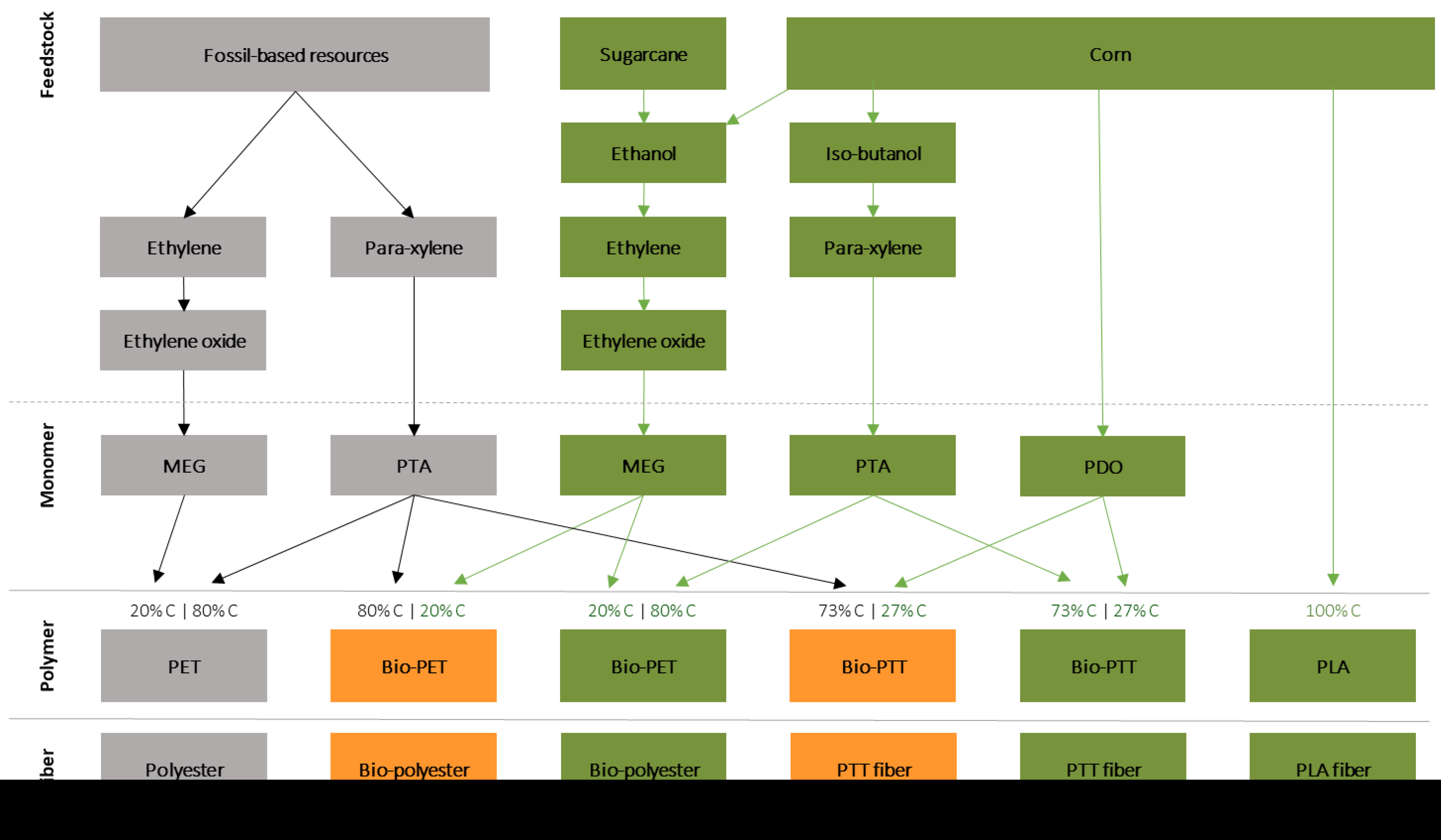
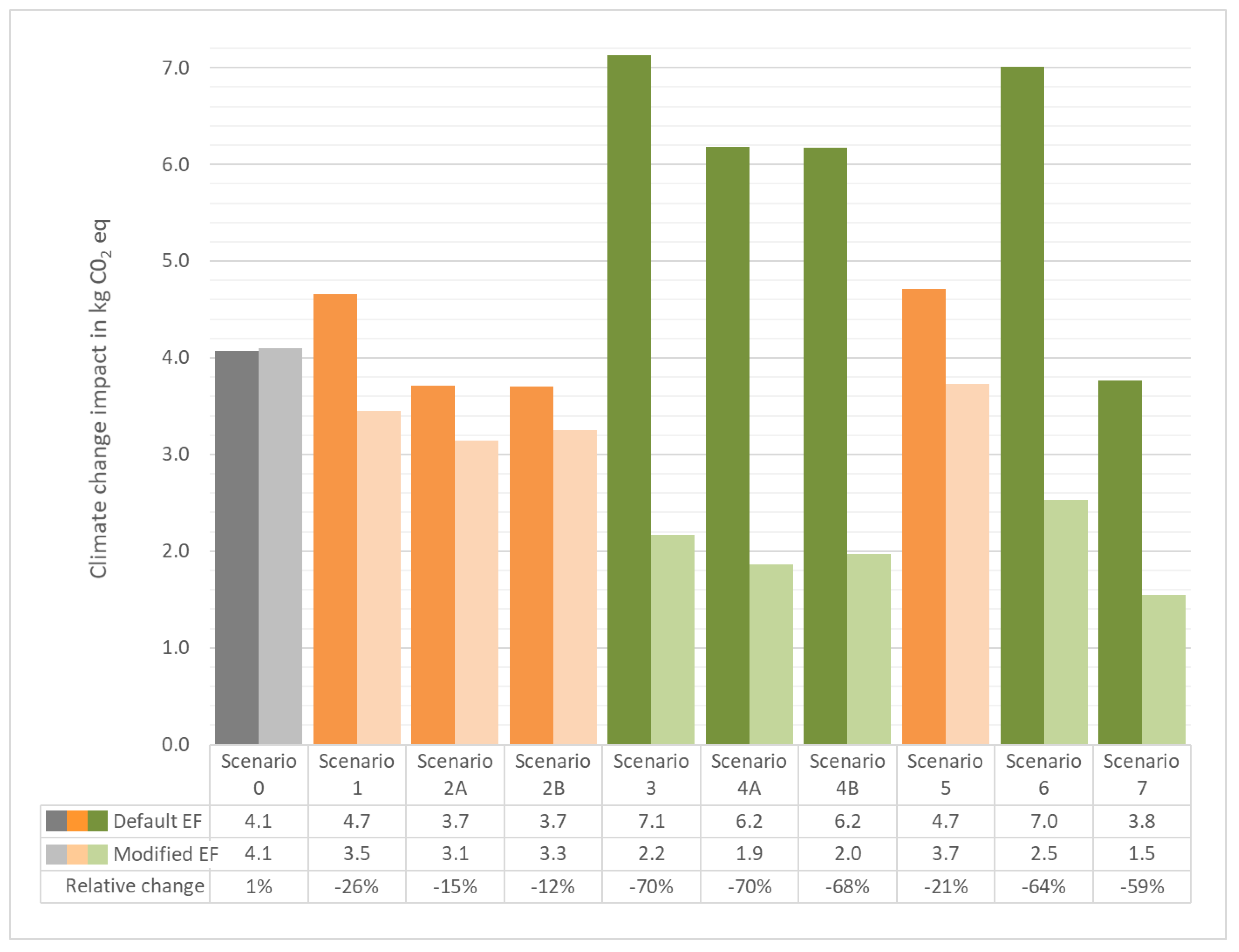
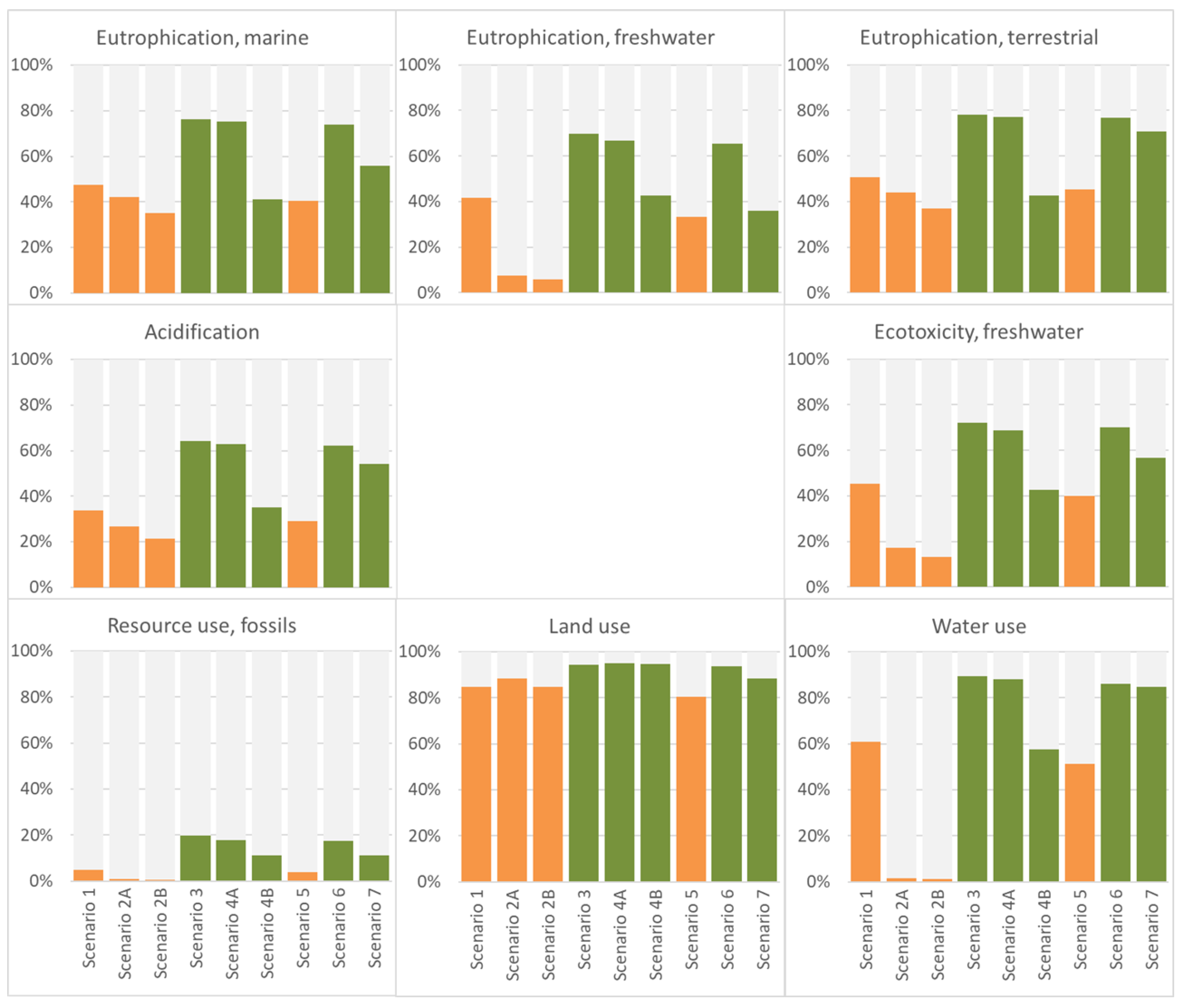
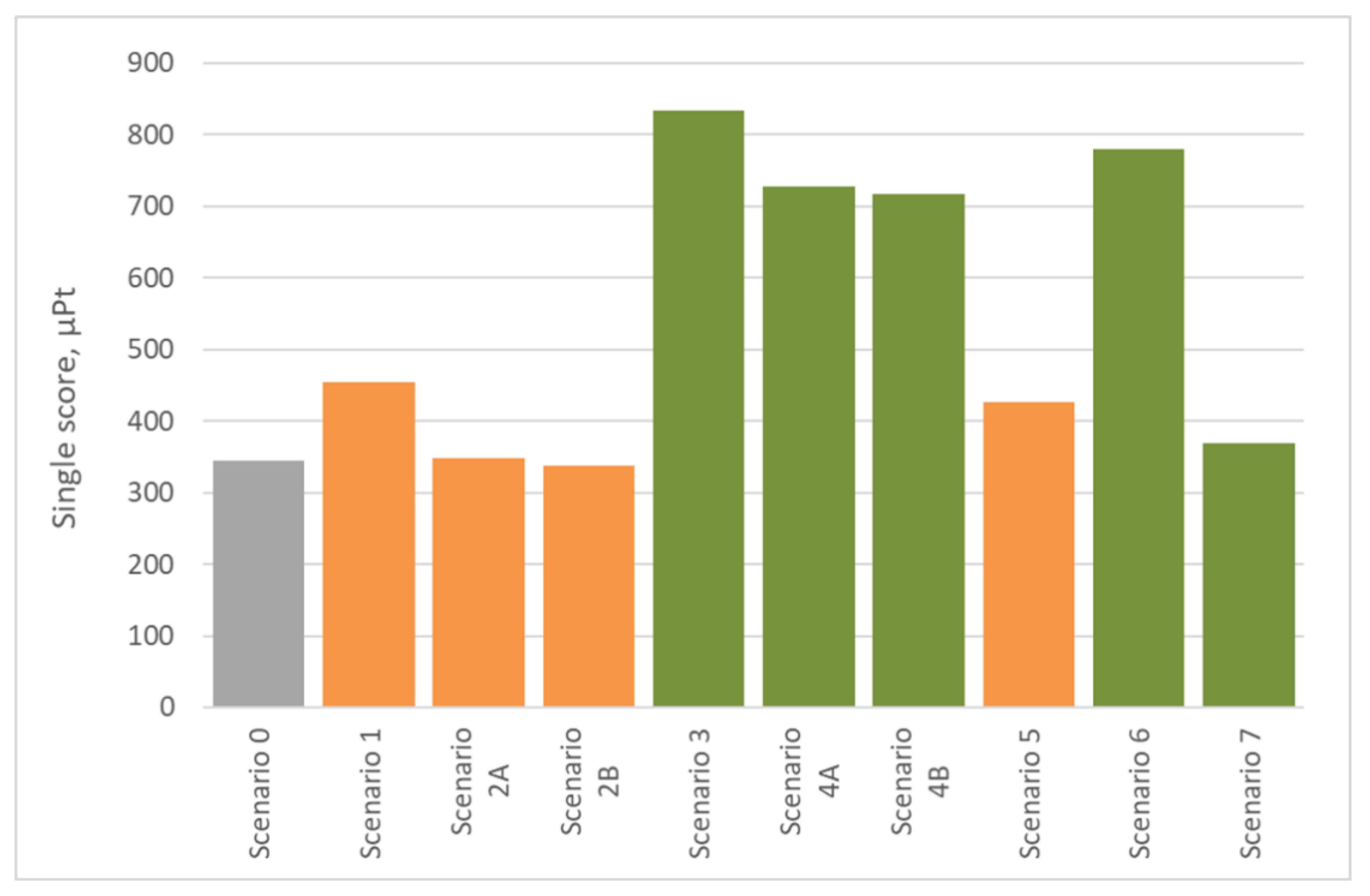
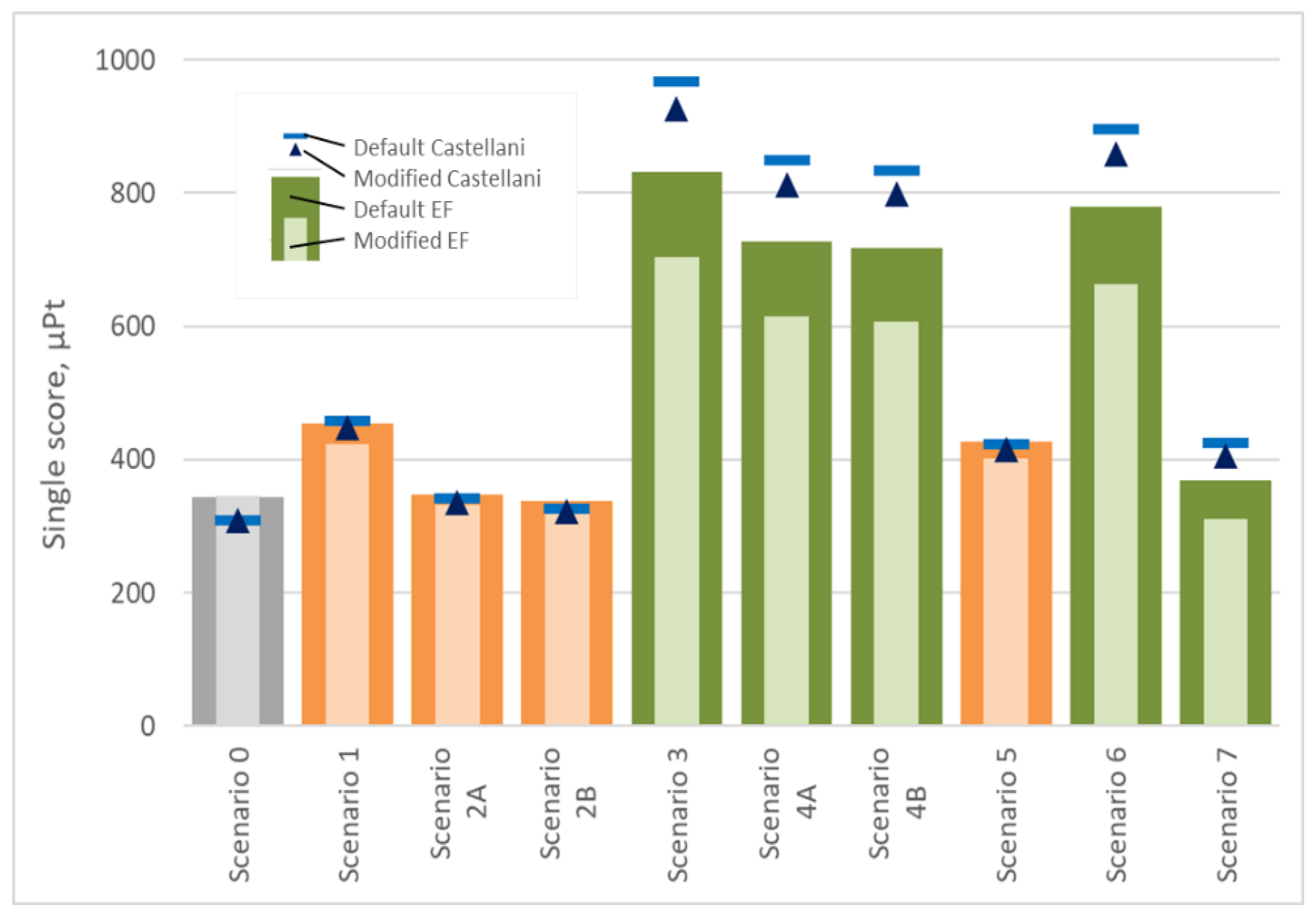
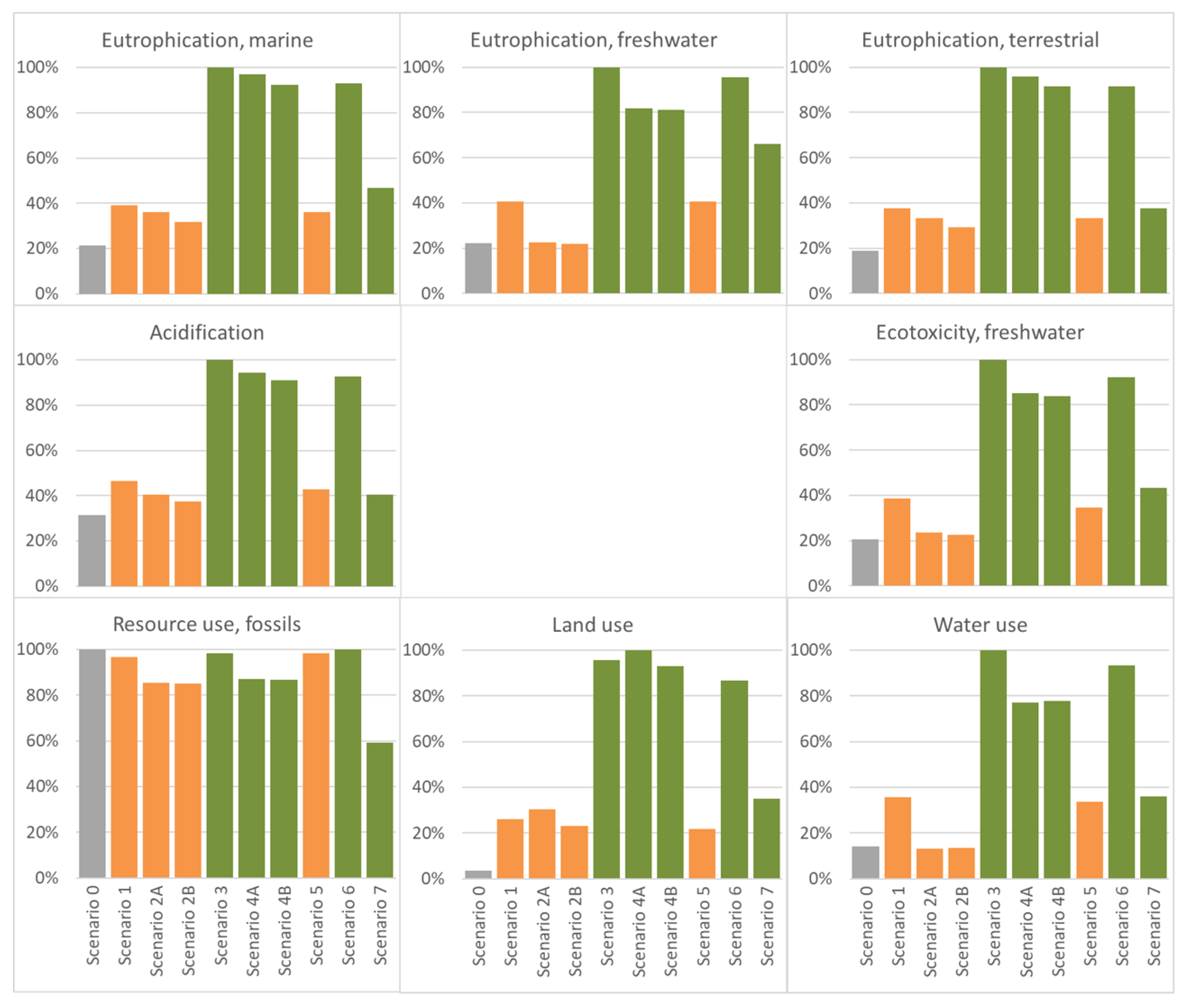
The textile industry has lately started exploring the possibility of bio-sourcing for synthetics, notably polyester fiber, in the effort to break from the proven fossil-fuel dependency and decrease the environmental impacts. Traditionally made out of fossil-based polyethylene terephthalate polymer, polyester can be functionally substituted with three bio-based alternatives: bio-polyester, polytrimethylene terephthalate, and polylactic acid fibers. At present, however, there is a lack of studies on the environmental effects of such substitution. We, therefore, performed a comparative, cradle-to-gate life cycle assessment of conventional polyester and those substitutes featuring varying levels of bio-content. The impact assessment was performed with the most recent version of the Environmental Footprint method including some adaptations—using carbon crediting and a different, distance-to-target weighting approach. Bio-sourced fibers are found to cause higher environmental burdens than polyester. Acidification, eutrophication, ecotoxicity, water, and land use increase with the bio-content and are predominantly linked to the first generation feedstock (agriculture and transport). The results on climate change vary with the impact method adaptations, yet do not manage to offset the aforementioned deteriorations. In single scores, only three out of nine substitutes are found to perform comparably, while the rest perform significantly worse than the incumbent fiber.
Keywords: polyester; bio-polyester; polytrimethylene terephthalate; polylactic acid; bio-based; bio-sourcing; life cycle assessment; circular economy polyester; bio-polyester; polytrimethylene terephthalate; polylactic acid; bio-based; bio-sourcing; life cycle assessment; circular economy