Article

Does the Intraluminal Thrombus Provoke the Rupture of the Abdominal Aortic Aneurysm Wall?
by
Mohammed Almijalli
Biomedical Technology Department, College of Applied Medical Sciences, King Saud University, Riyadh 11433, Saudi Arabia
Appl. Sci. 2021, 11(21), 9941; https://doi.org/10.3390/app11219941
Submission received: 15 September 2021 / Revised: 11 October 2021 / Accepted: 19 October 2021 / Published: 25 October 2021
(This article belongs to the Section Biomedical Engineering)

Abstract

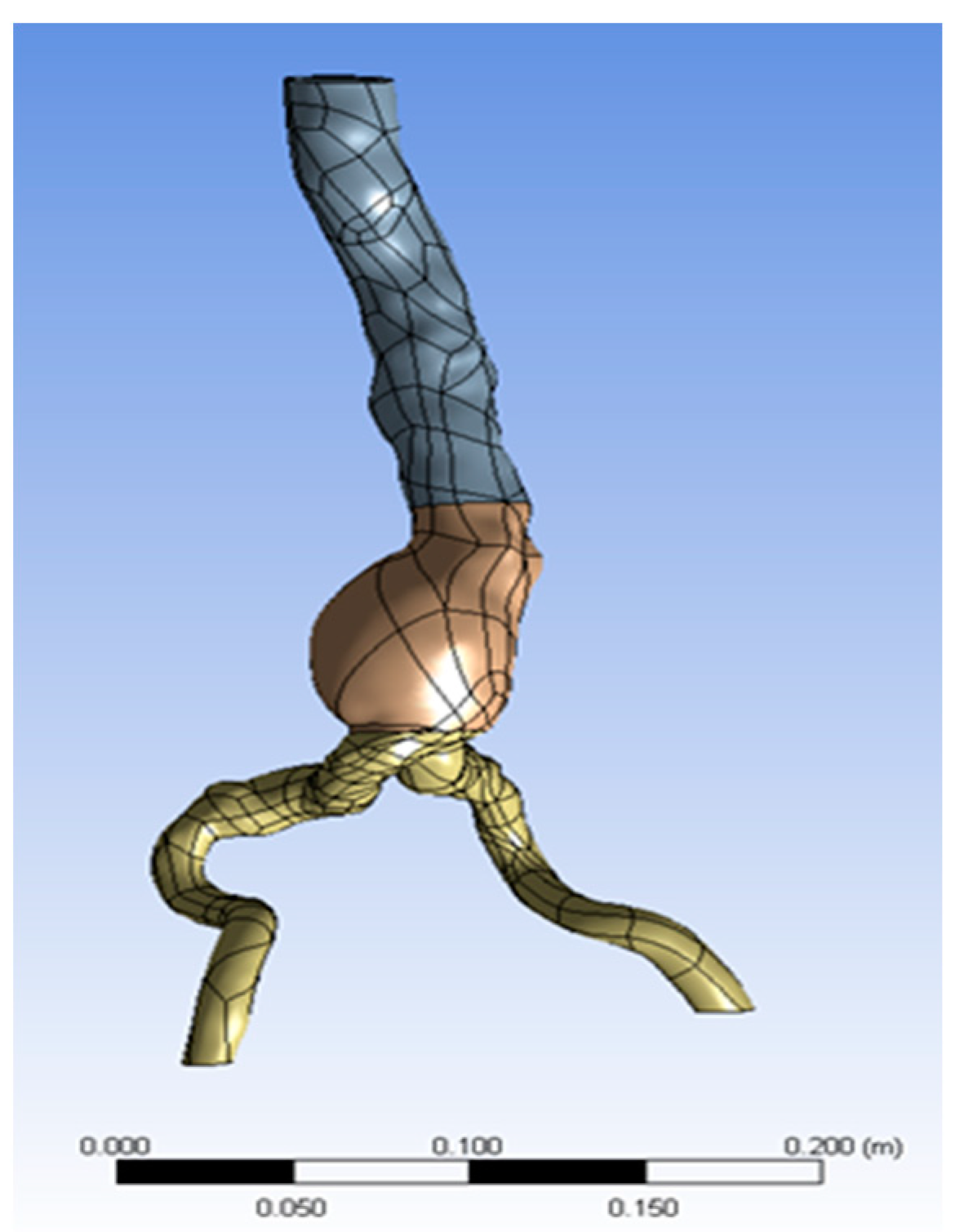
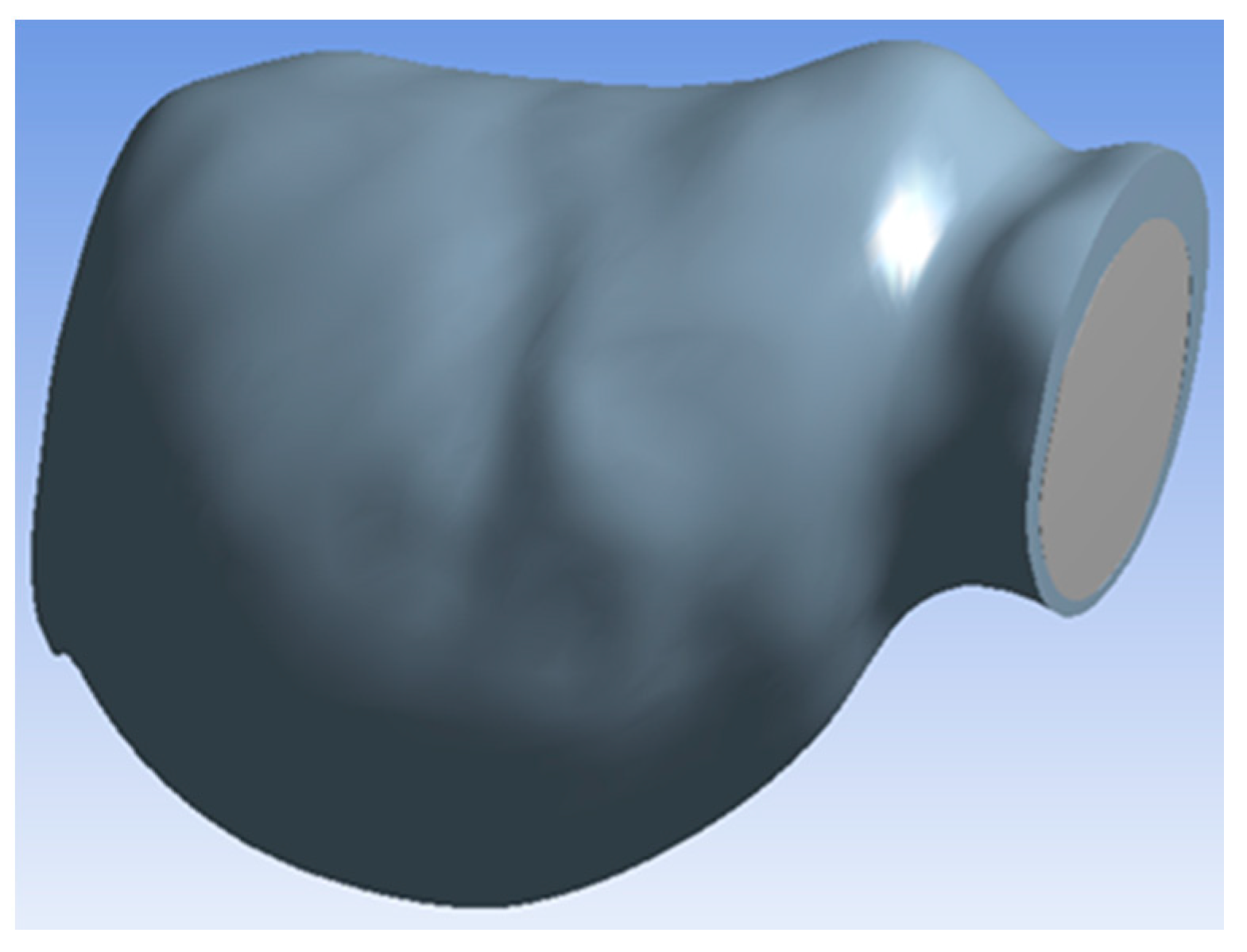
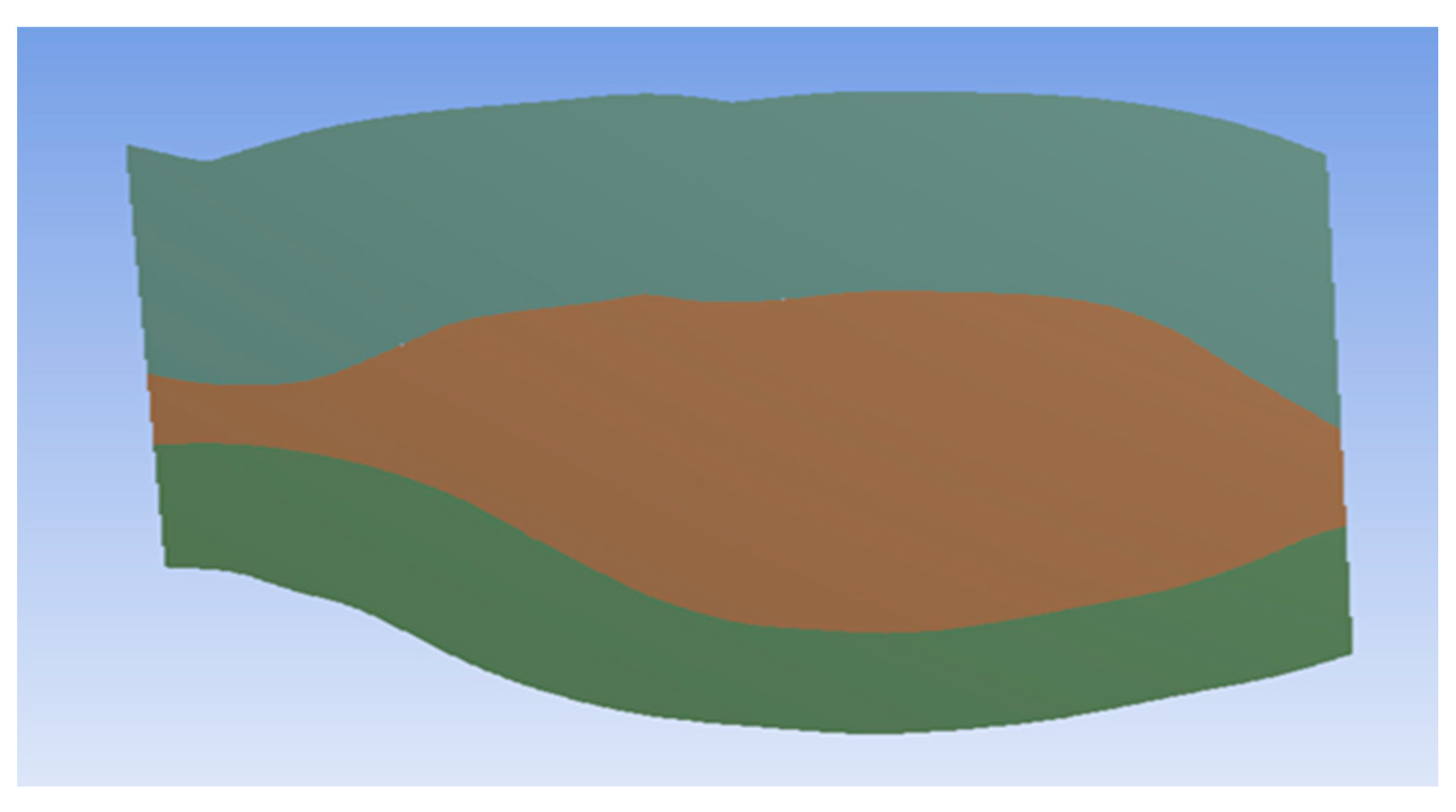
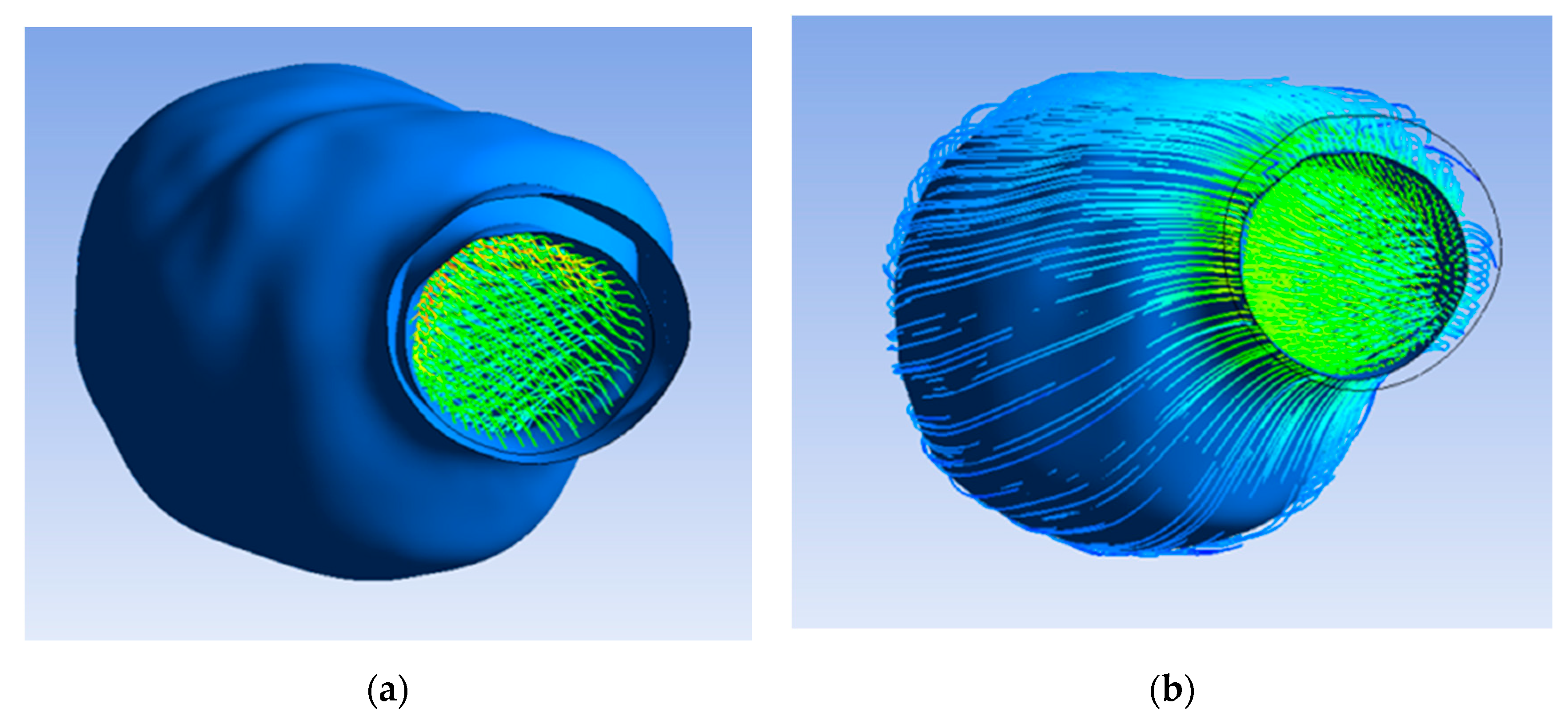
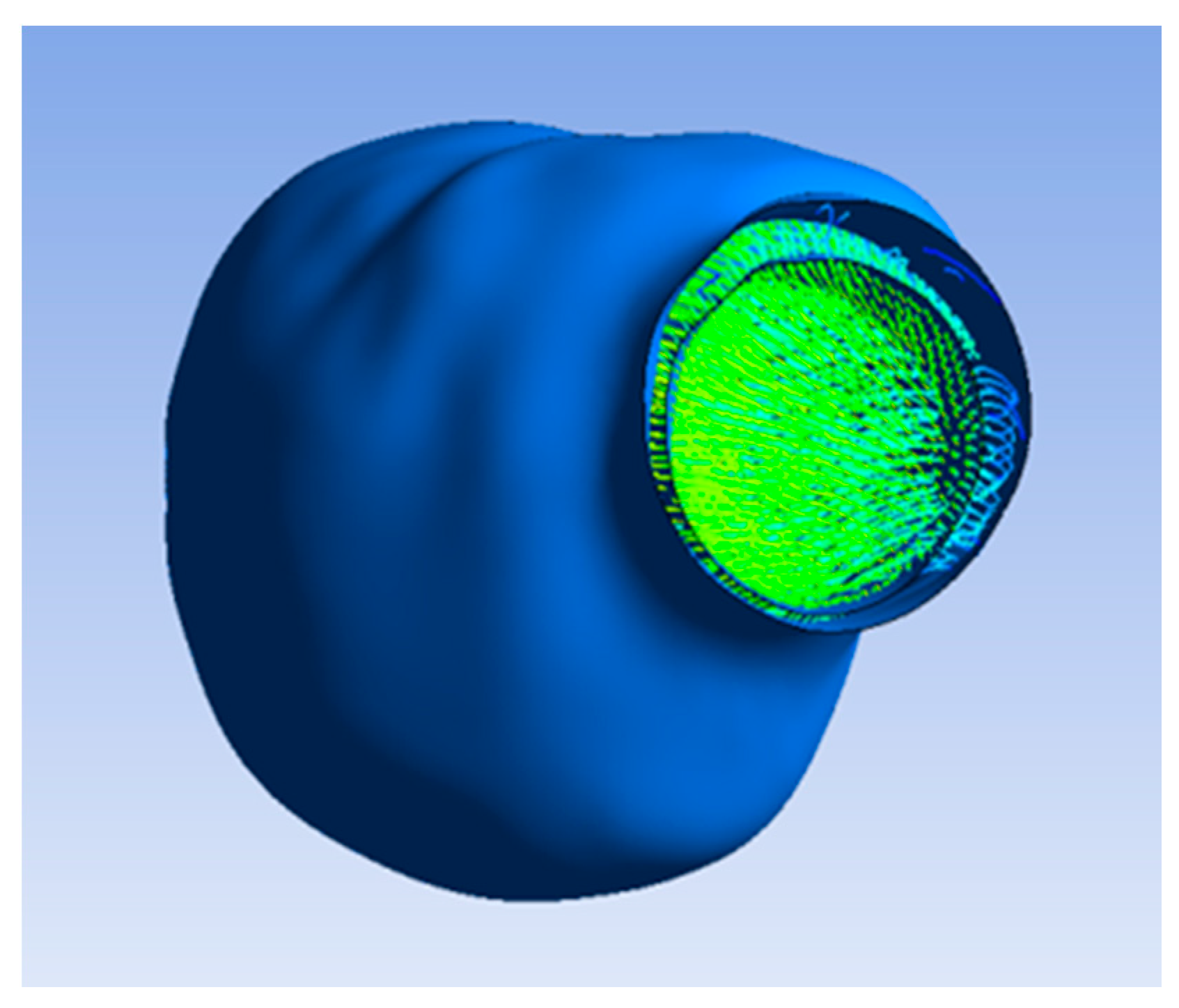
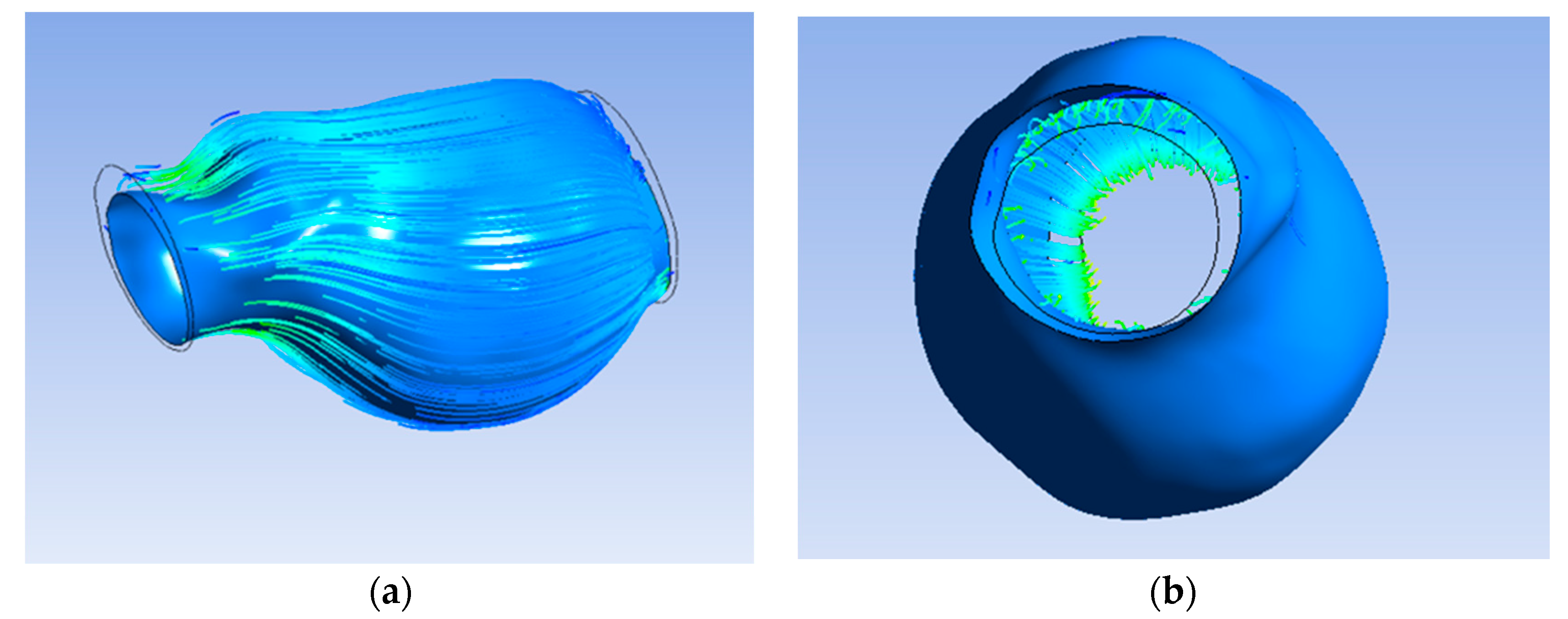
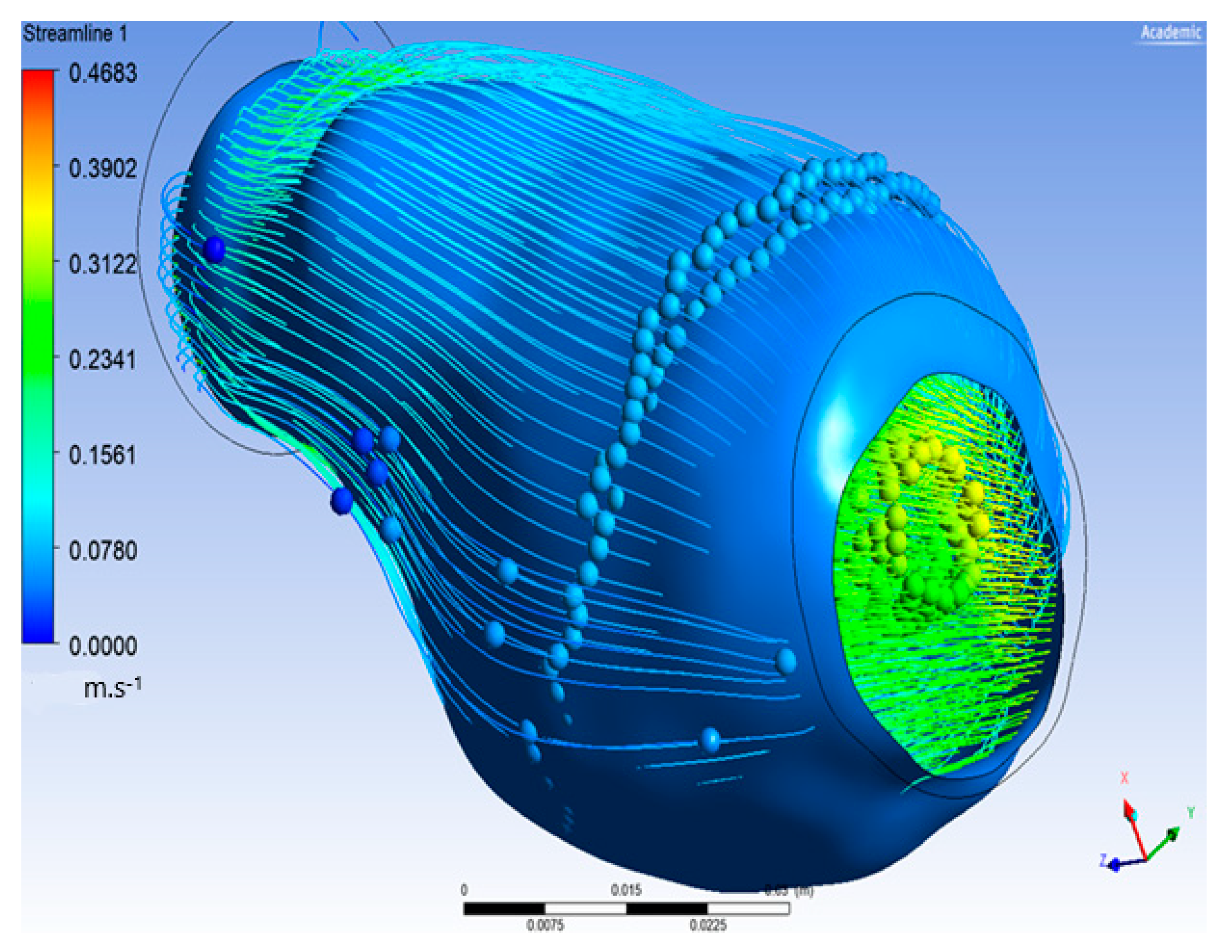
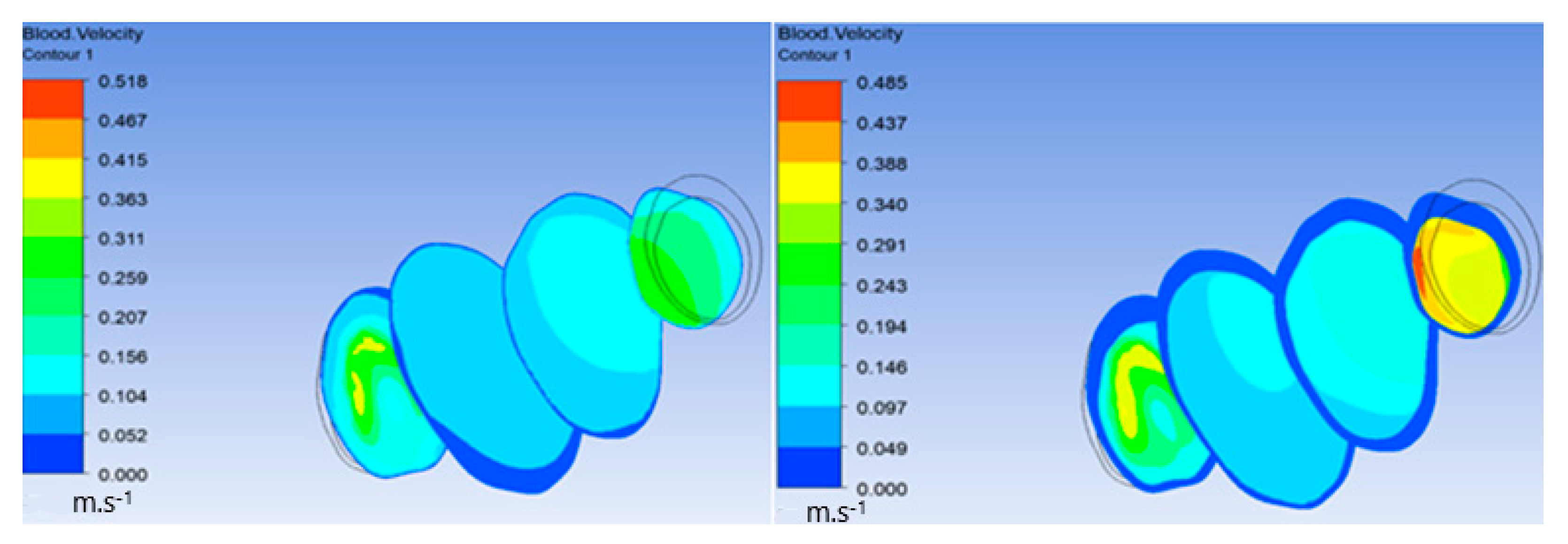
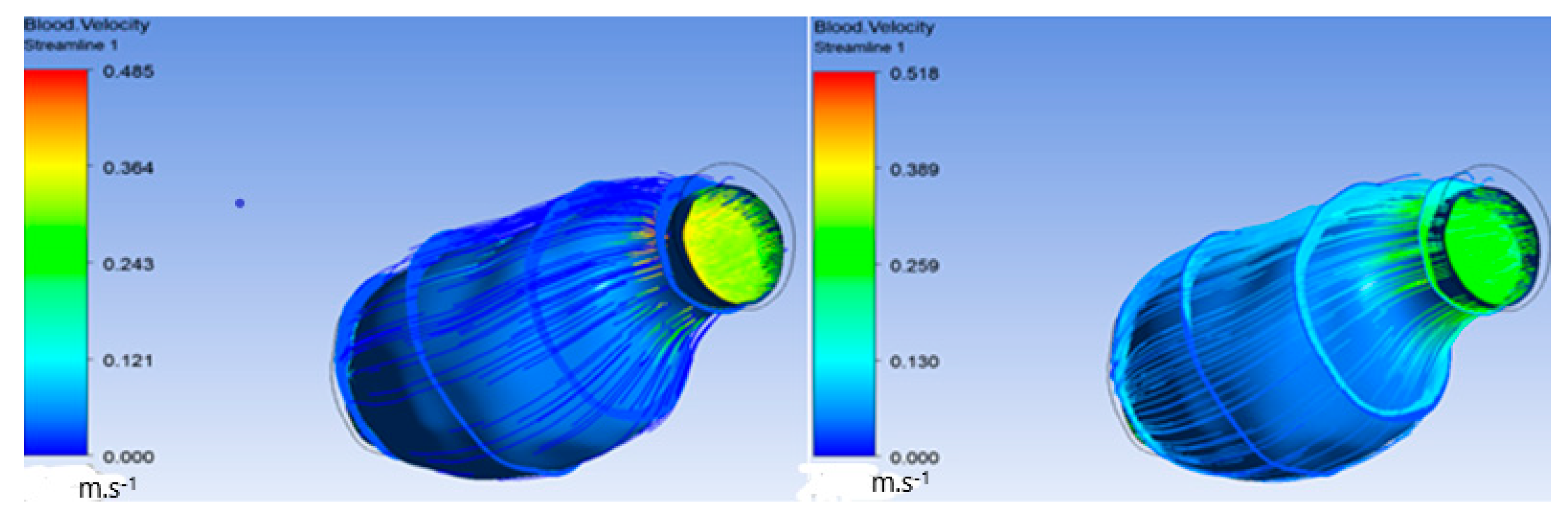
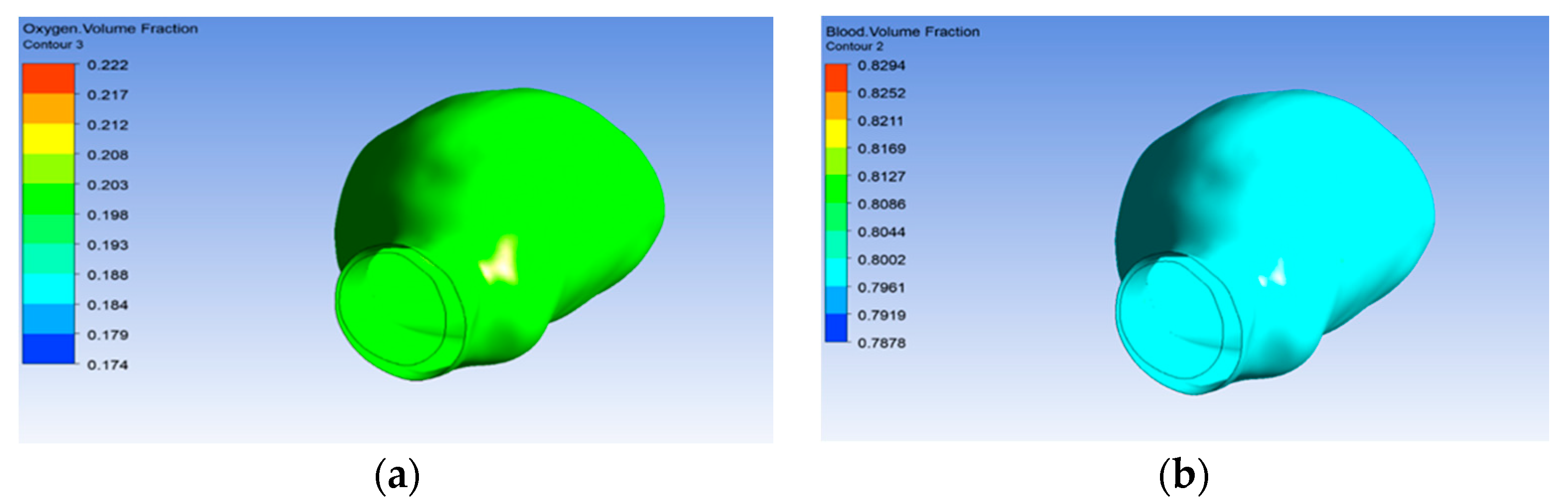
The role of intraluminal thrombus (ILT) in the rupture of abdominal aortic aneurysms (AAA) is controversial, and it is unclear whether it increases or decreases the risk of rupture. This research aims to find a clear answer to this question. Previous computer modelling suggests that an ILT lowers oxygen dissemination to the AAA wall, contributing to wall thinning. The methodology used in this study determines the amount of oxygen reaching the aneurysm wall after passing through the ILT by using the porous nature of the ILT to recreate the condition as closely as feasible. Using computed tomographic images, patient-specific three-dimensional (3D) AAA geometries were recreated. Modelling blood and oxygen flow in AAA was obtained using a computational fluid dynamics (CFD) approach. Our findings indicated that the oxygen volume percentage had completely reached the aneurysm wall. Only at the inlet and outflow did the greatest wall shear stress (WSS) occur, with a significant drop in the central region of the aneurysm wall. CFD was used to calculate the velocity, pressure, and WSS of aortic blood flow. ILT had no effect on oxygen flow to the aneurysm wall, disproving the theory that it produces local hypoxia.
Keywords: human aorta; abdominal aortic aneurysm; intraluminal thrombus; computational fluid dynamics; 3D reconstruction human aorta; abdominal aortic aneurysm; intraluminal thrombus; computational fluid dynamics; 3D reconstruction