Article

Experimental Study on the Behavior of Polyurethane Springs for Compression Members
1
Department of Civil and Environmental Engineering, Incheon National University, Incheon 22012, Korea
2
Incheon Disaster Prevention Research Center, Incheon National University, Incheon 22012, Korea
*
Author to whom correspondence should be addressed.
Appl. Sci. 2021, 11(21), 10223; https://doi.org/10.3390/app112110223
Submission received: 3 October 2021 / Revised: 26 October 2021 / Accepted: 28 October 2021 / Published: 1 November 2021
(This article belongs to the Special Issue Advances on Structural Engineering, Volume III)

Abstract

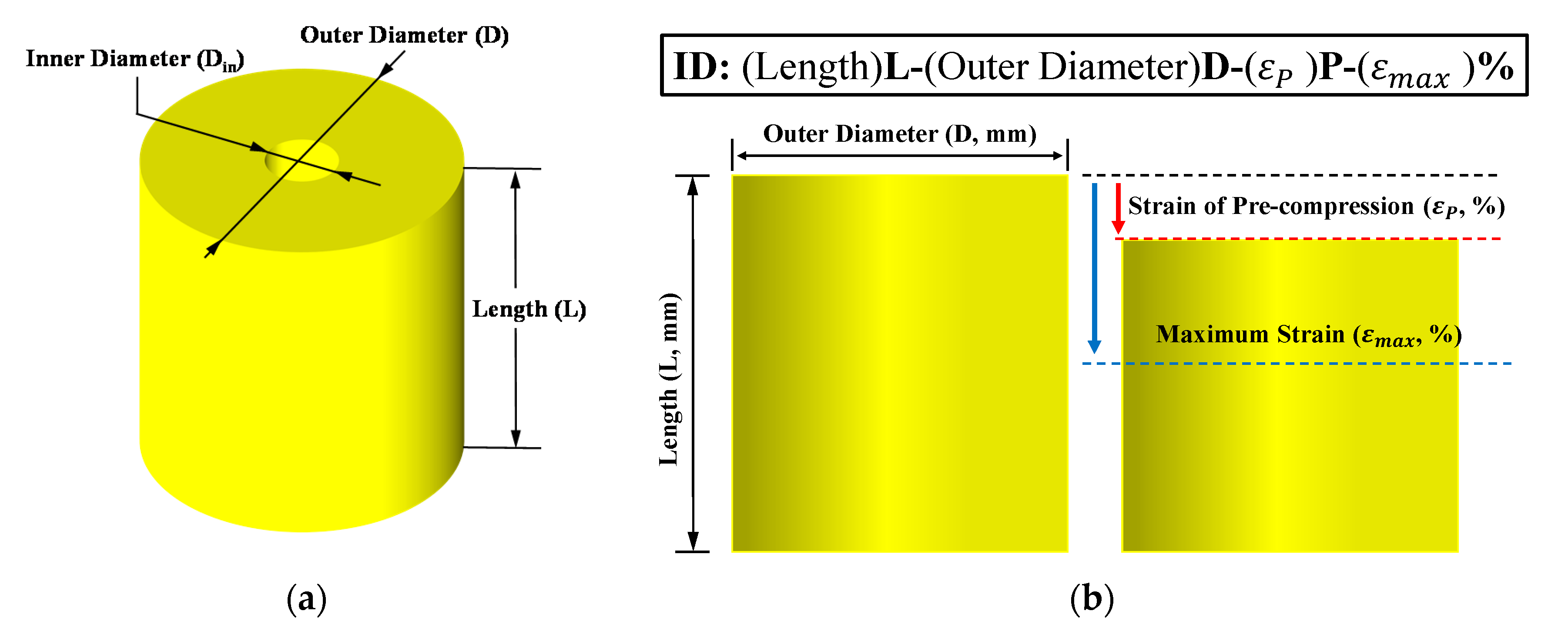
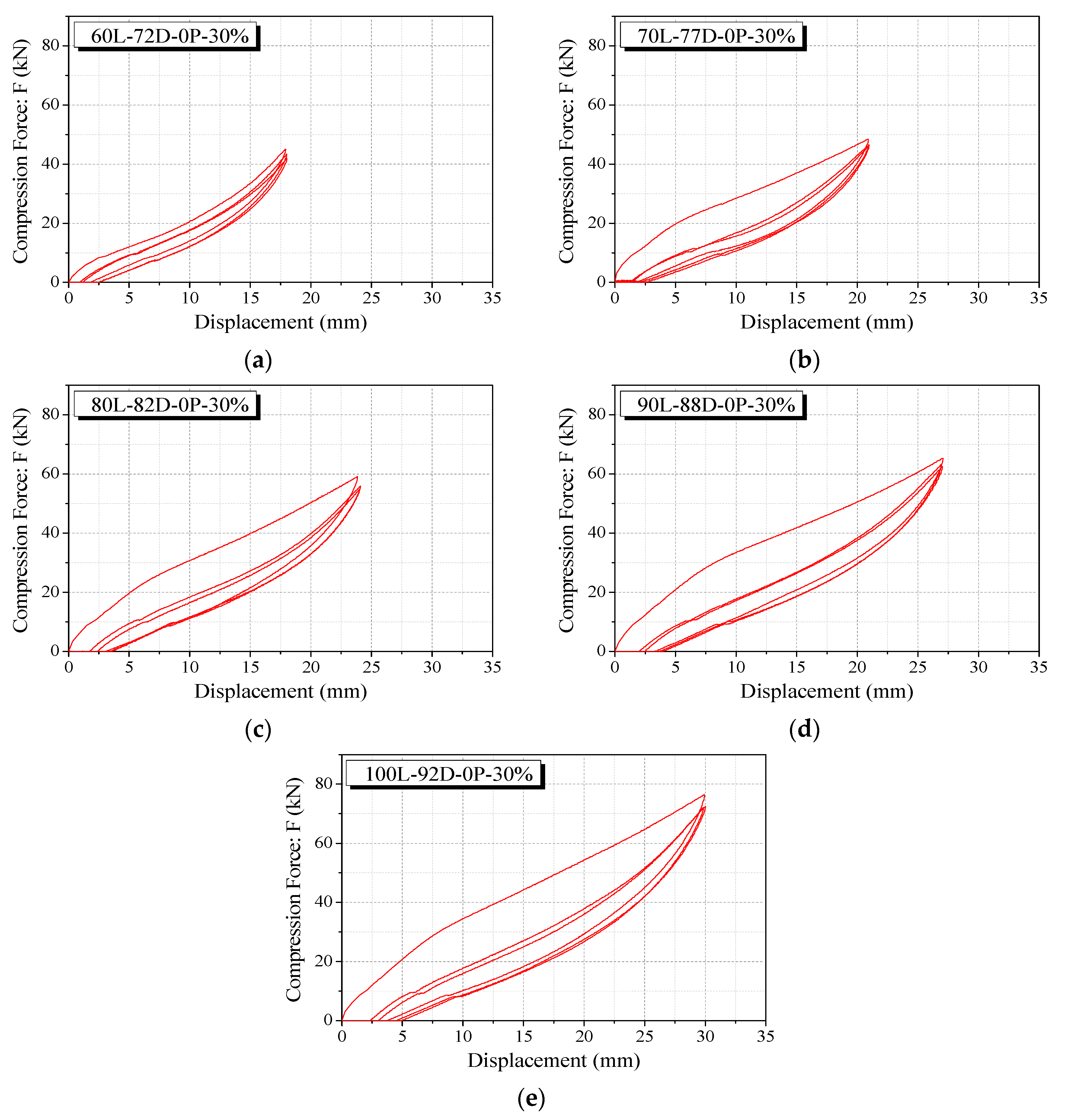
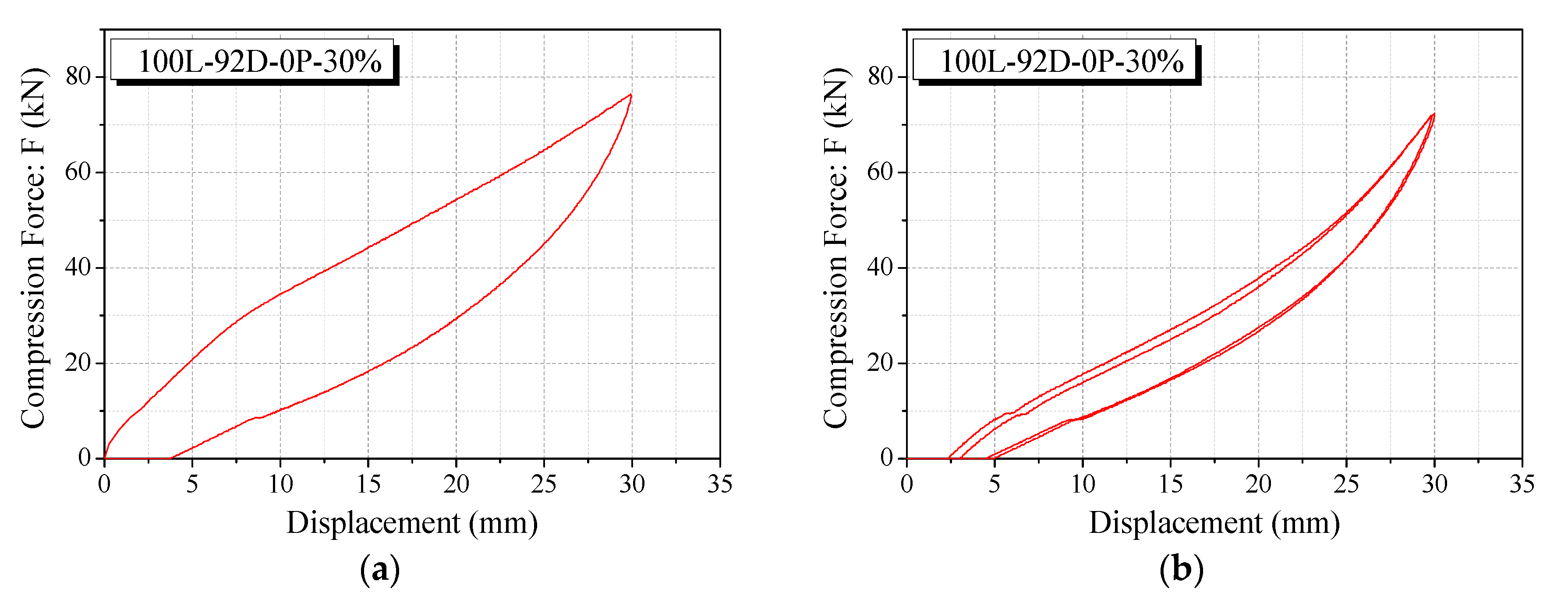
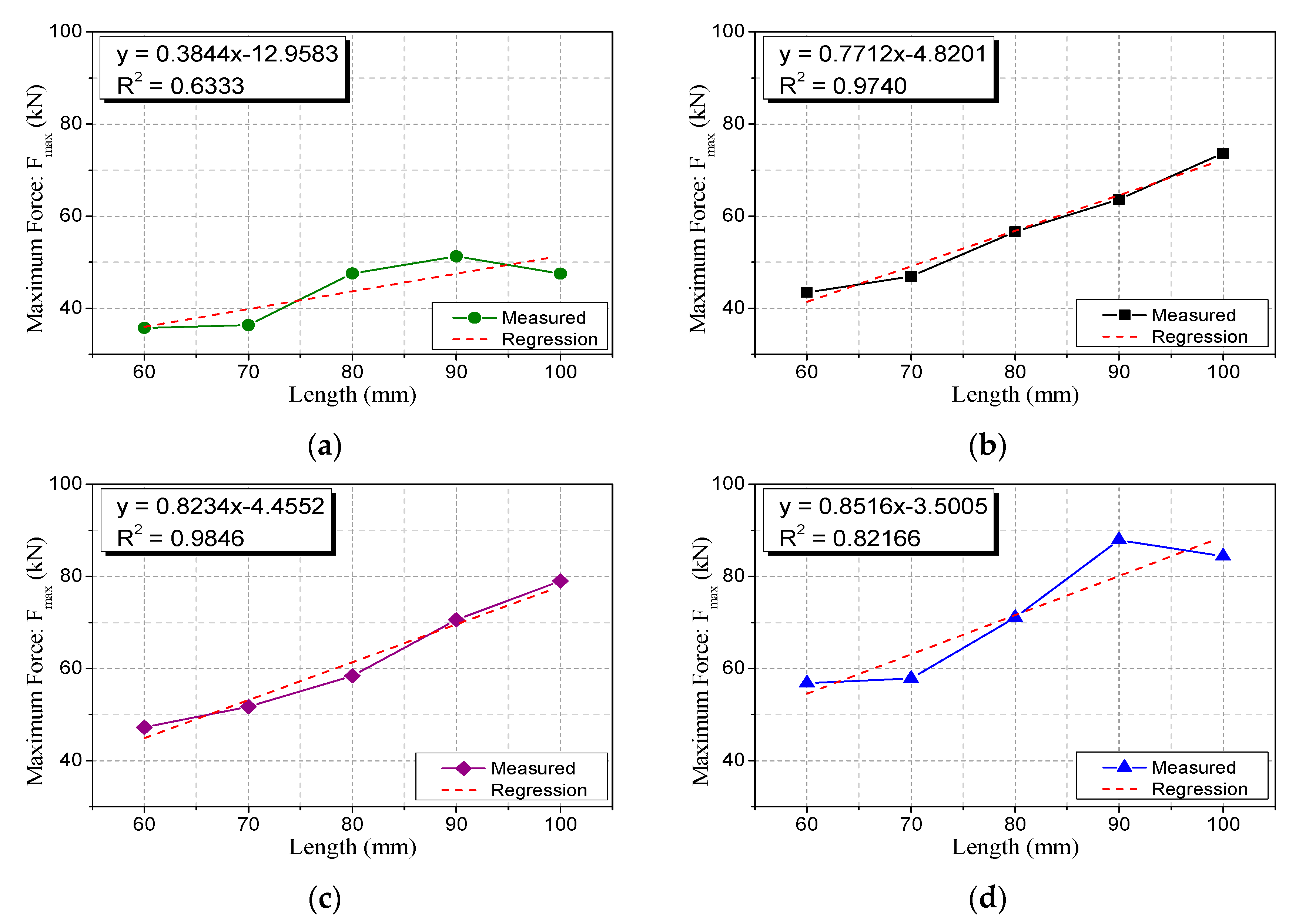
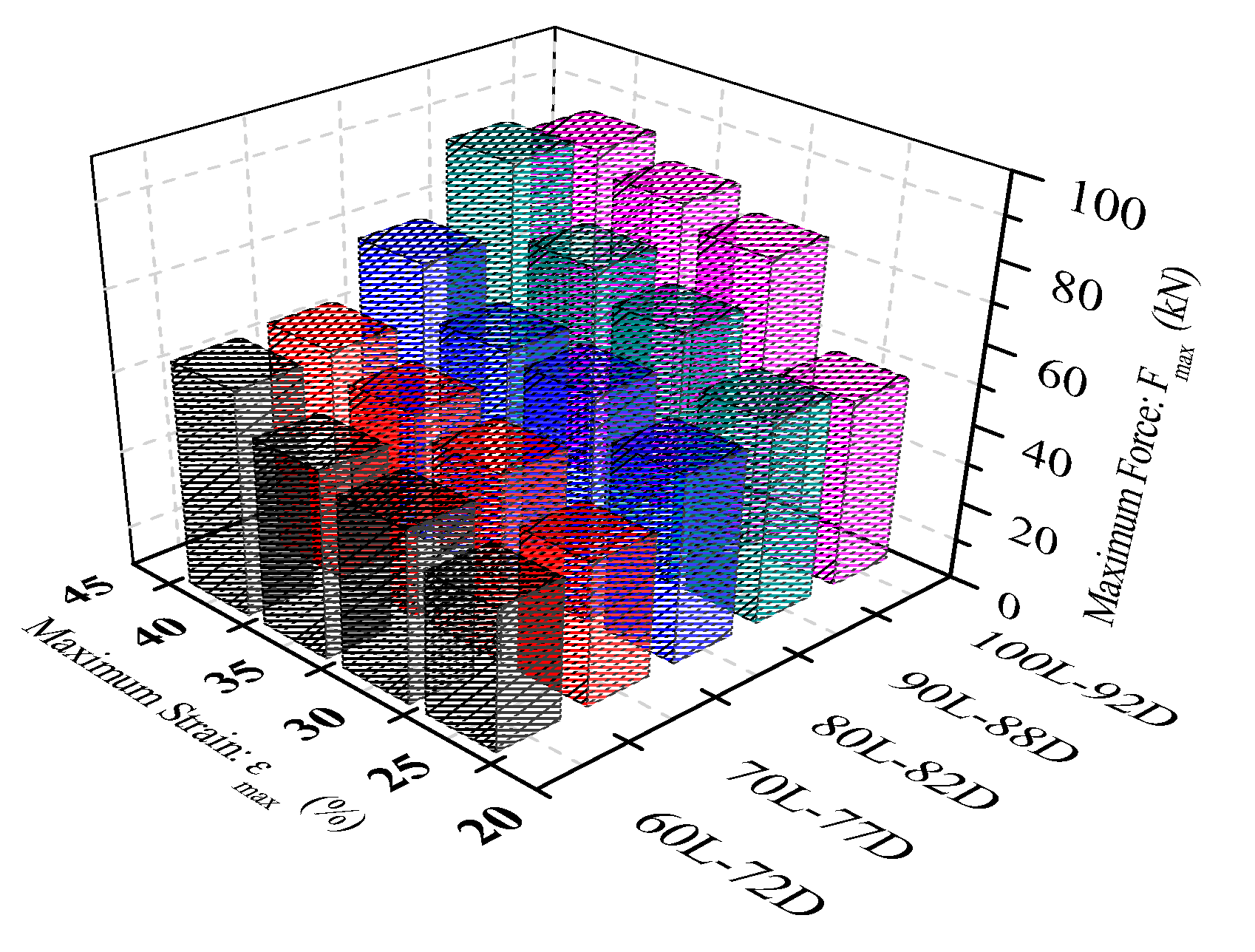
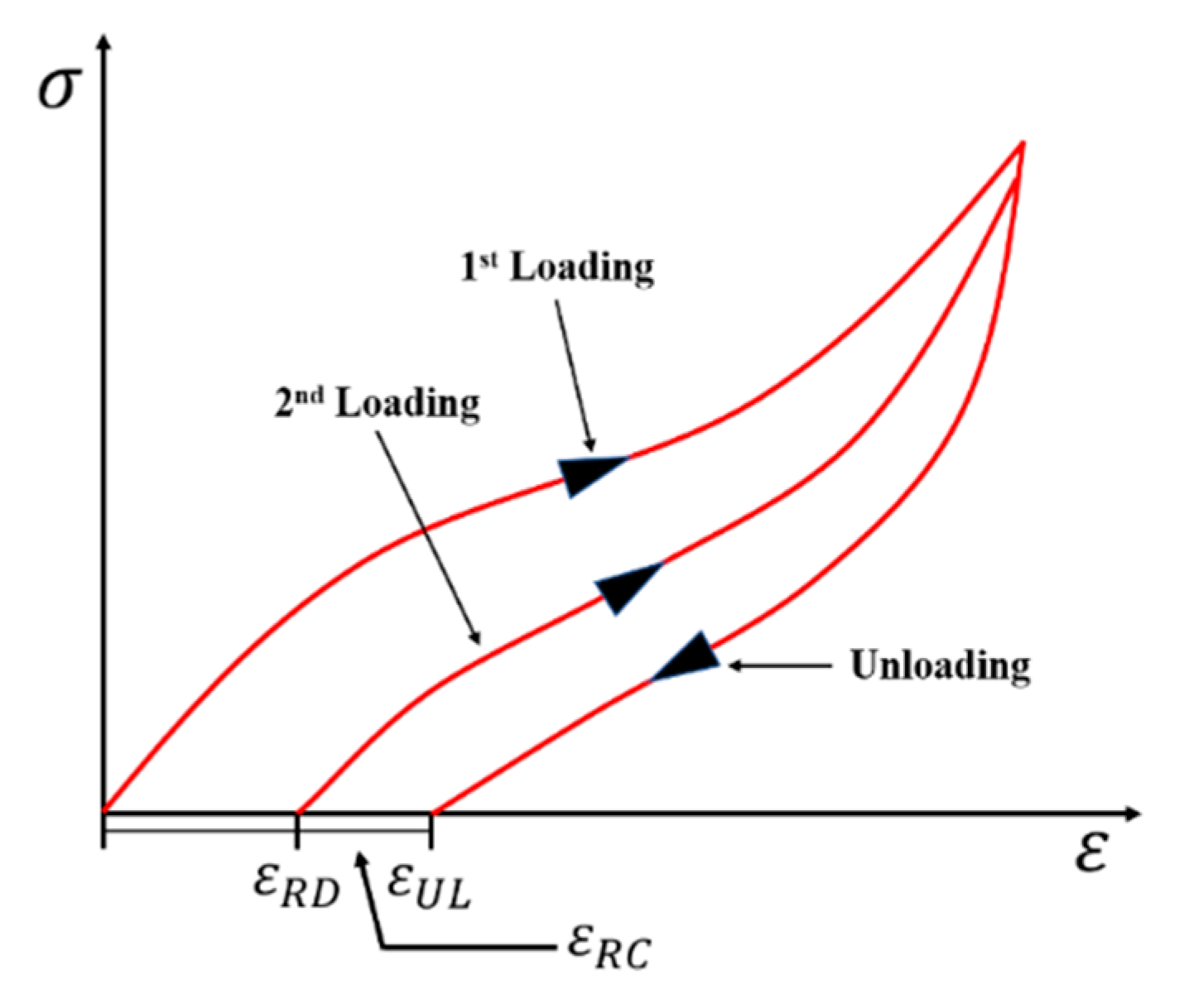
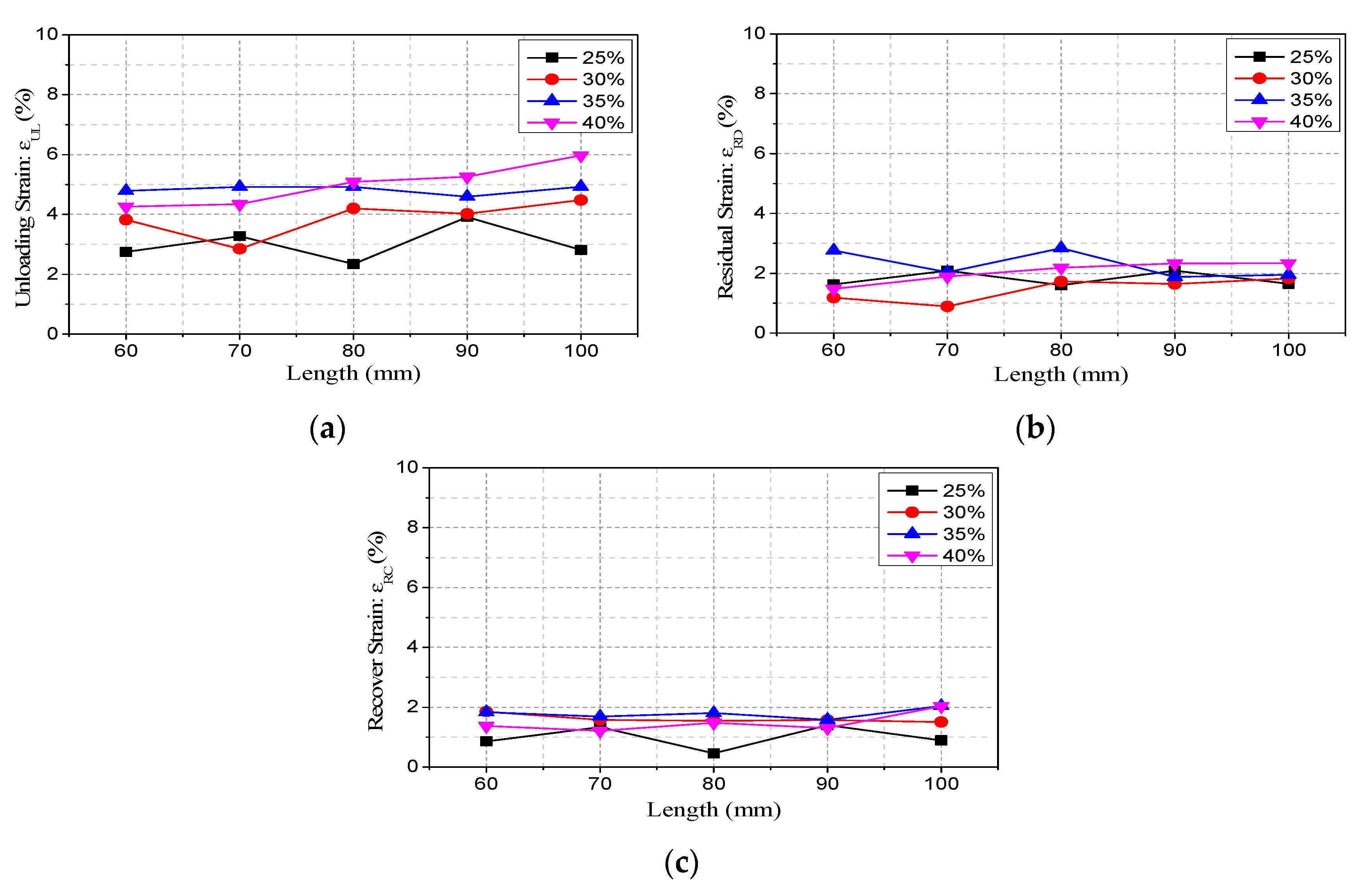
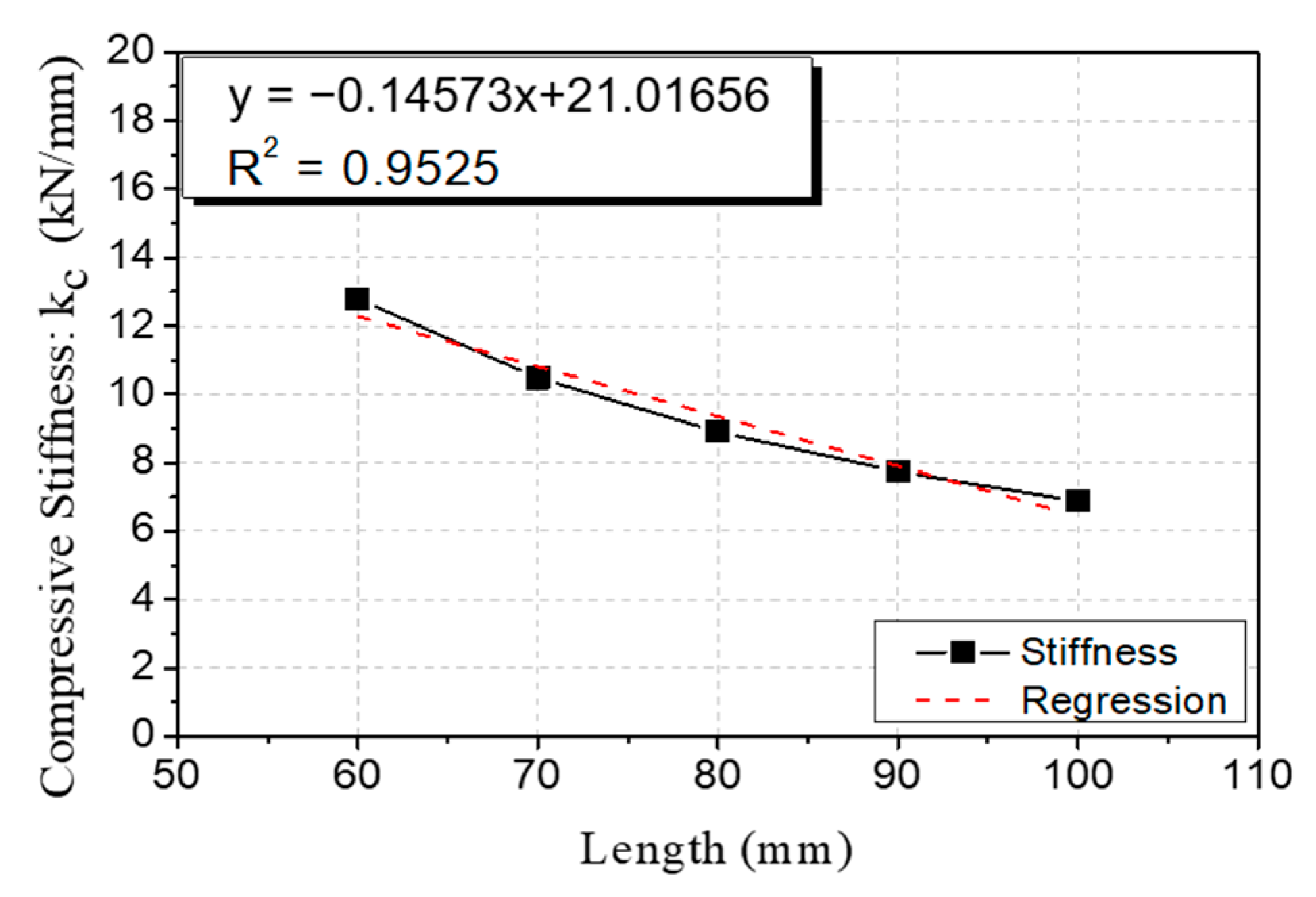
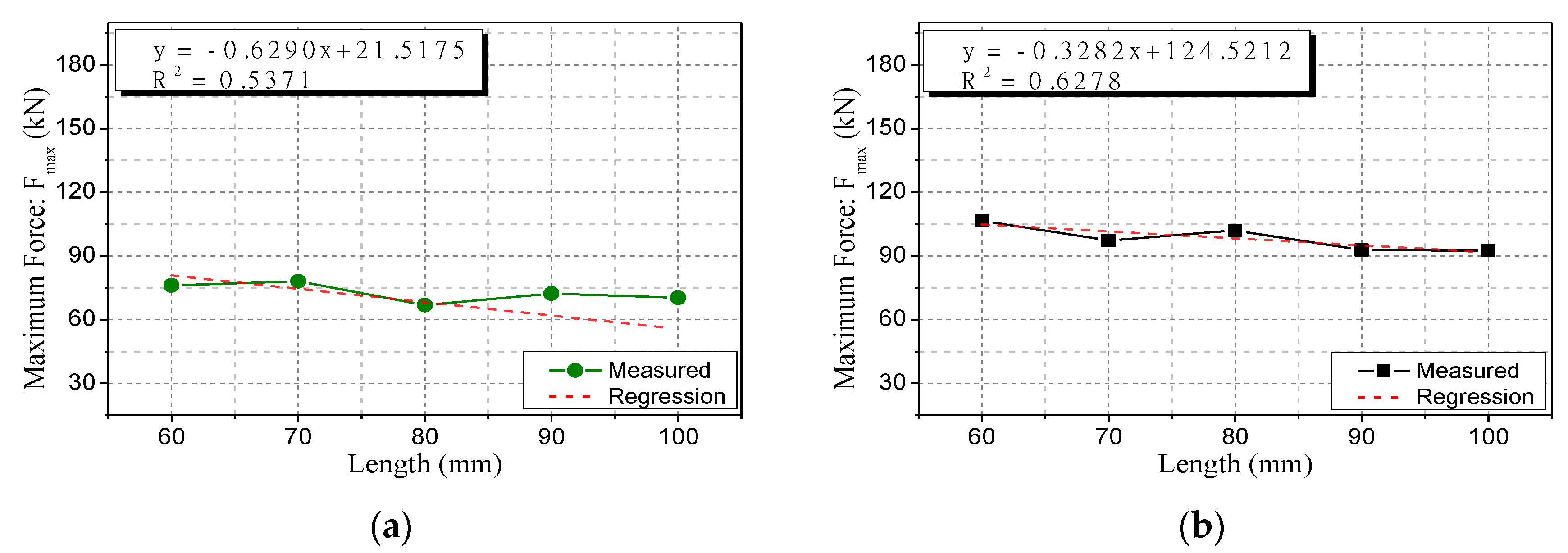
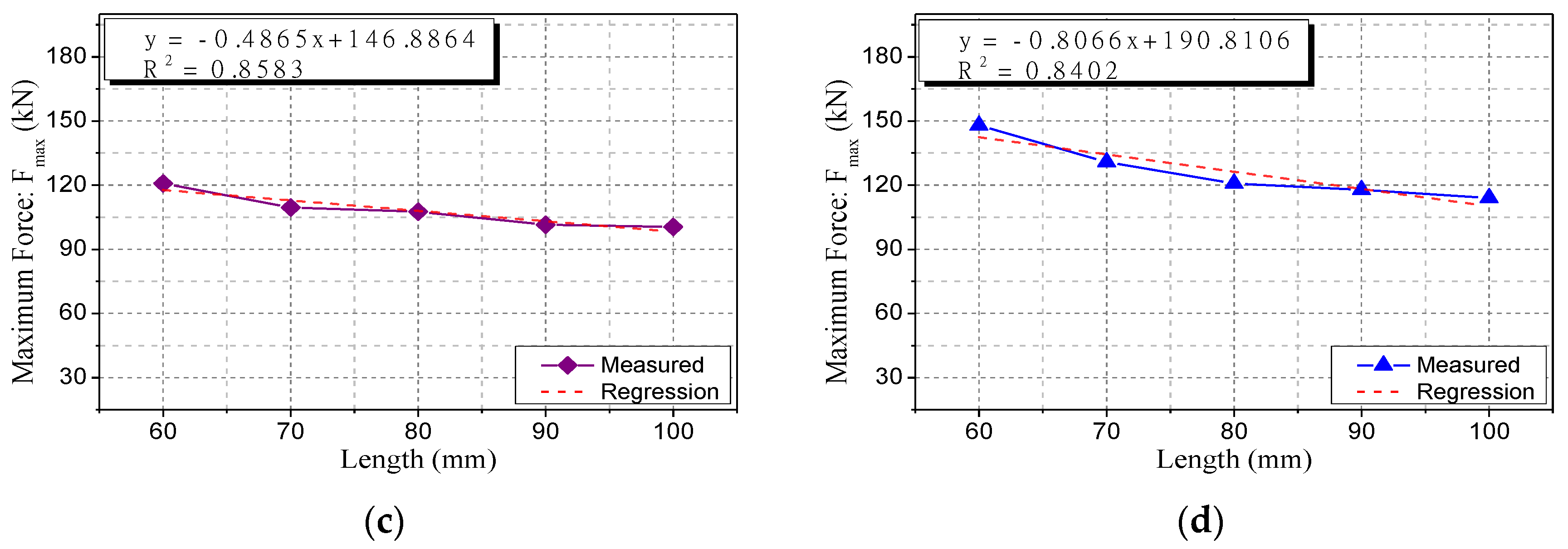
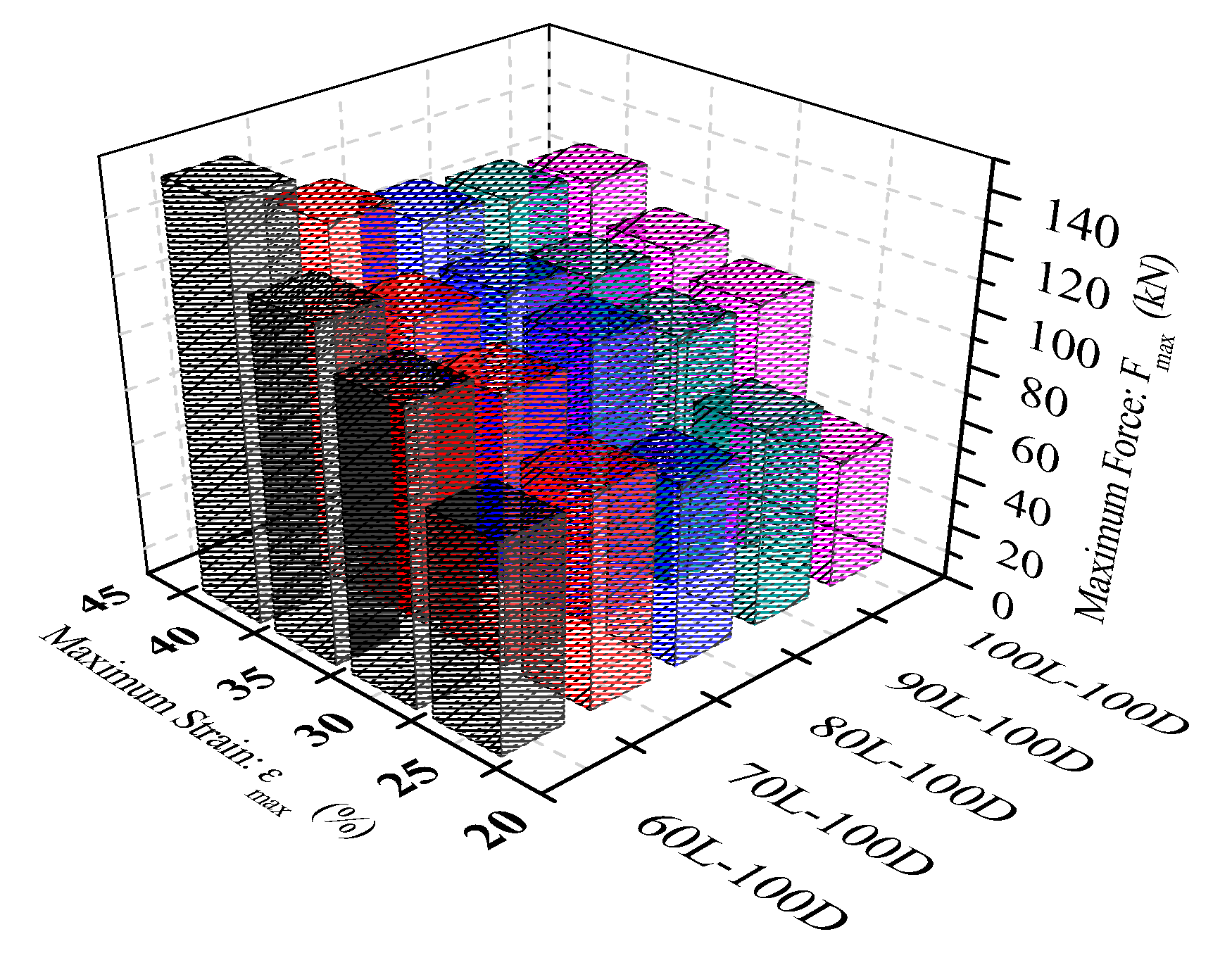
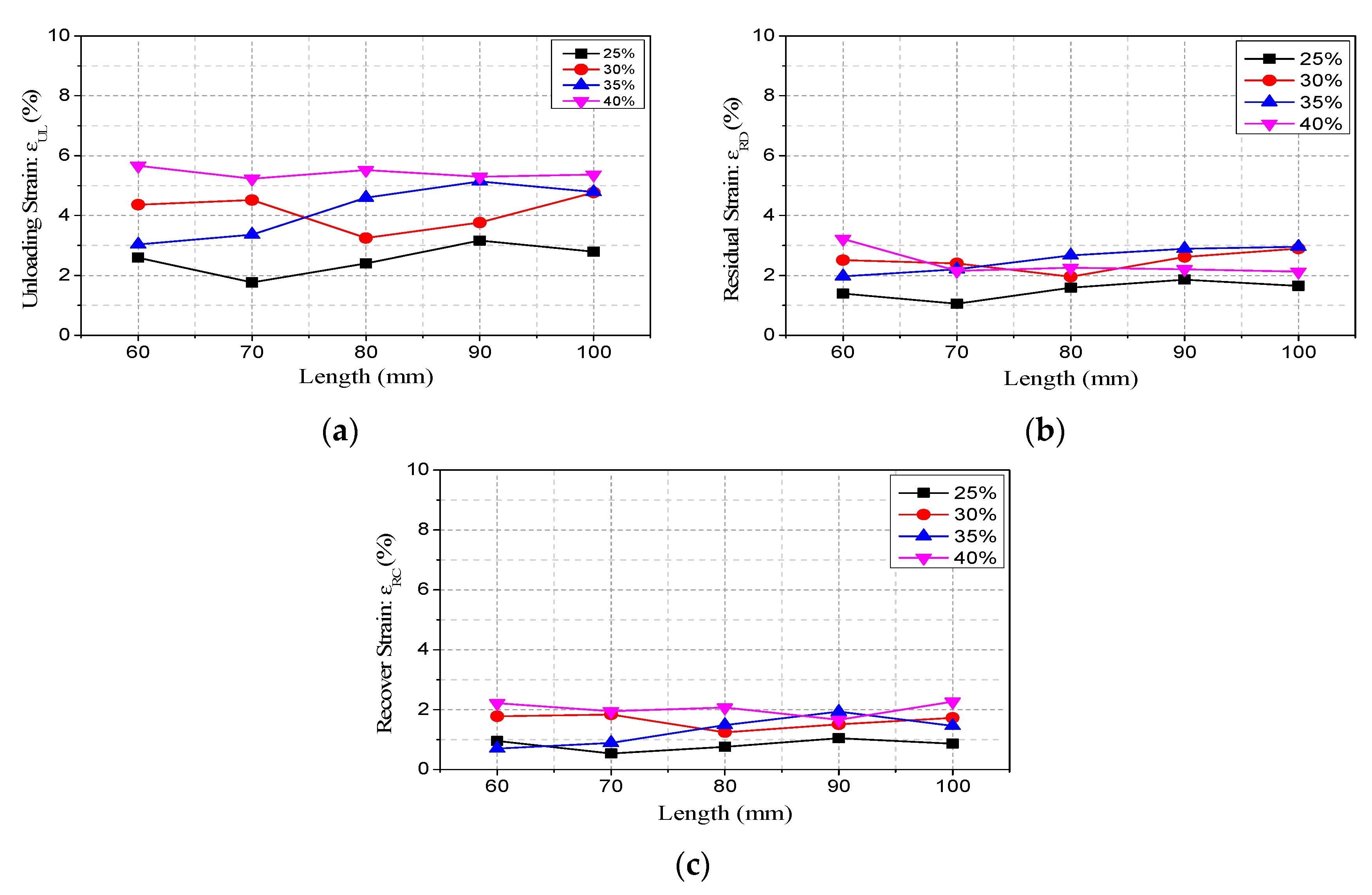
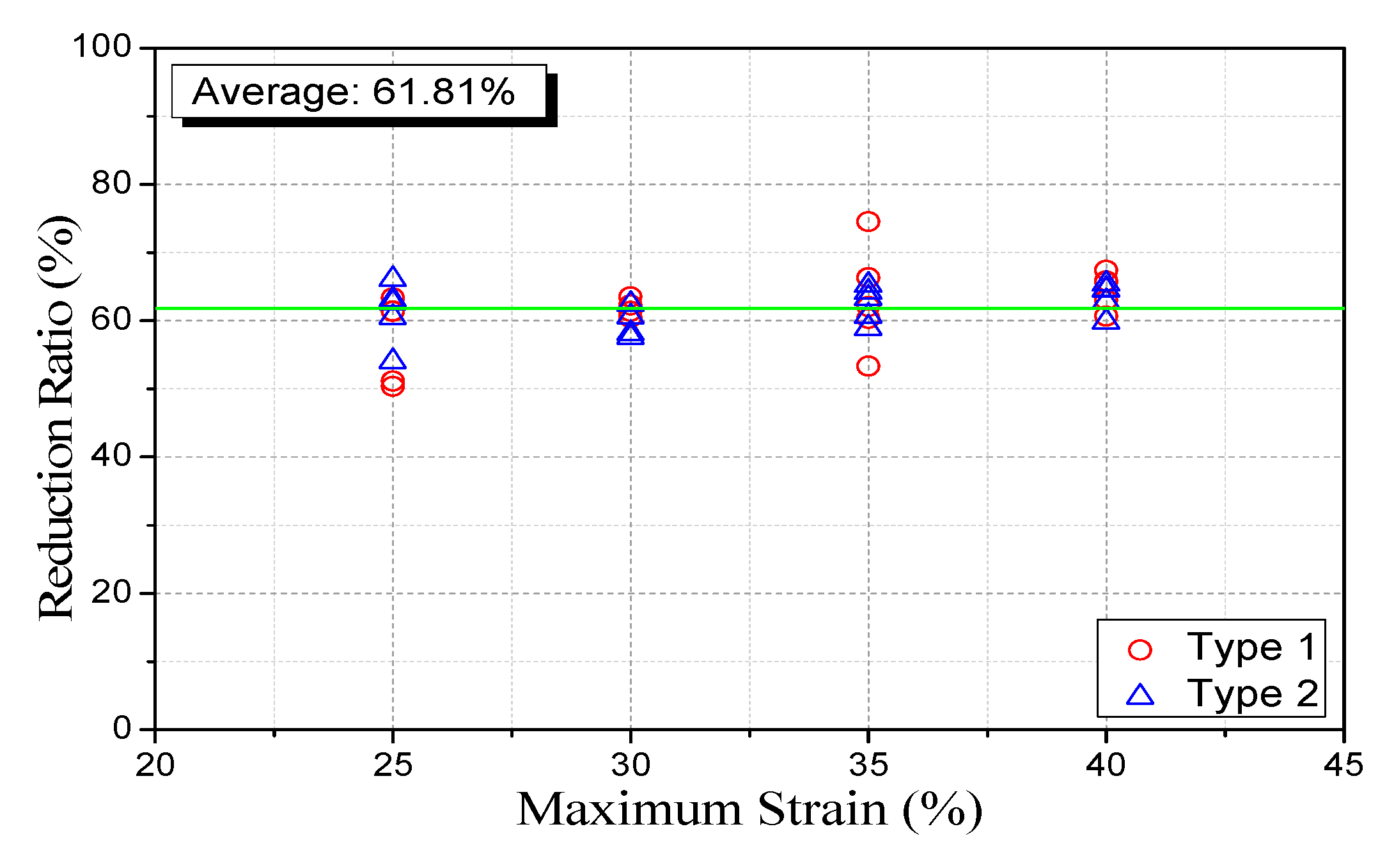
In this study, the characteristics of the compression behavior of polyurethane springs that can be used as compression members of seismic devices, such as dampers and seismic isolators, were identified, and the effect of the design variables on the performance points of polyurethane springs was investigated. Compressive stiffness and specimen size were set as the design variables of the polyurethane spring, and the performance indicators were set as maximum force, residual strain, and energy dissipation. A total of 40 specimens with different conditions were fabricated and a cyclic loading test was performed to obtain the force-displacement curve of the polyurethane spring and to check the performance indicator. Significant strength degradation was confirmed after the first cycle by repeated loading, and it was confirmed that compressive stiffness and size demonstrated a linear proportional relationship with maximum force. In addition, the design variables did not make a significant change to the recovered strain, including residual strain, and residual strain of about 1% to 3% occurred. Energy dissipation showed a tendency to decrease by about 60% with strength degradation after the first cycle, and this also demonstrated no relationship with the design variables. Finally, the relationship between the design variables and performance indicators set in this study was reviewed and suggestions are presented for developing a simple design formula for polyurethane springs.
Keywords: polyurethane spring; cyclic loading; performance indicator; compression member; energy dissipation polyurethane spring; cyclic loading; performance indicator; compression member; energy dissipation