Article

High-Temperature Mineral Formation after Firing Clay Materials Associated with Mined Coal in Teruel (Spain)


by
Manuel Miguel Jordán
1,*,
Sergio Meseguer
2,
Francisco Pardo
3 and
María Adriana Montero
1
1
Department of Agrochemistry and Environment (GEA-UMH), University Miguel Hernández, Elche. Avda. de la Universidad s/n, 03202 Elche, Alicante, Spain
2
Unit of Applied Mineralogy, Jaume I University, Campus de Riu Sec s/n, 1280 Castellón, Spain
3
Department of Education Sciences, CEU Cardenal Herrera University, Calle Grecia 31, 12006 Castellón, Spain
*
Author to whom correspondence should be addressed.
Appl. Sci. 2020, 10(9), 3114; https://doi.org/10.3390/app10093114
Submission received: 1 April 2020 / Revised: 16 April 2020 / Accepted: 28 April 2020 / Published: 29 April 2020
(This article belongs to the Section Materials Science and Engineering)

Abstract

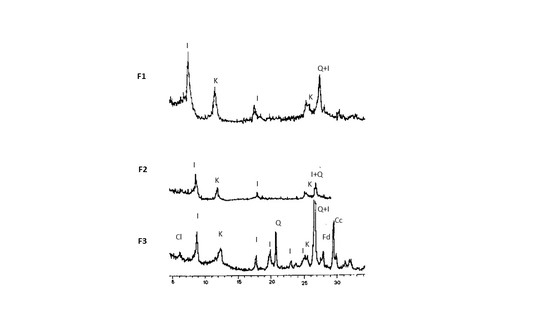
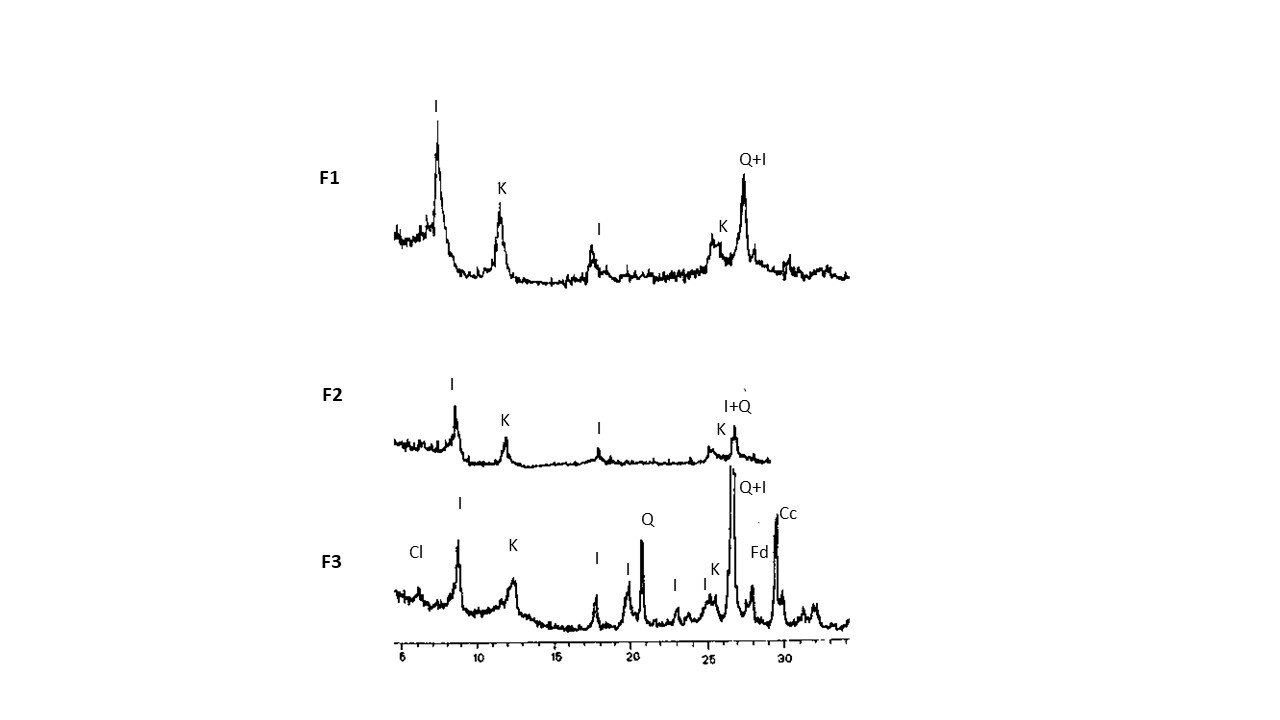
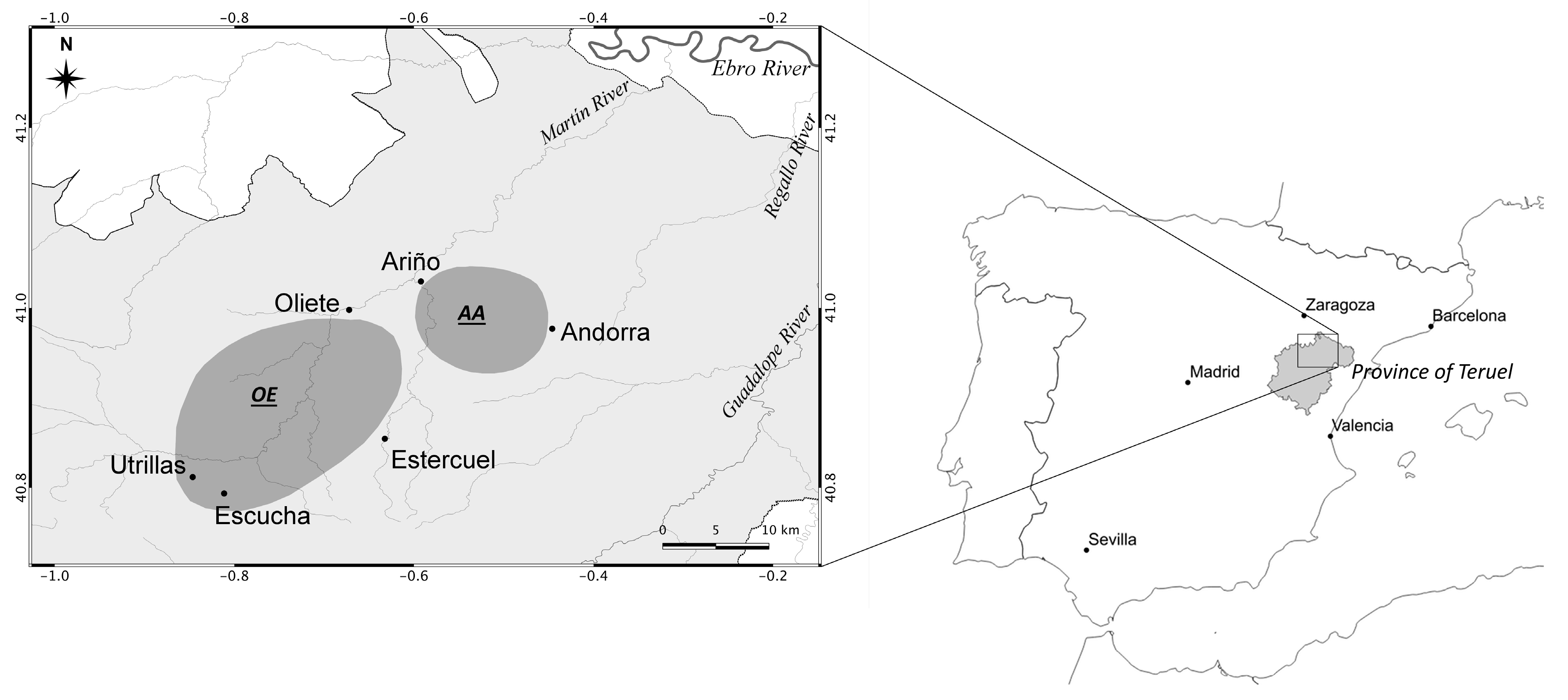
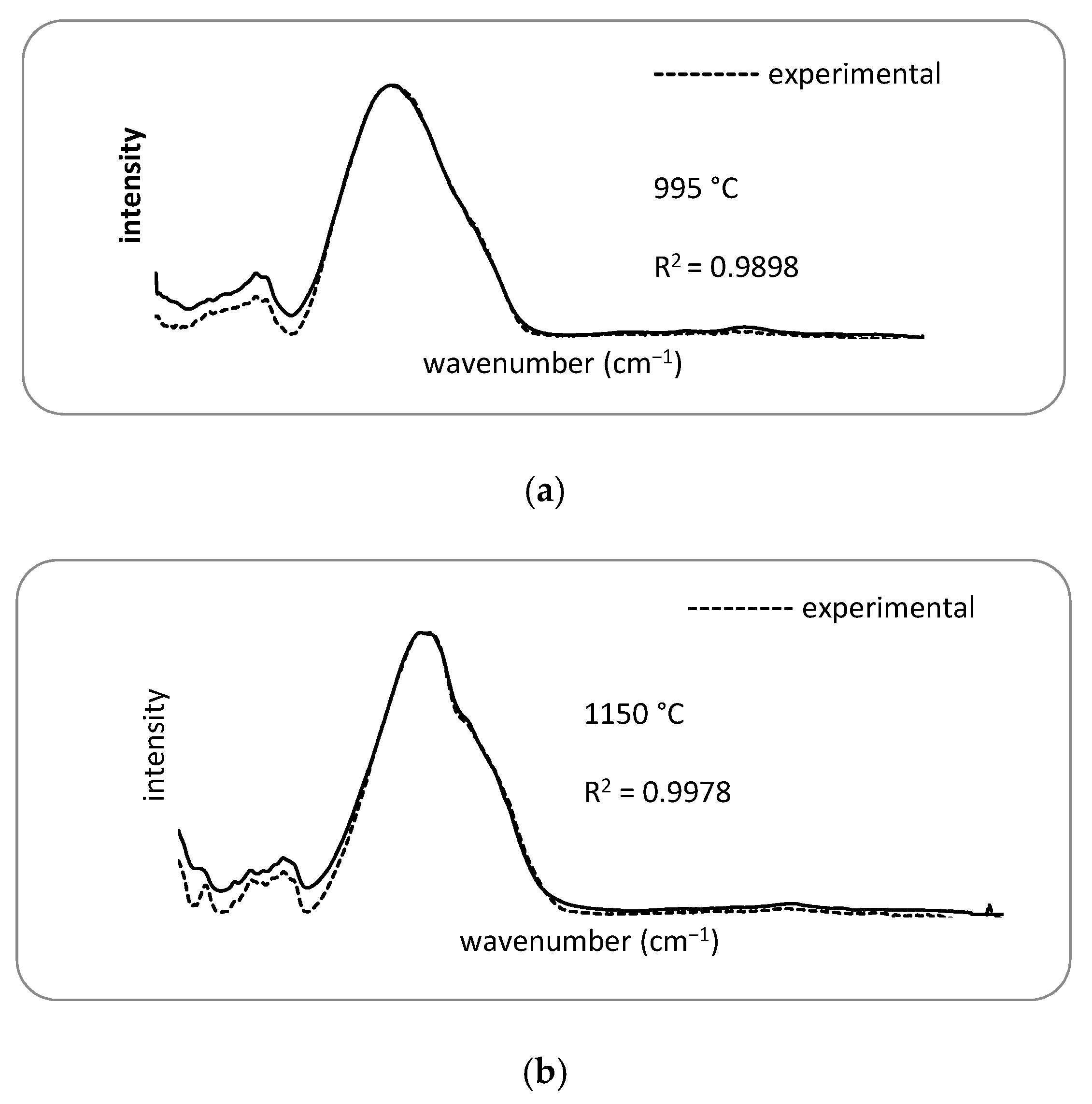
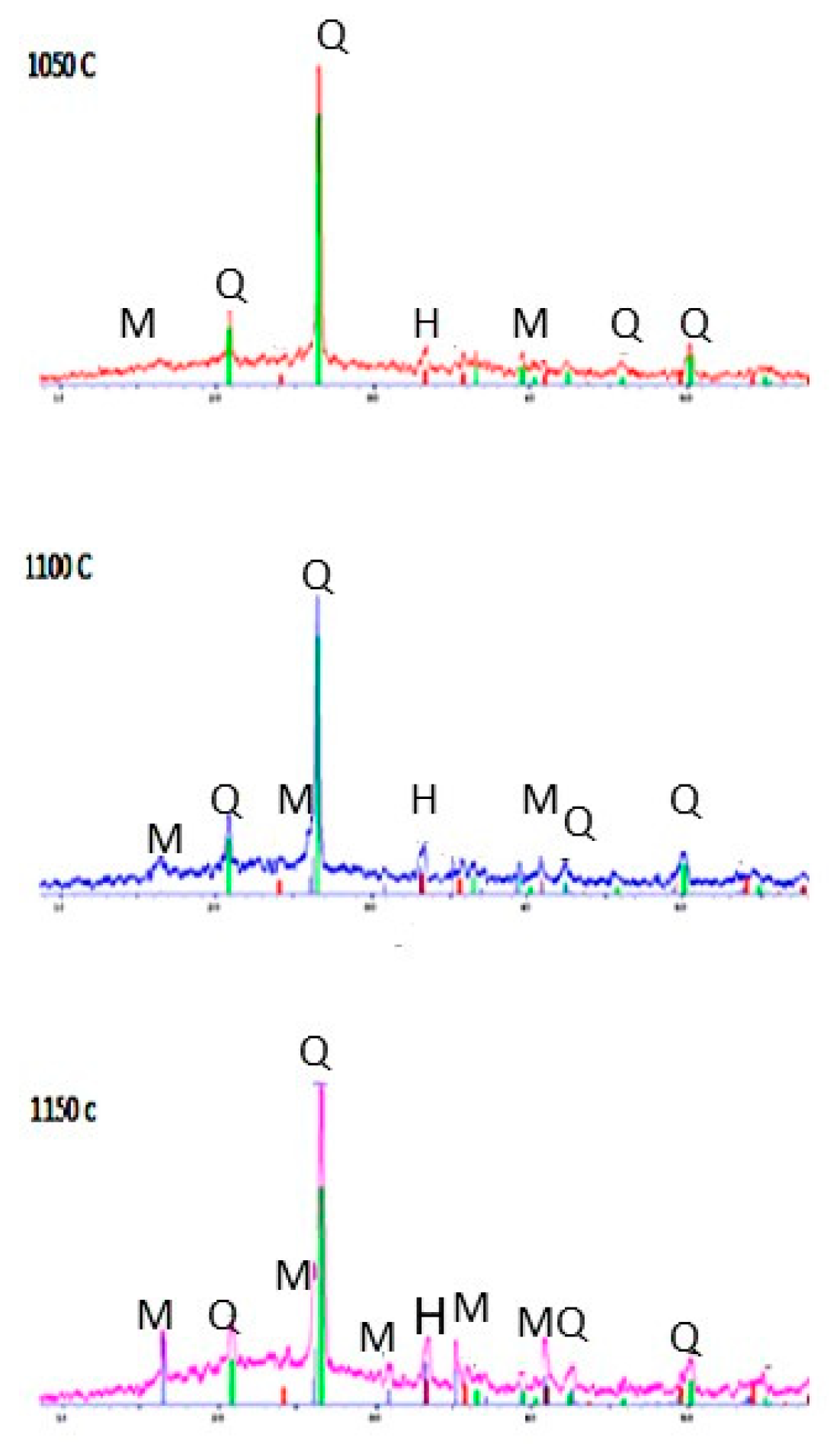
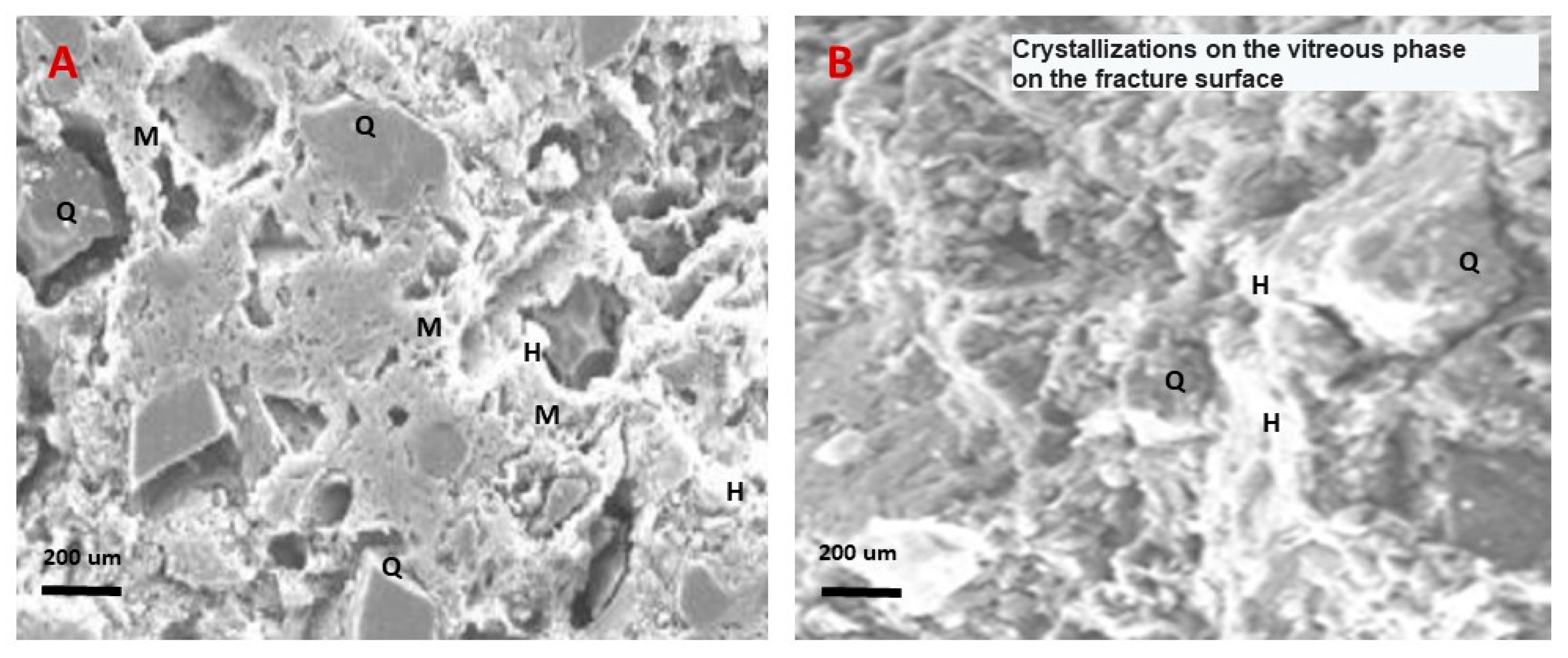
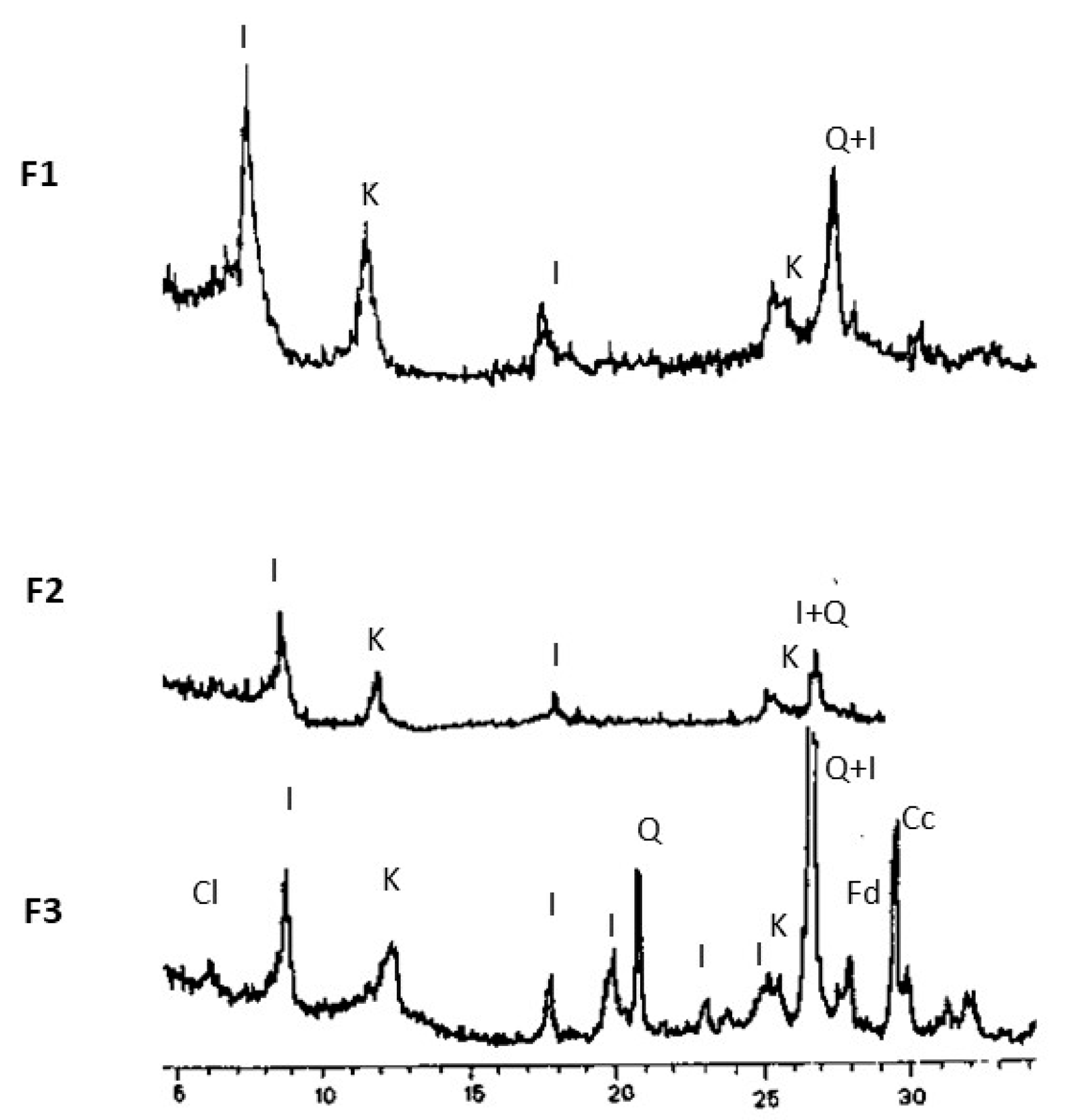
The production of porcelain stoneware has experienced a considerable increase. Therefore, it was necessary to undertake an investigation that would allow knowing the mineralogical evolution that porcelain stoneware undergoes during the firing process, as well as establishing the influence of the formation of mullite and other mineral or vitreous phases and their quantification. The firing transformations of mine spoils associated with mined coal in the Utrillas-Escucha-Estercuel and Ariño-Andorra areas are studied in this paper. The mineralogical composition of the bulk mine spoils is kaolinite, illite, chlorite, and smectites (in traces), with quartz and feldspar, and minor hematite, calcite, and dolomite. The main objective is to understand the generation of high-temperature mineral phases after firing, and their quantification. The formation of mullite and other high-temperature phases are studied from samples that include variable proportions of illite. Samples with a high content of illite generate mullite at 995 °C. Cristobalite was not detected as a high-temperature phase. Mullite is the most abundant mineral. The hercynite content is higher at low temperatures (995 °C), and hematite content is higher at 1150 °C. The vitreous phase represents about 50% of fired bodies. Despite observing a porous microstructure, the non-porous areas are well sintered.
Keywords: Teruel; clay spoils; firing transformations; phase generation; vitreous phase; XRD; FTIR Teruel; clay spoils; firing transformations; phase generation; vitreous phase; XRD; FTIR
Graphical Abstract