Article

Variable Dampers to Mitigate Structural Demand to Wind Turbines: The Role of the Monitoring System Features for the Effectiveness of the Control Strategy †

by
Nicola Caterino
1,2,*,
Giovanni Pugliano
1,
Mariacristina Spizzuoco
3 and
Umberto Robustelli
1
1
Department of Engineering, University of Naples ‘Parthenope’, Centro Direzionale di Napoli, Isola C4, 80143 Napoli, Italy
2
Institute of Technologies for Construction, CNR, San G. Milanese, 20098 Milan, Italy
3
Department of Structures for Engineering and Architecture, University of Naples Federico II, via Claudio n. 21, 80125 Napoli, Italy
*
Author to whom correspondence should be addressed.
This paper is an extended version of the conference paper presented by authors at the XV Conference of the Italian Association for Wind Engineering held in 2018.
Appl. Sci. 2020, 10(7), 2498; https://doi.org/10.3390/app10072498
Submission received: 11 March 2020 / Revised: 29 March 2020 / Accepted: 1 April 2020 / Published: 5 April 2020
(This article belongs to the Section Civil Engineering)

Abstract

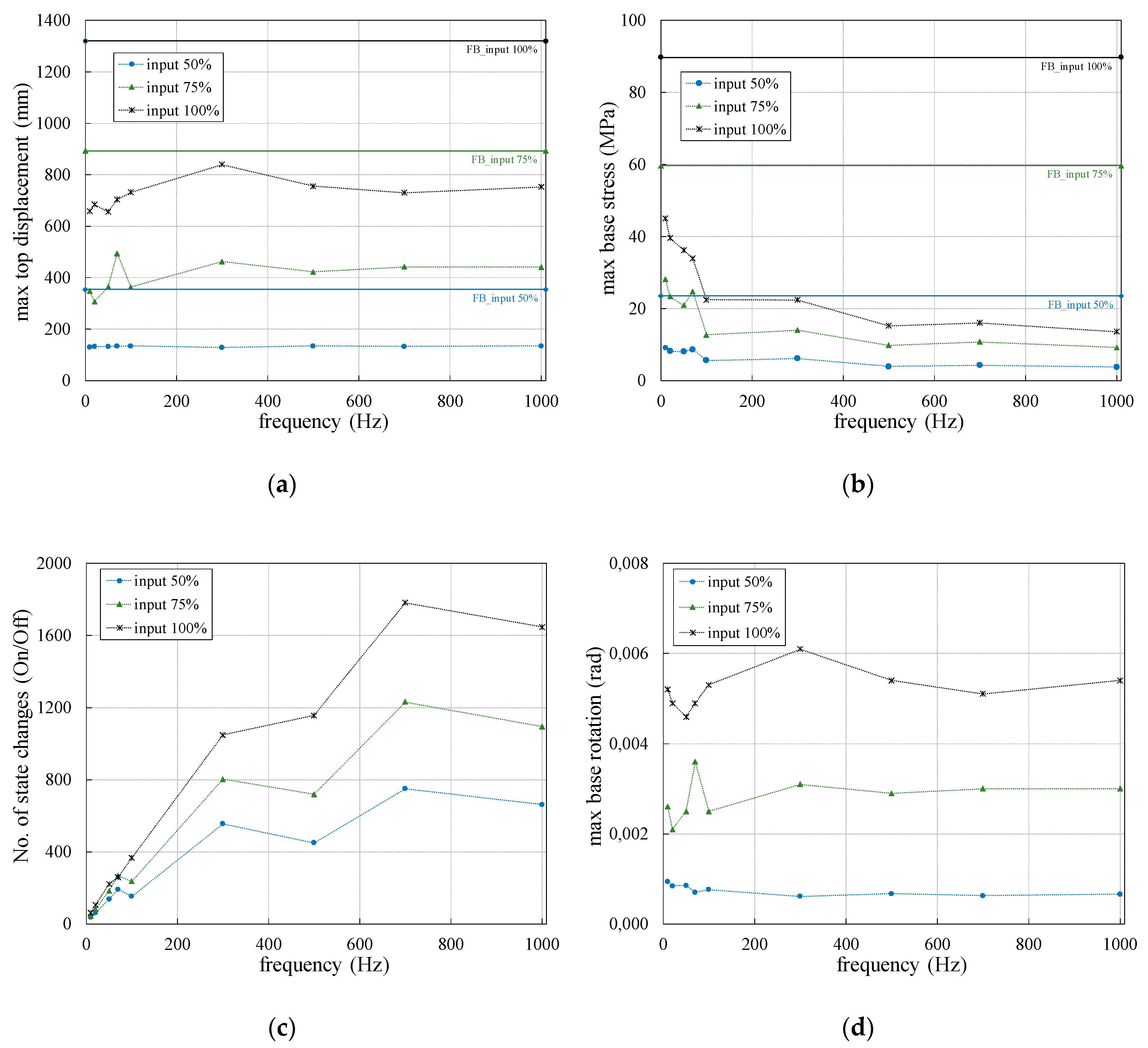
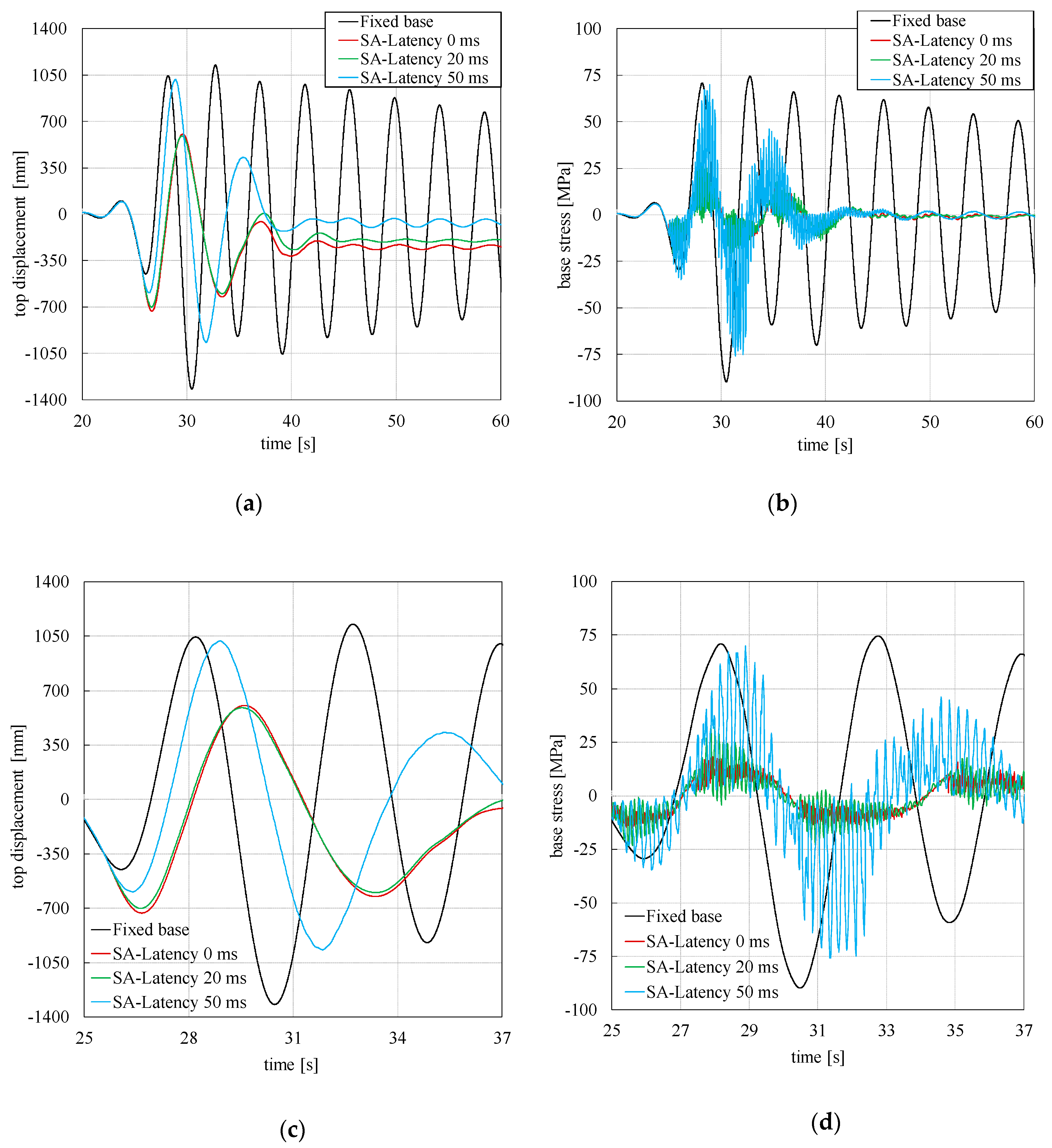
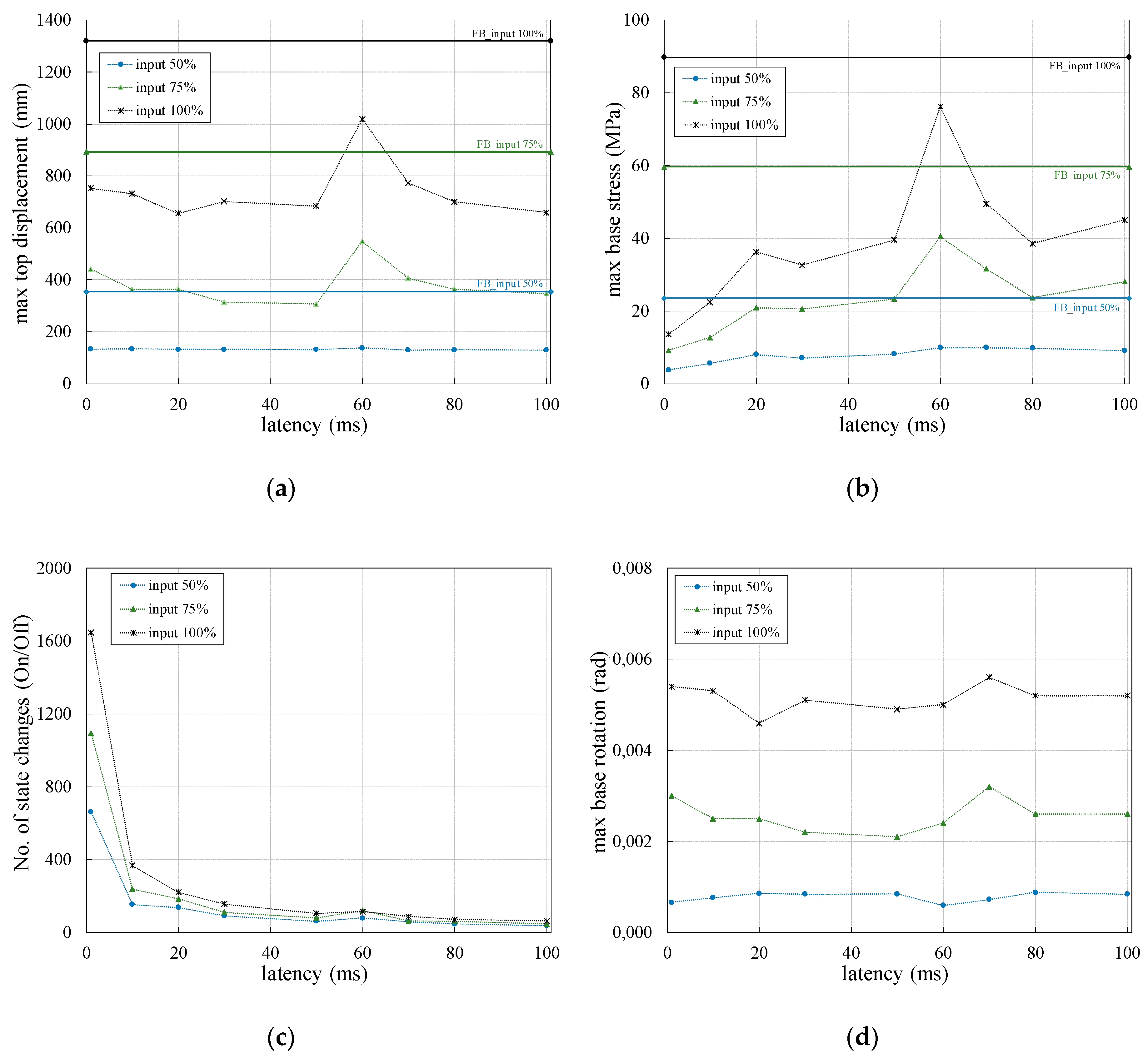
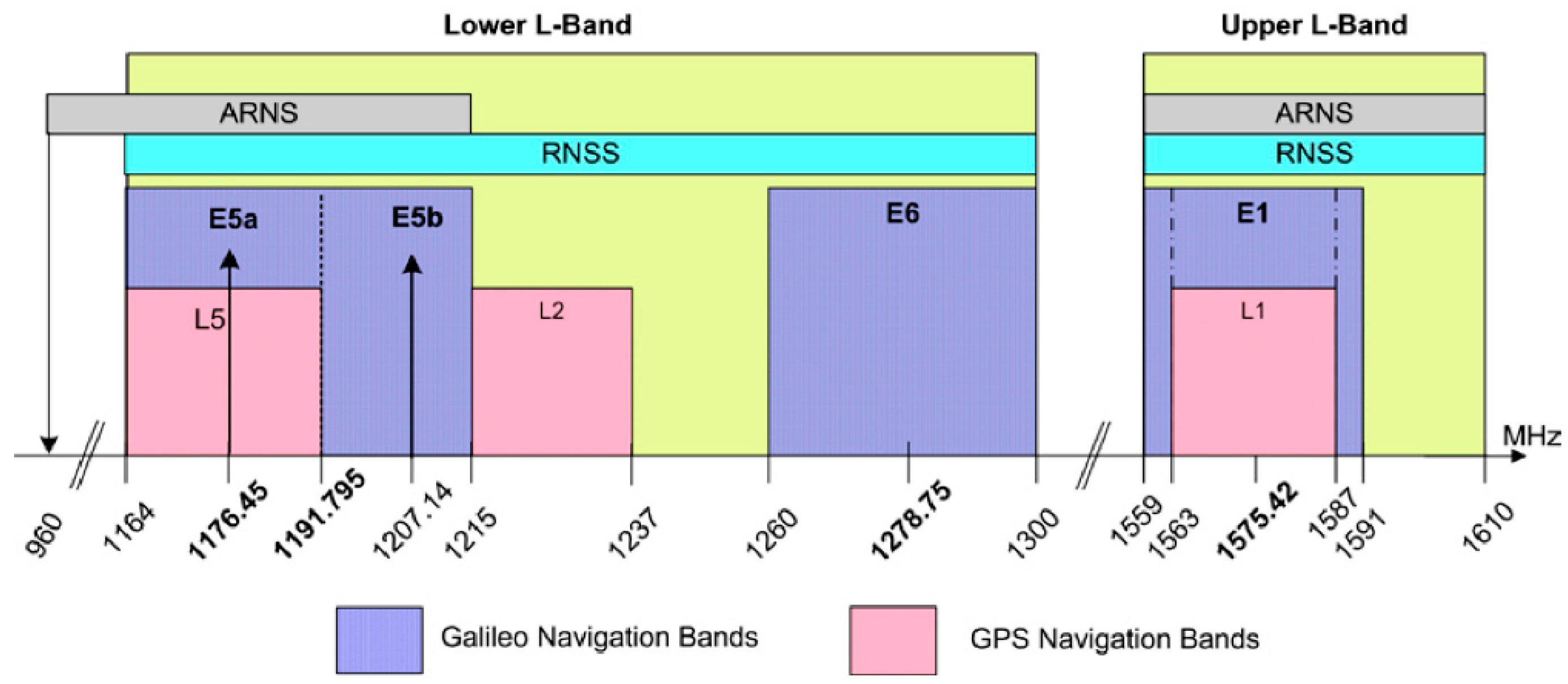
In the last decade, some researchers and professionals have been engaged in the study of methods and techniques that can build high wind turbines while containing construction costs within the limits of economic convenience. Among the most promising solutions is that of using innovative devices to mitigate the structural demand for the towers. The reduction in the stress demand in the foundation makes the strategy particularly interesting for the repowering of existing plants, where it is convenient not to demolish and rebuild the foundation, but rather to reuse the existing one for the new plant. A semi-active vibration control strategy, based on the adoption of controllable dissipative devices, is presented herein. The proposed technique requires the tower to be equipped with a measurement system suitable for the real time monitoring of structural response. Performing reliable high-frequency measurements of the horizontal displacement of points located at heights of tens of meters is not simple. With the purpose of assessing the efficiency and feasibility of Global Navigation Satellite System (GNSS)-based systems for the control of wind turbine structures, the proposed paper tries to investigate the characteristics and data processing techniques that are able to make the GNSS useful for such applications. Several numerical simulations were carried out with reference to a case-study wind turbine to quantitatively assess how the performance of the control system changes as the features of the monitoring system worsen, and finally to draw conclusions and suggestions for the minimum performance that monitoring devices must have for an effective reduction in structural demand.
Keywords: structural monitoring; semi-active control; magnetorheological damper; wind turbine structural monitoring; semi-active control; magnetorheological damper; wind turbine