Article

Advances in Imaging Diagnostics for Spray and Particle Research in High-Speed Flows

Artium Technologies, 470 Lakeside Dr., Sunnyvale, CA 94085, USA
*
Author to whom correspondence should be addressed.
Appl. Sci. 2020, 10(4), 1450; https://doi.org/10.3390/app10041450
Submission received: 22 January 2020 / Revised: 12 February 2020 / Accepted: 14 February 2020 / Published: 21 February 2020
(This article belongs to the Special Issue Progress in Spray Science and Technology)

Abstract

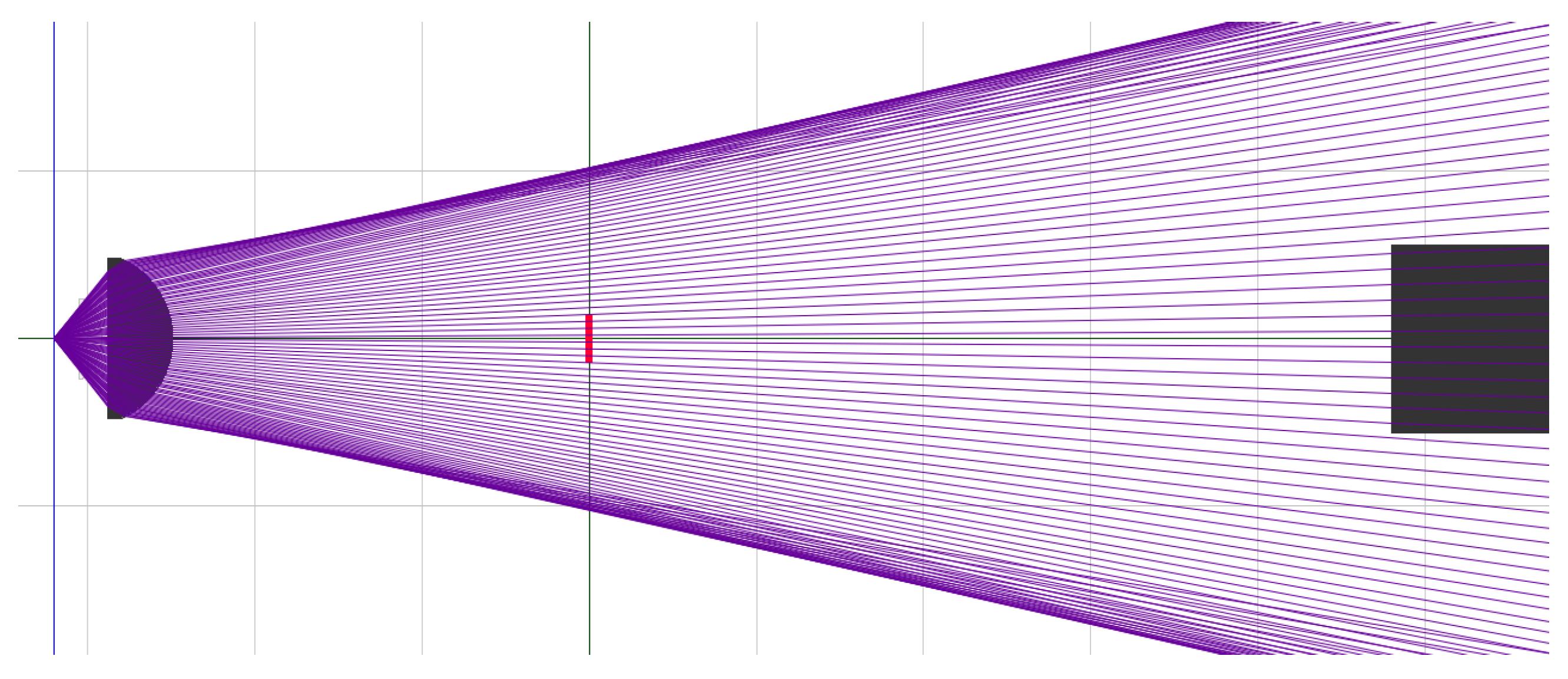
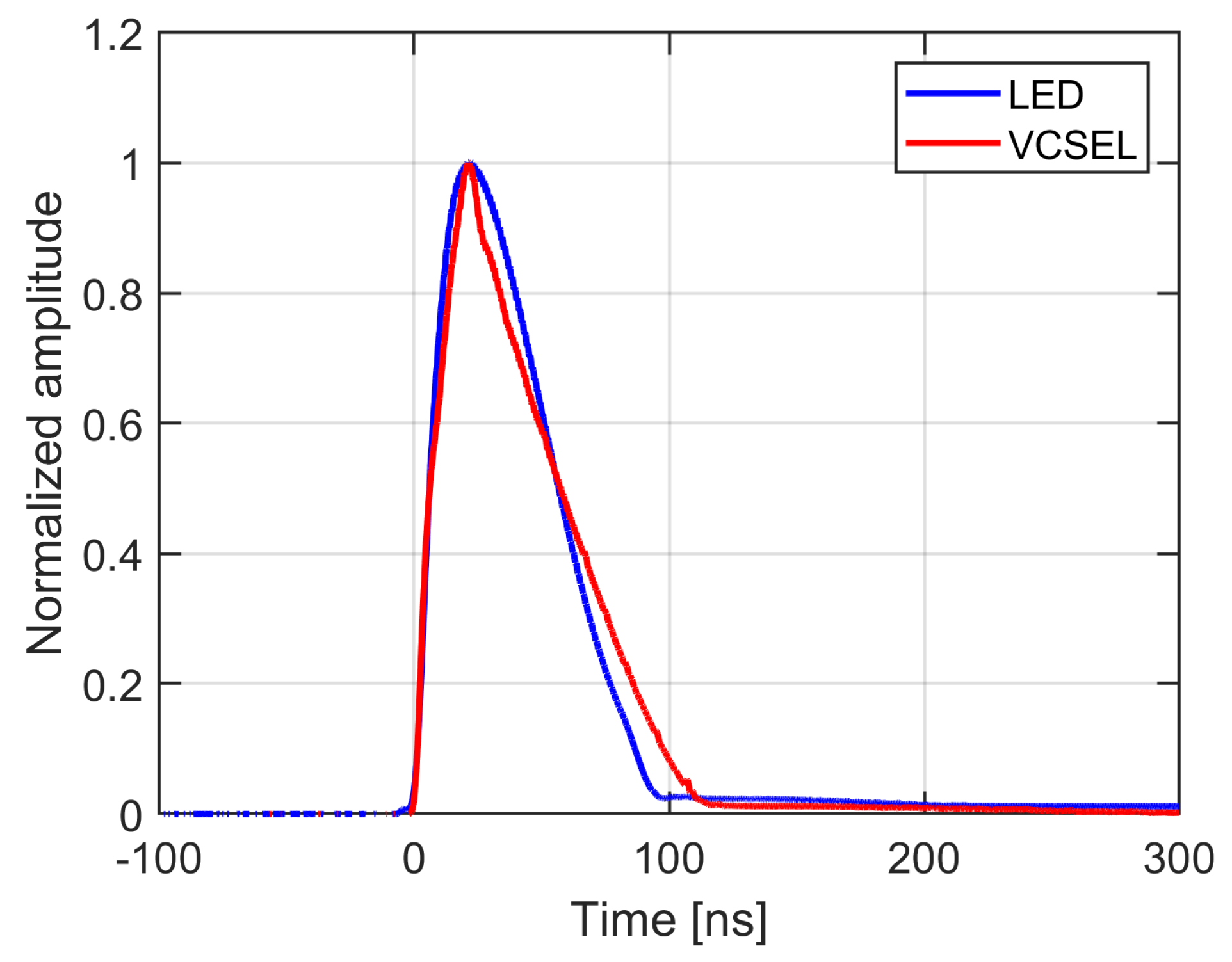
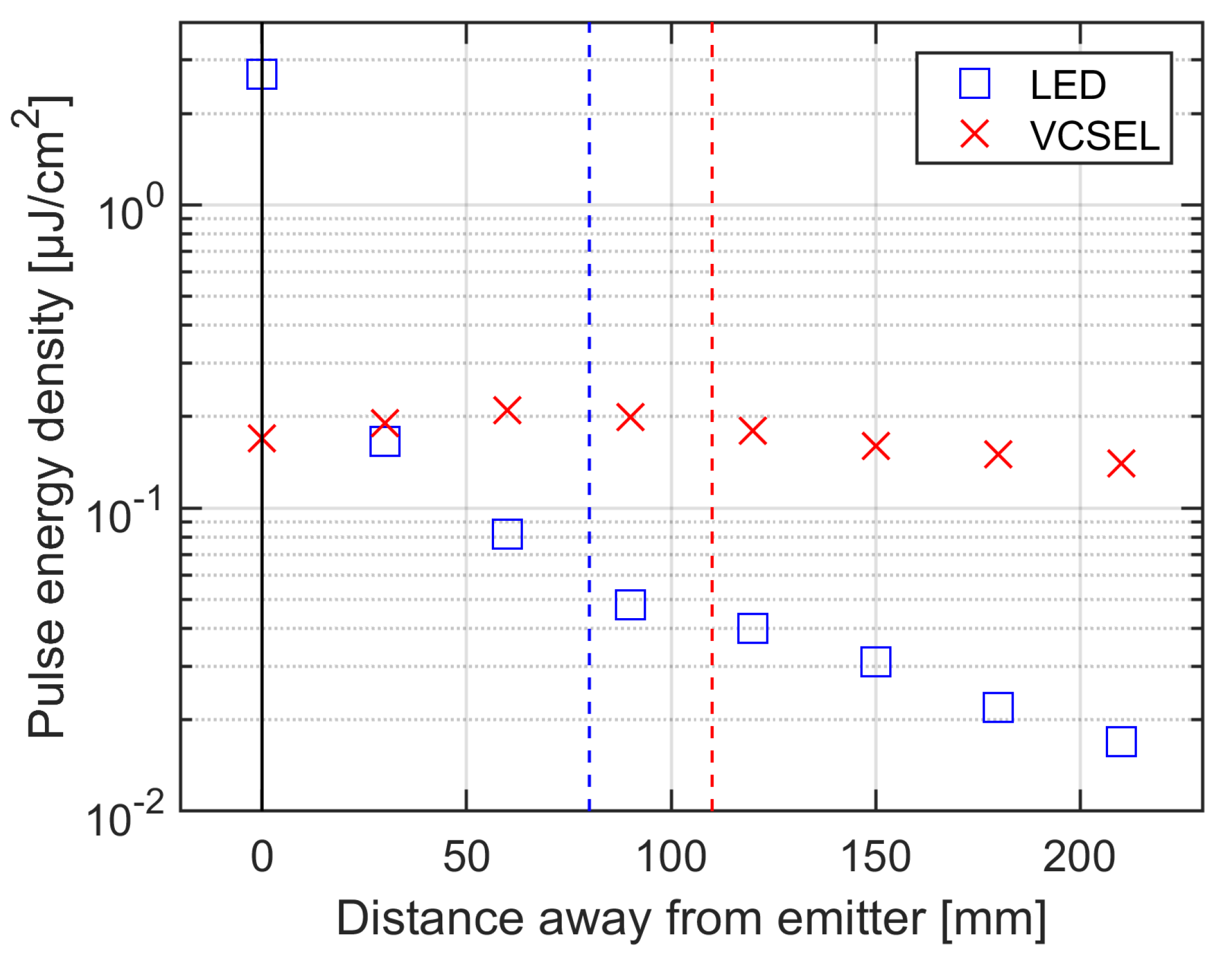
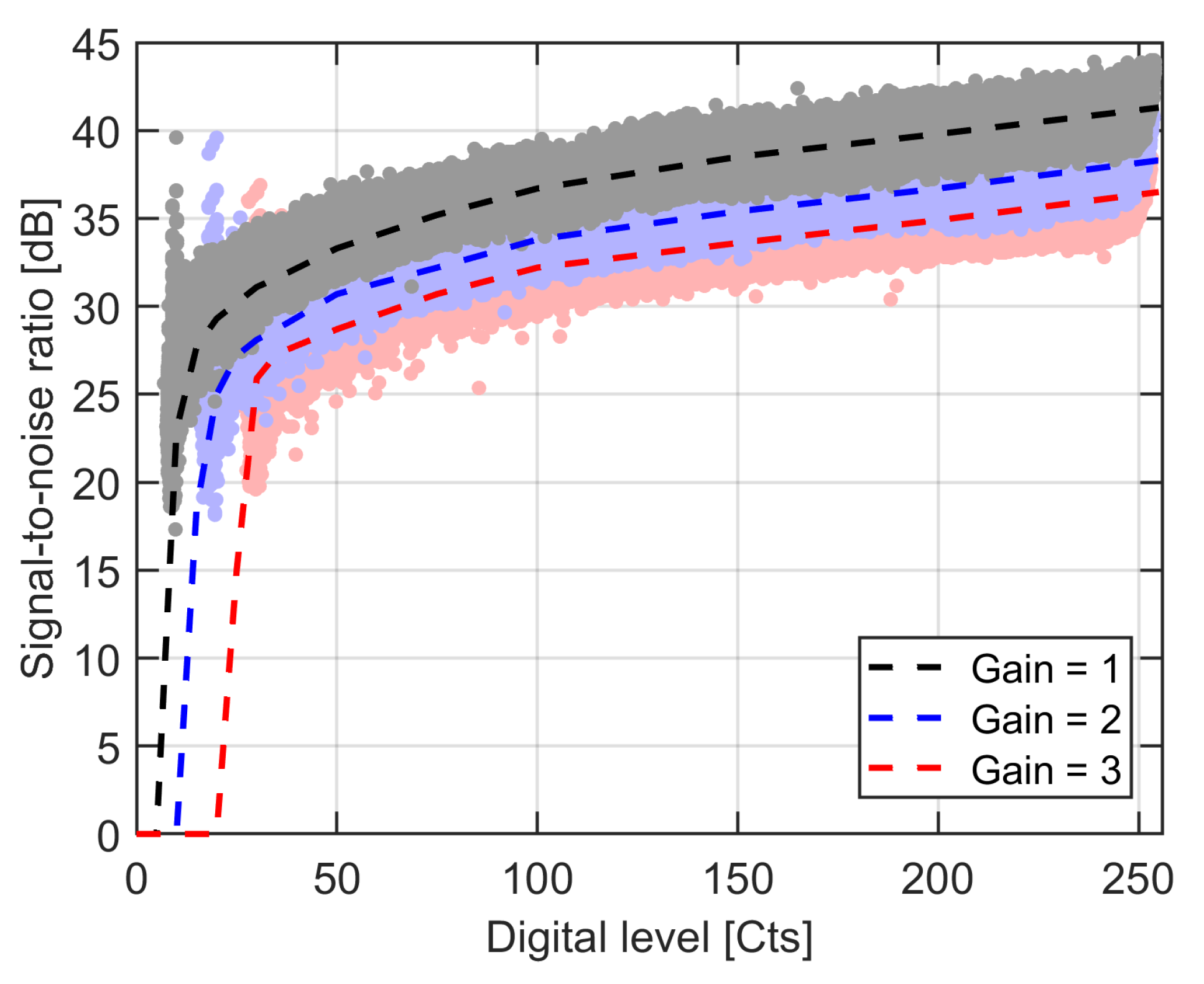
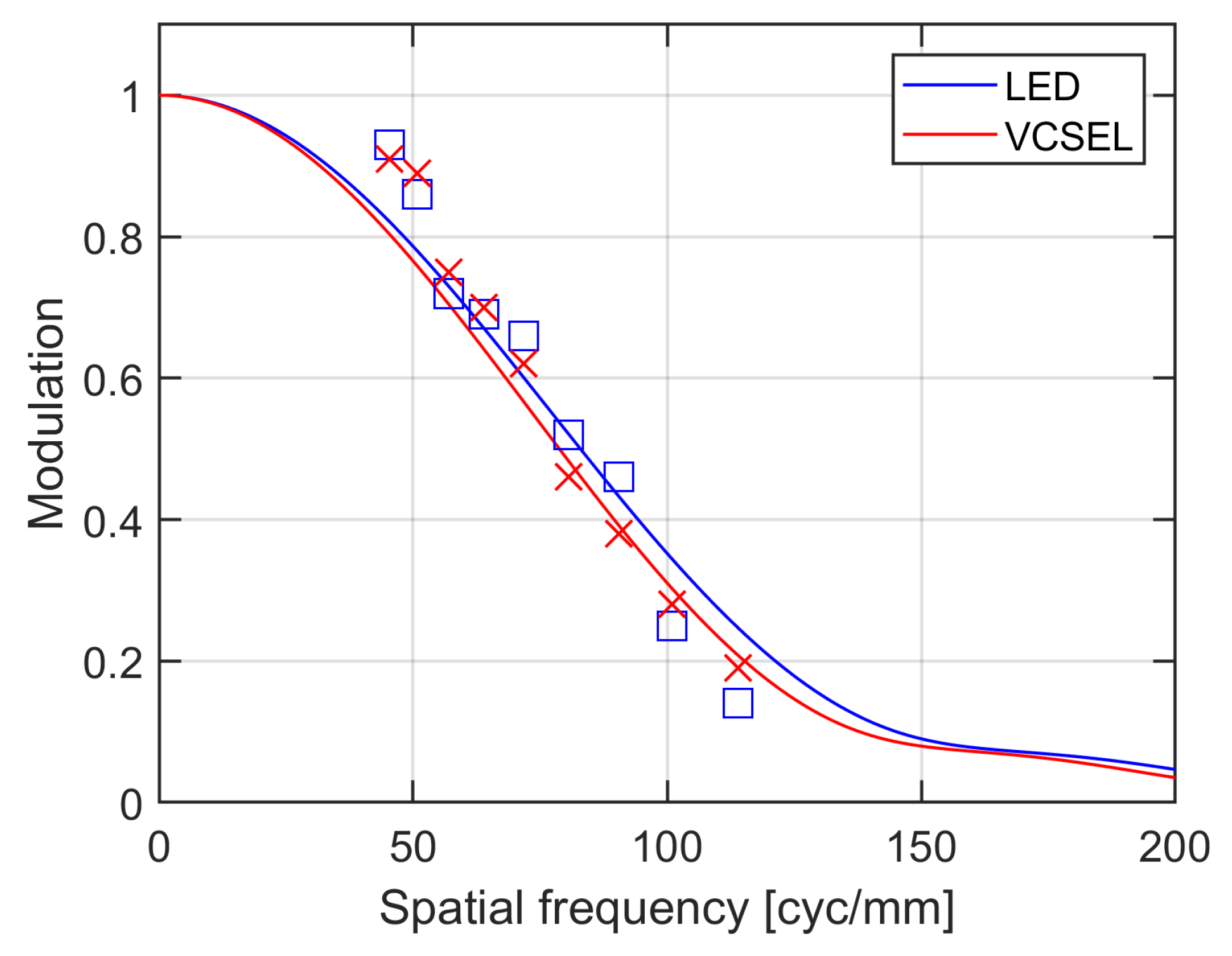
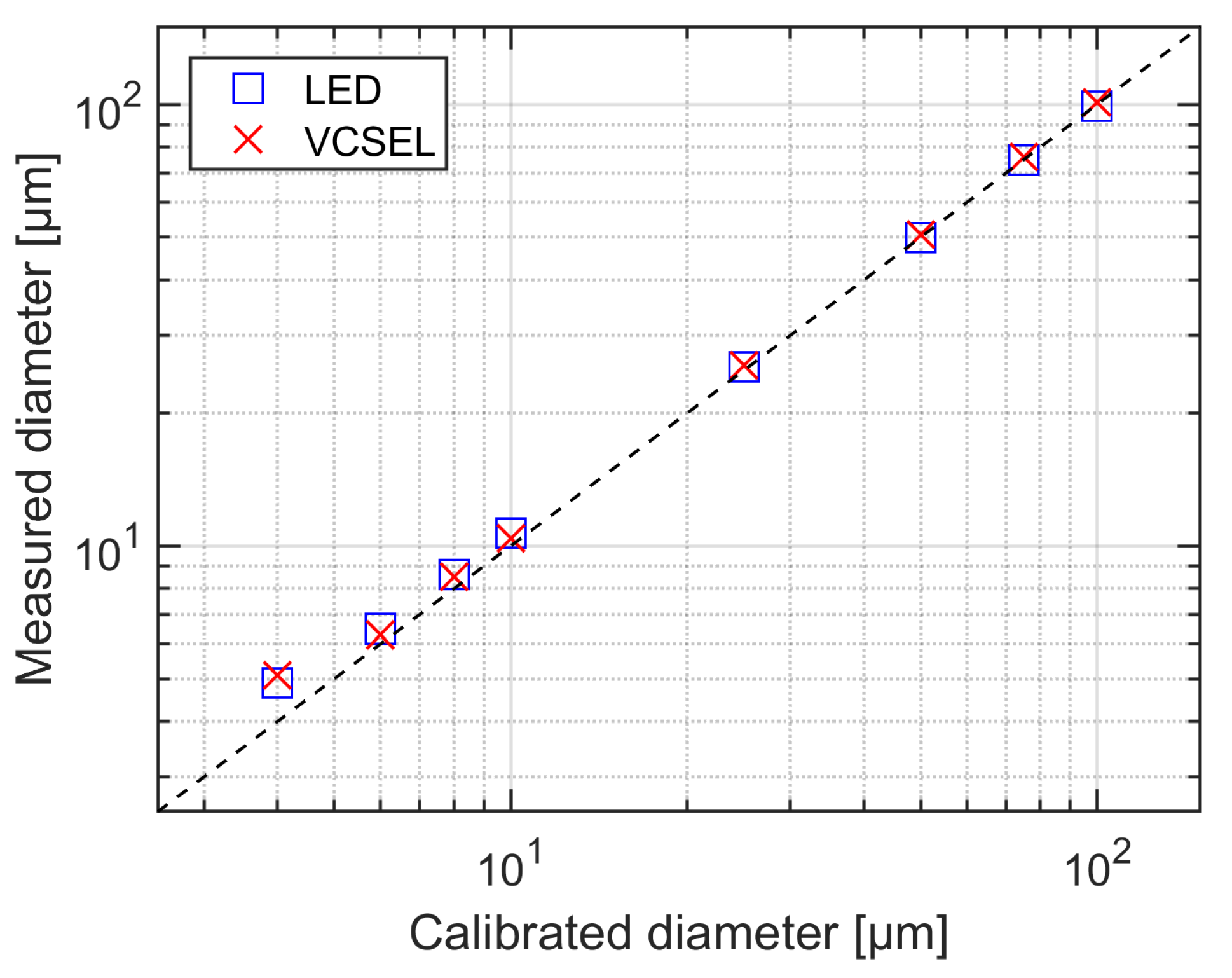
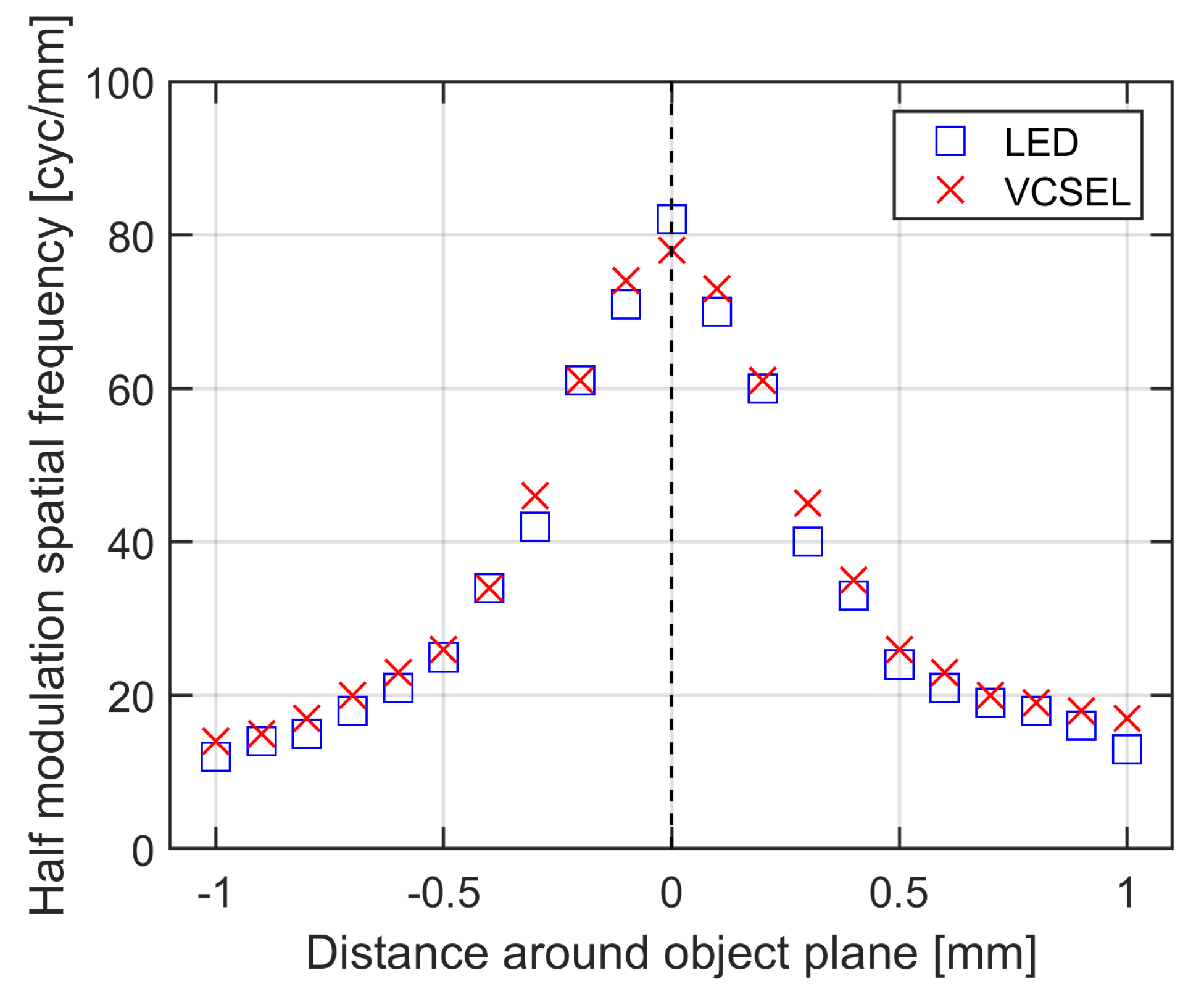
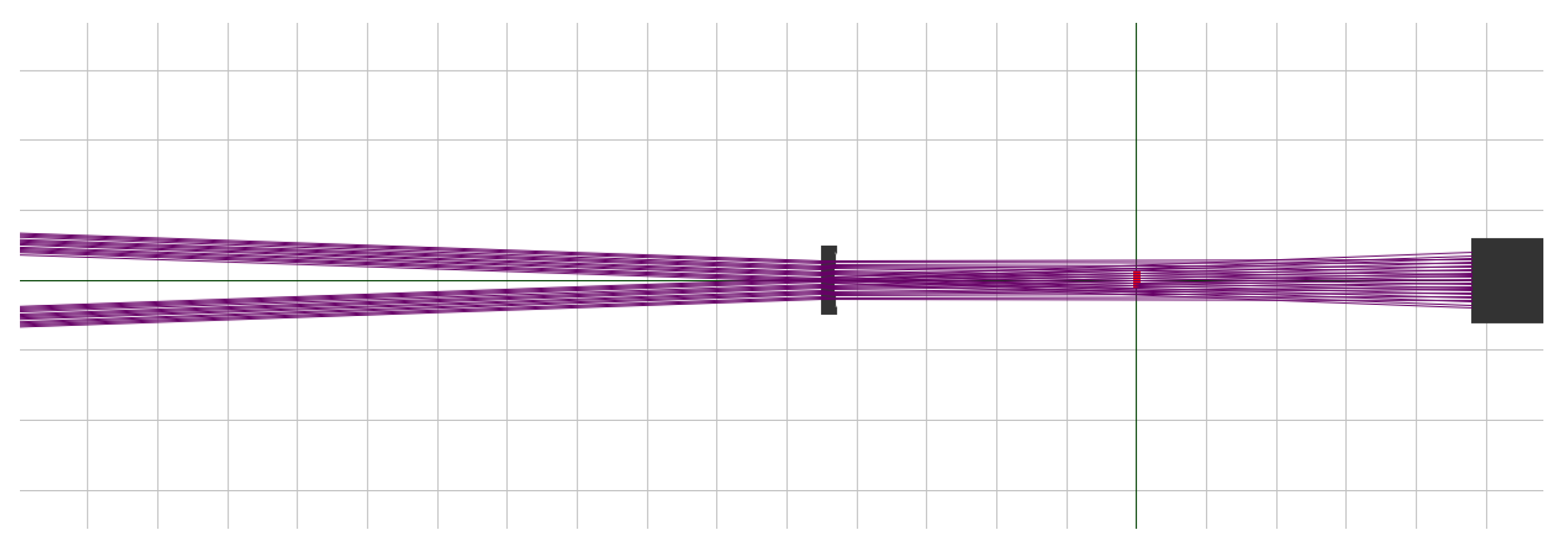
Measurements of high-pressure sprays and particle fields in high-speed flows have been very challenging for the existing instrumentation. Deformed drops or solid particles significantly limit the range of experimental methods that can be applied for detailed, quantitative measurements. We developed advanced microscope imaging equipment and diagnostic methods to characterize fast-moving droplets or particles. We designed illumination systems based on high-power light-emitting diode (LED) and incoherent laser devices capable of short, intense light pulses. We compared their characteristics and performance separately, as well as their interaction within a complete line-of-sight microscope imaging system. The optical design of the microscope setup was optimized via ray tracing simulations showing high energy losses for LED illumination compared to laser radiation, as confirmed experimentally. The energy transmission measurements provided guidance about the pulse energy density necessary to maximize camera response and signal-to-noise ratio. Characterization testing supported that both illumination systems are valid options for microscopy applications, with an advantage to LED for image quality and resolution performance, but a strong limitation to distance, where the multi-beam laser system demonstrated its superiority.
Keywords: LED illumination; laser illumination; long-distance microscopy; camera performance; droplets and particles LED illumination; laser illumination; long-distance microscopy; camera performance; droplets and particles