Article

Comparison of Artificial Intelligence Methods for Fault Classification of the 115-kV Hybrid Transmission System

by
Jittiphong Klomjit
and
Atthapol Ngaopitakkul
*
Department of Electrical Engineering, Faculty of Engineering, King Mongkut’s Institute of Technology Ladkrabang, Bangkok 10520, Thailand
*
Author to whom correspondence should be addressed.
Appl. Sci. 2020, 10(11), 3967; https://doi.org/10.3390/app10113967
Submission received: 21 April 2020 / Revised: 29 May 2020 / Accepted: 2 June 2020 / Published: 7 June 2020
(This article belongs to the Special Issue Intelligent Fault Diagnosis of Power System)

Abstract

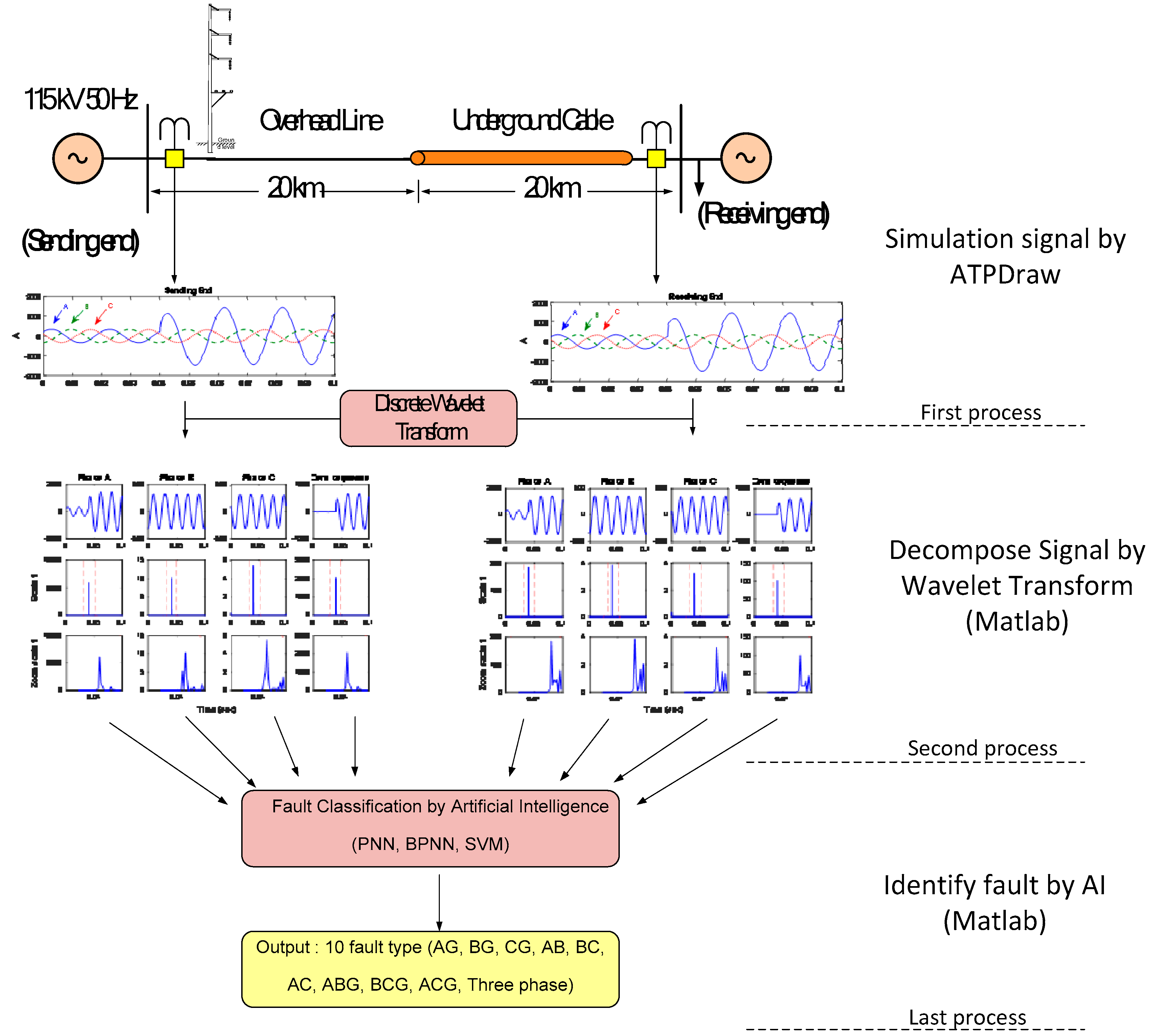
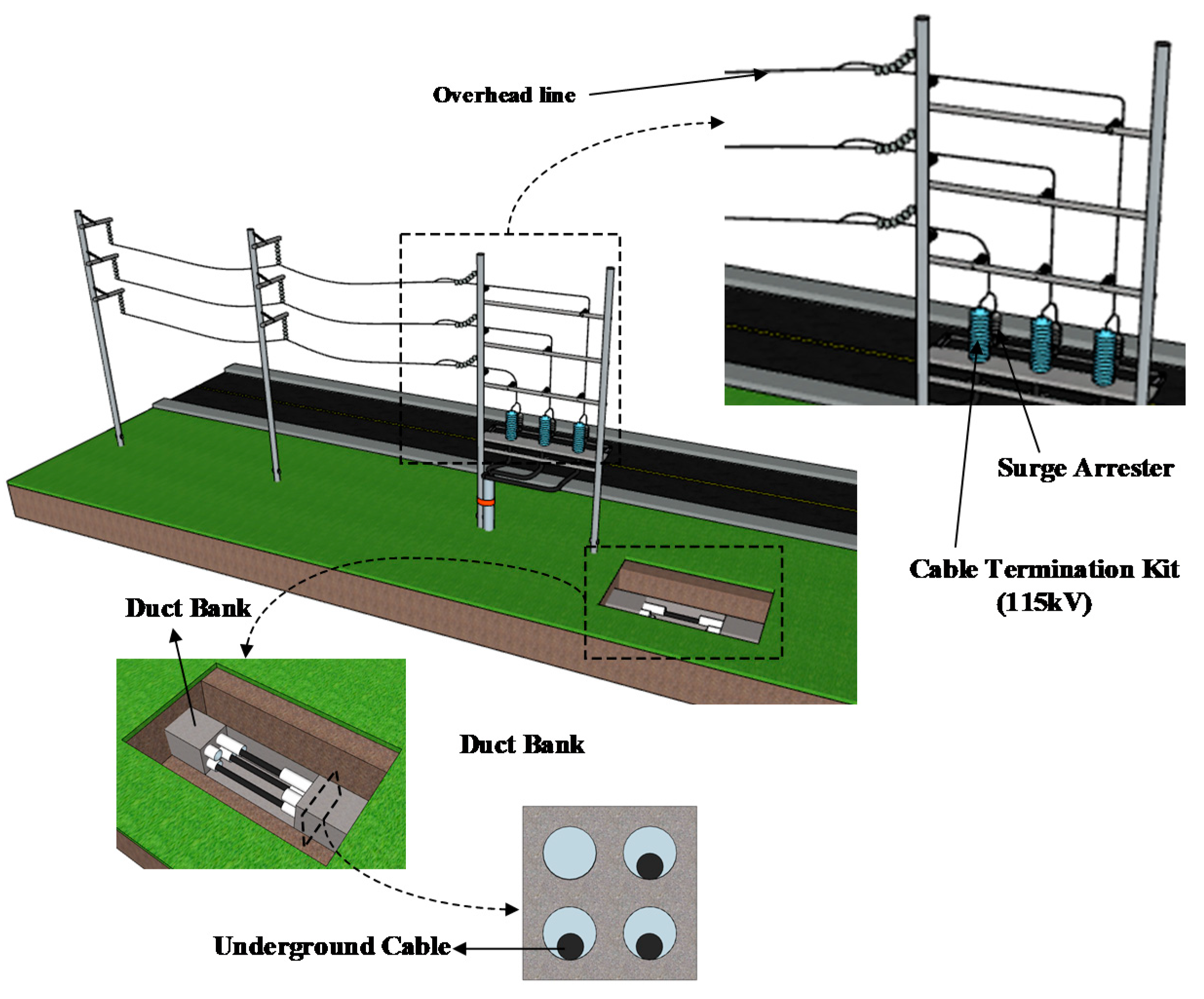
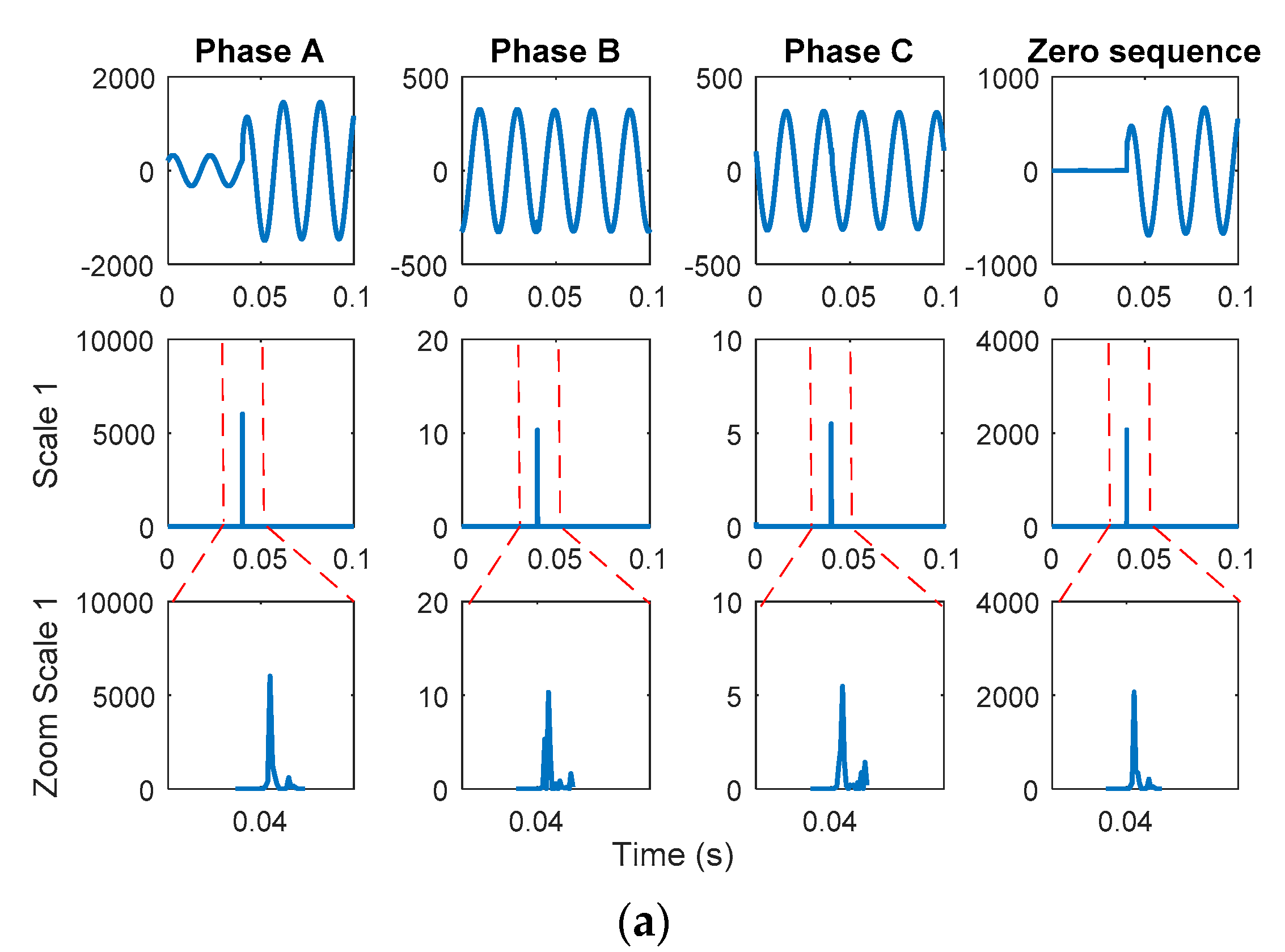
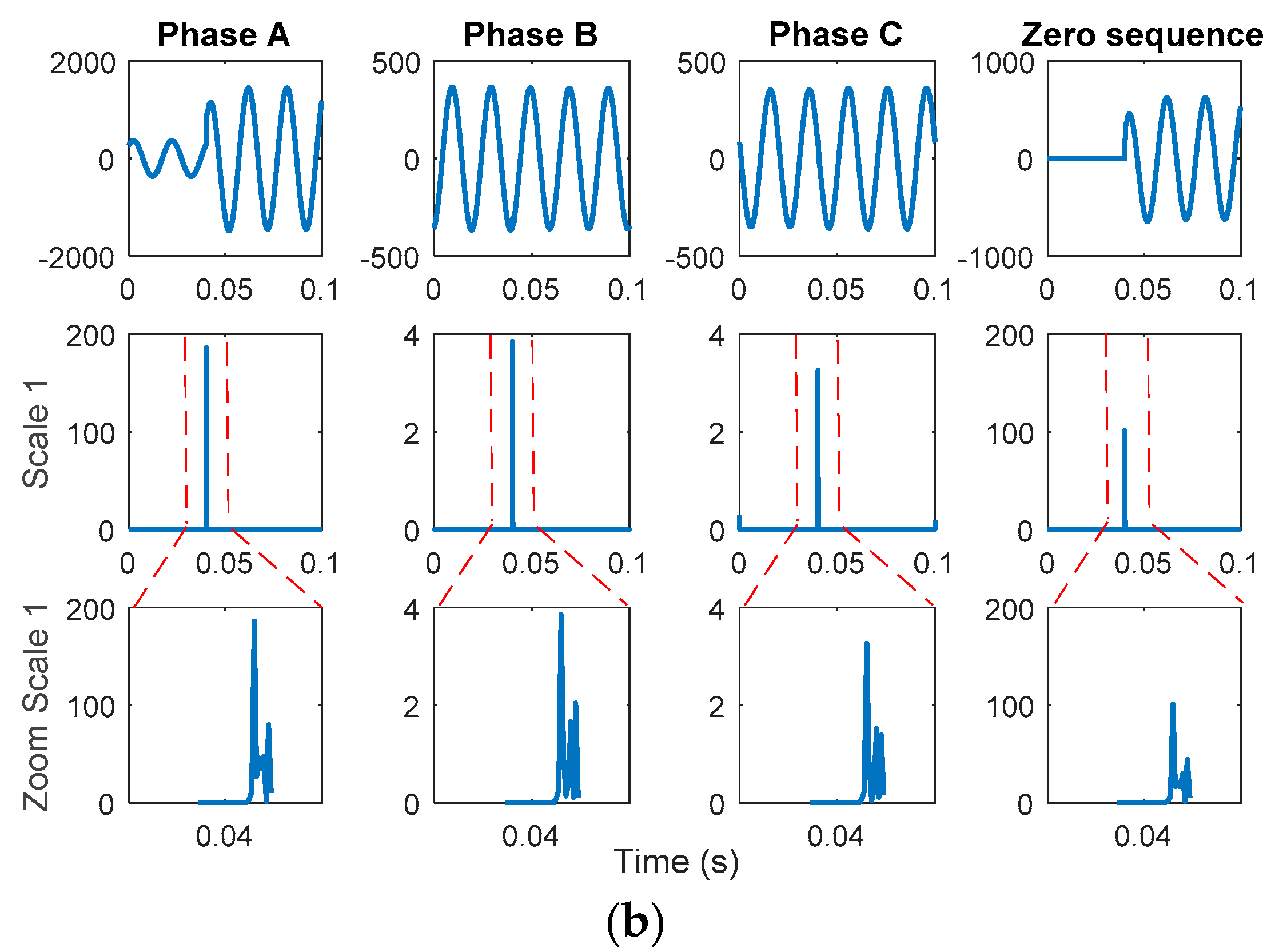
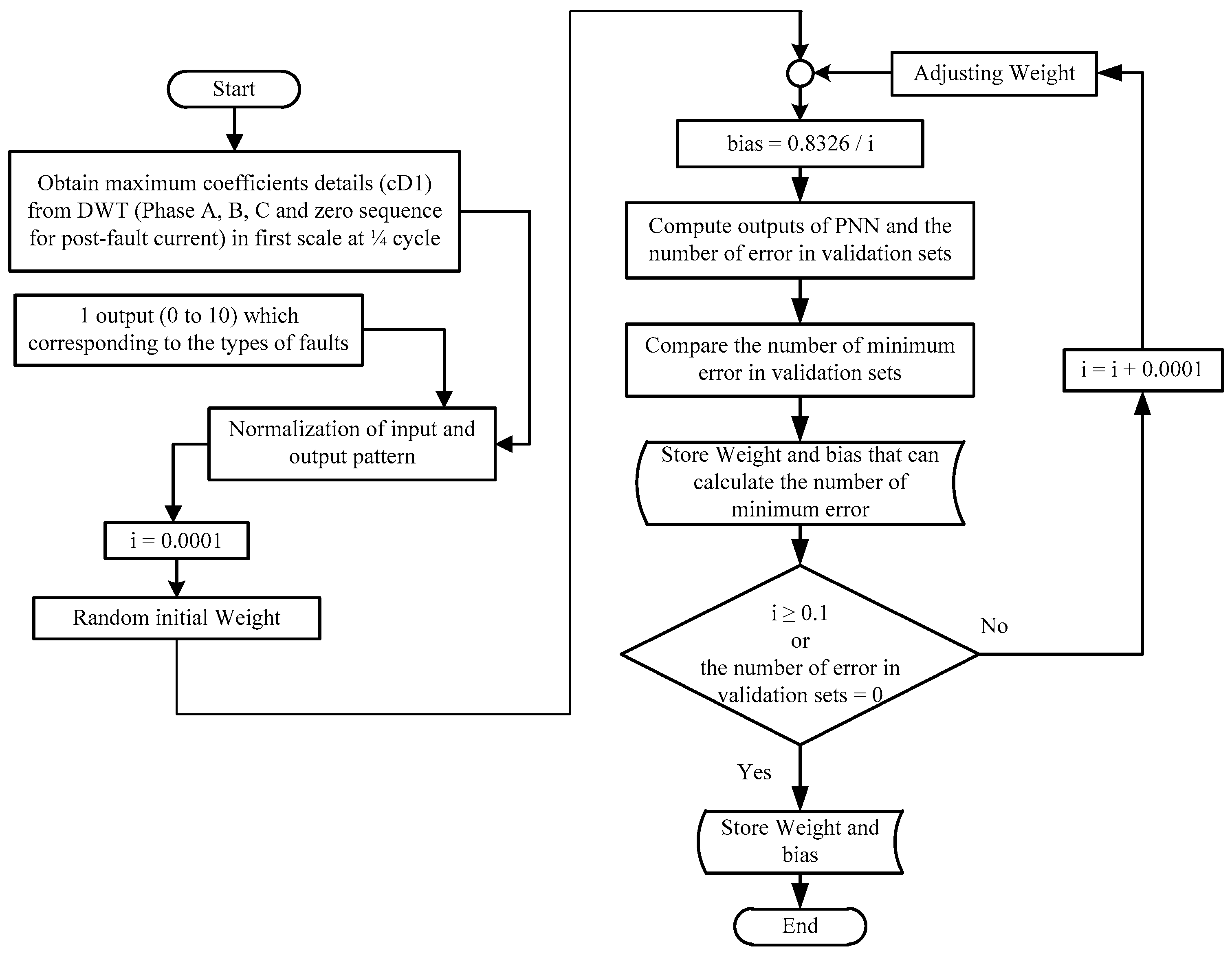
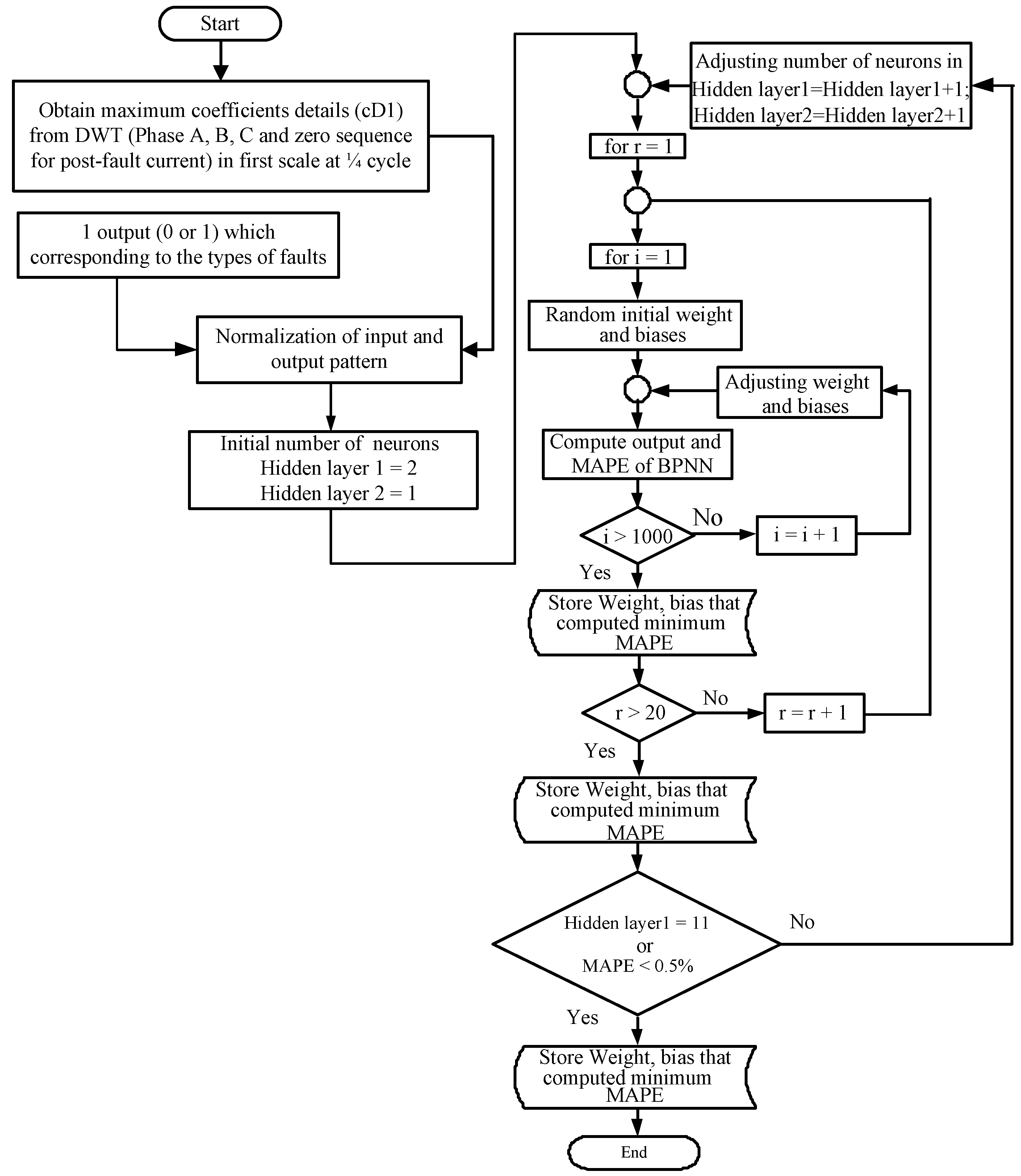
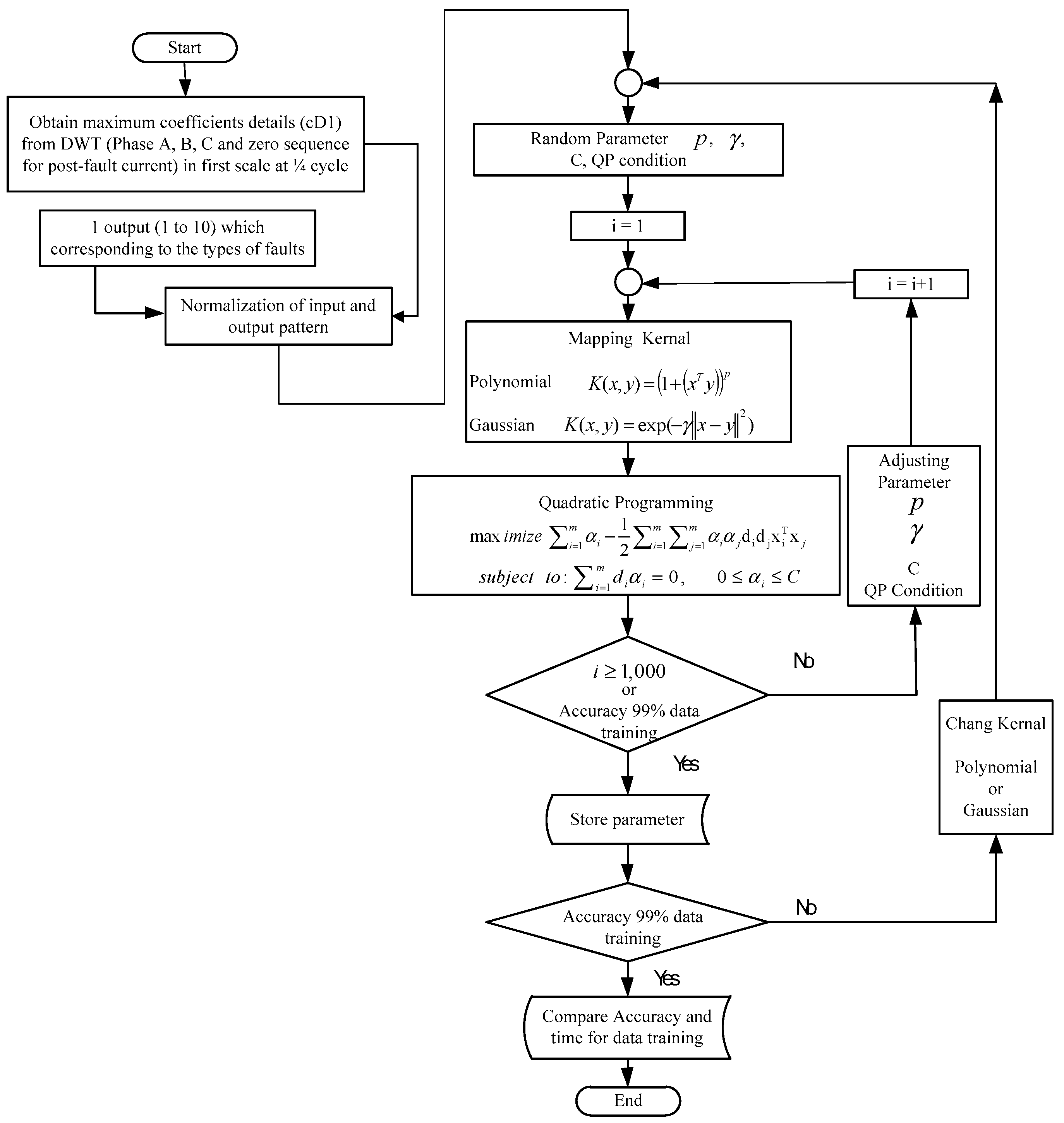
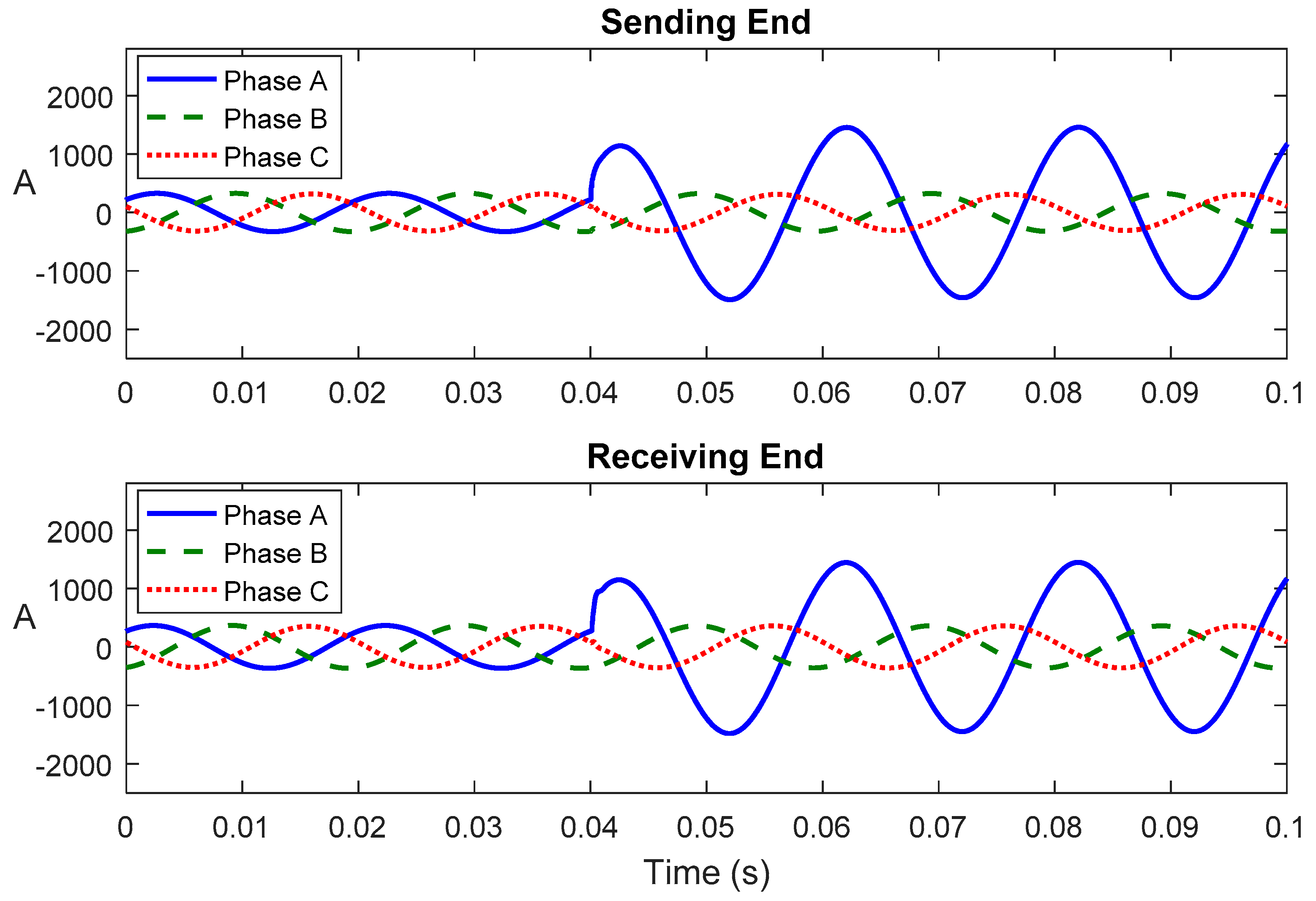
This research proposes a comparison study on different artificial intelligence (AI) methods for classifying faults in hybrid transmission line systems. The 115-kV hybrid transmission line in the Provincial Electricity Authority (PEA-Thailand) system, which is a single circuit single conductor transmission line, is studied. Fault signals in the transmission line were generated by the EMTP/ATPDraw software. Various factors such as fault location, type, and angle were considered. Then, fault signals were analyzed by coefficient details on the first scale of the discrete wavelet transform. Daubechies mother wavelet from MATLAB software was used to decompose the fault signal. The coefficient value of the mother wavelet behaved depending on the position, inception of fault angle, and fault type. AI methods including probabilistic neural networks (PNNs), back-propagation neural networks (BPNNs), and support vector machine (SVM) were used to identify faults. AI input used the maximum first peak coefficients of phase ABC and zero sequence. The results obtained from the study were found to be satisfactory with all AI methodologies having an average accuracy of more than 98% in the case study. However, the SVM technique can provide more accurate results than the PNN and BPNN techniques with less computation burden. Thus, it is suitable for being applied to actual protection systems.
Keywords: probabilistic neural network; back-propagation neural network; support vector machine; discrete wavelet transform; transmission system; fault classification probabilistic neural network; back-propagation neural network; support vector machine; discrete wavelet transform; transmission system; fault classification