Article

Applications of Capacitive Imaging in Human Skin Texture and Hair Analysis


by
Christos Bontozoglou
1,*,† and
Perry Xiao
1,2,*,†
1
School of Engineering, London South Bank University, 103 Borough Road, London SE1 0AA, UK
2
Biox Systems Ltd., Technopark Building, 90 London Road, London SE1 6LN, UK
*
Authors to whom correspondence should be addressed.
These authors contributed equally to this work.
Appl. Sci. 2020, 10(1), 256; https://doi.org/10.3390/app10010256
Submission received: 1 August 2019 / Revised: 21 December 2019 / Accepted: 24 December 2019 / Published: 29 December 2019
(This article belongs to the Special Issue Texture and Colour in Image Analysis)

Abstract

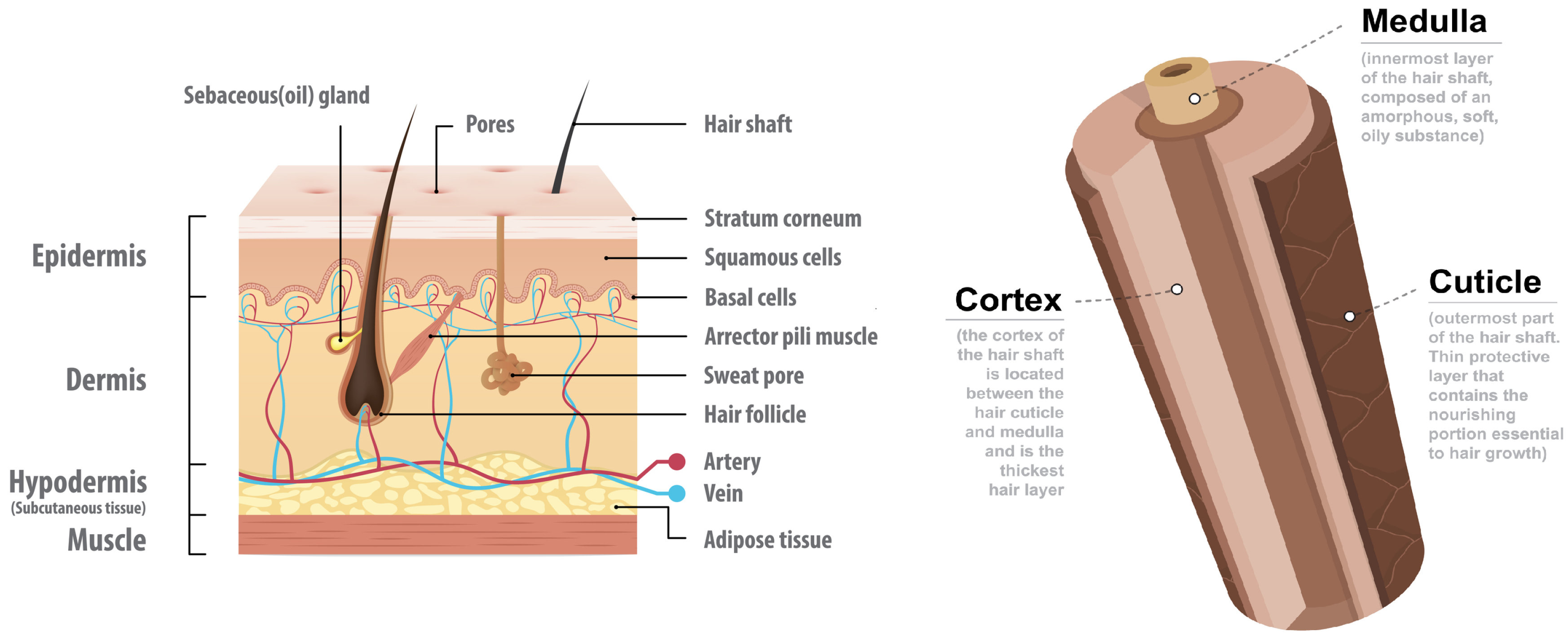
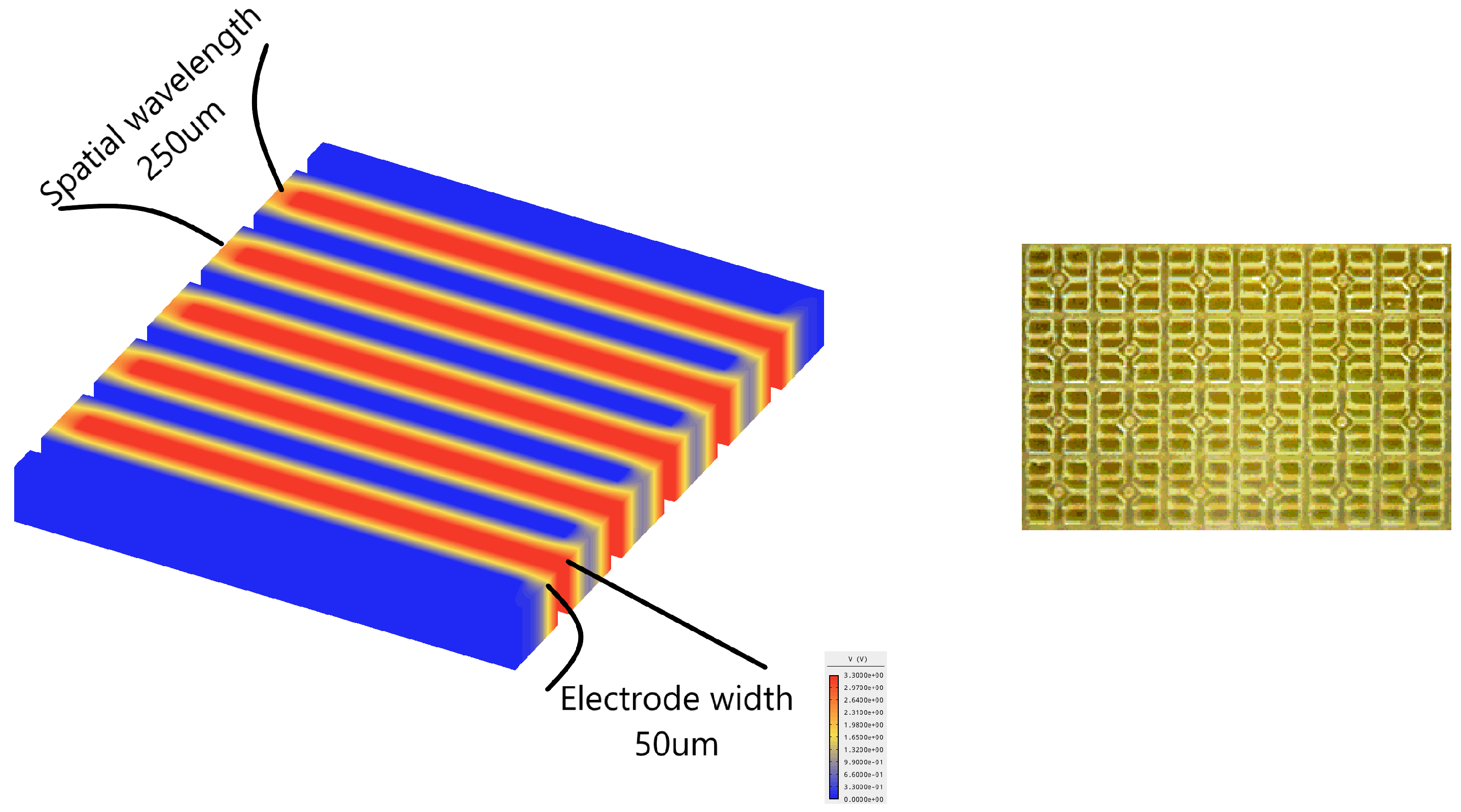
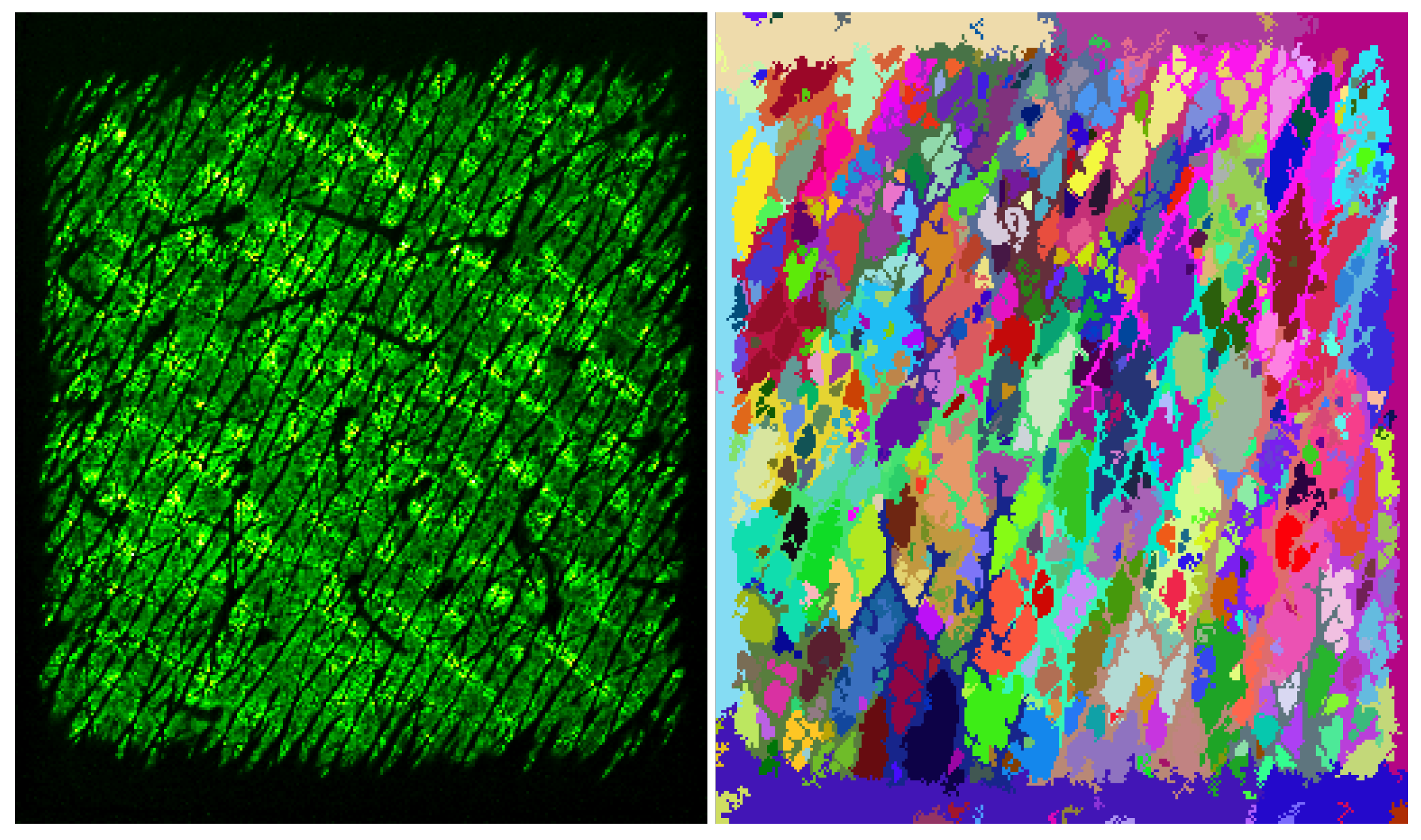
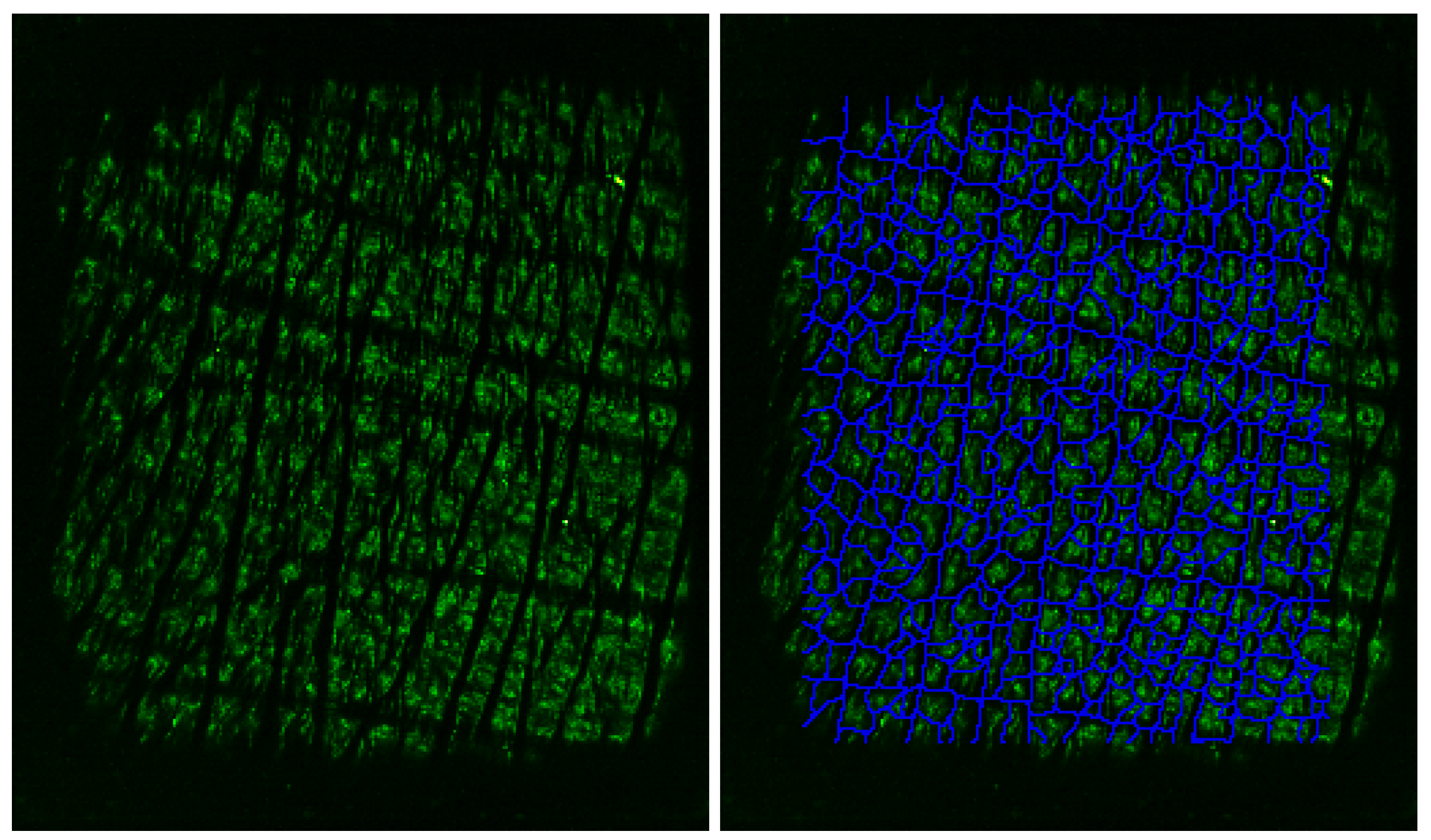
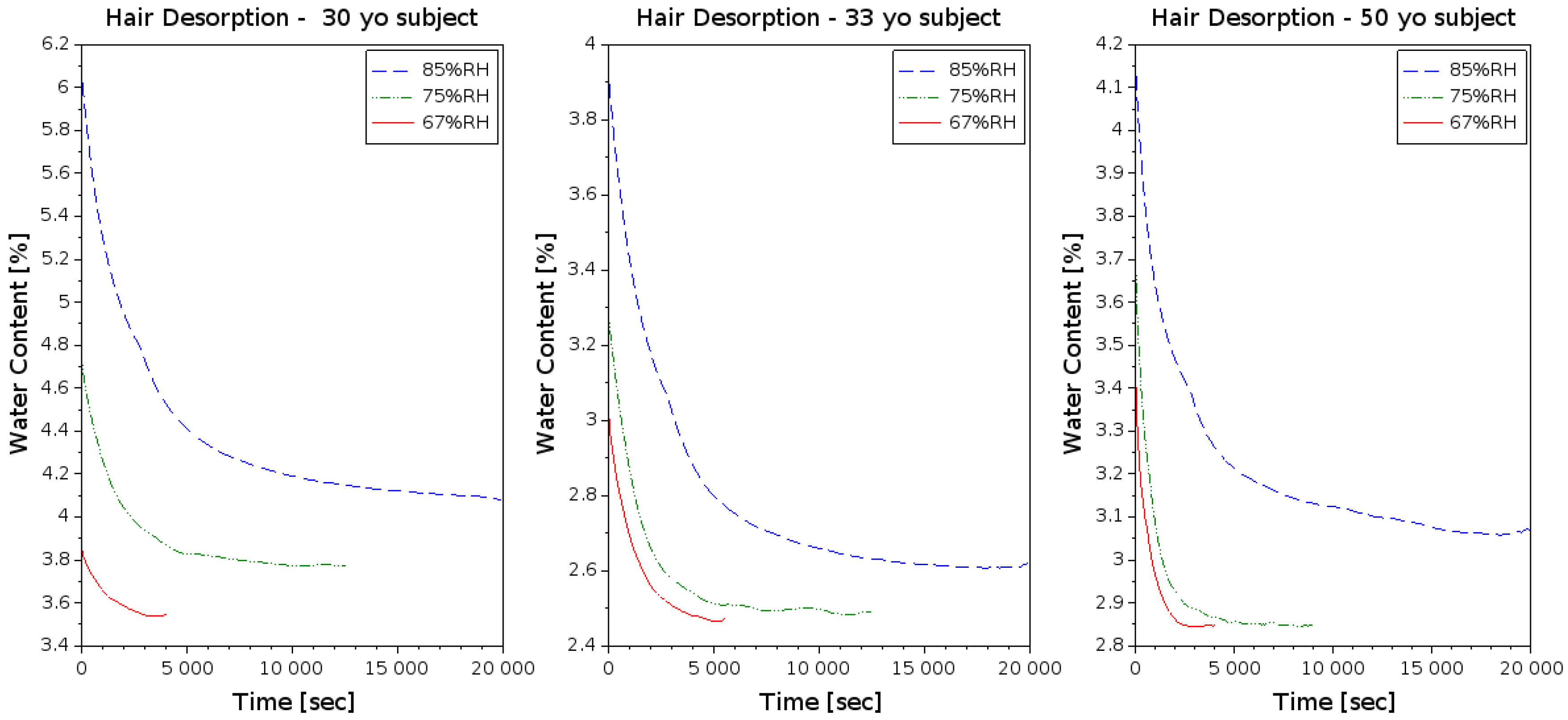
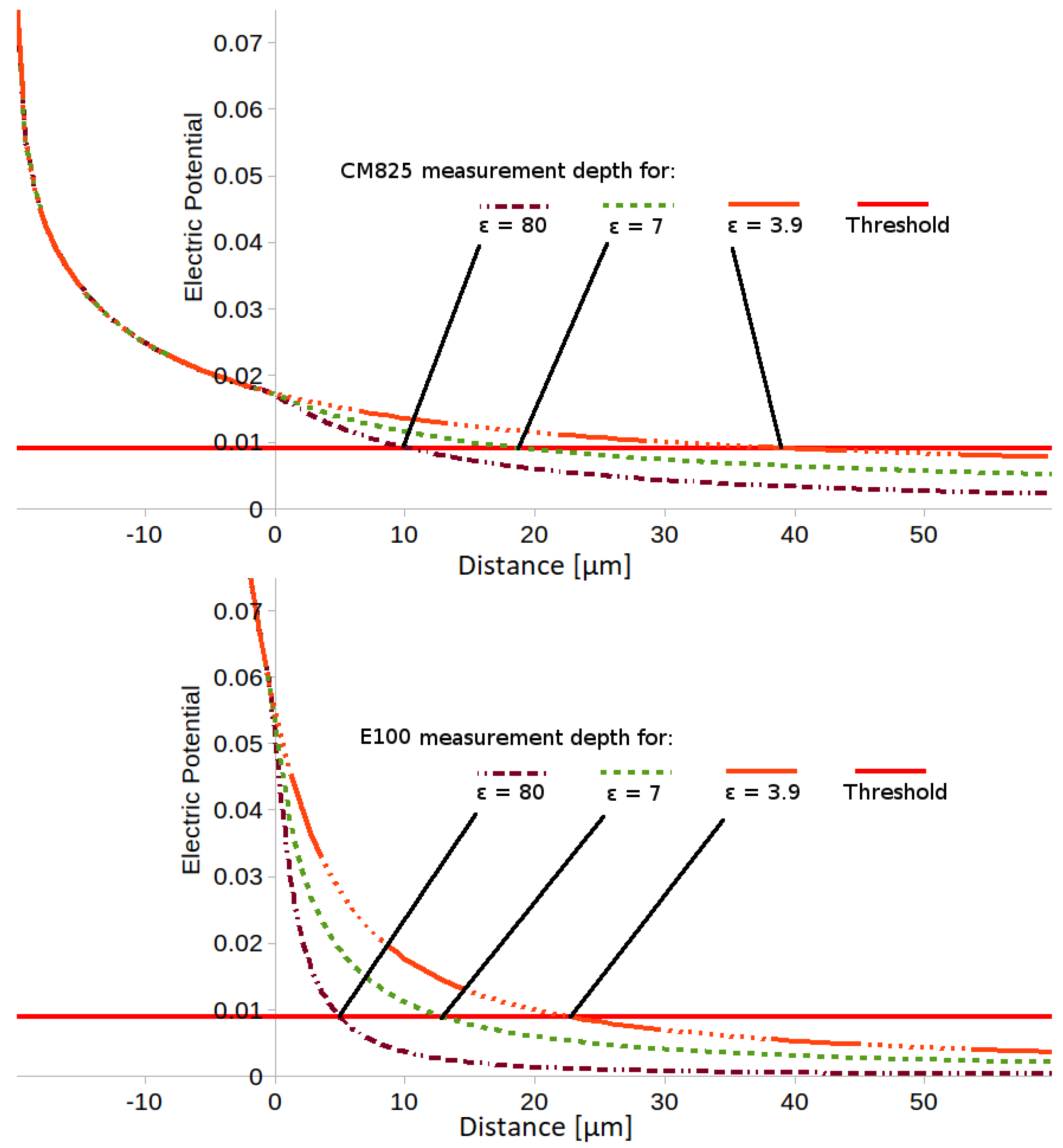
This article focuses on the extraction of information from human skin and scalp hair for evaluation of a subject’s condition in the cosmetic and pharmaceutical industries. It uses capacitive images from existing hand-held research equipment and it applies image processing algorithms to expand their possible applications. The literature review introduces the readers into the field of skin research, and it highlights pieces of information that can be extracted by in vivo skin and ex vivo hair measurements. Then, the selected scientific equipment is presented, and Maxwell-based electrostatic simulations are employed to evaluate the measurement apparatus. Image analysis algorithms are suggested for (a) the detection of polygons on the human skin texture, (b) the estimation of wrinkles length and (c) the observation of hair water sorption capabilities by capacitive imaging systems. Finally, experiments are conducted to evaluate the performance of the presented algorithms and the results are compared with the literature. The results indicate that capacitive imaging systems can be used for skin age classification, detection and tracking of skin artifacts (e.g., wrinkles, moles or scars) and calculation of water content in hair samples.
Keywords: texture; skin microrelief; water sorption; aging; hair texture; skin microrelief; water sorption; aging; hair