1. Introduction
Information logistics applies logistics principles to optimize information processing. In essence, it leverages information technology to enhance logistics processes and requires data on maintenance, operations, and related resources. Today, the concept of information logistics is frequently encountered in companies, as it has become a key element of strategic planning. Data logistics, closely related to information logistics, plays a significant role in the realm of computer networks. The goal of information logistics is to deliver the right products, composed of the appropriate information elements, in the correct format, at the right place, at the right time, to the right person, and at the optimal cost.
The aim of this article is to specify areas that affect the flexibility of the transmission, processing, and preservation of information with an emphasis on streamlining security measures. The basic principle of information strategy is focused on organizing and managing logistics procedures to access accurate and correct information. The article involves the application of the QFD method and setting the relationship between flexibility in solving problems and the effectiveness of security measures. From an interorganizational perspective, information logistics can be defined as the integration of telecommunications infrastructure with a focus on enhancing information quality through advanced customization and personalization frameworks (
Michelberger et al., 2013).
Information systems play a vital role in providing a competitive advantage to companies and are crucial for organizing, operating, and managing logistics functions. Effective management of information technologies supports the development of logistics operations within an organization. Information systems play several key roles in logistics management. One important task is ensuring the transformation of logistics operations to achieve customer satisfaction at the lowest possible cost. Additionally, these systems facilitate the planning and control of logistics activities related to order processing (
Michelberger et al., 2013;
MindCypress, 2024;
Candell et al., 2009). They also track the status of goods and deliveries, providing relevant information to various stakeholders. Another critical function is monitoring actual products to enable effective delivery tracking and ensure quick responses to the tasks. As illustrated in
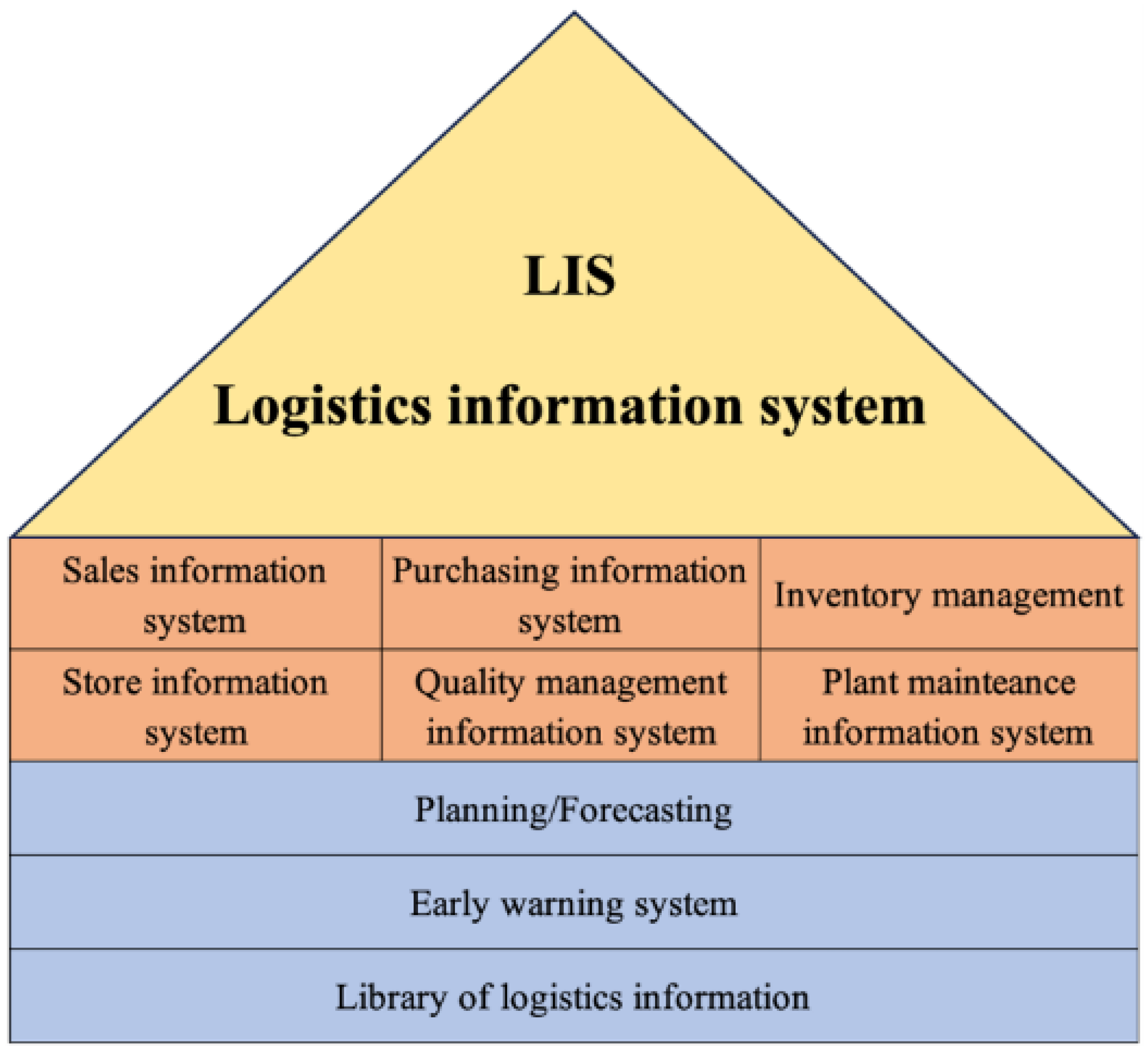
Figure 1, the information system focuses on the use of information technologies to improve the acquisition, production, and distribution of goods and services (
Lyamin et al., 2022;
Boiko et al., 2019;
Saniuk & Witkowski, 2015).
Information logistics plays a critical role in supporting collaborative environments and real-time responsiveness in complex supply chains. According to (
Lyamin et al., 2022), “Information logistics manages the data flows that accompany the material processes of the organization, while using modern information technologies”. The alignment of these flows with QFD enables companies to transform stakeholder requirements into structured, data-informed operational strategies. In such integration, information logistics can serve as support for QFD method, providing traceability and accuracy of customer inputs across design and development phases. Boiko et al. emphasize that “SCM solutions create optimal plans for the use of existing technological lines detailing what, when and in what sequence should be made”, indicating the potential of structured data in aligning production priorities with customer needs—central to QFD logic. The integration of logistics and information systems enhances awareness of various operational aspects. An information system enables the management of both material and information flows within the organization and its external environment.
The objective of this article is to explore how the Quality Function Deployment method (QFD) can be used to improve access to information in organizations by aligning customer requirements with security measures.
2. Literature Review
Information logistics has emerged as a critical domain that focuses on the timely de-livery of appropriate information to various actors, whether human or machine. Quality Function Deployment (QFD) is a powerful methodology for translating customer needs into design requirements, ensuring that the output—be it a product or process—meets these needs effectively. Originating in Japan in the late 1960s and 1970s, QFD has since become a global standard for translating customer needs into engineering characteristics and process parameters (
Mao et al., 2025;
Alarcón et al., 2023). While QFD offers numerous benefits, it is not without limitations. It can be complex and time-consuming to implement, particularly for organizations unfamiliar with structured quality planning methods. However, the benefits in terms of customer satisfaction, product quality, and team alignment often outweigh the initial investment in training and facilitation. Furthermore, the method ensures that customer expectations are understood early and consistently addressed throughout the product development life cycle (
Mao et al., 2025). The advantages of integrating these frameworks include improved coordination, risk mitigation, and responsiveness. (
Pennekamp et al., 2023) argue that “information logistics must be accompanied by usage policies and compliance enforcement to maintain sovereignty”, underscoring the importance of structured governance, which QFD also promotes. Furthermore, contracts in logistics must include clear clauses on information security responsibilities, aligning with QFD’s structured documentation and traceability features (
Małkus & Wawak, 2015).
Moreover, logistics information technologies and knowledge management capabilities serve as vital organizational tools that enhance the performance of intermediaries. As the complexities of logistics industries increase, the role of information systems becomes increasingly crucial. Enhancements in these technologies facilitate logistics service providers and other supply chain participants in managing intricate processes more efficiently, ultimately driving down costs associated with logistics operations. The integration of information technologies across all parties involved in logistics operations is imperative for their overall efficiency (
Yavuz & Deligönül, 2017).
Additionally, the operation of any information system relies heavily on databases and computing power, which are foundational to effective logistics management and control (
Lewczuk & Kłodawski, 2020). As the logistics service sector continues to evolve, the advancement of information technology is shaping competitive dynamics, influencing the performance and competitiveness of logistics service providers (
Nour, 2022). Ultimately, while the potential of information technologies remains untapped by many logistics service providers, those that successfully embrace these advancements can achieve significant competitive and financial benefits (
Wambui et al., 2021).
QFD is commonly associated with design-related initiatives, often limited to product design and development, but its applications extend beyond this scope. It serves as a framework for assessing and prioritizing areas for improvement, converting customer needs into measurable requirements (
Erdil & Arani, 2018). At its core, QFD offers a “systematic approach to design based on customer demands that help prioritize product features” (
Supriyati & Wiyatno, 2023). It operates by identifying what customers require (the WHATs) and relating these to the technical responses or how the organization will meet these needs (the HOWs)—most commonly visualized through the House of Quality (HoQ) matrix (
Mao et al., 2025;
Ginting et al., 2020). The structure of QFD ensures that every stakeholder in the product development chain from marketing to engineering shares a common language and a prioritized list of targets. In summary, QFD is a robust, customer driven tool that aligns product development activities with market needs. By systematically prioritizing customer requirements and translating them into actionable design targets, QFD serves not only as a planning framework but also as a communication tool that strengthens cross-functional integration and enhances product competitiveness. QFD is a method for improving the quality of the products and services by understanding consumers’ needs and then linking those needs with technical characteristics. This planning process enables organizations to implement various technical support tools that complement one another, helping to prioritize problems and capture critical customer insights. As such, it continues to be the foundation for quality planning and customer satisfaction strategies across industries (
Shvetsova et al., 2021).
The QFD methodology can be applied across a variety of sectors, including public management, manufacturing, healthcare, education, construction, and product design. It has proven valuable for reducing development time, improving product quality, and enhancing cross-functional collaboration. QFD also offers strategic advantages. It “promotes effective communication between teamwork and various divisions of the company”, and can significantly improve alignment across departments (
Shvetsova et al., 2021;
Jaqin et al., 2020). Its use in early planning stages “reduces risks of mismatch between product characteristics and customer needs” (
Shvetsova et al., 2021). Through this approach, QFD can significantly enhance existing products, allowing for a structured method to align product engineering needs with customer desires, which ultimately supports improved quality and competitiveness. Overall, QFD plays a vital role in making customer voices an integral part of product design and development, reinforcing its significance across various industries (
Madzík et al., 2019;
Šimonová, 2024).
A well-designed information system is a fundamental element of logistics within any organization, whether operating in profit or non-profit sectors. The strategic management of information technologies plays a key role in enhancing logistics processes and functions across institutions or organizations. One critical condition for successful logistics management is the systematic collection of essential business information. A fully implemented information system significantly supports an organization’s competitive advantage, contributing to new competitive positions, cost reduction, and differentiation in business relationships, while also improving the efficiency of all logistics functions.
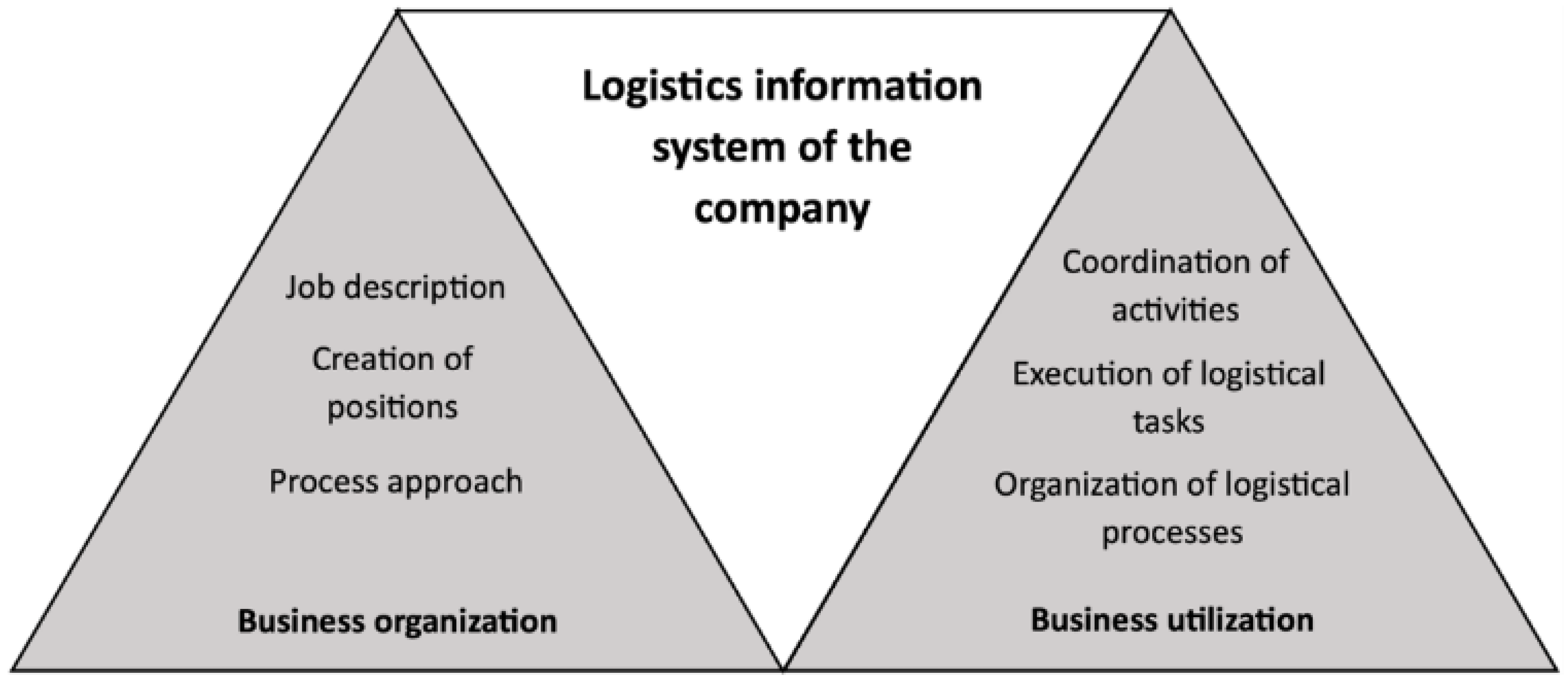
The structure and use of the logistics information system within a corporate environment are illustrated in
Figure 2. The primary objective of an information system in logistics management is to establish strong connections between consumers, suppliers, and competitors. Based on logistics management decisions, this connection can be shaped in an aggressive or defensive manner (
Šimonová, 2024;
Kubasáková, 2024).
The flow of information is crucial for businesses, because it enables the effective co-ordination of activities, fosters collaboration between departments, improves communication, and ensures smooth and efficient operations. For a company to succeed, it must rely on accurate and reliable information (
Kent, 2018). Establishing the right information flow is crucial for businesses striving for success, as it enables effective planning, decision-making, and process improvement. Companies possess various insights that highlight the importance of maintaining an accurate information flow. Firstly, the decisions informed by this flow are vital. Organizations make both small and large decisions, and utilizing accurate information leads to better outcomes. It is essential to focus on key information that can be anticipated in advance. Another important factor is gaining a competitive ad-vantage in the market. By implementing the latest information within the industry, a company significantly increases its chances of achieving a competitive edge. Continuous monitoring and analysis of cycle durations can help minimize these cycles, thereby reducing delays. Building corporate intelligence involves collecting and sharing information, which is paramount for developing overall corporate IQ. Companies should establish mechanisms to gather insights from each department. This information can then be analyzed to identify areas for improvement or to introduce new services and products (
Šimonová, 2024;
ForceIntellect, 2024;
Malindzakova et al., 2020).
The structure and implementation of information strategies may vary significantly depending on the size of the organization. Small and medium-sized enterprises (SMEs) typically operate with limited financial and technological resources, which often results in simplified information systems and security structures. In contrast, large organizations tend to implement more complex information infrastructures supported by specialized IT departments and advanced security frameworks.
3. Problem Formulation
The basic principle of information strategy is focused on organizing and managing logistics procedures as an essential factor for each company. Rapid changes in world markets are the reason for increasing complexity and therefore it is necessary to have access to accurate and correct information anytime and anywhere. The importance of this approach lies in increasing the efficiency and agility of security measures. This forms the basis of the central research hypothesis: “There is a positive relationship between flexibility in problem solving and the streamlining of security measures.” This hypothesis is tested through a combination of QFD analysis and correlation assessment over the observed period. The aim of the article is to identify security measures that minimize the level of risk. The problem formulation assumes the following:
There is a relationship between flexibility in problem solving and streamlining security measures. Given the problems encountered in the transmission, processing, and storage of information and data in the studied companies, it is necessary to identify specific security criteria. The following problem areas were identified within the research over a period of three years:
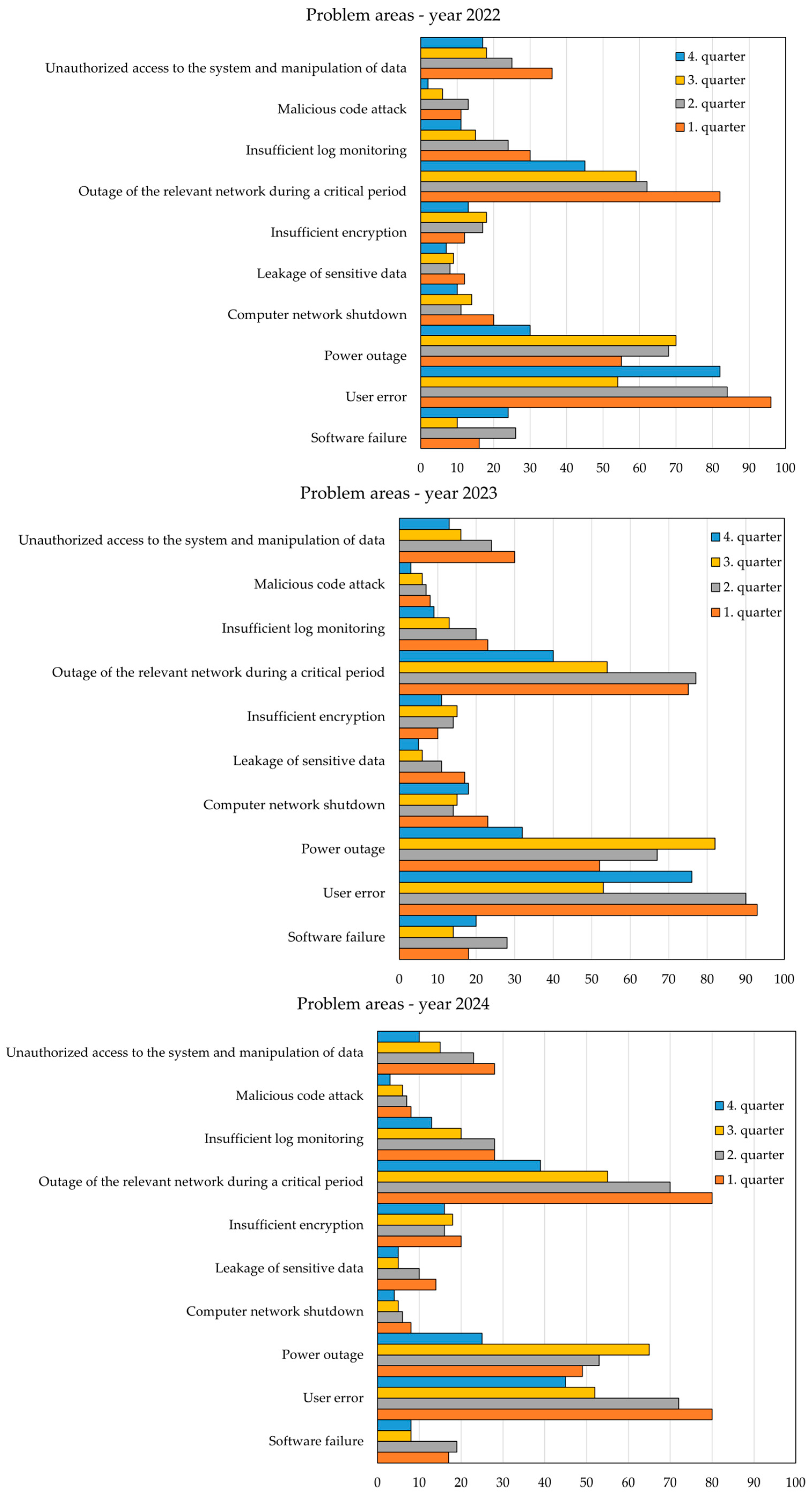
Software failure, User error, Power outage, Computer network shutdown, Leakage of sensitive data, Insufficient encryption, Outage of the relevant network during a critical period, Insufficient log monitoring, Malicious code attack, Unauthorized access to the system and manipulation of data. The data shown in
Figure 3 was collected over a three-year period through structured monitoring in cooperation with 15 small and medium-sized enterprises (SMEs). Failures were tracked and recorded by the companies’ IT teams as part of internal audits of information systems and security operations.
Figure 3 it can be seen that the following failures are above the average value:
The relatively similar intensity of failures across individual quarters and problem areas can be explained by the operational characteristics of the observed organizations. The participating SMEs operate in stable IT environments with comparable infrastructure and similar organizational processes. As a result, the occurrence of failures is influenced by recurring operational factors such as routine user activities, periodic system maintenance, and standardized software configurations. These conditions lead to relatively stable patterns of failure intensity across quarters. Moreover, internal monitoring procedures used by the companies ensure consistent reporting of incidents, which contributes to the comparable distribution of identified problem areas over the observed three-year period.
The purpose of the article is to propose appropriate security measures to minimize problems related to the transmission, processing and storage of information and data.
4. Materials and Methods
The main reason for using the QFD method was to identify the main customer requirements, which could be transformed into qualitative characteristics of the service. Customer requirements were collected through structured interviews with end-users and service managers within the company over a three-year period. The importance levels of each requirement were evaluated and normalized to form the input weights for the QFD matrix.
The QFD (Quality Function Deployment) method is a managerial tool designed to translate customer requirements into technical specifications for a service or product. The core of this method lies in defining input requirements. QFD consists of three interrelated concepts:
Q (Quality): A set of tools focused on customer-oriented planning and development;
F (Function): Ensuring quality through collaboration across various sectors within the organization;
D (Deployment): Achieving predefined quality goals at every level.
This method aims to prevent issues in production and development that arise from misinterpreting customer needs. QFD enhances both products and processes while serv-ing as a communication bridge between the stages of product design, production, or ser-vice delivery, making it a vital planning tool (
Malindzakova et al., 2020). Additionally, information visibility is central to both QFD and logistics enhances collaboration. The synergy of the QFD method and information logistics contributes to the fact that information sharing improves cooperation among channel members, increases competitive advantage and lastly leads to better customer service. In practice, the integration of QFD and information logistics helps organizations translate customer voice into technical requirements while ensuring these are communicated and delivered efficiently. The use of the QFD method offers numerous benefits, such as fostering teamwork, improving customer understanding, supporting continuous improvement, promoting a systematic approach, and enhancing organizational knowledge. It is widely used by global companies like IBM, Kodak, Ford, and Kawasaki Heavy Industry, among others (
Valashiya & Luke, 2023;
Wolniak & Hąbek, 2014;
Rihar & Kušar, 2021;
Bhattacharya et al., 2010).
A key consideration when applying the QFD method is ensuring that the focus on quality aligns with the organization’s culture of quality (
Mohd Saad et al., 2013;
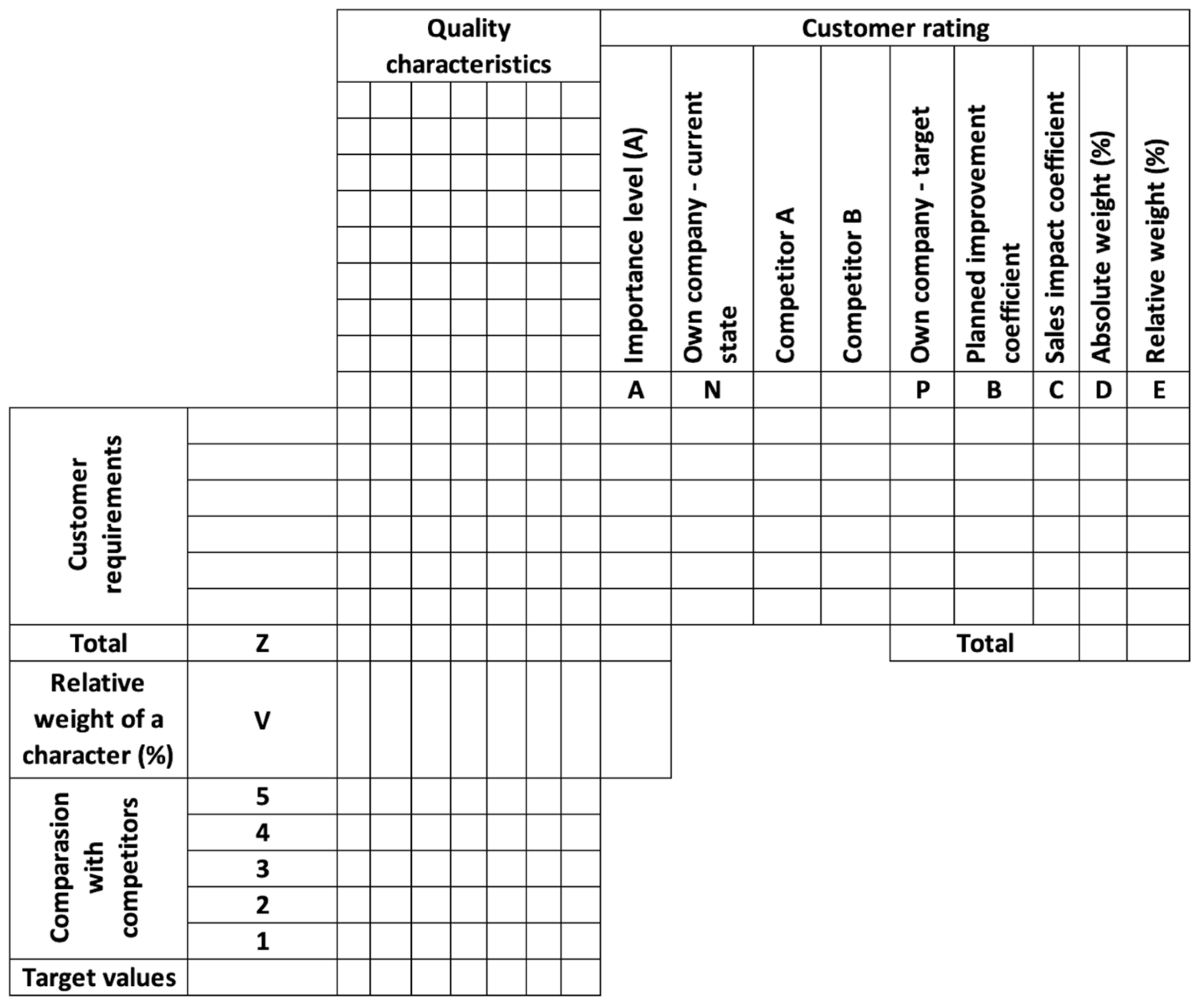
Wolniak, 2018). As a part of the research and development of the QFD matrix, a general matrix template was used as a basis, as shown in
Figure 4.
The evaluation of the QFD matrix was carried out by three independent experts in the field of quality of services. The following formulas were used in the calculation of the QFD matrix:
Ai—the degree of importance of the given requirements;
Bi—the coefficient of planning to improve the fulfillment of the requirement;
Ci—the coefficient of influence on the marketability of the service.
Within the Sales Impact Coefficient, it is important to determine the values for individual customer requirements. In this research, the evaluation was based on the following rating: 1.5—strong impact; 1.2—moderate impact; and 1—weak impact (
Plura, 2001).
Within the diagram in the selection ‘Quality Characteristics—KPI’s, the degree of correlation was specified, reflecting the relationship between customer requirements and quality characteristics. To transform customer requirements into service quality specifications, it is possible to apply a quantitative assessment of the importance of the quality features of the provided services. The suitability of the degree of dependence between in-dividual customer requirements and the relevant quality features is conveniently ex-pressed by a numerical coefficient, which takes the value 1 for weak dependence, the value 3 for average dependence, and the value 9 for strong dependence (
Plura, 2001).
The correlation degrees (strong = 9, moderate = 3, weak = 1) were assigned based on expert evaluation using the Delphi method, involving three rounds of consensus among quality and logistics experts. Based on this, the following formula was used:
Relative Weight of the Requirement (
Plura, 2001):
where
kij is the coefficient of the correlation degree between customer requirement
i and quality characteristics
j.
The relative weight of a requirement serves to specify the importance of quality characteristics in relation to the customer requirement.
The significance of quality characteristics is essential for the fulfillment of customer’s requirements. The next step involves calculating the relative weight of the quality characteristics: relative weight of a requirement serves to specify the importance of quality characteristics in relation to the customer requirement.
Weight of the quality characteristics (
Plura, 2001):
where
m is the number of quality characteristics.
4.1. Security Policy Specification
In order to effectively assess the importance of each customer requirement, it was important to focus on the security strategy. The organization, along with its management, must first establish a clear understanding of the task at hand. A security strategy should be clearly defined, outlining what needs protection and the actions the organization can take to achieve this. Regular reviews are essential to ensure the strategy remains effective, relevant, and efficient. This security strategy is documented in a formal written document called the security policy, for which management holds responsibility. The security policy must be clearly understandable to all employees who are expected to adhere to it. It should be included in the company’s official documentation, visibly displayed within the organization, and made accessible to the public. Defining security roles and assigning them to the appropriate employees is also crucial. The employee designated by management is tasked with investigating security incidents, monitoring the implementation of security measures, and assisting management in the ongoing development of the security policy (
Šimonová, 2024;
Ministry of Finance of the Slovak Republic, 2023).
4.2. Risk Analysis
Based on the above-mentioned security strategy, it was possible to conduct a risk analysis. After establishing the main goals outlined in the security policy, it was essential to create an overview of the areas requiring protection and to specify the appropriate protection levels, which are shown in
Table 1. Risk analysis can be carried out either by the organization’s employees or by an external entity. During this process, it is important to identify the company’s assets, potential risks, legal and regulatory requirements, as well as existing security measures (
Šimonová, 2024;
Ministry of Finance of the Slovak Republic, 2023).
4.3. Security Measures
Based on the risk analysis, it was possible to specify security measures that would eliminate possible threats based on the requirements. Security measures are solutions implemented to reduce risk levels. These measures are generally categorized into three types:
Technical measures involving the use of hardware and software components;
Organizational measures including rules, procedures, training, assigning responsibilities, contracts and policies;
Operational measures focusing on physical security, access control, and support infrastructure.
By introducing new measures or enhancing existing ones, an organization can effectively mitigate risks. The primary goals are to eliminate asset vulnerabilities to reduce potential threats and to implement targeted measures that lower an attacker’s motivation and capacity while minimizing the impact on the organization (
Šimonová, 2024;
Ministry of Finance of the Slovak Republic, 2023).
Cloud computing has become a fundamental component of modern information systems; however, it also introduces significant security challenges due to its distributed and virtualized architecture (
Nassif et al., 2021). Because cloud infrastructures rely heavily on internet protocols and virtualization technologies, they are exposed to various cyber threats, including denial-of-service attacks and unauthorized access (
Nassif et al., 2021). At the same time, storing sensitive data in cloud environments raises concerns regarding data confidentiality, integrity, and privacy protection (
Salih & Mohammad, 2024). As organizations continue to migrate their operations to the cloud, implementing robust security mechanisms and continuous monitoring becomes essential to protect digital assets and maintain system reliability (
Sharma, 2025). Advanced techniques, such as machine learning methods, can further enhance cloud security by detecting and preventing emerging cyber threats in dynamic cloud environments (
Nassif et al., 2021). As organizations increasingly rely on cloud infrastructure for data storage and service delivery, it is necessary to implement security mechanisms that address cloud specific risks. These measures include secure authentication protocols, encryption of data both at rest and in transit, identity and access management systems, and continuous monitoring of cloud environments.
4.4. Non-Parametric Test for Significance of Trend
Non-parametric methods are widely used in trend and change-point analysis, including the Mann–Kendall test, the Mann–Whitney–Wilcoxon test, the Pettitt test, the Standard Normal Homogeneity Test (SNHT), the Cumulative Sum (CUSUM) test, and the two-sample Kolmogorov–Smirnov test, among others. These techniques are particularly valuable because they not only evaluate the statistical significance of potential change points but also determine their temporal occurrence. Among them, the Mann–Kendall test is commonly applied to identify monotonic trends in time series data (
Kamal & Pachauri, 2018).
The Mann–Kendall test is an applied non-parametric statistical method for detecting monotonic trends in time series data. It does not require the data to conform to a specific distribution, which makes it particularly suitable when the assumptions of parametric tests, such as normality and homoscedasticity, are violated. In contrast to parametric approaches, the Mann–Kendall test is robust to outliers and demonstrates reduced sensitivity to missing values and irregularly spaced observations. This test assesses whether a variable tends to increase or decrease consistently over time by “comparing all pairs of values in the data set to assess the direction of the trend. The Mann–Kendall test statistic (S) is calculated from the difference in ranks between pairs of observations, and its significance is evaluated using a Z-score (Z
s). The fundamental principle of the test is based on ranking the observations and analyzing their relative ordering in order to assess the direction and statistical significance of the trend (
Kamal & Pachauri, 2018).
where:
Therefore, the variance of the distribution is assumed to be constant in time. The Mann–Kendall test statistic s is calculated using the given equation (
Kamal & Pachauri, 2018):
where:
n—total number of data points in the time series;
m—cluster of data points with the same data value;
ti—total observation of range i at a specific time.
When the total sample size
n exceeds 10, the standardized test statistic
Zs is calculated using the following formula (
Kamal & Pachauri, 2018):
A positive value of Z
s indicates an increasing (positive) trend in the time series, whereas a negative Z
s value signifies a decreasing (negative) trend (
Kamal & Pachauri, 2018).
5. Results
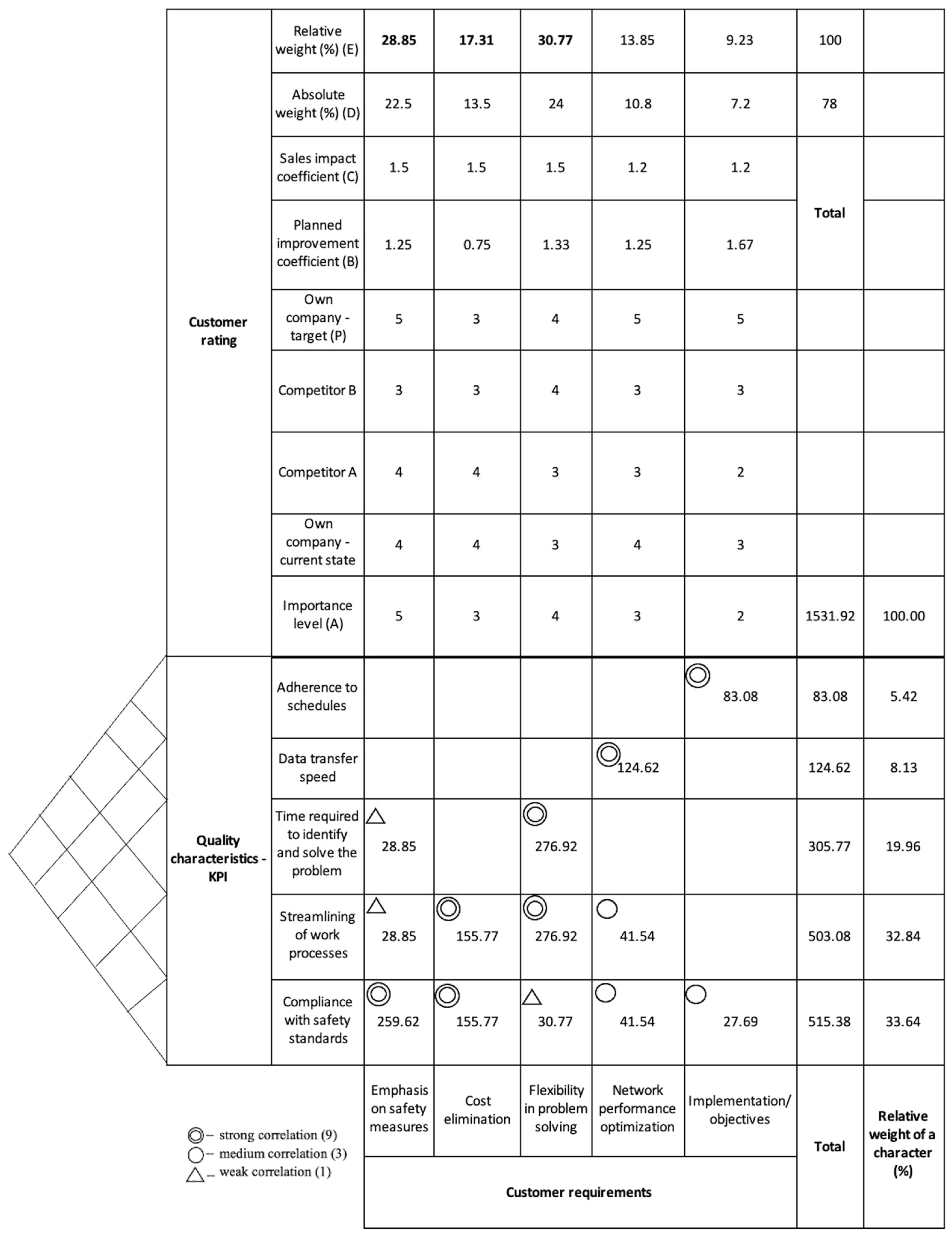
Creating a QFD matrix involves developing a table that contains essential data, serving as key indicators for identifying and specifying customer requirements. This table is also a critical tool for defining KPIs that measure the success of the new process.
Figure 5 illustrates these key data points. Initially, information was gathered to represent customer needs and expectations, which were considered when creating the QFD matrix. The data set was ranked by importance to contribute to the overall objective. Security measures, highlighted in red, represent critical data due to their significant impact. In contrast, cost elimination, flexibility in problem solving, and network performance optimization, high-lighted in green, represent less critical factors. The final group focuses on implementation and goals, which have the smallest impact on overall customer requirements. This process is essential for identifying the key customer requirements and the factors that most significantly influence the success of the process. The final display of the QFD matrix can be seen in
Figure 5.
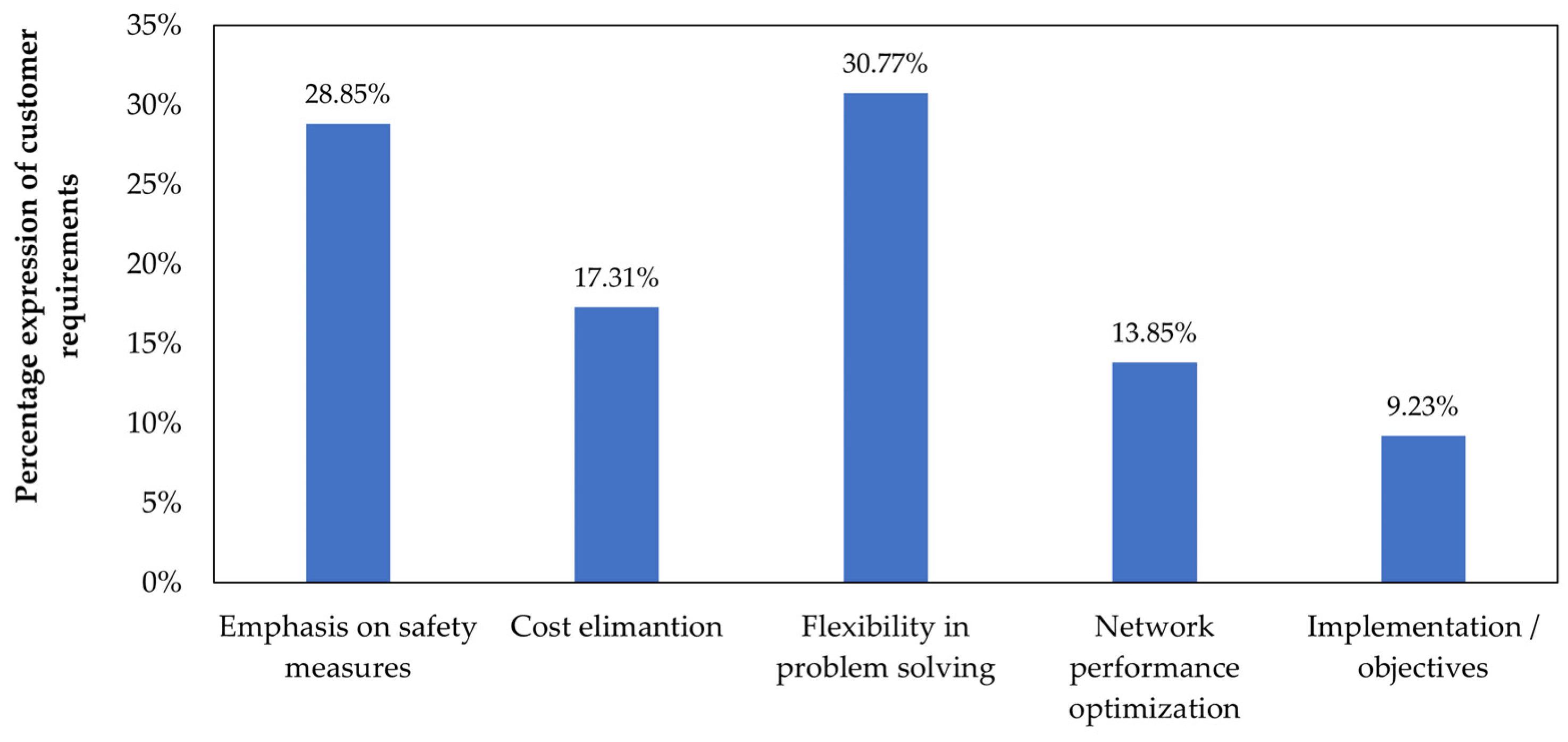
From the results of the matrix diagram using the QFD method, it is clear and visible that in terms of assessing the degree of importance of individual customer re-quirements, the most important ones include relative weight (
Figure 6):
From the results of the QFD matrix, it is also possible to conclude that the most important key performance indicators—KPIs—in terms of importance for the customer are derived from relative weights of a character and are:
- 4.
Compliance with safety standards—33.64%;
- 5.
Streamlining of work processes—32.84%;
- 6.
Time required to identify and solve the problem—19.96%.
Figure 6.
Importance of individual customer requirements.
Figure 6.
Importance of individual customer requirements.
6. Discussion
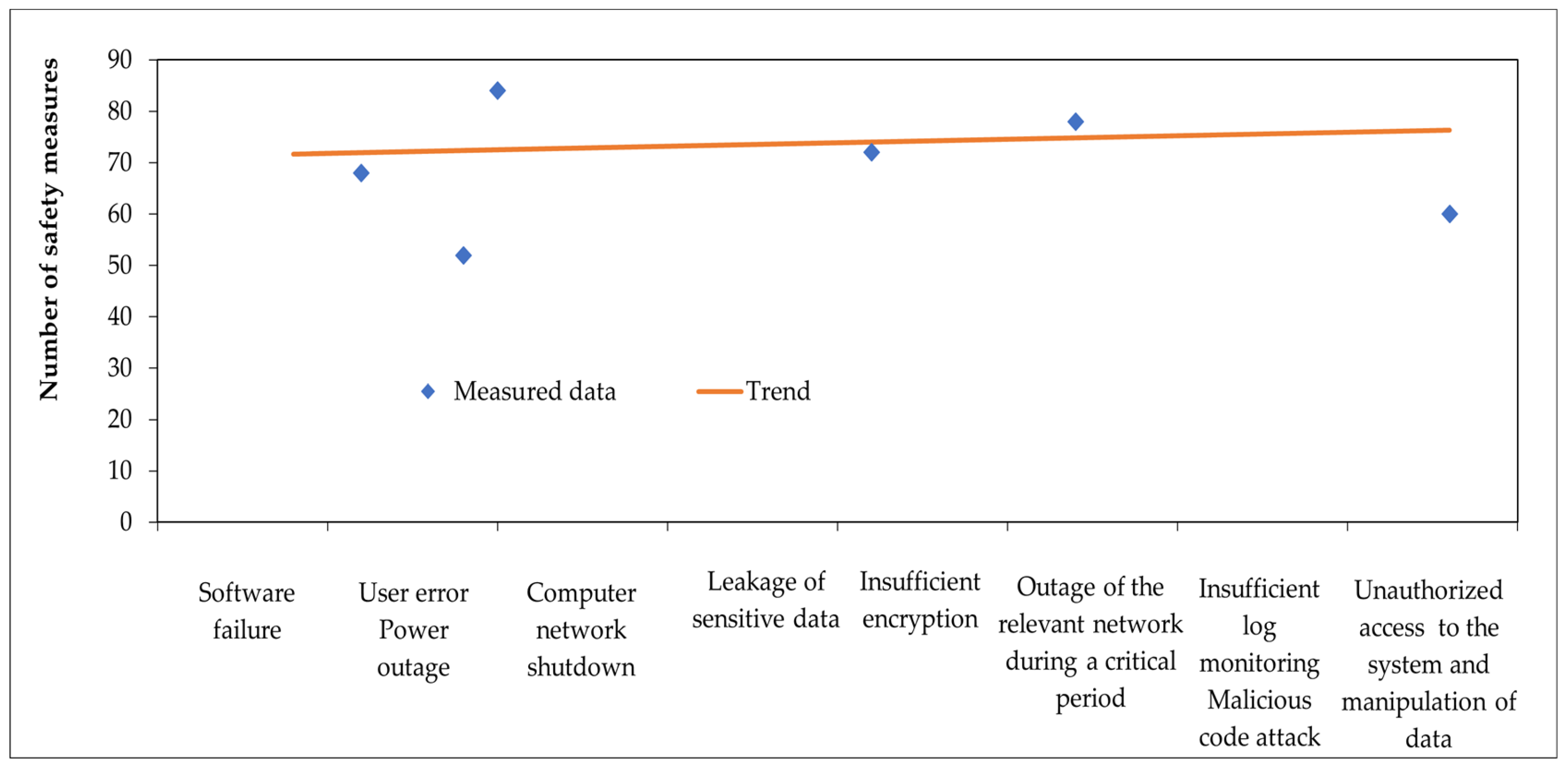
The article involves the application of the QFD method and setting the relationship between flexibility in solving problems and the effectiveness of security measures. Regression analysis is applied for the evaluation of input data. The implementation of current security measures can be described by a linear trend, as displayed in following formula:
The results of the research over a period of three years confirm the established assumption that there is a positive relationship between flexibility in problem solving and the effectiveness of security measures (
Figure 7). The identified positive relationship is also presented by the calculated correlation coefficient, the value of which is r = 0.849. The calculated correlation coefficient shows that with an increasing number of problems, individual security measures are implemented appropriately.
The Mann–Kendall test was used to verify the trend of specified solved problems (failures). When performed on the current data set, the test yielded a variance of S = 31 and a standardized test statistic of Zs = 2.0669. The corresponding p-value of the test was p = 0.0390, indicating that the trend is statistically significant at two significance levels, namely 10% and 5%.
Table 2 presents the trend values at the 10%, 5% and 1% significance levels. It can be observed that at the 10% and 5% significance levels, the value of
Zs falls within the acceptable range, which indicates that the records of the specified solved problems show a statistically significant trend. However, at the 1% significance level, the data do not show a significant trend. Since the value of Z
s = 2.0669 is positive, it can be stated that there is a positive trend in the solved problems (failures).
The companies under review have to evaluate the effectiveness of the security measures in place at regular intervals. Each safety measure category contributes to meeting specific quality characteristics identified in the QFD matrix. For example, technical measures such as encryption and VPNs directly support “Compliance with safety standards”; organizational measures like policies and training enhance “Streamlining of work processes”; operational measures including physical access control and monitoring relate to “Time required to identify and solve the problem.” The specification of security measures includes:
Ensuring authentication, which creates an environment that is secure and requires the use of strong passwords that are changed by all users at regular intervals, thus reducing the risk of unauthorized access to the relevant network. It is also important to implement authentication using certificates, which creates additional protection through digital identity verification.
A firewall and its implementation will ensure the protection of the data of the respective network. It is essential that the firewall can quickly and effectively reduce and block unwanted traffic as well as various hacker attacks, spam and other possible threats. A strong firewall is an important aspect of protecting the integrated environment from various types of attacks.
Virtual Private Network (VPN) and its implementation will ensure access to the data protection of the respective network, which is secure even from remote locations. By implementing it, the organization minimizes and eliminates incidents that would cause leakage and manipulation from the external environment. A VPN provides communication that is encrypted and secure.
Encryption serves to ensure the protection of data on the network in question. As a result, all data will be protected and this is also related to the implementation of strong encryption methods. Encryption must ensure aspects that are included in communication and access control. Using encryption adds another strong layer of protection and reduces the risk of leakage of all sensitive data and information that seeks to protect them.
Redundancy seeks to achieve high availability of a computer network due to outage or failure by implementing redundancies. This is a strategic step that uses the creation of backup systems that automatically manage operations on the main line. Redundancy will ensure that the network will always be available, which is very important for the smooth operation of business processes and the elimination of outages on a user basis.
Monitoring and risk management provides all important software elements and tools, whose task is to analyze and identify risks that protect the information and da-ta of the relevant network from all possible threats. Since the object of interest of the company under study is the creation, implementation and validation of security measures aimed at improving the quality of the services provided.
The duration required to identify and resolve problems is influenced by several organizational and technological factors. These include the level of monitoring automation, the availability of skilled IT personnel, the quality of incident reporting procedures, and the maturity of the organization’s information security management practices. Organizations with well-defined monitoring systems and clearly assigned responsibilities are able to detect failures more rapidly and implement corrective actions efficiently.
The results of the QFD matrix are presented in
Figure 5, aiming to determine the im-portance of quality characteristics—key performance indicators:
Compliance with Safety Standards (33.64%): The evaluation of customer requirements takes into account: emphasis on safety measures, cost elimination, problem solving flexibility, network performance optimization, and implementation. The results indicate that safety standards are being effectively utilized.
Streamlining Work Processes (32.84%): The evaluation from the QFD matrix reveals the following customer requirements: emphasis on safety measures, cost elimination, problem solving flexibility, and network performance optimization. The result indicates that work processes are utilized effectively, but there is still room for improvement.
Time Required to Identify and Resolve Issues (19.96%): The evaluation of customer requirements includes: emphasis on safety measures and problem-solving flexibility. The result suggests that there is still room to accelerate the identification and resolution process.
Data Transfer Speed (8.13%): The results highlight the improvements that are needed to ensure faster data transfer and optimize network performance to meet customer expectations.
Adherence to Timelines (5.42%): From the perspective of customer requirements evaluation, adherence to timelines is crucial. The result shows that there is a need to increase data transfer speed. The results show a clear need for a schedule-oriented approach to project implementation.
7. Conclusions
This article demonstrates that integrating QFD with information logistics provides a structured way to align customer expectations with technical security measures. The QFD matrix enabled prioritization of customer requirements, with the most critical factors being flexibility in problem solving and emphasis on safety measures. By the means of correlation analysis, a strong positive relationship was confirmed between these elements, thereby supporting the stated hypothesis. Moreover, the emphasis on security policies and risk assessment complements findings in the information systems literature that highlight governance and traceability as key success factors. The outcomes of this article may guide organizations in refining their security strategies using customer-driven methodologies such as QFD.
Flexibility in the problem-solving process plays an important role in the implementation and effectiveness of security measures. Organizations that demonstrate higher flexibility are able to react more quickly to emerging failures and adjust their security mechanisms accordingly. Over the observed three-year period, companies that adopted flexible approaches to incident management were able to implement corrective measures more rapidly, improve system resilience, and reduce the duration of disruptions.
The creation of a QFD matrix has contributed to the flexible implementation of the proposed security measures aimed at increasing customer service satisfaction with services. The research was aimed at joining the QFD method and the dependence specification between flexibility in solving problems and the effectiveness of security measures. Synergy of key indicators of performance and customer requirements suggests the use of available options and resources (organizational, technological, technological and social) in order to achieve a higher quality of services and competitiveness of the organizations. To verify the existence of a trend in the assigned solved problems (failures), the Mann–Kendall test was applied. The test criterion (Zs = 2.0669) for the values of solved problems (failures) confirms the existence of a statistically significant trend at the 10% and 5% significance levels. The current dynamic environment requires increased demands on the security of information transmission as well as effective management of information systems. Given the importance and value of information transmission, it is necessary to regularly evaluate and monitor the competitive environment in order to maintain the stability and reliability of the information environment. The implementation of the QFD matrix specifies customer requirements for improving the quality of services provided in the area of information transmission.
Future research may focus on the development of monitoring frameworks capable of evaluating the flexibility of security measures during critical network outages. Such studies could integrate real-time monitoring tools, predictive analytics, and automated incident response systems to assess how organizations adapt their security measures under stress conditions.
Author Contributions
Conceptualization, T.Š. and M.M.; methodology, T.Š.; software, M.M. and Z.Š.; validation, T.Š. and M.M.; formal analysis, M.M. and Z.Š.; investigation, T.Š. and M.M.; resources, M.M. and Z.Š.; data curation, T.Š. and M.M.; writing—original draft preparation, T.Š., M.M. and Z.Š.; writing—review and editing, T.Š. and Z.Š.; visualization, T.Š. and M.M.; supervision, M.M.; project administration, T.Š. and M.M.; funding acquisition, M.M. All authors have read and agreed to the published version of the manuscript.
Funding
This article was supported by projects such as the Slovak Cultural and Educational grant agency under the grants KEGA 020TUKE-4/2024 Adaptability of education with a focus on strategic support of companies to ensure the sustainable quality of processes and #52310132 Visegrad Scholarship.
Institutional Review Board Statement
Ethical review and approval were waived for this study due to a law on free access to information that has been approved in Slovakia. The research was carried out in accordance with Act No. 211/2000 Coll. Act on Free Access to Information and on Amendments to Certain Acts (Freedom of Information Act).
Informed Consent Statement
Informed consent was waived due to by this sworn declaration, the author and co-authors declare that the article published in the journal Administrative Sciences was prepared in accordance with national Slovak legislation, specifically in accordance with Act No. 211/2000 Coll. on Free Access to Information and on Amendments to Certain Acts (Freedom of Information Act). Act No. 211/2000 states that ethical approval is not required for this type of study. The article is written in compliance with ethical standards.
Data Availability Statement
The data presented in this article are available on request from the corresponding author.
Acknowledgments
The authors would like to thank the anonymous referees for their valuable comments that improved the quality of the manuscript.
Conflicts of Interest
The authors declare no conflicts of interest.
References
- Alarcón, P. C. V., Chamorro, E. M. V., Alberto, C. B. F., & Fernando, V. B. H. (2023). Quality function deployment: Definition, benefits and disadvantages in its application for customer satisfaction management. Critical analysis by data mining. Remittances Review, 8, 1269–1290. [Google Scholar]
- Bhattacharya, A., Geraghty, J., & Young, P. (2010). Supplier selection paradigm: An integrated hierarchical QFD methodology under multiple-criteria environment. Applied Soft Computing, 10, 1013–1027. [Google Scholar] [CrossRef]
- Boiko, A., Shendryk, V., & Boiko, O. (2019). Information systems for supply chain management: Uncertainties, risks and cyber security. Procedia Computer Science, 149, 65–70. [Google Scholar] [CrossRef]
- Candell, O., Karim, R., & Söderholm, P. (2009). E-maintenance—Information logistics for maintenance support. Robotics and Computer-Integrated Manufacturing, 25, 937–944. [Google Scholar] [CrossRef]
- Erdil, N. O., & Arani, O. M. (2018). Quality function deployment: More than a design tool. International Journal of Quality and Service Sciences, 10, 1–24. [Google Scholar] [CrossRef]
- ForceIntellect. (2024). How good is the information flow in your business? Available online: https://forceintellect.com/2020/05/19/information-flow-in-your-business (accessed on 15 September 2024).
- Ginting, R., Ishak, A., Malik, A. F., & Satrio, M. R. (2020, September 3–4). Product development with quality function deployment (QFD): A literature review [Conference article]. Conference Materials Science and Engineering, Medan, Indonesia. [Google Scholar]
- Jaqin, C., Rozak, A., & Purba, H. H. (2020). Quality function deployment for quality performance analysis in Indonesian automotive company for engine manufacturing. ComTech, 11, 11–18. [Google Scholar] [CrossRef]
- Kamal, N., & Pachauri, S. (2018). Mann-Kendall test—A novel approach for statistical trend analysis. International Journal of Computer Trends and Technology (IJCTT), 63, 18–21. [Google Scholar] [CrossRef]
- Kent, R. E. (2018). The information flow foundation for conceptual knowledge organization. arXiv, arXiv:1810.11369. [Google Scholar] [CrossRef]
- Kubasáková, I. (2024). Information system for logistics in the enterprise. Available online: https://www.svetdopravy.sk/informacny-system-pre-logistiku-v-podniku (accessed on 8 September 2024).
- Lewczuk, K., & Kłodawski, M. (2020). Logistics information processing systems on the threshold of IoT. Scientific Journal of Silesian University of Technology. Series Transport, 107, 85–94. [Google Scholar] [CrossRef]
- Lyamin, B., Konnikov, E., Chernikova, A., & Shadrov, K. (2022). Information logistics as a driver for the development of the rocket and space industry. Transportation Research Procedia, 63, 887–895. [Google Scholar] [CrossRef]
- Madzík, P., Lysá, Ľ., & Budaj, P. (2019). Determining the importance of customer requirements in QFD—A new approach based on Kano model and its comparison with other methods. Quality Access to Success, 20, 3–15. [Google Scholar]
- Malindzakova, M., Bednárová, D., & Zimon, D. (2020). Quality planning for the production of trailers. Quality Access Success, 21, 58–61. [Google Scholar]
- Małkus, T., & Wawak, S. (2015). Information security in logistics cooperation. Acta Logistica, 2, 9–14. [Google Scholar] [CrossRef]
- Mao, L. X., Lan, J., Chen, A., Shi, H., & Liu, H. C. (2025). New approach for quality function deployment based on linguistic distribution assessments and CRITIC method. Mathematics, 13, 240. [Google Scholar] [CrossRef]
- Michelberger, B., Andris, R. J., Hasan, G., & Mutschler, B. (2013, June 19–21). A literature survey on information logistics [Conference article]. 16th International Conference on Business Information Systems (BIS), Poznań, Poland. [Google Scholar]
- MindCypress. (2024). What is the importance of the information system in logistics? Available online: https://www.mindcypress.com/blogs/logistics-supply-chain-management/what-is-the-importance-of-the-information-system-in-logistics (accessed on 8 September 2024).
- Ministry of Finance of the Slovak Republic. (2023). Information security: Study materials for information security courses for computer specialists and teachers. Ministry of Finance of the Slovak Republic.
- Mohd Saad, N., Al-Ashaab, A., Maksimovic, M., Zhu, L., Shehab, E., Ewers, P., & Kassam, A. (2013). A3 thinking approach to support knowledge-driven design. The International Journal of Advanced Manufacturing Technology, 68, 1371–1386. [Google Scholar] [CrossRef]
- Nassif, A. B., Talib, M. A., Nasir, Q., Albadani, H., & Dakalbab, F. M. (2021). Machine learning for cloud security: A systematic review. IEEE Access, 9, 20717–20735. [Google Scholar] [CrossRef]
- Nour, R. (2022). Enhancing the logistics 4.0 firms through information technology. Sustainability, 14, 15860. [Google Scholar] [CrossRef]
- Pennekamp, J., Matzutt, R., Klinkmüller, C., Bader, L., Serror, M., Wagner, E., Malik, S., Spiß, M., Rahn, J., Gürpinar, T., Vlad, E., Leemans, S. J. J., Kanhere, S. S., Stich, V., & Wehrle, K. (2023). An interdisciplinary survey on information flows in supply chains. ACM Computing Surveys, 56, 32–45. [Google Scholar] [CrossRef]
- Plura, J. (2001). Planning and continuous quality improvement. Computer Press. [Google Scholar]
- Rihar, L., & Kušar, J. (2021). Implementing concurrent engineering and QFD method to achieve realization of sustainable project. Sustainability, 13, 1091. [Google Scholar] [CrossRef]
- Salih, B. M., & Mohammad, O. K. J. (2024). Cloud data leakage, security, privacy issues and challenges: Review. Procedia Computer Science, 242, 592–601. [Google Scholar] [CrossRef]
- Saniuk, S., & Witkowski, K. (2015). It solution in logistics. Uniwersytet Zielonogórski. [Google Scholar]
- Sharma, Y. (2025). Cloud security challenges and solutions: A comprehensive review. International Journal of Engineering Trends and Applications (IJETA), 12, 72–79. [Google Scholar]
- Shvetsova, O. A., Park, S. C., & Lee, J. H. (2021). Application of quality function deployment for product design concept selection. Applied Sciences, 11, 2681. [Google Scholar] [CrossRef]
- Supriyati, S., & Wiyatno, T. N. (2023). Measurement of service quality and customer satisfaction in the SME industry: Literature study. International Journal of Research in Industrial Engineering, 12, 129–142. [Google Scholar]
- Šimonová, T. (2024). Linking of information logistics through the SD-WAN service [Master’s thesis, Technical University of Košice]. [Google Scholar]
- Valashiya, M. C., & Luke, R. (2023). Enhancing supply chain information sharing with third party logistics service providers. The International Journal of Logistics Management, 34, 1523–1542. [Google Scholar] [CrossRef]
- Wambui, R. S., Odock, S., Wainaina, G., & Kinoti, M. (2021). The moderating role of logistics information systems on the relationship between logistics management practices and customer satisfaction of shippers in Kenya. International Journal of Economics, Commerce & Management, IX, 63–80. [Google Scholar]
- Wolniak, R. (2018). The use of QFD method: Advantages and limitations. Production Engineering Archives, 18, 14–17. [Google Scholar] [CrossRef]
- Wolniak, R., & Hąbek, P. (2014). Computer aided sustainable development reporting–integration with ERP packages. In J. Kaźmierczak (Ed.), Systems supporting production engineering. Review of problems and solutions (pp. 119–127). PA NOVA. [Google Scholar]
- Yavuz, M., & Deligönül, B. (2017). The importance of logistics information technologies and knowledge management capabilities. IGI Global. [Google Scholar]
| Disclaimer/Publisher’s Note: The statements, opinions and data contained in all publications are solely those of the individual author(s) and contributor(s) and not of MDPI and/or the editor(s). MDPI and/or the editor(s) disclaim responsibility for any injury to people or property resulting from any ideas, methods, instructions or products referred to in the content. |