


Abstract
The rapid expansion of the gig economy is reshaping work globally, producing both new opportunities and significant challenges for workers across diverse regions. This scoping review mapped global evidence on gig workers’ experiences between 2018 and 2024, following PRISMA-ScR guidelines. A comprehensive search of academic databases (EBSCOhost, Scopus, Sage, Springer, Taylor & Francis, Wiley, and Google Scholar) was conducted, yielding 1986 records, of which 26 met the inclusion criteria. Data were charted and synthesised to identify patterns in how gig workers describe their work experiences within broader socioeconomic and platform-based structures. Three interconnected themes emerged. First, freedom and flexibility remain central attractions of gig work, particularly for younger workers who value autonomy, scheduling control, and opportunities for combining multiple income streams. Second, gig work experiences vary significantly across demographic and geographic contexts, revealing unequal pathways shaped by gender, education, skill, migration status, and national labour-market conditions. Third, across all gig-work categories, workers reported precarity, including inconsistent income, job insecurity, algorithmic surveillance, limited benefits, and emotional strain. Taken together, the findings illustrate how autonomy and vulnerability coexist within the gig economy, highlighting the importance of policies and supports that address intersecting forms of inequality and promote safe, stable, and dignified work in a rapidly evolving labour landscape.
1. Introduction
Conventional labour classifications have historically distinguished between self-employed workers and those employed by others (de Carvalho & Borges, 2025; Cieślik & Van Stel, 2024; Mangold, 2024). Over the past decade, technological, economic, and political developments have accelerated the expansion of alternative work arrangements, including freelance, contract based, and platform mediated labour (Jamie & Musilek, 2025; Sui & Ding, 2024). These developments have contributed to the emergence of gig workers, who perform short term, task based, and on demand work coordinated through digital platforms (Dirik, 2022; Duggan et al., 2023). Collectively, these arrangements are commonly described as the gig economy, in which digitally mediated platforms organise part time, temporary, and independent work outside traditional employment relationships (Kalleberg, 2000; Katz & Krueger, 2019; Pereira et al., 2024). Its rapid global expansion is reflected in increasing platform usage and growing reliance on gig work as a source of income. Global indicators illustrate the scale of this shift. The International Labour Organization reported that the number of digital labour platforms has increased more than fivefold since 2010 (International Labour Organization, 2021), while the World Bank estimated that gig work accounted for approximately 12 percent of the global labour market in 2023 (World Bank, 2023). Similarly, the Online Labour Index documented a substantial increase in demand for platform-based labour between 2016 and 2023 (Kässi et al., 2021). These trends underscore the growing significance of gig work within contemporary labour markets.
Alongside this expansion, research on the gig economy has proliferated across disciplines, with increasing attention directed toward workers’ experiences of autonomy, insecurity, regulation, and well-being (Caboverde & Flaminiano, 2025; Peterson & Crittenden, 2024; Trivedi & Karwal, 2025). However, this body of research remains highly fragmented, varying widely in terms of geographic focus, occupational categories, methodological approaches, and conceptual framing. Studies are often concentrated in specific regions or sectors, and findings are frequently reported in isolation, limiting opportunities for integrative understanding across contexts. At the same time, the future demand for gig workers is increasingly shaped by advances in artificial intelligence (AI) and related digital technologies. Emerging research suggests that AI may both automate certain routine tasks and expand demand for platform-based labour in areas that require flexibility, human judgement, or localised service delivery (Pereira et al., 2024). Importantly, the pace and direction of these changes are unlikely to be uniform. Differences in technological infrastructure, platform maturity, and regulatory capacity mean that the implications of AI for gig work are expected to vary substantially across countries and regions. This uneven technological landscape further complicates efforts to generalise gig workers’ experiences globally and reinforces the need for a comprehensive mapping of existing evidence.
Despite the growing volume of research, current evidence remains fragmented, with limited up-to-date synthesis systematically mapping gig workers’ experiences across heterogeneous global contexts (Jhala & Kapse, 2025; Masta & Kaushiva, 2024). Existing reviews tend to focus on specific regions, occupations, or outcomes, or have become outdated in light of rapid technological and labour-market developments. As a result, policymakers, platform organisations, and researchers lack a consolidated overview of how gig work is experienced across different settings and where key gaps in the evidence remain. The purpose of this study is therefore to address this gap by conducting a scoping review of the global literature on gig workers’ work experiences published between 2018 and 2024. A scoping review methodology is particularly appropriate given the diversity of study designs, contexts, and conceptual approaches in this field, and its suitability for mapping the breadth and thematic focus of an evolving evidence base rather than evaluating study quality or outcomes. Guided by this approach, the review addresses the following research question: What are the work experiences of gig workers globally? Through synthesising global evidence on gig workers’ experiences, this review provides insights relevant to public policy and organisational decision making by clarifying how flexibility, inequality, and precarity manifest across different labour market contexts. Such evidence is particularly relevant for informing labour regulation, social protection design, and platform governance, as well as for guiding platform organisations and managers in developing fairer, more transparent, and context sensitive work arrangements.
The manuscript proceeds as follows. Section 2 provides a brief background to situate the study within the broader gig economy literature. Section 3 presents the materials and methods underpinning the scoping review; Section 4 summarises the descriptive results of the mapped evidence; Section 5 discusses the implications of these findings; and Section 6 concludes by identifying key limitations and directions for future research.
2. Background
The emergence of the gig economy reflects broader transformations in labour markets driven by technological, economic, and political change. Traditional employment classifications that distinguished clearly between self-employed workers and those in standard employment relationships have been increasingly unsettled by the growth of platform-mediated, short-term, and task-based work arrangements (de Carvalho & Borges, 2025; Cieślik & Van Stel, 2024; Mangold, 2024). These developments have given rise to a heterogeneous category of workers, commonly referred to as gig workers, including freelancers, independent contractors, and platform-based workers operating across a wide range of sectors (Dirik, 2022; Duggan et al., 2023). Digitally mediated platforms play a central role in organising gig work, enabling the coordination of contingent and on-demand labour across geographic boundaries (Kalleberg, 2000; Katz & Krueger, 2019; Pereira et al., 2024). The rapid global expansion of these platforms has been well documented. The International Labour Organization reported a more than fivefold increase in digital labour platforms since 2010 (International Labour Organization, 2021), while recent estimates suggest that gig work now constitutes a substantial share of global labour market activity (World Bank, 2023). As a result, gig work has become an increasingly salient feature of contemporary employment systems in both high-income and low- and middle-income countries.
Despite this expansion, the gig economy is widely recognised as a highly uneven and context-dependent form of work. Research has consistently shown that participation in gig work and the conditions under which it is performed vary according to demographic characteristics, labour market structures, and institutional arrangements. Age and gender have frequently been identified as important factors shaping gig work participation and experiences, with evidence pointing to uneven access to opportunities, income disparities, and differences in perceived autonomy and security (Cao & Pham, 2024; Gerber, 2022; Giuliani & Paraciani, 2025; Sarker et al., 2024). However, such findings are often context-specific and reported in isolation, limiting opportunities for integrative comparison across settings. Geographic context further mediates gig workers’ experiences. In regions characterised by limited formal employment opportunities, gig work is frequently described as a necessary source of income rather than a discretionary choice (Anwar et al., 2022; Arora, 2025; Ayentimi et al., 2025). At the same time, disparities in technological infrastructure, platform penetration, and regulatory capacity contribute to uneven working conditions across countries and regions (Bychkov et al., 2024). The fluid and transnational nature of gig work, including migration flows and cross-border platform participation, further complicates efforts to generalise findings across geographic contexts. Research further highlights a persistent tension between the perceived benefits and risks of gig work. Flexibility and autonomy are frequently cited as attractive features, yet these benefits are often accompanied by income instability, limited access to social protection, and heightened exposure to precarity (Davidson et al., 2023; Shibata, 2020; Wood et al., 2019). These dynamics become particularly visible during periods of economic disruption, underscoring the structural vulnerabilities embedded within platform-based labour arrangements (Au & Tsang, 2023). More recently, a growing body of scholarship has framed gig work as an arena in which broader social inequalities are reproduced, mediated, or intensified. Intersectional analyses suggest that gig workers’ experiences are shaped by the convergence of gender, migration status, race, and class, with platform-based labour simultaneously offering opportunities for some workers while reinforcing structural disadvantage for others (Chibanda et al., 2022; Giuliani & Paraciani, 2025). Despite this growing attention, intersectional perspectives remain relatively limited, and much of the existing literature continues to examine single dimensions of identity or context in isolation.
Alongside these debates, the future of gig work is increasingly shaped by advances in artificial intelligence (AI) and related digital technologies, which have become a central focus within contemporary labour market scholarship. Emerging research suggests that AI-driven automation may reduce demand for certain routine tasks while expanding platform-based labour in areas requiring flexibility, contextual judgement, or rapid task allocation (Lytras & Șerban, 2025; Singh et al., 2025). Rather than signalling a uniform decline, AI appears to be reconfiguring the nature and composition of gig work, with implications for task structures, skill requirements, and algorithmic management (Dawle et al., 2025; Hazizi & Sejdini, 2025). Importantly, these transformations are uneven across global contexts. Variations in technological infrastructure, platform maturity, regulatory capacity, and workforce skills shape how AI is adopted and how gig labour markets evolve across regions (Deshwal, 2025; Jondec Delgado et al., 2025), with gig work remaining more labour-intensive and economically significant in many low- and middle-income countries. This uneven technological development further complicates efforts to generalise gig workers’ experiences across settings.
Taken together gig work is a complex, dynamic, and uneven phenomenon shaped by interacting demographic, geographic, institutional, and technological forces. Taken together, gig work constitutes a complex and evolving labour phenomenon shaped by intersecting demographic, geographic, institutional, and technological dynamics. Despite a growing body of empirical research, evidence on gig workers’ experiences remains unevenly distributed and conceptually fragmented, particularly across global regions and forms of platform work. This fragmentation limits informed decision making in labour regulation, organisational practice, and platform management. A comprehensive mapping of the literature is therefore necessary, providing the contextual foundation for the scoping review presented in this study.
3. Materials and Methods
A scoping review methodology was selected because the purpose of this study was to map the breadth, range, and characteristics of existing research on gig workers’ work experiences across diverse global contexts, rather than to evaluate intervention effects or assess study quality. Scoping reviews are particularly appropriate for emerging and heterogeneous fields where evidence is dispersed across disciplines, methodologies, and regions, and where key concepts and patterns have not yet been comprehensively synthesised (Arksey & O’Malley, 2005; Levac et al., 2010). In contrast to systematic reviews, which typically address narrowly defined questions and apply restrictive inclusion criteria to support quality appraisal or meta-analysis, scoping reviews are structurally designed to accommodate heterogeneous evidence, multiple study designs, and broad research questions; accordingly, this review sought to provide an inclusive overview of how gig workers experience work across different platforms, occupations, and socioeconomic settings. Given the conceptual diversity, methodological variation, and uneven geographic distribution of gig economy research, a scoping review offered the most appropriate approach for identifying patterns, gaps, and areas requiring further investigation. Accordingly, the methodological approach emphasised comprehensive searching, transparent study selection, and descriptive synthesis, consistent with established scoping review principles.
This scoping review followed the five-stage framework developed by Arksey and O’Malley (2005) with refinements later introduced by Levac et al. (2010) and was reported in accordance with the Preferred Reporting Items for Systematic Reviews and Meta-Analyses Extension for Scoping Reviews (PRISMA-ScR) (Tricco et al., 2018). The PRISMA-ScR guidelines were applied because they are specifically designed to support the transparent reporting of scoping reviews, which aim to map the nature, extent, and distribution of evidence rather than to assess methodological quality or intervention effectiveness. PRISMA-ScR assumes an inclusive and iterative review process and emphasises clarity in reporting the identification, selection, and synthesis of evidence. Adherence to these guidelines enhances transparency and reproducibility by clearly documenting the search strategy, screening process, and study inclusion decisions, thereby enabling readers to assess the scope and methodological rigor of the review. Ethical approval for the study was obtained from the University of KwaZulu-Natal’s Humanities and Social Sciences Research Ethics Committee (HSSREC). The methodological approach was designed to map the extent, range, and nature of existing evidence on gig workers’ experiences. Consistent with scoping-review methodology, the process emphasised comprehensive searching, inclusive study selection, and descriptive synthesis rather than quality appraisal. This review was not registered, as scoping reviews are exploratory in nature and registration is not consistently required, particularly when the objective is to map the breadth and characteristics of a heterogeneous body of literature rather than to assess intervention effects.
3.1. Research Question
Guided by Arksey and O’Malley’s (2005) framework and further informed by the Population Concept Context (PCC) model of the Joanna Briggs Institute (Peters et al., 2020), this scoping review sought to address one central research question: What are the work experiences of gig workers globally? The PCC framework structured the development of this question and informed the inclusion and exclusion criteria applied during the study selection process (Table 1).
Table 1.
PCC Framework.
3.2. Search Strategy
In order to identify all studies which were applicable to the research question, a comprehensive search on various electronic databases was undertaken, including: EBSCOhost (including Academic Search Complete, Business Source Complete, Masterfile Premier, Open Dissertations, and Regional Business News), Scopus, Sage, Springer, Taylor and Francis, Wiley, and Google Scholar. The search was restricted to publications dated between 1 January 2018 and 31 December 2024; a period selected to capture the most recent developments in platform-based labour. The use of multiple bibliographic databases spanning social sciences, business, and interdisciplinary sources was intended to maximise coverage and is considered a key strength of the review, supporting a comprehensive mapping of the global gig work literature.
The search strategy used a combination of Boolean operators (AND, OR) and phrase matching to increase sensitivity and ensure inclusion of studies focusing on gig work, perceptions, attitudes, challenges, and related work experiences. Keywords such as “gig workers,” “gig economy,” “freelance workers,” and “platform economy” were applied across titles and abstracts. The strategy was piloted on EBSCOhost to test the suitability of selected databases, confirm the relevance of search terms, and refine the approach before full implementation. Details of the pilot search are summarised in Table 2. To enhance search sensitivity, Boolean operators and database indexing functions were relied upon to capture common word variants and grammatical forms (e.g., singular and plural terms) within titles and abstracts. This process supported the adequacy of the final search strategy for the purposes of this scoping review.
Table 2.
Results of Pilot Database Search.
Due to structural differences across databases, the implementation of the search strategy varied slightly. For bibliographic databases such as EBSCOhost, Scopus, and Springer, searches were conducted using structured title and abstract fields. In contrast, Google Scholar does not allow for equivalent field-specific searching; therefore, a more flexible keyword-based approach was used, with results screened manually for relevance. This approach is consistent with scoping review practices and was applied to ensure broad coverage while maintaining relevance and transparency in study selection. The eligibility criteria were guided by the PCC framework and informed all decisions during the screening process. Studies were included if they were published in English, available in full-text format, presented empirical or grey literature addressing gig workers’ experiences or perceptions, and were published within the specified 2018–2024 timeframe. Both qualitative and quantitative study designs were eligible. Studies were excluded if they did not focus on gig workers’ experiences, were not available in English, were not accessible in full text, or fell outside the designated publication period. The restriction to English-language publications was applied due to resource constraints and to ensure accurate interpretation of study findings. While this may have resulted in the exclusion of relevant non-English studies, the decision is consistent with common practice in scoping reviews and is acknowledged as a limitation of the review. The inclusion of qualitative, quantitative, and mixed-methods studies, as well as grey literature, was intentional and aligned with the exploratory purpose of a scoping review, which seeks to map the breadth and diversity of available evidence rather than to privilege specific study designs or evidence hierarchies. These criteria are presented in Table 3.
Table 3.
Eligibility Criteria.
3.3. Study Selection
Study selection was conducted in three sequential stages: initial title screening, abstract screening, and full-text review, consistent with established scoping review methodology (Arksey & O’Malley, 2005; Tricco et al., 2018). During the title screening stage, records were excluded only when titles clearly indicated that the study was unrelated to gig work or workers’ experiences. Studies that could not be confidently excluded on the basis of title alone were retained for abstract screening to minimise the risk of premature exclusion, in line with conservative screening practices. Abstract screening was then conducted to assess relevance to the research question, followed by full-text review of eligible studies in accordance with the predefined inclusion and exclusion criteria. The initial search across all databases produced 1986 records. Duplicate records (n = 4) were removed prior to screening using Zotero (version 6.0.36), after which the remaining studies were screened for relevance. Title screening reduced the number of potentially eligible studies to 102. Abstract screening resulted in the exclusion of 58 studies that did not meet the inclusion criteria. The remaining 44 studies were retrieved for full-text assessment. Full-text screening was conducted according to the inclusion and exclusion criteria presented in Table 3. During this stage, 18 studies were excluded because they either lacked relevance to gig-worker experiences, did not present empirical findings, or did not meet the temporal or linguistic criteria. A final sample of 26 studies met all inclusion criteria and were retained for data extraction. As with many scoping reviews, the initial title screening stage may have resulted in the exclusion of some relevant studies; however, a conservative approach was applied to reduce this risk, and this is acknowledged as a methodological limitation. The entire process was documented using a PRISMA-ScR flow diagram (Figure 1) to ensure transparency and reproducibility.
Figure 1.
PRISMA flow diagram. Records were identified from the following databases: EBSCOhost (n = 30), Sage Journals (n = 100), Taylor & Francis (n = 172), Springer (n = 1468), Wiley (n = 141), Google Scholar (n = 57), and Scopus (n = 18).
3.4. Charting the Data
Data from the 26 included studies were extracted and synthesised using a descriptive charting process. Each study was summarised according to key variables: author(s), year of publication, country or region, type of gig work examined, research methodology, and key findings. These elements were collated in a structured Excel spreadsheet, enabling comparison across studies and facilitating the identification of patterns and divergences in gig-worker experiences. Following charting, the extracted data were reviewed iteratively to identify recurring ideas and analytical threads. Descriptive codes were applied to capture similarities and differences in how studies characterised gig work, focusing on aspects such as autonomy, inequality, algorithmic management, precarity, and worker well-being. These codes informed the inductive development of the three overarching themes presented in the Results and further elaborated in the Discussion. To support descriptive mapping of the evidence base, data were charted to capture key characteristics of the included studies, including publication year, study design, geographic focus, participant characteristics, and the primary thematic focus of findings related to gig workers’ experiences. These variables were specified a priori to facilitate identification of patterns and gaps across the literature, consistent with scoping review methodology. Although this study applies systematic procedures for study identification and selection, it is framed as a scoping review because its primary aim is to map the breadth, characteristics, and thematic patterns of existing research on gig workers’ experiences, rather than to appraise study quality or synthesise findings to produce evaluative or causal conclusions. Consistent with scoping review methodology, the analysis emphasises descriptive aggregation and identification of research trends and gaps, acknowledging heterogeneity in study designs, contexts, and conceptual approaches.
4. Results
This section presents the characteristics and key findings of the 26 studies included in the final synthesis, with results reported descriptively to illustrate the range, distribution, and thematic focus of the existing literature rather than to evaluate the strength or quality of individual studies. The included studies represent a broad methodological range, with 14 adopting qualitative methods, 7 adopting quantitative designs, and 5 adopting mixed-method approaches.
4.1. Characteristics of Included Studies
Geographical focus: As shown in Figure 2 below, although the geographical distribution of studies was global, representation was uneven. Most studies were conducted in Europe (n = 7), Asia (n = 6), and North America (n = 6), with five of the North American studies originating in the United States. Only three studies focused on Africa, South America, or Australia/Oceania collectively, while five studies drew on multinational or cross-country samples. This distribution reflects an overall concentration of gig economy research in higher-income regions and comparatively limited attention to the Global South.
Figure 2.
Geographical distribution of studies included.
Participant characteristics: The included studies captured diverse gig-work categories, including freelancing, crowdwork, ride-hailing, food delivery, and online selling. Freelancing (n = 7) and crowdwork (n = 2) were the most common categories examined. Demographically, most workers in the included studies were aged between 25 and 34 years (38%), followed by those aged 35–44 years (25%). Younger workers aged 18–24 years represented 20% of the sample, whereas older workers (45–54 years and 55+ years) were comparatively underrepresented. Gender patterns were similarly uneven. Across the studies, men accounted for 72% of participants, and women for 28%. Gender disparities were particularly pronounced in location-based gig work such as ride-hailing and food delivery, where male participation was substantially higher. Freelancing and crowdwork displayed more balanced gender representation, though male dominance persisted.
4.2. Summary of Study Findings
Synthesis of the included studies generated three overarching themes that characterise the global experiences of gig workers: (1) Freedom and Flexibility, (2) Unequal Pathways, and (3) Precarity, Pressure, and the Realities of Gig Work.
Freedom and Flexibility: As seen in Table 4 below, a large majority of studies (22 of 26) identified flexibility and autonomy as defining attractions of gig work. Workers consistently valued the ability to determine their schedules, exercise control over task selection, and manage competing personal or family commitments (de la Vega et al., 2023; Anwar et al., 2022; Durward et al., 2020). In eight studies, gig workers emphasised the benefit of combining multiple income streams, describing this as a pragmatic strategy to buffer against labour market volatility (Anwar et al., 2022; Schor et al., 2020). Flexibility was not only associated with time use but also with opportunities for skill development. Several studies noted that workers build transferable skills that may enhance future employment prospects, particularly within digital labour markets (Nemkova et al., 2019; Sutherland et al., 2020; Jaafar & Mat, 2023). However, the nature and degree of flexibility varied across demographic and geographic contexts. While some workers experienced flexibility as genuine autonomy, others, particularly those in lower-income regions or lower-skilled gig roles described flexibility as limited, conditional, or overshadowed by the pressures of economic survival.
Table 4.
Summary table of reviewed studies.
Unequal Pathways: How Education and Skill Shape the Gig Experience: The second theme highlights differences in gig worker experiences shaped by education level, skill set, and social position. Three studies explicitly examined education and found that workers with tertiary qualifications reported greater autonomy, higher job satisfaction, and access to more lucrative or skilled gig opportunities (Ray, 2024; Tang & Hao, 2023; Wood et al., 2019). These workers were more likely to engage in freelancing or consulting roles that afforded enhanced control over workload, earnings, and scheduling. By contrast, individuals with secondary-level education or limited digital skills were more often concentrated in routine or physically demanding roles such as ride-hailing or food delivery. These roles were associated with lower earnings, reduced autonomy, and greater exposure to algorithmic oversight (Tang & Hao, 2023). Although several workers across studies valued the flexibility associated with gig work, many also described persistent dissatisfaction tied to insecure income, limited career progression, and heightened financial pressures (Wood et al., 2019). Taken together, the findings illustrate how education, skill, and broader social identities shape pathways through the gig economy. These differences determine not only access to opportunities but also the extent to which workers experience gig work as empowering or constraining.
Precarity, Pressure, and the Realities of Gig Work: All 26 studies reported challenges and pressures inherent in gig work. Job insecurity was one of the most pervasive issues, with 21 studies describing unstable earnings, limited predictability, and the difficulty of planning financially (Caza et al., 2022; Myhill et al., 2021; Schor et al., 2020). Related to this instability was the lack of social protections. Eleven studies highlighted the absence of benefits such as health insurance, paid leave, and retirement contributions, leaving workers vulnerable in the event of illness, injury, or economic disruption (Arriagada et al., 2023; Patulny et al., 2020). Competition featured prominently in the lived realities of gig workers. Thirteen studies described high worker-to-task ratios that reduced bargaining power and depressed wages (de la Vega et al., 2023; Nemkova et al., 2019). Algorithmic management further shaped these experiences. Nineteen studies detailed how platform algorithms governed work allocation, performance evaluation, and compensation structures (Duggan et al., 2023; Jin et al., 2024; Wood et al., 2019). Workers in delivery and ride-hailing roles experienced the highest levels of algorithmic monitoring, which many described as intrusive and exhausting.
The vulnerabilities associated with gig work became more pronounced during crises. Several studies reported that platforms offered minimal support during the COVID-19 pandemic, exacerbating financial hardship and emotional strain (Anwar et al., 2022; Ilhan & Füredi, 2023). Social isolation was a further concern, particularly for remote freelancers and crowdworkers. Ten studies documented experiences of loneliness, limited social support, and emotional fatigue linked to the solitary nature of digital labour (Popan, 2024; Ravenelle, 2019). Several studies also identified mental health challenges such as stress, anxiety, and uncertainty arising from chronic instability and algorithmic pressure (Caza et al., 2022; Patulny et al., 2020). Across global contexts, the theme of precarity reveals a labour landscape in which autonomy and insecurity coexist. While gig work offers flexibility and opportunities for income generation, these are frequently offset by unstable earnings, limited protections, and emotional strain. Collectively, the studies demonstrate that precarity is not an occasional feature of gig work but a persistent structural condition embedded within platform-based labour models.
5. Discussion
The findings of this scoping review reveal a multifaceted picture of gig workers’ experiences globally, shaped by the interplay of autonomy, inequality, and precarity. These three intersecting dynamics cut across geographical regions, demographic groups, and gig-work categories, demonstrating both the appeal and contradictions of gig-based labour systems. Importantly, these dynamics do not operate in isolation; rather, they are increasingly produced, mediated, and reconfigured through advances in artificial intelligence and algorithmic systems that shape how work is allocated, monitored, and valued within platform-based labour markets. Accordingly, this discussion revisits the central themes identified in the Results and situates them within broader scholarly debates on digital labour, structural inequality, and technologically mediated models of work.
5.1. Freedom and Flexibility
A consistent finding across 22 of the 26 included studies was that flexibility and autonomy serve as core attractions of gig work (Carlos Alvarez De La Vega et al., 2021; Wood et al., 2019). Workers valued control over their schedules, the ability to select tasks, and opportunities to balance gig work with personal, educational, or familial responsibilities. In several studies, flexibility also enabled workers to combine multiple income sources, which they perceived as a safeguard against financial volatility (Anwar et al., 2022; Schor et al., 2020). These findings reinforce the long-standing notion that gig work offers meaningful forms of autonomy not typically available in more traditional employment structures.
At the same time, this autonomy is increasingly shaped by the technological infrastructures through which gig work is organised. Recent work emphasises that platform HRM algorithms, including descriptive, predictive and prescriptive (self-learning) systems, actively shape how tasks are matched and allocated, and that these algorithmic functions can both enable and constrain perceived flexibility; importantly, Meijerink and Bondarouk (2023) stress that such systems are recursively shaped by worker practices (algoactivism) and are subject to interpretive flexibility, meaning that autonomy is negotiated through ongoing interactions between workers, designers and algorithmic processes. However, emerging evidence indicates that AI-mediated flexibility is often conditional rather than absolute, as algorithmic systems simultaneously expand choice while subtly constraining it through nudging, ranking, and task-allocation mechanisms (Schmauder et al., 2023; Wang & Pea, 2024). For workers whose participation in gig work is concentrated in routine or highly standardised tasks, these constraints also introduce longer-term risks, including the potential erosion or disappearance of certain forms of gig work as automation expands. This highlights an important tension between the promise of flexibility and the algorithmic conditions under which it is realised.
Importantly, recent scholarship suggests that AI-driven optimisation may intensify this divergence by amplifying rewards for highly skilled or in-demand workers while increasing competition and task volatility for lower-skilled gig workers (Gao, 2025; Shengelia, 2025; Yang, 2025). In this sense, flexibility operates not only as an individual experience but also as a stratifying mechanism within platform-based labour markets. Yet the experience of flexibility is not uniform across contexts. In higher-income regions, flexibility appears more closely aligned with lifestyle preferences or supplementary income generation. In low- and middle-income regions, however, flexibility often reflects a lack of viable alternatives. For many workers in these contexts, gig work provides essential income but limited stability (Anwar et al., 2022). This distinction underscores an important paradox: autonomy may be empowering for some workers but constrained or compulsory for others. These patterns point toward broader inequalities in how flexibility is experienced and distributed, which are explored further in the sections that follow. Additional research in underrepresented regions is necessary to deepen understanding of these divergent experiences and their implications for global labour markets, particularly as AI continues to reshape how flexibility, autonomy, and opportunity are distributed within platform-based labour systems.
5.2. Unequal Pathways: Education, Skill, and Social Position
A second theme emerging across the studies concerns the uneven distribution of autonomy and opportunity based on education, skill, and broader social position. Three studies explicitly examined the role of education and found that workers with tertiary qualifications were more likely to participate in skilled gig categories such as freelancing and consulting where they reported greater autonomy, higher earnings, and more job satisfaction (Ray, 2024; Tang & Hao, 2023; Wood et al., 2019). These workers also benefited from transferable skills that expanded their career prospects beyond gig work (Nemkova et al., 2019; Sutherland et al., 2020). By contrast, workers with lower educational levels or limited digital skills were more frequently concentrated in routine, less autonomous gig roles, including ride-hailing and food delivery. These positions were associated with lower earnings, greater algorithmic monitoring, and fewer opportunities for skill development or upward mobility (Tang & Hao, 2023). This pattern illustrates how flexibility and autonomy are not equally accessible across the gig workforce, but are stratified along lines of skill and social position. Compounding these skill-based disparities, recent evidence suggests that advances in artificial intelligence are likely to intensify these unequal pathways, as higher-skilled gig workers are better positioned to adapt to AI-augmented work, while lower-skilled workers face greater risks of task displacement, heightened algorithmic control, and reduced demand for routine labour (Lin, 2024; Shengelia, 2025; Yang, 2025). Although workers in these roles valued the flexibility afforded by gig work, many reported ongoing dissatisfaction linked to income instability, limited bargaining power, and the pressures of self-employment (Wood et al., 2019), conditions that may be further intensified as artificial intelligence reshapes task allocation, monitoring, and labour demand within platform-based work.
5.3. Precarity, Pressure, and the Realities of Gig Work
The third major theme, precarity was evident across all 26 included studies, underscoring the structural vulnerabilities embedded within gig-work arrangements. Job insecurity was a central concern for workers in 21 studies, who reported unpredictable income, irregular task availability, and difficulties planning financially (Caza et al., 2022; Myhill et al., 2021; Schor et al., 2020). This instability was heightened by intense competition across platforms, with 13 studies describing labour oversupply that reduced wages and weakened worker bargaining power (de la Vega et al., 2023; Nemkova et al., 2019). A lack of social protections further compounded these challenges. Eleven studies reported that gig workers did not have access to health insurance, retirement benefits, paid leave, or unemployment support (Arriagada et al., 2023; Patulny et al., 2020). These gaps become especially visible during periods of crisis. For example, studies examining the COVID-19 pandemic noted limited platform support for workers, resulting in heightened financial strain and reduced well-being (Anwar et al., 2022; Ilhan & Füredi, 2023). Algorithmic management also played a significant role in shaping workers’ experiences. Nineteen studies reported that algorithms controlled task allocation, pay structures, and performance evaluation, often limiting worker autonomy and creating pervasive feelings of surveillance (Duggan et al., 2023; Jin et al., 2024; Wood et al., 2019). Workers in delivery and ride-hailing roles reported the most intensive forms of algorithmic monitoring, which contributed to emotional strain and job dissatisfaction. Mental health impacts were a recurring concern across several studies, with workers reporting stress, anxiety, insecurity, and emotional exhaustion linked to income instability and algorithmic pressure (Marquis et al., 2018; Norlander et al., 2021). Social isolation was noted in 10 studies, particularly among remote freelancers and crowdworkers who lacked opportunities for workplace interaction and community support (Caza et al., 2022; Patulny et al., 2020; Wood & Lehdonvirta, 2023). These findings illustrate how precarity manifests not only economically but also psychologically, reinforcing the need for policies addressing emotional and mental well-being.
Building on the central issues outlined in the preceding section, recent advances in artificial intelligence appear to further intensify existing forms of precarity rather than replacing them. More recently, advances in artificial intelligence have intensified these dynamics, introducing additional layers of precarity that intersect with existing forms of algorithmic control. Emerging evidence suggests that AI-driven automation and task optimisation disproportionately threaten lower-skilled and routine gig roles, including delivery, ride-hailing, content moderation, and basic digital crowdwork (Singh & Chandra, 2025; Yang, 2025). These roles are characterised by high task standardisation and limited scope for human judgement, rendering them particularly vulnerable to partial or full automation. As artificial intelligence systems increasingly substitute or streamline routine tasks, workers may experience reduced task availability, intensified competition, and downward pressure on earnings. For workers concentrated in these routine and lower-skilled segments of the gig economy, this dynamic also raises the risk that certain gig jobs may be substantially reduced or, in some cases, abolished altogether as AI-driven automation expands. Beyond displacement risks, artificial intelligence is reshaping how work is allocated, monitored, and evaluated within gig platforms. Recent research indicates that artificial intelligence enhanced algorithmic systems extend managerial control by automating performance assessment (Sampath et al., 2024; Satish, 2025), dynamically adjusting pay (Satish, 2025), and governing worker visibility through opaque rating and reputation mechanisms (Atkinson & Collins, 2023; Satish, 2025). For gig workers, particularly those with limited digital literacy or bargaining power, these developments amplify perceptions of replaceability, loss of control, and uncertainty regarding continued access to work. Rather than representing a break from earlier forms of algorithmic management, AI-driven systems may therefore deepen existing power asymmetries between platforms and workers.
The psychological implications of AI-mediated precarity are increasingly evident in the recent literature. Studies link heightened algorithmic surveillance (Ali et al., 2024; Özbilgin et al., 2024), automation anxiety (Ali et al., 2024; Putri & Werdini, 2025), and perceived replaceability to increased stress, emotional exhaustion, and anticipatory job insecurity (Ali et al., 2024; Putri & Werdini, 2025) among gig workers. For workers already navigating unstable incomes and limited social protection, the prospect of AI-driven displacement compounds existing vulnerabilities, shaping not only current work experiences but also future expectations and career planning. In this sense, AI does not simply represent a technological development within the gig economy, but a structural force that may intensify the economic and psychological pressures that already characterise precarious platform-based work.
5.4. Intersectional Insights
These disparities take on additional complexity when viewed through an intersectional lens. As Crenshaw (1991) argues, individuals experience inequality through the convergence of multiple social identities, including gender, class, race, and migration status. The studies in this review reflect this pattern. Women in gig work often faced safety concerns, lower earnings, and unequal access to higher-paying tasks, while also balancing disproportionate household responsibilities (Anwar et al., 2022; Milkman et al., 2021; Peticca-Harris et al., 2020). Migrant workers experienced customer prejudice, linguistic barriers, and algorithmic disadvantages that shaped their earning potential and job stability. Workers in low- and middle-income countries encountered additional constraints linked to limited labour protections, digital infrastructure, and economic volatility. These findings highlight that gig workers’ experiences cannot be understood through demographic categories alone; rather, they are shaped by the intersection of multiple identities and contextual factors. Recent scholarship suggests that the expansion of artificial intelligence within platform-mediated work may further intensify these intersectional inequalities. AI-driven task allocation, performance evaluation, and automation systems do not operate in socially neutral ways; instead, they often reproduce and amplify pre-existing structural disadvantages (Çırtlık & Cosar, 2024; Kayyali, 2025b; Maheswari, 2025) linked to gender (Çırtlık & Cosar, 2024; Kayyali, 2025a), migration status (Kayyali, 2025a), and skill level (Kayyali, 2025a; Meijerink & Bondarouk, 2023; Xiao, 2025). For example, workers with limited digital literacy, language proficiency, or access to platform reputation-building opportunities may be systematically disadvantaged by opaque AI-driven ranking and matching systems, reducing their access to higher-paying or more stable tasks. For workers positioned at the intersection of these disadvantages, AI-driven automation may not only deepen inequality but also expose them to a heightened risk of losing access to gig work altogether as routine roles are phased out or restructured. This demonstrates how technological systems intersect with social identities to structure opportunity and exclusion within gig work. Taken together, the evidence demonstrates that the pathways through which workers navigate gig work are deeply unequal. Education, skill, and intersecting social identities significantly influence who is able to leverage the advantages of gig work and who remains vulnerable to its risks. Importantly, these intersectional patterns are closely tied to the broader socio-economic characteristics of the regions in which gig work occurs. In higher-income contexts with more developed labour markets and relatively stronger social protection systems, gig work is more often positioned as supplementary or flexible employment, particularly among younger and more highly skilled workers. In contrast, in low- and middle-income regions characterised by higher unemployment, labour market informality, and weaker institutional protections, gig work frequently functions as a primary source of income and a strategy for economic survival. Emerging evidence indicates that AI adoption may widen these regional disparities, as workers in economically constrained contexts are more likely to be concentrated in routine, low-skilled gig roles that face higher risks of automation and task displacement (Frederick, 2025; Shengelia, 2025; Yang, 2025). These structural conditions help to explain why studies from economically constrained contexts report higher levels of precarity, income instability, and dependence on platform-mediated work.
Gendered differences in gig work experiences can also be better understood through this socio-economic lens. Across regions, women’s participation in gig work is shaped by unequal access to formal employment, gendered divisions of care labour, and occupational segregation. In contexts where women face barriers to stable employment or carry disproportionate caregiving responsibilities, the flexibility associated with gig work may increase participation but simultaneously reinforce lower earnings, limited task availability, and heightened insecurity. Recent research suggests that AI-mediated management systems may further intensify these gendered patterns by rewarding constant availability (Yu, 2024), rapid task acceptance, and uninterrupted work trajectories (Pavlović & Škorić, 2024), conditions that may disadvantage workers with caregiving responsibilities (Cazzaniga et al., 2025; Meijerink & Bondarouk, 2023; Yu, 2024). Where regulatory oversight and social protection are weak, these gendered disadvantages are often intensified rather than mitigated. Age-related differences further reflect the interaction between individual life-course positioning and regional labour market conditions. Younger workers are more likely to engage in gig work due to higher digital literacy, fewer family responsibilities, and greater tolerance for income volatility. Older workers, by contrast, tend to participate less frequently or more selectively, with their experiences shaped by prior labour market attachment, access to alternative income sources, and expectations of employment stability. As AI-driven automation reshapes task availability and skill requirements, older and lower-skilled workers may face additional barriers to sustaining participation in gig work, reinforcing age-based and skill-based inequalities within platform labour markets (Aisa et al., 2023; Aitken et al., 2024). Taken together, these patterns highlight that the meaning and consequences of gig work are contingent not only on individual characteristics, but also on how AI-mediated systems interact with broader social and institutional contexts.
5.5. Contribution of This Review
This review makes several contributions to the growing body of work on gig labour. First, by synthesising evidence across 26 globally distributed studies, it provides an integrated account of how flexibility, inequality, and precarity coexist within the gig economy. Second, it highlights how education, skill, and intersecting social identities shape the degree to which workers experience gig work as enabling or constraining. Third, it shows that precarity is not limited to isolated contexts or specific gig-work categories but is a structural feature of platform-based labour models worldwide. Importantly, the review foregrounds the role of emerging technologies, particularly artificial intelligence, as a cross-cutting factor that may intensify or reconfigure these dynamics by reshaping task availability, skill demands, and power relations within platform-mediated work. Finally, the review identifies important gaps, particularly in African, South American, and Australian contexts that warrant further investigation. Together, these insights offer a more nuanced understanding of gig work as a labour system defined by both opportunity and constraint, shaped by individual agency and broader structural forces within an increasingly AI-mediated world of work.
6. Limitations, Implications and Conclusions
6.1. Limitations
This scoping review offers a broad synthesis of gig workers’ experiences across global contexts; however, several limitations should be acknowledged to contextualise the findings. First, the review included only English-language studies, which may have resulted in the exclusion of relevant research conducted in non-English-speaking regions. Given the global nature of gig work and the strong presence of platform labour in Asia, Latin America, and parts of Africa, this language restriction may have limited the diversity of perspectives captured and reduced representation of research published in regional or non-English outlets. As a result, some insights into gig workers’ experiences across different regulatory, economic, and social contexts may not be fully reflected in the findings. Second, from a structural perspective, this review is subject to limitations inherent in database-driven evidence-mapping approaches. Reliance on indexed academic databases shapes what evidence becomes visible through the interaction of database coverage, indexing practices, and reporting conventions (Khalil et al., 2025; Snilstveit et al., 2016). Differences in database scope and metadata standards may therefore contribute to the under-representation of studies from less established research contexts, limiting the completeness of global comparison. More specifically, the identification of studies in this review relied primarily on titles, abstracts, and keywords as indexable metadata fields. While this approach is consistent with standard scoping-review practice, it introduces a systematic form of discoverability bias when substantive information is not reported in these fields. Empirical analyses demonstrate that metadata completeness varies considerably across scholarly databases, with central details such as data sources, methods, or analytical focus frequently omitted from abstracts or keywords (Delgado-Quirós & Ortega, 2024). When such information is embedded primarily in full-text sections, substantively relevant studies may remain invisible to conventional database searches despite aligning closely with a review’s conceptual scope. Evidence further indicates that richer and more complete metadata is associated with higher visibility and engagement, suggesting that omissions in metadata fields can lead to patterned under-representation rather than random loss of relevant studies (Rasuli et al., 2025). This dynamic is illustrated in recent evidence-mapping research, where a substantial proportion of studies using a common data source were excluded from metadata-driven searches because the data source was not reported in searchable fields, despite being central to the analysis (Taques, 2025). In the context of the present review, these dynamics may have influenced the composition of the mapped evidence base, such that the literature captured reflects not only the substantive distribution of research on gig workers’ experiences, but also the conventions governing how studies are described, indexed, and rendered searchable within academic information infrastructures. Accordingly, the findings should be interpreted as indicative of dominant themes within the most visible and indexable segments of the literature rather than as exhaustive representations of all empirical work in this field, consistent with guidance on the interpretation of scoping and mapping reviews (Khalil et al., 2025).
Relatedly, the effects of metadata-based discoverability are compounded by the application of conservative search and screening criteria that are standard in scoping reviews. When reporting practices are heterogeneous and central methodological or contextual information is not consistently included in indexable fields, conservative inclusion decisions may systematically exclude substantively relevant studies rather than marginal ones. Methodological guidance on large scoping and mapping reviews highlights that such conservative screening practices, while necessary for feasibility and transparency, can amplify the effects of uneven reporting and indexing conventions (Alexander et al., 2024). In such cases, the interaction between cautious screening thresholds and heterogeneous reporting practices can lead to the persistent under-representation of particular study types, regions, or methodological approaches, with implications for observed thematic patterns and comparative interpretations (Khalil et al., 2025; Snilstveit et al., 2016). As a result, patterns identified in the mapped evidence may partly reflect the combined influence of search strategy design and reporting conventions, rather than the full distribution of empirical research on gig workers’ experiences.
It is also important to distinguish between epistemological limitations inherent to the scoping review approach and operational limitations induced by information infrastructures. As a scoping review, this study is designed to map the breadth and thematic distribution of existing research rather than to assess study quality, establish causal relationships, or weight evidence according to methodological rigor. These epistemological characteristics shape the nature of the conclusions that can be drawn. At the same time, the review is constrained by operational factors related to academic information infrastructures, including database coverage, metadata standardisation, export formats, and the analytical affordances of mapping and bibliometric tools. Such infrastructural constraints influence what evidence becomes retrievable, comparable, and synthesised, independent of the conceptual scope of the review (Alexander et al., 2024). Distinguishing between these forms of limitation clarifies that observed gaps and patterns reflect both the design of the scoping review method and the structural properties of the systems through which scientific knowledge is organised and accessed.
Finally, reliance on published, full-text studies may have excluded relevant grey literature, potentially limiting the inclusion of emerging, practice-oriented, or context-specific insights and contributing to publication bias, particularly in under-researched or rapidly evolving contexts. The conduct and interpretation of this scoping review were also shaped by challenges commonly associated with synthesising large and heterogeneous bodies of evidence. As noted in methodological guidance on large scoping reviews (Alexander et al., 2024), the volume and diversity of included sources necessitate interpretive and organisational decisions throughout screening, data extraction, and synthesis, which can influence how evidence is categorised and presented. While such decisions are consistent with scoping review methodology, they underscore that the findings reflect a structured mapping of available evidence rather than an evaluative or exhaustive assessment of study quality or effect. Because this review integrated qualitative, quantitative, and mixed-methods studies, the findings reflect descriptive thematic patterns rather than evaluative or causal conclusions, consistent with the purpose of scoping and mapping reviews (Khalil et al., 2025). In line with scoping review methodology, no formal quality appraisal was undertaken, limiting the ability to assess the relative robustness or comparative weight of individual studies. Taken together, these limitations reflect structural constraints inherent in the organisation, indexing, and reporting of scientific knowledge within academic databases, as well as the breadth-oriented design of scoping reviews. Accordingly, the findings should be interpreted as indicative of dominant themes, patterns, and gaps in the literature rather than as definitive representations of gig workers’ experiences globally.
6.2. Implications
Policy Implications: The synthesis highlights the need for policy frameworks that recognise gig workers as a distinct labour category with specific vulnerabilities, while also acknowledging potential trade-offs associated with regulatory intervention. Given the breadth-oriented and descriptive nature of the evidence base, policy conclusions should be interpreted as indicative of patterns and areas of risk rather than as prescriptive or universally generalisable solutions. Governments may consider extending social protection mechanisms to gig workers, such as access to unemployment benefits, health insurance, and retirement contributions, where supported by locally relevant evidence, as well as promoting minimum earning thresholds, transparent algorithmic governance, and income-stabilisation mechanisms to reduce precarity. In light of emerging evidence on artificial intelligence, policymakers should consider how AI-driven automation and algorithmic management reshape job availability, skill requirements, and displacement risks within the gig economy, particularly for lower-skilled and routine forms of gig work. At the same time, increased regulation may raise compliance costs for platforms and employers, potentially affecting labour demand and employment flexibility, particularly for younger workers, migrants, and individuals in economically constrained contexts who rely on gig work as a point of labour market entry. Consistent with guidance on mapping and scoping reviews, the findings are most appropriately used to inform evidence-informed policy deliberation and priority-setting by identifying areas of vulnerability and evidence gaps, rather than serving as definitive or causal policy mandates (Khalil et al., 2025; Li et al., 2025). Accordingly, the findings suggest that policy responses should be context-sensitive and proportionate, balancing worker protection with the preservation of flexible employment opportunities, while anticipating the uneven effects of AI adoption across regions, skill levels, and worker groups, and should be complemented by national data, stakeholder engagement, and region-specific research that account for sectoral variation, labour market conditions, and levels of economic development.
Practice Implications: Industrial and organisational psychologists have an important role to play in improving gig-worker well-being, particularly by translating descriptive evidence on patterns of algorithmic control into context-sensitive practice responses rather than uniform solutions. Interventions could include the development of digital employee assistance programmes, the design of online peer-support systems, and training to enhance digital literacy and self-regulation skills, which are increasingly relevant in work settings governed by algorithmic task direction, monitoring, and rating systems (Kellogg et al., 2020). As artificial intelligence increasingly shapes task allocation, performance evaluation, and worker visibility on platforms, such interventions may become critical for helping workers navigate heightened surveillance, perceived replaceability, and automation-related anxiety. Consistent with the dual nature of algorithmic management, practitioners should recognise that algorithmic systems can both constrain and enable worker autonomy and value, depending on how they are designed and implemented (Meijerink & Bondarouk, 2023). Accordingly, practice interventions should be treated as adaptable frameworks rather than best-practice prescriptions, in line with the breadth-oriented nature of scoping and mapping reviews (Khalil et al., 2025; Li et al., 2025). Psychologists can also collaborate with platforms to promote fairer rating systems, equitable pay structures, and more transparent algorithmic processes, particularly where algorithmic evaluation and discipline shape workers’ experiences of control and autonomy (Kellogg et al., 2020). Research on HRM algorithms highlights the importance of practitioner involvement in shaping algorithmic inputs, rules, and feedback mechanisms to mitigate unintended negative effects while supporting value creation for workers (Meijerink & Bondarouk, 2023). Importantly, diversity and inclusion initiatives need to explicitly address how AI-mediated systems interact with gender, migration status, age, and skill, as these intersections shape workers’ exposure to technological change and risk of marginalisation.
Research Implications: The review highlights several avenues for future research. Consistent with the structural limitations of database-driven evidence synthesis, more studies are needed in underrepresented regions, particularly Africa, South America, and Australia/Oceania to develop a more globally balanced understanding of gig work. Addressing these geographic gaps is essential to counter the dominance of evidence from high-income regions and to support more meaningful cross-national comparison, as emphasised in recent methodological guidance on mapping and scoping reviews (Khalil et al., 2025). Future reviews and primary studies would also benefit from the inclusion of non-English-language literature, where feasible, to capture research published in regional journals and institutional outlets that may document gig work experiences in diverse regulatory, economic, and cultural contexts. Methodological work on mapping reviews highlights that language and reporting practices substantially shape what evidence becomes visible and synthesised, underscoring the importance of broader inclusion strategies in future evidence mapping (Li et al., 2025). In addition, there is a need for regionally grounded empirical research that explicitly examines gig work in low- and middle-income contexts, enabling more meaningful comparative analysis across global labour markets. Such work would help differentiate structural features of platform labour from context-specific regulatory, infrastructural, and technological conditions, including the uneven adoption and impact of artificial intelligence across different labour-market settings. Future evidence syntheses could also more systematically incorporate grey literature, including policy reports, doctoral research, and institutional publications, to capture emerging, practice-oriented, and context-specific insights that may not yet be represented in peer-reviewed journals. Methodological guidance on evidence mapping increasingly recognises the value of such sources for identifying knowledge gaps and informing research prioritisation (Khalil et al., 2025). Finally, future reviews may consider alternative or supplementary screening strategies, such as expanded abstract-level screening or dual-reviewer processes, to further reduce the likelihood of excluding relevant studies while maintaining transparency and feasibility, particularly when synthesising large and heterogeneous bodies of evidence (Alexander et al., 2024). These methodological refinements are particularly relevant given the documented influence of metadata quality and reporting practices on evidence visibility. Substantively, research focusing on older workers remains limited, despite the potential implications of demographic change for digital labour markets. Mental health outcomes also warrant dedicated investigation, as gig workers consistently report stress, anxiety, isolation, and emotional strain. There is a central need for intersectional research that explicitly examines how AI, automation, and algorithmic management interact with race, gender, class, migration status, age, and digital literacy to shape gig-work experiences, rather than treating technological change as a uniform or neutral force.
6.3. Conclusions
This scoping review provides an integrated synthesis of gig workers’ experiences across 26 studies published between 2018 and 2024. Three central themes emerged: freedom and flexibility, unequal pathways, and precarity. While flexibility remains a compelling feature of gig work, it is unevenly distributed and more accessible to workers with higher education, stronger digital skills, and more stable socioeconomic backgrounds. In contrast, many workers, particularly those in lower-skilled roles, women, migrants, and workers in lower-income regions encounter structural barriers that limit their autonomy and heighten their exposure to insecurity and algorithmic control. As digital labour platforms increasingly integrate artificial intelligence into task allocation, performance monitoring, and automation, these existing inequalities may be further intensified, with lower-skilled gig workers facing a heightened risk of displacement as some roles are reconfigured, marginalised, or rendered less viable. The findings reveal gig work as a labour system defined by the coexistence of autonomy and vulnerability, shaped by both individual agency and broader structural forces. Meaningful improvements in gig-worker well-being will require policymakers, platforms, and practitioners to address the intersecting conditions that underpin inequality and precarity within platform-based labour models. Attention to the implications of artificial intelligence for gig workers is therefore essential to ensuring that the future of platform-mediated work does not exacerbate existing vulnerabilities. Ensuring fair, transparent, and supportive systems will be essential as the gig economy continues to expand and reshape the future of work globally.
7. AI Assistance Disclosure
Generative artificial intelligence (ChatGPT Version 5.2) was used solely to support language refinement and improve clarity and coherence in the presentation of this manuscript. The tool did not generate, analyse, or interpret any data, nor did it contribute to the conceptual development, methodological decisions, or analytical conclusions of the study. All content was critically reviewed, verified, and finalised by the authors, who assume full responsibility for the integrity and accuracy of the manuscript.
Author Contributions
Conceptualization, S.H.-K., S.R. and A.M.-W.; methodology, S.H.-K.; formal analysis, S.H.-K.; data curation, S.H.-K.; writing—original draft preparation, S.R., S.H.-K. and A.M.-W.; writing—review and editing, S.H.-K., S.R. and A.M.-W. All authors have read and agreed to the published version of the manuscript.
Funding
This research received no external funding.
Institutional Review Board Statement
Not applicable.
Informed Consent Statement
Not applicable.
Data Availability Statement
No new data were created or analysed in this study. All data used in the review consist of previously published studies that are publicly available and accessible through the citations provided in the reference list. Therefore, no additional datasets are associated with this article.
Conflicts of Interest
The authors declare no conflicts of interest.
Abbreviations
The following abbreviations are used in this manuscript:
| ILO | International Labour Organization |
| OLI | Online Labour Index |
| PRISMA-ScR | Preferred Reporting Items for Systematic Reviews and Meta-Analyses Extension for Scoping Reviews |
| PCC | Population–Concept–Context Framework |
| HSSREC | Humanities and Social Sciences Research Ethics Committee |
| COVID-19 | Coronavirus Disease 2019 |
| USA | United States of America |
| UK | United Kingdom |
| SEA | South-East Asia |
| SSA | Sub-Saharan Africa |
References
- Aisa, R., Cabeza, J., & Martin, J. (2023). Automation and aging: The impact on older workers in the workforce. The Journal of the Economics of Ageing, 26, 100476. [Google Scholar] [CrossRef] [Scilit]
- Aitken, A., Singh, S., & Otrisalova, S. (2024). Ageing and worker displacement. In S. Carcillo, & S. Scarpetta (Eds.), Handbook on labour markets in transition (pp. 389–423). Edward Elgar Publishing. [Google Scholar] [CrossRef] [Scilit]
- Alexander, L., Cooper, K., Peters, M. D. J., Tricco, A. C., Khalil, H., Evans, C., Munn, Z., Pieper, D., Godfrey, C. M., McInerney, P., & Pollock, D. (2024). Large scoping reviews: Managing volume and potential chaos in a pool of evidence sources. Journal of Clinical Epidemiology, 170, 111343. [Google Scholar] [CrossRef] [Scilit] [PubMed]
- Ali, T., Hussain, I., Hassan, S., & Anwer, S. (2024). Examine how the rise of AI and automation affects job security, stress levels, and mental health in the workplace. Bulletin of Business and Economics (BBE), 13(2), 1180–1186. [Google Scholar] [CrossRef] [Scilit]
- Anwar, M. A., Otieno, E., & Stein, M. (2022). Locked in, logged out: Pandemic and ride-hailing in South Africa and Kenya. The Journal of Modern African Studies, 60(4), 457–478. [Google Scholar] [CrossRef] [Scilit]
- Arksey, H., & O’Malley, L. (2005). Scoping studies: Towards a methodological framework. International Journal of Social Research Methodology, 8(1), 19–32. [Google Scholar] [CrossRef] [Scilit]
- Arora, V. (2025). Shifting employment paradigms: Role of the gig economy in transforming traditional jobs. Indian Journal of Accounting, 57(1), 38–50. [Google Scholar] [CrossRef] [Scilit]
- Arriagada, A., Bonhomme, M., Ibáñez, F., & Leyton, J. (2023). The gig economy in Chile: Examining labor conditions and the nature of gig work in a Global South country. Digital Geography and Society, 5, 100063. [Google Scholar] [CrossRef] [Scilit]
- Atkinson, J., & Collins, P. (2023). Artificial intelligence and human rights at work. In J. Temperman, & A. Quintavalla (Eds.), Artificial intelligence and human rights (1st ed., pp. 371–385). Oxford University Press. [Google Scholar] [CrossRef] [Scilit]
- Au, W. C. W., & Tsang, N. K. F. (2023). Gig workers’ self-protective behaviour against legal risks: An application of protection motivation theory. International Journal of Contemporary Hospitality Management, 35(4), 1376–1397. [Google Scholar] [CrossRef] [Scilit]
- Ayentimi, D., Amankwaa, A., & Burgess, J. (2025). The emerging gig economy and sustainable development in Sub-Saharan Africa. Societies, 15(10), 274. [Google Scholar] [CrossRef] [Scilit]
- Bychkov, D., Grishina, E., Feoktistova, O., & Loktyukhina, N. (2024). The profiles of the self-employed and platform workers in Russia. Living Standards of the Population in the Regions of Russia, 20(3), 339–355. [Google Scholar] [CrossRef] [Scilit]
- Caboverde, C., & Flaminiano, J. (2025). Future-proof work? The experiences of gig economy workers in the Philippines. Economic and Labour Relations Review, 36(1), 161–186. [Google Scholar] [CrossRef] [Scilit]
- Cao, T. M., & Pham, A. N. (2024). Generation differences in the gig economy in Vietnam. Ho Chi Minh City Open University Journal of Science—Economics and Business Administration, 14(3), 59–76. [Google Scholar] [CrossRef] [Scilit]
- Carlos Alvarez De La Vega, J., E. Cecchinato, M., & Rooksby, J. (2021, May 8–13). “Why lose control?” a study of freelancers’ experiences with gig economy platforms. CHI Conference on Human Factors in Computing Systems (pp. 1–14), Yokohama, Japan. [Google Scholar] [CrossRef] [Scilit]
- Caza, B. B., Reid, E. M., Ashford, S. J., & Granger, S. (2022). Working on my own: Measuring the challenges of gig work. Human Relations, 75(11), 2122–2159. [Google Scholar] [CrossRef] [Scilit]
- Cazzaniga, M., Panton, A., Li, L., Pizzinelli, C., & Tavares, M. M. (2025). A gender lens on labor market exposure to AI. AEA Papers and Proceedings, 115, 56–61. [Google Scholar] [CrossRef] [Scilit]
- Chibanda, R., Tsibolane, P., & Nkohla-Ramunenyiwa, T. (2022). Gendered inequality on digital labour platforms in the global south: Towards a freedom-based inclusion. In Y. Zheng, P. Abbott, & J. A. Robles-Flores (Eds.), Freedom and social inclusion in a connected world (Vol. 657, pp. 55–68). Springer International Publishing. [Google Scholar] [CrossRef] [Scilit]
- Cieślik, J., & Van Stel, A. (2024). Solo self-employment––Key policy challenges. Journal of Economic Surveys, 38(3), 759–792. [Google Scholar] [CrossRef] [Scilit]
- Crenshaw, K. (1991). Mapping the margins: Intersectionality, identity politics, and violence against women of color. Stanford Law Review, 43(6), 1241–1299. [Google Scholar] [CrossRef] [Scilit]
- Çırtlık, B., & Cosar, S. (2024). Gender bias in AI. Feminist Asylum: A Journal of Critical Interventions, 2, 11–13. [Google Scholar] [CrossRef] [Scilit]
- Davidson, A., Gleim, M. R., Johnson, C. M., & Stevens, J. L. (2023). Gig worker typology and research agenda: Advancing research for frontline service providers. Journal of Service Theory and Practice, 33(5), 647–670. [Google Scholar] [CrossRef] [Scilit]
- Dawle, A., Mishra, P. K., Dapkekar, A., Waychal, S., & Sharma, J. (2025). The role of AI in shaping the future of the gig economy: A study of gig workers in urban India. International Journal of Social Sciences and Management, 12(3), 150–157. [Google Scholar] [CrossRef] [Scilit]
- de Carvalho, J. B., & Borges, C. (2025). Proposal for a typology of self-employed considering the impact of the business and entrepreneurial engagement. REGEPE Entrepreneurship and Small Business Journal, 14, e2686. [Google Scholar] [CrossRef] [Scilit]
- de la Vega, J. C., Cecchinato, M. E., Rooksby, J., & Newbold, J. (2023). Understanding platform mediated work-life: A diary study with gig economy freelancers. Proceedings of the ACM on Human-Computer Interaction, 7(CSCW1), 106. [Google Scholar] [CrossRef] [Scilit]
- Delgado-Quirós, L., & Ortega, J. L. (2024). Completeness degree of publication metadata in eight free-access scholarly databases. Quantitative Science Studies, 5(1), 31–49. [Google Scholar] [CrossRef] [Scilit]
- Deshwal, K. (2025). The role of artificial intelligence in the gig economy’s digital transition. Journal Global Value, XVI(SI), 218–227. [Google Scholar] [CrossRef] [Scilit]
- Dirik, D. (2022). Industry 4.0 and the new world of work. In E. Yakut (Ed.), Industry 4.0 and global businesses: A multidisciplinary investigation (pp. 1–17). Emerald Publishing Limited. [Google Scholar] [CrossRef] [Scilit]
- Duggan, J., Carbery, R., McDonnell, A., & Sherman, U. (2023). Algorithmic HRM control in the gig economy: The app-worker perspective. Human Resource Management, 62(6), 883–899. [Google Scholar] [CrossRef] [Scilit]
- Durward, D., Blohm, I., & Leimeister, J. M. (2020). The nature of crowd work and its effects on individuals’ work perception. Journal of Management Information Systems, 37(1), 66–95. [Google Scholar] [CrossRef] [Scilit]
- Frederick, G. (2025). The impact of artificial intelligence on employment patterns in developing economies. Preprints. [Google Scholar] [CrossRef] [Scilit]
- Gao, Y. (2025). AI-driven transformation in employment and labor income: A global analysis of workforce dynamics. Scientific Annals of Economics and Business, 72(2), 165–183. [Google Scholar] [CrossRef] [Scilit]
- Gerber, C. (2022). Gender and precarity in platform work: Old inequalities in the new world of work. New Technology, Work and Employment, 37(2), 206–230. [Google Scholar] [CrossRef] [Scilit]
- Giuliani, G. A., & Paraciani, R. (2025). Contextualizing inequalities in the gig economy: Evidence from online cleaning platforms in five European cities. International Journal of Sociology and Social Policy, 1–20. [Google Scholar] [CrossRef] [Scilit]
- Hazizi, T., & Sejdini, I. (2025). Navigating the digital economy: Crowd work, AI integration, sustainability, and higher education’s response. In E. Meletiadou (Ed.), Advances in computational intelligence and robotics (pp. 281–304). IGI Global. [Google Scholar] [CrossRef] [Scilit]
- Ilhan, A., & Füredi, F. (2023). Employment status of Hungarian food delivery workers in the post pandemic era. Ukrainian Food Journal, 12(1), 141–156. [Google Scholar] [CrossRef] [Scilit]
- International Labour Organization. (2021). The role of digital labour platforms in transforming the world of work. International Labour Office. Available online: https://www.ilo.org/publications/flagship-reports/role-digital-labour-platforms-transforming-world-work (accessed on 1 May 2024).
- Jaafar, S. B. M., & Mat, N. H. B. N. (2023). Job perceptions among gig workers: The perspective of online seller. WSEAS Transactions on Computer Research, 11, 181–188. [Google Scholar] [CrossRef] [Scilit]
- Jamie, K., & Musilek, K. (2025). Gig economy. In The blackwell encyclopedia of sociology (pp. 1–4). John Wiley & Sons, Ltd. [Google Scholar] [CrossRef] [Scilit]
- Jhala, D., & Kapse, S. (2025). Unpacking the scholarly evolution of gig worker satisfaction: A bibliometric exploration. International Journal of Accounting and Economics Studies, 12(5), 550–572. [Google Scholar] [CrossRef] [Scilit]
- Jin, T., Wang, T., Zhou, S., & Liu, D. (2024). Long working hours and job satisfaction in platform employment: An empirical study of on-demand delivery couriers in China. Applied Research in Quality of Life, 19(3), 1197–1223. [Google Scholar] [CrossRef] [Scilit]
- Jondec Delgado, C., Vásquez Jaramillo, D., & Torres Villanueva, M. (2025). Brechas en el acceso a la inteligencia artificial y su impacto en la economía. Innovation and Software, 6(1), 69–75. [Google Scholar] [CrossRef] [Scilit]
- Kalleberg, A. L. (2000). Nonstandard employment relations: Part-time, temporary and contract work. Annual Review of Sociology, 26(1), 341–365. [Google Scholar] [CrossRef] [Scilit]
- Katz, L. F., & Krueger, A. B. (2019). The rise and nature of alternative work arrangements in the United States, 1995–2015. ILR Review, 72(2), 382–416. [Google Scholar] [CrossRef] [Scilit]
- Kayyali, M. (2025a). Algorithmic discrimination: The new face of inequality in AI systems. In T. E. González Alvarado, & J. F. Lampón (Eds.), AI and new forms of exclusion (pp. 33–56). IGI Global Scientific Publishing. [Google Scholar] [CrossRef] [Scilit]
- Kayyali, M. (2025b). Mentorship in higher education: Strategies for empowering students and faculty. In R. Dhakal, W. G. Davis, & K. Heske (Eds.), Building collaborative learning communities to drive student success (pp. 135–160). IGI Global Scientific Publishing. [Google Scholar] [CrossRef] [Scilit]
- Kässi, O., Lehdonvirta, V., & Stephany, F. (2021). How many online workers are there in the world? A data-driven assessment [Version 3; peer review: 4 approved]. Open Research Europe, 1, 53. [Google Scholar] [CrossRef] [Scilit]
- Kellogg, K. C., Valentine, M. A., & Christin, A. (2020). Algorithms at work: The new contested terrain of control. Academy of Management Annals, 14(1), 366–410. [Google Scholar] [CrossRef] [Scilit]
- Khalil, H., Welch, V., Grainger, M., & Campbell, F. (2025). Methodology for mapping reviews, evidence maps, and gap maps. Research Synthesis Methods, 16(5), 786–796. [Google Scholar] [CrossRef] [Scilit]
- Levac, D., Colquhoun, H., & O’Brien, K. K. (2010). Scoping studies: Advancing the methodology. Implementation Science, 5(1), 69. [Google Scholar] [CrossRef] [Scilit] [PubMed]
- Li, Y., Ghogomu, E., Hui, X., Fenfen, E., Campbell, F., Khalil, H., Li, X., Gaarder, M., Nduku, P. M., White, H., Hou, L., Chen, N., Xu, S., Ma, N., Hu, X., Liu, X., Welch, V., & Yang, K. (2025). Key concepts and reporting recommendations for mapping reviews: A scoping review of 68 guidance and methodological studies. Research Synthesis Methods, 16(1), 157–174. [Google Scholar] [CrossRef] [Scilit] [PubMed]
- Lin, Y. (2024). The substitution effect of artificial intelligence. Advances in Economics, Management and Political Sciences, 137(1), 20–28. [Google Scholar] [CrossRef] [Scilit]
- Lytras, M. D., & Șerban, A. C. (2025). The transformative impact of AI: Implications for education, labour and smart systems. In M. D. Lytras, & A. C. Șerban (Eds.), Education, future jobs and smart systems in the age of artificial intelligence, part A (1st ed., pp. 1–10). Emerald Publishing Limited. [Google Scholar] [CrossRef] [Scilit]
- Maheswari, A. U. (2025). Beyond algorithms: A G.E.N.D.E.R. AI framework for advancing workplace equity in automation. International Journal of Global Research Innovations & Technology, 3(02(II)), 51–59. [Google Scholar] [CrossRef] [Scilit]
- Mangold, S. (2024). Platform work and traditional employee protection: The need for alternative legal approaches. European Labour Law Journal, 15(4), 726–739. [Google Scholar] [CrossRef] [Scilit]
- Marquis, E. B., Kim, S., Alahmad, R., Pierce, C. S., & Robert, L. P., Jr. (2018). Impacts of perceived behavior control and emotional labor on gig workers. In Companion of the 2018 ACM conference on computer supported cooperative work and social computing (pp. 241–244). Association for Computing Machinery. [Google Scholar] [CrossRef] [Scilit]
- Masta, R., & Kaushiva, P. (2024). Work in the platform economy: A systematic literature review. Employee Relations: The International Journal, 46(7), 1365–1387. [Google Scholar] [CrossRef] [Scilit]
- Meijerink, J., & Bondarouk, T. (2023). The duality of algorithmic management: Toward a research agenda on HRM algorithms, autonomy and value creation. Human Resource Management Review, 33(1), 100876. [Google Scholar] [CrossRef] [Scilit]
- Milkman, R., Elliott-Negri, L., Griesbach, K., & Reich, A. (2021). Gender, class, and the gig economy: The case of platform-based food delivery. Critical Sociology, 47(3), 357–372. [Google Scholar] [CrossRef] [Scilit]
- Myhill, K., Richards, J., & Sang, K. (2021). Job quality, fair work and gig work: The lived experience of gig workers. The International Journal of Human Resource Management, 32(19), 4110–4135. [Google Scholar] [CrossRef] [Scilit]
- Nemkova, E., Demirel, P., & Baines, L. (2019). In search of meaningful work on digital freelancing platforms: The case of design professionals. New Technology, Work and Employment, 34(3), 226–243. [Google Scholar] [CrossRef] [Scilit]
- Norlander, P., Jukic, N., Varma, A., & Nestorov, S. (2021). The effects of technological supervision on gig workers: Organizational control and motivation of Uber, taxi, and limousine drivers. The International Journal of Human Resource Management, 32(19), 4053–4077. [Google Scholar] [CrossRef] [Scilit]
- Özbilgin, M. F., Gundogdu, N., & Akalin, J. (2024). Artificial intelligence, the gig economy, and precarity. In E. Meliou, J. Vassilopoulou, & M. F. Ozbilgin (Eds.), Diversity and precarious work during socio-economic upheaval (1st ed., pp. 284–305). Cambridge University Press. [Google Scholar] [CrossRef] [Scilit]
- Patulny, R., Mills, K. A., Olson, R. E., Bellocchi, A., & McKenzie, J. (2020). The emotional trade-off between meaningful and precarious work in new economies. Journal of Sociology, 56(3), 333–355. [Google Scholar] [CrossRef] [Scilit]
- Pavlović, G., & Škorić, V. (2024, October 24). Discrimination in AI-driven HRM systems: Ethical implications and solutions. 8th International Scientific Conference ITEMA 2024 (pp. 109–117), Dubai, United Arab Emirates. [Google Scholar] [CrossRef] [Scilit]
- Pereira, V., Behl, A., Jayawardena, N., Laker, B., Dwivedi, Y. K., & Bhardwaj, S. (2024). The art of gamifying digital gig workers: A theoretical assessment of evaluating engagement and motivation. Production Planning & Control, 35(13), 1608–1624. [Google Scholar] [CrossRef] [Scilit]
- Peters, M. D. J., Marnie, C., Tricco, A. C., Pollock, D., Munn, Z., Alexander, L., McInerney, P., Godfrey, C. M., & Khalil, H. (2020). JBI manual for evidence synthesis. Joanna Briggs Institute. [Google Scholar]
- Peterson, R. A., & Crittenden, V. L. (2024). Microentrepreneurs in the gig economy: Who they are, what they do, and why they do it. Journal of Research in Marketing and Entrepreneurship, 26, 565–587. [Google Scholar] [CrossRef] [Scilit]
- Peticca-Harris, A., deGama, N., & Ravishankar, M. N. (2020). Postcapitalist precarious work and those in the ‘drivers’ seat: Exploring the motivations and lived experiences of Uber drivers in Canada. Organization, 27(1), 36–59. [Google Scholar] [CrossRef] [Scilit]
- Popan, C. (2024). Embodied precariat and digital control in the “gig economy”: The mobile labor of food delivery workers. Journal of Urban Technology, 31(1), 109–128. [Google Scholar] [CrossRef] [Scilit]
- Putri, K. M. H., & Werdini, Y. E. (2025). Artificial intelligence adoption, job insecurity, and psychological resilience: Challenges for employee adaptation in future work environments. International Journal of Issue Science, 1(5). [Google Scholar] [CrossRef] [Scilit]
- Rasuli, B., Boock, M., Schöpfel, J., & Van Wyk, B. (2025). The link between dissertation metadata completeness and user engagement in an institutional repository. Scientometrics, 130(5), 2875–2899. [Google Scholar] [CrossRef] [Scilit]
- Ravenelle, A. J. (2019). “We’re not uber:” Control, autonomy, and entrepreneurship in the gig economy. Journal of Managerial Psychology, 34(4), 269–285. [Google Scholar] [CrossRef] [Scilit]
- Ray, A. (2024). Coping with crisis and precarity in the gig economy: ‘Digitally organised informality’, migration and socio-spatial networks among platform drivers in India. Environment and Planning A: Economy and Space, 56(4), 1227–1244. [Google Scholar] [CrossRef] [Scilit]
- Rydzik, A., & Bal, P. M. (2024). The age of insecuritisation: Insecure young workers in insecure jobs facing an insecure future. Human Resource Management Journal, 34(3), 560–577. [Google Scholar] [CrossRef] [Scilit]
- Sampath, K., Devi, K., Ambuli, T. V., & Venkatesan, S. (2024, August 8–9). AI-powered employee performance evaluation systems in HR management. 7th International Conference on Circuit Power and Computing Technologies (ICCPCT) (pp. 703–708), Kollam, India. [Google Scholar] [CrossRef] [Scilit]
- Sarker, M. R., Taj, T. A., Sarkar, M. A. R., Hassan, M. F., McKenzie, A. M., Al Mamun, M. A., Sarker, D., & Bhandari, H. (2024). Gender differences in job satisfaction among gig workers in Bangladesh. Scientific Reports, 14(1), 17128. [Google Scholar] [CrossRef] [Scilit]
- Satish, L. (2025). From HR analytics to algorithmic management: A critical review of digital control in human resource practice. SocArXiv. [Google Scholar] [CrossRef] [Scilit]
- Schmauder, C., Karpus, J., Moll, M., Bahrami, B., & Deroy, O. (2023). Algorithmic nudging: The need for an interdisciplinary oversight. Topoi, 42(3), 799–807. [Google Scholar] [CrossRef] [Scilit]
- Schor, J. B., Attwood-Charles, W., Cansoy, M., Ladegaard, I., & Wengronowitz, R. (2020). Dependence and precarity in the platform economy. Theory and Society, 49(5–6), 833–861. [Google Scholar] [CrossRef] [Scilit]
- Shengelia, R. (2025). Artificial intelligence and labor market dynamics: Employment problems and development trends. Economics, 107(3–5), 7–13. [Google Scholar] [CrossRef] [Scilit]
- Shibata, S. (2020). Gig work and the discourse of autonomy: Fictitious freedom in Japan’s digital economy. New Political Economy, 25(4), 535–551. [Google Scholar] [CrossRef] [Scilit]
- Singh, B., & Chandra, S. (2025). Impact assessment of AI, automation, and robotics on employment: Technological transformations and digital work environments. In Z. Achour (Ed.), Leading inclusive workplaces through digital transformation and organizational change (pp. 169–188). IGI Global. [Google Scholar] [CrossRef] [Scilit]
- Singh, B., Chandra, S., Shoor, L., & Hammouch, H. (2025). AI in automation and robotics on employment in industrial era: Technological transformations and digital work environments. In M. D. Tzouvelekas, G. Zarotiadis, & N. Varsakelis (Eds.), Industrial policy, innovation, and complexity (pp. 413–434). IGI Global Scientific Publishing. [Google Scholar] [CrossRef] [Scilit]
- Snilstveit, B., Vojtkova, M., Bhavsar, A., Stevenson, J., & Gaarder, M. (2016). Evidence & gap maps: A tool for promoting evidence informed policy and strategic research agendas. Journal of Clinical Epidemiology, 79, 120–129. [Google Scholar] [CrossRef] [Scilit] [PubMed]
- Sui, W., & Ding, T. (2024). Rise of the gig economy and its business models. Advances in Economics, Management and Political Sciences, 106(1), 173–179. [Google Scholar] [CrossRef] [Scilit]
- Sutherland, W., Jarrahi, M. H., Dunn, M., & Nelson, S. B. (2020). Work precarity and gig literacies in online freelancing. Work, Employment and Society, 34(3), 457–475. [Google Scholar] [CrossRef] [Scilit]
- Tang, S., & Hao, P. (2023). Socioeconomic differentiation among food delivery workers in China: The case of Nanjing. Transactions in Planning and Urban Research, 2(4), 502–516. [Google Scholar] [CrossRef] [Scilit]
- Taques, F. H. (2025). Mapping scientific knowledge on patents: A bibliometric analysis using PATSTAT. FinTech, 4(3), 32. [Google Scholar] [CrossRef] [Scilit]
- Tricco, A. C., Lillie, E., Zarin, W., O’Brien, K. K., Colquhoun, H., Levac, D., Moher, D., Peters, M. D. J., Horsley, T., Weeks, L., Hempel, S., Akl, E. A., Chang, C., McGowan, J., Stewart, L., Hartling, L., Aldcroft, A., Wilson, M. G., Garritty, C., … Straus, S. E. (2018). PRISMA extension for scoping reviews (PRISMA-ScR): Checklist and explanation. Annals of Internal Medicine, 169(7), 467–473. [Google Scholar] [CrossRef] [Scilit]
- Trivedi, A., & Karwal, A. (2025). The rise of the gig economy in Uttarakhand: Opportunities and challenges. International Journal of Advanced Research in Science, Communication and Technology, 5, 451–459. [Google Scholar] [CrossRef] [Scilit]
- Waldkirch, M., Bucher, E., Schou, P. K., & Grünwald, E. (2021). Controlled by the algorithm, coached by the crowd—How HRM activities take shape on digital work platforms in the gig economy. The International Journal of Human Resource Management, 32(12), 2643–2682. [Google Scholar] [CrossRef] [Scilit]
- Wang, G., & Pea, R. (2024). Algorithmic autonomy in data-driven AI. arXiv. [Google Scholar] [CrossRef] [Scilit]
- Wiener, M., Cram, W. A., & Benlian, A. (2023). Algorithmic control and gig workers: A legitimacy perspective of Uber drivers. European Journal of Information Systems, 32(3), 485–507. [Google Scholar] [CrossRef] [Scilit]
- Wood, A. J., Graham, M., Lehdonvirta, V., & Hjorth, I. (2019). Good gig, bad gig: Autonomy and algorithmic control in the global gig economy. Work, Employment and Society, 33(1), 56–75. [Google Scholar] [CrossRef] [Scilit]
- Wood, A. J., & Lehdonvirta, V. (2023). Platforms disrupting reputation: Precarity and recognition struggles in the remote gig economy. Sociology, 57(5), 999–1016. [Google Scholar] [CrossRef] [Scilit]
- World Bank. (2023). Demand for online gig work rapidly rising in developing countries. World Bank Group. Available online: https://www.worldbank.org/en/news/press-release/2023/09/07/demand-for-online-gig-work-rapidly-rising-in-developing-countries (accessed on 1 May 2024).
- Xiao, J. (2025). Secondary bounded rationality: A theory of how algorithms reproduce structural inequality in AI hiring. arXiv. [Google Scholar] [CrossRef] [Scilit]
- Yang, Y. (2025). The dual impact of AI on routine-task jobs: A multi-stakeholder framework for employment transformation. Highlights in Business, Economics and Management, 59, 88–94. [Google Scholar] [CrossRef] [Scilit]
- Yu, C. (2024). Gender inequality in the age of AI: Predictions, perspectives, and policy recommendations. Open Science Framework. [Google Scholar] [CrossRef] [Scilit]
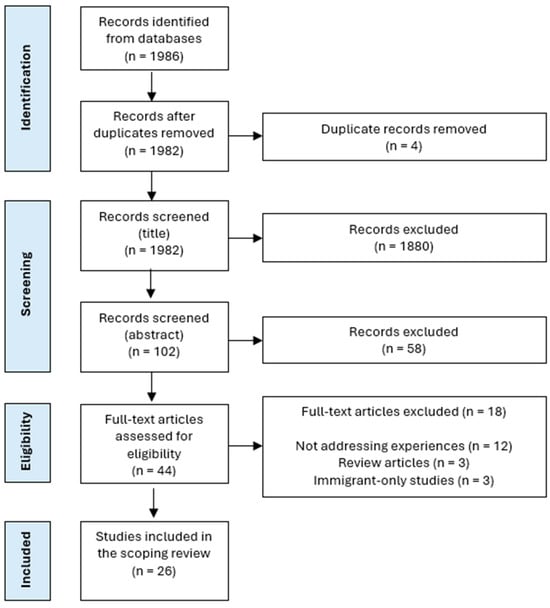
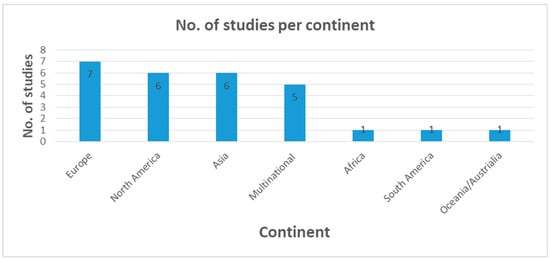

Disclaimer/Publisher’s Note: The statements, opinions and data contained in all publications are solely those of the individual author(s) and contributor(s) and not of MDPI and/or the editor(s). MDPI and/or the editor(s) disclaim responsibility for any injury to people or property resulting from any ideas, methods, instructions or products referred to in the content. |
© 2026 by the authors. Licensee MDPI, Basel, Switzerland. This article is an open access article distributed under the terms and conditions of the Creative Commons Attribution (CC BY) license.