Article

Integrating Smart Digital Infrastructures for Energy Management and Maintenance in Sustainable Renewable Projects

by
Gregory Felipe Franco-Miranda
,
Angel Molina-Garcia
* and
Antonio Mateo-Aroca
Department of Automatics, Electrical Engineering and Electronic Technology, Universidad Politécnica de Cartagena, 30202 Cartagena, Spain
*
Author to whom correspondence should be addressed.
Environments 2026, 13(6), 341; https://doi.org/10.3390/environments13060341 (registering DOI)
Submission received: 21 May 2026 / Revised: 11 June 2026 / Accepted: 12 June 2026 / Published: 16 June 2026

Abstract

While rapid digital transformation has significantly optimized sectors such as finance and e-commerce, maintenance management in industrial environments has historically received lower levels of technological and capital investment. This lag creates critical gaps in operational efficiency and asset longevity, particularly within renewable energy infrastructures where sustainability and resilience are paramount. Addressing this technological disparity is essential for minimizing ecological footprints and maximizing the viability of net-zero systems. This paper introduces an advanced multi-platform digital solution designed to optimize the operation and maintenance of renewable energy systems and smart infrastructures. The platform addresses traditional management gaps by implementing standardized protocols that integrate real-time remote monitoring, sensor networks, and cloud-based data acquisition. By centralizing historical and real-time data from solar, wind, and hybrid grids, it facilitates advanced analytics, such as predictive modeling of component degradation. Real-world validation across photovoltaic plants and wind farms demonstrates significant impacts: a 30% reduction in unplanned outages and a 20% to 25% decrease in operational and maintenance costs. The results confirm that digitalizing maintenance processes is a strategic pillar for the energy transition, aligning industrial performance with global low-carbon pathways.

1. Introduction

Information technologies and digitalization have significantly transformed modern production, distribution, and consumption systems, generating profound environmental, economic, and operational impacts [1]. In industrial sectors, the integration of data-driven tools has improved process optimization, resource efficiency, and decision-making capabilities. These advances are particularly relevant in the context of global sustainability challenges, where improving operational performance and reducing environmental impacts have become central objectives [2]. However, despite the rapid digital transformation observed in areas such as finance and electronic commerce, maintenance management has historically received comparatively lower levels of technological and capital investment, even though it plays a critical role in the efficient use of industrial assets and natural resources [3]. Maintenance is intrinsically connected to the ability of industrial systems to sustain the continuous production of goods and services while minimizing resource losses and operational disruptions [4]. Effective maintenance strategies contribute not only to economic efficiency but also to environmental sustainability by extending equipment lifecycles, reducing material waste, preventing energy inefficiencies, and minimizing unplanned shutdowns that may increase emissions or resource consumption [5]. From this perspective, the development of advanced maintenance mechanisms capable of supporting autonomous monitoring and intelligent decision-making has become increasingly important for sustainable industrial operations [6].
Over the decades, maintenance methodologies have evolved in parallel with advances in industrial technologies and management frameworks. A significant milestone in this evolution was the establishment of the International Organization for Standardization (ISO) in 1947, which laid the foundation for globally recognized standards in organizational and quality management [7]. These standards fostered structured approaches to enhancing operational efficiency and managing asset lifecycles. Within the scientific literature, several maintenance strategies have been extensively analyzed and implemented, including Preventive Maintenance (PM), Predictive Maintenance (PdM), and Corrective Maintenance (CM) [8]. Among them, Total Productive Maintenance (TPM), introduced in Japan in 1971, has been particularly influential. TPM promotes three fundamental principles: maximizing equipment efficiency, integrating preventive and predictive maintenance strategies, and encouraging cross-functional collaboration across all organizational levels [9]. Subsequent developments have strengthened the linkages between maintenance practices, operational performance, and quality management. The launch of the ISO 9000 [10] series in 1987 further systematized quality management processes, emphasizing consistency, reliability, and customer satisfaction [11]. The formalization of Reliability-Centered Maintenance (RCM) in 1998 introduced a risk-based analytical framework that employs reliability indicators such as Mean Time to Failure (MTTF) and Mean Time to Repair (MTTR) [12]. These metrics enabled organizations to quantitatively assess equipment performance and design maintenance strategies aimed at maximizing reliability and optimizing resource utilization [13]. Despite these methodological advances, early predictive maintenance approaches remained partly reactive, as they primarily depended on identifying abnormal operating conditions—such as excessive vibrations or lubricant contamination—after the onset of degradation [14]. These condition-monitoring practices often required laboratory analysis and benchmarking against manufacturer reference values, which introduced significant delays between fault detection and corrective intervention. The impact of these delays was further exacerbated in the absence of comprehensive historical datasets necessary for effective trend analysis and proactive decision-making [15]. The increasing availability of digital monitoring systems and industrial data platforms has progressively transformed maintenance management practices [16]. Computerized maintenance systems and distributed control systems (DCSs), together with industrial data historians such as PI System (OSIsoft PI), Plant Historian Database (PHD), and AspenTech platforms, enable the continuous monitoring, storage, and analysis of operational data from industrial equipment [17]. These systems facilitate the development of predictive models that track equipment performance over time and support more informed maintenance planning. They also contribute to improved traceability and operational transparency by replacing traditional paper-based documentation with integrated digital data infrastructures. Another relevant dimension of maintenance management involves inventory control and spare-part logistics, which are essential for ensuring timely interventions and preventing extended downtime [18]. Approaches such as scheduled preventive maintenance, based on component fatigue analysis and degradation studies, aim to replace parts before failure occurs [19]. Although these strategies can improve system reliability, they may also require substantial investments in spare-part inventories, highlighting the need for balanced decision-making between operational reliability and resource efficiency [20]. Recent research proposed more integrated maintenance frameworks that combine multiple strategies to improve system performance and sustainability [21]. Examples include Hybrid Preventive Maintenance (HPM), Imperfect Preventive Maintenance (IPM), and Condition-Based Maintenance (CBM), which rely on continuous monitoring technologies to anticipate equipment degradation and optimize maintenance scheduling [22]. These approaches seek to balance reliability, operational efficiency, and resource utilization while minimizing unnecessary interventions [23].
A major milestone in this evolution was the publication of the ISO 55000 [24] series in 2014, which formalized the principles of asset management and emphasized the importance of optimizing the entire lifecycle of industrial assets [25]. These standards provide a structured framework for integrating maintenance strategies with broader organizational objectives, including sustainability, efficiency, and long-term value creation [26]. By incorporating key performance indicators (KPIs) and data-driven monitoring tools, asset management systems can evaluate operational performance while supporting more sustainable resource management practices [27]. Nowadays, contributions and industry professionals are increasingly focused on modeling the long-term behavior of industrial components in order to obtain realistic performance indicators and improve system reliability [28,29]. Nevertheless, the relatively slow pace of innovation in maintenance management compared with other digitalized sectors highlights the need for new technological approaches. In this context, the integration of telematics, remote monitoring systems, and interconnected industrial platforms offers promising opportunities to enhance predictive capabilities and support collaborative maintenance practices between operators, service providers, and equipment manufacturers. Such developments may contribute to more resilient industrial systems while supporting environmental sustainability through improved resource efficiency, reduced waste generation, and optimized lifecycle management of critical infrastructure. The main contribution of this work is the development and validation of a scalable digital maintenance architecture that integrates real-time monitoring, standardized data acquisition, and multi-level user management within a unified platform. Unlike conventional fragmented solutions, the proposed system combines asset registration, service traceability, remote telemetry, and structured workflow control in a single environment, improving coordination between end users, technical service providers, and administrative operators. In addition, the platform incorporates proactive maintenance logic based on operational status tracking and degradation analysis, enabling earlier interventions and better resource allocation. A further contribution is the explicit integration of sustainability-oriented performance indicators, aligning maintenance decision-making with operational efficiency, reduced downtime, and lower environmental impact. The platform was assessed in real operating environments, providing practical applicability and potential to support the digital transformation of maintenance processes in renewable energy and smart infrastructure systems, with 30% reduction in unplanned outages and an optimization of operational expenditures by up to 25%. As summarized in Table 1, the proposed solution not only overcomes the limitations of conventional information silos by integrating a multi-tier user hierarchy and real-time telemetry, but also aligns with the Maintenance 4.0 paradigm by integrating energy efficiency and circular economy metrics.

2. Materials and Methods

2.1. Preliminaries

Recent advances in wearable sensing, industrial IoT, and embedded communication systems have enabled new approaches for occupational safety monitoring in harsh working environments. In mining and quarry operations, workers are simultaneously exposed to physical, chemical, and environmental hazards, making continuous risk assessment particularly relevant [40]. Previous contributions affirmed that integrating environmental sensing, inertial monitoring, localization, and wireless communication into a single platform can improve situational awareness, support early warning, and facilitate emergency response [41]. However, alternative solutions address only isolated variables or rely on fragmented architectures that limit operational robustness and field deployment [42]. In addition, and within the TPM framework, specifically regarding autonomous maintenance, internal cross-functional groups are established with the primary objective of identifying and systematically eliminating the root causes of losses that compromise operational efficiency [43]. A relevant metric utilized to evaluate the success of these initiatives is Overall Equipment Effectiveness (OEE), a comprehensive indicator that quantifies the productivity of a manufacturing process relative to its full potential [44]. The OEE metric is derived from the integration of three critical operational variables: availability, performance efficiency, and quality. Availability reflects the actual operating time of the equipment by accounting for planned and unplanned downtimes, whereas performance efficiency measures the current operating speed against the established design standards or theoretical maximum capacity [45]. Finally, the quality component represents the ratio of conforming products to the total units produced, thereby isolating the impact of defects and rework. By synthesizing these parameters, OEE provides a robust analytical lens through which organizations can monitor equipment effectiveness and drive continuous improvement within the industrial environment. The mathematical representation of this composite indicator is defined by the following expression [46]:
OEE = t a p t t p × c t o t a l / t a p c i d e a l × c g o o d c t o t a l ,
where each term represents the relationship between the scheduled time, the nominal capacity, and the rate of conforming products. Note that the established global benchmark for OEE is 85% [44]. In practical industrial applications, reaching this performance level typically necessitates an average period of 3.5 years following the initial TPM implementation [47]. Table 2 summarizes the terminology, concepts and expressions related to the operational time management of machinery and equipment. These metrics are used to evaluate the performance of the production system. Regarding KPIs, such as Mean Time to Detect (MTTD) and MTTR, are essential for assessing maintenance effectiveness.
M T T R = 1 N i = 1 N t r i ,
where N is the total number of corrective maintenance interventions performed during the observation period. t r i represents the duration of the i-th repair task, from the start of the intervention to the restoration of the asset’s operational status.
M R L = 1 K j = 1 K ( T s t a r t , j T d e t e c t , j ) ,
where K is the total number of recorded incidents or service requests; T s t a r t , j is the timestamp when the authorized technical service arrives at the site or initiates the repair for the j-th incident; and T d e t e c t , j is the timestamp of the initial anomaly detection provided by the real-time monitoring system or user-logged incident.
MTTD measures the speed of anomaly detection by monitoring systems and personnel, whereas MTTR quantifies the efficiency of corrective measures in restoring operational functionality [48]. Optimizing these metrics demands both cutting-edge technologies and strategic workforce management, since technician expertise, workload allocation, and utilization levels directly impact response times to failures [49]. Although predictive maintenance and digital twin technologies have received substantial research attention, the influence of human factors—particularly technician utilization—remains underexplored in shaping overall maintenance performance [50]. High utilization rates can enhance cost efficiency but frequently lead to resource constraints and extended repair durations. In contrast, under-utilization may hinder timely anomaly identification due to reduced monitoring efforts. Balancing technician workload with optimal maintenance outcomes thus poses a pivotal challenge for contemporary industrial operations [51]. Previous studies on maintenance performance and reliability have predominantly focused on system-level efficiency metrics, particularly Mean Time Between Failures (MTBF) and MTTR, which serve as key indicators of asset health and maintainability [52]. Extending this approach, the ( α , β )–precise estimation method was developed to determine the minimum observation period and sample size required for accurate MTBF and MTTR estimation, providing a robust framework for defining data-collection durations in smart manufacturing environments [53].
The increasing complexity of modern power systems requires digital infrastructures capable of supporting not only maintenance but also grid-level coordination. Recent literature highlights that bidirectional communication between distributed energy resources and grid operators is essential for managing network congestion and preventing blackouts [54]. In this context, there is a need for compact, low-power, and modular wearable systems capable of capturing multiple risk indicators in real time while maintaining autonomy and traceability. Based on this motivation, the proposed platform is designed to integrate worker identification, environmental sensing, motion monitoring, and connected alert functions into a unified architecture tailored to mining and quarry environments. Therefore, and while the primary objective of the solution proposed herein is the optimization of maintenance workflows, its telemetric architecture can provide a foundational bridge for future integration with grid-edge stability protocols.

2.2. Proposed Platform Architecture and Operation

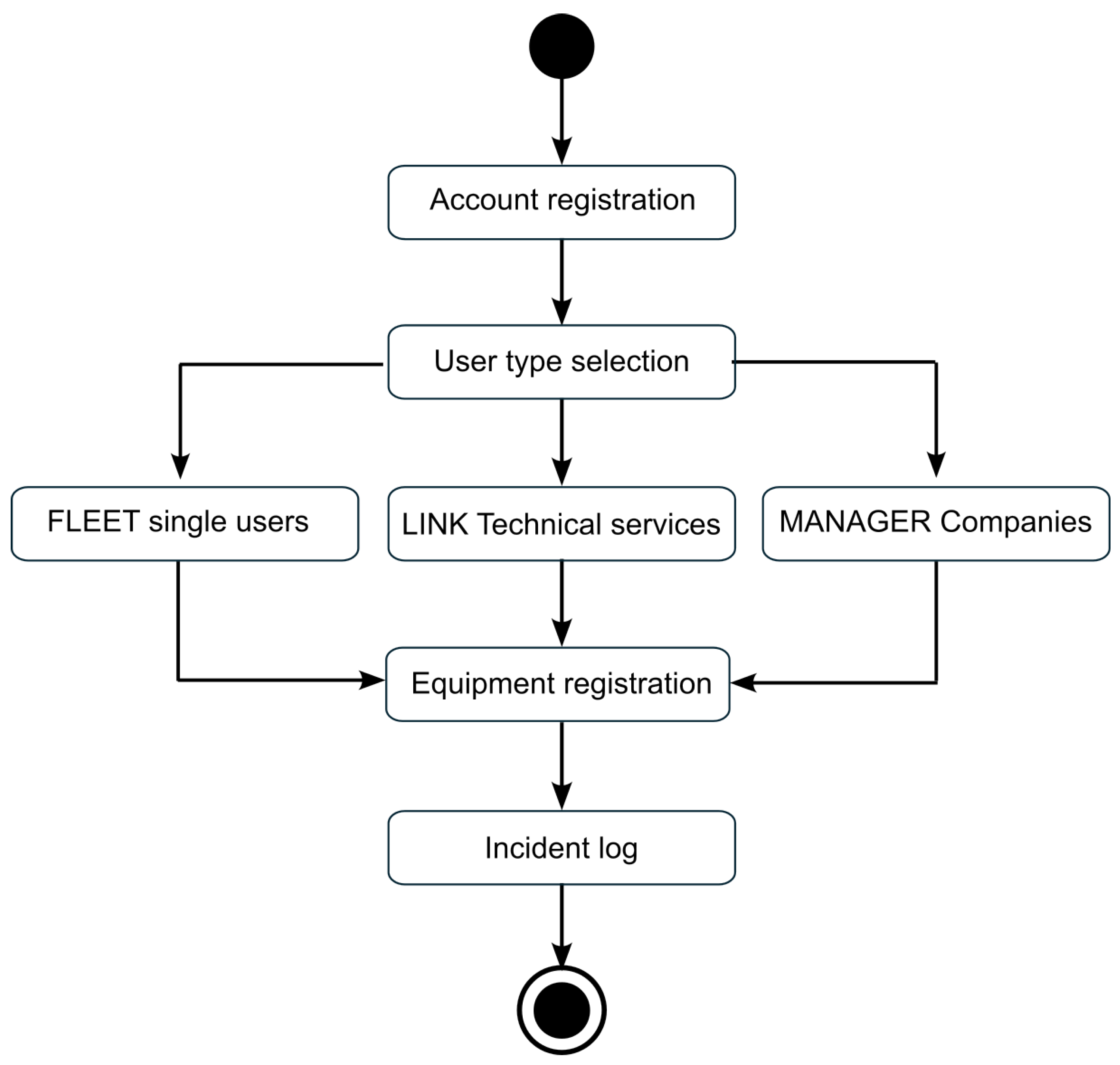
The proposed platform is a digital maintenance management system designed to improve traceability, coordination, and operational control across maintenance activities. It centralizes information for users, assets, and maintenance tasks in a single environment, enabling real-time access to records and standardized workflow management. The workflow begins with user registration and role assignment. Depending on the account type, users may be assigned administrative permissions that define their operational scope within the system. Once registered, assets are entered into the platform with their main technical characteristics, allowing each equipment item to be uniquely linked to its maintenance records. After asset registration, the system supports the creation, scheduling, and monitoring of maintenance activities. Users can record inspections, interventions, deadlines, assigned personnel, and required resources, while the platform automatically stores all actions in a centralized database. This structure improves traceability and facilitates later analysis, auditing, and decision-making. In addition, the platform includes real-time monitoring and notification functions to track task progress and update equipment status. By combining centralized data management with mobile access, the solution supports proactive maintenance planning and reduces delays in the response to incidents. Figure 1 summarizes the main stages of this workflow.
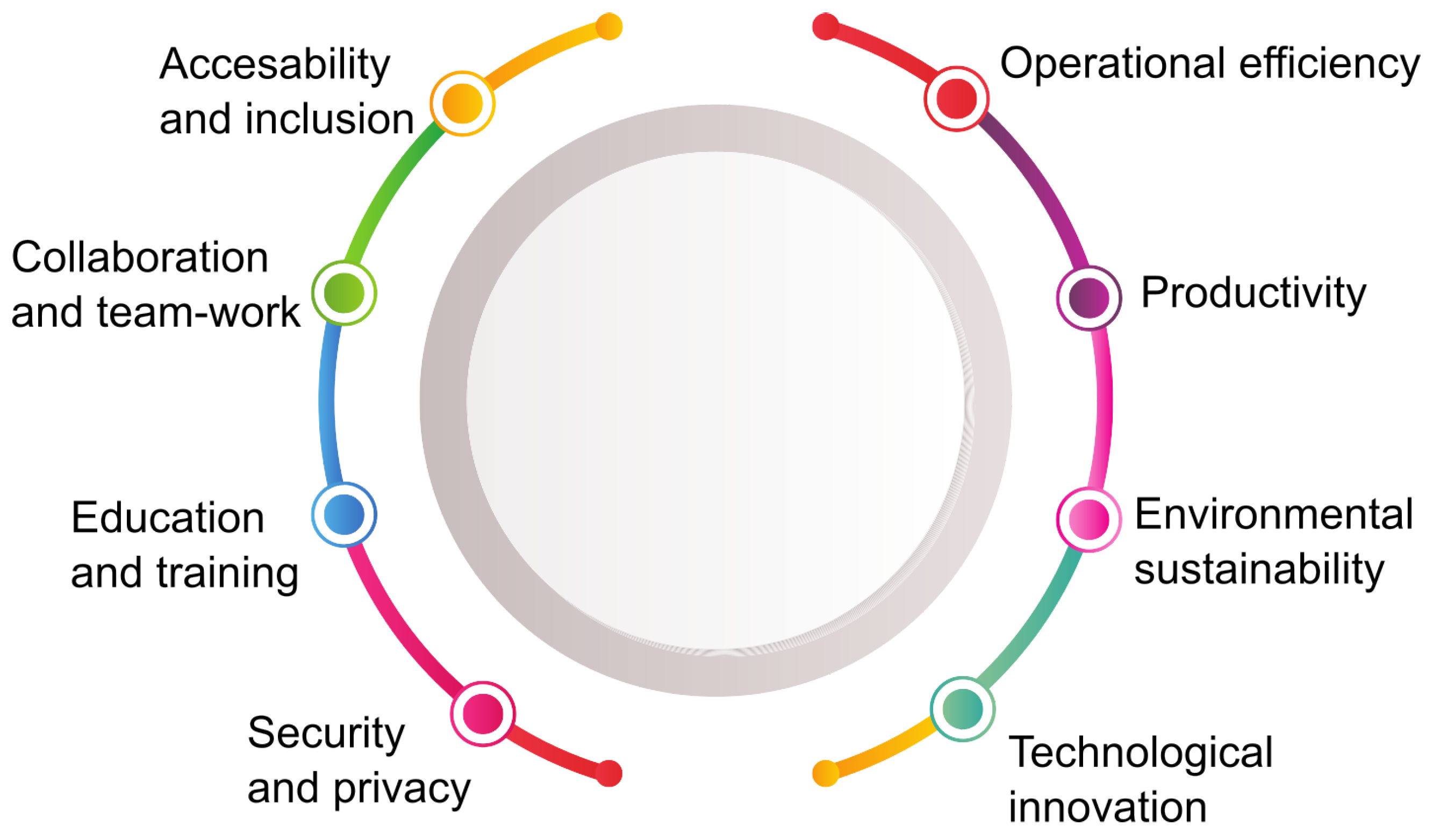
The integration of IoT telemetry and AI-driven analytics enables continuous condition monitoring and predictive fault detection, shifting maintenance from a reactive to a proactive paradigm and enabling earlier, data-driven interventions. This capability supports targeted energy-optimization and waste-reduction measures through prioritized maintenance actions and optimized service scheduling. The platform is designed for broad usability and accessibility, offering multilingual support and interfaces compliant with WCAG 2.1, while relying on secure, cloud-hosted infrastructure to ensure data integrity and availability. Legal and technical safeguards align the system with GDPR and ISO/IEC 27001, and financial operations follow PSD2 principles to maintain transaction transparency. Finally, the mobile, scalable architecture aggregates heterogeneous field data across deployments, enabling longitudinal analysis, risk assessment, and regulatory-grade auditing as depicted in Figure 2.

2.3. Platform Design and User Interface Architecture

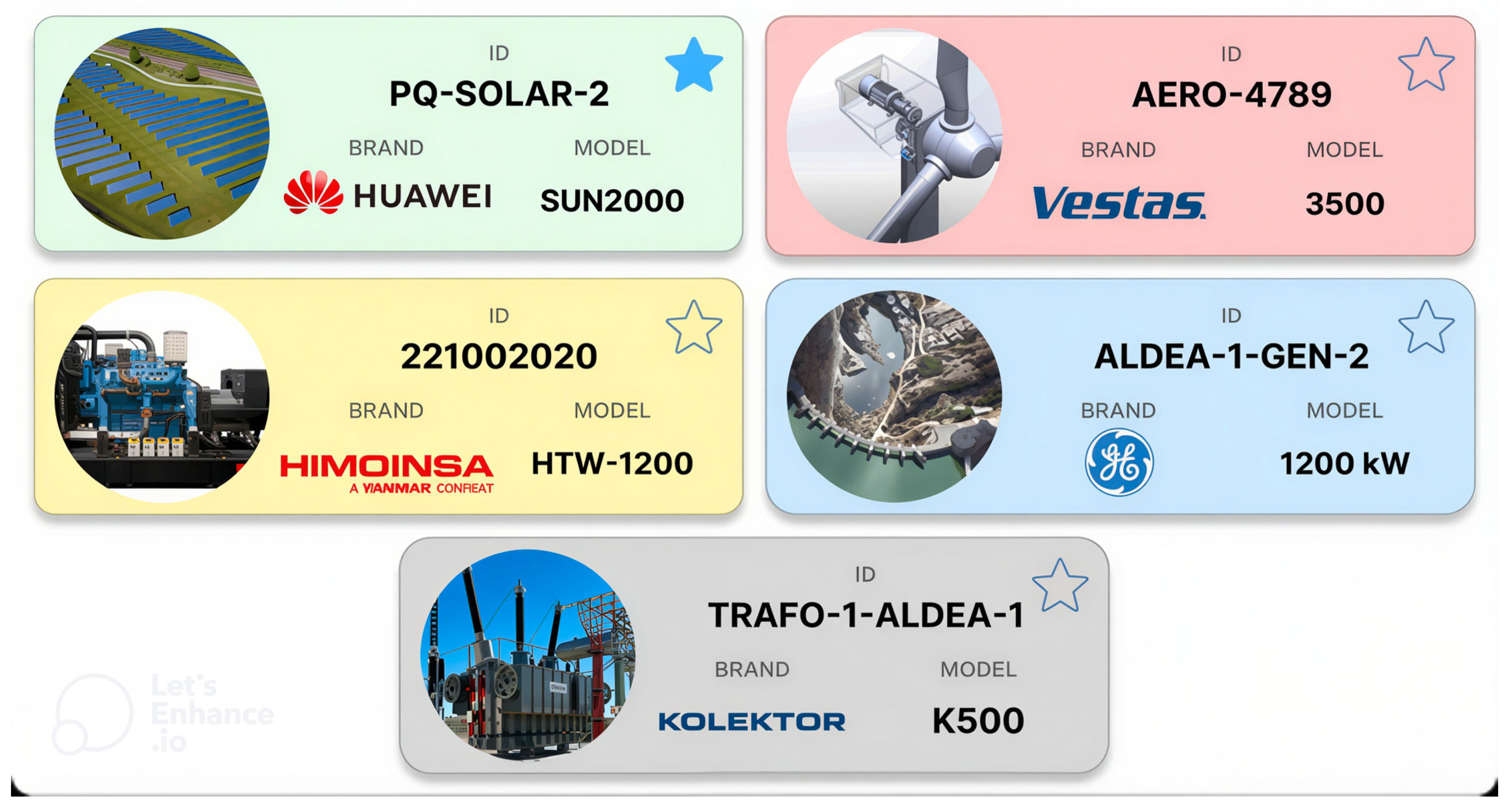
The structural design of the maintenance management platform is engineered to address the multifaceted demands of diverse industrial markets, emphasizing cross-platform compatibility and operational versatility. By ensuring seamless interaction across heterogeneous development environments, specifically targeting the iOS and Android ecosystems, the architecture guarantees a significant market projection and broad-spectrum usability across a wide array of mobile devices and tablets. This high degree of adaptivity, as evidenced in the system’s responsiveness, is strategically designed to optimize user productivity by allowing for real-time data access regardless of the hardware interface. Furthermore, the conceptualization of the platform prioritizes a minimalist and intuitive design philosophy, where the User Interface (UI) is optimized to reduce cognitive load and facilitate efficient navigation. This is achieved through the implementation of simplified workflows that allow for the rapid completion of complex tasks, supported by identifying elements and clear navigational paths that provide a direct line of sight to essential functions. Central to this practical approach is the automation of repetitive processes, which significantly mitigates manual workloads and enhances overall operational throughput. The system’s architecture also incorporates a sophisticated web-based integration layer, serving as a pivotal nexus for both application distribution and the centralized management of administrative functions, including user profile synchronization and the granular control of permissions for technical service providers and enterprise sub-accounts. As illustrated in the functional mapping of the interface, each screen is systematically linked with identifying titles and standardized frames that include customized visual data and specific technical details for each registered unit, ensuring a homogeneous user experience. This functional cohesion is particularly relevant in the management of multi-brand and multi-model generation systems, where the platform’s capacity for centralized data storage, automated report generation, and real-time technical documentation ensures a fluid and technologically robust management environment.
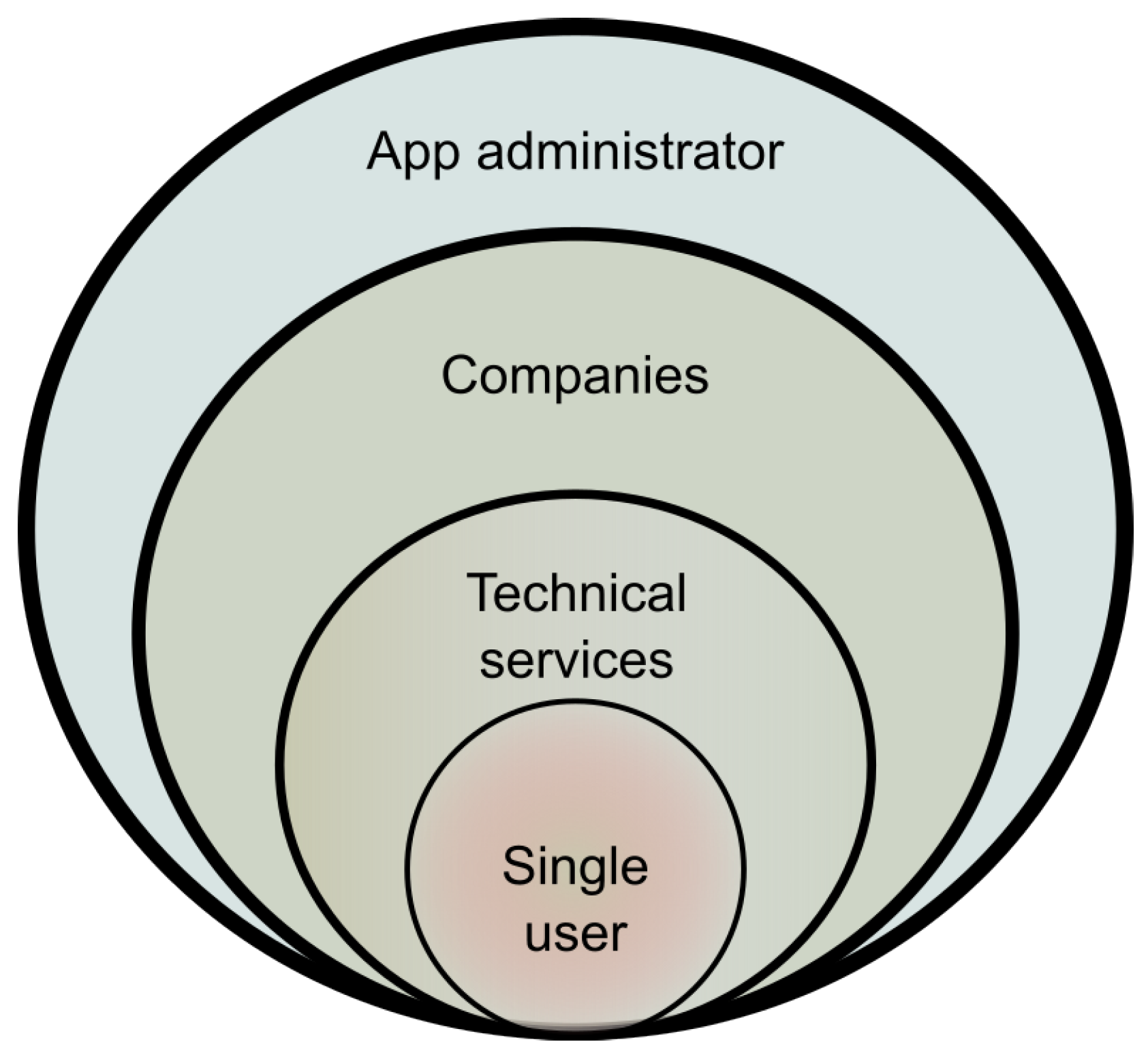
The system architecture incorporates a multi-tier user profile hierarchy designed to facilitate dynamic interaction and seamless communication across various organizational levels. By defining three primary functional profiles, the platform addresses the heterogeneous requirements of stakeholders ranging from end-users to enterprise-level managers overseeing complex asset portfolios. This Role-Based Access Control (RBAC) model is engineered to align specific user permissions with operational necessities, enabling the streamlined acquisition of services and the execution of technical tasks tailored to the user’s specific domain. Each profile operates within a strictly defined scope, ensuring that users interact exclusively with information and tools pertinent to their designated responsibilities. This encapsulation of functionality minimizes cognitive overhead and prevents unauthorized data exposure, thereby optimizing navigational efficiency. By partitioning the interface according to user roles, the system ensures a coherent and secure workflow, where the interaction between end-users, technical service providers, and administrative entities is synchronized to support the overarching maintenance strategy. This hierarchical design ensures a streamlined flow of information and a comprehensive audit trail, promoting a secure operational environment while driving the systematic optimization of asset performance and resource management. Underpinning this structure is a sophisticated design philosophy that prioritizes cross-platform compatibility across iOS and Android ecosystems, facilitating broad-spectrum usability and market projection. The platform utilizes a minimalist UI/UX approach to reduce cognitive load, incorporating simplified workflows and automated processes that significantly enhance operational throughput. Furthermore, the integration of a web-based management nexus allows for the centralized control of permissions and technical service sub-accounts, ensuring that every unit registered is systematically linked to identifying data and customized visual reports. By unifying these technical and human factors, the platform provides a robust solution for managing complex, multi-brand generation systems, ensuring that all historical maintenance data remains retrievable for longitudinal analysis and regulatory auditing; see Figure 3. The RBAC platform model can be applied to energy communities: the ’Single User’ profile empowers active consumers to monitor their self-consumption assets in real-time; the ’Manager/Enterprise’ profile allows community administrators to oversee complex portfolios of distributed energy resources (DERs), facilitating the governance of virtual net billing among community members.

2.4. Taxonomy of User Roles and Hierarchy

The system’s architecture implements a rigorous access control model where functional permissions are strictly mapped to the user’s registered profile. This stratification ensures that users interact exclusively with the tools and resources pertinent to their specific operational domain, thereby maintaining data integrity and minimizing navigational complexity. Each profile is characterized by a specific feature set designed to facilitate the optimal execution of the user’s professional responsibilities within the maintenance ecosystem. To address the heterogeneous requirements of diverse industrial sectors, the platform architecture is engineered for inherent flexibility, adapting to varied operational workflows without the necessity for additional or parallel software development. This modularity positions the system as an efficient and advantageous tool across multiple market niches, providing a standardized yet adaptable solution for asset management. Furthermore, all user profiles are integrated via a unified centralized database, which facilitates seamless bidirectional feedback between end-users, service providers, and original equipment manufacturers (OEMs). This interconnected data environment fosters high-efficiency collaboration, streamlining technical support, remote assistance, and the deployment of critical system updates. By centralizing these interactions, the platform ensures that equipment lifecycle management is supported by real-time data exchange and a collaborative framework for continuous operational improvement.
The end-user profile is strategically engineered to enhance operational autonomy by providing direct access to critical real-time data regarding asset health, including maintenance alerts and fault diagnostics. This framework empowers users to manage preventive tasks and schedule interventions independently, thereby eliminating third-party dependencies, reducing response latency, and optimizing overall operational throughput. Through the systematic acquisition and logging of high-fidelity performance metrics and environmental operating conditions, the end-user profile facilitates continuous longitudinal performance analysis. This capacity for self-management enables proactive, data-driven decision-making that not only strengthens system reliability and safety protocols but also extends the operational lifecycle of the equipment. Furthermore, the architecture integrates a streamlined service request module, allowing users to initiate technical assistance or revision protocols that are transmitted instantaneously to authorized service providers for evaluation. A pivotal feature of this profile is the integration of geospatial localization, which enables users to identify and engage the nearest qualified technical service based on the equipment’s physical coordinates. This spatial optimization ensures that interventions are executed with minimal delay, significantly improving Mean Repair Logistics (MRL) and guaranteeing a rapid resolution to any identified operational contingencies. By unifying autonomous management with localized technical support, the end-user profile ensures long-term efficiency and minimized downtime for registered assets.
The technical service profile is engineered as a comprehensive management interface for the efficient coordination and execution of maintenance requests initiated by end-users. Within this framework, service providers possess the operational authority to evaluate, accept, or decline maintenance petitions, subsequently scheduling interventions—either as on-site field services or at specialized facilities—based on the specific requirements of the diagnostic report. This profile facilitates meticulous tracking of each service lifecycle, ensuring rigorous adherence to established timelines and quality assurance standards. Moreover, when authorized by the client, the technical service profile synchronizes with real-time asset alerts and scheduled maintenance protocols, allowing for the instantaneous update of periodic inspection data within the centralized database. To enhance administrative efficiency, the platform enables the segmentation of client portfolios based on diverse criteria, such as geographic location, specific project parameters, or exclusive Service Level Agreements (SLAs). This categorization allows for the strategic prioritization of tasks according to urgency and contractual obligations. Internal organizational management is further optimized through the implementation of administrative and technical sub-accounts, which streamline task delegation and granular access control. This hierarchical structure ensures an efficient distribution of responsibilities and a robust audit trail of all internal activities. Additionally, the profile integrates seamlessly with supplier databases to provide real-time visibility into the inventory of spare parts and consumables. By enabling digital procurement and automated replenishment orders, the platform accelerates the acquisition process, ensuring that the necessary resources are available to maintain optimal equipment performance and minimize Mean Down Time (MDT).
The enterprise profile is engineered as a high-level administrative layer designed to provide comprehensive governance over all operational functions, including the coordination and oversight of both internal and external technical services. Through a sophisticated architecture of specialized sub-accounts, the platform facilitates seamless interdepartmental interaction, ensuring optimal resource allocation and meticulous tracking of maintenance workflows. Functional units dedicated to operations, quality assurance, and procurement are granted granular access to service request data, enabling real-time monitoring of technical interventions and the strategic acquisition of spare parts based on field-diagnosed requirements. Within this ecosystem, planning and administrative modules play a pivotal role by synchronizing preventive maintenance protocols with the broader operational calendar to mitigate unscheduled downtime. Integration with warehouse sub-accounts provides real-time visibility into inventory levels, empowering procurement teams to execute agile replenishment orders. Furthermore, the inclusion of investor-specific sub-accounts allows for the longitudinal monitoring of expenditure trends and equipment performance metrics, providing a data-driven foundation for informed capital investment decisions regarding infrastructure and asset lifecycle management. The enterprise profile provides strategic value to advisory and marketing teams by offering access to equipment performance analytics, which serve as key inputs for developing communication strategies centered on operational efficiency and technological advancements. This cross-functional integration aligns technical excellence with commercial objectives, optimizing both internal and external communication flows. Finally, the system ensures regulatory and financial integrity through specialized auditing and compliance sub-accounts. These units supervise the entire information flow, guaranteeing that maintenance procedures remain transparent, fully traceable, and strictly compliant with current legal and operational frameworks.

3. Reports and Monitoring: Result Analysis

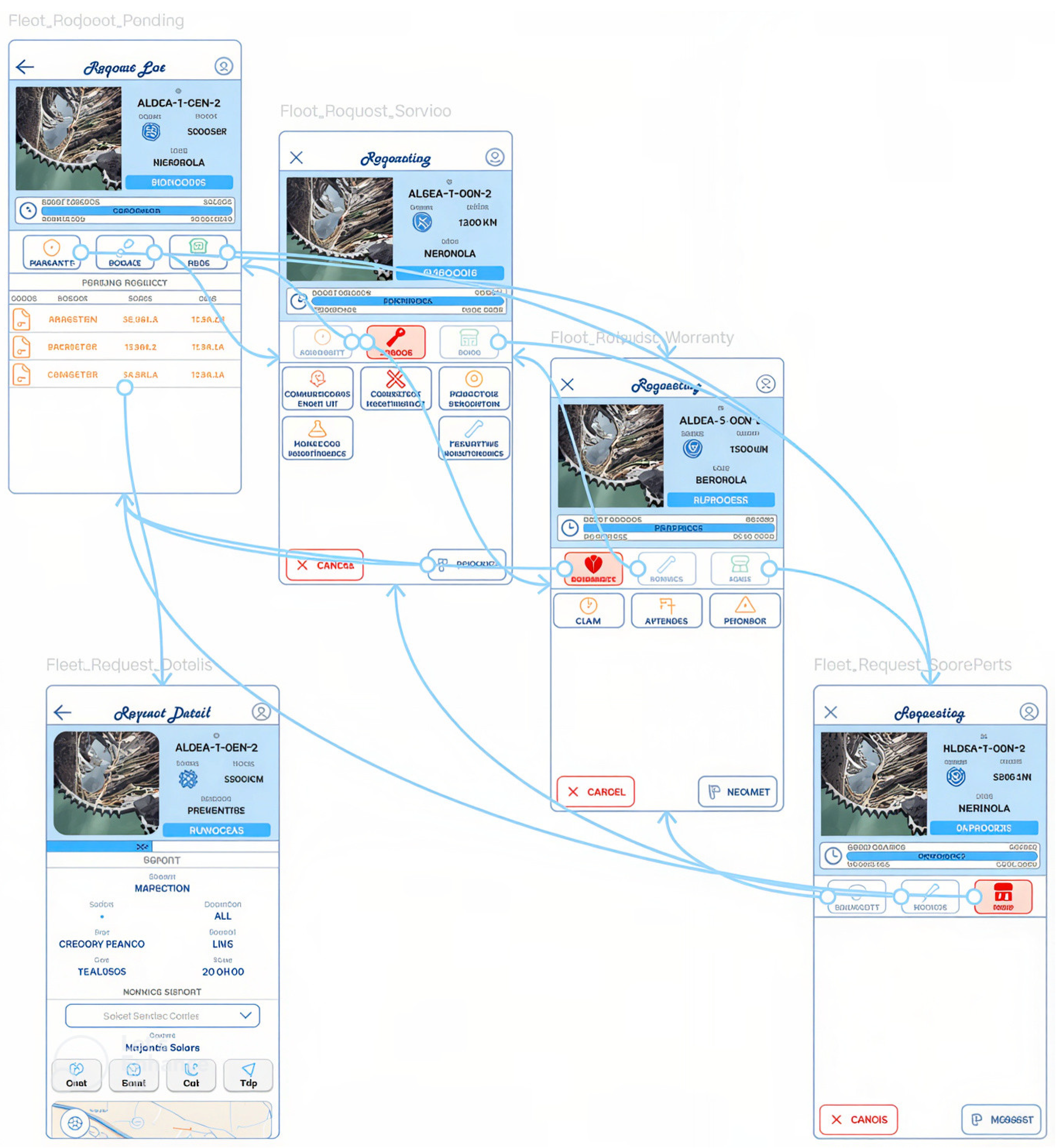
The user interfaces dedicated to report generation and monitoring are engineered to optimize user experience through the implementation of structured selection methodologies. This approach eliminates the necessity for extensive manual narrative input, facilitating the agile and precise creation of technical reports. By utilizing a predetermined selection framework that incorporates critical operational parameters—such as warranty claims and service requests—the interface ensures that all essential data is systematically captured and standardized for subsequent analysis. During the report generation phase, the architecture enables users to select the appropriate technical service provider based on the specific nature of the intervention required. Furthermore, the system allows for the precise definition of urgency levels and the equipment’s current operational status following a fault event. This functionality not only accelerates the reporting workflow but also ensures that the critical context of each intervention is adequately reflected. Consequently, this leads to improved resource management and the effective prioritization of technical assets based on the severity and operational impact of each recorded incident; see Figure 4.
The status update interface is engineered to incorporate high-visibility indicators that facilitate the selection and modification of the equipment’s operational state. This parameter can be manually updated by the user, contingent upon the identified fault criticality or the specific category of the technical report logged within the system. Alternatively, the operational status can be dynamically adjusted through an integrated remote monitoring system, which provides real-time telemetry regarding the asset’s functional conditions. This dual-mode functionality ensures that the reflected data remains both precise and synchronous, thereby streamlining strategic decision-making and enhancing the optimization of technical resource allocation. The architecture includes a dedicated numerical input field designed for the manual entry of updated cumulative operational hours. In configurations where the asset is remotely connected, this field automatically populates with real-time values transmitted by the telemetry system. To enhance data interpretability, this information is visualized dynamically within the center of a circular chart, providing a clear and precise graphical representation of the equipment’s current service life. This visualization technique allows for immediate assessment of maintenance intervals and promotes proactive lifecycle management; see Figure 5. In addition, this telemetry framework is also able to process high-frequency external data, such as dynamic market pricing signals, to trigger maintenance or operational shifts that maximize economic yield. By centralizing data from solar, wind, and hybrid grids, the platform supports the predictive modeling required to balance local generation with community demand.
The inspection interfaces are engineered using a combined list and checkbox-selector model designed to streamline the generation of technical reports while ensuring data precision. The evaluation criteria are established through a standardized methodology provided by the OEMs, supplemented by user-defined categories to accommodate specific operational requirements. This dual-source approach ensures a standardized yet adaptable inspection process that minimizes human error and provides high-fidelity data for technical decision-making. The inspection model is dynamic, adjusting its functional scope based on the asset type and the specific objective of the evaluation. The system differentiates between operational preventive inspections and safety-oriented risk assessments, incorporating diverse categories within the same centralized checklist for appropriate classification. To support varying maintenance intervals, the platform allows for the creation of customized templates, ranging from daily pre-operational checks to periodic preventive inspections (e.g., weekly, monthly, quarterly, or annually), ensuring comprehensive lifecycle oversight and regulatory compliance.
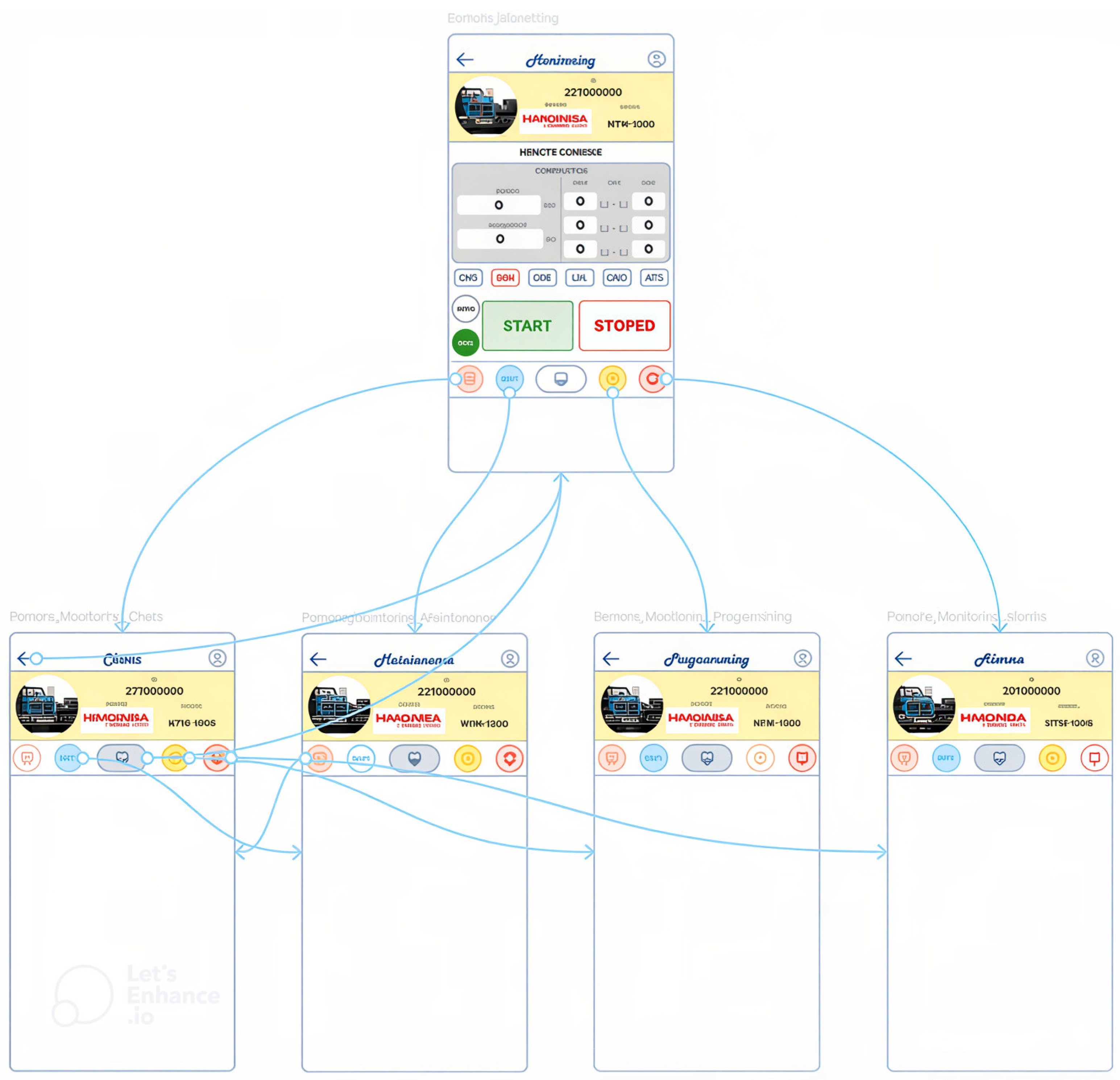
The remote monitoring framework is engineered to establish real-time connectivity with compatible digital platforms, facilitating an integrated approach to operational management and asset maintenance. As illustrated in Figure 6, the system features dedicated interfaces for monitoring the operational parameters of power generation units, such as backup generators utilized in hydroelectric plants, solar installations, or wind power plants. The primary function of these assets is to provide redundant power to auxiliary circuits during both scheduled maintenance and unforeseen grid contingencies. By leveraging this telemetry architecture, high-fidelity performance metrics are acquired in real time, enabling the precise scheduling of maintenance protocols and routine preventive inspections without the requirement for manual. This interface allows for the simultaneous tracking of multiple power generation units, displaying critical telemetry such as cumulative running hours and Diagnostic Trouble Codes (DTCs). The sequence illustrates the minimalist UI approach, where technical data is systematically categorized to support rapid decision-making during grid contingencies. Additionally, Figure 6 also details advanced visualization modules, including operational trend graphs, maintenance intervals synchronized with effective running hours, and automated start-up timers aligned with service cycles. Furthermore, the platform incorporates real-time alarm systems and DTCs, which are essential for ensuring the reliability of these critical emergency systems, allowing for proactive fault mitigation and the optimization of the overall generation infrastructure.
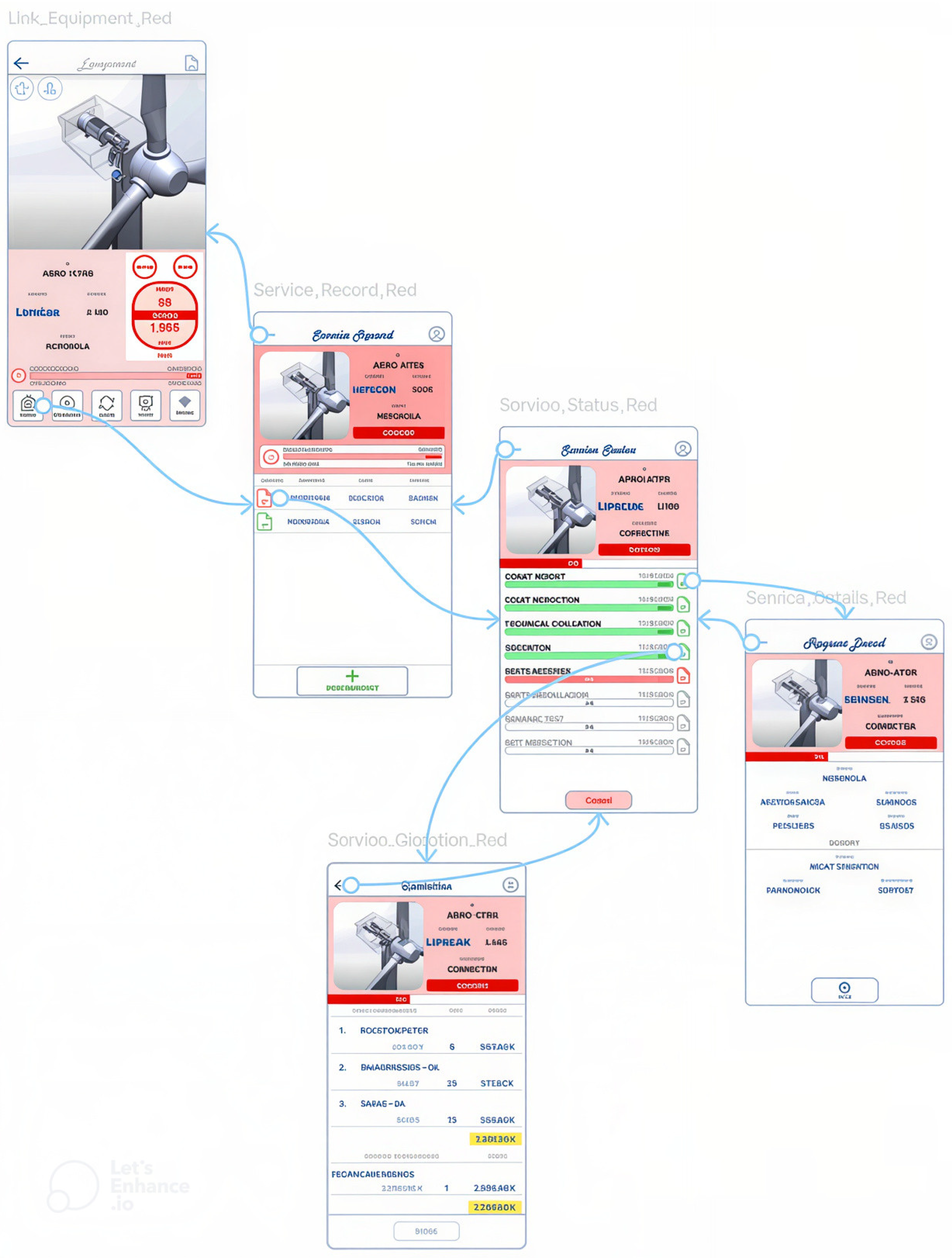
Operational expenditure (OPEX) represents one of the most significant challenges in asset management; consequently, the implementation of remote monitoring platforms serves as a vital complement to service traceability. These platforms enable the precise quantification of intervention costs, facilitating the structured development of budgetary line items, such as specialized labor hours and expenditures associated with spare parts. As illustrated in Figure 7, the system features a dedicated interface for real-time work order tracking, which provides instantaneous updates on each procedural step completed by technical personnel within the required execution framework. Furthermore, this module displays the specific costs associated with the tasks demanded by each service request, ensuring fiscal transparency throughout the maintenance lifecycle. From an enterprise perspective, the quantification of these costs is achieved through the integrated analysis of data provided by procurement departments in conjunction with centralized warehouse inventory records. This data fusion enables highly precise management of operational costs by providing granular control over the acquisition, storage, and utilization of technical resources. By streamlining these inputs, the platform optimizes financial planning and strategic decision-making processes, directly contributing to the economic sustainability and operational efficiency of industrial maintenance programs.
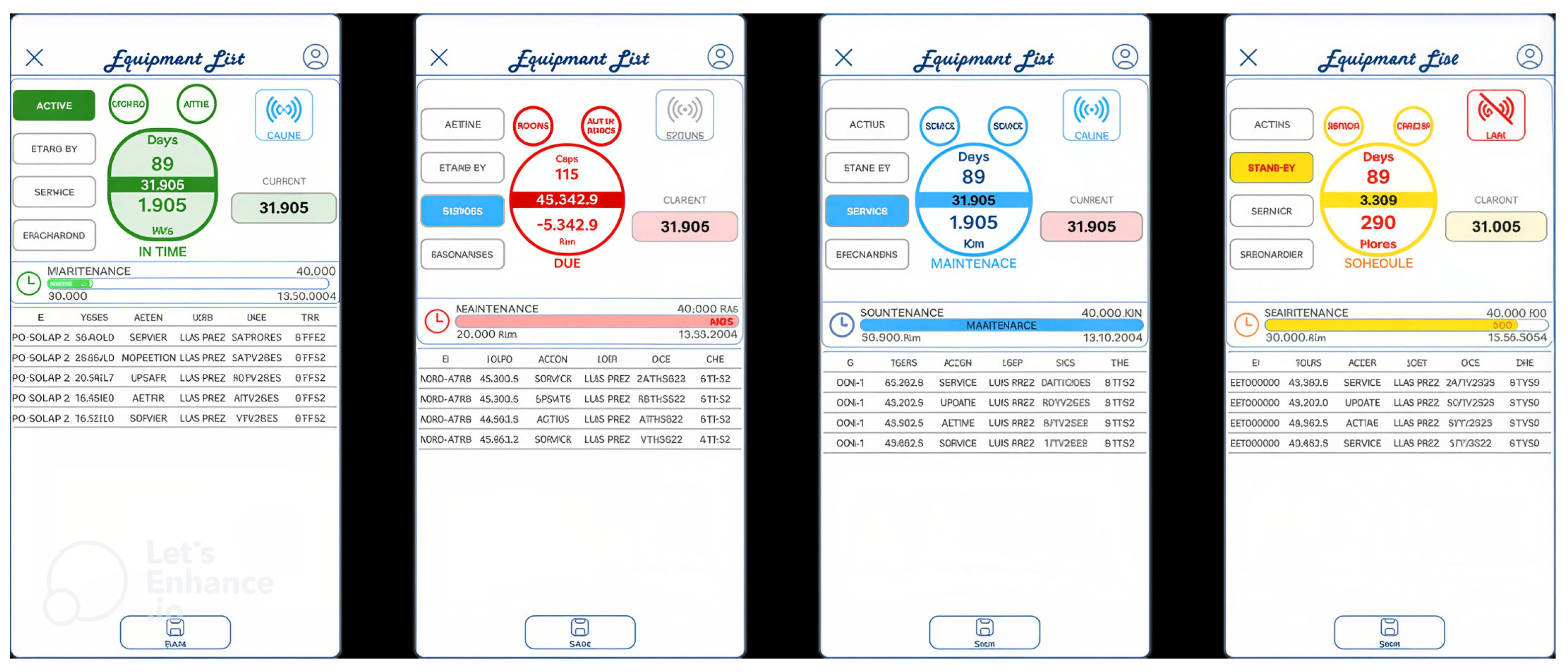
The platform features two configurable synchronization architectures: ‘Remote Automated Update’ and ‘Manual User-Defined Update’. The former leverages telemetric protocols for real-time data acquisition, ensuring seamless integration into a centralized database; in this autonomous mode, data latency or synchronization errors are exclusively contingent upon network connectivity disruptions. Conversely, the manual mode necessitates the definition of comparative thresholds to validate and govern the expiration periods of the recorded parameters. The system uses a standardized visual signaling protocol to indicate data currency: (i) ‘Updated’ (Green): the parameter is within the primary valid operational window; for example, within a 48 h threshold, the ‘Updated’ status is maintained during the initial 24 h period, transitioning to ‘To Update’ between 24 and 48 h, and finally shifting to ‘Pending’ beyond the 48 h limit until a new synchronization occurs. Distinct from these temporal states, the ‘MTT’ (Maintenance) status is a manual activation flag, utilized exclusively to denote that the asset is currently undergoing technical intervention, whether for preventive, scheduled, or corrective maintenance purposes. This structured approach ensures high data integrity and provides clear visual cues for operational readiness. This structured approach ensures high data integrity and provides clear visual cues for operational readiness. The platform incorporates specialized interface variants designed to maintain user awareness through intuitive visual identification. This is achieved by dynamically modifying the background color and the horizontal counter representations. These visual cues serve as immediate indicators of operational priority and system status, reducing the cognitive load required for monitoring complex datasets. Regarding the tracking of technical interventions, the indicators presented in Figure 8 provide a temporal overview of service status. This allows for a streamlined assessment of task progression and duration. Furthermore, the asset management interface, exemplified by the equipment list in Figure 9 (User LINK screen), utilizes these standardized visual protocols to categorize and display the inventory of registered units, ensuring consistency across all functional modules of the application.
Table 3 compares the proposed solution to current standard industrial practices. A comparison and validation of the study’s claims by addressing several critical dimensions. First, it consolidates the principal quantitative outcomes of the proposed framework, notably the 30% reduction in unplanned outages and the 20–25% decrease in operational expenditures, thereby positioning these metrics as central indicators of system performance and operational efficiency. Second, the table establishes a clear definition of the Business-as-Usual benchmark by characterizing it as the fragmented and predominantly reactive maintenance approach described in the introduction, typically constrained by manual reporting procedures, limited data integration, and significant fault-detection delays. Furthermore, by contrasting conventional paper-based documentation practices with the implemented centralized cloud-based database architecture, the analysis demonstrates the strategic value of the proposed platform as a foundational enabler of the global energy transition. This comparison highlights the platform’s capacity to improve data accessibility, traceability, and decision-making processes across renewable energy operations. The comparative framework also provides empirical support for the effective implementation of Maintenance 4.0 principles. In particular, the results confirm the transition from reactive to proactive maintenance strategies, together with more efficient resource allocation and predictive operational management, all of which are essential to ensuring the long-term reliability, scalability, and sustainability of renewable energy infrastructures.

4. Conclusions

The development and implementation of this solution represent a significant advancement in the digitalization of maintenance management for renewable energy infrastructures. Indeed, this work demonstrates that integrating multi-tier user profiles—ranging from end-users to enterprise administrators—within a unified digital ecosystem effectively eliminates information silos and optimizes the coordination of technical interventions. The transition from traditional, fragmented maintenance practices to a standardized, cloud-based framework provides the necessary traceability and data integrity required for modern industrial operations. The empirical results and case studies discussed in this study highlight the platform’s capacity to transform operational performance. By utilizing real-time remote monitoring and automated parameter synchronization, the system achieved a 30% reduction in unplanned equipment downtime and a significant decrease in operational expenditures (between 20% and 25%). These improvements are directly linked to the platform’s ability to facilitate proactive decision-making through high-fidelity data visualization and predictive maintenance scheduling, which ultimately extends the operational lifecycle of critical assets such as solar and wind generation units. Furthermore, this work underscores the strategic role of digital maintenance tools in the global energy transition. By embedding sustainability metrics and promoting resource efficiency, the proposed solution aligns industrial operations with the United Nations Sustainable Development Goals, particularly regarding clean energy and resilient infrastructure. Moreover, the platform’s scalable telemetry and multi-tier hierarchy enable potential adoption by energy communities and active consumers. By integrating real-time generation data with financial monitoring modules, it provides a foundation for implementing dynamic pricing and virtual net billing strategies, ultimately driving self-consumption maximization and localized grid resilience. Future research will focus on the deeper integration of machine learning algorithms for autonomous fault prognosis and the expansion of the digital twin module to simulate complex degradation scenarios in multi-brand hybrid grids. It also includes the implementation of automated responses to grid decongestion requests, expanding the system’s utility from an asset-centric management tool to an active node for grid stability and demand response.

Author Contributions

Conceptualization, G.F.F.-M. and A.M.-A.; methodology, A.M.-A.; software, G.F.F.-M.; validation, A.M.-A. and A.M.-G.; formal analysis, A.M.-G.; investigation, A.M.-A.; data curation, G.F.F.-M.; writing—original draft preparation, A.M.-G.; writing—review and editing, A.M.-A.; supervision, A.M.-G. All authors have read and agreed to the published version of the manuscript.

Funding

This research received no external funding.

Data Availability Statement

The data provided in this study are available on request from the corresponding author.

Acknowledgments

During the preparation of this manuscript/study, the authors used Krea 2 for the purposes of improving the clarity of the figures. The authors have reviewed and edited the output and take full responsibility for the content of this publication.

Conflicts of Interest

The authors declare no conflicts of interest.

Abbreviations

The following abbreviations are used in this manuscript:
AIArtificial Intelligence
ATAvailable Time
BDTBreakdown Time
CBMCondition-Based Maintenance
CMCorrective Maintenance
CTCalendar time
DCSsDistributed Control Systems
DTDowntime
DTCsDiagnostic Trouble Codes
ETEquipment operating time
GDPRGeneral Data Protection Regulation
HPMHybrid Preventive Maintenance
IPMImperfect Preventive Maintenance
IoTInternet of Things
ISOInternational Organization for Standardization
ITIdle time
KPIKey Performance Indicator
MATMechanical Available Time
MDTMean Down Time
MRLMean Repair Logistics
MTBFMean Time Between Failures
MTTDMean Time to Detect
MTTRMean Time to Repair
MUTMechanical Utilization Time
OEEOverall Equipment Effectiveness
OEMOriginal Equipment Manufacturer
OPEXOperational Expenditure
OTOperating Time
PdMPredictive Maintenance
PDMTPredictive Maintenance Time
PHDPlant Historian Database
PMPreventive Maintenance
PSD2Payment Services Directive 2
PVMTPreventive Maintenance Time
RBACRole-Based Access Control
RCMReliability-Centered Maintenance
REMTReconditioning Maintenance Time
RTRelocate Time
SBStandby Time
SBNONo Operating Standby
SBOOperating Standby
SLAService Level Agreement
SMTScheduled Maintenance Time
STScheduled time
TATTechnical Availability Time
TPMTotal Productive Maintenance
TUTTechnical Utilization Time
UIUser Interface
UTUnscheduled time
WCAGWeb Content Accessibility Guidelines

References

  1. Nie, S.; Cao, X.; Li, Z.; Liu, M.; Zhang, Y. Supply chain digitization in the net-zero era: The impact of digital technology, renewable energy, and infrastructure. Energy Econ. 2025, 144, 108403. [Google Scholar] [CrossRef]
  2. Setyadi, A.; Pawirosumarto, S.; Damaris, A. Sustainable Operations Strategy in the Age of Climate Change: Integrating Green Lean Practices into Operational Excellence. Sustainability 2025, 17, 5954. [Google Scholar] [CrossRef]
  3. Mirzaye, S.; Mohiuddin, M. Digital Transformation in International Trade: Opportunities, Challenges, and Policy Implications. J. Risk Financ. Manag. 2025, 18, 421. [Google Scholar] [CrossRef]
  4. Bukowski, L.; Werbinska-Wojciechowska, S. Towards Maintenance 5.0: Resilience-Based Maintenance in AI-Driven Sustainable and Human-Centric Industrial Systems. Sensors 2025, 25, 5100. [Google Scholar] [CrossRef] [PubMed]
  5. Bouyahrouzi, E.M.; Benmimoun, R.; El Kihel, Y.; Bajjou, M.S. Integrating industry 4.0 technologies and maintenance 4.0 for sustainable manufacturing: A systematic literature review. Int. J. Adv. Manuf. Technol. 2025, 140, 35–61. [Google Scholar] [CrossRef]
  6. Sajadieh, S.M.M.; Noh, S.D. A Review of Digital Twin Integration in Circular Manufacturing for Sustainable Industry Transition. Sustainability 2025, 17, 7316. [Google Scholar] [CrossRef]
  7. Schiff, D.S. Strategies for Harmonizing Fragmented AI Ethics Frameworks, Standards, and Regulations. In Handbook of Human-Centered Artificial Intelligence; Springer: Berlin/Heidelberg, Germany, 2025; pp. 1897–1940. [Google Scholar]
  8. Giacotto, A.; Marques, H.C.; Martinetti, A. Prescriptive maintenance: A comprehensive review of current research and future directions. J. Qual. Maint. Eng. 2025, 31, 129–173. [Google Scholar] [CrossRef]
  9. Molęda, M.; Małysiak-Mrozek, B.; Ding, W.; Sunderam, V.; Mrozek, D. From corrective to predictive maintenance—A review of maintenance approaches for the power industry. Sensors 2023, 23, 5970. [Google Scholar] [CrossRef] [PubMed]
  10. ISO Standard No. 9000:2015; Quality Management Systems—Fundamentals and Vocabulary. International Organization for Standardization: Geneva, Switzerland, 2015. Available online: https://www.iso.org/standard/45481.html (accessed on 11 June 2026).
  11. Wayoro, D.; Nonguierma, W.; Parkouda, M. Upfront efforts for upcoming benefits? ISO 9001: 2015 certification and firms’ performance in 33 countries. Int. Econ. 2025, 183, 100620. [Google Scholar] [CrossRef]
  12. Karim, M.R. Optimizing Maintenance Strategies in Smart Manufacturing: A Systematic Review Of Lean Practices, Total Productive Maintenance (TPM), And Digital Reliability. Rev. Appl. Sci. Technol. 2025, 4, 176–206. [Google Scholar] [CrossRef]
  13. Dudzik, S.; Gic-Grusza, G.; Pilc, D.; Szeląg, P. Smart Hybrid Maintenance as a Pathway to Energy-Efficient Manufacturing. Energies 2026, 19, 132. [Google Scholar] [CrossRef]
  14. Tsallis, C.; Papageorgas, P.; Piromalis, D.; Munteanu, R.A. Application-Wise Review of Machine Learning-Based Predictive Maintenance: Trends, Challenges, and Future Directions. Appl. Sci. 2025, 15, 4898. [Google Scholar] [CrossRef]
  15. Garcia, J.; Rios-Colque, L.; Peña, A.; Rojas, L. Condition Monitoring and Predictive Maintenance in Industrial Equipment: An NLP-Assisted Review of Signal Processing, Hybrid Models, and Implementation Challenges. Appl. Sci. 2025, 15, 5465. [Google Scholar] [CrossRef]
  16. Sahal, R.; Breslin, J.G.; Ali, M.I. Big data and stream processing platforms for Industry 4.0 requirements mapping for a predictive maintenance use case. J. Manuf. Syst. 2020, 54, 138–151. [Google Scholar] [CrossRef]
  17. Hasso, E.A. The Evolution and Integration of SCADA and HMI Systems in Industrial Automation. In Advances in Communication, Signal and Image Processing; Springer: Berlin/Heidelberg, Germany, 2025; pp. 27–45. [Google Scholar]
  18. Shokri, A.; Toliyat, S.M.H.; Hu, S.; Skoumpopoulou, D. Integrating spare part inventory management and predictive maintenance as a digital supply chain solution. J. Model. Manag. 2025, 20, 1003–1029. [Google Scholar]
  19. Bahou, Z.; Lemnaouar, M.R.; Krimi, I. Integrated non-cyclical preventive maintenance scheduling and production planning for multi-parallel component production systems with interdependencies-induced degradation. Int. J. Adv. Manuf. Technol. 2024, 130, 4723–4749. [Google Scholar]
  20. Cantini, A.; Coruzzolo, A.M.; Lolli, F.; De Carlo, F.; Portioli-Staudacher, A. Bridging Accuracy and Interpretability: A Decision Support System for Stock Deployment and Additive Manufacturing Decisions in Spare Parts Distribution Networks. Logistics 2026, 10, 77. [Google Scholar] [CrossRef]
  21. Mendes, D.; Gaspar, P.D.; Charrua-Santos, F.; Navas, H. Synergies between Lean and Industry 4.0 for Enhanced Maintenance Management in Sustainable Operations: A Model Proposal. Processes 2023, 11, 2691. [Google Scholar] [CrossRef]
  22. Huynh, K.T. A Hybrid Condition-Based Maintenance Model for Deteriorating Systems Subject to Nonmemoryless Imperfect Repairs and Perfect Replacements. IEEE Trans. Reliab. 2020, 69, 781–815. [Google Scholar] [CrossRef]
  23. Fang, C.C.; Hsu, C.C.; Liu, J.H. Bayesian Statistical Method Enhance the Decision-Making for Imperfect Preventive Maintenance with a Hybrid Competing Failure Mode. Axioms 2022, 11, 734. [Google Scholar] [CrossRef]
  24. ISO Standard No. 55000:2014; Asset Management—Overview, Principles and Terminology. International Organization for Standardization: Geneva, Switzerland, 2014.
  25. da Silva, R.F.; de Souza, G.F.M. Modeling a maintenance management framework for asset management based on ISO 55000 series guidelines. J. Qual. Maint. Eng. 2021, 28, 915–937. [Google Scholar] [CrossRef]
  26. da Silva, R.F.; Melani, A.H.d.A.; Michalski, M.A.d.C.; Souza, G.F.M.d.; Nabeta, S.I. Risk Management of Physical Assets Supported by Maintenance Performance Indicators. Sustainability 2024, 16, 6132. [Google Scholar] [CrossRef]
  27. Bukowski, L.; Werbinska-Wojciechowska, S. Multidimensional Maintenance Maturity Modeling: Fuzzy Predictive Model and Case Study on Ensuring Operational Continuity Under Uncertainty. Appl. Sci. 2025, 15, 12236. [Google Scholar] [CrossRef]
  28. Werbińska-Wojciechowska, S.; Winiarska, K. Maintenance Performance in the Age of Industry 4.0: A Bibliometric Performance Analysis and a Systematic Literature Review. Sensors 2023, 23, 1409. [Google Scholar] [CrossRef] [PubMed]
  29. Achouch, M.; Dimitrova, M.; Ziane, K.; Sattarpanah Karganroudi, S.; Dhouib, R.; Ibrahim, H.; Adda, M. On Predictive Maintenance in Industry 4.0: Overview, Models, and Challenges. Appl. Sci. 2022, 12, 8081. [Google Scholar] [CrossRef]
  30. Işık, B.; Zilka, M. Maintenance Management in Production: A Qualitative Study on Industry 4.0 Adoption and Challenges. Procedia Comput. Sci. 2025, 253, 2478–2487. [Google Scholar] [CrossRef]
  31. Adaramola, B.A.; Kayode, J.F.; Monye, S.I.; Afolalu, S.A. Overview of maintenance management strategies in the industry. In Proceedings of the 2024 International Conference on Science, Engineering and Business for Driving Sustainable Development Goals (SEB4SDG); IEEE: New York, NY, USA, 2024; pp. 1–11. [Google Scholar]
  32. Chen, X.; Li, W.; Xia, T.; Ouyang, R.; Gao, K. Data-Driven Methods and Artificial Intelligence in Reliability and Maintenance: A Review. Mathematics 2026, 14, 899. [Google Scholar] [CrossRef]
  33. Alvarez-Alvarado, M.S.; Donaldson, D.L.; Recalde, A.A.; Noriega, H.H.; Khan, Z.A.; Velasquez, W.; Rodriguez-Gallegos, C.D. Power system reliability and maintenance evolution: A critical review and future perspectives. IEEE Access 2022, 10, 51922–51950. [Google Scholar] [CrossRef]
  34. Rusu, A.N.; Dumitrascu, D.I.; Dumitrascu, A.E. Shopfloor Visualization-Oriented Digitalization of Heterogeneous Equipment for Sustainable Industrial Performance. Sustainability 2025, 17, 8030. [Google Scholar] [CrossRef]
  35. Shahmoradi, S.; Hosseini Imani, M.; Mazza, A.; Pons, E. Applications of the Digital Twin and the Related Technologies Within the Power Generation Sector: A Systematic Literature Review. Energies 2025, 18, 5627. [Google Scholar] [CrossRef]
  36. Crompton, J. Chapter 5—Data Management from the DCS to the Historian. In Machine Learning and Data Science in the Oil and Gas Industry; Bangert, P., Ed.; Gulf Professional Publishing: Houston, TX, USA, 2021; pp. 83–110. [Google Scholar] [CrossRef]
  37. Antosz, K.; Pasko, L.; Gola, A. The use of artificial intelligence methods to assess the effectiveness of lean maintenance concept implementation in manufacturing enterprises. Appl. Sci. 2020, 10, 7922. [Google Scholar] [CrossRef]
  38. Tambare, P.; Meshram, C.; Lee, C.C.; Ramteke, R.J.; Imoize, A.L. Performance Measurement System and Quality Management in Data-Driven Industry 4.0: A Review. Sensors 2022, 22, 224. [Google Scholar] [CrossRef]
  39. Hu, Y.; Jia, Q.; Yao, Y.; Lee, Y.; Lee, M.; Wang, C.; Zhou, X.; Xie, R.; Yu, F.R. Industrial Internet of Things Intelligence Empowering Smart Manufacturing: A Literature Review. IEEE Internet Things J. 2024, 11, 19143–19167. [Google Scholar] [CrossRef]
  40. Tubis, A.; Werbińska-Wojciechowska, S.; Wroblewski, A. Risk assessment methods in mining industry—A systematic review. Appl. Sci. 2020, 10, 5172. [Google Scholar] [CrossRef]
  41. Damaševičius, R.; Bacanin, N.; Misra, S. From sensors to safety: Internet of Emergency Services (IoES) for emergency response and disaster management. J. Sens. Actuator Netw. 2023, 12, 41. [Google Scholar] [CrossRef]
  42. Chen, Y.; Li, J.; Blasch, E.; Qu, Q. Future outdoor safety monitoring: Integrating human activity recognition with the internet of physical–virtual things. Appl. Sci. 2025, 15, 3434. [Google Scholar] [CrossRef]
  43. Mouhib, Z.; Gallab, M.; Merzouk, S.; Soulhi, A.; Di Nardo, M. Total Productive Maintenance and Industry 4.0: A Literature-Based Path Toward a Proposed Standardized Framework. Appl. Syst. Innov. 2025, 8, 98. [Google Scholar] [CrossRef]
  44. Jurewicz, D.; Dąbrowska, M.; Burduk, A.; Medyński, D.; Machado, J.; Motyka, P.; Kolbusz, K. Implementation of total productive maintenance (tpm) to improve overall equipment effectiveness (oee)-case study. In Proceedings of the International Conference on Intelligent Systems in Production Engineering and Maintenance; Springer: Berlin/Heidelberg, Germany, 2023; pp. 543–561. [Google Scholar]
  45. Di Luozzo, S.; Pop, G.R.; Schiraldi, M.M. The Human Performance Impact on OEE in the Adoption of New Production Technologies. Appl. Sci. 2021, 11, 8620. [Google Scholar] [CrossRef]
  46. Hallioui, A.; Herrou, B.; Katina, P.F.; Santos, R.S.; Egbue, O.; Jasiulewicz-Kaczmarek, M.; Soares, J.M.; Marques, P.C. A Review of Sustainable Total Productive Maintenance (STPM). Sustainability 2023, 15, 12362. [Google Scholar] [CrossRef]
  47. Smith, R.; Hawkins, B. Lean Maintenance: Reduce Costs, Improve Quality, and Increase Market Share; Elsevier: Amsterdam, The Netherlands, 2004. [Google Scholar]
  48. Vejjanugraha, P.; Pawasarn, W. Technician Utilization-Based Analysis of Mean Time to Detect (MTTD) and Mean Time to Repair (MTTR) for a Strategic Approach in Failure Corrective Maintenance System (FCMS). In Proceedings of the 2025 20th International Joint Symposium on Artificial Intelligence and Natural Language Processing (iSAI-NLP); IEEE: New York, NY, USA, 2025; pp. 1–5. [Google Scholar]
  49. Shah, R.; Divecha, N.H. Reducing Mean Time to Repair (MTTR) with AIOps: An Advanced Approach to IT Operations Management. Res. Sq. 2025. [Google Scholar] [CrossRef] [PubMed]
  50. Rojas, L.; Peña, Á.; Garcia, J. AI-driven predictive maintenance in mining: A systematic literature review on fault detection, digital twins, and intelligent asset management. Appl. Sci. 2025, 15, 3337. [Google Scholar] [CrossRef]
  51. Sharma, D.P. Evaluating moving target defense methods using time to compromise and security risk metrics in IoT networks. Electronics 2025, 14, 2205. [Google Scholar] [CrossRef]
  52. Brown, J.; Valentine, G. Streamlining Reliability and Maintainability MBSE by Defining Essential Data Requirements for System Models. In Proceedings of the 2026 Annual Reliability and Maintainability Symposium (RAMS); IEEE: New York, NY, USA, 2026; pp. 1–6. [Google Scholar]
  53. Hijry, H. Advancing Sustainable Smart Manufacturing: A Comprehensive Review of Machine Learning Techniques in Assembly Lines. Sustainability 2025, 18, 348. [Google Scholar] [CrossRef]
  54. Fotopoulou, M.; Tsekouras, G.; Rakopoulos, D.; Kontargyri, V. Demand response optimization for the enhancement of the distribution system’s operation. Sustain. Energy Grids Netw. 2025, 44, 102051. [Google Scholar] [CrossRef]
Figure 1. Operational workflow for user, equipment, and incident registration.
Environments 13 00341 g001
Figure 2. Main axes of the proposed solution.
Environments 13 00341 g002
Figure 3. Functional scope and permission hierarchy of user profiles.
Environments 13 00341 g003
Figure 4. Systematic sequence of screen interfaces for structured report.
Environments 13 00341 g004
Figure 5. Interface modules for real-time parameter synchronization and operational status modification. Result analysis.
Environments 13 00341 g005
Figure 6. Remote monitoring interfaces. Result analysis.
Environments 13 00341 g006
Figure 7. Maintenance result analysis.
Environments 13 00341 g007
Figure 8. Operational status.
Environments 13 00341 g008
Figure 9. FLEET user interface database.
Environments 13 00341 g009
Table 1. Comparison of the proposed solution vs. current maintenance frameworks.
Feature/ApproachTraditional Maintenance (CM/PM)Industrial Data Historians (DCS/PHD)Proposed Digital Solution
System ArchitecturePaper-based or isolated local silos [30]Centralized industrial servers [9]Cloud-based, Multi-platform
Data SynchronizationManual, reactive, and often delayed [31]High-frequency automated logging [32]Dual-mode: Remote and Configurable Manual
User ManagementUnified or limited access control [33]Specialized plant operators [34]Multi-tier RBAC
Analytical MetricsBasic operational indicators [35]Availability and performance efficiency [36]OEE, MRL, MTTR, and Sustainability metrics
Validated ImpactNot standardized/documented [28,37]Improved monitoring and visibility [38,39]30% reduction in outages; 20–25% OPEX savings
Table 2. Definitions and expressions of time categories for equipment performance analysis.
AbbreviationNameDescriptionExpression
CTCalendar timeTime when an equipment is assigned to an operation. 365 days × 24 h
STScheduled timeThe equipment is assigned to an operation.Shifts × Time × Days
UTUnscheduled timeInactive state due to planned or scheduled shutdowns. U T = C T S T
ETEquipment operating timeTime when an equipment engine is turned on.Manual/Remote update
PVMTPreventive Maint. TimeScheduled preventive maintenance activities.-
PDMTPredictive Maint. TimeScheduled predictive maintenance activities.-
REMTReconditioning Maint. TimeScheduled reconditioning maintenance activities.-
SMTScheduled Maint. TimeTotal time required for scheduled maintenance. S M T = P V M T + P D M T + R E M T
TATTechnical Availability TimeEquipment available to perform intended function. T A T = S T S M T
BDTBreakdown timeTime lost due to unscheduled breakdowns.-
MATMechanical Avail. TimeAvailability considering unscheduled breakdowns. M A T = S T B D T
DTDowntimeEquipment is required but not in a condition to work. D T = S M T + B D T
ATAvailable TimeTotal time the equipment is available to function. A T = S T D T
ITIdle timeNot operating because it is not required.-
RTRelocate TimeTime spent moving between locations within the site.-
SBOOperating StandbyNot operating due to inadequate operating management. S B O = I T + R T
MUTMechanical Util. TimeAvailable but not operating due to operating reasons. M U T = A T S B O
SBNONo Operating StandbyWork area unavailable (e.g., weather, work problems).-
SBDDemobilization StandbyTransport between different mine sites.-
SBNWNo Working StandbyShut down due to temporary lack of work.-
SBEExternal StandbyNot operating due to non-operating reasons. S B E = S B N O + S B D + S B N W
TUTTechnical Util. TimeAvailable but not operating due to non-operating reasons. T U T = A T S B E
SBStandby TimeTotal time the equipment is available but not operating. S B = S B O + S B E
OTOperating TimeEquipment is available and under management control. O T = A T S B
Table 3. Proposed Digital Solution vs. Business-as-Usual maintenance.
Performance MetricBusiness-as-UsualProposed Digital SolutionQuantitative/Qualitative Comparison
Unplanned OutagesHigh frequency due to reactive strategiesMinimized through proactive monitoring30% reduction in outages
OPEXEscalated by resource waste and downtimeOptimized via strategic intervention planning20–25% decrease in O&M costs
Data TraceabilityFragmented or paper-based documentation‘Centralized, high-granularity cloud database’End-to-end auditability and real-time access
Reporting LatencyExtensive manual narrative and delays‘Agile, structured selection-based reporting’Instantaneous report generation and status updates
Personnel AllocationManual coordination with high response latencyGeospatial optimization and multi-tier role coordinationOptimized response times and MRL reduction
Disclaimer/Publisher’s Note: The statements, opinions and data contained in all publications are solely those of the individual author(s) and contributor(s) and not of MDPI and/or the editor(s). MDPI and/or the editor(s) disclaim responsibility for any injury to people or property resulting from any ideas, methods, instructions or products referred to in the content.