Article

Evaluating GHG Emissions and Renewable Energy Use in the Italian Energy Sector: Monitoring, Reporting, and Objectives


DIATI, Department of Engineering for Environment, Land, and Infrastructures, Politecnico di Torino, Corso Duca degli Abruzzi 24, 10129 Turin, Italy
*
Author to whom correspondence should be addressed.
Environments 2025, 12(2), 55; https://doi.org/10.3390/environments12020055

Submission received: 6 December 2024 / Revised: 25 January 2025 / Accepted: 4 February 2025 / Published: 6 February 2025
(This article belongs to the Special Issue Greenhouse Gas Emission Reduction and Green Energy Utilization)

Abstract

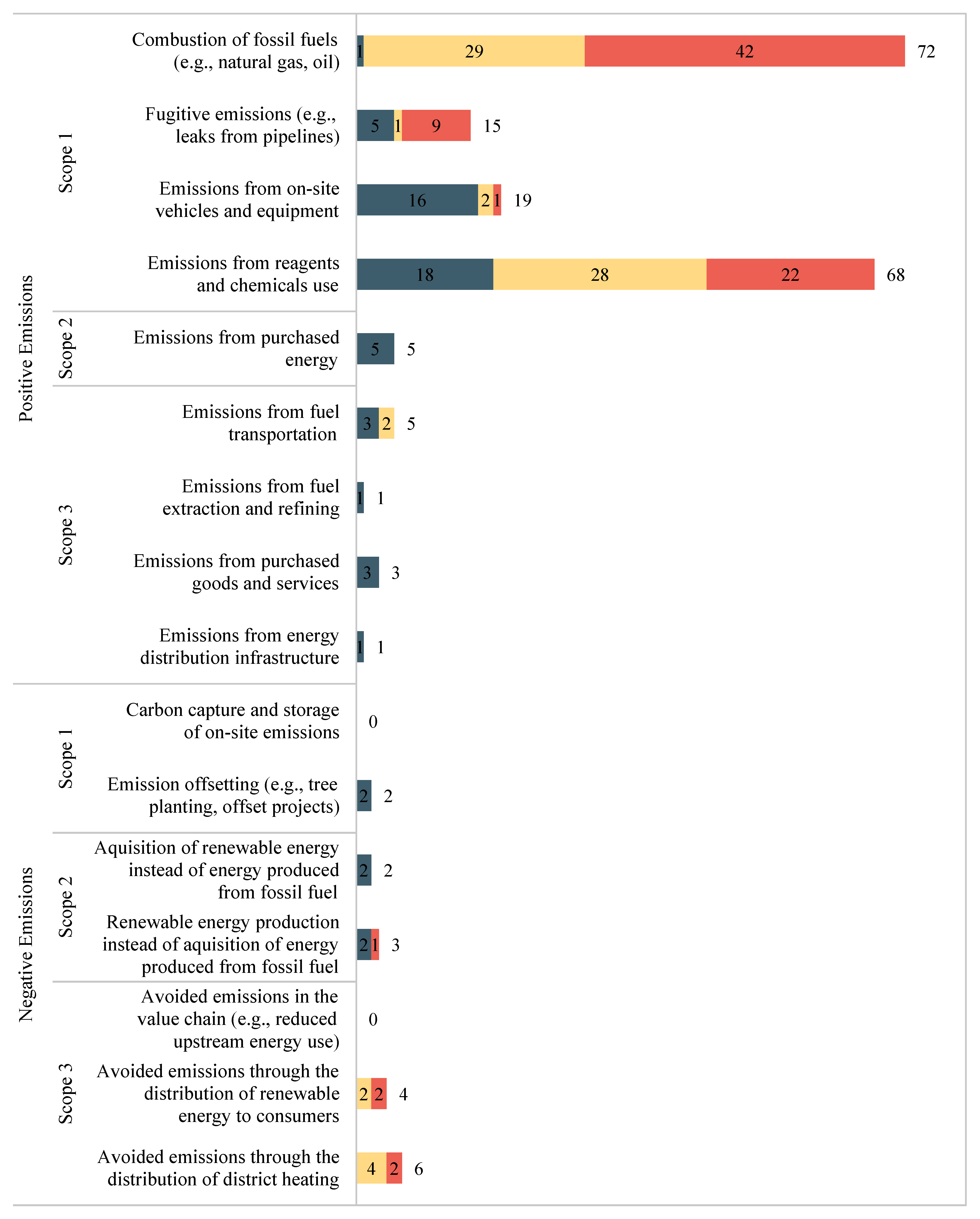
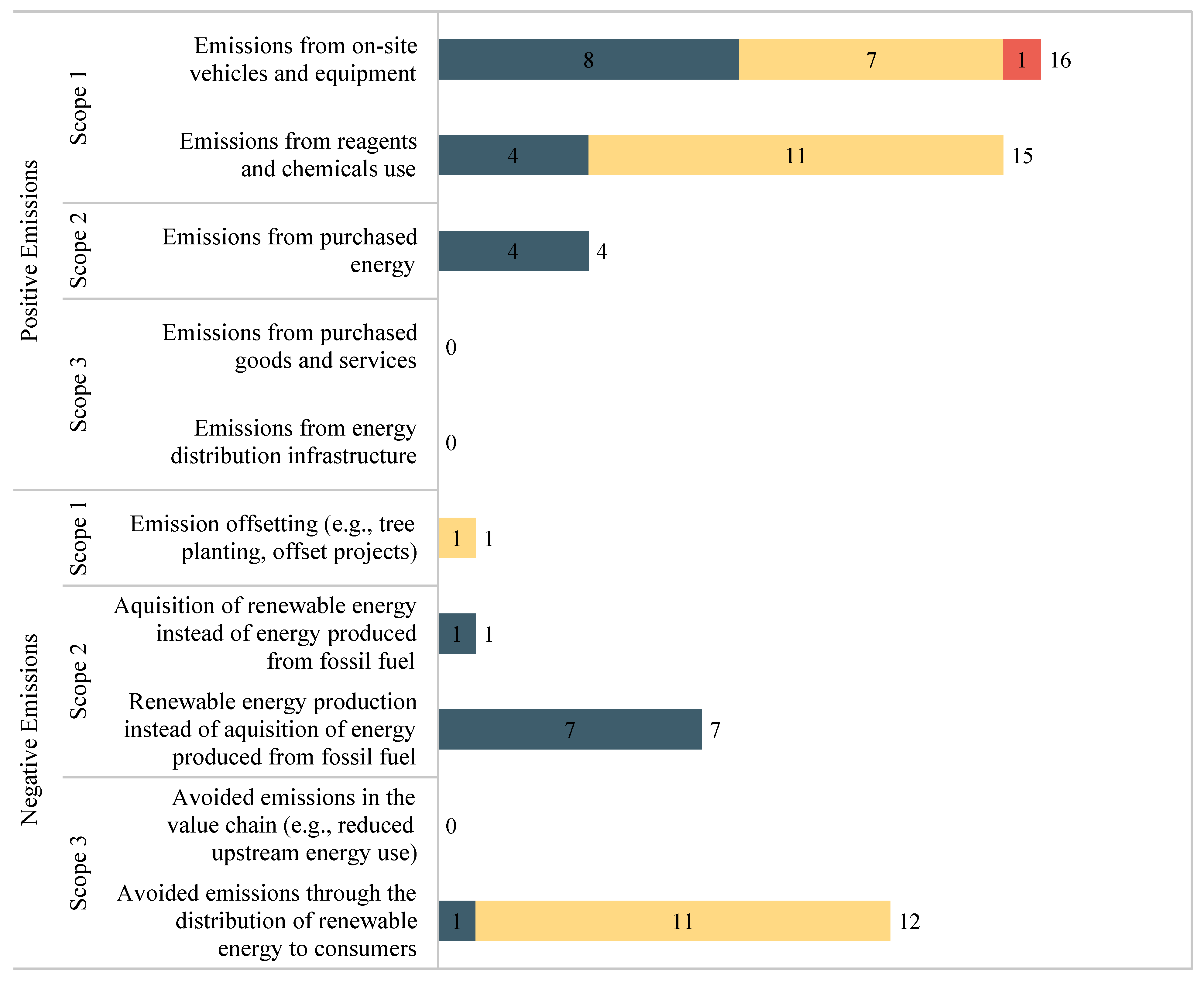
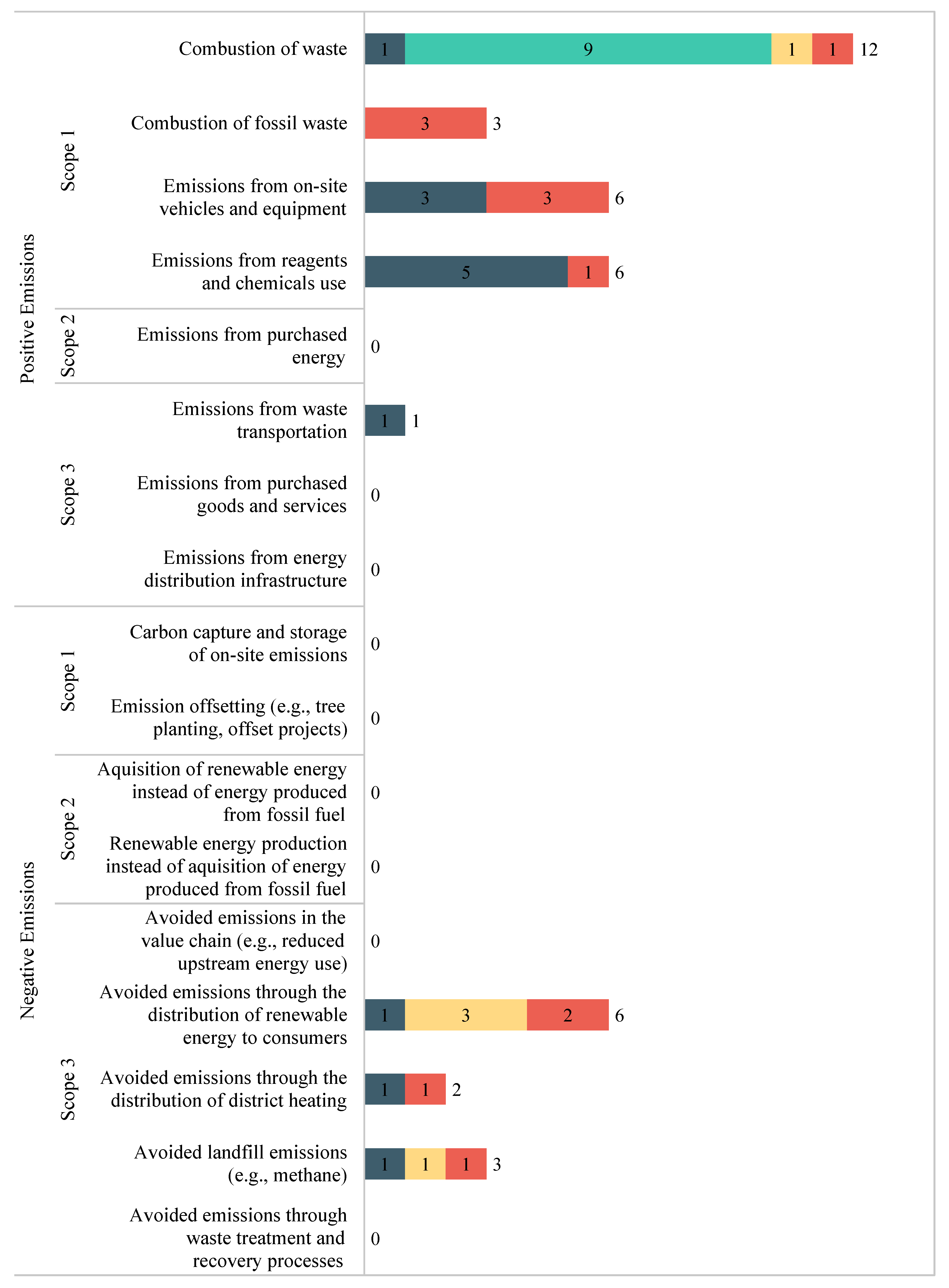
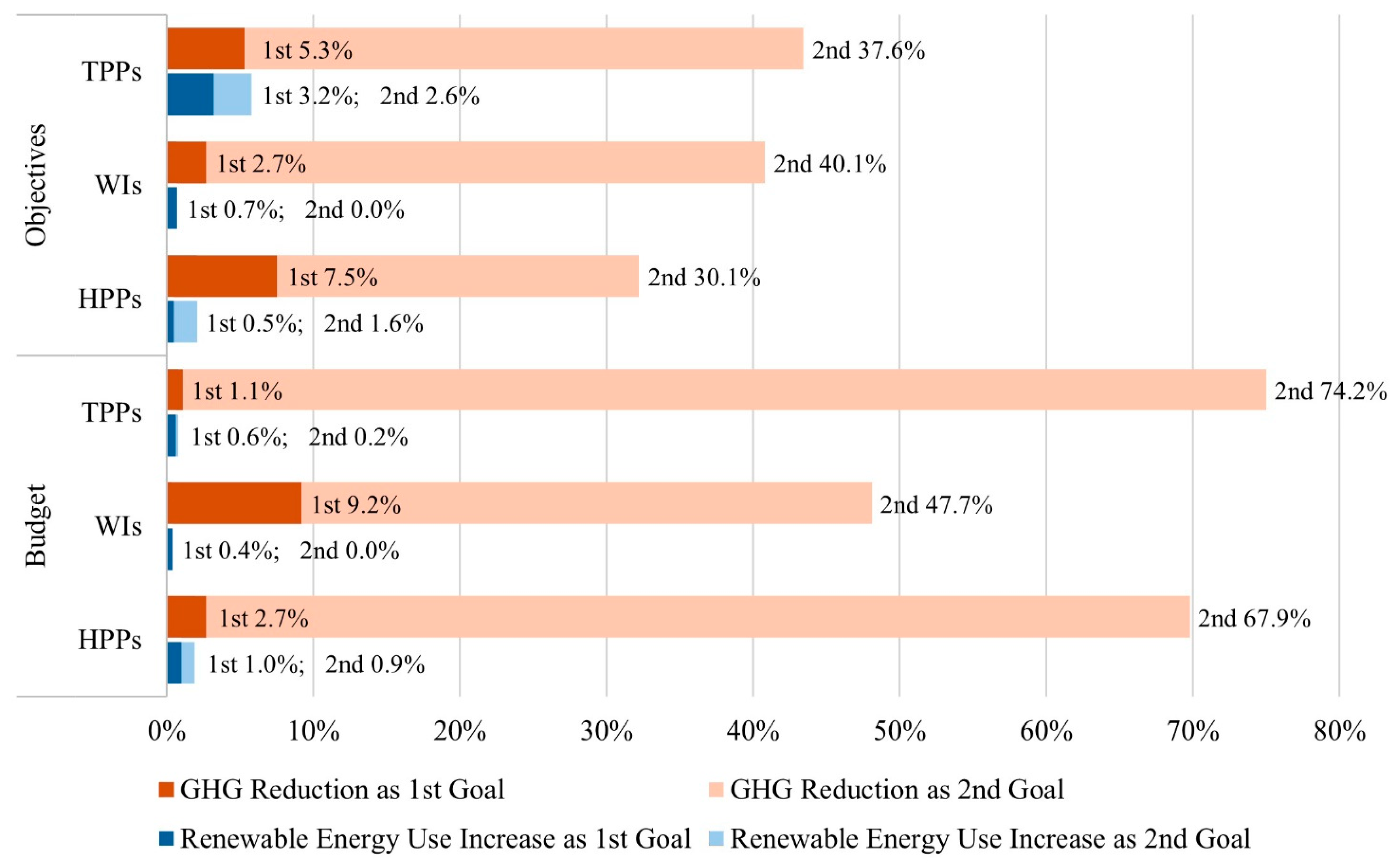
This study investigates the greenhouse gas (GHG) and renewable energy use reporting practices among thermal power plants (TPPs), waste incinerators (WIs), and hydropower plants (HPPs) in Italy, as reflected in their EMAS environmental statements. The analysis focuses on GHG emissions (Scope 1, 2, and 3) and renewable energy utilization reporting, and on the objectives set by the companies for reducing emissions and fossil fuels use. TPPs and WIs reported positive Scope 1 emissions extensively but reporting on Scope 2 and Scope 3 resulted inconsistent for all facilities. Negative emissions reporting was generally lacking, except for HPPs. Renewable energy use reporting was also limited, especially in TPPs and WIs, despite some facilities producing energy from renewable sources. The study also evaluated the objectives set by the companies on GHG reduction and renewable energy use increase, finding that GHG reduction was prioritized over renewable energy use. However, both were often a secondary goal integrated into planned operational improvements. The findings highlight that, to ensure transparency of sustainability data and the possibility of performances benchmarking in the energy production sector, there is the need for defining stronger reporting guidelines on GHG emissions, especially regarding Scope 3 emissions, and to prioritize increasing the share of renewable energy among strategic objectives. Future research should investigate factors affecting reporting behavior and the barriers to renewable energy adoption in fossil fuel-reliant sectors.
Keywords: GHG emissions; renewable energy; EMAS; thermal power plants; waste incinerators; hydropower plants; negative emissions; improvement objectives GHG emissions; renewable energy; EMAS; thermal power plants; waste incinerators; hydropower plants; negative emissions; improvement objectives