Article

Childhood Environmental Instabilities and Their Behavioral Implications: A Machine Learning Approach to Studying Adverse Childhood Experiences

by
Priscilla Mansah Codjoe
1,*,†,
Nii Adjetey Tawiah
2,† and
Daniel Alhassan
3
1
College of Arts and Sciences, Southern Illinois University Edwardsville, Campus Box 1653, Edwardsville, IL 62026, USA
2
College of Humanities, Education and Social Sciences, Delaware State University, 1200 N. DuPont Highway, Dover, DE 19901, USA
3
Wells Fargo, 11625 N. Community Hse Rd, Charlotte, NC 28277, USA
*
Author to whom correspondence should be addressed.
These authors contributed equally to this work.
Behav. Sci. 2024, 14(6), 487; https://doi.org/10.3390/bs14060487
Submission received: 21 April 2024 / Revised: 27 May 2024 / Accepted: 4 June 2024 / Published: 8 June 2024
(This article belongs to the Section Child and Adolescent Psychiatry)

Abstract

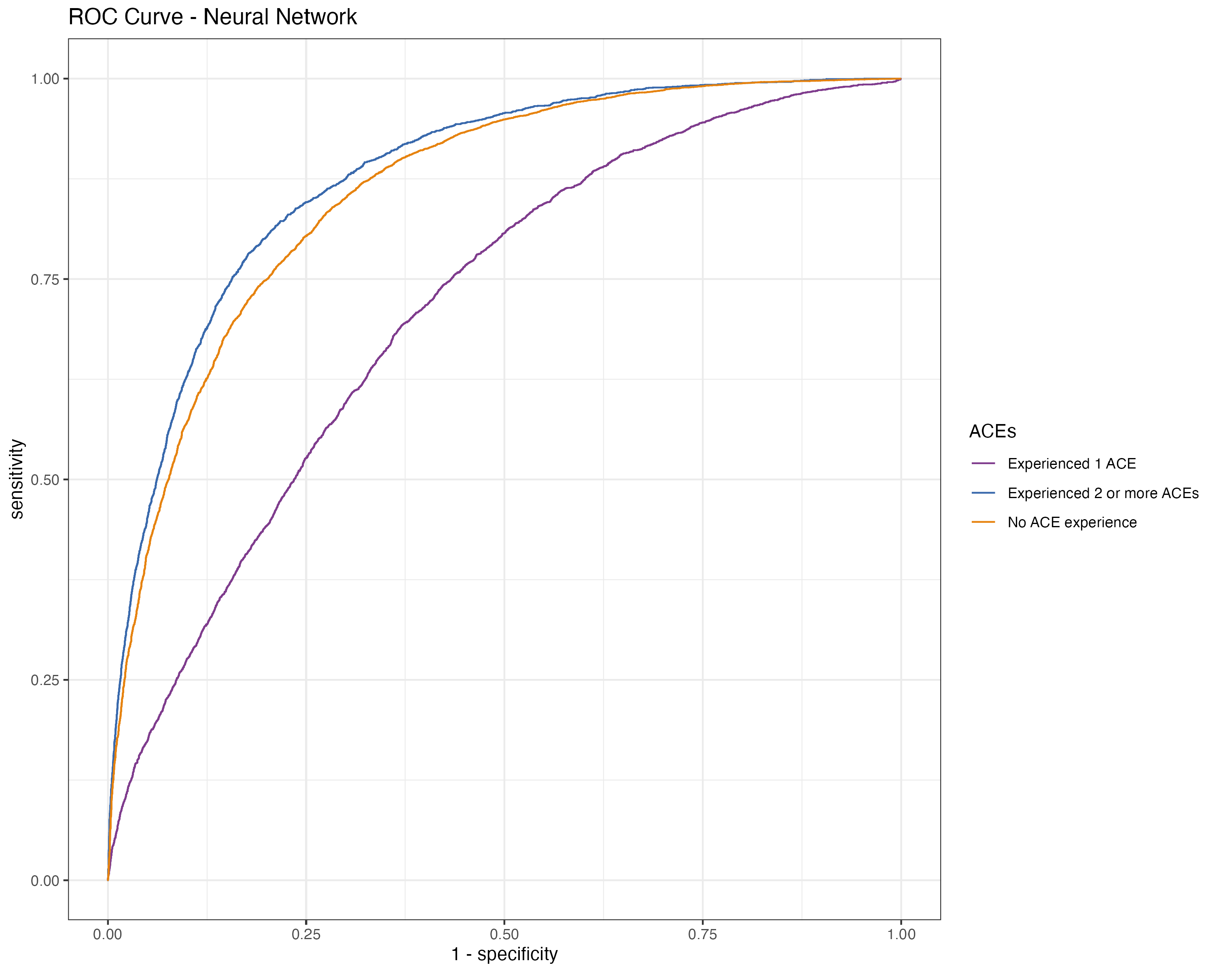
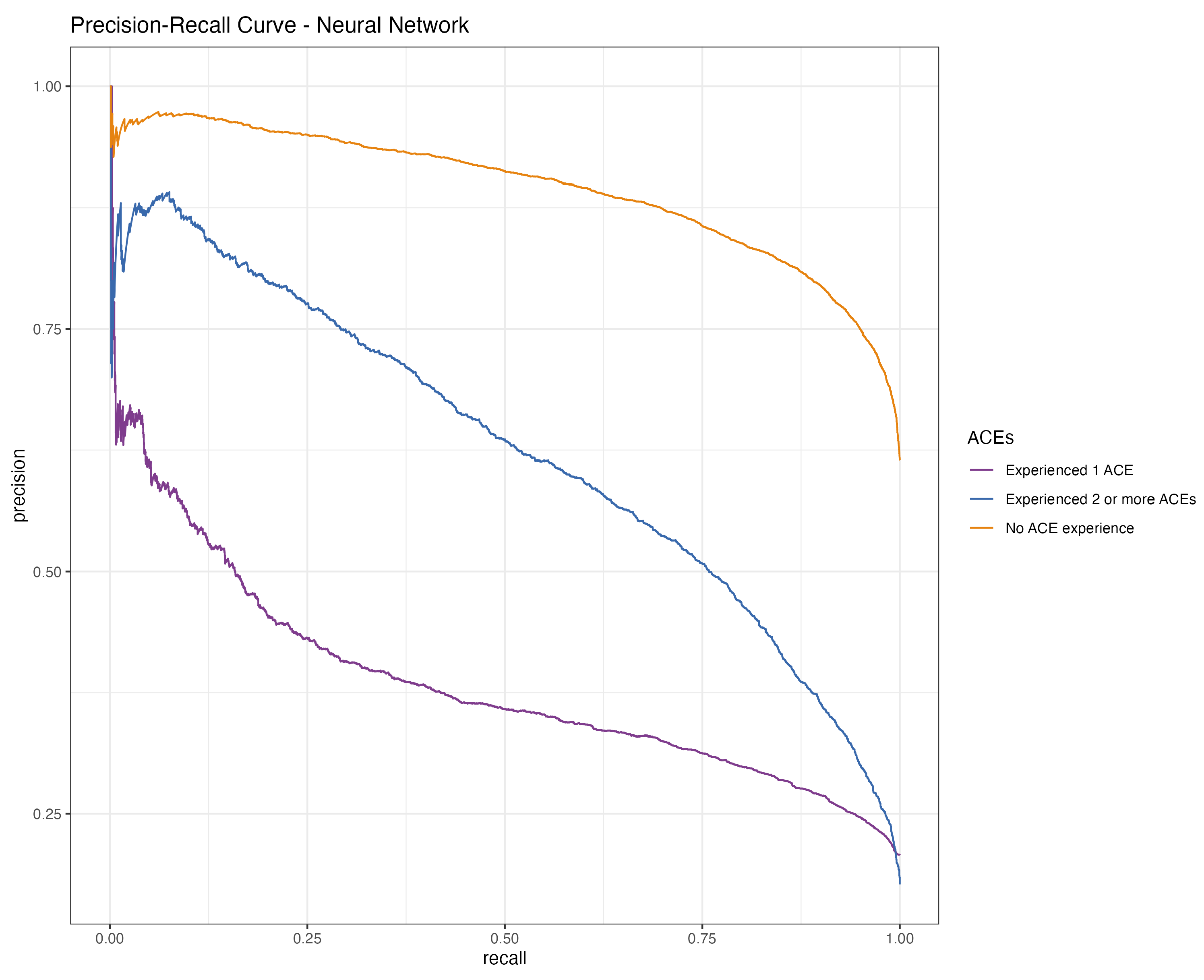
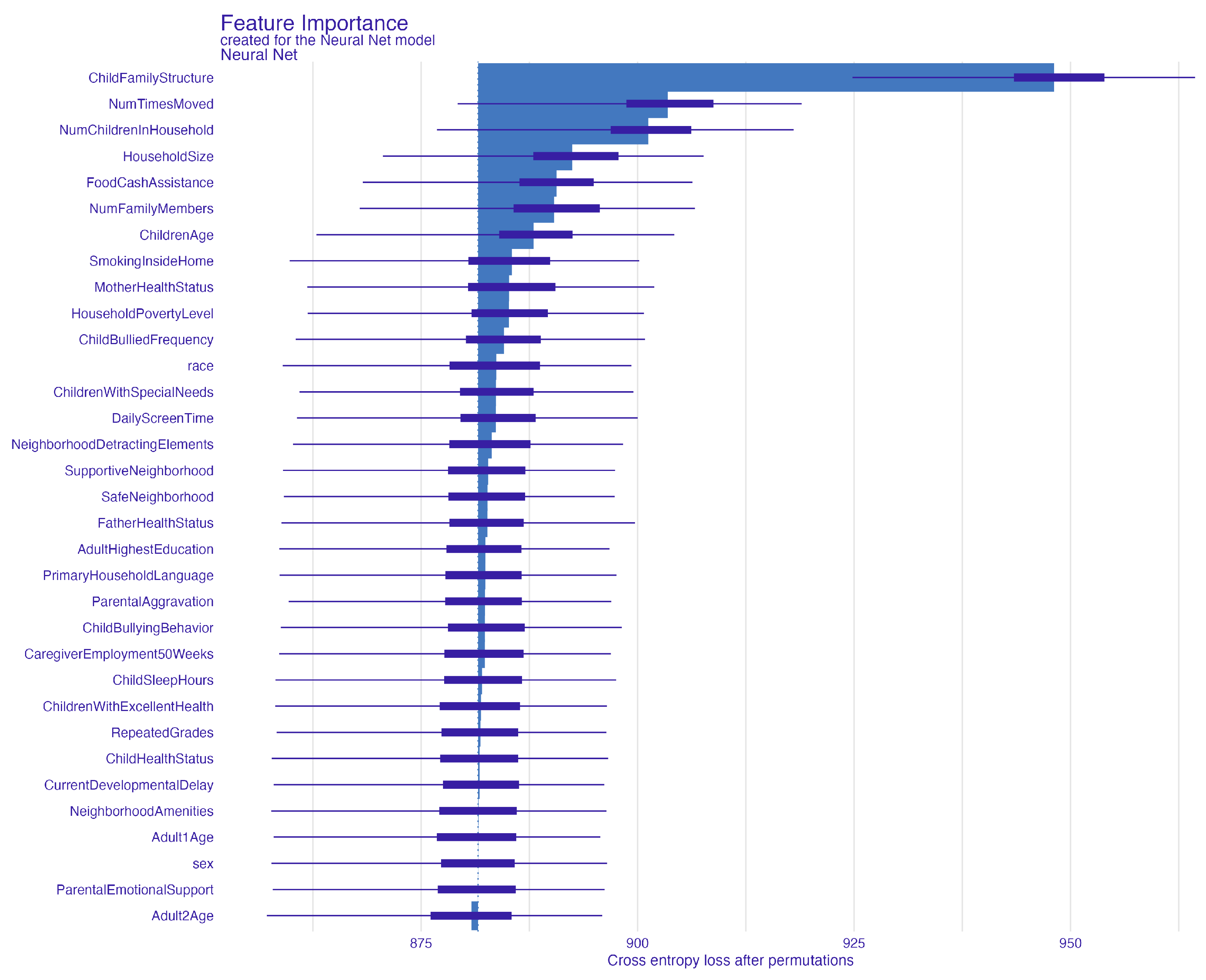
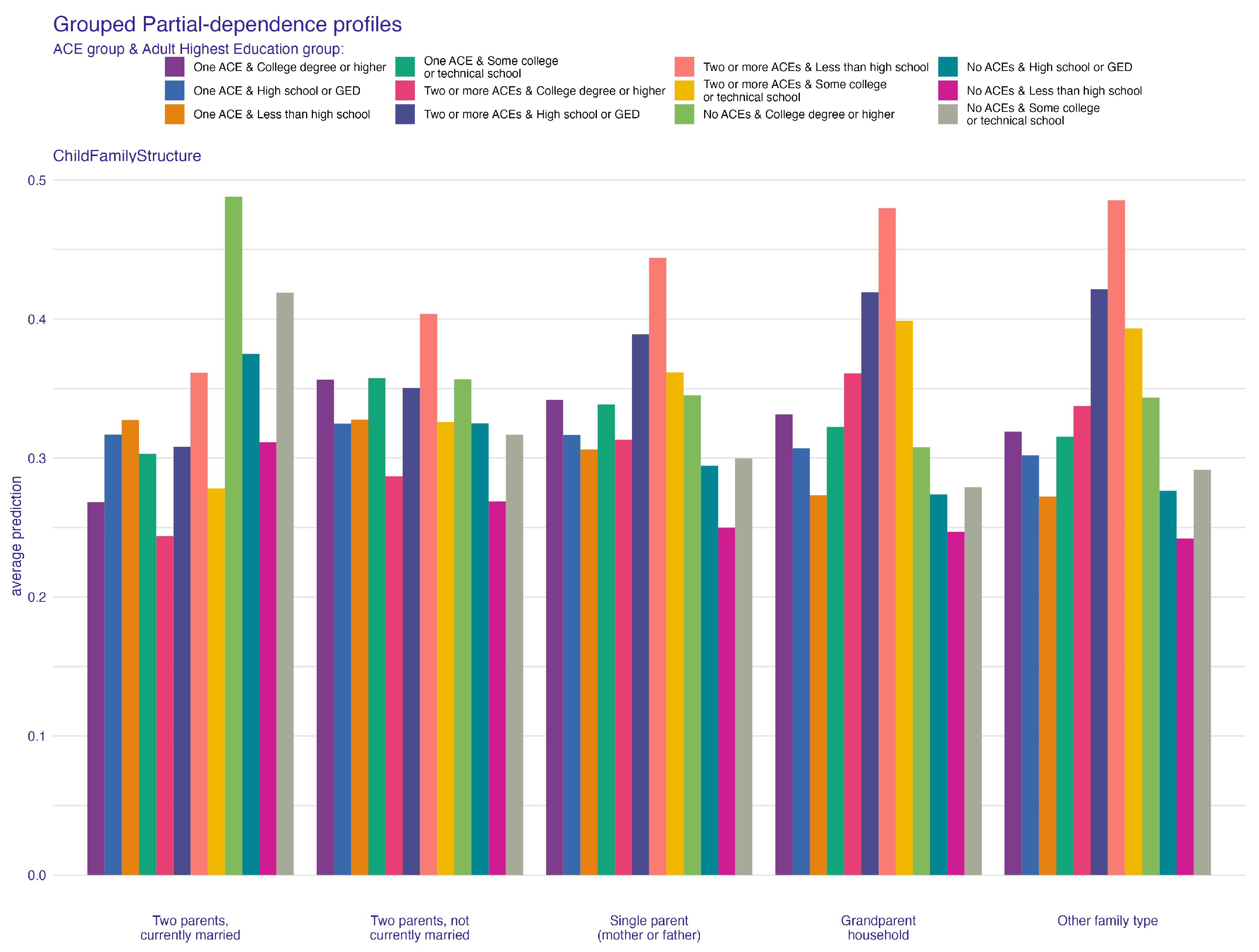
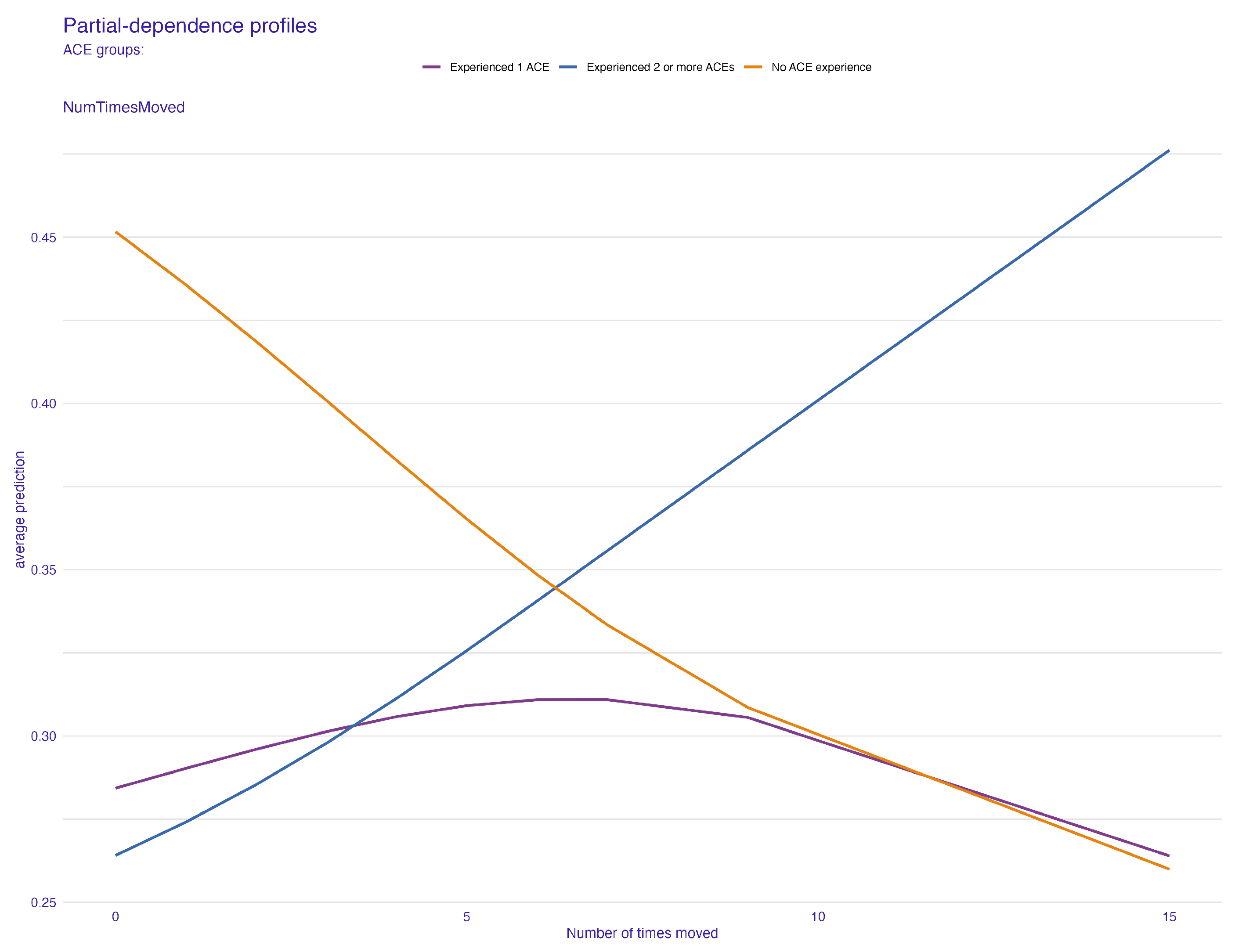
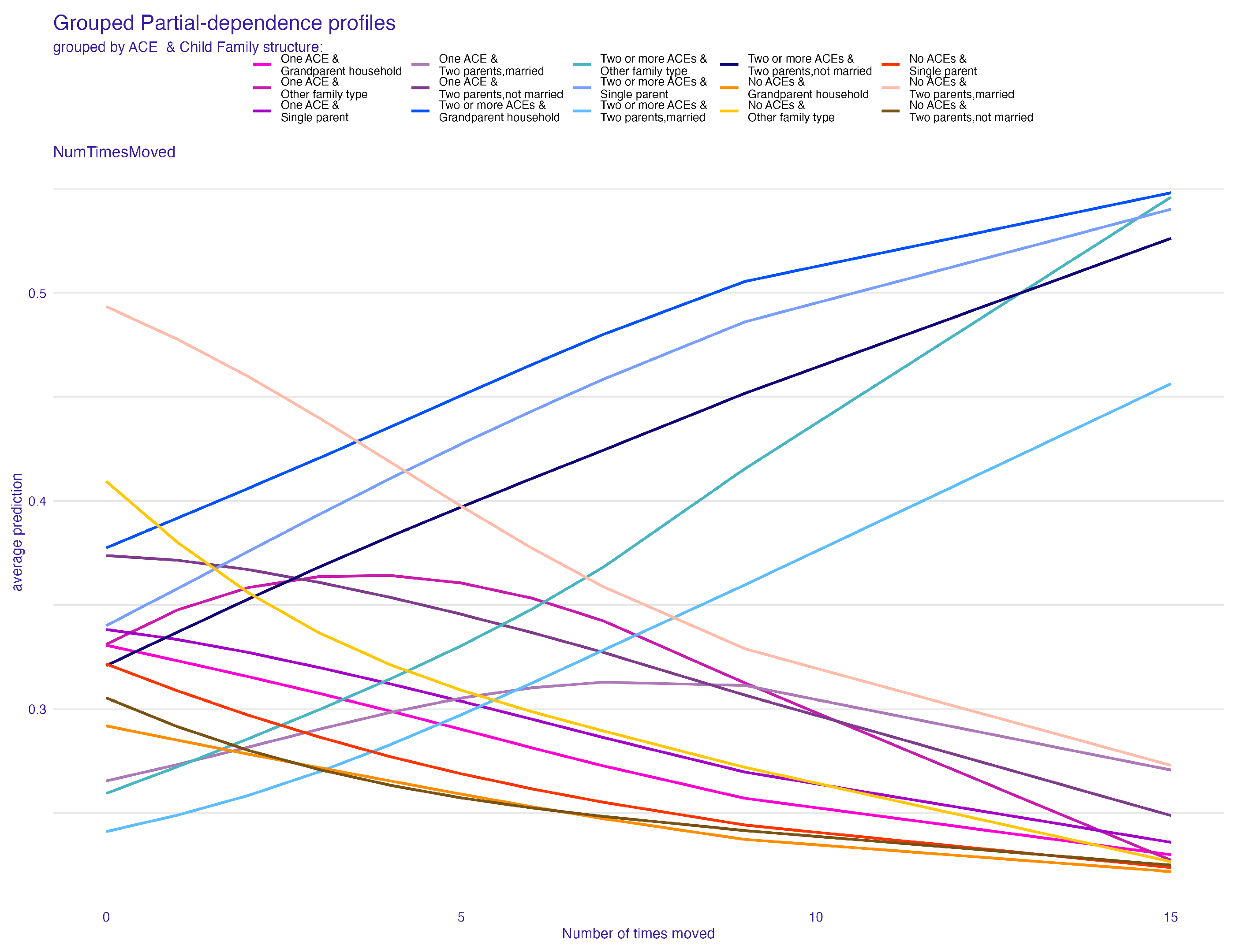
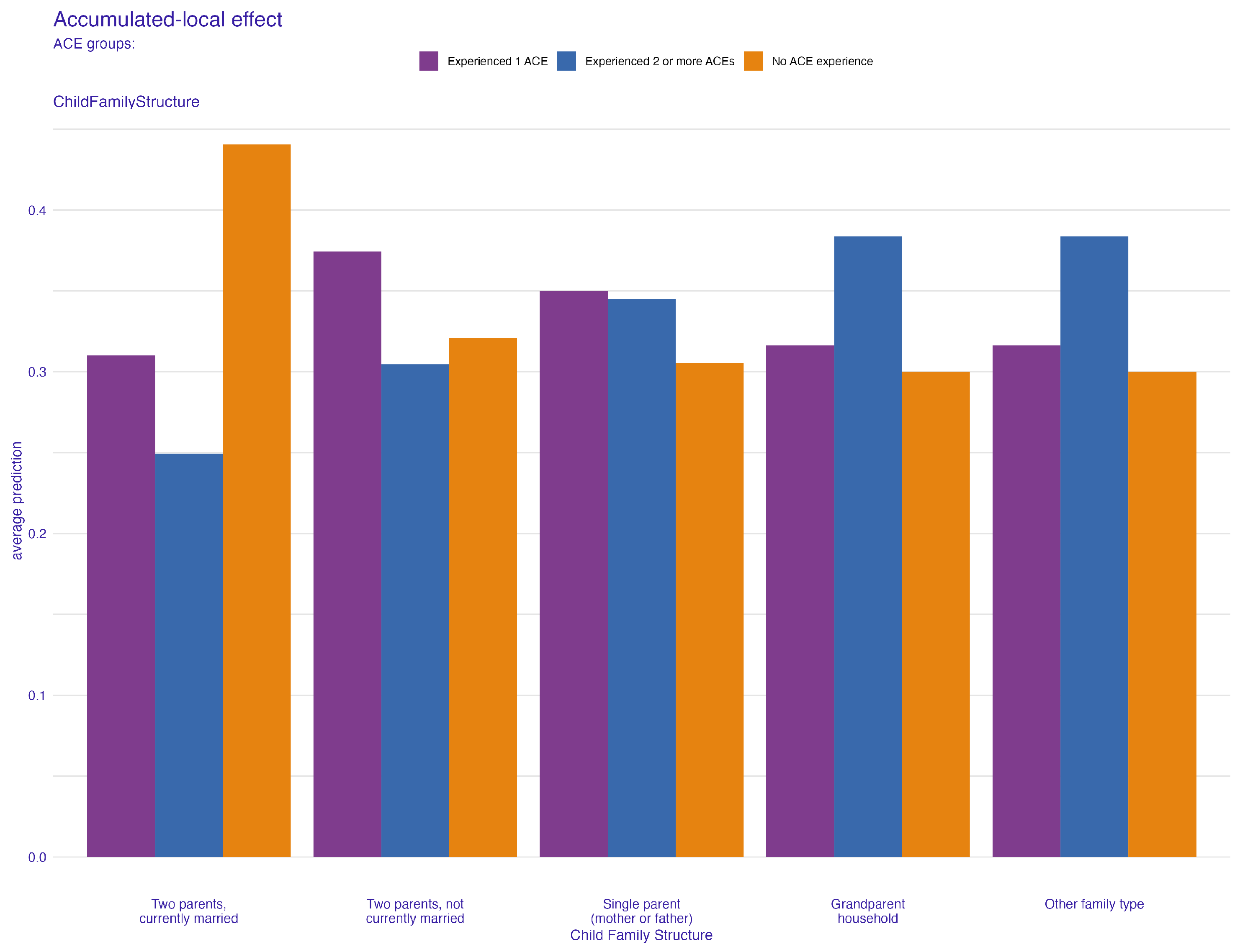
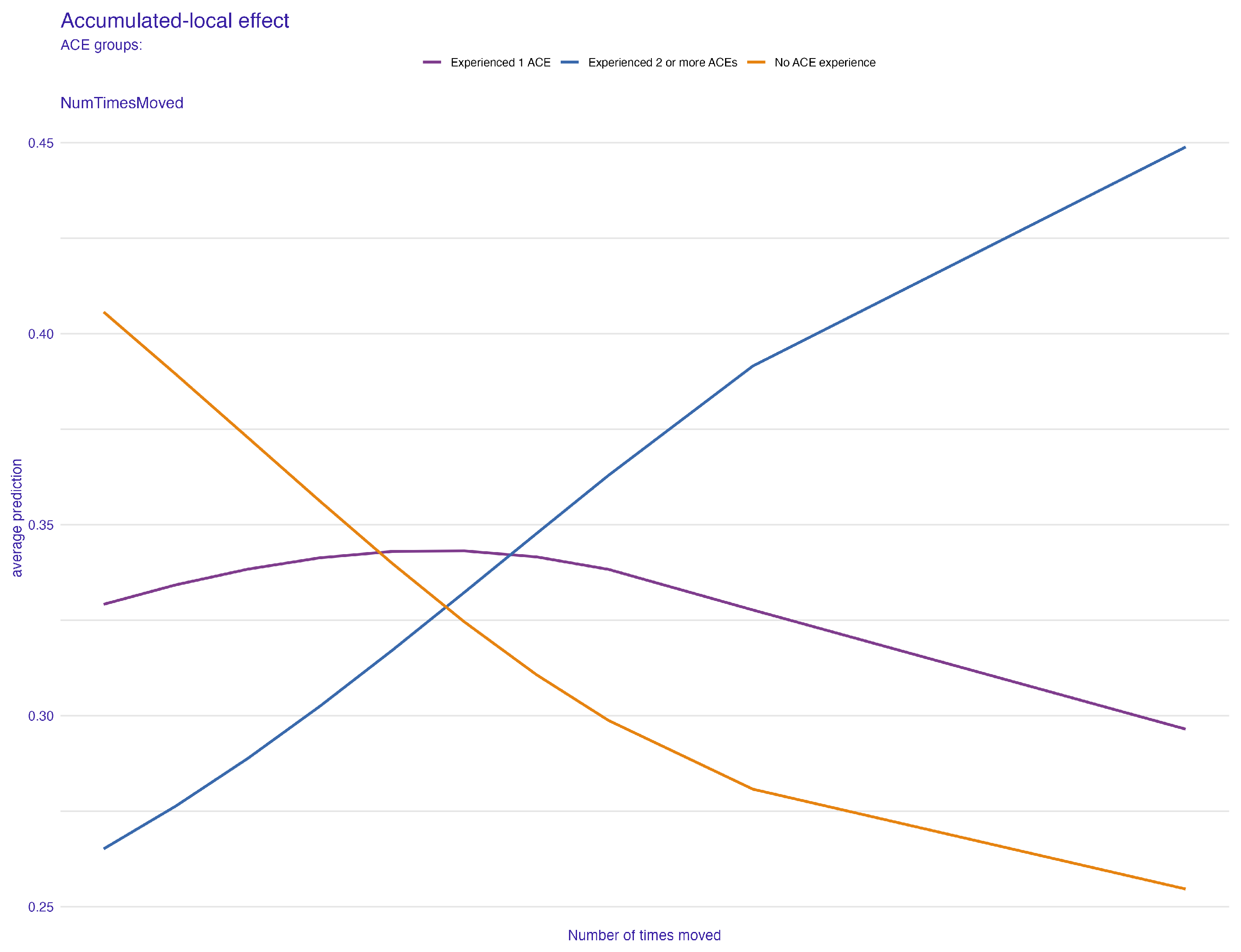
Adverse childhood experiences (ACEs) include a range of abusive, neglectful, and dysfunctional household behaviors that are strongly associated with long-term health problems, mental health conditions, and societal difficulties. The study aims to uncover significant factors influencing ACEs in children aged 0–17 years and to propose a predictive model that can be used to forecast the likelihood of ACEs in children. Machine learning models are applied to identify and analyze the relationships between several predictors and the occurrence of ACEs. Key performance metrics such as AUC, F1 score, recall, and precision are used to evaluate the predictive strength of different factors on ACEs. Family structures, especially non-traditional forms such as single parenting, and the frequency of relocating to a new address are determined as key predictors of ACEs. The final model, a neural network, achieved an AUC of 0.788, a precision score of 0.683, and a recall of 0.707, indicating its effectiveness in accurately identifying ACE cases. The model’s ROC and PR curves showed a high true positive rate for detecting children with two or more ACEs while also pointing to difficulties in classifying single ACE instances accurately. Furthermore, our analysis revealed the intricate relationship between the frequency of relocation and other predictive factors. The findings highlight the importance of familial and residential stability in children’s lives, with substantial implications for child welfare policies and interventions. The study emphasizes the need for targeted educational and healthcare support to promote the well-being and resilience of at-risk children.
Keywords: adverse childhood experiences; residential mobility; family dynamics; childhood behavioral outcomes; machine learning adverse childhood experiences; residential mobility; family dynamics; childhood behavioral outcomes; machine learning