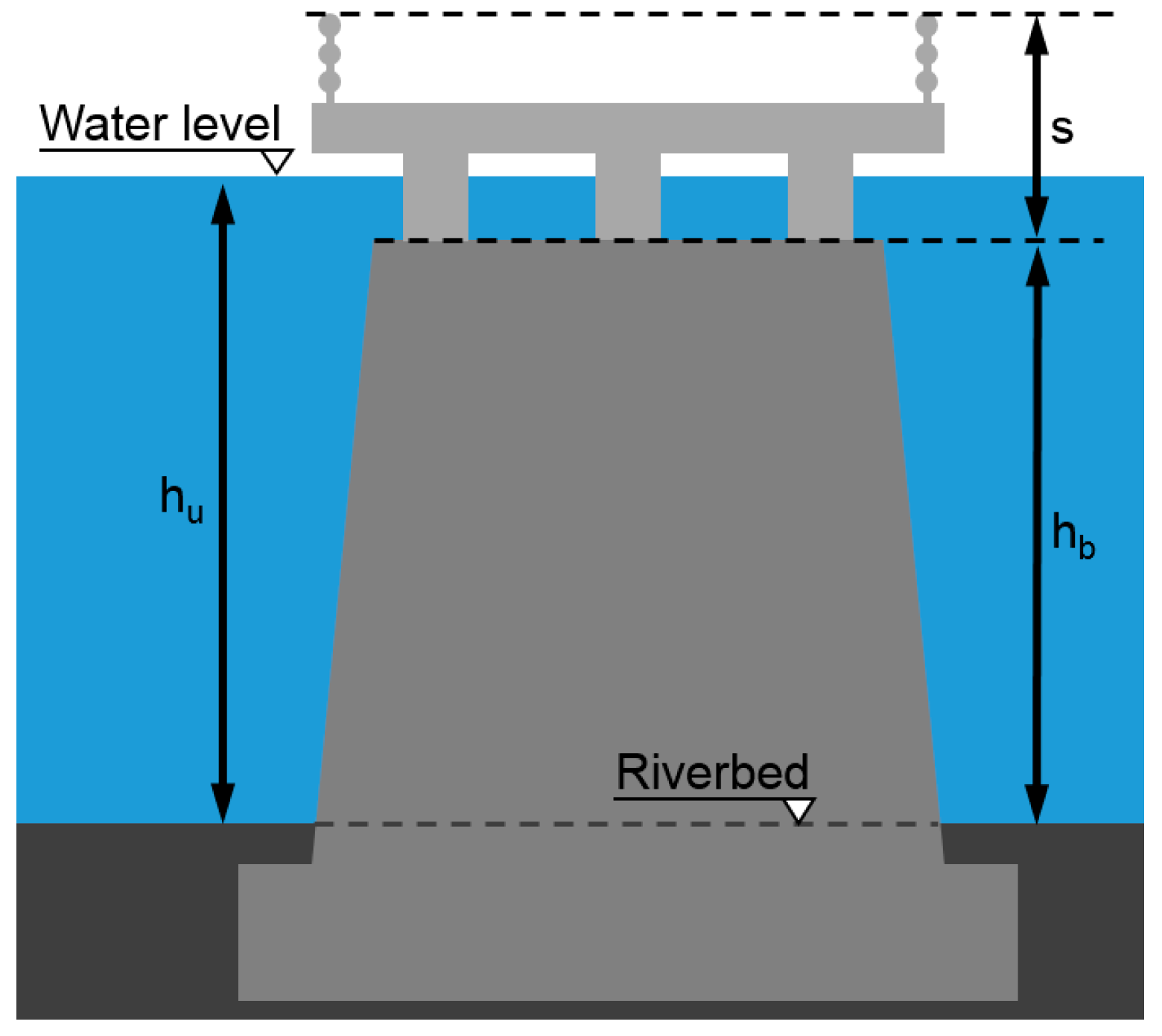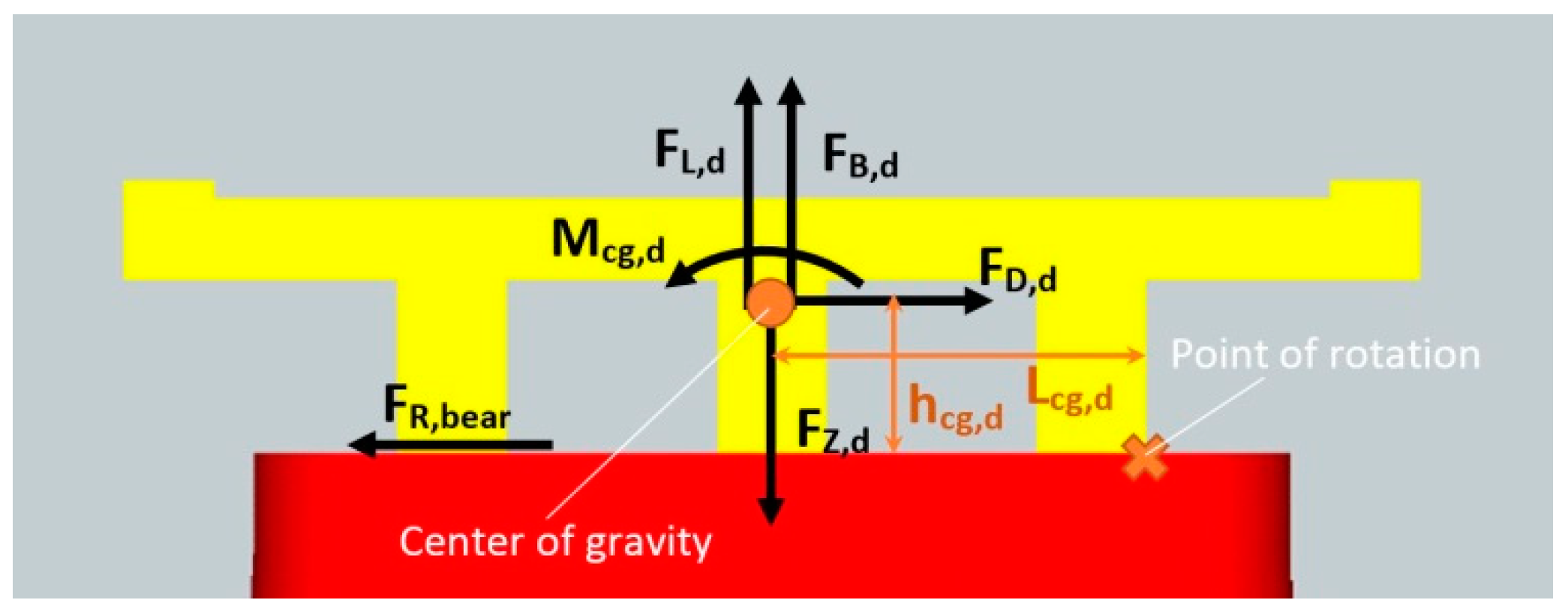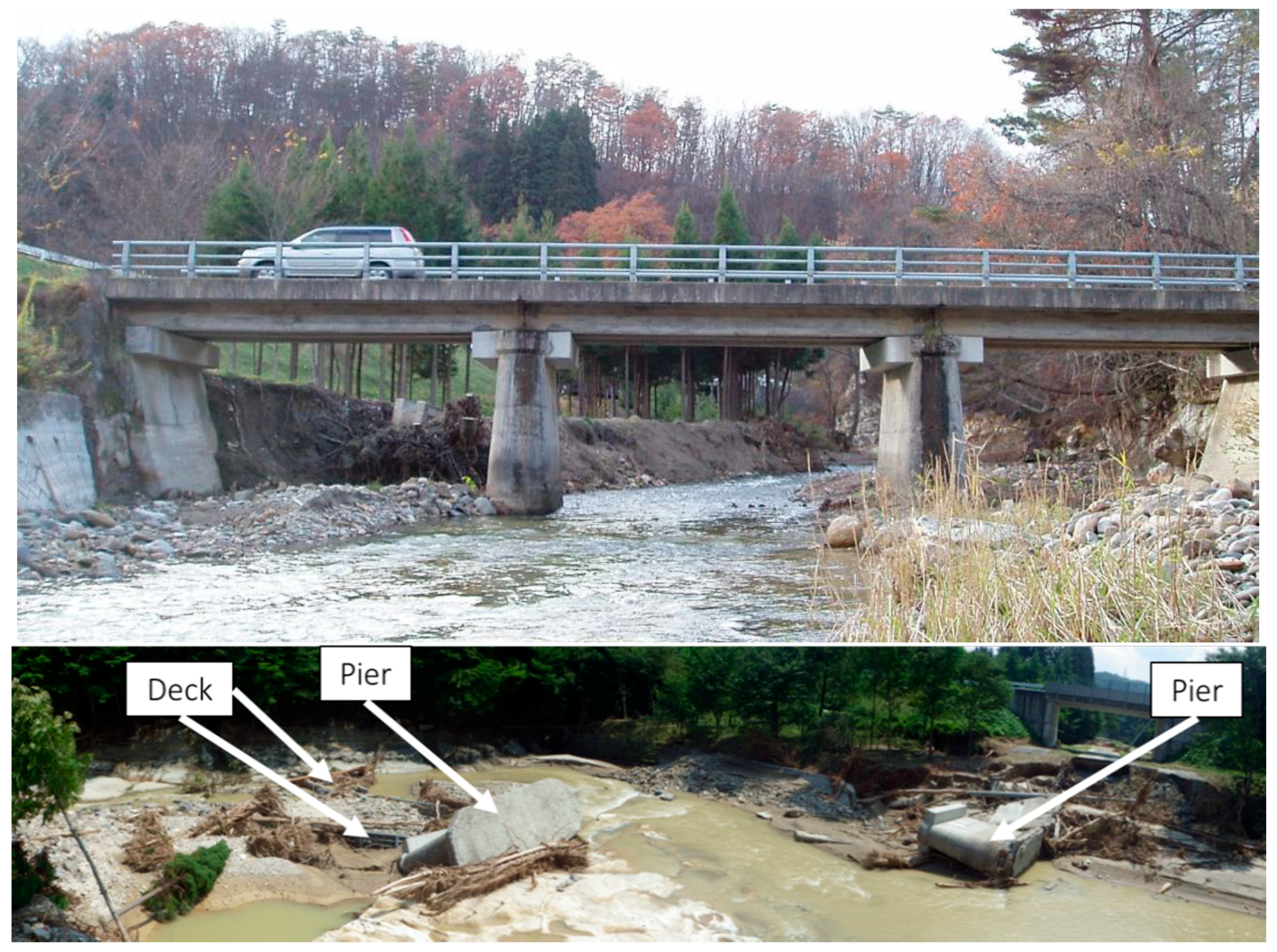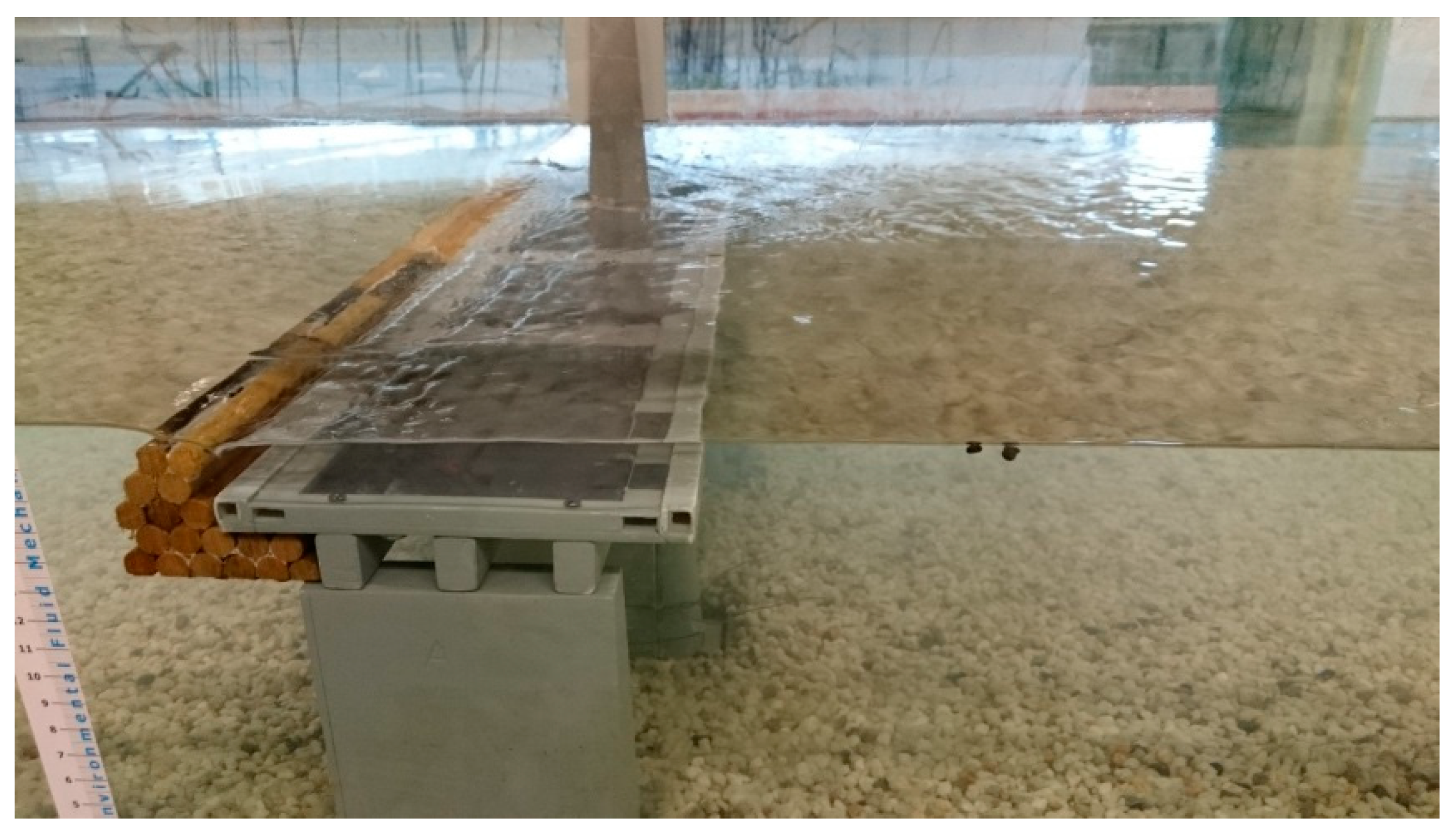
Hydrodynamic and Debris-Damming Failure of Bridge Decks and Piers in Steady Flow

Abstract
Share and Cite
Oudenbroek, K.; Naderi, N.; Bricker, J.D.; Yang, Y.; Van der Veen, C.; Uijttewaal, W.; Moriguchi, S.; Jonkman, S.N. Hydrodynamic and Debris-Damming Failure of Bridge Decks and Piers in Steady Flow. Geosciences 2018, 8, 409. https://doi.org/10.3390/geosciences8110409
Oudenbroek K, Naderi N, Bricker JD, Yang Y, Van der Veen C, Uijttewaal W, Moriguchi S, Jonkman SN. Hydrodynamic and Debris-Damming Failure of Bridge Decks and Piers in Steady Flow. Geosciences. 2018; 8(11):409. https://doi.org/10.3390/geosciences8110409
Chicago/Turabian StyleOudenbroek, Kevin, Nader Naderi, Jeremy D. Bricker, Yuguang Yang, Cor Van der Veen, Wim Uijttewaal, Shuji Moriguchi, and Sebastiaan N. Jonkman. 2018. "Hydrodynamic and Debris-Damming Failure of Bridge Decks and Piers in Steady Flow" Geosciences 8, no. 11: 409. https://doi.org/10.3390/geosciences8110409
APA StyleOudenbroek, K., Naderi, N., Bricker, J. D., Yang, Y., Van der Veen, C., Uijttewaal, W., Moriguchi, S., & Jonkman, S. N. (2018). Hydrodynamic and Debris-Damming Failure of Bridge Decks and Piers in Steady Flow. Geosciences, 8(11), 409. https://doi.org/10.3390/geosciences8110409