1. Introduction
Yak (
Bos grunniens), a unique livestock species native to the Qinghai–Tibet Plateau, is often referred to as the “boat of the plateau” and an “omnipotent livestock” due to its remarkable adaptability to harsh high-altitude environments. The yak industry has expanded rapidly in recent years, with the total yak population in Qinghai Province reaching 6.52 million head and an annual meat output of 62,600 tons by the end of 2021 [
1]. Previous studies have demonstrated the importance of early nutritional management in ruminants. Connor et al. [
2] reported that calves fed milk replacer combined with concentrate exhibited superior ruminal papilla development compared with those receiving milk replacer alone or milk replacer plus forage. For yak calves, alfalfa hay and concentrate serve as essential carbohydrate sources that play key roles in promoting growth performance and gastrointestinal development [
3]. Studies by Baldwin and Xie [
4,
5] further confirmed that early concentrate supplementation markedly accelerates ruminal development in young ruminants. The ruminal epithelium is fundamental not only for nutrient absorption but also for protecting animals from mechanical injury and pathogen invasion [
6]. The ruminal barrier consists of three major components: the microbial, physical, and immune barriers. The microbial barrier, composed of diverse commensal microorganisms, inhibits pathogen colonization by competing for nutrients, secreting antibacterial metabolites, and modifying environmental conditions [
7]. The physical barrier, formed by tight junctions between epithelial cells, prevents toxins and pathogens from translocating into the bloodstream, whereas the immune barrier comprises mucosa-associated immune cells and cytokines that maintain ruminal homeostasis [
8]. The integrity of this epithelial barrier is thus critical for maintaining ruminal health and function, protecting epithelial cells from injury, and limiting microbial invasion [
9]. On the Qinghai–Tibet Plateau, the ruminal epithelial development of yak calves fed with concentrate is essential for achieving high-quality breeding outcomes and elucidating the mechanisms underlying ruminal growth. Substantial evidence suggests that increasing dietary concentrate levels promotes bone and rumen development while enhancing the expression of genes regulating ruminal epithelial growth [
10,
11,
12]. Moreover, in yak calves, the development of the ruminal stratum corneum stimulated by forage and solid feed accelerates growth performance and gastrointestinal function, facilitating the rapid establishment of digestive capacity [
13,
14].
In ruminants, ingested feed is first fermented in the rumen to produce volatile fatty acids and other metabolites through microbial fermentation. Unfermented substrates, along with ruminal microbes, pass into the intestine, where further digestion and absorption occur, supplying nutrients and energy to the animal [
15]. The intestinal tract, therefore, plays a vital role in digestion, absorption, and immune defense. The intestinal mucosal immune system serves as the first line of defense against pathogens [
16]. For yak calves, supplementation with solid feed during lactation stimulates gastrointestinal development, whereas traditional milk-only feeding fails to meet nutritional demands and limits digestive tract maturation [
17,
18].
Given the crucial role of intestinal development in growth performance, the present study aimed to investigate the effects of concentrate supplementation on the morphological and functional development of the gastrointestinal tract in suckling yak calves.
4. Discussion
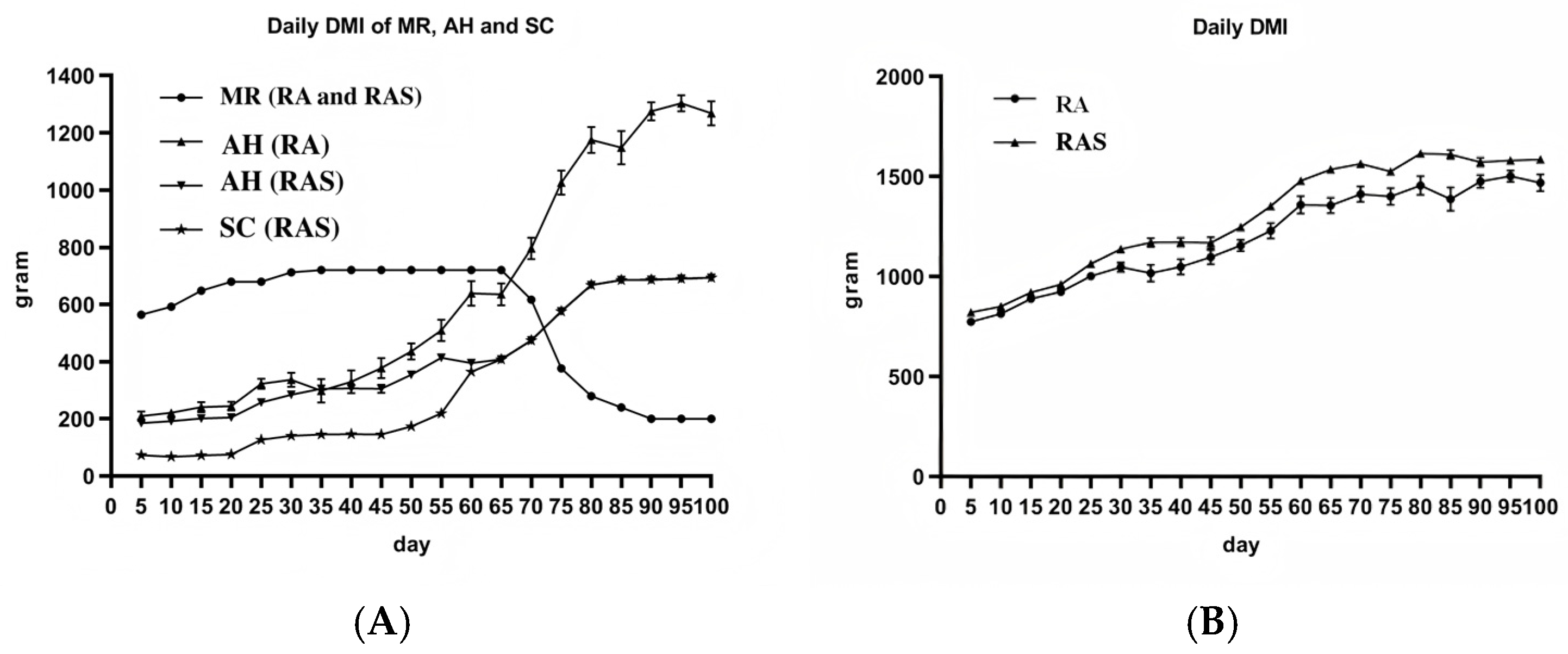
With advances in animal nutrition, scientific supplementation of concentrate not only enhances the reproductive performance of female animals but also mitigates grassland degradation caused by overgrazing, thereby promoting the sustainable development of animal husbandry. In plateau regions, nutrient deficiencies and harsh environmental conditions severely constrain the survival rate of yak calves. Therefore, this study evaluated the effects of early concentrate supplementation on yak calves. The results of the present study showed that early supplementation significantly improved growth performance, with average weight gain reaching 45.7 kg. This finding was consistent with the report of Huang [
23], who observed similar improvements in yak calves during the cold season. Previous studies demonstrated that feeding pelleted concentrates before and after weaning enhances dry matter digestibility and growth performance in calves [
24], and that supplementary feeding markedly increases dry matter intake. Similarly, the present study observed significant increases in body height and chest girth in the supplemented group, consistent with earlier findings [
24,
25]. Cui [
26] also reported that milk replacer combined with concentrate supplementation significantly improves dry matter intake and weight gain in yak calves, supporting the results of this study. Under identical management and environmental conditions, calves not receiving concentrate exhibited lower body weights, likely due to their reliance on milk replacer and alfalfa hay as the primary feed sources. Alfalfa hay provides limited nutrients and contains high fiber levels, which may reduce digestibility and nutrient utilization, thereby constraining growth and development. Collectively, these findings indicate that early concentrate supplementation effectively enhances growth performance and economic efficiency in grazing yaks. However, further research is warranted to elucidate the underlying mechanisms regulating the growth response to scientific concentrate supplementation.
The cultivation mode of milk replacer and concentrate, under the influence of the early cultivation mode, can relieve weaning stress and improve rumen development level. It has been found that both alfalfa and concentrate can change the health and immunity of ruminants’ digestive tract [
27,
28]. The rumen development of calves is slow at birth, and it mainly relies on the digestion and absorption processes of the abomasum and intestines. As calves age and begin to consume solid feed, the production of volatile fatty acids (VFA) through microbial fermentation in the rumen stimulates the rapid development of the rumen. This leads to the gradual establishment of immune metabolism function in the digestive system. The fermentation of ruminal ruminants, which occurs in the largest fermentation place, produces VFA that directly stimulates the development of the ruminal epithelium [
29]. The level of NH
3-N and microbial protein (MCP) in ruminant ruminal microbes indicates their fermentation state. NH3-N maintains equilibrium in the rumen and enhances the synthesis of MCP by rumen microbes, serving as an indicator of ruminal microbial activity [
30]. To ensure that ruminal microorganisms make full use of nitrogen sources, the content of non-fiber carbohydrates such as monosaccharides and disaccharides in the diet should be appropriately increased. The utilization of NH
3-N by ruminal microorganisms is largely influenced by dietary nutritional levels, particularly the balance between nitrogen and fermentable carbohydrates [
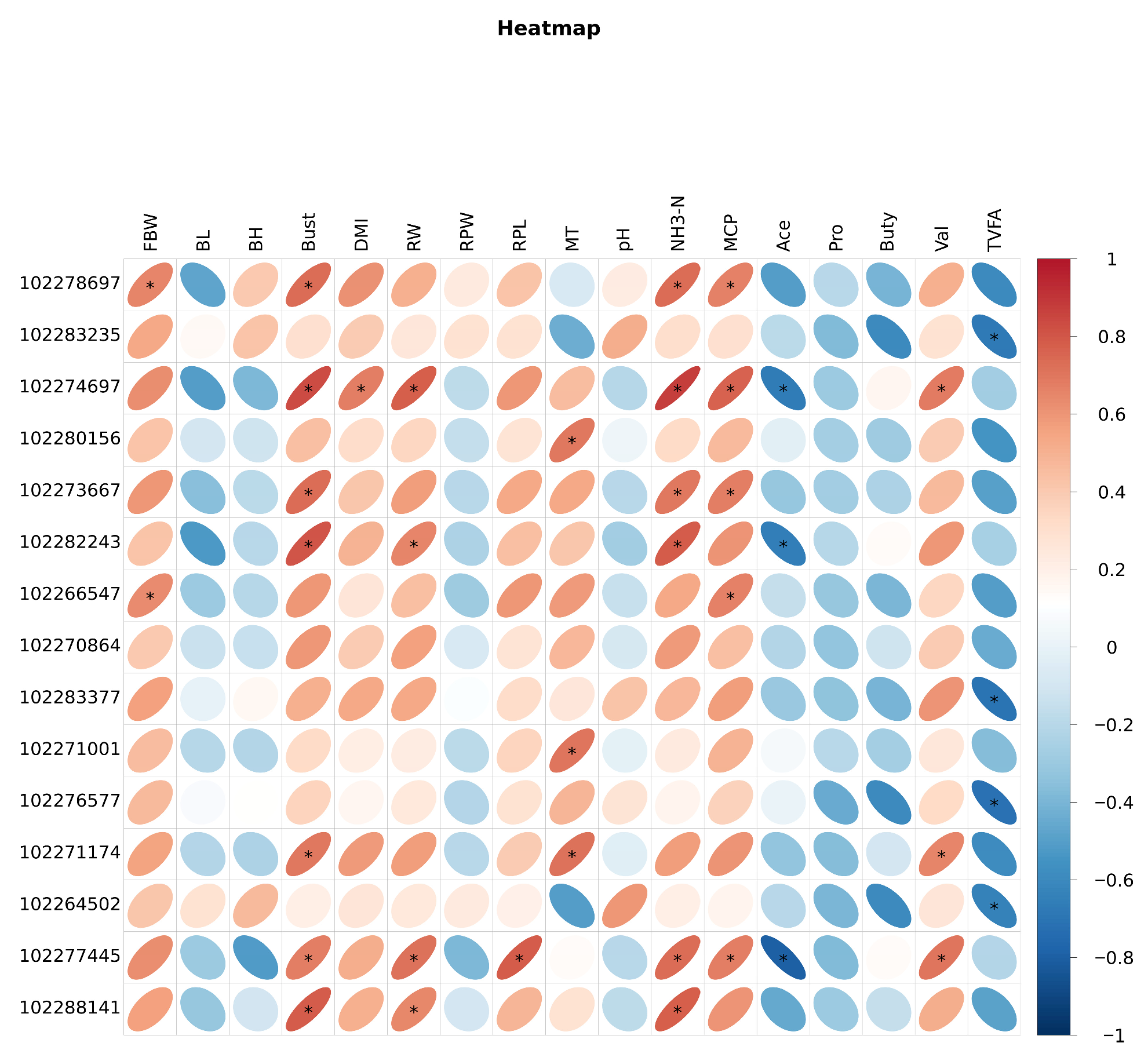
31]. In the present study, calves in the RAS group exhibited a significantly higher ruminal NH
3-N concentration compared to the RA group, which appears inconsistent with previous findings that increasing the concentrate-to-forage ratio typically reduces ruminal NH
3-N concentration [
32]. This discrepancy may be explained by several factors. First, the rumen of preweaning calves is not fully developed, and the capacity of ruminal microorganisms to assimilate ammonia nitrogen into microbial protein is still limited. Therefore, although concentrate supplementation increases the availability of fermentable substrates, the efficiency of NH
3-N utilization may remain low, resulting in its accumulation in the rumen. Second, the inclusion of concentrate likely increased the intake of rumen degradable protein, leading to enhanced protein degradation and ammonia production. When the rate of ammonia production exceeds microbial utilization capacity, NH
3-N accumulates in the rumen [
33]. Additionally, differences in feed intake between groups may have contributed to increased nitrogen input in the RAS group, further elevating NH
3-N levels. Despite the higher NH
3-N concentration, the significantly increased MCP content in the RAS group suggests that concentrate supplementation improved the overall microbial growth environment. This indicates that early supplementation with concentrate may enhance ruminal microbial activity and partially promote nitrogen utilization, even though complete synchronization between energy and nitrogen supply has not yet been achieved in preweaning calves. Short-chain fatty acids produced by ruminal microorganisms degrading cellulose provide 70% to 80% of the energy required by ruminants [
34]. Acetic acid, among these fatty acids, is absorbed by the ruminal epithelium for involvement in the tricarboxylic acid cycle and fat synthesis. It can also be converted into butyric acid through a reaction to participate in ketone body formation, thereby promoting fat accumulation in animals [
35]. According to Liu [
36], an increase in the proportion of roughage in the diet leads to an increase in the concentration of acetic acid in ruminal fermentation, with cellulolytic bacteria being the predominant microbial species. The levels of neutral-washing fiber and acid-washing fiber were higher in the calves of the RA group who only consumed alfalfa hay in this experiment. This resulted in a significant increase in ruminal acetic acid concentration. This finding aligns with Wang’s study [
37] where they increased the level of acid-washing fiber in the diet and observed an increase in acetic acid concentration. The higher acetate concentration in group RA indicates a more fibrolytic fermentation pattern dominated by fiber-degrading microorganisms, which primarily produce acetate as the main volatile fatty acid. In contrast, the increase in valerate concentration in group RAS suggests enhanced metabolic activity associated with mixed carbohydrate and amino acid fermentation under concentrate supplementation. However, no significant difference was observed in the acetate-to-propionate ratio between the two groups, indicating that the dietary supplementation level of concentrate was insufficient to substantially shift the overall rumen fermentation pattern from acetate-dominated to propionate-dominated fermentation during the experimental period. This may be attributed to the buffering capacity and functional stability of rumen microbial communities, which maintain fermentation homeostasis despite moderate dietary changes.
For young ruminants, the development of the rumen epithelium and the fermentation activity of rumen microorganisms directly influence their growth performance. Improvements in growth performance are often accompanied by enhanced rumen development. Lymphocytes distributed throughout the gastrointestinal tract play a vital role in resisting pathogens by producing various cytokines and exerting cytotoxic effects. Therefore, healthy gastrointestinal development is crucial for realizing the productive potential of ruminants in adulthood [
38]. The results revealed that concentrated feed in yak calves enhanced the content of IL-2, TNF-α, and IFN-γ, facilitating the elimination of bacteria and the clearance of virus-infected cells, as compared to the control group. According to Wasilewska [
39], the expression of TNF-α and IFN-γ genes in the gastrointestinal tract of lambs is closely related to the rumen. This suggests that microbial changes caused by different diets may have an impact on the secretion of cytokines in the two groups. In another study conducted by Cheng [
40], it was found that feeding Bacillus subtilis to Hu sheep can lead to an increase in the contents of globulin, globulin, IFN-γ, IL-2, and IL-6, thereby enhancing immunity. Lin [
41] reported that the expression of rumen-related genes can be induced by butyric acid in the rumen, thereby promoting the differentiation and proliferation of ruminal epithelial cells.
Through their research on rumen development in young animals using transcriptomics, Sun [
42] discovered that the metabolism of VFA directly contributes to energy production, which drives the development of the rumen wall. This finding provides evidence that supplementing hay promotes immune function establishment, whereas concentrate aids in the transportation and metabolism of nutrients. These processes are essential for the biological development of the rumen. To investigate the impact of gastrointestinal development on immune function, we measured the transcription of rumen. With the gradual intake of solid concentrate, rumen development is gradually improved [
13]. Studies have shown that there is no significant difference in gene expression in ruminal tissue between calves of 2 and 6 weeks old when they are breastfed with their mothers or only fed with milk replacer [
2,
5]. Increasing the level of energy and protein in the diet has been shown to increase the expression of
NHE1,
NHE2, and
NHE3 genes in the ruminal epithelium of goats, as demonstrated in a study examining the effect of a high-concentration diet on rumen development. These genes, namely the Na+/H+ exchanger genes
NHE1 and
NHE3, play a role in regulating the concentration and pH of ruminal volatile fatty acids. Supplementing alfalfa before weaning has also been found to induce changes in the expression of certain ruminal epithelial genes, specifically those involved in glucose homeostasis, triglyceride biosynthesis, and the epithelial growth factor receptor signaling pathway. This supplementation has been shown to promote early ruminal wall development and alleviate weaning stress [
43]. Penner [
44] and Tayyab [
45] have suggested a different perspective from previous feeding experiments on cows and sheep, claiming that the expression of
NHE in the ruminal epithelium of ruminants remains unaffected by dietary composition and nutritional levels. However, Etschmann [
46] have provided evidence demonstrating that the diet does indeed regulate the transport of sodium ions through
NHE.
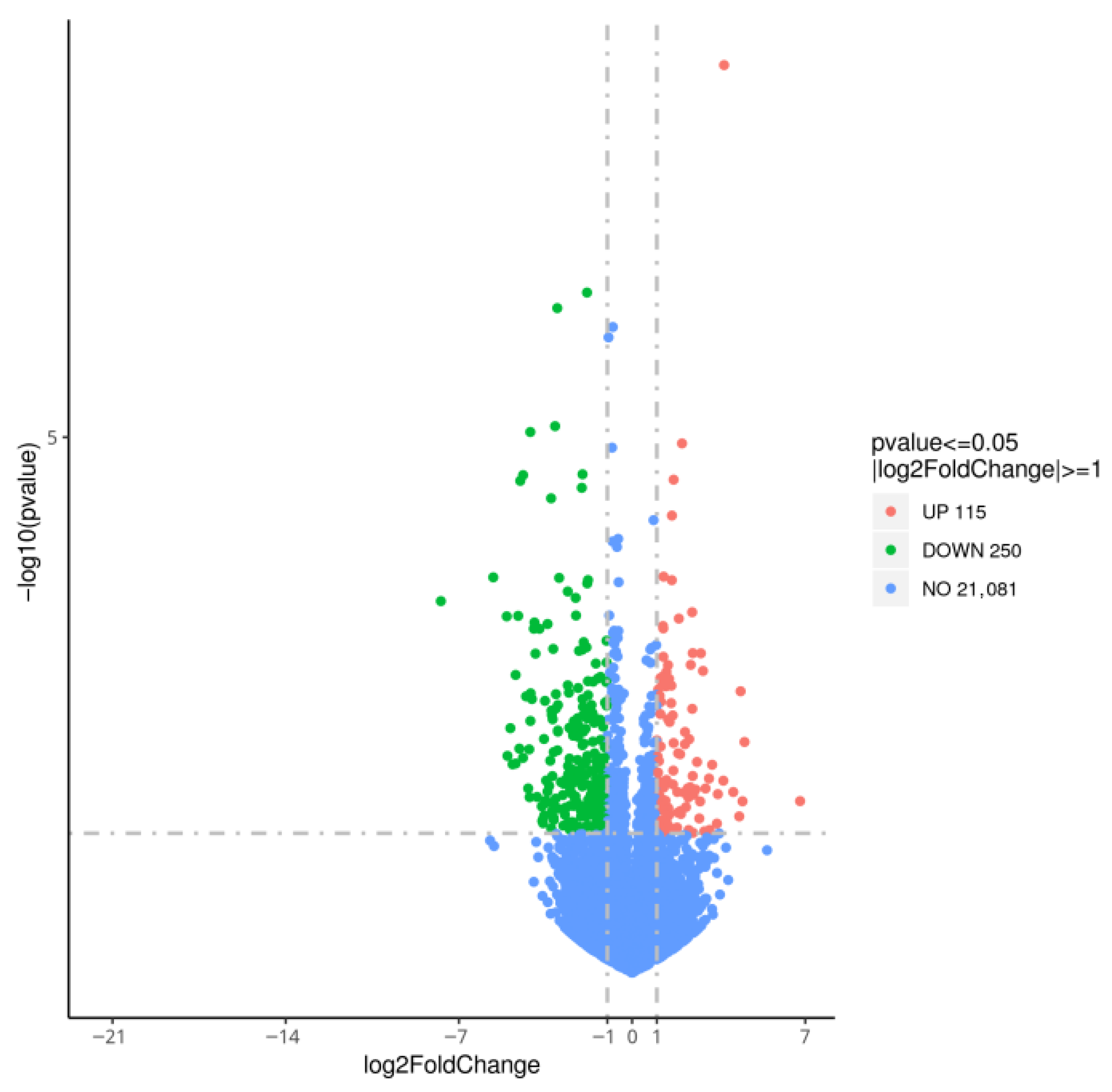
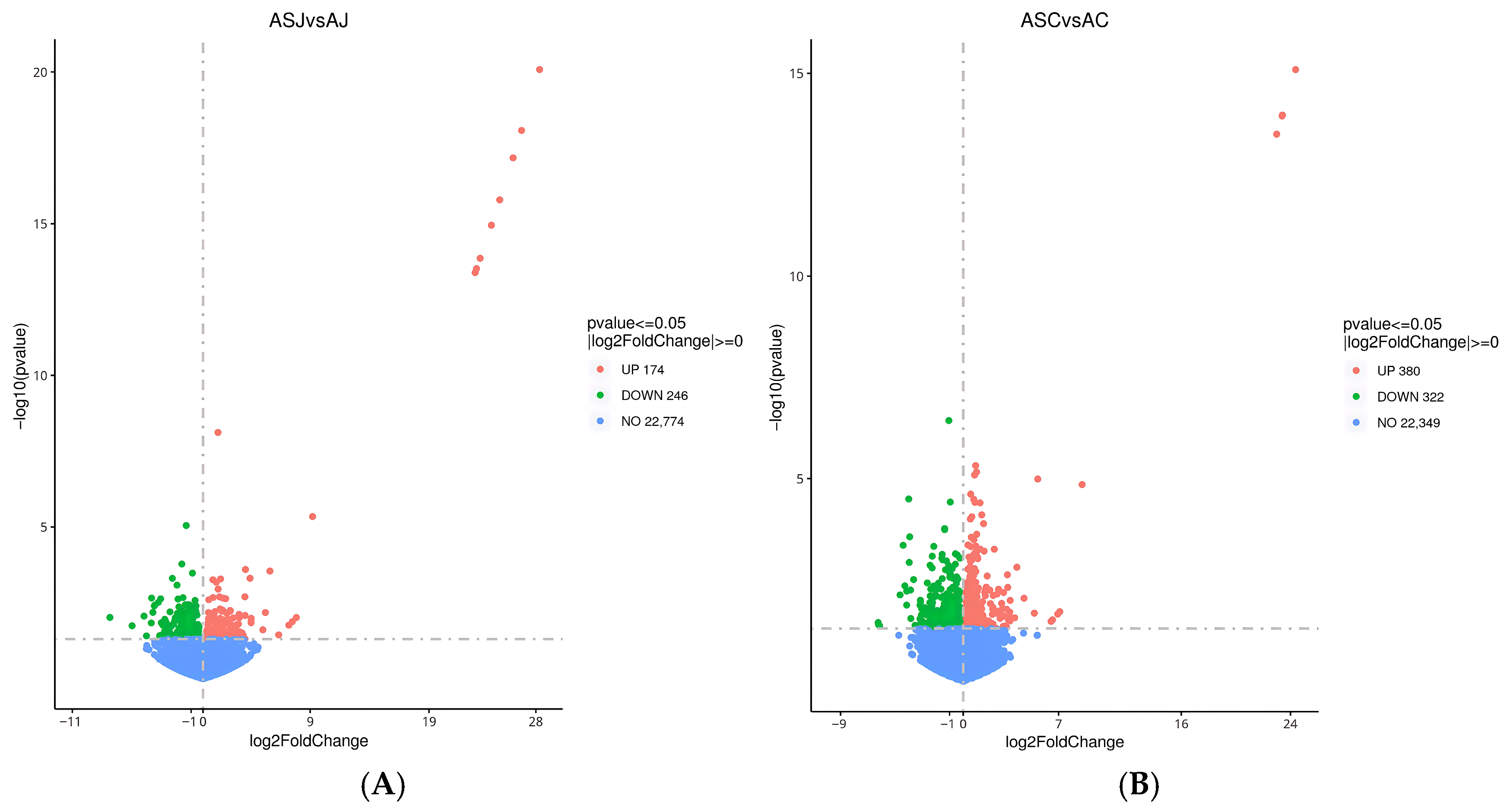
In this study, we found that there were 365 differentially expressed genes in the ruminal tissues of yak calves. Significantly up-regulated genes related to rumen development included
CYR61 and
KRT18, while the
THRSP genes associated with growth were also up-regulated.
CYR61, a coding protein, is classified as an Insulin-like growth factor binding protein (IGF), and it promotes cysteine production in blood vessels. Increasing the levels of non-fibrous carbohydrate (NFC) and neutral detergent fiber in the diet can increase the gene expression of Insulin growth factor I (IGF-I), IGF-I primarily acts on the cell surface to promote protein and nucleic acid production in the carbohydrate metabolism pathway [
47]. Several studies have demonstrated that IGF regulates the growth and development of ruminal epithelium [
47,
48,
49]. Zhang [
48] identified several related genes, including
KRT36,
TGMK,
OVOL1,
DSP, and
SPINK5, that promote ruminal epithelial development. KRT18, an intermediate filament protein, is a gene protein that induces cell proliferation. The expression of the thyroid hormone-induced liver protein (
THRSP) and the
UCP3 genes was found to be up-regulated in high-marbled beef, according to the results. This suggests that the level of adipogenic factors in beef is higher in different grades of marbled beef [
47,
48,
50].
THRSP is known to be directly proportional to fat deposition in muscle. The significant up-regulation of the
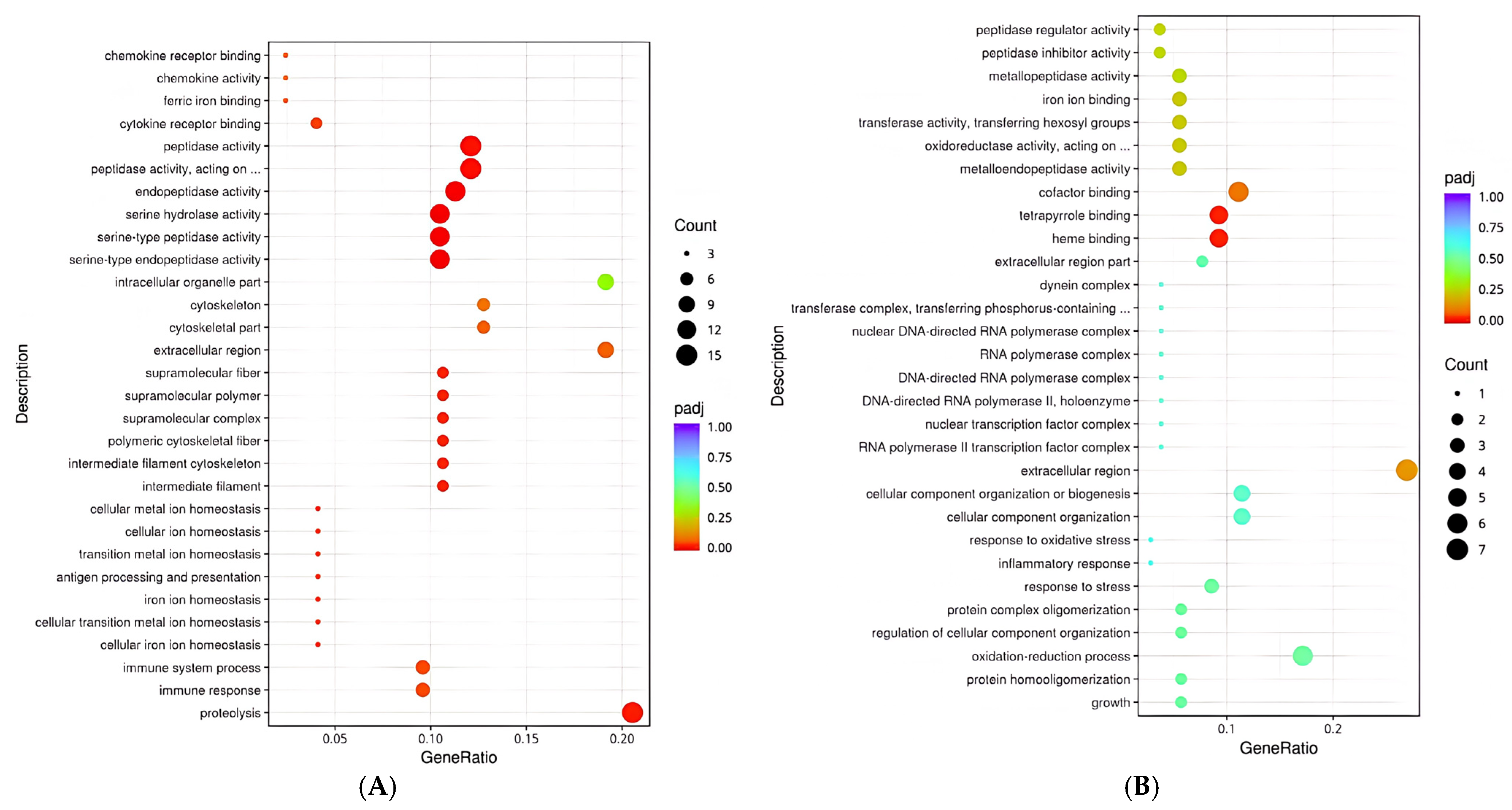
THRSP gene indicates that concentrate has a positive regulatory effect on the growth performance of calves. Although this study did not explore the meat quality of calves fed with concentrate, it is suggested that concentrate could promote the molecular functions of heme binding and tetrapyrrole binding through the genes
LOC102282243,
LOC102283377,
LOC102283235,
PTGS2, and
LOC102279228. These genes may serve as potential markers affecting rumen development. Additionally, studies comparing natural grazing with supplementary feeding of yak calves have observed changes in the genes affecting rumen development in the supplementary feeding group. GO enrichment analysis further reveals that supplementary feeding has led to changes in metabolic pathways related to ruminal epithelial development. Through transcriptomic sequencing analysis, Loughlin [
51] made an interesting discovery regarding the expressions of calves in various signaling pathways, such as the G protein-coupled receptor signaling pathway, cytokine signaling pathway, ion transmembrane transport, and others. Importantly, these findings shed light on potential approaches for reducing the weaning stress experienced by calves. In Baldwin et al.’s study [
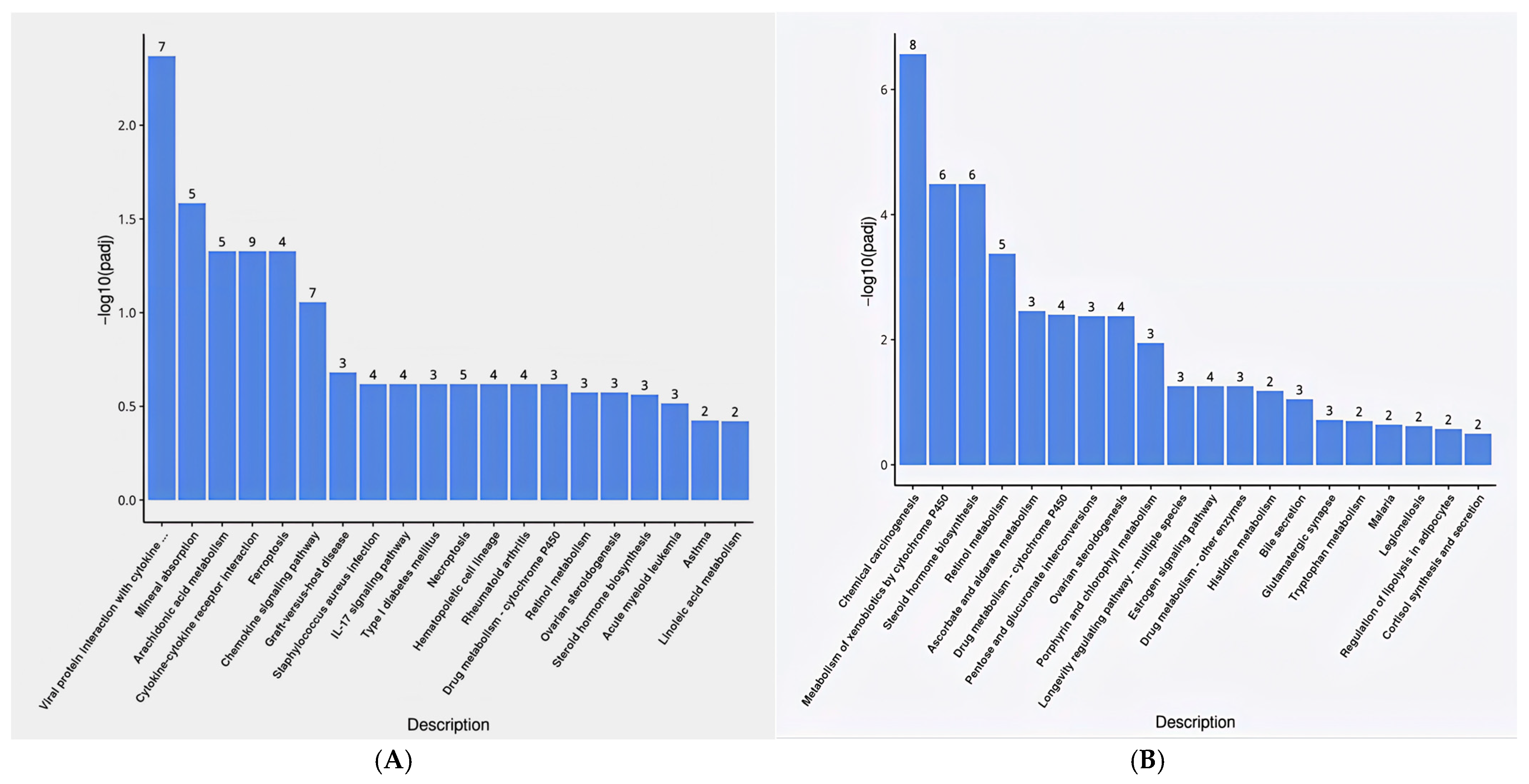
4], additives in the bull diet were observed to impact cholesterol metabolism, amino acid metabolism signal pathways, fat metabolism, carbohydrate metabolism, and small molecule biosynthesis pathways. The technical means of transcriptomics not only helps explore the differential gene expression among different treatment groups but also provides the theoretical basis for exploring the metabolic pathways involved by functional genes. A total of 39 differential genes play a role in these metabolic pathways. KEGG analysis showed that the pathways of significant enrichment of differential genes mainly include chemical carcinogenesis, the interaction between cytokines and receptors, metabolism of retinol, nutrient absorption of minerals, and steroid hormone biosynthesis. It was found that supplementing alfalfa hay inhibited the signal pathway of tumor necrosis factor, and the expression of inflammatory factors related to rumen development also decreased [
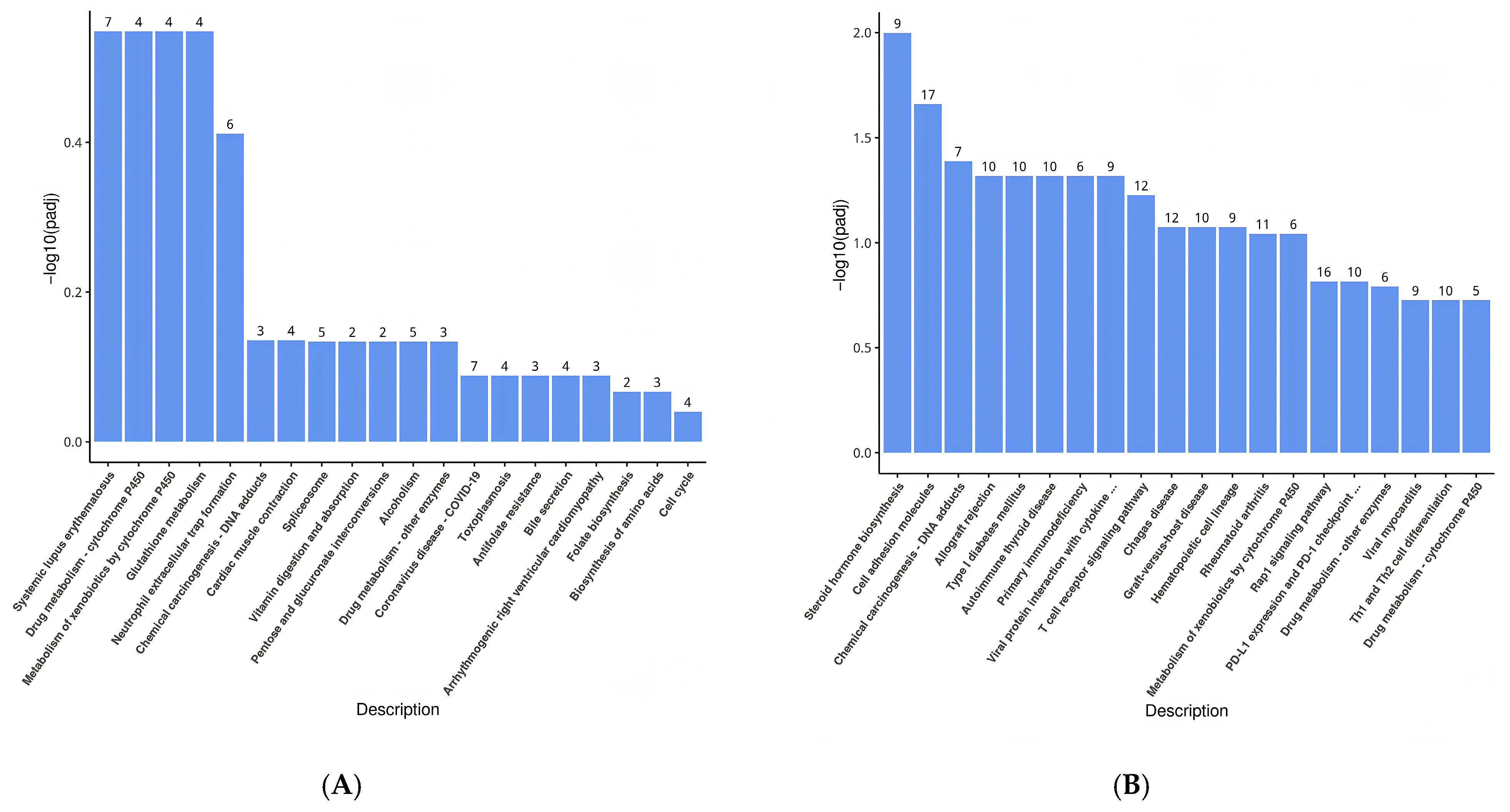
52,
53]. According to KEGG analysis, the alteration of differential genes due to early concentrate supplementation may result from the interaction between metabolism and cytokines, subsequently influencing the quality of ruminal epithelium development.
Analysis of the colon groups showed that immune-related genes like
ITGAD,
GPR55,
FAIM2,
CD247,
P2RY11, and
CD6 were differentially expressed. In particular, ITGAD was found to encode integrin α-D, which plays a role in enhancing immune function through the phagocytosis of blood-borne pathogens and senescent erythrocytes [
54]. A novel finding for the treatment of metabolic disorders is the regulation of nutrient metabolism by
GPR55, which encodes a G protein-coupled receptor. Rudolf Schicho et al. [
55] discovered that the
GPR55 gene is expressed in the gastrointestinal tract, and its agonists have been shown to reduce intestinal inflammation. Another study by Henstridge et al. [
56]. further supports this, indicating that
GPR55 can be a potential target for the treatment of metabolic disorders. The
FAIM2 gene encodes an anti-apoptotic protein, the expression of which is influenced by diet [
57]. In addition to this, the GPR55 gene is expressed not only on endothelial cells of the gastrointestinal tract but also on interosseous neurons, which may play a role in intestinal motility.
CD247 is associated with immunity. Reduced expression of the
CD247 gene leads to abnormal T lymphocyte activation and low immune function [
58]. Ollila et al. [
59] found that
p2RY11 has associations with immune function and may enhance intercellular adhesion.
CD6 is an antigen found on differentiated T cells [
60], indicating that supplementing with concentrate is likely to enhance the immune response of the
CD6 subpopulation of T cells. Han Xiaoying [
61] conducted a study on goats, in which they were fed with varying levels of ruminal degradable starch. The results showed that high levels of degradable starch had a significant impact on the expression of cecum tight junction protein genes, consequently affecting the epithelial barrier. Furthermore, the study identified
ACADSB,
NCOA2, and
GALNT16 as genes associated with nutrient digestion and metabolism. NCOA2 regulates lipid metabolism [
62] and can positively regulate the secretion of bile acids into the intestine. One study found that bile acid transporter protein gene expression was significantly reduced in mice lacking this gene [
63].
ACADSB is associated with short-chain/branch-chain fatty acid metabolism [
64] and, more specifically, is the first step in the mitochondrial β-oxidation reaction [
65]. The genes related to intestinal immunity and nutrient digestion and absorption were significantly upregulated in the supplemented concentrate group. Additionally,
GALNT16, which is involved in lipid metabolism [
66]. and
SLC16A6, a gene that regulates monocarboxylic acid transport in tissues, were also upregulated [
67]. However, the specific impact of
GALNT16 on lipid metabolism remains unclear. Furthermore,
IGFBP2 was significantly upregulated in the supplemented concentrate group.
IGF2, an important gene associated with intestinal tissue development, has physiological functions such as promoting growth and stimulating adipocyte proliferation. It plays a crucial role in animal body weight and tissue development. On the other hand,
IGFBP2, a significant binding protein for IGFs, regulates the activity of IGF2 and TGF-β. Thus, it indirectly affects animal body weight and tissue development [
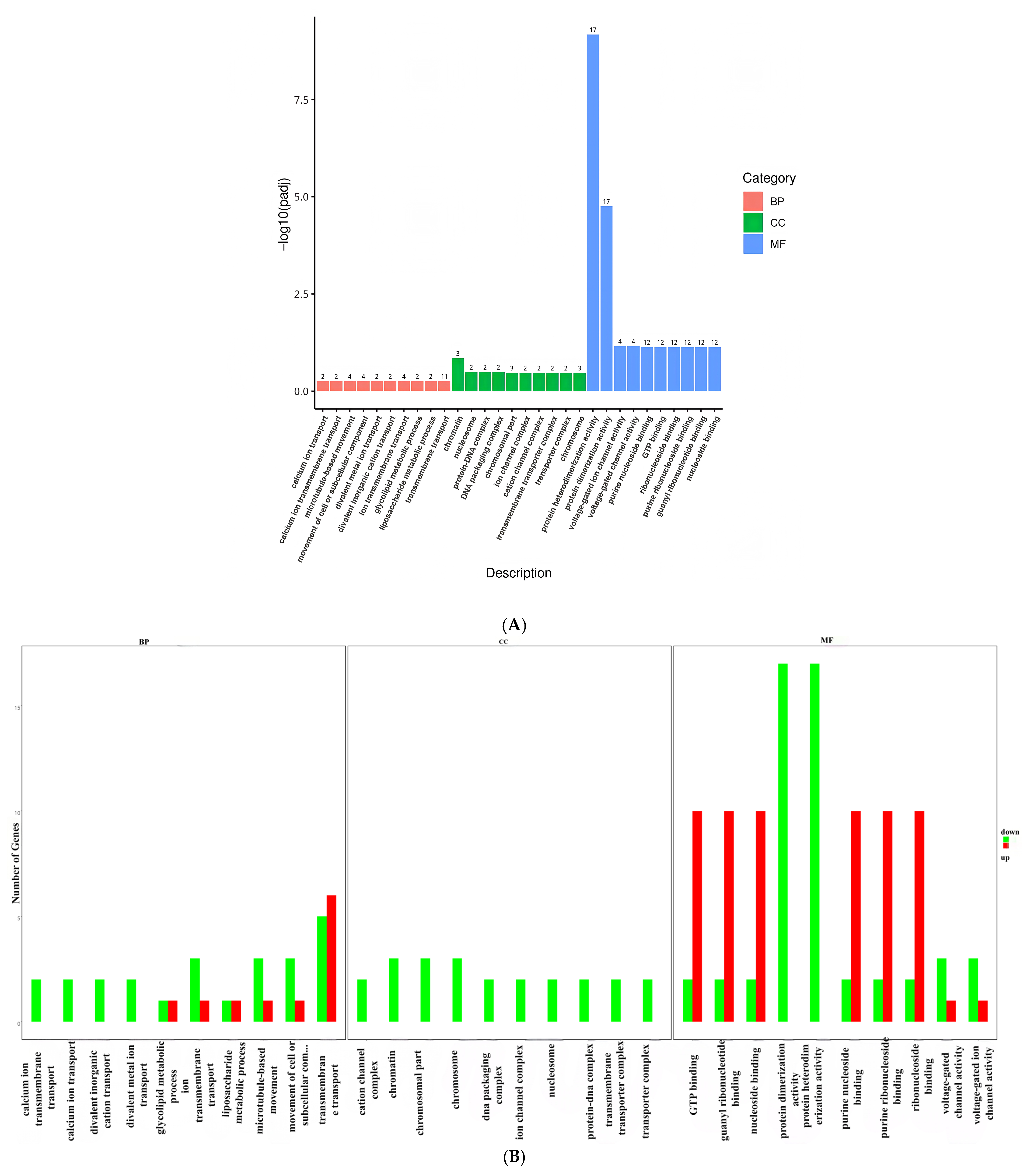
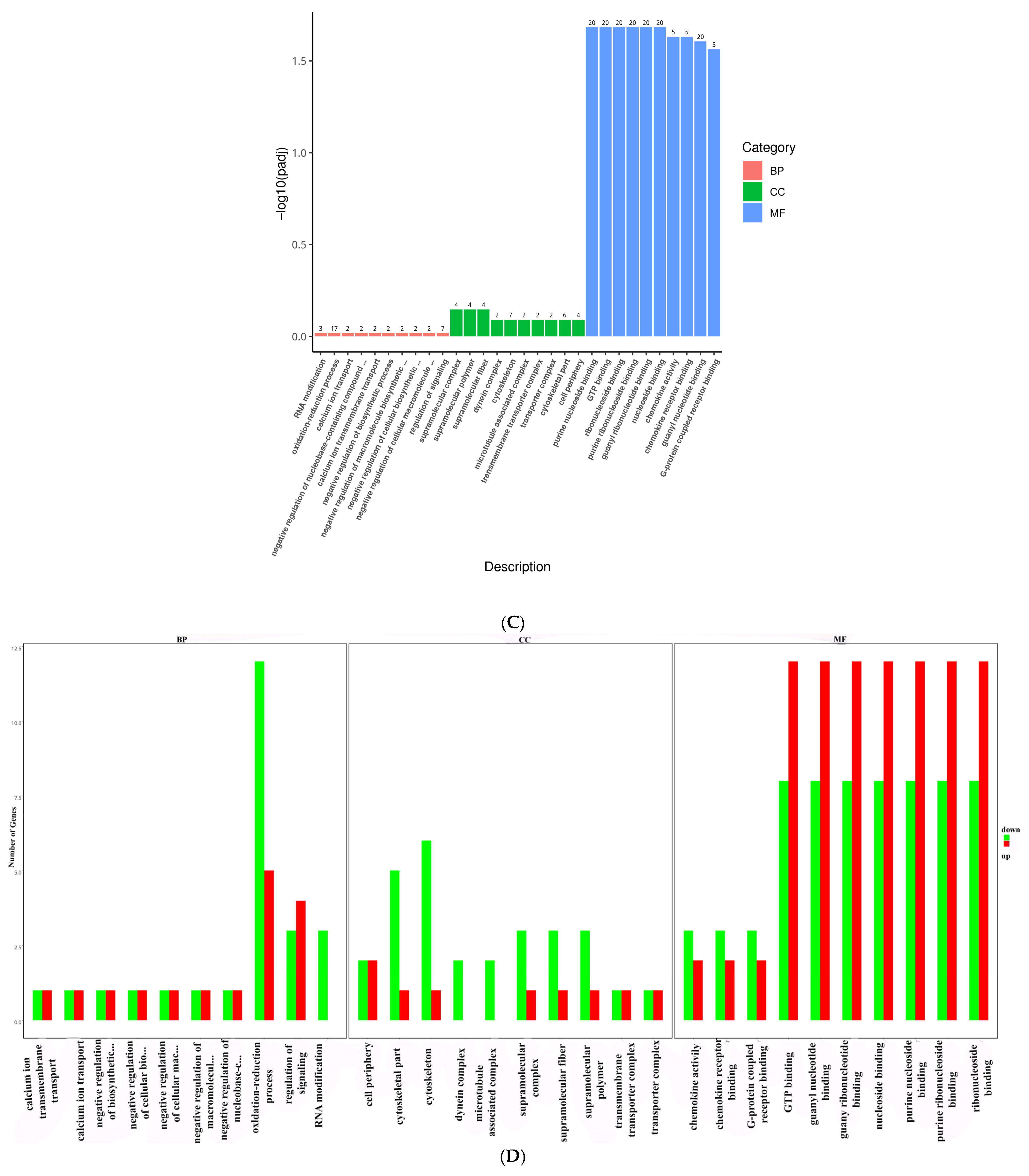
68]. Supplementation with concentrate affects intestinal development and animal growth by influencing immunity, nutrient digestion and absorption, and expression of developmental genes. The differential gene expression in the jejunum and colon groups, categorically enriched in biological processes, mainly relates to nutrient transport, metabolism, redox processes, and regulatory signaling. These processes, in turn, regulate intestinal function and affect intestinal development. The KEGG enrichment pathway of differentially expressed genes in the jejunum and colon primarily relates to nutrient digestion and absorption as well as immunity. Supplementation with concentrate has been found to mainly affect the digestion and absorption of nutrients, as well as immunity, thus facilitating the development of intestinal tissues and functions. Cui Zhanhong [
26] discovered that the differentially expressed gene KEGG enrichment pathways, such as the T cell receptor signaling pathway, natural killer cell-mediated cytotoxicity pathway, and Th1 and Th2 cell differentiation, are influenced by concentrate supplementation, indicating its impact on various immune cell functions.
The yak calves supplemented with concentrate showed increased intake of protein and fat, resulting in rapid growth, as revealed through correlation analysis between phenotypic data and transcriptomics. Additionally, KEGG pathway enrichment analysis indicated that the genes in metabolic pathways were significantly enriched and positively correlated with growth performance. This enrichment was found to benefit the digestion and absorption of nutrients, as well as the synthesis pathways of pentose and glucosaccharase. Moreover, it was observed that the supplementation of concentrate enhanced the digestion and absorption of protein and fat in yak calves. Interestingly, in the rumen, volatile fatty acids were found to be low in yak calves supplemented with concentrate, suggesting that microorganisms primarily played a role in digestion and decomposition.