Article

Study on Antimicrobial Resistance and Molecular Characteristics of Riemerella anatipestifer


1
College of Veterinary Medicine, Qingdao Agricultural University, Qingdao 266000, China
2
Qilu Animal Health Products Co., Ltd., Jinan 250100, China
3
Shandong Province Key Laboratory of Quality Safety Monitoring for Animal Products and Veterinary Drug Innovation, Shandong Center for Quality Control of Feed and Veterinary Drug, Jinan 250100, China
4
Qingdao Lijian Biotechnology Co., Ltd., Qingdao 266034, China
*
Authors to whom correspondence should be addressed.
Animals 2026, 16(3), 442; https://doi.org/10.3390/ani16030442
Submission received: 5 January 2026 / Revised: 27 January 2026 / Accepted: 29 January 2026 / Published: 31 January 2026
(This article belongs to the Section Veterinary Clinical Studies)

Simple Summary

At present, the antimicrobial resistance of Riemerella anatipestifer has become increasingly severe in China, causing substantial economic losses to the poultry breeding industry. Relevant research reports on this bacterium remain relatively scarce. The aim of this study was to investigate the antimicrobial resistance and genomic characteristics of R. anatipestifer strains isolated from several regions of China from 2023 to 2024, and conduct virulence protection tests to verify the in vivo protective effect of effective antimicrobial agents, thereby providing references for the prevalence status and clinical management of Riemerella anatipestifer disease.

Abstract

Riemerella anatipestifer (R. anatipestifer) is a pathogenic bacterium belonging to the genus Riemerella within the family Flavobacteriaceae, which has multidrug resistance (MDR) and can cause high pathogenicity in waterfowl. The aim of this study was to investigate the antimicrobial resistance and genomic characteristics of R. anatipestifer strains isolated from several regions of China from 2023 to 2024. Two strains were selected for challenge tests, and virulence protection tests were conducted on florfenicol-resistant and florfenicol-sensitive strains. A total of 88 strains of R. anatipestifer were collected from the Shandong, Jiangsu, Guangdong, Hebei and Henan regions. The results showed that the 88 strains included serotypes 1, 2, 5, 6, 7 and 10. Serotype 5 was the most prevalent in the Shandong region. All strains were multidrug-resistant, with the hexaresistance accounting for the highest proportion (42.1%). A total of five resistance genes (tet(X), floR, ermF, qnrS, rmtB) and seven virulence genes were found (ompA, camp, AS87_04050, SIP, Fur, TbdR1, luxE). The challenge test showed that the LD50 of RA12 was 2.75 × 10⁷ CFU/mL, and that of RA26 was 2.57 × 10⁷ CFU/mL. Phylogenetic tree analysis revealed that strain RA26 was closely related to strain 20190403E1-1, and strain RA16 was closely related to strain JW1. In addition, serotypes 2 and 7 identified in this study have been undergoing clonal transmission in China. Virulence protection tests indicated that the results of in vitro drug susceptibility tests were consistent with the therapeutic effects after in vivo treatment, and no R. anatipestifer was found in the visceral tissues of surviving ducklings. This study provides a reference for the rational use of antibiotics.

1. Introduction

Riemerella anatipestifer (R. anatipestifer) is a major pathogenic bacterium of invasive infection, which belongs to the genus Riemerella in the family Flavobacteriaceae. R. anatipestifer mainly infects 1–8-week-old ducklings, causing serositis and peritonitis, and has caused enormous economic losses in the waterfowl breeding industry [1]. The infection of R. anatipestifer was first discovered in 1932 in Long Island, New York [2]. At present, there are a total of 21 serotypes known in international reports [3], with high prevalence and no significant cross-protective effects between each serotype. The dominant prevalent serotypes in China are serotypes 1, 2, 6, 7 and 10 [4], which pose a huge challenge to the development of effective vaccines against this pathogen.
According to research reports, the virulence factors involved in R. anatipestifer mainly include camp hemolysin [5], ompA and putative genes for LPS synthesis [6]. Research indicates that R. anatipestifer naturally exhibits resistance to multiple classes of antibiotics, including aminoglycosides, tetracyclines, cephalosporins, macrolides, sulfonamides and polymyxins [7]. According to the research report by Liu et al. (2024) on the R. anatipestifer strains isolated from Anhui Province, the resistance rates of this pathogen to aminoglycosides (amikacin, neomycin, gentamicin, kanamycin, streptomycin) were all higher than 96%, with a tetracycline resistance rate of 98%, and the resistance rates to fluoroquinolones also exceeded 96% [4]. This indicated a high prevalence of multidrug resistance (MDR) in the R. anatipestifer strains prevalent in the Anhui region. Therefore, it is particularly important to clarify the antimicrobial resistance mechanisms of R. anatipestifer. The antimicrobial resistance results of 56 Anhui goose-derived strains isolated by Zhang et al. (2024) showed a 100% resistance rate to kanamycin, streptomycin, gentamicin, azithromycin, sulfadimethoxine and sulfamethoxazole, and all these strains were identified as multidrug-resistant strains [8]. The research findings by Yang et al. demonstrated that the strains exhibited high-level resistance to sulfamethoxazole (99.5%), kanamycin (96.2%), gentamicin (93.1%), ofloxacin (92.9%) and trimethoprim (91.4%) [7]. In recent years, the prevalence of antibiotic resistance in R. anatipestifer has become extremely severe in China; however, few studies have reported the prevalence and antimicrobial resistance profiles of the strains isolated from Shandong Province. The selection of Shandong Province as the study area is strongly justified by its pivotal role in China’s poultry industry. Official statistics reveal the province’s large-scale and growing poultry sector: in 2024, the number of poultry slaughtered reached 2.50 billion, with poultry meat output amounting to 4.902 million tons. For comparison, the figures for 2023 were 2.38 billion slaughtered and 4.769 million tons of meat produced [Data Source: Shandong Provincial Bureau of Statistics, Statistical Communique of Shandong Province on the 2024 National Economic and Social Development, released 7 May 2025]. Investigating the epidemiological profile and antimicrobial resistance patterns of R. anatipestifer in such a high-density, large-scale production area is therefore critical for developing effective disease control strategies. Therefore, this study conducted an epidemiological investigation and antimicrobial resistance analysis on the R. anatipestifer strains in Shandong Province. This focus addresses a significant gap in the existing literature concerning this major production hub.
This study aimed to investigate the antimicrobial resistance and genomic characteristics of R. anatipestifer strains isolated from different regions of China from 2023 to 2024. Since there were no unified, international antimicrobial resistance breakpoints for R. anatipestifer, other relevant studies have also referred to the criteria for Escherichia coli ATCC 25922 and Pasteurella multocida for interpretation. Therefore, challenge experiments were performed in this study, and drug-resistant and drug-sensitive strains were simultaneously screened for virulence protection tests. The consistency between the in vivo therapeutic effects of the drugs and the in vitro antimicrobial susceptibility test results was observed, which provides a reference for the rational clinical use of drugs in the treatment of R. anatipestifer infections.
Notably, compared with recent large-scale epidemiological studies in China (2022–2024), our study provides several novel insights: (1) we successfully isolated and characterized R. anatipestifer from chickens (oviduct and embryos), which are rarely reported hosts, expanding the understanding of its host range; (2) beyond in vitro susceptibility profiling, we integrated in vivo virulence protection assays to directly validate the correlation between florfenicol resistance phenotypes and therapeutic outcomes in ducklings, offering stronger evidence for clinical decision-making; (3) phylogenetic analysis indicated possible clonal transmission of serotype 2 and 7 strains within China, highlighting an ongoing epidemiological trend; (4) our data provide an updated and detailed overview of serotype distribution and antimicrobial resistance patterns, particularly focusing on Shandong Province during 2023–2024, complementing the existing national surveillance landscape.

2. Materials and Methods

2.1. Isolation and Identification of R. anatipestifer

The samples used in this study were provided by Jinan Qilu Animal Health Company (Jinan, China). The samples were transported with ice packs and delivered to the laboratory for bacterial isolation, purification and identification.
In this study, brain tissues of ducks and chicken embryos were collected from Shandong, Jiangsu, Guangdong, Henan, Hebei and Anhui provinces from 2023 to 2024. Among these, Shandong Province served as the primary sampling region for this study. A purposive sampling strategy was employed, with specimens collected from multiple major poultry-farming cities across the province to reflect the regional diversity of bacterial strains. All isolates successfully obtained from clinical cases were included in the analysis. Each tissue was preserved individually in a sterile 50 mL EP tube. The samples were surface sterilized, and a small amount of tissue homogenate was inoculated onto Columbia blood agar plates (Qingdao Haibo Biotechnology Co., Ltd., Qingdao, China) using a disposable inoculation loop under aseptic conditions. The inoculated agar plates were incubated at 37 °C with 5% CO2 for 24 h. Next, purification culture of the isolated single colonies was performed on tryptic soy agar (TSA) plates (10% calf serum) (Qingdao Haibo Biotechnology Co., Ltd., Qingdao, China) [4]. 16S rRNA gene-specific primers were used to perform PCR identification on R. anatipestifer strains after three rounds of purification. The bacterial strains used in this study are listed in Table 1.

2.2. Serotyping of R. anatipestifer Isolates

An appropriate number of colonies was collected from the blood agar plate using an inoculation loop and resuspended in a 2 mL sterile EP tube containing 300 μL of sterile normal saline (the final concentration of the bacterial solution was 1 × 10¹⁰ CFU/mL to 1 × 10¹² CFU/mL). A volume of 3 μL of the bacterial suspension was added onto a clean glass slide with an area of 3 to 5 mm2, followed by mixing with an equal volume of standard positive serum. The agglutination reaction was observed, and the results were interpreted within 1 min.

2.3. Antimicrobial Susceptibility Testing (AST) of R. anatipestifer

We determined the minimum inhibitory concentrations (MICs) of antimicrobial agents against 88 R. anatipestifer strains via the broth microdilution method. Given the absence of species-specific Clinical and Laboratory Standards Institute (CLSI) breakpoints for R. anatipestifer, MICs were interpreted using established breakpoints for related bacterial pathogens, as detailed in Table 2. A total of 14 antimicrobial agents were selected in this study, including tetracyclines (doxycycline, tetracycline), aminoglycosides (amikacin, kanamycin, gentamicin), quinolones (enrofloxacin, ciprofloxacin), amphenicols (florfenicol, chloramphenicol), β-lactams (cefotaxime, ceftiofur, ceftazidime), polymyxin B and rifampicin. All antimicrobial agents were initially diluted to a stock concentration of 5120 μg/mL. Briefly, R. anatipestifer strains were resuscitated, and single colonies were picked and inoculated into 6 mL of tryptic soy broth (TSB) medium (Qingdao Hope Bio-Technology Co., Ltd., Qingdao, China) containing 5% calf serum. The bacterial cultures were incubated at 37 °C with 220 rpm for 24 h until the OD600 value reached 1.0. A total of 80 μL of TSB medium (5% calf serum) was added to the first column of a 96-well microtiter plate, and 50 μL of the same medium was added to each of the remaining wells. Subsequently, 20 μL of each antimicrobial stock solution was added to the first column, followed by a two-fold serial dilution to obtain a gradient concentration range of 512 to 1 μg/mL [9]. After dilution, 50 μL of the prepared bacterial suspension was inoculated into each well. Escherichia coli ATCC 25922 was used as the quality control strain for the antimicrobial susceptibility test. The 96-well microtiter plates were incubated at 37 °C with 5% CO2 for 24 h. All experiments were performed in duplicate.

2.4. Analysis of Antibiotic Resistance Genes and Virulence Genes in R. anatipestifer

The optical density of the R. anatipestifer bacteria suspension was adjusted to an OD600 value of 1.0, and then genomic DNA was extracted using the water bath-boiling method. A volume of 500 μL of the bacterial suspension was pipetted into a 2 mL centrifuge tube, and the bacterial suspension was boiled in a water bath at 100 °C for 10 min. The boiled bacterial suspension was cooled at room temperature for 1 min, followed by centrifugation at 12,200 r/min for 1 min [12]. The supernatant was collected as the DNA template for subsequent experiments after centrifugation. The PCR amplification was performed in a 25 μL reaction system, which contained 12 μL of 2 × Master Mix, 1 μL of each forward and reverse primer, 1 μL of the extracted genomic DNA template, and sterile ddH2O was added to bring the total volume to 25 μL. The PCR amplification procedure was as follows: initial pre-denaturation at 94 °C for 30 s, followed by 32 cycles of denaturation at 98 °C for 10 s, primer-specific annealing for 30 s, and extension at 72 °C for 45 s. A final extension step was conducted at 72 °C for 2 min, and the amplified products were held at 16 °C for preservation [13]. Specific primers targeting the antibiotic resistance genes, including armA [14], tet(X) [15], floR [16], ermF [17], rmtB [18], rmtC [14], aac(6′)-Ib [19], blaTEM-1 [20], blaSHV-1 [21], blaCTX-M [22], qnrS [23], qnrA [23], qnrB [24], qnrC [23], qnrD [23], as well as the virulence genes, including ompA [25], camp [25], wza [25], AS87_04050 [25], Fur [25], SIP [25], TbdR1 [25] and luxE [25], were used for PCR amplification of the above-mentioned genes, respectively. The primer sequences, annealing temperatures, expected amplicon sizes, and control information for each target gene are summarized in Supplementary Table S1.

2.5. Determination of the Median Lethal Dose of R. anatipestifer

Three-day-old Cherry Valley ducklings were reared in isolation until 7 days of age. Sixteen ducklings (eight males and eight females) were selected. Using a stratified randomization procedure with sex as the stratification factor, ducklings were randomly allocated into four experimental groups, resulting in a final composition of two males and two females per group. Each duckling was intraperitoneally injected with 0.5 mL of R. anatipestifer RA12 bacterial suspension at different concentrations: the bacterial inoculum was prepared from fresh cultures, and the challenge dose was verified by plate counting (CFU/mL). The challenge groups were administered with bacterial suspensions at concentrations of 108 CFU/mL, 107 CFU/mL, and 106 CFU/mL, respectively, whereas the control group was injected with an equal volume of sterile TSB medium.
Another 16 seven-day-old ducklings were subjected to the identical grouping and inoculation protocol, and intraperitoneally injected with R. anatipestifer RA26 bacterial suspension. The clinical symptoms and mortality of the ducklings were monitored and recorded continuously for 7 days post-inoculation. Natural death was recorded as the endpoint; no intervention or euthanasia was performed on moribund animals. The median lethal dose (LD50) of each bacterial strain was calculated by using the modified Karber’s method. The sample size (n = 4 per dose group) was chosen based on the well-established use of Karber’s method in preliminary virulence assessments, which is designed to provide a robust estimate of LD50 with minimal animal use, in accordance with the “3Rs”.

2.6. Phylogenetic Tree Construction of Sequenced Strains

To investigate the genomic epidemiology of the isolates, two representative strains (RA16 and RA26) were selected for whole-genome sequencing (WGS), which was performed on an Illumina platform. Raw sequencing reads were quality-controlled using FastQC v0.11.9and trimmed with Trimmomatic v0.39. De novo genome assembly was conducted using SPAdes v3.15.5, and assembly quality was assessed with QUAST v5.2.0, showing >100× coverage and contig N50 > 200 kbp. For phylogenetic analysis, a dataset was constructed comprising the two newly sequenced genomes from this study and 69 publicly available R. anatipestifer genomes downloaded from the NCBI database. The core genome was identified by aligning all genomes using Roary v3.13.0. A maximum-likelihood phylogenetic tree was then constructed from the concatenated core gene alignment using IQ-TREE v2.2.2.1 and visualized with the Interactive Tree of Life (iTOL) web service. Using snp-dists 0.8.2, whole-genome SNP distance analysis was performed on 15 samples, including 13 NCBI-registered reference genomes (Accession Nos.: GCA_001670625.2, etc., covering strains from China, Germany, the UK, etc.), two isolated strains (RA16/RA26) in this study, and one standard reference sequence. The WGS scope covered the core genome to quantify the genetic relationships among samples.

2.7. Virulence Protection Test of R. anatipestifer

Based on the results of the antibiotic susceptibility test, one florfenicol-resistant strain and one florfenicol-sensitive strain of R. anatipestifer were selected. Bacterial suspensions of the two strains were prepared for challenging three-week-old ducklings, respectively. The experiment was divided into three groups with eight ducklings each: the first group was intramuscularly treated with florfenicol injection after bacterial challenge, the second group was only challenged (without treatment), and the third group was a blank control group. For the treatment groups, florfenicol was administered via intramuscular injection at a dose of 30 mg/kg (equivalent to 0.2 mL/kg of the commercial florfenicol injection), once daily, with two doses given at a 48 h interval. The feed intake, water consumption, body weight changes and mortality of ducklings were recorded throughout one week post-challenge.

3. Results

3.1. The Isolation Results of R. anatipestifer

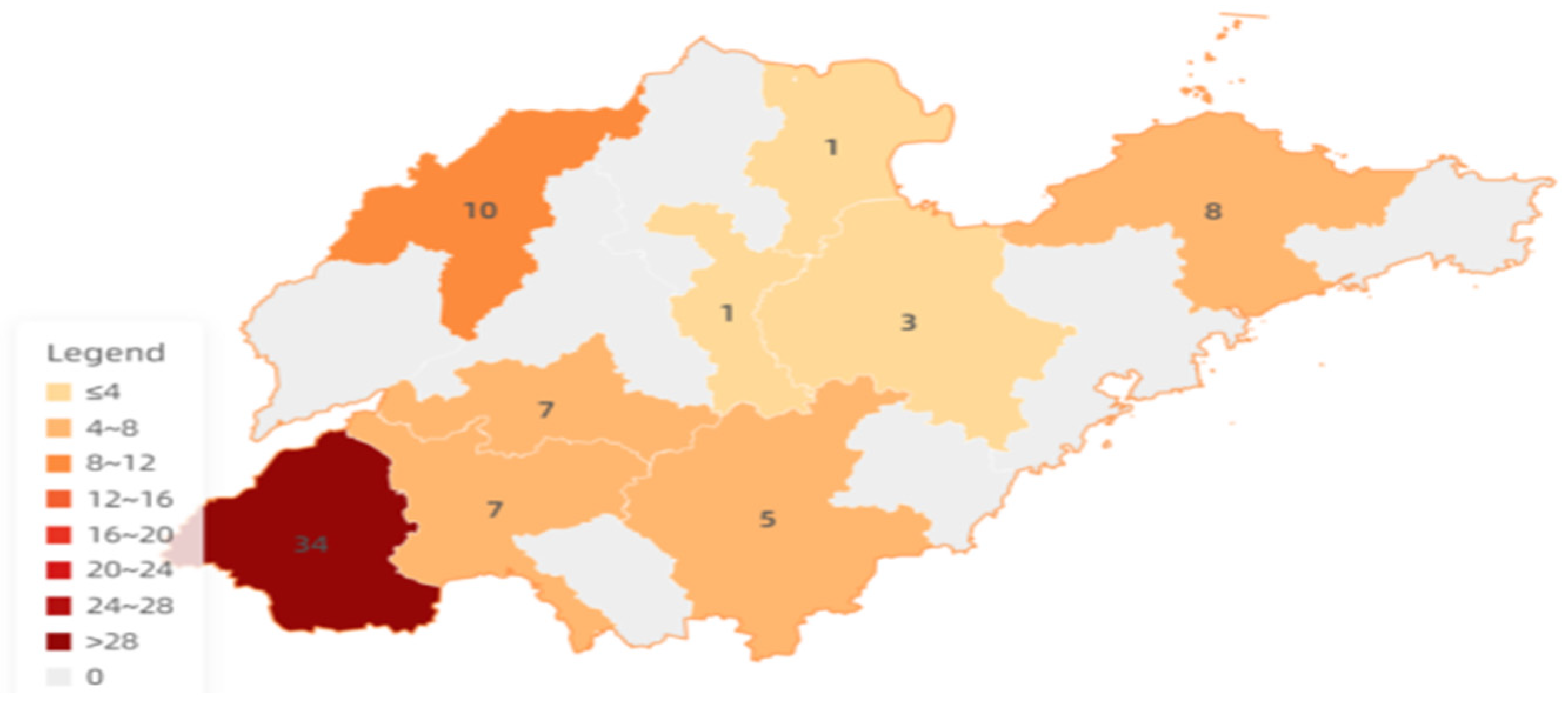
A total of 88 R. anatipestifer strains were collected in this study, of which 50 strains were isolated in 2024, and 38 strains were isolated in 2023. Among these strains, 80 were duck-derived isolates, and 8 were of chicken-derived isolates. All duck-derived strains were isolated from duck heads. For the chicken-derived strains, four strains were isolated from the oviducts, and another four strains were isolated from chicken embryos (Table 3). In terms of geographical distribution, 76 strains were isolated from Shandong Province, including Heze, Dezhou, Yantai, Taian, Jining, Linyi, Weifang, Zibo and Dongying cities. The remaining 12 strains (13.64%) were isolated from other provinces (Figure 1).

3.2. Serotyping of R. anatipestifer Isolates

The serotypes of R. anatipestifer in China were mainly 1, 2, 5, 6, 7 and 10. In this study, the serotypes of 88 strains of R. anatipestifer were detected, of which 31 (35.2%) were serotype 5, 17 (19.3%) were serotype 1, 15 (17.0%) were serotype 7, 12 (13.6%) were serotype 2, 3 (3.4%) were serotype 6, and 2 (2.3%) were serotype 10 (Table 4). The main serotypes in the Shandong area are type 1 and type 5. Heze had the largest variety of serotypes, with five serotypes, including types 5, 1, 2, 7 and 10. This was followed by Jining, which included types 5, 7, 2 and 6. Dezhou was dominated by serotype 7, with serotypes 2 and 5 also isolated. Taian included types 5, 1 and 2. All strains in Yantai were serotype 1, only serotype 5 was detected in Weifang and Dongying, and one strain of serotype 7 was isolated in Zibo (Table 5).

3.3. Results of Antimicrobial Susceptibility Test

According to the antimicrobial susceptibility test results, all R. anatipestifer serotypes exhibited high resistance to amikacin, kanamycin, and polymyxin B. The gentamicin resistance rates of type 1 and type 2 strains were extremely high, reaching 82.4% and 83.3% respectively. Type 1, type 2, and type 7 strains demonstrated severe resistance to tetracycline-class drugs: the resistance rates of type 1 strains to tetracycline and doxycycline were 88.2% and 94.1%, respectively; for type 2 strains, the rates were 91.7% (tetracycline) and 83.3% (doxycycline), and type 7 strains showed an 86.7% resistance rate to both agents. All serotypes displayed extremely high resistance to quinolones, with the resistance rate of most strains exceeding 90%. Specifically, type 2 strains had a 100% resistance rate to enrofloxacin, while type 6 and type 10 strains showed 100% resistance to ciprofloxacin. Type 1 strains exhibited relatively high resistance to cefotaxime (76.5%), ceftiofur (70.6%), and ceftazidime (64.7%). In contrast, type 5 strains had a lower cefotaxime resistance rate (41.9%), and type 2 strains showed a 25% resistance rate to ceftazidime. Additionally, strains of other serotypes had resistance rates above 50% to β-lactam antibiotics. R. anatipestifer strains showed relatively high sensitivity to rifampicin: the resistance rates of type 1, type 2, type 5, and type 7 strains were 23.5%, 8.3%, 12.9% and 6.7%, respectively, while type 6 and type 10 strains were fully susceptible to rifampicin.
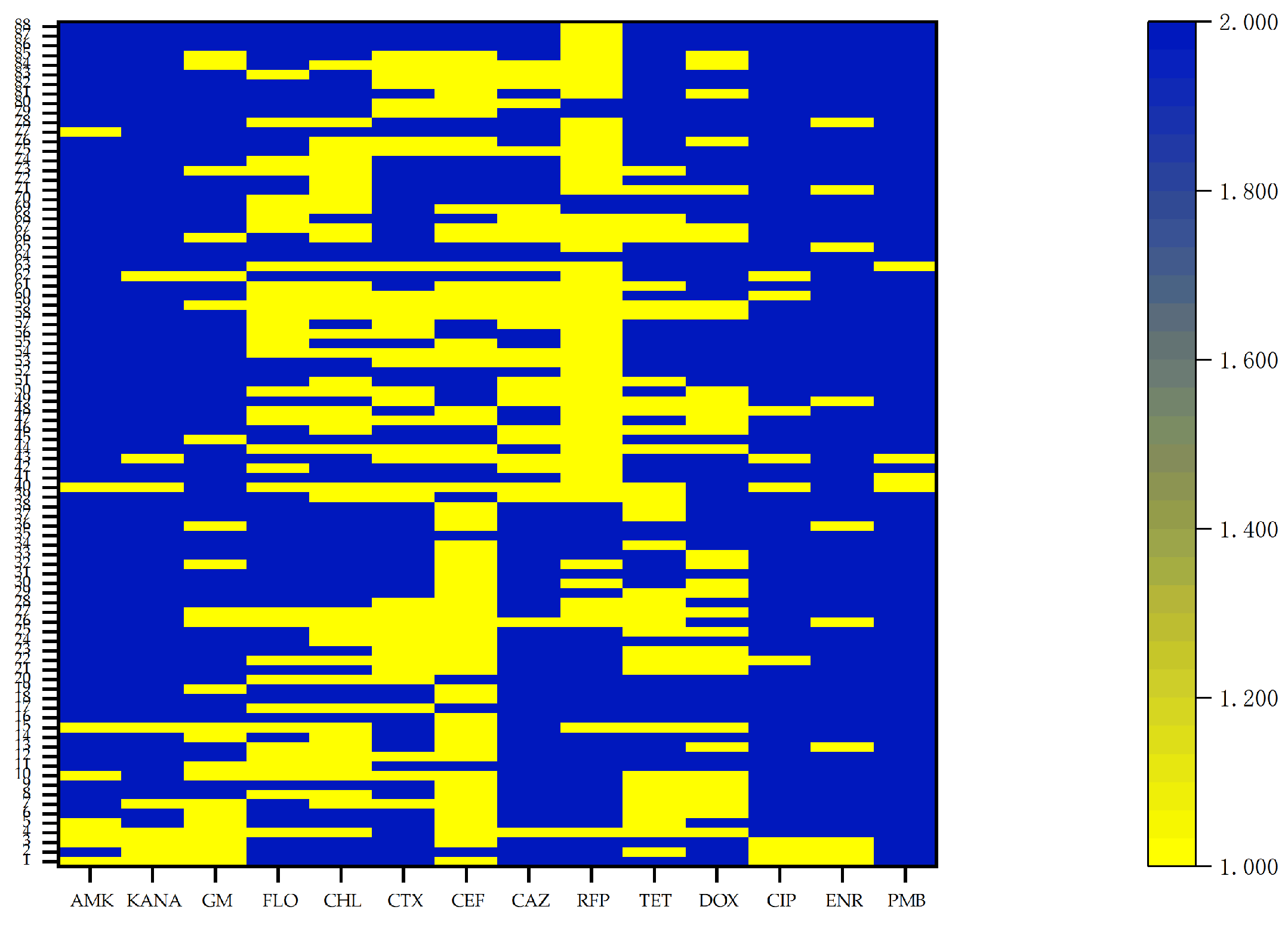
The results showed that R. anatipestifer exhibited the highest resistance rate to polymyxin B (97%), followed by amikacin (91%), kanamycin (90%), gentamicin (74%), ciprofloxacin (90%), and enrofloxacin (89%). The resistance rates to tetracycline and doxycycline were 80% and 75%, respectively, while those to chloramphenicol and florfenicol were 47% and 55%, respectively. More than half of the strains exhibited high resistance to β-lactam drugs, with resistance rates of 60% to cefotaxime, 53% to ceftiofur, and 55% to ceftazidime. R. anatipestifer strains showed high susceptibility to rifampicin, with a low resistance rate of 22%. Additionally, the resistance of R. anatipestifer to aminoglycoside drugs was more severe in 2024 compared with 2023 (Figure 2).
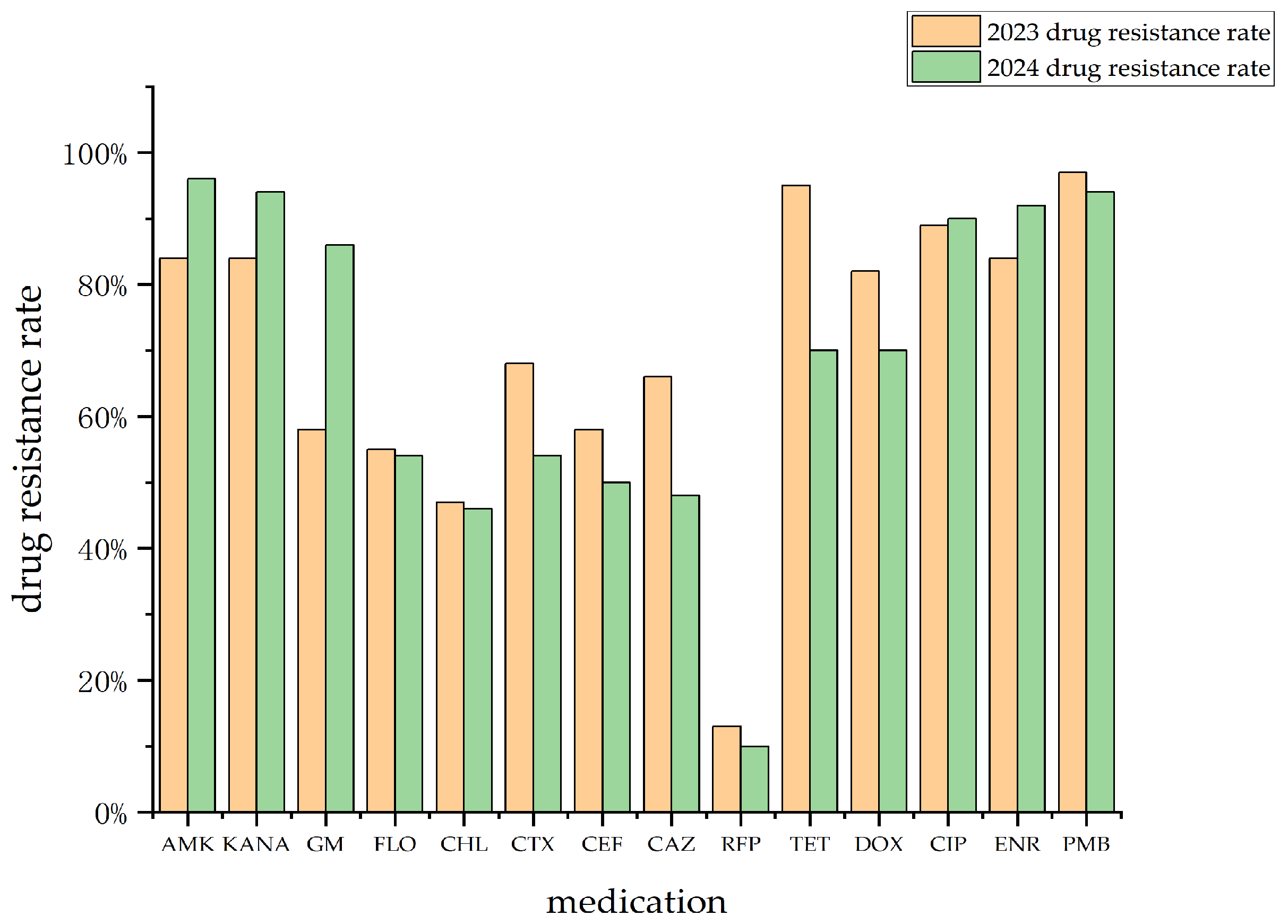
The Wilcoxon signed-rank test (α = 0.05) revealed no statistically significant difference in the overall antimicrobial resistance rates of R. anatipestifer to 14 tested antibacterial agents between 2023 and 2024 (Z = −1.028, p = 0.304 > 0.05). Notably, resistance to aminoglycosides (AMK, KANA, GM) increased significantly from 84%, 84%, and 58% in 2023 to 96%, 94%, and 86% in 2024, respectively. In contrast, considerable reductions were detected in TET (from 95% to 70%), DOX (from 82% to 70%), and cephalosporins (CTX: from 68% to 54%; CEF: from 58% to 50%; CAZ: from 66% to 48%). Resistance to FLO, CAP, CIP, and ENR remained stable, with fluctuations not exceeding 2% (Figure 3).
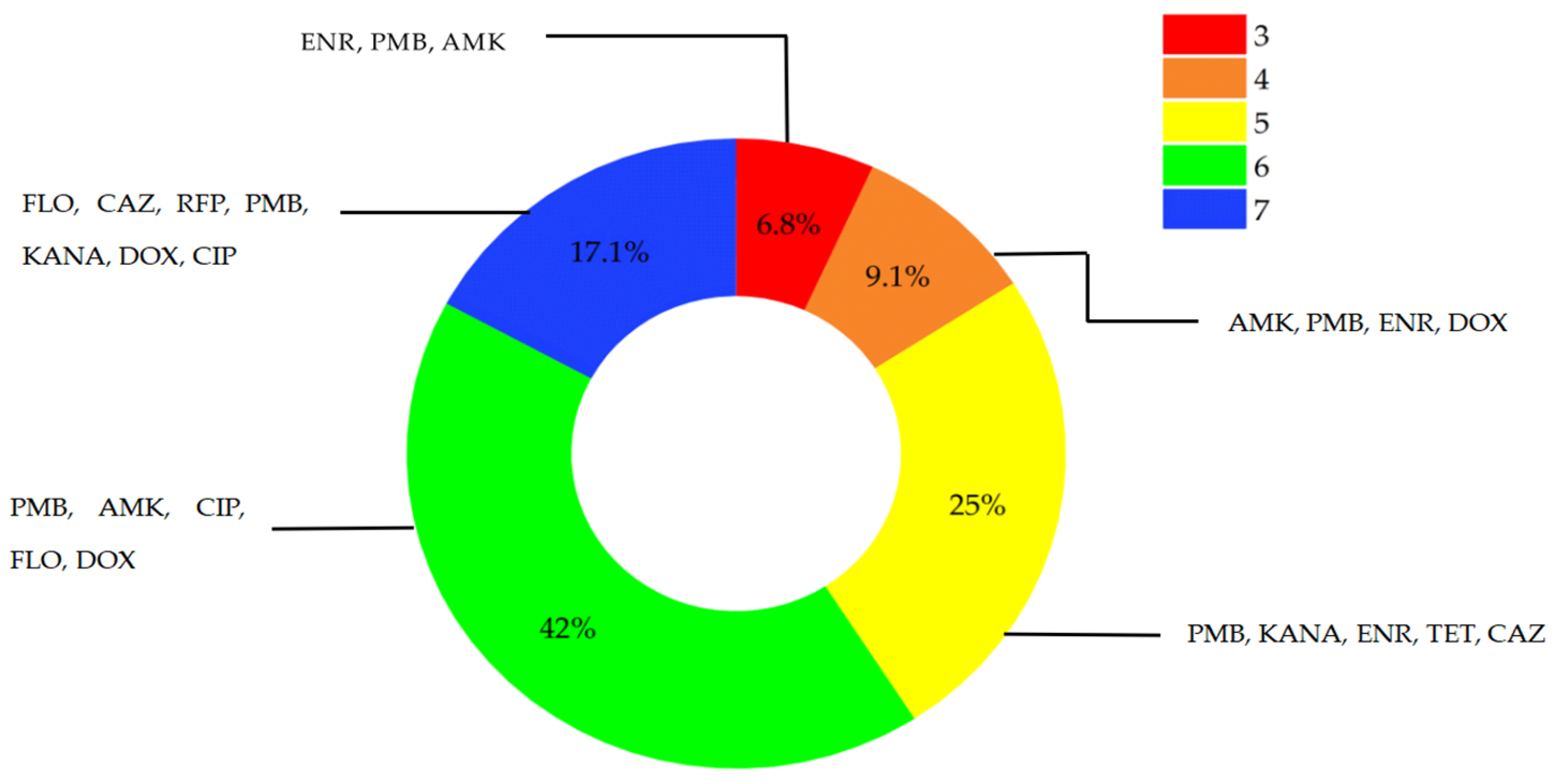
All strains in this study were multidrug-resistant (MDR) strains. Among them, 4 strains exhibited resistance to three antimicrobial agents, 14 strains to four agents, and 24 strains to five agents. Resistance to six antimicrobials was the most prevalent phenotype (41 strains), while five strains showed resistance to seven antimicrobials (PMB, AMK, and CIP). Resistance to five antimicrobials was mainly linked to PMB, KANA and ENR. Additionally, multidrug resistance to seven antimicrobials was predominantly associated with FLO, CAZ, RFP, PMB, KANA, DOX and CIP (Figure 4).

3.4. Analysis of Antibiotic Resistance Genes and Virulence Genes of R. anatipestifer

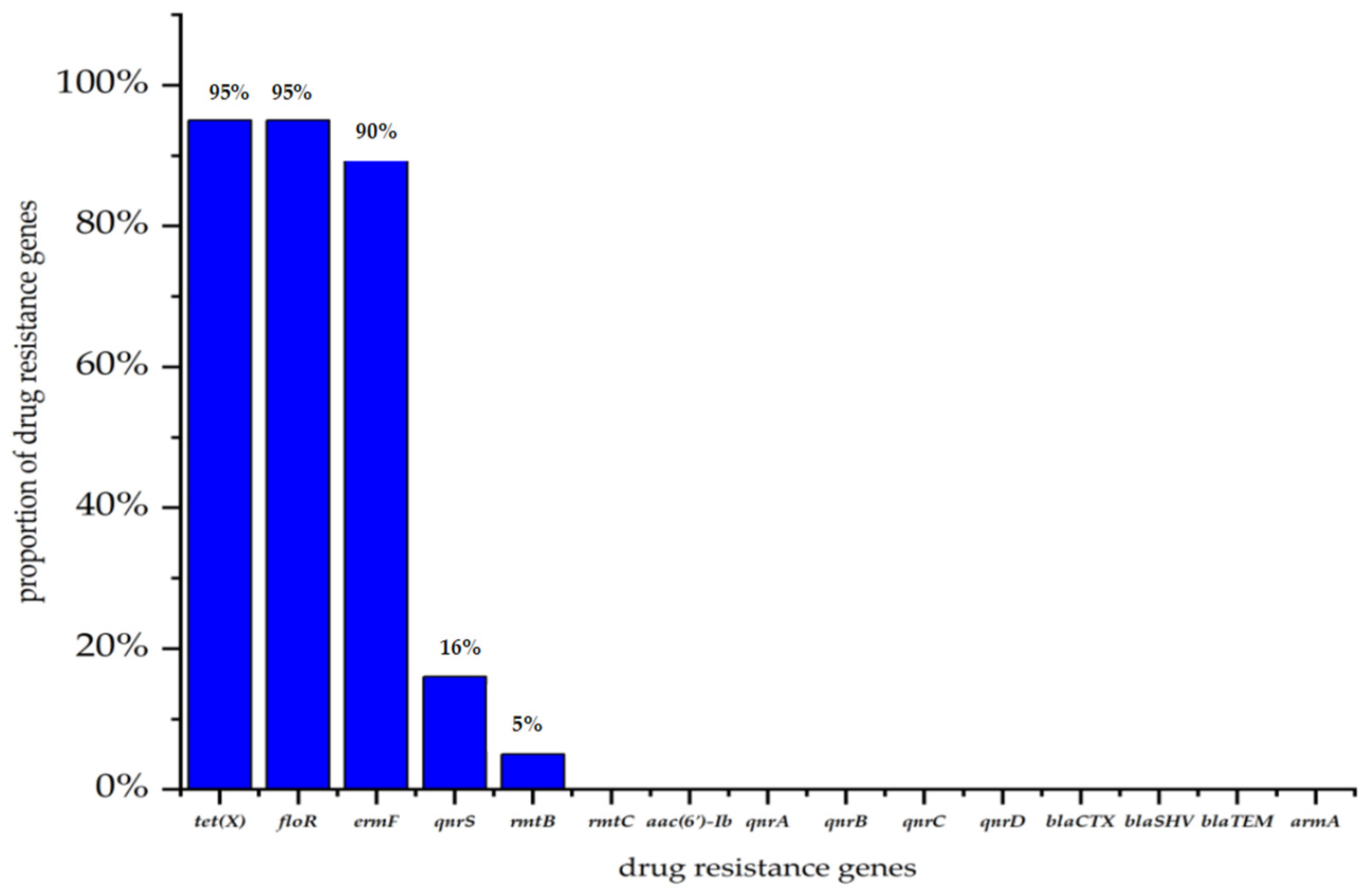
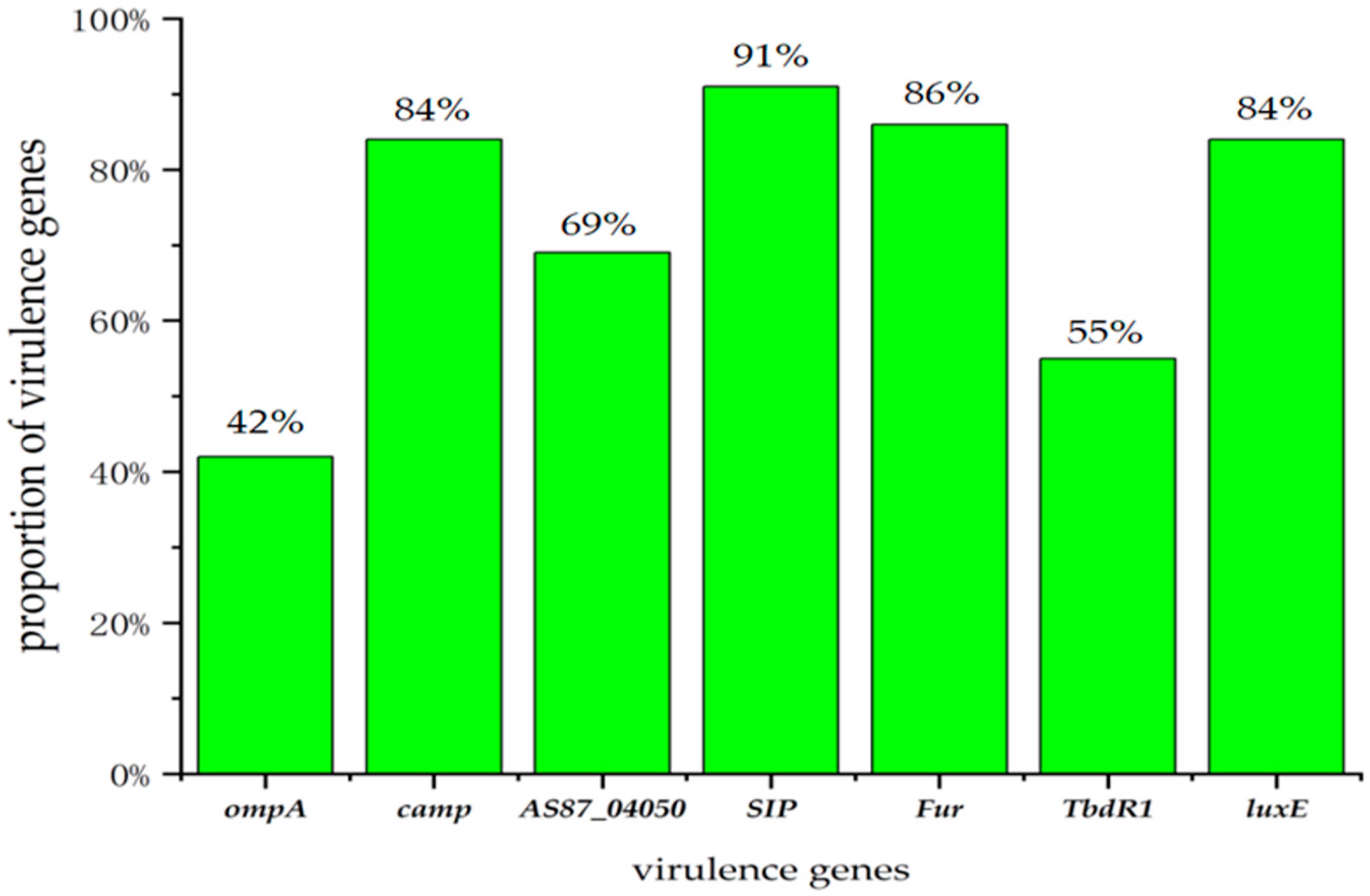
Among the 88 R. anatipestifer strains, a total of five resistance genes and seven virulence genes were detected (Figure 5 and Figure 6). For the identified resistance genes, tet(X) and floR exhibited the highest detection rates (n = 84 for both), followed by ermF (n = 79), qnrS (n = 14) and rmtB (n = 4). No other resistance genes were identified in the tested strains. Among the virulence genes, SIP had the highest detection rate (n = 80), followed by Fur (n = 76), camp and luxE (n = 74 for both), AS87_04050 (n = 61), TbdR1 (n = 48), and ompA (n = 37). The virulence gene wza was not detected in any of the strains.

3.5. Correlation Analysis Between Resistance Genotypes and Phenotypes

A notable discordance was observed between the presence of the tet(X) gene and phenotypic resistance to tetracyclines. Among the 84 tet(X)-positive isolates, only 65 (77.4%) exhibited resistance to tetracycline, and 70 (83.3%) to doxycycline, indicating that 19 (22.6%) and 14 (16.7%) of tet(X)-positive strains, respectively, remained phenotypically susceptible.
Statistical analysis using Fisher’s exact test revealed no significant correlation between the presence of the tet(X) gene and resistance to tetracycline (p = 0.172) or doxycycline (p = 0.106). Similarly, the carriage of floR was not significantly associated with florfenicol resistance (p = 0.754). However, a strong and significant correlation was found between the presence of ermF and resistance to both tested macrolide–lincosamide-related drugs (if tested) (p < 0.001).
Furthermore, we explored the potential link between multidrug resistance (MDR) profiles and the number of virulence genes carried. Isolates exhibiting resistance to a broader spectrum of antibiotics (e.g., ≥6 drug classes) tended to carry a higher median number of virulence genes (median = 5, IQR: 4–6) compared to those with a narrower resistance profile (≤3 drug classes; median = 3, IQR: 2–4). The Kruskal–Wallis test indicated this difference was statistically significant (p < 0.01).

3.6. The Determination Result of the Median Lethal Dose of R. anatipestifer

The challenge test indicated that the LD50 of strain RA26 (carrying ompA, camp, SIP, Fur, and luxE) was 2.57 × 10⁷ CFU/mL, while that of strain RA12 (carrying camp, SIP, and luxE) was 2.75 × 10⁷ CFU/mL (Table 6). No statistically significant difference in clinical virulence was observed between these two strains.

3.7. Genomic Characteristics of Riemerella anatipestifer Isolates

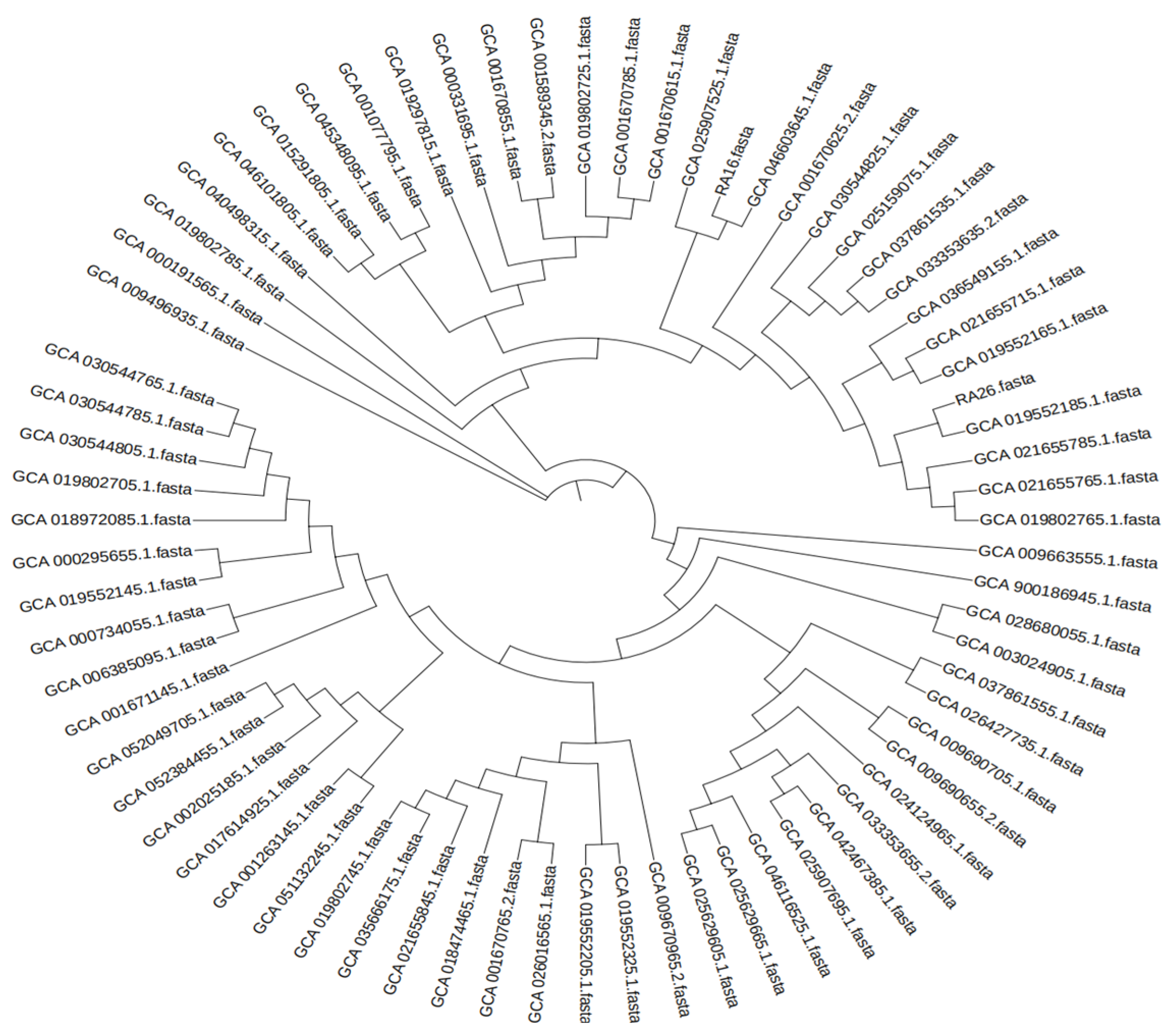
Phylogenetic tree analysis revealed that all strains were clustered into two distinct clades with different serotypes: RA26, which belonged to serotype 7 and was closely related to 20190403E1-1 (a goose-derived isolate from Jiangsu Province, China); RA16, which belonged to serotype 2 and was closely related to JW1 (from Guangdong Province, China), and ZWRA168 (a goose-derived strain from Jiangsu Province, China). The serotypes 2 and 7 identified in this study have exhibited clonal transmission in China. These two strains exhibited a large phylogenetic divergence from the strains isolated in Germany and the United Kingdom (Figure 7). The SNP distances among strains ranged from 0 to 23,751, and all strains were divided into two independent clades: the closely related clade contained 14 strains (predominantly domestic strains, including RA16/RA26), with intra-clade SNP distances ≤92, indicating high genetic homology; the distant clade only included the United Kingdom strain GCA_017614925.1, with SNP distances >23,600 from the closely related clade, suggesting a distant evolutionary relationship. Within the closely related clade, the SNP distance between GCA_019802765.1 and GCA_021655765.1 was 0, and that between GCA_019552185.1 and GCA_021655785.1 was only 9. The SNP distances of RA16 with domestic strain GCA_046603645.1 and RA26 with GCA_019552185.1 were 16 and 19, respectively. Both RA16 and RA26 showed close clustering with domestic strains but significant divergence from other countries strains. The SNP distances between the reference sequence and domestic strains ranged from 78 to 92, confirming its applicability as a standard reference.

3.8. Virulence Protection Assay in Ducklings

The ducklings in this experiment presented clinical symptoms of depression, lacrimation, coughing, and eyelid swelling at 12 h post-challenge. The dead ducklings were observed to have typical pathological lesions, including pericarditis, hepatitis, meningitis, and fibrinous airsacculitis. Within one week post-challenge, the challenged ducklings showed a significant reduction in feed and water intake, accompanied by retarded body weight gain. Mortality was only observed in the challenged groups within 120 h post-challenge. Specifically, the ducklings challenged with the florfenicol-resistant strain showed a mortality rate of 87.5% following florfenicol treatment, while those challenged with the susceptible strain had a mortality rate of 37.5% after the same treatment (Table 7). These findings demonstrated that the in vivo therapeutic efficacy of florfenicol was consistent with the results of in vitro drug susceptibility testing against it. Furthermore, no R. anatipestifer was isolated in the brain, liver, spleen, and fecal samples collected from the recovered ducklings after treatment.

4. Discussion

R. anatipestifer is a Gram-negative bacterium belonging to the genus Flavobacterium, which is predominantly transmitted among waterfowl and predominantly infects ducklings under 8 weeks of age. In recent years, however, R. anatipestifer has been identified transmitting directly among avian species, including chickens and geese, as well [26]. This study corroborates this perspective by isolating eight strains of R. anatipestifer from chicken oviducts and embryos. Meanwhile, the pathogen is primarily transmitted horizontally via the respiratory tract and wounds. Reports on the vertical transmission of R. anatipestifer are scarce; however, its detection in oviducts and embryos in this study suggests a potential risk of egg-borne transmission. Furthermore, genomic studies have revealed a high degree of genetic similarity between duck- and goose-derived strains, indicating their potential for cross-species transmission among poultry. Consequently, these findings suggest that control strategies must extend beyond waterfowl, incorporating the monitoring of breeder chicken flocks and egg disinfection into comprehensive prevention and control systems. This pathogen exhibits a large number of serotypes with no cross-protection among different serotypes, and the prevalent serotypes vary across different regions, which further increases the difficulty of vaccine-based prevention and control against R. anatipestifer infection. In addition, the antimicrobial resistance of R. anatipestifer has been escalating year by year due to the irrational overuse of antibiotics in poultry production. Therefore, investigations into the resistance genes are of great significance for controlling the spread and variation of antimicrobial-resistant strains in poultry flocks.
According to the survey results, among the 376 strains isolated by Wei et al. [12], the resistance rate of RA to β-lactams was 27.7% (104/376). The resistance rate of strains isolated from 2010 to 2015 was 12.9%, while that of strains isolated from 2016 to 2020 was 29.0%. The resistance rate of the strains isolated in this study to β-lactam was 58%, which was twice as high as the results reported by Wei Xinyi and others. In 2023, Liu et al. [4] reported that more than 50% of the 74 collected R. anatipestifer strains exhibited resistance to cefotaxime. In this study, the resistance rate to cefotaxime was 61%. These findings further confirm that the antimicrobial resistance of R. anatipestifer to β-lactams has been increasing continuously in recent years.
In 2022, Zhang Chunxiao et al. isolated 70 goose-derived strains in Hebei. The resistance rates of these strains to kanamycin and gentamicin were 100%, and the resistance rate to amikacin was 91.1% [8]. The test results of the strains collected by Yang Zhishuang et al. between 1994 and 2021 showed that over 90% of them were resistant to kanamycin, gentamicin, and quinolones, and the resistance rate to tetracycline was 88% [7]. Among the 171 strains collected by Zero Lyu et al. in Shandong from 2022 to 2023, the resistance rates to gentamicin, enrofloxacin and kanamycin were 77%, 73%, and 62% respectively [4]. All these were multidrug-resistant strains, with the largest number of strains being resistant to five antibiotics. They all demonstrated a high degree of drug resistance, which is similar to the high resistance results of this study.
This escalating trend is closely linked to antimicrobial use practices in China’s livestock sector. According to relevant reports, β-lactams and aminoglycosides have been commonly used for preventing and treating bacterial infections in poultry, including waterfowl [27,28]. The sustained selection pressure from such use, including non-prudent practices, is a recognized driver for antimicrobial resistance (AMR) development [29,30]. The high prevalence of resistance genes tet(X), floR, and ermF in our isolates (95.5%, 95.5%, and 89.8%, respectively) provides molecular evidence of this pressure, contributing to the high multidrug resistance (MDR) rate observed.
The diminishing efficacy of conventional drugs leads to significant clinical and economic implications. Increased resistance elevates the risk of treatment failure and mortality, necessitating the use of more costly or last-resort alternatives [31]. This directly translates to reduced productivity and heightened economic losses in poultry farming [31]. Consequently, guiding antimicrobial therapy through localized susceptibility surveillance, as emphasized by this study, is crucial for mitigating AMR and safeguarding both animal health and economic sustainability.
Reports on the quinolone resistance mechanism of R. anatipestifer remain relatively scarce, leaving substantial scope for further investigation. Quinolone resistance can be mediated by multiple mechanisms, including the overexpression of multidrug resistance (MDR) efflux pumps, reduced membrane permeability, and the acquisition of plasmid-mediated quinolone resistance (PMQR) genes [32]. Additionally, non-quinolone-resistance-determining region (non-QRDR) mutations may also exert a notable impact on the function of [33,34]. Epidemiological data indicate that resistance rates of R. anatipestifer to ciprofloxacin and enrofloxacin reached 97.8% and 99.3%, respectively, during 2013–2018 [35], highlighting the severity of quinolone resistance in this pathogen. In the present study, five pairs of specific primers targeting the PMQR genes qnrA, qnrB, qnrC, and qnrD were designed and used for detection; however, no positive amplifications were observed for these genes. The strains isolated in Thailand by Pathomchai-Umporn C et al. have not been found to carry the qnrA or qnrB resistance genes [36]. The gene detection results of the strains isolated by Lyu, Z et al. also did not identify qnrA and qnrB [37]. Another study conducted in China showed that none of the 103 R. anatipestifer strains tested harbored quinolone resistance genes [38]. These findings suggest that PMQR mechanisms are not responsible for the quinolone resistance of the tested R. anatipestifer isolates, and resistance is more likely associated with point mutations in the QRDR. Consistent with previous reports, the substitution at amino acid position 83 of the GyrA protein is recognized as the primary mutation site mediating fluoroquinolone resistance in bacteria [35].
Studies have demonstrated that three categories of inactivating enzyme genes (e.g., aac(6′)-Ib, aac(6′)II, aph(3′)IIα), and 16S methyltransferase genes confer resistance to gentamicin, whereas the aac(6′)-Ib gene also mediates resistance to kanamycin [39]. In the present study, the resistance rate of R. anatipestifer isolates to kanamycin reached 91%, with that to gentamicin recorded as 72%, indicating a high-level-of-resistance gene was not detected in any of the tested isolates. These findings imply that the high-level aminoglycoside resistance observed in this study may be attributed to other uncharacterized resistance mechanisms or the presence of alternative resistance genes.
This study confirms a significant discordance between the presence of key resistance genes and the corresponding phenotypic resistance, most notably for tet(X). While tet(X) encodes a potent tetracycline-inactivating enzyme [15], approximately 20% of tet(X)-positive isolates in our collection remained susceptible to tetracyclines. This finding, supported by the lack of statistical correlation (see Section 3.5), underscores that gene presence alone does not guarantee expression or a resistant phenotype, a phenomenon increasingly recognized in bacterial genomics [40]. Several mechanistic explanations could account for this: 1. Gene Silencing or Low Expression: The tet(X) gene may be located in a chromosomal context with a weak promoter, or its expression could be suppressed by regulatory elements such as repressor proteins. Epigenetic silencing has also been reported for some resistance genes in other pathogens [41]. 2. Genetic Context and Mobile Elements: The gene might be located on a plasmid or genomic island that is not stably maintained or is poorly expressed in R. anatipestifer. The absence of necessary transcriptional activators or the presence of genetic interruptions (e.g., insertion sequences) could render the gene non-functional, as seen in studies of other antibiotic resistance genes [42]. 3. Physiological Fitness Cost: High-level expression of resistance determinants like tet(X) can impose a metabolic burden on the bacterium. In the absence of antibiotic selection pressure, strains may downregulate or inactivate such genes to maintain fitness, leading to a susceptible phenotype despite gene carriage, a well-documented evolutionary trade-off [43]. In stark contrast, the presence of the ermF gene showed a high degree of concordance with the resistant phenotype. This suggests that in these isolates, ermF is likely constitutively expressed—meaning its resistance mechanism is active regardless of antibiotic selection pressure. This stable expression pattern is probably due to its favorable genetic context, such as integration into the chromosome or a stable plasmid, consistent with previous reports identifying ermF as a reliable resistance marker in R. anatipestifer [17].
While resistance gene expression is regulated by the above factors, virulence-associated genes also play a role in the biological characteristics of R. anatipestifer. Hu et al. constructed an ompA-deleted mutant of R. anatipestifer Th4 and confirmed that ompA deletion reduced the adhesion ability of the mutant to Vero cells and attenuated its pathogenicity in ducklings [44]. Wang et al. established a transposon (Th4351) insertion mutant library of R. anatipestifer Yb2, and sequencing identified 49 genes with insertion inactivation. Insertional inactivation of the AS87_04050 gene resulted in the loss of serum agglutination ability of the strain, confirming that this gene is involved in lipopolysaccharide synthesis and the pathogenicity of R. anatipestifer [45]. These findings collectively demonstrate that ompA is a critical virulence factor of R. anatipestifer. In addition, the Fur gene regulates the expression of enzymes associated with the tricarboxylic acid (TCA) cycle, aromatic amino acid synthesis, and purines and nucleotides metabolism by modulating iron uptake systems, redox reactions, and the type IX secretion system, thereby affecting the virulence of R. anatipestifer [46].
Our statistical analysis indicates a significant trend where isolates with broader MDR profiles carry a greater number of virulence genes (see Section 3.5). This suggests a potential co-selection or genetic linkage between resistance and virulence determinants in R. anatipestifer. This alignment could be driven by: 1. Genetic Linkage: Resistance genes and virulence genes may be located on the same mobile genetic elements (e.g., plasmids, genomic islands). Selection pressure from antibiotic use not only enriches for resistance but also concurrently promotes the spread of linked virulence factors, a mechanism reported in major pathogens like E. coli and Salmonella [47]. 2. Global Regulatory Networks: Stress responses triggered by antibiotics or host environments may upregulate both resistance mechanisms (like efflux pumps) and virulence factor expression through shared regulatory pathways (e.g., two-component systems, MarA, SoxS) [48]. 3. Fitness Advantage in Hostile Environments: Strains accumulating both resistance and virulence traits may have a selective advantage in clinical settings under dual pressures from antibiotic treatment and host immune defenses, leading to the emergence of “high-risk” clones [49]. This convergence poses a serious public health concern, as it implies that aggressive antibiotic use in poultry might inadvertently promote the evolution of R. anatipestifer strains that are not only harder to treat but also potentially more pathogenic, mirroring trends observed in other bacterial species [49].
Due to the absence of internationally standardized breakpoints for R. anatipestifer, all current studies on its antimicrobial resistance refer to breakpoints established for other bacterial strains. As a result, antimicrobial susceptibility testing for R. anatipestifer has certain limitations. While it can indicate relatively high resistance or sensitivity trends, the findings cannot be used as definitive references for clinical medication. The selection of florfenicol was based on both the results of susceptibility testing and the drugs commonly used in current clinical practice. Therefore, investigating the consistency between in vitro efficacy and in vivo susceptibility testing for florfenicol is particularly important, as it would enhance the accuracy of antimicrobial susceptibility testing. In the present study, no significant differences were observed in the results of the R. anatipestifer animal challenge test; however, the mortality rate of the challenged group showed no significant differences; however, during the treatment trial, the mortality rate reached 100% during the subsequent treatment trial. On the one hand, according to relevant reports, the incidence of R. anatipestifer is influenced by temperature and humidity, with higher rates observed in winter and spring [50,51]. However, systematic data on this epidemiological pattern remain relatively scarce. Therefore, we hypothesize that the discrepancy in duckling mortality outcomes in the present study may be associated with seasonal variations. On the other hand, the high mortality rate (87.5%) observed in ducklings challenged with the florfenicol-resistant strain (RA7) and treated with florfenicol can be directly attributed to the strain’s resistant phenotype, as confirmed by its elevated MIC value. The standard florfenicol regimen administered, while therapeutically effective against the susceptible strain (RA25), was insufficient to overcome the high-level resistance conferred by mechanisms such as the floR gene carried by RA7. Collectively, these findings provide valuable insights into identifying the optimal timing for antibiotic-based prevention and control strategies against R. anatipestifer infections.
Based on core-genome phylogenetic analysis of 71 strains (including two from this study), clonal transmission of specific serotypes in China was confirmed. Notably, serotype 2 strain RA16 from Shandong clustered with strains JW1 (Guangdong) and ZWRA168 (Jiangsu) with 100% bootstrap support, while serotype 7 strain RA26 from Shandong formed a monophyletic clade with strain 20190403E1-1 (Jiangsu). This interprovincial clustering indicates clonal expansion and regional dissemination, likely associated with the movement of live birds and poultry products. These findings have several important implications for surveillance and control: First, cross-provincial surveillance is needed to track these dominant clones (serotypes 2 and 7). Second, despite minimal cross-protection between serotypes, the high genetic homogeneity within each clone suggests that vaccines targeting their conserved genomic regions could be effective against strains of the same lineage. Third, the clear phylogenetic separation of Chinese clones from European and American strains underscores that control strategies must be informed by local genomic epidemiology.
Limitations of the study: This study has several limitations that should be considered when interpreting the results. First, the absence of species-specific clinical breakpoints for R. anatipestifer necessitated the adoption of criteria from related pathogens (P. multocida, E. coli). Consequently, the classifications of “resistant” and “susceptible” herein should be viewed as phenotypic profiles based on selected microbiological criteria rather than definitive predictors of clinical outcome. Second, the determination of LD50 values, while providing essential comparative virulence data for the tested strains, was based on a limited number of animals per dose group (n = 4). This sample size, chosen in adherence to the ‘Reduction‘ principle of the 3Rs and consistent with preliminary assessments in avian pathogen studies, yields a reliable estimate for within-study comparison but may affect the precision of the LD50 point estimate compared to larger-scale standardized protocols. Third, although sexes were equally represented in the challenge design (two males and two females per group) to account for basic biological variability, the very small subgroup size (n = 2 per sex per dose) precluded any meaningful statistical analysis of sex as a biological variable. No consistent, overt sex bias in mortality was observed during the trial, but this does not rule out more subtle sex-related effects that could be elucidated in future studies with dedicated, sex-balanced larger cohorts. Finally, the epidemiological data are primarily derived from Shandong Province over two years; thus, the findings may not fully represent the national prevalence or long-term trends of R. anatipestifer. Future studies incorporating pharmacokinetic/pharmacodynamic data to establish clinical breakpoints, larger animal cohorts for precise virulence modeling, and expanded spatiotemporal surveillance will be crucial to address these limitations and further guide antimicrobial stewardship and disease control.

5. Conclusions

A total of 88 strains were isolated in this study, including serotypes 1, 2, 5, 6, 7, and 10. Serotypes 1 and 5 were predominantly distributed in Shandong Province. The results of antimicrobial susceptibility testing (AST) against 14 antimicrobial agents showed that the strains were relatively sensitive to rifampicin, whereas the resistance rates to the remaining antibiotic agents all exceeded 40%. Five resistance genes (tet(X), floR, ermF, qnrS, rmtB) and seven virulence genes (ompA, camp, AS87_04050, SIP, Fur, TbdR1, luxE) were found in total. Phylogenetic tree analysis showed that RA26 and strain 20190403E1-1, as well as RA16 and JW1, each had a bootstrap value of 100% and clustered within the same phylogenetic group. These strains exhibited a significant phylogenetic divergence from those isolated in the UK and Germany. The results of the challenge test showed that the LD50 of RA26 was 2.57 × 10⁷ CFU/mL, and that of RA12 was 2.75 × 10⁷ CFU/mL. The virulence protection test results indicated that the outcomes of in vitro antimicrobial susceptibility testing were consistent with the in vivo therapeutic efficacy, and R. anatipestifer was not detected in the visceral organs of surviving ducklings.

Supplementary Materials

The following supporting information can be downloaded at: https://www.mdpi.com/article/10.3390/ani16030442/s1, Table S1:The primer sequences and annealing temperatures used in this experiment; Table S2: Strain data retrieved from the NCBI database.

Author Contributions

Methodology, M.Y.; validation, M.Y. and D.L.; formal analysis, M.Y.; investigation, M.Y., H.Z., X.S., H.C. and D.L.; resource, X.S., H.C. and H.Z.; data curation, M.Y. and Y.L.; writing—original draft preparation, M.Y.; writing—review and editing, B.L.; supervision, B.L. and M.Z.; project administration, M.Z.; funding acquisition, M.Z. and Y.L. All authors have read and agreed to the published version of the manuscript.

Funding

Shandong Province Major Scientific and Technological Innovation Project: Prevention and Control of Important Avian Diseases and Development of New Drugs (2025CXGC010803). The Scientific and Technological Projects of Qingdao (25-1-5-xdny-30-nsh).

Institutional Review Board Statement

All procedures involving animals were approved by the Institutional Animal Care and Use Committee at Qingdao Agricultural University (Approval No. 2025-315). All animal work was carried out following accordance within the guidelines of the Laboratory Animal Research Center of Qingdao Agricultural University.

Informed Consent Statement

Not applicable.

Data Availability Statement

Data is contained within the article.

Acknowledgments

The authors would like to express sincere gratitude to Qilu Animal Health Products Co., Ltd. For generously providing the strain samples essential for this study.

Conflicts of Interest

Authors Xiaofei Song, Hui Chen and Hongxue Zhang were employed by the company Qilu Animal Health Products Co., Ltd. Author Daozheng Liu was employed by the company Qingdao Lijian Biotechnology Co., Ltd. The authors declare that this study received funding from Qilu Animal Health Care Company. The funder was not involved in the study design, collection, analysis, interpretation of data, the writing of this article or the decision to submit it for publication.

Correction Statement

This article has been republished with a minor correction to the Institutional Review Board Statement. This change does not affect the scientific content of the article.

References

  1. Hess, C.; Enichlmayr, H.; Jandreski-Cvetkovic, D.; Liebhart, D.; Bilic, I.; Hess, M. Riemerella anatipestifer outbreaks in commercial goose flocks and identification of isolates by MALDI-TOF mass spectrometry. Avian Pathol. 2013, 42, 151–156. [Google Scholar] [CrossRef]
  2. Hall, W.J.; Heddleston, K.L.; Legenhausen, D.H.; Hughes, R.W. Studies on pasteurellosis. I. A new species of Pasteurella encountered in chronic fowl cholera. Am. J. Vet. Res. 1955, 16, 598–604. [Google Scholar] [PubMed]
  3. Sandhu, T.; Harry, E.G. Serotypes of Pasteurella anatipestifer isolated from commercial White Pekin ducks in the United States. Avian Dis. 1981, 25, 497–502. [Google Scholar] [CrossRef] [PubMed]
  4. Liu, J.; Hao, D.; Ding, X.; Shi, M.; Wang, Q.; He, H.; Cheng, B.; Wang, M.; Wang, Q.; Xiang, Y.; et al. Epidemiological investigation and β-lactam antibiotic resistance of Riemerella anatipestifer isolates with waterfowl origination in Anhui Province, China. Poult. Sci. 2024, 103, 103490. [Google Scholar] [CrossRef] [PubMed]
  5. Crasta, K.C.; Chua, K.L.; Subramaniam, S.; Frey, J.; Loh, H.; Tan, H.M. Identification and characterization of CAMP cohemolysin as a potential virulence factor of Riemerella anatipestifer. J. Bacteriol. 2002, 184, 1932–1939. [Google Scholar] [CrossRef]
  6. Yu, G.; Wang, X.; Dou, Y.; Wang, S.; Tian, M.; Qi, J.; Li, T.; Ding, C.; Wu, Y.; Yu, S. Riemerella anatipestifer M949_1360 Gene Functions on the Lipopolysaccharide Biosynthesis and Bacterial Virulence. PLoS ONE 2016, 11, e0160708. [Google Scholar] [CrossRef]
  7. Yang, Z.; Wang, M.; Jia, R.; Chen, S.; Liu, M.; Zhao, X.; Yang, Q.; Wu, Y.; Zhang, S.; Huang, J.; et al. Genome-based assessment of antimicrobial resistance reveals the lineage specificity of resistance and resistance gene profiles in Riemerella anatipestifer from China. Microbiol. Spectr. 2024, 12, e0313223. [Google Scholar] [CrossRef]
  8. Zhang, C.; Wang, L.; Zhao, Q.; Hou, G.; Sun, X.; An, R.; Li, H.; Zhu, S.; Shi, Q.; Zhang, Z. Research Note: Antibiotic resistance and pathogenicity of geese-derived Riemerella anatipestifer isolated from eastern regions of Hebei Province, China. Poult. Sci. 2024, 103, 103517. [Google Scholar] [CrossRef]
  9. Jiang, Y.; Peng, K.; Wang, Q.; Wang, M.; Li, R.; Wang, Z. Novel Trimethoprim Resistance Gene dfrA49 Identified in Riemerella anatipestifer from China. Microbiol. Spectr. 2023, 11, e0474722. [Google Scholar] [CrossRef]
  10. CLSI VET01S-Ed6; Performance Standards for Antimicrobial Disk and Dilution Susceptibility Tests for Bacteria Isolated from Animals. 6th ed. Clinical and Laboratory Standards Institute: Wayne, PA, USA, 2024.
  11. CLSI M100-Ed34; Performance Standards for Antimicrobial Susceptibility Testing. 34th ed. Clinical and Laboratory Standards Institute: Wayne, PA, USA, 2024.
  12. Wei, X. Resistance Mechanism of Riemerella anatipestifer to β-Lactams. Master’s Thesis, Sichuan Agricultural University, Yaan, China, 2022. [Google Scholar]
  13. Lv, Z.; Han, S.; Qin, L.; Li, J.; Liu, K.; Ge, X.; Liu, S.; Liu, N. Isolation, Identification and Drug Sensitivity Test of Three Strains of Riemerella anatipestis. Chin. J. Vet. Med. 2023, 59, 87–92. [Google Scholar]
  14. Doi, Y.; Arakawa, Y. 16S ribosomal RNA methylation: Emerging resistance mechanism against aminoglycosides. Clin. Infect. Dis. 2007, 45, 88–94. [Google Scholar] [CrossRef] [PubMed]
  15. Ghosh, S.; Sadowsky, M.J.; Roberts, M.C.; Gralnick, J.A.; LaPara, T.M. Sphingobacterium sp. strain PM2-P1-29 harbours a functional tet(X) gene encoding for the degradation of tetracycline. J. Appl. Microbiol. 2009, 106, 1336–1342. [Google Scholar] [CrossRef] [PubMed]
  16. Li, Y. Preliminary Study on the Detection of Florfenicol Resistance Gene floR in Avain Escherichia coli Isolates and Mechanism of Transmission. Master’s Thesis, Yangzhou University, Yangzhou, China, 2016. [Google Scholar]
  17. Luo, H.; Liu, M.; Wang, L.; Zhou, W.; Wang, M.; Cheng, A.; Jia, R.; Chen, S.; Sun, K.; Yang, Q.; et al. Identification of ribosomal RNA methyltransferase gene ermF in Riemerella anatipestifer. Avian Pathol. 2015, 44, 162–168. [Google Scholar] [CrossRef] [PubMed]
  18. Yan, J.J.; Wu, J.J.; Ko, W.C.; Tsai, S.H.; Chuang, C.L.; Wu, H.M.; Lu, Y.J.; Li, J.D. Plasmid-mediated 16S rRNA methylases conferring high-level aminoglycoside resistance in Escherichia coli and Klebsiella pneumoniae isolates from two Taiwanese hospitals. J. Antimicrob. Chemother. 2004, 54, 1007–1012. [Google Scholar] [CrossRef]
  19. Warburg, G.; Korem, M.; Robicsek, A.; Engelstein, D.; Moses, A.E.; Block, C.; Strahilevitz, J. Changes in aac(6′)-Ib-cr prevalence and fluoroquinolone resistance in nosocomial isolates of Escherichia coli collected from 1991 through 2005. Antimicrob. Agents Chemother. 2009, 53, 1268–1270. [Google Scholar] [CrossRef]
  20. Jiang, M.; Feng, L.; Zhao, S.; Hao, Q. Drug Resistance and Genotype of Extended Spectrum β-Lactamases and Plasmid AmpC Enzyme-producing Klebsiella pneumoniae. Chin. J. Nosoconmiol. 2008, 8, 1061–1065. [Google Scholar]
  21. Zhang, W. Characteristic of the aac(6′)-Ib-cr Gene on Fluoroquinolone Resistance. Ph.D. Thesis, South China Agricultural University, Guangzhou, China, 2016. [Google Scholar]
  22. Wu, L. Detection and Analysis of Drug Resistance Genes Among Escherichia coli Isolated from Companion Animals in Yangzhou. Master’s Thesis, Yangzhou University, Yangzhou, China, 2017. [Google Scholar]
  23. Jiang, M.; Qin, X.; Teng, Q. Detection of Plasmid-mediated Quinolone Resistance Genes in Multidrug resistant Acinetobacter baumannii. Chin. J. Exp. Clin. Infect. Dis. (Electron. Ed.) 2013, 7, 284–285. [Google Scholar]
  24. Zhang, Y. Analysis of Drug Resistance and Pathogenicity of Riemerella anatipestifer in Anhui Isolates. Master’s Thesis, Yangzhou University, Yangzhou, China, 2022. [Google Scholar]
  25. Zhang, X.; Li, Y.; Lu, Y.; Chang, Y.; Xie, L.; Zeng, Z.; Xiong, W. Analysis of Drug Resistance, Virulence Gene Detection and ERIC-PCR Genotyping Riemerella anatipestifer in Zhaoqing city, Guangdong Province. Chin. J. Anim. Infect. Dis. 2022, 30, 39–47. [Google Scholar]
  26. Chen, Y.; Li, X.; Liu, Z.; Hu, M.; Ma, J.; Luo, Y.; Zhang, Q.; Li, L.; Zhao, X.; Zhao, M.; et al. Genomic analysis and experimental pathogenic characterization of Riemerella anatipestifer isolates from chickens in China. Poult. Sci. 2024, 103, 103497. [Google Scholar] [CrossRef]
  27. Cheng, G.; Ning, J.; Ahmed, S.; Huang, J.; Ullah, R.; An, B.; Hao, H.; Dai, M.; Huang, L.; Wang, X.; et al. Selection and dissemination of antimicrobial resistance in Agri-food production. Antimicrob. Resist. Infect. Control 2019, 8, 158. [Google Scholar] [CrossRef]
  28. Wang, Y.; Xu, C.; Zhang, R.; Chen, Y.; Shen, Y.; Hu, F.; Liu, D.; Lu, J.; Guo, Y.; Xia, X.; et al. Changes in colistin resistance and mcr-1 abundance in Escherichia coli of animal and human origins following the ban of colistin-positive additives in China: An epidemiological comparative study. Lancet Infect. Dis. 2020, 20, 1161–1171. [Google Scholar] [CrossRef]
  29. Van Boeckel, T.P.; Brower, C.; Gilbert, M.; Grenfell, B.T.; Levin, S.A.; Robinson, T.P.; Teillant, A.; Laxminarayan, R. Global trends in antimicrobial use in food animals. Proc. Natl. Acad. Sci. USA 2015, 112, 5649–5654. [Google Scholar] [CrossRef]
  30. Tang, K.L.; Caffrey, N.P.; Nóbrega, D.B.; Cork, S.C.; Ronksley, P.E.; Barkema, H.W.; Polachek, A.J.; Ganshorn, H.; Sharma, N.; Kellner, J.D.; et al. Restricting the use of antibiotics in food-producing animals and its associations with antibiotic resistance in food-producing animals and human beings: A systematic review and meta-analysis. Lancet Planet. Health 2017, 1, e316–e327. [Google Scholar] [CrossRef] [PubMed]
  31. Laxminarayan, R.; Duse, A.; Wattal, C.; Zaidi, A.K.; Wertheim, H.F.; Sumpradit, N.; Vlieghe, E.; Hara, G.L.; Gould, I.M.; Goossens, H.; et al. Antibiotic resistance-the need for global solutions. Lancet Infect. Dis. 2013, 13, 1057–1098. [Google Scholar] [CrossRef] [PubMed]
  32. Redgrave, L.S.; Sutton, S.B.; Webber, M.A.; Piddock, L.J. Fluoroquinolone resistance: Mechanisms, impact on bacteria, and role in evolutionary success. Trends Microbiol. 2014, 22, 438–445. [Google Scholar] [CrossRef] [PubMed]
  33. Linde, H.J.; Lehn, N. Mutant prevention concentration of nalidixic acid, ciprofloxacin, clinafloxacin, levofloxacin, norfloxacin, ofloxacin, sparfloxacin or trovafloxacin for Escherichia coli under different growth conditions. J. Antimicrob. Chemother. 2004, 53, 252–257. [Google Scholar] [CrossRef]
  34. Kehrenberg, C.; de Jong, A.; Friederichs, S.; Cloeckaert, A.; Schwarz, S. Molecular mechanisms of decreased susceptibility to fluoroquinolones in avian Salmonella serovars and their mutants selected during the determination of mutant prevention concentrations. J. Antimicrob. Chemother. 2007, 59, 886–892. [Google Scholar] [CrossRef]
  35. Zhu, D.; Zheng, M.; Xu, J.; Wang, M.; Jia, R.; Chen, S.; Liu, M.; Zhao, X.; Yang, Q.; Wu, Y.; et al. Prevalence of fluoroquinolone resistance and mutations in the gyrA, parC and parE genes of Riemerella anatipestifer isolated from ducks in China. BMC Microbiol. 2019, 19, 271. [Google Scholar] [CrossRef]
  36. Pathomchai-Umporn, C.; Laopiem, S.; Witoonsatian, K.; Kulprasetsri, S.; Panomwan, P.; Songserm, T.; Sinwat, N. Quinolone resistance in Riemerella anatipestifer from Thai ducks: Mutation analysis of gyrA, parC, and plasmid-mediated quinolone resistance genes. Vet. World 2025, 18, 1891–1898. [Google Scholar] [CrossRef]
  37. Lyu, Z.; Han, S.; Li, J.; Guo, Z.; Geng, N.; Lyu, C.; Qin, L.; Li, N. Epidemiological investigation and drug resistance characteristics of Riemerella anatipestifer strains from large-scale duck farms in Shandong Province, China from March 2020 to March 2022. Poult. Sci. 2023, 102, 102759. [Google Scholar] [CrossRef]
  38. Sun, N.; Liu, J.H.; Yang, F.; Lin, D.C.; Li, G.H.; Chen, Z.L.; Zeng, Z.L. Molecular characterization of the antimicrobial resistance of Riemerella anatipestifer isolated from ducks. Vet. Microbiol. 2012, 158, 376–383. [Google Scholar] [CrossRef] [PubMed]
  39. Zhang, X.; Xu, Y. Clinical research progress on the mechanisms of high level aminoglycoside resistance in enterococcus. Anhui Med. Pharm. J. 2013, 17, 1833–1836. [Google Scholar]
  40. Lan, T. Resistance Mechanism of Riemerella anatipestifer to Macrolides and Lincosamides. Master’s Thesis, Sichuan Agricultural University, Yaan, China, 2023. [Google Scholar]
  41. Adam, M.; Murali, B.; Glenn, N.O.; Potter, S.S. Epigenetic inheritance based evolution of antibiotic resistance in bacteria. BMC Evol. Biol. 2008, 8, 52. [Google Scholar] [CrossRef] [PubMed]
  42. Partridge, S.R.; Kwong, S.M.; Firth, N.; Jensen, S.O. Mobile Genetic Elements Associated with Antimicrobial Resistance. Clin. Microbiol. Rev. 2018, 31, e00088-17. [Google Scholar] [CrossRef]
  43. Melnyk, A.H.; Wong, A.; Kassen, R. The fitness costs of antibiotic resistance mutations. Evol. Appl. 2015, 8, 273–283. [Google Scholar] [CrossRef]
  44. Hu, Q.; Han, X.; Zhou, X.; Ding, C.; Zhu, Y.; Yu, S. OmpA is a virulence factor of Riemerella anatipestifer. Vet. Microbiol. 2011, 150, 278–283. [Google Scholar] [CrossRef]
  45. Wang, X. Genome-Wide Identification and Functional Study of Virulence Genes in Riemerella anatipestifer. Ph.D. Thesis, The Chinese Academy of Agricultural Sciences, Beijing, China, 2015. [Google Scholar]
  46. Guo, Y. The Influence of Transcriptional Regulator Fur on the Virulence of Riemerella anatipestifer. Ph.D. Thesis, Huazhong Agricultural University, Wuhan, China, 2018. [Google Scholar]
  47. Baker, S.; Thomson, N.; Weill, F.X.; Holt, K.E. Genomic insights into the emergence and spread of antimicrobial-resistant bacterial pathogens. Science 2018, 360, 733–738. [Google Scholar] [CrossRef]
  48. Poole, K. Stress responses as determinants of antimicrobial resistance in Gram-negative bacteria. Trends Microbiol. 2012, 20, 227–234. [Google Scholar] [CrossRef]
  49. Beceiro, A.; Tomás, M.; Bou, G. Antimicrobial resistance and virulence: A successful or deleterious association in the bacterial world? Clin. Microbiol. Rev. 2013, 26, 185–230. [Google Scholar] [CrossRef]
  50. Qian, X. Epidemiological Investigation of Riemerella anatipestifer Disease in Xuzhou Region. Chin. Livest. Poult. Breed. 2011, 7, 126–129. [Google Scholar]
  51. Hu, Q.; Zhang, Z.; Miao, J.; Liu, Y.; Liu, X. Epidemiological Investigation of Riemerella anatipestifer Disease in Jiangsu and Anhui Provinces. Chin. Vet. Sci. Technol. 2001, 8, 12–13. [Google Scholar]
Figure 1. Distribution of strain counts and serotypes isolated from different regions of Shandong Province from 2023 to 2024.
Animals 16 00442 g001
Figure 2. Heat map of the resistance of 88 strains isolated from 2023 to 2024 to 14 kinds of antibiotics. Indicator 1 represents sensitivity, and Indicator 2 represents drug resistance. AMK: amikacin; KANA: kanamycin; GM: gentamicin; FLO: florfenicol; CHL: chloramphenicol; CTX: cefotaxime; CEF: ceftiofur; CAZ: ceftazidime; RFP: rifampicin; TET: tetracycline; DOX: doxycycline; CIP: ciprofloxacin; ENR: enrofloxacin; PMB: polymyxin B.
Animals 16 00442 g002
Figure 3. Comparison of drug resistance rates of strains isolated in 2024 and 2023 against 14 different antimicrobial agents. AMK: amikacin; KANA: kanamycin; GM: gentamicin; FLO: florfenicol; CHL: chloramphenicol; CTX: cefotaxime; CEF: ceftiofur; CAZ: ceftazidime; RFP: rifampicin; TET: tetracycline; DOX: doxycycline; CIP: ciprofloxacin; ENR: enrofloxacin; PMB: polymyxin B.
Animals 16 00442 g003
Figure 4. Proportion of multidrug-resistant strains and their main resistance types. AMK: amikacin; KANA: kanamycin; FLO: florfenicol; CAZ: ceftazidime; RFP: rifampicin; TET: tetracycline; DOX: doxycycline; CIP: ciprofloxacin; ENR: enrofloxacin; PMB: polymyxin B.
Animals 16 00442 g004
Figure 5. Detection rates of 15 resistance genes in 88 strains.
Animals 16 00442 g005
Figure 6. Results of the detection of 8 virulence genes in 88 isolated obtained from 2023 to 2024.
Animals 16 00442 g006
Figure 7. The phylogenetic tree constructed with 71 strains.
Animals 16 00442 g007
Table 1. The strains information used for challenge, sequencing, and virulence protection assays in this study.
Strain DesignationYear of IsolationSourceSerotypeKey VirulenceWhole-Genome Sequenced (WGS)Median Lethal DoseVirulence Protection Test
RA122024Taian5camp, SIP, luxENoYesNo
RA262024Dezhou7ompA, camp, SIP, Fur, luxEYesYesNo
RA162024Heze2ompA, AS87_04050, SIP, Fur, TbdR1, luxEYesNoNo
RA252024Heze2ompA, camp, AS87_04050, SIP, Fur, TbdR1, luxENoNoYes
RA72024Shangqiu2ompA, camp, AS87_04050, SIP, Fur, TbdR1, luxENoNoYes
Table 2. The resistance breakpoints for the 14 antibiotics used as reference criteria.
Antimicrobial ClassAntimicrobial AgentResistant (R)≥Reference Standard
AminoglycosidesAmikacin64CLSI VET01S Ed6 [10]
Gentamicin16CLSI VET01S Ed6
Kanamycin64CLSI VET01S Ed6
FluoroquinolonesEnrofloxacin1CLSI VET01S Ed6
Ciprofloxacin4CLSI M100-Ed34 [11]
TetracyclinesTetracycline16CLSI VET01S Ed6
Doxycycline16CLSI VET01S Ed6
AmphenicolsFlorfenicol8CLSI VET01S Ed6
Chloramphenicol32CLSI M100-Ed34
β-LactamsCefotaxime4CLSI M100-Ed34
Ceftiofur8CLSI VET01S Ed6
Ceftazidime16CLSI M100-Ed34
PolymyxinPolymyxin B4CLSI M100-Ed34
AnsamycinsRifampicin4CLSI M100-Ed34
Table 3. R. anatipestifer isolated from different sources.
YearAnimal OriginVisceral SourceSeparation Quantity
2023DuckDuck head30
ChickenOviduct4
ChickenChicken embryos4
2024DuckDuck head50
Table 4. Serotype analysis of R. anatipestifer.
SerotypeThe Number of Isolated StrainsPercentage
11719.3%
21213.6%
53135.2%
633.4%
71517.0%
1022.3%
Table 5. Distribution proportion of R. anatipestifer serotypes among different cities of Shandong Province.
RegionSerotype/Proportion
Hezetype 5: 17%, type 1: 8%, type 2: 6%, type 7: 5%, type 10: 1%
Dezhoutype 7: 6%, type 2: 1%, type 5: 1%
Yantaitype 1: 9%
Taiantype 5: 5%, type 1: 1%, type 2: 1%
Jiningtype 5: 5%, type 7: 1%, type 2:1%, type 6: 1%
Linyitype 5: 3%, type 2: 2%
Weifangtype 5: 2%
Dongyingtype 5: 1%
Zibotype 7: 1%
Table 6. Results of duckling challenge test.
CFU0~2424~4848~7272~9696~120120~144144~168
RA125.5 × 1080210000
5.5 × 1070010100
5.5 × 1060001000
LD502.75 × 107 CFU/mL
RA261.61 × 1080100100
1.61 × 1070001100
1.61 × 1060000000
LD502.57 × 107 CFU/mL
Control
group
0000000
0000000
0000000
Table 7. Daily average feed and water intake of ducklings.
Average Food Intake (g)Average Water Intake (mL)Average Body Weight (g)Number of Deaths
RA7
treatment group49.714664.17/8
Challenge group65.615062.38/8
Control group95.815069.60/8
RA25
treatment group68.215060.73/8
Challenge group36.714557.68/8
Control group95.815073.80/8
Disclaimer/Publisher’s Note: The statements, opinions and data contained in all publications are solely those of the individual author(s) and contributor(s) and not of MDPI and/or the editor(s). MDPI and/or the editor(s) disclaim responsibility for any injury to people or property resulting from any ideas, methods, instructions or products referred to in the content.