Article

The Role of Thioredoxin in Mitigating Ammonia-Induced Oxidative Stress in Nile Tilapia (Oreochromis niloticus)


Fisheries College, Guangdong Ocean University, Zhanjiang 524091, China
*
Authors to whom correspondence should be addressed.
Animals 2026, 16(11), 1580; https://doi.org/10.3390/ani16111580 (registering DOI)
Submission received: 26 March 2026 / Revised: 2 May 2026 / Accepted: 20 May 2026 / Published: 22 May 2026

Simple Summary

Ammonia is a toxic waste product that accumulates in aquaculture water, impairing fish health and reducing farming efficiency. Nile tilapia is among the most widely farmed fish globally, yet the biological mechanisms underlying its response to ammonia stress remain incompletely understood. In this study, we investigated whether thioredoxin—a naturally occurring protective protein in the body—helps Nile tilapia counteract ammonia-induced damage. We found that ammonia exposure increased oxidative stress, caused tissue injury, and disrupted normal cellular homeostasis. Concurrently, thioredoxin levels underwent significant changes, indicating thioredoxin appears to play a key protective role during stress exposure. Our results suggest that thioredoxin mitigates oxidative damage and preserves normal cellular function when tilapia are challenged with ammonia. These findings enhance our understanding of how fish defend against poor water quality and may inform the development of improved health management strategies in aquaculture. Ultimately, this knowledge could support more sustainable fish farming practices and contribute to enhanced food production.

Abstract

Thioredoxin (TRX) is an important redox-related protein, which plays a key role in maintaining redox balance in cells. However, the role of TRX in ammonia exposure of Oreochromis niloticus is still unknown. In this study, we successfully cloned the TRX gene (OnTRX) of O. niloticus and performed systematic bioinformatics analysis. The results of multi-sequence alignment and phylogenetic tree analysis showed that OnTRX is highly conserved in vertebrates, but exhibits low sequence similarity with TRX homologs from arthropods (crustaceans). The tissue distribution of OnTRX and its transcriptional response to ammonia challenge were determined by qRT-PCR, and we further investigated the relationship between OnTRX and the response of the Nile tilapia epithelial cell line (TSE-04) to NH4Cl treatment. The results showed that OnTRX exhibited tissue-specific expression, with a relatively high expression level in gill tissue. Ammonia exposure could significantly induce the expression of OnTRX in the gill, head kidney, intestine, skin, liver, and spleen of tilapia. In TSE-04 cells, OnTRX overexpression was associated with reduced NH4Cl-induced morphological damage, a lower proportion of apoptotic cells, and altered transcript levels of several stress-related genes. Collectively, these findings indicate that OnTRX is likely involved in the regulatory response of Nile tilapia to ammonia-induced stress, while the underlying molecular mechanisms thereof remain to be further elucidated.

1. Introduction

Nile tilapia (Oreochromis niloticus L.) is one of the freshwater fish with important economic value [1]. Because of its good salt and alkali tolerance, fast growth, and good cold and drought resistance in different environments, it has been widely cultivated all over the world [2,3,4,5]. The increase in intensive farming density has caused the concentration of ammonia exposure in water to rise continuously, which has become the main environmental factor restricting the healthy development of tilapia industry. High ammonia exposure not only inhibits the growth of fish and reduces feed efficiency, but also destroys organ structures such as gill, liver, and kidney, increases pathogen susceptibility, and even leads to large-scale deaths in severe cases, bringing huge economic losses to farmers [6,7]. After ammonia exposure enters fish, it causes a series of biochemical reactions in gills and liver, leading to the outbreak of reactive oxygen species (ROS), breaking the redox balance of cells and inducing oxidative stress [8,9]. Long-term oxidative stress damages lipid, proteins, and nucleic acids, inhibits mitochondrial function, activates apoptotic pathways, and ultimately causes tissue necrosis and impaired immune function [10]. Many studies have shown that oxidative stress is a key factor contributing to fish damage induced by ammonia nitrogen toxicity. The thioredoxin system is widely present in various fish species and is recognized as an important endogenous redox regulator. However, the molecular characteristics of thioredoxin (TRX) in O. niloticus, as well as its specific role in coping with ammonia-induced stress, remain unclear. Specifically, it remains unknown whether the TRX in O. niloticus is involved in the response process to ammonia toxicity [11,12,13].
TRX is a small molecule redox protein, which reduces disulfide bonds in a NADPH-dependent manner through its conserved -Cys-Gly-Pro-Cys- active center, thus maintaining the reduction state of intracellular proteins [14]. TRX is not only the core downstream molecule of the Nrf2/ARE signaling pathway, but also can directly scavenge ROS and inhibit inflammatory cytokines [15,16,17]. Previous studies have shown that TRX is involved in antioxidant regulation and immune responses in several aquatic animals, including crustaceans and teleost fish [18,19]. However, the oxidative stress function of OnTRX in Nile tilapia is still unknown.
Therefore, to promote the sustainable development of the Nile tilapia breeding industry, it is very important to deeply analyze its antioxidant system. In this study, TRX gene (OnTRX) in Nile tilapia was successfully identified and characterized, and the biological function of the OnTRX gene under ammonia stress was emphatically discussed. This study provides a new perspective for analyzing the toxic mechanism of ammonia exposure in Nile tilapia, and also provides an important theoretical basis for promoting healthy and sustainable aquaculture practice. Herein, we cloned OnTRX from Nile tilapia, characterized its tissue expression pattern, and systematically explored its functional mechanisms in alleviating ammonia-induced oxidative stress and apoptosis.

2. Materials and Methods

2.1. Animal Preparation and Sample Collection

Healthy Nile tilapia (weight: 50 ± 5 g) was obtained from a local aquaculture farm in Zhanjiang, Guangdong, China Province. These fish swim normally, without obvious scars or lesions, and their fins and scales are intact. Before the experiment began, we disinfected all the water tanks, and then raised these fish in a laboratory environment for 14 days. Fish were maintained in a static water system rather than a flow-through system. During the 14-day acclimation period, the water was renewed once daily. During acclimation, ammonium, nitrite, nitrate, and chloride were monitored daily and kept within stable, safe ranges to ensure consistent rearing conditions. During the 72 h ammonia exposure period, no water exchange was performed; instead, NH4Cl was supplemented as needed to maintain the target ammonia concentration. The volume of their feeding box was 50 L, of which the volume of aquaculture water was 40 L. The water temperature should be kept at 27 ± 1 °C, the pH value should be in the range of 7.4–7.6, and the dissolved oxygen content should be in the range of 5.2–5.9 mg/L. For the ammonia exposure experiment, fish were randomly assigned to the control group and the NH4Cl treatment groups. Three fish were sampled at each time point (0, 6, 12, 24, 48, and 72 h), for a total of 18 fish. Tissue samples were collected from three individual tilapia, each regarded as an independent biological replicate.

2.2. Extraction of RNA and Synthesis of cDNA

Using an RNA extraction kit (TaKaRa, Dalian, China), we extracted total RNA from each collected sample, followed by cDNA synthesis via a reverse transcription kit (TaKaRa, Dalian, China). All operations were conducted according to our previous research [20].

2.3. Cloning and Bioinformatics Analysis of OnTRX

OnTRX was cloned using the previous method [21]. Briefly, the primers were designed according to the sequences published in the NCBI database (XM_003447534.4) and the open reading frame (ORF) of OnTRX was cloned from the cDNA of the above tissues. The primers used in this study (all designed by Primer 5.0 software) were listed in Table 1. After sequencing, the domain of OnTRX was predicted by using the SMART tool. The phylogenetic tree was constructed by MEGA software (version 11.0) and NJ method, and the reliability was verified by 1000 self-expanding replicates. The secondary structure of amino acids of OnTRX was elucidated by network protein sequence analysis (NPS@), and its three-dimensional structure was constructed by SWISS-MODEL (http://swissmodel.expasy.org/).

2.4. Ammonia Exposure of Tilapia

Healthy tilapia was temporarily raised in an experimental water tank. After thorough disinfection and sterilization, the containers for feeding fish were divided into control and ammonia-exposed groups, with three replicate tanks per group and 10 fish in each tank. Ammonia stress was induced by dissolving NH4Cl in the culture water to achieve a target concentration of 5 mg/L total ammonia nitrogen [22]. Fish in the control group were maintained under the same conditions in ammonia-free water. Tissue samples (liver, gill, spleen, intestine, skin, and head kidney) were collected before ammonia exposure (0 h) and 3, 6, 12, 24, 48, and 72 h after exposure, respectively. For gill sampling, gill filament tissue was collected. For intestinal sampling, the middle section of the intestine was dissected, and the intestinal contents were removed before storage. During the 72 h exposure period, water quality parameters were monitored regularly, and the ammonia concentration was maintained at the target level by adjusting the exposure solution as needed. At each sampling time point, three fish were randomly collected from each group. All samples were flash-frozen in liquid nitrogen immediately after collection and stored at −80 °C for further analysis. Among them, the samples collected before exposure (0 h) were used as the control group.

2.5. Construction of Recombinant pCDNA3.1 Vector (pCDNA3.1-OnTRX)

In the present experiment, the recombinant vector was constructed with reference to the instructions of the Cloning Express Superspeed One-Step Cloning Kit V3 (Vazyme, Nanjing, China). To put it simply: firstly, using pCDNA3.1 as a template, the pCDNA3.1 reverse cloning primers were designed using Primer 5.0 software for PCR amplification, and the target vectors were linearized and recycled. The homologous arm (HA) sequence of the target vector was integrated into the primer for OnTRX, and the target fragment was gel-recovered and purified after PCR amplification. Then, the above recycled products were proportionally connected at 50 °C for 15 min. The ligation products were transferred into DH5α (Escherichia coli), and positive clones were obtained after screening, and then sequenced and identified. After a large number of strains with correct sequence were amplified, the recombinant plasmid was isolated and purified by Endo-free plasmid Mini kit II (Vazyme, Nanjing, China) to meet the needs of subsequent experiments.

2.6. Revival of the TSE-04 Tilapia Skin Epithelial Cell Line and Recombinant Plasmid Transfection

TSE-04 (tilapia skin epithelial cell line) utilized in this work originated from our earlier research [23]. After resuscitation of TSE-04 cells, they were placed in cell culture flasks (Jet Biofil, Guangzhou, China) and cultured using L-15 medium (Gibco, Boston, MA, USA) containing 10% fetal bovine serum (FBS; Gibco, Boston, USA). Cells were maintained at 28 °C without CO2 supplementation, and no antibiotics were added to the culture medium. Once the cells were stabilized, they were seeded into 6-well plates (Jet Biofil, Guangzhou, China). When the cells grew adherently to the bottom of the plate and reached 80% density, the pCDNA3.1-OnTRX plasmid was transfected as required in the instructions using Invitrogen Lipofectamine 2000 Transfection Reagent (Shanghai Cytoch Biotechnology Co., Ltd., Shanghai, China). After the transfection was completed, the culture medium was replaced in time according to the actual situation. Total RNA was extracted from TSE-04 48 h following transfection according to the methods detailed in 2.8 to verify the efficient overexpression of OnTRX in the cells.

2.7. Ammonia Exposure Experiment of TSE-04

After it was confirmed that TSE-04 cells overexpressed OnTRX, blank TSE-04 cells transfected with pCDNA3.1 empty vector and TSE-04 cells overexpressed OnTRX were inoculated into new 6-well plates. When the cell density reached 90%, three groups were set up and treated accordingly: the blank group was blank TSE-04 cells without NH4Cl stimulation (control group); treated with NH4Cl with the final concentration of 74 mM [23,24], it was set as the pCDNA3.1 NH4Cl group; TSE-04 cells overexpressing OnTRX were exposed to the final concentration of NH4Cl of 74 mM, which was set as the pCDNA3.1-OnTRX NH4Cl group. TSE-04 before stimulation was collected as 0 h, and cell samples were collected at 3, 6, 12, 24, and 48 h after stimulation to extract total RNA. After 48 h of stimulation, the above three groups of TSE-04 cells were imaged using a Leica microscope (Leica, Wetzlar, Germany). Each group had 3 biological replicates.

2.8. Quantitative Real-Time PCR (qRT-PCR) Analysis

With the use of an RNA extraction kit (TaKaRa, Dalian, China), total RNA was isolated from each harvested sample, and subsequent cDNA synthesis was performed using a reverse transcription kit (TaKaRa, Dalian, China). All experimental operations were carried out in strict accordance with the instructions provided by the manufacturer.
qRT-PCR was performed using a 10 μL reaction system. The amplification program consisted of an initial denaturation step followed by 40 cycles of amplification. Primer specificity was confirmed by melt-curve analysis, and each primer pair produced a single peak. Primer amplification efficiencies were validated prior to analysis and were all greater than 90%. Each sample was analyzed with three technical replicates. β-actin was used as the reference gene for normalization, and the relative expression levels were determined using the 2−ΔΔCt method.

2.9. Detection of Apoptosis by Flow Cytometry

According to the grouping described in Section 2.7, TSE-04 cells were inoculated on 6-well plates. When the confluence of cells exceeded 90%, the cells were stimulated by NH4Cl and grouped according to the scheme detailed in Section 2.7. After 24 h of stimulation, three groups of TSE-04 cells were stained using the Annexin V Alexa Fluor488/PI (CA1040, Solarbio, Beijing, China) and subsequently recorded by AttuneTMNxT flow cytometry (Invitrogen™, Thermo, 3AFC200040623, Shanghai, China).

2.10. Statistical Analysis and Graphical Representation of the Research Data

Data were expressed as mean ± standard deviation (SD). One-way analysis of variance or Student’s t-test was used for statistical analysis, depending on the specific method. Student’s t-test was used for comparisons between two groups, whereas one-way analysis of variance (ANOVA, SPSS Statistics 26) followed by Tukey’s multiple-comparison test was used for comparisons among three or more groups or among multiple time points. Before analysis, data were checked for normality and homogeneity of variance using the functions available in GraphPad Prism version 9.5. In figures with letter annotations, different letters indicate statistically significant differences among groups based on Tukey’s multiple-comparison test (p < 0.05). All statistical analyses were performed using GraphPad Prism version 9.5. All diagrams were created using Adobe Photoshop CC (San Jose, CA, USA).

3. Results

3.1. Sequence Analysis of TRX

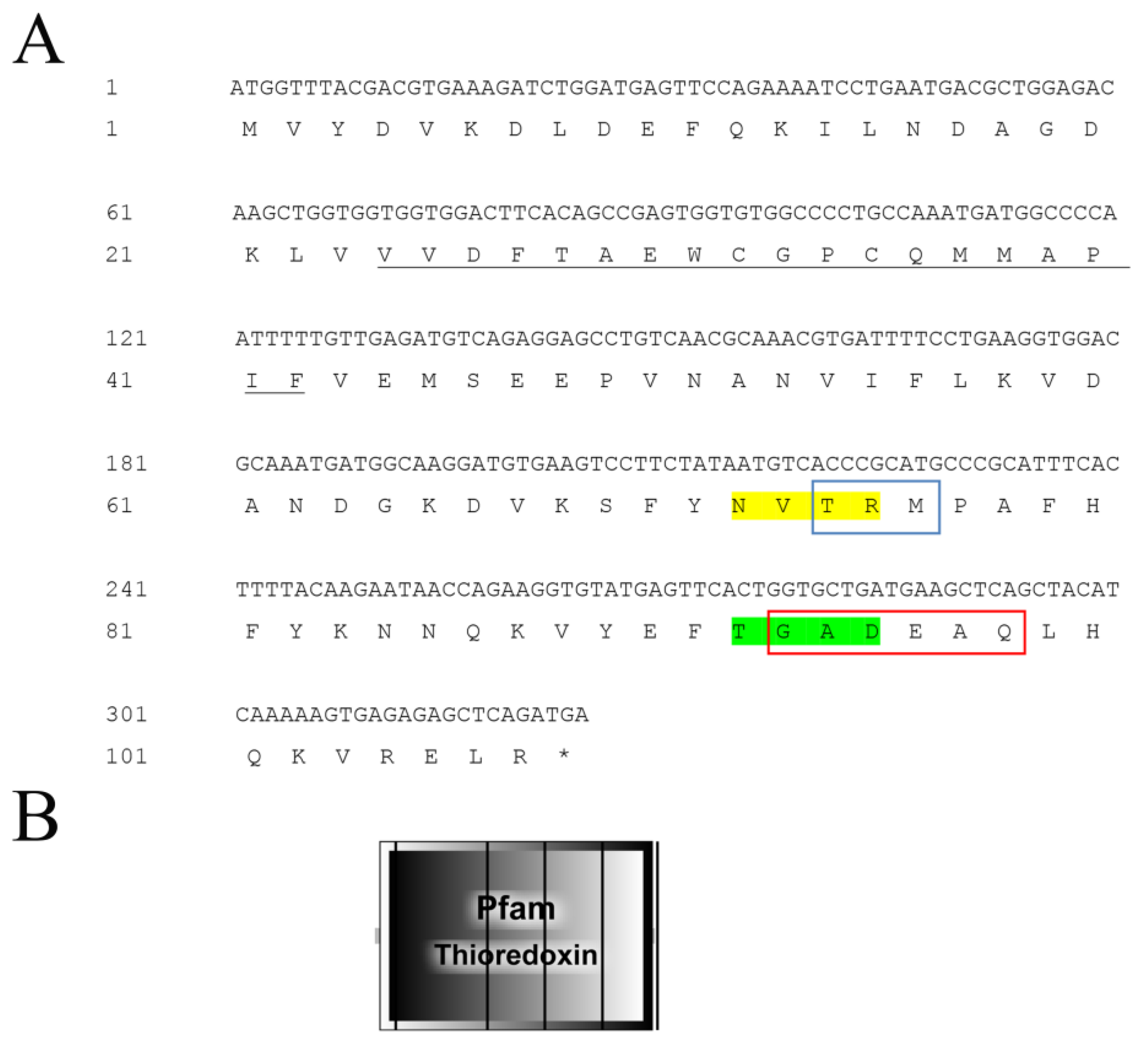
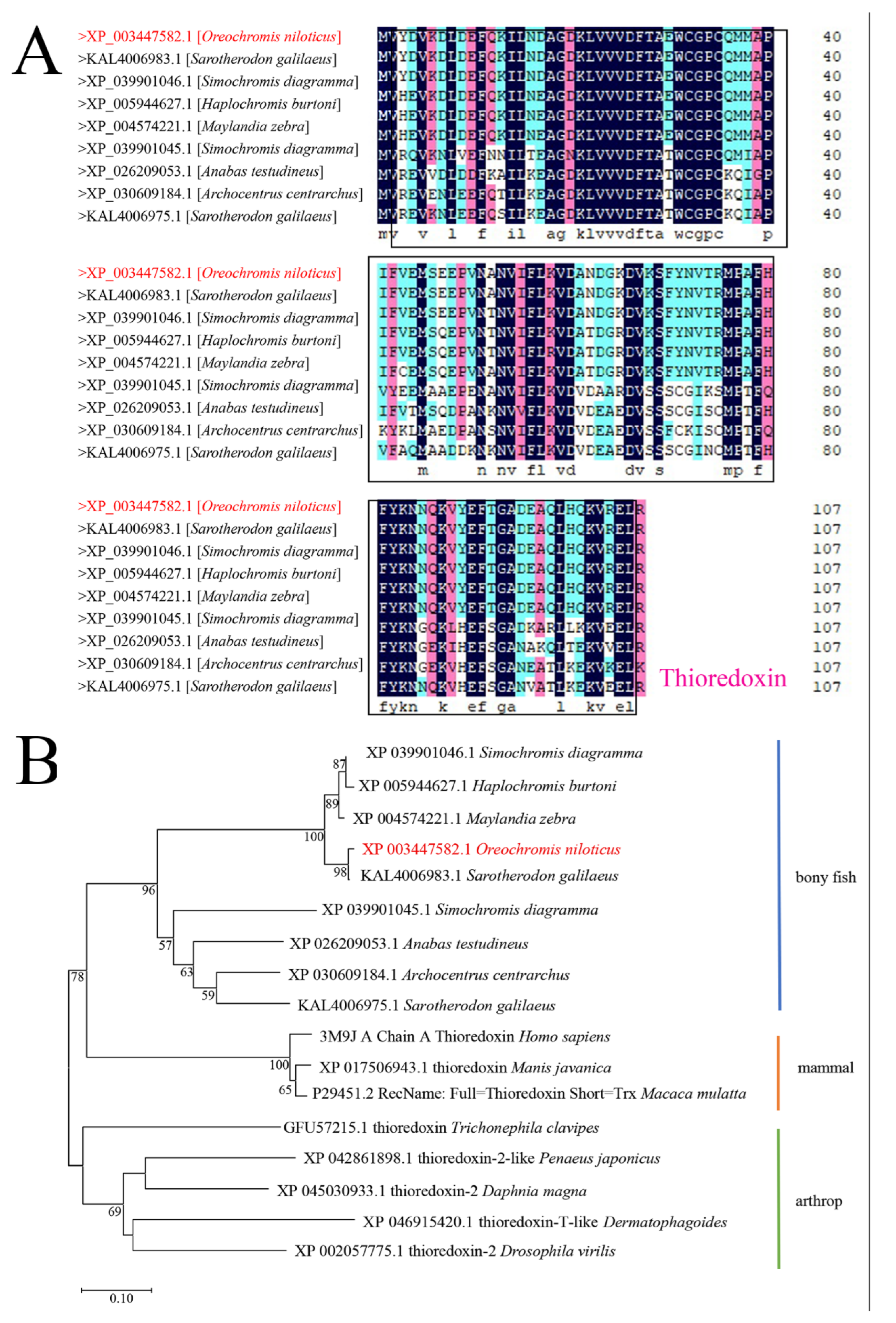
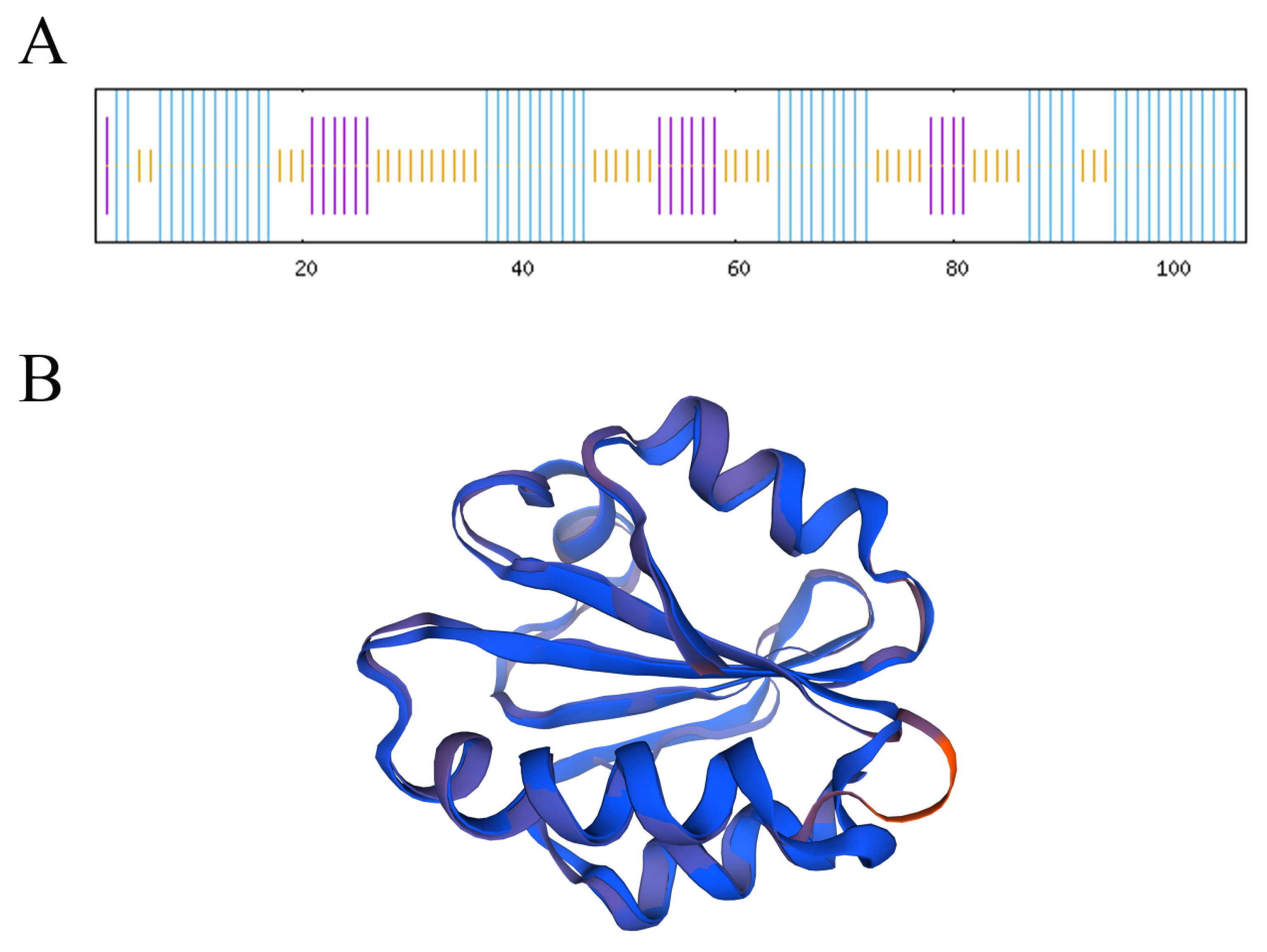
The ORF of OnTRX was 324 bp, encoding a protein composed of 107 amino acids (Figure 1A). The predicted structure of the SoftBerry-Psite program showed that the amino acid sequence contained one N-glycosylation site, one casein kinase II phosphorylation site, one N-myristoylation site, one micro-C- terminal localization signal site, and one thioredoxin family active site (Figure 1A). Structural prediction showed that OnTRX contains a thioredoxin domain, and thioredoxin is a small redox protein existing in all organisms. In the process of NADPH-dependent reduction, thioredoxin reductase (TR) catalyzes NADPH to reduce oxidized thioredoxin (Trx), and the reduced TRX further directly reduces disulfide in the substrate protein, thus exerting its redox function (Figure 1B). Through multi-sequence comparison, OnTRX among different species is highly conserved (Figure 2A). The phylogenetic tree showed that the OnTRX sequence of vertebrates is highly conserved in the evolution process. Compared with arthropods, mammals and teleost OnTRX are closer (Figure 2B). The secondary structure prediction using NPS@ showed that the sequence contains 46.73% α-helix, 16.82% extended chain, and 36.45% random curl (Figure 3A). The 3D model of OnTRX is shown in Figure 3B. This structure presents OnTRX’s “β-folded sandwich” model, which ensures its conformational flexibility and stability in the redox cycle.

3.2. Relative Expression Patterns of OnTRX Across Various Organs

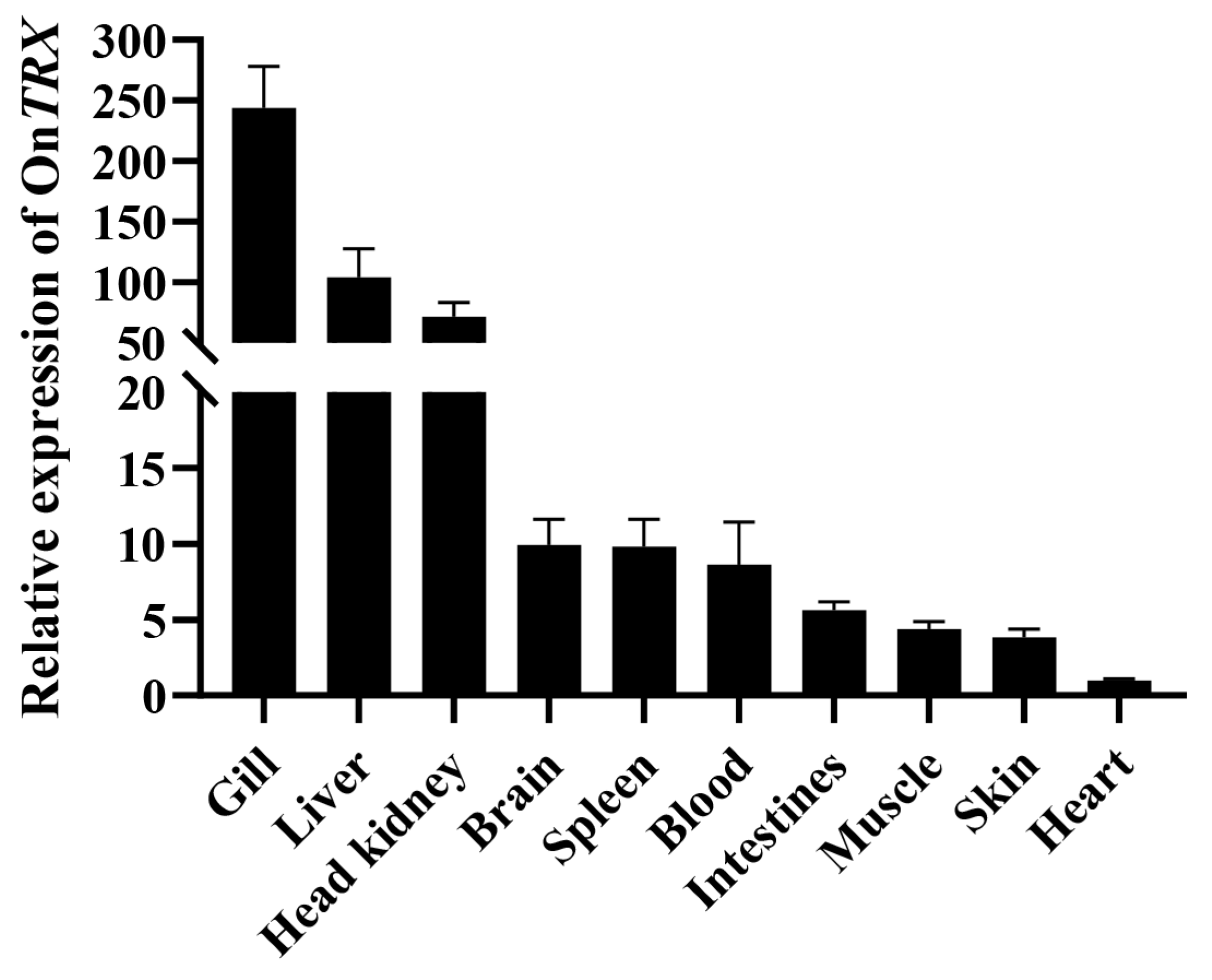
As shown in Figure 4, the histogram showed the relative expression levels of the OnTRX in different tissues, with the highest expression level of the OnTRX in the gill, then followed by the liver, head kidney, brain, spleen, blood, intestines, muscles, skin, and heart.

3.3. Temporal Expression Profile of OnTRX in Tilapia Tissues Subjected to NH4Cl Exposure

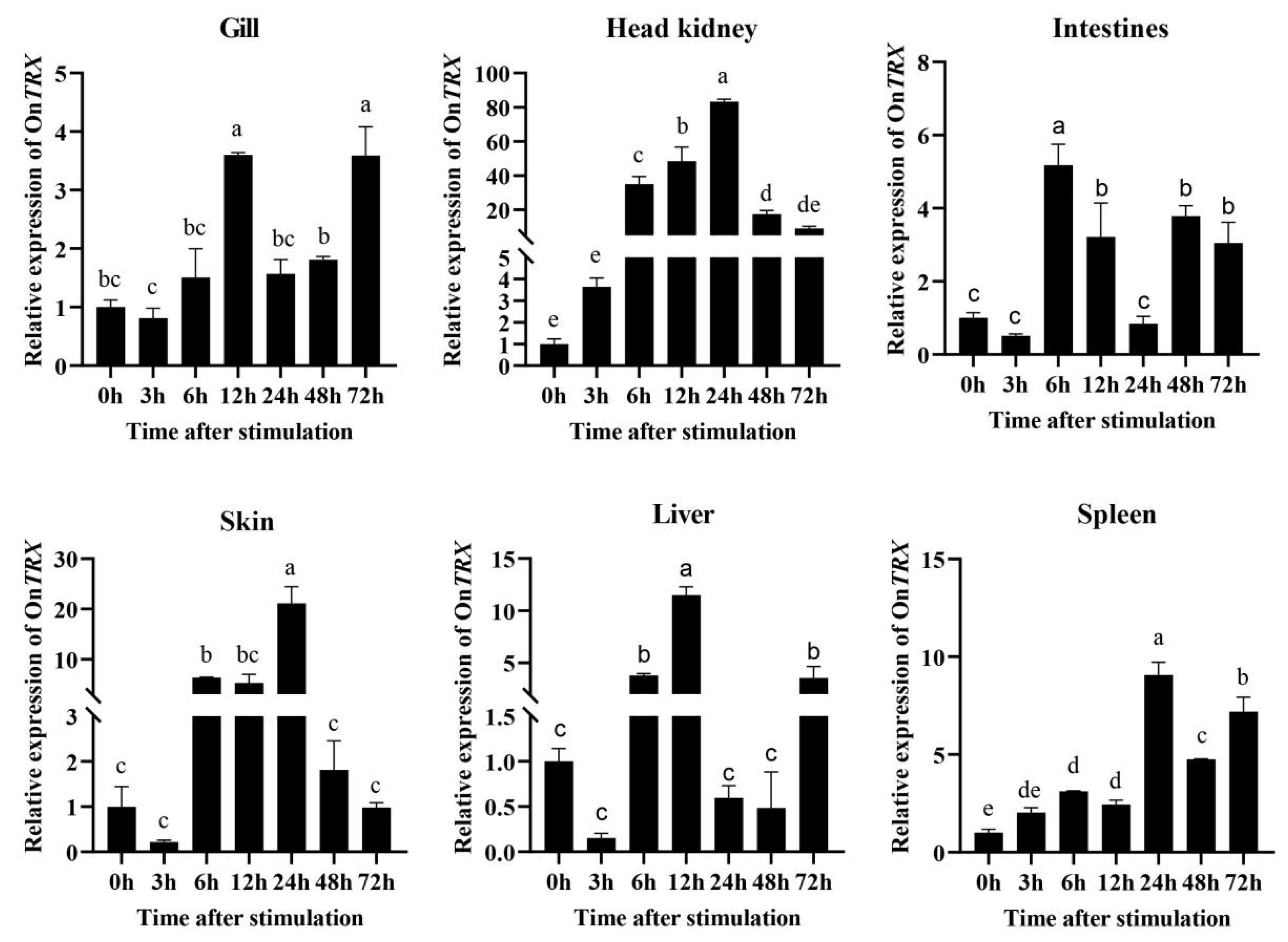
As shown in Figure 5, NH4Cl could significantly induce the expression level of OnTRX in the gill, head kidney, intestine, skin, liver, and spleen of Nile tilapia. In these tissues, the expression of OnTRX in the head kidney, skin, and spleen reached the peak after 24 h of ammonia exposure, which was about 80 times, 18 times and 21 times of the 0 h level, respectively. During 72 h of ammonia exposure, the expression of OnTRX in gill, intestine, and liver showed an upward trend at first, then decreased, and finally rose again.

3.4. Response of OnTRX to NH4Cl Exposure over Time in TSE-04 Cells

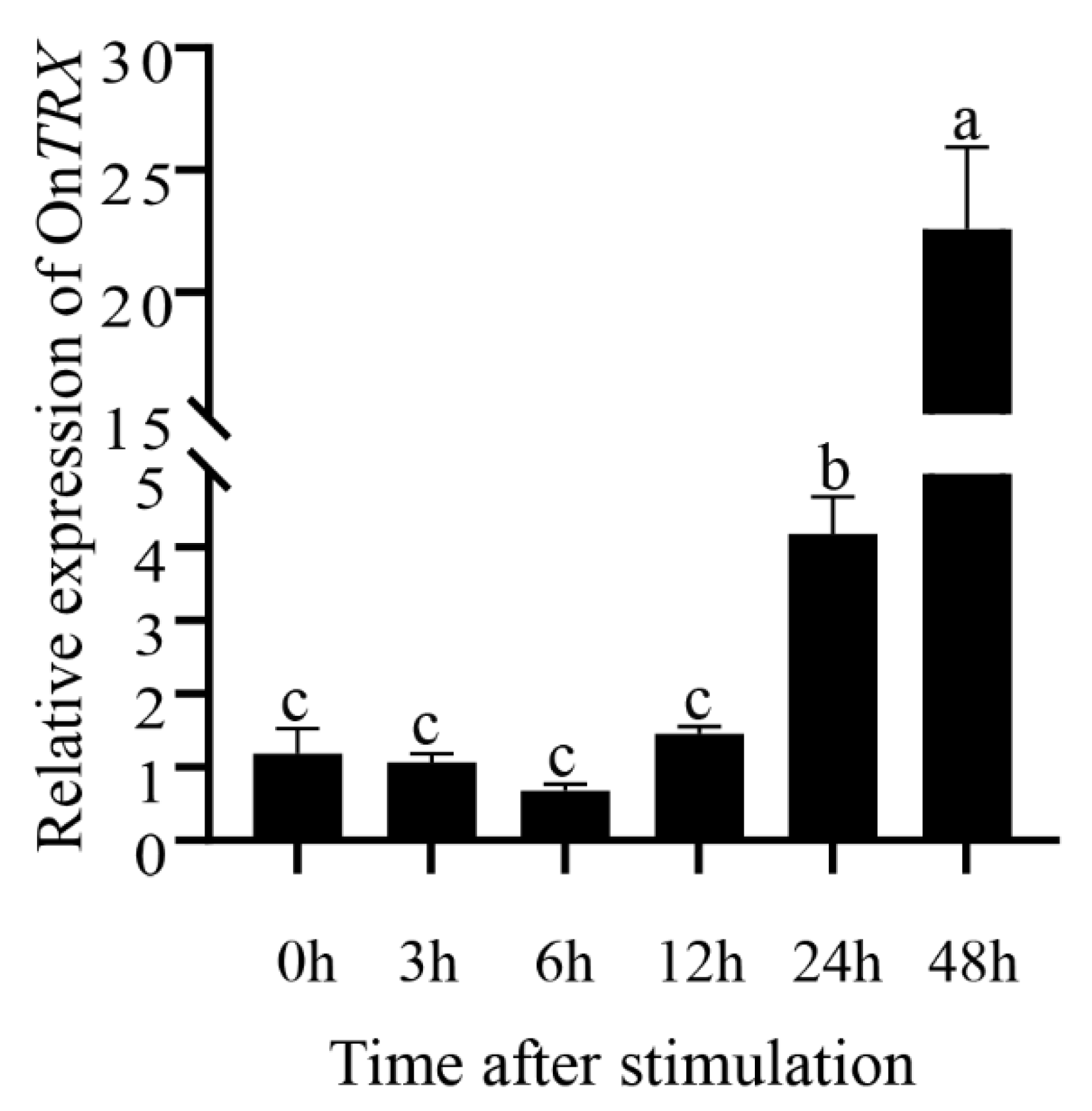
As shown in Figure 6, the expression of OnTRX in TSE-04 changed significantly after exposure to NH4Cl. Specifically, after NH4Cl stimulation, the relative expression of OnTRX showed obvious time-dependent changes. At 0, 3, 6, and 12 h after stimulation, there was no significant difference in the relative expression level of OnTRX; its expression began to increase gradually after 12 h, increased significantly at 24 h, and reached the peak at 48 h.

3.5. The Plasmid Transfection Efficiency Was Assessed via qPCR

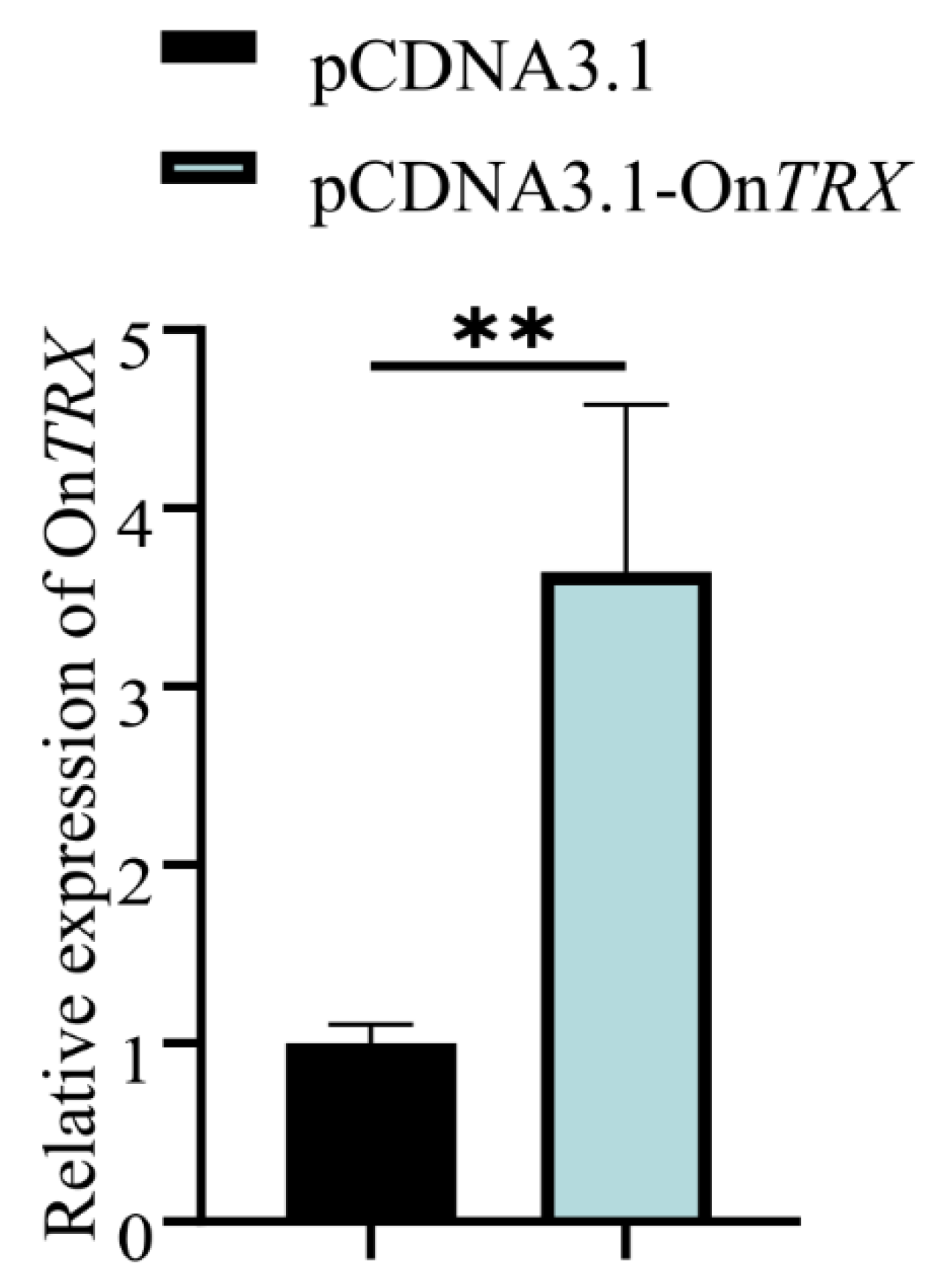
qRT-PCR analysis showed that the relative mRNA expression level of OnTRX in the pCDNA3.1-OnTRX group was significantly higher than that in the pCDNA3.1 group, indicating successful transcriptional overexpression of OnTRX in TSE-04 cells (Figure 7).

3.6. Observation of NH4Cl-Treated TSE-04 Cells via Optical Microscopy

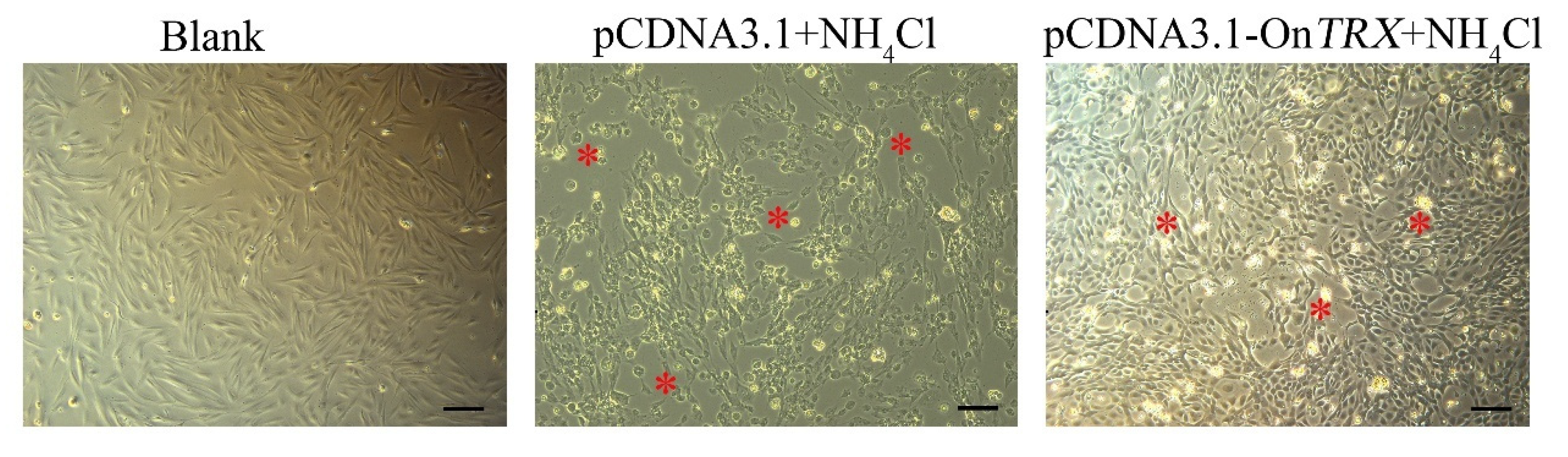
Figure 8 shows the morphological changes of three groups of TSE-04 cells after NH4Cl treatment. Before adding NH4Cl, the cells were closely arranged, regular in shape and well connected, with no obvious signs of cell damage or death (Figure 8, blank). After NH4Cl treatment, apparent morphological changes were observed in TSE-04 cells compared with the blank group. The cells were swollen and deformed, and the edges became brighter, and the intercellular connection became loose (Figure 8, pCDNA3.1 + NH4Cl). In the pCDNA3.1-OnTRX + NH4Cl group, cellular morphological damage was alleviated compared with that in the pCDNA3.1 + NH4Cl group. Although some cellular damage was still observed, the cells appeared relatively more regular in shape and showed comparatively closer intercellular connections (Figure 8, pCDNA3.1-OnTRX + NH4Cl).

3.7. Effects of NH4Cl on TSE-04

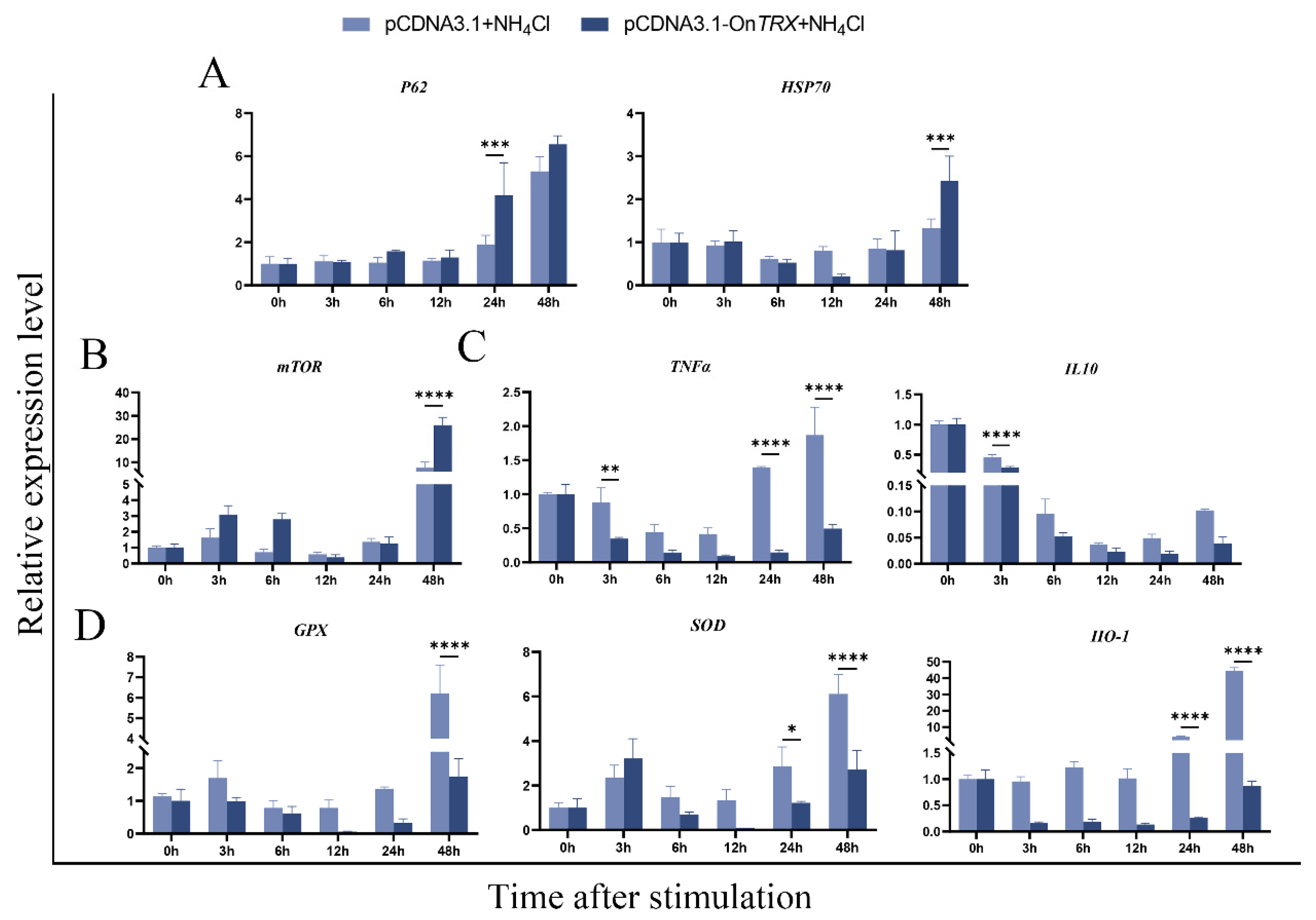
We investigated whether OnTRX overexpression was associated with altered stress responses in TSE-04 cells. Therefore, after the cells were exposed to NH4Cl, we examined the expression of genes related to cell growth and metabolism, inflammatory response, antioxidant defense, and autophagy. As shown in Figure 9B, the transcript level of mTOR, a gene associated with cell growth and metabolic regulation, increased significantly within 48 h after NH4Cl stimulation. At 48 h, the expression level of mTOR in the pCDNA3.1-OnTRX + NH4Cl group was about twice that in the pCDNA3.1 + NH4Cl group. As shown in Figure 9C, the transcript level of the pro-inflammatory factor TNFα in the pCDNA3.1-OnTRX + NH4Cl group was significantly lower than that in the pCDNA3.1 + NH4Cl group at 3, 24, and 48 h. The expression of the anti-inflammatory factor IL-10 decreased significantly at 3 h after NH4Cl stimulation and reached the lowest level at 12 h. At the same time, the expression levels of oxidative stress-related genes (GPX and SOD) were transiently up-regulated at 3 h after NH4Cl stimulation and reached the lowest level at 12 h. At 48 h following NH4Cl stimulation, the expression levels of GPX, SOD, and HO-1 in the pCDNA3.1 + NH4Cl group were markedly higher than those in the pCDNA3.1-OnTRX + NH4Cl group (Figure 9D). Under NH4Cl stimulation, OnTRX overexpression was also associated with higher transcript levels of HSP70 and P62, two genes related to protein homeostasis and autophagy regulation. Specifically, the expression levels of HSP70 and P62 in the pCDNA3.1-OnTRX + NH4Cl group reached their peaks at 48 h after stimulation (Figure 9A). These results indicate that the overexpression of OnTRX is related to the expression changes of various stress-related genes.

3.8. Apoptosis Induced by NH4Cl

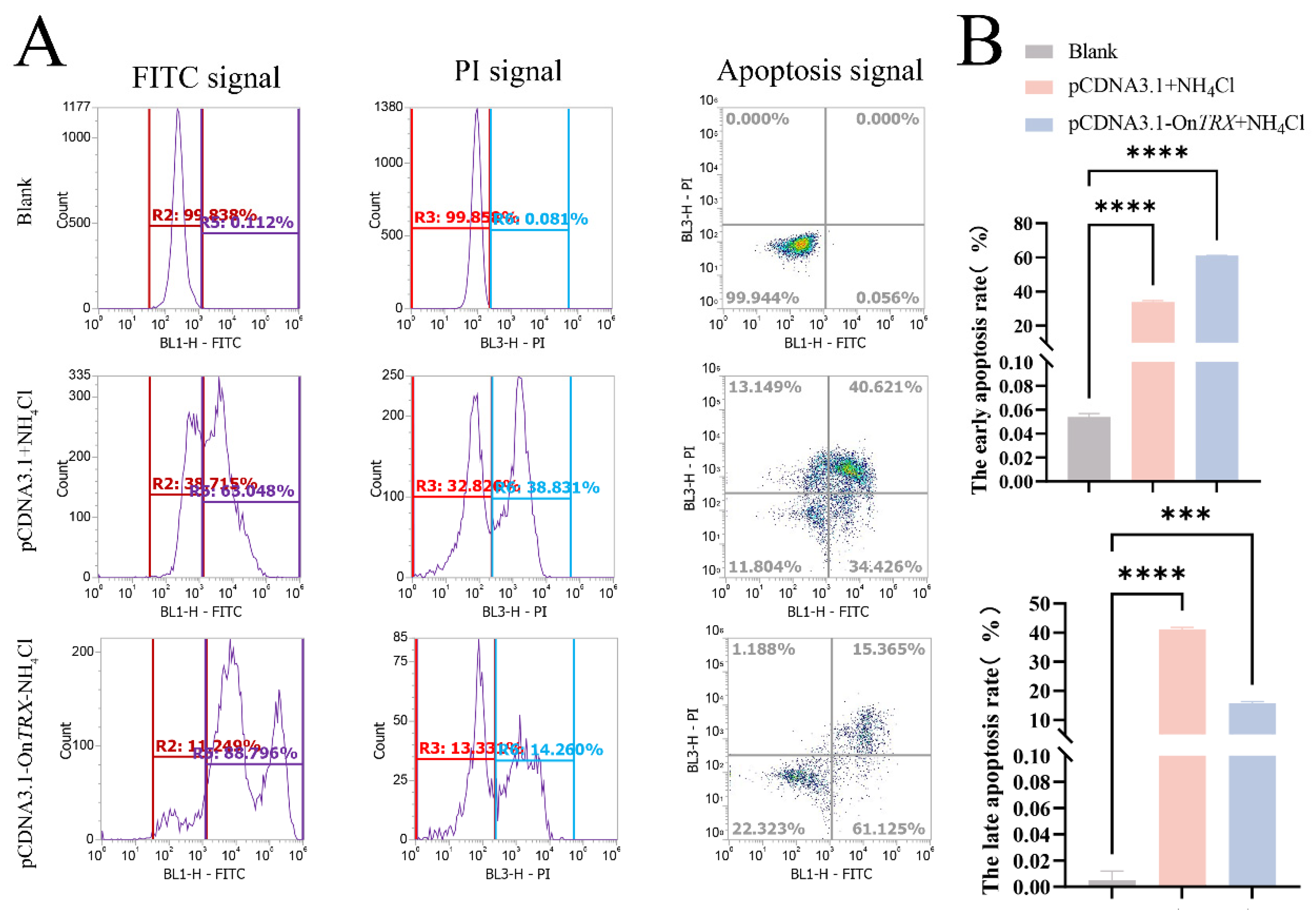
Flow cytometry was performed to evaluate whether OnTRX overexpression could alleviate NH4Cl-induced apoptosis in TSE-04 cells (Figure 10A). In the control group, most cells remained viable, with minimal Annexin V-FITC or PI staining. After NH4Cl treatment, the proportion of apoptotic cells increased markedly, indicating that ammonia exposure induced substantial cell apoptosis. In contrast, the pCDNA3.1-OnTRX + NH4Cl group showed a reduced apoptotic response compared with the pCDNA3.1 + NH4Cl group. Quantitative analysis demonstrated that OnTRX overexpression significantly reduced the proportion of late apoptotic cells under NH4Cl exposure (Figure 10B), indicating that OnTRX overexpression was associated with a lower proportion of late apoptotic cells under NH4Cl exposure.

4. Discussion

Oxidative stress originates from the imbalance between ROS production and antioxidant capacity in cells, and its direct consequence is oxidative damage of lipids, protein, and nucleic acids, which in turn triggers cell apoptosis or necrosis [25]. In intensive aquaculture, the increase in ammonia nitrogen concentration is the main environmental factor inducing oxidative stress in fish. Ammonia stress in fish has been reported to disrupt antioxidant enzyme systems, including SOD and CAT, and to reduce total antioxidant capacity (T-AOC) [26,27,28]. TRX, as a classical redox regulatory protein, plays a key role in alleviating oxidative stress and maintaining redox homeostasis in organisms [29]. The conserved active-site motif of TRX (Cys-Gly-Pro-Cys) participates in the reduction of oxidized proteins through the NADPH-dependent thioredoxin reductase (TRXR) system, thereby contributing to cellular redox homeostasis [30]. Under the condition of oxidative stress, the expression of TRX is significantly increased, which can reduce the level of ROS in cells, thus reducing membrane lipid peroxidation and DNA breakage [15]. However, at present, the research on the antioxidant function of OnTRX in tilapia under ammonia exposure stress is still limited. In this study, the OnTRX gene with an ORF of 324bp was successfully cloned, which encodes 107 amino acids and contains the thioredoxin domain. The results of multi-sequence alignment showed that OnTRX is highly conserved in vertebrate fish. Phylogenetic tree analysis showed that OnTRX of fish and mammals clustered on adjacent evolutionary branches. In contrast, the OnTRX of arthropods formed an independent and distant evolutionary branch, which was significantly different from that of fish and mammals. These findings support the conserved nature of OnTRX and provide a molecular basis for further investigation of its function in tilapia.
In fish, NH4Cl treatment and other exogenous stimuli can induce oxidative stress, and then affect the expression of TRX [19,31]. For example, in rainbow trout (O. mykiss), splenic TRX expression increased 2.4 fold 24 h after intraperitoneal injection of Aeromonas hydrophila [19]. In addition to pathogen challenge, members of the thioredoxin-related redox system in fish have also been reported to respond to environmentally relevant stressors associated with oxidative imbalance, such as fluctuations in temperature and salinity, as well as toxicant exposure [32,33]. During the 72 h ammonia exposure in this study, OnTRX showed a significant induction pattern in all organs/tissues, but the peak time was obviously tissue specific: the intestinal tract reached its peak at 6 h after exposure, the highest expression in gill and liver appeared at 12 h, and the head kidney, skin, and spleen reached its peak at 24 h. The pronounced induction of OnTRX in the gill is of particular interest because the gill is the primary interface between fish and the aquatic environment and therefore a major site of direct ammonia exposure. In addition to gas exchange, gills are essential for ion transport, acid–base balance, and nitrogenous waste exchange, making them especially sensitive to ammonia-induced oxidative stress [34]. By contrast, the liver is more closely associated with metabolic regulation and detoxification, and its altered OnTRX expression may reflect a different aspect of the systemic response to ammonia challenge. Thus, the tissue-specific expression pattern of OnTRX likely reflects the distinct physiological roles of individual organs during ammonia stress adaptation. These findings indicate that OnTRX expression in tilapia is organ and tissue specific in response to ammonia exposure. However, the existing research on the influence of environmental factors on skin is still relatively scarce. As an organ in direct contact with the water environment, the main function of skin is to act as a barrier. Secondly, fish skin also plays an important role in the transportation of gases, ions, nitrogen-containing wastes, and nutrients [35,36]. In this study, the expression changes of OnTRX in the skin epithelial cell line TSE-04 of Nile tilapia exposed to NH4Cl were detected. At 0,3,6, and 12 h after stimulation, there was no significant difference in the relative expression level of OnTRX, and it reached the lowest value at 6 h; its expression began to increase gradually after 12 h, increased significantly at 24 h, and reached the peak at 48 h. This dynamic pattern suggests that OnTRX may participate in the later transcriptional response of TSE-04 cells to NH4Cl-induced stress.
To further explore the potential role of OnTRX, the recombinant plasmid pCDNA3.1-OnTRX was constructed and overexpressed in TSE-04 cells. Ammonia exposure is known to exert toxic effects on aquatic organisms and cultured cells [37,38]. In the present study, OnTRX overexpression was associated with reduced morphological damage in TSE-04 cells following NH4Cl exposure. In addition, qRT-PCR analysis showed that OnTRX overexpression was associated with altered expression of several stress-related genes, including TNFα, IL10, GPX, SOD, HO-1, mTOR, HSP70, and P62. These changes suggest that OnTRX overexpression may influence the transcriptional response of TSE-04 cells under ammonia stress. Ammonia exposure stimulation promotes the production of HSP70, maintains the stability of cell structure, and reduces protein metabolism [39]. TNFα can cause inflammation and stimulate the immune system [40]. TRX has also been implicated in the redox control of inflammatory signaling, including NF-κB-related pathways. Because NF-κB activity is sensitive to intracellular redox status, changes in TRX abundance may influence the transcription of inflammatory mediators [41]. In the present study, the lower TNFα transcript levels observed in the OnTRX-overexpression group may be compatible with a modulatory effect of OnTRX on redox-sensitive inflammatory signaling; however, expression of NF-κB was not directly assessed. Further studies are still needed to validate the regulatory effect of OnTRX on NF-κB in future investigations. When cells are stimulated by external sources, the mTOR signaling pathway is activated to promote anabolism and maintain cell survival [42]. P62 (SQSTM1) is an autophagy receptor protein, which participates in the autophagy process, and can recognize and bind the damaged protein and organelles, and target them to autophagy for degradation [43]. When exposed to ammonia nitrogen, P62 will be activated and regulate autophagy [44]. The higher transcript levels of mTOR, P62, and HSP70 in OnTRX-overexpressing cells suggest that OnTRX modulates pathways involved in cell maintenance, protein homeostasis, and stress adaptation under ammonia exposure. The lower transcript levels of GPX, SOD, and HO-1 in the OnTRX-overexpression group relative to the ammonia-only group may reflect an attenuated cellular stress response; nevertheless, this interpretation remains speculative. Similarly, the elevated expression of mTOR and P62 implies a potential link to stress adaptation, cellular maintenance, and damage response, though our current data cannot confirm direct activation of the mTOR pathway or changes in autophagic flux. Therefore, these transcript-level findings should be considered preliminary evidence supporting the involvement of OnTRX in the cellular response to ammonia stress. Although direct protein-level validation was not performed in this study, the gene expression profiles strongly support the regulatory roles of OnTRX in oxidative stress autophagy in tilapia. The potential broader functions of OnTRX, including antioxidant, anti-apoptotic, and immunomodulatory effects, remain to be further verified at both the protein level and through gene knockdown assays in future work.
Flow cytometry results further showed that NH4Cl exposure had marked cytotoxic effects on TSE-04 cells. Compared with the blank control group, the pCDNA3.1 + NH4Cl group exhibited a substantial increase in both early and late apoptotic cells, whereas OnTRX overexpression reduced the proportion of late apoptotic cells and increased the proportion of normal cells. These data support the conclusion that OnTRX overexpression was associated with partial alleviation of NH4Cl-induced cellular injury in vitro. These results suggest that OnTRX overexpression partially alleviated NH4Cl induced cellular injury in TSE-04 cells. Apoptosis may occur in some damaged cells under stress conditions before more severe injury develops [45,46]. This study was conducted in vitro (TSE-04 cells) and under acute ammonia exposure; future studies should explore the role of OnTRX in chronic ammonia stress and in vivo models. In mammals, TRX is known to bind apoptosis signal-regulating kinase 1 (ASK1) under reducing conditions, thereby suppressing ASK1 activation and downstream stress kinase signaling. Under oxidative stress, dissociation of TRX from ASK1 can promote apoptosis [47]. Although ASK1 was not examined in the present study, the reduced proportion of apoptotic cells in the OnTRX-overexpression group is consistent with the possibility that OnTRX may modulate ammonia-induced cell death through a conserved TRX-related anti-apoptotic mechanism.

5. Conclusions

In summary, the OnTRX gene was successfully identified from Nile tilapia in this study, and its ORF length is 324 bp. OnTRX was expressed in multiple tissues and showed significant transcriptional responses to ammonia exposure in the gill, head kidney, intestine, skin, liver, and spleen. In the TSE-04 skin epithelial cell line, OnTRX overexpression alleviated ammonia-induced cellular injury, altered the expression of multiple stress-related genes, and reduced the proportion of late apoptotic cells. This study indicates that OnTRX plays a crucial role in the defensive response of Nile tilapia to ammonia stress. Therefore, this study provides a useful basis for further exploring the mechanism of thioredoxin in the response of Nile tilapia to ammonia stress.

Author Contributions

Y.Y.: writing—original draft, methodology, investigation, data curation, conceptualization. Y.C. (Yanghui Chen): resources, investigation, data curation, conceptualization. Y.C. (Yingying Chang): validation, investigation. J.L.: validation, conceptualization. H.L.: methodology, investigation. J.F.: methodology, investigation. M.Z.: validation, investigation. B.W.: methodology, investigation. Y.H.: writing—review and editing, project administration, funding acquisition. J.J.: project administration, funding acquisition. All authors have read and agreed to the published version of the manuscript.

Funding

This work was supported by National Natural Science Foundation of China (No. 32573551) and Natural Science Foundation of Guangdong Province (No. 2022A1515010553).

Institutional Review Board Statement

The animal study protocol was reviewed and approved by the Ethics Committee of the Guangdong Provincial Key Laboratory of Aquatic Animal Disease Control and Healthy Culture. All experimental procedures involving fish were approved by the Animal Ethics Review Committee of Guangdong Ocean University (Approval No. GDOU-IACUC-20250-A0112) and were conducted in strict accordance with the committee’s guidelines.

Informed Consent Statement

Not applicable.

Data Availability Statement

The data presented in this study are available from the corresponding author upon reasonable request.

Conflicts of Interest

The authors declare no conflicts of interest.

Abbreviations

The following abbreviations are used in this manuscript:
TRXThioredoxin
On-TRXOreochromis niloticus Thioredoxin

References

  1. Sriprateep, K.; Pitakaso, R.; Khonjun, S.; Luesak, P.; Jutagate, A.; Kaewta, C.; Srichok, T.; Kosacka-Olejnik, M.; Matitopanum, S. Optimizing Nile Tilapia Growth and Production Costs in Earthen Ponds Using Multi-Objective Adaptive Artificial Intelligence Systems. Aquac. Rep. 2025, 41, 102716. [Google Scholar] [CrossRef]
  2. Sharker, M.R.; Azim, A.; Siddik, M.A.B.; Choi, S.D.; Halder, P.; Haque, M.N.; Alam, M.A. Nutritional and Functional Benefits of Gracilaria tenuistipitata in Aquafeed: Impacts on Growth, Hemato-Biochemical Profile, and Economic Efficiency in Nile Tilapia Culture. Aquac. Rep. 2025, 42, 102734. [Google Scholar] [CrossRef]
  3. Zhao, Y.; Zhang, C.; Zhou, H.; Song, L.; Wang, J.; Zhao, J. Transcriptome Changes for Nile Tilapia (Oreochromis niloticus) in Response to Alkalinity Stress. Comp. Biochem. Physiol. Part D Genom. Proteom. 2020, 33, 100651. [Google Scholar] [CrossRef]
  4. Geletu, T.T.; Tang, S.; Zhao, J. Genetic Diversity and Differentiation of Cultured Nile Tilapia Populations from Ethiopia Revealed by ddRAD-Seq: Implications for Better Hatchery Management. Aquat. Living Resour. 2025, 38, 2. [Google Scholar] [CrossRef]
  5. Wang, T.; Bao, M.-Y.; Xiao, G.-X.; Wang, Z.; Zhou, N.; Wei, H.; Qiao, F.; Du, Z.-Y.; Zhang, M.-L. The Defatted Black Soldier Fly Meal (Hermetia illucens) Improved the Pathogen Resistance and Gut Health of Nile Tilapia (Oreochromis niloticus). Fish Shellfish Immunol. 2025, 161, 110242. [Google Scholar] [CrossRef]
  6. Zhu, Z.X.; Jiang, D.L.; Li, B.J.; Qin, H.; Meng, Z.N.; Lin, H.R.; Xia, J.H. Differential Transcriptomic and Metabolomic Responses in the Liver of Nile Tilapia (Oreochromis niloticus) Exposed to Acute Ammonia. Mar. Biotechnol. 2019, 21, 488–502. [Google Scholar] [CrossRef] [PubMed]
  7. Hegazi, M.M.; Hasanein, S.S. Effects of Chronic Exposure to Ammonia Concentrations on Brain Monoamines and ATPases of Nile Tilapia (Oreochromis niloticus). Comp. Biochem. Physiol. Part C Toxicol. Pharmacol. 2010, 151, 420–425. [Google Scholar] [CrossRef]
  8. Sinha, A.K.; AbdElgawad, H.; Giblen, T.; Zinta, G.; Rop, M.D.; Asard, H.; Blust, R.; Boeck, G.D. Anti-Oxidative Defences Are Modulated Differentially in Three Freshwater Teleosts in Response to Ammonia-Induced Oxidative Stress. PLoS ONE 2014, 9, e95319. [Google Scholar] [CrossRef] [PubMed]
  9. Zhong, L.; Liu, S.; Zuo, F.; Geng, Y.; Ouyang, P.; Chen, D.; Yang, S.; Zheng, W.; Xiong, Y.; Cai, W.; et al. The IL17 Signaling Pathway: A Potential Signaling Pathway Mediating Gill Hyperplasia and Inflammation under Ammonia Nitrogen Stress Was Identified by Multi-Omics Analysis. Sci. Total Environ. 2023, 867, 161581. [Google Scholar] [CrossRef]
  10. Cong, M.; Li, Y.; Xu, H.; Lv, J.; Wu, H.; Zhao, Y. Ammonia Nitrogen Exposure Caused Structural Damages to Gill Mitochondria of Clam Ruditapes philippinarum. Ecotoxicol. Environ. Saf. 2021, 222, 112528. [Google Scholar] [CrossRef]
  11. Li, Y.; Yang, R.; He, M.; Su, J.; Liu, L. Chronic Ammonia Stress in Chinese Perch (Siniperca chuatsi): Oxidative Response, Nitrogen Metabolism, and Multi-Enzyme-Mediated Molecular Detoxification Defense Mechanisms. Antioxidants 2025, 14, 768. [Google Scholar] [CrossRef]
  12. Xu, Z.; Cao, J.; Qin, X.; Qiu, W.; Mei, J.; Xie, J. Toxic Effects on Bioaccumulation, Hematological Parameters, Oxidative Stress, Immune Responses and Tissue Structure in Fish Exposed to Ammonia Nitrogen: A Review. Animals 2021, 11, 3304. [Google Scholar] [CrossRef] [PubMed]
  13. Wang, F.; Huang, L.; Liao, M.; Dong, W.; Liu, C.; Zhuang, X.; Liu, Y.; Yin, X.; Liang, Q.; Wang, W. Pva-miR-252 Participates in Ammonia Nitrogen-Induced Oxidative Stress by Modulating Autophagy in Penaeus vannamei. Ecotoxicol. Environ. Saf. 2021, 225, 112774. [Google Scholar] [CrossRef]
  14. Circu, M.L.; Aw, T.Y. Redox Biology of the Intestine. Free Radic. Res. 2011, 45, 1245–1266. [Google Scholar] [CrossRef]
  15. Lu, J.; Holmgren, A. The Thioredoxin Antioxidant System. Free Radic. Biol. Med. 2014, 66, 75–87. [Google Scholar] [CrossRef]
  16. Tian, H.; Matsuo, Y.; Fukunaga, A.; Ono, R.; Nishigori, C.; Yodoi, J. Thioredoxin Ameliorates Cutaneous Inflammation by Regulating the Epithelial Production and Release of Pro-Inflammatory Cytokines. Front. Immunol. 2013, 4, 269. [Google Scholar] [CrossRef]
  17. Ma, Q. Role of Nrf2 in Oxidative Stress and Toxicity. Annu. Rev. Pharmacol. Toxicol. 2013, 53, 401–426. [Google Scholar] [CrossRef]
  18. Xu, T.; Zheng, P.-H.; Luan, K.-E.; Zhang, X.-X.; Li, J.-T.; Zhang, Z.-L.; Hou, W.-Y.; Zhang, L.-M.; Lu, Y.-P.; Xian, J.-A. Structure and Function Analyses of the Thioredoxin 2 and Thioredoxin Reductase Gene in Pacific White Shrimp (Litopenaeus vannamei). Animals 2025, 15, 629. [Google Scholar] [CrossRef]
  19. Pacitti, D.; Wang, T.; Martin, S.A.M.; Sweetman, J.; Secombes, C.J. Insights into the Fish Thioredoxin System: Expression Profile of Thioredoxin and Thioredoxin Reductase in Rainbow Trout (Oncorhynchus mykiss) during Infection and in Vitro Stimulation. Dev. Comp. Immunol. 2014, 42, 261–277. [Google Scholar] [CrossRef] [PubMed]
  20. Chen, Y.; Li, Y.; Li, W.; Li, Y.; Zhang, D.; Huang, Y.; Cai, J.; Wangkahart, E.; Jian, J.; Wang, B. Designing and Evaluating a Novel Blood-Brain Barrier in Vitro Model of Teleost for Reproducing Alterations in Brain Infecting. Fish Shellfish Immunol. 2025, 156, 110039. [Google Scholar] [CrossRef] [PubMed]
  21. Luo, J.; Lu, W.; Chen, Y.; Li, G.; Feng, J.; Huang, Y.; Yu, Y.; Cai, S.; Jian, J.; Yang, S. SQSTM1/P62 from Litopenaeus vannamei Is Involved in the Immune Response to Vibrio Infection. Fish Shellfish Immunol. 2025, 158, 110161. [Google Scholar] [CrossRef]
  22. Esam, F.; Khalafalla, M.M.; Gewaily, M.S.; Abdo, S.; Hassan, A.M.; Dawood, M.A.O. Acute Ammonia Exposure Combined with Heat Stress Impaired the Histological Features of Gills and Liver Tissues and the Expression Responses of Immune and Antioxidative Related Genes in Nile Tilapia. Ecotoxicol. Environ. Saf. 2022, 231, 113187. [Google Scholar] [CrossRef]
  23. Chen, Y.; Luo, J.; Jin, S.; Li, Y.; Huang, Y.; Cai, J.; Jiang, D.; Jian, J.; Wang, B. Establishment and Functional Characterization of a Nile Tilapia (Oreochromis niloticus) Skin Epithelial Cell Line (TSE-04): Applications in Transgenics, Viral Susceptibility, and Ecotoxicological Stress Responses. Aquaculture 2026, 611, 742960. [Google Scholar] [CrossRef]
  24. Luo, J.; Chen, Y.; Feng, J.; Yu, Y.; Wang, B.; Huang, Y.; Jian, J. Molecular Cloning and Functional Characterization of NQO1 in Nile Tilapia (Oreochromis niloticus): A Quinone Oxidoreductase Mitigating Ammonia-Induced Oxidative Stress. Int. J. Biol. Macromol. 2025, 333, 148895. [Google Scholar] [CrossRef] [PubMed]
  25. Schieber, M.; Chandel, N.S. ROS Function in Redox Signaling and Oxidative Stress. Curr. Biol. 2014, 24, R453–R462. [Google Scholar] [CrossRef] [PubMed]
  26. Sun, Y.; Fu, Z.; Ma, Z. The Effects of Acute Ammonia Stress on Liver Antioxidant, Immune and Metabolic Responses of Juvenile Yellowfin Tuna (Thunnus albacares). Comp. Biochem. Physiol. Part A Mol. Integr. Physiol. 2024, 297, 111707. [Google Scholar] [CrossRef]
  27. Carneiro, W.F.; Castro, T.F.D.; Reichel, T.; De Castro Uzeda, P.L.; Martínez-Palacios, C.A.; Murgas, L.D.S. Diets Containing Arthrospira platensis Increase Growth, Modulate Lipid Metabolism, and Reduce Oxidative Stress in Pacu (Piaractus mesopotamicus) Exposed to Ammonia. Aquaculture 2022, 547, 737402. [Google Scholar] [CrossRef]
  28. Chai, Y.; Peng, R.; Jiang, M.; Jiang, X.; Han, Q.; Han, Z. Effects of Ammonia Nitrogen Stress on the Blood Cell Immunity and Liver Antioxidant Function of Sepia pharaonis. Aquaculture 2022, 546, 737417. [Google Scholar] [CrossRef]
  29. Zhang, H.; Yao, T.; Wang, Y.; Wang, J.; Song, J.; Cui, C.; Ji, G.; Cao, J.; Muhammad, S.; Ao, H.; et al. Trx CDSP32-Overexpressing Tobacco Plants Improves Cadmium Tolerance by Modulating Antioxidant Mechanism. Plant Physiol. Biochem. 2023, 194, 524–532. [Google Scholar] [CrossRef]
  30. Mohammadi, F.; Soltani, A.; Ghahremanloo, A.; Javid, H.; Hashemy, S.I. The Thioredoxin System and Cancer Therapy: A Review. Cancer Chemother. Pharmacol. 2019, 84, 925–935. [Google Scholar] [CrossRef]
  31. Wang, L.; Guo, H.; Zhang, N.; Ma, Z.; Jiang, S.; Zhang, D. Thioredoxin of Golden Pompano Involved in the Immune Response to Photobacterium damselae. Fish Shellfish Immunol. 2015, 45, 808–816. [Google Scholar] [CrossRef]
  32. Dilshan, M.A.H.; Omeka, W.K.M.; Udayantha, H.M.V.; Liyanage, D.S.; Rodrigo, D.C.G.; Ganepola, G.A.N.P.; Warnakula, W.A.D.L.R.; Hanchapola, H.A.C.R.; Kodagoda, Y.K.; Kim, J.; et al. Molecular Characterization, Transcriptional Profiling, and Antioxidant Activity Assessment of Nucleoredoxin (NXN) as a Novel Member of Thioredoxin from Red-Lip Mullet (Planiliza haematocheilus). Fish Shellfish Immunol. 2025, 157, 110104. [Google Scholar] [CrossRef] [PubMed]
  33. Rodrigo, D.C.G.; Udayantha, H.M.V.; Liyanage, D.S.; Omeka, W.K.M.; Kodagoda, Y.K.; Hanchapola, H.A.C.R.; Dilshan, M.A.H.; Ganepola, G.A.N.P.; Warnakula, W.A.D.L.R.; Kim, G.; et al. Functional Characterization of Peroxiredoxin 5 from Yellowtail Clownfish (Amphiprion clarkii): Immunological Expression Assessment, Antioxidant Activities, Heavy Metal Detoxification, and Nitrosative Stress Mitigation. Dev. Comp. Immunol. 2025, 162, 105289. [Google Scholar] [CrossRef] [PubMed]
  34. Wood, C.M.; Eom, J. The Osmorespiratory Compromise in the Fish Gill. Comp. Biochem. Physiol. Part A Mol. Integr. Physiol. 2021, 254, 110895. [Google Scholar] [CrossRef] [PubMed]
  35. Chuong, C.M.; Nickoloff, B.J.; Elias, P.M.; Goldsmith, L.A.; Macher, E.; Maderson, P.A.; Sundberg, J.P.; Tagami, H.; Plonka, P.M.; Thestrup-Pederson, K.; et al. What Is the “true” Function of Skin? Exp. Dermatol. 2002, 11, 159–187. [Google Scholar] [CrossRef]
  36. Wright, P.A. Cutaneous Respiration and Osmoregulation in Amphibious Fishes. Comp. Biochem. Physiol. Part A Mol. Integr. Physiol. 2021, 253, 110866. [Google Scholar] [CrossRef]
  37. Lu, J.; Yao, T.; Shi, S.; Ye, L. Effects of Acute Ammonia Nitrogen Exposure on Metabolic and Immunological Responses in the Hong Kong Oyster Crassostrea hongkongensis. Ecotoxicol. Environ. Saf. 2022, 237, 113518. [Google Scholar] [CrossRef]
  38. Guo, H.; Chen, S.; Ouyang, K.; Kuang, Y.; Yang, H.; Wang, Y.; Tang, R.; Zhang, X.; Li, D.; Li, L. Evaluation of Ammonia Nitrogen Exposure in Immune Defenses Present on Spleen and Head-Kidney of Wuchang Bream (Megalobrama amblycephala). Int. J. Mol. Sci. 2022, 23, 3129. [Google Scholar] [CrossRef]
  39. Li, X.; Liu, S.; Wang, Y.; Lu, W.; Zhang, Q.; Cheng, J. Genomic and Transcriptomic Landscape and Evolutionary Dynamics of Heat Shock Proteins in Spotted Sea Bass (Lateolabrax maculatus) under Salinity Change and Alkalinity Stress. Biology 2022, 11, 353. [Google Scholar] [CrossRef]
  40. Gao, X.-Q.; Fei, F.; Huang, B.; Meng, X.S.; Zhang, T.; Zhao, K.-F.; Chen, H.-B.; Xing, R.; Liu, B.-L. Alterations in Hematological and Biochemical Parameters, Oxidative Stress, and Immune Response in Takifugu rubripes under Acute Ammonia Exposure. Comp. Biochem. Physiol. Part C Toxicol. Pharmacol. 2021, 243, 108978. [Google Scholar] [CrossRef]
  41. Wang, X.; Xing, Y.; Tang, Z.; Tang, Y.; Shen, J.; Zhang, F. Thioredoxin-2 Impacts the Inflammatory Response via Suppression of NF-κB and MAPK Signaling in Sepsis Shock. Biochem. Biophys. Res. Commun. 2020, 524, 876–882. [Google Scholar] [CrossRef]
  42. Kim, Y.C.; Guan, K.-L. mTOR: A Pharmacologic Target for Autophagy Regulation. J. Clin. Investig. 2015, 125, 25–32. [Google Scholar] [CrossRef]
  43. Jeong, S.-J.; Zhang, X.; Rodriguez-Velez, A.; Evans, T.D.; Razani, B. P62/SQSTM1 and Selective Autophagy in Cardiometabolic Diseases. Antioxid. Redox Signal 2019, 31, 458–471. [Google Scholar] [CrossRef]
  44. White, E. The Role for Autophagy in Cancer. J. Clin. Investig. 2015, 125, 42–46. [Google Scholar] [CrossRef]
  45. Oberacker, T.; Kraft, L.; Schanz, M.; Latus, J.; Schricker, S. The Importance of Thioredoxin-1 in Health and Disease. Antioxidants 2023, 12, 1078. [Google Scholar] [CrossRef]
  46. Liu, Y.; Min, W. Thioredoxin Promotes ASK1 Ubiquitination and Degradation to Inhibit ASK1-Mediated Apoptosis in a Redox Activity-Independent Manner. Circ. Res. 2002, 90, 1259–1266. [Google Scholar] [CrossRef]
  47. Branco, V.; Coppo, L.; Solá, S.; Lu, J.; Rodrigues, C.M.P.; Holmgren, A.; Carvalho, C. Impaired Cross-Talk between the Thioredoxin and Glutathione Systems Is Related to ASK-1 Mediated Apoptosis in Neuronal Cells Exposed to Mercury. Redox Biol. 2017, 13, 278–287. [Google Scholar] [CrossRef]
Figure 1. Sequence analysis and conserved domain prediction of thioredoxin (OnTRX) in Nile tilapia (Oreochromis niloticus). (A) Gene sequence of OnTRX in Nile tilapia (Oreochromis niloticus). *: terminator; yellow highlight: N-glycosylation site; green highlight: phosphorylation site of casein kinase II; red box: N- myristic acylation site; blue box: C- terminal localization signal site of microbody; black underline: active site of thioredoxin family. (B) Prediction of conserved domains of OnTRX in Nile tilapia (Oreochromis niloticus). The thioredoxin domain is marked in black.
Animals 16 01580 g001
Figure 2. (A) Multi-sequence alignment of OnTRX in Nile tilapia (Oreochromis niloticus) and different species. (B) The phylogenetic tree of OnTRX from Nile tilapia (Oreochromis niloticus) and orthologs from other species was generated employing the NJ algorithm with MEGA 11, and OnTRX was marked in red for emphasis.
Animals 16 01580 g002
Figure 3. (A) Secondary structure of OnTRX in Nile tilapia (Oreochromis niloticus) predicted with NPS@. (B) Three-dimensional structural modeling of OnTRX in Nile tilapia (Oreochromis niloticus) by SWISS-MODEL.
Animals 16 01580 g003
Figure 4. Relative expression of OnTRX in different organs of Nile tilapia (Oreochromis niloticus). Relative expression levels were normalized to β-actin and calculated using the 2−ΔΔCt method.
Animals 16 01580 g004
Figure 5. qRT-PCR analysis of relative OnTRX expression in Nile tilapia (Oreochromis niloticus) tissues upon ammonia exposure. Note: Different letters indicate significant differences (p < 0.05).
Animals 16 01580 g005
Figure 6. qRT-PCR assay of relative OnTRX expression in TSE-04 cellsderived from Nile tilapia (Oreochromis niloticus) upon ammonia exposure. Note: Different letters indicate significant differences (p < 0.05).
Animals 16 01580 g006
Figure 7. Relative OnTRX expression in Nile tilapia (Oreochromis niloticus) of the two groups was quantified via qRT-PCR. Note: Asterisks indicate statistically significant differences between the two groups (p < 0.05), the same below.
Animals 16 01580 g007
Figure 8. In comparison with the three TSE-04 cell groups (derived from Nile tilapia, Oreochromis niloticus) observed under an optical microscope (OM), red asterisks signify cellular atrophy. Scale bar = 100 μm.
Animals 16 01580 g008
Figure 9. Relative expression levels of relevant genes in Nile tilapia (Oreochromis niloticus) following NH4Cl treatment. Note: (A) qRT-PCR was utilized to determine the expression abundance of autophagy-related gene (HSP70, P62); (B) cell growth and metabolic central pathway (mTOR); (C) inflammation and immunoregulatory factors (TNFα, IL10); (D) oxidative stress defense gene (GPX, SOD, HO-1). * p < 0.05, ** p < 0.01, *** p < 0.001, **** p < 0.0001.
Animals 16 01580 g009
Figure 10. (A) Representative Annexin V-FITC/PI flow-cytometry plots showing apoptosis in the three TSE-04 groups (derived from Nile tilapia, Oreochromis niloticus). In the scatter plot, the yellower the color, the higher the cell density. (B) Quantitative analysis of apoptotic cells in each group. Data are presented as mean ± SD from three independent biological replicates. *** p < 0.001, **** p < 0.0001.
Animals 16 01580 g010
Table 1. Primer sequences applied in the current study.
Gene NamesSequence (5′–3′)
TRX-F
TRX-R
CGGATCCGATGGTTTACGACGTGAAAGATCTGG
CCTCGAGGTCATCTGAGCTCTCTCACTTTTTGA
Anti-pCDNA3.1-F
Anti-pCDNA3.1-R
TCTAGAGGGCCCTACCCATACGATGT
GGATCCGAGCTCGGTACCAAGCTTAAG
HA-TRX-F
HA-TRX-R
TACCGAGCTCGGATCCCGGATCCGATGGTTTACGACGTGAAAGATCTGG
GGTAGGGCCCTCTAGACCTCGAGGTCATCTGAGCTCTCTCACTTTTTGA
qmTOR-F
qmTOR-R
TGTCCTCGCTCGTATTCC
GGTCTTCTTCCTCCTCTGC
qIL10-F
qIL10-R
GCTTCCCCGTCAGGCTCAA
CTGTCGGCAGAACCGTGTC
qGPX-F
qGPX-R
TTCATTCTCGCTACTCCG
TCCATTCACATCCACCTT
qTNFα-F
qTNFα-R
ATGTGAGAGCAGCCATTCAT
ACAAAGTAGAGGCCATCTCG
qHO-1-F
qHO-1-R
CAGATCGGCAGAGAGAACCC
CTCTTTGCTGCTCAGACCGA
qSOD-F
qSOD-R
GTGATCACCCTCACAGGTCC
AGCATTACCGGTCTTCAGGC
qHsp70-F
qHsp70-R
ATAAACCGCCAACTGTCC
CCATCCTCCTCATTTCTTCT
qp62-F
qp62-R
GCTAAGGGGAAGCACACTGA
TTCAGGAAGTCCACGTTGGT
qβ-actin-F
qβ-actin-R
AGATGAAATCGCCGCACTGG
TCTGACCCATACCCACCATCA
Disclaimer/Publisher’s Note: The statements, opinions and data contained in all publications are solely those of the individual author(s) and contributor(s) and not of MDPI and/or the editor(s). MDPI and/or the editor(s) disclaim responsibility for any injury to people or property resulting from any ideas, methods, instructions or products referred to in the content.