Segment-Specific Functional Responses of Swine Intestine to Time-Restricted Feeding Regime


1
College of Animal Science, Anhui Science and Technology University, Chuzhou 239000, China
2
Laboratory of Gastrointestinal Microbiology, Jiangsu Key Laboratory of Gastrointestinal Nutrition and Animal Health, College of Animal Science and Technology, Nanjing Agricultural University, Nanjing 210095, China
3
Zhenjiang Animal Disease Prevention and Control Center, Zhenjiang 212000, China
*
Author to whom correspondence should be addressed.
Animals 2026, 16(1), 52; https://doi.org/10.3390/ani16010052
Submission received: 11 November 2025
/
Revised: 20 December 2025
/
Accepted: 22 December 2025
/
Published: 24 December 2025
(This article belongs to the Section Animal Nutrition)
Simple Summary
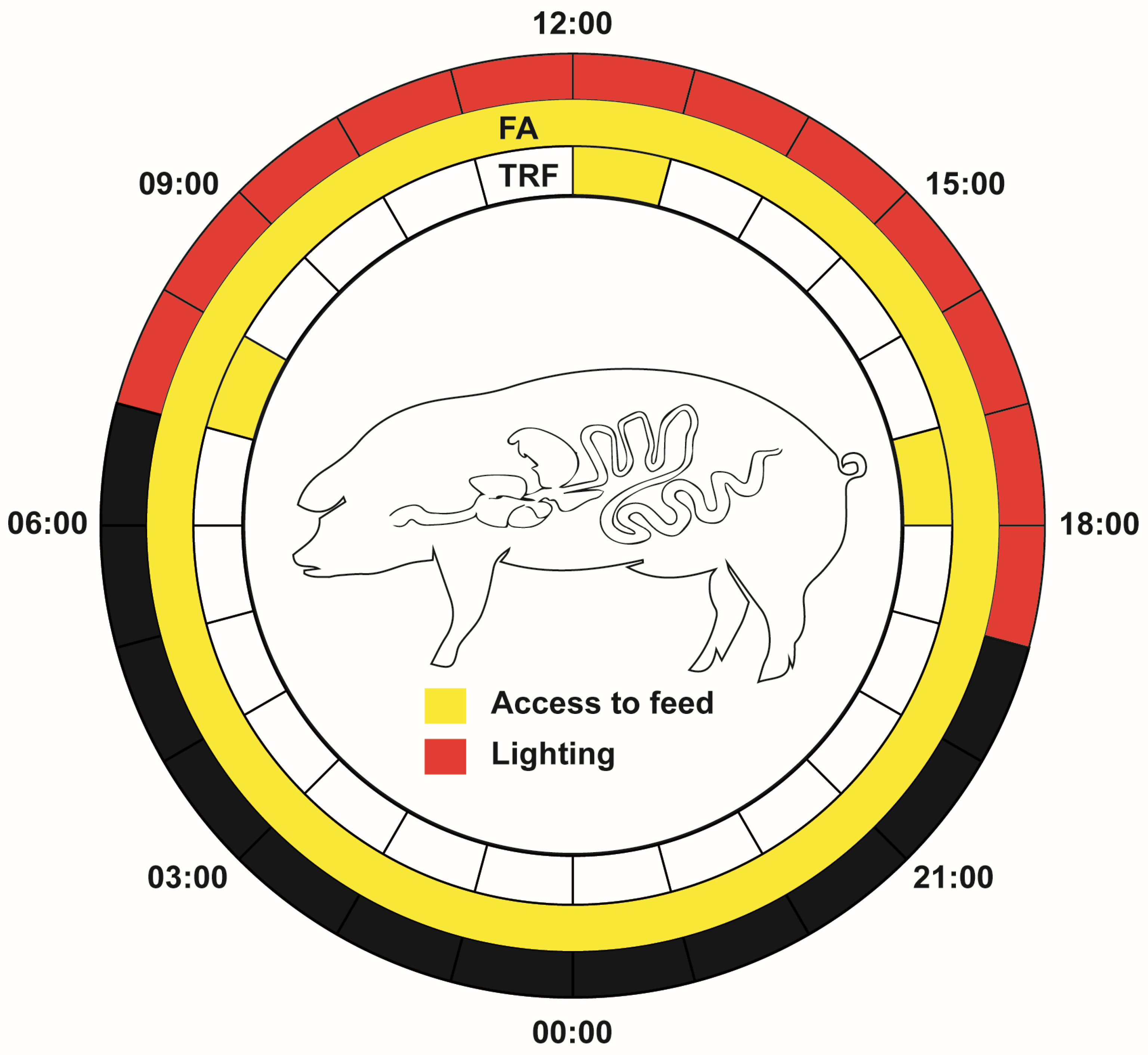
Evidence suggests that time-restricted feeding (TRF), where pigs are fed only during specific times, enhances growth performance, but its impact on different intestinal parts is unclear. In a study with 12 pigs, one group ate freely while the other had access to feed within specific times (7:00–8:00, 12:00–13:00, 17:00–18:00). After three weeks, we assessed nutrient digestion, enzyme activity, and gene expression in the jejunum and colon. Results showed that TRF improved protein digestion, altered enzyme activity, and varied gene expression, improving protein turnover in the jejunum and carbohydrate metabolism in the colon. These insights have the potential to enhance pig feeding strategies, thereby improving farm efficiency and promoting animal health.
Abstract
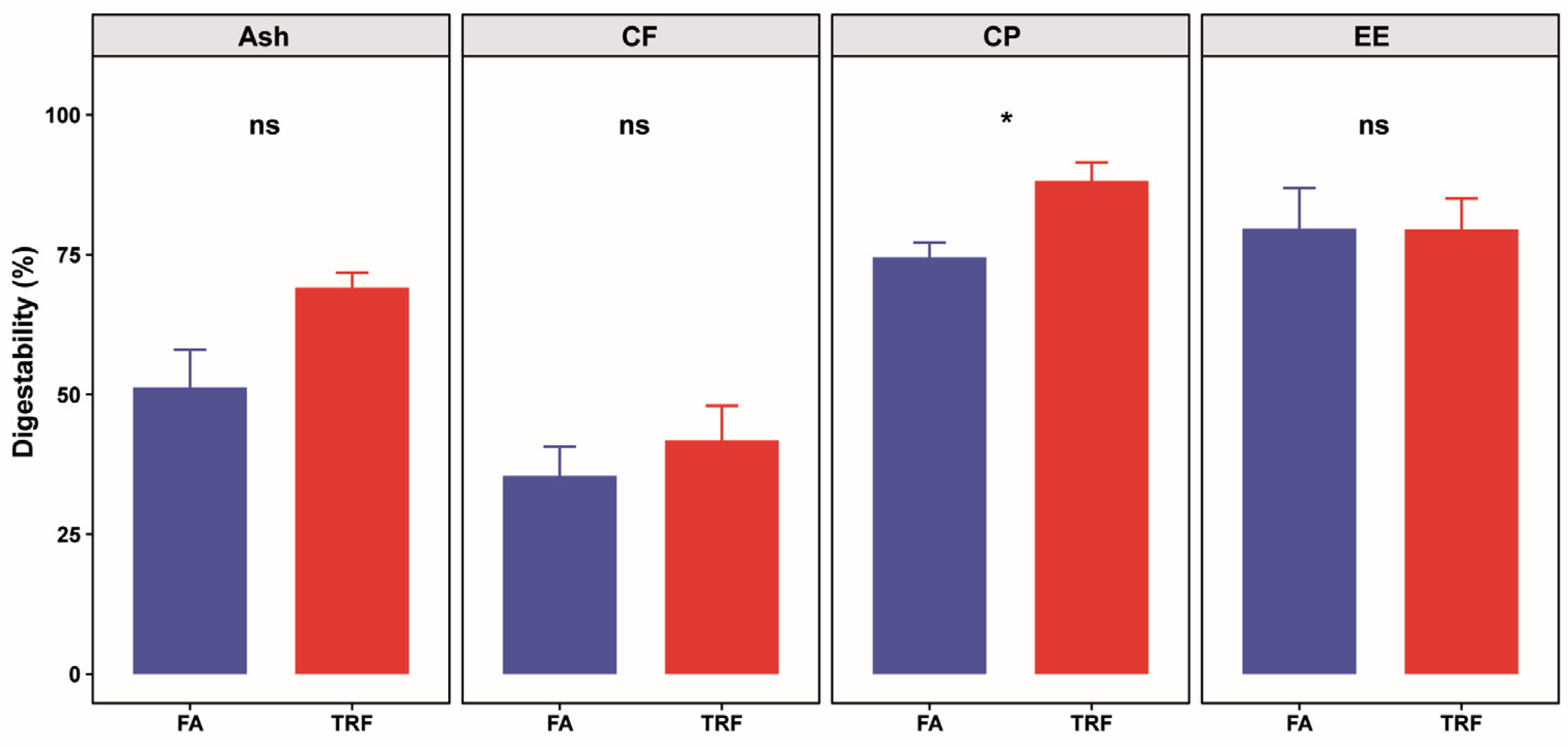
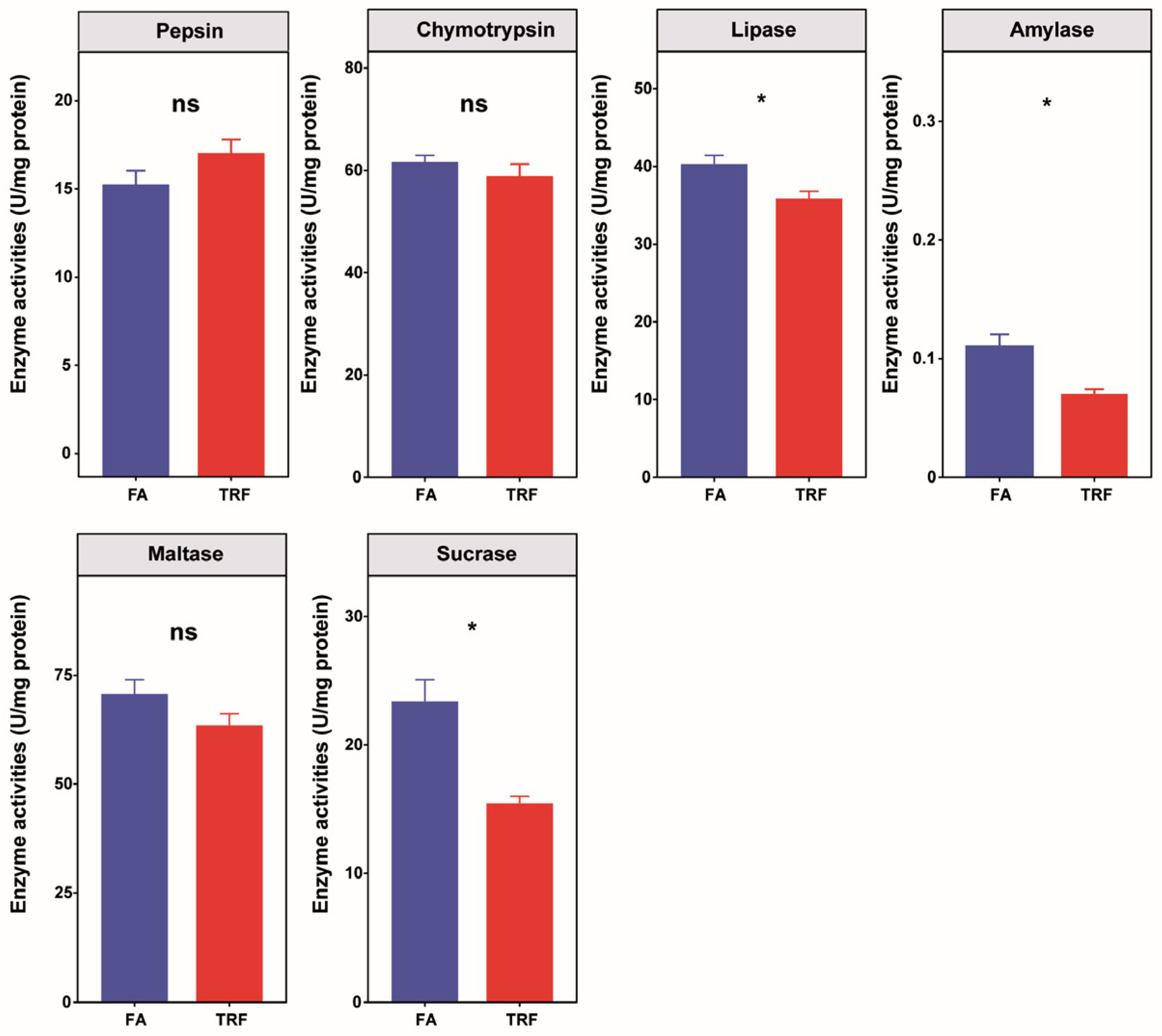
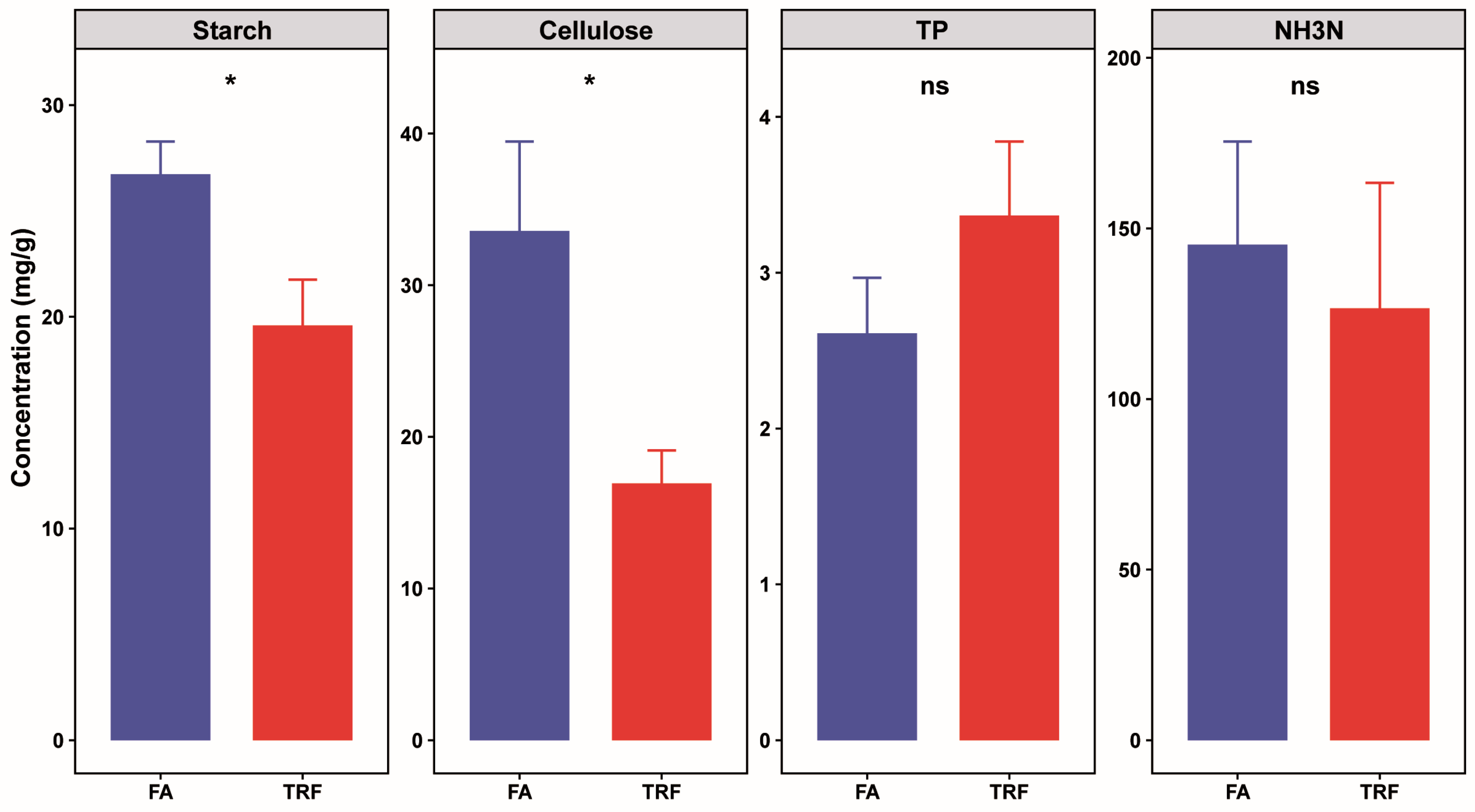
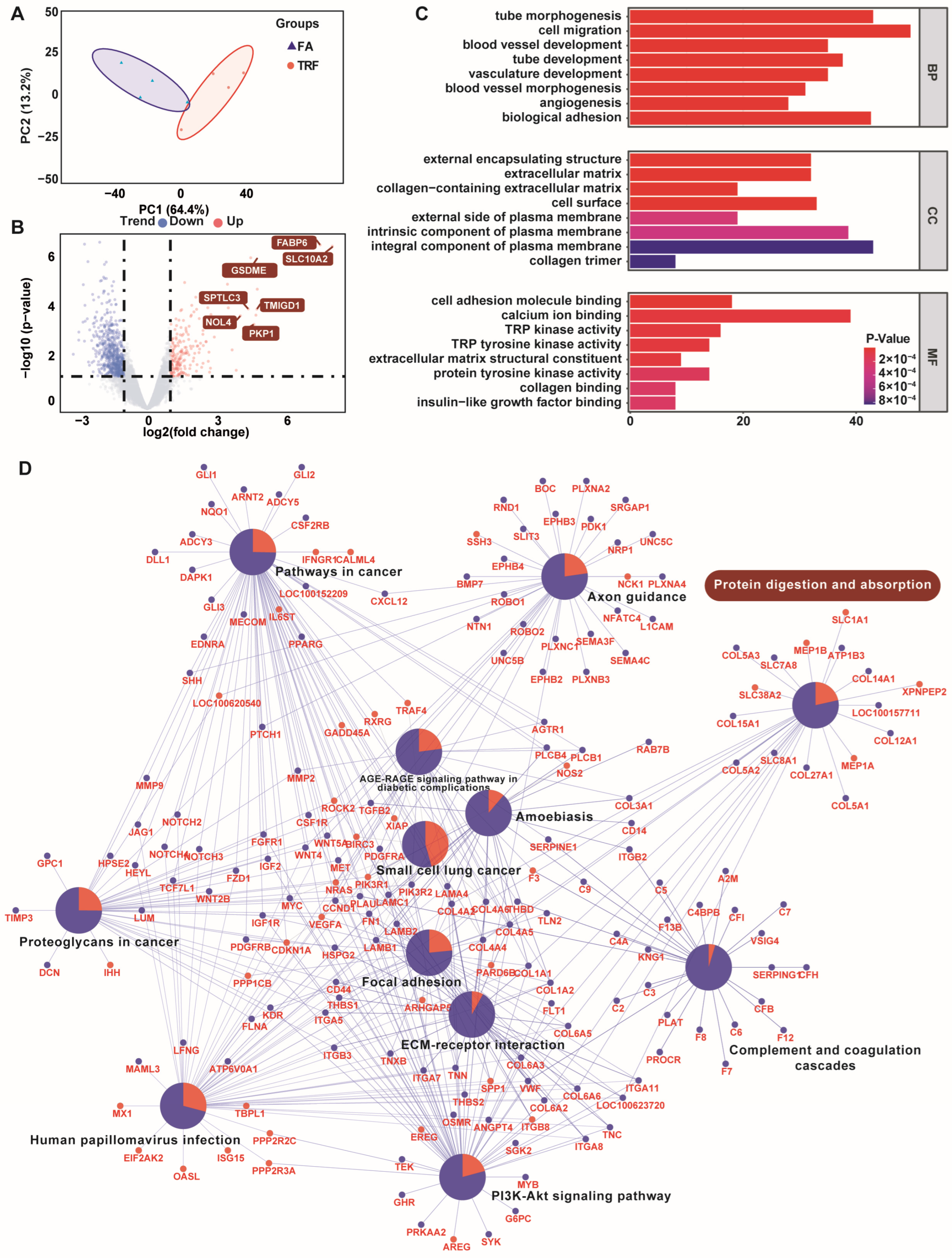
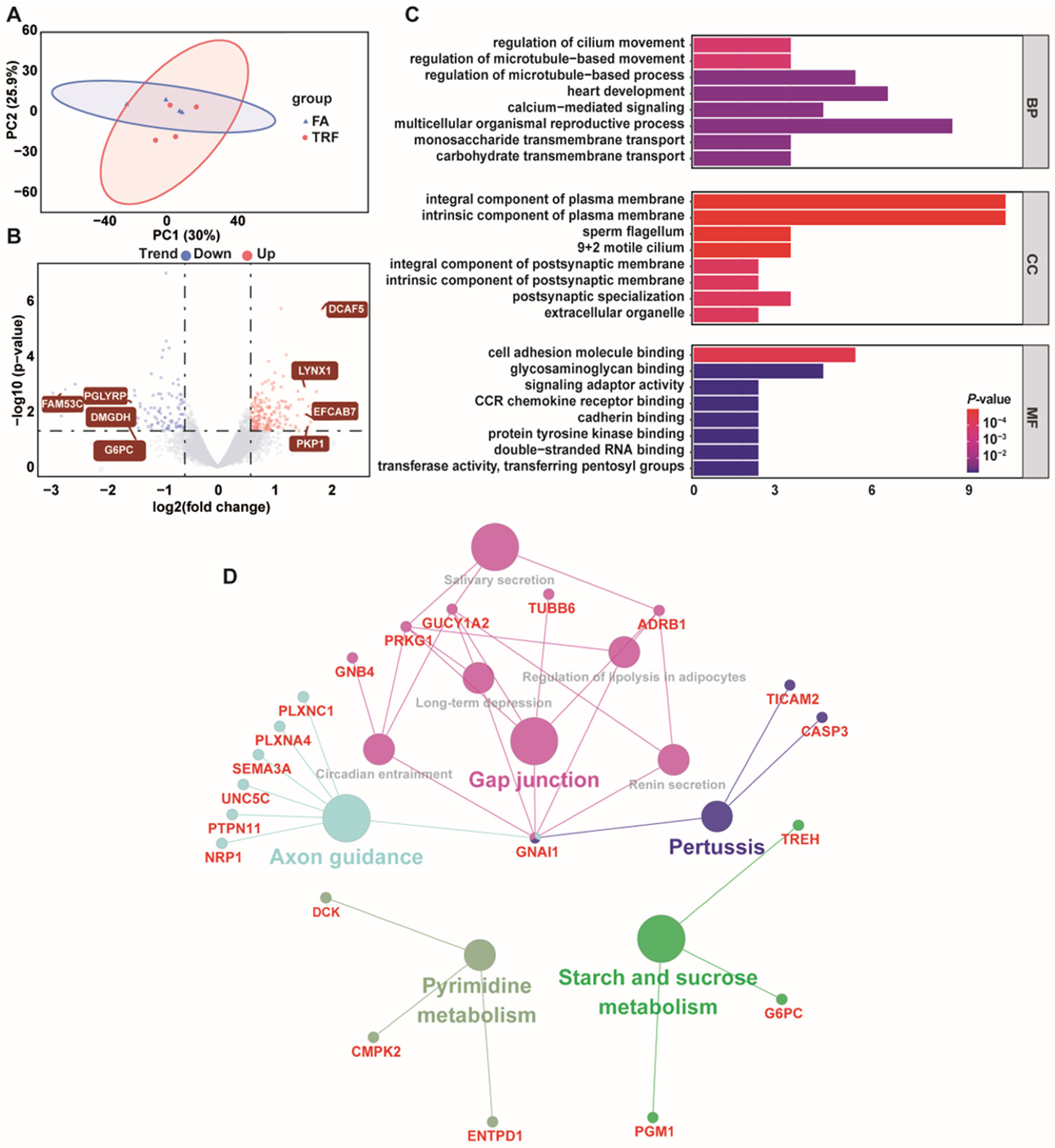
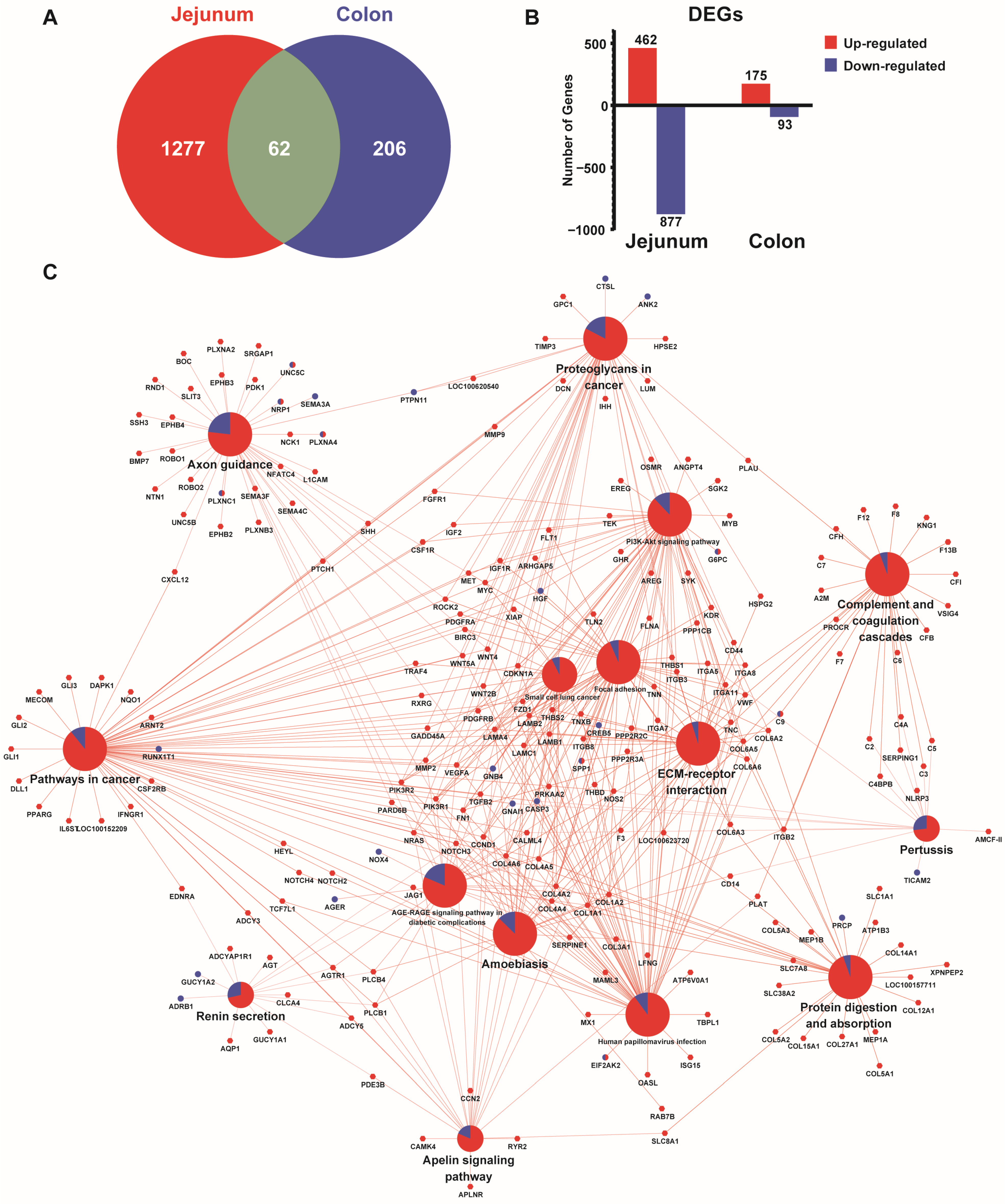
Research indicates that TRF improves mammalian metabolism and health via the microbiota–gut–brain axis. Previous studies showed that TRF promotes pig growth, but the intestinal mechanisms remain unclear. This study explored the impact of TRF on pig intestinal functions. Twelve male pigs were split into ad libitum feeding (FA) and TRF groups. FA pigs had free access to feed, whereas TRF pigs were fed during 07:00–08:00, 12:00–13:00, and 17:00–18:00. TRF enhanced crude protein digestibility by 18.9% (p = 0.045) and increased pancreatic chymotrypsin and lipase activities, while reducing ileal amylase, sucrase, and lipase activities. Transcriptomic analysis identified 1339 differentially expressed genes (DEGs) in the jejunum and 268 in the colon, indicating segment-specific responses. Jejunal DEGs were associated with protein digestion and absorption (e.g., SLC1A1, SLC38A2, XPNPEP2), extracellular matrix–receptor interaction, and PI3K-Akt signaling, while colonic DEGs were linked to starch and sucrose metabolism and circadian entrainment. Importantly, TRF decreased colonic starch by 24% (p = 0.02) and cellulose by 18% (p = 0.04), with low impact on nitrogenous substrates. These results suggest that TRF improves protein absorption in the upper intestine and carbohydrate metabolism in the lower intestine, providing insights for refining TRF strategies in precision nutrition.