Antibiotic and Heavy Metal Resistance in Marine Bacteria from Terra Nova Bay (Ross Sea): Insights from Wild Fish and Environmental Samples
by
 , , , , , , , , and
Enrico Gugliandolo
1 ,
,
Bilal Mghili
2,
Francesca Fabrizi
3,4,
Kannan Gunasekaran
5 ,
,
Francesco Smedile
6,
Francesca Inferrera
7,
Sabrina Natale
7,
Teresa Romeo
8,9,10,11,
Erika Arcadi
8,
Syed Sikandar Habib
12 ,
,
Maurizio Azzaro
6 ,
,
Teresa Bottari
3,11,* and
and
Monique Mancuso
3,11
1
Department of Veterinary Science, University of Messina, 98168 Messina, Italy
2
LESCB, URL-CNRST N°18, Faculty of Sciences, Abdelmalek Essaadi University, Tetouan 93000, Morocco
3
Institute for Marine Biological Resources and Biotechnology (IRBIM), National Research Council (CNR), 98122 Messina, Italy
4
Scuola Universitaria Superiore IUSS Pavia, 27100 Pavia, Italy
5
Department of Marine Science, Faculty of Science, Chulalongkorn University, Bangkok 10330, Thailand
6
Institute of Polar Sciences (ISP), National Research Council (CNR), 98122 Messina, Italy
7
Department of Chemical, Biological, Pharmaceutical and Environmental Sciences, University of Messina, 98166 Messina, Italy
8
Stazione Zoologica “Anton Dohrn”, Sicily Marine Centre, 98167 Messina, Italy
9
Stazione Zoologica Anton Dohrn, Sicily Marine Centre, Department of Biology and Evolution of Marine Organisms (BEOM), Via Dei Mille 46, 98057 Milazzo, Italy
10
National Institute for Environmental Protection and Research, 98057 Milazzo, Italy
11
National Biodiversity Future Center (NBFC), 90133 Palermo, Italy
12
Department of Zoology, University of Sargodha, Sargodha Punjab 40100, Pakistan
*
Author to whom correspondence should be addressed.
Animals 2026, 16(1), 51; https://doi.org/10.3390/ani16010051
Submission received: 28 November 2025
/
Revised: 18 December 2025
/
Accepted: 21 December 2025
/
Published: 24 December 2025
(This article belongs to the Section Aquatic Animals)
Simple Summary
This study investigated bacteria resistant to antibiotics and heavy metals in Terra Nova Bay, Antarctica. During the 37th Italian Antarctic Expedition (2021–2022), researchers collected seawater, sediment and fish samples and isolated 50 bacterial strains. Many of these showed resistance to multiple antibiotics and heavy metals. Twelve particularly resistant isolates also carried specific resistance genes. The findings suggest that both natural selective pressures and local human activities contribute to the spread of these resistances, highlighting potential ecological and public health concerns even in remote Antarctic environments.
Abstract
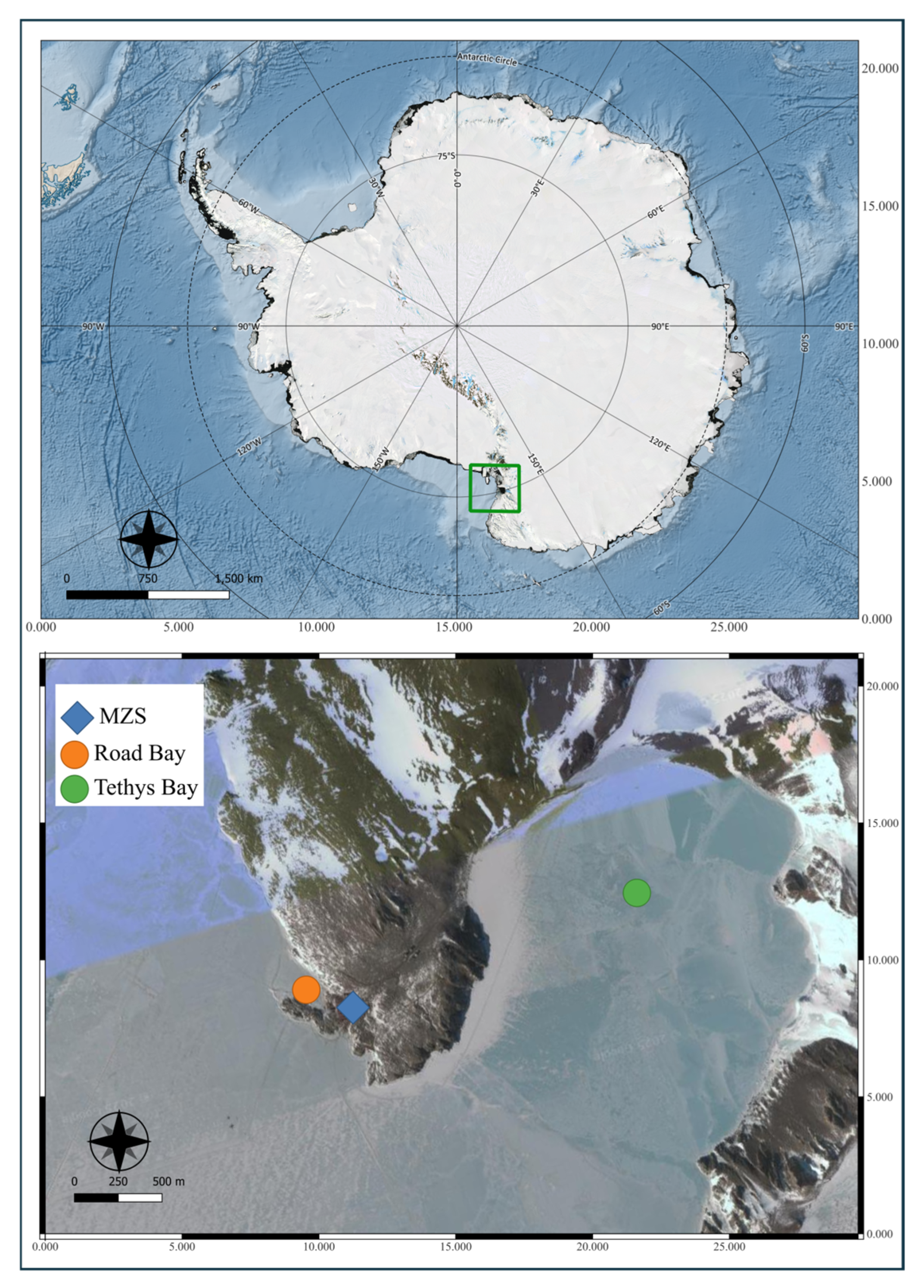
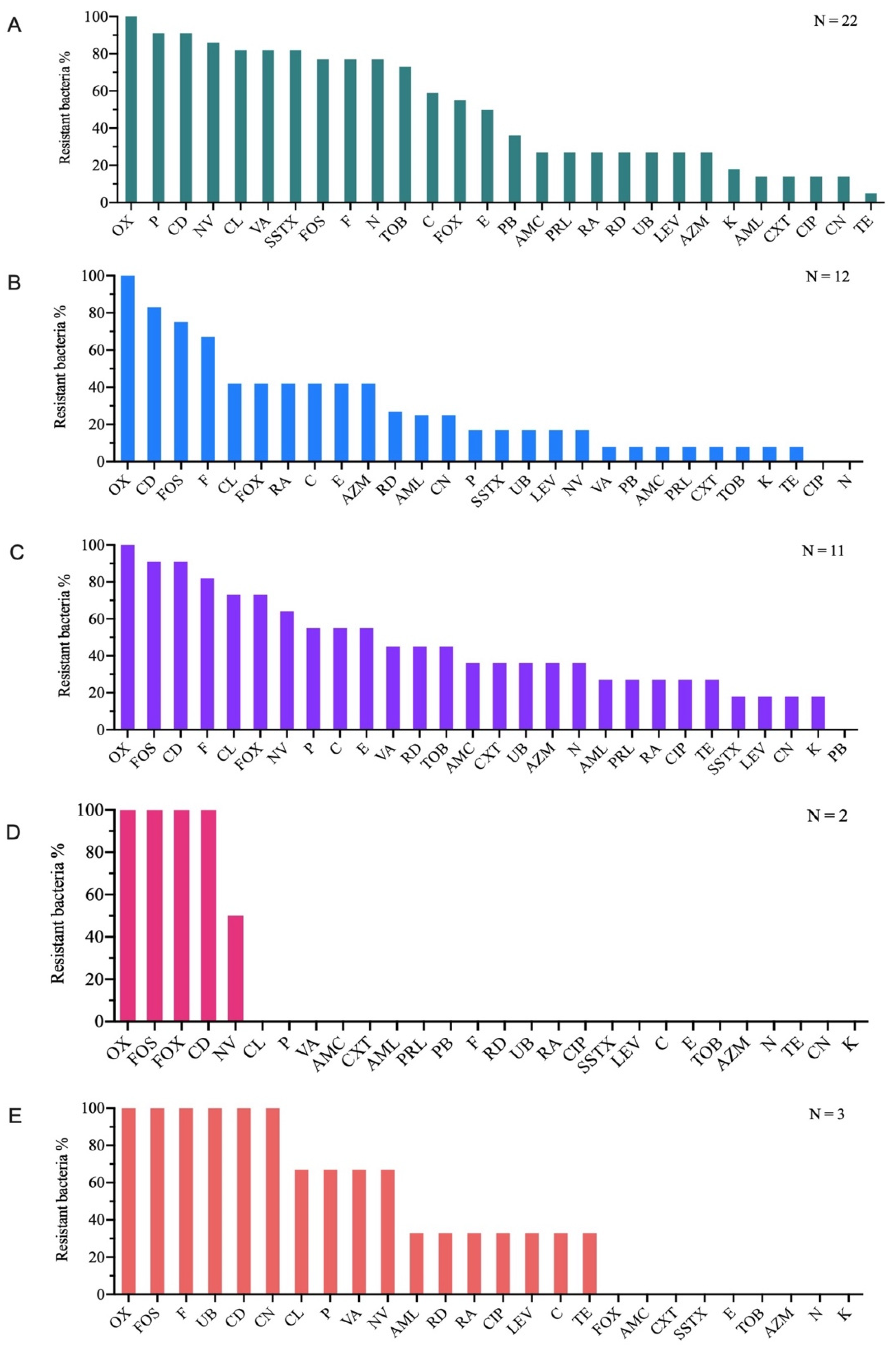
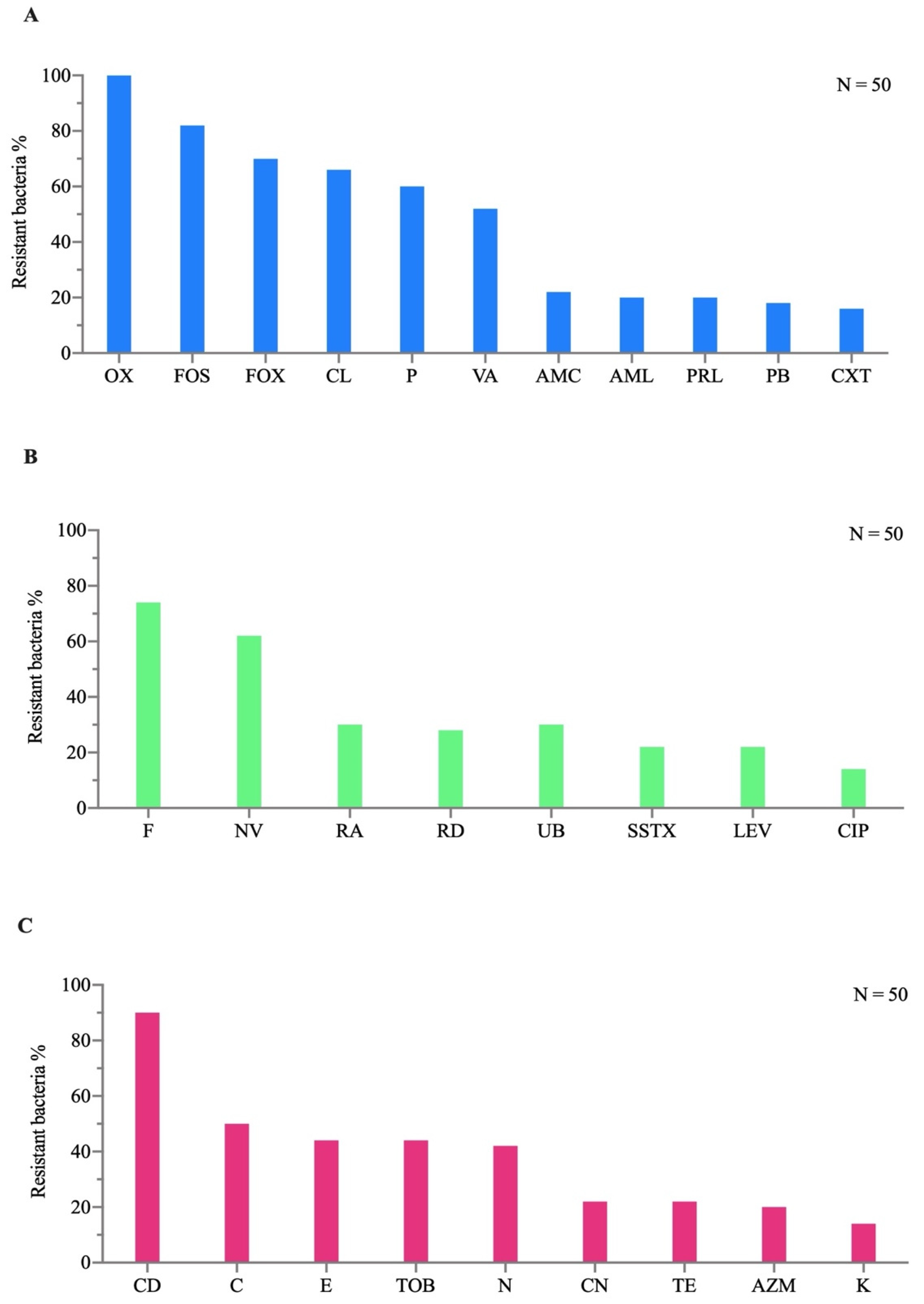
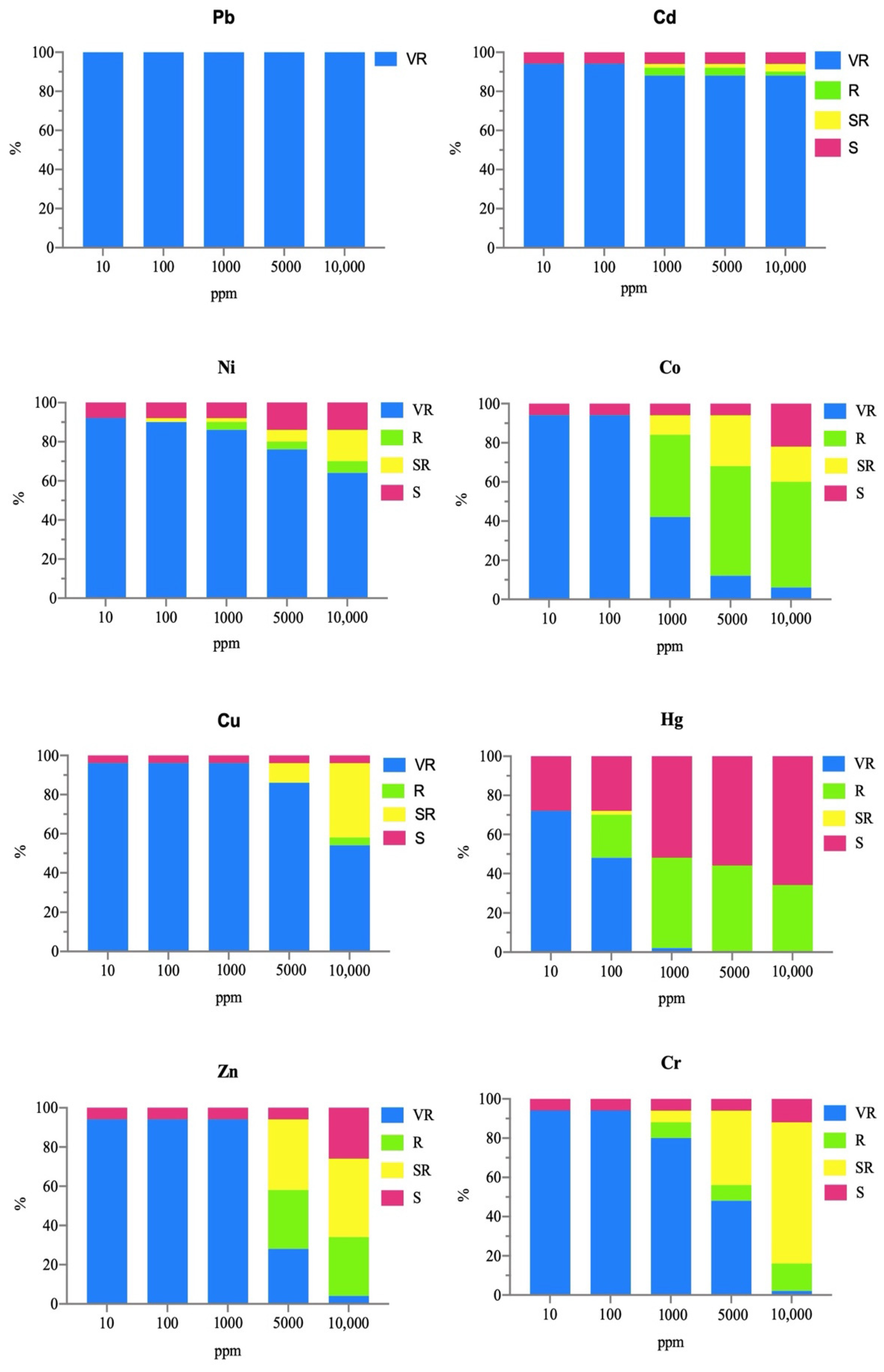
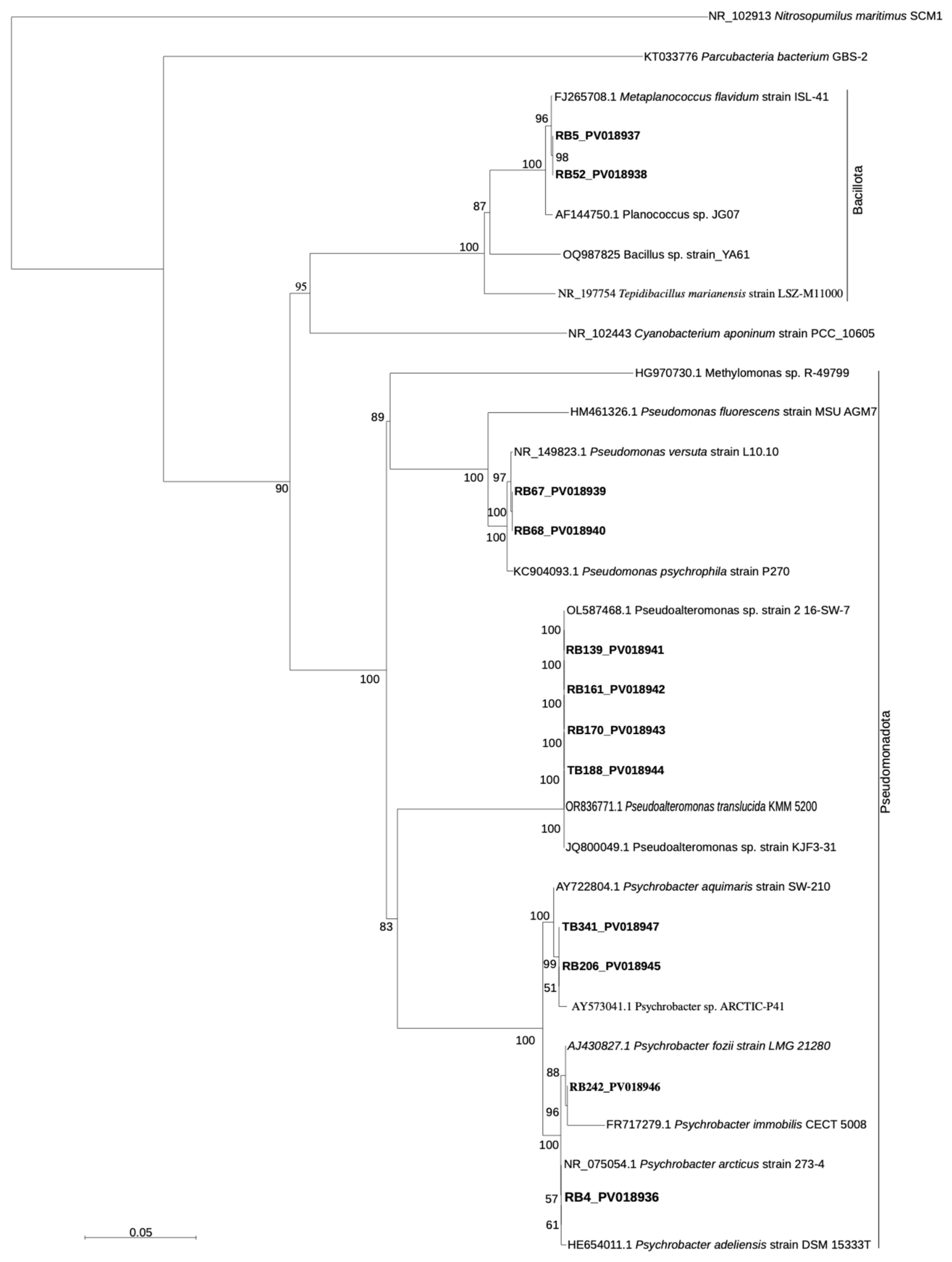
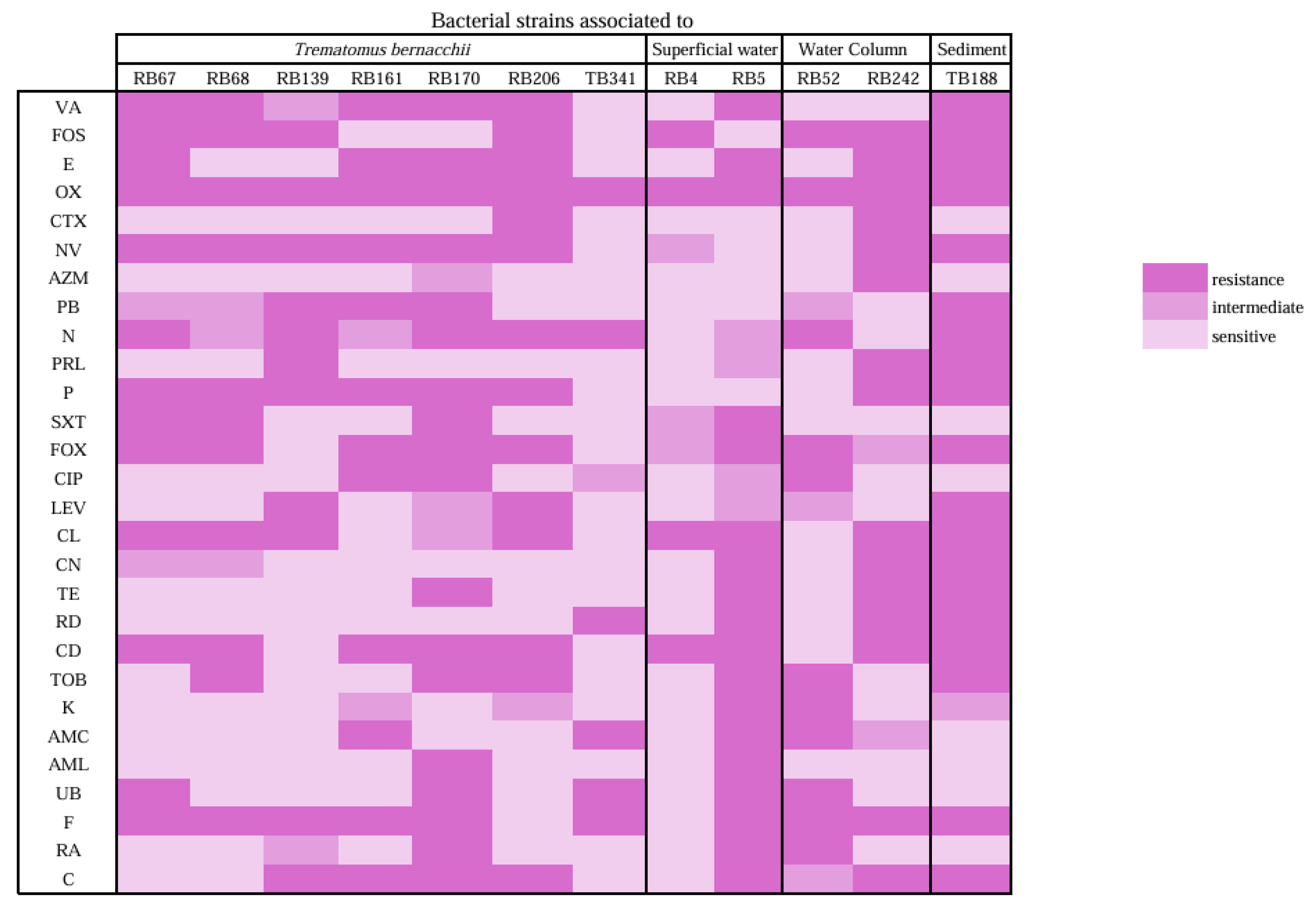
This study examines the occurrence of bacteria resistant to antibiotics and heavy metals in Terra Nova Bay, a coastal area of the Ross Sea in Antarctica that is increasingly recognised as vulnerable to human influence. During the 37th Italian Antarctic Expedition (2021–2022), researchers collected seawater, sediment, and fish samples from the notothenioid species Trematomus bernacchii to evaluate microbial resistance in an environment once considered largely pristine. Fifty heterotrophic bacterial isolates were obtained and tested against twenty-eight antibiotics, revealing a notable presence of multidrug resistance. These multidrug-resistant isolates were then assessed for their tolerance to eight heavy metal salts to understand whether resistance traits extended beyond antimicrobials. Twelve isolates showing resistance to both antibiotics and metals were selected for further genetic screening, targeting key resistance genes linked to tetracycline, vancomycin, sulphonamides, and other antimicrobial classes. The detection of multiple resistance genes in genera such as Pseudomonas, Pseudoalteromonas, and Psychrobacter indicates that both natural selective pressures and local, human-related contamination may be shaping resistance patterns in this region. Overall, the study demonstrates that even remote Antarctic marine ecosystems can host bacteria with complex resistance profiles. While these ecosystems are largely isolated, human activities such as scientific research, tourism, and the introduction of pollutants may contribute to the dissemination of antibiotic resistance genes, raising important ecological and potential public health considerations regarding the spread of resistance in polar environments.