Next-Generation Sequencing Insights into the Oral Microbiome and Antibiotic Resistance Genes in Grey Wolves (Canis lupus)
 ,
, 
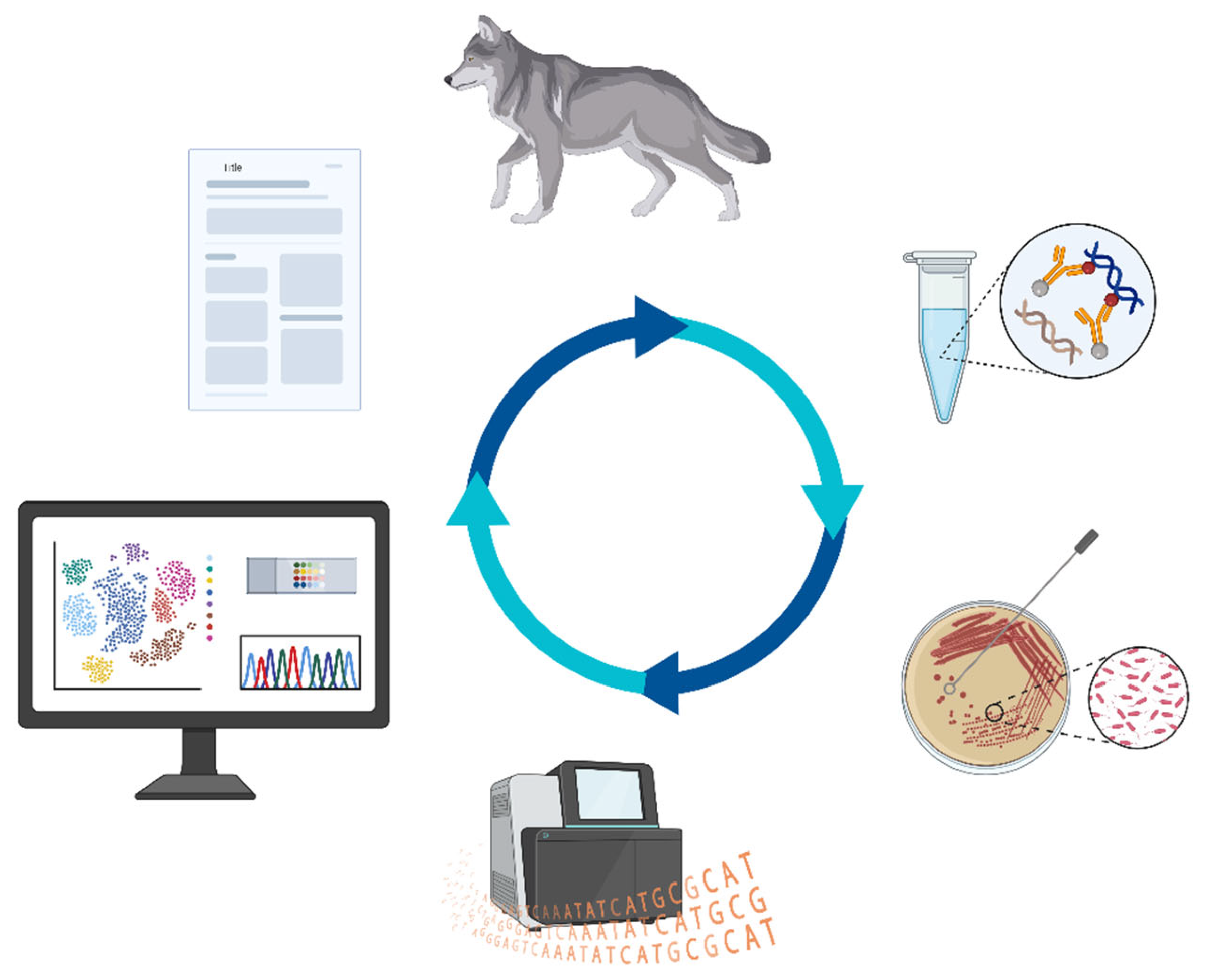
Simple Summary
Abstract
1. Introduction
2. Materials and Methods
2.1. Animals and Sampling
2.2. DNA Extraction and Next-Generation Sequencing
2.3. Bioinformatics and Data Analysis
3. Results
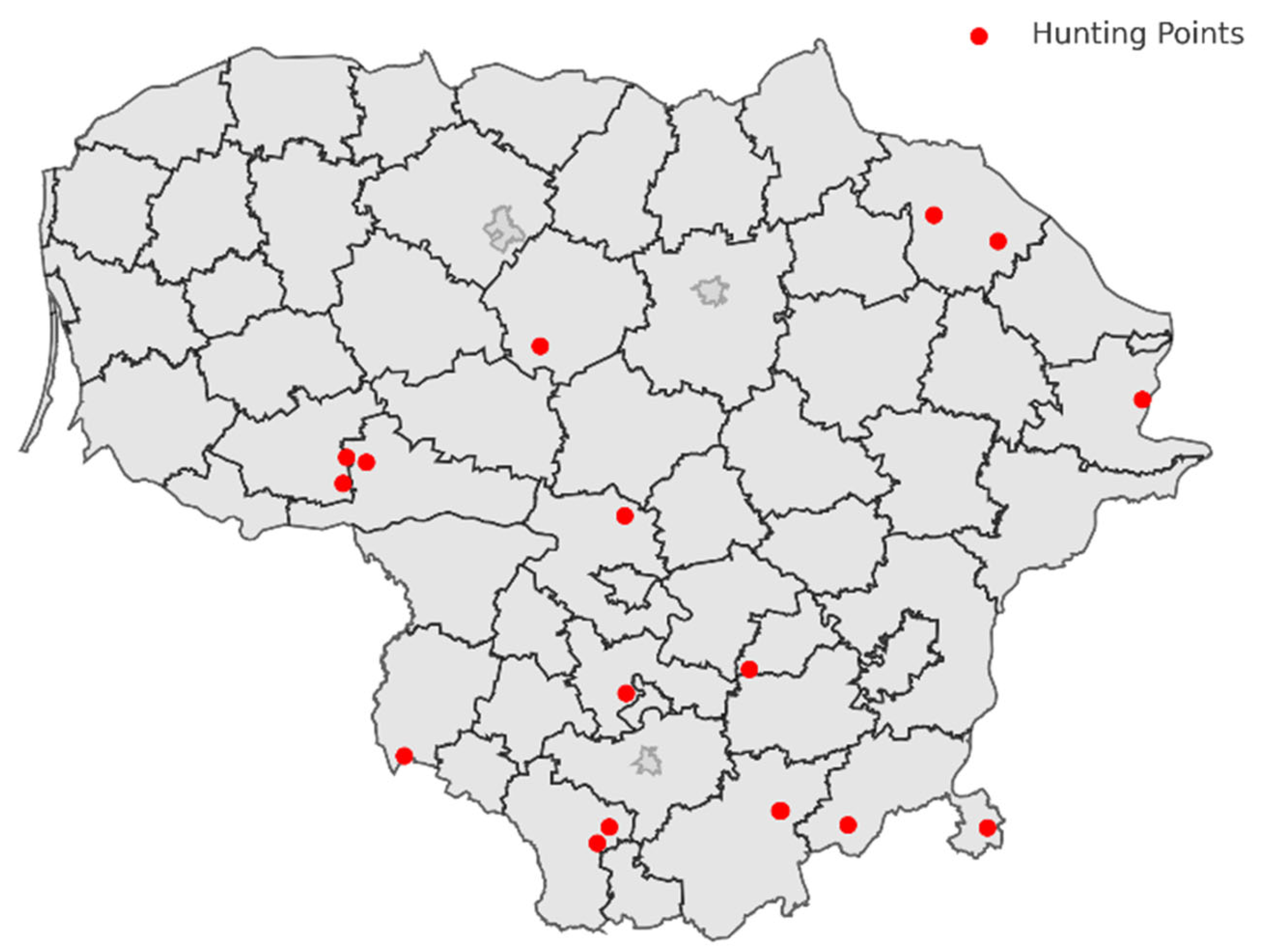
3.1. Sample Collection
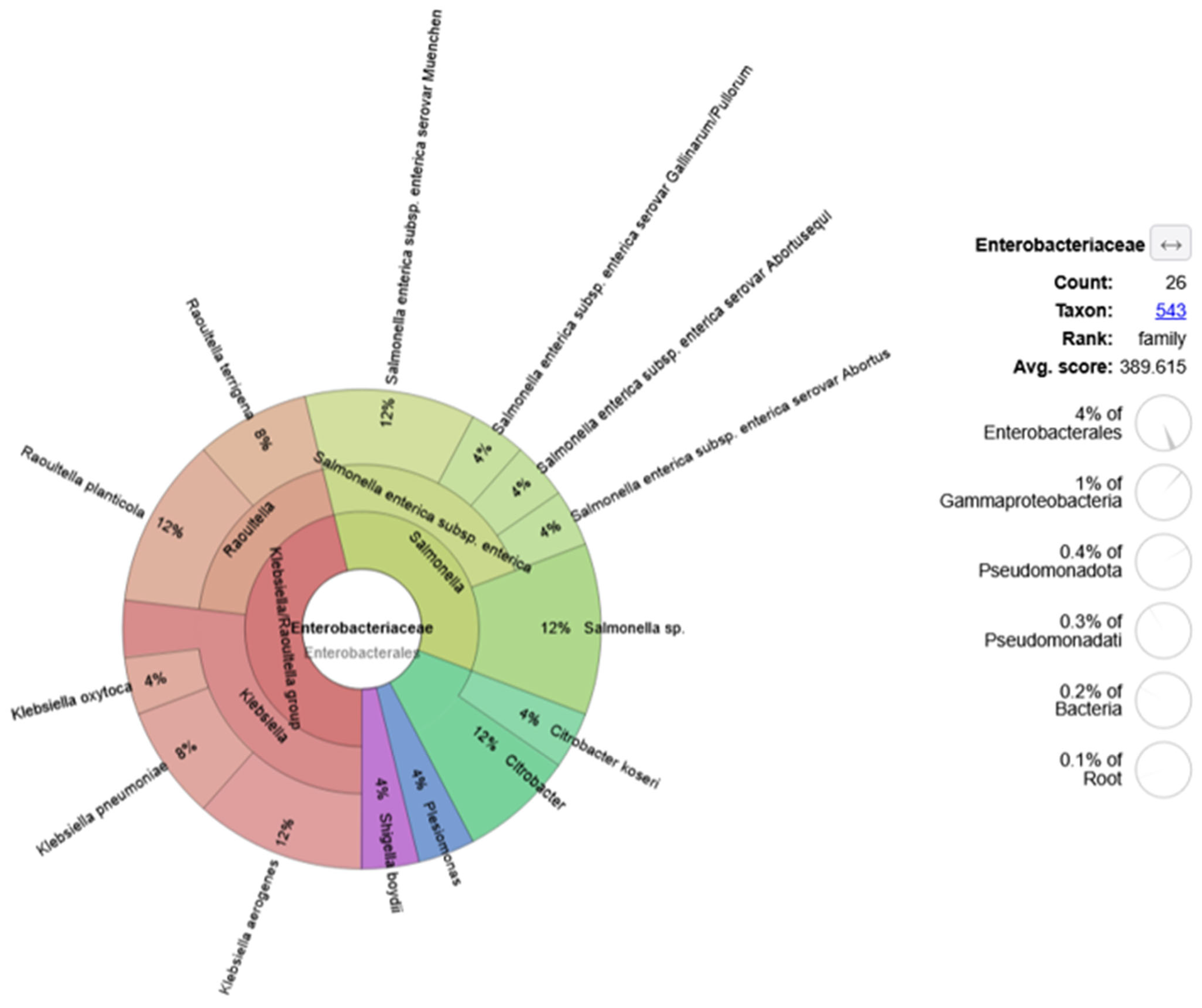
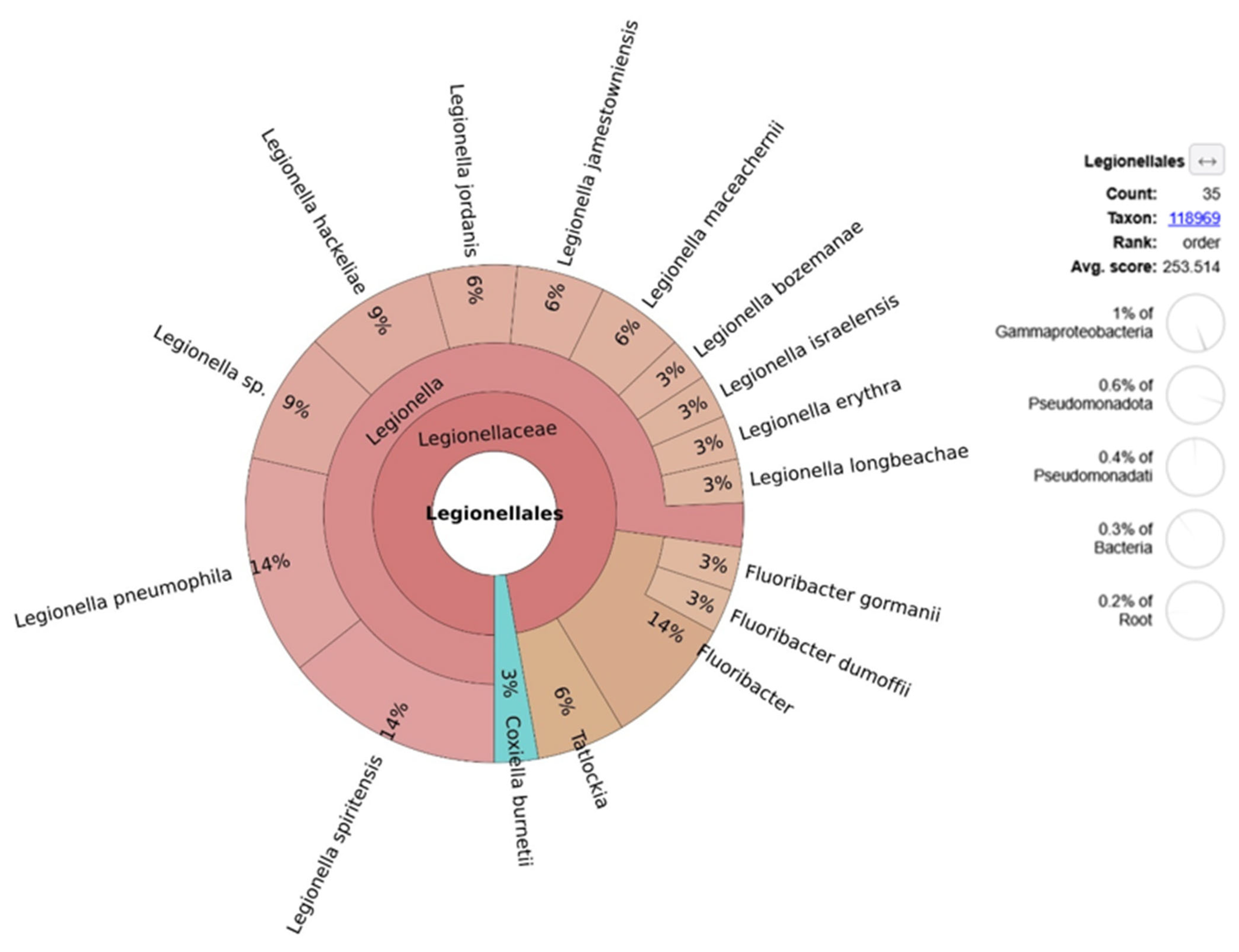
3.2. Taxonomic Composition
3.3. Metagenomic and AMR Genes Analysis
4. Discussion
5. Conclusions
Supplementary Materials
Author Contributions
Funding
Institutional Review Board Statement
Informed Consent Statement
Data Availability Statement
Conflicts of Interest
References
- Baker, J.L.; Welch, J.L.M.; Kauffman, K.M.; McLean, J.S.; He, X. The oral microbiome: Diversity, biogeography and human health. Nat. Rev. Microbiol. 2024, 22, 89–104. [Google Scholar] [CrossRef]
- Juarez, V.M.; Montalbine, A.N.; Singh, A. Microbiome as an immune regulator in health, disease, and therapeutics. Adv. Drug Deliv. Rev. 2022, 188, 114400. [Google Scholar] [CrossRef] [PubMed]
- Wang, J.; Feng, J.; Zhu, Y.; Li, D.; Wang, J.; Chi, W. Diversity and biogeography of human oral saliva microbial communities revealed by the earth microbiome project. Front. Microbiol. 2022, 13, 931065. [Google Scholar] [CrossRef] [PubMed]
- Chandra Nayak, S.; Latha, P.B.; Kandanattu, B.; Pympallil, U.; Kumar, A.; Kumar Banga, H. The Oral Microbiome and Systemic Health: Bridging the Gap Between Dentistry and Medicine. Cureus 2025, 17, e78918. [Google Scholar] [CrossRef] [PubMed]
- Elbroch, L.M.; Ferguson, J.M.; Quigley, H.; Craighead, D.; Thompson, D.J.; Wittmer, H.U. Reintroduced wolves and hunting limit the abundance of a subordinate apex predator in a multi-use landscape. Proc. R. Soc. B Biol. Sci. 2020, 287, 20202202. [Google Scholar] [CrossRef]
- Gonçalves, A.; Igrejas, G.; Radhouani, H.; Correia, S.; Pacheco, R.; Santos, T.; Monteiro, R.; Guerra, A.; Petrucci-Fonseca, F.; Brito, F.; et al. Antimicrobial resistance in faecal enterococci and Escherichia coli isolates recovered from Iberian wolf. Lett. Appl. Microbiol. 2013, 56, 268–274. [Google Scholar] [CrossRef]
- Kuthyar, S.; Reese, A.T. Variation in microbial exposure at the human-animal interface and the implications for microbiome-mediated health outcome. mSystems 2021, 6, e0056721. [Google Scholar] [CrossRef]
- Podar, N.A.; Carrell, A.A.; Cassidy, K.A.; Klingeman, D.M.; Yang, Z.; Stahler, E.A.; Smith, D.W.; Stahler, D.R.; Podar, M. From wolves to humans: Oral microbiome resistance to transfer across mammalian hosts. mBio 2024, 15, e0334223. [Google Scholar] [CrossRef]
- Wu, X.; Zhang, H.; Chen, J.; Shang, S.; Yan, J.; Chen, Y.; Tang, X.; Zhang, H. Analysis and comparison of the wolf microbiome under different environmental factors using three different data of next generation sequencing. Sci. Rep. 2017, 7, 11332. [Google Scholar] [CrossRef]
- Stahler, D.; Smith, D.W.; Guernsey, D.S. Foraging and feeding ecology of the gray wolf (Canis lupus): Lessons from Yellowstone National Park, Wyoming, USA. J. Nutr. 2006, 136, 1923S–1926S. [Google Scholar] [CrossRef]
- Valdmann, H.; Männil, P.; Kont, R. Diet and prey selectivity of wolf Canis lupus in middle and southeastern Estonia. Balt. For. 2005, 11, 109–114. [Google Scholar]
- Pandey, S.; Doo, H.; Keum, G.B.; Kim, E.S.; Kwak, J.; Ryu, S.; Choi, Y.; Kang, J.; Kim, S.; Lee, N.R.; et al. Antibiotic resistance in livestock, environment and humans: One health perspective. J. Anim. Sci. Technol. 2024, 66, 266–278. [Google Scholar] [CrossRef] [PubMed]
- WHO. Antimicrobial Resistance; World Health Organization: Geneva, Switzerland, 2023. [Google Scholar]
- Lee, S.; Fan, P.; Liu, T.; Yang, A.; Boughton, R.K.; Pepin, K.M.; Miller, R.S.; Jeong, K.C. Transmission of antibiotic resistance at the wildlife-livestock interface. Commun. Biol. 2022, 5, 585. [Google Scholar] [CrossRef] [PubMed]
- Laborda, P.; Sanz-García, F.; Ochoa-Sánchez, L.E.; Gil-Gil, T.; Hernando-Amado, S.; Martínez, J.L. Wildlife and antibiotic resistance. Front. Cell. Infect. Microbiol. 2022, 12, 873989. [Google Scholar] [CrossRef]
- Li, X.; Mowlaboccus, S.; Jackson, B.; Cai, C.; Coombs, G.W. Antimicrobial resistance among clinically significant bacteria in wildlife: An overlooked one health concern. Int. J. Antimicrob. Agents 2024, 64, 107251. [Google Scholar] [CrossRef]
- Márquez, S.O.C.; Tóth, V.R.; Kolchanova, S.; Wolfsberger, W.W.; Oleksyk, T.K. A long-read sequencing approach to high-resolution profiling of bacterioplankton diversity in a shallow freshwater lake. Sci. Rep. 2025, 15, 1224. [Google Scholar] [CrossRef]
- Dunisławska, A.; Łachmańska, J.; Slawinska, A.; Siwek, M. Next generation sequencing in animal science—A review. Anim. Sci. Pap. Rep. 2017, 35, 205–224. [Google Scholar]
- Do, T.; Deng, D.; Dame-Teixeira, N. Editorial: Applications of next generation sequencing (NGS) technologies to decipher the oral microbiome in systemic health and disease, volume II. Front. Cell. Infect. Microbiol. 2024, 14, 1532762. [Google Scholar] [CrossRef]
- Zhang, Y.; Qi, Y.; Lo, E.C.M.; McGrath, C.; Mei, M.L.; Dai, R. Using next-generation sequencing to detect oral microbiome change following periodontal interventions: A systematic review. Oral Dis. 2020, 27, 1073–1089. [Google Scholar] [CrossRef]
- Othman, N.; Muniar, K.; Haris, H.; Ramli, F.F.; Sariyat, N.H.; Najmuddin, M.F.; Abdul-Latiff, M.A.B. A review of next-generation wildlife monitoring using environmental DNA (eDNA) detection and next-generation sequencing in Malaysia. Sains Malays. 2023, 52, 17–33. [Google Scholar] [CrossRef]
- Merkevičienė, L.; Butrimaitė-Ambrozevičienė, Č.; Paškevičius, G.; Pikūnienė, A.; Virgailis, M.; Dailidavičienė, J.; Daukšienė, A.; Šiugždinienė, R.; Ruzauskas, M. Serological variety and antimicrobial resistance in Salmonella isolated from reptiles. Biology 2022, 11, 836. [Google Scholar] [CrossRef] [PubMed]
- Di Francesco, A.; Salvatore, D.; Ranucci, A.; Gobbi, M.; Morandi, B. Antimicrobial resistance in wildlife: Detection of antimicrobial resistance genes in Apennine wolves (Canis lupus italicus Altobello, 1921) from Central Italy. Vet. Res. Commun. 2024, 48, 1941–1947. [Google Scholar] [CrossRef] [PubMed]
- Berg, G.; Rybakova, D.; Fischer, D.; Cernava, T.; Verges, M.C.; Charles, T.; Chen, X.; Cocolin, L.; Eversole, K.; Corral, G.H.; et al. Microbiome definition re-visited: Old concepts and new challenges. Microbiome 2020, 8, 103. [Google Scholar] [CrossRef] [PubMed]
- Portilho, F.V.R.; Nóbrega, J.; de Almeida, B.O.; Mota, A.R.; de Paula, C.L.; Listoni, F.J.P.; Bosco, S.M.G.; Oliveira, A.L.; Cunha, M.D.L.R.S.; Ribeiro, M.G. Microbial complexity of oral cavity of healthy dogs identified by mass spectrometry and next-generation sequencing. Animals 2023, 13, 2467. [Google Scholar] [CrossRef]
- Santibáñez, R.; Rodríguez-Salas, C.; Flores-Yáñez, C.; Garrido, D.; Thomson, P. Assessment of changes in the oral microbiome that occur in dogs with periodontal disease. Vet. Sci. 2021, 8, 291. [Google Scholar] [CrossRef]
- Ruparell, A.; Inui, T.; Staunton, R.; Wallis, C.; Deusch, O.; Holcombe, L.J. The canine oral microbiome: Variation in bacterial populations across different niches. BMC Microbiol. 2020, 20, 42. [Google Scholar] [CrossRef]
- Bolger, A.M.; Lohse, M.; Usadel, B. Trimmomatic: A flexible trimmer for Illumina sequence data. Bioinformatics 2014, 30, 2114–2120. [Google Scholar] [CrossRef]
- Wood, D.E.; Lu, J.; Langmead, B. Improved metagenomic analysis with Kraken 2. Genome Biol. 2019, 20, 257. [Google Scholar] [CrossRef]
- Buchfink, B.; Xie, C.; Huson, D.H. Fast and sensitive protein alignment using DIAMOND. Nat. Methods 2015, 12, 59–60. [Google Scholar] [CrossRef]
- Brown, C.T.; Irber, L. sourmash: A library for MinHash sketching of DNA. J. Open Source Softw. 2016, 1, 27. [Google Scholar] [CrossRef]
- Li, H. Aligning sequence reads, clone sequences and assembly contigs with BWA-MEM. arXiv 2013, arXiv:1303.3997. [Google Scholar] [CrossRef]
- Lafferty, D.J.R.; McKenney, E.A.; Gillman, S.J.; Kailing, C.D.; Walimaa, M.C.; Kailing, M.J.; Roell, B.J. The gut microbiome of wild American marten in the Upper Peninsula of Michigan. PLoS ONE 2022, 17, e0275850. [Google Scholar] [CrossRef] [PubMed]
- Vela, A.I.; Collins, M.D.; Latre, M.V.; Mateos, A.; Moreno, M.A.; Hutson, R.; Domínguez, L.; Fernández-Garayzábal, J.F. Psychrobacter pulmonis sp. nov., isolated from the lungs of lambs. Int. J. Syst. Evol. Microbiol. 2003, 53, 415–419. [Google Scholar] [CrossRef] [PubMed]
- Welter, D.K.; Ruaud, A.; Henseler, Z.M.; De Jong, H.N.; van Coeverden de Groot, P.; Michaux, J.; Gormezano, L.; Waters, J.L.; Youngblut, N.D.; Ley, R.E. Free-living, psychrotrophic bacteria of the genus Psychrobacter are descendants of pathobionts. mSystems 2021, 6, e00258-21. [Google Scholar] [CrossRef]
- Šakarnytė, L.; Šiugždinienė, R.; Žymantienė, J.; Ruzauskas, M. Comparison of Oral Microbial Composition and Determinants Encoding Antimicrobial Resistance in Dogs and Their Owners. Antibiotics 2023, 12, 1554. [Google Scholar] [CrossRef]
- Otranto, D.; Deplazes, P. Zoonotic nematodes of wild carnivores. Int. J. Parasitol. Parasites Wildl. 2019, 9, 370–383. [Google Scholar] [CrossRef]
- González-Barrio, D.; Ruiz-Fons, F. Coxiella burnetii in wild mammals: A systematic review. Transbound. Emerg. Dis. 2018, 66, 662–671. [Google Scholar] [CrossRef]
- Zendoia, I.I.; Cevidanes, A.; Hurtado, A.; Vázquez, P.; Barral, M.; Barandika, J.F.; García-Pérez, A.L. Stable prevalence of Coxiella burnetii in wildlife after a decade of surveillance in northern Spain. Vet. Microbiol. 2022, 268, 109422. [Google Scholar] [CrossRef]
- Pires, H.; Cardoso, L.; Lopes, A.; Fontes, M.; Matos, M.; Pintado, C.; Figueira, L.; Mesquita, J.; Matos, A.; Coelho, A. Seropositivity for Coxiella burnetii in Wild Boar (Sus scrofa) and Red Deer (Cervus elaphus) in Portugal. Pathogens 2023, 12, 421. [Google Scholar] [CrossRef]
- Doyle, C.; Wall, K.; Fanning, S.; McMahon, B.J. Making sense of sentinels: Wildlife as the one health bridge for environmental antimicrobial resistance surveillance. J. Appl. Microbiol. 2025, 136, lxaf017. [Google Scholar] [CrossRef]
- Akwongo, C.J.; Borrelli, L.; Houf, K.; Fioretti, A.; Peruzy, M.F.; Murru, N. Antimicrobial resistance in wild game mammals: A glimpse into the contamination of wild habitats in a systematic review and meta-analysis. BMC Vet. Res. 2025, 21, 14. [Google Scholar] [CrossRef]
- Newsome, T.M.; Boitani, L.; Chapron, G.; Ciucci, P.; Dickman, C.R.; Dellinger, J.A.; López-Bao, J.V.; Peterson, R.O.; Shores, C.R.; Wirsing, A.J.; et al. Food habits of the world’s grey wolves. Mammal Rev. 2016, 46, 255–269. [Google Scholar] [CrossRef]
- Talbot, B.M.; Clennon, J.A.; Rakotoarison, M.F.N.; Rautman, L.; Durry, S.; Ragazzo, L.J.; Wright, P.C.; Gillespie, T.R.; Read, T.D. Metagenome-wide characterization of shared antimicrobial resistance genes in sympatric people and lemurs in rural Madagascar. PeerJ 2024, 12, e17805. [Google Scholar] [CrossRef]
- DeCandia, A.L.; Cassidy, K.A.; Stahler, D.R.; Stahler, E.A.; vonHoldt, B.M. Social environment and genetics underlie body site-specific microbiomes of Yellowstone National Park gray wolves (Canis lupus). Ecol. Evol. 2021, 11, 9472–9488. [Google Scholar] [CrossRef] [PubMed]
- Sin, T.; Gazzola, A.; Chiriac, S.; Rîșnoveanu, G. Wolf diet and prey selection in the South-Eastern Carpathian Mountains, Romania. PLoS ONE 2019, 14, e0225424. [Google Scholar] [CrossRef] [PubMed]
- Janeiro-Otero, A.; Álvarez, X.; Crespo, C.F.; Valero, E.; Dormann, C.F. Grey wolf feeding habits and their geographical variation in Northwest Spain. Food Webs 2022, 32, e00248. [Google Scholar] [CrossRef]
- Wagner, C.; Holzapfel, M.; Kluth, G.; Reinhardt, I.; Ansorge, H. Wolf (Canis lupus) feeding habits during the first eight years of its occurrence in Germany. Mamm. Biol. 2012, 77, 196–203. [Google Scholar] [CrossRef]
- Arendt, M.; Cairns, K.M.; Ballard, J.W.O.; Savolainen, P.; Axelsson, E. Diet adaptation in dog reflects spread of prehistoric agriculture. Heredity 2016, 117, 301–306. [Google Scholar] [CrossRef]
- Liu, Y.; Liu, B.; Liu, C.; Hu, Y.; Liu, C.; Li, X.; Li, X.; Zhang, X.; Irwin, D.M.; Wu, Z.; et al. Differences in the gut microbiomes of dogs and wolves: Roles of antibiotics and starch. BMC Vet. Res. 2021, 17, 112. [Google Scholar] [CrossRef]
- Chen, L.; Sun, M.; Xu, D.; Gao, Z.; Shi, Y.; Wang, S.; Zhou, Y. Gut microbiome of captive wolves is more similar to domestic dogs than wild wolves indicated by metagenomics study. Front. Microbiol. 2022, 13, 1027188. [Google Scholar] [CrossRef]

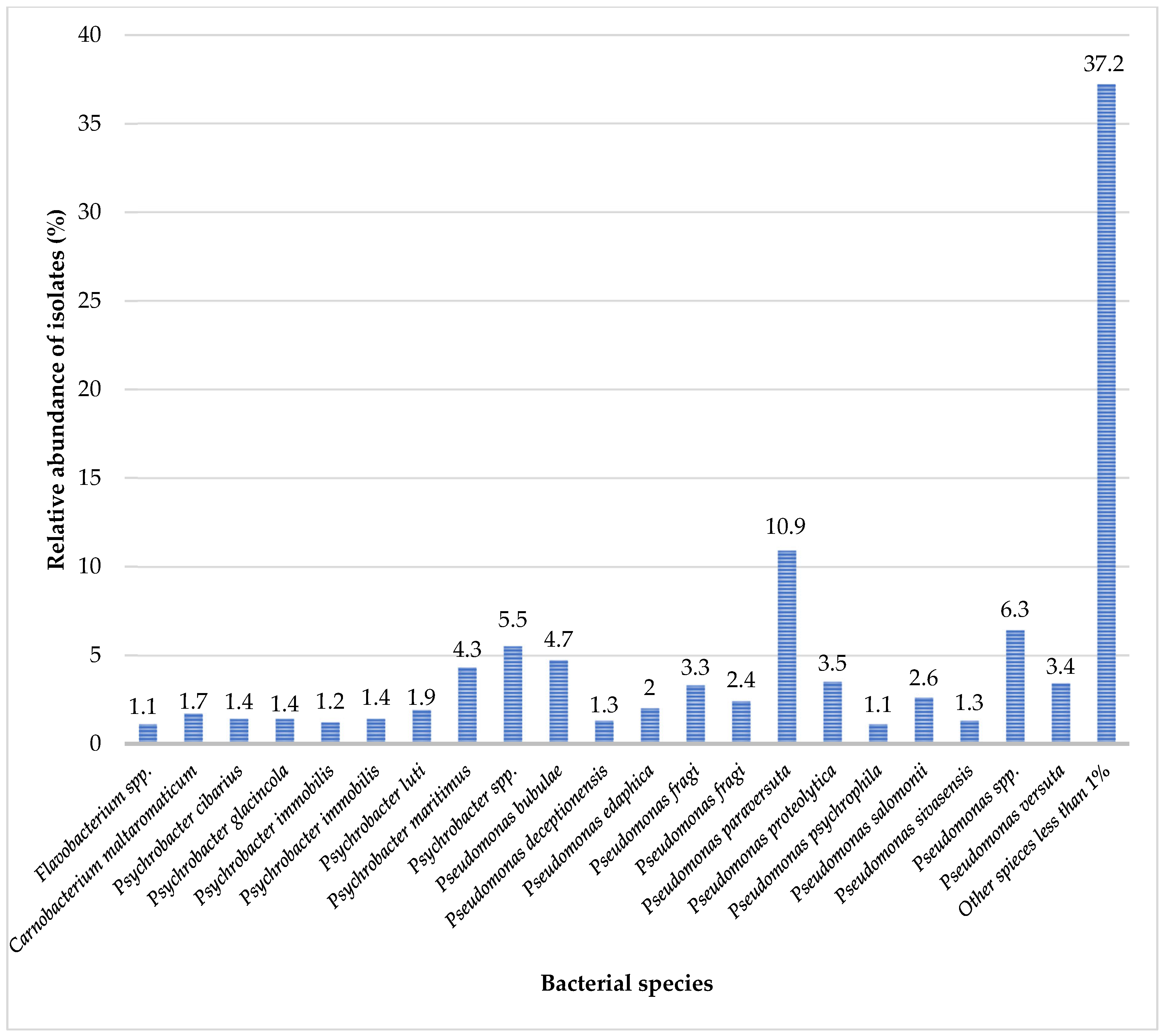
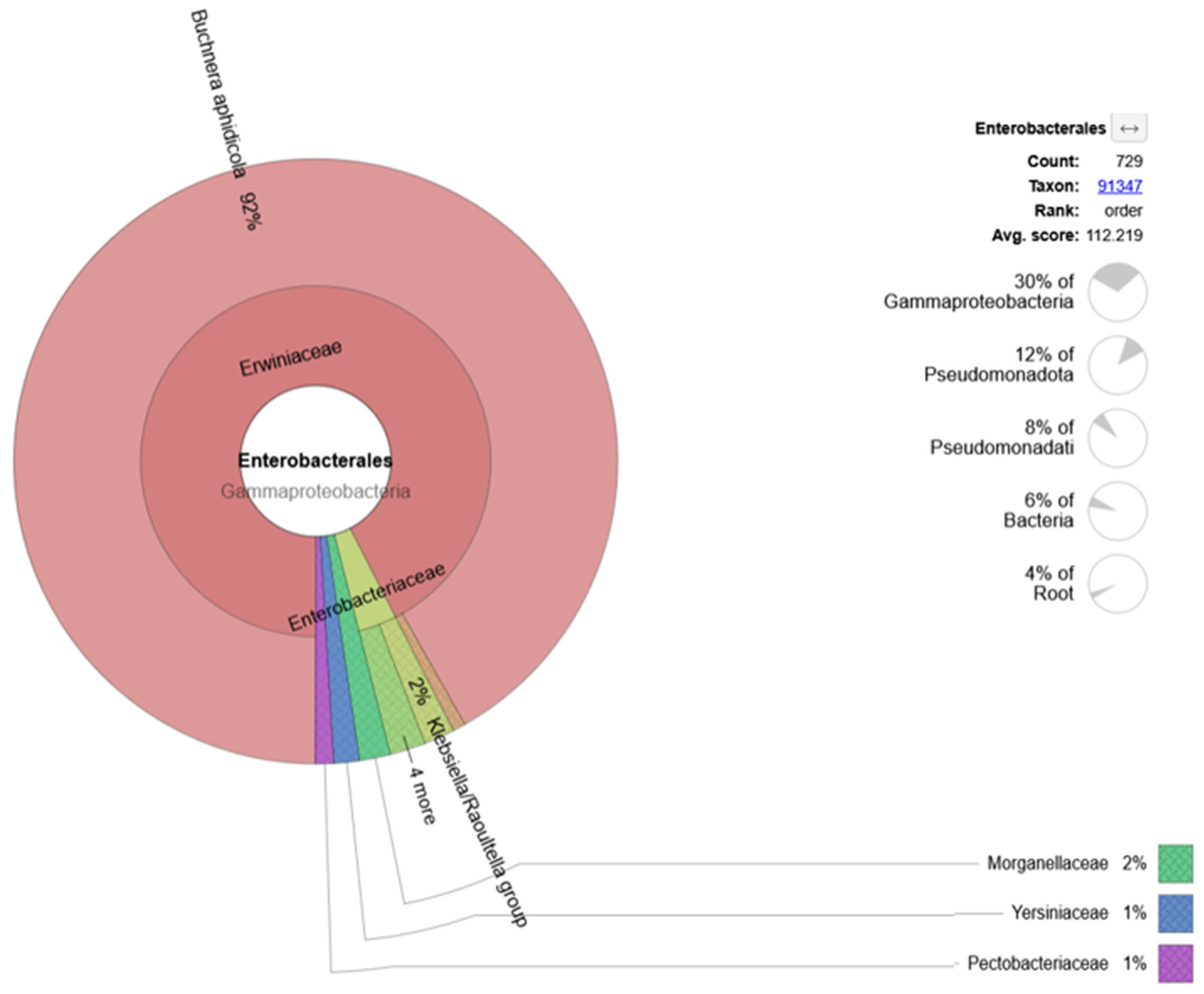



| Number | Date | Location, District | Sex | Juvenile/Adult |
|---|---|---|---|---|
| 1 | 24 February 2023 | Rokišis | ♀ | adult |
| 2 | 24 February 2023 | Rokišis | ♀ | juvenile |
| 3 | 25 November 2023 | Jurbarkas | ♂ | juvenile |
| 4 | 2 December 2023 | Radviliškis | ♀ | juvenile |
| 5 | 4 December 2023 | Varėna | ♂ | adult |
| 6 | 4 December 2023 | Varėna | ♀ | juvenile |
| 7 | 4 December 2023 | Jurbarkas | ♀ | adult |
| 8 | 4 December 2023 | Jurbarkas | ♂ | adult |
| 9 | 11 January 2024 | Lazdijai | ♂ | adult |
| 10 | 13 January 2024 | Kaunas | ♂ | juvenile |
| 11 | 10 January 2024 | Vilkaviškis | ♂ | adult |
| 12 | 10 January 2024 | Šalčininkai | ♀ | adult |
| 13 | 21 January 2024 | Šalčininkai | ♂ | adult |
| 14 | 3 January 2024 | Lazdijai | ♂ | juvenile |
| 15 | 23 January 2024 | Prienai | ♀ | juvenile |
| 16 | 30 December 2024 | Elektrenai | ♀ | juvenile |
| 17 | 7 January 2024 | Ignalina | ♀ | juvenile |
| Antimicrobial Class | Genes Encoding Resistance |
|---|---|
| β-lactams | class A beta-lactamase BlaA class A extended-spectrum beta-lactamase CTX-M-165 class A extended-spectrum beta-lactamases OXY-1, OXY5, OXY-6 RTG family carbenicillin-hydrolysing class A beta-lactamases CARB-5, CARB-8, CARB-14, CARB-16, CARB-49 cephalosporin-hydrolysing class A beta-lactamase ROB-1 class A beta-lactamase FONA-3 class C beta-lactamase CMY-72 class C beta-lactamases EC-8, EC-13, EC-15, EC-16, ACT-42, ACT-44 class D beta-lactamases OXA-209, OXA-275 OXA-335 OXA-551 putative metallo-beta-lactamase SPR-1 OXA-48 family carbapenem-hydrolysing class D beta-lactamase OXA-416 OXA-548 family class D beta-lactamase OXA-552 |
| Tetracyclines | tetracycline resistance ribosomal protection proteins Tet(M), Tet(L), Tet(H), Tet(32) tetracycline efflux Na+/H+ antiporter family transporter Tet(35) tetracycline efflux ABC transporter Tet(46) subunit B tetracycline efflux MFS transporters Tet (G)Tet(Y) Tet(E), Tet(33), Tet(39), Tet(41) oxytetracycline resistance phosphoribosyltransferase domain-containing protein Tet(34) |
| Macrolides, lincosamides, and streptogramins | Mph(E) family macrolide 2′-phosphotransferase streptogramin An O-acetyltransferase Vat(F) |
| Aminoglycosides | aminoglycoside O-phosphotransferases APH(3″)-Ia, APH(3″)-Ib aminoglycoside O-phosphotransferase APH(6)-Id ANT(3″)-Ia family aminoglycoside nucleotidyltransferases AadA5, A14 |
| Rifampin | NAD(+)–rifampin ADP-ribosyltransferase rifampin monooxygenases Rox, Iri |
| Chinolones | quinolone resistance pentapeptide repeat proteins QnrB43, QnrD2 quinolone resistance pentapeptide repeat proteins QnrB7, B33, B49 |
| Glycopeptides | VanG-type vancomycin resistance histidine kinase VanS VanD-type vancomycin resistance histidine kinase VanS VanO-type vancomycin resistance DNA-binding response regulator VanR |
| Amphenicols | type B-3 chloramphenicol O-acetyltransferases CatB3, CatB8 chloramphenicol/florfenicol efflux MFS transporter FloR |
| Multidrug resistance | multidrug efflux RND transporter permeases subunit OqxB3, 4, 7, 8, 12, 22, 23, 26, 27, 28, 30, 31 |
| Other classes | streptothricin N-acetyltransferase Sat2 sulphonamide-resistant dihydropteroate synthase Sul2 |
Disclaimer/Publisher’s Note: The statements, opinions and data contained in all publications are solely those of the individual author(s) and contributor(s) and not of MDPI and/or the editor(s). MDPI and/or the editor(s) disclaim responsibility for any injury to people or property resulting from any ideas, methods, instructions or products referred to in the content. |
© 2025 by the authors. Licensee MDPI, Basel, Switzerland. This article is an open access article distributed under the terms and conditions of the Creative Commons Attribution (CC BY) license (https://creativecommons.org/licenses/by/4.0/).
Share and Cite
Sakarnyte, L.; Spinkyte, R.; Merkeviciene, L.; Siugzdiniene, R.; Ruzauskas, M. Next-Generation Sequencing Insights into the Oral Microbiome and Antibiotic Resistance Genes in Grey Wolves (Canis lupus). Animals 2025, 15, 3639. https://doi.org/10.3390/ani15243639
Sakarnyte L, Spinkyte R, Merkeviciene L, Siugzdiniene R, Ruzauskas M. Next-Generation Sequencing Insights into the Oral Microbiome and Antibiotic Resistance Genes in Grey Wolves (Canis lupus). Animals. 2025; 15(24):3639. https://doi.org/10.3390/ani15243639
Chicago/Turabian StyleSakarnyte, Laura, Renata Spinkyte, Lina Merkeviciene, Rita Siugzdiniene, and Modestas Ruzauskas. 2025. "Next-Generation Sequencing Insights into the Oral Microbiome and Antibiotic Resistance Genes in Grey Wolves (Canis lupus)" Animals 15, no. 24: 3639. https://doi.org/10.3390/ani15243639
APA StyleSakarnyte, L., Spinkyte, R., Merkeviciene, L., Siugzdiniene, R., & Ruzauskas, M. (2025). Next-Generation Sequencing Insights into the Oral Microbiome and Antibiotic Resistance Genes in Grey Wolves (Canis lupus). Animals, 15(24), 3639. https://doi.org/10.3390/ani15243639