Italians Can Resist Everything, Except Flat-Faced Dogs! †
by
 , , ,
, , ,
Simona Cannas
1,
Clara Palestrini
1 ,
,
Sara Boero
1,
Alice Garegnani
1,
Silvia M. Mazzola
1,
Emanuela Prato-Previde
2 and
Greta V. Berteselli
1,*
1
Department of Veterinary Medicine and Animal Science, University of Milan, 26900 Lodi, Italy
2
Department of Pathophysiology and Transplantation, University of Milan, 20133 Milan, Italy
*
Author to whom correspondence should be addressed.
†
This article is a revised and extended version of a previously presented paper entitled “Differences in the ownership of brachycephalic dog breeds and non- brachycephalic dog breeds. Preliminary results”, which was presented at 5th European Veterinary College of Behavioural Medicine and Animal Welfare Pisa (19–20 October 2023).
Animals 2025, 15(10), 1496; https://doi.org/10.3390/ani15101496
Submission received: 21 March 2025
/
Revised: 7 May 2025
/
Accepted: 8 May 2025
/
Published: 21 May 2025
(This article belongs to the Special Issue Welfare Issues of "Fashionable" Dogs and Cats Breeding)
Simple Summary
Exaggerated anatomical features in dogs, particularly a short nose, broad face, and round eyes typical of breeds such as the French bulldog, English bulldog, and pug, are increasingly popular. However, concern about the welfare of these breeds is growing due to the health problems associated with their facial structure. Understanding owners’ motivations and satisfaction, their perception of their dog’s health status, the quality of the human–dog relationship, and the dog’s behavioral traits can provide valuable insights to improve animal welfare in a long-term and meaningful way. Our results show that the French bulldog is the most popular among brachycephalic dog breeds. Despite being aware of breed-related issues and the presence of clinical problems, most owners reported being satisfied with their dogs, and rated their health status as “good”. Furthermore, these breeds were primarily chosen for their personality and aesthetic appeal. Owning a flat-faced dog is a complex and multidimensional phenomenon. A combination of motivations, misconceptions, and emotional engagement plays a significant role in sustaining this trend.
Abstract
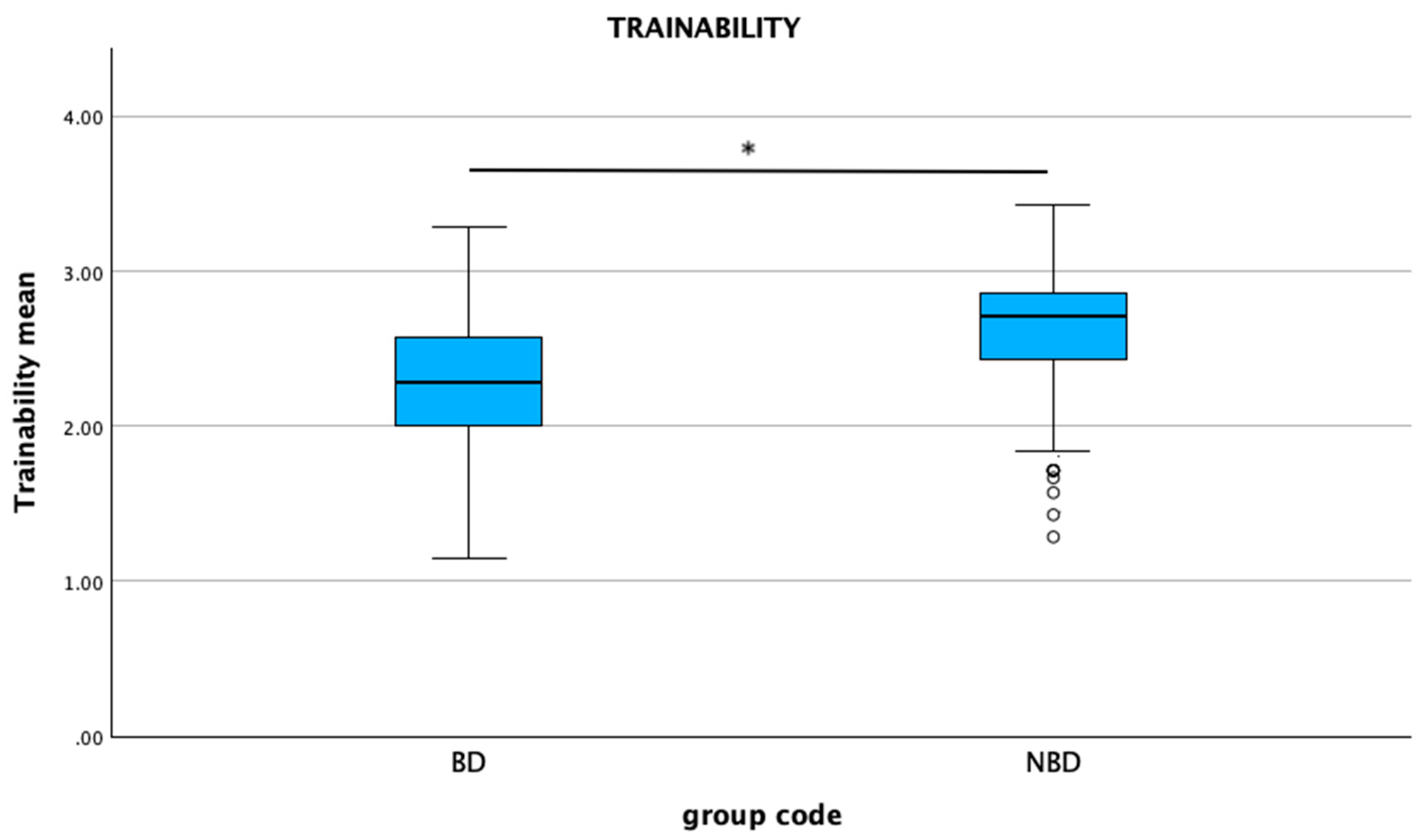
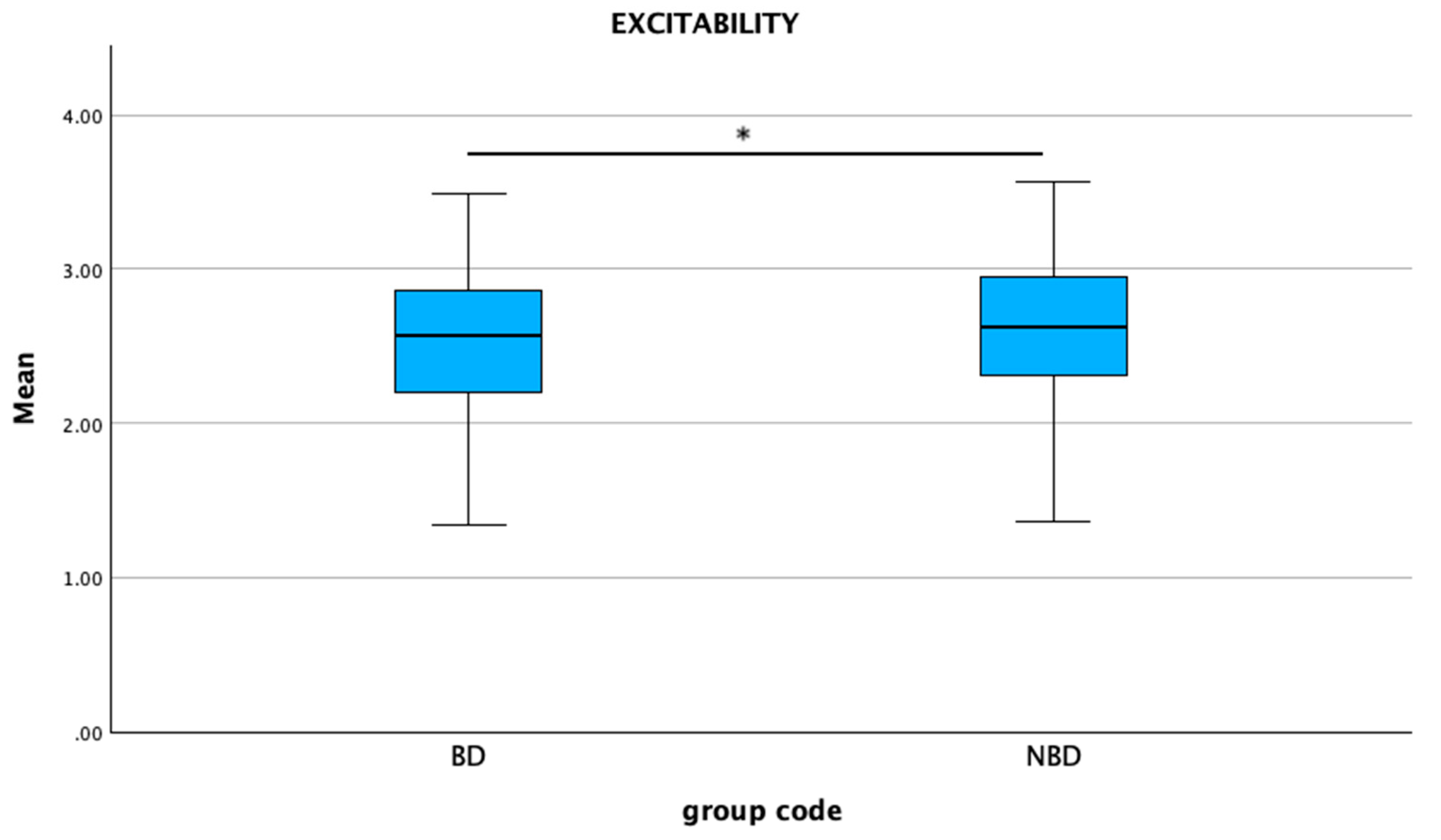
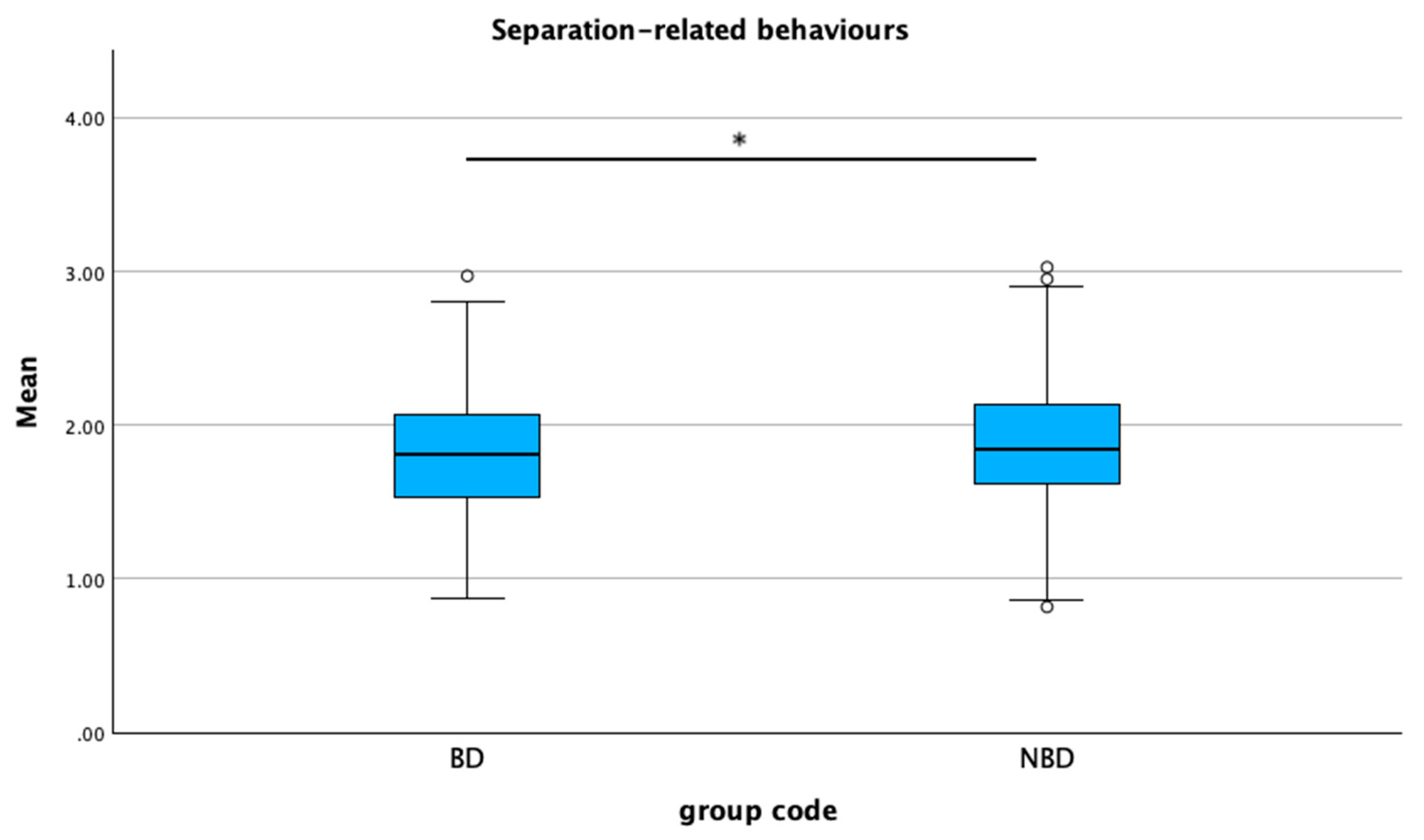
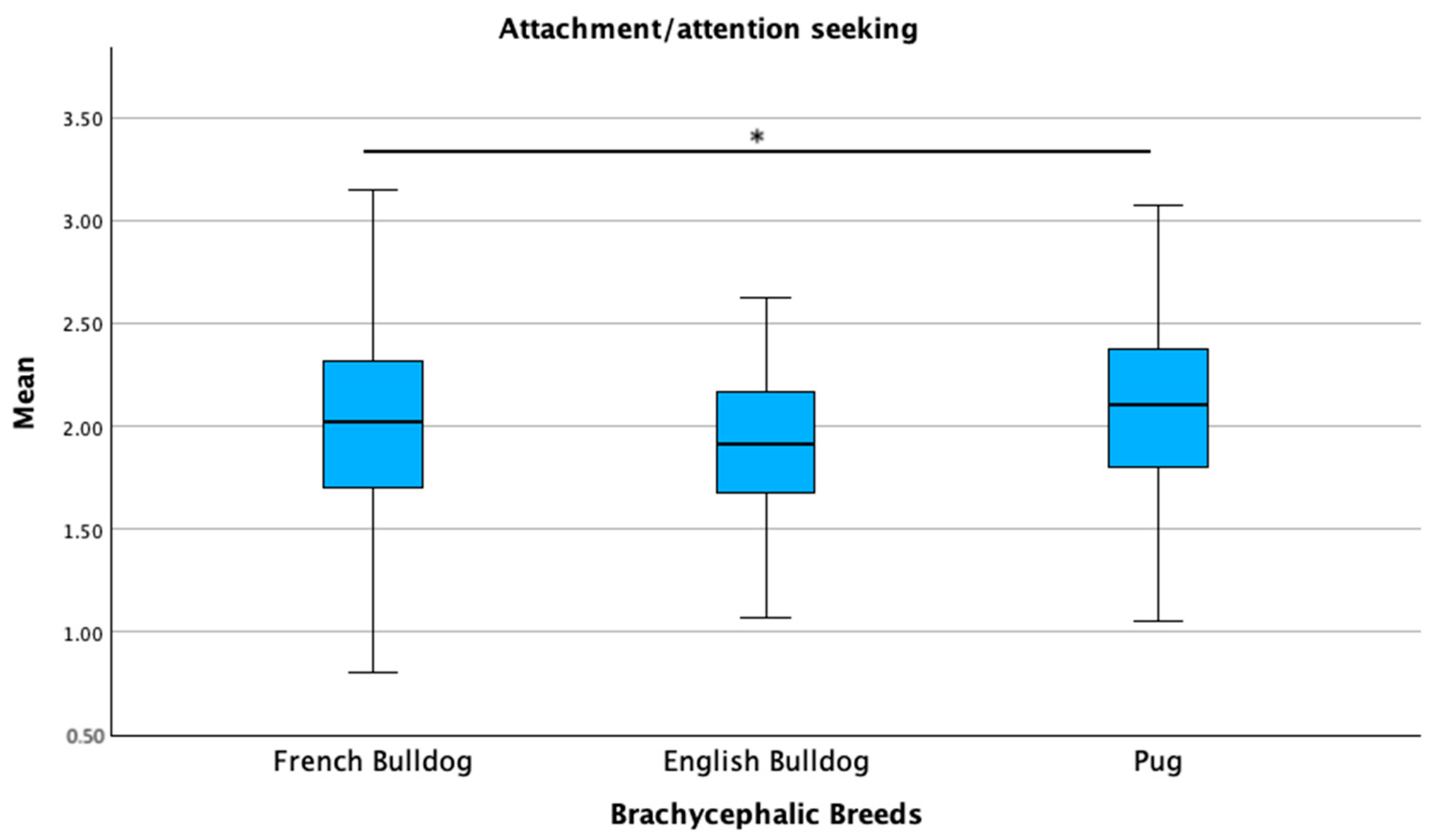
Brachycephalic dogs remain highly popular despite the well-documented health problems associated with their conformation. The aim of this study was to investigate differences in the bonding between humans and dogs, behavioral characteristics, awareness of clinical breed-related ailments, and purchasing intentions among Italian brachycephalic dog owners (BDOs) and non-brachycephalic dog owners (NBDOs). A questionnaire, including the DORS and C-BARQ scales, was administered to 320 BDOs and 408 NBDOs. Despite the occurrence of breed-related disorders, 81% of BDOs rated their dog’s health status as good to excellent. Most BDOs were aware of the prevalence of these disorders in the broader brachycephalic dog population. Character and appearance were the main motivations for choosing these breeds. Owners’ satisfaction with specific aspects of ownership, such as veterinary costs and behavior, generally met expectations. Mean scores of perceived emotional closeness (PEC) and dog–owner interaction (DOI) were significantly higher among BDOs compared to NBDOs, while the perceived cost (PC) mean score was higher among NBDOs. The C-BARQ scores for trainability, excitability, and separation-related behaviors were significantly higher in BDOs than in NBDOs. Despite the growing awareness of health issues, the popularity of brachycephalic breeds persists. Scientific evidence may support a revision of brachycephalic breed standards, prioritizing animal welfare while preserving desirable aesthetic traits, promoting more ethical breeding.