Communication as a Tool for Exhibiting Prosocial Behavior in Dogs
by
 , ,
, ,
Carolina Generoso
1,
Briseida Resende
1,
Natalia Albuquerque
1,
Michaella P. Andrade
2 and
Carine Savalli
3,* 1
Department of Experimental Psychology, Institute of Psychology, University of São Paulo, Avenida Professor Mello Moraes 1721, São Paulo 05508-030, São Paulo, Brazil
2
Graduate Program in Evolution and Diversity, Federal University of ABC, Av. dos Estados, 5001, Bairro Bangu, Santo André 09210-580, São Paulo, Brazil
3
Department of Public Policies and Collective Health, Federal University of São Paulo, Rua Silva Jardim 136, Santos 11015-020, São Paulo, Brazil
*
Author to whom correspondence should be addressed.
Animals 2024, 14(21), 3091; https://doi.org/10.3390/ani14213091
Submission received: 15 August 2024
/
Revised: 22 October 2024
/
Accepted: 24 October 2024
/
Published: 26 October 2024
(This article belongs to the Special Issue Behavior and Welfare of Canids)
Simple Summary
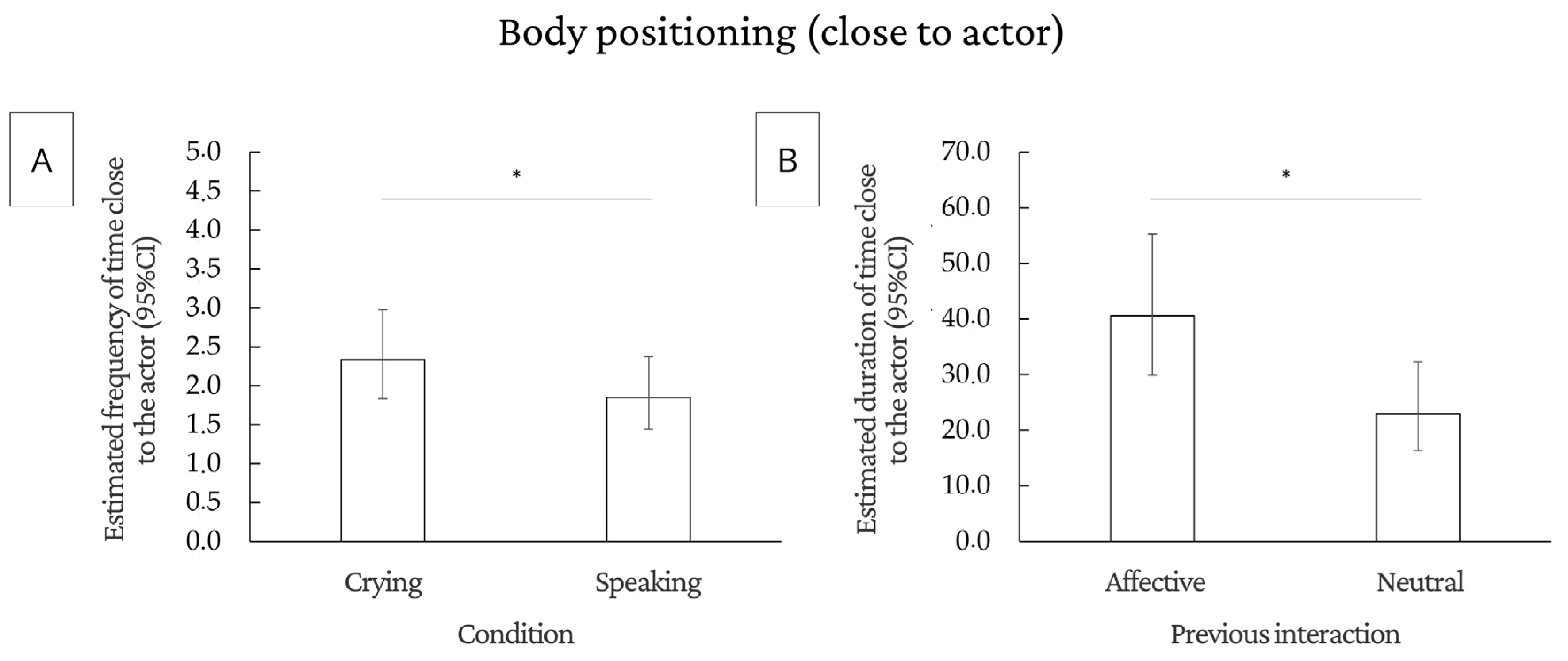
There is evidence that dogs can open a door to gain access to their crying guardian, but it is unclear whether they can communicate with a person to approach another crying individual. In this study, we investigated whether dogs attempt to communicate with an experimenter to request help in accessing a crying individual (an actor) who is inaccessible. We also explored whether this communication differs if the actor offers affection to the dog prior to this experiment. Seventy-nine dogs participated in this research. Our findings indicate that dogs exhibited more visual communicative signals when the actor was speaking and crying compared to when she was simply speaking on the phone. Additionally, when the actor had previously interacted with them through play and petting, the dogs showed increased communicative behavior compared to when she did not interact. Dogs also positioned themselves closer to the actor when she was crying. The possibility of dogs communicating in a comforting context has significant implications for our understanding of empathy, communication, and animal cognition.
Abstract
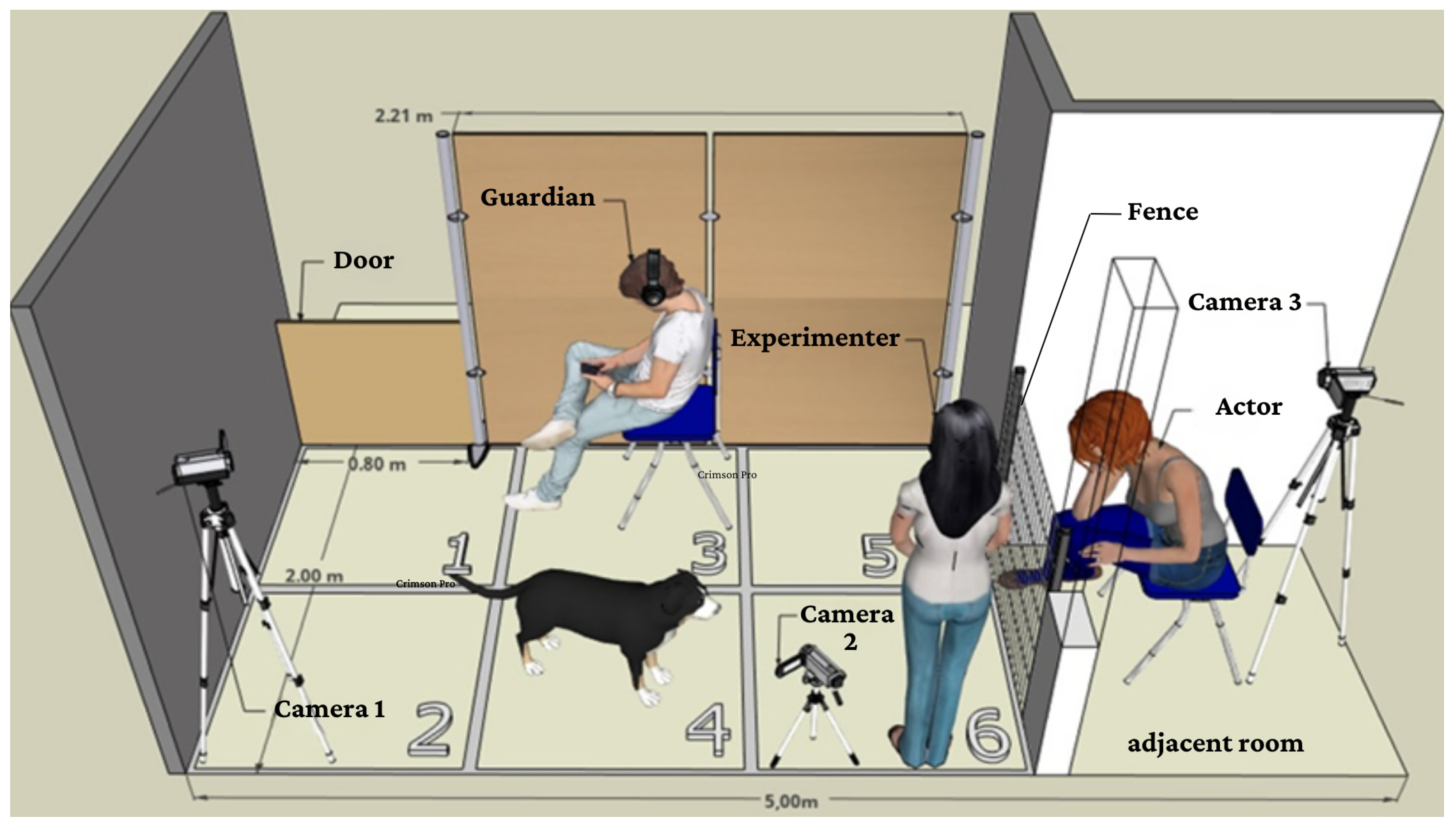
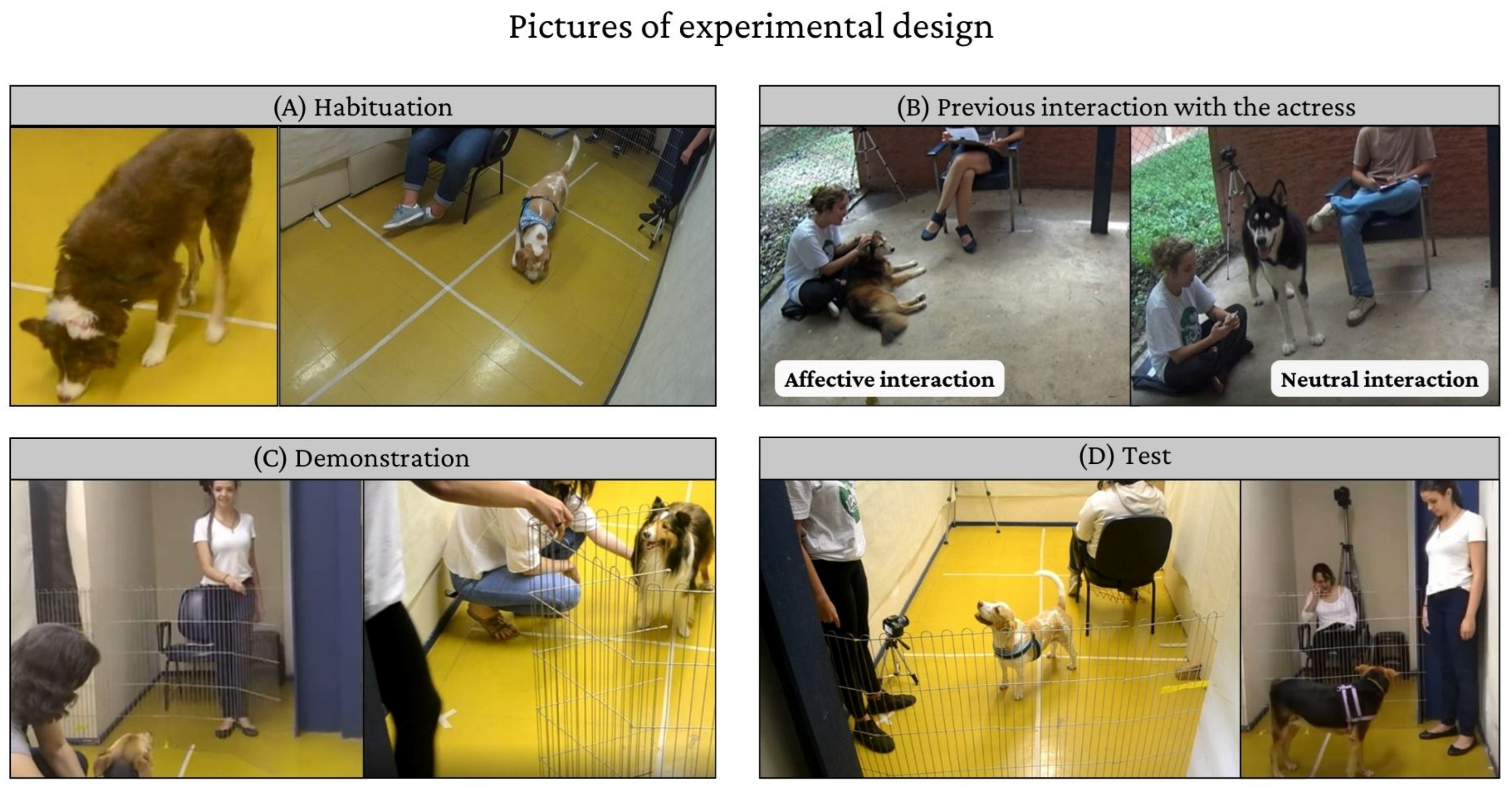
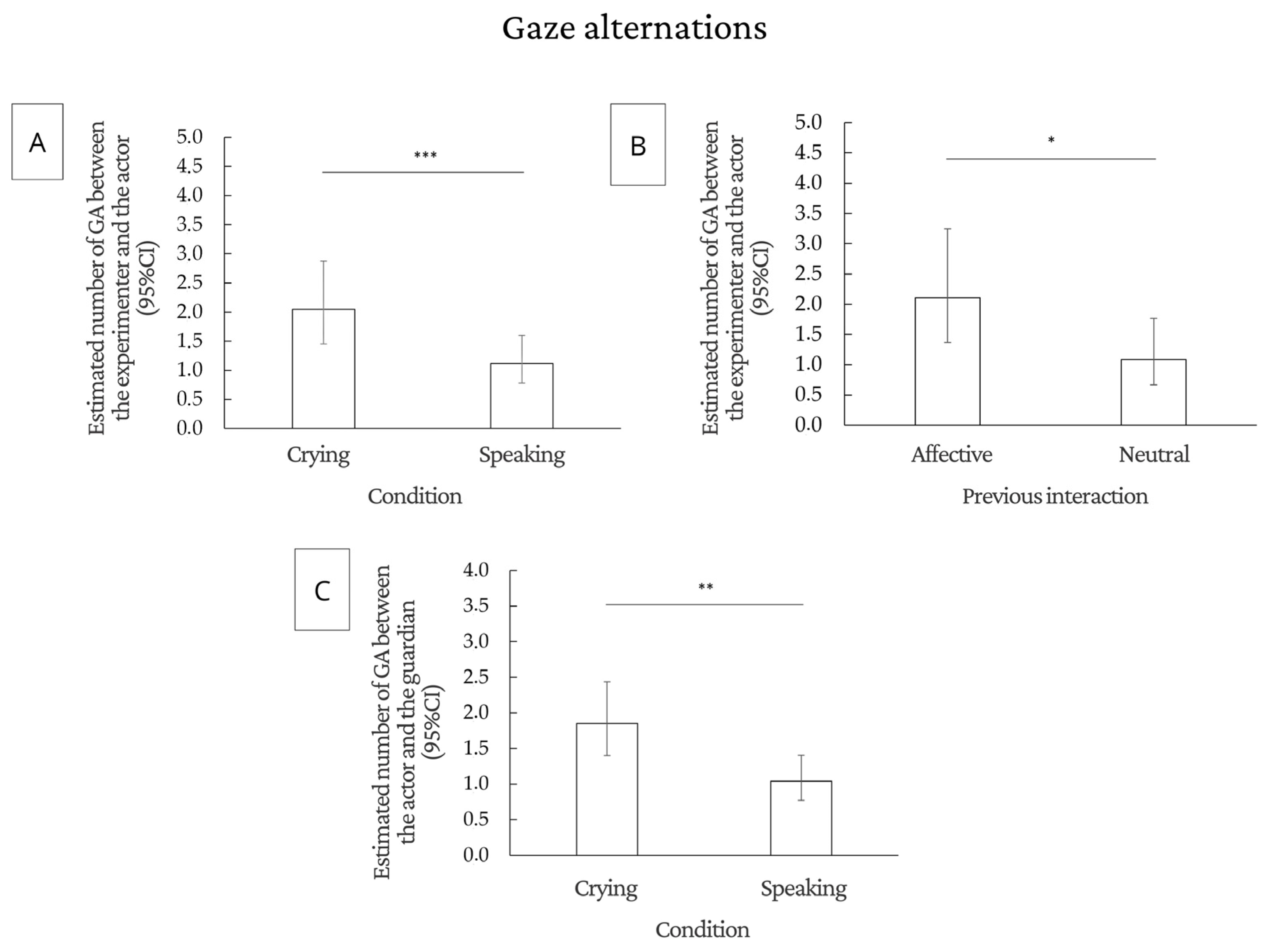
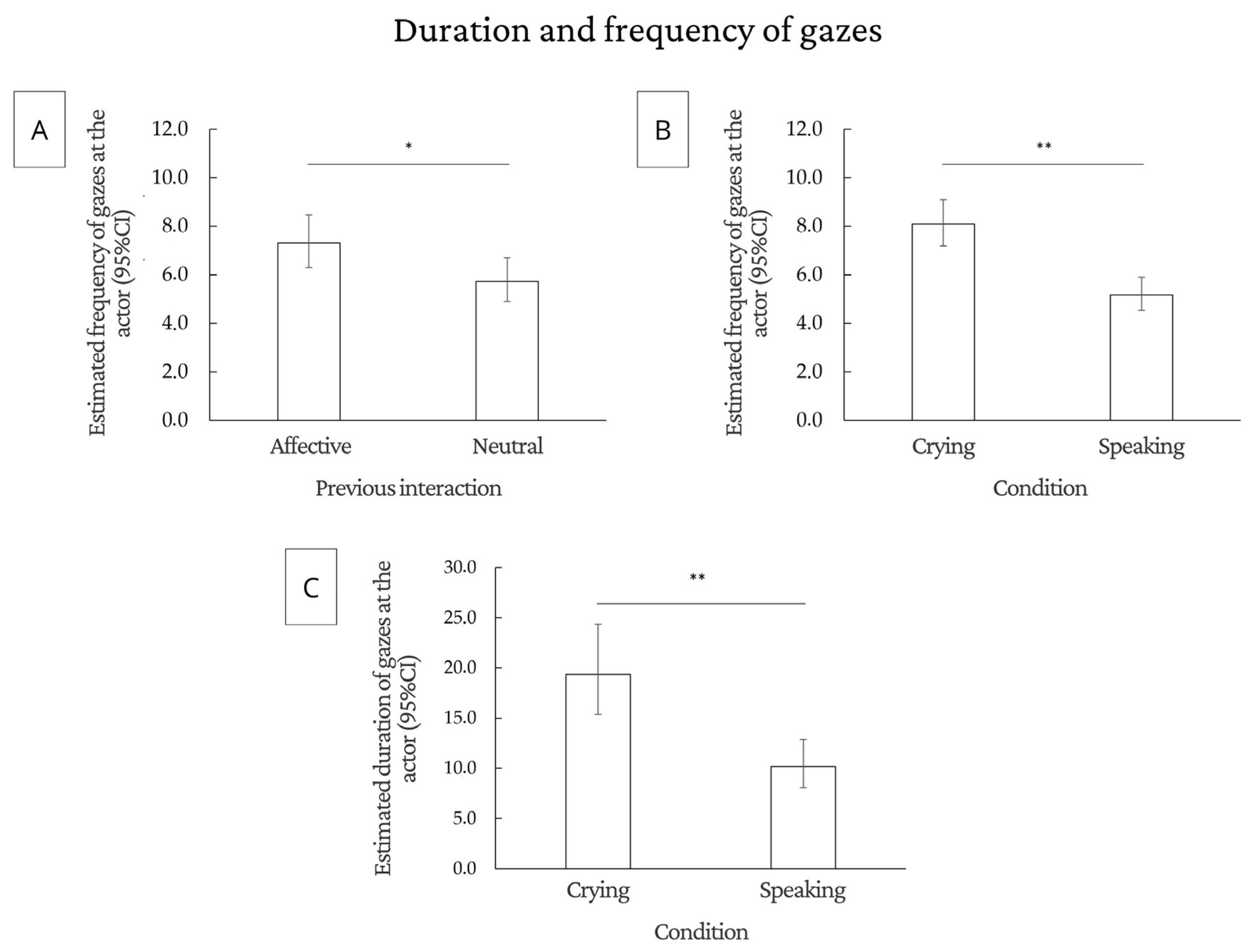
Studies suggest that dogs exhibit prosocial behaviors toward humans and can rescue their guardians trapped in a box. We investigated whether dogs could communicate with an experimenter to gain access to a crying actor (the crying condition) who was visible but inaccessible, as she remained behind a fence throughout the test, or when she was simply speaking (the neutral condition). This experimenter was positioned to allow access to the actor, and the dog was free to move within the environment. Our findings indicate that dogs alternated their gazes more frequently between the actor and the experimenter, as well as between the actor and the dog’s guardian when the inaccessible actor was crying. Furthermore, the number of gazes at the guardian and the actor, as well as the duration of gazing at the actor, were greater in the crying condition. Dogs also remained closer to the actor during the crying condition. Our results suggest the dog made more communicative signals in the crying condition, bringing to light the possibility that this communication was being used as a tool to exhibit prosocial behaviors toward the actor.
Keywords:
communication; dogs; empathy; social cognition