Environmental Drivers of Local Demography and Size Plasticity in Fire Salamanders (Salamandra salamandra)


Department of Biology, Zoology Group, University of Koblenz, 56070 Koblenz, Germany
Animals 2024, 14(19), 2869; https://doi.org/10.3390/ani14192869
Submission received: 16 August 2024
/
Revised: 1 October 2024
/
Accepted: 4 October 2024
/
Published: 5 October 2024
(This article belongs to the Special Issue Age Determination, Growth and Longevity of Amphibians and Reptiles)
Simple Summary
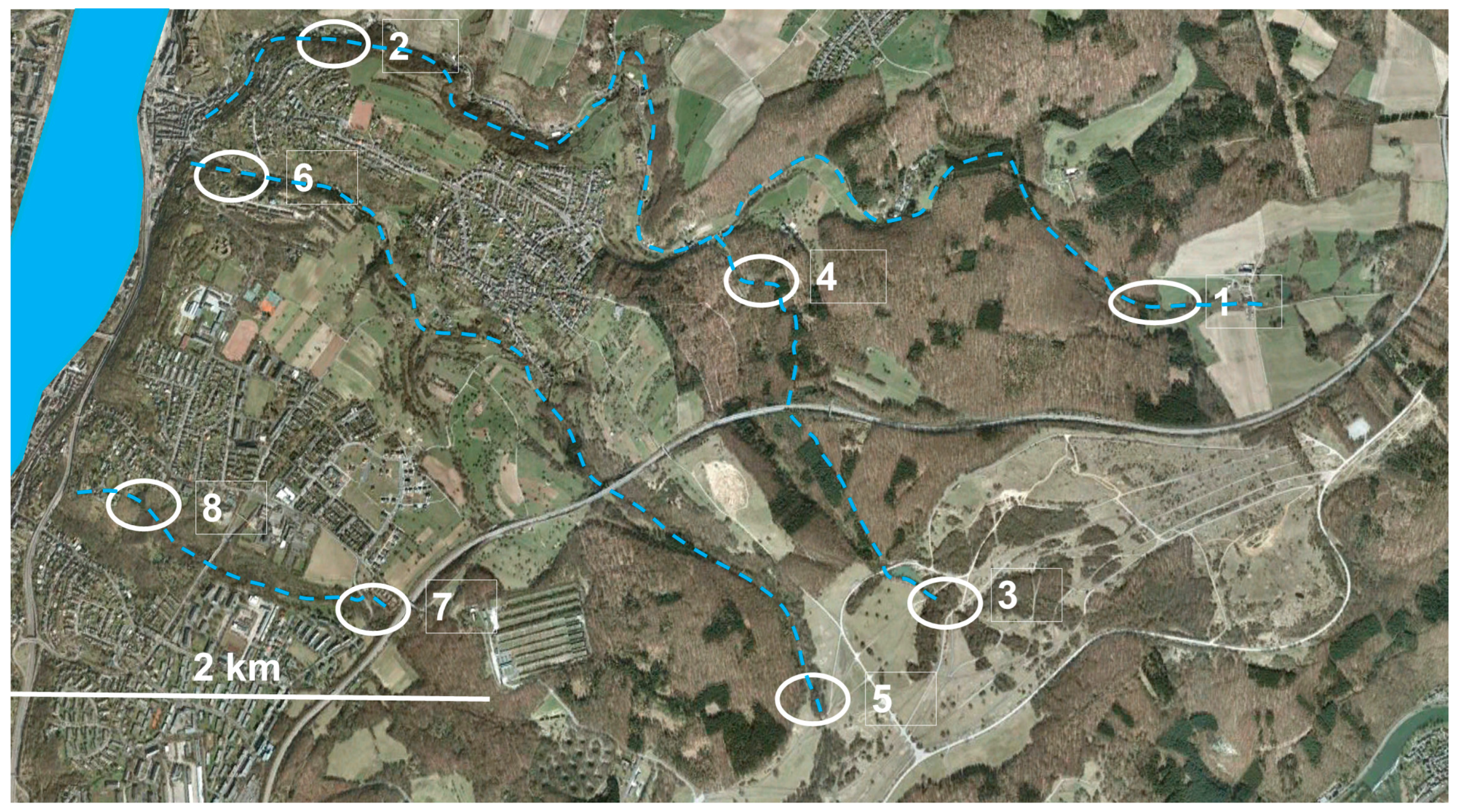
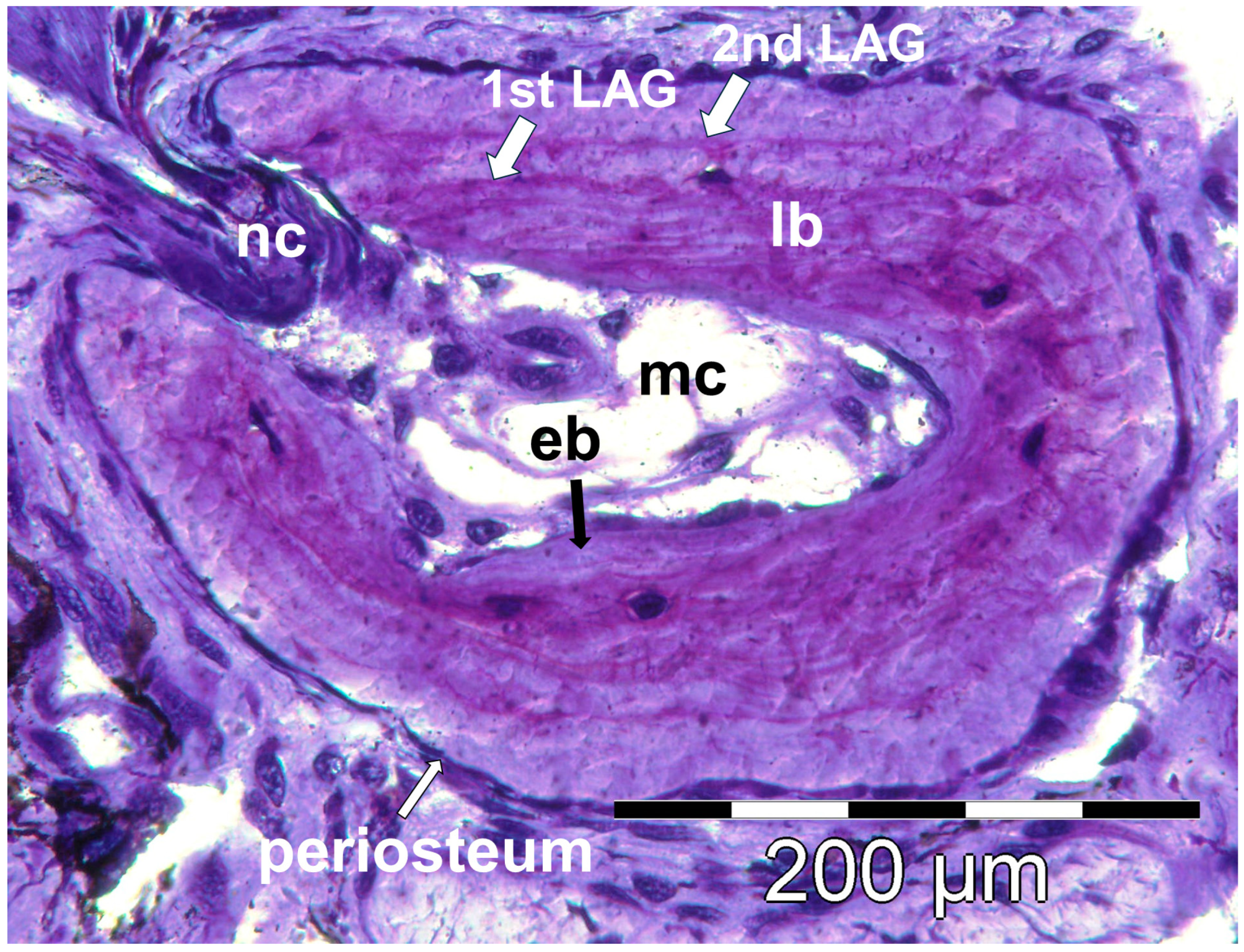
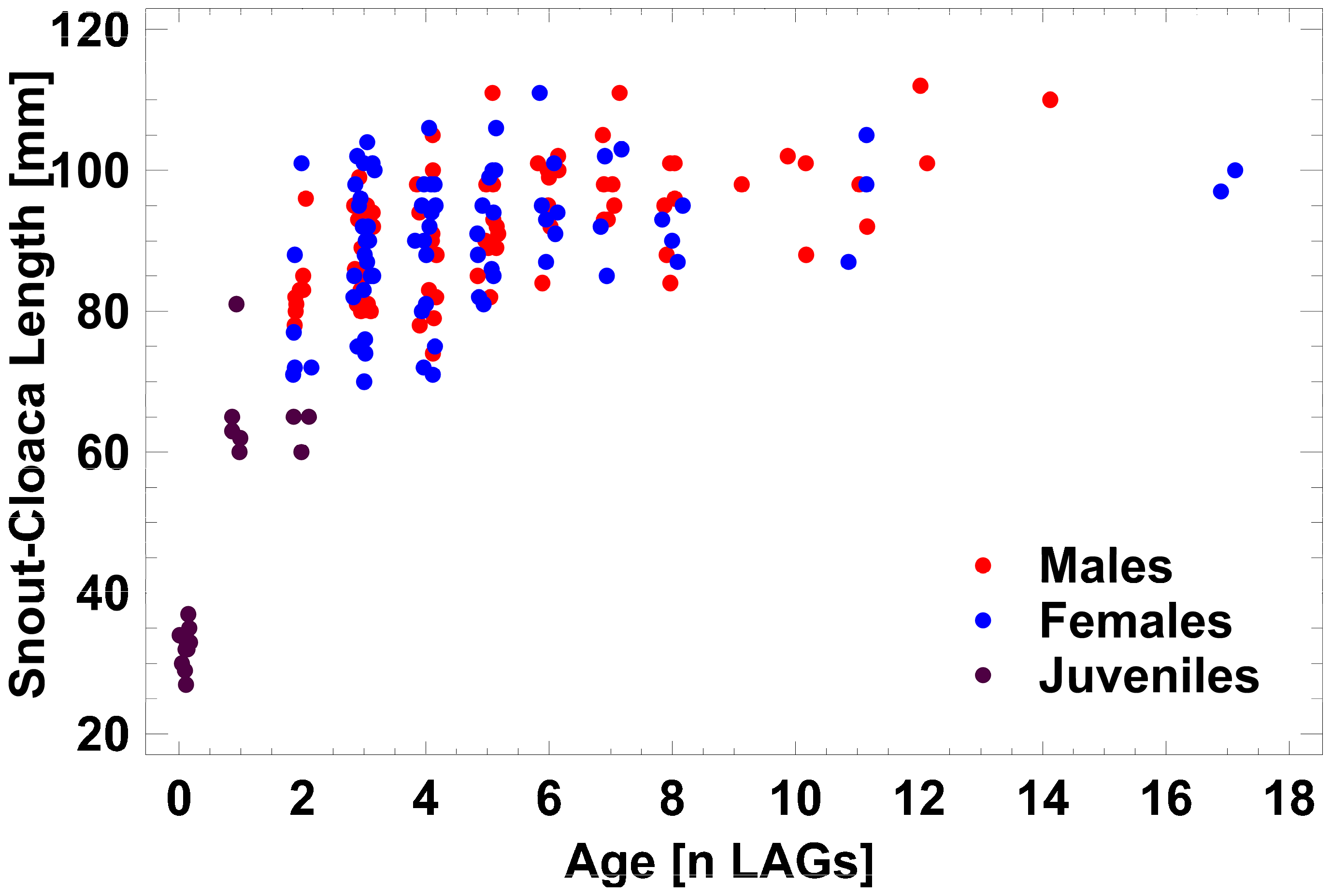
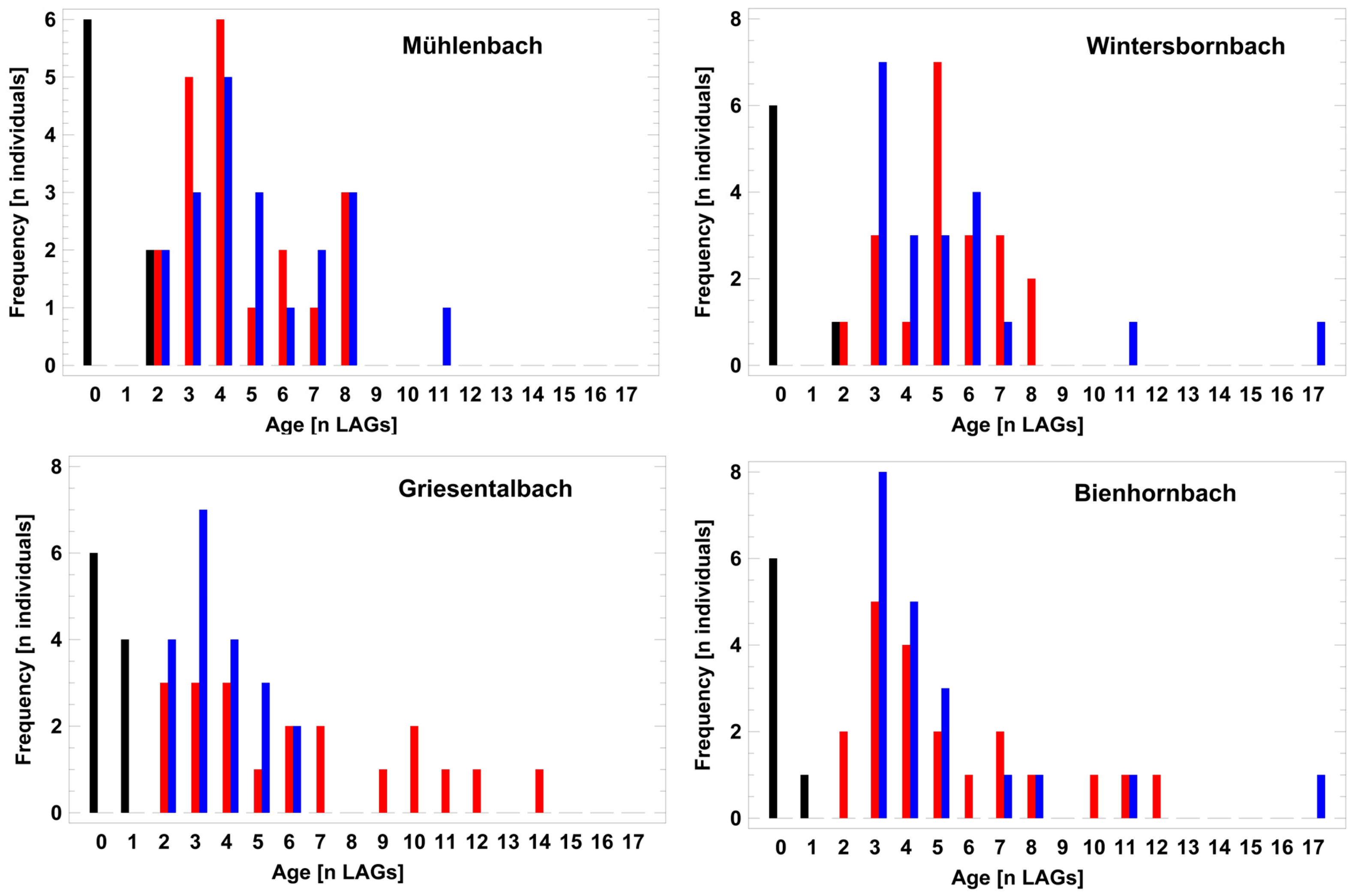
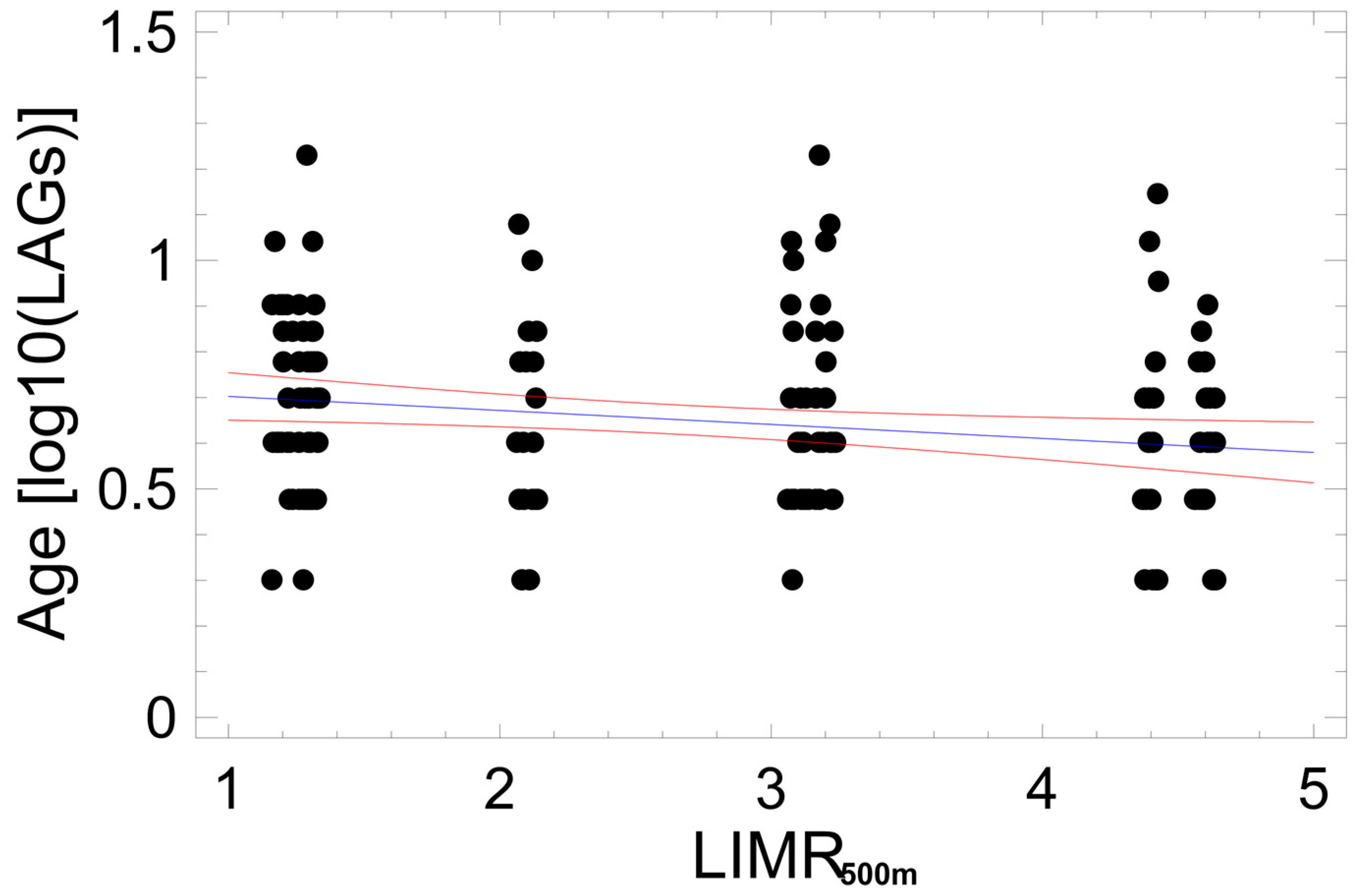
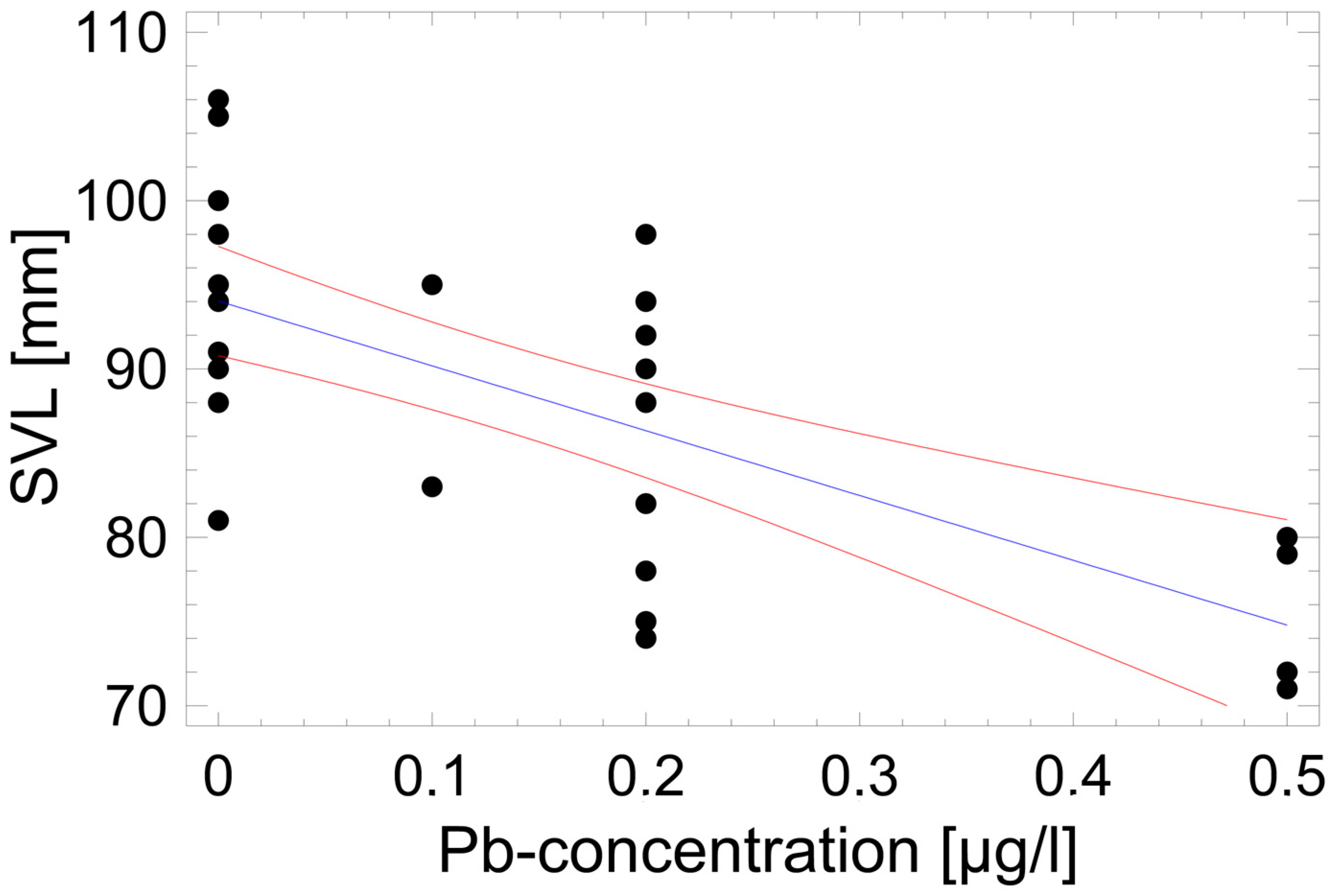
Age and size variation in widespread amphibians are often related to latitudinal or altitudinal temperature gradients. Species with toxic skin secretions, such as the fire salamander Salamandra salamandra, are an exception to the rule because their survival rates are relatively unaffected by predation, the major source of amphibian mortality. In contrast, average adult size varies greatly among populations, but variation is unrelated to geographical gradients. This study on four neighboring fire salamander populations inhabiting the catchments of low-order streams in the upper middle Rhine Valley (Koblenz, Germany) focuses on the identification of local environmental drivers of variation in age and body size distributions. I collected 192 individuals at two localities per stream, snout–vent length measured, clipped a toe for posterior skeletochronological age determination, and released salamanders in situ again. As expected, demographic parameters were in the range of other populations with an age at maturity of 2–3 years and a maximum lifespan of 17 years, but terrestrial habitat quality accounted for 3.6% of variation among populations. Variation in adult size resulted mainly from a carry-over effect of heavy metal contamination on juvenile growth rates. In conclusion, the average adult body size is a sensitive indicator of local habitat quality.
Abstract
Conspecific amphibian populations may vary widely in local demography and average body size throughout their geographical range. The environmental drivers of variation may reflect geographical gradients or local habitat quality. Among fire salamander populations (Salamandra salamandra), local demography shows a limited range of variation because high concentrations of skin toxins reduce mortality from predation to a minimum, whereas average adult body size varies significantly over a wide range. This study on four neighboring populations inhabiting the catchments of low-order streams in the upper middle Rhine Valley (Koblenz, Germany) focuses on the identification of local environmental drivers of variation in age and body size. I collected 192 individuals at two localities per stream, measured snout–vent length, clipped a toe for posterior skeletochronological age determination, and released salamanders in situ again. Populations were similar in age distribution. Local habitat quality accounted for a significant proportion of demographic variability, mediated by the impact of landscape-induced mortality risk, including roads and agriculture. Still, the main effect of variation in habitat quality was on adult body size, the result of growth rates of aquatic larvae and terrestrial juveniles. Larvae exposed to non-lethal heavy metal contamination in streams developed into smaller juveniles and adults than clean-water larvae, providing evidence for carry-over effects from one stage to another. The generally small average adult size in the Rhine Valley populations compared to those in other parts of the distribution range indicates the action of a still unidentified environmental driver.