Extruded Enzyme-Added Corn Improves the Growth Performance, Intestinal Function, and Microbiome of Weaning Piglets


Key Laboratory for Animal Disease-Resistance Nutrition of China Ministry of Education, Institute of Animal Nutrition, Sichuan Agricultural University, Chengdu 611130, China
*
Author to whom correspondence should be addressed.
Animals 2022, 12(8), 1002; https://doi.org/10.3390/ani12081002
Submission received: 7 March 2022
/
Revised: 6 April 2022
/
Accepted: 11 April 2022
/
Published: 13 April 2022
(This article belongs to the Special Issue Gastrointestinal Tract Health in Pigs)
Simple Summary
Energy feeds such as corn, wheat, and barley usually contain large amounts of raw starch, which is generally required to be extruded for animals. In addition, amylase preparations are widely added into the diet to degrade raw starch and promote its digestion in livestock animals. The in vitro degradation of corn starch could be a strategy for improving the starch digestion, as it is unknown whether the starch structure and its in vivo digestion could be improved by adding amylase during extrusion, regulating the extrusion moisture content. In this study, we aimed to investigate the effects of extruded corn with added amylase under different moisture conditions on the growth performance, intestinal function, and microbiome of weaning piglets.
Abstract
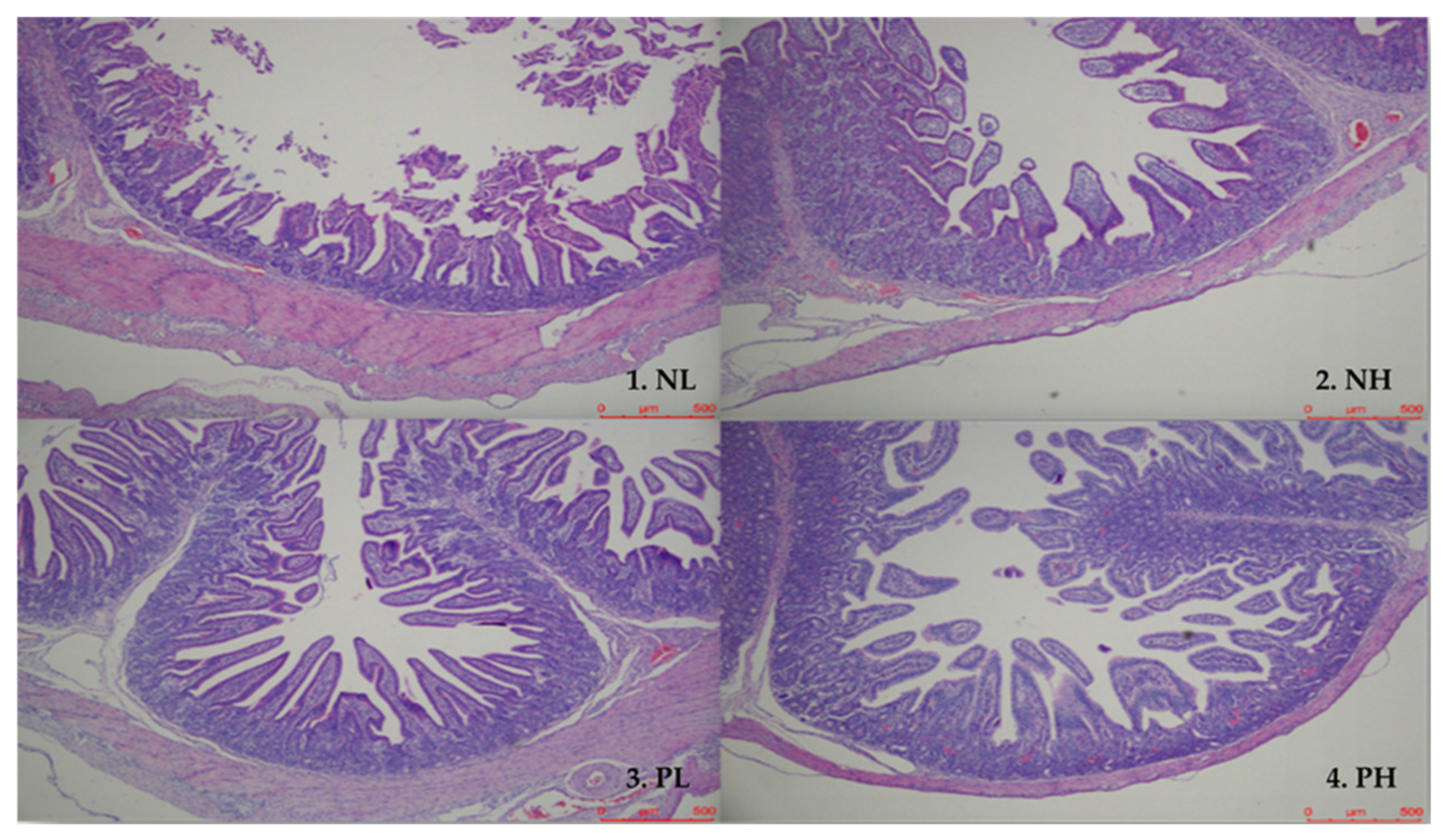
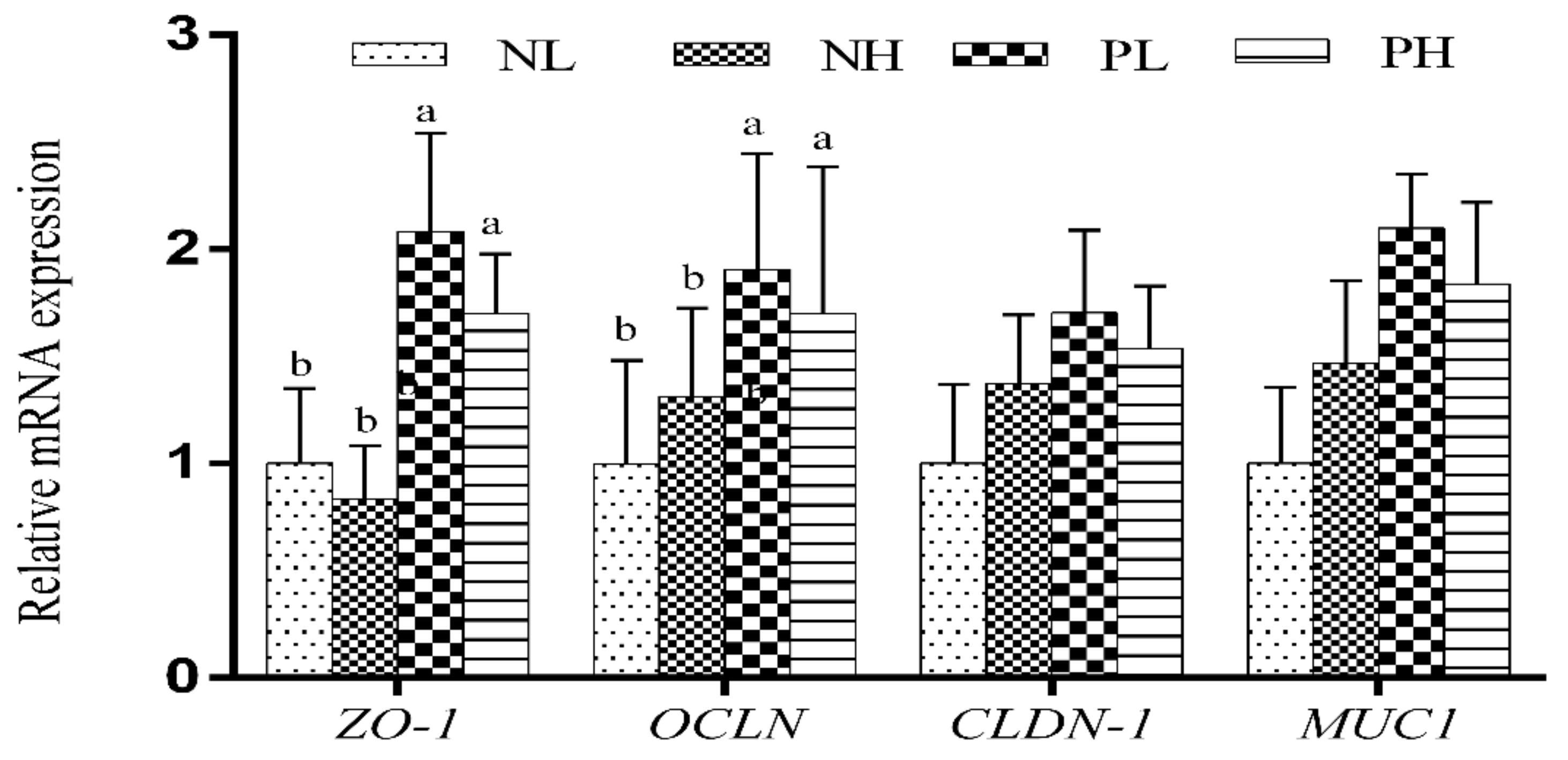
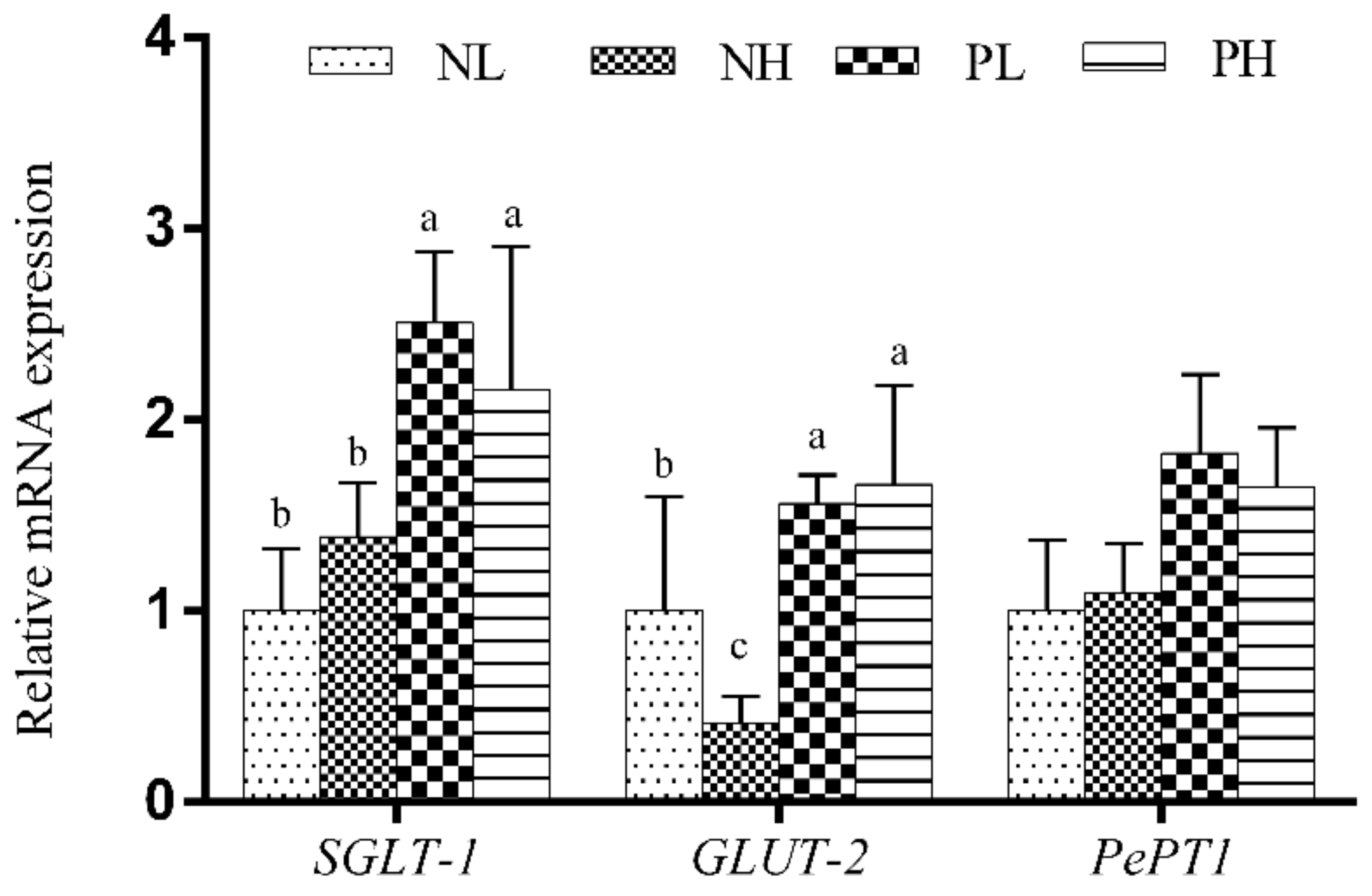
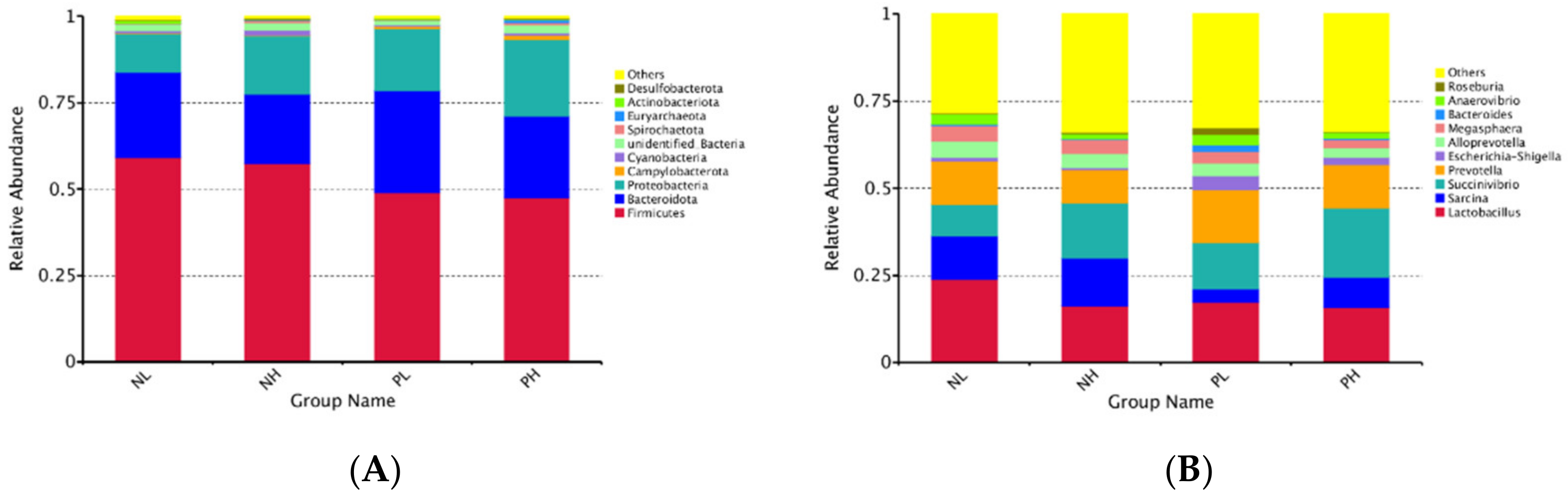
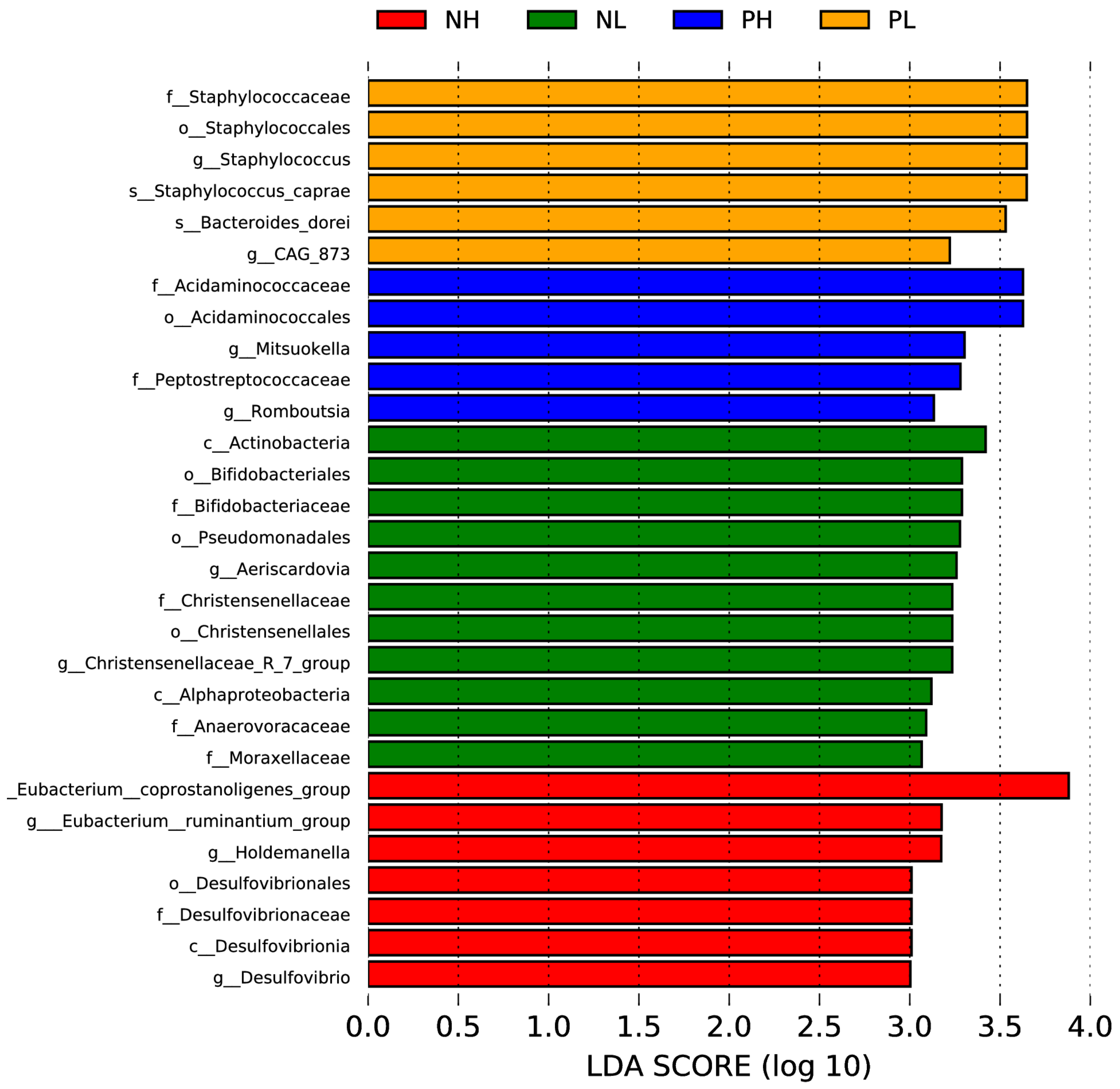
The objective of this study was to evaluate the effects of extruded corn with added amylase under different moisture conditions on the growth performance, intestinal function, and microbiome of weaning piglets. Fourty-eight 24-day-old weaning piglets (Duroc × Landrace × Yorkshire, weaned at 22 ± 1 d) with an initial body weight of 6.76 ± 0.15 kg were randomly assigned to one of four dietary treatments with six replicates per treatment and two pigs per replicate: (1) NL (adding 7.5% water before corn extrusion, negative treatment with low moisture); (2) NH (adding 15.0% water before corn extrusion, negative treatment with high moisture); (3) PL (adding 7.5% water and 4 kg/t α-amylase before corn extrusion, positive treatment with low moisture); and (4) PH (adding 15% water and 4 kg/t α-amylase before corn extrusion, positive treatment with high moisture). Results showed that amylase supplementation (4 vs. 0 kg/t) increased the contents of small molecular oligosaccharides of extruded corn (p < 0.05). Amylase supplementation significantly improved the average daily feed intake, apparent total tract digestibility (ATTD) of dry matter, crude protein, gross energy, crude fat, ash, phosphorus, and calcium, and also increased the activities of jejunal trypsin, α-amylase, lipase, sucrase, maltase, γ-glutamyl transferase and alkaline phosphatase activities, improved the duodenal, jejunal and ileal morphology, and increased the relative mRNA expressions of the ZO-1, OCLN, SGLT1, and GLUT2 genes in the jejunum (p < 0.05), whereas it decreased the contents of isobutyric acid in cecal digesta, as well as acetic acid and isobutyric acid in colonic digesta (p < 0.05). Moreover, the linear discriminant analysis effect size (LEfSe) showed that piglets fed extruded corn with added enzymes contained less intestinal pathogenic bacteria, such as Holdemanella and Desulfovibrio, compared with piglets fed just extruded corn. In summary, the results of the present study indicated that the supplementation of α-amylase during the conditioning and extruding process of corn increased the small molecular oligosaccharide content of corn starch. Moreover, piglets receiving extruded enzyme-added corn had better growth performance, which was associated with the improved intestinal digestive and absorptive function, as well as the intestinal microbiome.