Evaluating the Behavioural Responses of Healthy Newborn Calves to a Thoracic Squeeze
by
 , ,
, ,
Sophia E. Holdsworth
1, 
Nikki J. Kells
1,
Emilie Vallée
2,
Neil Ward
1,
David J. Mellor
1 and
Ngaio J. Beausoleil
1,* 1
Animal Welfare Science and Bioethics Centre, School of Veterinary Science, Massey University, Private Bag 11-222, Palmerston North 4442, New Zealand
2
EpiCentre, School of Veterinary Science, Private Bag 11-222, Palmerston North 4442, New Zealand
*
Author to whom correspondence should be addressed.
Animals 2022, 12(7), 840; https://doi.org/10.3390/ani12070840
Submission received: 17 December 2021
/
Revised: 27 January 2022
/
Accepted: 23 March 2022
/
Published: 26 March 2022
(This article belongs to the Section Animal Welfare)
Simple Summary
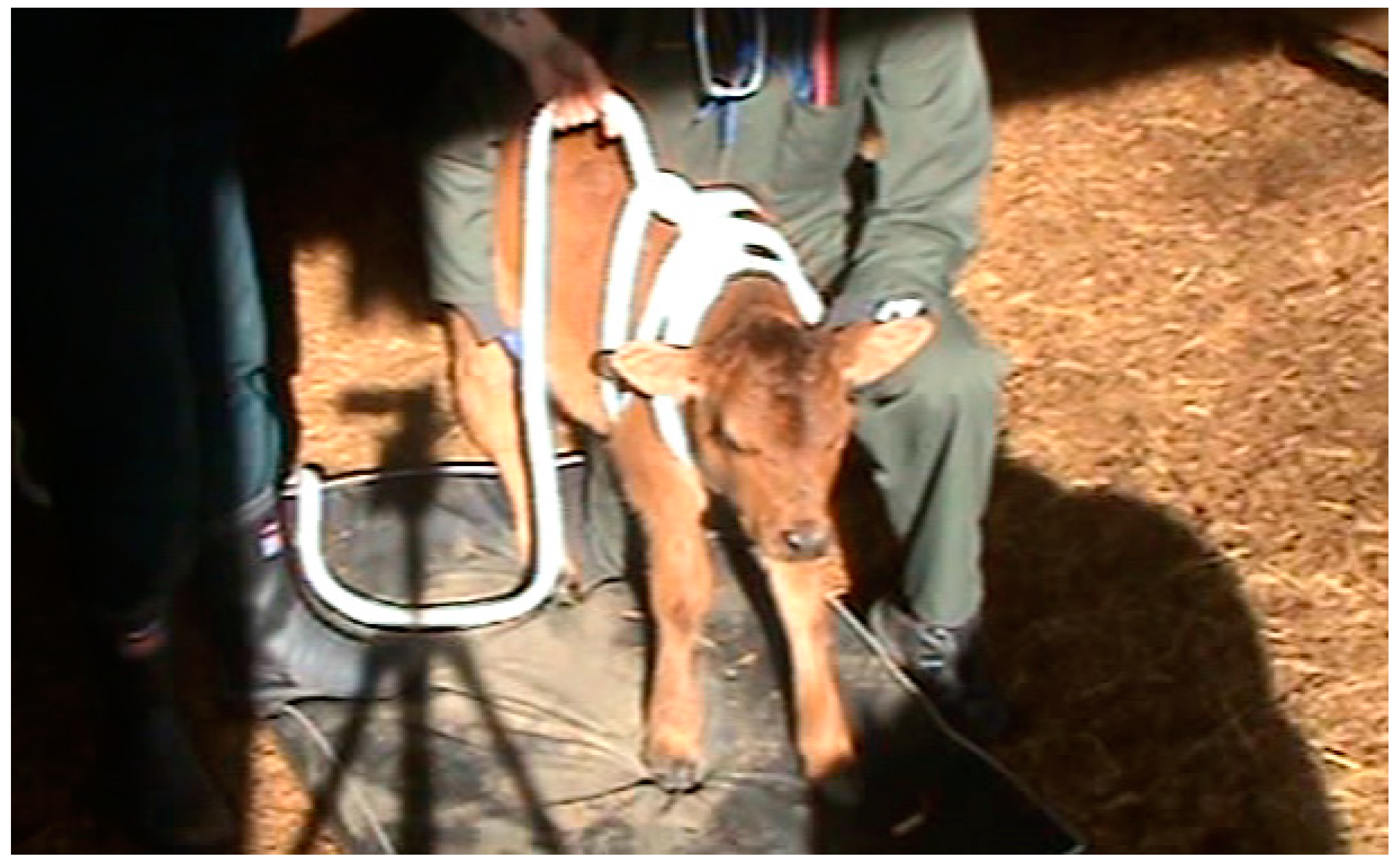
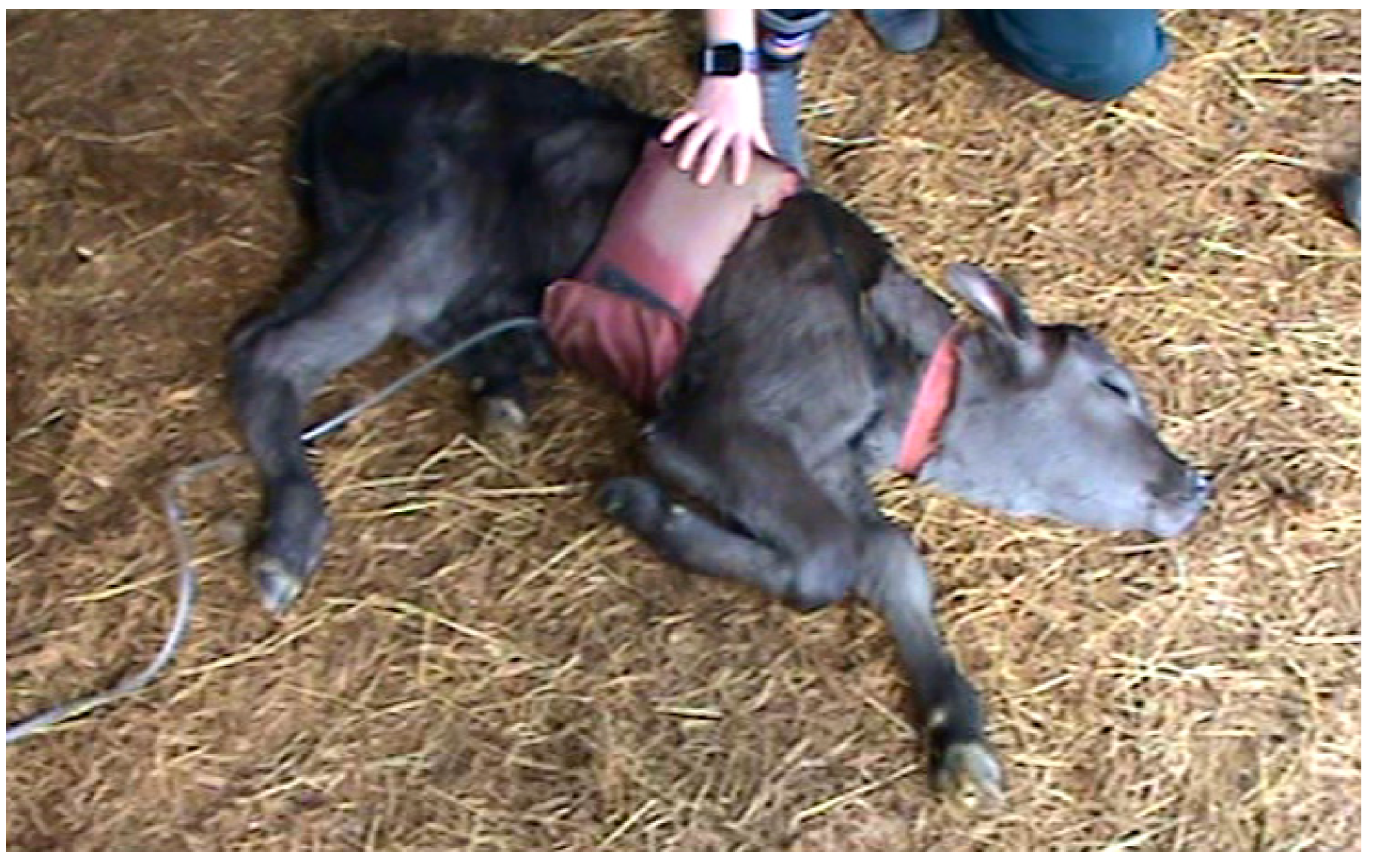
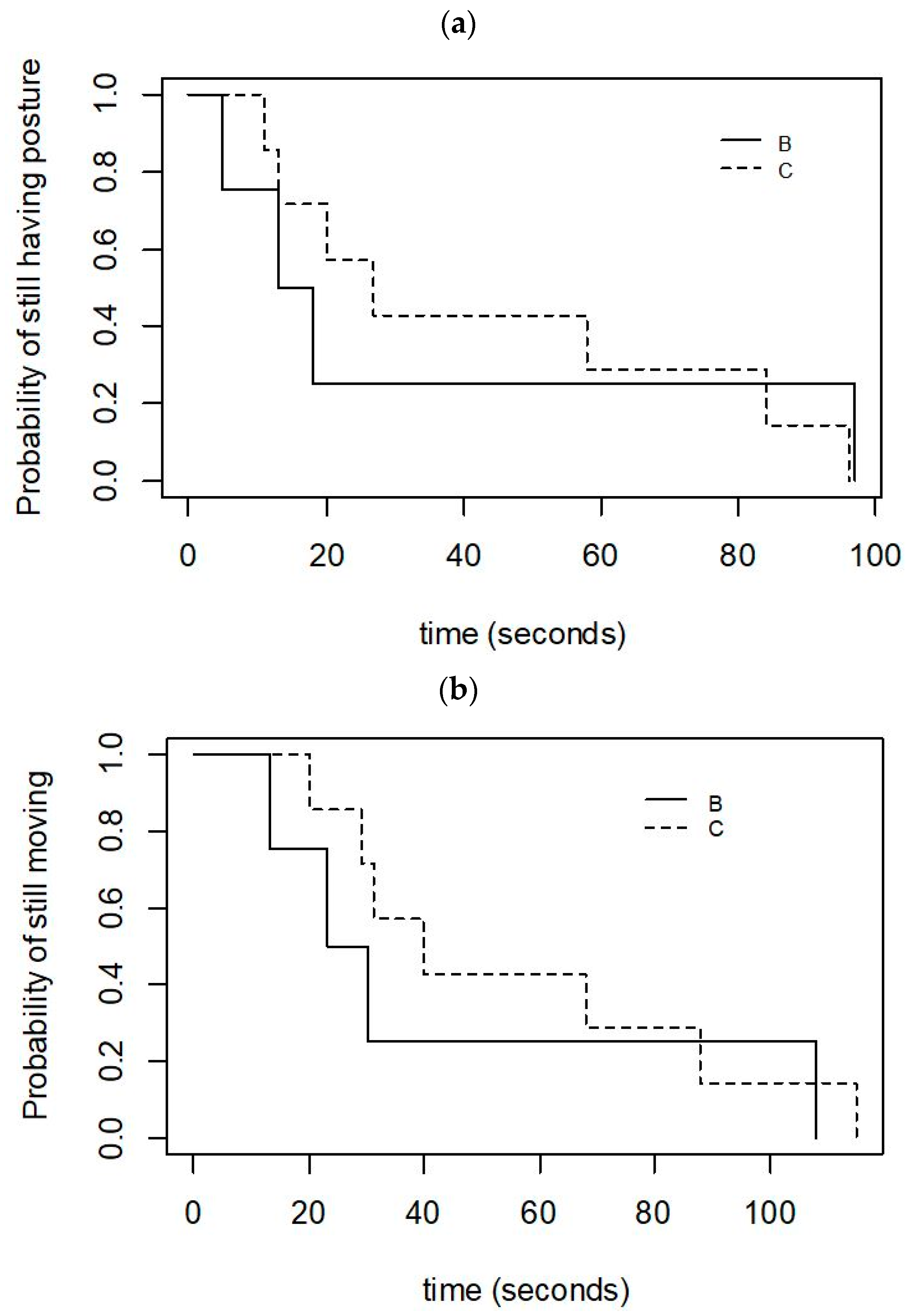
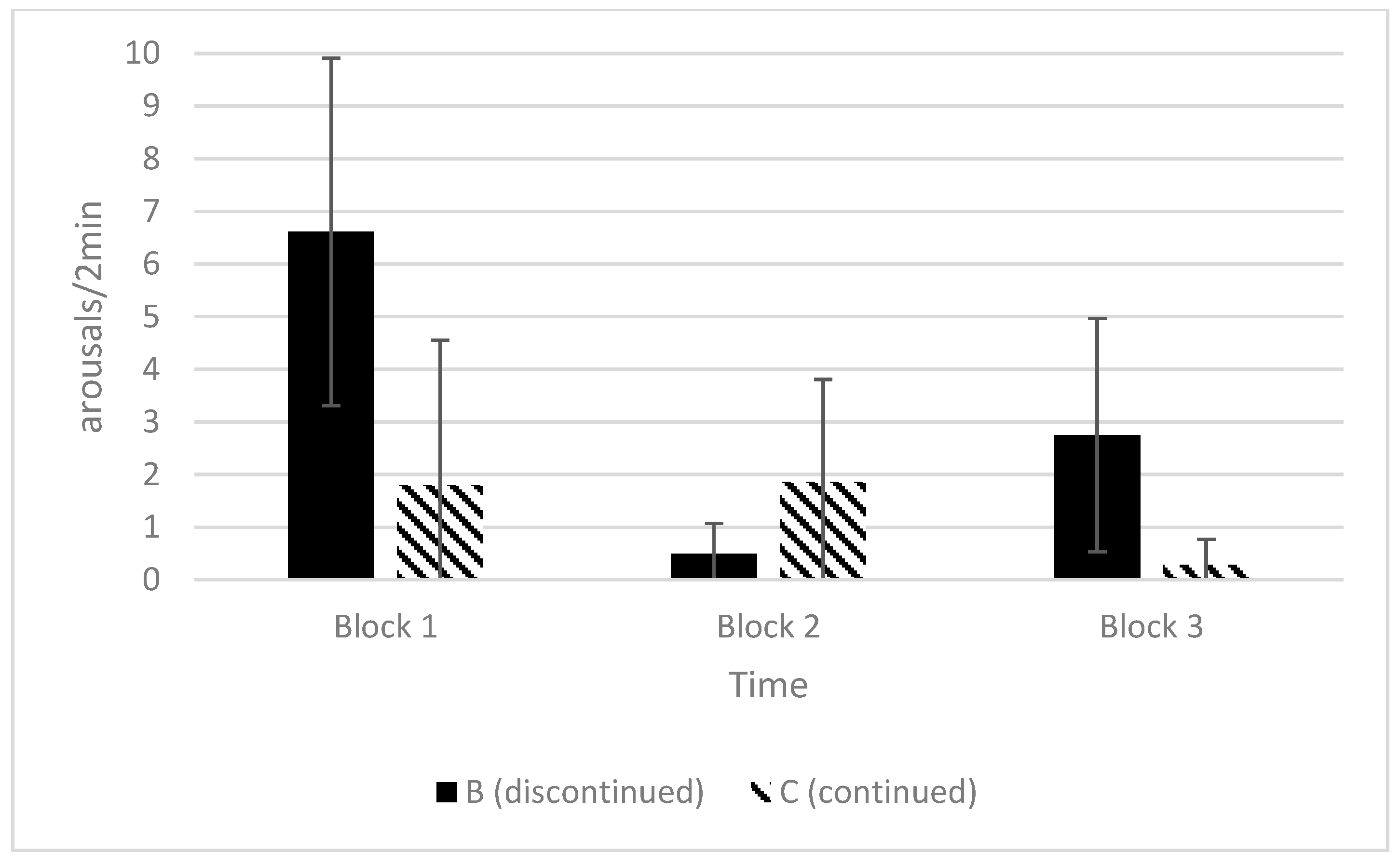
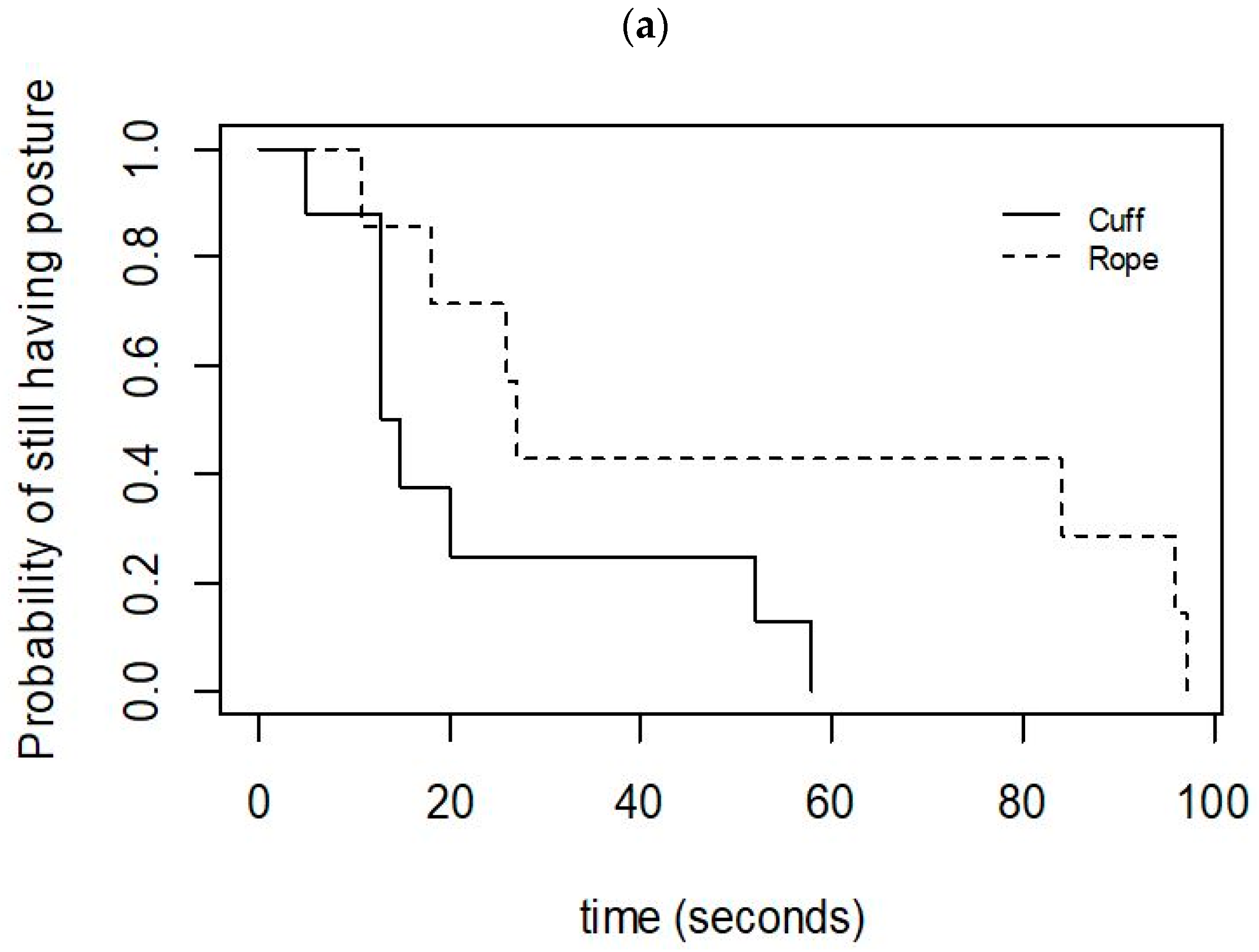
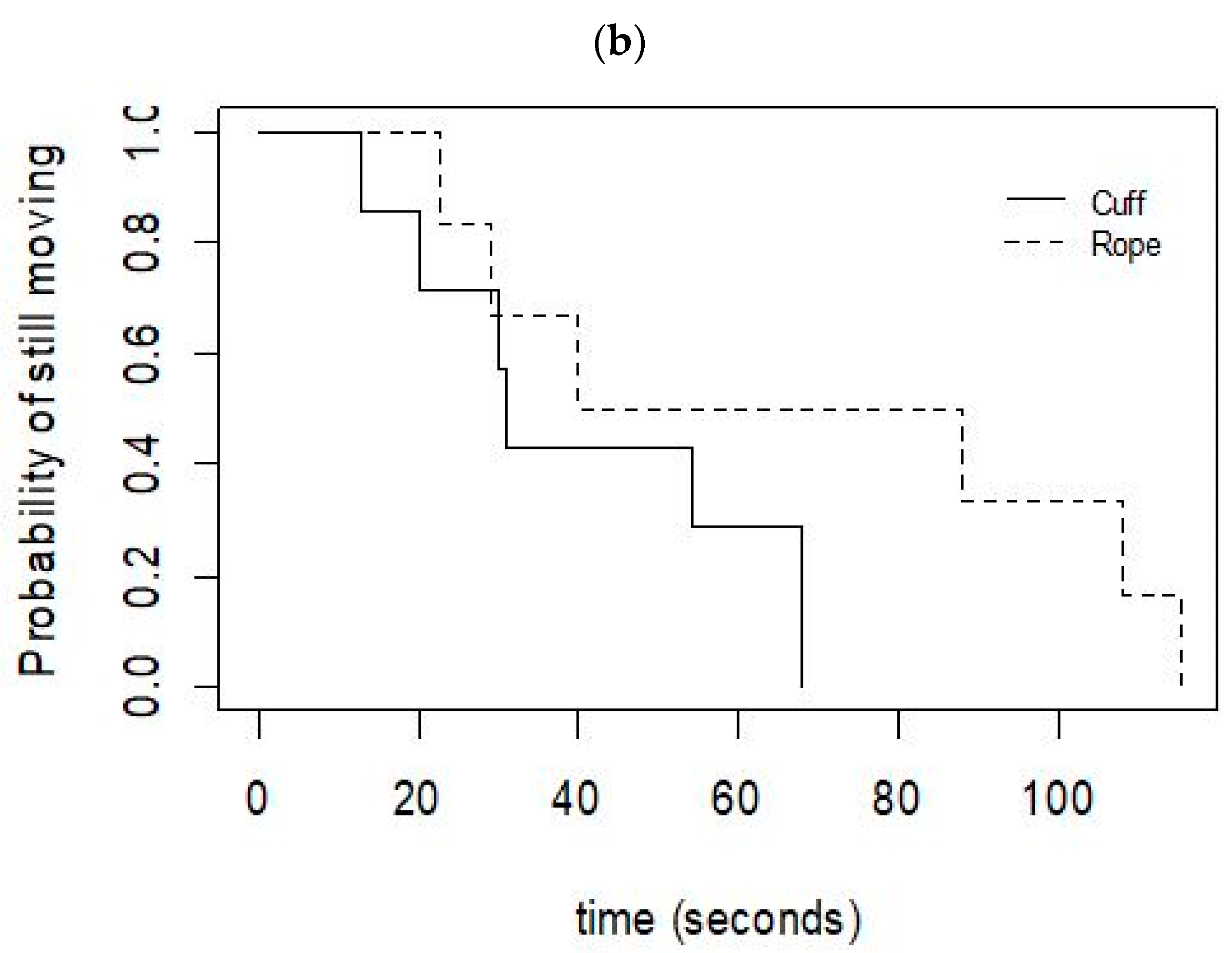
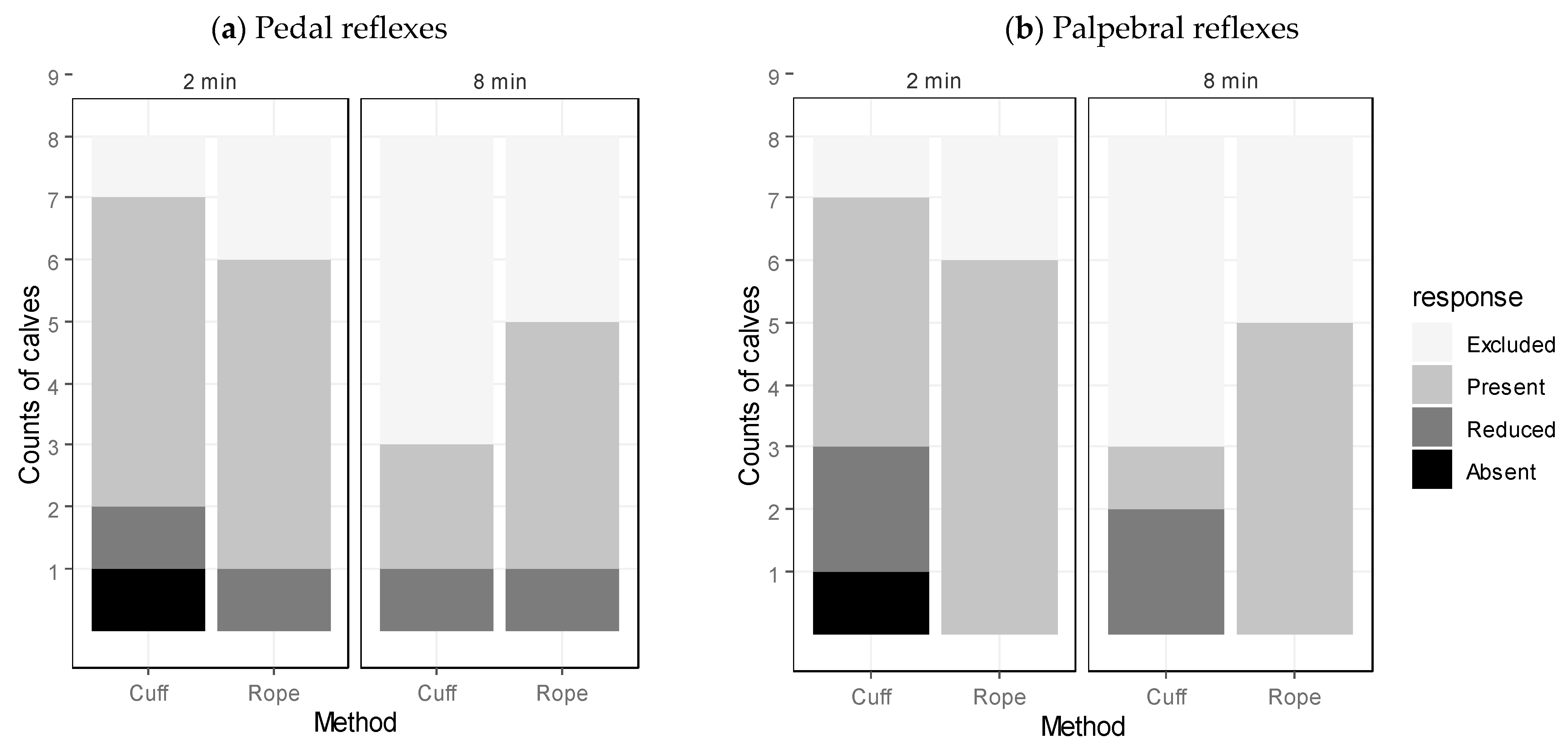
Reports of calves born via caesarean section behaving abnormally have led to the application of a therapy called a ‘thoracic squeeze’ that has been used to ‘recover’ low-vigour neonates of other farmed mammal species. The squeeze involves looping a rope around the chest of the animal and pulling it taut, causing a state of reduced responsiveness. Once the squeeze is removed, low-vigour neonates are reported to immediately stand up and display normal behaviours. We aimed to characterise the behavioural responses of healthy newborn calves to a thoracic squeeze using two methods: a rope and an inflation cuff. In total, 13 of the 16 calves squeezed were induced into a state of reduced responsiveness, though their pedal and palpebral reflexes remained present in nearly all of the calves. For nearly half of the calves induced, the squeeze was discontinued before the end of the 10-min period due to spontaneous arousal or abnormal changes in their physiological status. The calves squeezed with the cuff appeared to lose posture and stop moving faster than the calves squeezed with the rope. This study demonstrates that healthy calves born without assistance respond similarly to the squeeze to other mammalian species, and it provides a foundation for the exploration of the mechanisms underlying these responses.
Abstract
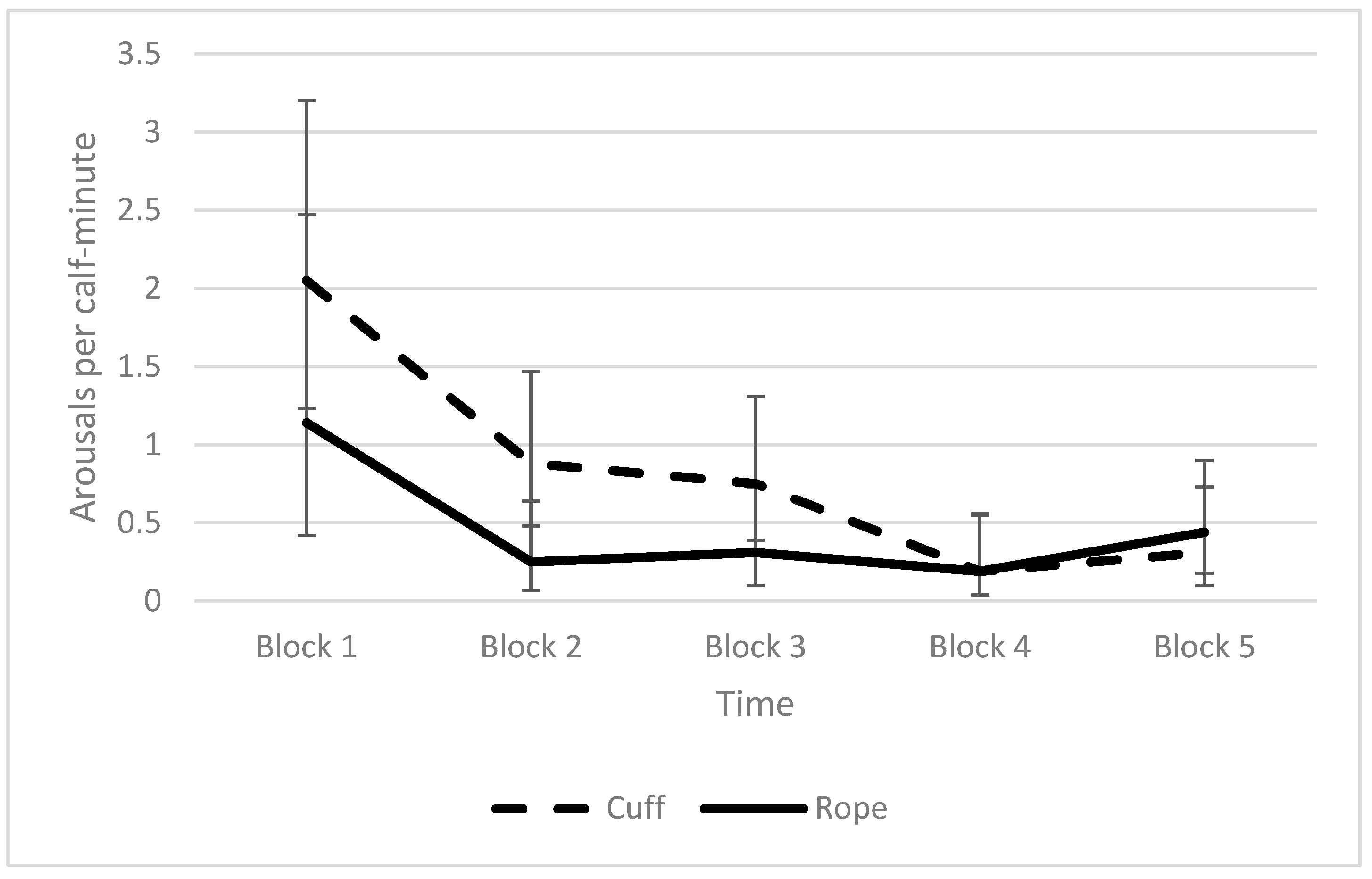
A thoracic squeeze has been observed to cause low-vigour neonates of various farmed mammal species, including calves, to enter a state of reduced responsiveness. The removal of the squeeze causes rapid recovery and the expression of normal, healthy behaviours. However, the responses of healthy calves to a thoracic squeeze have not yet been characterized. The responses of 16 healthy newborn calves to a thoracic squeeze are described, along with the effect of the squeeze’s application method on the response. Calves aged between 12 and 36 h were subjected to the squeeze using a rope (n = 8) or an inflation cuff (n = 8). In total, 13 of the 16 calves were induced into a state of reduced responsiveness, though neural reflexes persisted in nearly all of them. The squeeze was discontinued for nearly half of those induced before the end of the 10-min period, either due to spontaneous arousal or physiological instability. Both methods of application were equally effective at inducing reduced responsiveness, though responses to the cuff appeared to be more rapid than those to the rope. These findings support previous research on piglets and foals, and suggest that the behavioural responses to a thoracic squeeze are generalised across neonates of precocial farmed mammals; the findings provide a foundation for further research exploring the mechanisms underlying the response and the benefits that its application may bring for the performance of husbandry procedures.