Toxoplasmosis in Zoo Animals: A Retrospective Pathology Review of 126 Cases


1
Institute of Veterinary Pathology, Centre for Clinical Veterinary Medicine, Ludwig-Maximilians-University, 80539 Munich, Germany
2
Division of Pathology, Department of Biomolecular Health Sciences, Faculty of Veterinary Medicine, Utrecht University, Yalelaan 1, 3584 CL Utrecht, The Netherlands
3
Bristol Veterinary School, Langford House, Bristol BS40 5DU, UK
4
International Zoo Veterinary Group, Parkwood Street, Keighley BD21 4NQ, UK
*
Author to whom correspondence should be addressed.
Animals 2022, 12(5), 619; https://doi.org/10.3390/ani12050619
Submission received: 13 January 2022
/
Revised: 22 February 2022
/
Accepted: 23 February 2022
/
Published: 1 March 2022
(This article belongs to the Special Issue Pathology in Zoo Animals and Conservation)
Simple Summary
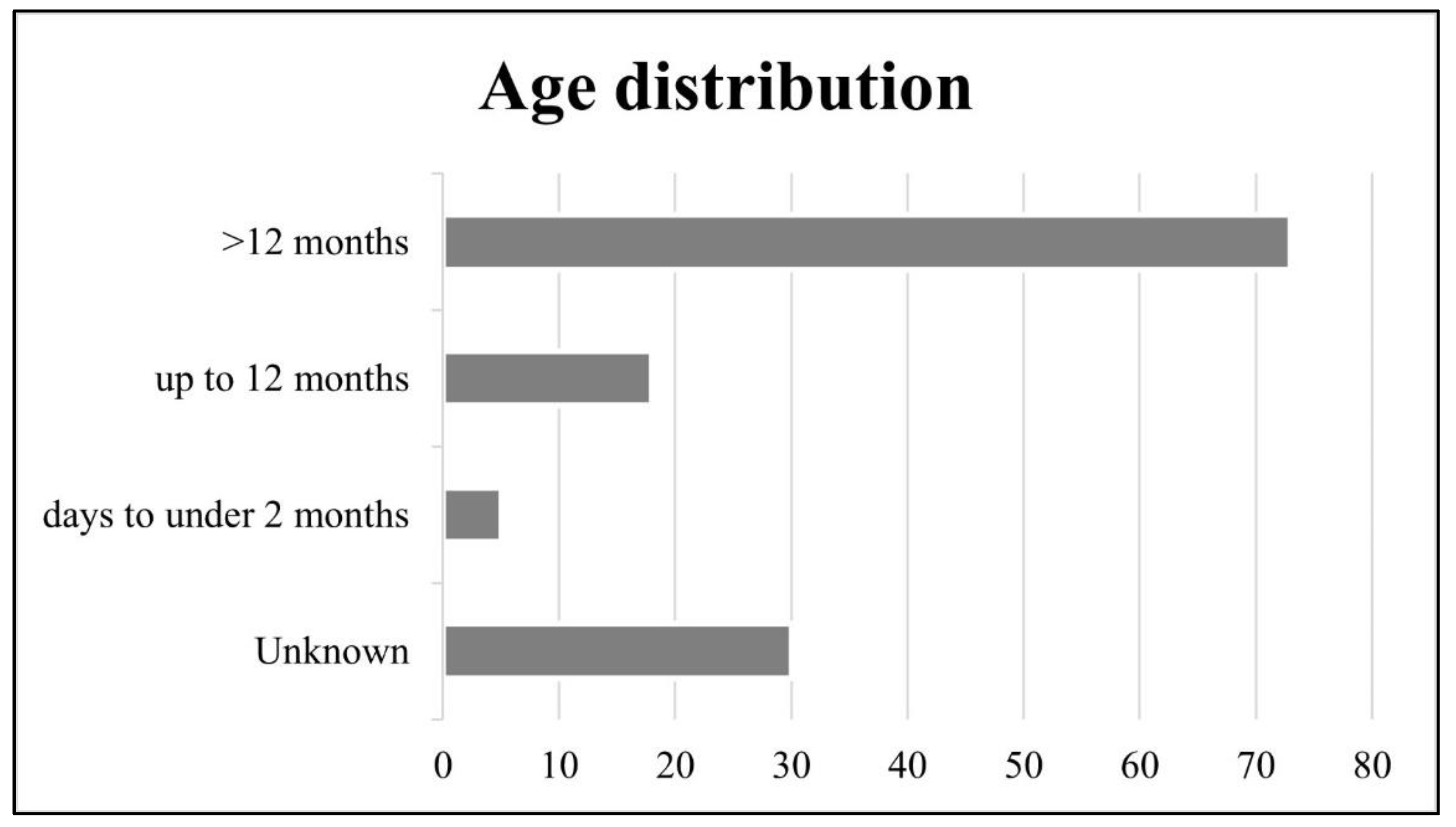
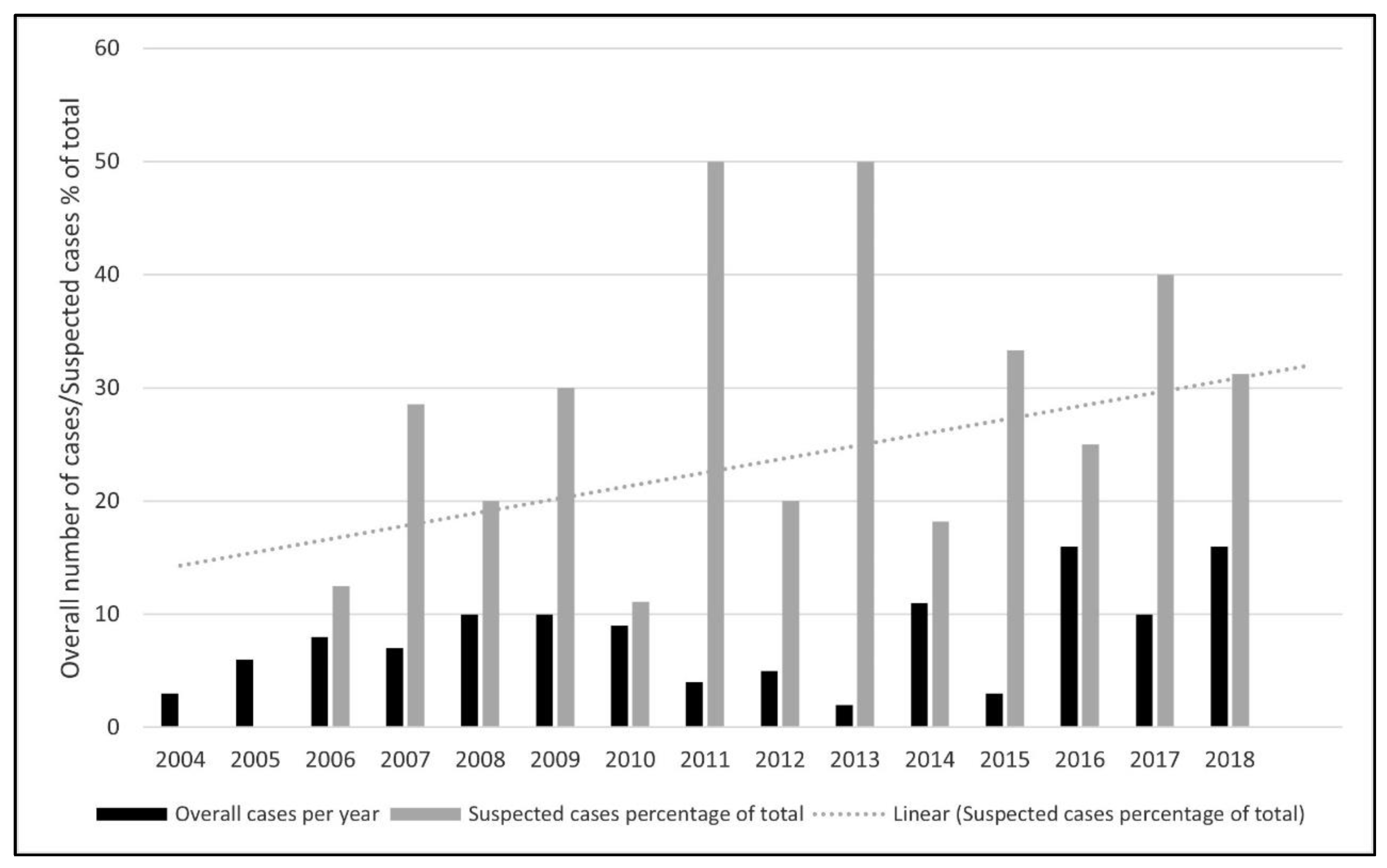
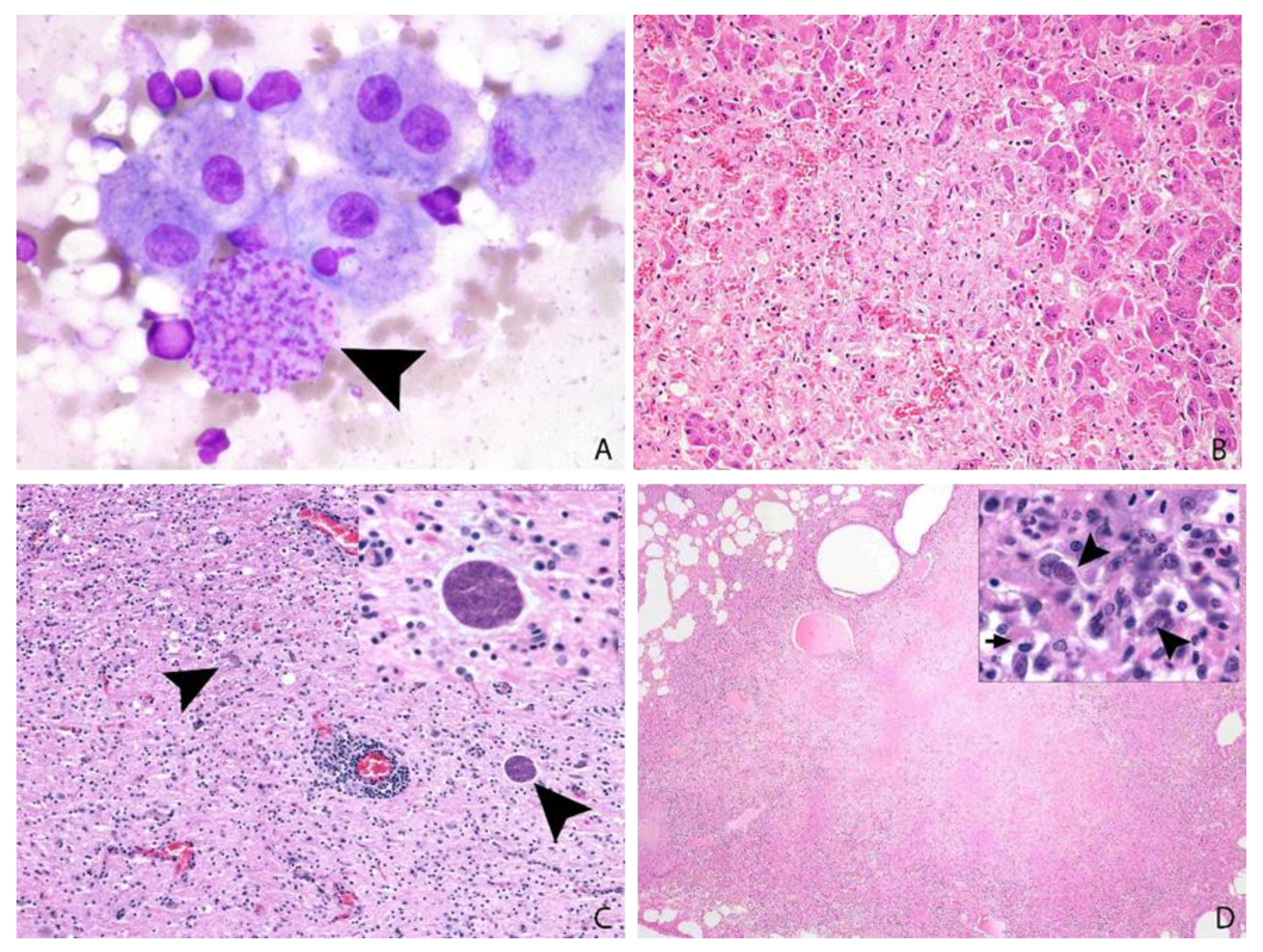
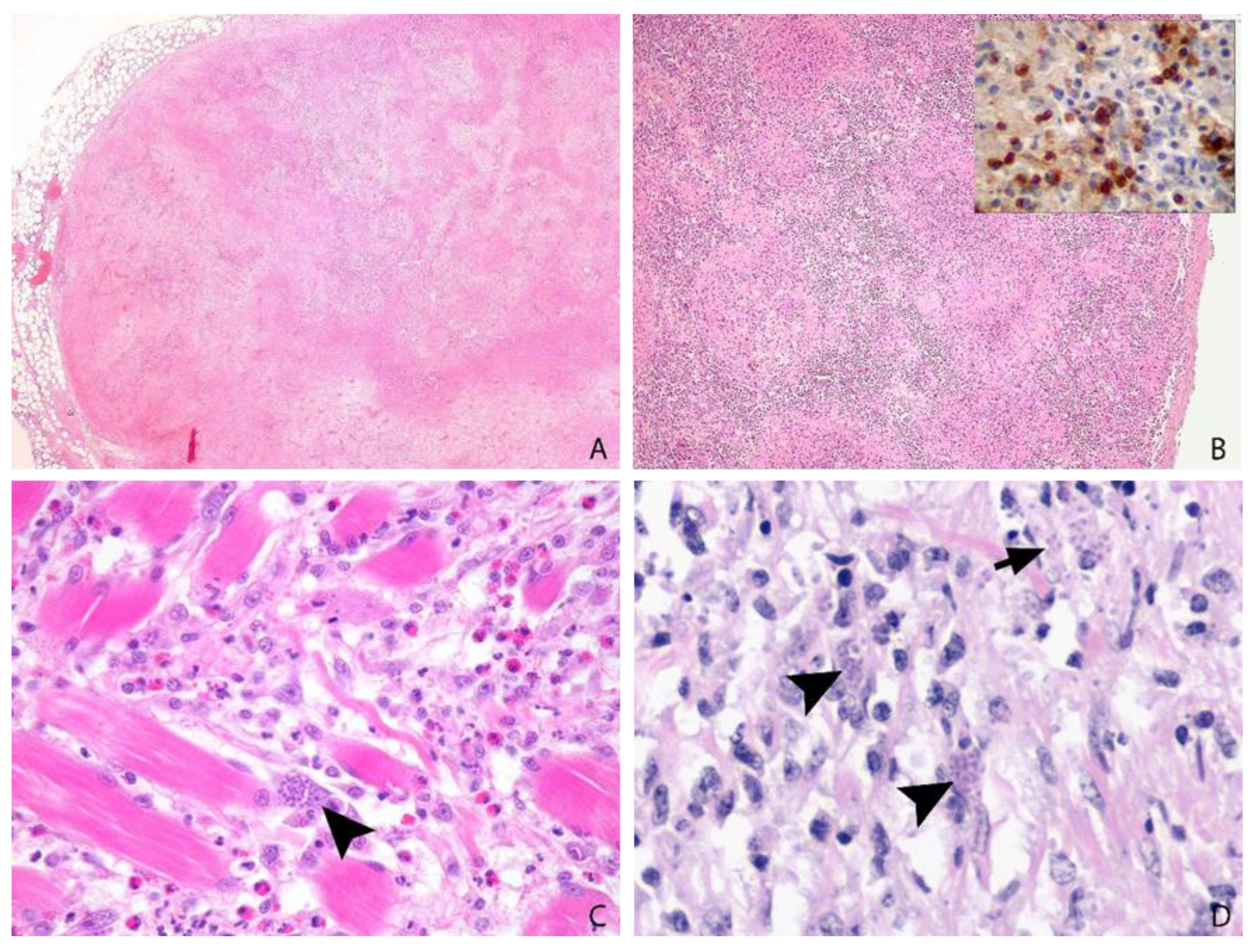
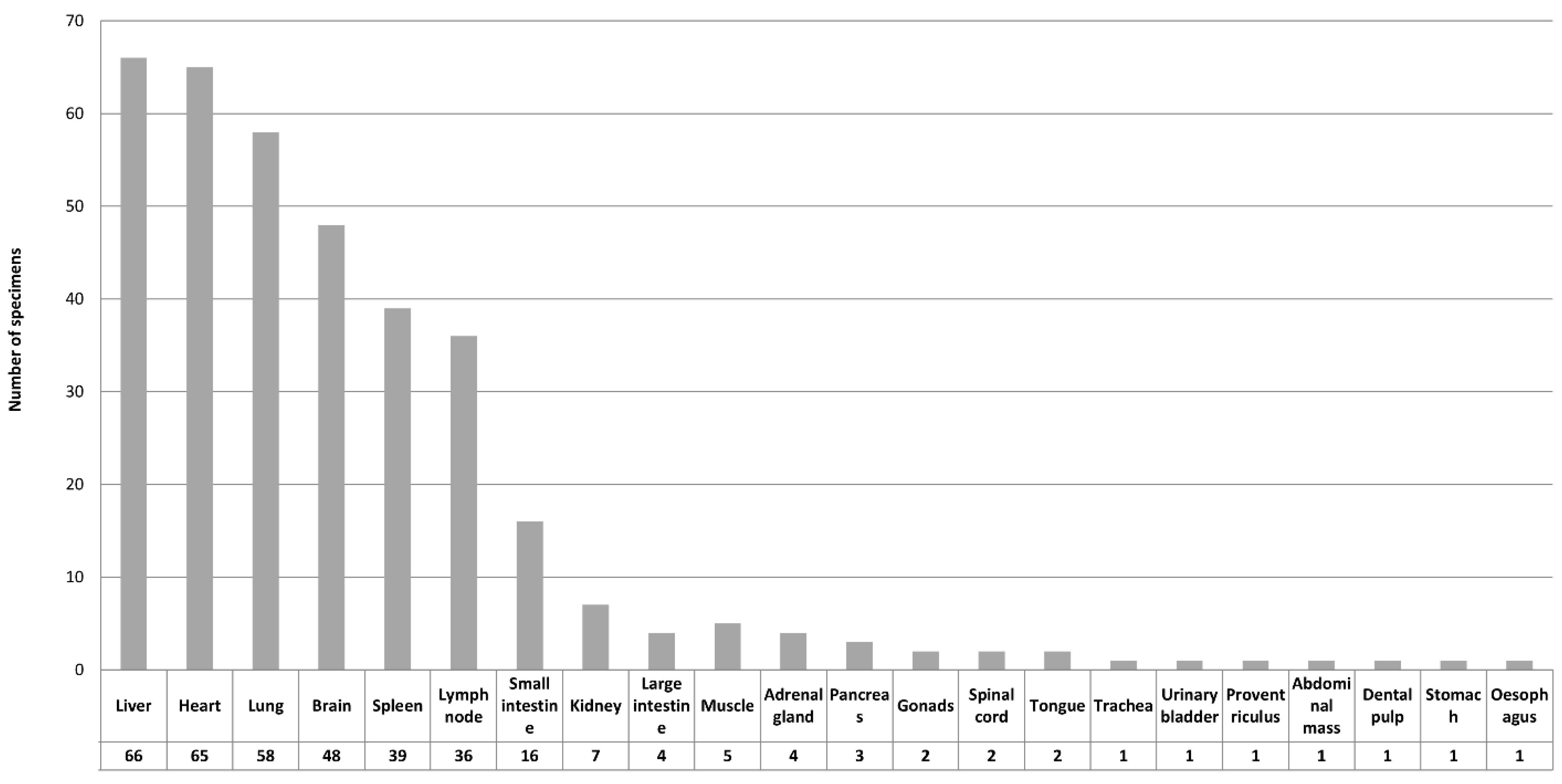
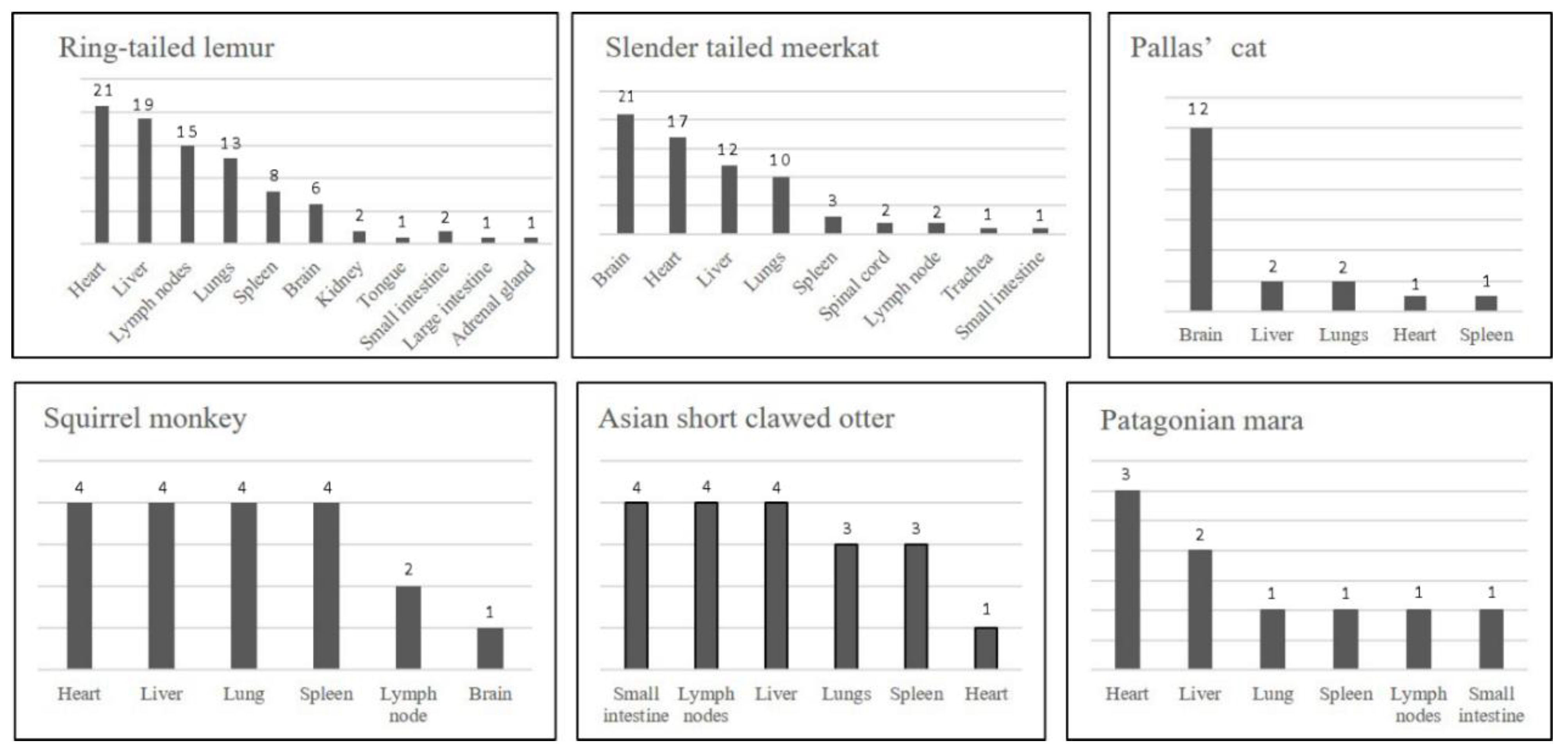
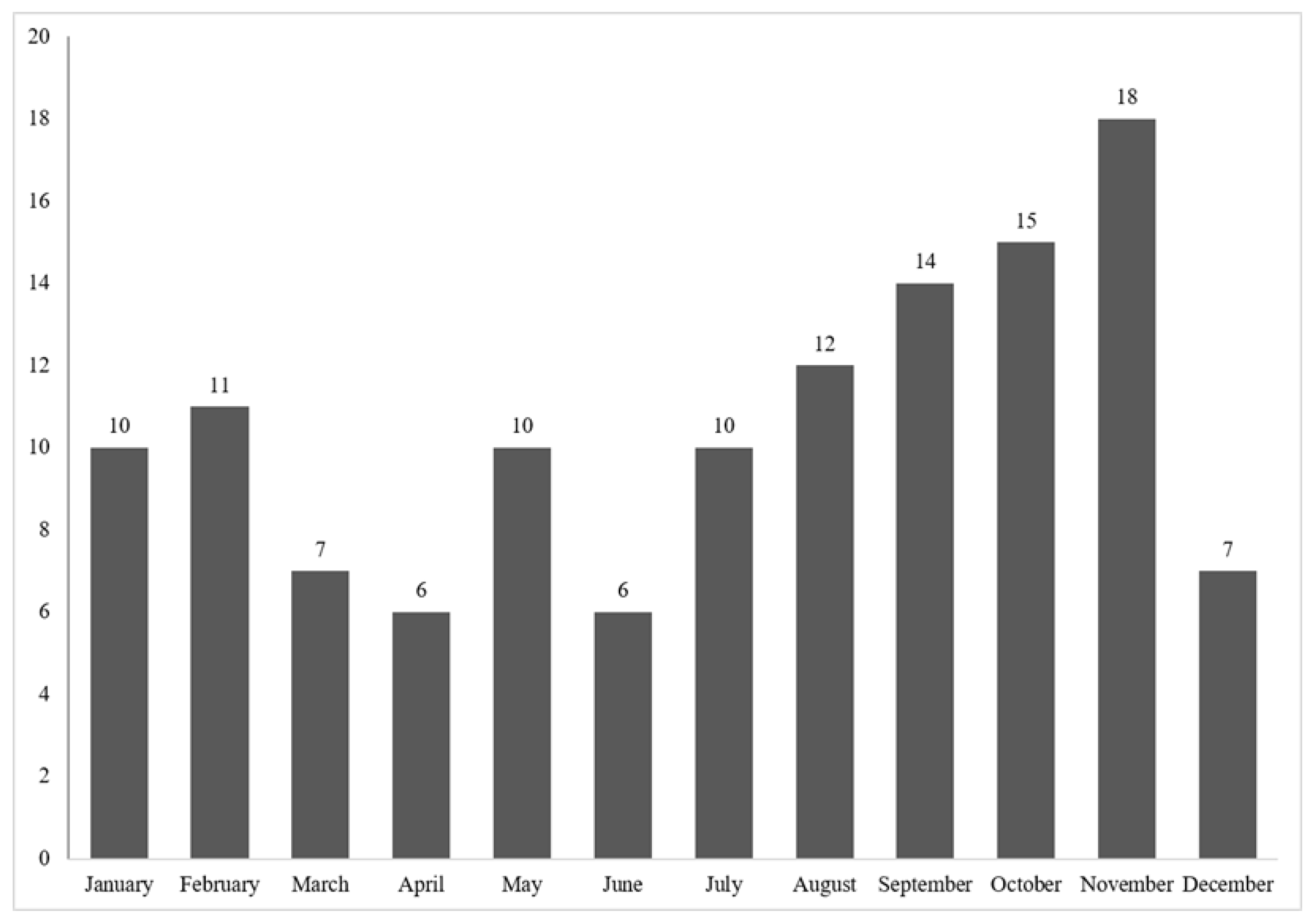
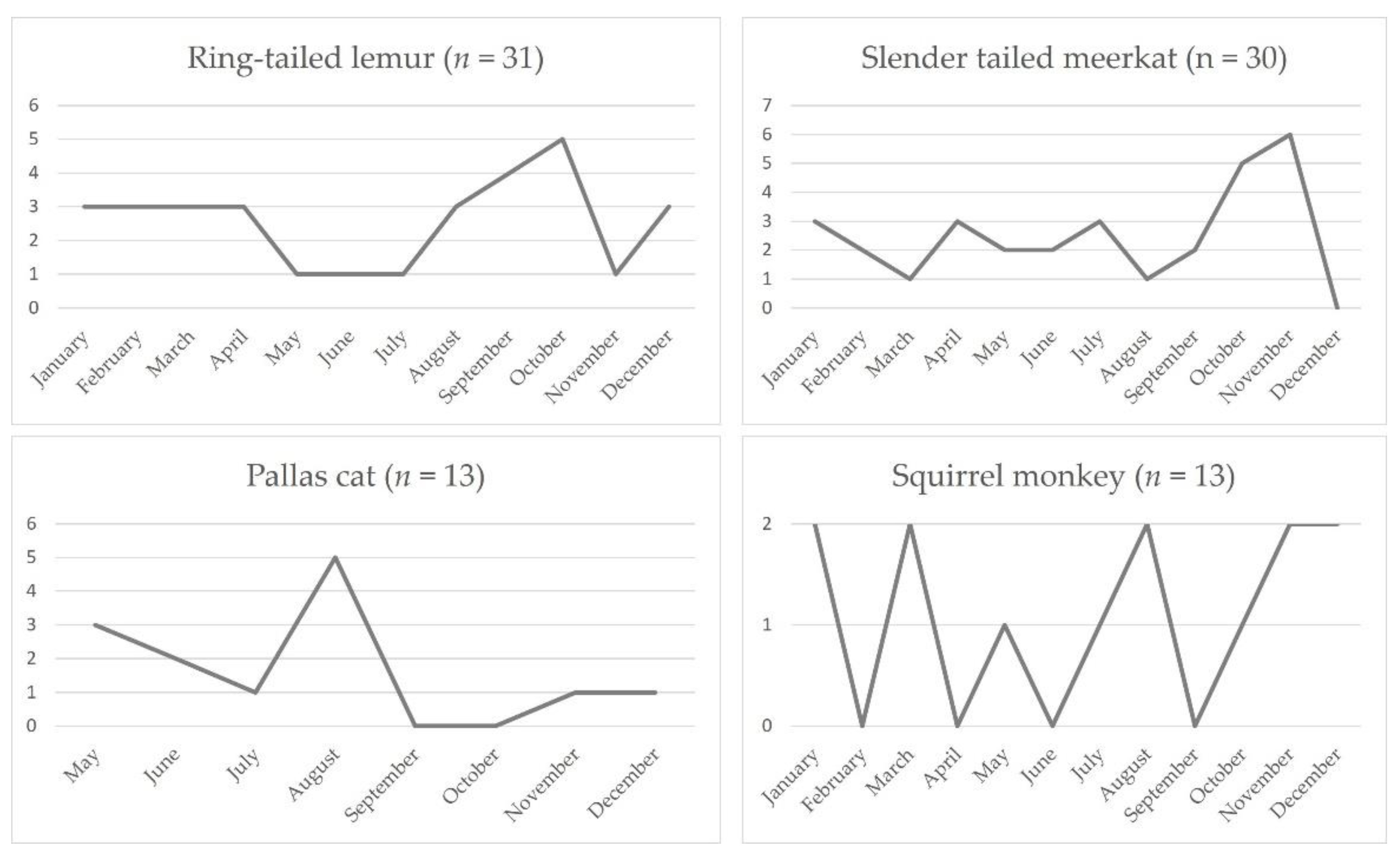
Toxoplasma gondii is widespread amongst domestic animals and can affect humans. Whilst the disease is of economic importance and well-studied in ruminants, this is the first large-scale study evaluating toxoplasmosis in zoo animals. The aim of this study was to identify species that are particularly susceptible to disease, review clinical symptoms, organ distribution and key target tissues, highlight unusual outbreaks/presentations, assess predilections, evaluate toxoplasmosis as the cause of death and consider seasonality. A total of 31 species were represented, with ring-tailed lemurs (RTLs), meerkats, Pallas’ cats and squirrel monkeys most affected. An unusual outbreak occurred in Asian short-clawed otters. Non-specific, neurological, gastrointestinal, respiratory signs and sudden death dominated clinically, mainly in animals over 12 months of age that presented with systemic disease. Pallas’ cats showed encephalitis (inflammation of the brain) and lymphoid tissue was frequently involved in RTLs. Lesions were primarily found in heart, liver, lungs, brain, spleen and lymph nodes. Cases occurred year-round, with species-specific peaks and increases between August and November. This study demonstrates that toxoplasmosis is a significant cause of disease in zoo animals. Knowledge of species susceptibility will aid the treatment of affected animals by zoo veterinarians. Due to the lifecycle of the parasite, feral cat/rodent control is crucial to reduce infection pressure and prevent disease.
Abstract
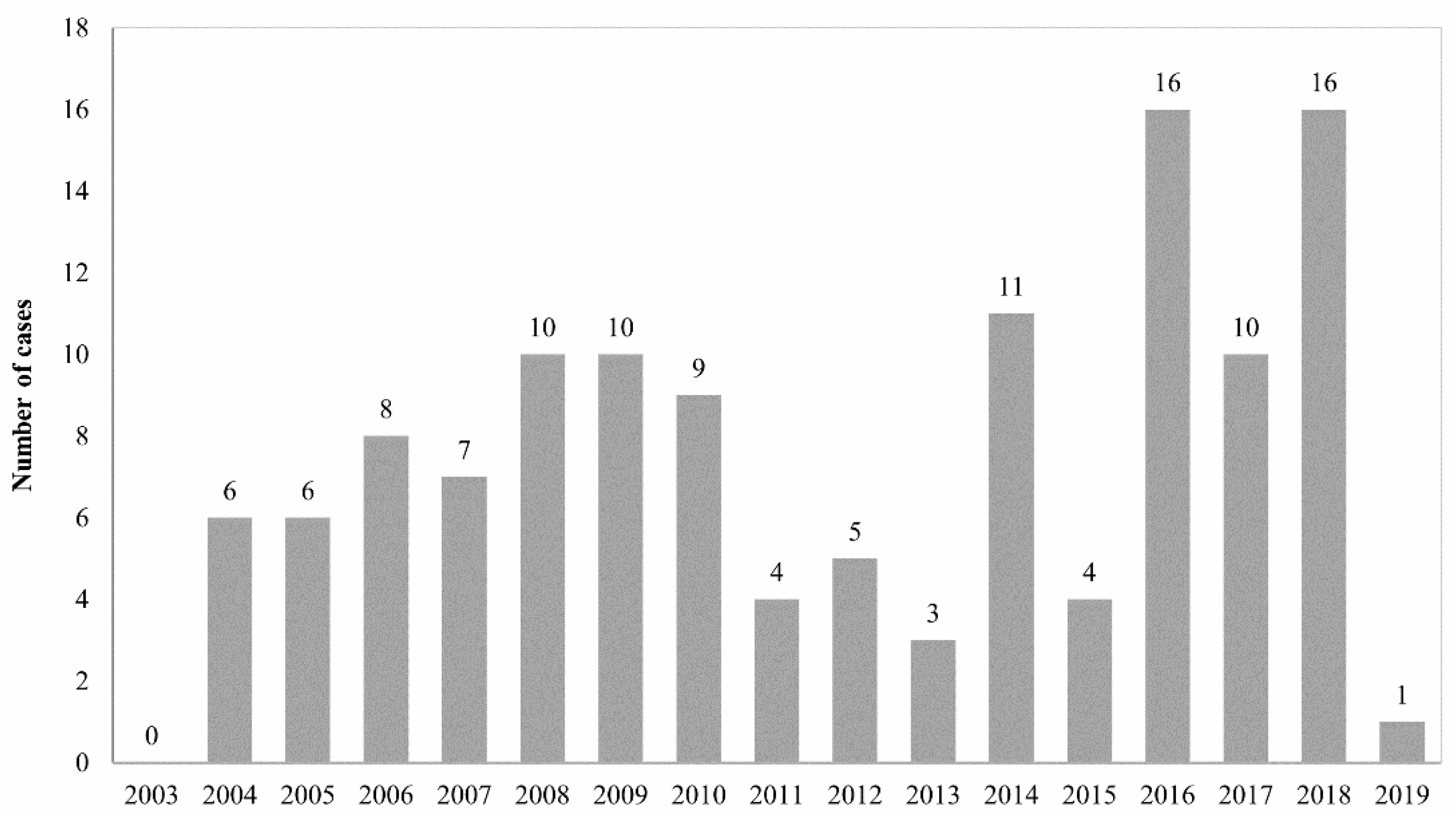
Toxoplasma gondii is an extremely successful zoonotic protozoan parasite that has been demonstrated in a wide range of endo- and poikilothermic species. Although infection is widespread amongst domestic animals, overt disease other than abortion in small ruminants is sporadic. This survey evaluates toxoplasmosis in zoo animals based on a systematic review of pathology archive material (n = 33,506 submissions) over a 16-year study period. A total of 126 submissions, deriving from 32 zoos, two educational facilities and two private owners, were included in the study, based on gross lesions, cytological, histological and immunohistological diagnosis of toxoplasmosis. Clinical history, signalment, annual distribution and post-mortem findings were evaluated. A total of 31 species (mammalian 97%/avian 3%) were represented in the study material. Ring-tailed lemurs, slender tailed meerkats, Pallas’ cats, and squirrel monkeys were most affected. An unusual outbreak occurred in Asian small-clawed otters, in which toxoplasmosis has not been reported to date. Clinically, animals over 12 months of age presented with non-specific symptoms (anorexia, weight loss, lethargy, debilitation), neurological, gastrointestinal or respiratory signs and sudden death. Systemic disease predominated, with a propensity for encephalitis in meerkats and Pallas’ cats and systemic disease involving lymphoid tissues in ring-tailed lemurs. Cases in the UK occurred year-round, with species-specific peaks and increases between August and November. This study reinforces the importance of toxoplasmosis as a significant cause of sporadic and epizootic mortalities in a wide range of zoo animals. Feral cat control is crucial to reduce infection pressure.