Article

The Ubiquity and Development-Related Abundance Dynamics of Ophiocordyceps Fungi in Soft Scale Insects

State Key Laboratory of Ecological Pest Control for Fujian and Taiwan Crops, College of Plant Protection, Fujian Agriculture and Forestry University, Fuzhou 350002, China
*
Author to whom correspondence should be addressed.
Microorganisms 2021, 9(2), 404; https://doi.org/10.3390/microorganisms9020404

Submission received: 24 January 2021 / Revised: 12 February 2021 / Accepted: 14 February 2021 / Published: 16 February 2021
(This article belongs to the Section Molecular Microbiology and Immunology)

Abstract

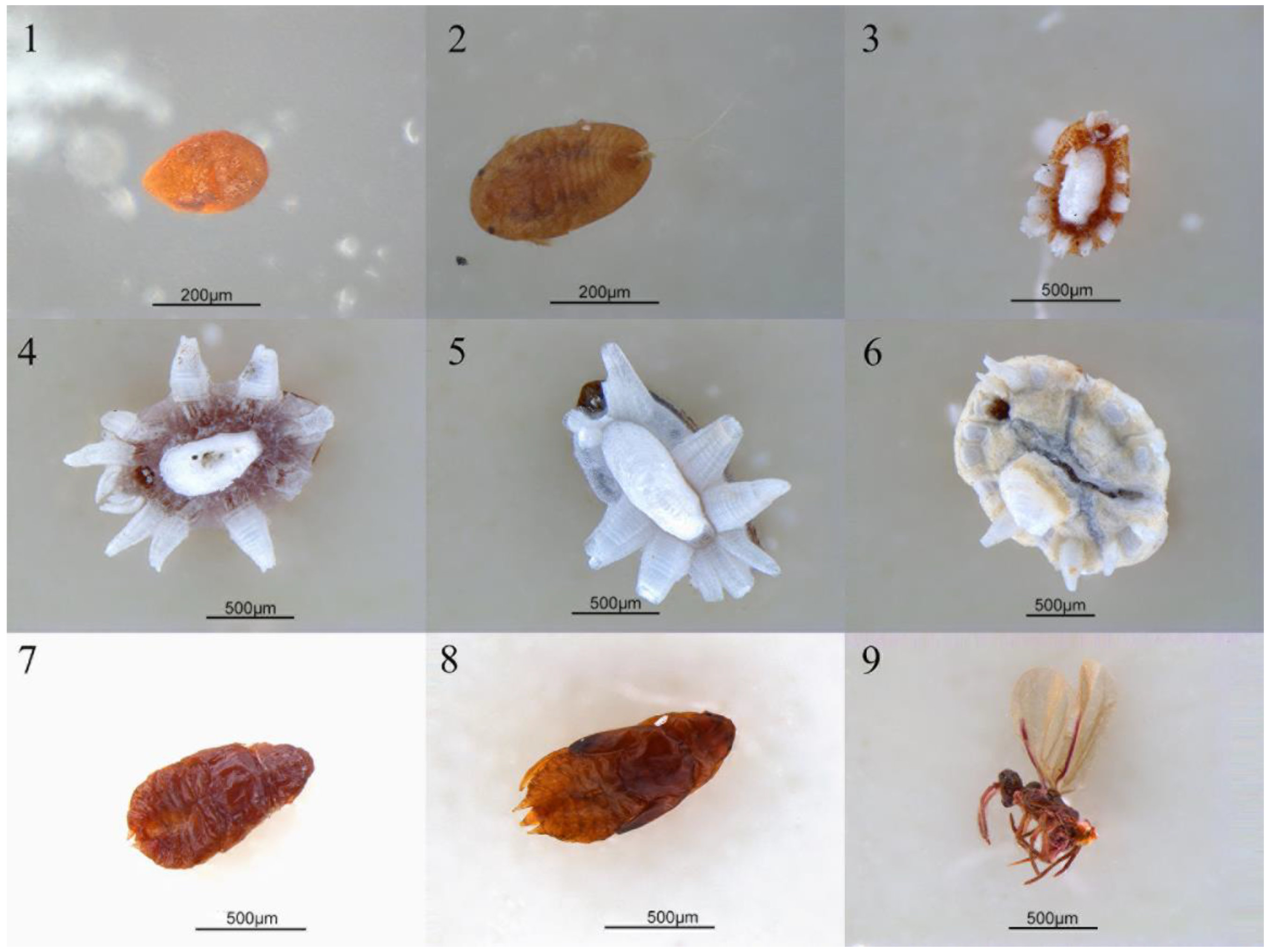
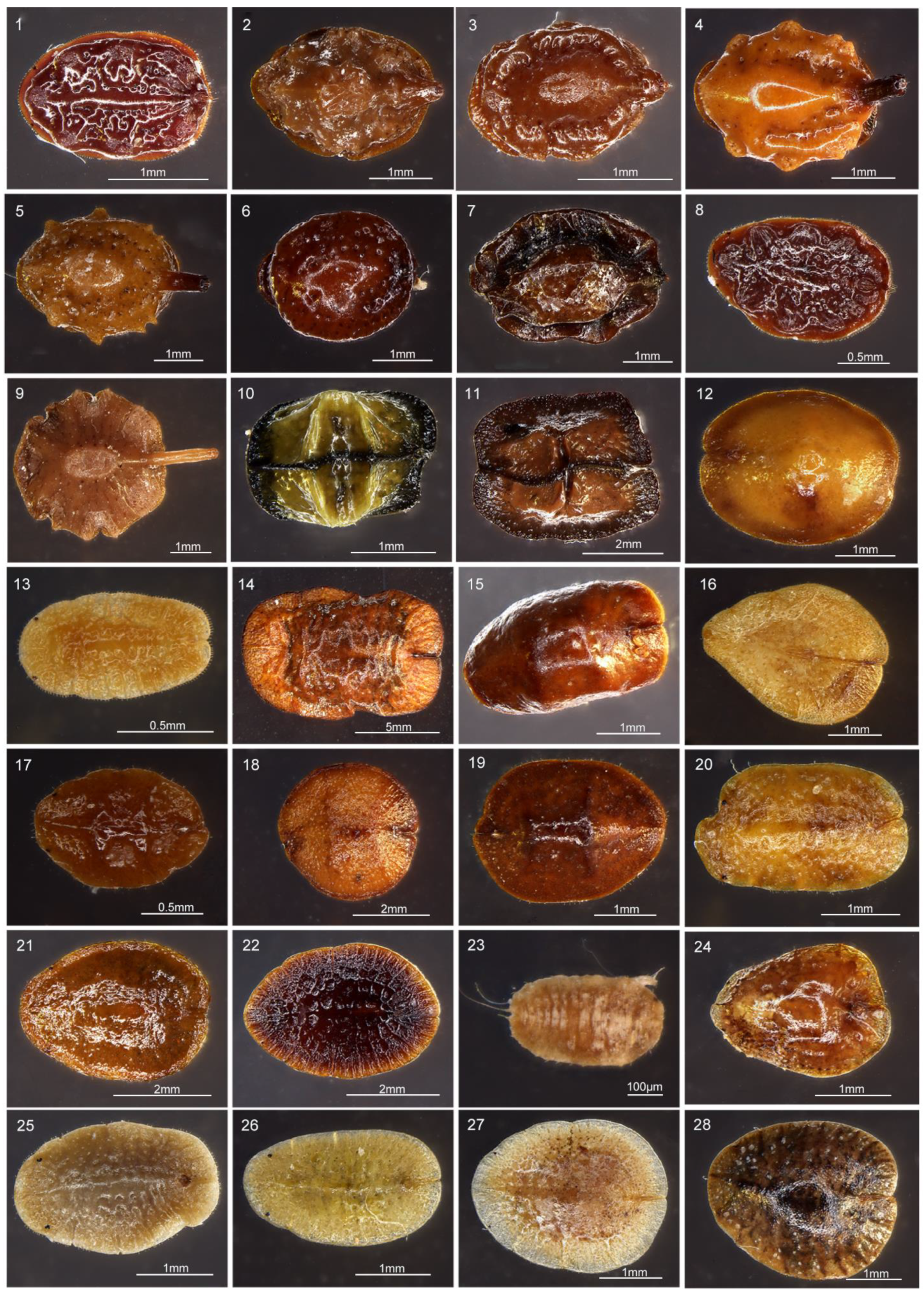
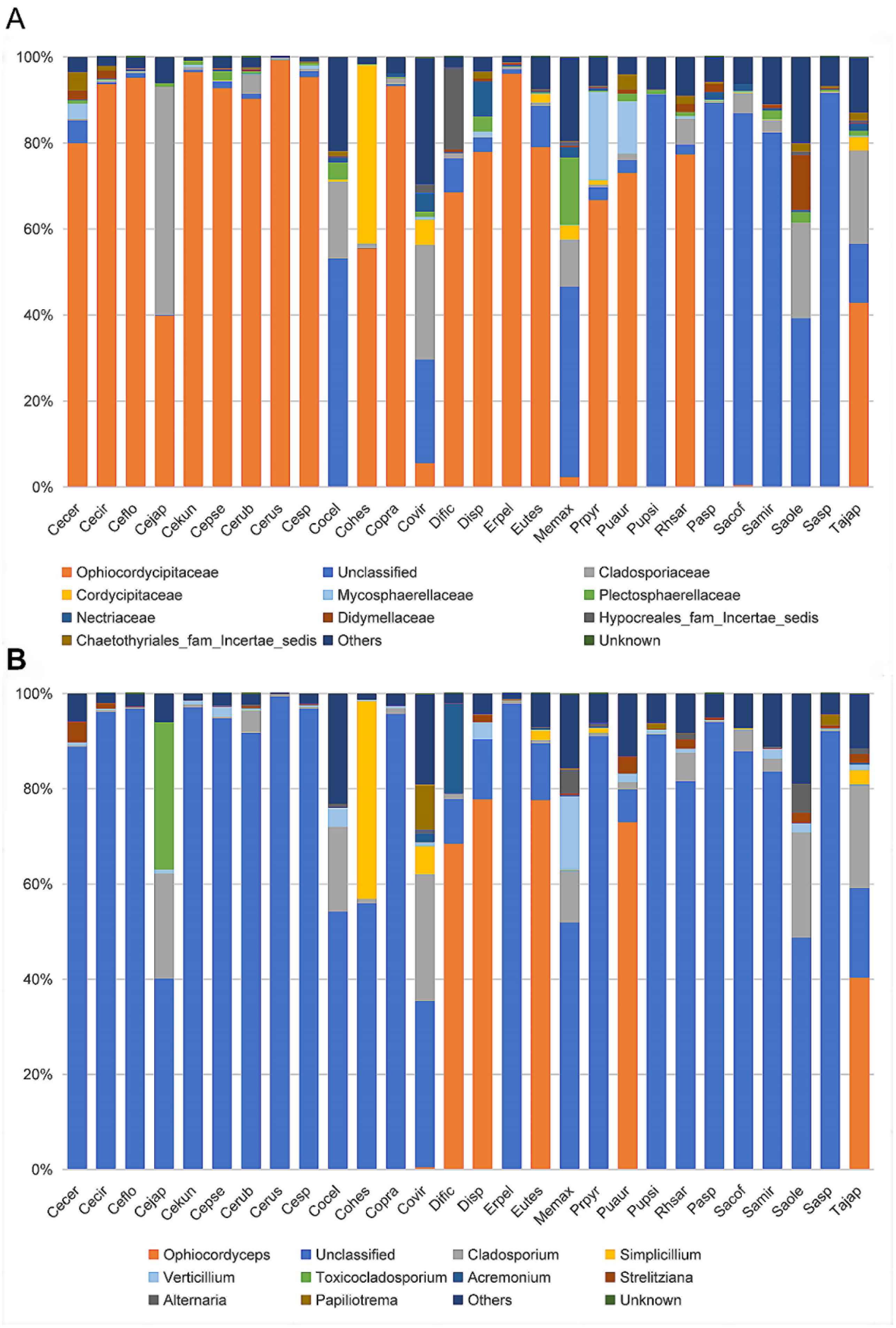
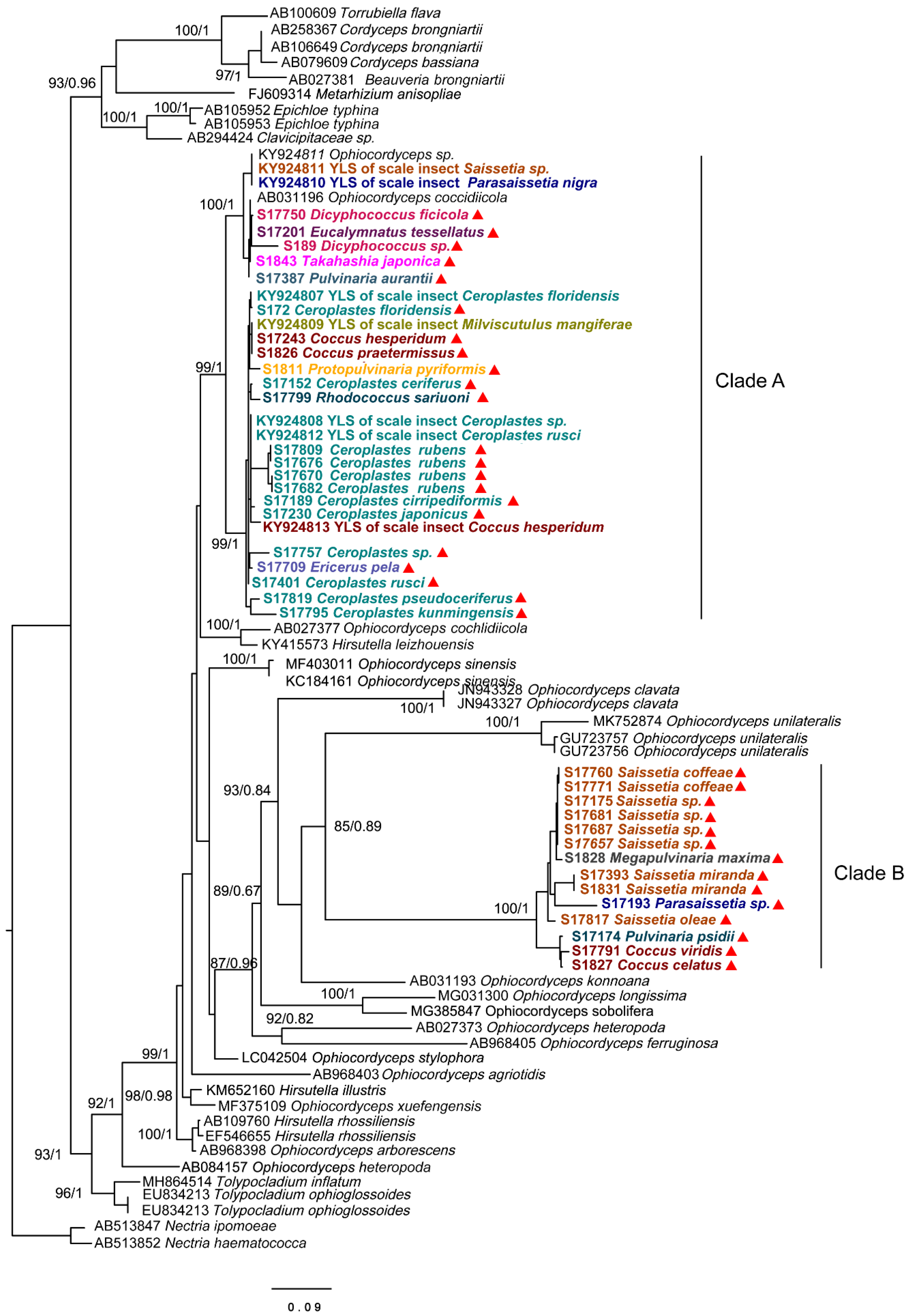
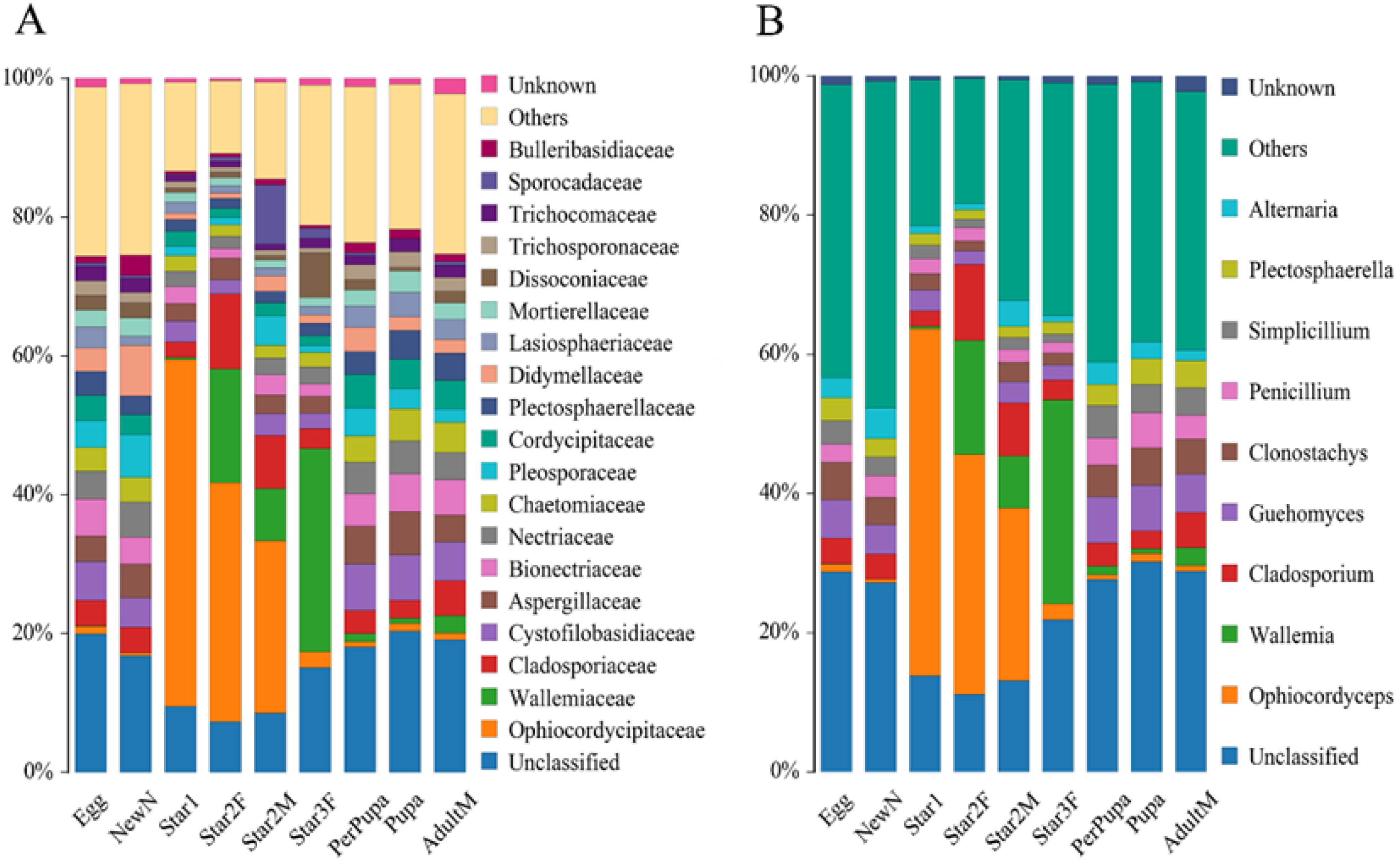
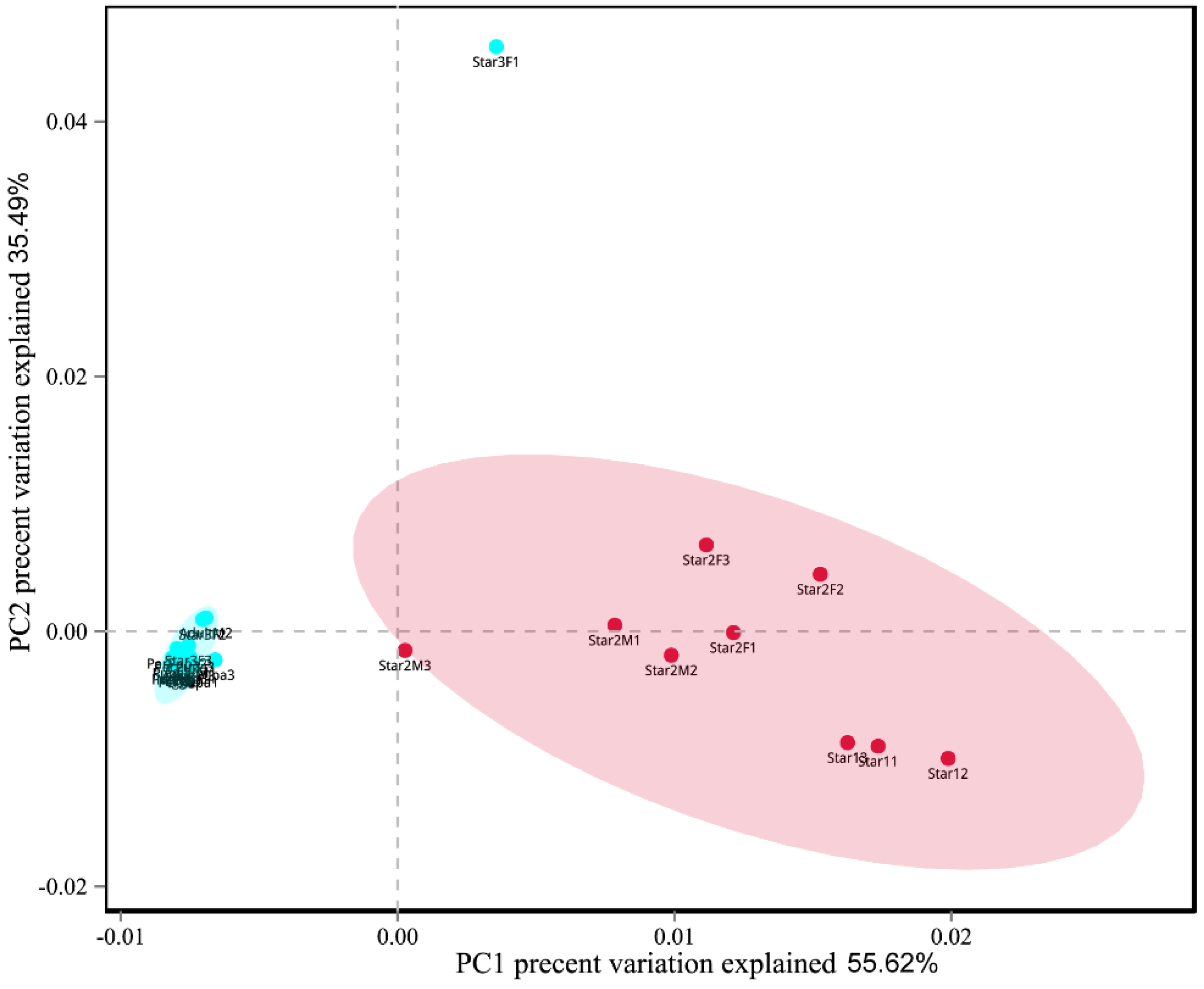
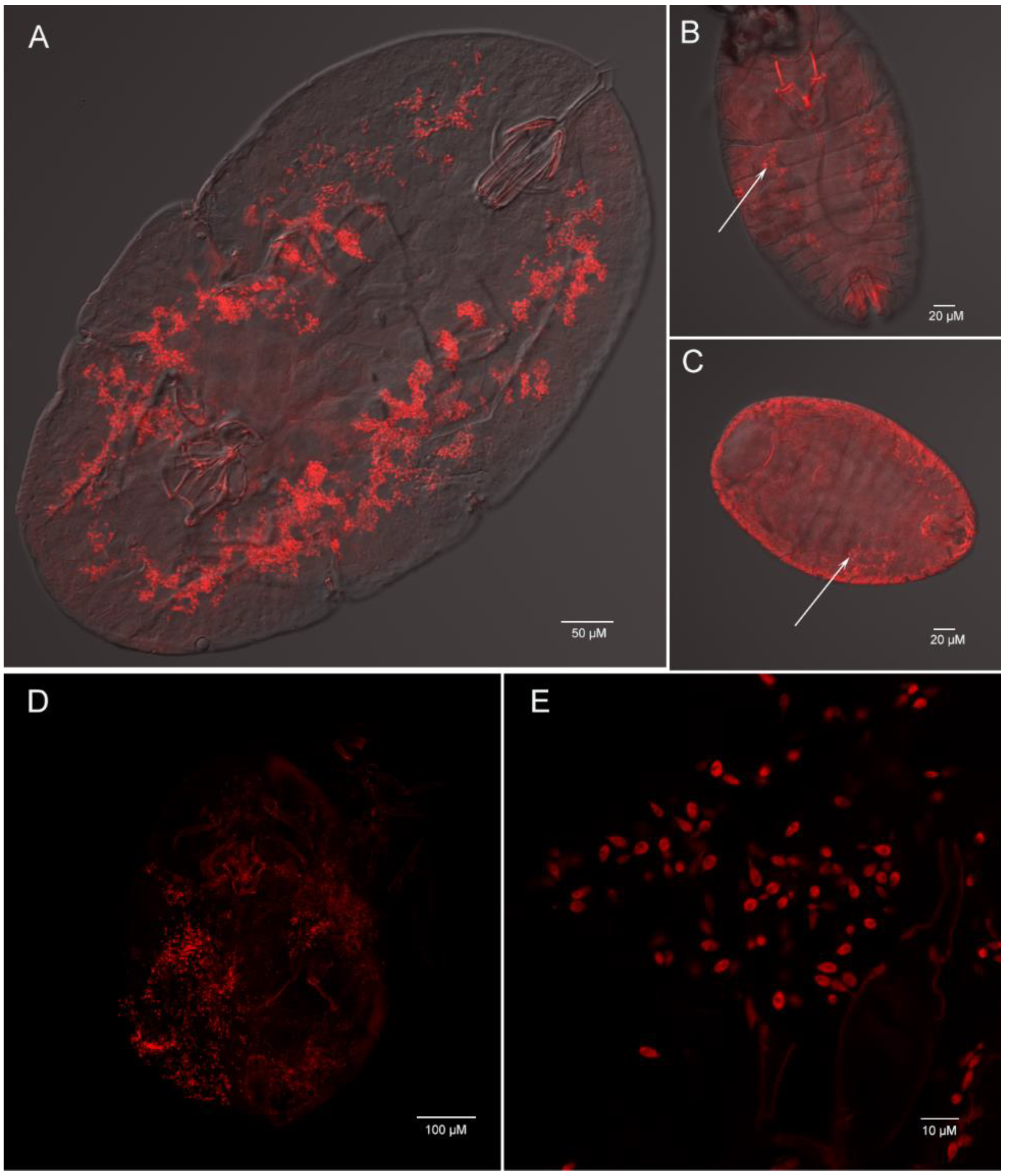
Mutual relationships with symbionts play a crucial role in the evolution and ecology of plant-feeding hemipteran insects. However, there was no specific dominant bacterium observed in soft scales (Coccidae) in the previous studies, it is still unclear whether soft scales have specific primary symbionts. In this study, a nuclear ribosomal internal transcribed spacer (ITS)gene fragment was used to analyze the diversity of fungal communities in 28 Coccidae species based on next-generation sequencing (NGS). Furthermore, samples from different developmental stages of Ceroplastes japonicus were sequenced to illustrate the dynamics of fungal community. Our results showed that Coccidae-associated Ophiocordyceps fungi (COF) were prevalent in all 28 tested species with high relative abundance. Meanwhile, the first and second instars of C. japonicus, two important stages for growth and development, had high relative abundance of COF, while the relative abundances in other stages were low, ranging from 0.68% to 2.07%. The result of fluorescent in situ hybridization showed that the COF were widely present in hemolymph and vertically transmitted from mother to offspring. Our study confirms that the COF have intimate associations with the growth and development of soft scales, and provides new evidence to support that COF are primary fungal symbionts for Coccidae.
Keywords: Coccidae-associated Ophiocordyceps fungi; obligate fungal symbionts; soft scales; vertical transmission Coccidae-associated Ophiocordyceps fungi; obligate fungal symbionts; soft scales; vertical transmission