Article

Selection of Immunobiotic Ligilactobacillus salivarius Strains from the Intestinal Tract of Wakame-Fed Pigs: Functional and Genomic Studies


1
Food and Feed Immunology Group, Graduate School of Agricultural Science, Tohoku University, Sendai 980-8572, Japan
2
Livestock Immunology Unit, International Education and Research Center for Food Agricultural Immunology (CFAI), Graduate School of Agricultural Science, Tohoku University, Sendai 980-8572, Japan
3
Laboratory of Immunobiotechnology, Reference Centre for Lactobacilli (CERELA-CONICET), Tucuman 4000, Argentina
4
Scientific Computing Laboratory, Computer Science Department, Faculty of Exact Sciences and Technology, National University of Tucuman, Tucuman 4000, Argentina
5
Infection Biology Laboratory, INSIBIO-CONICET, Faculty of Medicine, University of Tucuman, Tucuman 4000, Argentina
6
Department of Medicine, Faculty of Veterinary Science, Bangladesh Agricultural University, Mymensingh 2202, Bangladesh
7
Laboratory of Functional Morphology, Graduate School of Agricultural Science, Tohoku University, Sendai 980-8572, Japan
8
Graduate School of Environmental and Life Science, Okayama University, Okayama 700-8530, Japan
9
Laboratory of Plant Pathology, Graduate School of Agricultural Science, Tohoku University, Sendai 980-8572, Japan
10
Plant Immunology Unit, International Education and Research Center for Food and Agricultural Immunology (CFAI), Graduate School of Agricultural Science, Tohoku University, Sendai 980-8572, Japan
11
Laboratory of Molecular Genetics, Graduate School of Pharmaceutical Sciences, Tohoku University, Sendai 980-8572, Japan
*
Authors to whom correspondence should be addressed.
These authors contributed equally to this work.
JSPS Postdoctoral research fellow.
Microorganisms 2020, 8(11), 1659; https://doi.org/10.3390/microorganisms8111659

Submission received: 18 September 2020 / Revised: 23 October 2020 / Accepted: 25 October 2020 / Published: 26 October 2020
(This article belongs to the Special Issue Probiotics for Next Generations)

Abstract

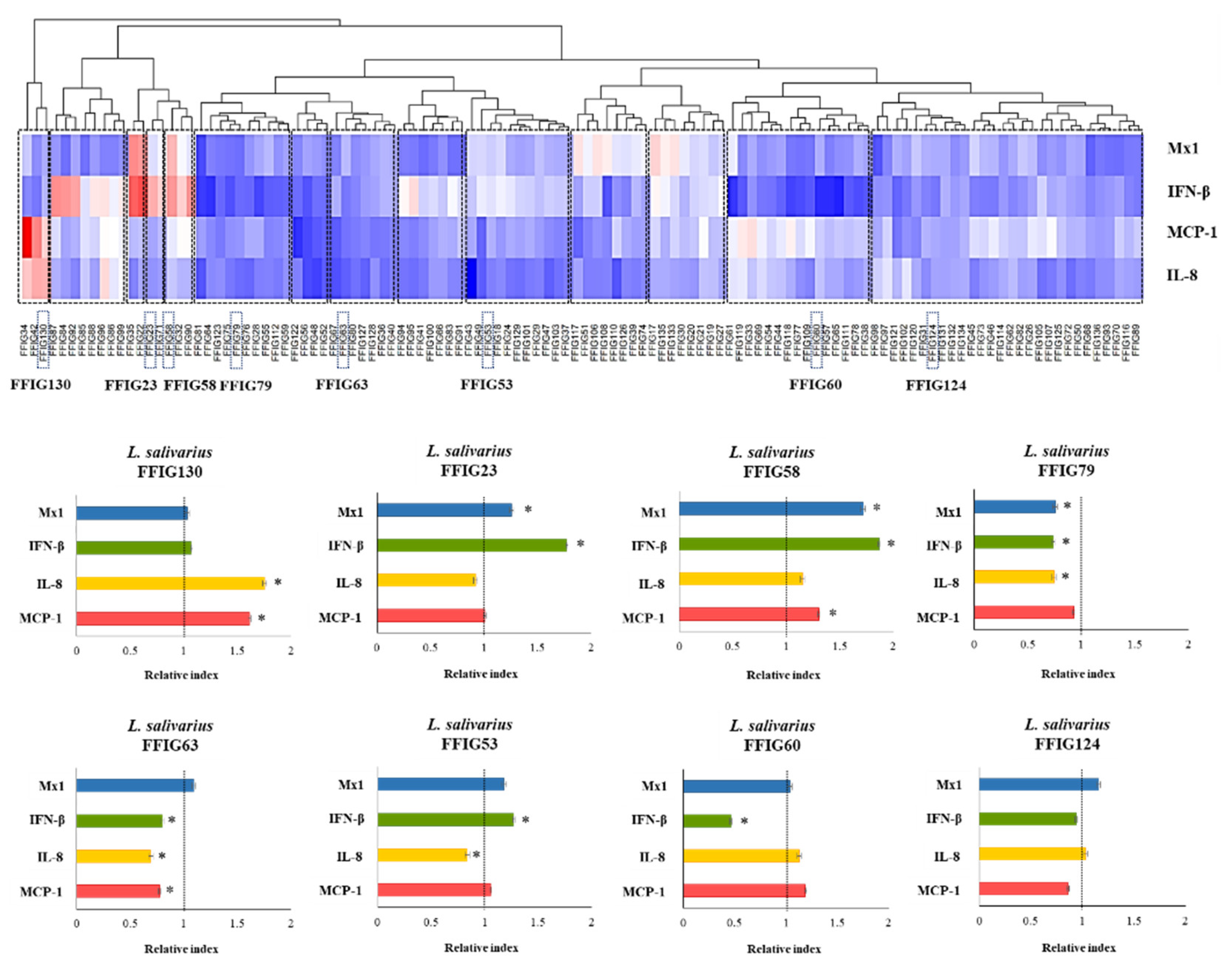
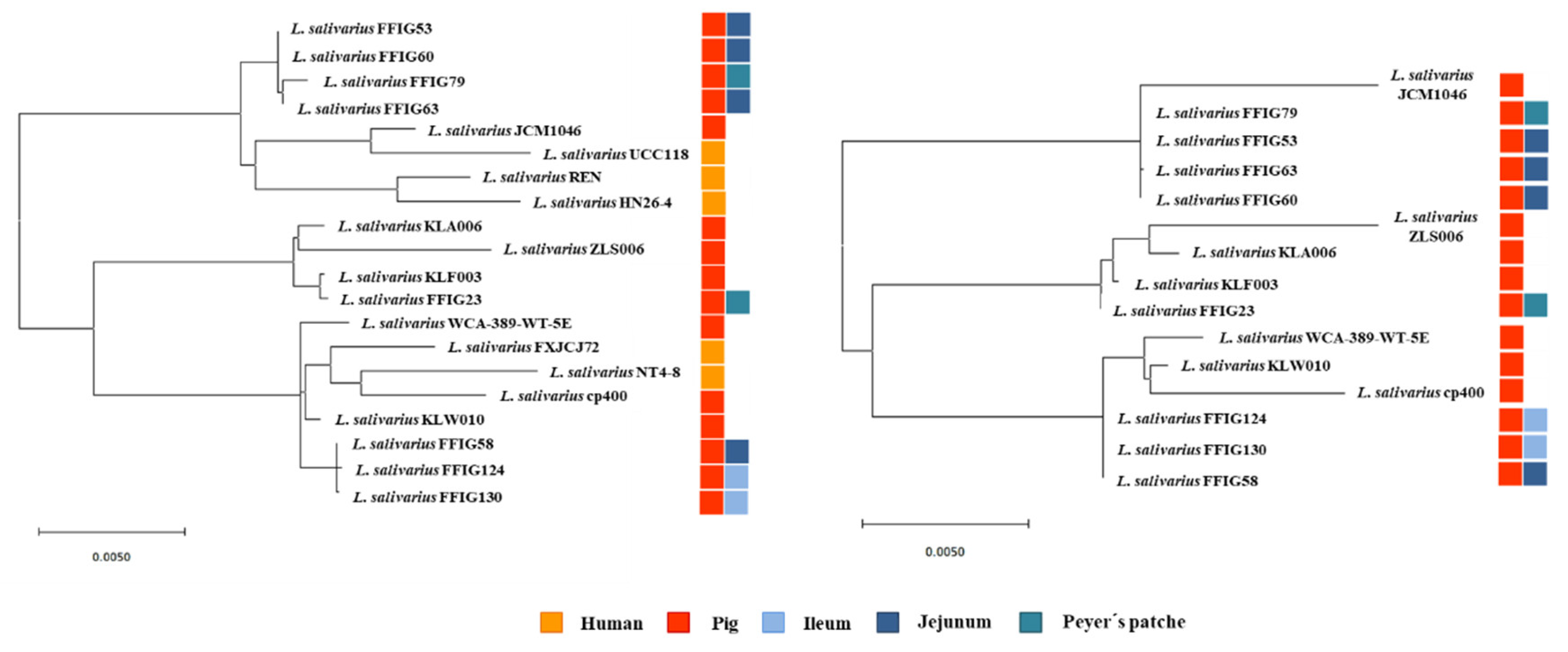
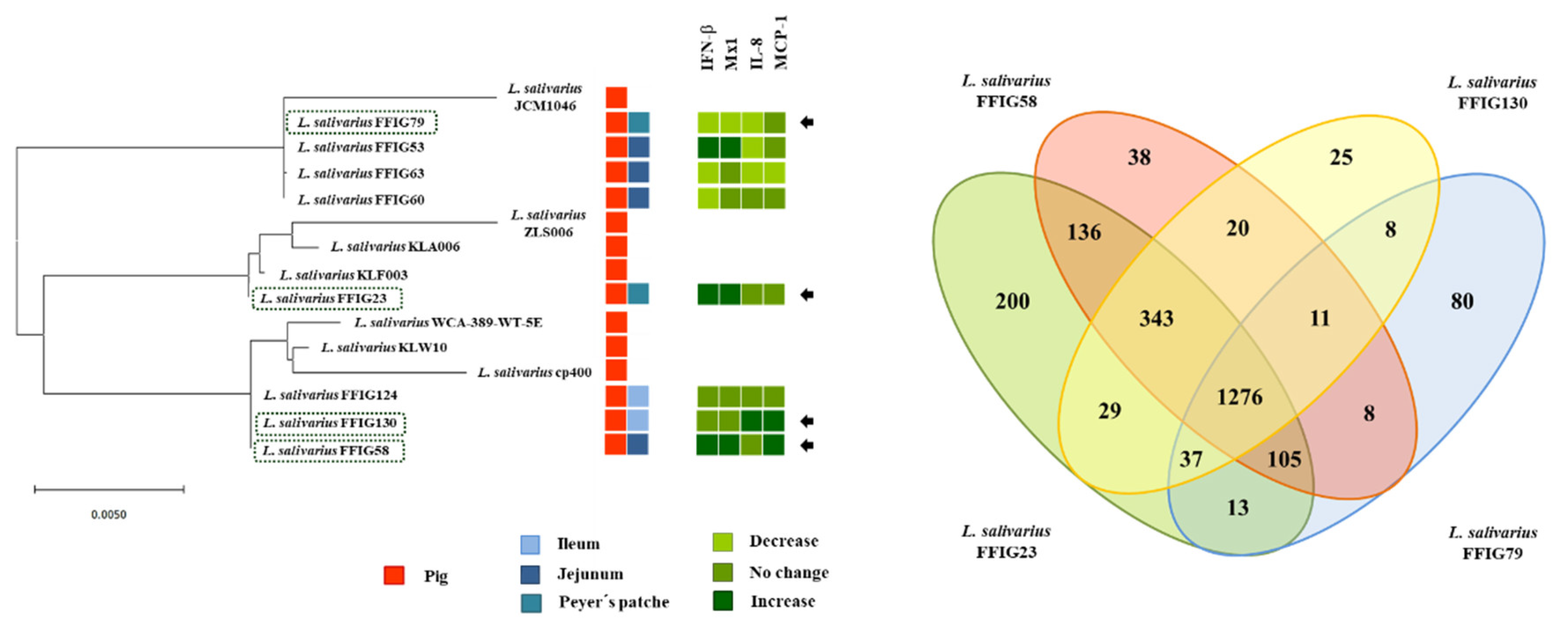
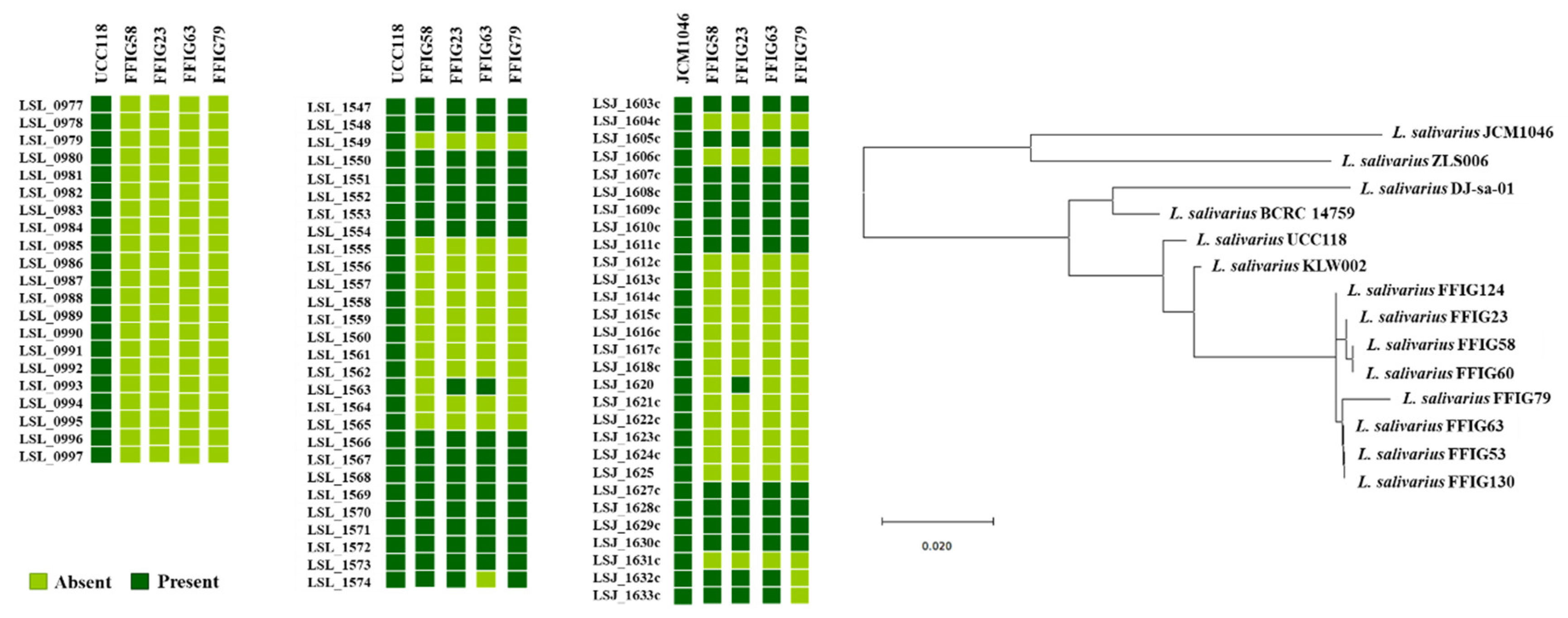
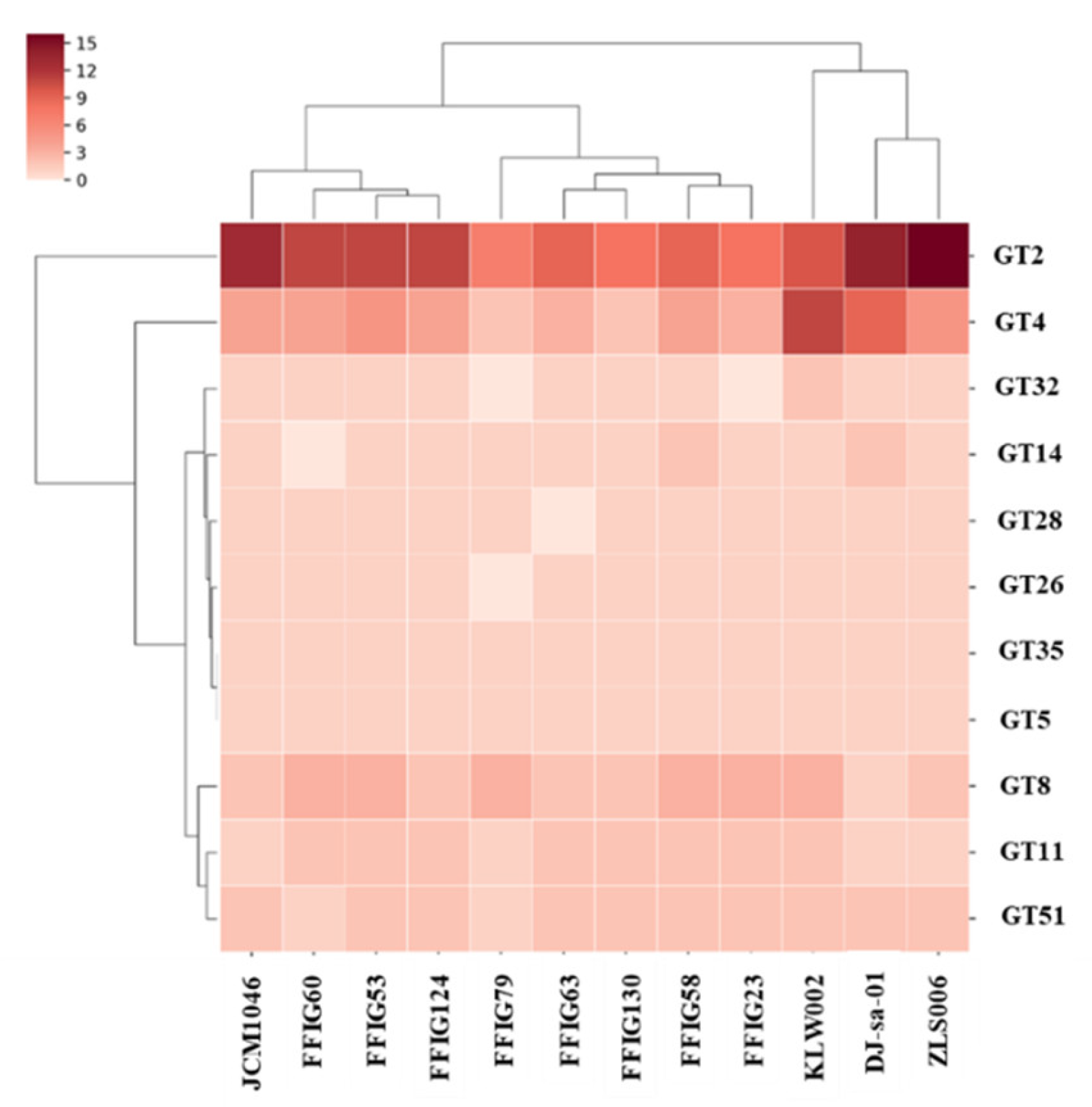
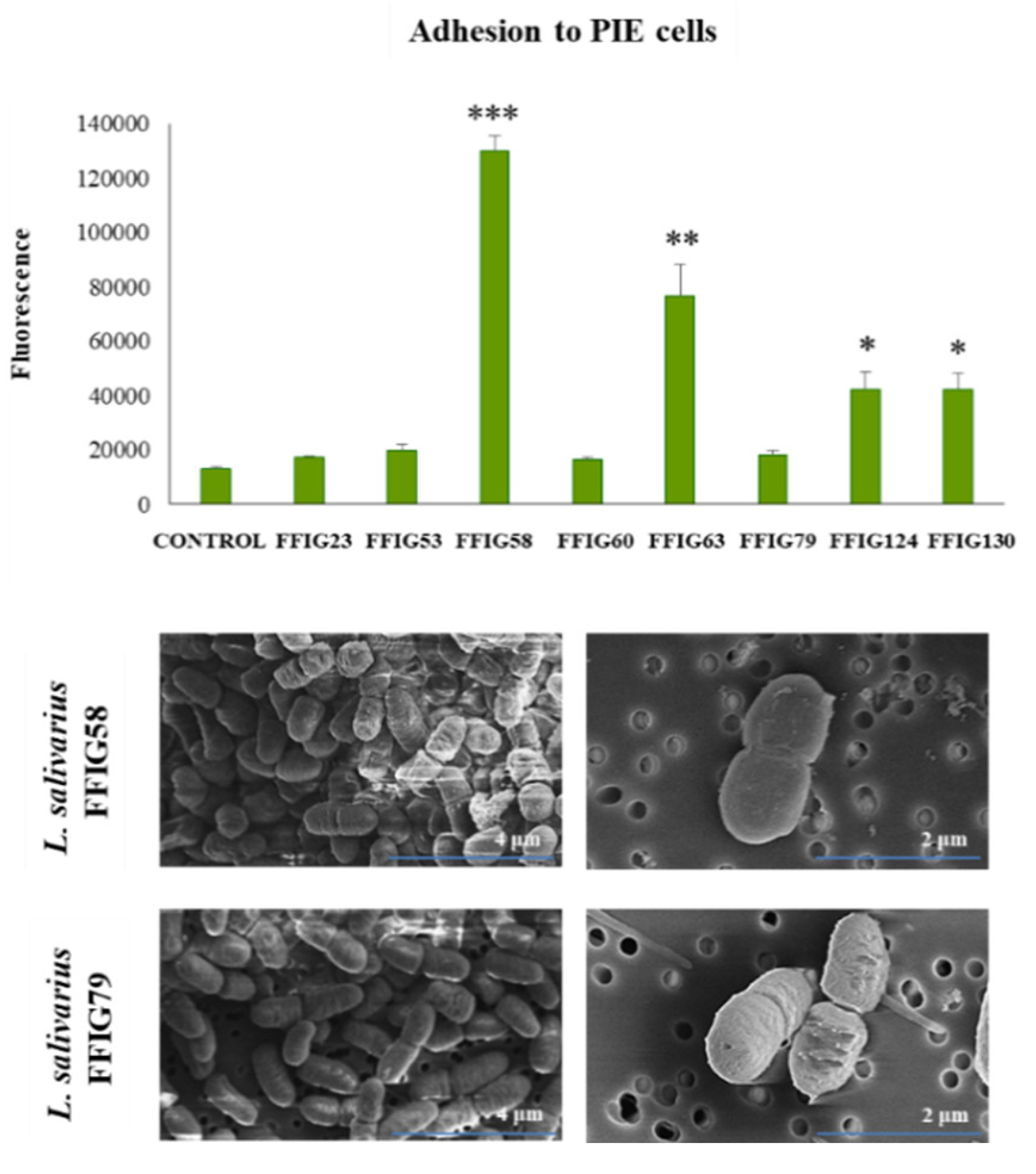
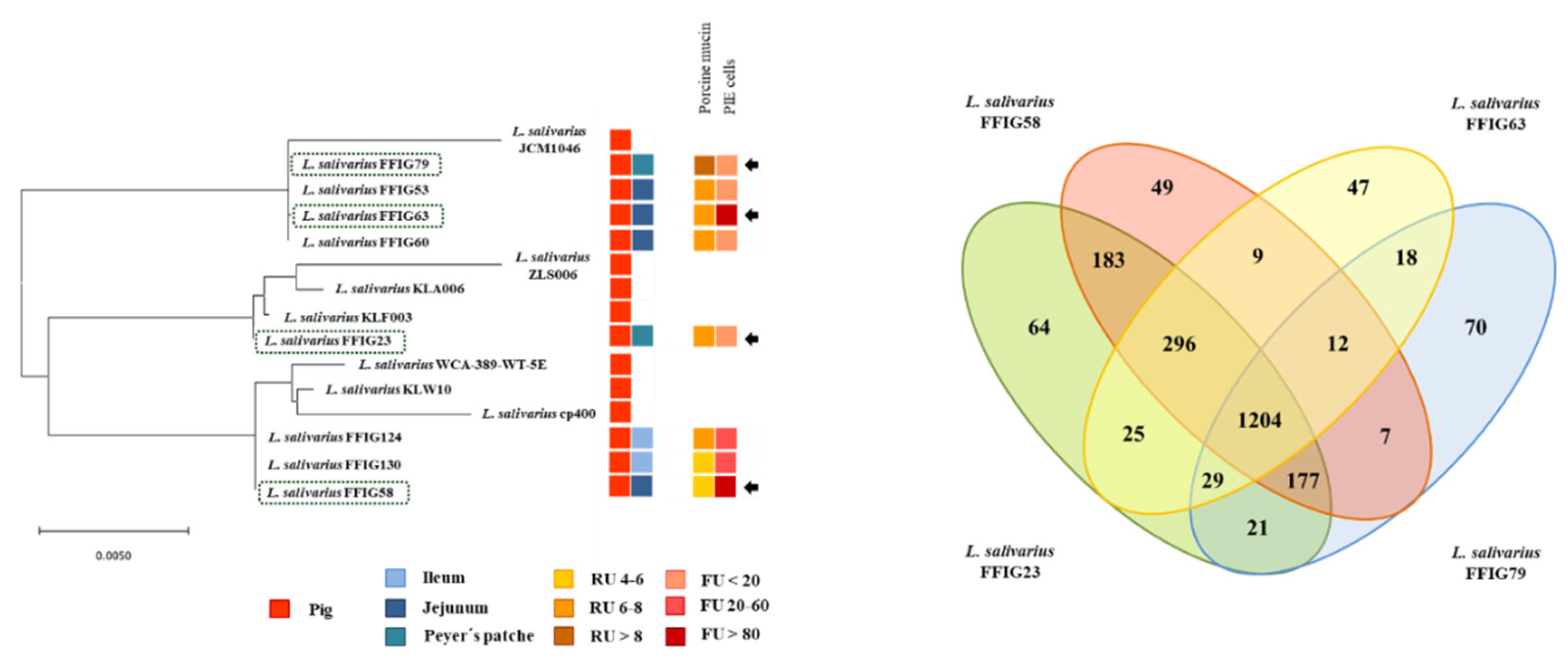
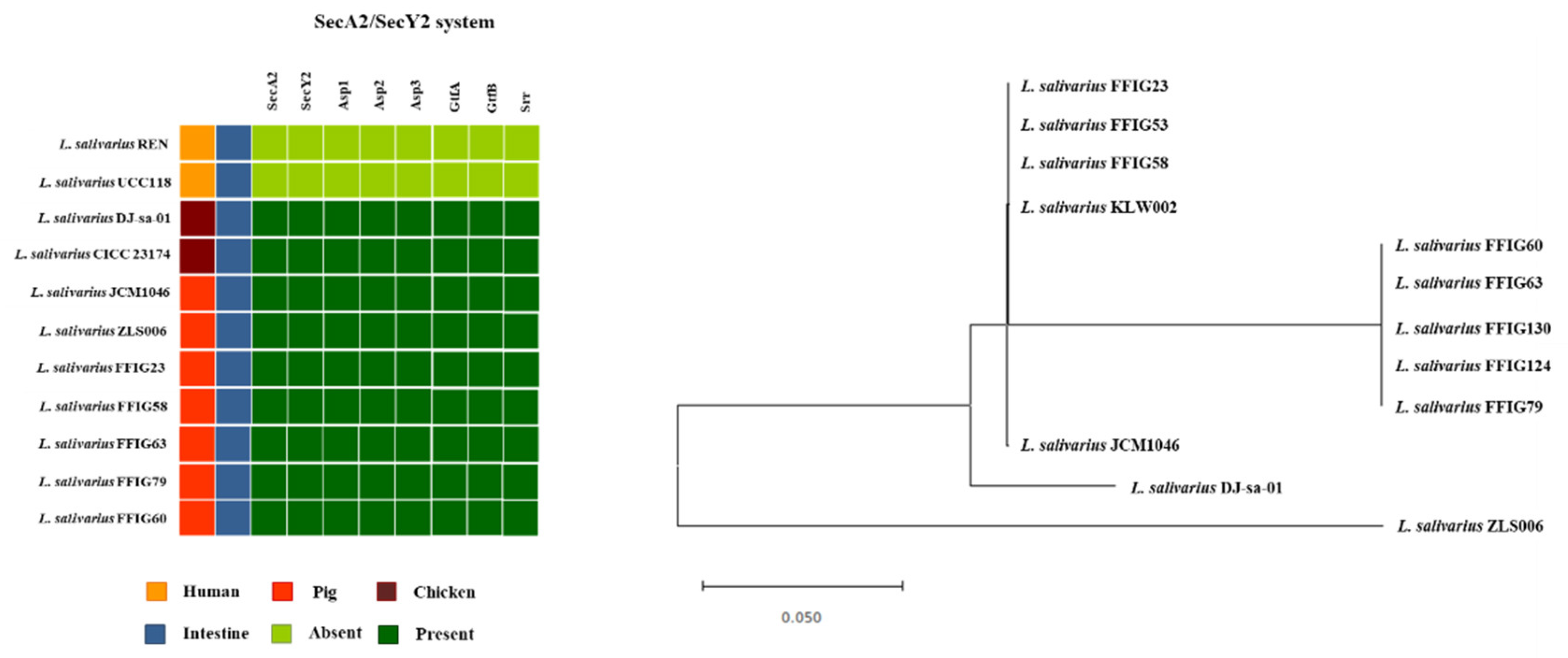
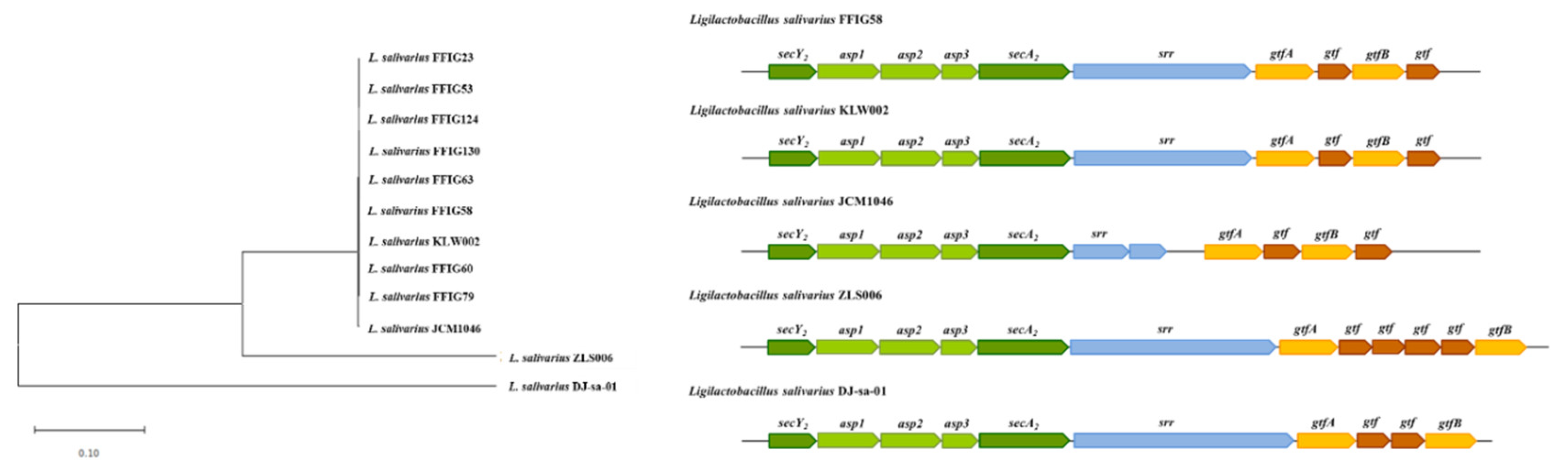
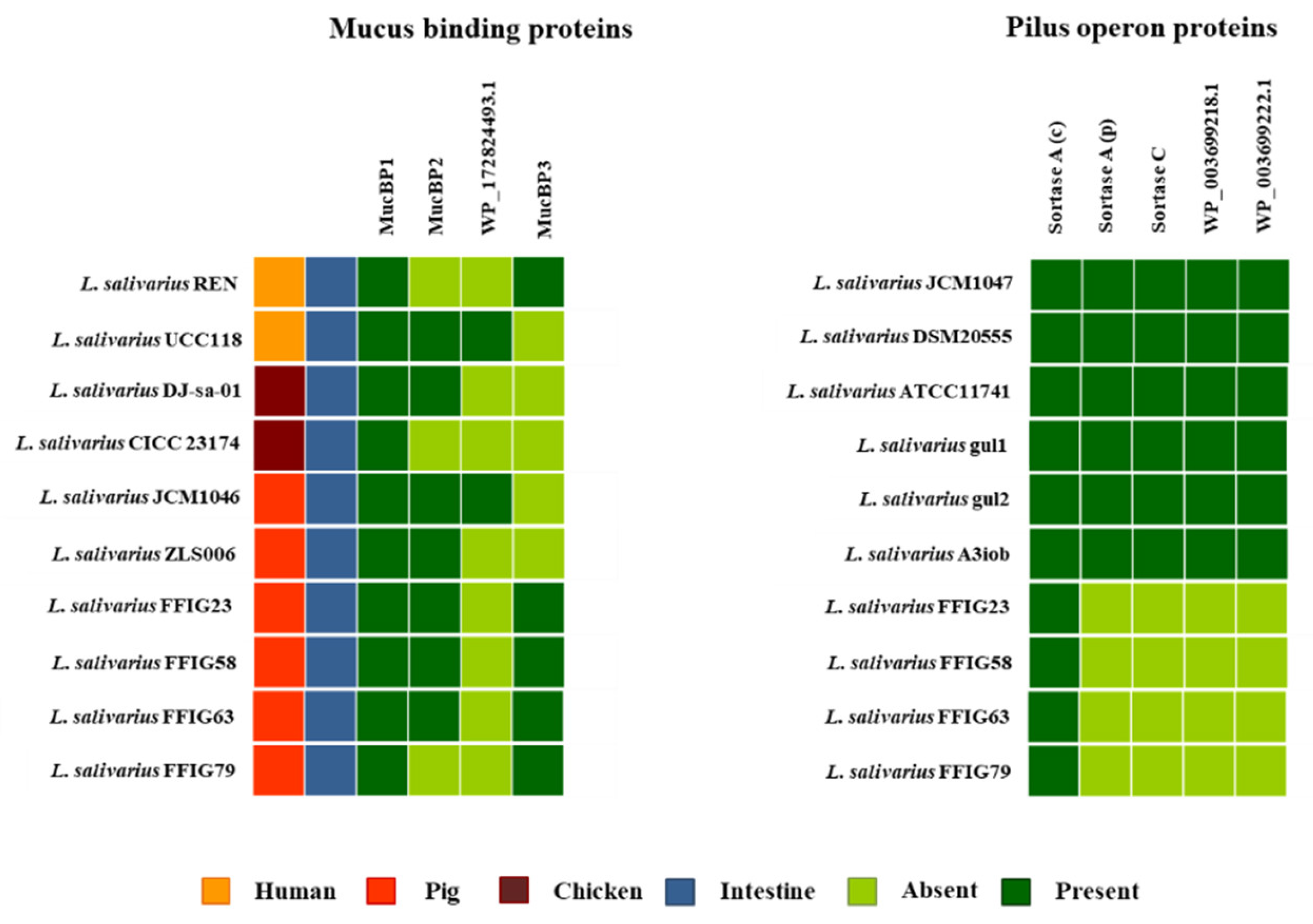
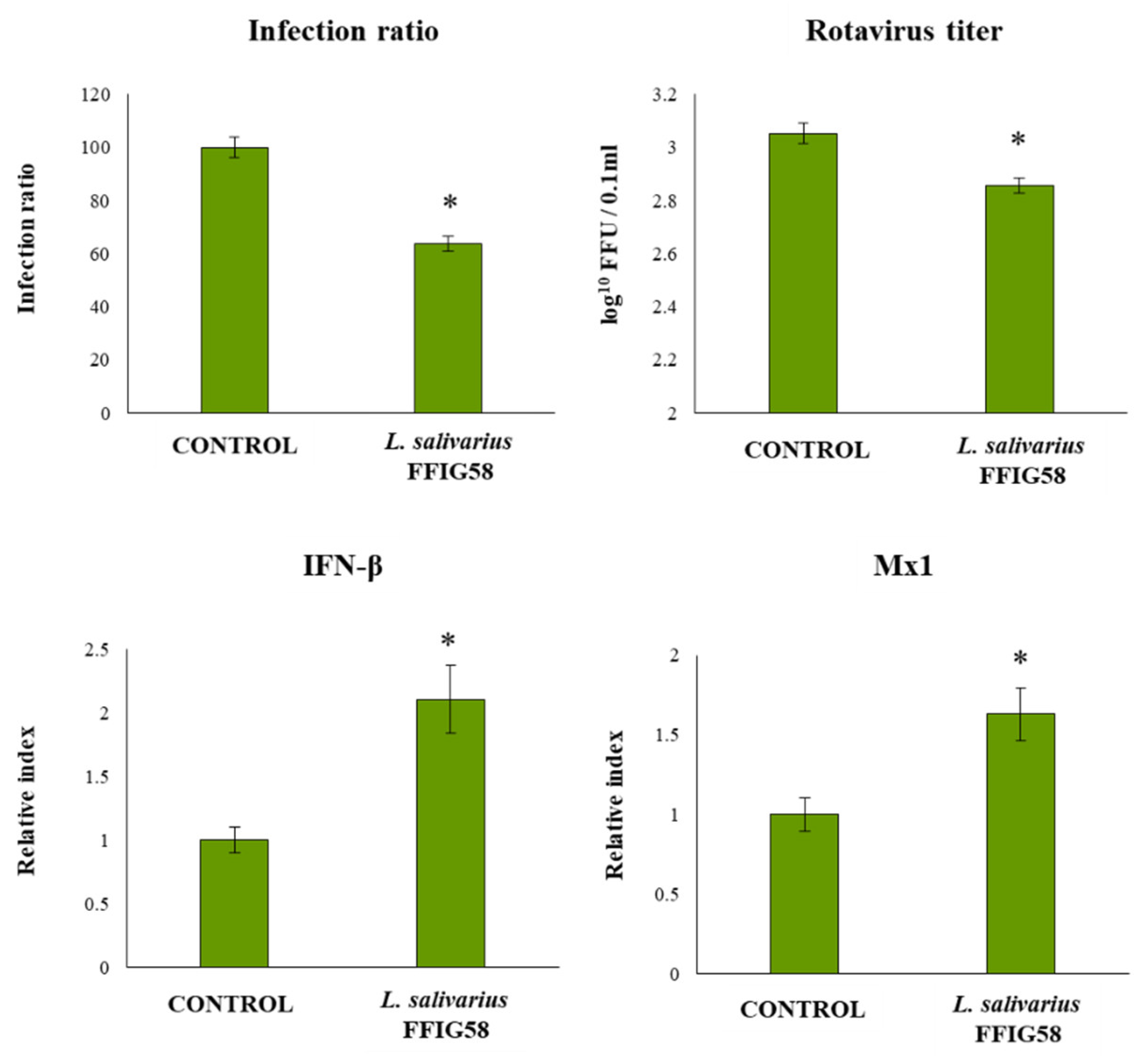
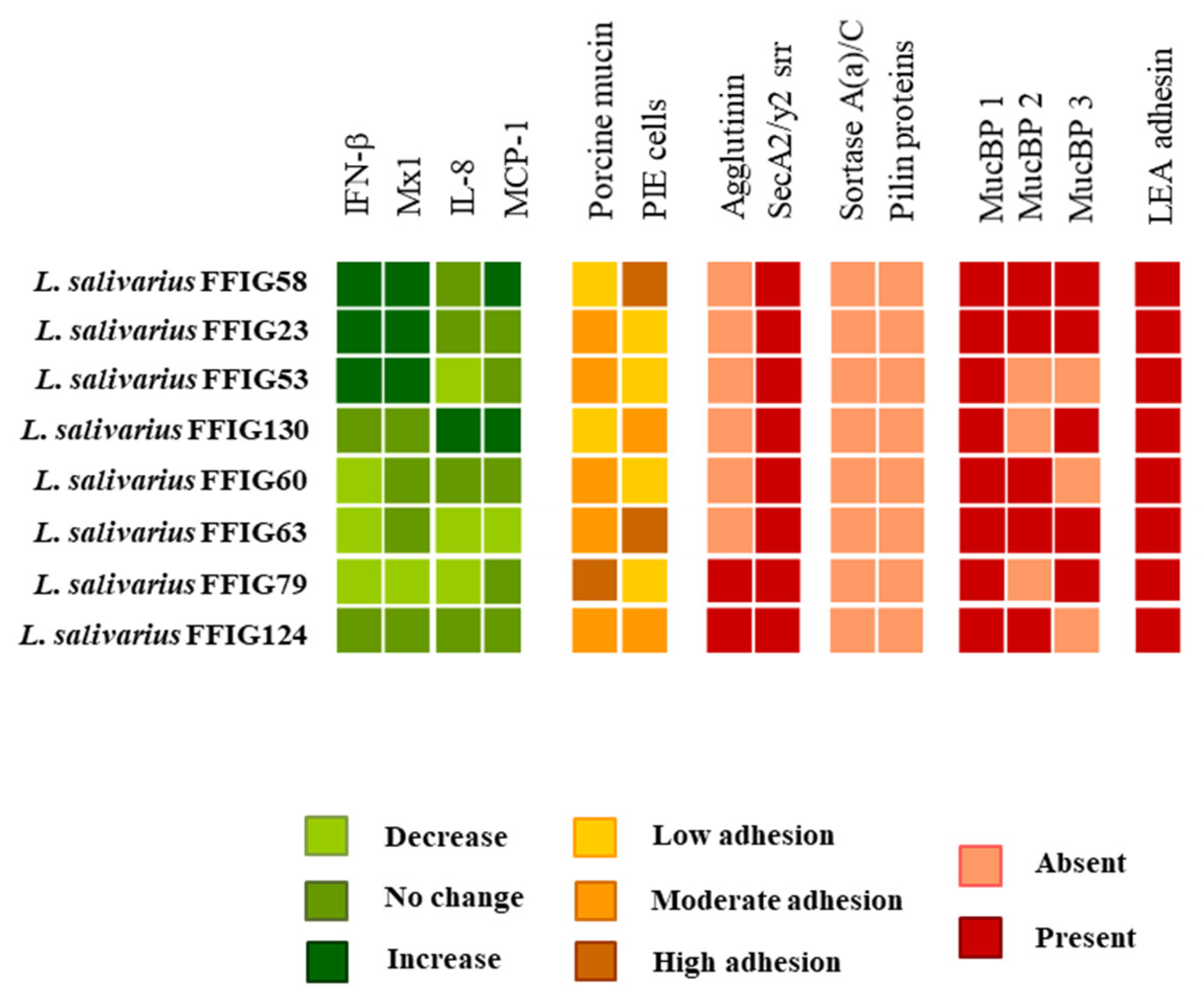
In this article, Ligilactobacillus salivarius FFIG strains, isolated from the intestinal tract of wakame-fed pigs, are characterized according to their potential probiotic properties. Strains were evaluated by studying their interaction with porcine intestinal epithelial (PIE) cells in terms of their ability to regulate toll-like receptor (TLR)-3- or TLR4-mediated innate immune responses, as well as by assessing their adhesion capabilities to porcine epithelial cells and mucins. These functional studies were complemented with comparative genomic evaluations using the complete genome sequences of porcine L. salivarius strains selected from subgroups that demonstrated different “immune” and “adhesion” phenotypes. We found that their immunomodulatory and adhesion capabilities are a strain-dependent characteristic. Our analysis indicated that the differential immunomodulatory and adhesive activities of FFIG strains would be dependent on the combination of several surface structures acting simultaneously, which include peptidoglycan, exopolysaccharides, lipoteichoic acid, and adhesins. Of note, our results indicate that there is no correlation between the immunomodulatory capacity of the strains with their adhesion ability to mucins and epithelial cells. Therefore, in the selection of strains destined to colonize the intestinal mucosa and modulate the immunity of the host, both properties must be adequately evaluated. Interestingly, we showed that L. salivarius FFIG58 functionally modulated the innate immune responses triggered by TLR3 and TLR4 activation in PIE cells and efficiently adhered to these cells. Moreover, the FFIG58 strain was capable of reducing rotavirus replication in PIE cells. Therefore, L. salivarius FFIG58 is a good candidate for further in vivo studying the protective effect of lactobacilli against intestinal infections in the porcine host. We also reported and analyzed, for the first time, the complete genome of several L. salivarius strains that were isolated from the intestine of pigs after the selective pressure of feeding the animals with wakame. Further genomic analysis could be of value to reveal the metabolic characteristics and potential of the FFIG strains in general and of the FFIG58 strain, in particular, relating to wakame by-products assimilation.
Keywords: porcine intestinal epithelial cells; wakame; pigs; Ligilactobacillus salivarius; adhesion; immunomodulation; genomics porcine intestinal epithelial cells; wakame; pigs; Ligilactobacillus salivarius; adhesion; immunomodulation; genomics