Article

The HIV-1 Transgenic Rat: Relevance for HIV Noninfectious Comorbidity Research


1
Department of Biology, Morgan State University, Baltimore, MD 21251, USA
2
Institute of Human Virology, School of Medicine, University of Maryland, Baltimore, MD 21201, USA
3
Department of Biochemistry and Molecular Biology, University of Maryland, Baltimore, MD 21201, USA
4
Department of Medicine and Health Science, University of Molise, Via F. De Sanctis, 86100 Campobasso, Italy
5
Institute of Human Virology-Animal Core Division, School of Medicine, University of Maryland, Baltimore, MD 21201, USA
6
Department of Microbiology and Immunology, University of Maryland, Baltimore, MD 21201, USA
*
Author to whom correspondence should be addressed.
These authors contributed equally.
Microorganisms 2020, 8(11), 1643; https://doi.org/10.3390/microorganisms8111643

Submission received: 5 September 2020 / Revised: 19 October 2020 / Accepted: 20 October 2020 / Published: 23 October 2020
(This article belongs to the Special Issue Virus-Host Interaction: From Physiology to Pathology)

Abstract

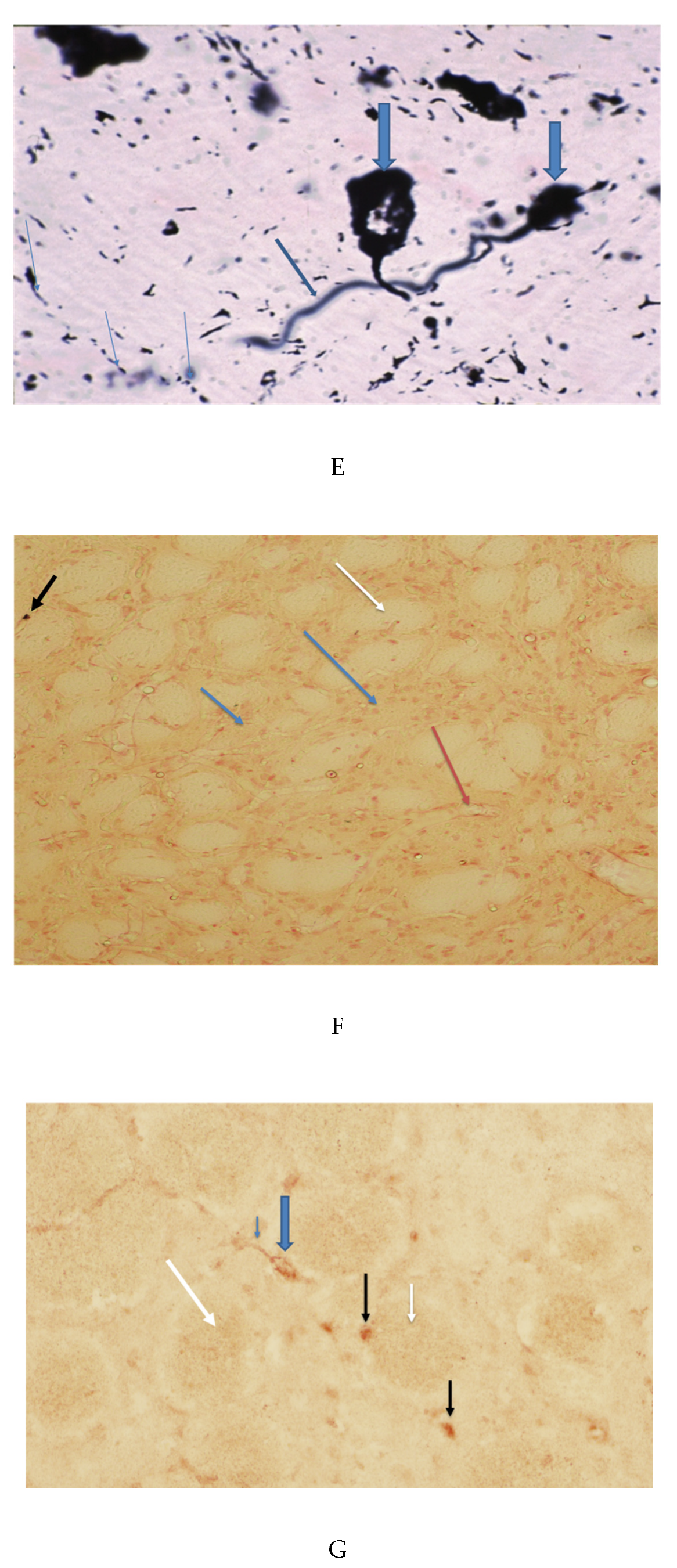
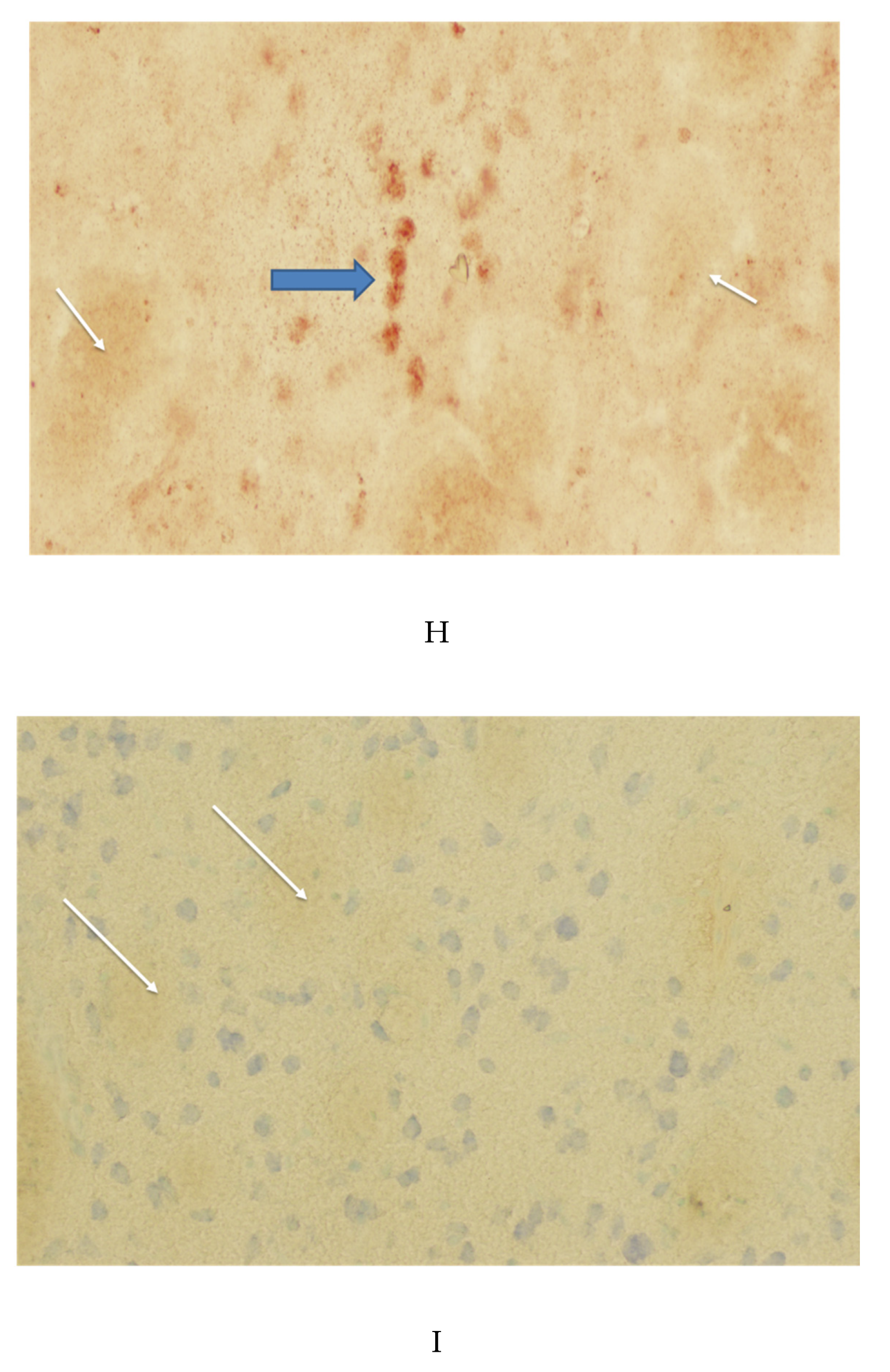
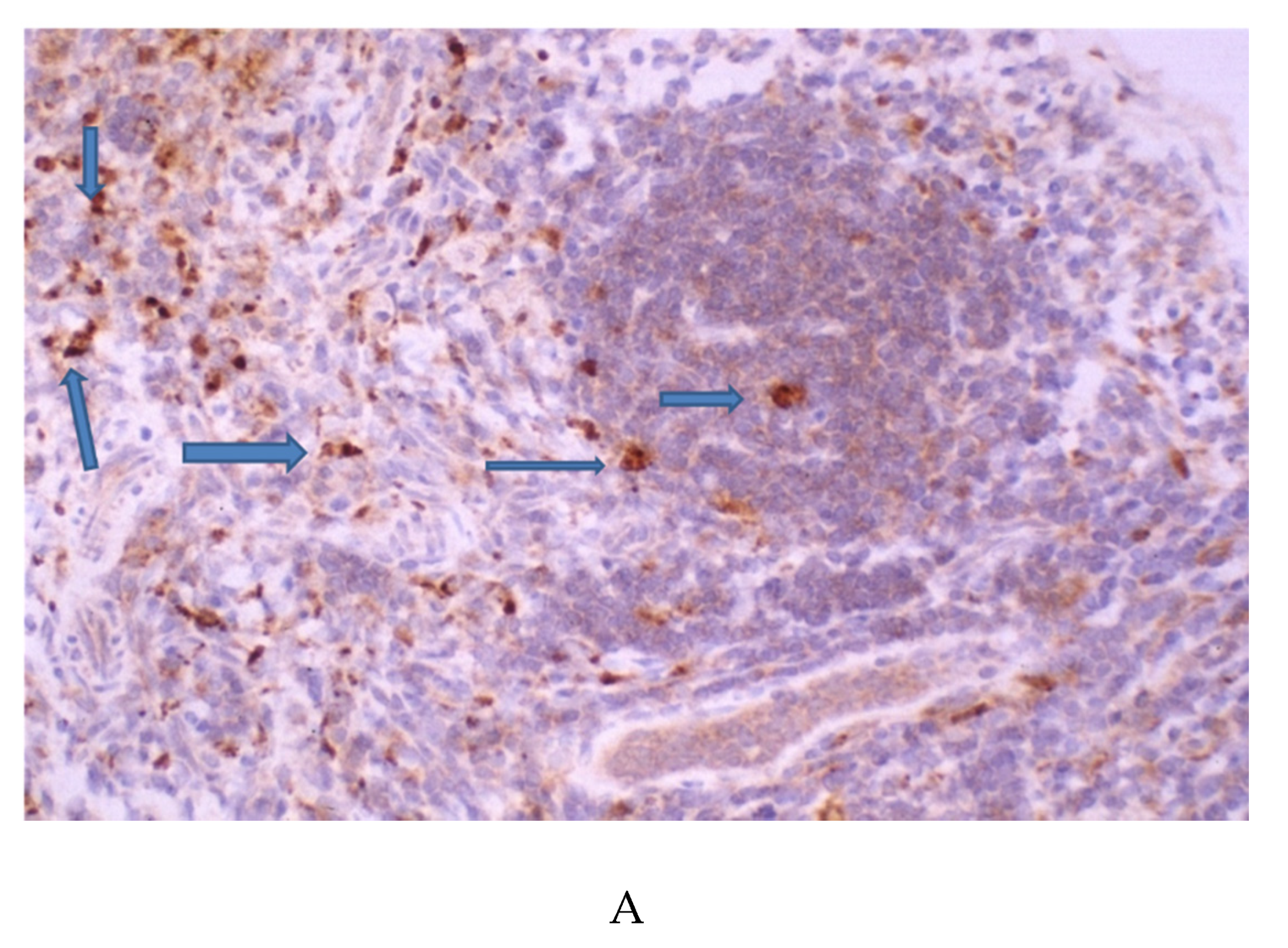
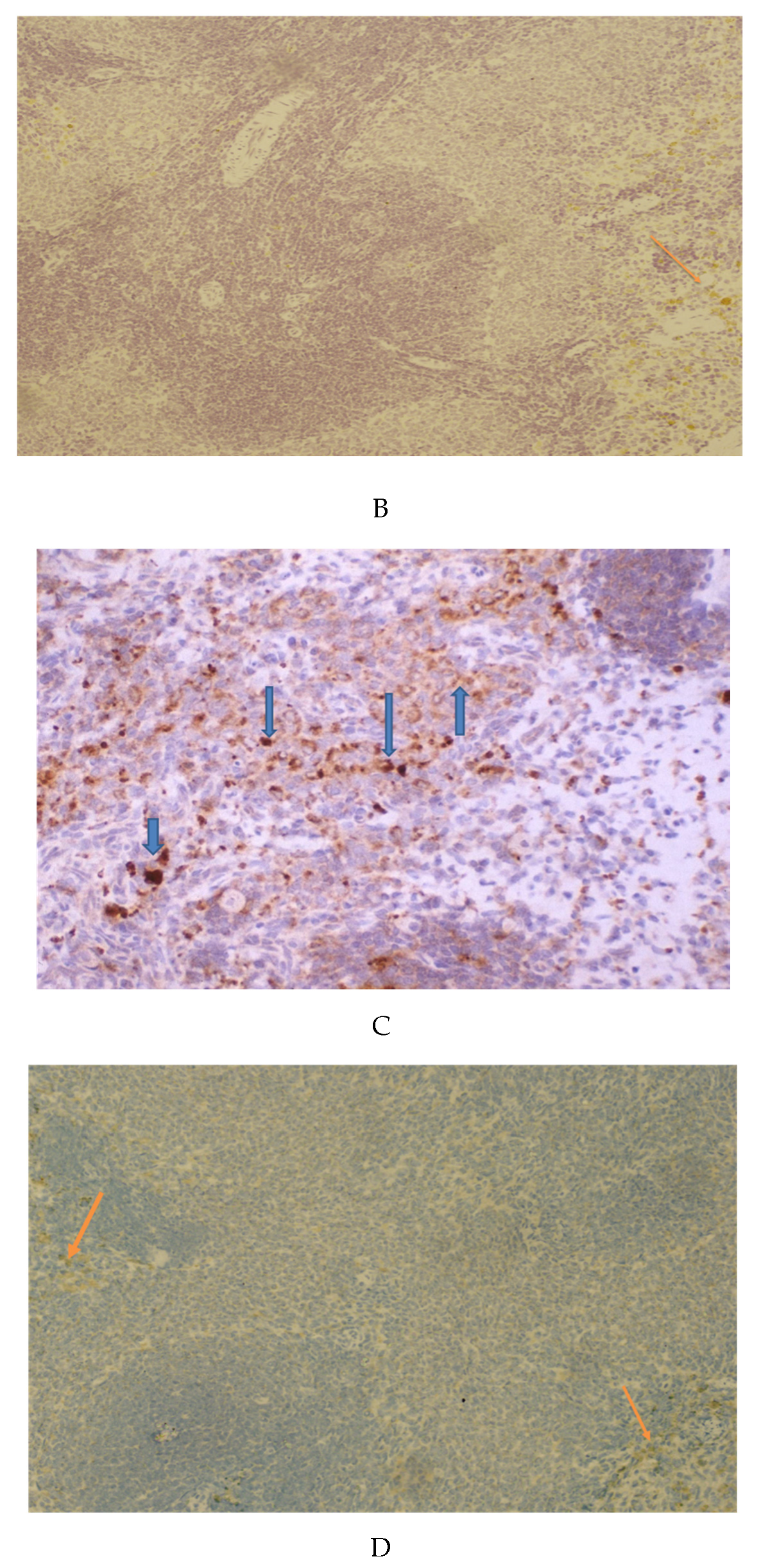
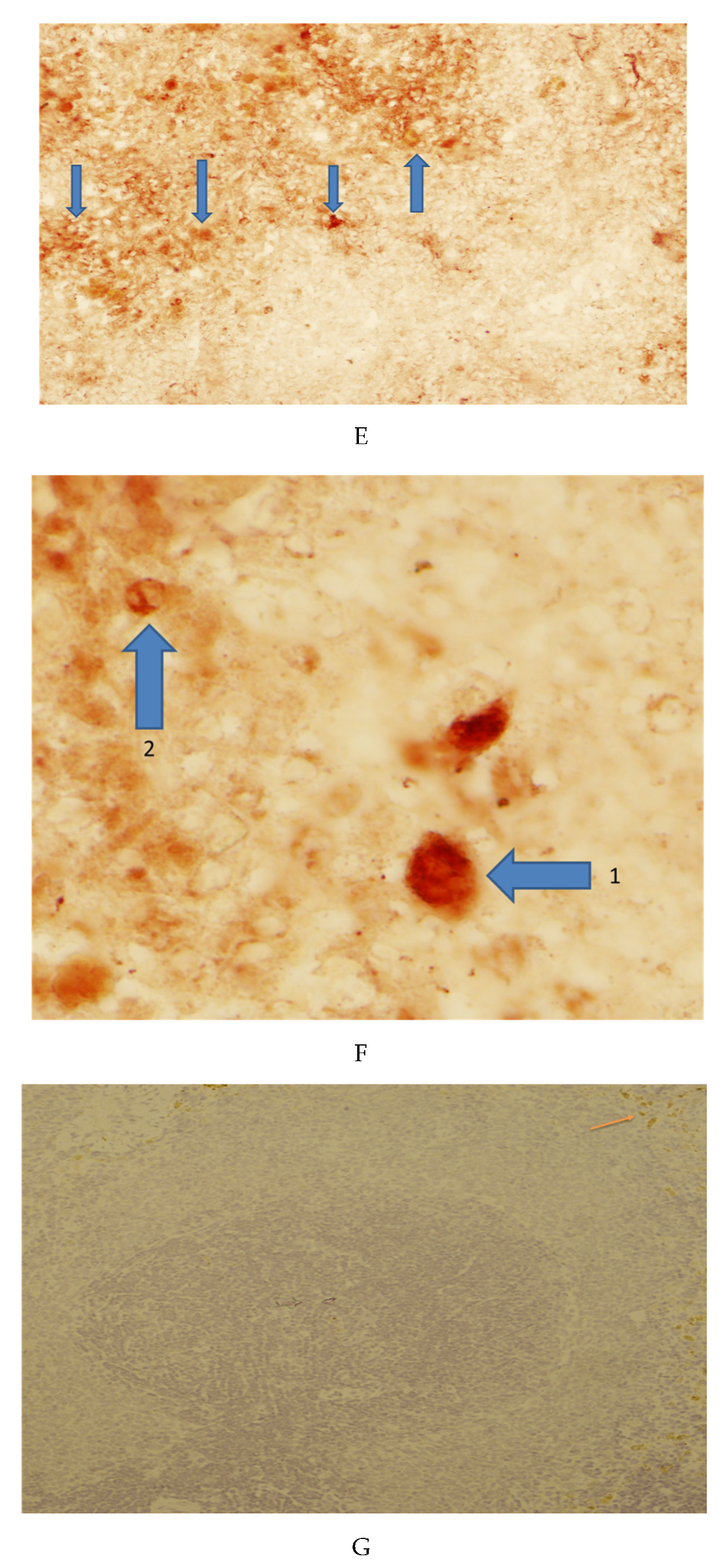
HIV noninfectious comorbidities (NICMs) are a current healthcare challenge. The situation is further complicated as there are very few effective models that can be used for NICM research. Previous research has supported the use of the HIV-1 transgenic rat (HIV-1TGR) as a model for the study of HIV/AIDS. However, additional studies are needed to confirm whether this model has features that would support NICM research. A demonstration of the utility of the HIV-1TGR model would be to show that the HIV-1TGR has cellular receptors able to bind HIV proteins, as this would be relevant for the study of cell-specific tissue pathology. In fact, an increased frequency of HIV receptors on a specific cell type may increase tissue vulnerability since binding to HIV proteins would eventually result in cell dysfunction and death. Evidence suggests that observations of selective cellular vulnerability in this model are consistent with some specific tissue vulnerabilities seen in NICMs. We identified CXCR4-expressing cells in the brain, while specific markers for neuronal degeneration demonstrated that the same neural types were dying. We also confirm the presence of gp120 and Tat by immunocytochemistry in the spleen, as previously reported. However, we observed very rare positive cells in the brain. This underscores the point that gp120, which has been reported as detected in the sera and CSF, is a likely source to which these CXCR4-positive cells are exposed. This alternative appears more probable than the local production of gp120. Further studies may indicate some level of local production, but that will not eliminate the role of receptor-mediated pathology. The binding of gp120 to the CXCR4 receptor on neurons and other neural cell types in the HIV-1TGR can thus explain the phenomena of selective cell death. Selective cellular vulnerability may be a contributing factor to the development of NICMs. Our data indicate that the HIV-1TGR can be an effective model for the studies of HIV NICMs because of the difference in the regional expression of CXCR4 in rat tissues, thus leading to specific organ pathology. This also suggests that the model can be used in the development of therapeutic options.
Keywords: HIV-1; noninfectious comorbidities; selective cell vulnerability; neuronal degeneration; gp120; Tat; CXCR4; HIV-1 transgenic rat HIV-1; noninfectious comorbidities; selective cell vulnerability; neuronal degeneration; gp120; Tat; CXCR4; HIV-1 transgenic rat
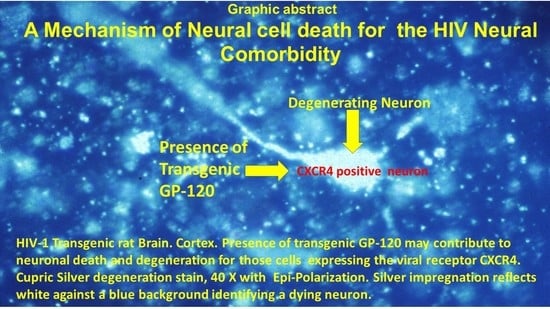
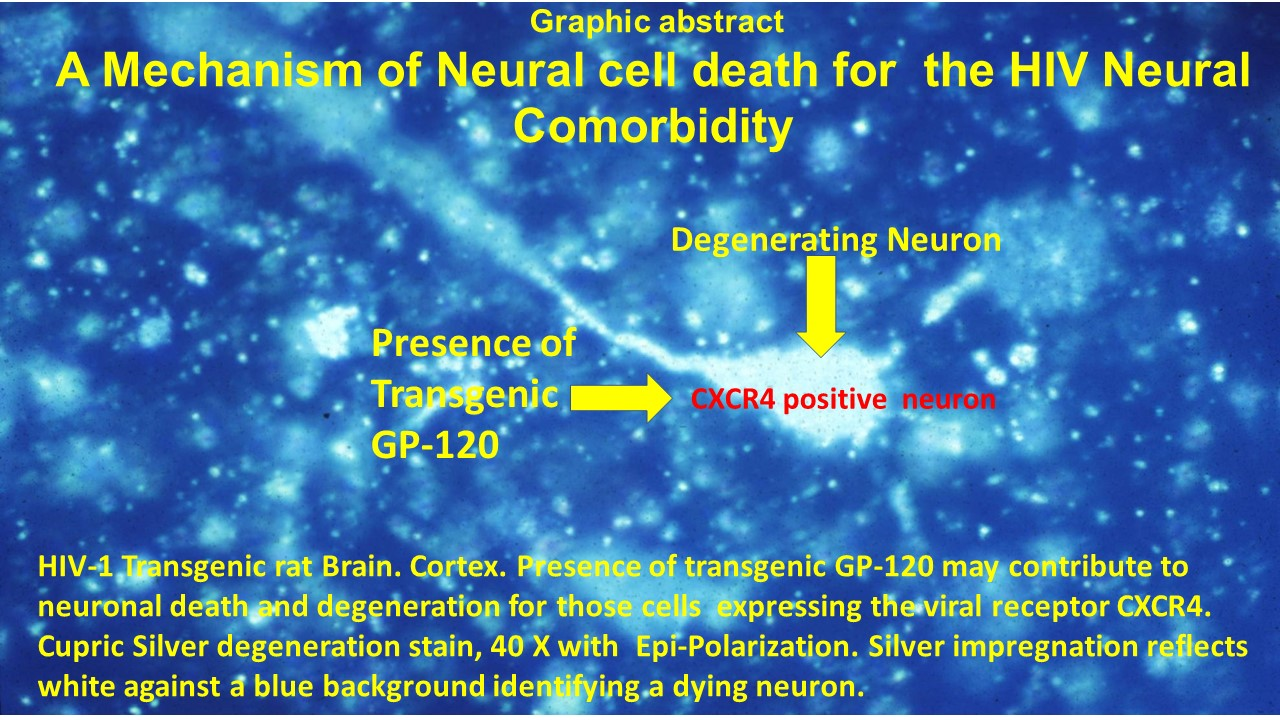
Graphical Abstract