Article

Identification, Characterization, and Formulation of a Novel Carbapenemase Intended to Prevent Antibiotic-Mediated Gut Dysbiosis


1
Synthetic Biologics, Inc., Rockville, MD 20850, USA
2
SynPhaGen, LLC, Rockville, MD 20850, USA
3
AscentGene, Inc., Gaithersburg, MD 20878, USA
*
Author to whom correspondence should be addressed.
Current address: Noble Life Sciences, Sykesville, MD 27184, USA.
Microorganisms 2019, 7(1), 22; https://doi.org/10.3390/microorganisms7010022

Submission received: 3 December 2018 / Revised: 6 January 2019 / Accepted: 15 January 2019 / Published: 16 January 2019
(This article belongs to the Special Issue Gastrointestinal Microbiota Impacts Human Health and Disease)

Abstract

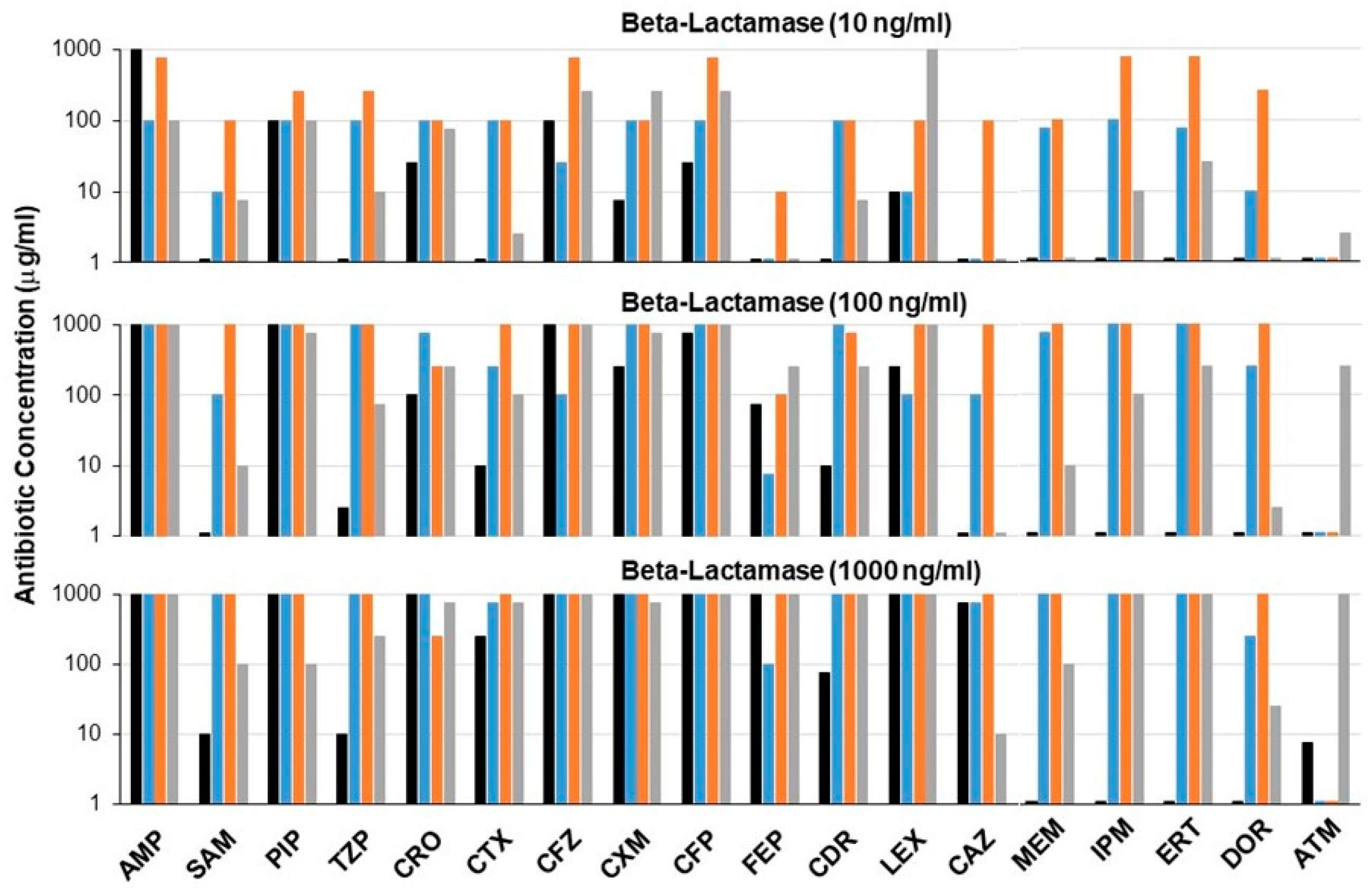
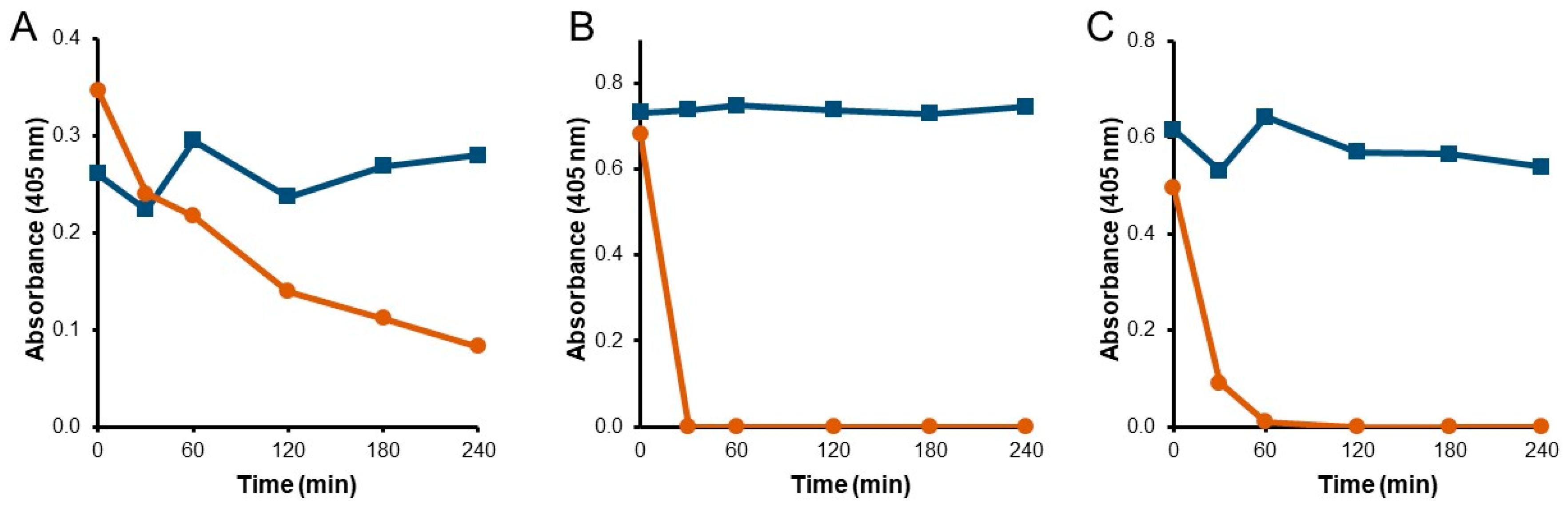
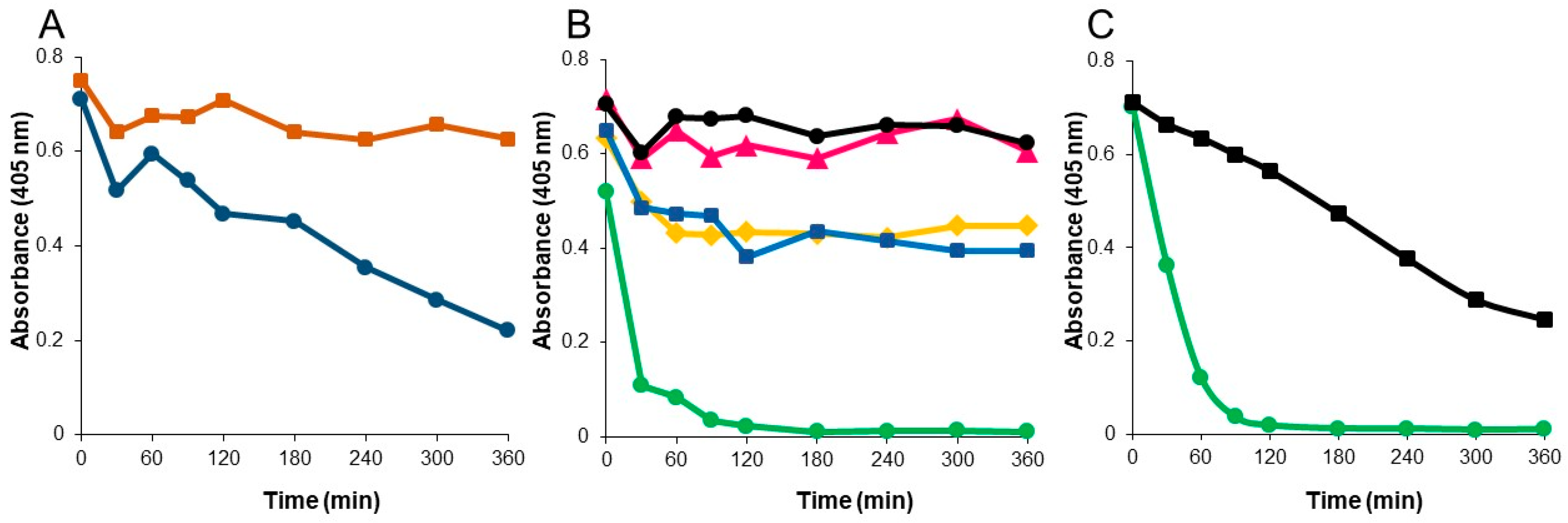
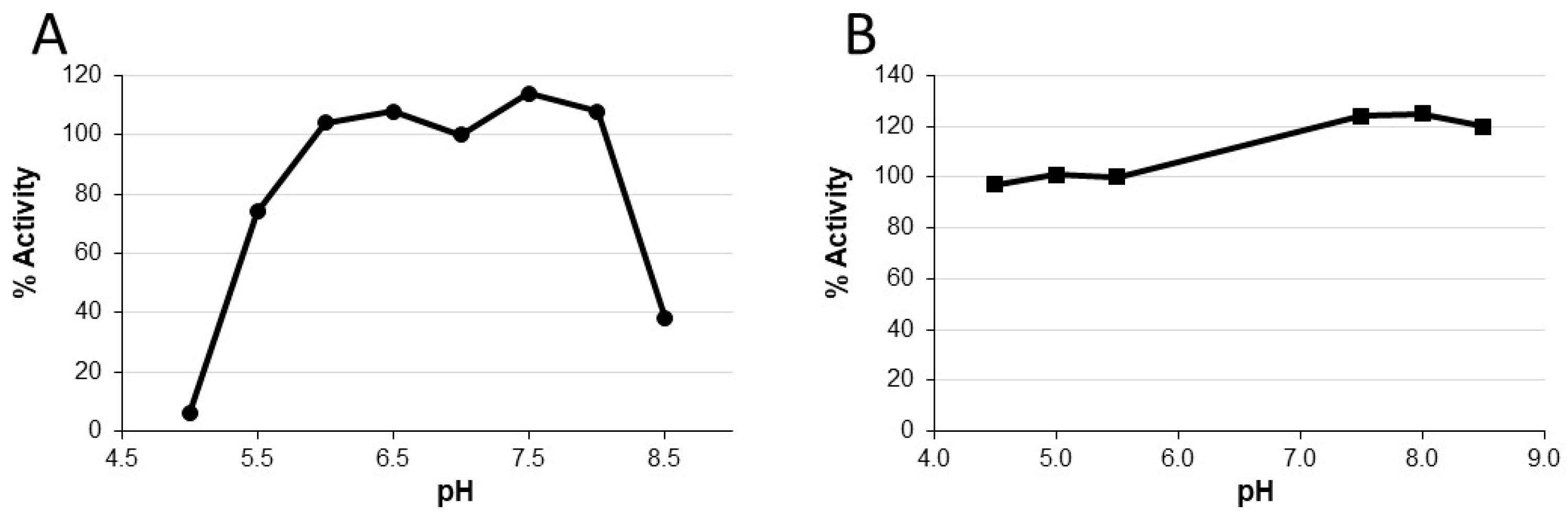
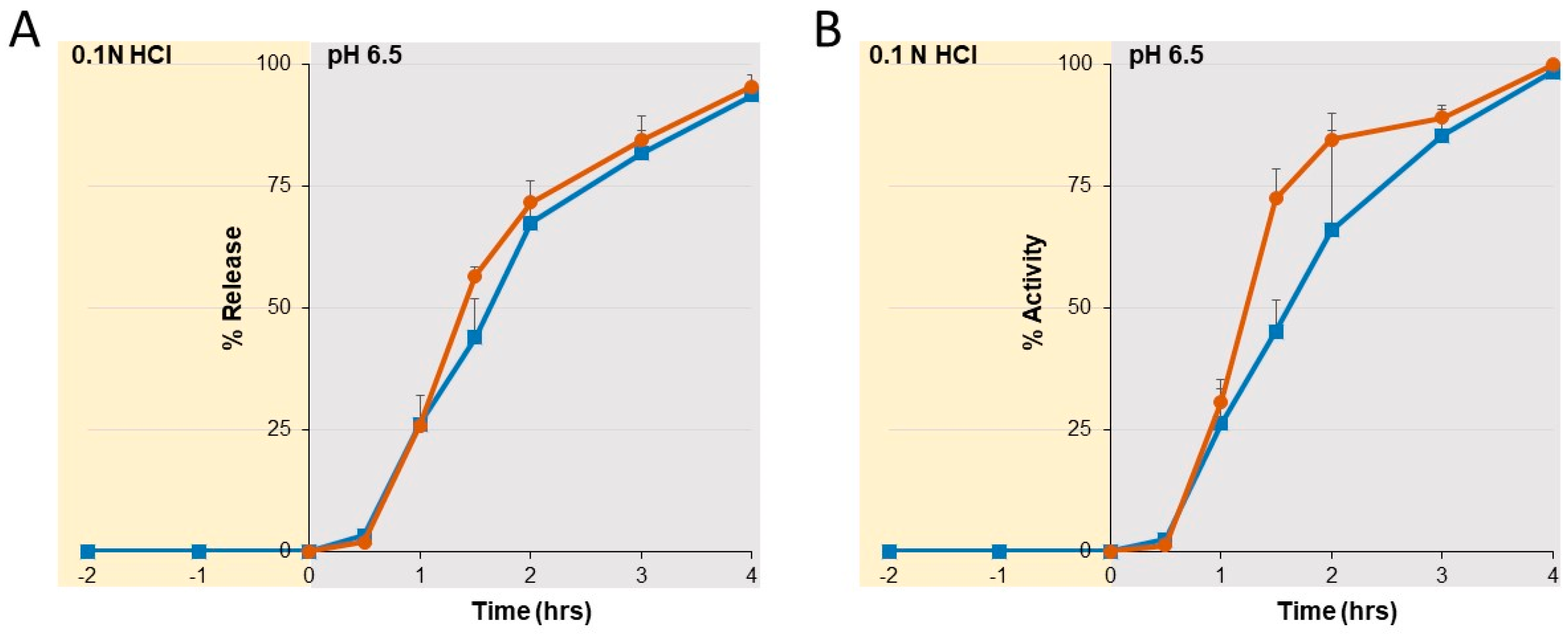
Antibiotics can damage the gut microbiome leading to opportunistic infections and the emergence of antibiotic resistance. Microbiome protection via antibiotic inactivation in the gastrointestinal (GI) tract represents a strategy to limit antibiotic exposure of the colonic microbiota. Proof of concept for this approach was achieved with an orally-administered beta-lactamase enzyme, SYN-004 (ribaxamase), that was demonstrated to degrade ceftriaxone excreted into the GI tract and protect the gut microbiome from antibiotic-mediated dysbiosis. Ribaxamase efficiently degrades penicillin and cephalosporin beta-lactam antibiotics, but is not active against carbapenems. To expand this microbiome protection strategy to include all classes of beta-lactams, three distinct carbapenemases were evaluated for manufacturability, antibiotic degradation spectrum, and stability in human intestinal fluid. E. coli production strains were generated for P2A, a novel metallo-enzyme isolated from B. cereus, New Delhi metallo-beta-lactamase (NDM), and Klebsiella pneumoniae carbapenemase (KPC). While all three enzymes effectively inactivated a broad range of antibiotics, including penicillins, most cephalosporins, and carbapenems in vitro, only P2A retained biological activity when incubated with human chyme. As functional stability in the intestinal tract is a key requirement for an orally-delivered enzyme, P2A was chosen as a potential clinical candidate. An enteric formulation of P2A was developed, called SYN-006, that was inert under high acid conditions, with enzyme dissolution occurring at pH > 5.5. SYN-006 has the potential to expand microbiome protection via antibiotic inactivation to include all classes of beta-lactam antibiotics.
Keywords: carbapenemase; beta-lactamase; antibiotics; dysbiosis; microbiome; antibiotic resistance carbapenemase; beta-lactamase; antibiotics; dysbiosis; microbiome; antibiotic resistance