Monosodium Glutamate Inhibits Pseudomonas aeruginosa-Induced Acute Lung Injury by Targeting the Type III Secretion Systems and Modulating Host Immunity

 ,
,
Abstract
1. Introduction
2. Materials and Methods
2.1. Materials
2.2. Animal Experiment
2.3. Construction of a PAO1-Induced Acute Lung Injury (ALI) Model
2.4. Cell Culture
2.5. Cell Viability Assay
2.6. Bacterial Preparation
2.7. Establishment of the Cell Infection Model
2.8. Establishment and Verification of Model Strains
2.9. Histopathological Examination of Mice Lung Tissues
2.10. Immunofluorescence
2.11. Quantitative Reverse Transcription-Quantitative Polymerase Chain Reaction (RT-qPCR)
2.12. LDH Release Assay
2.13. Metabolic Activity Assay
- Eoxi (OD570)—extinction coefficient of AB in its oxidized form at 570 nm = 80,586;
- Ered (OD570)—extinction coefficient of AB in its reduced form at 570 nm = 155,677;
- Eoxi (OD600)—extinction coefficient of AB in its oxidized form at 600 nm = 117,216;
- Ered (OD600)—extinction coefficient of AB in its reduced form at 600 nm = 14,652;
- B—blank;
- T—samples.
2.14. ELISA Assay
2.15. Molecular Docking and Dynamic Simulation
2.16. SPR Assay
2.17. Western Blot Analysis
2.18. Statistical Analysis
3. Results and Discussion
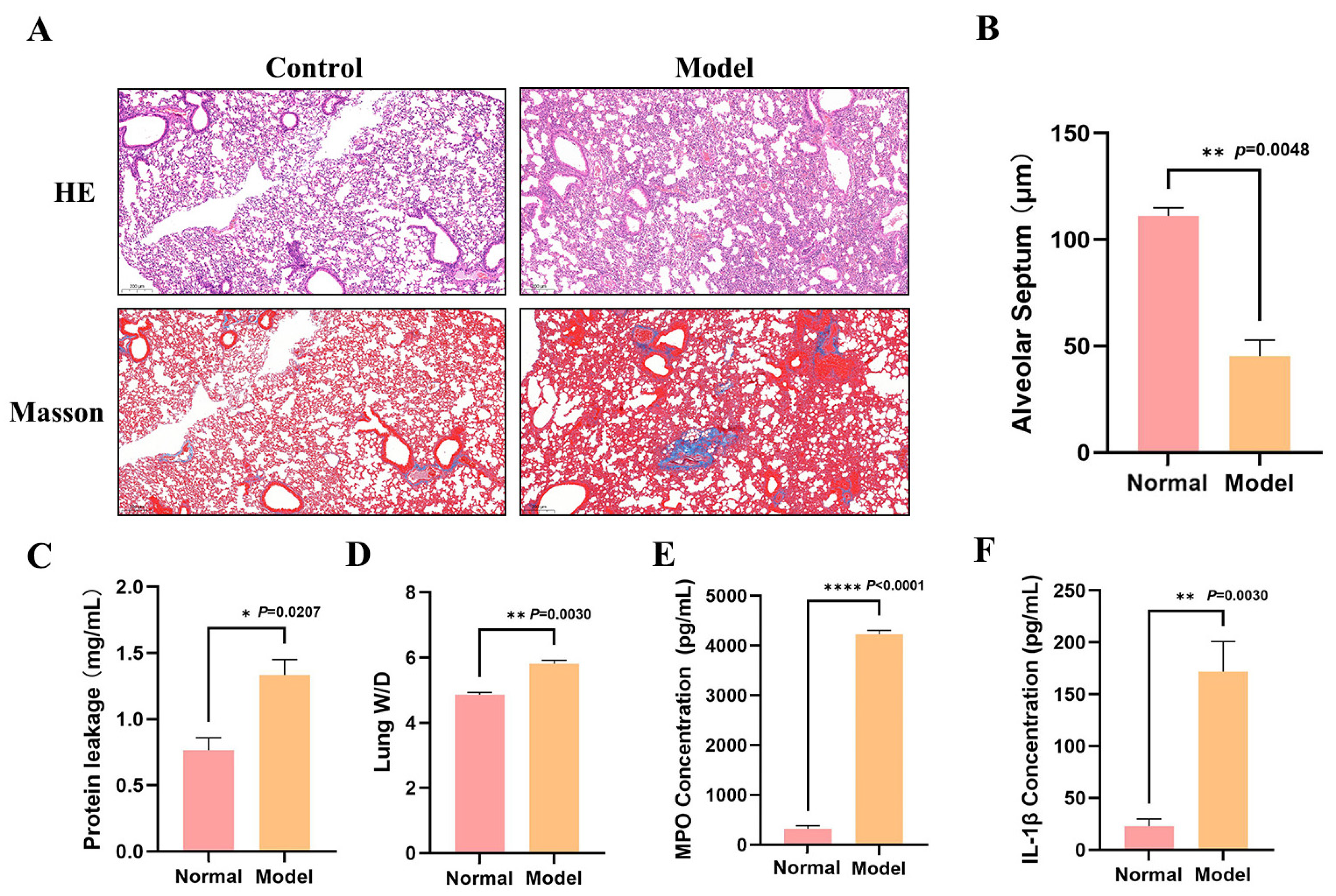
3.1. Establishment of ALI Model Induced by PAO1 Infection in Mice
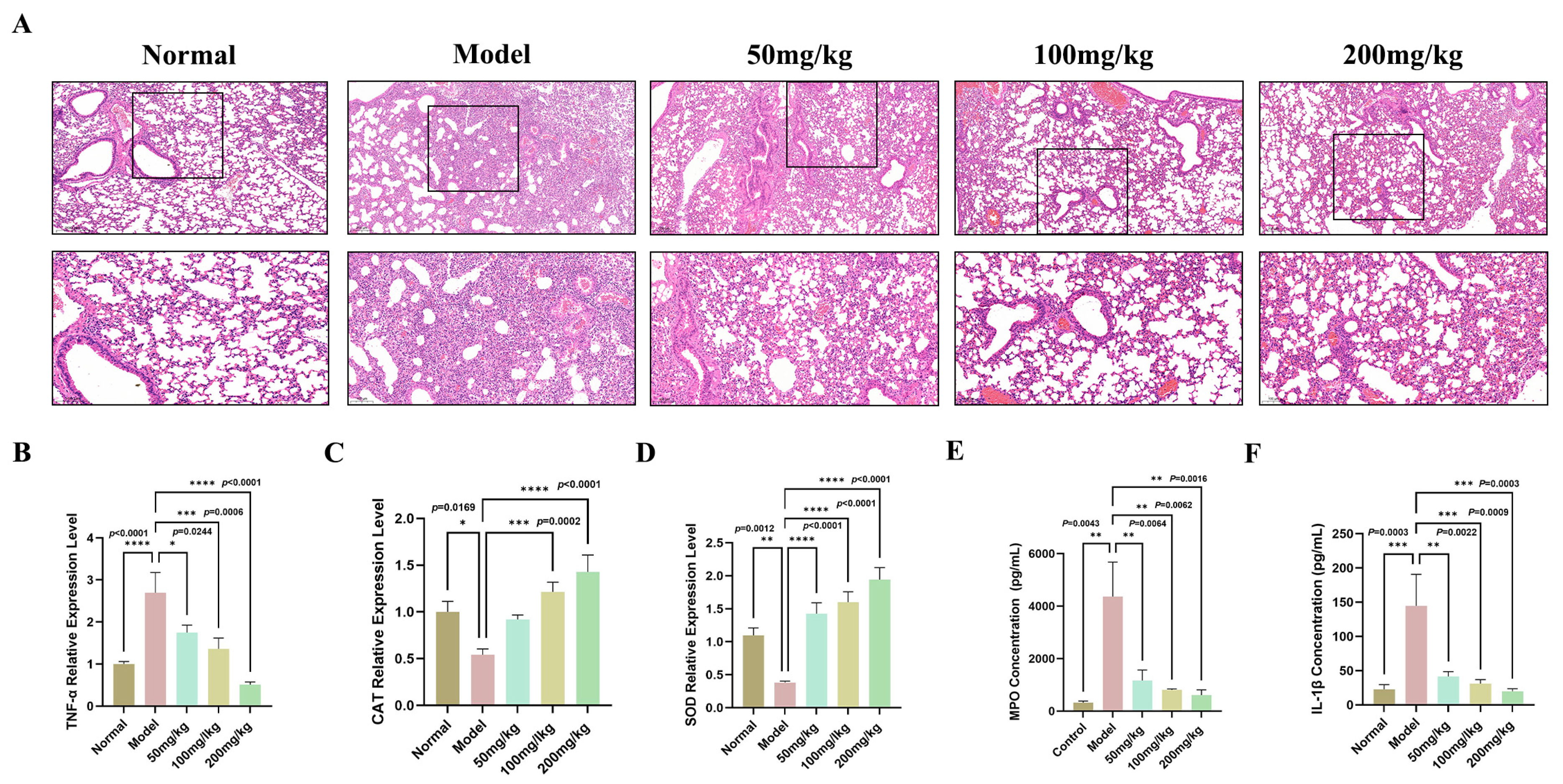
3.2. The Protective Effect of MSG on ALI Caused by PAO1 Infection in Mice
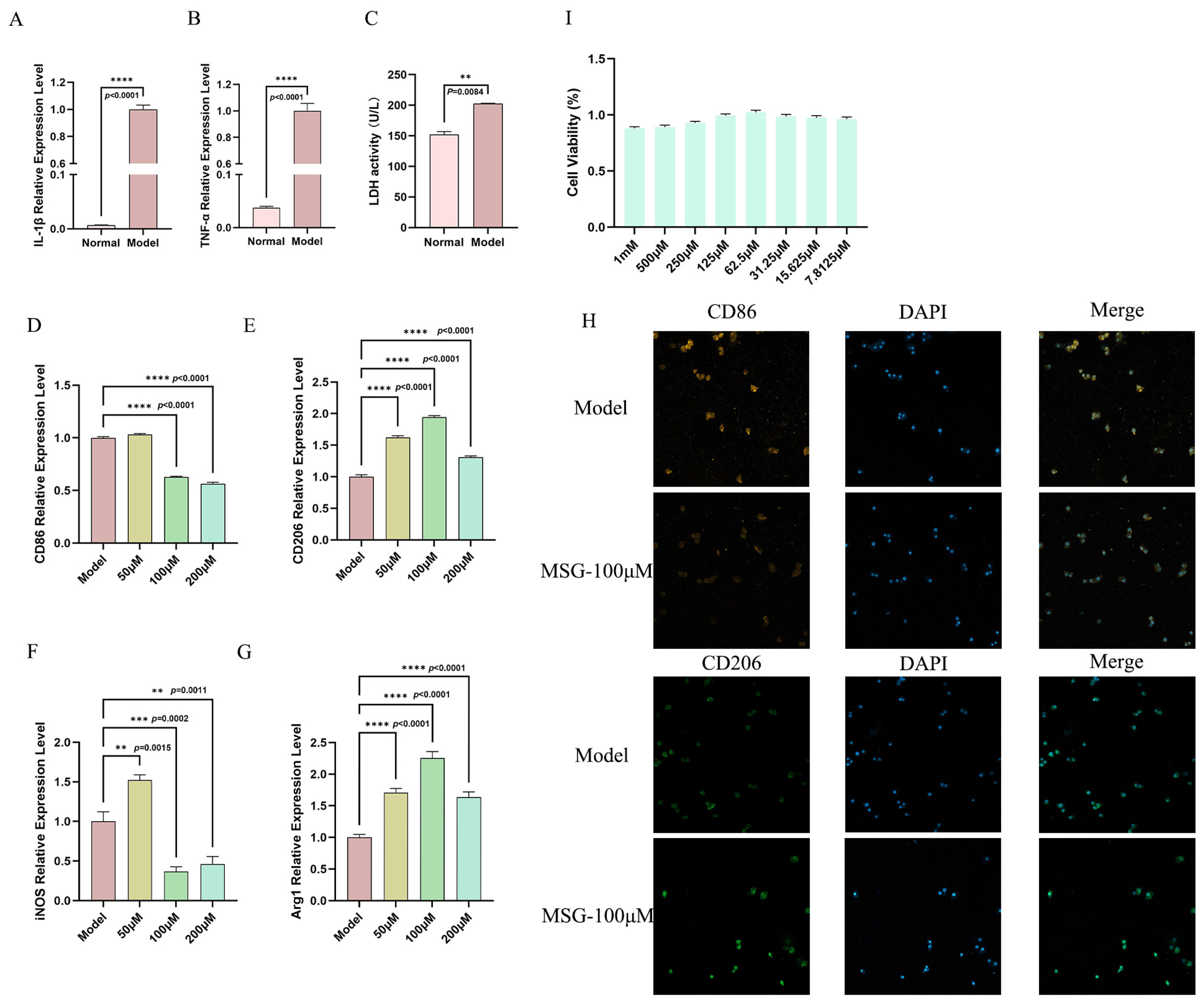
3.3. MSG Reshapes Macrophage Polarization in the Mouse ALI Model
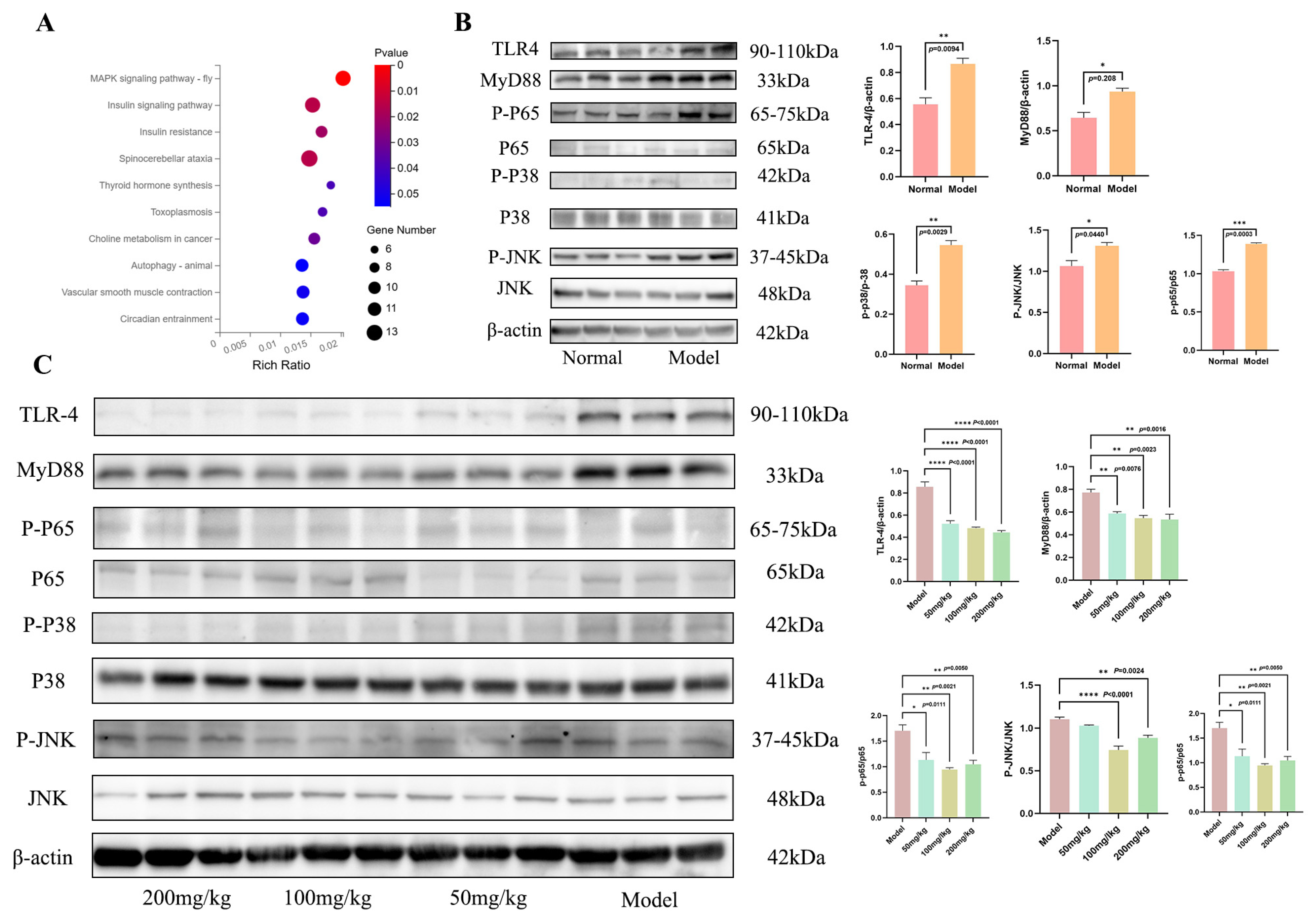
3.4. MSG Alleviates Inflammatory Responses in a PAO1-Induced Mouse ALI Model via the TLR-4/MAPK Pathway
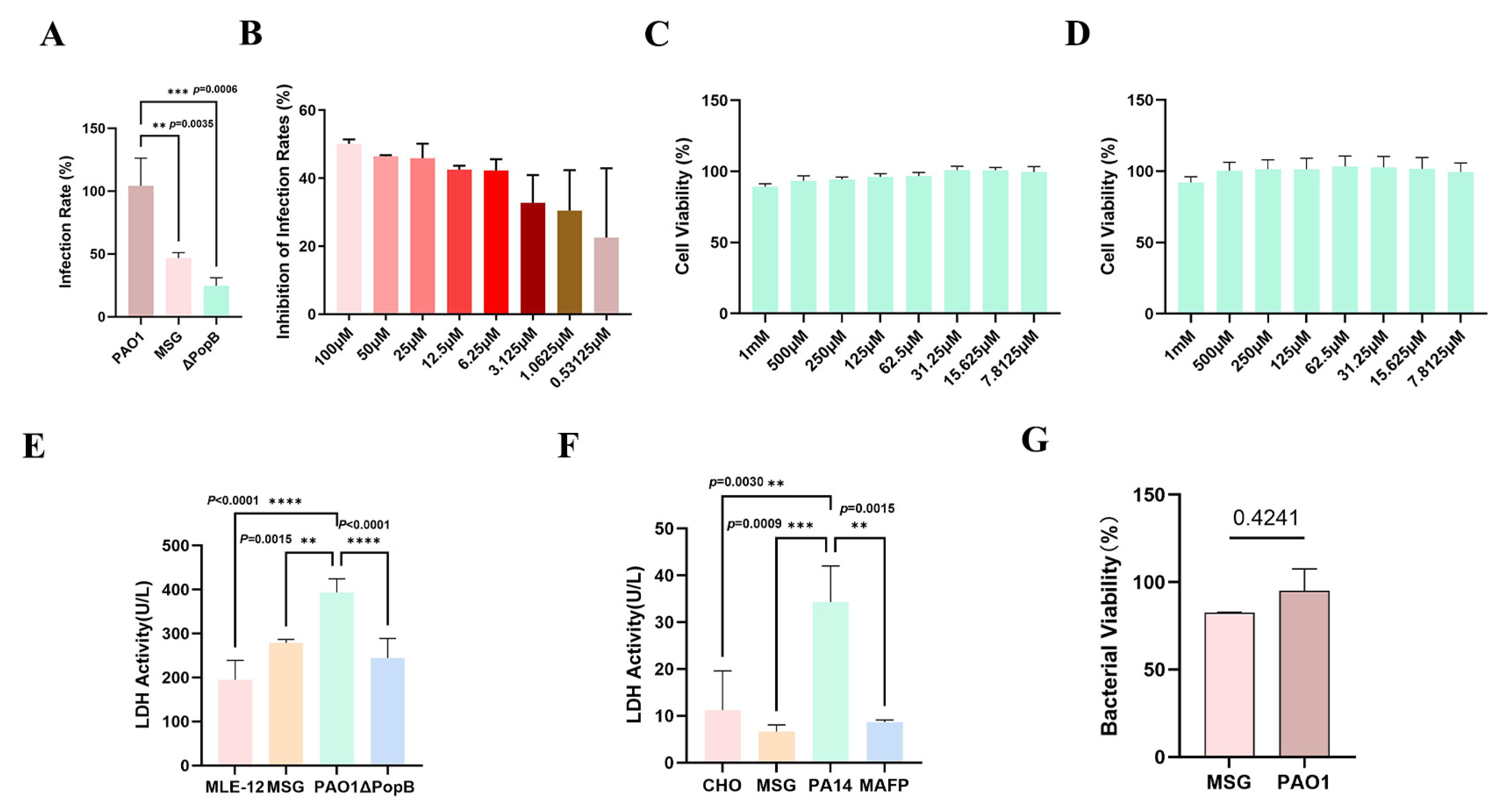
3.5. The Inhibitory Effect of MSG on PAO1 In Vitro Infection with Macrophage
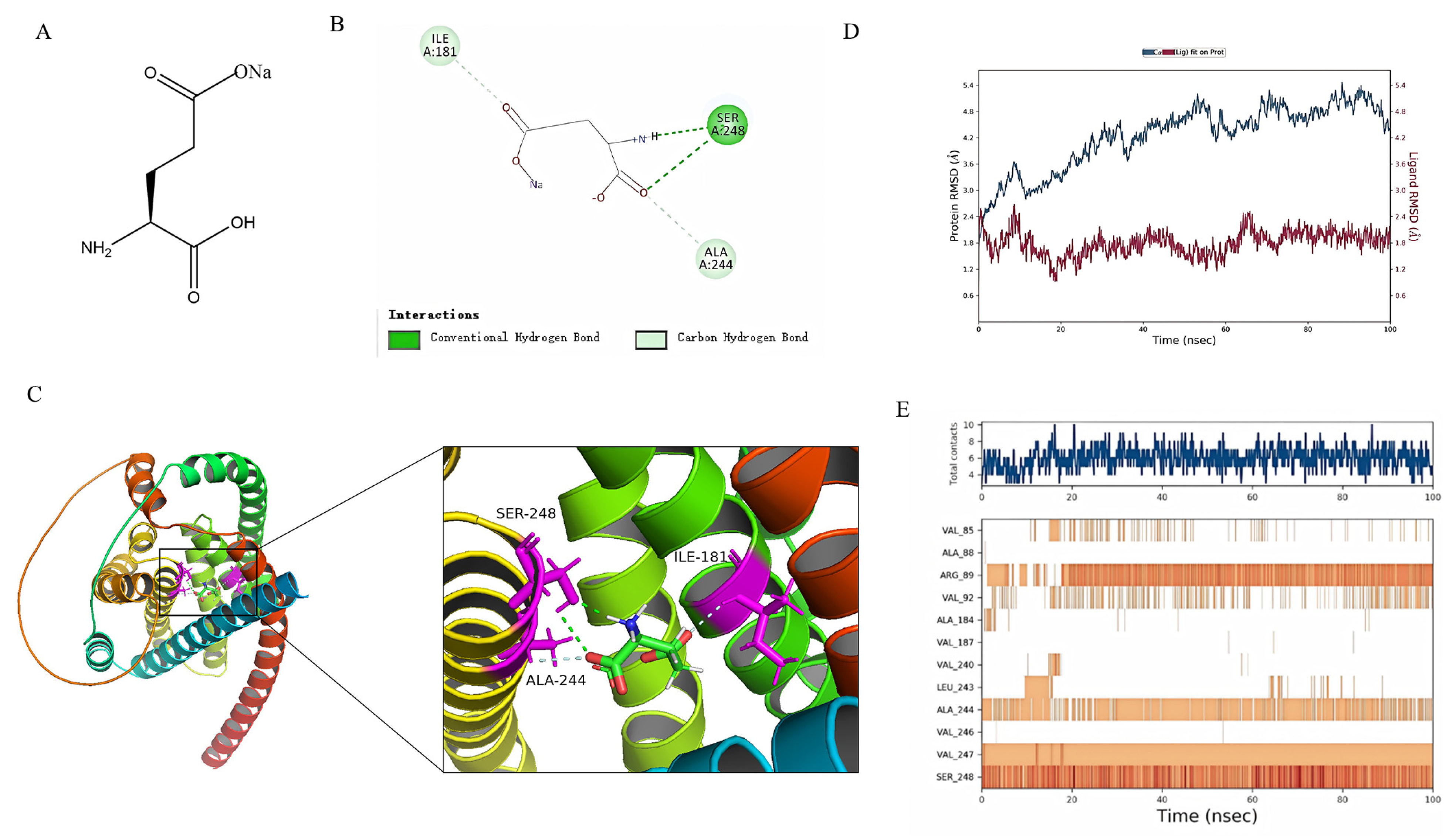
3.6. MSG Combined with PopB for Molecular Docking and Kinetic Simulations
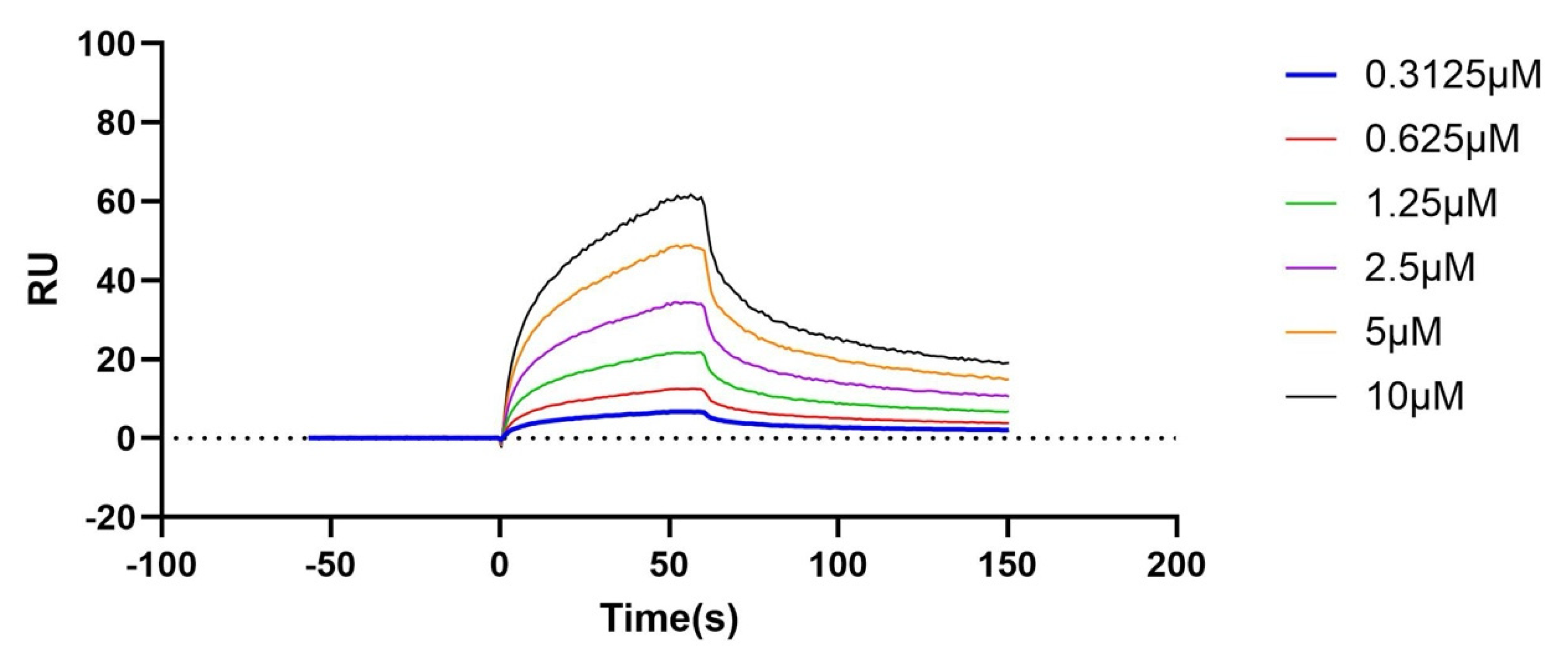
3.7. SPR
3.8. MSG Inhibits the Translocation of PAO1 Effector Proteins into MLE-12/CHO-K1 Cells In Vitro
4. Conclusions
Author Contributions
Funding
Institutional Review Board Statement
Informed Consent Statement
Data Availability Statement
Acknowledgments
Conflicts of Interest
Correction Statement
References
- Qin, S.; Xiao, W.; Zhou, C.; Pu, Q.; Deng, X.; Lan, L.; Liang, H.; Wu, M. Pseudomonas aeruginosa: Pathogenesis, virulence factors, antibiotic resistance, interaction with host, technology advances and emerging therapeutics. Signal Transduct. Target. Ther. 2022, 7, 199. [Google Scholar] [CrossRef] [PubMed]
- Laxminarayan, R.; Duse, A.; Wattal, C.; Zaidi, A.K.M.; Wertheim, H.F.L.; Sumpradit, N.; Vlieghe, E.; Hara, G.L.; Gould, I.M.; Goossens, H.; et al. Antibiotic resistance-the need for global solutions. Lancet Infect. Dis. 2013, 13, 1057–1098, Erratum in Lancet Infect. Dis. 2014, 14, 11. Erratum in Lancet Infect. Dis. 2014, 14, 182. [Google Scholar] [CrossRef] [PubMed]
- Sati, H.; Carrara, E.; Savoldi, A.; Hansen, P.; Garlasco, J.; Campagnaro, E.; Boccia, S.; Castillo-Polo, J.A.; Magrini, E.; Garcia-Vello, P.; et al. The WHO Bacterial Priority Pathogens List 2024: A prioritisation study to guide research, development, and public health strategies against antimicrobial resistance. Lancet Infect. Dis. 2025, 25, 1033–1043. [Google Scholar] [CrossRef] [PubMed]
- Horcajada, J.P.; Gales, A.C.; Isler, B.; Kaye, K.S.; Kwa, A.; Landersdorfer, C.B.; Montero, M.M.; Oliver, A.; Pogue, J.M.; Shields, R.K.; et al. Current and future options for the treatment of serious infections due to carbapenem-resistant Pseudomonas aeruginosa. Clin. Microbiol. Rev. 2025, 38, e00233-24. [Google Scholar] [CrossRef]
- Rn, J. Microbial etiologies of hospital-acquired bacterial pneumonia and ventilator-associated bacterial pneumonia. Clin. Infect. Dis. Off. Publ. Infect. Dis. Soc. Am. 2010, 51, S81–S87. [Google Scholar]
- Martin-Loeches, I.; Torres, A.; Roquilly, A. Hospital-acquired pneumonia: Past, present, and perspectives. J. Crit. Care 2026, 91, 155306. [Google Scholar] [CrossRef]
- Martin-Loeches, I.; Reyes, L.F.; Nseir, S.; Ranzani, O.; Povoa, P.; Diaz, E.; Schultz, M.J.; Rodríguez, A.H.; Serrano-Mayorga, C.C.; De Pascale, G.; et al. European Network for ICU-Related Respiratory Infections (ENIRRIs): A multinational, prospective, cohort study of nosocomial LRTI. Intensive Care Med. 2023, 49, 1212–1222. [Google Scholar] [CrossRef]
- Ikuta, K.S.; Swetschinski, L.R.; Aguilar, G.R.; Sharara, F.; Mestrovic, T.; Gray, A.P.; Weaver, N.D.; Wool, E.E.; Han, C.; Hayoon, A.G.; et al. Global mortality associated with 33 bacterial pathogens in 2019: A systematic analysis for the Global Burden of Disease Study 2019. Lancet 2022, 400, 2221–2248. [Google Scholar] [CrossRef]
- Safdar, N.; Dezfulian, C.; Collard, H.R.; Saint, S. Clinical and economic consequences of ventilator-associated pneumonia: A systematic review. Crit. Care Med. 2005, 33, 2184–2193. [Google Scholar] [CrossRef]
- Sadikot, R.T.; Blackwell, T.S.; Christman, J.W.; Prince, A.S. Pathogen-host interactions in Pseudomonas aeruginosa pneumonia. Am. J. Respir. Crit. Care Med. 2005, 171, 1209–1223. [Google Scholar] [CrossRef]
- Chousterman, B.G.; Swirski, F.K.; Weber, G.F. Cytokine storm and sepsis disease pathogenesis. Semin. Immunopathol. 2017, 39, 517–528. [Google Scholar] [CrossRef]
- ARDS Definition Task Force; Ranieri, V.M.; Rubenfeld, G.D.; Thompson, B.T.; Ferguson, N.D.; Caldwell, E.; Fan, E.; Camporota, L.; Slutsky, A.S. Acute respiratory distress syndrome: The Berlin Definition. JAMA 2012, 307, 2526–2533. [Google Scholar]
- Mantovani, A.; Sica, A.; Sozzani, S.; Allavena, P.; Vecchi, A.; Locati, M. The chemokine system in diverse forms of macrophage activation and polarization. Trends Immunol. 2004, 25, 677–686. [Google Scholar] [CrossRef]
- Murray, P.J.; Allen, J.E.; Biswas, S.K.; Fisher, E.A.; Gilroy, D.W.; Goerdt, S.; Gordon, S.; Hamilton, J.A.; Ivashkiv, L.B.; Lawrence, T.; et al. Macrophage activation and polarization: Nomenclature and experimental guidelines. Immunity 2014, 41, 14–20. [Google Scholar] [CrossRef] [PubMed]
- Minns, M.S.; Liboro, K.; Lima, T.S.; Abbondante, S.; Miller, B.A.; Marshall, M.E.; Tran Chau, J.; Roistacher, A.; Rietsch, A.; Dubyak, G.R.; et al. NLRP3 selectively drives IL-1β secretion by Pseudomonas aeruginosa infected neutrophils and regulates corneal disease severity. Nat. Commun. 2023, 14, 5832. [Google Scholar] [CrossRef]
- Liu, Y.; Du, L.; Zhu, Y.; Liu, X.; Zhou, N.; Li, C.; Li, Q.; He, P. A truncated mutation of MucA in Pseudomonas aeruginosa from a bronchiectasis patient affects T3SS expression and inflammasome activation. Acta Biochim. Biophys. Sin. 2022, 54, 1740. [Google Scholar] [CrossRef] [PubMed]
- Tang, Y.; Romano, F.B.; Breña, M.; Heuck, A.P. The Pseudomonas aeruginosa type III secretion translocator PopB assists the insertion of the PopD translocator into host cell membranes. J. Biol. Chem. 2018, 293, 8982–8993. [Google Scholar] [CrossRef]
- Hirosumi, J.; Tuncman, G.; Chang, L.; Görgün, C.Z.; Uysal, K.T.; Maeda, K.; Karin, M.; Hotamisligil, G.S. A central role for JNK in obesity and insulin resistance. Nature 2002, 420, 333–336, Erratum in Nature 2023, 619, E25. [Google Scholar] [CrossRef]
- Kim, I.; Yang, S.; Kim, C.Y.; Kim, S.; Jung, Y.-S.; Chung, H.Y.; Lee, J. Assessment of the neurotoxicity of monosodium glutamate on neural stem cells and hippocampal neurogenesis in a rodent model. Food Chem. Toxicol. Int. J. Publ. Br. Ind. Biol. Res. Assoc. 2025, 195, 115136. [Google Scholar] [CrossRef]
- Olney, J.W. Brain lesions, obesity, and other disturbances in mice treated with monosodium glutamate. Science 1969, 164, 719–721. [Google Scholar] [CrossRef] [PubMed]
- Shi, Z.; Taylor, A.W.; Yuan, B.; Zuo, H.; Wittert, G.A. Monosodium glutamate intake is inversely related to the risk of hyperglycemia. Clin. Nutr. 2014, 33, 823–828. [Google Scholar] [CrossRef]
- Walker, R.; Lupien, J.R. The safety evaluation of monosodium glutamate. J. Nutr. 2000, 130, 1049S–1052S. [Google Scholar] [CrossRef]
- Dolnikoff, M.; Martín-Hidalgo, A.; Machado, U.F.; Lima, F.B.; Herrera, E. Decreased lipolysis and enhanced glycerol and glucose utilization by adipose tissue prior to development of obesity in monosodium glutamate (MSG) treated-rats. Int. J. Obes. Relat. Metab. Disord. J. Int. Assoc. Study Obes. 2001, 25, 426–433. [Google Scholar] [CrossRef] [PubMed]
- Egbuonu, A.C.C. Sub-chronic concomitant ingestion of L-arginine and monosodium glutamate improves feed efficiency, lipid metabolism and antioxidant capacity in male Wistar rats. Pak. J. Biol. Sci. PJBS 2012, 15, 301–305. [Google Scholar] [CrossRef] [PubMed]
- Nakatsuka, Y.; Matsumoto, M.; Inohara, N.; Núñez, G. Pseudomonas aeruginosa hijacks the murine nitric oxide metabolic pathway to evade killing by neutrophils in the lung. Cell Rep. 2023, 42, 112973. [Google Scholar] [CrossRef]
- Gu, M.; Pang, Z. Luteolin inhibits inflammation and M1 macrophage polarization in the treatment of Pseudomonas aeruginosa-induced acute pneumonia through suppressing EGFR/PI3K/AKT/NF-κB and EGFR/ERK/AP-1 signaling pathways. Phytomed. Int. J. Phytother. Phytopharm. 2025, 141, 156663. [Google Scholar] [CrossRef]
- Vassiliou, A.G.; Kotanidou, A.; Dimopoulou, I.; Orfanos, S.E. Endothelial Damage in Acute Respiratory Distress Syndrome. Int. J. Mol. Sci. 2020, 21, 8793. [Google Scholar] [CrossRef]
- Iwasaki, A.; Foxman, E.F.; Molony, R.D. Early local immune defences in the respiratory tract. Nat. Rev. Immunol. 2017, 17, 7–20. [Google Scholar] [CrossRef] [PubMed]
- Faith, M.; Sukumaran, A.; Pulimood, A.B.; Jacob, M. How reliable an indicator of inflammation is myeloperoxidase activity? Clin. Chim. Acta Int. J. Clin. Chem. 2008, 396, 23–25. [Google Scholar] [CrossRef]
- Gellatly, S.L.; Hancock, R.E.W. Pseudomonas aeruginosa: New insights into pathogenesis and host defenses. Pathog. Dis. 2013, 67, 159–173. [Google Scholar] [CrossRef]
- Mukhopadhyay, S.; Hoidal, J.R.; Mukherjee, T.K. Role of TNFalpha in pulmonary pathophysiology. Respir. Res. 2006, 7, 125. [Google Scholar] [CrossRef]
- Kim, J.; McKinley, L.; Natarajan, S.; Bolgos, G.L.; Siddiqui, J.; Copeland, S.; Remick, D.G. Anti-tumor necrosis factor-alpha antibody treatment reduces pulmonary inflammation and methacholine hyper-responsiveness in a murine asthma model induced by house dust. Clin. Exp. Allergy J. Br. Soc. Allergy Clin. Immunol. 2006, 36, 122–132. [Google Scholar] [CrossRef]
- You, K.; Gu, H.; Yuan, Z.; Xu, X. Tumor Necrosis Factor Alpha Signaling and Organogenesis. Front. Cell Dev. Biol. 2021, 9, 727075. [Google Scholar] [CrossRef] [PubMed]
- Chambers, R.C.; Mercer, P.F. Mechanisms of alveolar epithelial injury, repair, and fibrosis. Ann. Am. Thorac. Soc. 2015, 12, S16–S20. [Google Scholar] [CrossRef] [PubMed]
- Bezerra, F.S.; Lanzetti, M.; Nesi, R.T.; Nagato, A.C.; Silva, C.P.E.; Kennedy-Feitosa, E.; Melo, A.C.; Cattani-Cavalieri, I.; Porto, L.C.; Valenca, S.S. Oxidative Stress and Inflammation in Acute and Chronic Lung Injuries. Antioxidants 2023, 12, 548. [Google Scholar] [CrossRef] [PubMed]
- Liu, H.; Dong, J.; Xu, C.; Ni, Y.; Ye, Z.; Sun, Z.; Fan, H.; Chen, Y. Acute lung injury: Pathogenesis and treatment. J. Transl. Med. 2025, 23, 926. [Google Scholar] [CrossRef]
- Fattman, C.L.; Schaefer, L.M.; Oury, T.D. Extracellular superoxide dismutase in biology and medicine. Free Radic. Biol. Med. 2003, 35, 236–256. [Google Scholar] [CrossRef]
- Nandi, A.; Yan, L.-J.; Jana, C.K.; Das, N. Role of Catalase in Oxidative Stress- and Age-Associated Degenerative Diseases. Oxid. Med. Cell. Longev. 2019, 2019, 9613090. [Google Scholar] [CrossRef]
- Panahipoor Javaherdehi, A.; Ghanbari, S.; Mahdavi, P.; Zafarani, A.; Razizadeh, M.H. The role of alveolar macrophages in viral respiratory infections and their therapeutic implications. Biochem. Biophys. Rep. 2024, 40, 101826. [Google Scholar] [CrossRef]
- Byrne, A.J.; Mathie, S.A.; Gregory, L.G.; Lloyd, C.M. Pulmonary macrophages: Key players in the innate defence of the airways. Thorax 2015, 70, 1189–1196. [Google Scholar] [CrossRef]
- Shapouri-Moghaddam, A.; Mohammadian, S.; Vazini, H.; Taghadosi, M.; Esmaeili, S.-A.; Mardani, F.; Seifi, B.; Mohammadi, A.; Afshari, J.T.; Sahebkar, A. Macrophage plasticity, polarization, and function in health and disease. J. Cell. Physiol. 2018, 233, 6425–6440. [Google Scholar] [CrossRef] [PubMed]
- Kang, J.-H.; Kim, J.-H.; Gim, J.-A.; Lee, M.-Y. iNOS in Macrophage Polarization: Pharmacological and Regulatory Insights. Int. J. Mol. Sci. 2025, 26, 12056. [Google Scholar] [CrossRef]
- Thai, H.; Hassanen, R.; Whittall, T.; Kirkham, P. The potential role of 1,25(OH)2D3 (Active vitamin D3) in modulating macrophage function; implications for chronic obstructive pulmonary disease (COPD). J. Inflamm. 2025, 22, 26. [Google Scholar] [CrossRef] [PubMed]
- Zhou, S.; Yang, X.; Mo, K.; Ning, Z. Pyroptosis and polarization of macrophages in septic acute lung injury induced by lipopolysaccharide in mice. Immun. Inflamm. Dis. 2024, 12, e1197. [Google Scholar] [CrossRef]
- Mills, E.L.; Kelly, B.; Logan, A.; Costa, A.S.H.; Varma, M.; Bryant, C.E.; Tourlomousis, P.; Däbritz, J.H.M.; Gottlieb, E.; Latorre, I.; et al. Succinate Dehydrogenase Supports Metabolic Repurposing of Mitochondria to Drive Inflammatory Macrophages. Cell 2016, 167, 457–470.e13. [Google Scholar] [CrossRef]
- Worrall, L.J.; Majewski, D.D.; Strynadka, N.C.J. Structural Insights into Type III Secretion Systems of the Bacterial Flagellum and Injectisome. Annu. Rev. Microbiol. 2023, 77, 669–698. [Google Scholar] [CrossRef]
- Manisha, Y.; Srinivasan, M.; Jobichen, C.; Rosenshine, I.; Sivaraman, J. Sensing for survival: Specialised regulatory mechanisms of Type III secretion systems in Gram-negative pathogens. Biol. Rev. Camb. Philos. Soc. 2024, 99, 837–863. [Google Scholar] [CrossRef] [PubMed]
- Dey, S.; Chakravarty, A.; Guha Biswas, P.; De Guzman, R.N. The type III secretion system needle, tip, and translocon. Protein Sci. Publ. Protein Soc. 2019, 28, 1582–1593. [Google Scholar] [CrossRef]



| Target Genes | Sequences (5′-3′) | |
|---|---|---|
| Arg1 | Forward | AAGACAGCAGAGGAGGTGAAGAG |
| Reverse | GGTAGTCAGTCCCTGGCTTATGG | |
| CD206 | Forward | TGCCACTGCCATGCCTACC |
| Reverse | GCTTGCCGTGCGTCTTGC | |
| Ym1 | Forward | CCACAGGAGCAGGAATCATTGAC |
| Reverse | TTCTCCAGTGTAGCCATCCTTAGG | |
| CD86 | Forward | AGCACTATTTGGGCACAGAGAAAC |
| Reverse | GAAGTCGTAGAGTCCAGTTGTTCC | |
| iNOS | Forward | TCACTCAGCCAAGCCCTCAC |
| Reverse | TCCAATCTCTGCCTATCCGTCTC | |
| IL-1β | Forward | TCGCAGCAGCACATCAACAAG |
| Reverse | TCCACGGGAAAGACACAGGTAG | |
| TNF-α | Forward | ACGTGGAACTGGCAGAAGAGG |
| Reverse | TGAGAAGAGGCTGAGACATAGGC | |
| CAT | Forward | CGGCACATGAATGGCTATGGATC |
| Reverse | TGGTCGGTCTTGTAATGGAACTTG | |
| SOD | Forward | GCACCACAGCAAGCACCAC |
| Reverse | CTGAAGAGCGACCTGAGTTGTAAC | |
Disclaimer/Publisher’s Note: The statements, opinions and data contained in all publications are solely those of the individual author(s) and contributor(s) and not of MDPI and/or the editor(s). MDPI and/or the editor(s) disclaim responsibility for any injury to people or property resulting from any ideas, methods, instructions or products referred to in the content. |
© 2026 by the authors. Licensee MDPI, Basel, Switzerland. This article is an open access article distributed under the terms and conditions of the Creative Commons Attribution (CC BY) license.
Share and Cite
Xu, J.; Wang, W.; Zhou, Y.; Zhang, H.; Shang, Z.; Zhang, Z.; Li, B.; Bai, Y.; Zhang, J. Monosodium Glutamate Inhibits Pseudomonas aeruginosa-Induced Acute Lung Injury by Targeting the Type III Secretion Systems and Modulating Host Immunity. Microorganisms 2026, 14, 725. https://doi.org/10.3390/microorganisms14030725
Xu J, Wang W, Zhou Y, Zhang H, Shang Z, Zhang Z, Li B, Bai Y, Zhang J. Monosodium Glutamate Inhibits Pseudomonas aeruginosa-Induced Acute Lung Injury by Targeting the Type III Secretion Systems and Modulating Host Immunity. Microorganisms. 2026; 14(3):725. https://doi.org/10.3390/microorganisms14030725
Chicago/Turabian StyleXu, Jing, Weiwei Wang, Yaxin Zhou, Hongxing Zhang, Zixuan Shang, Zhijin Zhang, Bing Li, Yubin Bai, and Jiyu Zhang. 2026. "Monosodium Glutamate Inhibits Pseudomonas aeruginosa-Induced Acute Lung Injury by Targeting the Type III Secretion Systems and Modulating Host Immunity" Microorganisms 14, no. 3: 725. https://doi.org/10.3390/microorganisms14030725
APA StyleXu, J., Wang, W., Zhou, Y., Zhang, H., Shang, Z., Zhang, Z., Li, B., Bai, Y., & Zhang, J. (2026). Monosodium Glutamate Inhibits Pseudomonas aeruginosa-Induced Acute Lung Injury by Targeting the Type III Secretion Systems and Modulating Host Immunity. Microorganisms, 14(3), 725. https://doi.org/10.3390/microorganisms14030725