Probiotic Assessment of Lactic Acid Bacteria Strains and Consortia for Enhancing Honey Bee Health and Nutrition
 , , ,
, , ,  , ,
, ,  ,
,  , and
, and 
Abstract
1. Introduction
2. Materials and Methods
2.1. Bacterial Strains
2.2. Cell Surface Properties
2.2.1. Culture Preparation and Standardisation
2.2.2. Auto-Aggregation Assay
2.2.3. Hydrophobicity
2.3. Functional and Safety Characterisation of LAB Strains
2.3.1. Interstrain Antagonistic Interactions
2.3.2. Hemolysis Assay
2.3.3. Assessment of Catalase and Peroxidase Activities in LAB Isolates
2.3.4. Antibiotic Resistance Profile of LAB
2.3.5. Viability of LABs in Concentrated Sugar Solutions
2.3.6. Profiling of Lactic Acid Bacteria-Derived Organic Acids via HPLC
2.3.7. Statistical Analysis
3. Results and Discussions
3.1. Cell-Surface Properties
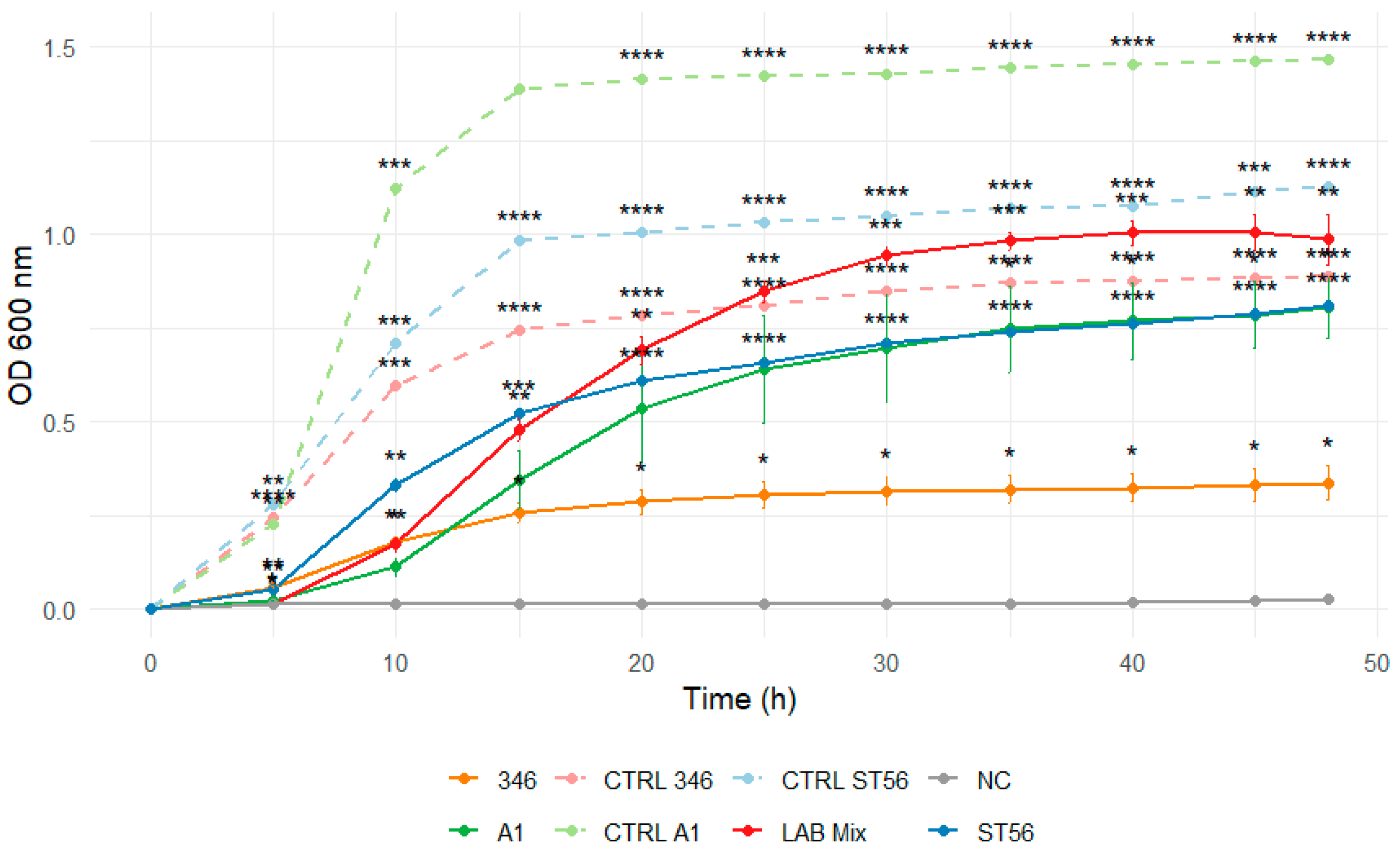
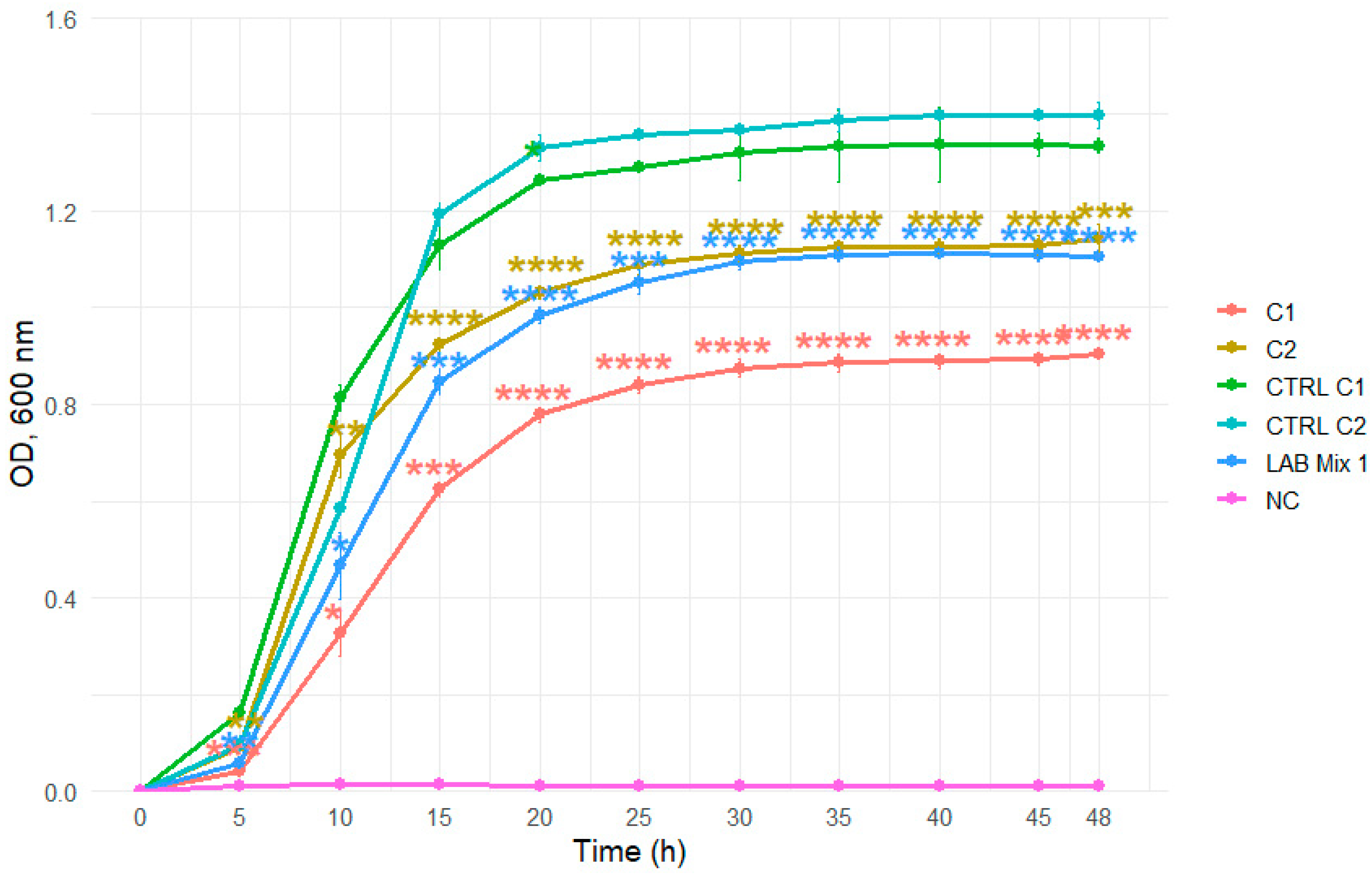
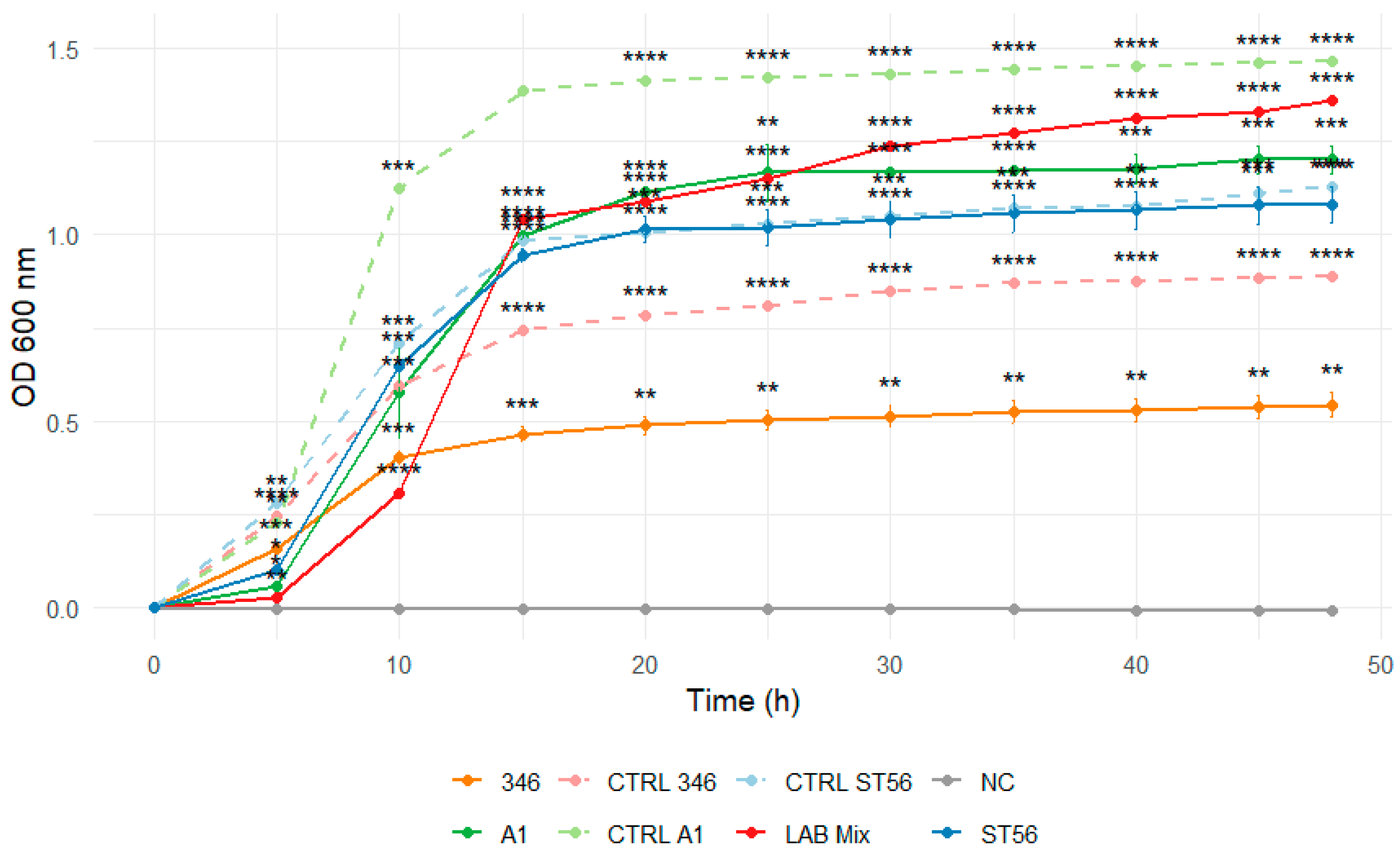
3.2. Mutual Antagonistic Activity
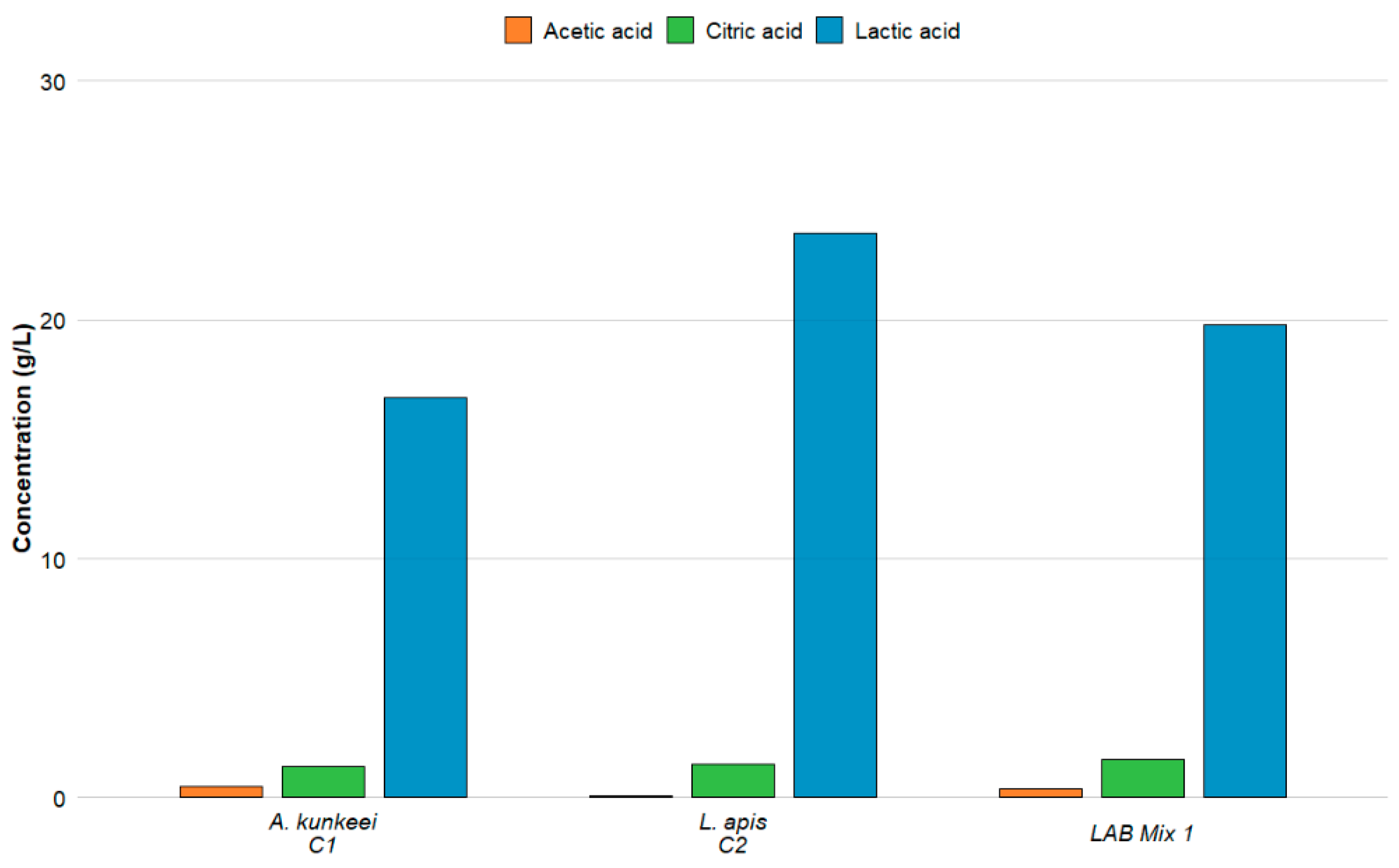
3.3. Organic Acid Profile
3.4. Oxidative Detoxification Potential of the Tested LAB
3.5. Hemolytic Activity of LAB Strains
3.6. Susceptibility to Antibiotics
3.7. Suitability of Sugar-Based Bee Feeding Syrups for LAB Probiotic Delivery
4. Conclusions
Supplementary Materials
Author Contributions
Funding
Institutional Review Board Statement
Informed Consent Statement
Data Availability Statement
Conflicts of Interest
References
- Aizen, M.A.; Garibaldi, L.A.; Cunningham, S.A.; Klein, A.M. How Much Does Agriculture Depend on Pollinators? Lessons from Long-Term Trends in Crop Production. Ann. Bot. 2009, 103, 1579–1588. [Google Scholar] [CrossRef]
- Garibaldi, L.A.; Steffan-Dewenter, I.; Winfree, R.; Aizen, M.A.; Bommarco, R.; Cunningham, S.A.; Kremen, C.; Carvalheiro, L.G.; Harder, L.D.; Afik, O.; et al. Wild Pollinators Enhance Fruit Set of Crops Regardless of Honey Bee Abundance. Science 2013, 339, 1608–1611. [Google Scholar] [CrossRef]
- Klein, A.-M.; Vaissiere, B.E.; Cane, J.H.; Steffan-Dewenter, I.; Cunningham, S.A.; Kremen, C.; Tscharntke, T. Importance of Pollinators in Changing Landscapes for World Crops. Proc. R. Soc. B Biol. Sci. 2007, 274, 303–313. [Google Scholar] [CrossRef]
- Risk Assessment for Bees | EFSA. Available online: https://www.efsa.europa.eu/en/efsajournal/pub/2668 (accessed on 3 November 2025).
- Moraru, D.; Alexa, E.; Cocan, I.; Obiștioiu, D.; Radulov, I.; Simiz, E.; Berbecea, A.; Grozea, A.; Dragomirescu, M.; Vintilă, T.; et al. Chemical Characterization and Antioxidant Activity of Apilarnil, Royal Jelly, and Propolis Collected in Banat Region, Romania. Appl. Sci. 2024, 14, 1242. [Google Scholar] [CrossRef]
- Zheng, J.; Wittouck, S.; Salvetti, E.; Franz, C.M.A.P.; Harris, H.M.B.; Mattarelli, P.; O’Toole, P.W.; Pot, B.; Vandamme, P.; Walter, J.; et al. A Taxonomic Note on the Genus Lactobacillus: Description of 23 Novel Genera, Emended Description of the Genus Lactobacillus Beijerinck 1901, and Union of Lactobacillaceae and Leuconostocaceae. Int. J. Syst. Evol. Microbiol. 2020, 70, 2782–2858. [Google Scholar] [CrossRef] [PubMed]
- Chen, J.; Wang, J.; Zheng, H. Characterization of Bifidobacterium apousia sp. nov., Bifidobacterium choladohabitans sp. nov., and Bifidobacterium polysaccharolyticum sp. nov., Three Novel Species of the Genus Bifidobacterium from Honey Bee Gut. Syst. Appl. Microbiol. 2021, 44, 126247. [Google Scholar] [CrossRef]
- Iorizzo, M.; Ganassi, S.; Testa, B.; Di Donato, L.M.; Albanese, G.; Succi, M.; Coppola, F.; Cozzolino, R.; Matarazzo, C.; Di Criscio, D.; et al. Ascosphaera apis as a Target for the Antifungal Activity of Symbiotic Bifidobacteria in Honey Bees. Front. Insect Sci. 2025, 5, 1669013. [Google Scholar] [CrossRef]
- Iorizzo, M.; Ganassi, S.; Albanese, G.; Letizia, F.; Testa, B.; Tedino, C.; Petrarca, S.; Mutinelli, F.; Mazzeo, A.; De Cristofaro, A. Antimicrobial Activity from Putative Probiotic Lactic Acid Bacteria for the Biological Control of American and European Foulbrood Diseases. Vet. Sci. 2022, 9, 236. [Google Scholar] [CrossRef] [PubMed]
- Motta, E.V.; Gage, A.; Smith, T.E.; Blake, K.J.; Kwong, W.K.; Riddington, I.M.; Moran, N. Host-Microbiome Metabolism of a Plant Toxin in Bees. eLife 2022, 11, e82595. [Google Scholar] [CrossRef] [PubMed]
- Zheng, H.; Perreau, J.; Powell, J.E.; Han, B.; Zhang, Z.; Kwong, W.K.; Tringe, S.G.; Moran, N.A. Division of Labor in Honey Bee Gut Microbiota for Plant Polysaccharide Digestion. Proc. Natl. Acad. Sci. USA 2019, 116, 25909–25916. [Google Scholar] [CrossRef]
- Rothman, J.A.; Leger, L.; Kirkwood, J.S.; McFrederick, Q.S. Cadmium and Selenate Exposure Affects the Honey Bee Microbiome and Metabolome, and Bee-Associated Bacteria Show Potential for Bioaccumulation. Appl. Environ. Microbiol. 2019, 85, e01411-19. [Google Scholar] [CrossRef] [PubMed]
- Leska, A.; Nowak, A.; Nowak, I.; Górczyńska, A. Effects of Insecticides and Microbiological Contaminants on Apis mellifera Health. Molecules 2021, 26, 5080. [Google Scholar] [CrossRef] [PubMed]
- Leska, A.; Nowak, A.; Miśkiewicz, K.; Rosicka-Kaczmarek, J. Binding and Detoxification of Insecticides by Potentially Probiotic Lactic Acid Bacteria Isolated from Honeybee (Apis mellifera L.) Environment-An In Vitro Study. Cells 2022, 11, 3743. [Google Scholar] [CrossRef] [PubMed]
- Zhang, G.; Dilday, S.; Kuesel, R.W.; Hopkins, B. Phytochemicals, Probiotics, Recombinant Proteins: Enzymatic Remedies to Pesticide Poisonings in Bees. Environ. Sci. Technol. 2024, 58, 54–62. [Google Scholar] [CrossRef]
- Pradeep, S.; Johnson, T.E.Y.S.; Angappan, S.; Murugaiyan, S.; Ramasamy, S.V.; Boopathi, N.M. Lactic Acid Bacteria: A Probiotic to Mitigate Pesticide Stress in Honey Bee. Probiotics Antimicro. Prot. 2025, 17, 2212–2226. [Google Scholar] [CrossRef]
- Smriti; Rana, A.; Singh, G.; Gupta, G. Prospects of Probiotics in Beekeeping: A Review for Sustainable Approach to Boost Honeybee Health. Arch. Microbiol. 2024, 206, 205. [Google Scholar] [CrossRef]
- Wang, H.; Lei, L.; Chen, W.; Chi, X.; Han, K.; Wang, Y.; Ma, L.; Liu, Z.; Xu, B. The Comparison of Antioxidant Performance, Immune Performance, IIS Activity and Gut Microbiota Composition between Queen and Worker Bees Revealed the Mechanism of Different Lifespan of Female Casts in the Honeybee. Insects 2022, 13, 772. [Google Scholar] [CrossRef]
- Iorizzo, M.; Letizia, F.; Ganassi, S.; Testa, B.; Petrarca, S.; Albanese, G.; Di Criscio, D.; De Cristofaro, A. Functional Properties and Antimicrobial Activity from Lactic Acid Bacteria as Resources to Improve the Health and Welfare of Honey Bees. Insects 2022, 13, 308. [Google Scholar] [CrossRef]
- Ye, M.; Li, X.; Yang, F.; Zhou, B. Beneficial Bacteria as Biocontrol Agents for American Foulbrood Disease in Honey Bees (Apis mellifera). J. Insect Sci. 2023, 23, 6. [Google Scholar] [CrossRef]
- Garrido, P.M.; Porrini, M.P.; Alberoni, D.; Baffoni, L.; Scott, D.; Mifsud, D.; Eguaras, M.J.; Di Gioia, D. Beneficial Bacteria and Plant Extracts Promote Honey Bee Health and Reduce Nosema Ceranae Infection. Probiotics Antimicro. Prot. 2024, 16, 259–274. [Google Scholar] [CrossRef]
- Zeid, A.A.A.; Khattaby, A.M.; El-Khair, I.A.A.; Gouda, H.I.A. Detection Bioactive Metabolites of Fructobacillus fructosus Strain HI-1 Isolated from Honey Bee’s Digestive Tract Against Paenibacillus larvae. Probiotics Antimicro. Prot. 2022, 14, 476–485. [Google Scholar] [CrossRef]
- Daisley, B.A.; Pitek, A.P.; Chmiel, J.A.; Al, K.F.; Chernyshova, A.M.; Faragalla, K.M.; Burton, J.P.; Thompson, G.J.; Reid, G. Novel Probiotic Approach to Counter Paenibacillus larvae Infection in Honey Bees. ISME J. 2020, 14, 476–491. [Google Scholar] [CrossRef]
- Truong, A.-T.; Kang, J.E.; Yoo, M.-S.; Nguyen, T.T.; Youn, S.-Y.; Yoon, S.-S.; Cho, Y.S. Probiotic Candidates for Controlling Paenibacillus larvae, a Causative Agent of American Foulbrood Disease in Honey Bee. BMC Microbiol. 2023, 23, 150. [Google Scholar] [CrossRef] [PubMed]
- Nowotnik, P.; Chorbiński, P.; Migdał, P.; Górski, B. Bacterial Agents for Biocontrol of American Foulbrood (AFB) of Larvae Honey Bee. Microbiol. Res. 2024, 15, 2394–2413. [Google Scholar] [CrossRef]
- Mallory, E.; Freeze, G.; Daisley, B.A.; Allen-Vercoe, E. Revisiting the Role of Pathogen Diversity and Microbial Interactions in Honeybee Susceptibility and Treatment of Melissococcus plutonius Infection. Front. Vet. Sci. 2024, 11, 1495010. [Google Scholar] [CrossRef]
- Balows, A. Manual of Clinical Microbiology 8th Edition. Diagn. Microbiol. Infect. Dis. 2003, 47, 625–626. [Google Scholar] [CrossRef]
- Wang, Y.; Wu, J.; Lv, M.; Shao, Z.; Hungwe, M.; Wang, J.; Bai, X.; Xie, J.; Wang, Y.; Geng, W. Metabolism Characteristics of Lactic Acid Bacteria and the Expanding Applications in Food Industry. Front. Bioeng. Biotechnol. 2021, 9, 612285. [Google Scholar] [CrossRef] [PubMed]
- Campana, R.; van Hemert, S.; Baffone, W. Strain-Specific Probiotic Properties of Lactic Acid Bacteria and Their Interference with Human Intestinal Pathogens Invasion. Gut Pathog. 2017, 9, 12. [Google Scholar] [CrossRef]
- Agriopoulou, S.; Stamatelopoulou, E.; Sachadyn-Król, M.; Varzakas, T. Lactic Acid Bacteria as Antibacterial Agents to Extend the Shelf Life of Fresh and Minimally Processed Fruits and Vegetables: Quality and Safety Aspects. Microorganisms 2020, 8, 952. [Google Scholar] [CrossRef] [PubMed]
- Ito, A.; Sato, Y.; Kudo, S.; Sato, S.; Nakajima, H.; Toba, T. The Screening of Hydrogen Peroxide-Producing Lactic Acid Bacteria and Their Application to Inactivating Psychrotrophic Food-Borne Pathogens. Curr. Microbiol. 2003, 47, 231–236. [Google Scholar] [CrossRef]
- Cozzolino, A.; Vergalito, F.; Tremonte, P.; Iorizzo, M.; Lombardi, S.J.; Sorrentino, E.; Luongo, D.; Coppola, R.; Di Marco, R.; Succi, M. Preliminary Evaluation of the Safety and Probiotic Potential of Akkermansia Muciniphila DSM 22959 in Comparison with Lactobacillus Rhamnosus GG. Microorganisms 2020, 8, 189. [Google Scholar] [CrossRef] [PubMed]
- Iorizzo, M.; Lombardi, S.J.; Ganassi, S.; Testa, B.; Ianiro, M.; Letizia, F.; Succi, M.; Tremonte, P.; Vergalito, F.; Cozzolino, A.; et al. Antagonistic Activity against Ascosphaera apis and Functional Properties of Lactobacillus Kunkeei Strains. Antibiotics 2020, 9, 262. [Google Scholar] [CrossRef]
- Urcan, A.C.; Criste, A.D.; Bobiș, O.; Cornea-Cipcigan, M.; Giurgiu, A.-I.; Dezmirean, D.S. Evaluation of Functional Properties of Some Lactic Acid Bacteria Strains for Probiotic Applications in Apiculture. Microorganisms 2024, 12, 1249. [Google Scholar] [CrossRef]
- Yasmin, I.; Saeed, M.; Khan, W.A.; Khaliq, A.; Chughtai, M.F.J.; Iqbal, R.; Tehseen, S.; Naz, S.; Liaqat, A.; Mehmood, T.; et al. In Vitro Probiotic Potential and Safety Evaluation (Hemolytic, Cytotoxic Activity) of Bifidobacterium Strains Isolated from Raw Camel Milk. Microorganisms 2020, 8, 354. [Google Scholar] [CrossRef]
- Bailey and Scott’s Diagnostic Microbiology—National Library of Medicine Institution. Available online: https://catalog.nlm.nih.gov/discovery/fulldisplay/alma996092253406676/01NLM_INST:01NLM_INST (accessed on 17 October 2025).
- R Core Team. R: A Language and Environment for Statistical Computing; R Foundation for Statistical Computing: Vienna, Austria, 2025; Available online: https://www.R-project.org/ (accessed on 27 February 2026).
- Meradji, M.; Bachtarzi, N.; Mora, D.; Kharroub, K. Characterization of Lactic Acid Bacteria Strains Isolated from Algerian Honeybee and Honey and Exploration of Their Potential Probiotic and Functional Features for Human Use. Foods 2023, 12, 2312. [Google Scholar] [CrossRef] [PubMed]
- Suyabatmaz, Ş.; Karaoğlu, Ş.A.; Bozdeveci, A.; Akpınar, R. Honeybee-Associated Lactic Acid Bacteria and Their Probiotic Potential for Human Use. World J. Microbiol. Biotechnol. 2022, 39, 2. [Google Scholar] [CrossRef] [PubMed]
- Patil, M.; Jadhav, A.; Patil, U. Functional Characterization and in Vitro Screening of Fructobacillus fructosus MCC 3996 Isolated from Butea Monosperma Flower for Probiotic Potential. Lett Appl Microbiol 2020, 70, 331–339. [Google Scholar] [CrossRef] [PubMed]
- Leska, A.; Nowak, A.; Czarnecka-Chrebelska, K.H. Adhesion and Anti-Adhesion Abilities of Potentially Probiotic Lactic Acid Bacteria and Biofilm Eradication of Honeybee (Apis mellifera L.) Pathogens. Molecules 2022, 27, 8945. [Google Scholar] [CrossRef]
- Kos, B.; Susković, J.; Vuković, S.; Simpraga, M.; Frece, J.; Matosić, S. Adhesion and Aggregation Ability of Probiotic Strain Lactobacillus Acidophilus M92. J. Appl. Microbiol. 2003, 94, 981–987. [Google Scholar] [CrossRef]
- Darmastuti, A.; Hasan, P.N.; Wikandari, R.; Utami, T.; Rahayu, E.S.; Suroto, D.A. Adhesion Properties of Lactobacillus plantarum Dad-13 and Lactobacillus plantarum Mut-7 on Sprague Dawley Rat Intestine. Microorganisms 2021, 9, 2336. [Google Scholar] [CrossRef]
- Alberoni, D.; Gaggìa, F.; Baffoni, L.; Di Gioia, D. Beneficial Microorganisms for Honey Bees: Problems and Progresses. Appl. Microbiol. Biotechnol. 2016, 100, 9469–9482. [Google Scholar] [CrossRef]
- Kwong, W.K.; Moran, N.A. Gut Microbial Communities of Social Bees. Nat. Rev. Microbiol. 2016, 14, 374–384. [Google Scholar] [CrossRef]
- Leska, A.; Nowak, A.; Szulc, J.; Motyl, I.; Czarnecka-Chrebelska, K.H. Antagonistic Activity of Potentially Probiotic Lactic Acid Bacteria against Honeybee (Apis mellifera L.) Pathogens. Pathogens 2022, 11, 1367. [Google Scholar] [CrossRef]
- Pachla, A.; Wicha, M.; Ptaszyńska, A.A.; Borsuk, G.; Trokenheim, Ł.Ł.; Małek, W. The Molecular and Phenotypic Characterization of Fructophilic Lactic Acid Bacteria Isolated from the Guts of Apis mellifera L. Derived from a Polish Apiary. J. Appl. Genet. 2018, 59, 503–514. [Google Scholar] [CrossRef]
- Maggi, M.; Negri, P.; Plischuk, S.; Szawarski, N.; De Piano, F.; De Feudis, L.; Eguaras, M.; Audisio, C. Effects of the Organic Acids Produced by a Lactic Acid Bacterium in Apis mellifera Colony Development, Nosema ceranae Control and Fumagillin Efficiency. Vet. Microbiol. 2013, 167, 474–483. [Google Scholar] [CrossRef]
- Peghaire, E.; Moné, A.; Delbac, F.; Debroas, D.; Chaucheyras-Durand, F.; El Alaoui, H. A Pediococcus Strain to Rescue Honeybees by Decreasing Nosema Ceranae- and Pesticide-Induced Adverse Effects. Pestic. Biochem. Physiol. 2020, 163, 138–146, Erratum in Pestic. Biochem. Physiol. 2022, 184, 105112. [Google Scholar] [CrossRef]
- Sbaghdi, T.; Garneau, J.R.; Yersin, S.; Chaucheyras-Durand, F.; Bocquet, M.; Moné, A.; El Alaoui, H.; Bulet, P.; Blot, N.; Delbac, F. The Response of the Honey Bee Gut Microbiota to Nosema Ceranae Is Modulated by the Probiotic Pediococcus acidilactici and the Neonicotinoid Thiamethoxam. Microorganisms 2024, 12, 192. [Google Scholar] [CrossRef]
- Whittenbury, R. Hydrogen Peroxide Formation and Catalase Activity in the Lactic Acid Bacteria. Microbiology 1964, 35, 13–26. [Google Scholar] [CrossRef]
- Watanabe, A.; Kaneko, C.; Hamada, Y.; Takeda, K.; Kimata, S.; Matsumoto, T.; Abe, A.; Tanaka, N.; Okada, S.; Uchino, M.; et al. Isolation of Lactic Acid Bacteria Exhibiting High Scavenging Activity for Environmental Hydrogen Peroxide from Fermented Foods and Its Two Scavenging Enzymes for Hydrogen Peroxide. J. Gen. Appl. Microbiol. 2016, 62, 75–82. [Google Scholar] [CrossRef]
- Bielik, B.; Molnár, L.; Vrabec, V.; Andrášiová, R.; Maruščáková, I.C.; Nemcová, R.; Toporčák, J.; Mudroňová, D. Biofilm-Forming Lactic Acid Bacteria of Honey Bee Origin Intended for Potential Probiotic Use. Acta Vet. Hung. 2021, 68, 345–353. [Google Scholar] [CrossRef]
- Icer, M.A.; Özbay, S.; Ağagündüz, D.; Kelle, B.; Bartkiene, E.; Rocha, J.M.F.; Ozogul, F. The Impacts of Acidophilic Lactic Acid Bacteria on Food and Human Health: A Review of the Current Knowledge. Foods 2023, 12, 2965. [Google Scholar] [CrossRef]
- Yumnam, H.; Nath, S.; Chakraborty, P.; Sharma, I. Assessment of Potential Probiotic Lactic Acid Bacteria in Rice-Based Fermented Products of Southern Assam, Northeast India. Front. Microbiol. 2025, 16, 1536593. [Google Scholar] [CrossRef]
- Basharat, S.; Zhai, L.; Jiang, F.; Asjad, T.; Khan, A.; Liao, X. Screening and Comparative Genomics of Probiotic Lactic Acid Bacteria from Bee Bread of Apis cerana: Influence of Stevia and Stevioside on Bacterial Cell Growth and the Potential of Fermented Stevia as an Antidiabetic, Antioxidant, and Antifungal Agent. Microorganisms 2025, 13, 216. [Google Scholar] [CrossRef]
- Campedelli, I.; Mathur, H.; Salvetti, E.; Clarke, S.; Rea, M.C.; Torriani, S.; Ross, R.P.; Hill, C.; O’Toole, P.W. Genus-Wide Assessment of Antibiotic Resistance in Lactobacillus spp. Appl. Environ. Microbiol. 2018, 85, e01738-18. [Google Scholar] [CrossRef]
- Vergalito, F.; Testa, B.; Cozzolino, A.; Letizia, F.; Succi, M.; Lombardi, S.J.; Tremonte, P.; Pannella, G.; Di Marco, R.; Sorrentino, E.; et al. Potential Application of Apilactobacillus kunkeei for Human Use: Evaluation of Probiotic and Functional Properties. Foods 2020, 9, 1535. [Google Scholar] [CrossRef]
- Zendo, T.; Ohashi, C.; Maeno, S.; Piao, X.; Salminen, S.; Sonomoto, K.; Endo, A. Kunkecin A, a New Nisin Variant Bacteriocin Produced by the Fructophilic Lactic Acid Bacterium, Apilactobacillus kunkeei FF30-6 Isolated From Honey Bees. Front. Microbiol. 2020, 11, 571903. [Google Scholar] [CrossRef]
- Song, X.; Li, F.; Zhang, M.; Xia, Y.; Ai, L.; Wang, G. Effect of D-Ala-Ended Peptidoglycan Precursors on the Immune Regulation of Lactobacillus plantarum Strains. Front. Immunol. 2022, 12, 825825. [Google Scholar] [CrossRef]
- Shahali, A.; Soltani, R.; Akbari, V. Probiotic Lactobacillus and the Potential Risk of Spreading Antibiotic Resistance: A Systematic Review. Res. Pharm. Sci. 2023, 18, 468–477. [Google Scholar] [CrossRef]
- Daisley, B.A.; Pitek, A.P.; Chmiel, J.A.; Gibbons, S.; Chernyshova, A.M.; Al, K.F.; Faragalla, K.M.; Burton, J.P.; Thompson, G.J.; Reid, G. Lactobacillus spp. Attenuate Antibiotic-Induced Immune and Microbiota Dysregulation in Honey Bees. Commun. Biol. 2020, 3, 534. [Google Scholar] [CrossRef]
- Le Marrec, C.; Bon, E.; Lonvaud-Funel, A. Tolerance to High Osmolality of the Lactic Acid Bacterium Oenococcus oeni and Identification of Potential Osmoprotectants. Int. J. Food Microbiol. 2007, 115, 335–342. [Google Scholar] [CrossRef]
- Martens, S.D.; Wagner, W.; Schneider, M.; Hünting, K.; Ohl, S.; Löffler, C. Screening Lactic Acid Bacteria Strains for Their Tolerance to Increased Osmotic Pressure and Their Suitability to Ensile High Dry Matter Forages. Agriculture 2024, 14, 825. [Google Scholar] [CrossRef]
- Mille, Y.; Beney, L.; Gervais, P. Compared Tolerance to Osmotic Stress in Various Microorganisms: Towards a Survival Prediction Test. Biotechnol. Bioeng. 2005, 92, 479–484. [Google Scholar] [CrossRef]
- Leska, A.; Nowak, A.; Rosicka-Kaczmarek, J.; Ryngajłło, M.; Czarnecka-Chrebelska, K.H. Characterization and Protective Properties of Lactic Acid Bacteria Intended to Be Used in Probiotic Preparation for Honeybees (Apis mellifera L.)—An In Vitro Study. Animals 2023, 13, 1059. [Google Scholar] [CrossRef]
- Iorizzo, M.; Testa, B.; Lombardi, S.J.; Ganassi, S.; Ianiro, M.; Letizia, F.; Succi, M.; Tremonte, P.; Vergalito, F.; Cozzolino, A. Antimicrobial Activity against Paenibacillus larvae and Functional Properties of Lactiplantibacillus Plantarum Strains: Potential Benefits for Honeybee Health. Antibiotics 2020, 9, 442. [Google Scholar] [CrossRef]
- Glaasker, E.; Tjan, F.S.; Ter Steeg, P.F.; Konings, W.N.; Poolman, B. Physiological Response of Lactobacillus plantarum to Salt and Nonelectrolyte Stress. J. Bacteriol. 1998, 180, 4718–4723. [Google Scholar] [CrossRef]



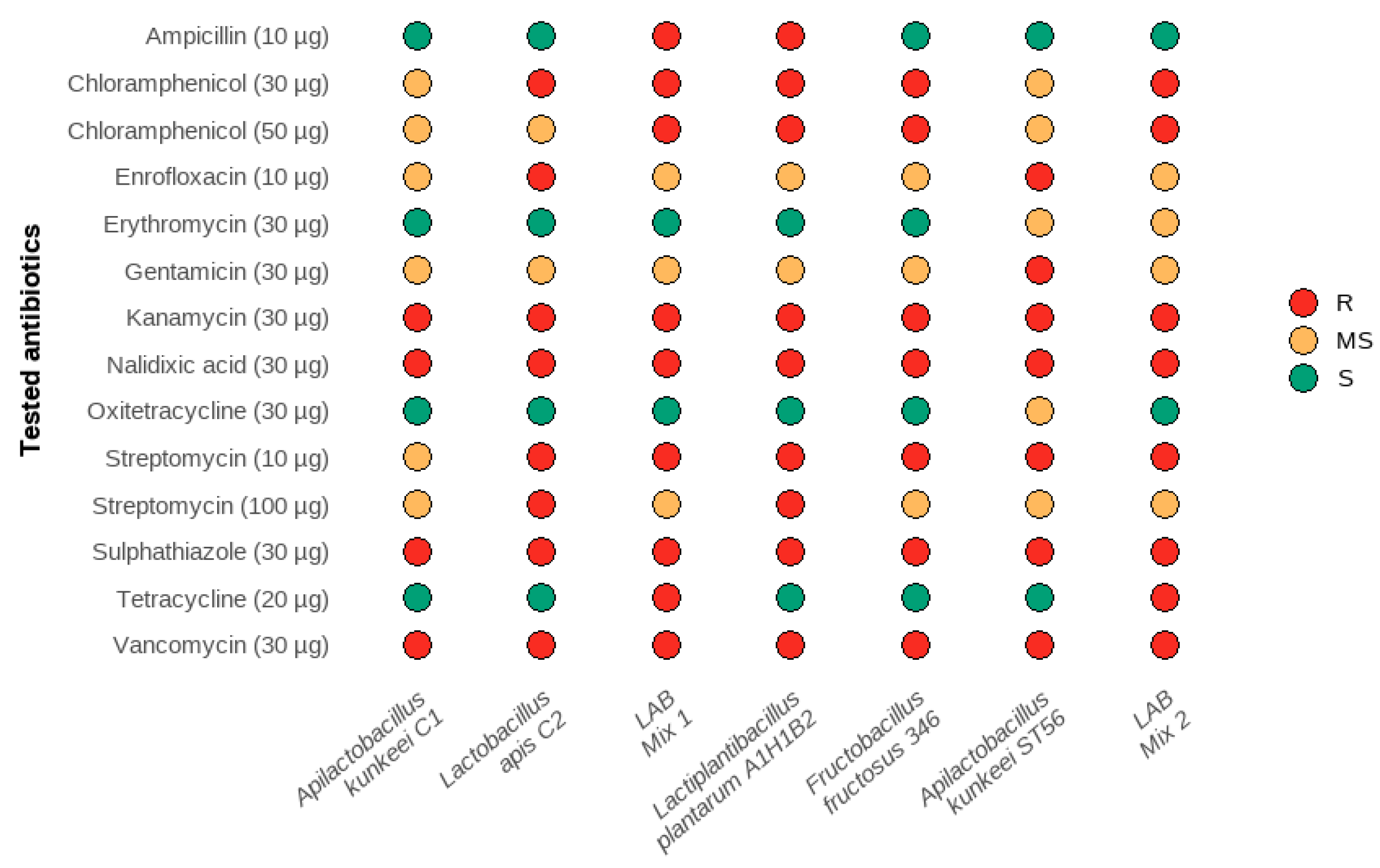
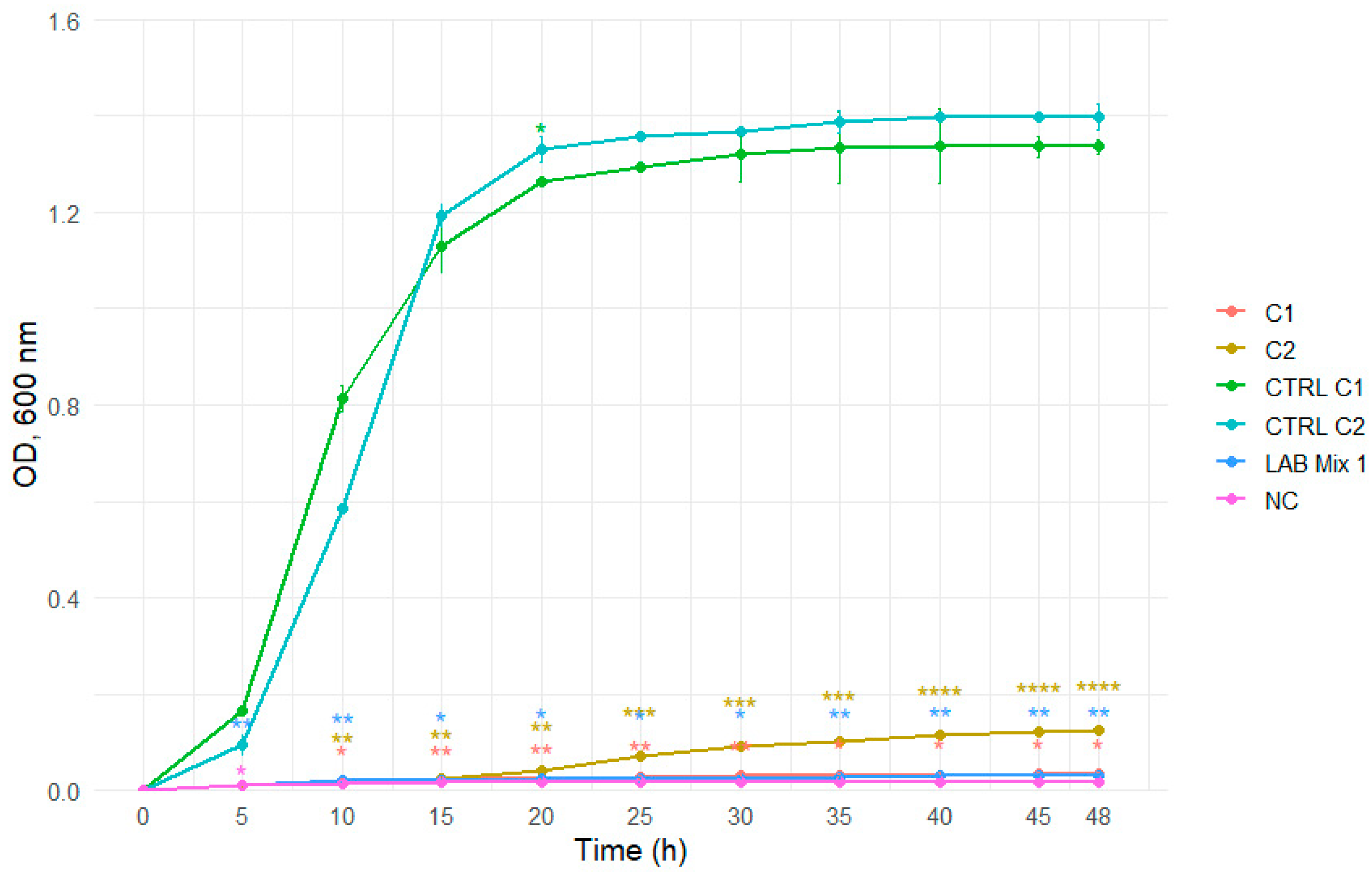
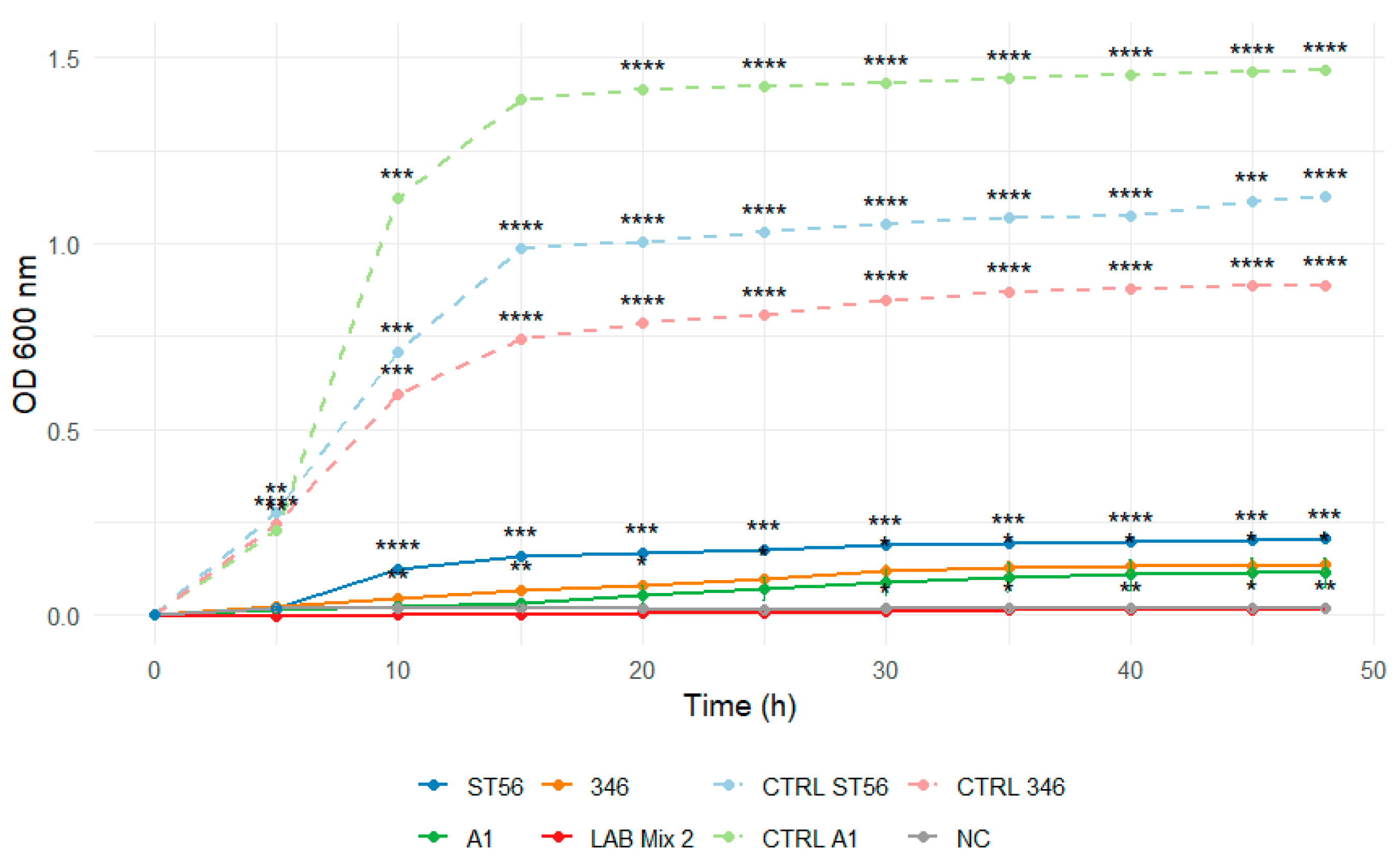
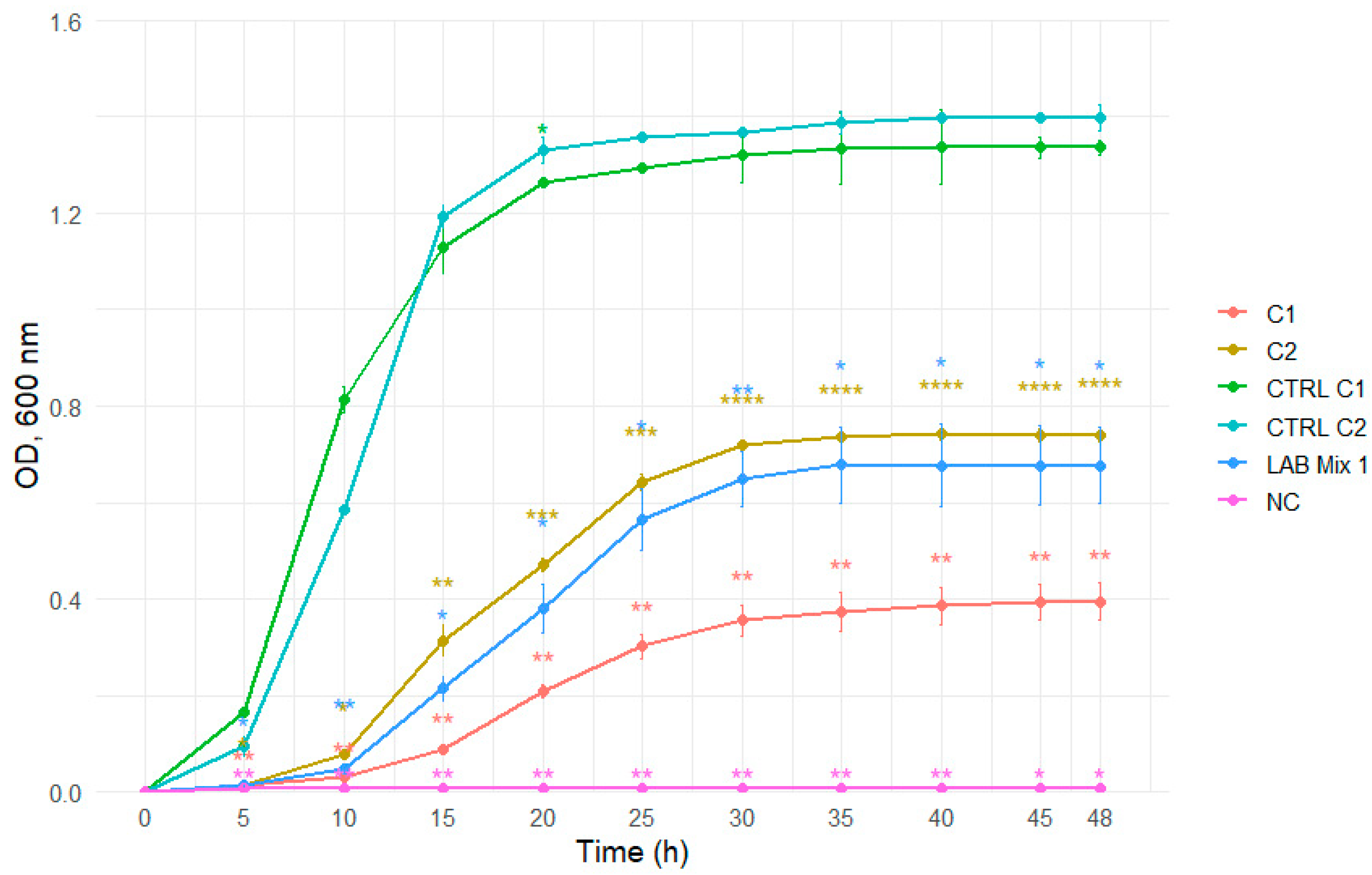
 resistant: R;
  medium sensitive: MS;
  sensitive: S).
resistant: R; medium sensitive: MS; sensitive: S).
sensitive: S).
resistant: R; medium sensitive: MS; sensitive: S).


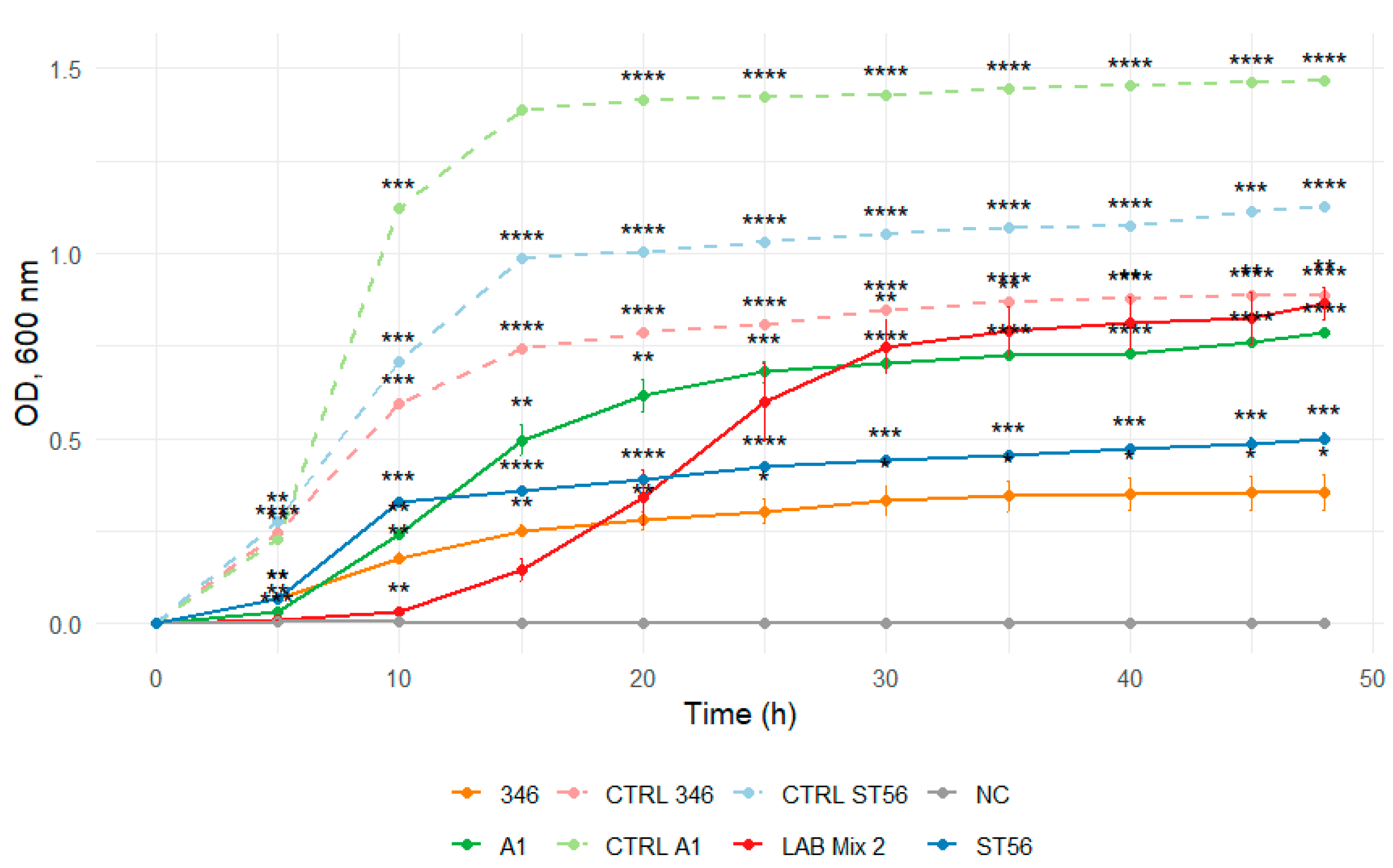


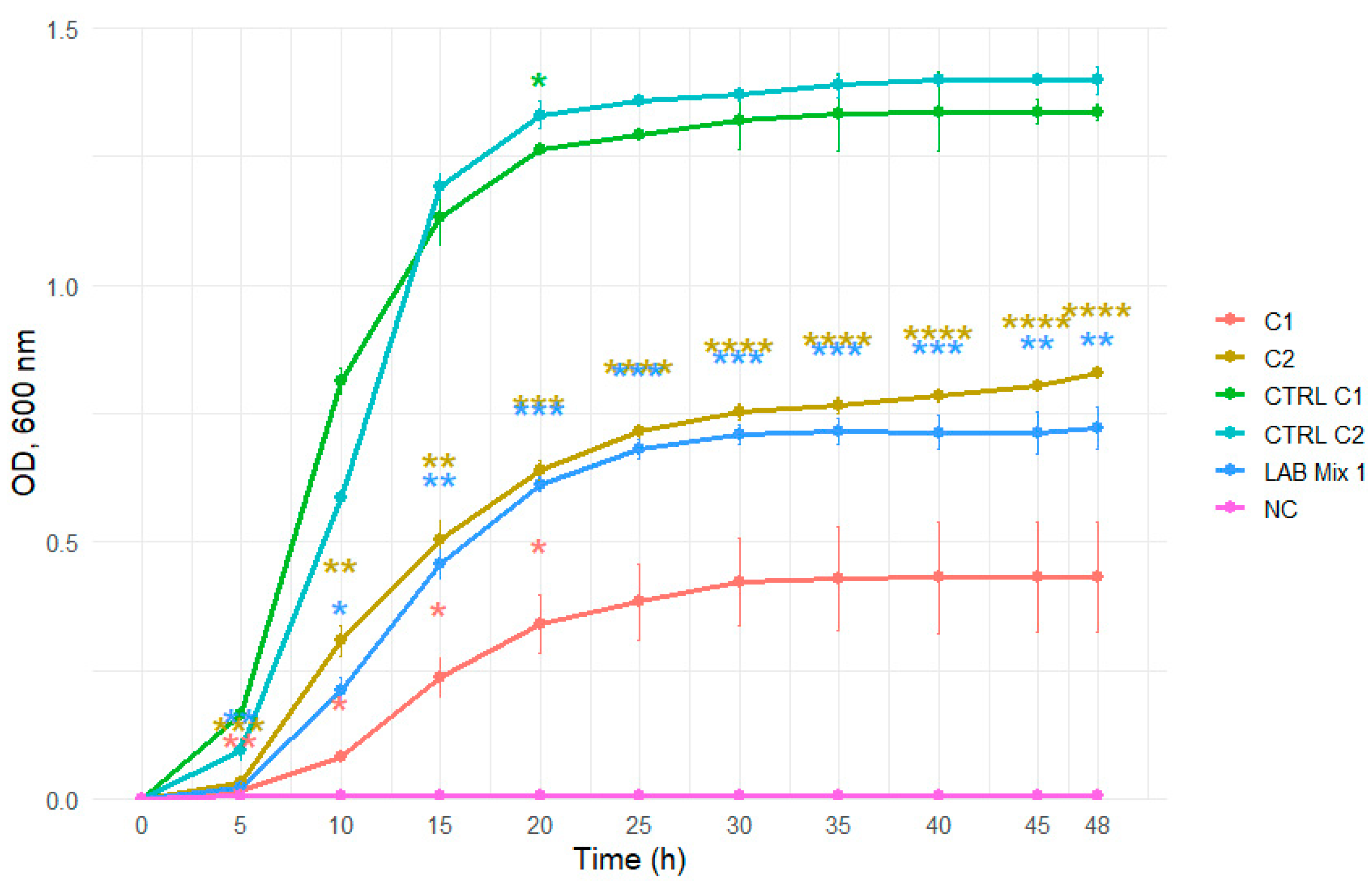



| Organic Acid | Retention Time (Rt min) | RSD% (Rt min) | R2 | LOD (mg/L) | LOQ (mg/mL) |
|---|---|---|---|---|---|
| Lactic acid | 7.8 | 0.12 | 0.9999 | 5.7 | 7.8 |
| Acetic acid | 8.1 | 0.17 | 0.9999 | 6.0 | 8.4 |
| Citric acid | 9.8 | 0.53 | 0.999 | 4.1 | 7.6 |
Disclaimer/Publisher’s Note: The statements, opinions and data contained in all publications are solely those of the individual author(s) and contributor(s) and not of MDPI and/or the editor(s). MDPI and/or the editor(s) disclaim responsibility for any injury to people or property resulting from any ideas, methods, instructions or products referred to in the content. |
© 2026 by the authors. Licensee MDPI, Basel, Switzerland. This article is an open access article distributed under the terms and conditions of the Creative Commons Attribution (CC BY) license.
Share and Cite
Albanese, G.; Giurgiu, A.I.; Urcan, A.C.; Pașca, C.; Ternar, T.N.; Bonta, V.; Di Criscio, D.; Iorizzo, M.; De Cristofaro, A.; Dezmirean, D.S. Probiotic Assessment of Lactic Acid Bacteria Strains and Consortia for Enhancing Honey Bee Health and Nutrition. Microorganisms 2026, 14, 579. https://doi.org/10.3390/microorganisms14030579
Albanese G, Giurgiu AI, Urcan AC, Pașca C, Ternar TN, Bonta V, Di Criscio D, Iorizzo M, De Cristofaro A, Dezmirean DS. Probiotic Assessment of Lactic Acid Bacteria Strains and Consortia for Enhancing Honey Bee Health and Nutrition. Microorganisms. 2026; 14(3):579. https://doi.org/10.3390/microorganisms14030579
Chicago/Turabian StyleAlbanese, Gianluca, Alexandru Ioan Giurgiu, Adriana Cristina Urcan, Claudia Pașca, Tudor Nicolas Ternar, Victorița Bonta, Dalila Di Criscio, Massimo Iorizzo, Antonio De Cristofaro, and Daniel Severus Dezmirean. 2026. "Probiotic Assessment of Lactic Acid Bacteria Strains and Consortia for Enhancing Honey Bee Health and Nutrition" Microorganisms 14, no. 3: 579. https://doi.org/10.3390/microorganisms14030579
APA StyleAlbanese, G., Giurgiu, A. I., Urcan, A. C., Pașca, C., Ternar, T. N., Bonta, V., Di Criscio, D., Iorizzo, M., De Cristofaro, A., & Dezmirean, D. S. (2026). Probiotic Assessment of Lactic Acid Bacteria Strains and Consortia for Enhancing Honey Bee Health and Nutrition. Microorganisms, 14(3), 579. https://doi.org/10.3390/microorganisms14030579