Systematic Review

How the Built Environment Shapes Children’s Microbiome: A Systematic Review

by
Rozalynne Samira
1,*,
Muntazar Monsur
2,* and
Nazia Afrin Trina
2
1
Department of Plant and Soil Science, Institute of Genomics for Crop Abiotic Tolerance (IGCAST), Texas Tech University, 1006 Canton Ave, Lubbock, TX 79409, USA
2
Department of Landscape Architecture (DoLA), Davis College of Agricultural Sciences and Natural, Texas Tech University, 2904 15th St., Lubbock, TX 79409, USA
*
Authors to whom correspondence should be addressed.
Microorganisms 2025, 13(4), 950; https://doi.org/10.3390/microorganisms13040950

Submission received: 1 April 2025 / Revised: 17 April 2025 / Accepted: 18 April 2025 / Published: 20 April 2025
(This article belongs to the Special Issue Microbiota: From the Environment to Humans, 2nd Edition)

Abstract

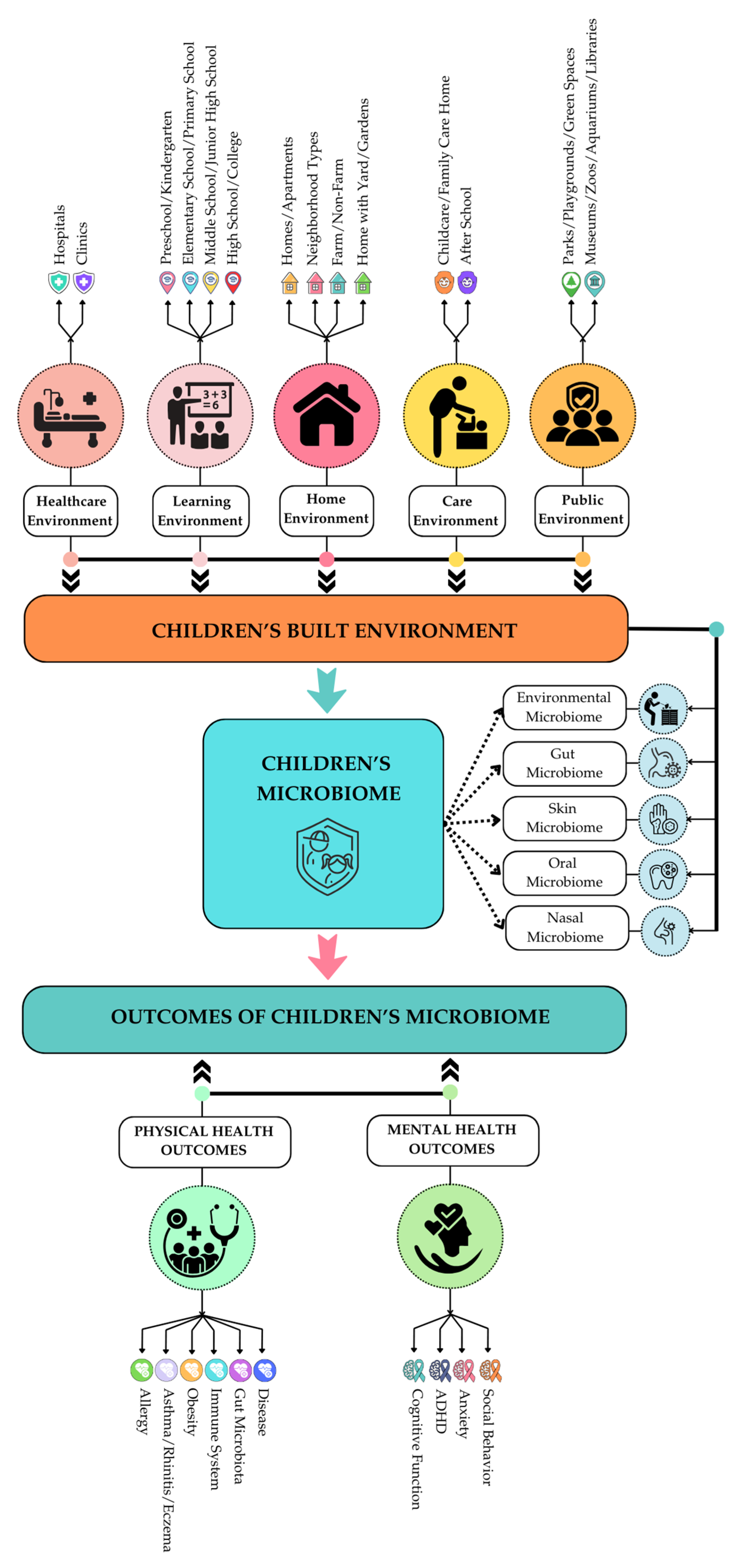
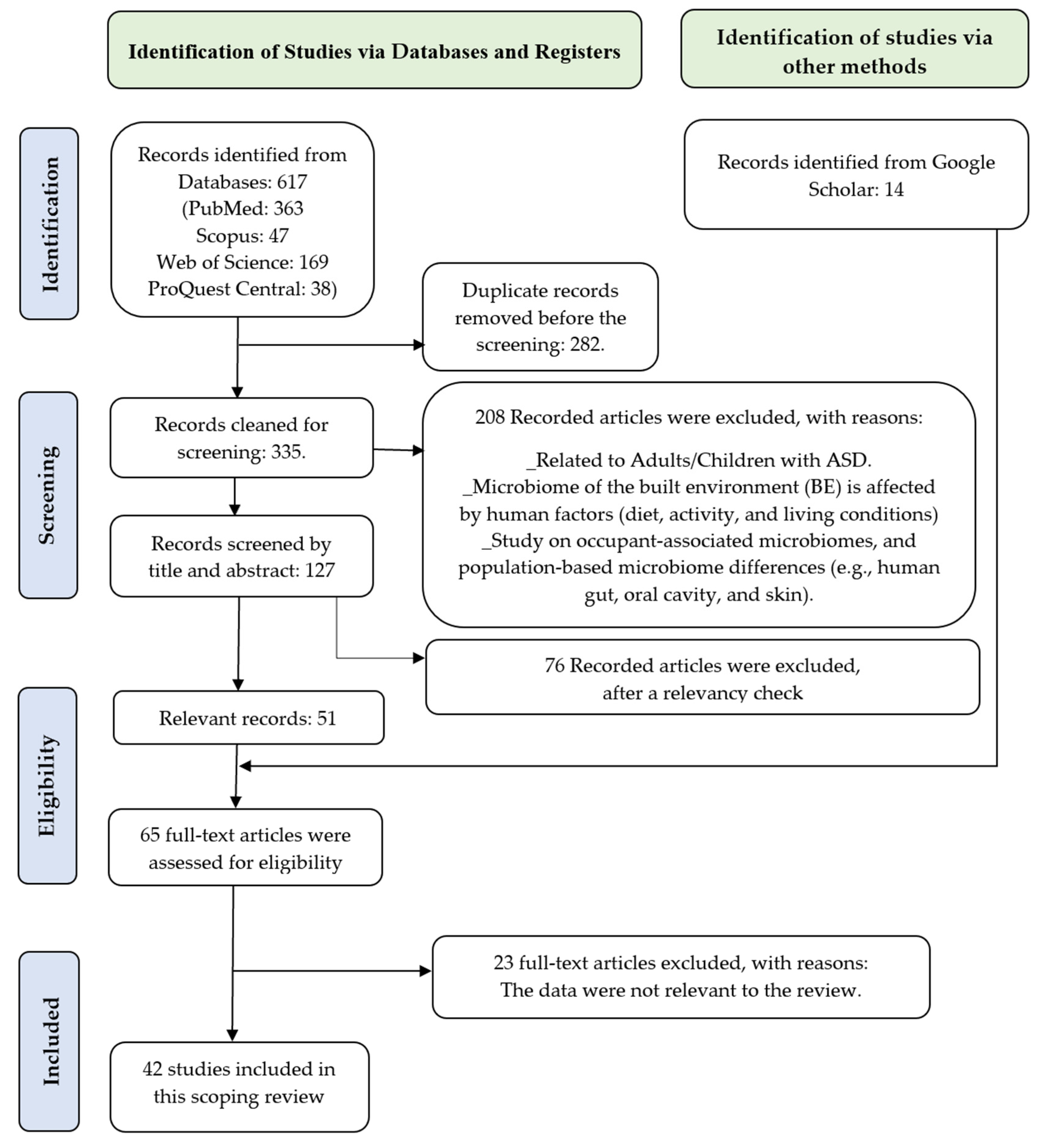
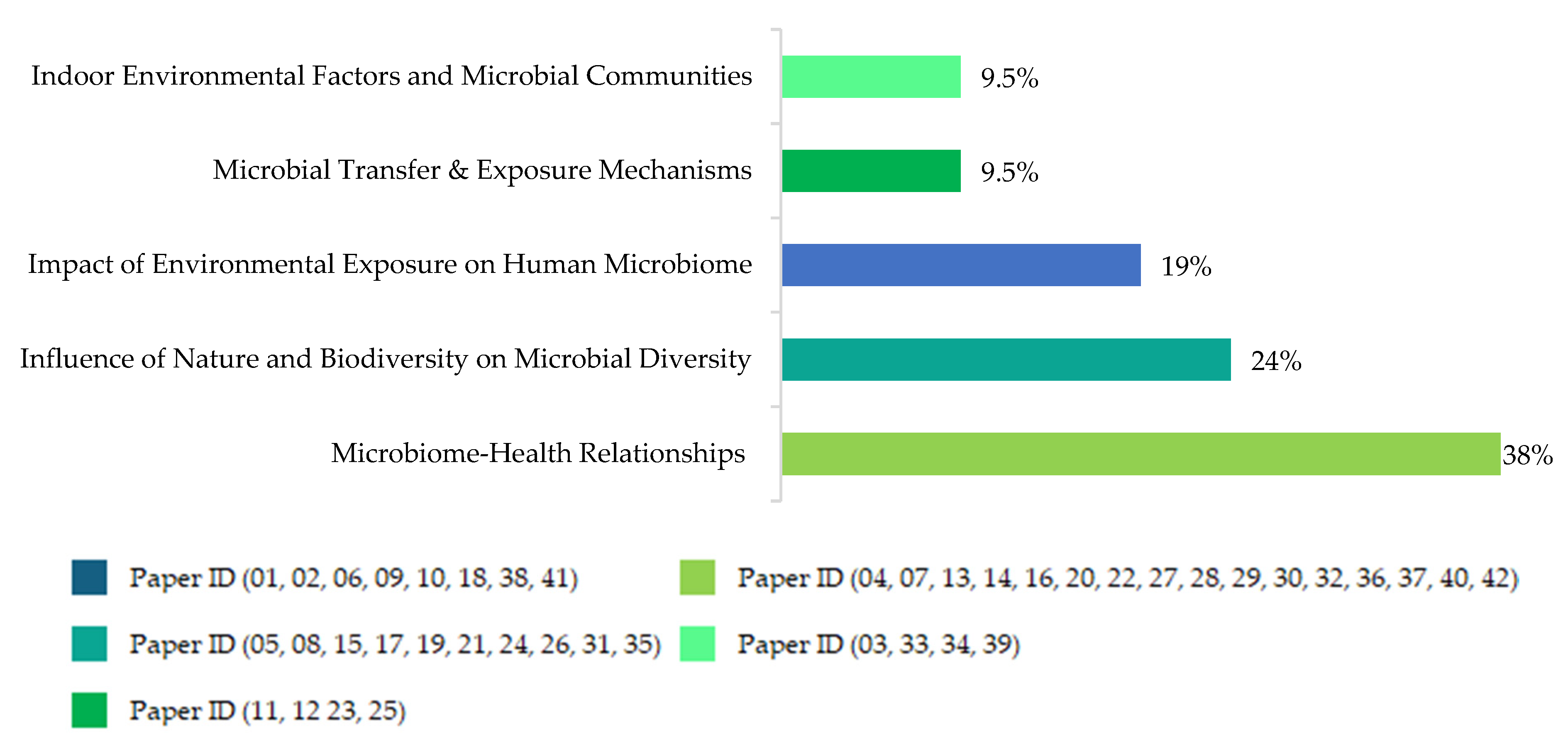
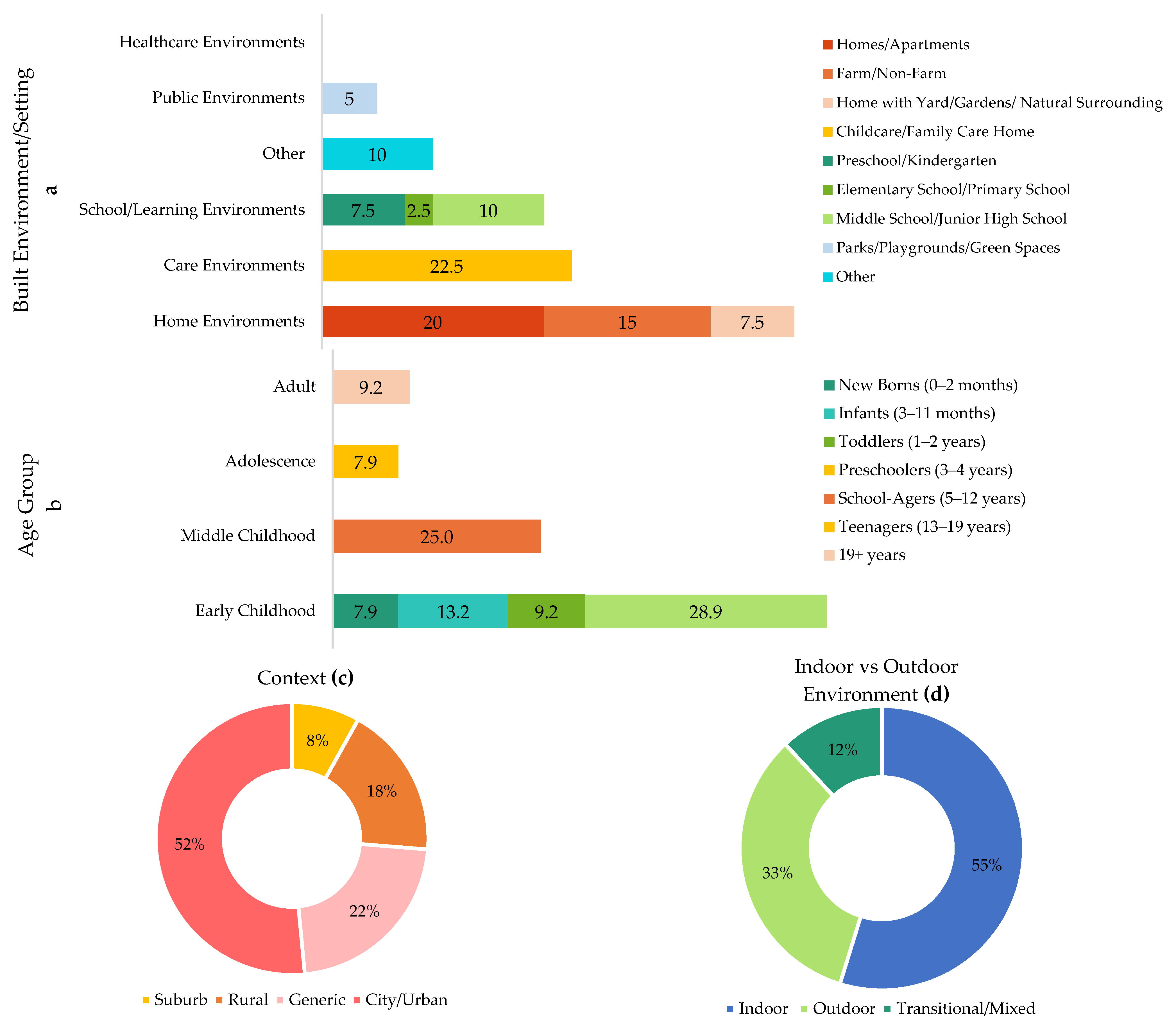
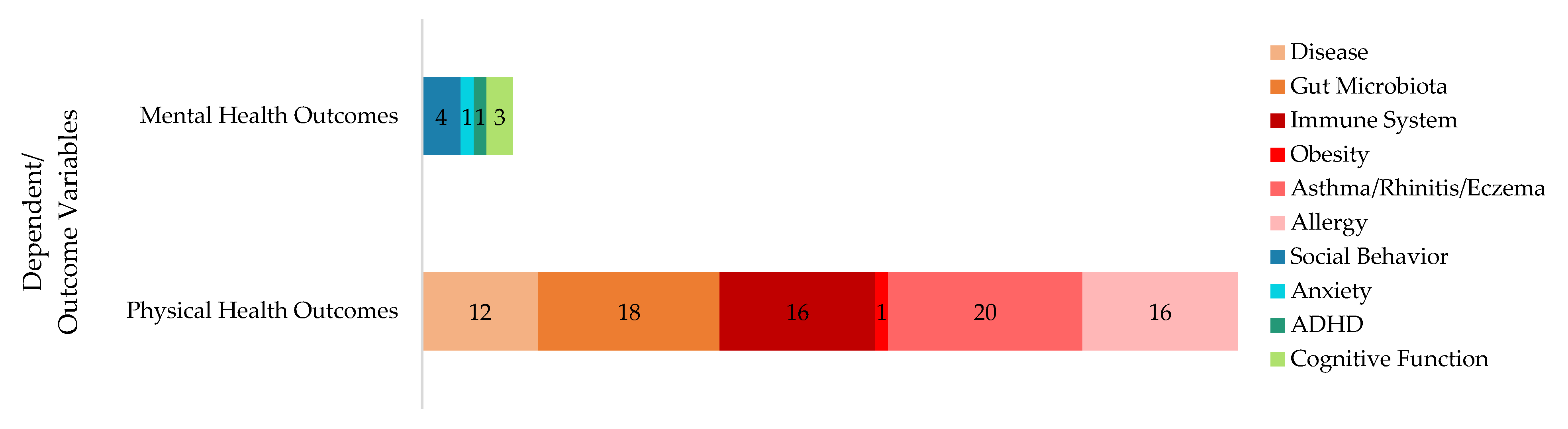
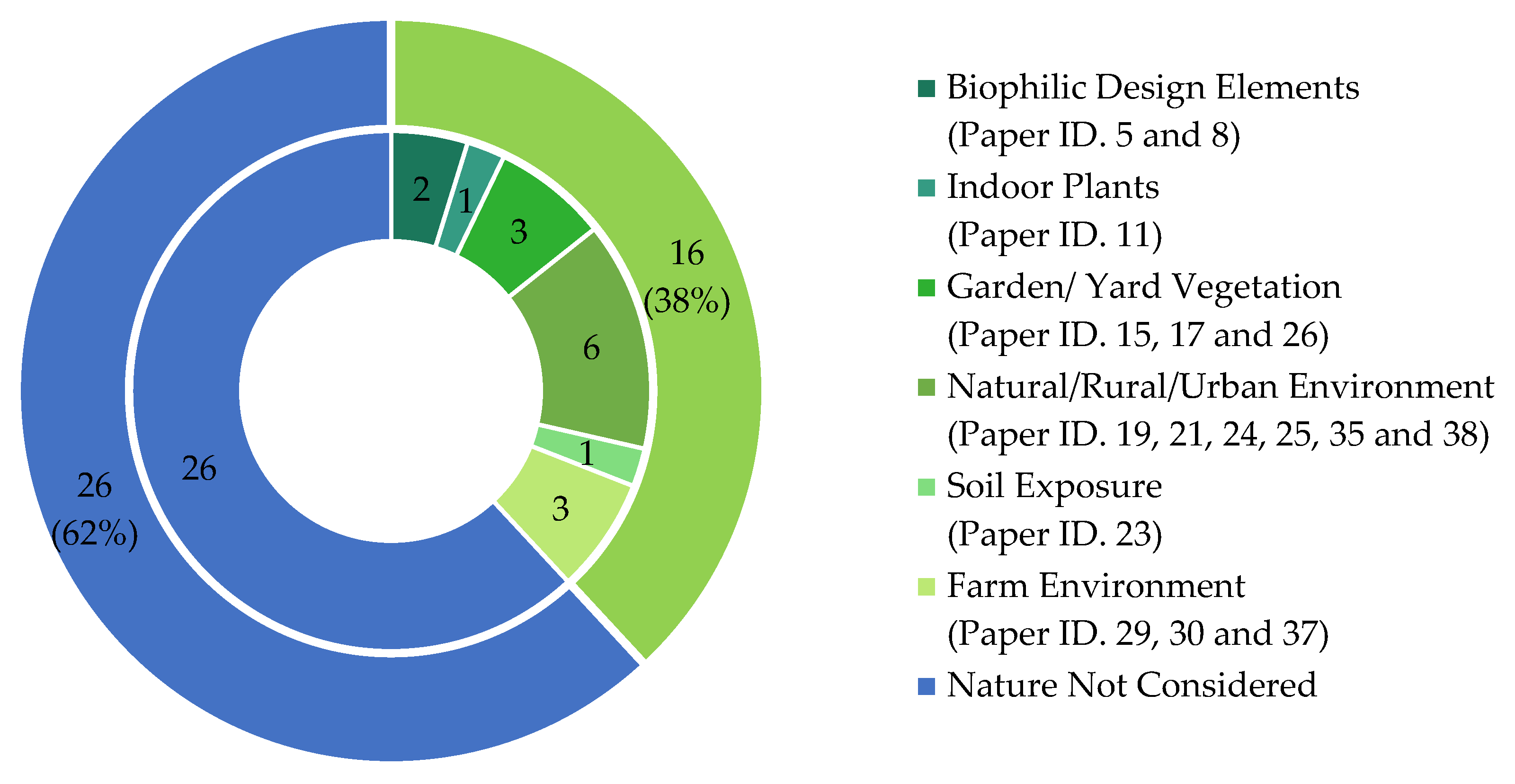
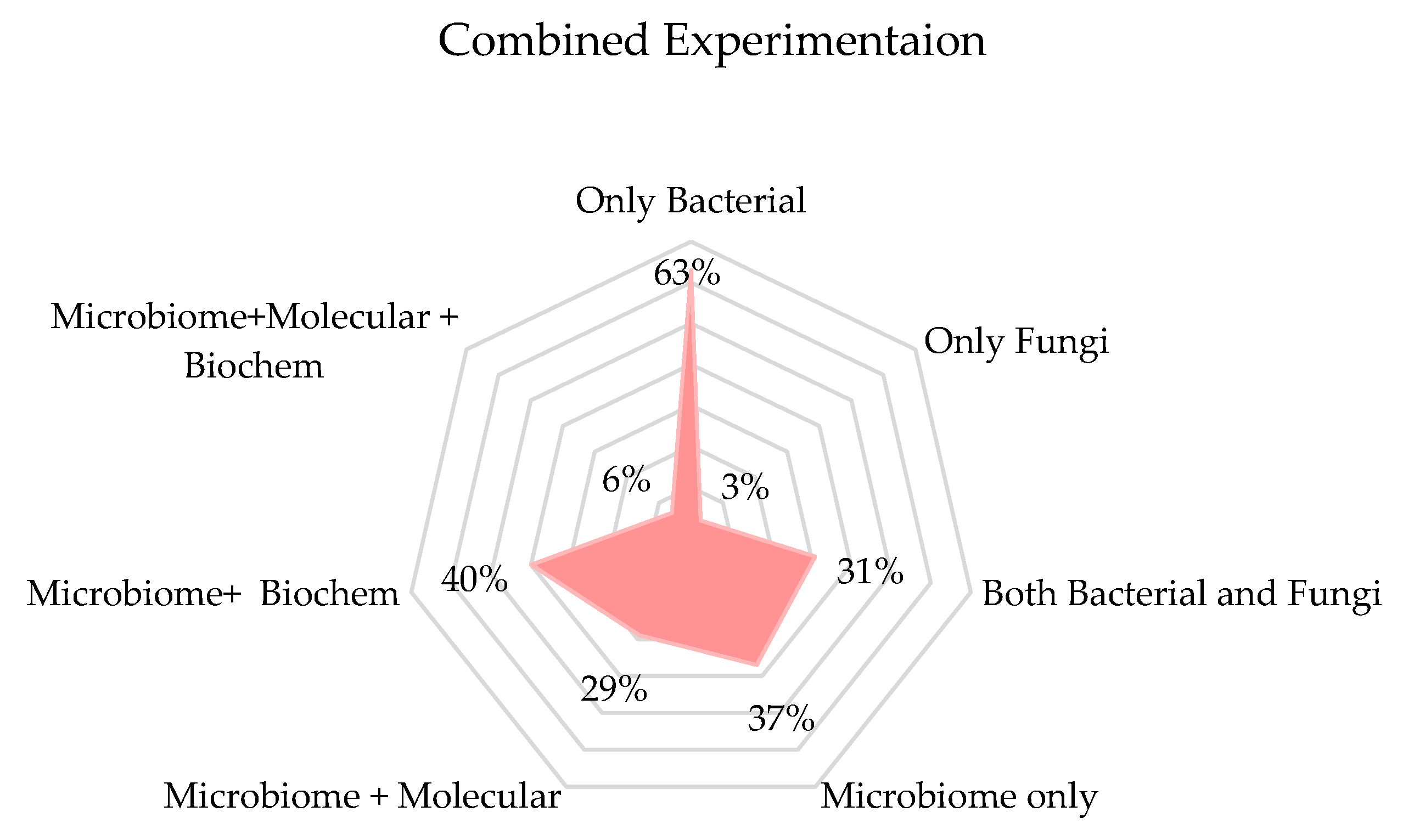
This systematic review aims to synthesize key empirical findings to understand how various elements of the built environment influence the microbiome concerning children’s health and well-being. A comprehensive literature search was conducted across multiple databases, focusing on studies that examined the relationship between built environment factors and the microbiome aspects of childhood. A total of 42 studies were included in the final systematic review. We analyzed these studies from a range of different lenses, starting with basic research questions and variables to types of built environments, age groups of children, sampling strategy, bioinformatics, and the biological methods utilized. This review highlights a growing emphasis on children’s exposure to nature within built environments and its potential to beneficially alter the microbiome, with 38% of studies addressing this link. It also identifies a significant research gap in connecting built environment design features (landscape and/or architectural) to microbiome outcomes and associated health, behavioral, and mental health impacts on children. The findings indicate that interventions aimed at improving the built environment quality via design could foster healthier microbiomes in children’s environments. This review underscores the need for interdisciplinary research and policy initiatives that integrate microbiome science with built environment design to promote children’s health and well-being.
Keywords: built environment; design; children; microbiome; metabolites; health and well-being built environment; design; children; microbiome; metabolites; health and well-being