Article

Lactiplantibacillus plantarum Induces Apoptosis in Melanoma and Breast Cancer Cells

1
Faculty of Medicine, “Victor Babes” University of Medicine and Pharmacy, 2 Eftimie Murgu, 300041 Timisoara, Romania
2
Faculty of Pharmacy, “Victor Babes” University of Medicine and Pharmacy, 2 Eftimie Murgu, 300041 Timisoara, Romania
3
OncoGen Centre, County Hospital ‘Pius Branzeu’, Blvd. Liviu Rebreanu 156, 300736 Timisoara, Romania
*
Author to whom correspondence should be addressed.
Microorganisms 2024, 12(1), 182; https://doi.org/10.3390/microorganisms12010182

Submission received: 29 December 2023 / Revised: 12 January 2024 / Accepted: 15 January 2024 / Published: 17 January 2024
(This article belongs to the Special Issue Probiotics: The Current State of Scientific Knowledge)

Abstract

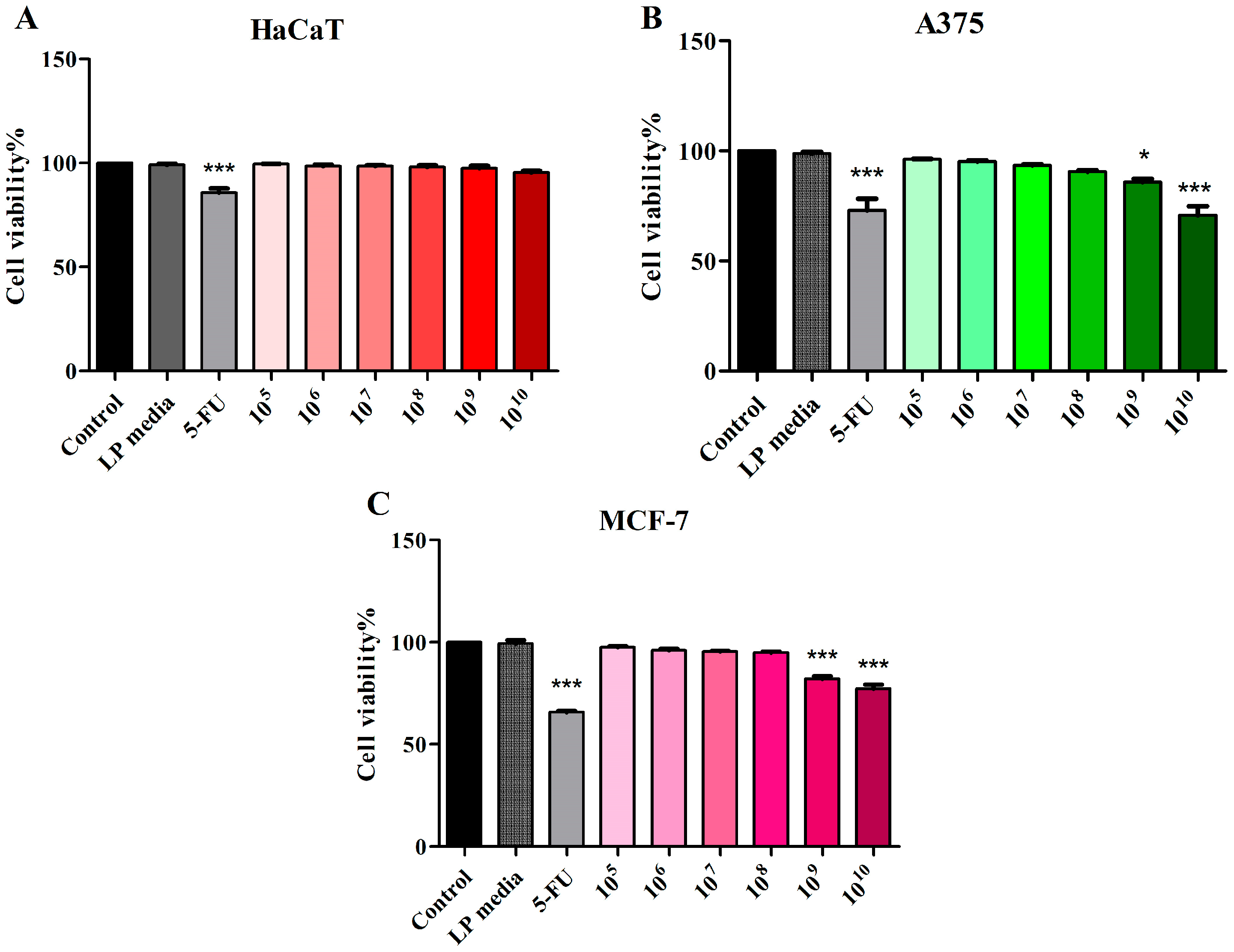
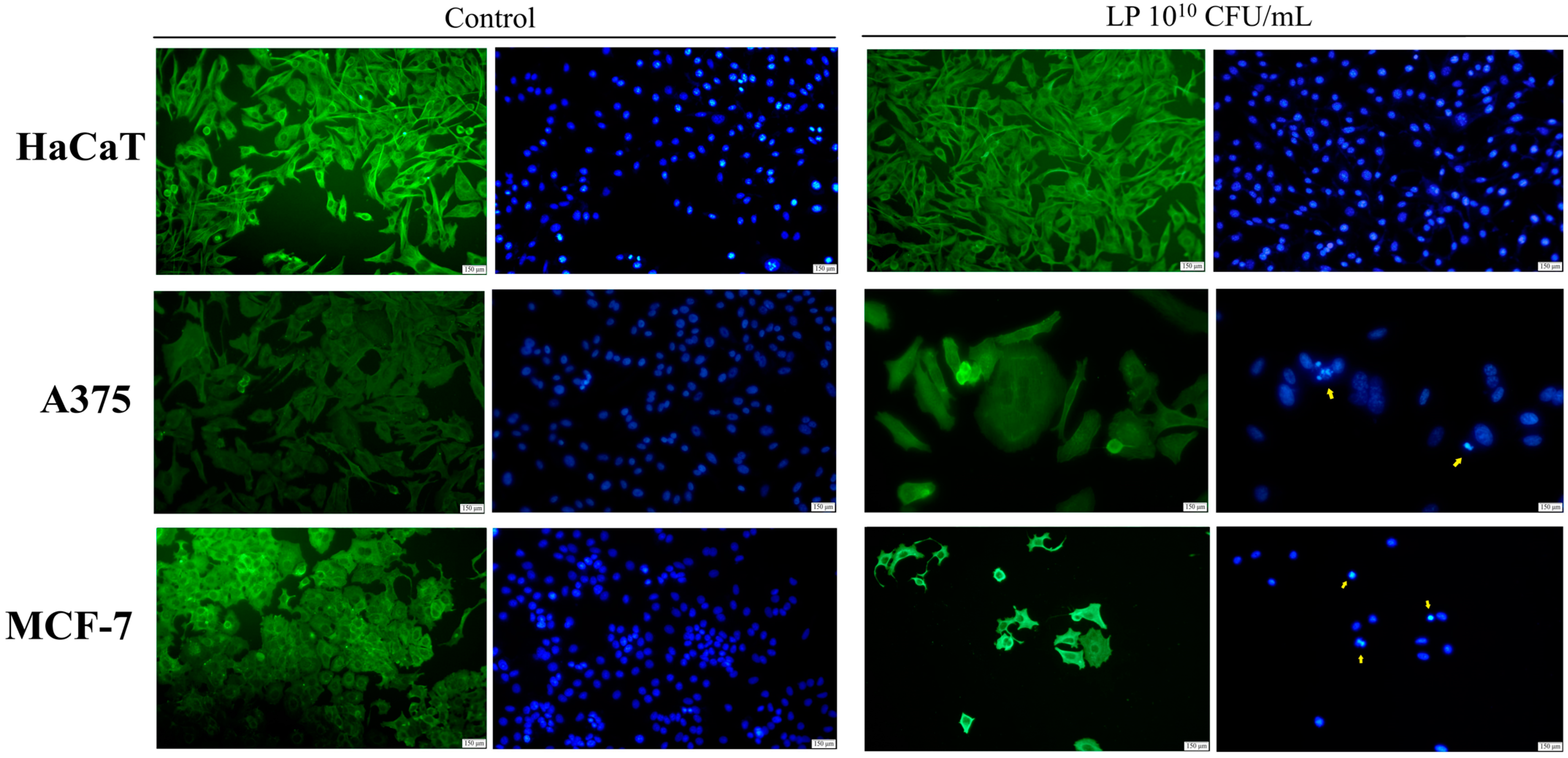
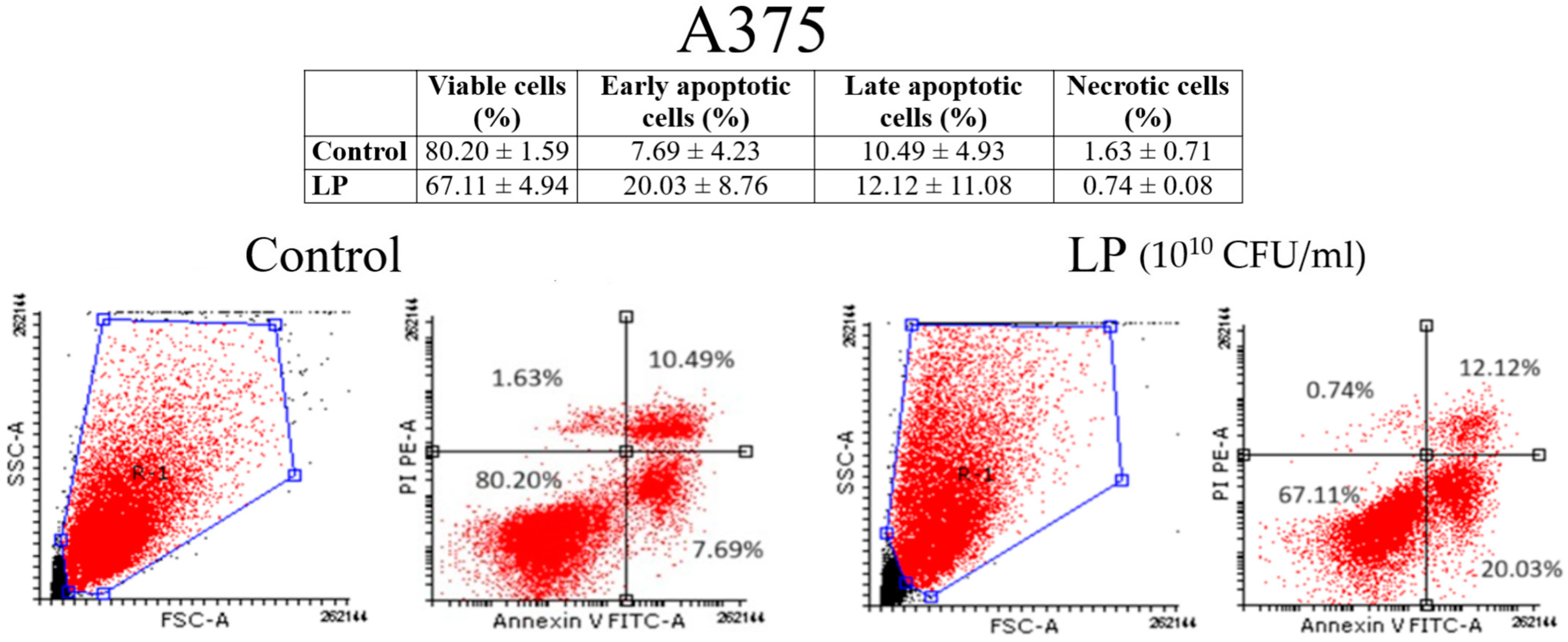
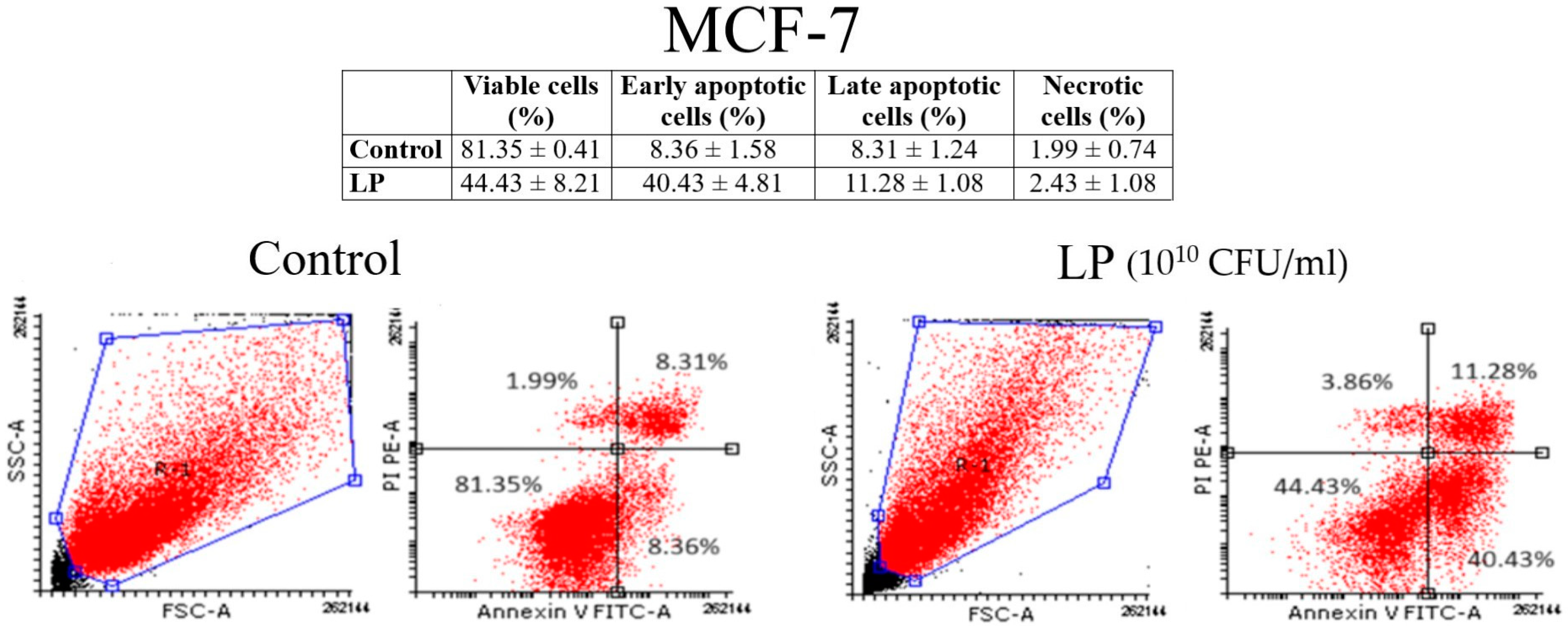
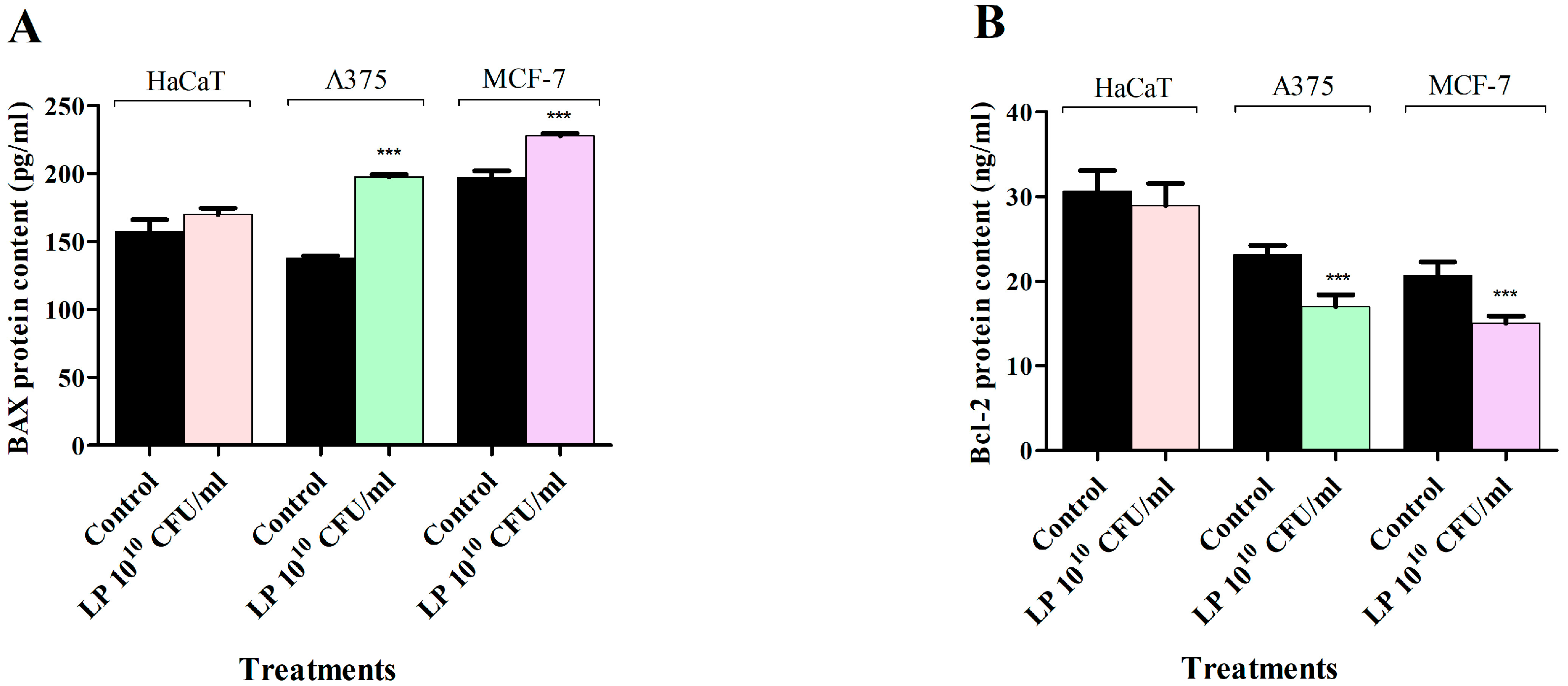
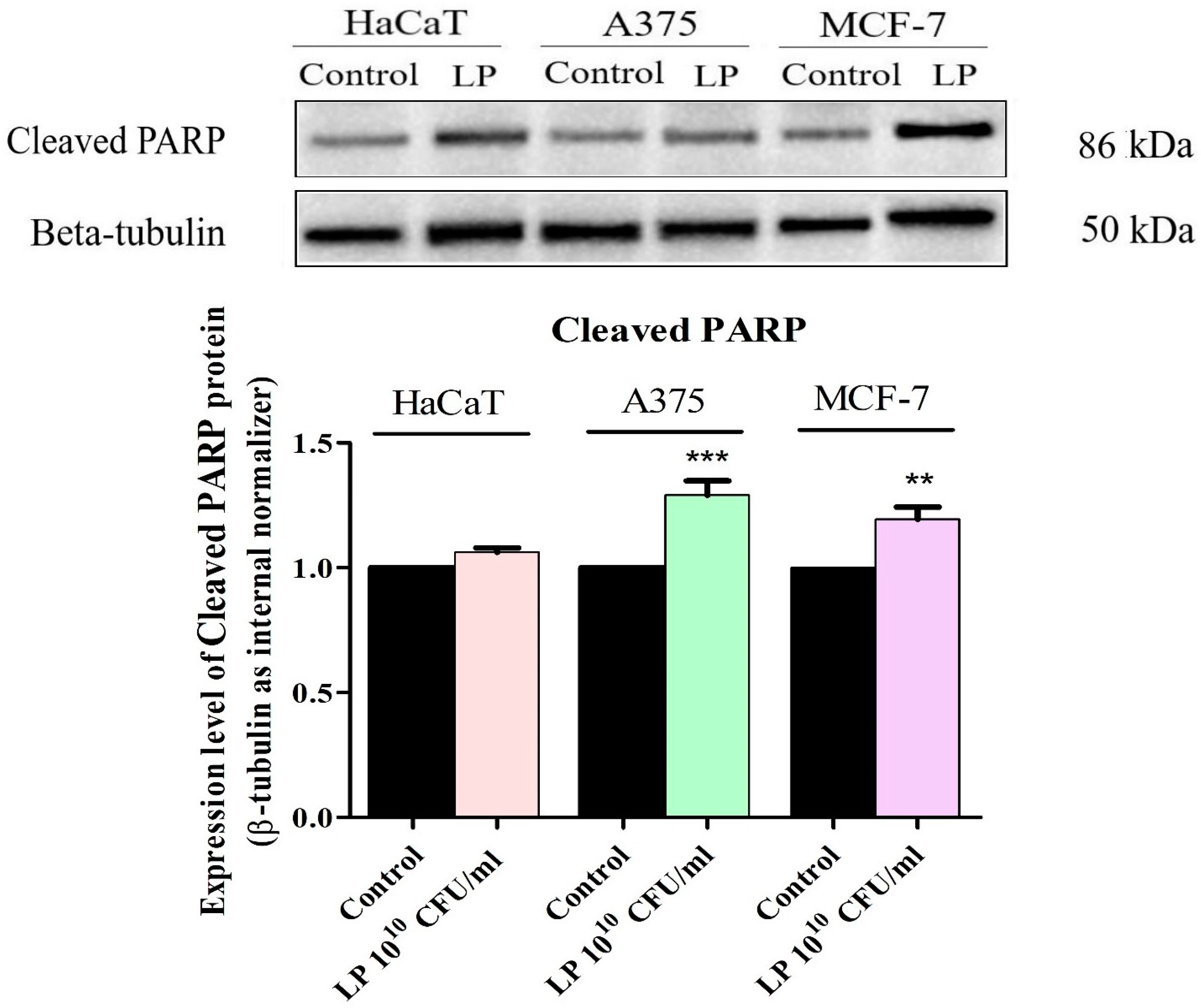
Despite the notable advancements witnessed in the past decade in medical and health research domain, cancer remains a prominent global cause of mortality. Moreover, the conventional treatments employed to combat this disease have been found to considerably compromise the quality of life experienced by patients due to its severe side effects. Recent in vitro studies revealed encouraging findings on the potential beneficial effects of probiotics as adjuvants of anticancer therapy, and even as possible agents for the prevention and treatment of various types of malignancies. From this standpoint, the primary objective of this work was to investigate the anticancer properties of Lactiplantibacillus plantarum (LP) and elucidate its underlying mechanism of action. In order to investigate this matter, several doses of LP (ranging from 105 to 1010 CFU/mL) were examined in relation to melanoma cancer cell lines (A375) and breast cancer cell line (MCF-7). The cell viability findings, which were substantiated by morphological investigations and annexin V/PI assay, indicated that LP exerted inhibitory effects on cellular activity and triggered apoptosis. Additionally, upon further investigation into its mechanism, it was observed through the apoptosis assay and Western blot analysis that the administration of LP resulted in an elevation of pro-apoptotic BAX protein levels and an upregulation of cleaved poly-ADP-ribose polymerase (PARP) protein expression. Conversely, the levels of anti-apoptotic Bcl-2 protein were found to decrease in the A375 and MCF-7 cell lines. These findings provide insight into the pro-apoptotic mechanism of action of LP in these specific cell lines.
Keywords: Lactiplantibacillus plantarum; apoptosis; breast cancer; melanoma; cytotoxicity Lactiplantibacillus plantarum; apoptosis; breast cancer; melanoma; cytotoxicity