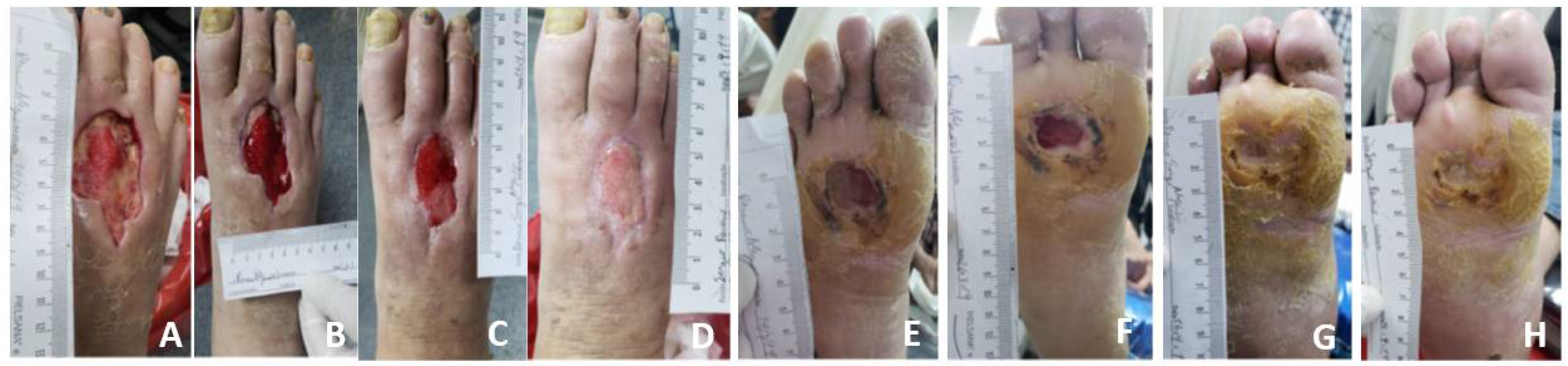
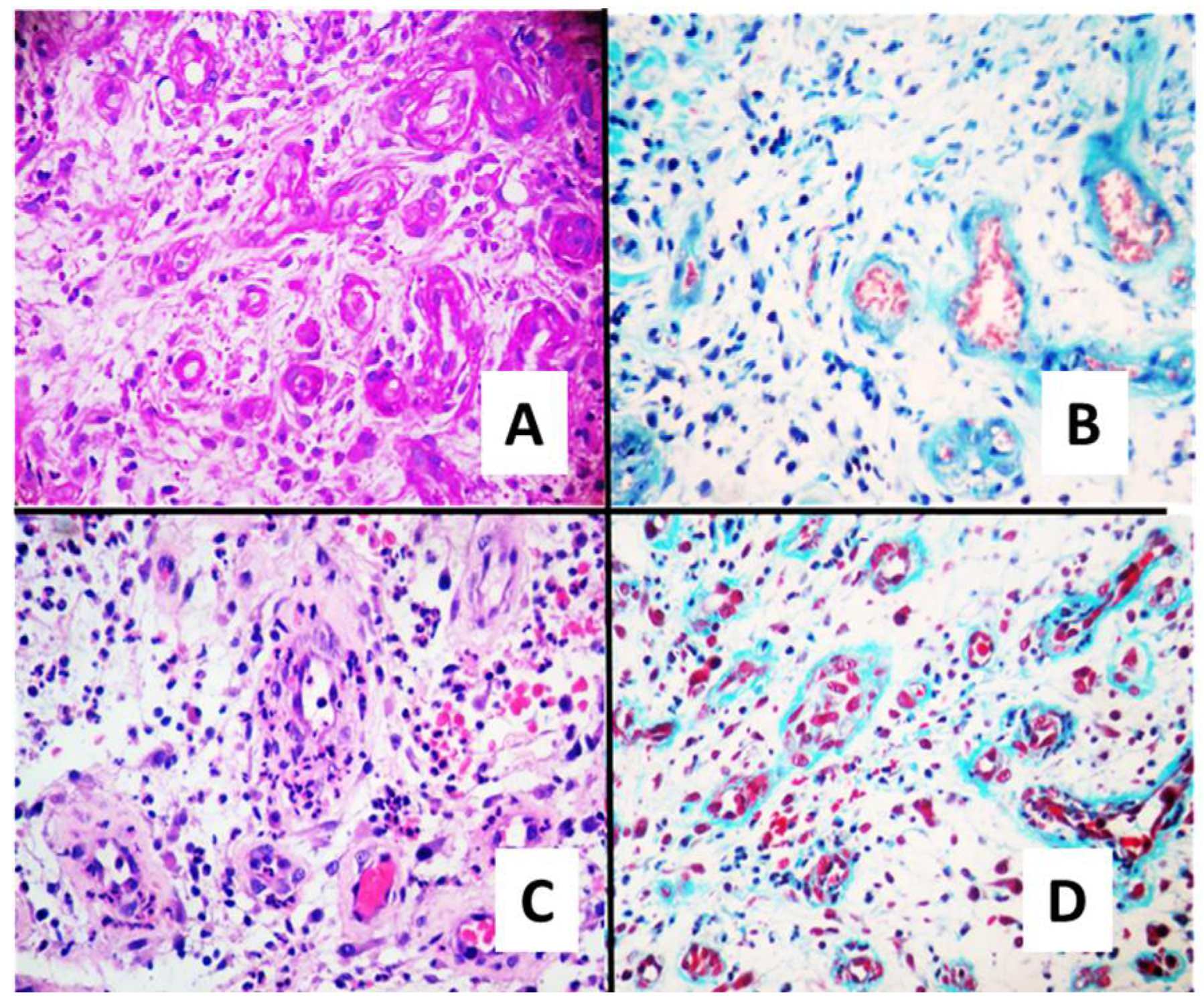
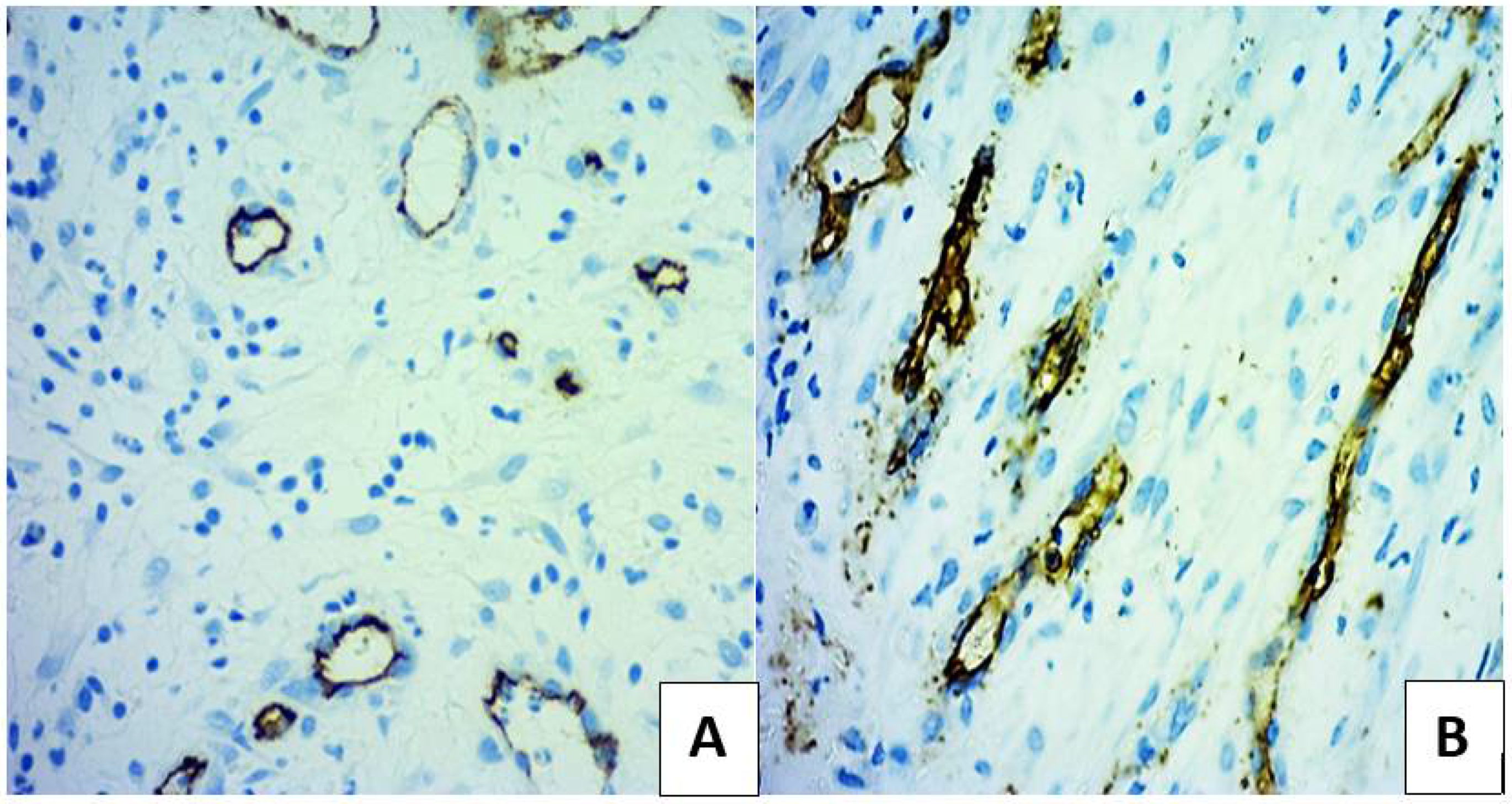
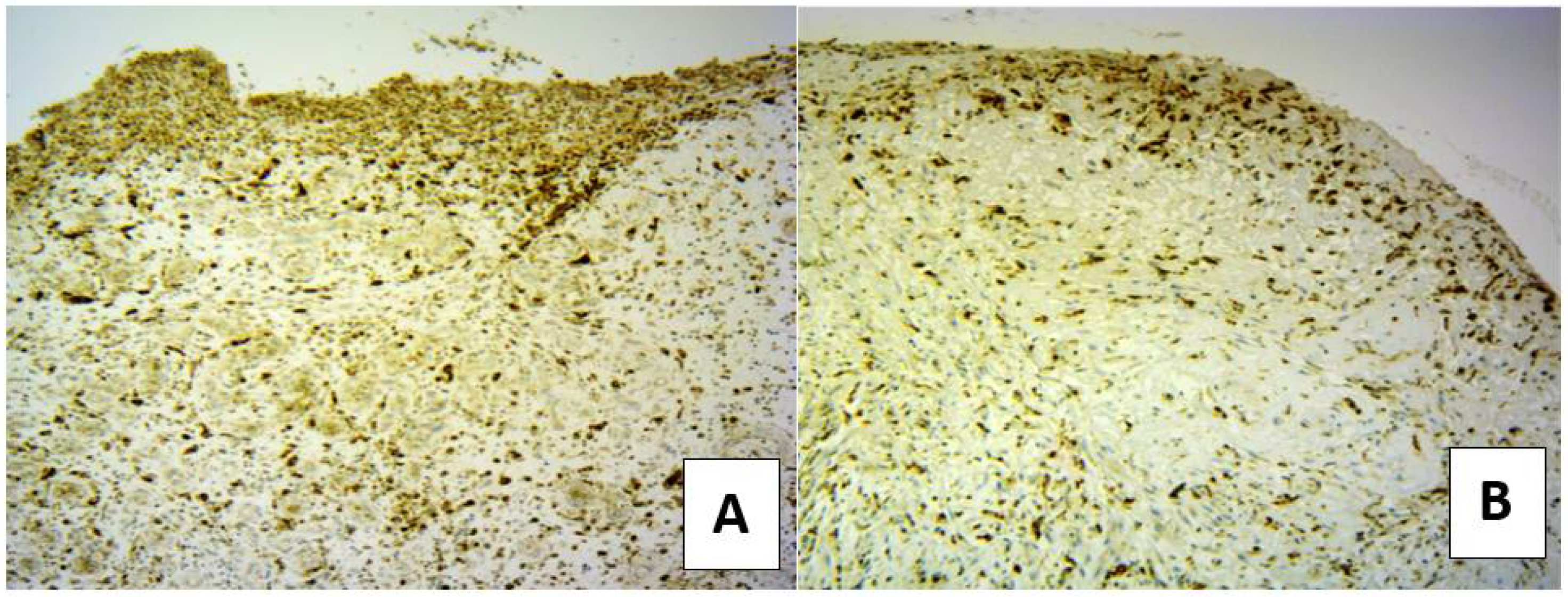
Topical Administration of Lactiplantibacillus plantarum Accelerates the Healing of Chronic Diabetic Foot Ulcers through Modifications of Infection, Angiogenesis, Macrophage Phenotype and Neutrophil Response

 and
and Abstract
Share and Cite
Argañaraz Aybar, J.N.; Ortiz Mayor, S.; Olea, L.; Garcia, J.J.; Nisoria, S.; Kolling, Y.; Melian, C.; Rachid, M.; Torres Dimani, R.; Werenitzky, C.; et al. Topical Administration of Lactiplantibacillus plantarum Accelerates the Healing of Chronic Diabetic Foot Ulcers through Modifications of Infection, Angiogenesis, Macrophage Phenotype and Neutrophil Response. Microorganisms 2022, 10, 634. https://doi.org/10.3390/microorganisms10030634
Argañaraz Aybar JN, Ortiz Mayor S, Olea L, Garcia JJ, Nisoria S, Kolling Y, Melian C, Rachid M, Torres Dimani R, Werenitzky C, et al. Topical Administration of Lactiplantibacillus plantarum Accelerates the Healing of Chronic Diabetic Foot Ulcers through Modifications of Infection, Angiogenesis, Macrophage Phenotype and Neutrophil Response. Microorganisms. 2022; 10(3):634. https://doi.org/10.3390/microorganisms10030634
Chicago/Turabian StyleArgañaraz Aybar, Julio Nicolás, Sonia Ortiz Mayor, Luis Olea, Juan José Garcia, Sebastian Nisoria, Yanina Kolling, Constanza Melian, Mirta Rachid, Rafael Torres Dimani, Cecilia Werenitzky, and et al. 2022. "Topical Administration of Lactiplantibacillus plantarum Accelerates the Healing of Chronic Diabetic Foot Ulcers through Modifications of Infection, Angiogenesis, Macrophage Phenotype and Neutrophil Response" Microorganisms 10, no. 3: 634. https://doi.org/10.3390/microorganisms10030634
APA StyleArgañaraz Aybar, J. N., Ortiz Mayor, S., Olea, L., Garcia, J. J., Nisoria, S., Kolling, Y., Melian, C., Rachid, M., Torres Dimani, R., Werenitzky, C., Lorca, C., Salva, S., Gobbato, N., Villena, J., & Valdez, J. C. (2022). Topical Administration of Lactiplantibacillus plantarum Accelerates the Healing of Chronic Diabetic Foot Ulcers through Modifications of Infection, Angiogenesis, Macrophage Phenotype and Neutrophil Response. Microorganisms, 10(3), 634. https://doi.org/10.3390/microorganisms10030634