Review

Molecular Mechanisms of Mucormycosis Pathogenesis: Host–Pathogen Interactions and Immune Evasion

by
Awadh Alanazi
1,*,
Mohamed N. Ibrahim
2,
Maram Awied Alenezi
3 and
Wejdan Oudah Albalawi
2
1
Department of Clinical Laboratory Sciences, College of Applied Medical Sciences, Jouf University, Sakaka 72388, Saudi Arabia
2
Department of Clinical Laboratories Sciences, College of Applied Medical Sciences at Al Qurayyat, Jouf University, Al Qurayyat 77454, Saudi Arabia
3
Northern Borders Health Cluster, Almosaediah, Arar 73311, Saudi Arabia
*
Author to whom correspondence should be addressed.
Pathogens 2026, 15(5), 522; https://doi.org/10.3390/pathogens15050522

Submission received: 11 April 2026 / Revised: 8 May 2026 / Accepted: 11 May 2026 / Published: 12 May 2026

Abstract

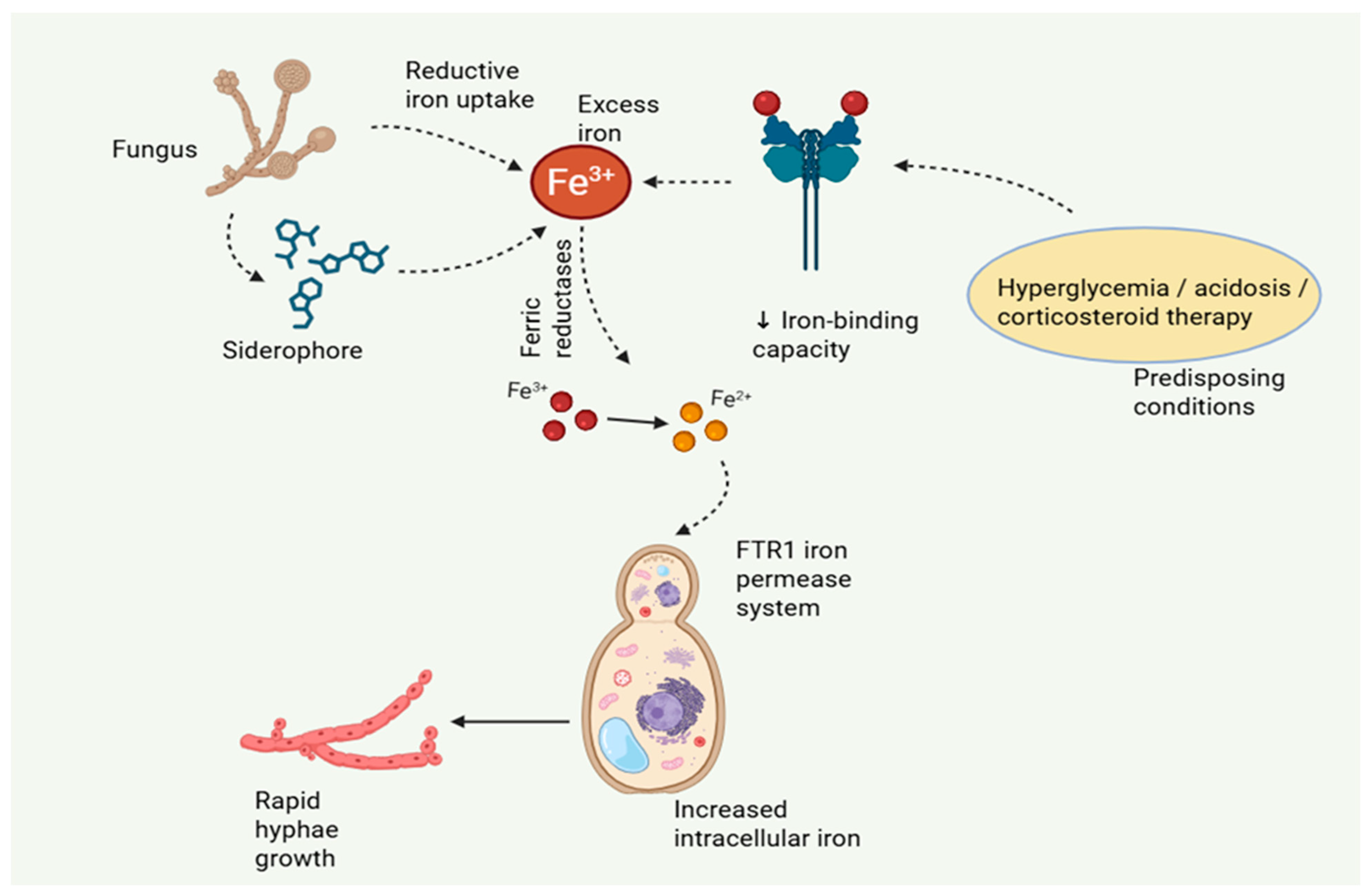
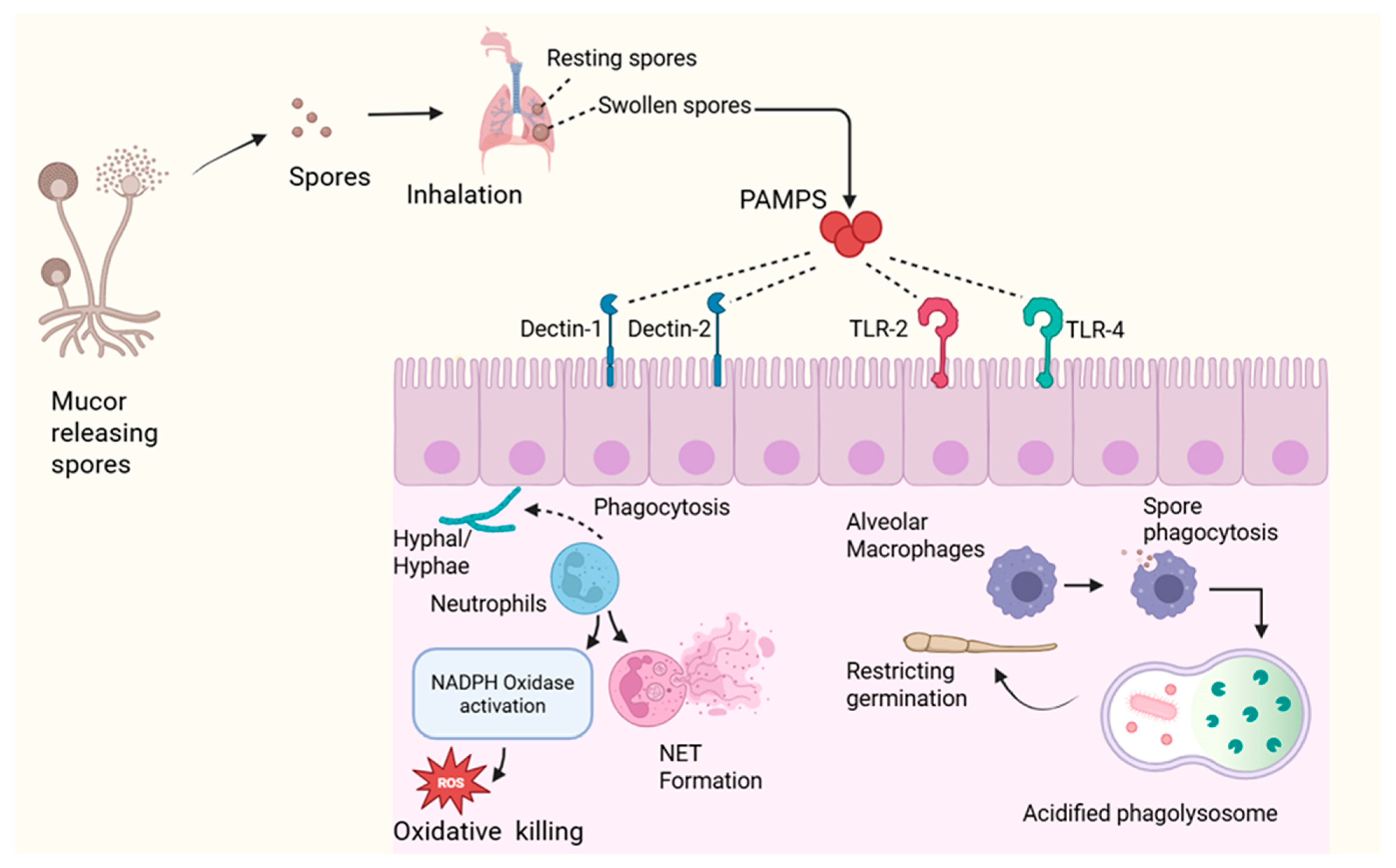
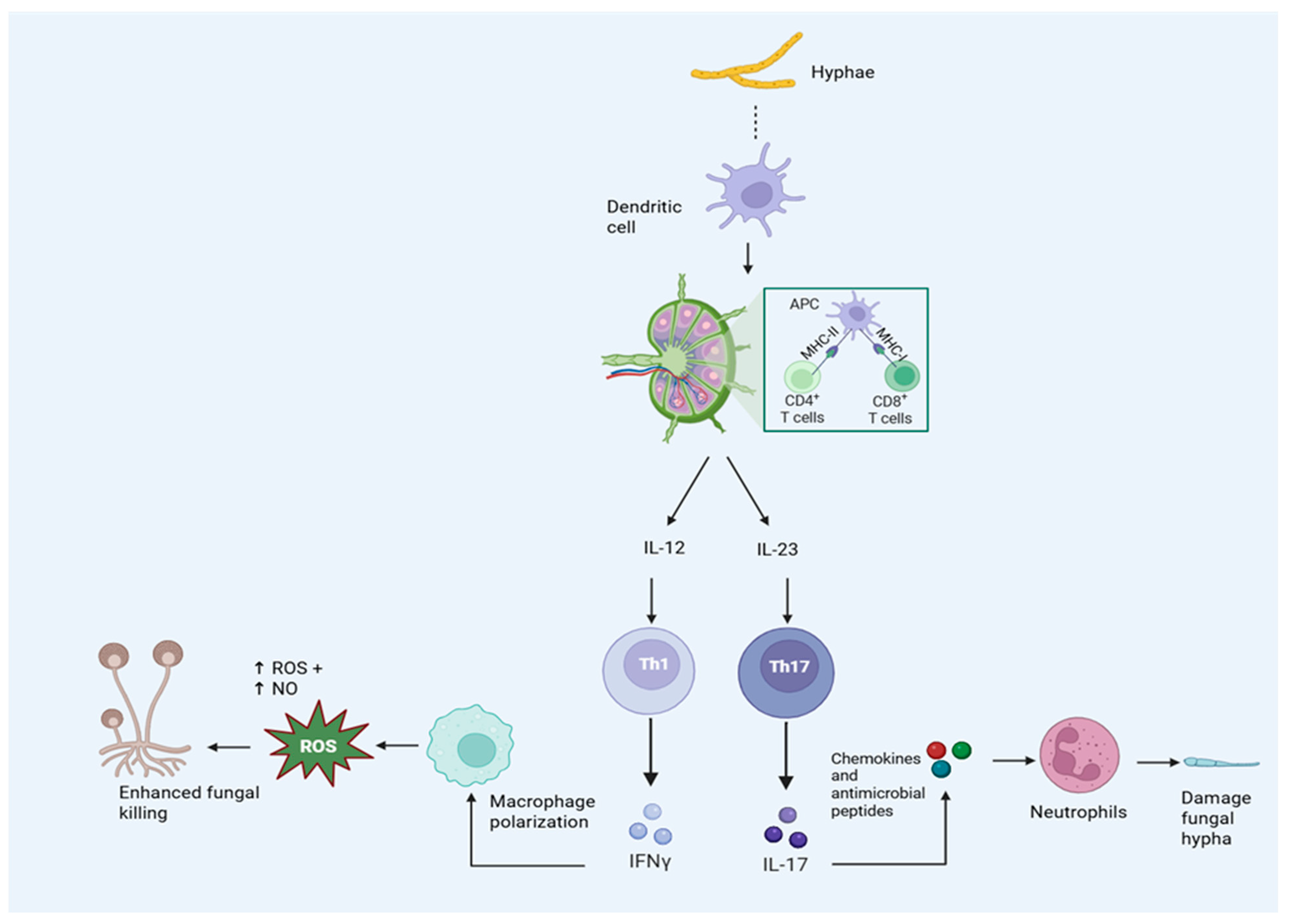
Mucormycosis, triggered by fungi of the order Mucorales, represents a potentially fatal invasive mycosis, with death rates over 50% despite intensive therapy. The COVID-19 pandemic brought a sharp increase in cases, especially in individuals with diabetes mellitus and those undergoing immunosuppressive treatment, emphasizing significant gaps in our comprehension of disease pathogenesis. Emerging molecular studies have highlighted key virulence factors, such as the CotH family of invasins that facilitate endothelial invasion via interaction with glucose-regulated protein 78 (GRP78), complex iron acquisition systems necessary for fungal growth, and the release of mucoricin, a ricin-like toxin that impairs vascular integrity. Host defense depends mainly on innate immunity, with neutrophils and macrophages working as critical effector cells, while adaptive Th1 and Th17 responses aid in the fungal removal. Mucorales use a variety of immune evasion techniques, such as pathogen-associated molecular pattern (PAMP) masking via cell wall transformations, resistance to phagocytic death, and metabolic utilization of host factors including hyperglycemia and increased free iron in diabetic ketoacidosis (DKA). This review summarizes current evidence of the molecular processes underlying mucormycosis pathogenesis, underscoring host–pathogen interactions at the cellular and molecular levels, immune evasion tactics, and translational potential for new diagnostic and therapeutic approaches. Comprehending these molecular processes is crucial for creating efficient therapies against mucormycosis in an era of growing immunocompromised patients and expanding infectious disease synergies.
Keywords: mucormycosis; host–pathogen interactions; immune evasion; CotH–GRP78 axis; antifungal targets; host immune response mucormycosis; host–pathogen interactions; immune evasion; CotH–GRP78 axis; antifungal targets; host immune response