Article

Genetic Diversity of Coxiella burnetii in Iran by Multi-Spacer Sequence Typing

1
Department of Bacteriology, Faculty of Medical Sciences, Tarbiat Modares University, Tehran 1411713116, Iran
2
Department of Epidemiology and Biostatics, Research Centre for Emerging and Reemerging Infectious Diseases, Pasteur Institute of Iran, Tehran 1316943551, Iran
3
National Reference Laboratory for Plague, Tularemia and Q Fever, Research Centre for Emerging and Reemerging Infectious Diseases, Pasteur Institute of Iran, Akanlu, KabudarAhang, Hamadan 6556153145, Iran
4
Department of Pathobiology, Faculty of Veterinary Medicine, Shahid Bahonar University of Kerman, Kerman 7616913439, Iran
5
Australian Rickettsial Reference Laboratory, University Hospital Geelong, Geelong, VIC 3220, Australia
*
Author to whom correspondence should be addressed.
Pathogens 2022, 11(10), 1175; https://doi.org/10.3390/pathogens11101175

Submission received: 29 August 2022 / Revised: 2 October 2022 / Accepted: 8 October 2022 / Published: 11 October 2022
(This article belongs to the Collection Updates on Rickettsia and Coxiella)

Abstract

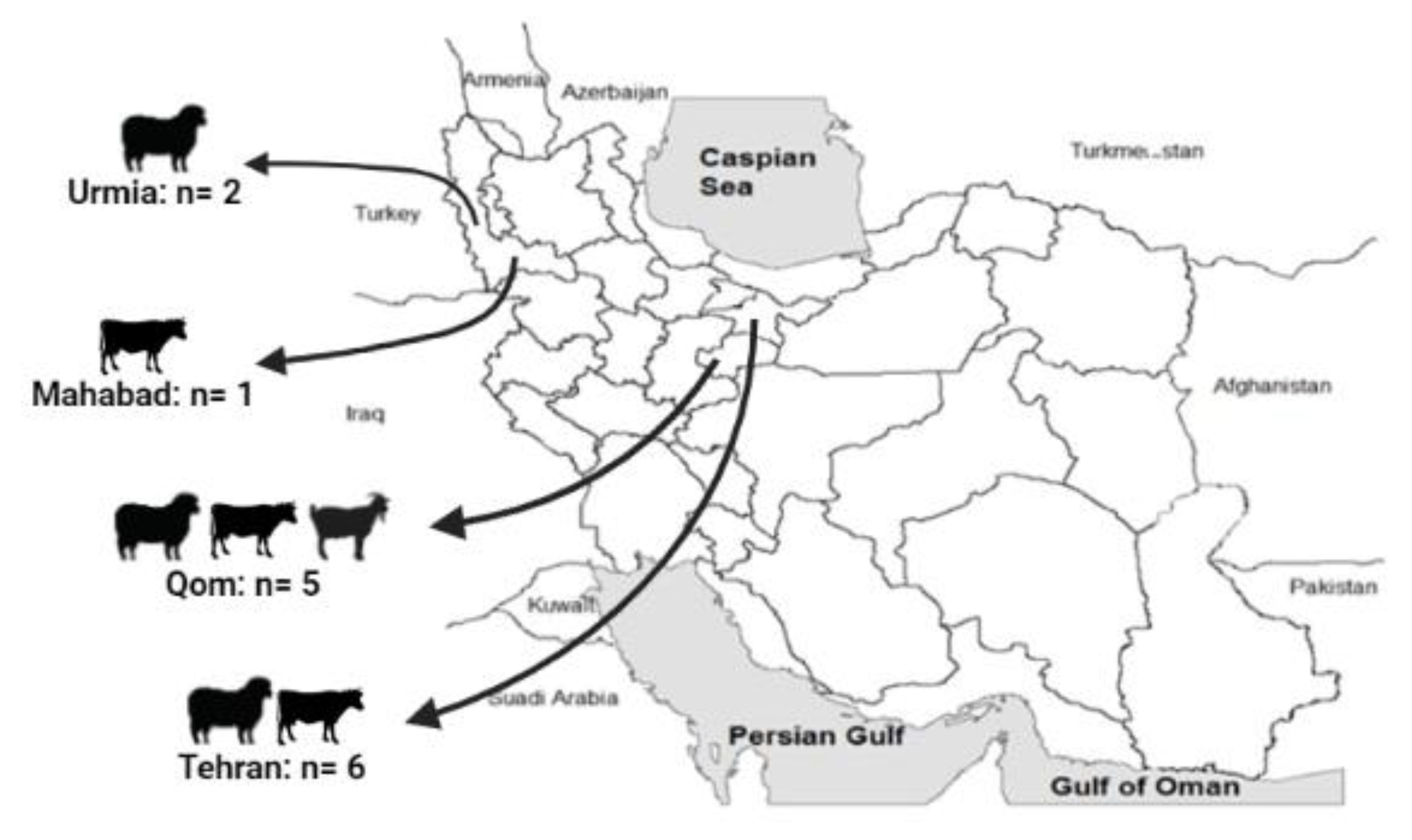
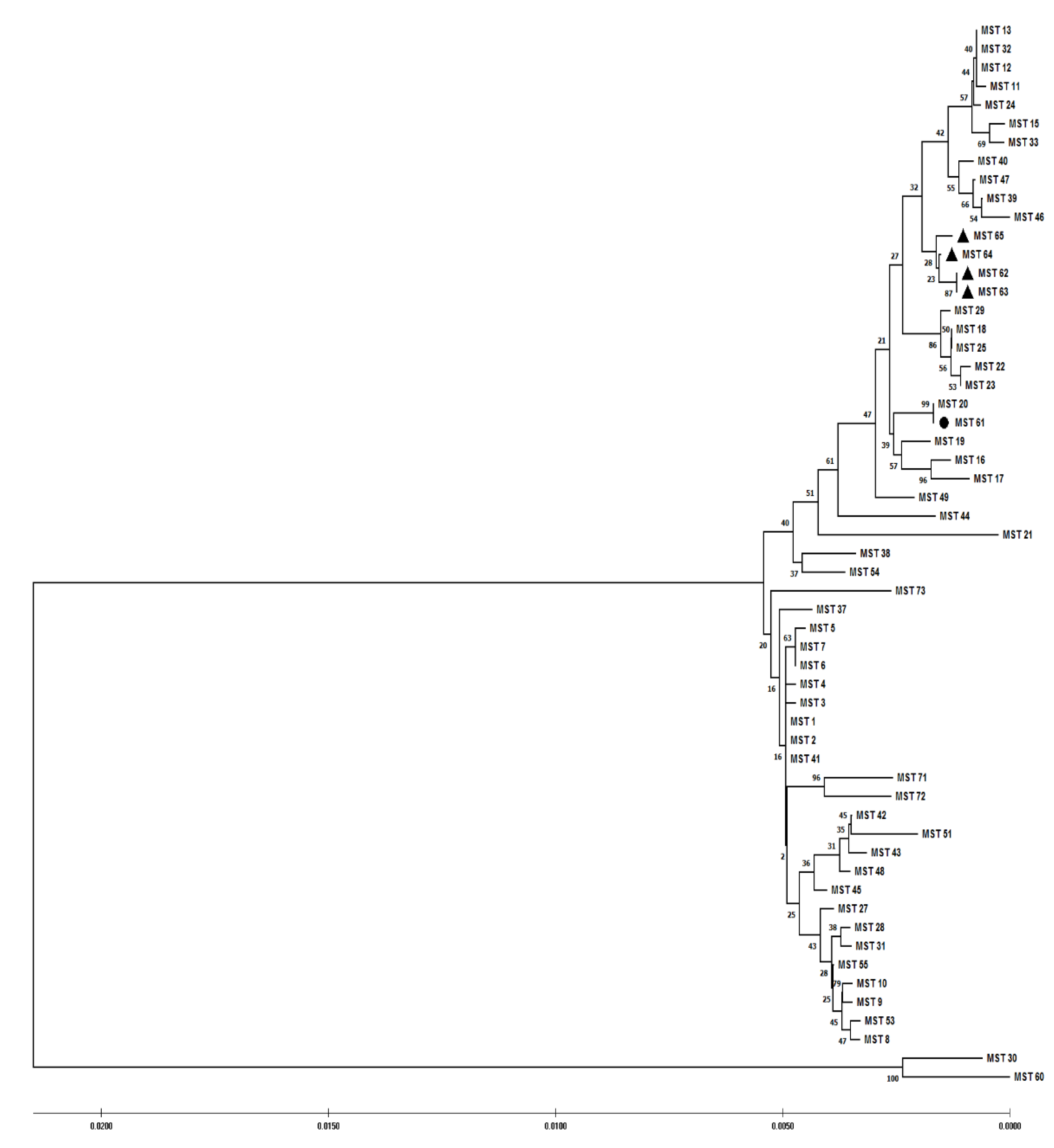
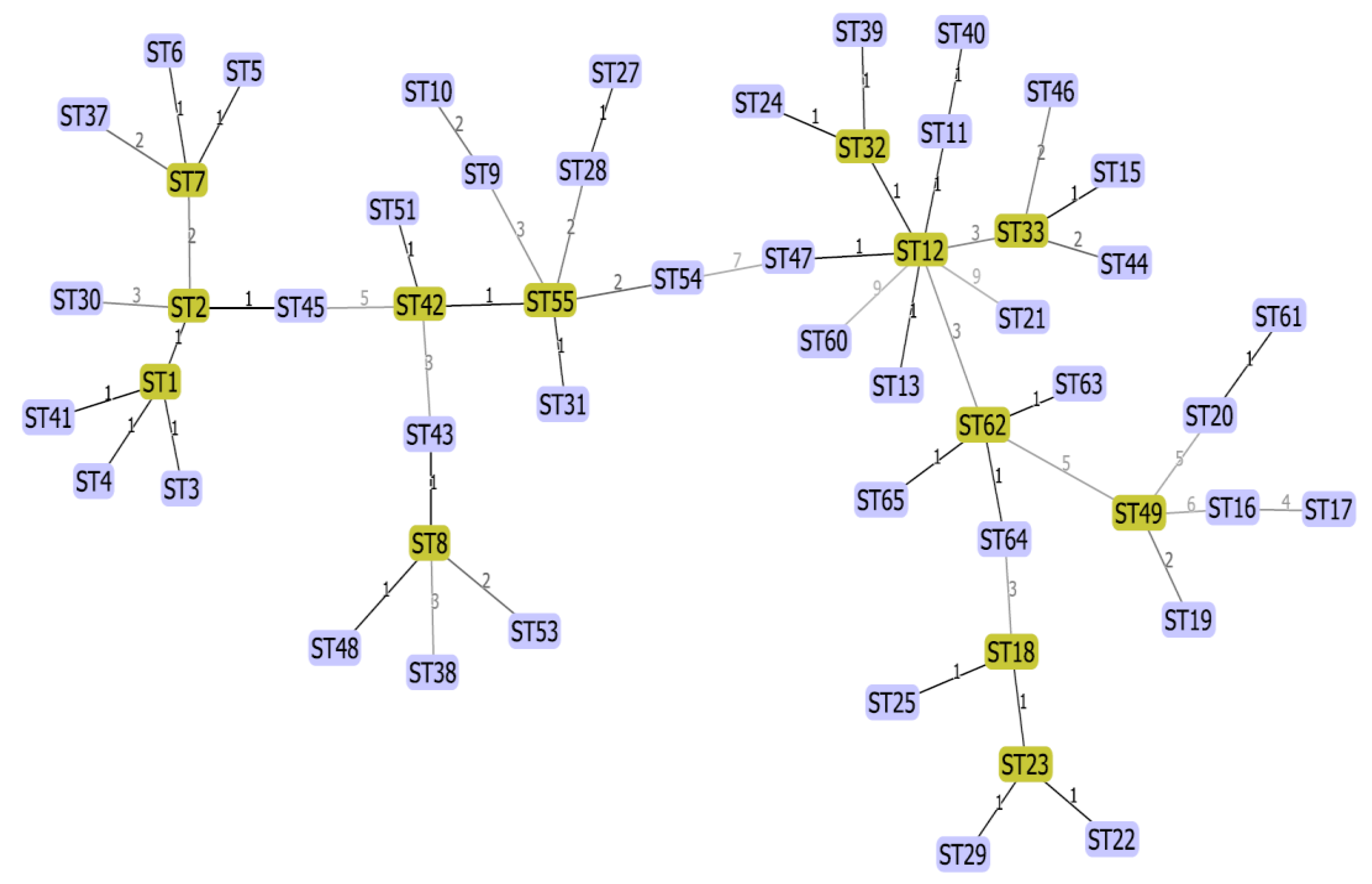
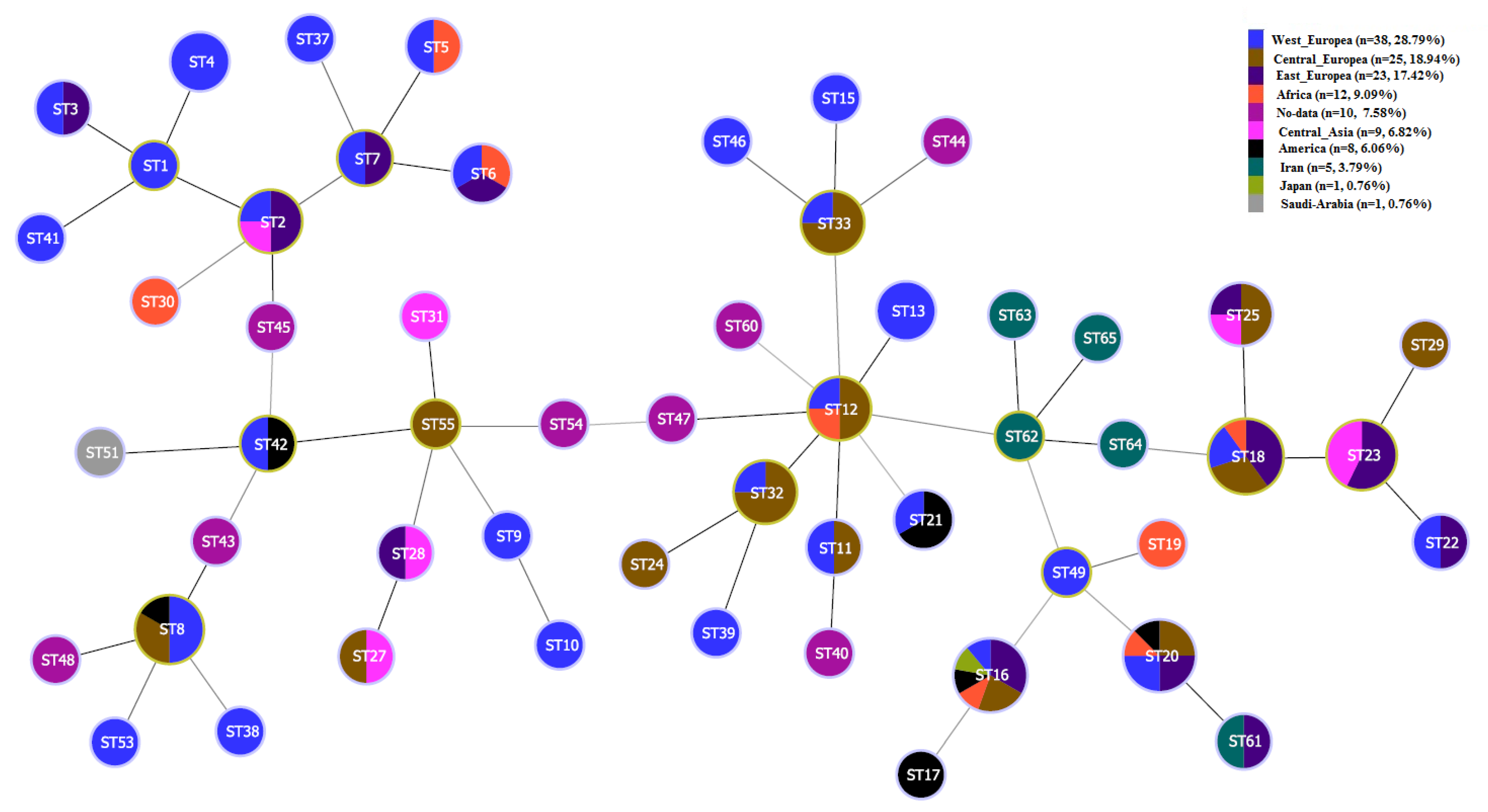
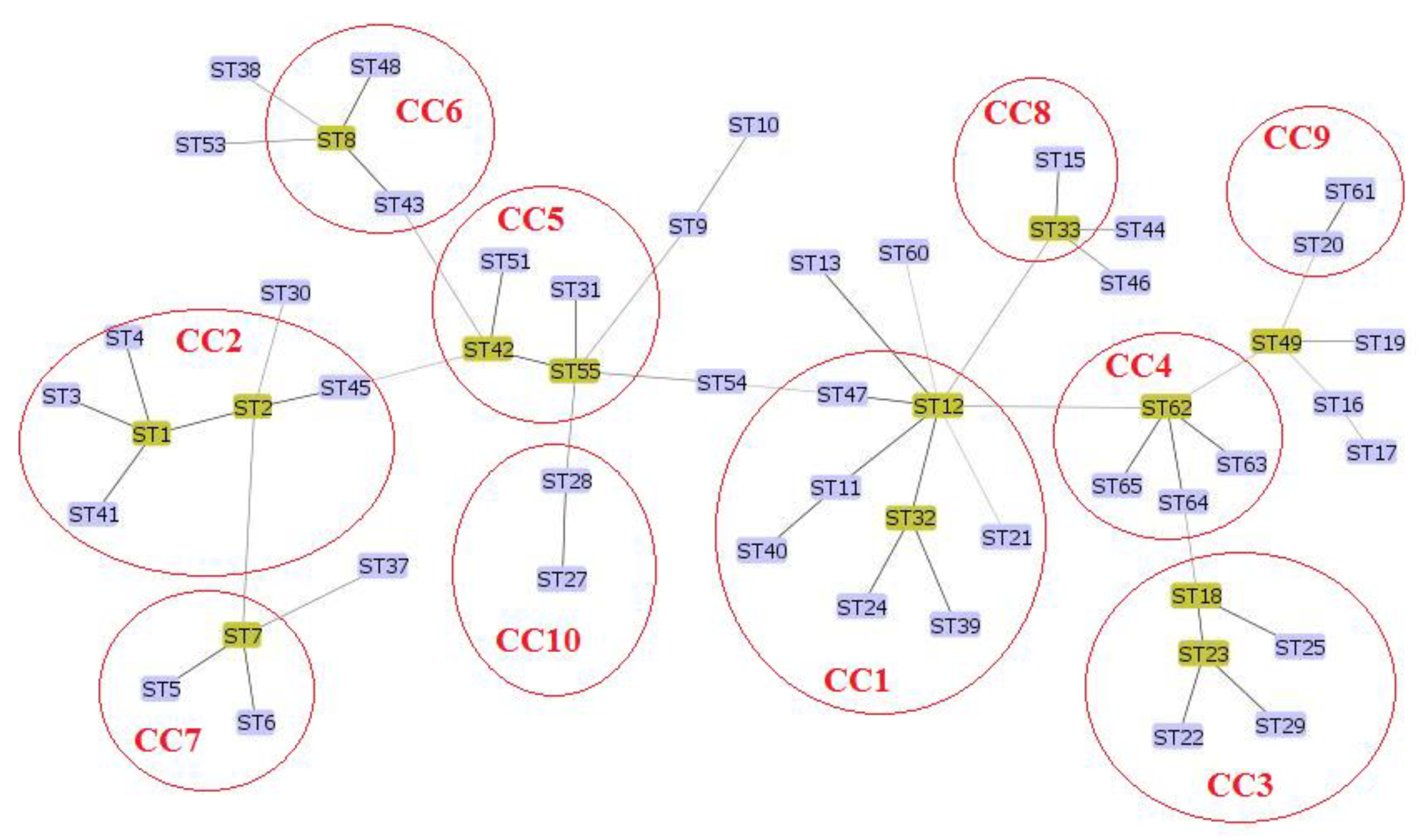
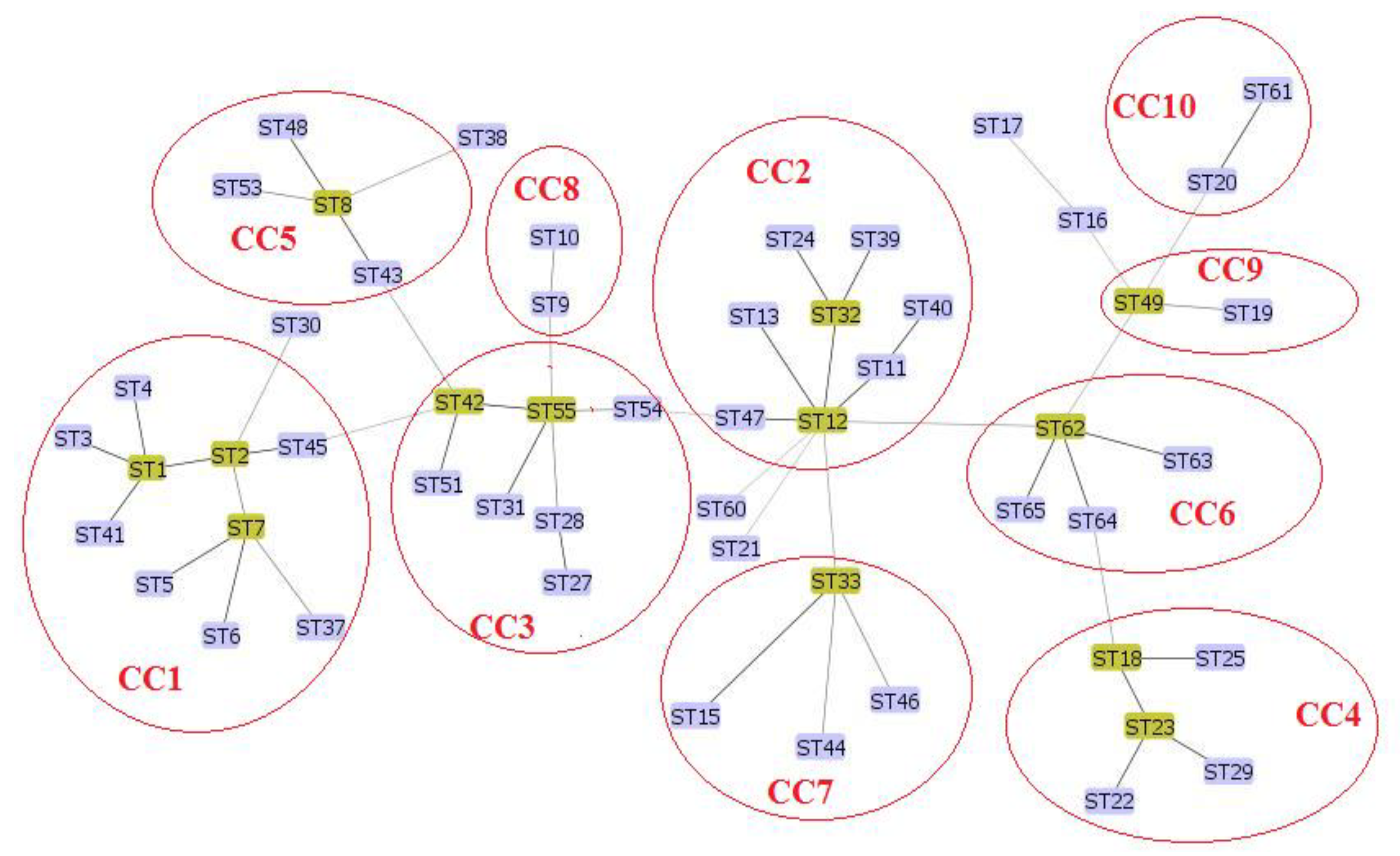
Coxiella burnetii, the zoonotic agent of Q fever, has a worldwide distribution including Iran. However, no information regarding the circulating genotype of this infection has been reported in Iran. This study aimed to evaluate the genetic diversity of C. burnetii in Iran using the multi-spacer sequence typing (MST) method. First, 14 positive C. burnetii samples (collected from four sheep, three goats, and seven cattle) were confirmed using quantitative polymerase chain reaction (qPCR) targeting the IS1111 gene. Then, ten spacers (Cox 2, 5, 18, 20, 22, 37, 51, 56, 57, and 61) were amplified using PCR for future MST analysis. The in-silico MST genotyping analysis of domestic ruminant samples revealed two new alleles (Cox5.11 and Cox56.15) in Cox5 and Cox56 loci that led to the emergence of four novel MST genotypes (MST62, 63, 64, and 65) and one MST genotype that has been previously described (MST61). This study showed the circulation of five MST C. burnetii genotypes among Iranian domestic ruminants. Understanding the C. burnetii genotypic profiles is critical in determining and preventing Q fever outbreaks.
Keywords: Coxiella burnetii; Q fever; Genotyping; MST; Iran Coxiella burnetii; Q fever; Genotyping; MST; Iran