Article

Functional Autoreactive Anti-β2 Adrenergic Antibodies May Contribute to Insulin Resistance Profile in Patients with Chronic Chagas Disease

by
Luz María Rodeles
1,*,
Miguel Hernán Vicco
1,
Álvaro Siano
2,
Leonardo Andrés Fuchs
1,
Luz María Peverengo
3,
Silvia Sanchez Puch
4,
Cora Beatriz Cymeryng
5,
Iván Sergio Marcipar
1,3 and
Pablo Arias
6
1
Laboratorio de Investigación en Salud, Centro de Estudios en Salud Global, Facultad de Ciencias Médicas, Universidad Nacional del Litoral, C3000 Santa Fe, Argentina
2
Laboratorio de Péptidos Bioactivos, Departamento de Química Orgánica, Facultad de Bioquímica y Ciencias Biológicas, Universidad Nacional del Litoral, C3000 Santa Fe, Argentina
3
Laboratorio de Tecnología Inmunológica, Facultad de Bioquímica y Ciencias Biológicas, Universidad Nacional del Litoral, C3000 Santa Fe, Argentina
4
Instituto de Investigaciones en Microbiología y Parasitología Médica, Universidad de Buenos Aires—Consejo Nacional de Investigaciones Científicas y Técnicas (CONICET), C1121 Buenos Aires, Argentina
5
Laboratorio de Endocrinología Molecular (CEFYBO-CONICET), Facultad de Medicina, Universidad de Buenos Aires, C1121 Buenos Aires, Argentina
6
Cátedra de Fisiología Humana, Facultad de Ciencias Médicas, Universidad Nacional de Rosario, C2002 Rosario, Argentina
*
Author to whom correspondence should be addressed.
Pathogens 2021, 10(3), 378; https://doi.org/10.3390/pathogens10030378

Submission received: 26 February 2021 / Revised: 17 March 2021 / Accepted: 18 March 2021 / Published: 21 March 2021
(This article belongs to the Special Issue Metabolic Dysfunction in Chagas Cardiomyopathy)

Abstract

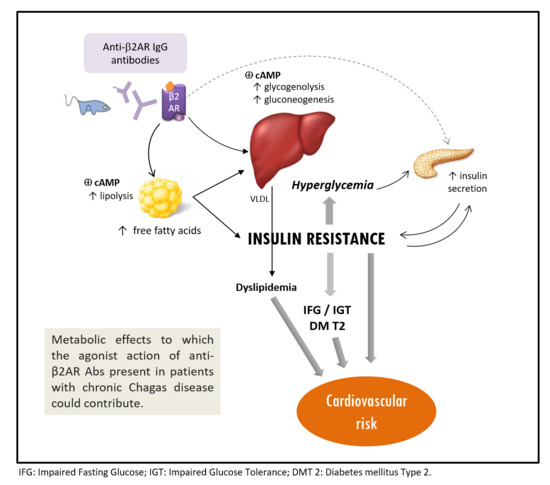
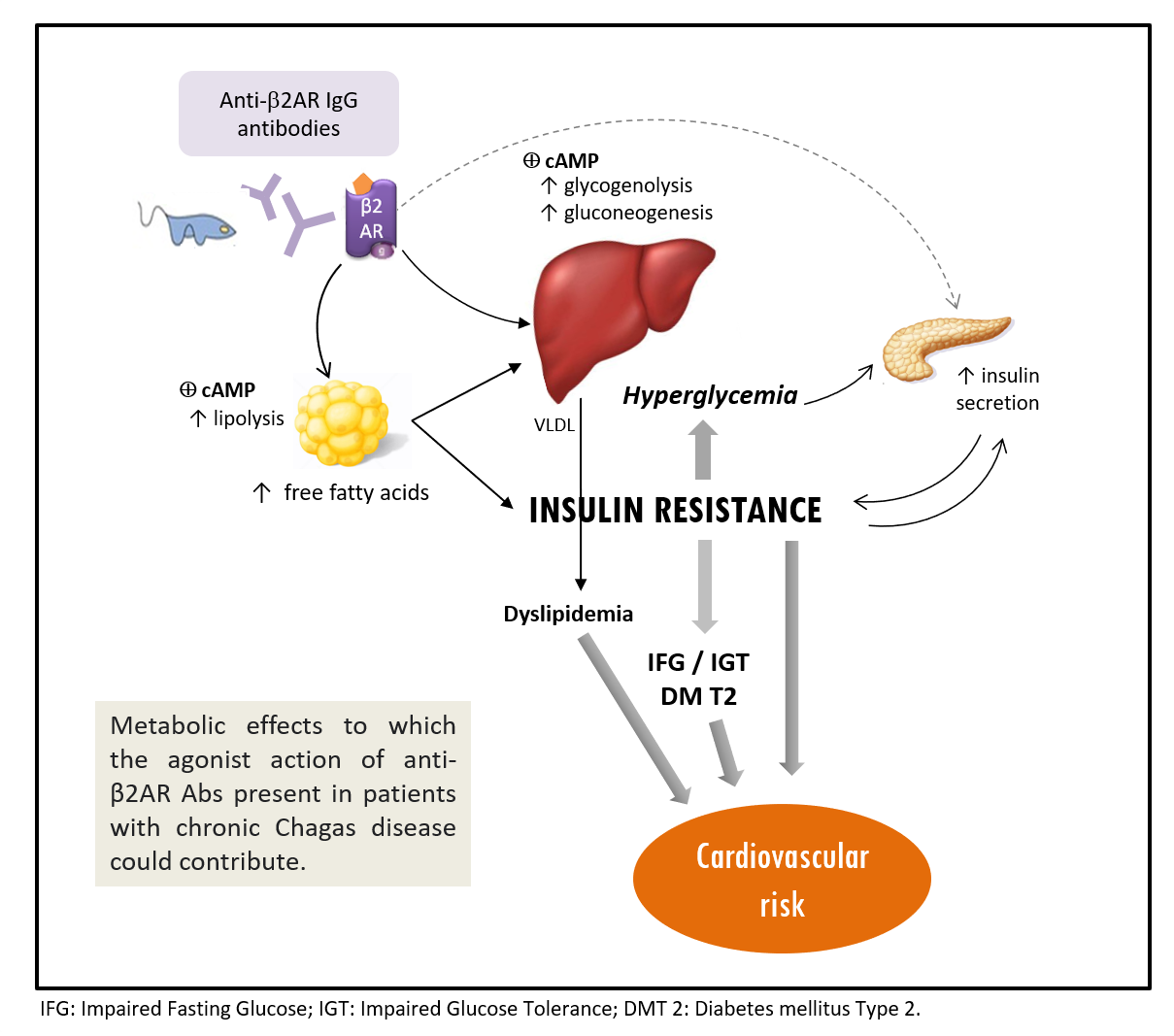
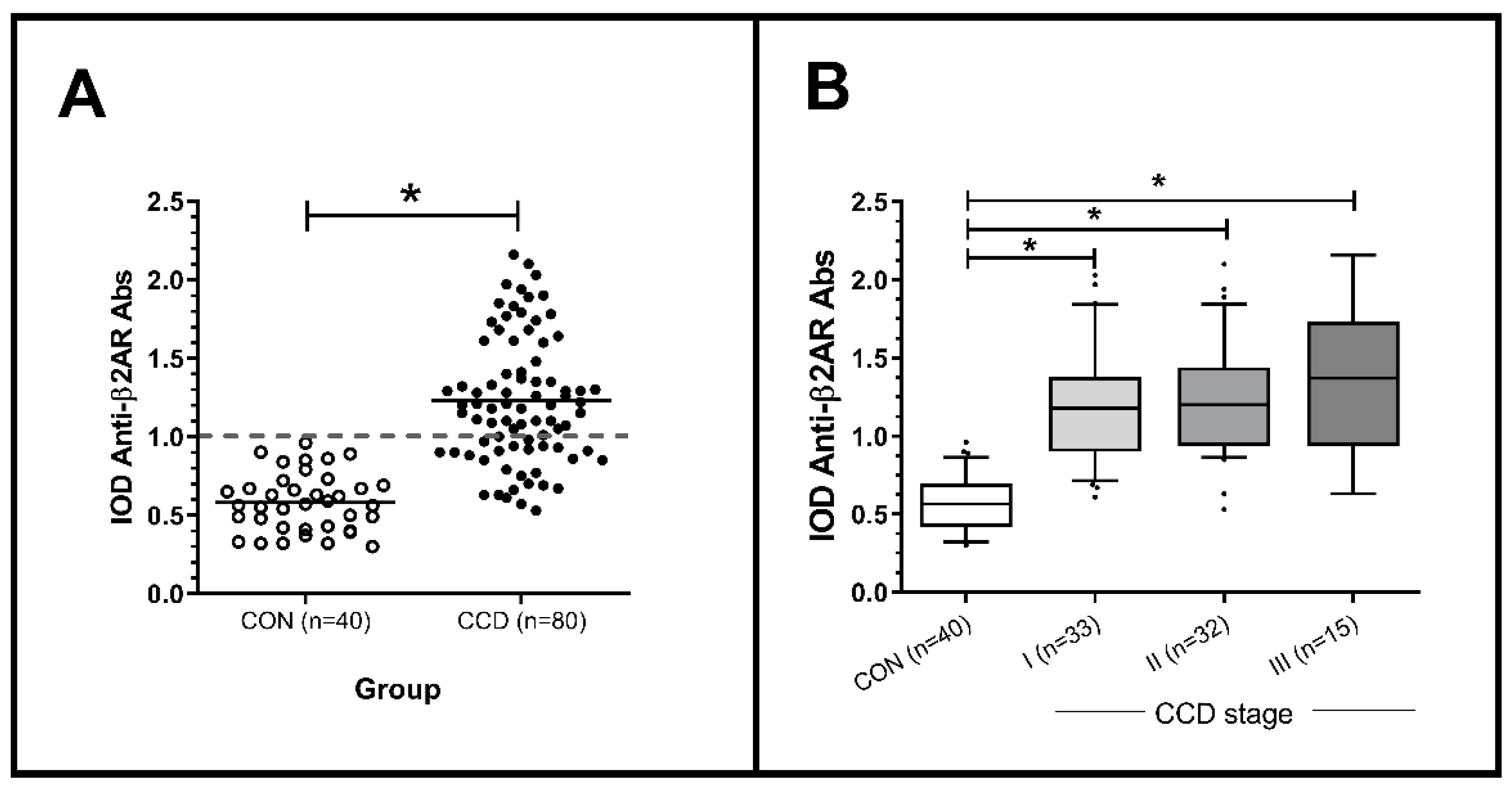
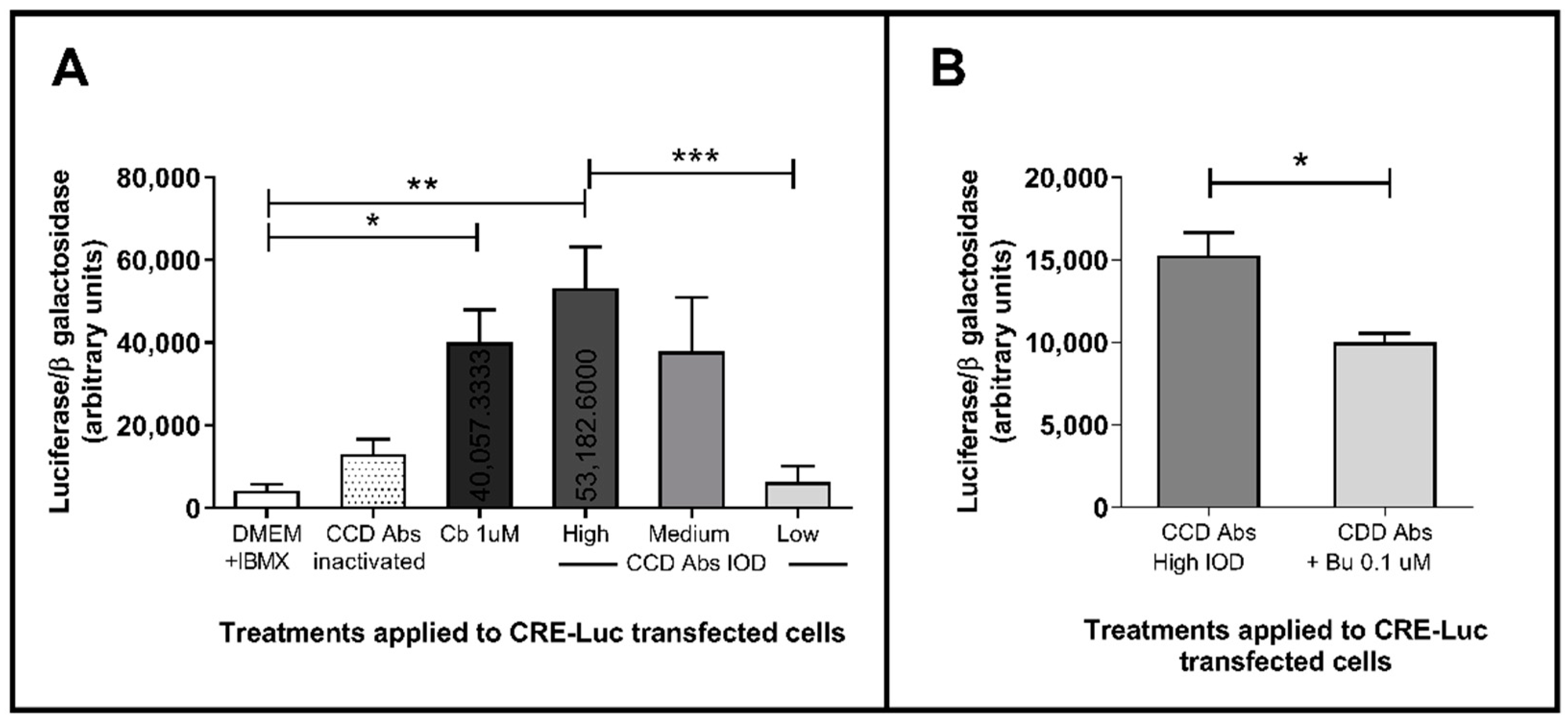
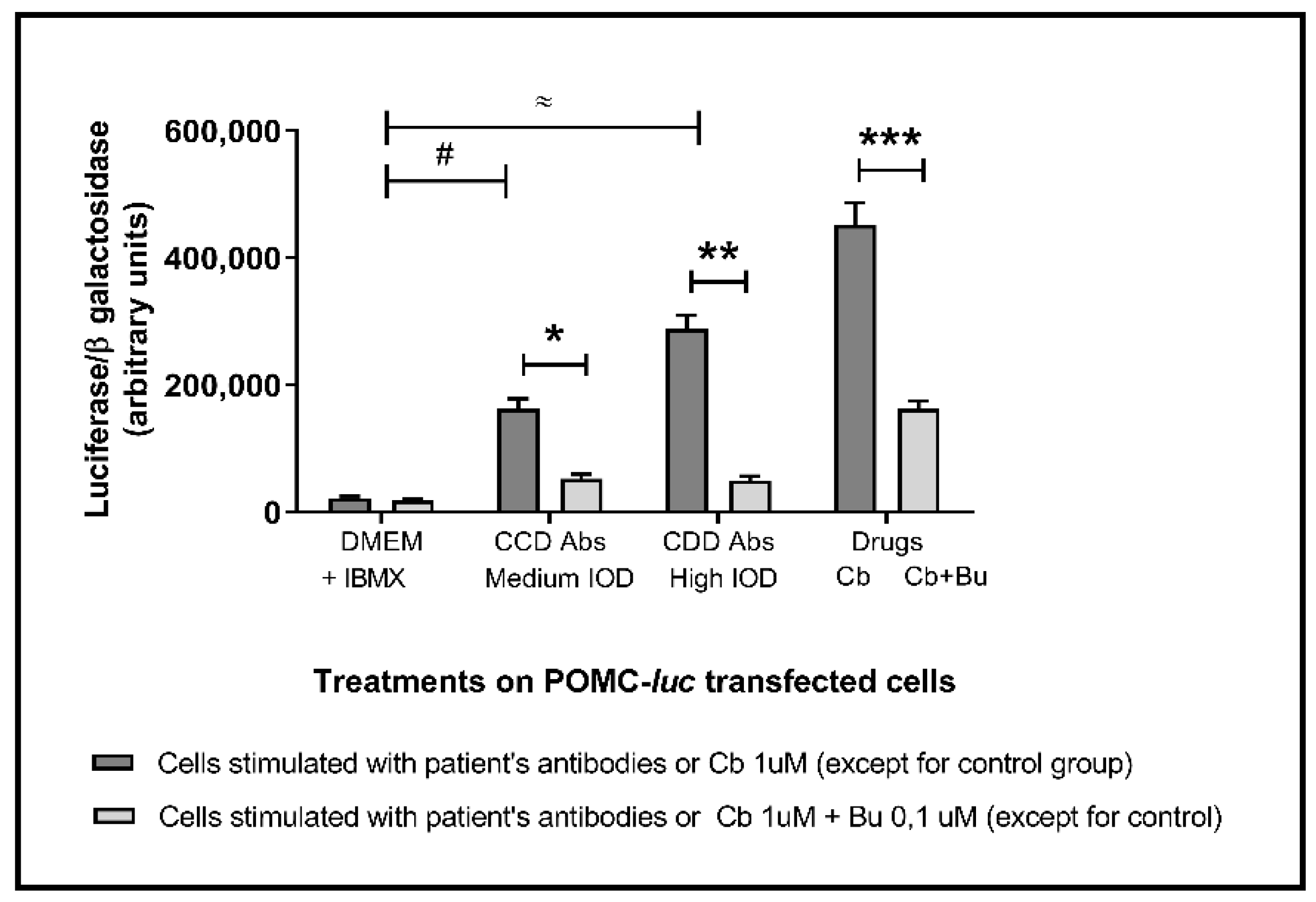
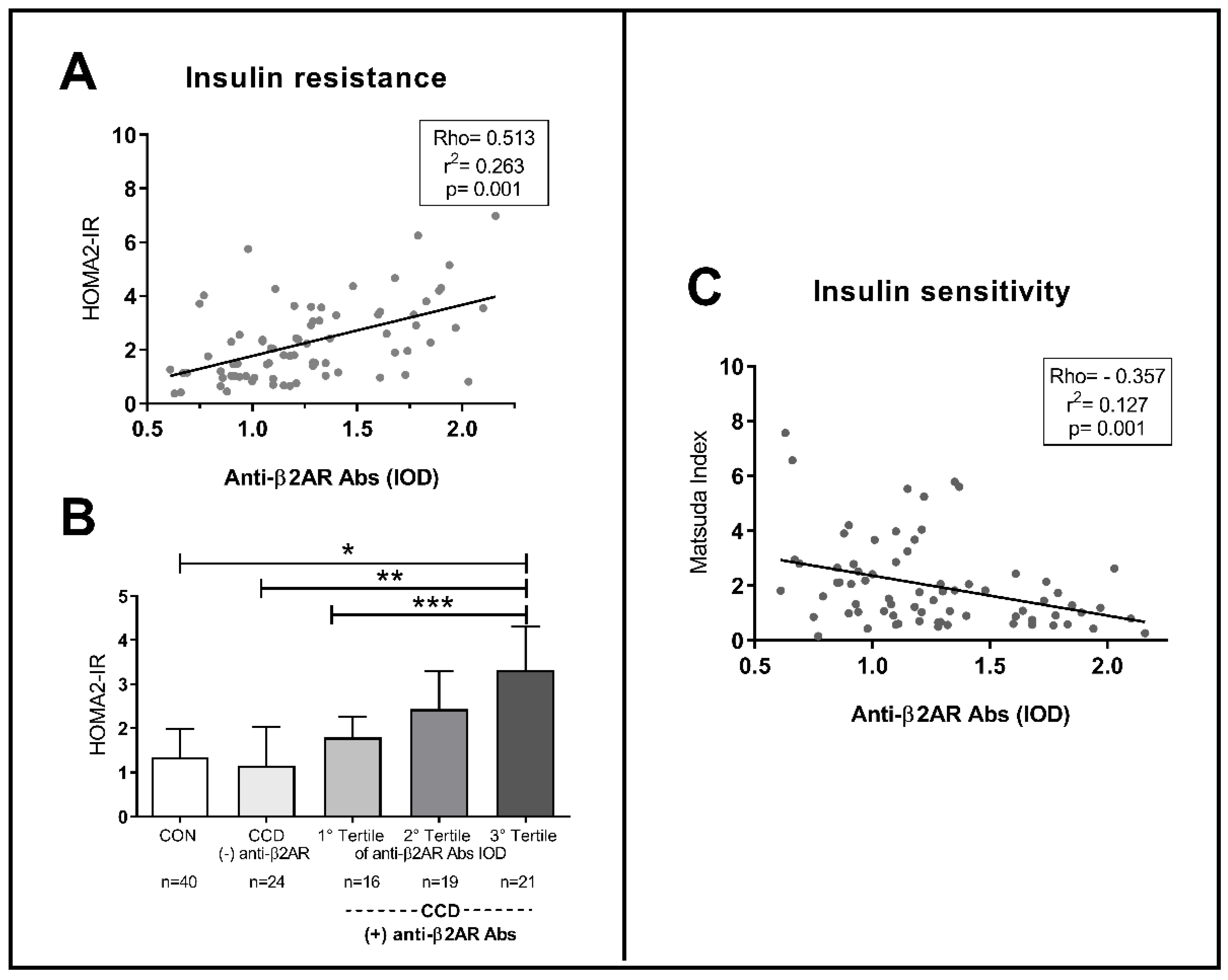
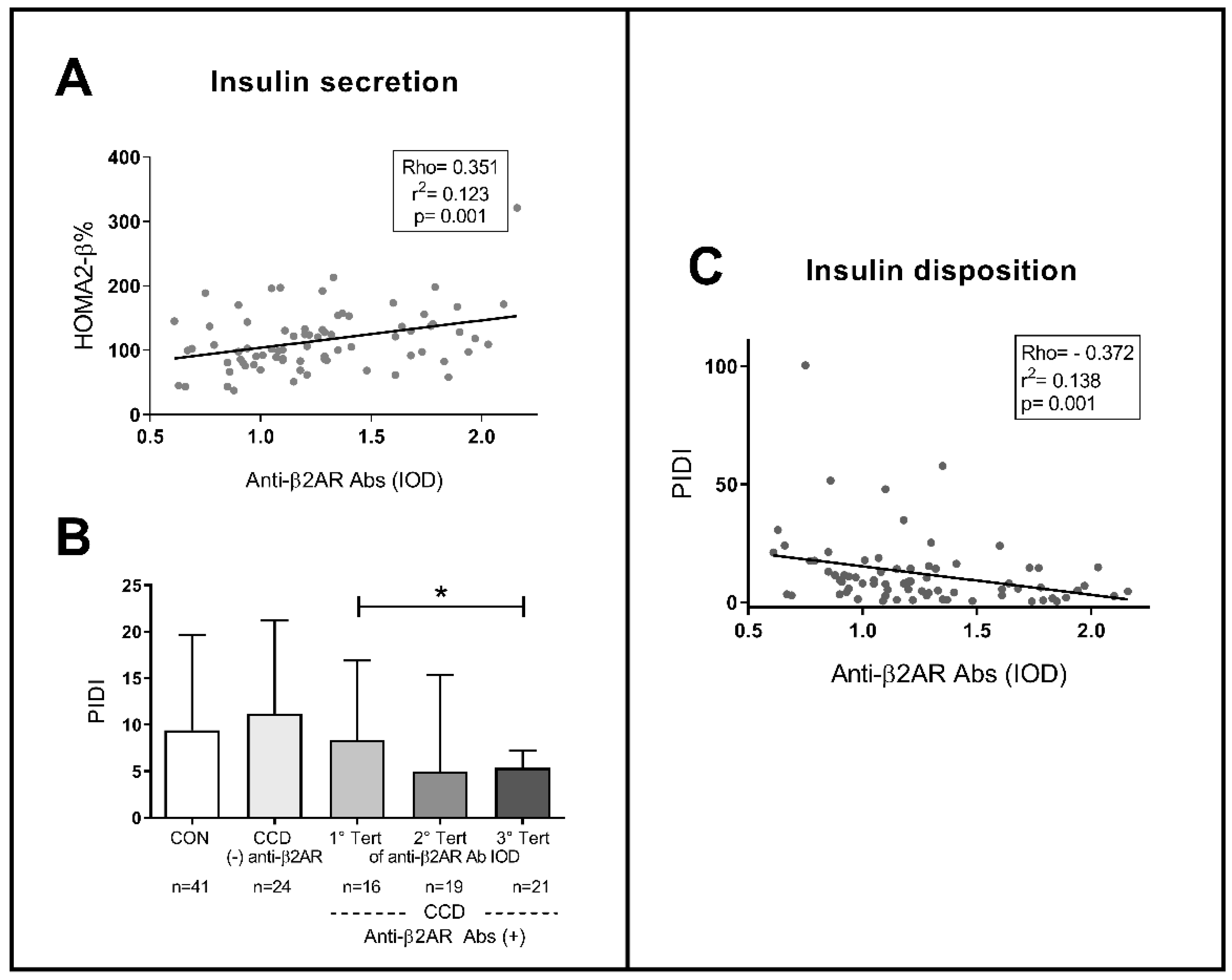
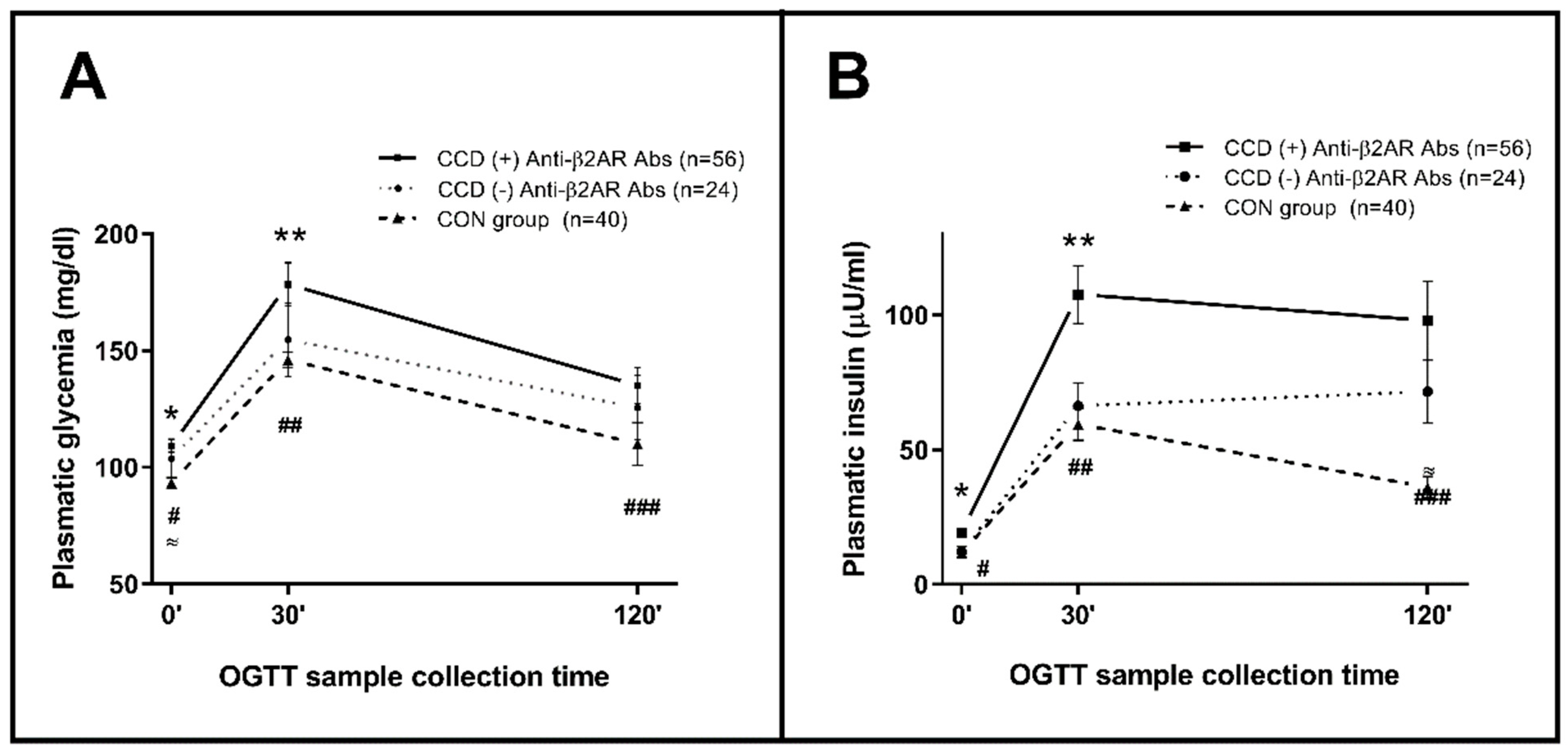
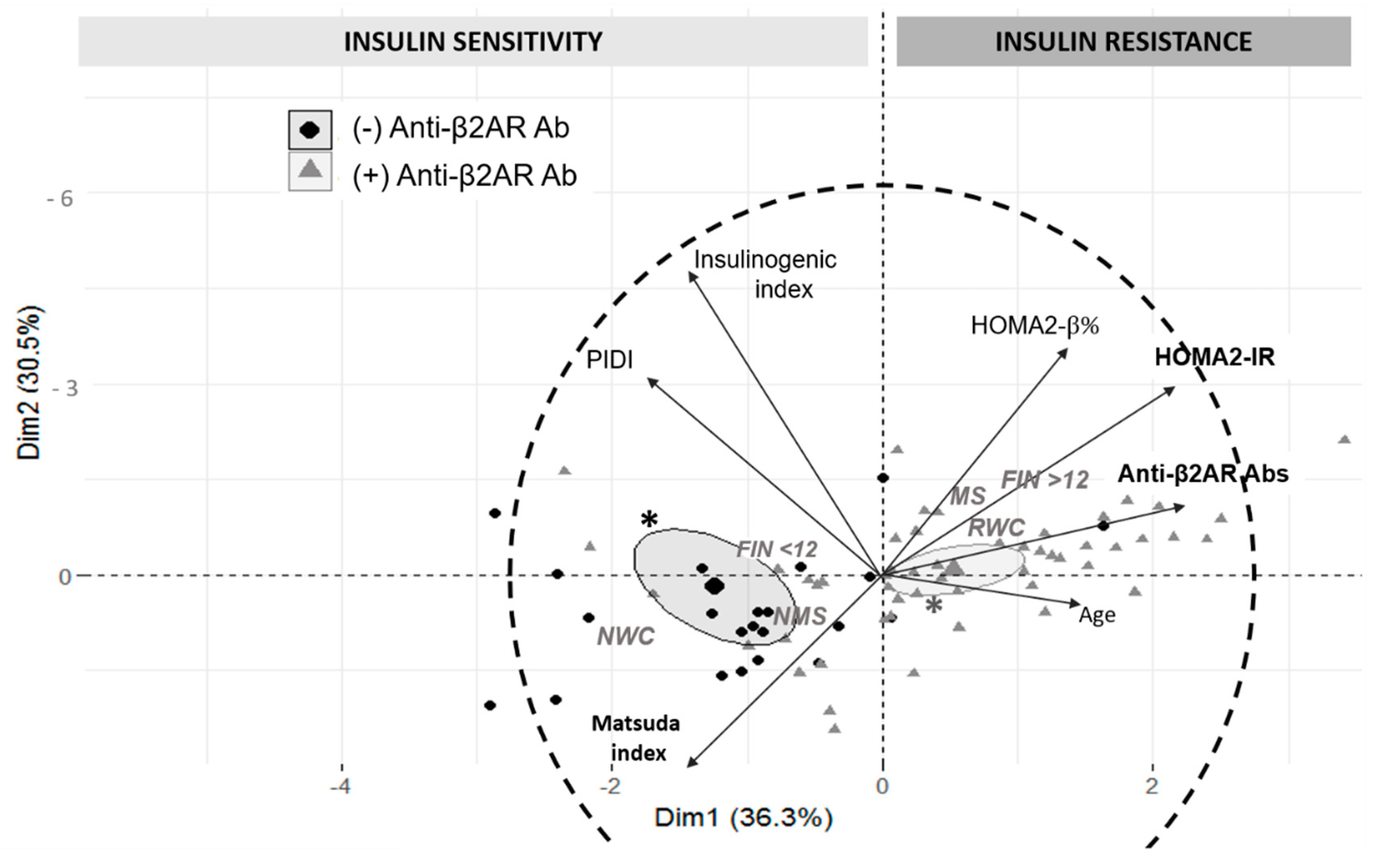
Potential activation of β2 adrenergic receptors (β2AR) by specific autoreactive antibodies (Abs) that arise during the host reaction to Trypanosoma cruzi, could contribute to the elevated prevalence of metabolic disturbances described in patients with chronic Chagas disease (CCD). This study aimed to determine the prevalence of anti-β2AR Abs in patients with CCD, as well as the correlation of these Abs with the presence of glucose and lipid metabolism disturbances, in order to explore their association with an insulin resistance profile. Additionally, we tested the functional effects of anti-β2AR Abs employing an in vitro bioassay with neuroendocrine cells expressing β2AR. A clinical and metabolic evaluation including an OGTT was performed in 80 CCD patients and 40 controls. Anti-β2AR Abs were measured by an in-house-developed ELISA, and the β2 adrenergic activity of affinity-purified IgG fractions from patient’ sera were assayed in CRE-Luc and POMCLuc transfected AtT-20 cells. A higher proportion of dysglycemia (72.5% vs. 37.5%; p = 0.001) was observed in the CCD group, accompanied by increased HOMA2-IR (p = 0.019), especially in subjects with Abs (+). Anti-β2AR Abs reactivity (7.01 (2.39–20.5); p = 0.0004) and age >50 years (3.83 (1.30–11.25); p = 0.014) resulted as relevant for IR prediction (AUC: 0.786). Concordantly, Abs (+) CCD patients showed elevated metabolic risk scores and an increased prevalence of atherogenic dyslipidemia (p = 0.040), as compared to Abs (−) patients and controls. On functional bioassays, Abs exerted specific and dose-dependent β2-agonist effects. Our findings suggest that anti-β2AR Abs may induce the activation of β2AR in other tissues besides the heart; furthermore, we show that in patients with CCD these Abs are associated with an insulin resistance profile and atherogenic dyslipidemia, providing biological plausibility to the hypothesis that adrenergic activation by anti-β2AR Abs could contribute to the pathogenesis of metabolic disturbances described in CCD patients, increasing their cardiovascular risk.
Keywords: adrenergic beta-2 receptor agonist; antibodies; chagas disease; insulin resistance; pituitary adrenocorticotropin-secreting cells; cyclic AMP adrenergic beta-2 receptor agonist; antibodies; chagas disease; insulin resistance; pituitary adrenocorticotropin-secreting cells; cyclic AMP
Graphical Abstract