1. Introduction
The Russian invasion of Ukraine in 2022 triggered one of the largest displacement crises in recent history, with an estimated 5.6 million refugees displaced globally and more than 5.1 million across Europe. In response, the UK launched the Homes for Ukraine Scheme just 18 days after the full-scale invasion began on 24 February 2022. Designed to provide accommodation through private sponsorship, the scheme represented a rapid and unprecedented humanitarian intervention. In its first year, 71% of Ukrainians in the UK were hosted by individuals they had never met before (
Kandiah 2023). By January 2025, approximately 254,000 Ukrainian refugees had arrived under the scheme. While widely regarded as a remarkably successful civilian-led humanitarian effort, its implementation inevitably raised safeguarding challenges for refugees as well as for the professionals supporting them.
According to the
Department for Levelling Up, Housing & Communities and Home Office (
2023), the number of formally identified safeguarding concerns has been relatively low, though the quality and completeness of available data remain limited. The report noted that fewer than 1% of Ukrainian households were rematched due to safeguarding issues, yet local authorities are not required to report every case, thereby restricting the accuracy of national figures. Expert panels assessing risks, such as modern slavery, characterised them as moderate to low, though panels focusing on adult and child harm emphasised significant data gaps and highlighted the urgent need to strengthen safeguarding data collection and monitoring.
Concerns regarding exploitation have also been documented in broader analyses of the UK’s response to displaced Ukrainians.
Cockbain and Sidebottom (
2025), drawing on an international roundtable co-organised with the UK’s Independent Anti-Slavery Commissioner, argue that risks of trafficking and exploitation linked to the war are both real and often intensified by pre-existing vulnerabilities within destination countries. Participants stressed that risk is dynamic and shaped by personal, situational and structural factors, extending beyond sexual exploitation or organised criminality to include opportunistic abuses arising from acute power imbalances between refugees and hosts (Ibid.). Importantly, the UK’s overall response was viewed as inconsistent, under-resourced and insufficiently safeguarded, with some aspects potentially increasing rather than mitigating risks of exploitation (
Cockbain and Sidebottom 2025). At the local level, further systemic challenges were identified by
Vicol and Sehic (
2023). The authors evaluated London councils’ response to the crisis to highlight issues including unreliable data validation, weak coordination between central and local government, and funding disparities between visa schemes.
Sehic and Vicol (
2025) conclude that a long-term integration strategy, accompanied by urgent action to address the severe shortage of affordable housing, is essential to strengthening future refugee support.
Against this background, this article critically explores the experiences and perspectives of professionals working within the Homes for Ukraine Scheme, with particular attention to safeguarding concerns, systemic gaps and the emotional and practical impacts on those delivering support. By doing so, this article aims to understand the following questions: What were professionals’ attitudes around and experiences of operational concerns within the Homes for Ukraine scheme? How were these operational concerns addressed within the Homes for Ukraine scheme? What impact did these experiences have on professionals working within the Homes for Ukraine scheme? Drawing on data from an online survey with practitioners conducted in Spring 2025, we examine how safeguarding issues were managed, the specific vulnerabilities encountered, and the extent to which professionals felt equipped to support individuals affected by war-related trauma. It is important to note that the scheme is highly valued by refugees, many of whom express profound gratitude for the support they have received. The criticisms presented in this article are therefore intended to inform improvements, rather than to undermine the significant achievements of the programme.
Ukrainian refugee housing schemes across Europe
The 2022 rapid commencement and advancement of Russia’s war of aggression in Ukraine led to over 5 million refugees displaced in Europe alone (
UNHCR 2023). This mass migration saw many European countries, hastily develop sponsorship and housing schemes tailored for the influx of those fleeing the conflict. Evidence suggests that many of these schemes were ad hoc and lacked cohesion across Europe (
Haase et al. 2024). On this basis, many of the schemes varied in structure and policies, as well as pathways to self-sufficient living whilst displaced. Most of these schemes were situated within the 2022 European Union Temporary Protection Directive, which was activated to provide a legal framework for the reception, settlement, and support of Ukrainians without overwhelming existing asylum procedure and systems (
European Union: Council of the European Union 2022). It should be noted that whilst exceptional by virtue, in comparison to other migration crises, the trigger of the 2022 Temporary Protection Directive is the first in 20 years, with its predecessor being the 2001 Temporary Protection Directive for those fleeing the war in Yugoslavia (
European Union: Council of the European Union 2001). Comparatively, the 2001 Temporary Protection Directive was in the aftermath of the Yugoslavian conflict whereas the 2022 Temporary Protection Directive was instituted a month after the on-going conflict began, requiring swift State response within a continuous evolving environment. Another unique characteristic of the Ukrainian refugee crisis is the demographic profile of most individuals forced to migrate. The influx largely consisted of women and children unaccompanied by male family members, noted as ‘feminised forced migration’ (
Andrews et al. 2023) Given mandatory conscription status of Ukrainian men from the age of 18 to 60 was placed into effect the same day as the full-scale invasion began, women, children, and the elderly were the most common types of migrants. This often led to migrants separating from family and support networks when fleeing (
Duszczyk et al. 2023;
Boman 2023).
Given the complex circumstances surrounding the conflict and subsequent mass migration, significant variations in policies and procedures to support these Ukrainians emerged across European states (
Eurofound 2024;
Mickelsson 2025;
European Commission 2026). Prior to the 2022 Directive, countries bordering Ukraine, such as Moldova, Romania, and Poland began receiving thousands of migrants from Ukraine in the days following the Russian full-scale invasion. This near instantaneous reception resulted in improvisation of policy and procedure, which presented its own unique challenges as will be discussed below. For example, in the first three days following the full-scale invasion, it is estimated that 115,000 Ukrainians crossed the border into Poland (
Korzeniewski et al. 2024). Similarly, an estimated 110,000 Ukrainians crossed over the Romanian border and over 70,000 crossed into Moldova the week following the full-scale invasion (
UNHCR 2022). Estimating the true extent of these neighbouring border movements is complicated by the role of these countries as intermediary transit routes to Western European destinations (
Panzaru and Harding 2025). Nonetheless, harrowing scenes captured from these border crossings illustrated the significant role of local authorities, civil society and, in more unprecedented fashion, the average citizen in humanitarian response, with many of these being the first point of contact for basic necessities before formal, national initiatives could be developed (
Rankin 2022;
BBC News 2022). Whilst support varied in the early stages of the conflict for these neighbouring countries, the necessity of these grassroots initiatives cannot be understated, and their efforts undoubtedly anchored their formal, national response.
In the months following, Poland, Romania, and Moldova adopted distinct, national housing strategies for Ukrainian refugees. As Poland hosted the second largest influx of Ukrainian refugees, the implementation of a multi-tiered housing system was a necessity (
Bloch and Szmyt 2025). In the short-term, traditional communal area such as sports halls and reception points were utilised to create make-shift, collective accommodation centres, with the purpose of such to be temporarily utilised. Moving on from these accommodation centres, subsidized private hosting arrangements were allotted under the premise of specialised assistance for individuals willing to host (Ibid.). These individuals were often every day Polish citizens with spare rooms or housing. In contrast, Romania relied heavily on collective accommodation centres coordinated by the Department for Emergency Situations, supplemented by a coordinated NGO-led emergency response group which provided rental support schemes (
Damian et al. 2023). Moldova, with limited resources and hosting refugees equivalent to over 15% of its population, prioritized community-based hosting and temporary shelters, mostly supported by regional and international NGOs (
Khan 2025).
Farther West, geographical distance allowed countries such as Germany, France, and Belgium a few weeks before mass waves of Ukrainian migration ensued. Upon the application of 2022 Temporary Protection Directive, Germany France, and Belgium had their own distinct approaches to supporting Ukrainian refugees. The German response was notable in its implementation of the 2022 Directive by providing immediate legal residency, access to welfare supports, and employment market entry to an estimated 1.2 million refugees in 2022 alone, signifying its place as one of the European countries to receive the most Ukrainian refugees (
UNHCR 2022). The streamline of services marked the German efficiency in immediate and proactive humanitarian response. Notably, the German approach to housing Ukrainian refugees relied on a geographical decentralised distribution model (
Wetzstein 2023). Within the first weeks after the war began, Ukrainian refugees in Germany had the autonomy to select their place of residence without limitation, but in the months following, Ukrainian refugees whom claimed state-provided welfare support were distributed regionally across Germany for smoother integration into pre-conflict legislation related to asylum and to prevent exasperating the housing market in urban areas struggling to meet the need of the market before the war began (
Haase et al. 2024;
Brücker et al. 2023). As seen previously, private-civilian hosting of Ukrainian refugees also became central to the German decentralised distribution model and was often favoured by Ukrainians as it allowed for greater autonomy in resettlement and connectivity with pre-existing social networks (Ibid.,
Kosyakova et al. 2025). By contrast, France’s housing response was comparatively less coordinated, despite accommodating a substantially smaller number of refugees, estimated at fewer than 115,000 (
UNHCR 2022). The incongruence in the French response is cited as a direct reflection of pre-existing structural and administrative barriers and housing shortages (
Blagojević 2025;
Gorbach et al. 2025; See more generally,
Dominguez et al. 2021). Despite the limited capacity to scale housing initiatives for Ukrainian refugees, private-civilian hosting also became central to the French approach, often cited as the preferred means of accommodation by Ukrainian refugees due the barriers in accessing public housing (
Gorbach et al. 2025) Following in between these contrasting approaches, Belgium, akin to the German response, transposed proactive implementation of the 2022 Directive and sought the development of emergency villages alongside Ukrainian-specific reception centres (
Yilmaz and Coban 2022). However, integration and smooth transitions from these villages and centres into private housing were limited due to policy gaps and fragmented regional governance, comparable to some of the issues noted in the French approach (
Beeckmans and Geldof 2024; See more generally,
Geldof and Beeckmans 2021). Yet again, Belgium’s initiatives promoting private hosting for displaced Ukrainians emerged as a preferred accommodation strategy among refugees, while simultaneously alleviating pressure on the national housing infrastructure and reducing policy-related burdens associated with their reception (
Politi et al. 2025;
Berlinschi et al. 2025).
Across Europe, housing responses for Ukrainian refugees were shaped by both state-specific considerations and broader regional trends. Local authorities and civil society actors played a central role in these efforts, complemented by private hosting initiatives in which individuals offered spare rooms or accommodation to displaced Ukrainians. However, the unprecedented scale of displacement necessitated the rapid implementation of housing solutions, often without sufficient evidence or strategic planning to address mid- and long-term challenges such as safeguarding and integration. These challenges are particularly pronounced within private hosting arrangements.
Although literature on the safeguarding implications of this approach remains limited, emerging evidence indicates that the absence of robust vetting mechanisms, follow-up procedures, and clear guidelines regarding host responsibilities has introduced significant protection risks for refugees. The relationship between ‘host’ and ‘housed’ inherently involves a power imbalance, which, while sometimes resulting in minor discomfort, can escalate to serious instances of abuse or exploitation. Furthermore, given the ongoing and unpredictable nature of Russia’s full-scale invasion of Ukraine, some hosts were unprepared for the duration of stays or the evolving needs of refugees, creating vulnerabilities that may lead to housing instability or abrupt homelessness.
Homes for Ukraine scheme
In the United Kingdom, the Homes for Ukraine scheme, which allowed non-related hosts to house Ukrainian refugees in their own home or other accommodation, became a notable example of these private-housing, sponsorship schemes Outside of usual asylum law and procedure for other vulnerable groups, the Homes for Ukraine scheme consisted of visa-based, private hosting scheme for at least 6 months. The Homes for Ukraine scheme was accompanied by sister-schemes which aimed to provide the right to stay in the UK for an initial three-year period (later, a possibility for extension up to a further 18 months was announced;
Quinn and Syal 2024). However, only Homes for Ukraine offers financial support to Ukrainians via a one-off arrival payment, their hosts through monthly support payments, and funding for local authorities through a tariff for each new arrival in their area, thus creating inequalities among and between Ukrainians who were fleeing the conflict and arriving in the UK in the same period (see
Turcatti 2024, p. 2;
Vicol and Sehic 2023, p. 3). Homes for Ukraine operates on the premise of a pre-arrival match between Ukrainians, usually referred to as guests, and hosts in the UK as a prerequisite for starting the visa application process. To facilitate this process, various matching services were set up both by established third sector organisations as well as new providers and private actors, but crucially not by the government (the government only provides a list of recognised providers), which thereby displaced the associated risks entirely onto individual hosts and guests (see also
Burrell 2024, pp. 10–11). Local authorities were tasked with carrying out accommodation checks prior to the arrival of Ukrainian guests and welfare checks after their arrival (there were issues reported with these especially during the early phase of the scheme), as well as leading the process of rematching in case of a breakdown of hosting arrangements or when hosting arrangements cannot be extended beyond six months and Ukrainians cannot move into rented accommodation. Once they have arrived in the UK, Ukrainians are allowed immediate access to the labour market, education, healthcare, and the social benefits system (
Casu et al. 2025).
Akin to the identified challenges across Europe, the British Association of Social Workers were one of the first national groups to raise the alarm on potential and on-going safeguarding issues within the Homes for Ukraine scheme’s infrastructure in the United Kingdom (
British Association of Social Workers 2023). Issues such as a lack of a centrally coordinated matching mechanism for host and individual/family to be matched through, resulted in informal matching primarily developed over social media. This of which, the BASW says ‘has brought concerns about safety, suitability and viability of placements’ (
British Association of Social Workers 2023). In continuation, assessments of host placements were assessed by non-social workers with little to no public information on the assessors’ background and suitability to understand and raise potential safeguarding issues. Alongside this, hosts were required to undergo mandatory DBS check with an advanced check needed if children or adults at risk were to be housed with them. Conversely, BASW has noted delays in DBS checks and, in some instances, DBS checks being uncompleted by the arrival of the individual/family.
Tomlinson et al. (
2023) conducted a qualitative study interviewing 46 hosts who volunteered to offer homes under the scheme and notes that some hosts initially assumed that government bodies would assist with matching refugees to households, but this support did not materialise, leading most to find guests through social media or charitable organisations. Many hosts also reported helping, or entirely completing, visa applications on behalf of their guests, and expressed frustration with visa delays and the lack of clear updates from authorities, at times seeking help from MPs, with variable outcomes. Concerns were raised about the lack of a formalised matching system, particularly the risks of exploitation created by informal arrangements (Ibid.). In
Tomlinson et al. (
2023) study several participants argued that the government should have taken greater responsibility by introducing stronger safeguards.
These notable safeguarding issues raise significant concern not only for the Home for Ukraine scheme and the safety of the refugee/s and hosts, but also for the well-being of social workers and third sector case workers on the ground attempting to identify and address the issues first-hand. Recent literature suggests that professionals working on traumatic or sensitive subject matter relay negative well-being impacts to inefficient or unstainable administration and/or procedures (
Redmond et al. 2024;
Lin et al. 2025).
In sum, both European and U.K. literature on these housing schemes highlight the unprecedented roll out of housing arrangements for Ukrainian refugees that was delivered through variations in collective mobilisation via the government, the third sector, and individual citizens. Often the latter two proved to be the most vital to the viability of these schemes, despite institutional and environmental barriers. Many of these countries, including the United Kingdom, observed that the rapid implementation and unknown longevity of these housing schemes could and have created safeguarding concerns and significant stress on frontline professionals.
Yet there has been very little research devoted to documenting specific types of safeguarding issues within the context of the United Kingdom. Furthermore, national literature to date examining the effects on professionals’ well-being when identifying and addressing these specific safeguarding issues within the scheme is non-existent. Thus, this research aimed to deliver a survey tailored for professionals who are currently working with, or have worked with, individuals within the Homes for Ukraine scheme to investigate their attitudes and experiences around the operationalisation of the scheme and how this affected specific safeguarding issues or concerns, as well as the well-being of frontline professionals.
Application of Contact Theory
Despite the challenges posed across Europe and, specifically, the Homes for Ukraine scheme, research supports the utilisation of private hosting initiatives for refugees more broadly. However, it is pertinent to note that these private housing initiatives are not common within other groups of refugees. In the United Kingdom, neo-liberal trends in the application of housing for refugees more broadly often result in inadequate living arrangements which negatively impact the mental health of the group, as well as inhibit and exacerbate social isolation (
Brown et al. 2024;
Kreichauf 2018). In combination, this leads to in-group discrimination of refugee and asylum seekers (
The Lancet 2015; See more generally
Hauge et al. 2017) Whilst it has been argued that Ukrainian refugees have been accepted into society and have been provided with more adequate housing than other refugee counterparts based on their race and geographical associations with Europe (
Balogun 2025;
Astolfo and Allsopp 2025), much is to be learned on how private hosting of Ukrainian refugees could be modelled with other refugee or asylum seeker groups to root out anti-migrant sentiment, which allows for access to and further social integration and cohesion.
Bassoli and Luccioni (
2024) determine that private hosting of refugees can be framed through contact theory which states that prejudice can be limited when positive interactions between members of different groups and communities take place (
Allport 1954). In principle, the implementation of contact theory can take distorted narratives around what and who a refugee is and transform them through negating certain stereotypes or predispositions by identifying likeness and empathy amongst ingroups, citizens, and outgroups, refugee and migrant communities (Ibid.) However, this engagement requires proximity and certain environmental requirements to be established, which elicits a reenvisioning of contact theory within the context of private housing initiatives for refugees. This reenvisioning within private housing initiatives for Ukrainian refugees, begin with an assessment of the benefits and parameters of hospitality and collective action (See
Bassoli and Luccioni 2024). Whilst most literature on the benefits of hospitality focus on commercial settings (
Altinay and Taheri 2019;
Altinay et al. 2023), the notion of hospitality within individual or community-based humanitarian response adds additional dimensions (
Boudou 2019;
Luccioni 2023). In the context of refugee reception, hospitableness has been shown to promote social inclusion and reduce feelings of isolation, as well as fostering new levels of empathy (
Knappert et al. 2021;
Pettigrew et al. 2008). Furthermore, research on refugee sponsorship and hosting highlights how these experiences can be transformative and rewarding for both hosts and refugee (
Macklin et al. 2020;
Ali et al. 2022), suggesting that hospitableness plays a role in deepening perspective-taking and emotional connection.
However, before the reshaping of ingroup attitudes and feelings can occur, the parameters of hospitality and even more poignantly, who can offer hospitality to the vulnerable deserves attention. This involves understanding where challenges have occurred within existing schemes. Thus, to realize the full potential of contact theory within individual hosting schemes, it is essential to critically examine the limitations of existing schemes. While hospitableness offers opportunities for meaningful interaction that can foster empathy and reduce prejudice, these outcomes are not guaranteed and can often become futile if systems and infrastructure are not prepared and maintained. The European programs mentioned often faced structural and operational challenges, including safeguarding concerns for both refugees and hosts, inconsistent support mechanisms for all parties involved, and unclear accountability frameworks. Such shortcomings can undermine trust, compromise safety, and ultimately weaken the transformative promise of individual or community-based initiatives.
By identifying where existing models fall short, policymakers and practitioners can streamline processes, strengthen oversight, and ensure that hospitable engagement occurs in environments that protect all parties involved. This approach will enable contact theory to function as intended: fostering positive attitudes, empathy, and social cohesion through safe and structured interaction. The effectiveness of contact theory depends not only on promoting hospitableness but also on embedding robust safeguards and learning from past failures within individual and community-based humanitarian response. Doing so can transform hosting initiatives from ad hoc responses into resilient schemes capable of supporting refugee integration in the short and long term, while maintaining community trust and well-being. Thus, this research endeavours to investigate this phenomenon through the lens of professionals working on the frontlines of the Homes for Ukraine scheme in the United Kingdom. To maintain the integrity of this research, it is pertinent to note that identifying these challenges are not to place blame or demean the scheme as it has served its purpose to provide safety to those fleeing conflict, rather it is to highlight how future schemes that involve private hosting initiatives can be aware of the challenges identified to amplify emergency preparedness amongst State, community, and individual-based initiatives.
2. Materials and Methods
To best understand how operational concerns were identified, addressed, and what impact these experiences had on professionals within the Homes for Ukraine scheme, this study utilised an online convergent-parallel survey design (
Edmonds and Kennedy 2017). Hosting the survey online was deemed most appropriate given the geographical dispersal of professionals across the United Kingdom. Consultation with third-sector safeguarding organisations confirmed that other methods such as focus groups or interviews would likely involve excessive time commitments, which would potentially reduce participation and limit the breadth of perspectives obtained.
This study was guided by the following research questions: what were professionals’ attitudes around and experiences of operational concerns within the Homes for Ukraine scheme? How were these operational concerns addressed within the Homes for Ukraine scheme? What impact did these experiences have on professionals working within the Homes for Ukraine scheme? A convergent parallel mixed-methods design was chosen to integrate quantitative indicators (confidence, satisfaction, agreement, perceived risk) with qualitative accounts that allowed participants to elaborate on lived experience. This design aligned with the exploratory nature of the research and the current absence of empirical literature on safeguarding within humanitarian sponsorship schemes in the UK. Both quantitative and qualitative data collections were integrated into 3 distinct sections of the survey which included perceptions and attitudes towards the development and implementation of the scheme, safeguarding experiences, and the collective impact of these perspectives and experiences on professionals’ well-being. The design of the online survey was then presented to members of a reputable civil society organisation with reach across the United Kingdom regarding safeguarding of vulnerable children and individuals, as well as supporting professionals engaged in safeguarding roles. This consultation reaffirmed the structure of the survey and provided real-world insights into how best to adapt the language of the survey to best engage with professionals.
Recruitment of professionals was facilitated through a two-tiered approach. The first tier saw the survey being distributed amongst established networks of organisations and institutions focused on safeguarding vulnerable children and individuals. This allowed for a wider distribution of the survey with many of these networks including the survey within their regular communication outputs to network members. Second, tailored messaging to 125 local authorities and third sector organisations supporting refugees and migrants across the United Kingdom was employed to garner further participation of front-line professionals implementing and upholding the scheme. Both approaches garnered responses; however, the application of individualised messaging necessitated interpersonal communication with front-line professionals, which significantly boosted engagement in completing the survey, which, in turn, improved their comfortability in referring their own local and region networks to completing the survey.
Although 141 individuals began the survey, participation was entirely voluntary, respondents were not required to answer every question. As a result, 55 responses were sufficiently complete to contribute to the full analysis. Thus, an average of 55 responses were considered during analysis given their status as complete or nearly complete. Of these, 31 responses were fully complete and 24 responses were nearly complete (≥85% item completion). The limited completion rate reflects the demanding schedules of frontline professionals. Researchers also note that the closing of the Homes for Ukraine scheme took place 3 months prior to the deployment of the survey, which could have limited interest in engaging with the survey given the professionals other duties. The researchers have also considered the placement of geographical questions at the beginning of the survey could have made respondents hesitant to continue in fear of being identified despite the anonymity of the survey. Furthermore, the potential political interpretation of findings could have made participants hesitant to participate. Nonetheless, this is considered a reasonable sample size given the specialty of professionals targeted, as well as the regional and demographic representation. Two online workshops were held in July 2025 with around 20 professionals to discuss the preliminary findings and the limitations around uptake of the survey. These professionals were invited via networks established through the initial two-tiered dissemination approach. The 20 professionals represented a wide geographical dispersal. During these workshops, these professionals reaffirmed the preliminary findings of this study and noted that the low uptake reflects similar trends around academic inquiry with local authorities.
Descriptive statistics were prescribed to the quantitative findings of the survey to summarise the Likert-scale responses and identify broad trends in attitudes, confidence levels, and perceived organisational effectiveness (
Cooksey 2020). Thematic analysis was applied to the qualitative responses to enable theme-based groupings in free text responses (
Braun and Clarke 2024). Coding was completely manually by two of the authors who underwent open and axial coding approaches (See
Williams and Moser 2019). Cross checks of themes were then discussed amongst the three authors, applying the final selective coding approach to the results below (Ibid.).
Several limitations should be acknowledged within this study such as the low completion rate per dissemination average, sampling bias due to the voluntary nature of the survey, and the average 15–20-min survey length which could have contributed to the former limitations. All of these limitations will be considered in future studies targeting frontline professionals that worked within the Homes for Ukraine scheme.
3. Results
Demographics of professionals working within the Homes for Ukraine scheme
As disclosure of the location of respondent’s workplace was voluntary, the data may be subject to self-selection bias, with respondents from regions with stronger institutional transparency or support networks more likely to report their affiliation with the study.
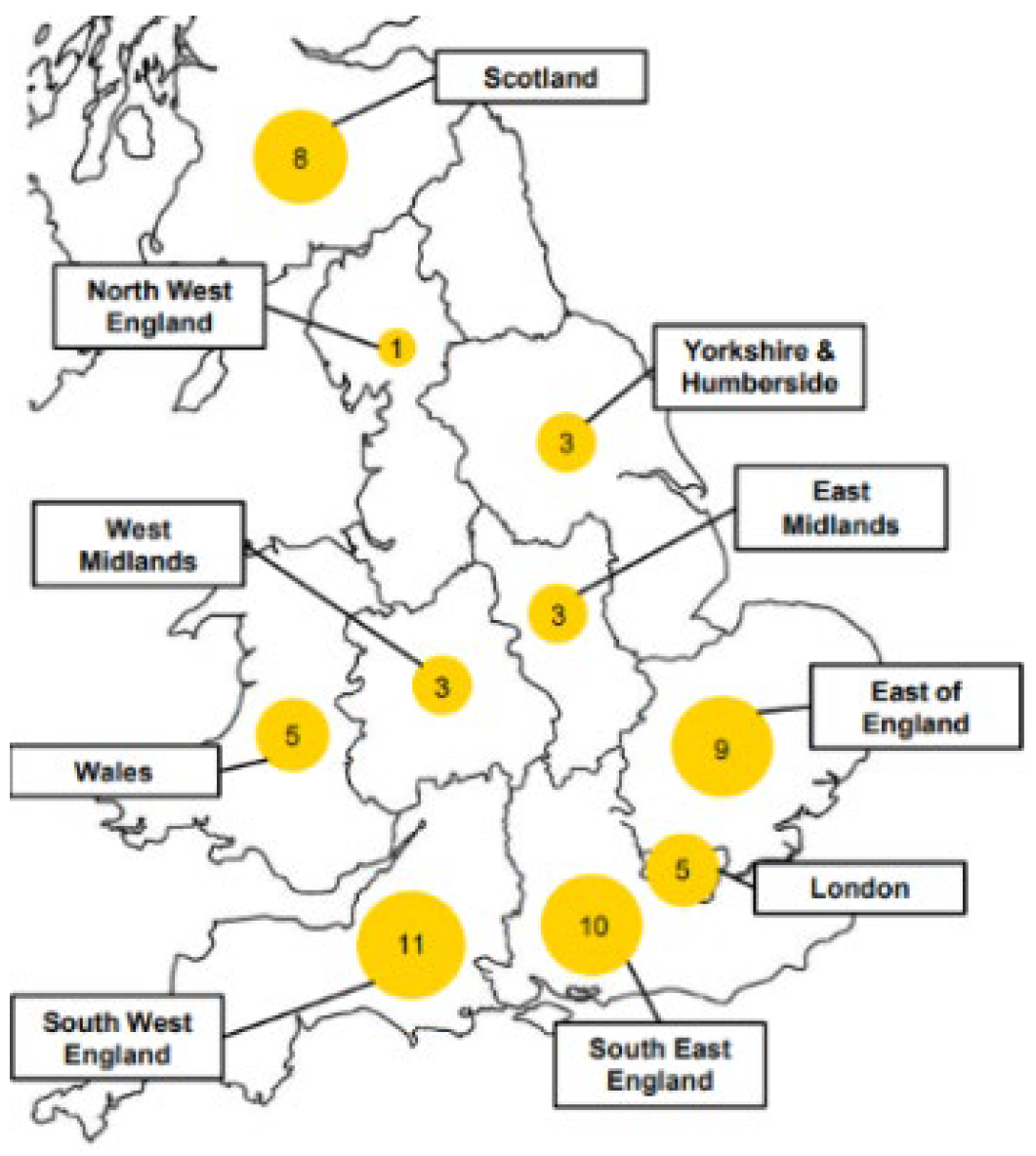
Figure A1 indicates a higher representation was recorded in South West England (11), South East England (10), East of England (9), and Scotland (8). Medium to lower representation was recorded in Wales (5), and London (5). West Midlands (5), East Midlands (n = 3), Yorkshire and Humberside (3), and North West England (1). These patterns may reflect underlying differences in local authority involvement in the Homes for Ukraine Scheme, regional population density, or organizational willingness to participate in research. However, the uneven distribution introduces limitations regarding the generalizability of findings. Regions with minimal representation, such as North West England, may not adequately capture local safeguarding practices or challenges, while areas with higher participation could disproportionately influence thematic trends
Professionals’ attitudes and experiences working within the Homes for Ukraine scheme
The data presented in
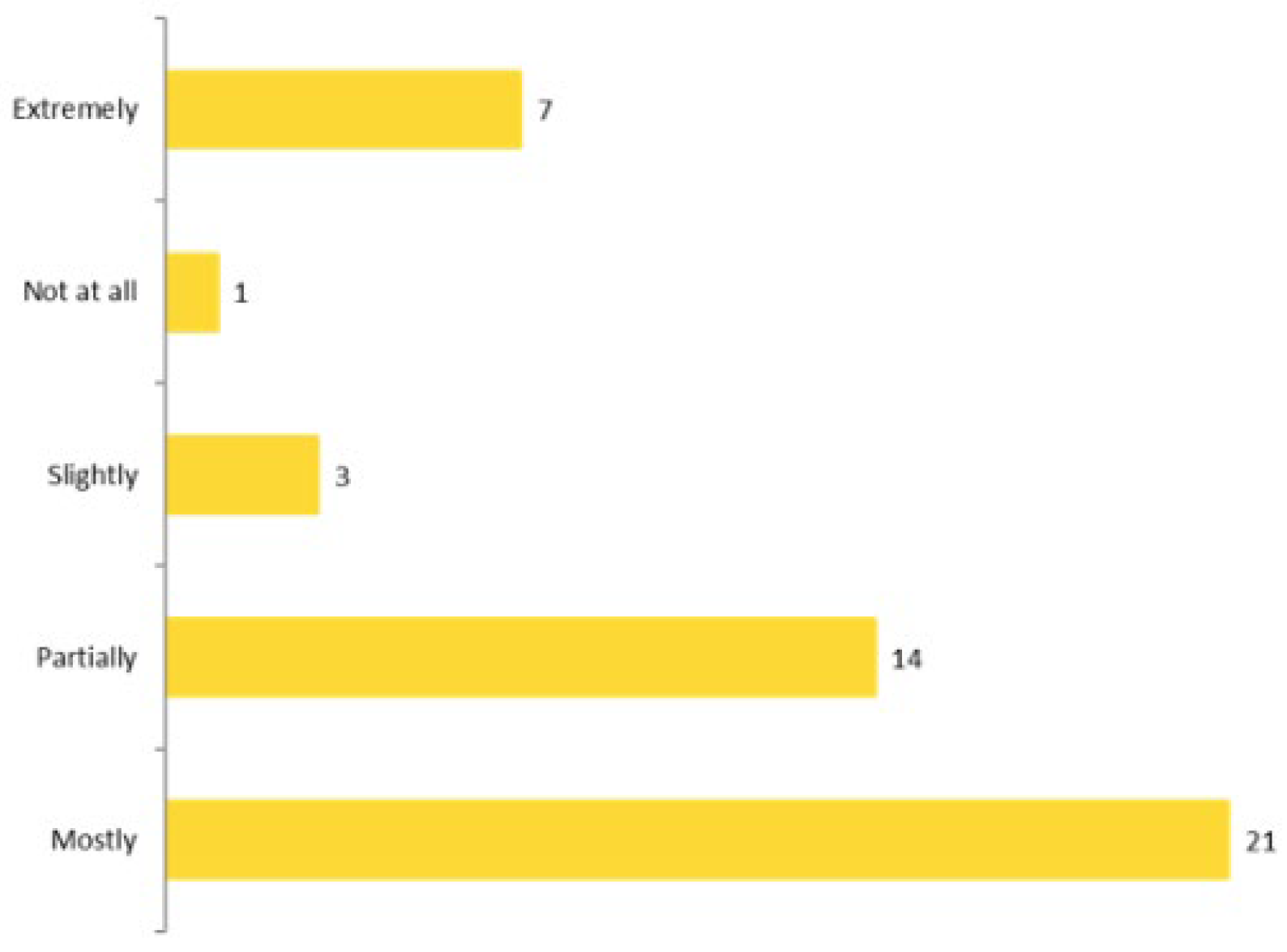
Figure A2 indicates that professionals generally perceived the Homes for Ukraine scheme as largely fit for purpose, though with notable reservations. A majority of respondents rated the scheme as
Mostly fit for purpose (21 responses), followed by
Partially (14 responses), suggesting that while the scheme was broadly functional, significant limitations were acknowledged. A smaller proportion considered it
Extremely fit for purpose (7 responses), whereas only a few rated it
Slightly (3 responses) or ‘Not at all’ (1 response). These findings suggest that, although the scheme was viewed positively overall, concerns regarding its comprehensiveness and sustainability persisted among professionals.
These findings were echoed in the thematic analysis of participants’ qualitative responses regarding the perceived fitness of the Homes for Ukraine Scheme, revealing three overarching themes. First, some respondents reported overall satisfaction with the scheme, emphasizing its effectiveness in meeting immediate needs and highlighting the strong sense of welcome conveyed at both national and community levels. Second, a substantial proportion supported the scheme conceptually but acknowledged notable shortcomings in its implementation, particularly concerning safeguarding and resource allocation. Finally, a third theme reflected discontent with the medium-term implications of the scheme’s rapid rollout, emphasizing concerns about sustainability, oversight, and the adequacy of long-term support mechanisms.
The first theme, highlighted by excerpts below, indicated professional’s strong sense of both national and community pride in the schemes ability to provide support to those in need, in tandem with the generosity of every-day individuals who were empowered to actively engage in the delivery of such support.
“The Homes for Ukraine scheme was wonderful in the sense of the massive amount of support there was available for them. From attending schools, having the right to work, getting benefits when they first arrived, access to housing, sponsors or temporary accommodation, plus also support from the mainstream media and most people.”
“The kindness of sponsors has been the biggest benefit to this, and it has shown incredible generosity people have within them.”
The second theme underscores that, while professionals expressed general satisfaction with the scheme, they simultaneously raised concerns regarding its structural sustainability. These apprehensions were frequently articulated through dissatisfaction with national-level communication with, guidance frameworks, and support provided to local and regional authorities as seen in the excerpts below.
“Overall, it’s been a highly successful scheme however when policy changes have come in or difficult/unique situations, answers have been unclear, and local authorities can at times be in positions where we are making decisions without guidance.”
“I think the values of the scheme to help people fleeing conflict was right and I can see the benefits. We managed our response with early help intervention and in the main has been successful. The longer the conflict has gone on, though, it has had a serious impact on housing in our area and hosts are unable to commit to such a long term initiative.”
The third theme highlights professionals’ concerns regarding the medium- and long-term challenges posed by the scheme. These concerns frequently centred on its anticipated longevity and the perceived lack of consultation by national government in policy development, despite professionals being responsible for its eventual implementation.
“Policies and procedures were often publicised before being issued to the relevant people dealing with the scheme. We had just to learn as things went along.”
“The government had not thought through any process in enough detail and left it to localities to manage with no extra resources to do so.”
These findings suggest that, while the Homes for Ukraine scheme was broadly regarded as fit for purpose, professionals’ evaluations reveal a nuanced perspective. The predominance of ‘Mostly’ and ‘Partially’ ratings indicates that the scheme was effective in meeting immediate objectives but fell short of delivering a fully comprehensive and sustainable framework. This mixed assessment aligns with qualitative insights, which highlight tensions between initial success and longer-term viability. Specifically, professionals acknowledged the scheme’s capacity to mobilize community support and provide urgent assistance, yet they simultaneously emphasized structural weaknesses, insufficient consultation, and resource constraints that undermine its resilience over time. Collectively, these results underscore the need for more robust policy design, clearer communication channels, and enhanced collaboration between national and local authorities to ensure sustainability and responsiveness in future humanitarian initiatives.
In tandem, variations between the scheme’s infrastructural ability to prevent safeguarding issues versus professionals’ ability respond to such highlights further the tension between national governance and local implementation of the scheme.
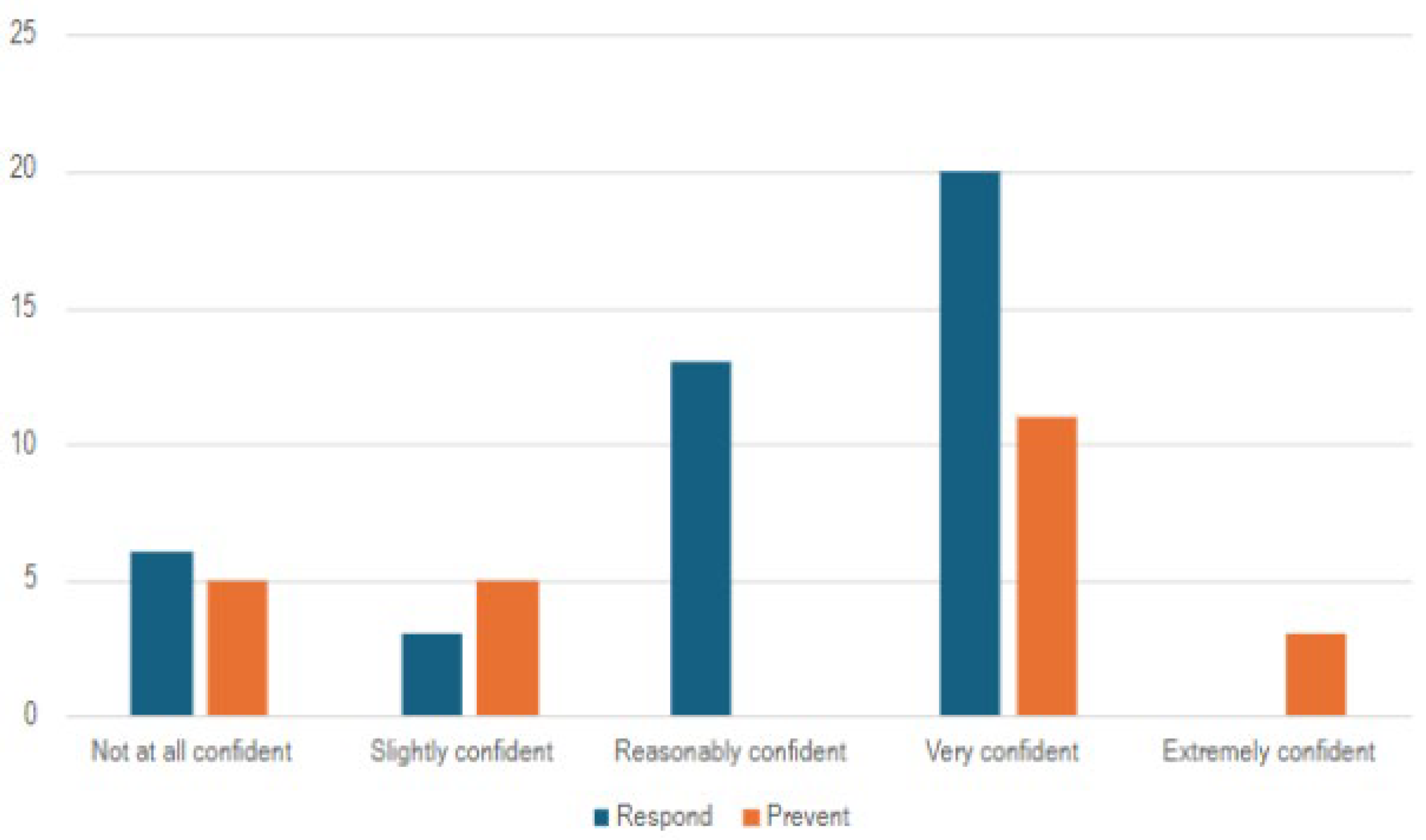
Figure A3 reveals this tension in detail. For response capability, confidence is notably higher, with the largest proportion of respondents reporting being
Very confident (approximately 20 responses) and a substantial number indicating
Reasonably confident (around 14 responses). In contrast, confidence in prevention is consistently lower across all categories, peaking at
Very confident (approximately 12 responses) and showing minimal representation in the
Extremely confident category (around 3 responses). Both dimensions exhibit similar low frequencies for
Not at all confident and
Slightly confident, though prevention slightly exceeds response in these lower confidence categories. Overall, these findings suggests that respondents feel significantly more capable of responding to issues than preventing them, highlighting a potential gap in the preventive infrastructure within the Homes for Ukraine scheme.
Themes in safeguarding concerns and issues in Homes for Ukraine scheme
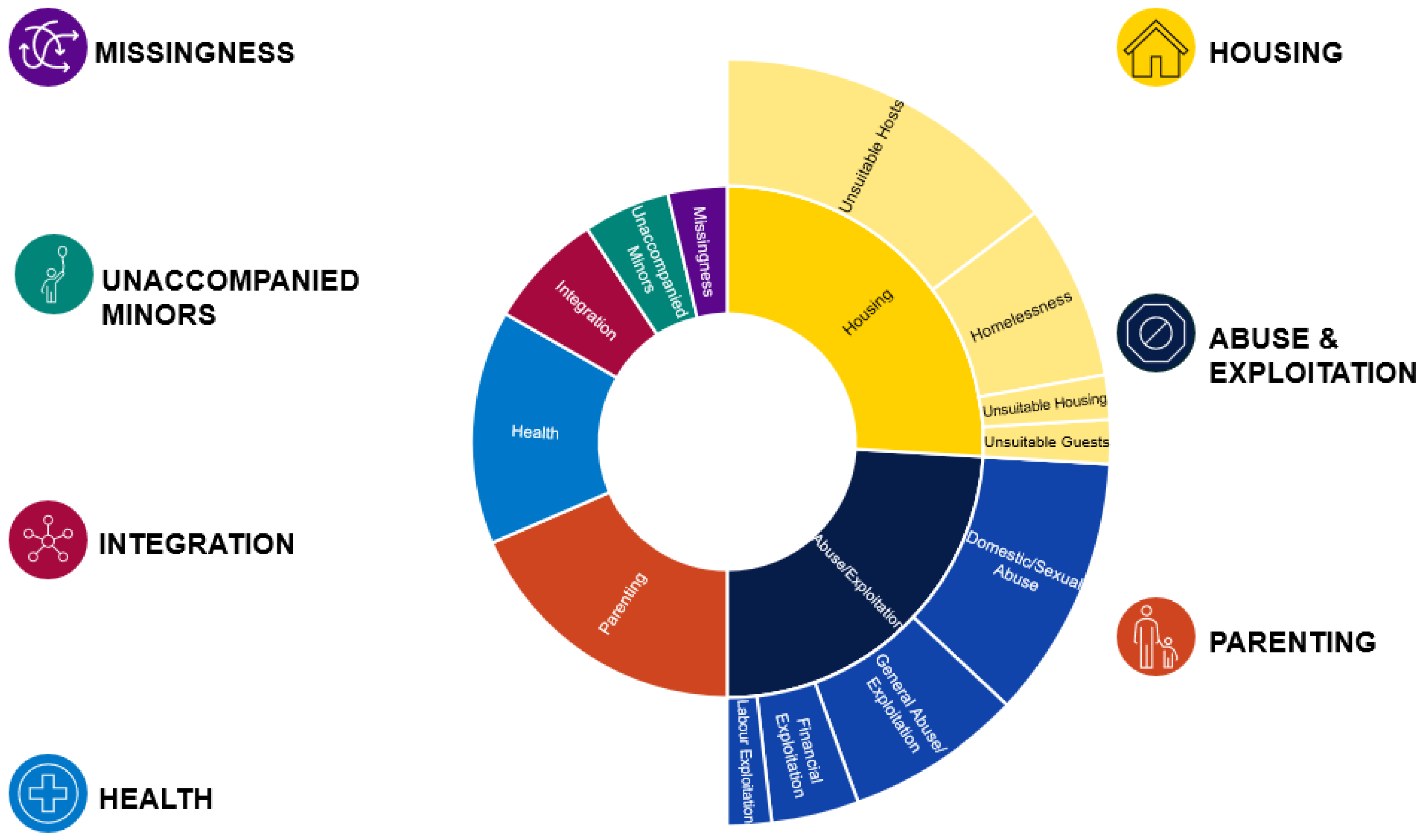
Figure A4 represents the distribution of safeguarding concerns identified within housing arrangements for Ukrainian refugees within the Homes for Ukraine scheme, categorized into six overarching domains: Housing, Abuse and Exploitation, Parenting, Health, Integration, Unaccompanied Minors, and Missingness. Each domain encompasses sub-themes that reflect the complexity and interrelated nature of risks encountered during the implementation of emergency housing schemes.
Housing-related concerns emerged as the most prominent category, encompassing issues such as unsuitable housing conditions, homelessness, and unsuitable guest arrangements. These findings illustrate the structural challenges inherent in rapid housing responses, where the urgency to provide shelter can compromise adequacy and safety standards. The prevalence of unsuitable housing highlights gaps in quality assurance and monitoring mechanisms, particularly within private hosting initiatives.
Closely linked to housing vulnerabilities are concerns of abuse and exploitation, which include domestic and sexual abuse, financial exploitation, and coercive control. These risks are amplified in informal hosting arrangements, where blurred boundaries between hospitality and care create power imbalances that can escalate into harmful dynamics. The intersection of housing insecurity and exploitation emphasizes the need for robust safeguarding protocols and host vetting procedures.
The domain of parenting reflects challenges faced by refugee families in adapting to new cultural and social environments while managing childcare responsibilities under conditions of displacement. Issues such as inconsistent parenting styles and limited access to support services compound stressors for both parents and children, potentially affecting family cohesion and child well-being. Additional categories such as health, integration, unaccompanied minors, and missingness highlight broader systemic concerns. Health-related risks include unmet medical needs and mental health vulnerabilities, while integration challenges pertain to language barriers and social isolation. The presence of unaccompanied minors and cases of missing persons further illustrate safeguarding gaps in registration, monitoring, and inter-agency coordination.
Collectively, the data represented in
Figure A4 demonstrates that safeguarding risks are multidimensional and often interdependent, with housing conditions serving as a critical determinant of overall vulnerability. These findings reinforce the argument that emergency housing schemes must include clear guidance on the longevity of housing, as well as proactive risk assessments, host training, and continuous oversight.
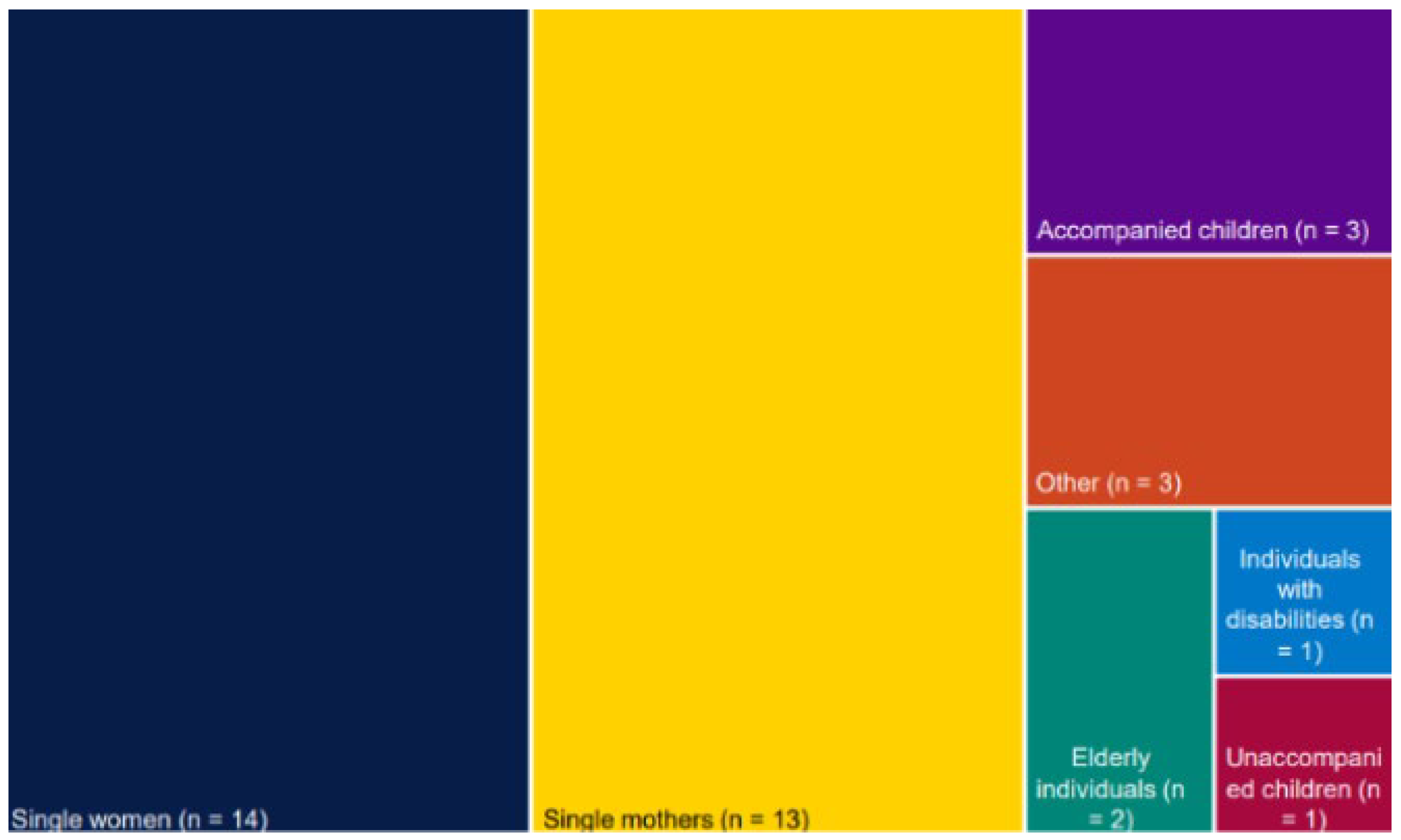
Figure A5 illustrates the distribution of groups identified as most vulnerable to safeguarding concerns within the Homes for Ukraine Scheme. The largest proportion of reported cases involved
Single women (n = 14) and
Single mothers (n = 13), indicating that women without partners or with dependent children faced heightened risks in hosting arrangements. These vulnerabilities are consistent with broader literature on displacement, which emphasizes the intersection of gender, isolation, and economic precarity as key risk factors for exploitation and abuse.
Smaller but notable categories included Accompanied children (n = 3) and Elderly individuals (n = 2), alongside isolated cases involving Individuals with disabilities (n = 1) and Unaccompanied children (n = 1). The presence of these groups underscores the diversity of safeguarding challenges, particularly where dependency and limited autonomy increase exposure to harm. Respondents also identified an Other category (n = 3), reflecting additional nuanced vulnerabilities not captured by predefined classifications.
The identification of the most vulnerable groups to these safeguarding issues or concerns was based on voluntary disclosure by professionals; the data may be subject to self-selection bias. Respondents who encountered safeguarding concerns with certain demographics, such as single women or single mothers, may have been more likely to report these cases, while other vulnerabilities could remain underrepresented. Consequently, the distribution illustrated in
Figure A5 should be interpreted with caution, as it may reflect reporting patterns rather than the full scope of safeguarding risks within the Homes for Ukraine Scheme. However, qualitative free-text responses aid in the validity of the findings. When respondents were asked to elaborate on why they chose these groups as vulnerable, clear patterns emerge, particularly around single mothers, as seen in the excerpts below.
“Single mothers arrived with limited or no language, were responsible for children, settling into country, learning the language and obtaining a job. These mothers were often isolated, with little or no money, and had to meet the needs of their children who often missed their father in Ukraine. They were exhausted, had very little support.”
“At the beginning of the war, mothers and children arrived. Many left partners and extended families behind and had no support to assist with children. The mother had no money, no help, needed to learn the bus system to take children to various schools, try to learn English and in some cases get a job within 6 months.”
Several participants also highlighted more severe manifestations of these gendered safeguarding concerns, framing them through experiences ranging from coercion, to violence, and exploitation between the host and the women being housed, as evidenced in the excerpts below.
“Concerns over meeting hosts over social media, being sponsored, arriving in the UK and something being ‘expected’ for hosting them.”
“Sexual advances and them not knowing how to deal with the unwanted attention.”
“Often it was single male men who were the sponsors…”
Thus, the heightened vulnerability of single women and single mothers suggests that safeguarding frameworks must prioritize gender-sensitive risk assessments and proactive monitoring within private hosting schemes. Furthermore, the representation of minors, elderly individuals, and persons with disabilities highlights the need for tailored interventions addressing specific care and protection requirements. These findings reinforce calls for comprehensive vetting procedures, clearer host responsibilities, and ongoing oversight to mitigate risks inherent in informal accommodation models.
Well-being impacts and support needs of Professionals working within Homes for Ukraine scheme
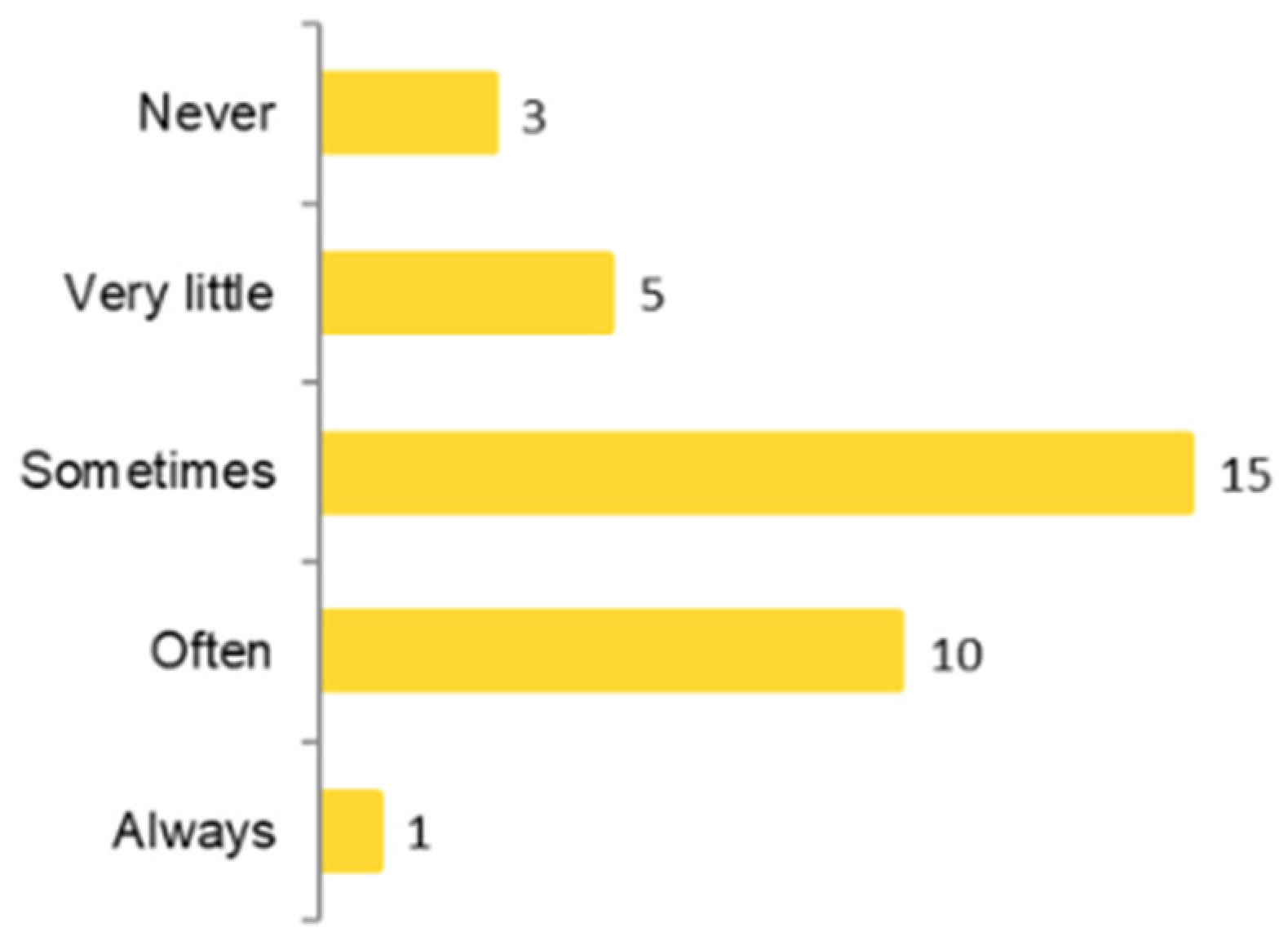
Figure A6 illustrates the extent to which professionals involved in the Homes for Ukraine scheme reported impacts on their well-being. The majority of respondents indicated that their well-being was affected
Sometimes (15 responses), followed by
Often (10 responses), suggesting that the emotional and psychological demands of the scheme were significant for many professionals. A smaller proportion reported being affected
Very little (5 responses) or
Never (3 responses), while only one respondent stated that their well-being was
Always impacted. These findings point to a pattern of intermittent but notable strain among professionals, reflecting the challenges of managing complex safeguarding responsibilities, resource limitations, and the pressures associated with delivering urgent humanitarian support. The prevalence of responses in the
Sometimes and
Often categories underscore the need for targeted well-being interventions and organizational support mechanisms to mitigate the cumulative effects of stress in similar high-intensity policy contexts.
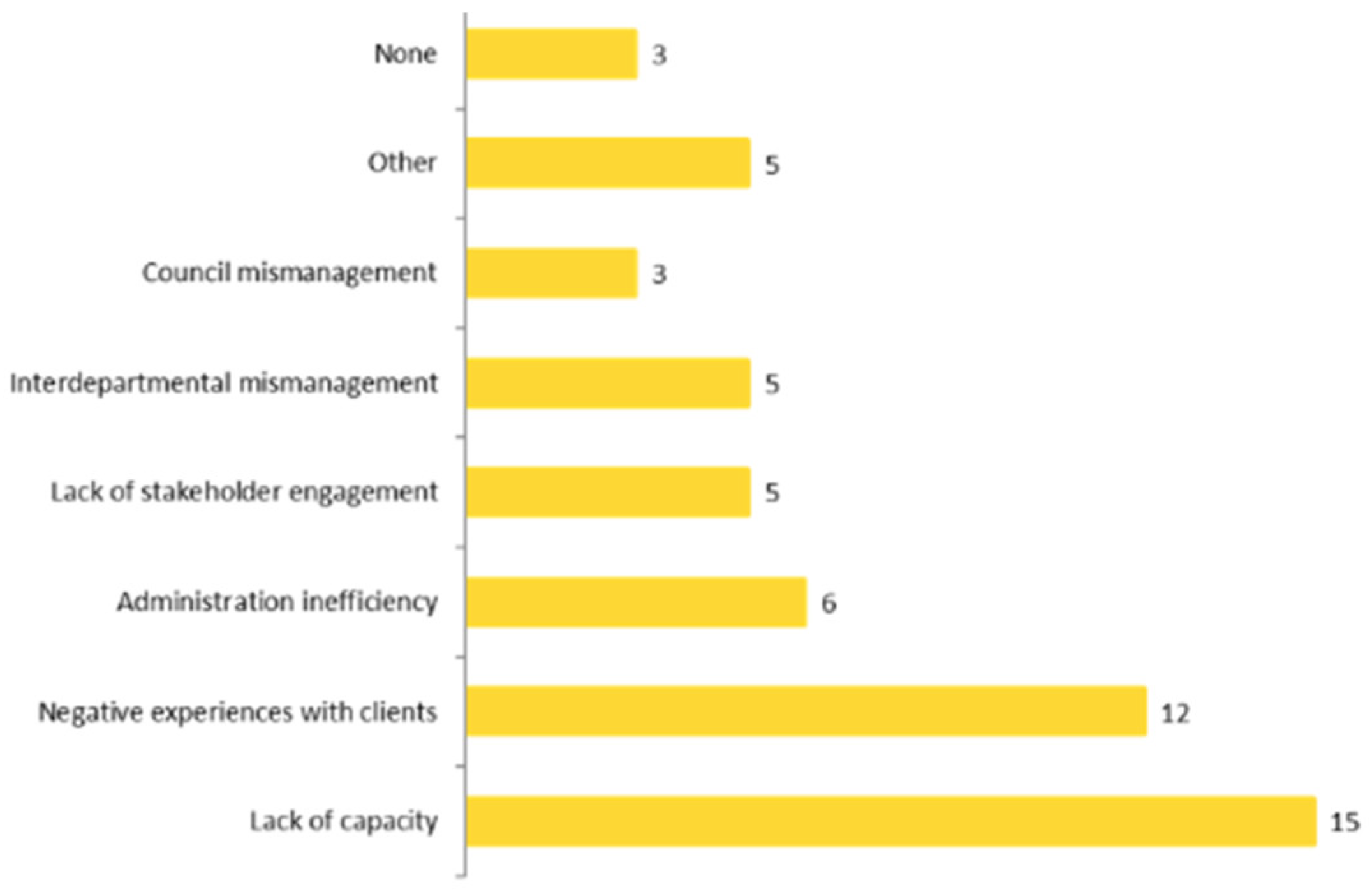
Figure A7 demonstrates the primary challenges affecting the well-being of professionals involved in the Homes for Ukraine scheme. The most frequently cited issue was
Lack of capacity (15 responses), indicating significant resource and staffing constraints that hindered effective delivery. This was followed by
Negative experiences with clients (12 responses), suggesting that frontline interactions posed considerable emotional and operational difficulties.
Administrative inefficiency (6 responses) and
interdepartmental mismanagement (5 responses) were also noted, alongside
Lack of stakeholder engagement (5 responses) and other unspecified issues (5 responses). Less frequently reported were
Council mismanagement (3 responses) and the absence of any challenges displayed as
None (3 responses). Collectively, these findings suggest systemic pressures within the Homes for Ukraine scheme, particularly the strain on organizational capacity and the complexity of managing client relationships, which may have compounded operational inefficiencies and inter-agency coordination challenges.
Furthermore, professionals highlighted the specific well-being needs and impacts of supporting individuals who have been affected by war as seen in excerpts below.
“The psychology of people who have experiences a war is very deep and not widely available. The support groups for Ukrainian people are more available now, but due to the sudden nature of the conflict, no training was available on how to support people with trauma. Knowing some psychological facts about this type of trauma would have helped at the beginning.”
“The range of experiences that our guests have been through and had to deal with is vast and the loss that many of them have had to endure and the worry of not knowing what their future will hold is almost impossible for us in a peaceful country to understand. I am not trained in this kind of support but have been having it since to start of the programme.”
The findings highlight the multifaceted pressures experienced by professionals delivering the Homes for Ukraine scheme; the well-being impacts were common, with most respondents reporting intermittent or frequent strain, while qualitative accounts underscore the emotional complexity of supporting individuals affected by war-related trauma without adequate training or resources. Concurrently, operational challenges, particularly lack of capacity, administrative inefficiencies, and negative client interactions, reflect systemic constraints that compounded these personal stresses. Together, these insights point to the need for comprehensive workforce support strategies, including trauma-informed training, improved interdepartmental coordination, and resource allocation, to enhance both practitioner resilience and the effectiveness of humanitarian response frameworks.