Article

From Heritage Documentation to Adaptive Reuse: Assessing HBIM as a Pedagogical Tool in Architectural Education

Geomatics Department, Architecture and Planning Faculty, King Abdulaziz University, Jeddah 21589, Saudi Arabia
Buildings 2026, 16(5), 970; https://doi.org/10.3390/buildings16050970
Submission received: 15 January 2026 / Revised: 9 February 2026 / Accepted: 25 February 2026 / Published: 1 March 2026
(This article belongs to the Special Issue Advancing Construction and Design Practices Using BIM)

Abstract

Heritage Building Information Modelling (HBIM) has emerged as a powerful methodology for documenting, analysing, and managing historic buildings. However, its pedagogical potential in teaching adaptive reuse and heritage-sensitive design remains underexplored, particularly in postgraduate architectural education. This study evaluates a pedagogical HBIM framework implemented in a master’s-level course, where students applied HBIM methodologies to propose adaptive reuse interventions for a historic building in Jeddah Historic District, Saudi Arabia. Student design projects were analysed to assess how HBIM informed documentation accuracy, heritage value interpretation, and design decision-making. In addition, a retrospective questionnaire was administered to former students to evaluate the long-term educational effectiveness of the HBIM-based methodology, focusing on learning quality, design comprehension, and professional preparedness. The results indicate that HBIM significantly enhanced students’ understanding of historic fabric, improved their ability to propose context-sensitive reuse strategies, and supported more informed and evidence-based design decisions. Survey findings further demonstrate the high perceived value of HBIM in architectural education, particularly in linking theoretical knowledge with real-world heritage challenges. This research contributes a validated educational framework for integrating HBIM into adaptive reuse curricula and provides evidence-based insights applicable to heritage education and professional practice.

1. Introduction

1.1. Adaptive Reuse as a Sustainable Strategy for Historic Buildings

Adaptive reuse has emerged as a central strategy for advancing sustainability in the built environment, particularly in the context of historic buildings. It involves transforming existing structures to accommodate contemporary functions while safeguarding their historical, architectural, and cultural significance. This approach not only renews the utility of aging buildings but also reduces environmental degradation and contributes to the revitalization of neglected urban environments [1,2]. By allowing buildings to evolve alongside shifting economic, social, and cultural conditions, adaptive reuse supports continuity and cultural persistence while conserving material resources that would otherwise be lost through demolition [3]. From a sustainability perspective, adaptive reuse is widely recognized as a viable alternative to demolition, enabling buildings to be retained and functionally redirected rather than completely removed [4,5].
The embodied energy stored within existing buildings represents a major investment of resources, and reuse effectively salvages this investment while minimizing waste and emissions [3]. Environmental benefits are particularly evident in the reduction in construction-related carbon footprints, the preservation of embodied energy, and the minimization of debris generated by demolition activities [6]. In this sense, adaptive reuse aligns strongly with circular economy objectives by extending the functional lifespan of heritage assets and reducing material waste across the building lifecycle [5,6].
Nevertheless, the decision-making process for adaptive reuse remains inherently complex. While adaptive reuse holds significant promise for sustainable urban renewal, its long-term success can be constrained by variability in stakeholder engagement, governance structures, funding limitations, and site-specific challenges [1,7]. These constraints highlight the dual nature of adaptive reuse: it is both a sustainability opportunity and a governance- and context-dependent intervention. Accordingly, recent research has emphasized the need for more structured decision-support approaches, including comprehensive frameworks that capture the multi-dimensional nature of reuse. For example, a framework organizing 104 variables into seven core dimensions, architectural, social, economic, cultural, technical/implementation, environmental, and regulatory/policy, has been proposed to support sustainable reuse decisions.
However, current models still frequently struggle to reflect the realities of multi-stakeholder negotiation and the intangible cultural values that strongly influence heritage outcomes [2]. In response to these challenges, digital methodologies are increasingly positioned as enablers of more systematic and evidence-based adaptive reuse workflows. In particular, Heritage Building Information Modelling (HBIM) offers a robust framework for documenting and assessing historic structural configurations and constraints in a structured digital environment, supporting more informed reuse design and evaluation [8,9,10]. By linking documentation, analysis, and design reasoning, HBIM has the potential to enhance adaptive reuse decision-making and strengthen the alignment between sustainability objectives and heritage-sensitive interventions.
From an educational perspective, this complexity translates into a significant cognitive challenge for architecture students, who are often required to balance heritage values, technical constraints, sustainability goals, and programmatic demands within a single design task. Traditional design studio approaches may struggle to support this level of multi-layered reasoning in a structured manner, particularly when decisions are driven primarily by intuition or mental abstraction rather than documented evidence.
In this context, HBIM pedagogy offers a structured learning environment that allows students to engage with the building as it truly exists rather than as an imagined or idealized construct. By grounding design decisions in scan-based documentation and information-rich models, HBIM supports evidence-based reasoning and more transparent adaptive reuse decision-making [10].

1.2. HBIM and Scan-to-HBIM as Enablers for Adaptive Reuse

Adaptive reuse projects require a level of technical and cultural sensitivity that often exceeds the demands of new construction, particularly when working with irregular geometries, layered construction phases, and fragile historic fabric. In this context, digital documentation and modelling workflows are increasingly adopted to reduce uncertainty and support evidence-based decision-making. Heritage Building Information Modelling (HBIM) extends conventional BIM principles to historic environments by enabling structured representation of existing conditions while embedding descriptive information that supports conservation and design reasoning [8]. Rather than functioning as a visual model only, HBIM can act as a knowledge environment where heritage constraints, architectural values, and intervention logic can be traced and validated through coordinated datasets.
A key driver behind HBIM’s growing relevance is the expansion of Scan-to-HBIM workflows, where reality capture technologies, most notably laser scanning, produce high-resolution point clouds that serve as a geometric and spatial reference for modelling. In heritage buildings, where irregularity is the norm, point clouds help reduce interpretive ambiguity and provide a reliable basis for generating sections, elevations, and parametric components that reflect the real fabric of the building.
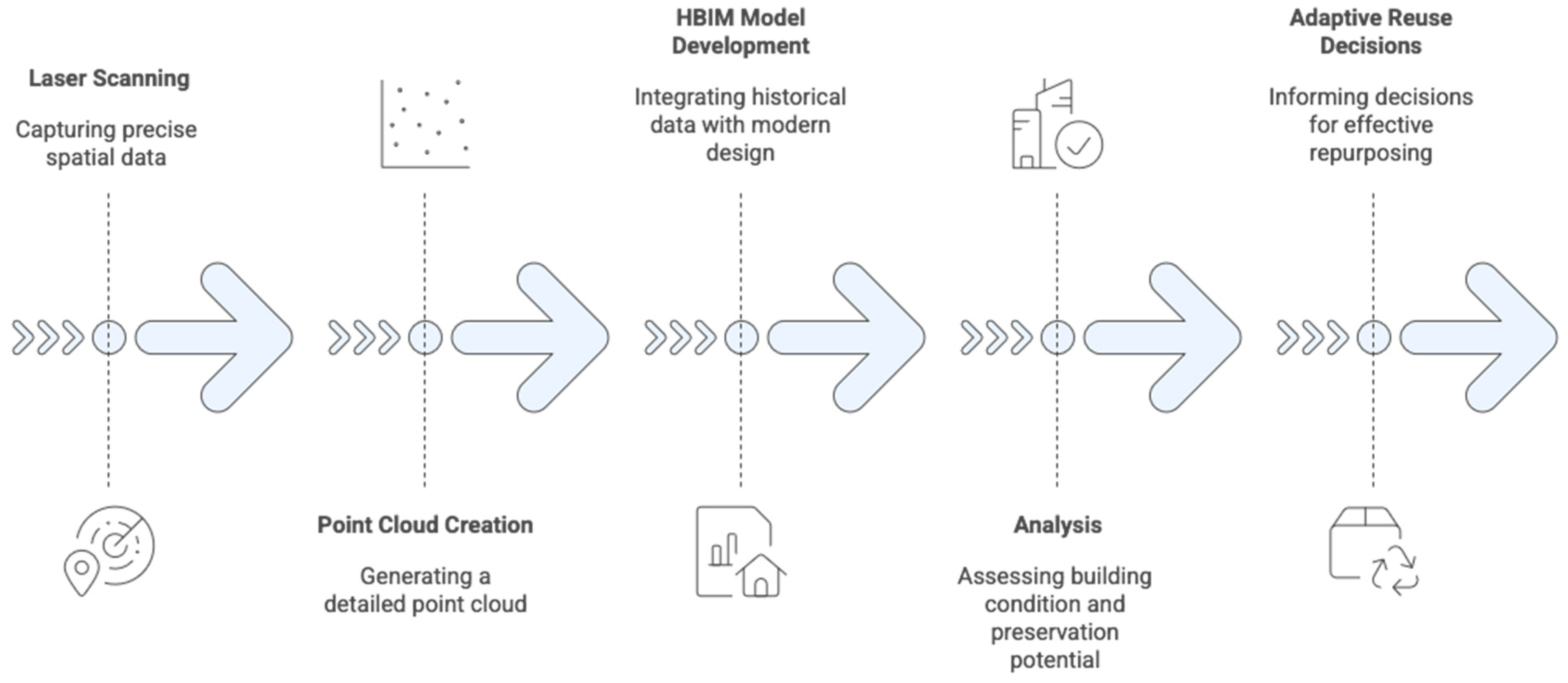
This is particularly valuable for adaptive reuse, where the feasibility and impact of new insertions (e.g., services, circulation, accessibility upgrades) depend heavily on accurate documentation and spatial awareness. By bridging documentation and modelling, Scan-to-HBIM workflows contribute to more consistent design coordination and more defensible intervention decisions (Figure 1), strengthening the alignment between sustainability goals and heritage-sensitive practice [8].
While HBIM has demonstrated clear value in professional heritage documentation and conservation practice, its pedagogical effectiveness, particularly in supporting adaptive reuse decision-making within architectural education, remains insufficiently validated.

1.3. HBIM in Architectural Education and the Need for Impact Evaluation

While HBIM and Scan-to-HBIM have gained momentum in professional heritage documentation and conservation practice, architectural education often faces challenges in translating these workflows into structured learning experiences. Teaching HBIM is not merely a matter of software proficiency; it involves cultivating an analytical mindset that connects documentation evidence with design decisions, particularly in adaptive reuse contexts where heritage value must be negotiated alongside contemporary functional needs. Consequently, HBIM pedagogy is increasingly positioned as a bridge between academic learning and practice-based competencies, enabling students to engage with real-world constraints through data-driven modelling and coordinated decision-making.
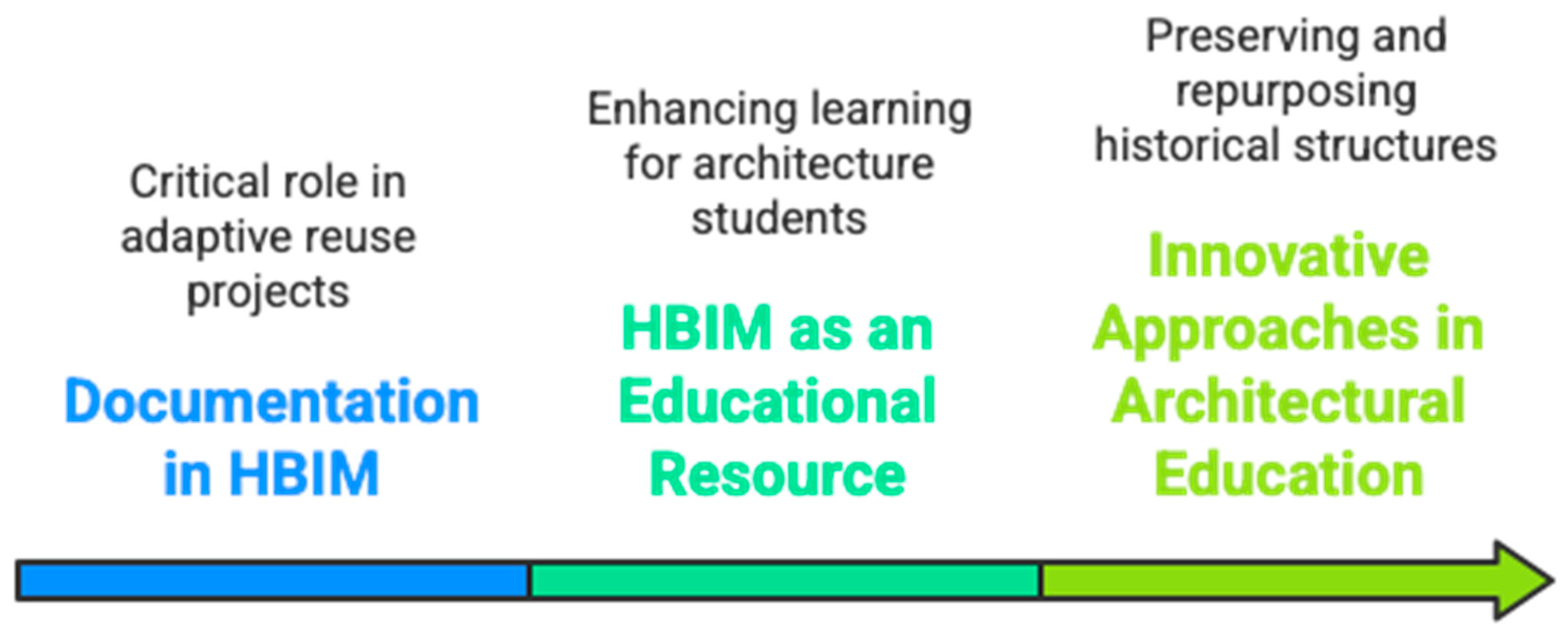
Previous studies have explored the integration of BIM and HBIM within architectural education, highlighting their potential to enhance analytical thinking, documentation-based reasoning, and heritage awareness in design studios [11,12,13]. Furthermore, a detailed synthesis of HBIM-related pedagogical studies and their implications for adaptive reuse education is provided in the literature review (Section 2). Moreover, Figure 2 shows pedagogical framework illustrating the transition from documentation to HBIM-based adaptive reuse decision-making.

1.4. Paper Organization

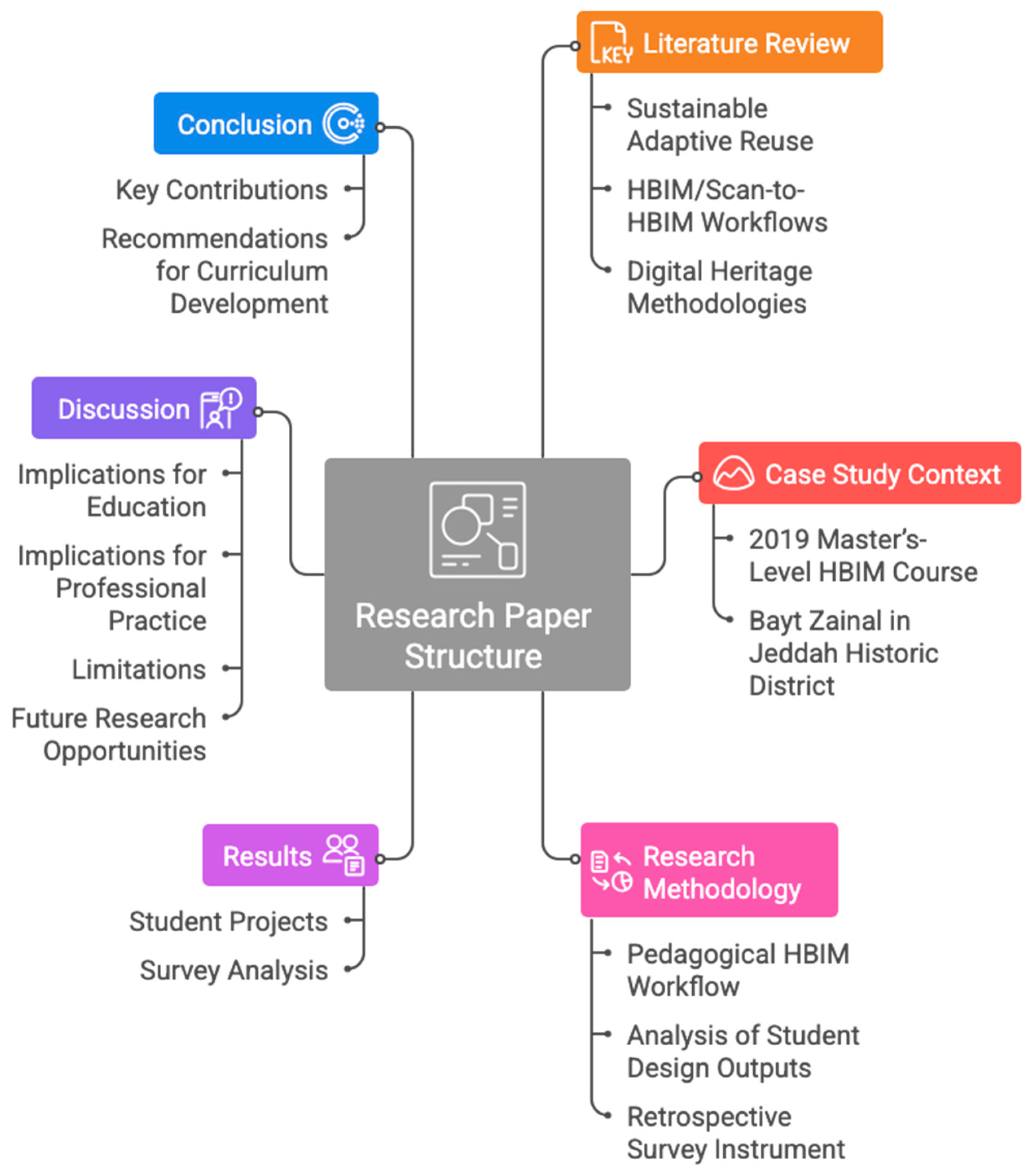
The remainder of this paper is structured as follows. Section 2 reviews the literature on sustainable adaptive reuse, HBIM/Scan-to-HBIM workflows, and the use of digital heritage methodologies in architectural education, with emphasis on the need for evidence-based evaluation. Section 3 presents the case study context, including the 2019 master’s-level HBIM course and the selection of Bayt Zainal in Jeddah Historic District as the project focus. Section 4 describes the research methodology, detailing the pedagogical HBIM workflow, the analysis approach for student design outputs, and the retrospective survey instrument mapped to course learning outcomes. Section 5 reports the results, combining findings from the student projects and the survey analysis. Section 6 discusses the implications of the proposed framework for adaptive reuse education and professional heritage practice, highlighting limitations and future research opportunities. Finally, Section 7 concludes the paper by summarizing key contributions and recommendations for HBIM-based curriculum development. Moreover, Figure 3 shows the structure of the Research Paper on HBIM in Adaptive Reuse.

2. Literature Review

2.1. HBIM in Heritage Documentation and Management

Heritage Building Information Modelling (HBIM) has increasingly emerged as a core methodology within academic research and selected professional heritage documentation projects for the digital documentation and management of historic assets, aiming to unify geometric representation with historical, material, diagnostic, and monitoring information within a single environment [14]. Unlike conventional BIM applications, HBIM is characterized by the need to manage irregular spatial geometries while also integrating non-geometric heritage data that are critical for conservation planning and long-term stewardship [15]. This need becomes more evident as traditional recording approaches often fall short in capturing the complexity and irregularity of historic structures, making reality-based documentation pipelines essential for dependable modelling and analysis [16]. This limitation stems from the reliance of traditional recording approaches on manual measurement, two-dimensional drawings, and interpretive abstraction, which often struggle to capture geometric irregularities, spatial deformation, and construction layering typical of historic buildings.
As a workflow, HBIM commonly relies on reality capture, especially terrestrial laser scanning and point clouds, as foundational sources for geometric data, enabling more accurate “as-is” representation and reducing interpretive ambiguity [17]. In addition to terrestrial laser scanning, photogrammetry is widely recognized as a complementary reality-capture technique within HBIM workflows. Image-based methods are particularly effective for producing façade and roof orthophotos, documenting surface conditions, and capturing architectural elements that may be difficult to record using laser scanning alone. While photogrammetry was not applied within the scope of the present course due to time constraints and the breadth of academic requirements, its relevance within HBIM-oriented heritage documentation and adaptive reuse workflows is well established in the literature. Within this logic, HBIM can function as a centralized digital repository that consolidates heterogeneous project information, survey outputs, material records, maintenance histories, and condition reports into structured datasets that can support heritage governance over time [1].
Recent directions further extend standard BIM capabilities by embedding heritage values and significance attributes directly into the digital environment, promoting more traceable reasoning when evaluating interventions or reuse scenarios [18]. Beyond documentation, HBIM is frequently discussed as a platform for multi-disciplinary coordination and preventive conservation. When combined with environmental monitoring and targeted performance analysis, HBIM can support decision-making for energy-efficient retrofitting and operational optimization in historic buildings [19]. Similarly, model-based visualization of deterioration trends and condition risks can assist in planning preventive maintenance and conservation actions [20]. Nevertheless, the literature consistently highlights persistent barriers to effective HBIM implementation, including modelling complexity, interoperability limitations, lack of shared heritage-specific standards and object libraries, and the need for specialized technical expertise, particularly in resource-constrained heritage agencies [21,22]. These challenges reinforce the argument that HBIM research should move beyond geometric modelling alone to better address functional data integration and long-term management requirements [14,15].
Despite its growing adoption, HBIM is not without limitations. The development of HBIM models often involves a high level of modelling complexity, particularly when dealing with irregular geometries and heterogeneous historic construction systems. Interoperability challenges, limited availability of standardized heritage object libraries, and the need for specialized technical expertise can introduce additional effort and learning demands. In both professional and educational contexts, these factors may increase project time and cognitive load, indicating that HBIM is not universally applicable to all heritage scenarios and must be adopted selectively based on project scope, resources, and pedagogical objectives.

2.2. Adaptive Reuse of Historic Buildings and HBIM-Enabled Decision-Making

Adaptive reuse is widely recognized as a strategic approach for extending the lifespan of historic buildings while responding to contemporary functional, social, and environmental needs. In heritage contexts, reuse is not only a technical transformation but also a cultural process that sustains architectural identity and preserves the “agenda” of the existing building through careful reinterpretation rather than replacement [5]. This orientation positions adaptive reuse as an intrinsically sustainable approach, where value retention and continuity are prioritized while enabling buildings to remain productive within evolving urban and economic conditions [5,23]. However, adaptive reuse decision-making is inherently complex, requiring balanced consideration of conservation priorities and functional transformation requirements. The literature highlights the need for structured reasoning that can manage trade-offs among multiple criteria, including cultural significance, technical feasibility, stakeholder expectations, and future operational demands [23]. While multi-criteria decision-support methods are often proposed to compare reuse alternatives, many approaches still struggle to represent intangible heritage values adequately or to capture the contextual nature of reuse judgments when applied to real historic assets [2].
Within this complexity, HBIM is increasingly positioned as an enabling environment for reuse planning because it supports the integration of documentation evidence, condition understanding, and intervention logic within a coordinated digital structure. HBIM-based reuse strategies can improve transparency by making constraints, assumptions, and justification more explicit, supporting more defensible conservation-led decisions [1,18]. Importantly, reuse processes supported by HBIM can strengthen the link between archival investigation, survey evidence, and design decision-making, offering a pathway for evidence-informed interventions rather than purely intuitive design moves [5]. Yet, the empirical literature still reports limited studies that directly connect HBIM-enabled reuse modelling to measured performance outcomes or validated decision quality in real-world adaptive reuse contexts. In this context, HBIM should not be interpreted as a solution that inherently resolves the complexity of adaptive reuse. Rather, it functions as a decision-support environment that helps structure information, make constraints explicit, and improve transparency in design reasoning. By linking documentation evidence, spatial analysis, and intervention logic within a coordinated model, HBIM can support more informed and traceable reuse decisions, while acknowledging that final judgments remain contingent on contextual, cultural, and governance factors.
Across the reviewed literature, HBIM-enabled decision-support frameworks for adaptive reuse commonly address multiple dimensions, including technical feasibility, heritage value interpretation, environmental sustainability, and governance constraints. However, these frameworks are predominantly developed for professional practice and are rarely adapted to structured educational contexts. This gap highlights the absence of pedagogical models that translate HBIM-based decision-support logic into learning environments where students can systematically engage with adaptive reuse reasoning.

2.3. BIM and HBIM in Architectural Education

In architectural education, BIM adoption has progressed substantially, but pedagogical approaches remain inconsistent, often oscillating between software-centered training and design-studio experimentation. Teaching BIM has been repeatedly described as a pedagogical challenge because effective learning requires not only modelling proficiency, but also an understanding of integrated workflows, coordination logic, and process thinking, competencies that must be explicitly designed into curricula [11]. Pedagogical strategies are frequently classified into tool-focused, studio-focused, and hybrid models, where hybrid approaches are often recommended to bridge conceptual understanding with practical modelling and workflow application [11,24]. HBIM-oriented education introduces additional demands beyond conventional BIM instruction, particularly because heritage projects require students to interpret irregular geometry, conservation constraints, and heritage values while translating documentation evidence into design decisions. Educational studies have reported that engaging students with scan-based documentation and HBIM workflows can enhance their ability to interpret geometric irregularities, relate conservation constraints to spatial decisions, and develop a more explicit awareness of heritage values within the design process [13,25]. Scan-to-BIM learning sequences, in particular, can promote evidence-informed design practices by forcing students to reconcile design ideas with “as-is” spatial reality captured through point clouds. At the same time, literature also notes practical constraints in implementing HBIM education, including curriculum overload, staff readiness, and limited institutional resources, which can restrict consistent integration across programs [21]. A notable limitation across BIM/HBIM education research is that evaluation often focuses on short-term outcomes (e.g., course satisfaction, technical skills), while longer-term preparedness, professional transfer, and post-graduation impact remain under-explored [12]. This gap becomes critical in heritage-oriented teaching, where success should be measured not only by the production of a model but by how effectively students learn to interpret heritage constraints, justify interventions, and apply evidence-based reasoning within adaptive reuse contexts.
Furthermore, from an educational theory perspective, HBIM-based learning aligns closely with experiential learning principles, where students construct knowledge through direct engagement with real-world problems, iterative experimentation, and reflective evaluation [26]. Similarly, the pedagogical setup reflects aspects of situated learning, as students operate within an authentic professional-like environment, working with real documentation data and heritage constraints rather than abstract design exercises [27]. Integrating HBIM into adaptive reuse studios therefore supports learning as a contextualized, practice-based process, reinforcing decision-making skills through situated and experiential engagement.

2.4. Synthesis, Research Gaps, and Study Objectives

Across the literature, HBIM is rich in technical case studies and documentation-focused applications, yet it often lacks holistic integration with adaptive reuse decision-making and long-term management implications [15]. Research also remains fragmented across domains, documentation, value assessment, and reuse-driven design, without sufficiently demonstrating how HBIM-derived outputs translate into validated reuse decisions or post-implementation assessment [1,28]. In parallel, the translation of intangible heritage values into measurable criteria within decision-support systems remains underdeveloped, despite growing calls for more comprehensive frameworks that incorporate sustainability, governance, and heritage value dimensions [2]. From an educational perspective, only a limited number of studies empirically evaluate HBIM pedagogy in a way that connects learning outcomes to real adaptive reuse challenges, particularly at the postgraduate level [12,21]. Therefore, a clear gap persists in frameworks that integrate (i) Scan-to-HBIM documentation, (ii) HBIM-based modelling and value interpretation, and (iii) adaptive reuse design reasoning, while also validating educational effectiveness through structured evaluation aligned with course learning outcomes.
Despite this potential, empirical research that evaluates HBIM as a pedagogical methodology, particularly beyond the immediate course timeframe, remains limited. Many educational studies emphasize short-term skill acquisition or end-of-course feedback, with fewer investigations examining whether HBIM-based learning produces sustained impacts on professional thinking, confidence, and adaptive reuse decision-making after graduation.
In heritage-oriented education, this gap is especially critical. The effectiveness of HBIM teaching should not be assessed solely through modelling outputs, but also through the extent to which students develop long-lasting competencies related to heritage sensitivity, evidence-based reasoning, and adaptive reuse judgment. Longitudinal or retrospective evaluation therefore offers a stronger basis for validating HBIM pedagogy and informing curriculum development in heritage-focused architectural programs.
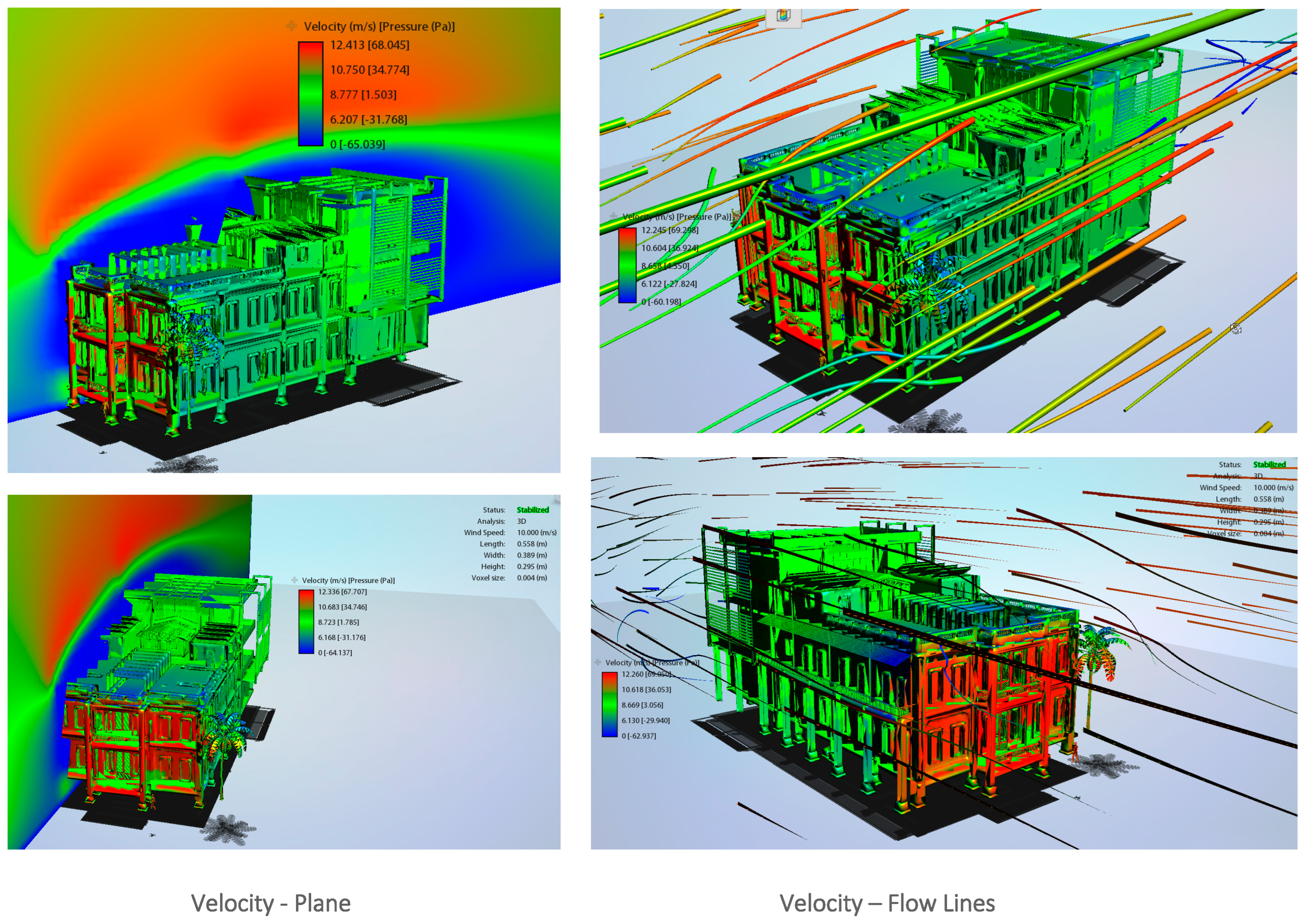
Although HBIM is increasingly introduced within heritage-oriented design studios at both undergraduate and postgraduate levels, most educational implementations focus on skill acquisition or project outcomes rather than on systematically evaluating pedagogical impact. The novelty of the proposed framework does not lie in introducing HBIM as a teaching tool, but in explicitly structuring HBIM as a pedagogical environment for adaptive reuse decision-making and empirically evaluating its educational effectiveness. For example, within the proposed pedagogical framework, HBIM was not limited to geometric documentation, but was actively used to support analytical design reasoning. Students employed environmental and energy-related analyses to explore innovative interior design solutions, and airflow simulations were used to examine natural ventilation patterns and assess how incoming prevailing winds could be optimally utilized within the building. These analyses enabled students to ground adaptive reuse decisions in measurable environmental evidence rather than purely formal or intuitive assumptions.
In particular, this study contributes a retrospective, CLO-aligned assessment that examines how HBIM-based learning influences students’ design cognition, evidence-based reasoning, and professional preparedness beyond the immediate course context.

3. Case Study Context

Building upon the decision-support dimensions identified in the literature, namely, documentation accuracy, heritage value interpretation, sustainability considerations, and governance constraints, this study adopts and adapts these principles within a pedagogical framework. The proposed master’s-level HBIM course translates professional adaptive reuse logic into an educational setting, enabling students to engage with real documentation data while developing evidence-based design reasoning. The following case study illustrates how these theoretical dimensions were operationalized within an academic environment. In doing so, the course framework explicitly operationalizes these dimensions within an educational setting, allowing their pedagogical implications to be examined through both design outcomes and retrospective student evaluation.

3.1. Master’s-Level HBIM Course (2019)

This study is grounded in a master’s-level HBIM course delivered in 2019, where the teaching approach was structured around integrating digital modelling and simulation into a heritage-driven design workflow. The course was delivered over a standard academic semester and structured around a combination of theoretical lectures, hands-on laboratory sessions, and design studio work. Weekly sessions integrated conceptual lectures on heritage documentation and adaptive reuse with practical HBIM modelling exercises and iterative studio critiques, allowing students to progressively translate documentation evidence into design decisions.
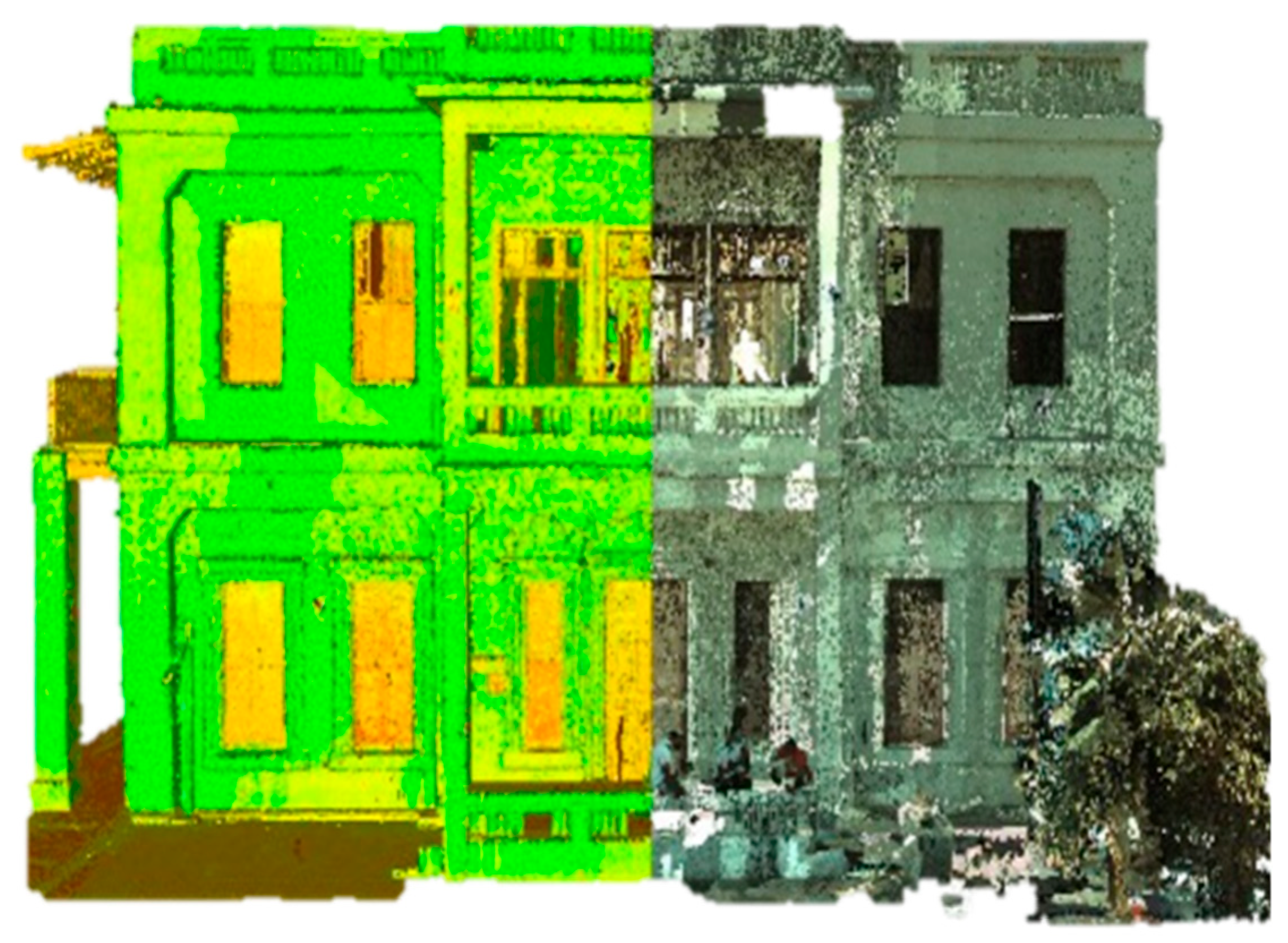
For the purposes of this course, students did not directly participate in on-site architectural surveying or laser scanning activities. The terrestrial laser scanning and point cloud datasets were produced in advance by students from a geomatics program and provided to the master’s-level architecture students as pre-processed datasets. This approach allowed the course to focus on HBIM-based interpretation, modelling, and adaptive reuse reasoning, rather than on the technical operation of reality capture equipment. Students were required to generate existing-condition HBIM models directly from the provided point cloud data, rather than being supplied with predefined BIM base models.
The course was positioned to move beyond software operation toward a more process-oriented understanding of how information-rich modelling can support design development, evaluation, and lifecycle thinking. In this context, students engaged with a learning sequence that emphasized the transition from documentation and interpretation of existing historic fabric to design reasoning and adaptive reuse proposal development. The course learning goals focused on developing student competencies in (i) understanding the role of digital modelling and simulation in architectural workflows, (ii) recognizing and selecting digital technologies to support design and analysis, (iii) applying BIM/HBIM logic within the design process, and (iv) appreciating the value of performance awareness and optimization thinking across the building lifecycle. Moreover, students were required to develop HBIM-based documentation models of the selected heritage building and to propose adaptive reuse interventions grounded in the documented constraints. The final submission combined existing-condition modelling, analytical visualizations, and a design proposal justified through HBIM-derived evidence rather than purely conceptual narratives.
The course targeted master’s-level architecture students who had prior exposure to conventional architectural design studios and basic digital modelling workflows. While students possessed varying levels of familiarity with BIM tools, none had previously completed a dedicated HBIM or Scan-to-HBIM course, positioning the course as an advanced introduction to heritage-oriented BIM methodologies.
Rather than treating modelling as an end-product, the course framed HBIM as a structured environment to organize knowledge, interpret constraints, and support design justification within a heritage context. From a technical standpoint, the learning environment relied on widely used modelling and visualization tools, including Autodesk Revit version 2019, 3ds Max version 2019, SketchUp version 2019.1, Rhino version 6, and related workflows where appropriate. The cohort size was under 20 students, which supported closer supervision and iterative feedback cycles, an important condition for HBIM teaching, given the complexity of modelling irregular historic geometries and managing multi-layered heritage information.
Although this study focuses on the 2019 cohort, the pedagogical framework applied in this course is not an isolated experiment. Similar HBIM-based adaptive reuse projects have been continuously implemented by the author in subsequent academic years with different student cohorts. The 2019 course was selected for evaluation due to the availability of complete documentation datasets and the feasibility of conducting a long-term retrospective assessment. This continuity supports the replicability and pedagogical stability of the proposed HBIM framework. Design development was conducted primarily through small student groups, reflecting collaborative practices commonly adopted in professional heritage documentation and adaptive reuse projects. Assessment focused on the coherence of documentation-based reasoning and design justification at the group level, rather than on individual software proficiency.

3.2. Jeddah Historic District and Bayt Zainal (Case Study Building)

The case study was situated within Jeddah Historic District, a heritage context characterized by complex spatial configurations, layered construction phases, and distinctive architectural features that often exceed the descriptive capacity of conventional survey and recording methods. Furthermore, the selection of Bayt Zainal was further supported through coordination with a representative of the local authority in Jeddah Historic District, who recommended a shortlist of historically significant buildings suitable for academic documentation and study. Bayt Zainal was chosen from this group based on a combination of pedagogical and logistical considerations. Its location within the city of Jeddah facilitated repeated site access for students enrolled at a local university, an essential condition for iterative documentation and analysis exercises. In addition, the building’s structural condition was comparatively stable in relation to other candidates, allowing students to focus on HBIM-based documentation, analysis, and adaptive reuse reasoning without the added complexity of severe structural deterioration. These factors collectively made Bayt Zainal a particularly appropriate and accessible learning case for the course.
As a result, reality-based documentation workflows, particularly terrestrial laser scanning and photogrammetry, have become essential for improving geometric accuracy, capturing material conditions, and establishing dependable foundations for HBIM workflows [17]. Historic Jeddah is widely recognized as one of the Kingdom’s most significant heritage environments and has increasingly served as a testing ground for research and applied experimentation in digital heritage documentation and educational HBIM applications [29]. This makes the district a suitable context for evaluating HBIM not only as a documentation tool, but also as a pedagogical and cognitive framework supporting evidence-based adaptive reuse thinking.
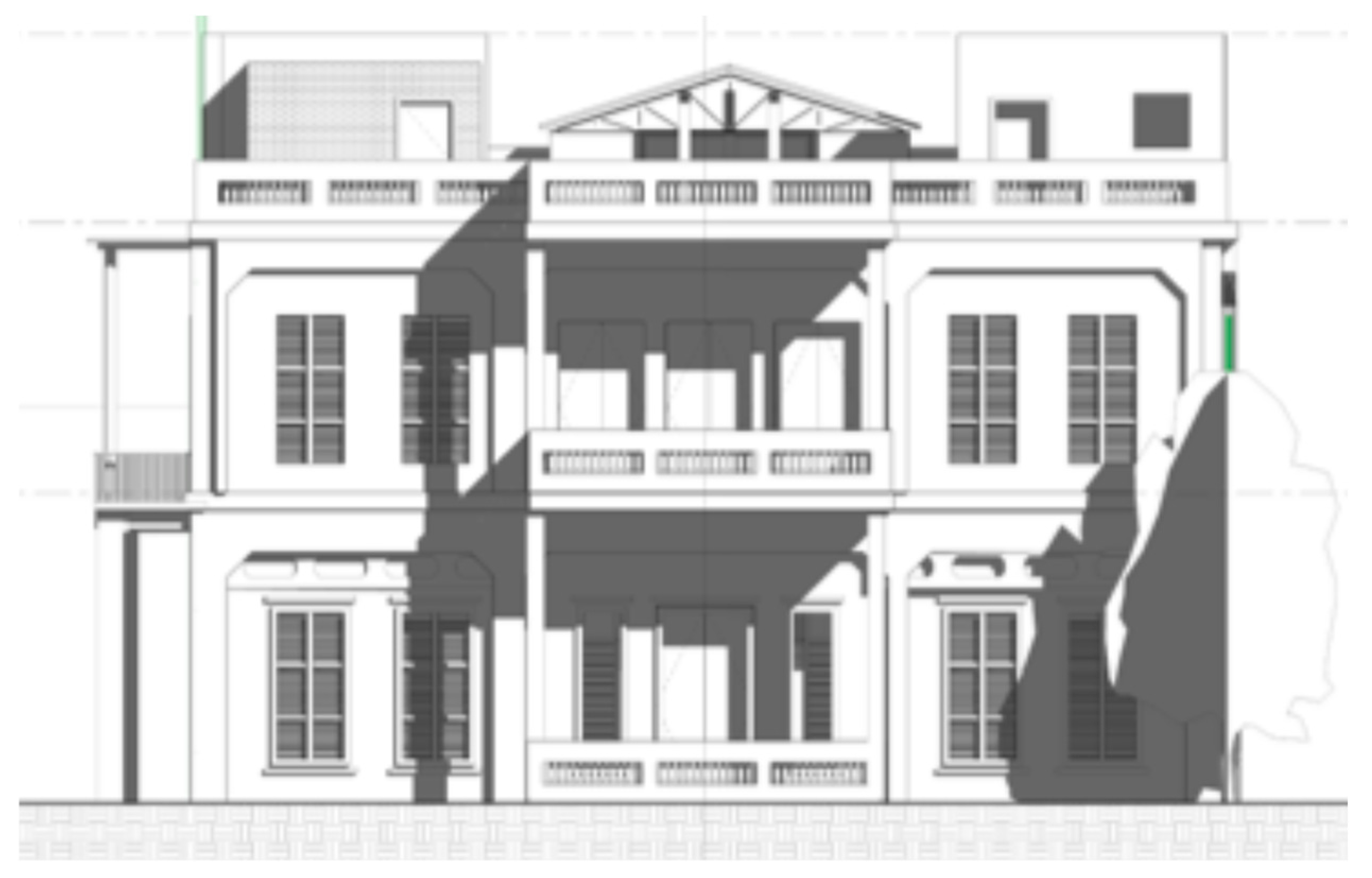
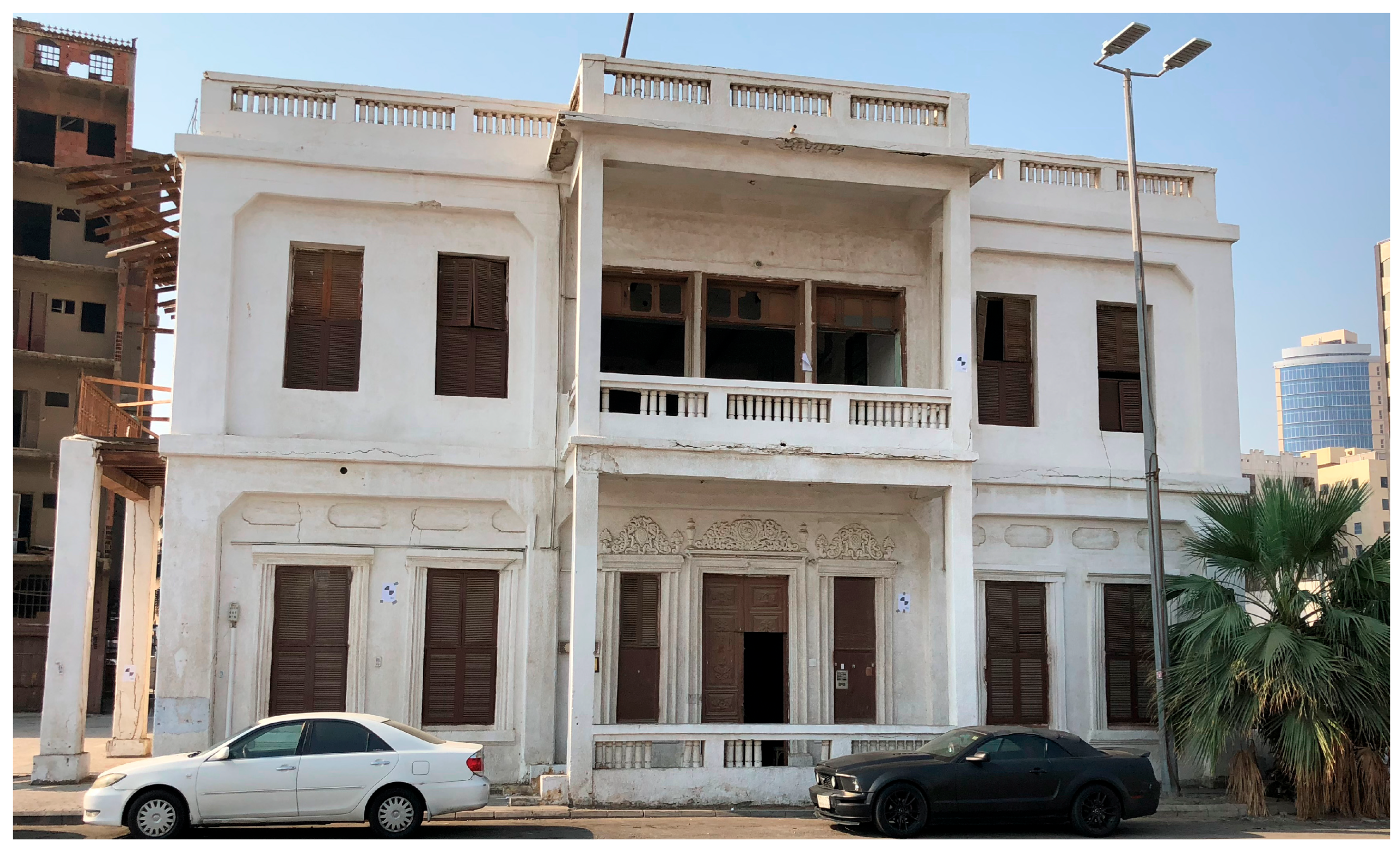
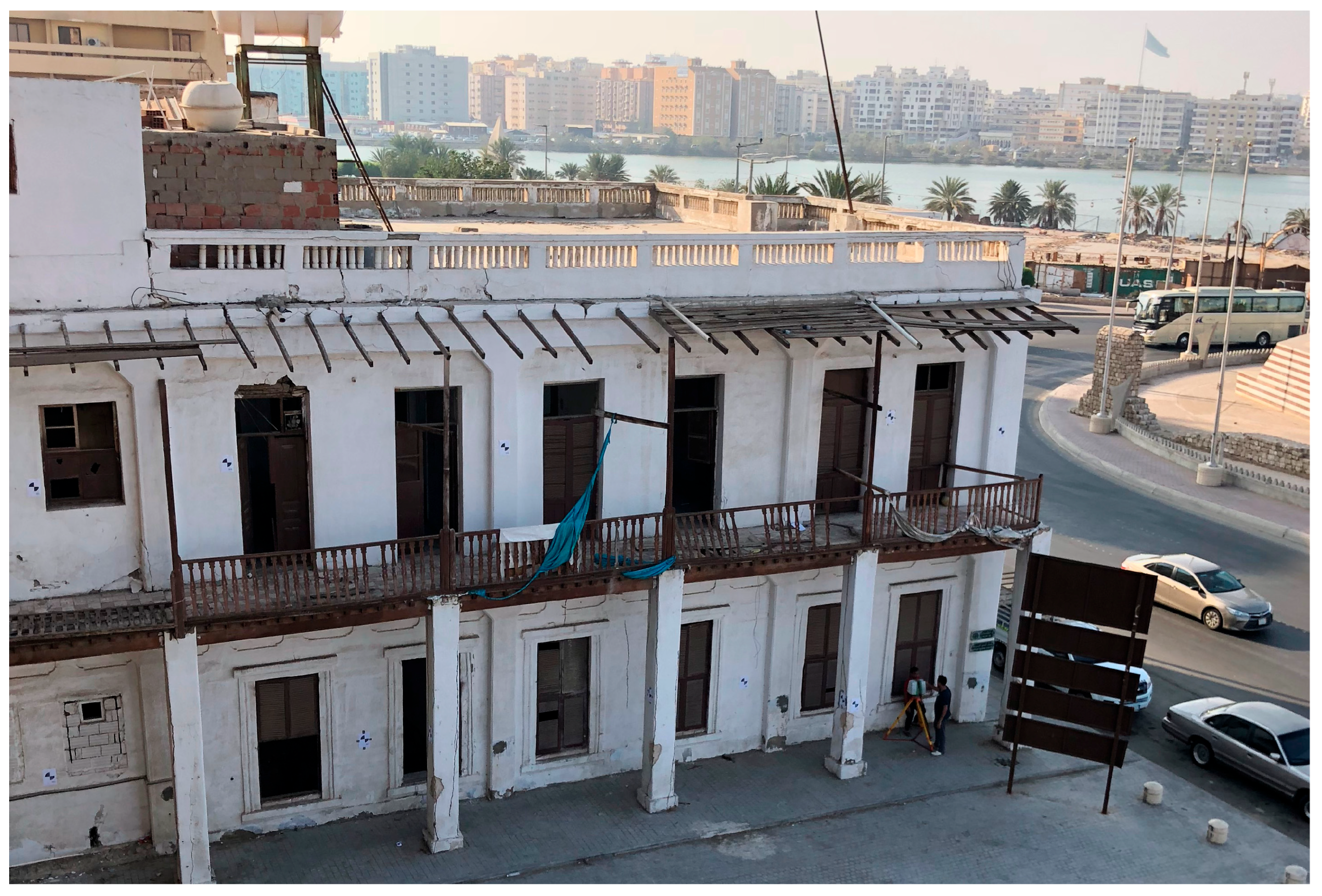
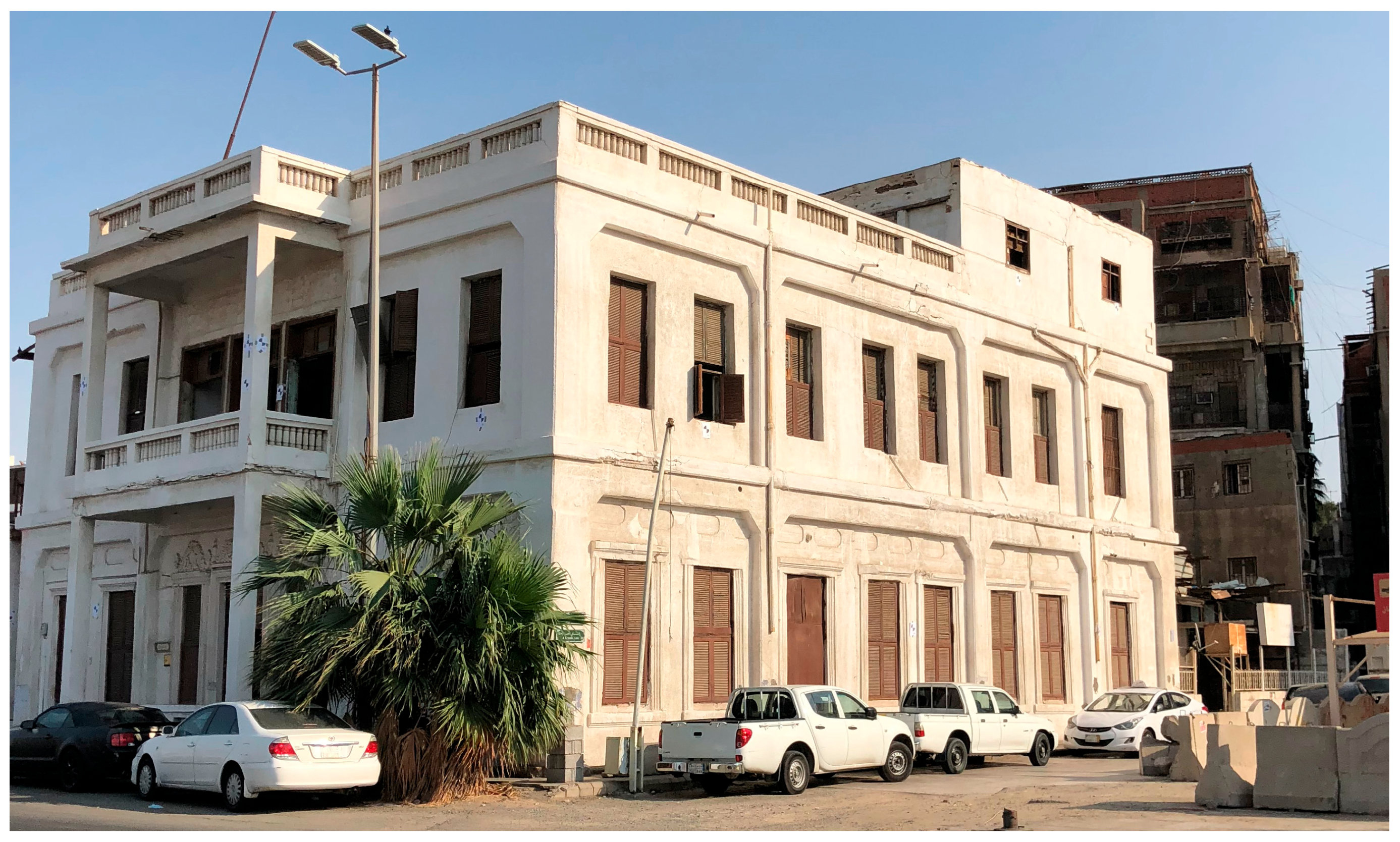
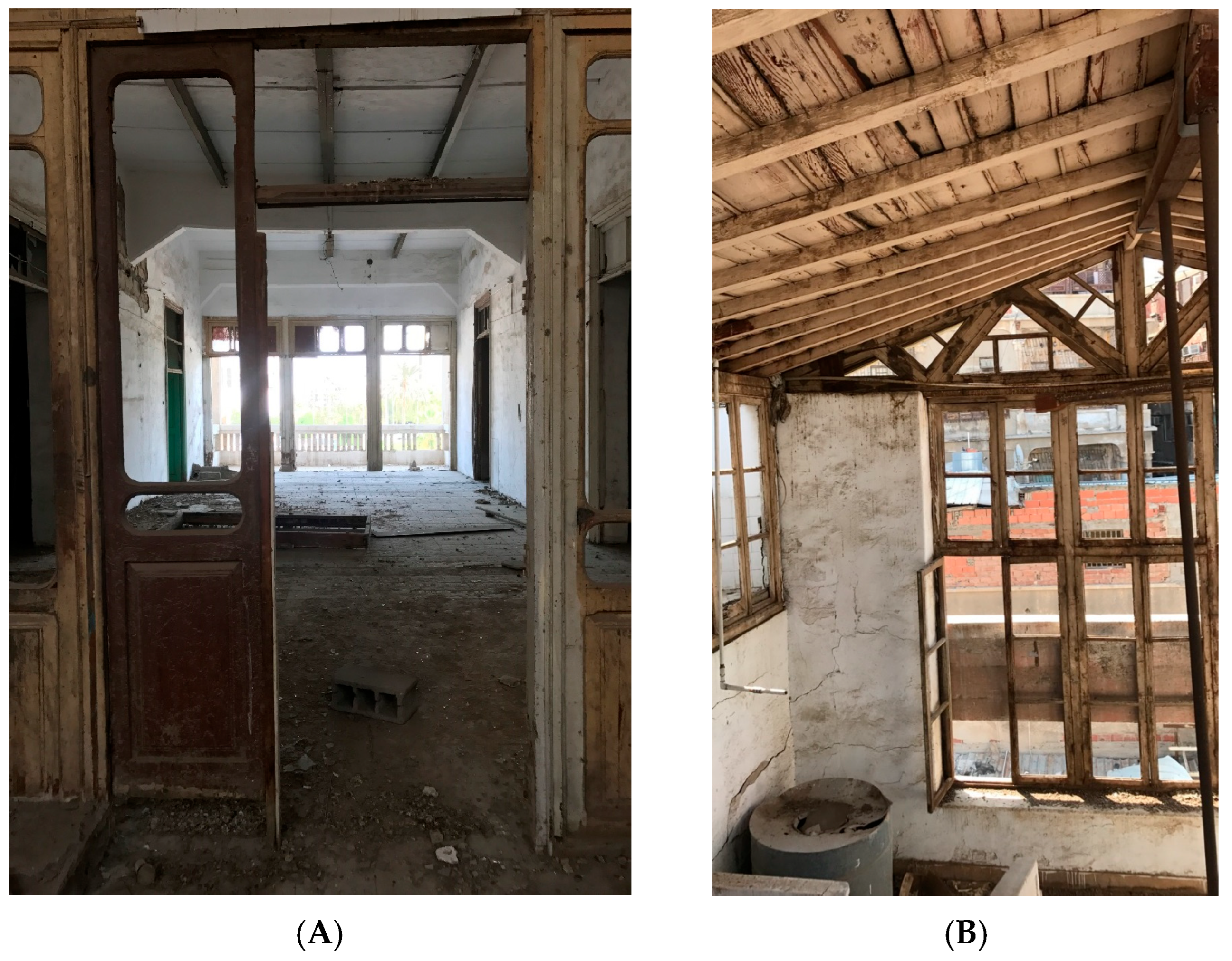
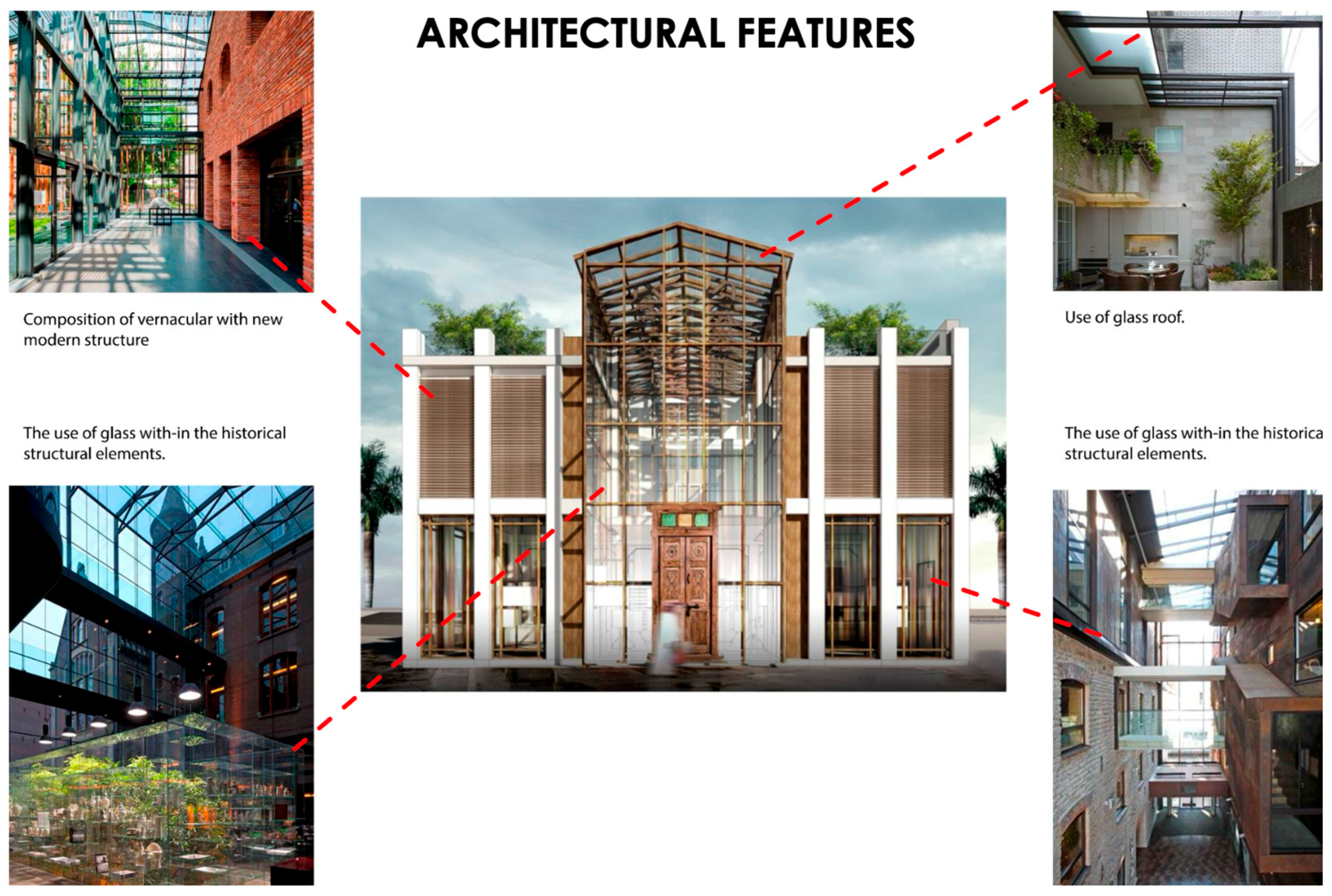
Within this setting, Bayt Zainal (Zainal House) was selected as the case study building due to its strategic urban location and its suitability as a learning platform for adaptive reuse exploration (Figure 4, Figure 5, Figure 6 and Figure 7). The building represents a transitional phase in the architectural development of Historic Jeddah, as it is among the early examples incorporating reinforced concrete within its structural system. Internally, a heterogeneous construction logic is evident, with partition walls combining locally sourced stone and concrete masonry units, reflecting a shift from traditional construction techniques toward more modern practices. Despite this material complexity, Bayt Zainal is characterized by a clear and largely symmetrical spatial configuration, with a centrally positioned entrance, an axial layout, and a prominent bifurcated staircase. These characteristics create a high-value educational setting in which students must justify adaptive reuse interventions through documentation, evidence and heritage constraints, aligning closely with the course’s HBIM-based pedagogical objectives [29].

4. Materials and Methods

4.1. Study Design

This research employed a mixed-methods, retrospective educational case study to evaluate the effectiveness of an HBIM-based pedagogy implemented in a master’s-level course delivered in 2019. Two complementary evidence streams were used: (1) analysis of student HBIM adaptive reuse project outputs developed for a real heritage building (Bayt Zainal, Jeddah Historic District), and (2) a retrospective questionnaire administered to former students to capture perceived learning effectiveness and longer-term professional influence. Given the cohort size typical of postgraduate studios, the study was designed as exploratory, emphasizing descriptive analysis rather than statistical generalization.

4.2. Course Context and Pedagogical Workflow

The course was structured around a documentation-to-design workflow intended to position HBIM as both a modelling environment and a decision-support framework. Students progressed through three main stages: (i) interpretation of existing conditions using reality capture outputs (notably point clouds), (ii) HBIM model development and information structuring, and (iii) generation and justification of adaptive reuse interventions under heritage constraints. The workflow emphasized evidence-based reasoning by linking documentation evidence to design choices, rather than treating the HBIM model as a final deliverable only.

4.3. Case Study Building

The pedagogical implementation was anchored in Bayt Zainal (Zainal House), located in Jeddah Historic District, selected due to its heritage significance and suitability for adaptive reuse learning. The building’s irregular geometry and heritage-sensitive constraints provided a realistic context for teaching Scan-to-HBIM logic and conservation-led design decision-making (Figure 8 and Figure 9).

4.4. Data Sources

Two datasets were collected:
(1)
Student project outputs: Final HBIM-based adaptive reuse submissions were reviewed to identify recurring patterns in intervention logic, heritage sensitivity, and the extent to which modelling evidence was used to justify decisions.
(2)
Retrospective survey responses: A structured questionnaire was distributed to former students to evaluate learning effectiveness, perceived skills development, and long-term professional influence.
Moreover, the Evaluation of the student projects was guided by a set of qualitative indicators reflecting heritage-sensitive intervention logic. These included: (i) consistency between proposed interventions and documented heritage values; (ii) respect for original spatial organization and construction logic; (iii) reversibility and minimal intervention principles; (iv) clarity of justification linking HBIM-based analysis to design decisions; and (v) coherence between functional reuse proposals and cultural significance. These indicators were applied holistically during studio critiques and final reviews rather than through numerical scoring.

4.5. Survey Instrument (CLO-Aligned)

A concise questionnaire was designed to reduce respondent fatigue and improve completion rates. It consisted of 21 Likert-scale items (1 = strongly disagree; 5 = strongly agree) organized into six constructs: (i) laser scanning and documentation, (ii) HBIM modelling process, (iii) adaptive reuse decision-making, (iv) skills and professional readiness, (v) educational experience and impact, and (vi) long-term professional influence (5+ years post-course). Two optional open-ended questions captured additional qualitative reflections and suggestions. To strengthen construct validity, survey items were mapped to the Course Learning Outcomes (CLOs) relevant to this study. Optional personal contact details (name/phone/email) were collected for follow-up purposes only and were excluded from analysis and reporting.

4.6. Participants and Response Rate

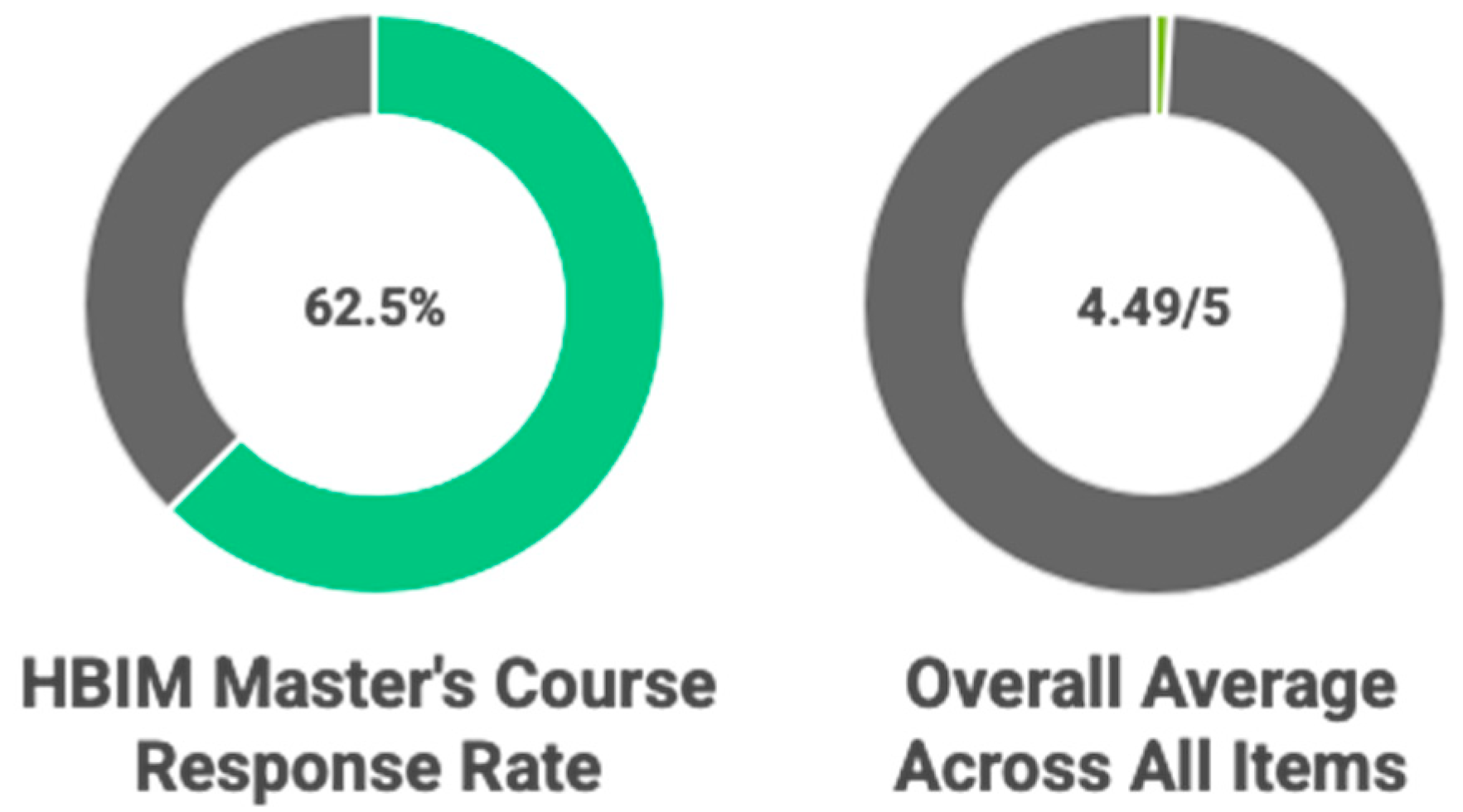
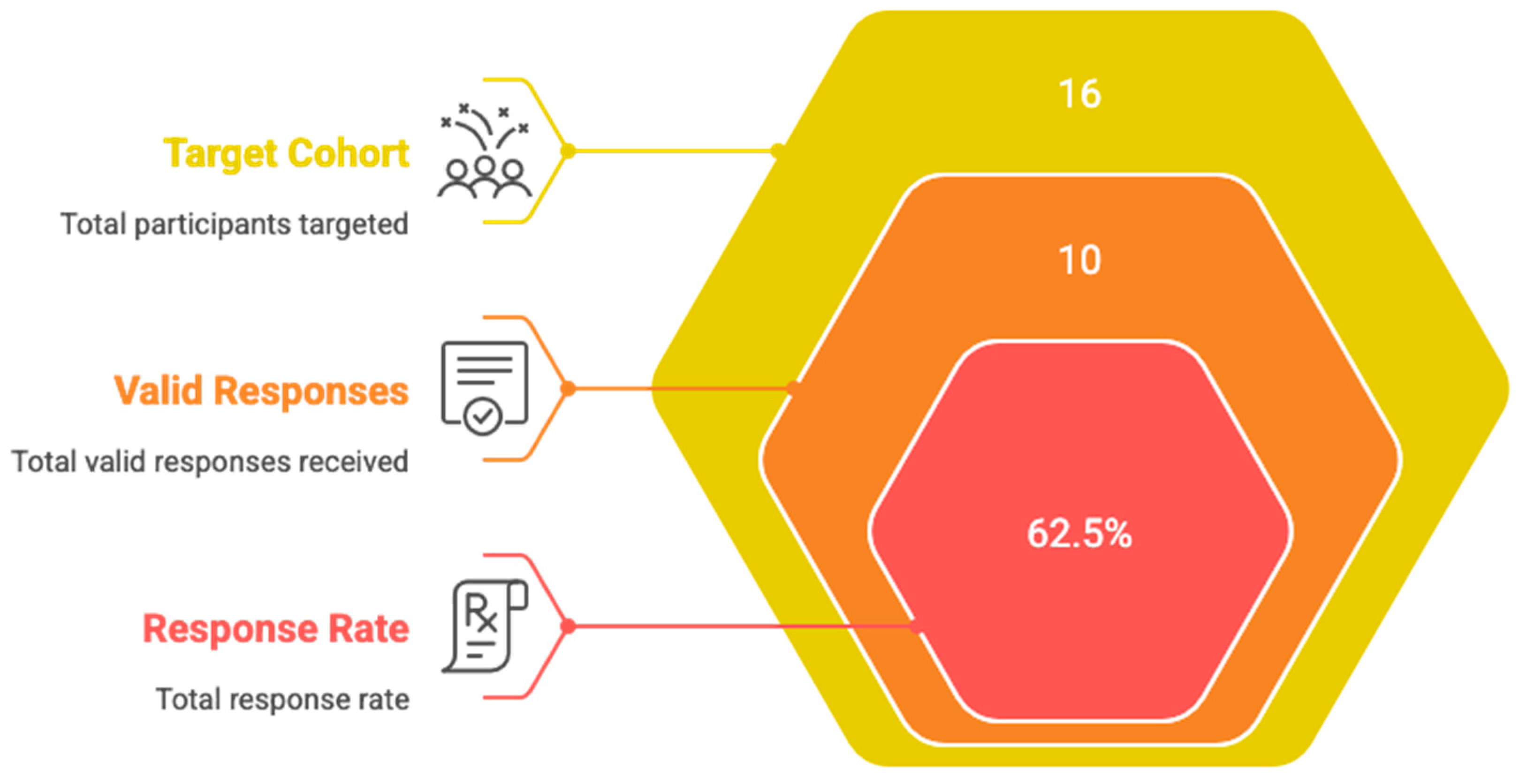
The survey targeted the full course cohort (n = 16, where n denotes the sample size). A total of 10 valid responses were received, yielding a 62.5% response rate. Participation was voluntary. Importantly, the survey was conducted more than five years after course completion, introducing a longitudinal and retrospective dimension that is rarely addressed in HBIM and architectural education studies. Within this context, the response rate is considered appropriate for exploratory educational research, particularly when combined with qualitative analysis of student design outputs. An additional strength of the study lies in its focus on a master’s-level cohort, where students typically engage with more advanced cognitive, analytical, and reflective learning processes. This level of academic engagement aligns well with the complexity of HBIM workflows and adaptive reuse decision-making, which require higher-order reasoning, integration of multiple constraints, and reflective judgment rather than short-term technical skill acquisition. Moreover, Figure 10 visually summarizes the retrospective nature and response robustness of the survey.

4.7. Data Analysis

Survey responses were analysed using descriptive statistics (mean, standard deviation, and agreement percentage defined as responses rated 4–5). Construct-level means were computed by averaging items within each construct. Internal consistency of the Likert-scale instrument was assessed using Cronbach’s alpha as an indicative reliability measure appropriate for exploratory studies. The open-ended responses were reviewed using a light thematic analysis, grouping comments into recurring themes such as documentation-to-decision learning, professional relevance, and improvement suggestions. Student project outputs were analysed qualitatively through synthesis of observed patterns across submissions (e.g., conservation-led logic, reversible interventions, evidence-based justification), focusing on cohort-level tendencies rather than individual scoring.
Content validity was supported through alignment of survey items with Course Learning Outcomes and expert review during course design. Construct validity was addressed through logical grouping of items into theoretically grounded constructs consistent with HBIM pedagogy literature.

4.8. Ethical Considerations

Participation in the survey was voluntary, and respondents were informed that their answers would be used only for academic research purposes. Data were reported in aggregate form to ensure confidentiality. Optional personal contact information (if provided) was not included in analysis or publication outputs.

5. Results

This section reports descriptive findings only, focusing on observed project characteristics and survey statistics without interpretive or theoretical inference. Moreover, this section reports findings from two complementary data sources: (1) the student HBIM adaptive reuse projects developed in the master’s course using Bayt Zainal (Jeddah Historic District, 2019) as the case study, and (2) a retrospective questionnaire administered to former students to evaluate the perceived long-term effectiveness of the HBIM-based teaching methodology.

5.1. Analysis of Student Adaptive Reuse Projects

The student projects illustrated in this section were intentionally selected from the full cohort to represent the most analytically explicit and pedagogically relevant outcomes. Selection criteria included clarity of HBIM-based decision-making, demonstrated heritage-sensitive intervention logic, and the effective use of documentation evidence (e.g., point clouds, analytical simulations) to justify adaptive reuse strategies. The selected examples are therefore illustrative rather than exhaustive, aiming to highlight recurring patterns observed across the cohort.
The student submissions demonstrate that HBIM can function not only as a modelling platform but also as a decision-support environment that links documentation evidence (e.g., point clouds and measured data) with conservation-led design thinking. Figure 11, Figure 12, Figure 13, Figure 14 and Figure 15 collectively illustrate how HBIM-based documentation and simulation outputs were used to support evidence-based adaptive reuse decisions across different student proposals. Across the cohort, student proposals consistently reflected three major outcomes: (i) heritage-sensitive intervention logic, (ii) evidence-based reuse decision-making, and (iii) structured documentation-to-design workflows.

5.2. Conservation-Led Intervention Logic

A recurring pattern across projects was the prioritization of historic fabric retention and the careful articulation of what should remain unchanged versus what could be adapted. Students commonly adopted approaches aligned with conservation principles such as preserving character-defining elements, minimizing irreversible interventions, and proposing reversible insertions when introducing new functions. These patterns indicate that the HBIM workflow supported students in reading the building as a constrained design environment where heritage values shape design boundaries.

5.3. Heritage Sensitivity and Adaptive Reuse Strategies

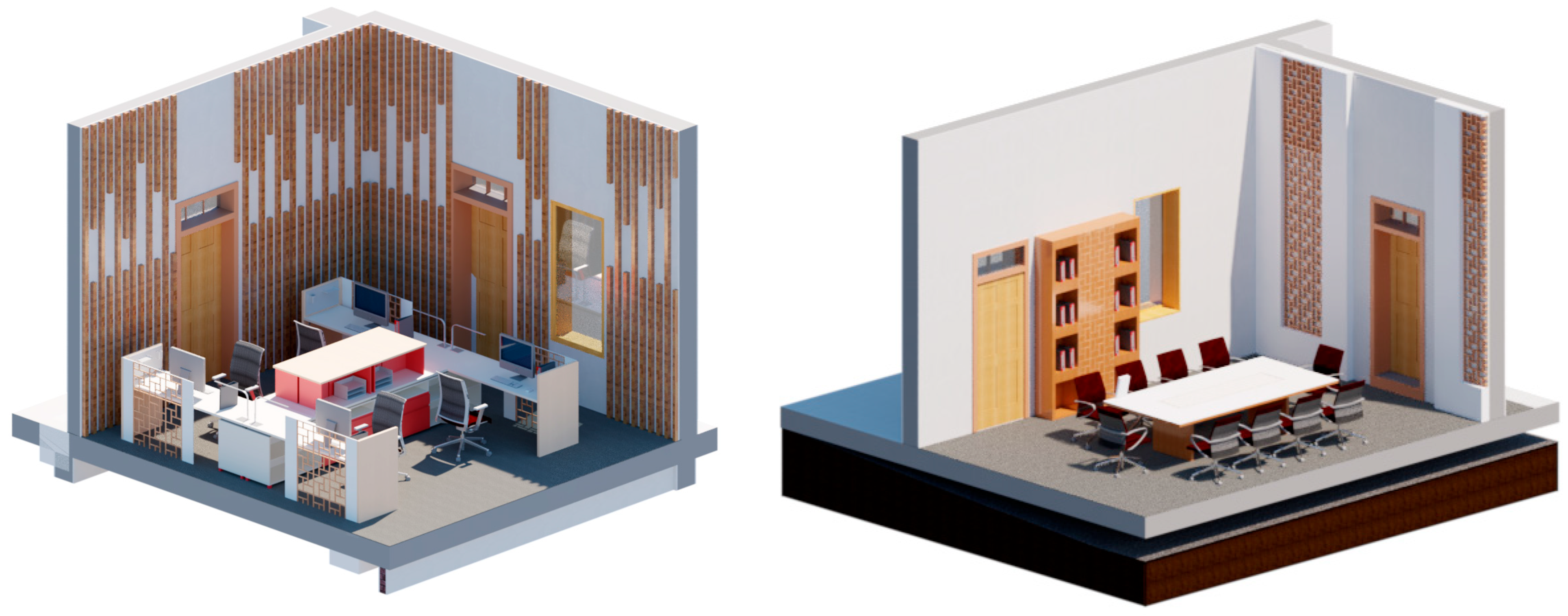
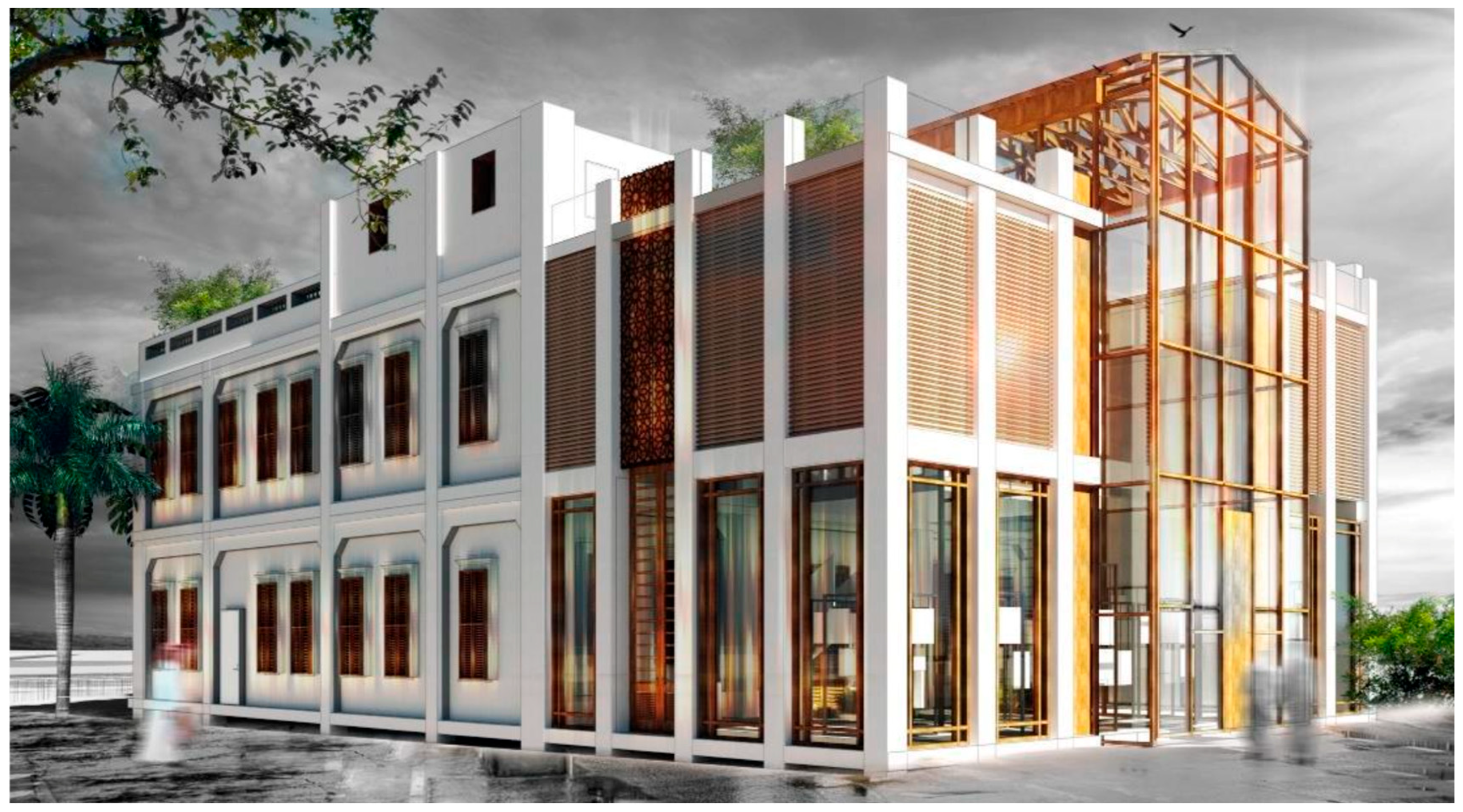
Student proposals typically demonstrated an explicit attempt to balance conservation requirements with new programmatic needs. Common strategies included program zoning aligned with heritage hierarchies, service integration approaches intended to reduce impact on historic fabric, and the introduction of new functions while maintaining the building’s original identity. Overall, the adaptive reuse proposals indicate that HBIM enabled students to test interventions in an information-rich model, supporting reasoned trade-offs between preservation and functionality. Figure 16, HBIM-derived sectional and analytical views used to evaluate the spatial and functional implications of the proposed adaptive reuse intervention (Group Two), and Figure 17, HBIM-based adaptive reuse proposal by Group Two, show how scan-based documentation informs conservation-led design decisions under heritage constraints.

5.4. Use of HBIM Evidence in Design Decision-Making

A key outcome was a visible shift from intuitive design to evidence-based design. Proposals often reflected documentation-driven constraints (e.g., irregular geometries captured via point clouds), conservation priorities embedded in the HBIM structure, and model-based justification of interventions. In practical terms, HBIM served as a “documentation backbone” that structured the reuse proposal around verified geometry and organized building information, reinforcing analytical thinking in a heritage context.

5.5. Survey Results (Educational Effectiveness of the HBIM Framework)

A retrospective survey was distributed to the full cohort of the 2019 HBIM master’s course (n = 16). A total of 10 responses were received (response rate = 62.5%). Moreover, 21 Likert-scale items (1 = strongly disagree to 5 = strongly agree), covering laser scanning and documentation, HBIM modelling, adaptive reuse decision-making, skill development, educational experience, and long-term professional impact. Overall, responses indicate consistently positive perceptions of the HBIM-based pedagogy. The overall average across all items was M = 4.49/5 (SD = 0.40). For clarity, M denotes the mean value, and SD denotes the standard deviation, suggesting a strong perceived educational value. The overall distribution of responses is summarized in Figure 18, while detailed item-level and construct-level results are reported in Table 1 and Table 2.

5.6. Item-Level Results

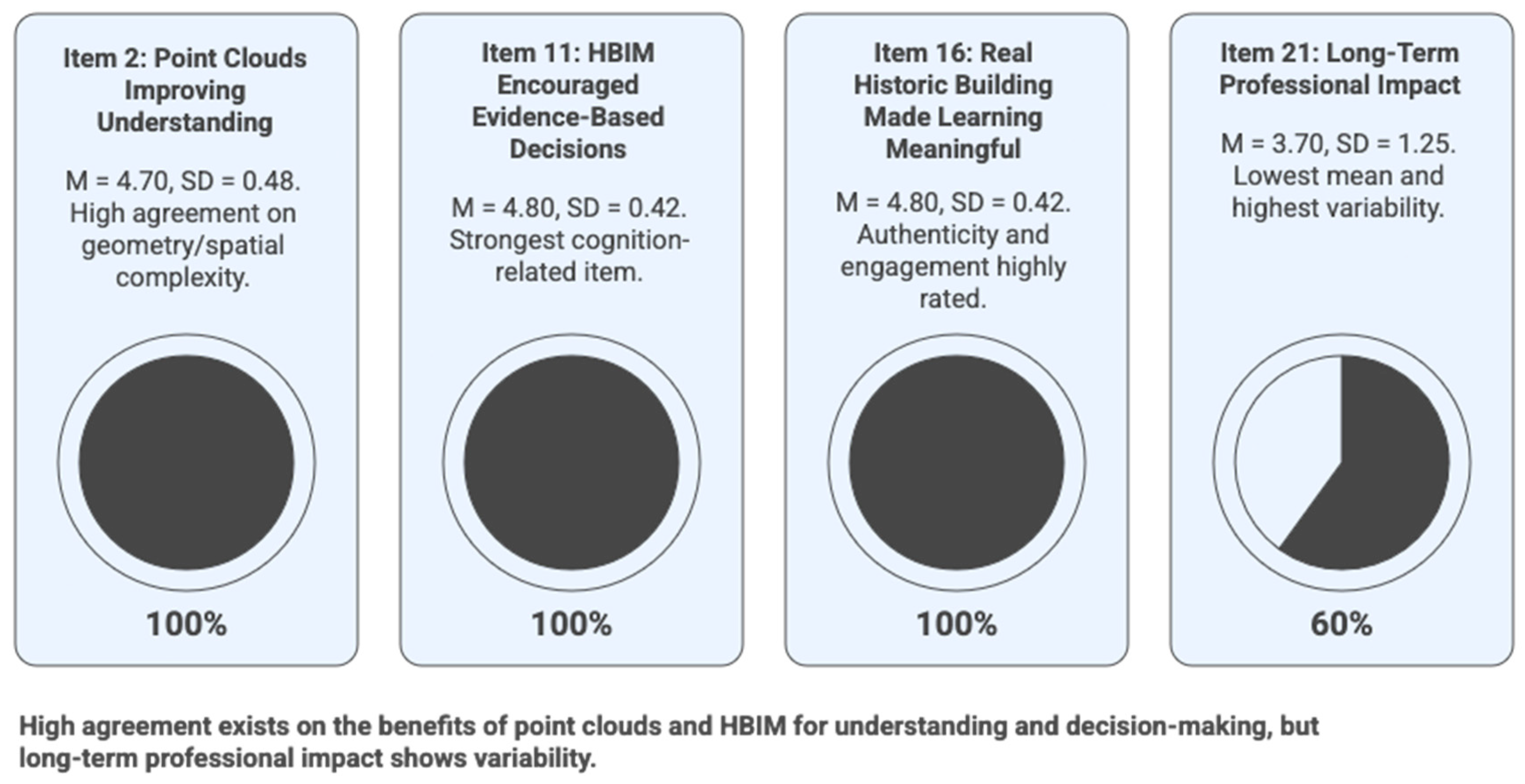
Item-level descriptive statistics show high agreement across most survey items, as summarized in Table 1 and visually illustrated in Figure 19. For example:
The item on point clouds improving understanding of geometry/spatial complexity scored highly (Item 2: M = 4.70, SD = 0.48; 100% agree/strongly agree).
The strongest cognition-related item indicated HBIM encouraged evidence-based rather than intuitive decision-making (Item 11: M = 4.80, SD = 0.42; 100% agree/strongly agree).
Authenticity and engagement were also highly rated, including that working on a real historic building made learning more meaningful (Item 16: M = 4.80, SD = 0.42; 100% agree/strongly agree).
The long-term professional impact item showed the lowest mean and the highest variability:
“More than five years after completing this HBIM course, I can clearly see its positive impact on my professional career and design approach” (Item 21: M = 3.70, SD = 1.25; 60% agree/strongly agree), indicating divergence in graduates’ career paths and the extent to which HBIM opportunities were available post-graduation.

5.7. Construct-Level Results

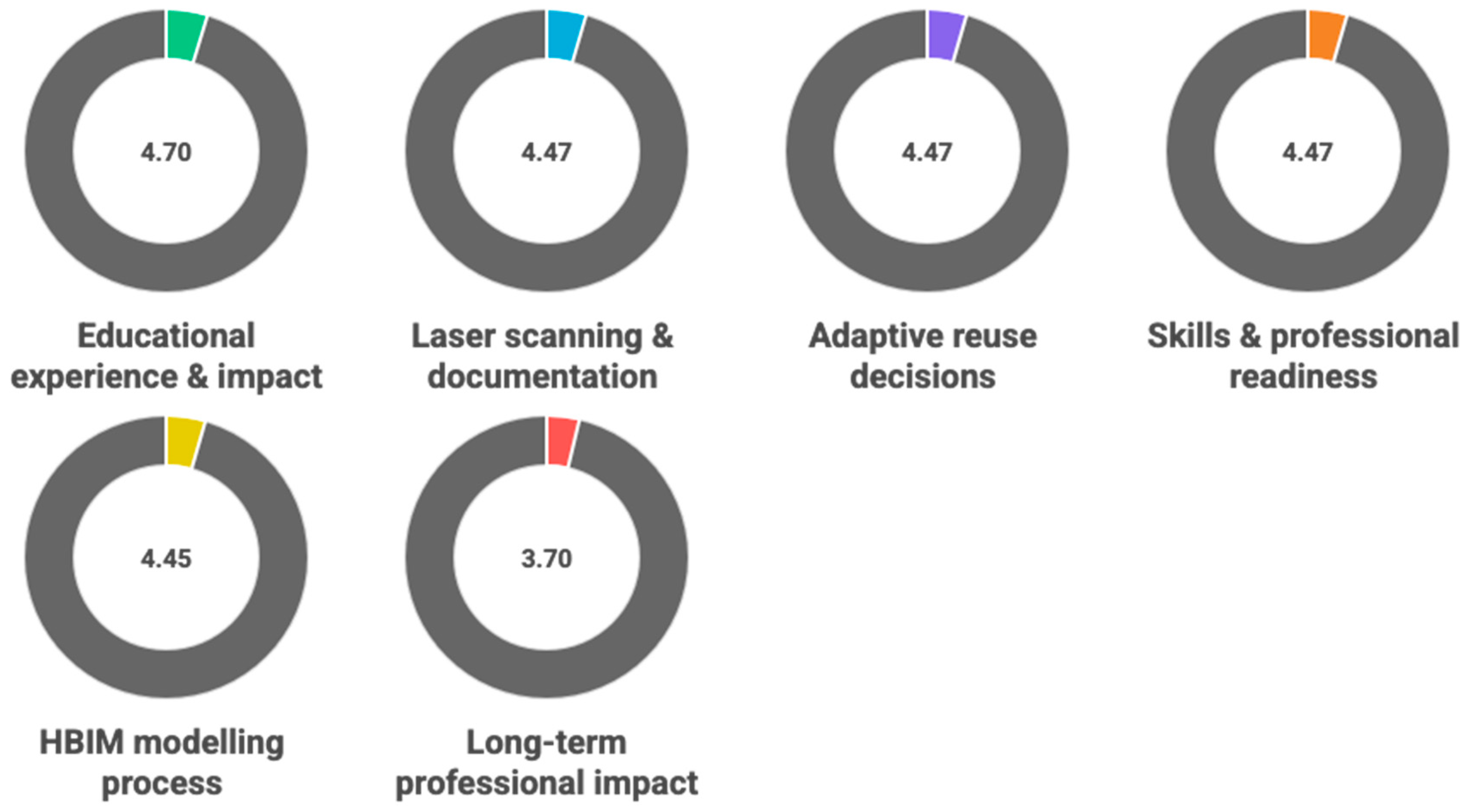
To improve interpretability, items were grouped into constructs (Table 2). Construct-level results were consistently high (Figure 20):
Educational experience & impact (Items 16–20): M = 4.70, SD = 0.41 (highest construct)
Laser scanning & documentation (Items 1–4): M = 4.47, SD = 0.51
Adaptive reuse decisions (Items 9–11): M = 4.47, SD = 0.55
Skills & professional readiness (Items 12–15): M = 4.47, SD = 0.43
HBIM modelling process (Items 5–8): M = 4.45, SD = 0.47
Long-term professional impact (Item 21): M = 3.70, SD = 1.25

5.8. Reliability

Internal consistency of the 21-item scale was high (Cronbach’s α = 0.89), indicating a reliable questionnaire structure. Given the cohort size and exploratory retrospective design, interpretation was intentionally based on descriptive statistics.

5.9. Qualitative Responses

All 10 respondents provided written comments regarding how the course influenced their professional or academic trajectory. Although responses varied in depth (including a small number of brief entries) (Table 1 and Table 2), several themes emerged:
  • Direct professional relevance to heritage workflows: Some respondents reported working in contexts aligned with heritage documentation and adaptive reuse, indicating the course helped open or support such opportunities.
  • Data-driven thinking: Multiple comments highlighted that the course strengthened a documentation-to-decision mindset, emphasizing evidence-based reasoning in both research and practice.
  • Academic progression: Some respondents linked the HBIM experience to broader postgraduate development and research readiness (e.g., supporting later doctoral work).
  • Uneven post-graduation application: A subset noted that HBIM did not directly shape their career due to limited opportunities or a different professional pathway, while still valuing the knowledge as a strong foundation.
Regarding “feedback to the instructor,” only 3 respondents provided improvement suggestions. These mainly focused on: (i) potentially separating HBIM teaching streams (heritage/restoration vs. new construction) and (ii) strengthening integration with supporting studio/theory courses to enhance continuity from learning to application and design.

6. Discussion

The following discussion interprets the results in relation to existing literature and theoretical frameworks on HBIM, adaptive reuse decision-making, and architectural education.
Furthermore, given the limited sample size and single-course context, the findings should be interpreted as exploratory rather than generalizable, providing indicative insights into HBIM pedagogy rather than definitive conclusions.

6.1. Interpreting the Educational Value of HBIM for Adaptive Reuse Studios

The findings indicate that embedding HBIM within a real adaptive reuse studio can create a learning environment that is simultaneously technical, analytical, and design-driven. The student project analysis suggests that HBIM was not treated merely as a modelling output, but functioned as a structured medium for interpreting constraints, organizing heritage information, and justifying interventions. This aligns with broader arguments that BIM-based pedagogy becomes most meaningful when it shifts from tool training toward process and decision-making competencies. In this study, the evidence-based logic observed in the projects—particularly conservation-led reasoning and traceable intervention decisions—suggests that HBIM can strengthen design thinking by making the “existing building” a measurable and interpretable design boundary rather than an abstract reference. The survey results reinforce this interpretation. Construct-level findings showed consistently high perceptions of educational effectiveness across laser scanning, HBIM modelling, adaptive reuse decision-making, skill development, and overall learning impact (overall mean ≈ 4.49/5). The strongest pattern across the survey is not simply satisfaction, but the perceived shift toward evidence-driven decision-making, as reflected by the highest-rated item stating that HBIM encouraged evidence-based rather than intuitive design decisions. This supports the argument that HBIM can enhance “design cognition” in heritage contexts, where the quality of intervention decisions depends heavily on understanding irregular geometry, constraints, and cultural value.

6.2. Scan-to-HBIM as a Cognitive Bridge Between Documentation and Design

A notable contribution of this study is the explicit incorporation of Scan-to-HBIM logic as an educational mechanism rather than a purely technical pipeline. High ratings for point cloud usefulness and reduced modelling uncertainty suggest that laser scanning supported students in developing a confident and accurate interpretation of existing conditions. In heritage buildings, the gap between drawings and reality is often substantial; therefore, introducing point clouds into studio learning may reduce interpretive assumptions and encourage more responsible design proposals. The construct-level results for laser scanning and documentation (M ≈ 4.47) indicate that students perceived reality capture not only as a source of geometry but also as a driver of deeper spatial comprehension.
From a pedagogical perspective, this documentation-to-design linkage is important because it promotes traceability: students can rationalize reuse interventions based on measurable evidence rather than generic design assumptions. This is particularly relevant in historic districts where conservation expectations are high and where decisions often require justification to authorities, stakeholders, or heritage governance systems. Accordingly, the high construct scores for adaptive reuse decision-making (M ≈ 4.47) can be interpreted as an educational effect of Scan-to-HBIM integration, providing a structured basis for balancing conservation priorities with functional upgrades.

6.3. Authentic Case Context and Motivation as Drivers of Learning Quality

The educational experience construct was the highest-rated domain (M ≈ 4.70), indicating that working on a real heritage building generated a meaningful learning experience and increased engagement. This supports the view that authentic case contexts can raise motivation and improve learning outcomes in design education, particularly when students perceive the task as professionally relevant and culturally significant. In this study, Bayt Zainal in Jeddah Historic District served not only as a modelling subject but as a narrative anchor that framed learning around real constraints, responsibilities, and heritage values. The strong agreement on motivation and meaningfulness suggests that HBIM pedagogy may be most effective when the learning setting is anchored in a real building and real documentation evidence.

6.4. Professional Readiness and Transfer of Learning Beyond the Course

The construct related to skills and professional readiness (M ≈ 4.47) suggests that students perceived the course as supportive of professional capability development. This is consistent with the argument that BIM/HBIM education can contribute to employability by strengthening competencies aligned with contemporary workflows such as model organization, information management, and coordination logic. Importantly, the long-term professional impact item displayed a lower mean (M ≈ 3.70) and higher variability, suggesting that the translation of HBIM learning into career outcomes depends on factors beyond the course itself, such as job market demand, the availability of heritage-focused roles, or graduates’ professional direction.
This variability does not weaken the educational case; rather, it provides a realistic insight for curriculum development. HBIM pedagogy may produce durable cognitive and technical foundations, yet professional uptake may remain uneven unless graduates find contexts where these competencies are actively required. Therefore, long-term impact should be interpreted as “opportunity-dependent”: the course can enable readiness, but career influence may vary based on external conditions.

6.5. Implications for Curriculum Design and HBIM Pedagogy

The study offers practical implications for designing HBIM curricula aimed at adaptive reuse. First, incorporating Scan-to-HBIM components early in the learning sequence appears to enhance confidence and reduce uncertainty, supporting more accurate modelling and better decision-making. Second, aligning studio learning with explicit learning outcomes and integrating evidence-based justification steps can help move HBIM education beyond software proficiency toward design reasoning under constraints. Third, the results suggest that realistic heritage contexts may play a key role in student engagement and learning quality, implying that collaboration with heritage agencies or access to documented case buildings can significantly improve educational impact.

6.6. Limitations and Future Research

This study is limited by its single-cohort design and the small sample size typical of master’s-level studios (n = 10 survey responses). While the response rate was relatively high (62.5%), the findings should be interpreted as exploratory and context-specific. Additionally, the retrospective nature of the survey may introduce recall bias; however, anchoring the survey to a specific case context [29] helps reduce ambiguity in participant recollection.
Future research could strengthen evidence by (i) replicating the framework across multiple cohorts or institutions, (ii) incorporating objective performance measures (e.g., rubric-based evaluation of model quality and reuse decision justification), and (iii) comparing HBIM-based adaptive reuse studios with non-HBIM studios to evaluate differential learning outcomes. Additional work could also test how interoperability practices (e.g., IFC workflows) and multi-disciplinary collaboration influence learning effectiveness in heritage design education.

7. Conclusions

This study evaluated a pedagogical HBIM framework implemented in a master’s-level course (2019) focused on the adaptive reuse of Bayt Zainal in Jeddah Historic District. By combining qualitative analysis of student HBIM-based adaptive reuse outputs with a retrospective survey of former students (n = 10; response rate = 62.5%), the research provides evidence that HBIM can serve as more than a modelling tool in architectural education, functioning instead as an integrated learning environment that supports documentation-based reasoning, heritage-sensitive design decision-making, and professional readiness.
Furthermore, From a practical educational perspective, the findings suggest that HBIM-based adaptive reuse courses should be structured around modular components, including: (i) an initial documentation and interpretation module (3–4 weeks), (ii) an HBIM modelling and analysis module (4–5 weeks), and (iii) a design integration and evaluation module (4–5 weeks). Studio-based assessment, supported by formative critiques and documentation-driven justification, proved more effective than tool-based evaluation alone. Group-based project work further supported peer learning and simulated professional heritage practice.

7.1. Key Findings

Three main findings emerged from the combined datasets. First, the student projects demonstrated that HBIM can structure adaptive reuse thinking by linking documentation evidence and heritage constraints to intervention logic, encouraging conservation-led reasoning and traceable design justification. Second, survey results indicated consistently positive perceptions of the educational approach across all constructs, with particularly strong ratings for learning meaningfulness and engagement when working on a real historic building. Students also strongly agreed that HBIM encouraged evidence-based rather than intuitive design decisions, reinforcing the pedagogical value of HBIM as a cognitive and analytical framework. Third, while respondents reported high perceived gains in skills and professional readiness, the long-term career impact item showed greater variability, suggesting that the translation of HBIM learning into professional outcomes is influenced by external factors such as career direction and availability of heritage-oriented roles.

7.2. Contributions of the Study

This research contributes to the growing body of knowledge on HBIM and architectural education in three ways. (1) It proposes and evaluates a practice-oriented pedagogical framework that integrates Scan-to-HBIM and HBIM modelling within an adaptive reuse studio, grounded in a real heritage case context. (2) It provides empirical evidence that linking reality capture data (point clouds) to HBIM modelling can enhance design comprehension and support evidence-based intervention decisions in heritage settings. (3) It introduces a retrospective, CLO-aligned evaluation approach that extends assessment beyond immediate course feedback, offering a method for examining sustained educational value in postgraduate BIM/HBIM teaching.

7.3. Practical Recommendations

Based on the findings, several recommendations can support future curriculum development. HBIM courses focused on adaptive reuse should incorporate reality capture and point-cloud interpretation early in the learning sequence to reduce modelling uncertainty and strengthen understanding of existing conditions. Educational workflows should emphasize the use of HBIM for decision justification under heritage constraints, not only for geometric modelling. Finally, authentic heritage case contexts, supported by access to documentation datasets and engagement with heritage stakeholders, can enhance motivation and learning depth, strengthening the connection between academic training and professional expectations.

7.4. Limitations and Future Work

The study is limited by the single-cohort case design and the small sample size typical of postgraduate studios. Although the response rate was relatively high, results should be interpreted as exploratory and context dependent. Future work should replicate the framework across multiple cohorts or institutions, integrate objective performance measures (e.g., rubric-based evaluation of modelling and intervention justification quality), and compare HBIM-based studios with non-HBIM teaching approaches.
Moreover, future research should expand this approach through multi-institutional and cross-cultural comparisons to validate the pedagogical framework across different educational settings.
Additional research could also evaluate the role of interoperability workflows (e.g., IFC-based exchange) and multi-disciplinary collaboration in shaping learning outcomes within heritage-oriented design education.

Funding

The project was funded by KAU Endowment (WAQF) at King Abdulaziz University, Jeddah, Saudi Arabia.

Institutional Review Board Statement

The manuscript is based solely on architectural heritage documentation, digital surveying, and HBIM-based analysis of a historic building, without involving human or animal subjects or identifiable personal data.

Informed Consent Statement

The manuscript is based solely on architectural heritage documentation, digital surveying, and HBIM-based analysis of a historic building, without involving human or animal subjects or identifiable personal data.

Data Availability Statement

The data presented in this study are available from the corresponding author (A.B.) upon request.

Acknowledgments

The project was funded by KAU Endowment (WAQF) at king Abdulaziz University, Jeddah, Saudi Arabia. The authors, therefore, acknowledge with thanks WAQF and the Deanship of Scientific Research (DSR) for technical and financial support.

Conflicts of Interest

The author states that he has no conflicts of financial interest or personal relationships that could potentially impact the objectivity or integrity of research findings.

References

  1. Cui, H.; Wu, J. How Architectural Heritage Is Moving to Smart: A Systematic Review of HBIM. Buildings 2025, 15, 2664. [Google Scholar] [CrossRef]
  2. Zhang, Q.; Ali, Z.M.; Abidin, N.Z. Sustainable Adaptive Reuse of Historic Buildings: Development of a Framework from Systematic Review. npj Herit. Sci. 2025, 13, 619. [Google Scholar] [CrossRef]
  3. Ávila, F.; Blanca-Hoyos, Á.; Puertas, E.; Gallego, R. HBIM: Background, Current Trends, and Future Prospects. Appl. Sci. 2024, 14, 11191. [Google Scholar] [CrossRef]
  4. Lanz, F.; Pendlebury, J. Adaptive Reuse: A Critical Review. J. Archit. 2022, 27, 441–462. [Google Scholar] [CrossRef]
  5. Stone, S. Notes towards a Definition of Adaptive Reuse. Architecture 2023, 3, 477–489. [Google Scholar] [CrossRef]
  6. Hussein, F.; Alhebsi, K. Adaptive Re-Use of Cultural Heritage Sites: A Strategy for Circular Economy. Sustainability 2025, 17, 6403. [Google Scholar] [CrossRef]
  7. Gewirtzman, D.F. Adaptive Reuse Architecture Documentation and Analysis. J. Archit. Eng. Tech. 2016, 5, 1–8. [Google Scholar] [CrossRef]
  8. Baik, A. The Evaluation of the Wooden Structural System in Hijazi Heritage Building via Heritage BIM. In Structural Analysis of Historical Constructions; Endo, Y., Hanazato, T., Eds.; RILEM Bookseries; Springer Nature Switzerland: Cham, Switzerland, 2024; Volume 46, pp. 407–420. ISBN 978-3-031-39449-2. [Google Scholar]
  9. Baik, A. A Comprehensive Heritage BIM Methodology for Digital Modelling and Conservation of Built Heritage: Application to Ghiqa Historical Market, Saudi Arabia. Remote Sens. 2024, 16, 2833. [Google Scholar] [CrossRef]
  10. Baik, A. Heritage Building Information Modelling for Implementing UNESCO Procedures: Challenges, Potentialities, and Issues; Routledge: Abingdon, UK; New York, NY, USA, 2020; ISBN 978-1-000-07960-9. [Google Scholar]
  11. Salgado, M.S. BIM and the Future of Architecture Teaching. IOP Conf. Ser. Earth Environ. Sci. 2022, 1101, 052024. [Google Scholar] [CrossRef]
  12. Zammel, M.; Allani, N. A Pedagogical Approach Using Digitalization and Heritage Building Information Modelling (HBIM) for a New Practice in Architecture and Archaeology. Am. J. Remote Sens. 2023, 11, 16–31. [Google Scholar] [CrossRef]
  13. Jadresin Milic, R.; McPherson, P.; McConchie, G.; Reutlinger, T.; Singh, S. Architectural History and Sustainable Architectural Heritage Education: Digitalisation of Heritage in New Zealand. Sustainability 2022, 14, 16432. [Google Scholar] [CrossRef]
  14. Parente, M.; Bruno, N.; Ottoni, F. HBIM and Information Management for Knowledge and Conservation of Architectural Heritage: A Review. Heritage 2025, 8, 306. [Google Scholar] [CrossRef]
  15. Lovell, L.J.; Davies, R.J.; Hunt, D.V.L. The Application of Historic Building Information Modelling (HBIM) to Cultural Heritage: A Review. Heritage 2023, 6, 6691–6717. [Google Scholar] [CrossRef]
  16. Baik, A.; Alshawabkeh, Y. Harnessing Heritage BIM for Enhanced Architectural Documentation of Ad Deir in Petra. Appl. Sci. 2024, 14, 4562. [Google Scholar] [CrossRef]
  17. Baik, A.; Boehm, J.; Robson, S. Jeddah Historical Building Information Modeling “JHBIM” Old Jeddah—Saudi Arabia. Int. Arch. Photogramm. Remote Sens. Spatial Inf. Sci. 2013, XL-5/W2, 73–78. [Google Scholar] [CrossRef]
  18. Samy, A.; El-Habashi, A.E.; Al-Moatazbellah, A.-B. A Value-Based HBIM Framework for Adaptive Reuse of Heritage Buildings: A Case Study of Bayt Yakan. J. Eng. Res. 2024, 8, 13. [Google Scholar] [CrossRef]
  19. Jurelionis, A.; Fokaides, P.A.; Mazzarella, L.; Hartmann, T. (Eds.) Building Digital Twins: Proceedings of BDTSC 2025; Lecture Notes in Civil Engineering; Springer Nature Switzerland: Cham, Switzerland, 2026; Volume 775, ISBN 978-3-032-09039-3. [Google Scholar]
  20. Kim, S.; Lee, Y.; Lee, J. HBIM-Based Digital Restoration and Documentation of Hyeumwonji as Lost Wooden Architectural Heritage. Int. Arch. Photogramm. Remote Sens. Spatial Inf. Sci. 2025, XLVIII-M-9–2025, 727–734. [Google Scholar] [CrossRef]
  21. Al-Sakkaf, A.; Ahmed, R. Applicability of BIM in Heritage Buildings: A Critical Review. Int. J. Digit. Innov. Built Environ. 2019, 8, 20–37. [Google Scholar] [CrossRef]
  22. Angulo, E.C.A. HBIM Methodology Applied to Architectural Heritage. Rev. Gest. Soc. Ambient. 2024, 18, e09878. [Google Scholar] [CrossRef]
  23. Özkan, K.; Şentürk, A. Adaptive Reuse of Historic Buildings for Education: Istanbul Commerce University. Turk. Online J. Des. Art Commun. 2025, 15, 1317–1334. [Google Scholar] [CrossRef]
  24. Embaby, M.E. Heritage Conservation and Architectural Education: “An Educational Methodology for Design Studios”. HBRC J. 2014, 10, 339–350. [Google Scholar] [CrossRef]
  25. Castaño Perea, E.; Echeverria Valiente, E. (Eds.) Architectural Draughtsmanship: From Analog to Digital Narratives; Springer International Publishing: Cham, Switzerland, 2018; ISBN 978-3-319-58855-1. [Google Scholar]
  26. Kolb, D.A. Experiential Learning: Experience as the Source of Learning and Development; FT Press: London, UK, 2014. [Google Scholar]
  27. Lave, J.; Wenger, E. Situated Learning: Legitimate Peripheral Participation; Cambridge University Press: Cambridge, UK, 1991. [Google Scholar]
  28. Khan, M.; Khan, M.; Bughio, M.; Talpur, B.; Kim, I.; Seo, J. An Integrated HBIM Framework for the Management of Heritage Buildings. Buildings 2022, 12, 964. [Google Scholar] [CrossRef]
  29. Baik, A. The Use of Interactive Virtual BIM to Boost Virtual Tourism in Heritage Sites, Historic Jeddah. Int. J. Geo-Inf. 2021, 10, 577. [Google Scholar] [CrossRef]
Figure 1. Scan-to-HBIM to Adaptive reuse workflows.
Buildings 16 00970 g001
Figure 2. Pedagogical framework illustrating the transition from documentation to HBIM-based adaptive reuse decision-making.
Buildings 16 00970 g002
Figure 3. Structure of the Research Paper on HBIM in Adaptive Reuse.
Buildings 16 00970 g003
Figure 4. Bayt Zainal from the front elevation (north).
Buildings 16 00970 g004
Figure 5. Bayt Zainal from the right-side elevation (east).
Buildings 16 00970 g005
Figure 6. Bayt Zainal from the lift-side elevation (west).
Buildings 16 00970 g006
Figure 7. Bayt Zainal from inside. (A) The building from inside the second floor, and (B) the staircase with a wooden roof.
Buildings 16 00970 g007
Figure 8. Terrestrial laser scanning point cloud used as the geometric reference for HBIM modelling of Bayt Zainal, enabling accurate interpretation of irregular historic geometry.
Buildings 16 00970 g008
Figure 9. HBIM model developed directly from the point cloud data, illustrating the transition from scan-based documentation to information-rich modelling.
Buildings 16 00970 g009
Figure 10. Survey response rate. Participants were master’s graduates surveyed more than five years after course completion.
Buildings 16 00970 g010
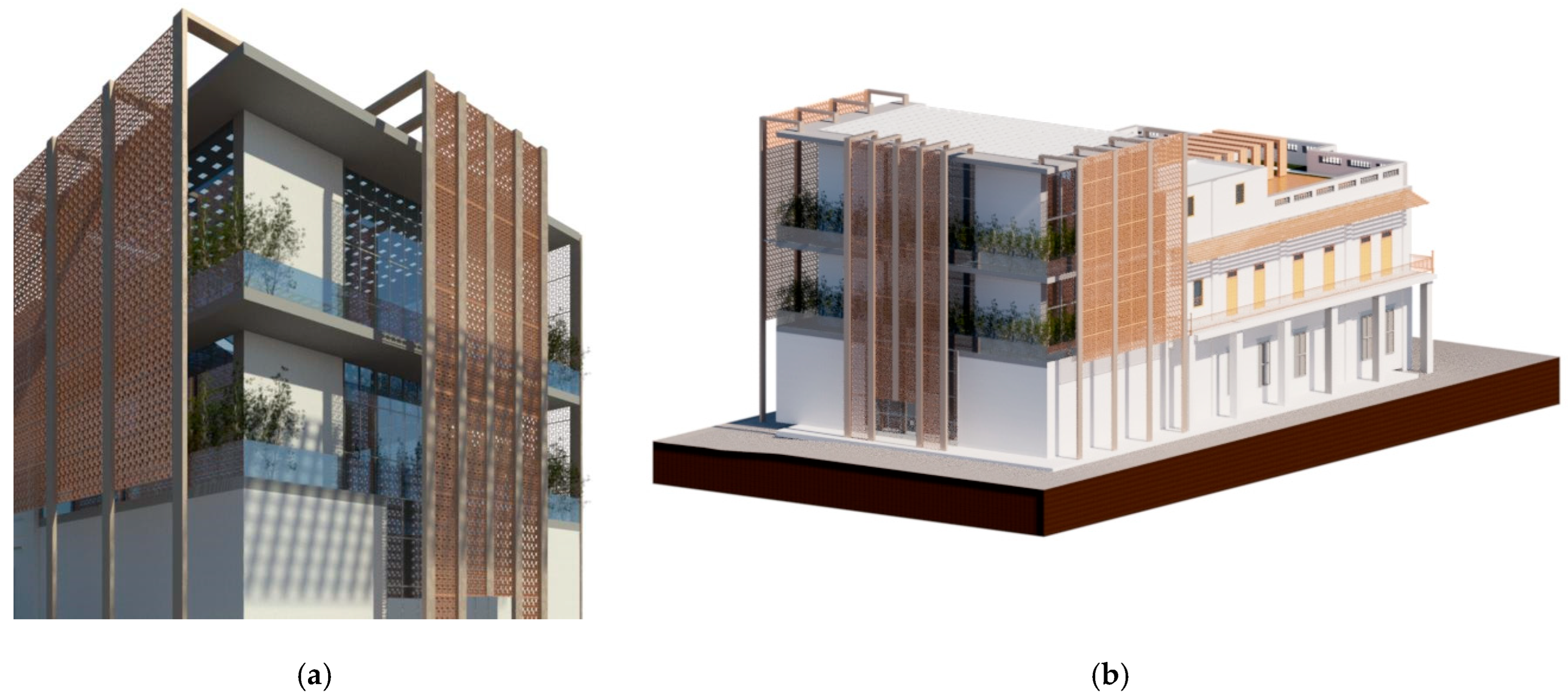
Figure 11. Transition from existing historic building information modeling (HBIM) documentation to the proposed adaptive reuse intervention (Group 1), illustrating how the documented constraints influenced the expansion design decisions. (a) The building expansion. (b) The existing building and the expansion.
Buildings 16 00970 g011
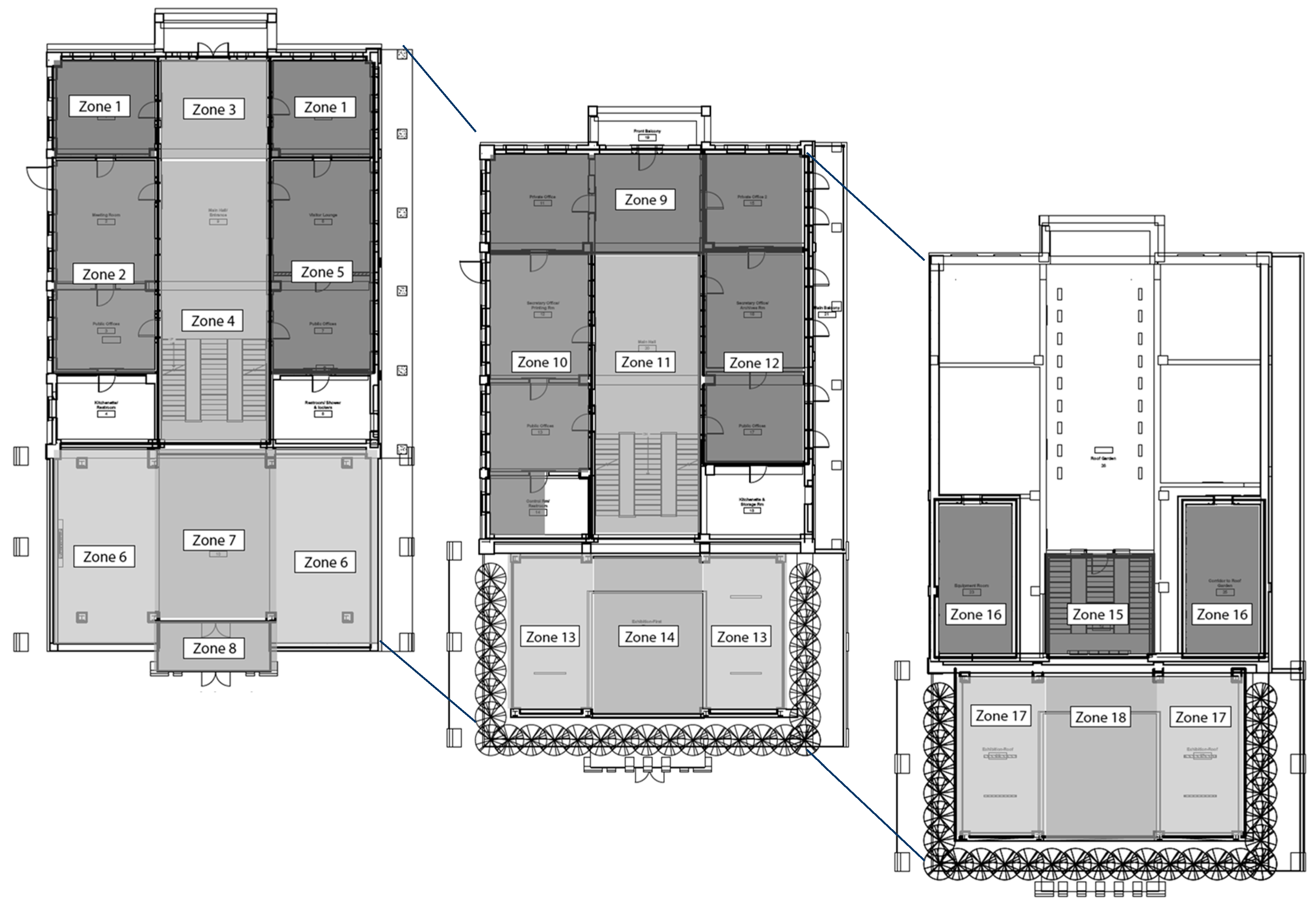
Figure 12. HBIM-derived floor plans of the proposed adaptive reuse scheme (Group One), developed based on scan-based documentation of existing spatial constraints.
Buildings 16 00970 g012
Figure 13. Section-box visualizations used to evaluate interior spatial adaptation and integration of new functions within the documented historic fabric (Group One).
Buildings 16 00970 g013
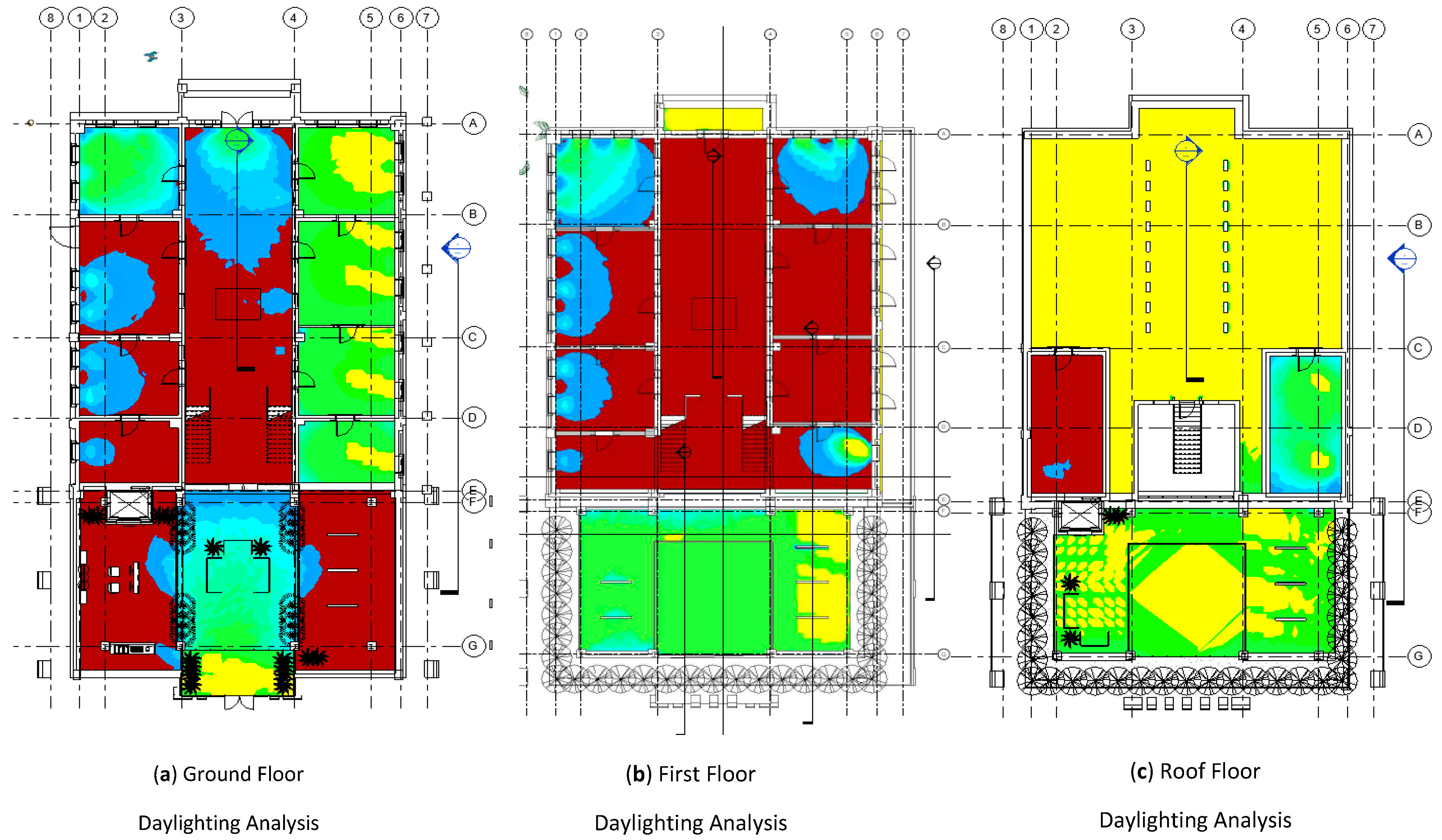
Figure 14. Daylight analysis supporting evidence-based evaluation of reuse strategies and interior performance optimization within the HBIM environment (Group One).
Buildings 16 00970 g014
Figure 15. Environmental airflow simulations conducted on the HBIM model in order to assess the performance implications of adaptive reuse decisions (Group One).
Buildings 16 00970 g015
Figure 16. HBIM-derived sectional and analytical views used to evaluate the spatial and functional implications of the proposed adaptive reuse intervention (Group Two).
Buildings 16 00970 g016
Figure 17. HBIM-based adaptive reuse proposal by Group Two, showing how scan-based documentation informed conservation-led design decisions under heritage constraints.
Buildings 16 00970 g017
Figure 18. HBIM Framework Educational Effectiveness. The left chart shows the survey response rate (62.5% of the cohort; n = 10/16). The right chart illustrates the overall average score across all survey items (M = 4.49/5).
Buildings 16 00970 g018
Figure 19. Item-Level Results: Point Clouds and HBIM (For clarity, M denotes the mean value, and SD denotes the standard deviation).
Buildings 16 00970 g019
Figure 20. Mean scores for grouped survey constructs (values out of 5, with percentage equivalents shown), illustrating consistently high educational impact across dimensions.
Buildings 16 00970 g020
Table 1. Item-level descriptive statistics (n = 10).
ItemQuestion (Short)MeanSDAgree (4–5) %
1Laser scanning improved understanding of existing conditions.4.400.7090.0
2Point cloud improved understanding of geometry/spatial complexity.4.700.48100.0
3Laser scanning reduced uncertainty during HBIM modelling.4.200.7980.0
4Laser scanning integration improved HBIM model reliability.4.600.52100.0
5HBIM enhanced understanding of historic construction systems.4.500.7190.0
6HBIM helped organize architectural/historical information.4.500.53100.0
7HBIM improved ability to analyses heritage architectural elements.4.500.7190.0
8HBIM supported interpretation of heritage constraints.4.300.9580.0
9HBIM enabled informed adaptive reuse decisions.4.400.9780.0
10HBIM supported balancing conservation with new functions.4.200.9280.0
11HBIM encouraged evidence-based (vs. intuitive) decisions.4.800.42100.0
12HBIM enhanced overall architectural design process.4.500.7190.0
13Course improved digital/parametric modelling skills.4.600.7090.0
14Real survey data increased confidence for complex projects.4.500.53100.0
15Course improved readiness for professional practice.4.400.8480.0
16Real historic building made learning more meaningful.4.800.42100.0
17HBIM approach increased motivation/engagement.4.800.42100.0
18HBIM workload appropriate for master’s level.4.600.7090.0
19HBIM enhanced overall learning quality.4.600.7090.0
20HBIM should be more widely integrated in heritage education.4.600.7090.0
21Long-term impact on career/design approach (5+ years).3.701.2560.0
Table 2. Construct-level summary statistics (n = 10).
ConstructItemsMeanSDMinMax
Laser scanning & documentation (Q1–Q4)44.470.513.755.00
HBIM modelling process (Q5–Q8)44.450.473.755.00
Adaptive reuse decisions (Q9–Q11)34.470.553.335.00
Skills & professional readiness (Q12–Q15)44.470.433.755.00
Educational experience & impact (Q16–Q20)54.700.413.805.00
Long-term professional impact (Q21)13.701.251.005.00
Disclaimer/Publisher’s Note: The statements, opinions and data contained in all publications are solely those of the individual author(s) and contributor(s) and not of MDPI and/or the editor(s). MDPI and/or the editor(s) disclaim responsibility for any injury to people or property resulting from any ideas, methods, instructions or products referred to in the content.