1. Introduction
Concrete is the world’s most widely used building material due to basic properties such as strength and durability, among other economic factors. Yet, its major binder ingredient is Portland cement, which poses serious environmental and sustainability issues. The cement industry is one of the largest industrial CO
2 emitters, with a share of 8% in total global CO
2 output [
1,
2,
3]. The emissions occur mainly as a result of calcination of limestone and from high heat requirements during clinker production. Large-scale production of cement requires huge quantities of natural resources and contributes to global warming; thus, finding sustainable alternatives has become an immediate priority within the construction sector [
4]. Traditional methods to reduce cement consumption are through the use of supplementary cementitious materials such as fly ash, silica fume, and slag [
5]. While these materials can partially replace cement and improve certain properties, their availability and performance are regional and do not fully meet the demand for low-carbon binders. In this context, the ultramodern shifted radically with the introduction of a biological approach to construction. Among the most promising of these is MICP, wherein microorganisms precipitate CaCO
3 as part of their metabolic byproduct [
6,
7,
8]. The biogenic CaCO
3 generated by MICP fills micro voids and cracks, refines pore structures, and improves bonding within the matrix, which can lead to enhanced mechanical strength, impermeability, and long-term durability [
9]. MICP is based on the biochemical transformation of dissolved calcium ions and carbonate ions, resulting from microbial metabolism, into stable calcium carbonate deposits. These resulting CaCO
3 crystals serve as natural micro fillers in enhancing the cement matrix without resorting to the use of synthetic chemicals [
10]. Multiple variables affect the process: microbial species, nutrient availability, and environmental conditions in relation to pH and temperature [
11]. The unique ability of certain microorganisms to survive and be active under highly alkaline conditions makes such microorganisms suitable candidates for integration into cementitious systems [
12].
Bacillus subtilis has shown remarkable efficacy and compatibility with cementitious materials among the bacterial species investigated for MICP applications. It is an endospore-forming, Gram-positive bacterium that can withstand the severe, high pH conditions seen in fresh cement paste [
13,
14,
15].
B. subtilis catalyzes the hydrolysis of urea and the hydration of CO
2 through enzymatic processes involving urease and carbonic anhydrase, respectively. The resulting carbonate ions combine with calcium ions to produce calcite (CaCO
3) [
16]. A denser and more cohesive structure is produced when these calcite crystals precipitate inside the pores and along microcracks. Better resistance to environmental deterioration, decreased permeability, and increased compressive strength are the outcomes [
17,
18]. Furthermore, the latent bacterial endospores in the hardened concrete can reawaken in the presence of moisture, allowing for a self-healing mechanism that prolongs the material’s useful life [
19].
Concurrently, another interesting biological pathway for mineralization in cementitious materials is provided by filamentous fungi like
Aspergillus fumigatus. The biomineralization processes of fungi and bacteria are quite different. The intricate network of hyphae produced by
A. fumigatus acts as a natural scaffold or template for the crystallization of CaCO
3 [
20,
21]. This chemical reaction encourages calcium carbonate crystal nucleation and development, producing a continuous mineral layer that improves durability and strength. Fungal mineralization typically results in a more uniform deposition of CaCO
3 throughout the matrix, which leads to higher flexural strength and crack-bridging capability, in contrast to bacterial precipitation, which is often confined [
22,
23,
24]. Few studies have examined the impact of microbial incorporation under conditions of reduced cement content, which is crucial for lowering CO
2 emissions and promoting sustainability, and earlier research has only examined bacterial MICP systems, leaving the potential of fungal-based biomineralization underexplored. Despite the growing interest in biologically enhanced mortars, comparative studies between bacterial and fungal microorganisms are still rare [
25].
Recent advancements in microbial biotechnology have highlighted that both bacterial and fungal mineralization pathways can significantly influence the hydration reactions and microstructure formation within cementitious systems [
26,
27,
28]. The presence of biogenic CaCO
3 not only fills voids but also acts as nucleation sites that accelerate the formation of C-S-H gel, thereby improving early strength development. This highlights the importance of analyzing microbial interaction with cement hydration products using advanced characterization techniques such as XRD, Fourier transform infrared spectroscopy (FTIR), and thermogravimetric analysis (TGA), which can reveal mineralogical transformations associated with microbial activity [
29,
30].
Moreover, the integration of microbial agents into cementitious materials gains further relevance under scenarios of reduced cement content, where mechanical performance becomes more sensitive to pore structure and interfacial bonding. Studies have demonstrated that microbial incorporation can partially compensate for strength losses caused by cement reduction by improving matrix densification and enhancing the ITZ region [
31,
32]. Such improvements are especially evident in mechanical tests such as compressive strength, flexural strength, and split-tensile strength, which collectively indicate performance enhancement across different loading mechanisms [
33].
Chemical analyses, including XRF and ICP-OES, have also been employed to determine changes in elemental composition before and after microbial treatment. These techniques help clarify whether microorganisms alter the chemical consumption rate of calcium ions and whether biomineralization affects the distribution of silicon, aluminum, and other cementitious components [
34]. Meanwhile, SEM imaging combined with EDS mapping provides direct visualization of microbial-induced calcite morphologies, enabling researchers to compare crystal size, shape, and surface coverage between bacterial and fungal systems [
35,
36]. Fungal hyphae, for example, often yield elongated or layered CaCO
3 formations, whereas bacterial systems predominantly form spherical or rhombohedral calcite crystals.
The long-term durability performance of microbially enhanced mortars is another crucial research direction. Environmental tests such as water absorption, sorptivity, chloride penetration, and freeze–thaw resistance have shown that microbial CaCO
3 can significantly reduce permeability and increase resistance to environmental degradation [
37,
38]. These benefits align well with sustainability goals because improved durability leads to extended service life and lower maintenance requirements, thus reducing life-cycle carbon emissions.
Despite the wide exploration of supplementary cementitious materials to improve sustainability, the potential of biological pathways to enable high-volume cement reduction remains insufficiently understood. Much of the existing research on MICP has focused on bacterial systems to enhance crack healing, durability, and strength in concrete and mortar [
39,
40]. Reviews of MICP mechanisms highlight the promise of bacterial biomineralization for pore filling and self-healing in cementitious systems but also note that the full spectrum of biological mechanisms, especially those involving non-bacterial microorganisms, has received limited comparative study [
39,
40,
41]. In particular, filamentous fungi have been proposed as alternative biomineralization agents, yet detailed evaluations of their mechanisms relative to bacteria in the context of significant cement reduction are scarce [
42]. This study addresses this gap by directly comparing
Bacillus subtilis and
Aspergillus fumigatus as bio-additives, with the innovation lying in identifying which microbial pathway, bacterial mineral deposition or fungal morphology-associated mineralization, is more effective at compensating for the mechanical and microstructural deficits inherent in low-cement mortars.
Given the global urgency to decarbonize the construction industry, exploring microbial approaches, especially comparative evaluations between
Bacillus subtilis and
Aspergillus fumigatus, offers a promising pathway for innovation. The distinct metabolic mechanisms, mineralization behaviors, and microstructural impacts of bacteria and fungi warrant comprehensive investigation under varying cement-reduction conditions. This knowledge gap forms the foundation for developing optimized, biologically enhanced cementitious materials tailored for future sustainable construction practices [
43,
44].
This study addresses a critical research gap by comparatively evaluating Bacillus subtilis and Aspergillus fumigatus as bio-additives in cement mortar, incorporating a substantial 30% reduction in cement content relative to a control mix. To enable a direct and unbiased comparison of bacterial- and fungal-induced mechanisms under identical conditions, both microorganisms were introduced at a uniform dosage of 5% by weight of cement.
A comprehensive experimental program was conducted, including flexural strength testing, chemical characterization using XRD, XRF, and microstructural analysis via SEM. These methods were employed to elucidate the distinct roles of Bacillus subtilis in enhancing mechanical performance through calcite precipitation and Aspergillus fumigatus in maintaining or exceeding mechanical strength through hyphal-mediated reinforcement, despite reduced cement content.
This comparative approach provides a clearer understanding of how different microbial pathways influence matrix densification, pore refinement, and mineralization efficiency. The outcomes of this research aim to establish a scientific framework for the informed selection of optimal microbial agents in the development of future low-carbon and high-performance cementitious systems.
2. Materials and Methods
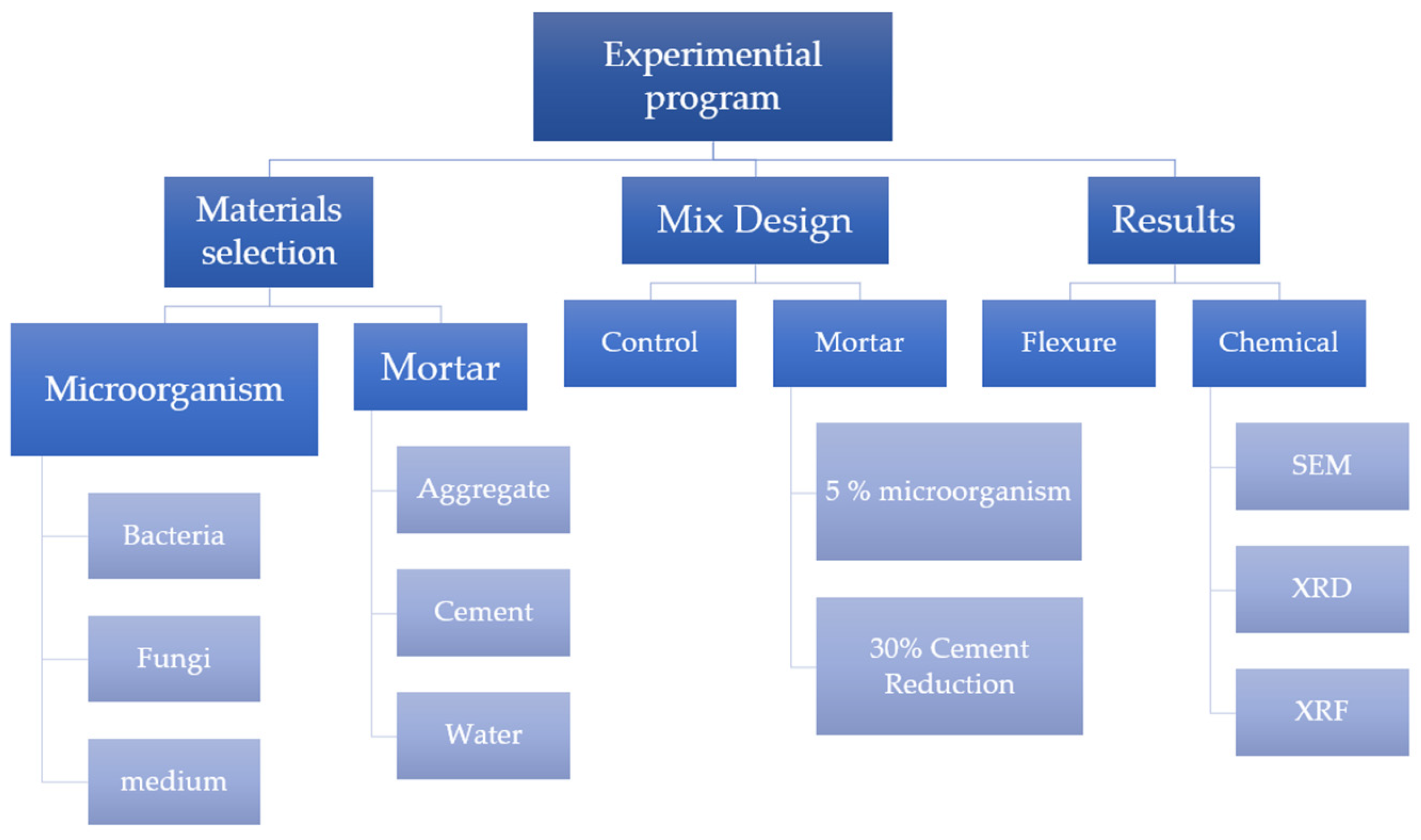
The experimental program was meticulously designed as a comparative study to evaluate the efficacy of MICP as a viable strategy for partial cement replacement. The core objective was to demonstrate that the incorporation of microbial agents could compensate for the performance loss associated with a significant 30% reduction in cement content.
As illustrated in
Figure 1, the methodology was structured into three distinct phases:
Phase I, Materials Selection: This phase involved the careful selection and preparation of the mortar components, Ordinary Portland Cement, fine Aggregate, and Water, and the microbial agents. The study focused on comparing two distinct biomineralization pathways: a bacterium, Bacillus subtilis, and a fungus, Aspergillus fumigatus, both prepared in a suitable culture medium.
Phase II, Mix Design: This phase established the mix proportions, including a Control mix with full cement content and the two experimental mixes, B1 and B2, both featuring the 30% cement reduction and the addition of 5% microorganism by weight of cement.
Phase III, Comprehensive Analysis: The final phase involved a multi-scale investigation of the resulting mortar properties. This included Mechanical Testing, Flexural strength at 7, 28, and 56 days, and Chemical and Microstructural Analysis using advanced techniques such as SEM, XRD, and XRF. This comprehensive approach was essential to link the macroscopic mechanical performance to the microscopic biomineralization mechanisms.
2.1. Materials
2.1.1. Cement and Water
Ordinary Portland Cement of strength class 42.5 N was used as the primary binder. The chemical and physical properties of the cement are detailed in the original
Table 1 and
Table 2. Tap water, conforming to the requirements of the Egyptian Code of Practice for Design and Construction of Reinforced Concrete Structures (ECP 203-2018) [
45], was used for all mixing and curing processes to ensure a neutral pH (6–8) and consistent hydration conditions.
2.1.2. Fine Aggregate
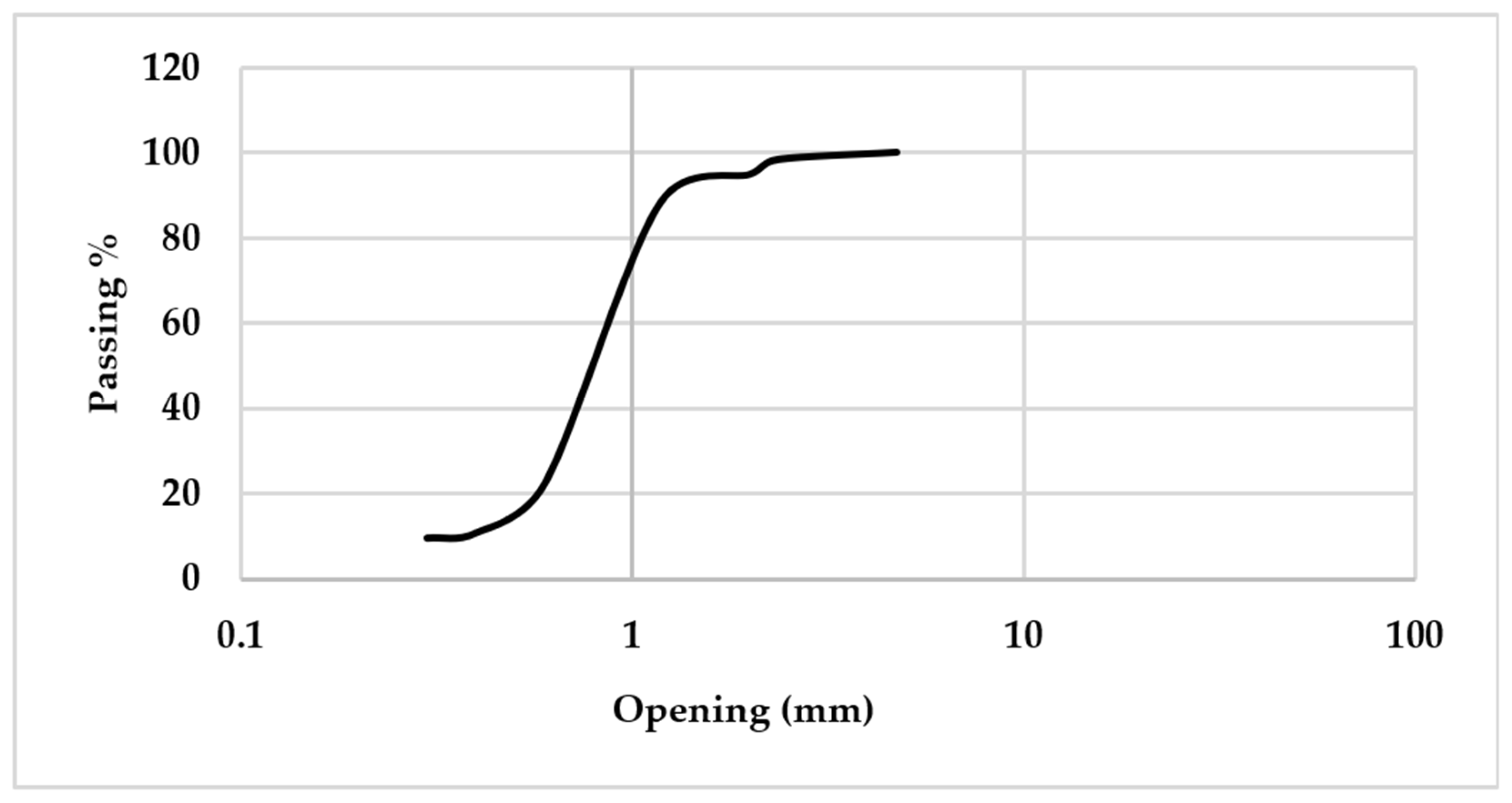
The natural sand used as fine aggregate was predominantly siliceous (quartz-based) in composition, which provides a stable and non-reactive substrate for the precipitation of biogenic calcium carbonate. The sand properties, including a specific weight of 2.57 gm/cm
3, a volumetric weight of 1.42 gm/cm
3, and a fineness modulus of 2.54, were determined according to relevant standards as shown in
Table 3. The sieve analysis curve for the aggregate is presented in
Figure 2.
2.2. Microbial Preparation
2.2.1. Collection and Isolation of Microorganisms
Soil samples were collected from root-free patches using the approach described by Johnson [
46]. A total of 48 bacterial isolates were obtained from these samples. The isolation of bacterial strains was performed using a standard serial dilution method, followed by cultivation on a selective medium (dilution-plate approach) with the following composition (per liter): glucose (20.0 g), CaCO
3 (1.0 g), NH
4NO
3 (0.8 g), K
2HPO
4 (0.6 g), KH
2PO
4 (0.05 g), MgSO
4.7H
2O (0.05 g), MnSO
4.4H
2O (0.1 g), and yeast extract (0.1 g). The plates were incubated at 37 °C [
47]. For further cultivation of the bacterial isolates, Czapek-Dox medium was employed, with incubation lasting seven days at 28 °C [
48]. Fungal isolates were obtained using Czapek’s agar, which was supplemented with Rose-Bengal and chloramphenicol to effectively inhibit bacterial growth [
49]. All media utilized in the isolation process were sterilized by autoclaving at 121 °C for 15 min. All culture media, including Czapek–Dox medium, Czapek’s agar, Rose-Bengal, and chloramphenicol, were obtained from the Agricultural Research Center (ARC), Giza, Egypt.
2.2.2. Production Media and Culture Preparation
To prepare the microbial agents for incorporation into the mortar, a production medium was utilized. Each selected bacterial strain was inoculated with two milliliters of a 24 h-old culture into a medium containing peptone (4.0 g/L), yeast extract (2.0 g/L), and sucrose (20.0 g/L) [
50]. These cultures were maintained in a static environment at 37 °C for three days.
For the fungal cultures, two milliliters of seven-to-ten-day-old cultures were transferred to 250 mL Erlenmeyer flasks containing fifty milliliters of synthetic media. The resulting microbial suspensions were used directly in the mortar mix design.
2.2.3. Microbial Identification
The high-producing bacterial strain was identified based on a combination of morphological characteristics and microscopic features. Gram’s stain was applied to bacterial cells using the technique described by Shaffer and Goldin [
51]. The cell morphology, including form and staining properties, was subsequently evaluated using an optical light microscope.
Final identification of the pure isolated strain to the genus level was achieved through a series of biochemical tests, following Sneath’s techniques [
52], which are detailed in Bergey’s Manual of Systematic Bacteriology. The selected bacterial strain was identified as
Bacillus subtilis (B1), and the fungal strain as
Aspergillus fumigatus (B2).
2.3. Mortar Mix Design
The experimental design included a control mix and two microbially enhanced mixes: B1 with
B. subtilis and B2 with
A. fumigatus. The study’s core objective was to evaluate the performance of the microbial mixes under a 30% reduction in cement content compared to the Control mix. The mix proportions were determined based on the standards of the Egyptian Code, ensuring specified qualities were met. The water-to-cement ratio (W/C) was maintained at 0.4 for all mixes. The microbial agents were incorporated at a dosage of 5% by weight of the reduced cement content. The microbial dosage of 5% by weight of cement was selected based on preliminary optimization tests which indicated that this concentration provided the optimal balance between microbial density for effective biomineralization and the maintenance of fresh mortar workability. This dosage is consistent with recent studies on bio-cementitious systems that have demonstrated significant performance gains within the 3% to 7% range [
53,
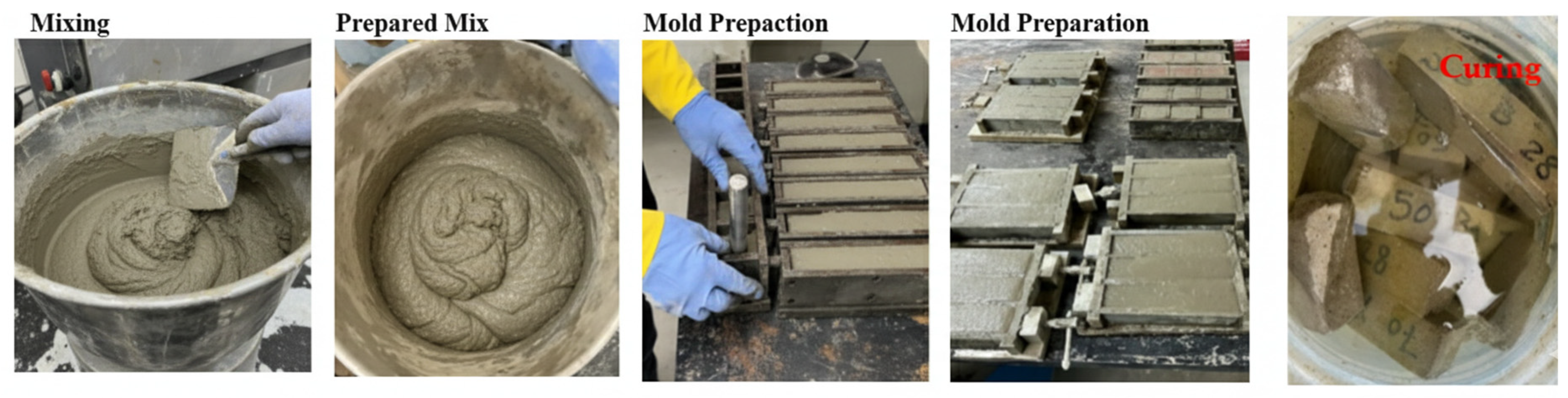
54]. The mix design for a cubic meter of mortar is detailed in
Table 4, along with mixing process in
Figure 3.
2.4. Specimen Preparation and Testing Procedures
The experimental investigation was structured into two distinct phases to facilitate a direct comparison between the two microbial agents under conditions of reduced cement content. The first phase focused on the properties of cement mortar with a 30% cement reduction enhanced by 5% Bacillus subtilis for B1, while the second phase investigated the same cement-reduced mortar enhanced by 5% Aspergillus fumigatus for B2.
2.4.1. Specimen Preparation and Curing
For mechanical testing, the fresh cement mortar was cast into metal molds. For each mix proportion and testing age, three identical specimens were tested for flexural strength to ensure statistical reliability and reproducibility of the results. Standard prism molds, 40 × 40 × 160 mm, were used for flexural strength tests. Following casting and compaction, all specimens were demolded after 24 h and subsequently submerged in tap water for curing. The curing environment was maintained at a controlled temperature of approximately 20 °C until the designated testing ages of 7, 28, and 56 days.
2.4.2. Mechanical Testing
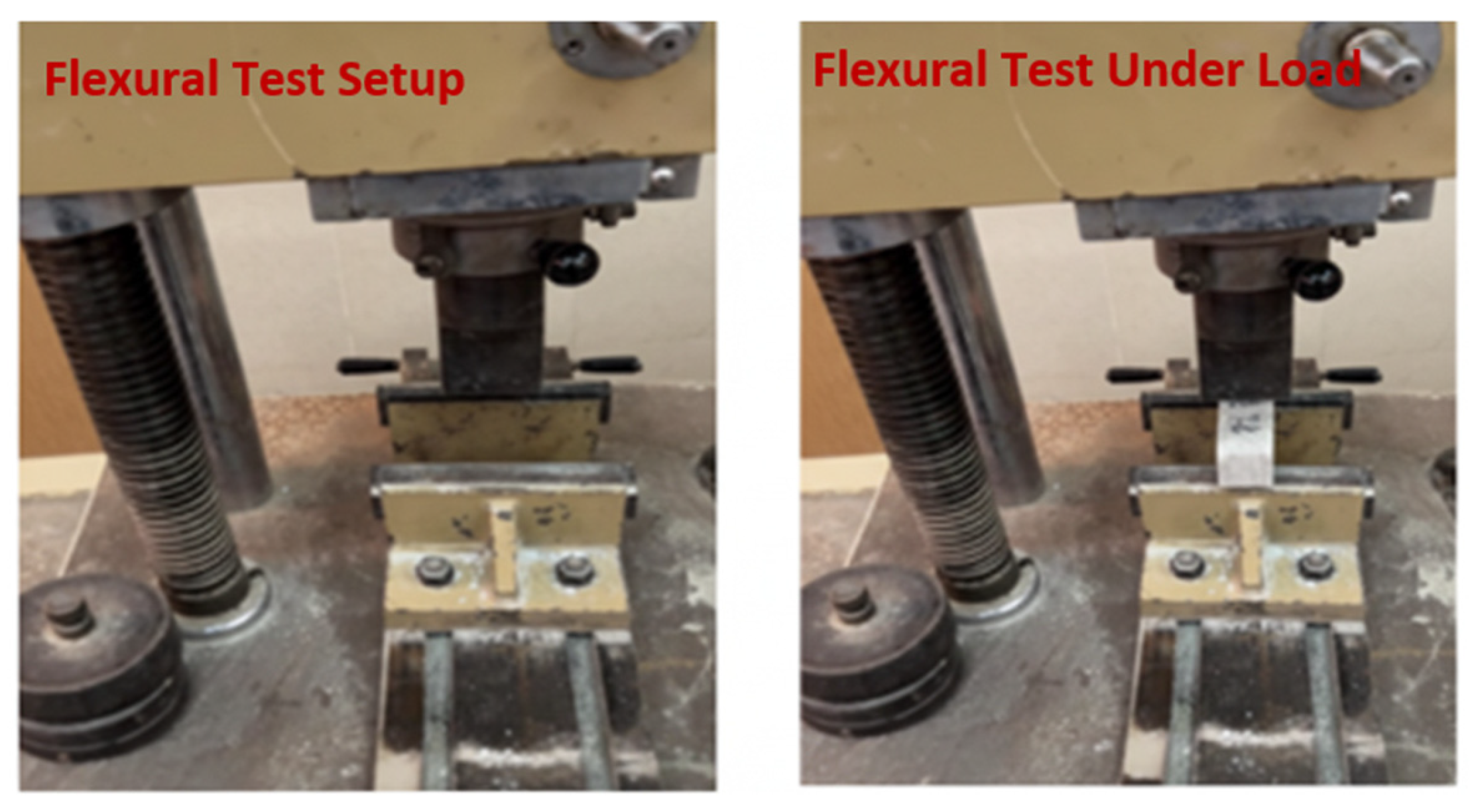
Flexural strength tests were conducted on the prism specimens at 7, 28, and 56 days. The tests were performed using a dedicated flexure-testing machine under a three-point loading configuration. The testing setup for the flexural strength measurements is shown in
Figure 4.
2.4.3. Chemical and Microstructural Testing
To investigate the biomineralization process and the resulting microstructural changes, specimens from the Control, B1, and B2 mixes were analyzed at 28 and 56 days using advanced characterization techniques.
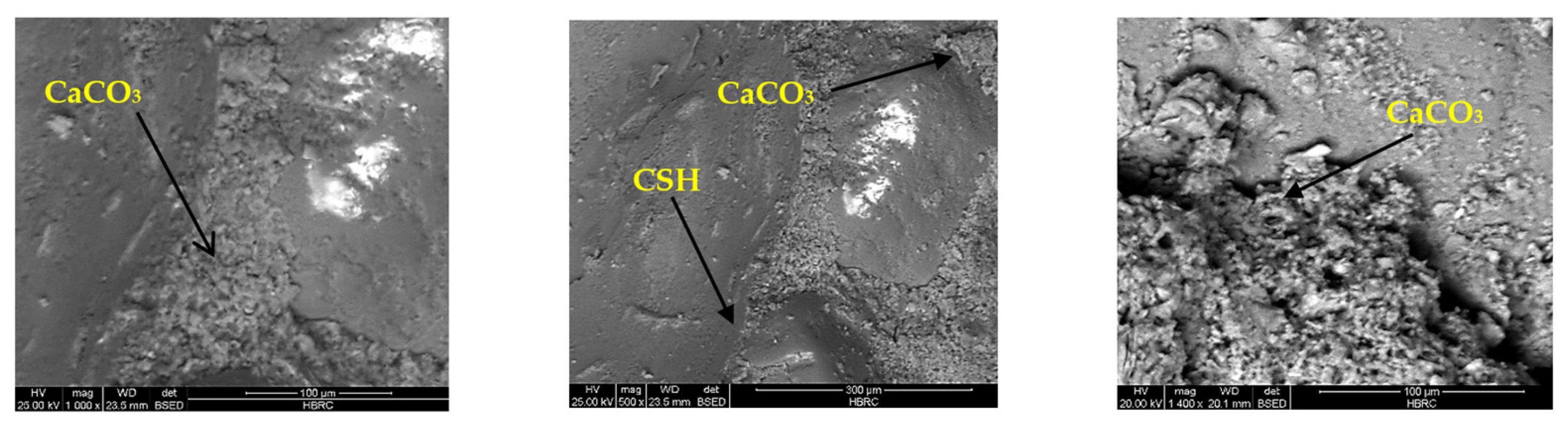
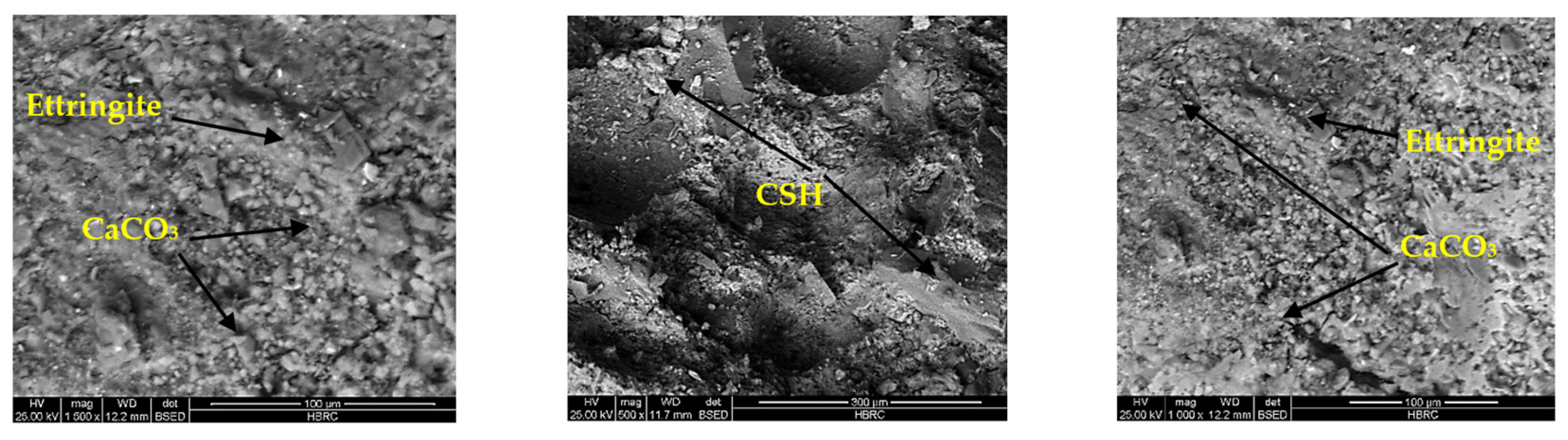
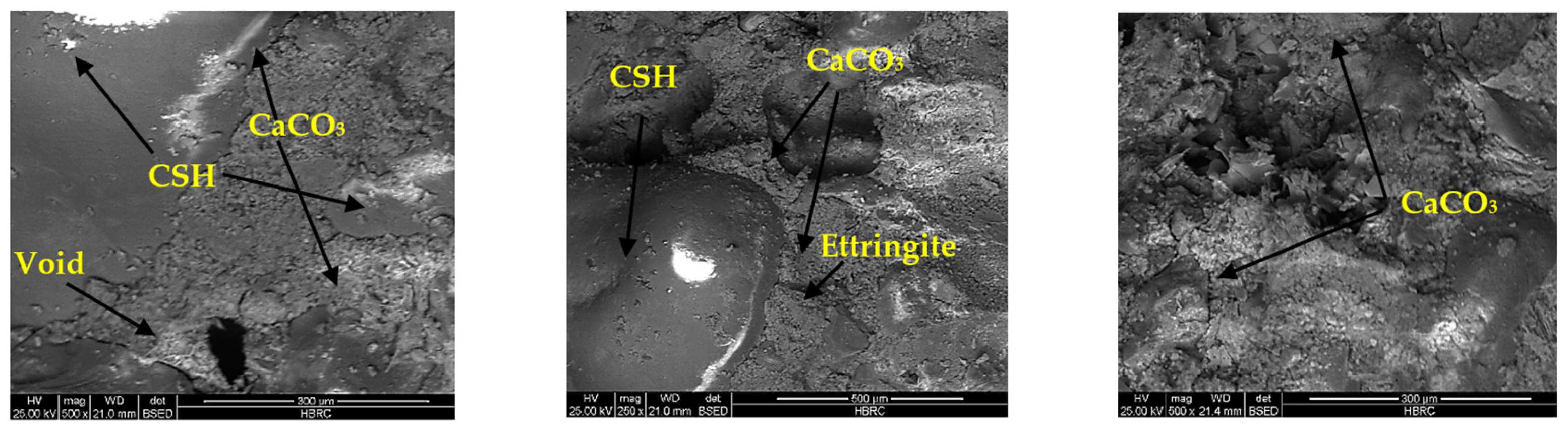
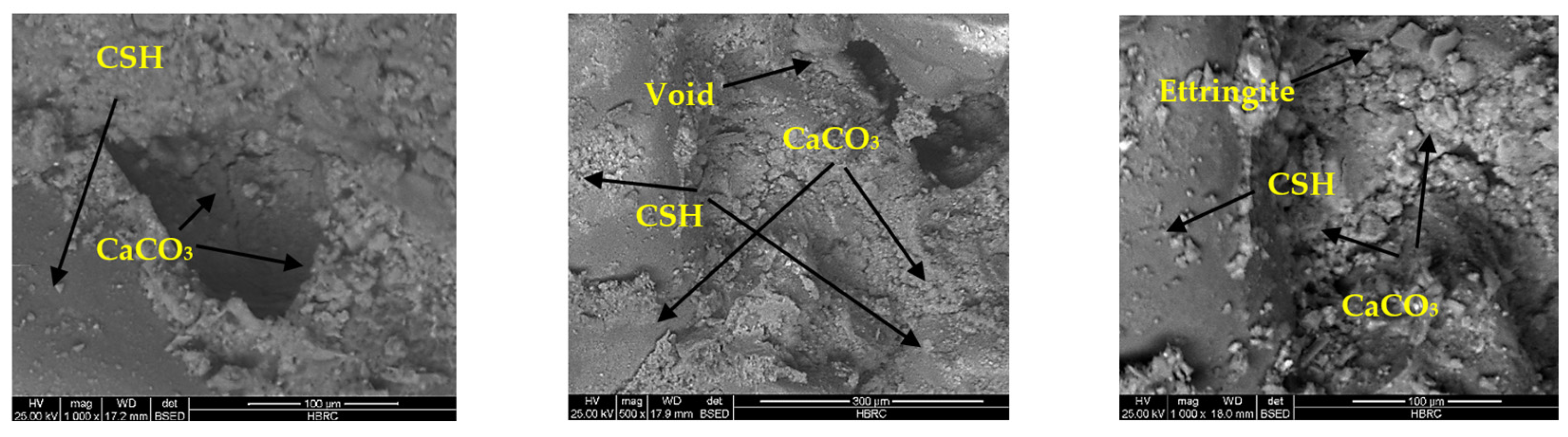
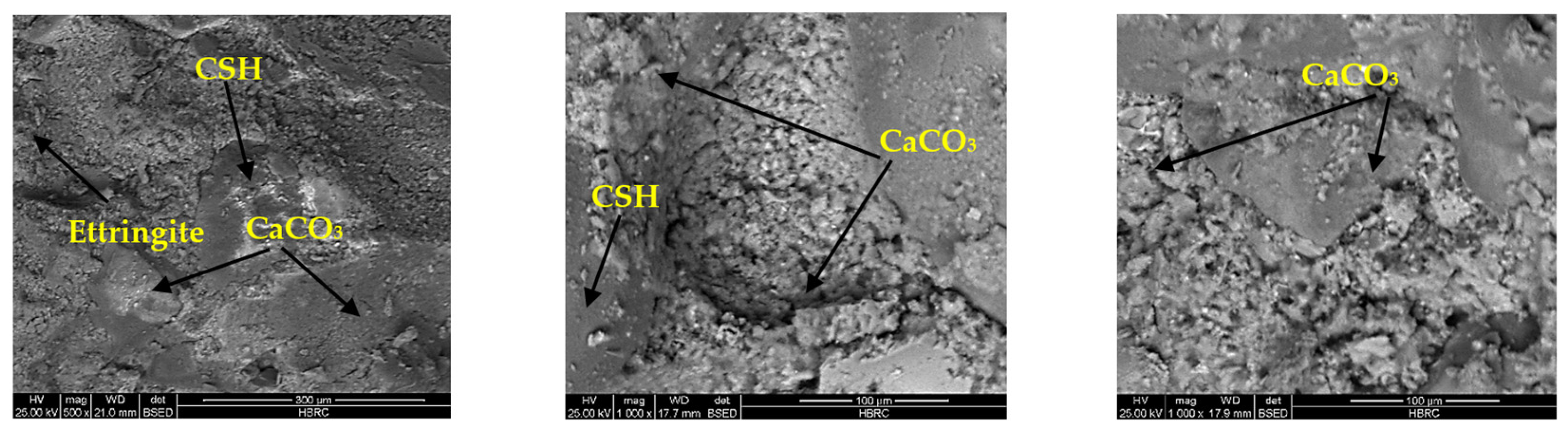
SEM was performed using a JEOL JSM-IT200 microscope (JEOL Ltd., Tokyo, Japan) at an accelerating voltage of 20 kV. SEM analysis was performed on samples extracted from the core of the tested materials to visually examine the morphology of the biogenic products and the density of the cement matrix. For microscopic examination, a representative 1 cm × 1 cm × 1 cm section of the core was carefully selected. This section was then polished using silicon carbide paper with a granularity ranging from 500 to 2000 to ensure a smooth, artifact-free surface. Following the SEM imaging, the resulting micrographs were subjected to post-processing using Python 3.9-based image analysis methods. This computational approach was utilized to quantitatively examine microstructural features such as surface roughness, crystal shape, orientation, and particle clustering, providing a deeper insight into the biomineralization effects.
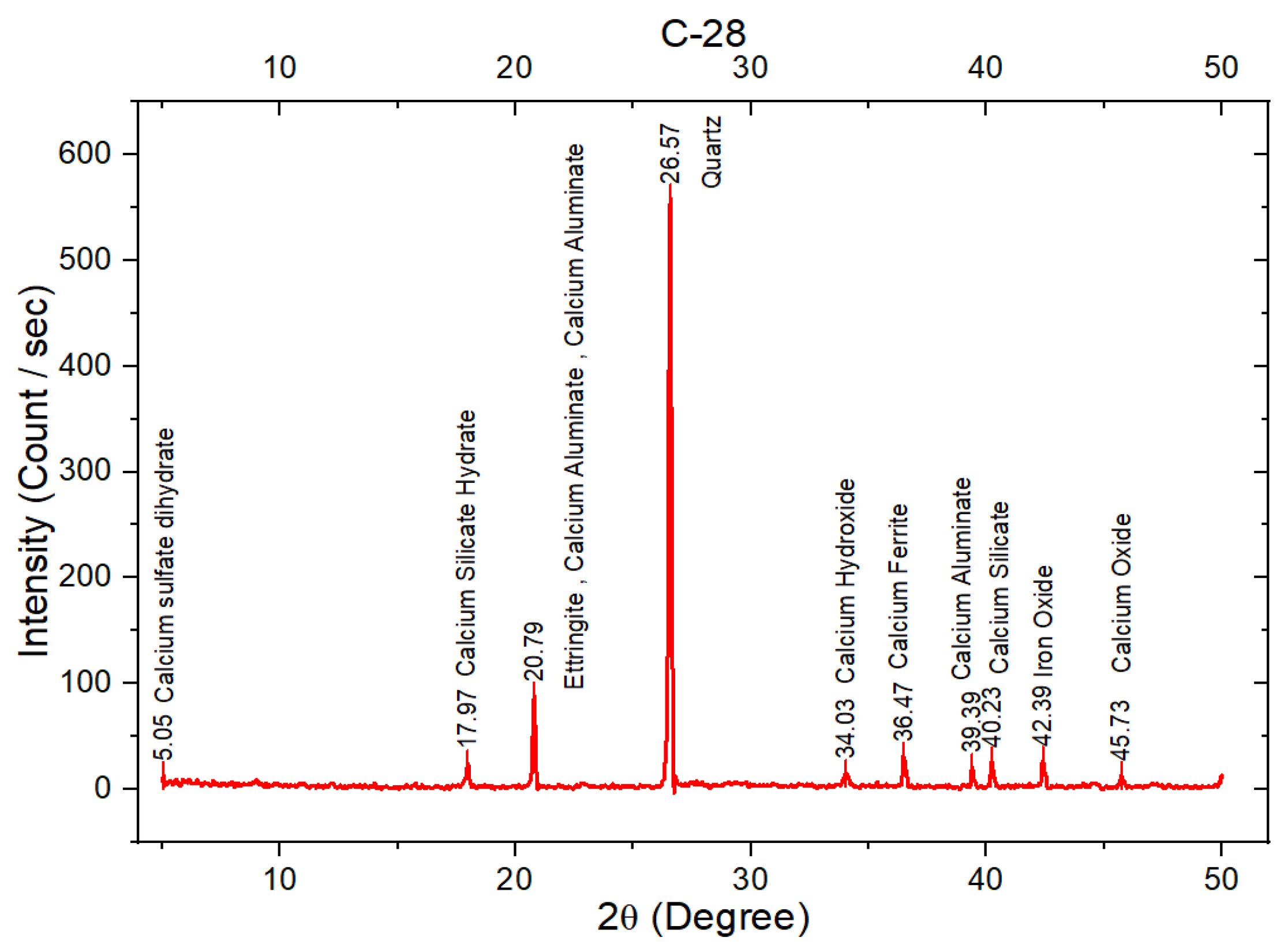
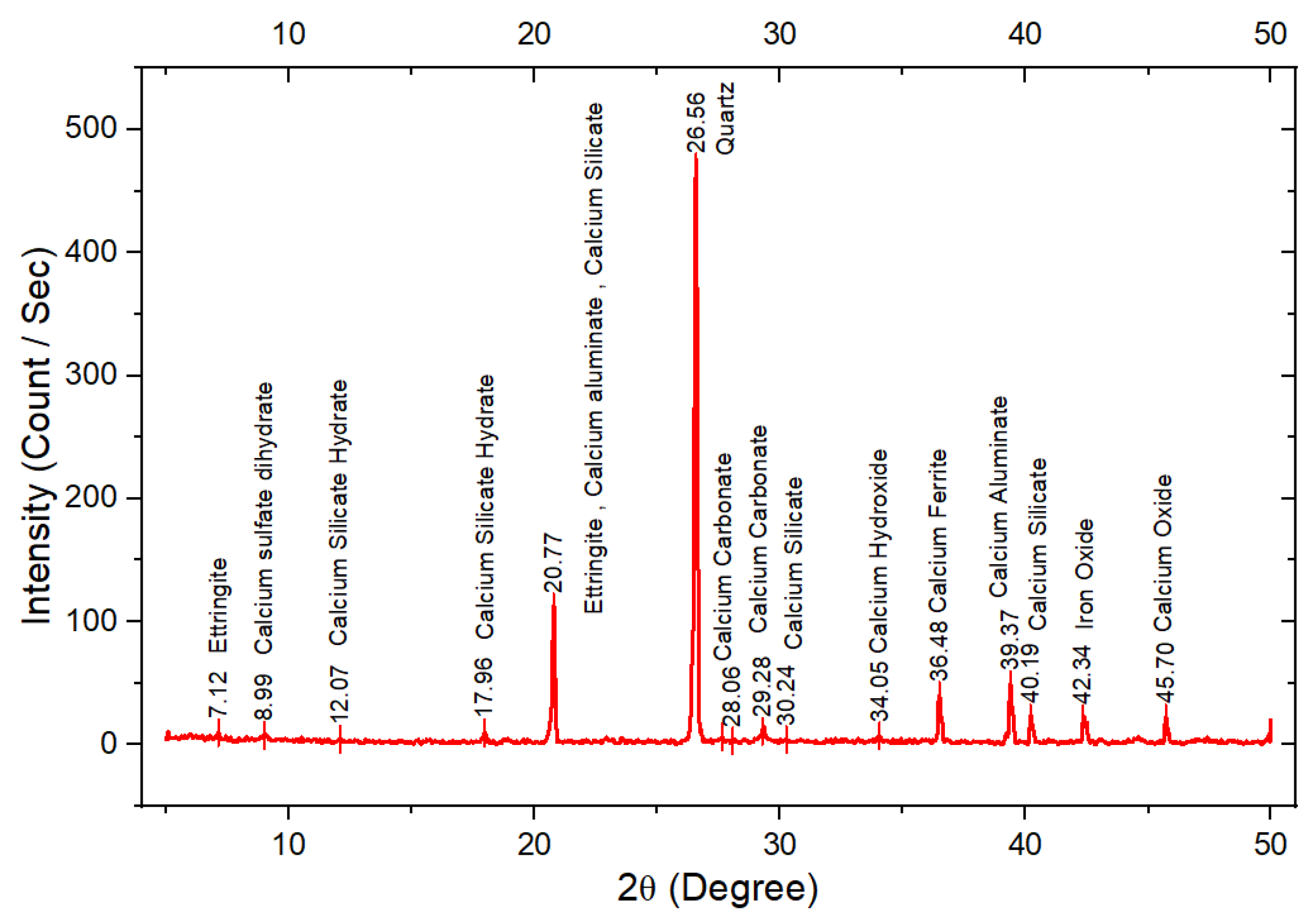
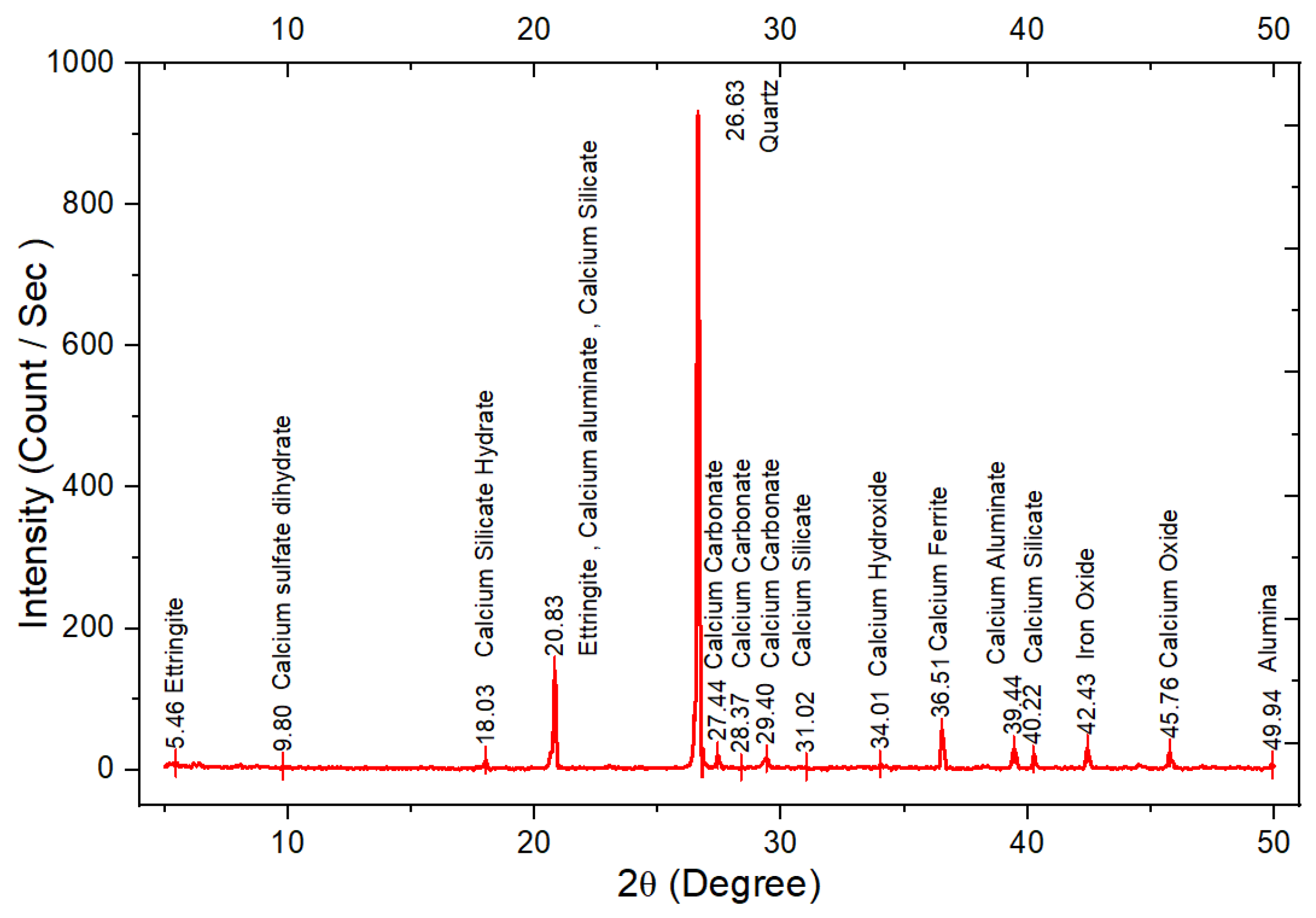
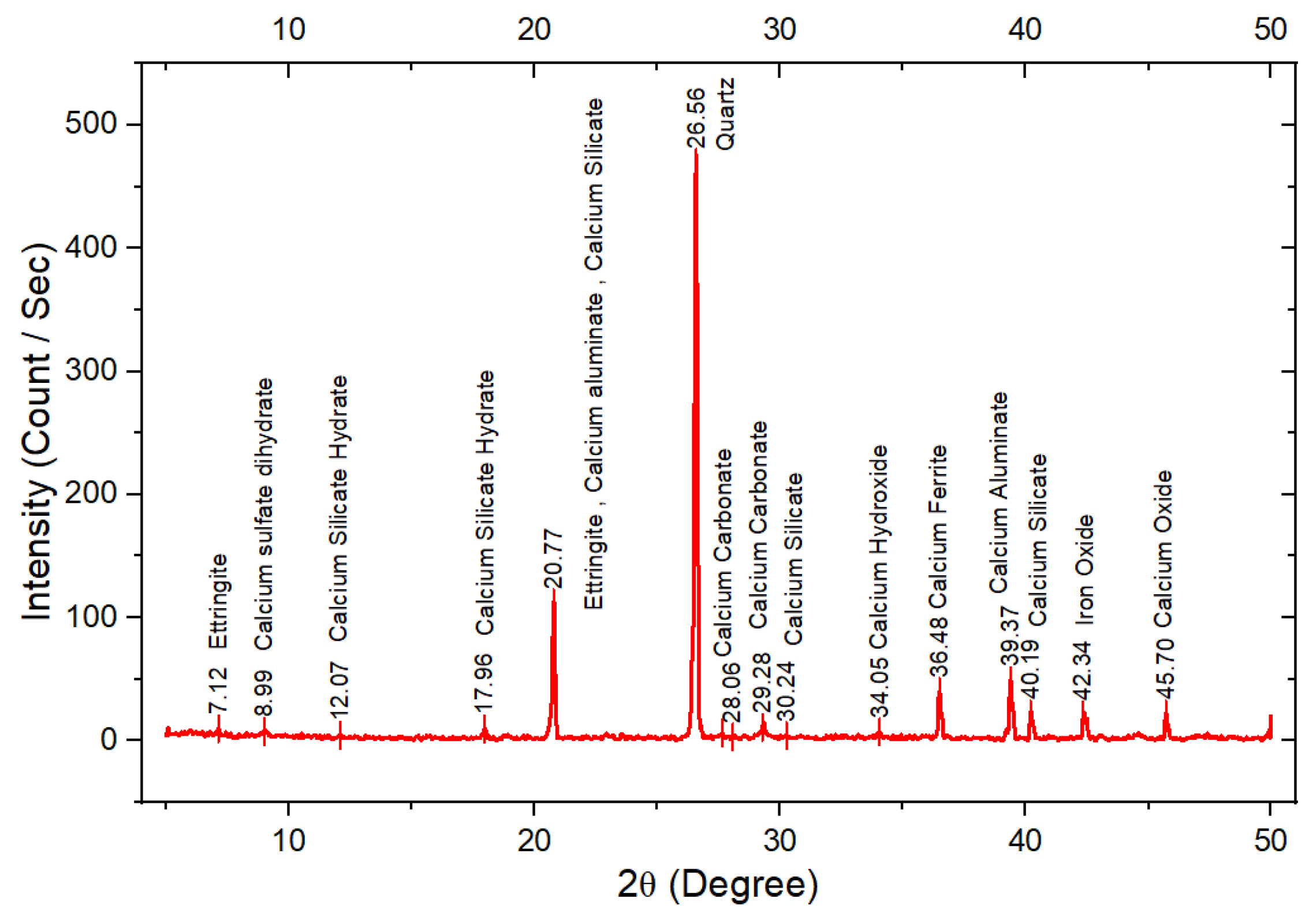
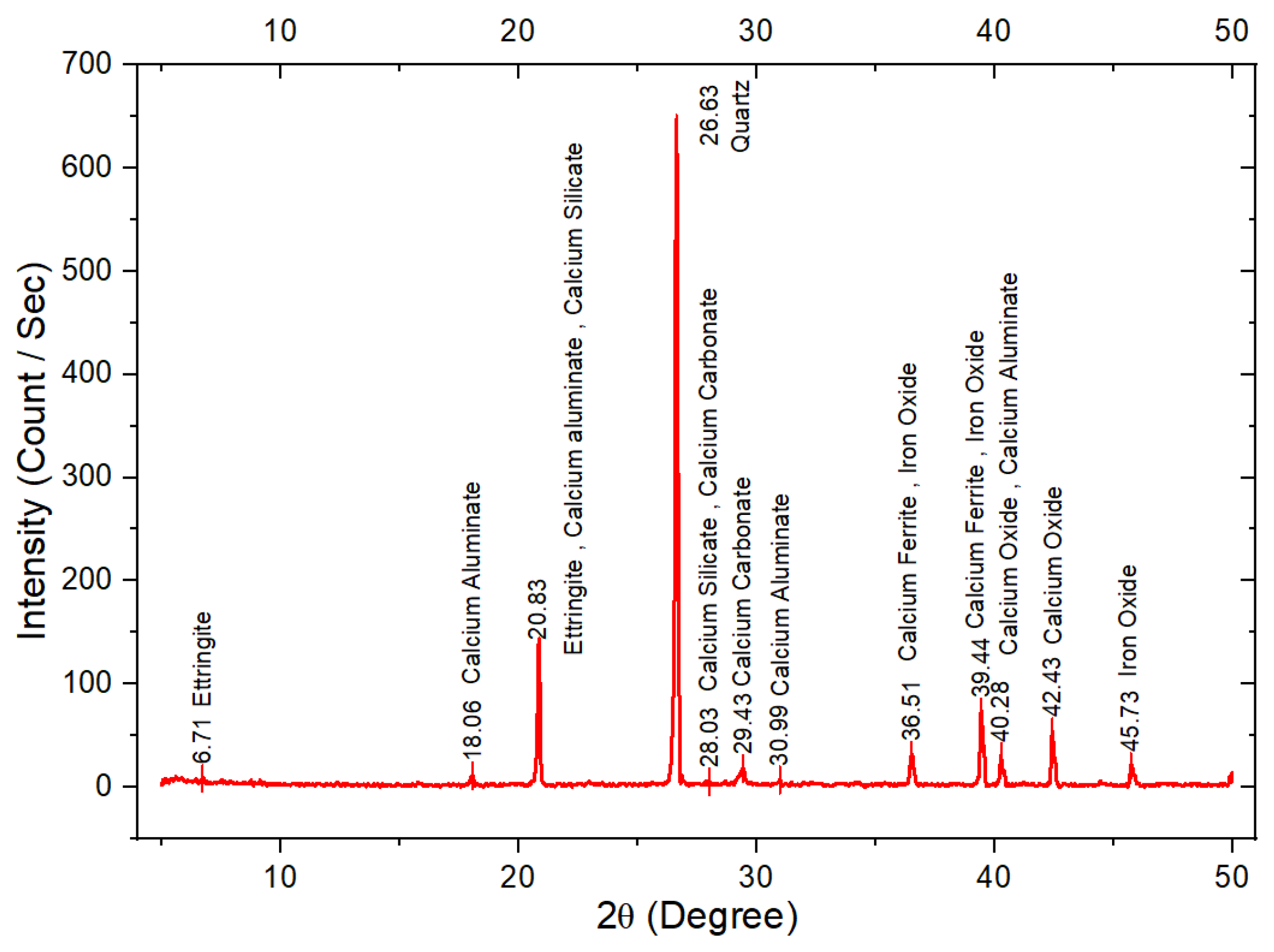
XRD analysis was conducted on a Bruker D8 Advance diffractometer using Cu-Kα radiation (Bruker AXS GmbH, Karlsruhe, Germany), with a scanning range of 5° to 80° 2θ and a step size of 0.02°. XRD was employed to identify the crystalline phases, particularly the formation of biogenic CaCO3 and changes in the cement hydration products. For accurate measurement, a homogeneous, fine powder sample was prepared by complete grinding of the mortar core. The powdered sample was then carefully mounted on a clean holder with a smooth surface. This meticulous preparation was necessary to minimize the effects of preferred orientation, which can skew diffraction data, thereby ensuring the acquisition of precise and reliable crystallographic information.
XRF analysis was carried out using a Rigaku Supermini 200 spectrometer (Rigaku Corporation, Tokyo, Japan) to determine the elemental composition. XRF analysis was conducted to determine the elemental composition of the samples, providing quantitative data on the consumption and distribution of elements like Calcium and Silicon. Meticulous sample preparation was crucial for dependable and repeatable XRF results. This involved several steps: cutting larger specimens to fit the instrument, grinding the material to a fine, uniform particle size, and employing binders, such as boric acid, to create a stable, flat disc. This comprehensive preparation ensures that the sample’s surface is uniform and representative of the bulk material, which effectively reduces scattering effects and guarantees a uniform element distribution throughout the sample, minimizing analytical errors.
4. Discussion
The experimental results suggest that the incorporation of Bacillus subtilis (B1) and Aspergillus fumigatus (B2) effectively mitigates the performance loss associated with a 30% reduction in cement content. This compensation validates the MICP as a viable and sustainable strategy for developing low-carbon cementitious materials. The discussion below connects the observed mechanical improvements to the distinct chemical and microstructural modifications induced by the two microbial agents.
4.1. Strength Compensation and the Sustainability Imperative
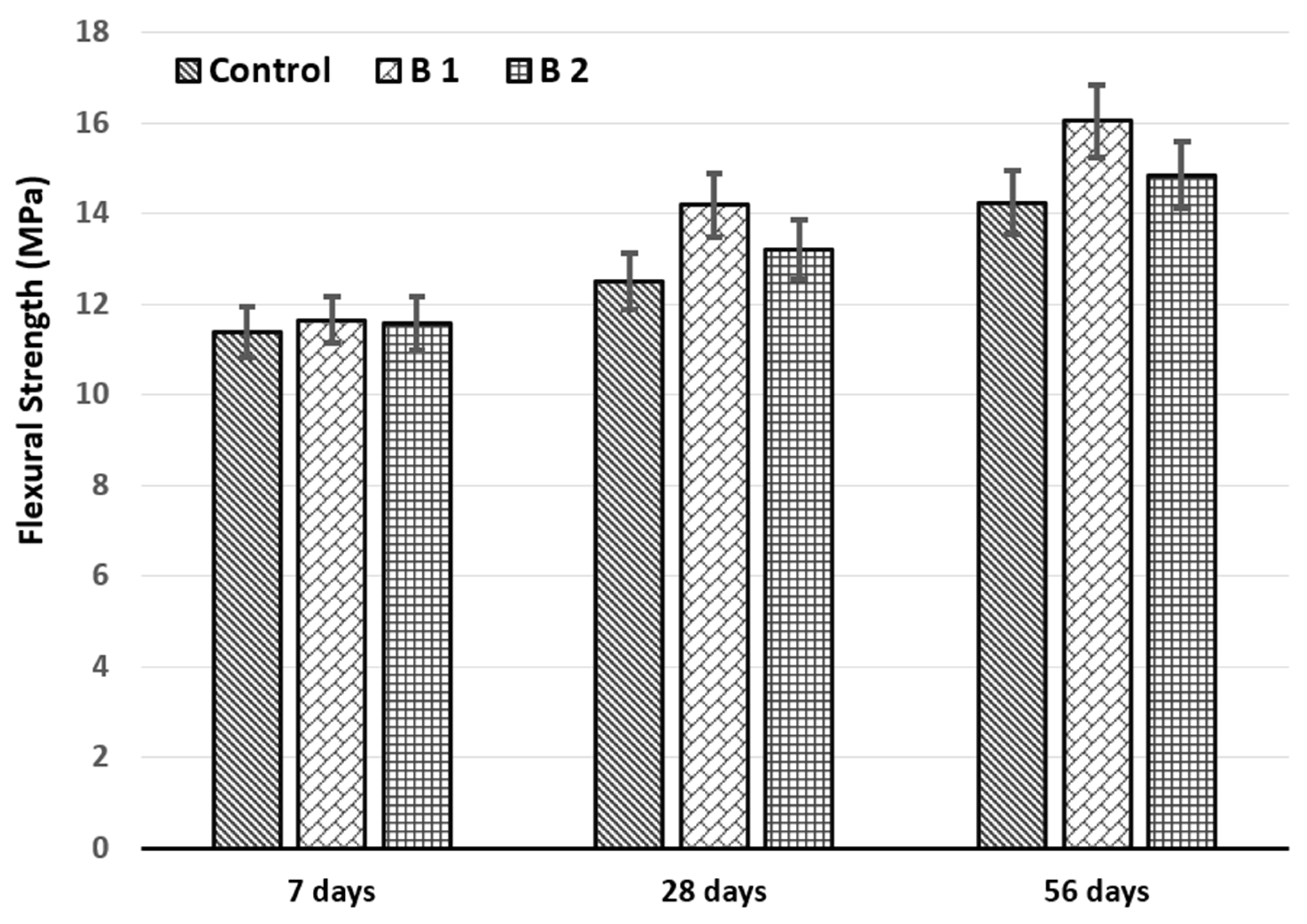
The primary outcome of this study is the successful mitigation of the mechanical performance loss associated with a substantial 30% reduction in cement content through the application of the MICP. The flexural strength results are particularly significant and provide deeper insight into the effectiveness of microbial modification in cement-reduced systems.
Flexural strength is strongly governed by crack initiation, crack propagation resistance, and interfacial integrity rather than by bulk matrix density alone. In conventional cement-reduced mortars, these properties are typically compromised due to increased porosity and weakened interfacial transition zones. The observed enhancement in flexural performance therefore indicates a fundamental improvement in matrix toughness and crack-control capability rather than a simple compensation of lost cementitious material.
At 56 days, the B1 mix achieved a 12.6% increase in flexural strength, while the B2 mix exhibited a 4.3% increase compared to the full-cement Control mix. These results demonstrate that microbially induced mineralization not only offsets the negative effects of cement reduction but can also produce a mechanically superior material under bending loads. This behavior can be attributed to the formation of biogenic calcium carbonate, which preferentially precipitates within microcracks, capillary pores, and stress concentration zones. Such localized mineral deposition effectively blunts crack tips, increases crack path tortuosity, and enhances stress redistribution during flexural loading.
Flexural strength is primarily controlled by crack initiation, crack propagation resistance, and ITZ integrity. These properties are strongly influenced by localized CaCO3 deposition and matrix continuity improvements. Therefore, microbial mineralization preferentially enhances crack resistance capacity under significant cement reduction.
Furthermore, microbial activity promotes refinement of the pore structure and improvement of ITZ quality, both of which play a disproportionately important role in flexural behavior. Even modest enhancements in these regions can lead to significant gains in tensile and flexural resistance. This selective strengthening mechanism explains why flexural performance showed pronounced improvement which remains primarily dependent on overall matrix densification.
The time-dependent nature of MICP further contributes to this behavior. Unlike conventional cement hydration, microbial mineralization progresses gradually, continuing at later curing ages. This sustained precipitation process enhances long-term crack resistance and matrix continuity, which is consistent with the marked performance gains observed at 56 days.
From a sustainability perspective, these findings are highly significant. They demonstrate that a cement mortar with a substantially reduced carbon footprint can achieve superior flexural performance compared to a conventional full-cement mix. Since flexural cracking often governs serviceability, durability, and long-term structural performance, the ability to enhance flexural strength under reduced cement content directly addresses key sustainability challenges in the construction industry. Consequently, MICP emerges as a performance-driven, eco-friendly technology capable of enabling low-carbon cementitious materials without compromising, and in some cases enhancing, structural functionality.
4.2. Distinct Biomineralization Mechanisms: Bacteria vs. Fungi
The following mechanisms are proposed as hypotheses to explain the observed mechanical enhancements. While direct quantitative evidence such as Mercury Intrusion Porosimetry or nanoindentation of the ITZ was not available for this study, the qualitative microstructural observations and mechanical trends provide a basis for these proposed models.
4.2.1. Bacterial (B1) Mechanism: Pore-Filling and Its Contribution to Flexural Performance
The ureolytic MICP mechanism associated with Bacillus subtilis leads to the generation of carbonate ions through enzymatic activity, which subsequently react with available calcium ions to form CaCO3. SEM micrographs reveal crystalline formations morphologically consistent with rhombohedral calcite, appearing localized within certain pore regions and interstitial zones of the cement paste. These observations suggest that mineral deposition occurs within capillary pores and micro-voids, contributing to localized matrix densification. This pore-filling effect can enhance the overall integrity of the mortar, potentially reduce stress concentrations and improve the load transfer capabilities within the matrix, thereby contributing to improved flexural performance. However, because quantitative pore size distribution measurements were not conducted in the present study, the extent of porosity reduction cannot be directly quantified. Therefore, the pore-refinement effect is interpreted as a plausible mechanism supported by morphological evidence rather than definitive porosity elimination. The gradual strength development observed at later ages may be associated with continued mineral deposition; however, this interpretation remains qualitative and warrants further quantitative verification.
4.2.2. Fungal (B2) Mechanism: Hyphal Scaffolding and Flexural Strength
The enhanced flexural performance observed in the B2 mix is associated with the distinct biomineralization pathway of Aspergillus fumigatus. Unlike bacterial systems, filamentous fungi develop hyphal structures that may act as nucleation sites for mineral deposition. SEM micrographs reveal irregular, layered, or elongated mineral morphologies that differ from the more discrete crystalline formations observed in B1.
The spatial distribution of these mineral features appears relatively more dispersed within the matrix. Such morphology may contribute to improved crack resistance by promoting localized stress redistribution; however, direct confirmation of microcrack bridging would require higher-magnification imaging across fracture interfaces and compositional validation through SEM-EDS mapping.
Therefore, the improved flexural behavior of B2 is interpreted as being consistent with enhanced crack resistance mechanisms associated with distributed mineral deposition rather than definitively proven crack-bridging reinforcement. The analogy to fiber-reinforced systems is conceptual and should be considered illustrative rather than structural equivalence.
The survival and activity of Aspergillus fumigatus within the highly alkaline environment of the cement mortar is a critical factor. It is hypothesized that the fungal spores and the robust cell walls of the hyphae provide sufficient resilience to allow for initial scaffolding and mineralization before the full development of the alkaline pore solution, a mechanism that warrants further specialized microbiological investigation.
4.3. Chemical and Microstructural Validation
Chemical and microstructural analyses provide the scientific basis for the observed mechanical differences. The XRD analysis confirmed the formation of biogenic CaCO3 in both microbial mixes, and the higher Loss on Ignition values from the XRF analysis further quantify this increase. More importantly, the SEM micrographs visually link the mechanism to the performance: the dense, void-filled matrix of B1 directly supports its high compressive strength, while the interconnected, layered structure of B2 supports its superior flexural performance. This confirms that both microbial pathways successfully refined the pore structure through distinct morphological modifications, offering a pathway for tailoring bio-cementitious materials for specific engineering requirements.
4.4. Environmental and Economic Implications
The 30% reduction in cement content achieved in this study represents a significant step toward decarbonizing the construction industry, directly reducing the embodied carbon of the mortar. While the addition of microbial agents introduces a new cost component, the reduction in cement volume and the potential for enhanced service life through biomineralization offer a favorable economic outlook. These bio-mortars are particularly suited for non-structural applications such as rendering and masonry, where their improved flexural toughness provides a distinct advantage over conventional low-cement mixes.
4.5. Limitations and Possible Applications
While this study demonstrates the potential of microbial enhancement to improve the flexural performance of cement-reduced mortars, several limitations must be acknowledged. First, the research was conducted on mortar specimens under controlled laboratory conditions; the long-term durability and performance of these materials in field applications, particularly in harsh environmental conditions such as freeze–thaw cycles, carbonation, and chloride attacks, remain to be investigated. Second, the study focused exclusively on flexural strength; other critical properties such as permeability, water absorption, and durability-related parameters require further investigation to establish the full potential of this approach for practical applications. Third, microorganism survival rates and biomineralization efficiency may be significantly affected by factors such as pH variations, temperature fluctuations, and moisture conditions during construction and curing, which were not comprehensively evaluated in this study. Additionally, the scalability of this approach to large-scale industrial production and its cost-effectiveness compared to conventional cement reduction strategies remain ongoing research that needs more investigation.
Despite these limitations, the findings of this research have promising applications in several domains. In the construction industry, microbially enhanced mortars could be utilized in non-structural applications such as repair mortars, masonry units, and protective coatings where flexural toughness and crack resistance are important. The approach is particularly relevant for construction projects seeking to reduce their carbon footprint while maintaining adequate mechanical performance. Furthermore, the technique could be adapted for use in precast concrete elements, where controlled laboratory conditions can be more readily maintained. In the context of circular economy and green building practices, this research contributes to the development of bio-based construction materials that align with contemporary sustainability goals. Future research should focus on optimizing microbial dosage and strain selection for specific applications, evaluating long-term durability in field conditions, and conducting life-cycle assessment studies to quantify the environmental benefits of this approach.
5. Conclusions
This study investigated the comparative effects of incorporating Bacillus subtilis and Aspergillus fumigatus as bio-additives in cement mortar, with a significant 30% reduction in cement content. The findings are consistent with suggestions for the efficacy of Microbially Induced Carbonate Precipitation as a sustainable and performance-enhancing strategy for low-carbon cementitious materials.
The key conclusions drawn from the mechanical, chemical, and microstructural analyses are as follows:
1. Flexural Performance Compensation and Enhancement: Both microbial mixes effectively compensated for the performance loss associated with the 30% cement reduction in terms of flexural behavior. The A. fumigatus mix (B2) demonstrated a notable enhancement in flexural strength, achieving a 4.3% increase over the control mix at 56 days, suggesting a superior crack-bridging and toughening mechanism. The B. subtilis mix (B1) also contributed positively to flexural performance through its pore-filling effect.
2. Distinct Biomineralization Mechanisms: The observed differences in flexural performance are directly linked to the distinct biomineralization pathways. The bacterial MICP (B1) promotes matrix densification through the pore-filling effect of rhombohedral calcite, which contributes to improved load transfer and reduced stress concentrations, thereby enhancing flexural integrity. In contrast, the fungal MICP (B2) utilizes hyphal scaffolding to form layered biogenic products, which are hypothesized to provide micro-scale reinforcement, significantly enhancing flexural strength and toughness.
3. Microstructural Validation: Chemical analysis (XRD and XRF) confirmed the formation of additional biogenic CaCO3 in the microbial mixes. Scanning Electron Microscopy images provided qualitative visual evidence of a denser microstructure and localized mineral deposition in both B1 and B2 mixes compared to the control, consistent with pore-filling and matrix refinement, rather than a significant reduction in overall porosity.
4. Sustainable Pathway: The study demonstrates that the MICP technique, utilizing either bacterial or fungal agents, offers a viable and eco-friendly pathway to produce cement mortar with a substantially reduced carbon footprint while maintaining or enhancing flexural performance. This positions microbial enhancement as a critical technology for the future of sustainable construction, particularly for applications where crack resistance and toughness are paramount.
5. Beyond the laboratory findings, this study suggests that microbially enhanced mortars with 30% cement reduction hold significant potential for practical engineering applications, particularly in non-structural rendering and masonry bedding where a lower carbon footprint is desired. Economically, the reduction in cement volume offers a cost-saving pathway that can offset the expenses associated with microbial cultivation. However, further research into the long-term durability of these materials under aggressive environmental conditions, such as chloride-rich or freeze–thaw environments, is essential to fully validate their performance in the field.




 ,
,