1. Introduction
As time progresses, a large number of bridge infrastructures are gradually entering a critical stage of long-term operation and maintenance. Owing to the continuous degradation of structural performance and the increasingly complex combined effects of multiple loads, bridge health monitoring systems have played an important role in ensuring structural safety and enabling the early identification of structural damage. However, determining how to accurately and timely extract abnormal information indicative of structural damage or performance deterioration from the massive amounts of monitoring data and further translate such information into effective operation and maintenance decisions remains a major challenge in current engineering practice. Structural monitoring data are essentially the mixed outcome of multiple coupled factors, among which the quasi-static effects induced by temperature variations and the dynamic effects caused by vehicle loads are the dominant sources [
1]. Their coupling forms the primary background of the monitoring signals, while the weak abnormal features that truly reflect structural damage are often obscured within it. Therefore, the development of novel intelligent early warning methods capable of effectively separating different effects and being sensitive to structural damage is of great significance for enhancing the practical applicability and reliability of bridge health monitoring systems [
2,
3].
As an important component of bridge health monitoring, early warning methods have been extensively studied by researchers worldwide with respect to monitoring data analysis and warning strategy development. Methods based purely on physical models represent the earliest form of warning threshold determination. For example, Fan et al. [
4] established dynamic deflection warning thresholds for bridges by combining the generalized Pareto model with finite element analysis. Zheng et al. [
5] established a three-level early-warning threshold system for bridges based on data variations under the serviceability limit state. However, the safety thresholds defined using finite element-based physical models allow relatively wide ranges of structural variation, making it difficult to capture abnormal structural state changes in real time, and they are prone to missed warnings. With the continuous accumulation of monitoring data, data-driven approaches have demonstrated significant potential. Traditional statistical methods—such as regression analysis [
6,
7,
8], principal component analysis [
9], and kernel density estimation [
10]—have been widely applied to environmental effect separation and data normalization. However, these methods are generally based on linear or weakly nonlinear assumptions and thus have limited capability in capturing the complex high-order nonlinear and hysteretic relationships between temperature variations and structural responses. In recent years, the rapid development of deep learning has provided transformative tools for addressing complex time-series analysis problems in bridge health monitoring. Deep learning models, represented by recurrent neural networks and their variants [
11,
12], as well as Transformer-based large-scale models and their variants [
13,
14], have shown strong performance in structural response prediction, damage diagnosis, and related applications. In the field of structural engineering, Lazaridis et al. [
15,
16] investigated the performance of various machine learning algorithms in predicting earthquake-induced damage in different reinforced concrete frame structures and deployed these algorithms in cloud-based practical applications. Similarly, in the field of bridge structural health monitoring, deep learning algorithms have demonstrated strong predictive capabilities. Jiang et al. [
17] proposed a data-driven dynamic strain early-warning method by integrating a Generative Adversarial Network (GAN) with a Long Short-Term Memory (LSTM) network in which the GAN is employed to capture the data distribution characteristics and enhance the robustness of strain prediction. Ju et al. [
18] developed a structural deflection early-warning method based on a bidirectional gated recurrent unit network with an attention mechanism, where environmental temperature data and traffic load coefficients are incorporated to update the warning thresholds in real time. Men et al. [
19] utilized an LSTM-based deep learning architecture to achieve accurate prediction of structural monitoring data and further realized dynamic early warning for bridge structural safety. Relying solely on deep learning models for early-warning threshold setting imposes stringent requirements on prediction accuracy, while the resulting thresholds often lack clear engineering meaning, interpretability, and controllability; moreover, the relatively narrow threshold intervals tend to cause frequent and potentially spurious warnings.
In addition to threshold construction, reliability evaluation of warning results is also an indispensable component of early warning systems. As a quantitative assessment approach [
20,
21], reliability analysis plays a crucial role in identifying and enhancing the stability and effectiveness of warning system performance. At present, reliability assessment has been applied in various scenarios, including the evaluation of nonlinear behavior of bridge structures [
22], reliability analysis of structures with low failure probabilities [
23], and reliability assessment of natural gas pipeline supply systems [
24]. Owing to its strong model generalization capability, sound computational framework, and high credibility of results, reliability analysis has gradually been extended beyond the aforementioned application fields to the stability and safety evaluation of early warning systems. For example, Duque et al. [
25] investigated the reliability of flood early warning systems using Monte Carlo simulation and further improved the warning system based on the evaluation results. Wang et al. [
26] proposed a multi-objective expected value optimization method based on expert judgment and Monte Carlo simulation to assess and optimize safety systems for underground engineering. Sattele et al. [
27] proposed a threshold-based approach for natural hazard early warning systems in which reliability analysis was employed to evaluate system performance and decision effectiveness. To further characterize the differences among performance indicators of early-warning systems, Soundararajan et al. [
28] conducted a refined investigation into slope performance using Monte Carlo simulation based on reliability indices and failure probabilities. Finazzi et al. [
29] evaluated the robustness of smartphone-based earthquake early-warning systems by employing parametric statistical models, hypothesis testing, and Monte Carlo simulation, with particular emphasis on false alarm and missed-detection rates, and demonstrated the effectiveness of the proposed evaluation framework. Chen et al. [
30] analyzed the influence of various control variables on the time-variant reliability of subsea structures by adopting equivalent normalization techniques in combination with Monte Carlo simulation.
Existing studies indicate that bridge health monitoring and early-warning systems still exhibit notable deficiencies in the critical stage of warning methodology and practical application. First, data-driven models and physical–mechanical models have long remained decoupled at the threshold-setting level. Purely data-driven approaches typically rely on prediction residuals or anomaly scores as warning criteria. Although adaptive, such thresholds lack explicit engineering meaning and auditable justification, making false alarm and missed alarm rates prone to temporal fluctuation and difficult to control. In contrast, purely physics-based approaches can provide mechanical interpretability but often depend on idealized boundary conditions and parameter assumptions, which are insufficient to capture multi-source randomness and model uncertainty in long-term monitoring, resulting in limited applicability and stability of thresholds under real operating conditions. Consequently, while existing studies have achieved progress separately in prediction accuracy or mechanical analysis, a systematic solution for jointly translating data patterns and mechanical constraints into implementable and controllable risk-oriented warning thresholds is still lacking. Second, current early-warning research is predominantly driven by improving prediction accuracy or anomaly detection sensitivity, with performance gains often used as the primary evidence of effectiveness. However, probabilistic reliability assessment and quantitative application-oriented analysis of warning outcomes are generally absent. In particular, key engineering questions remain unanswered, such as the probabilities of false alarms and missed detections under a given threshold, and whether the threshold maintains a stable risk boundary under uncertainty propagation—issues that are essential for practical deployment. In other words, how to systematically integrate fusion and quantification concepts throughout the entire warning chain—including environmental effect separation, load effect modeling, hierarchical threshold construction, and threshold reliability evaluation—has yet to be adequately explored.
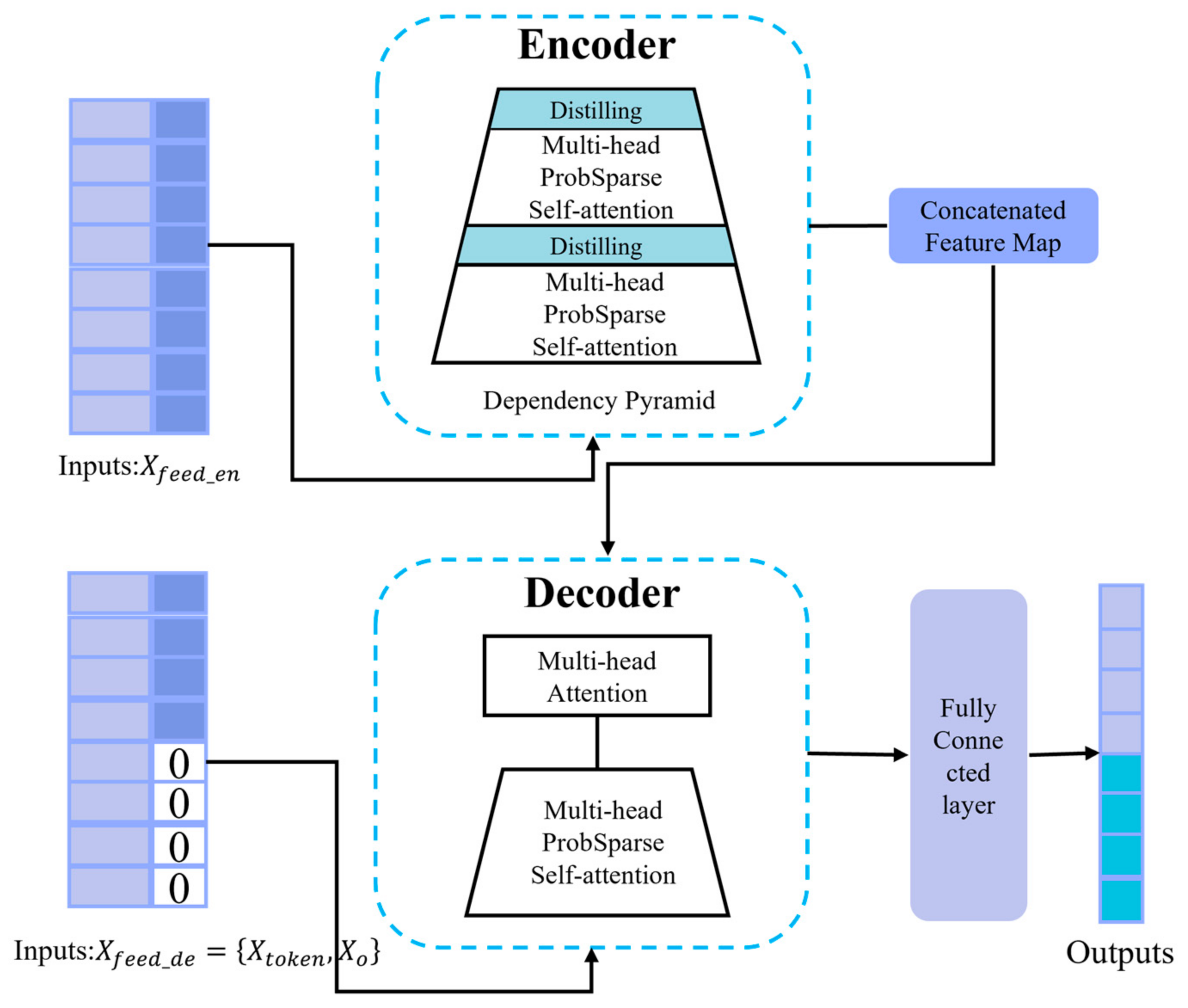
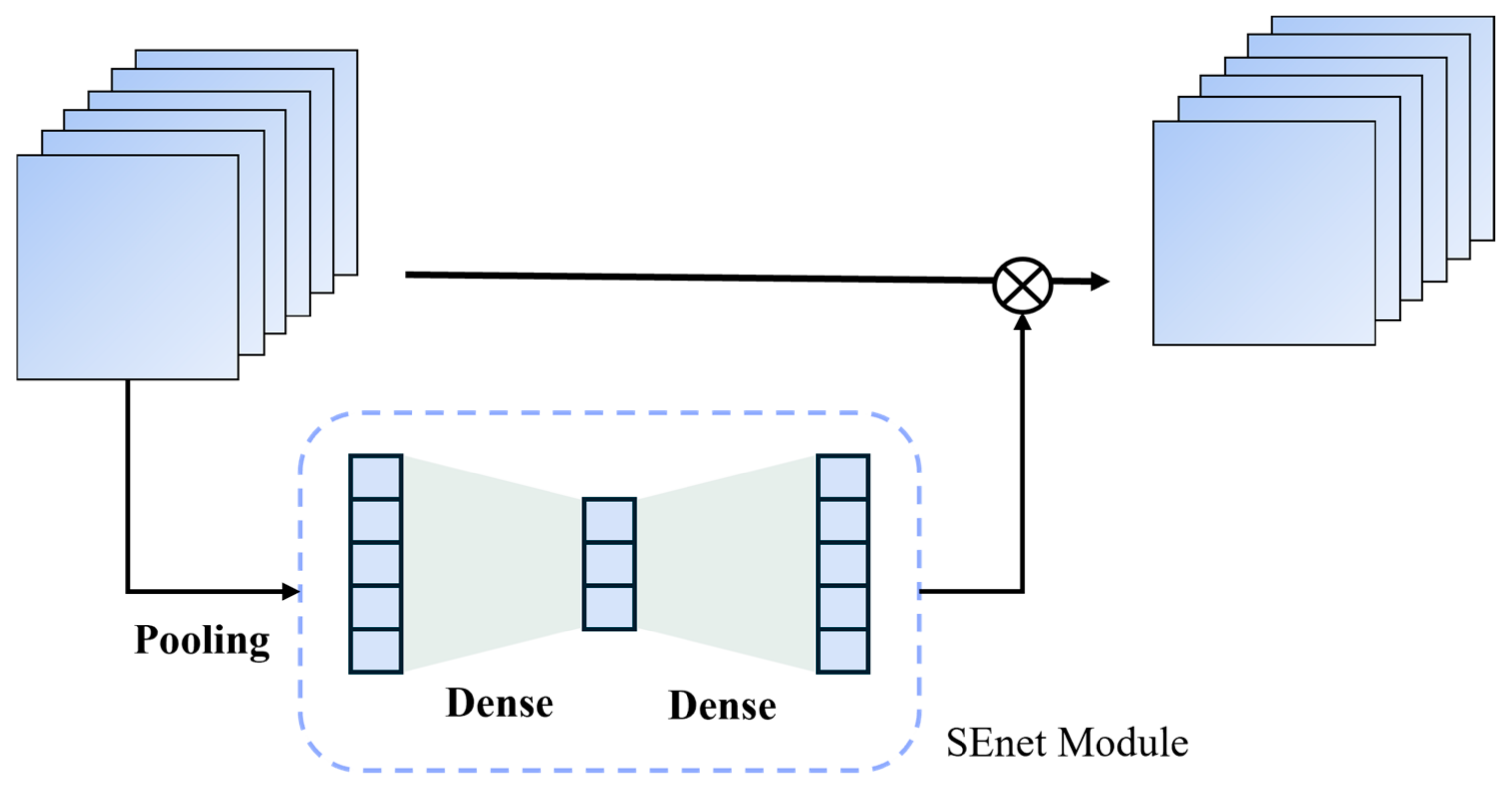
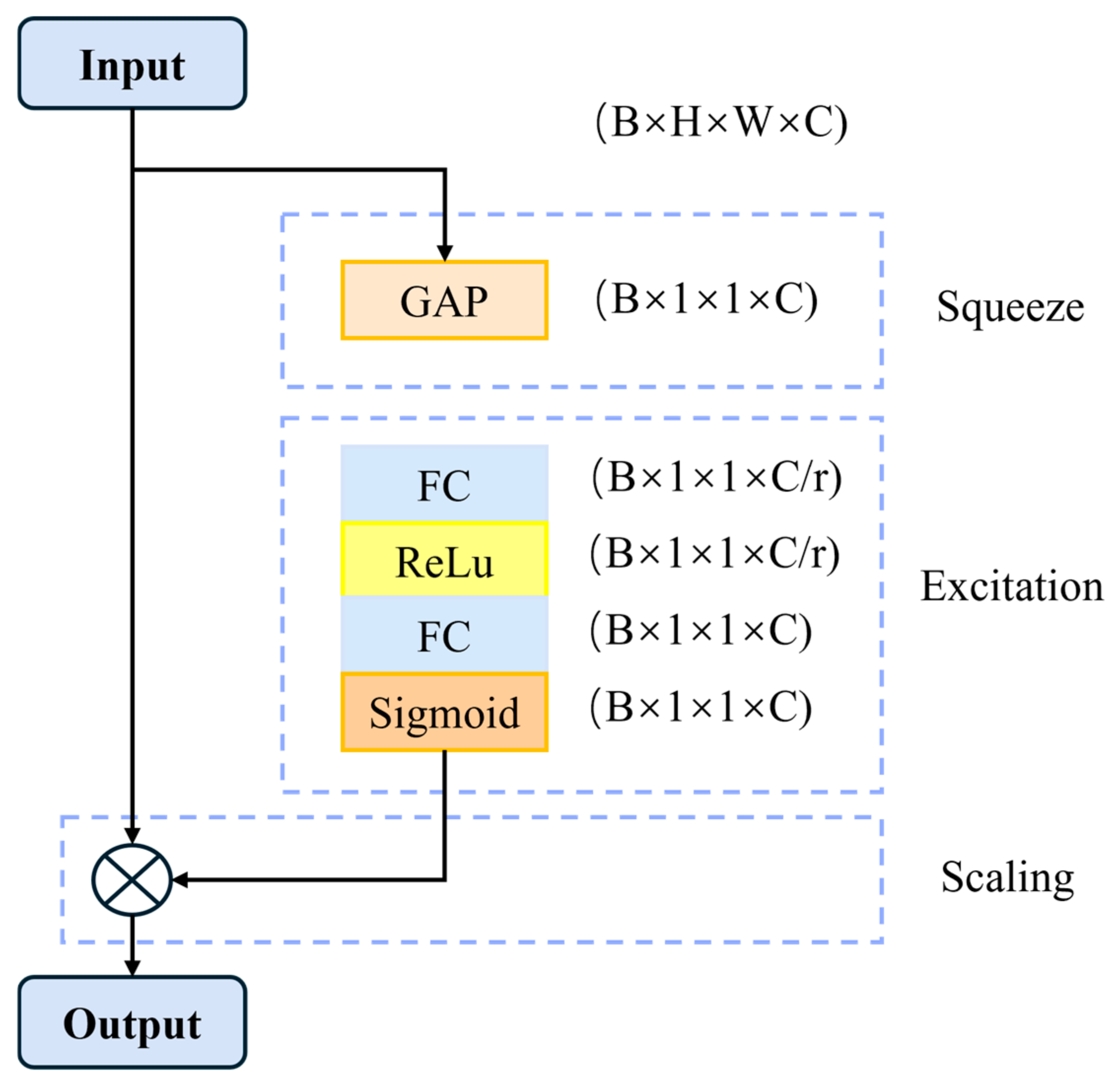
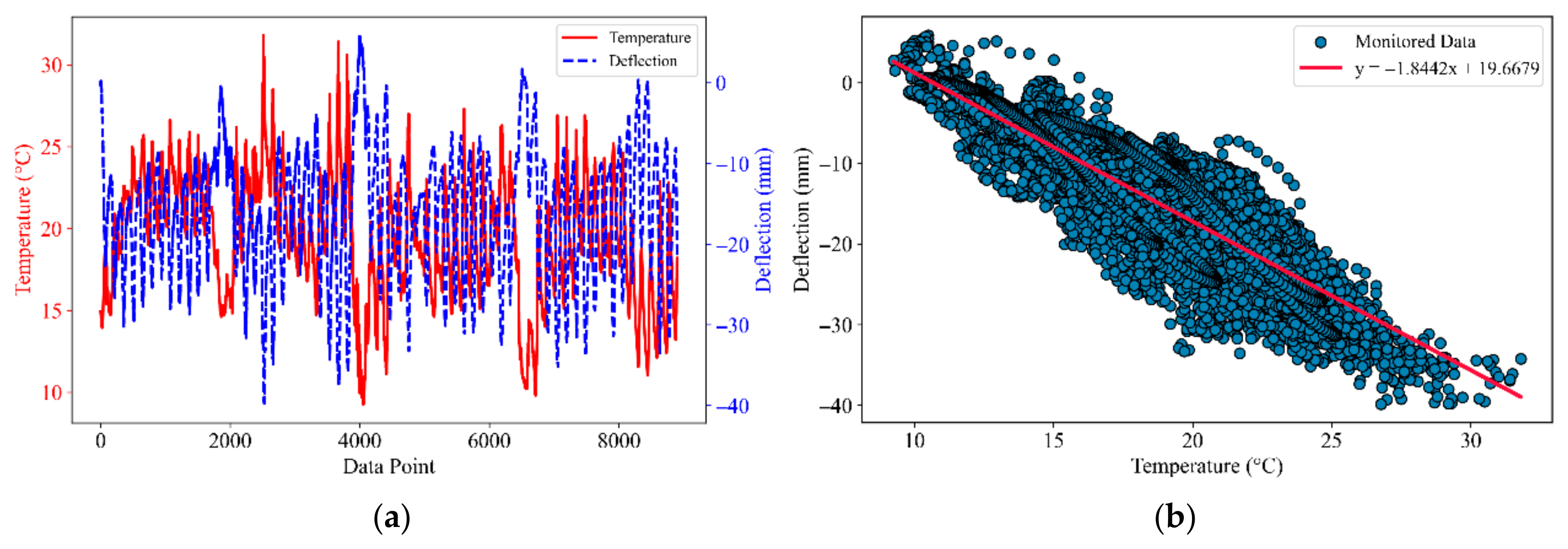
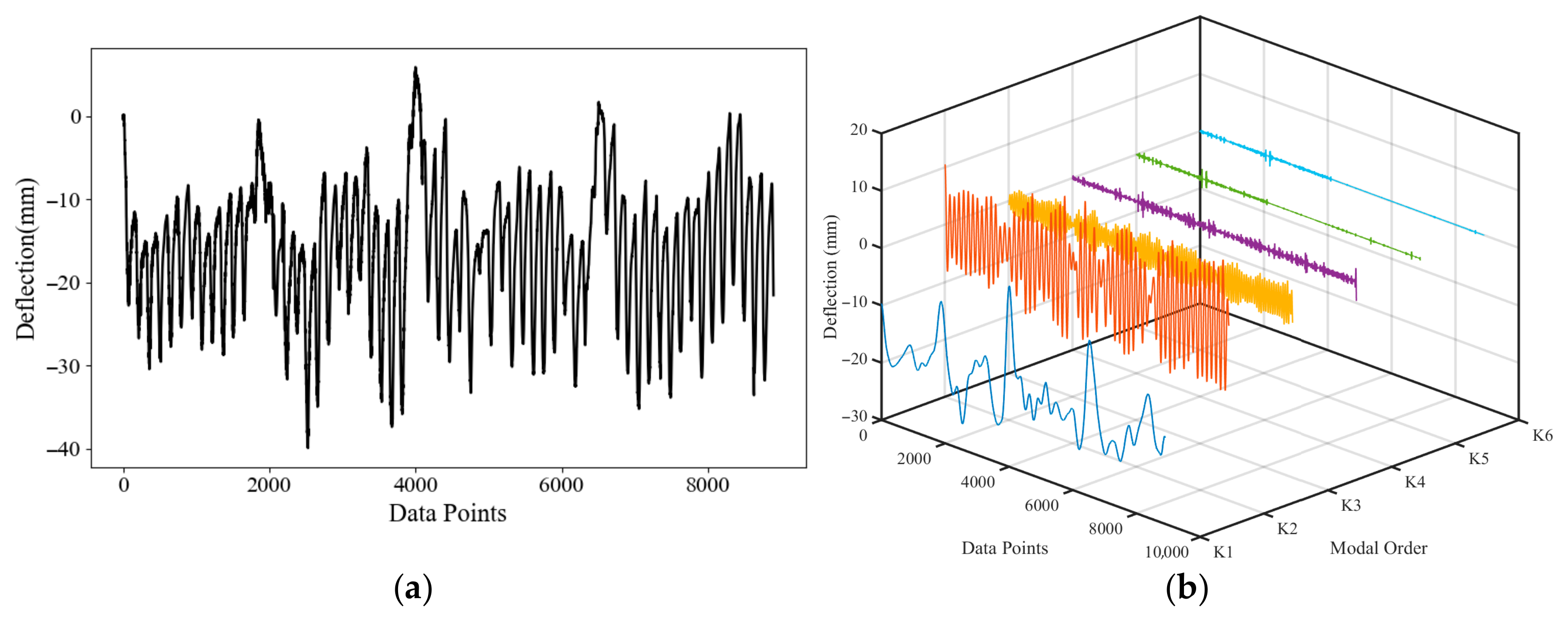
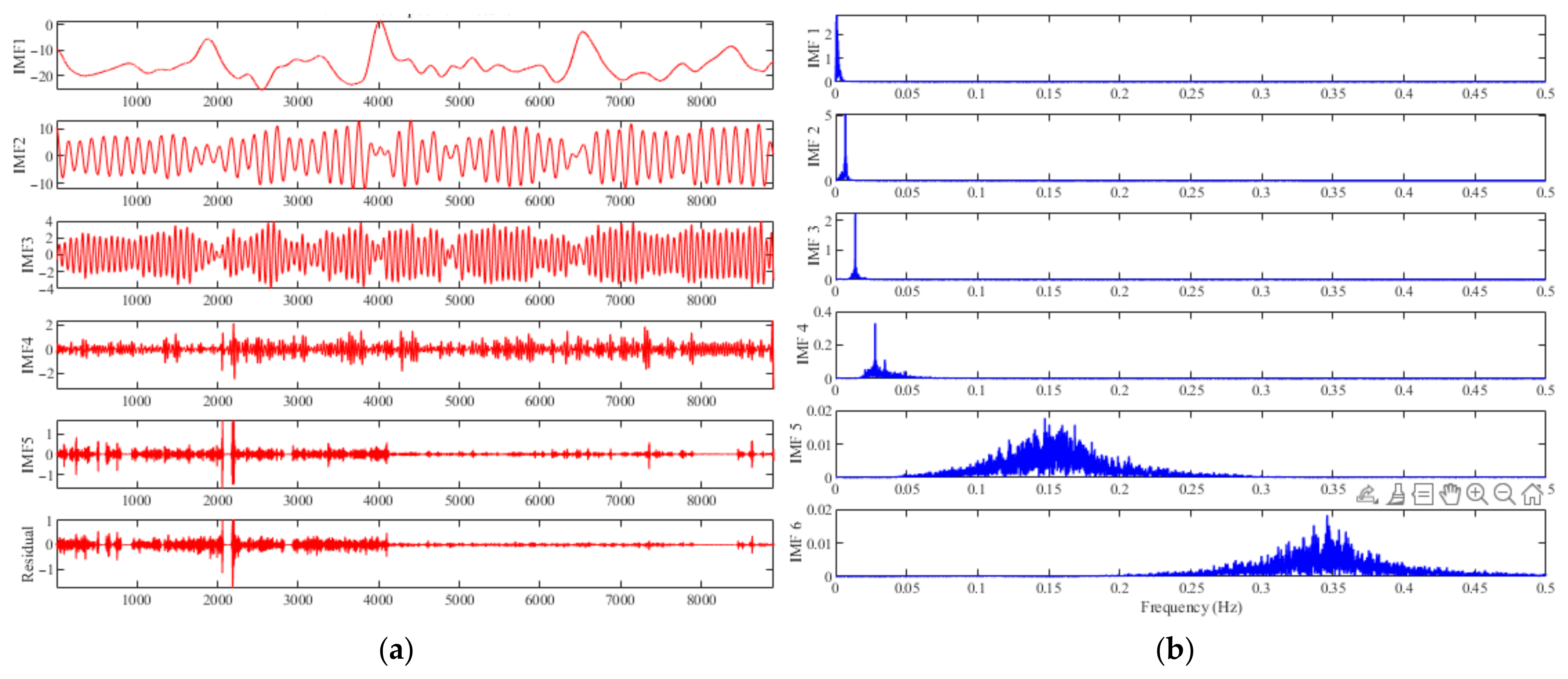
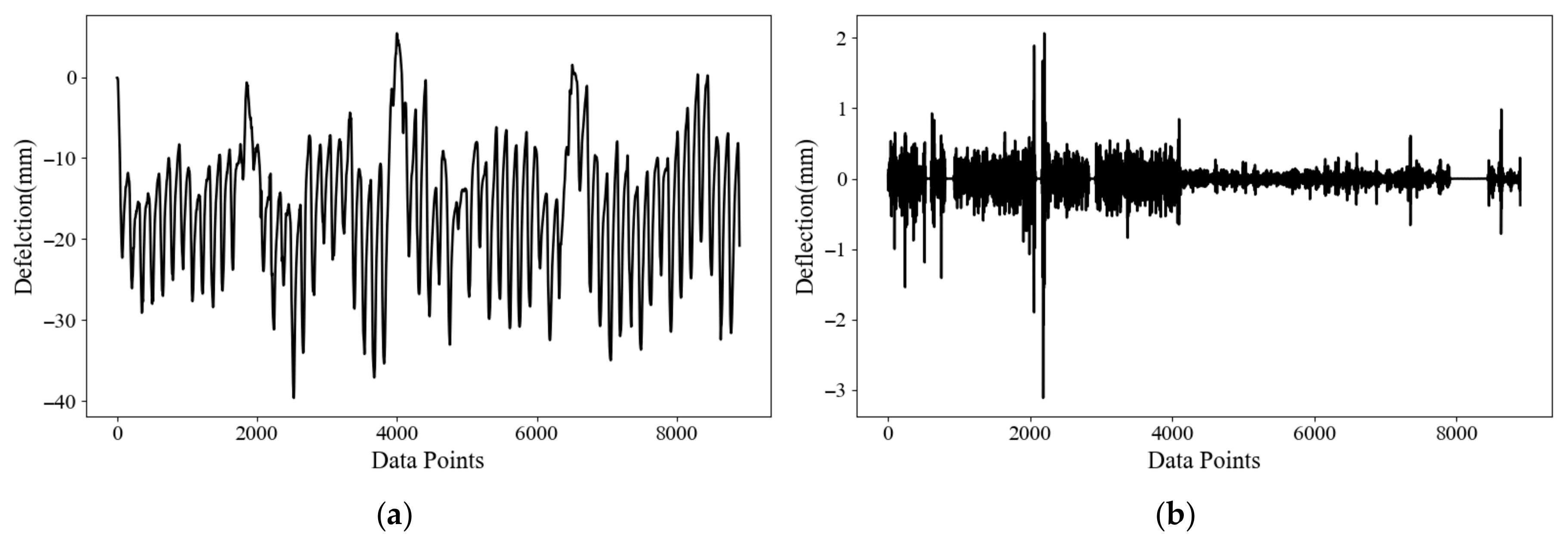
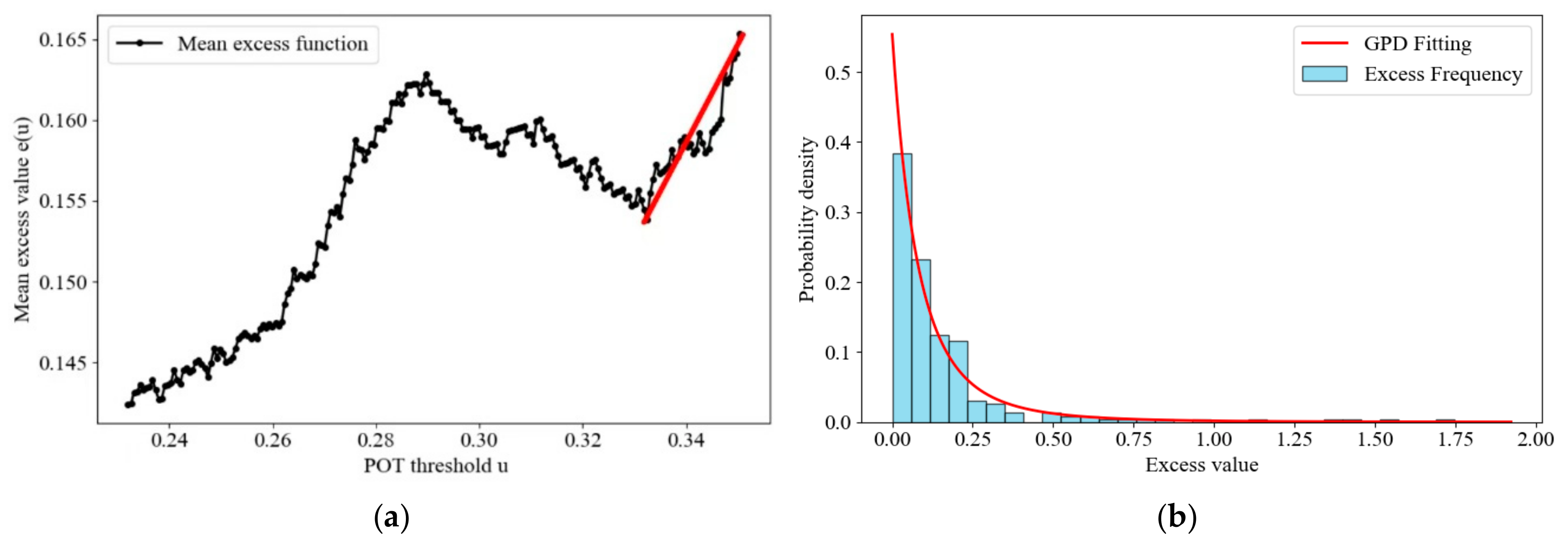
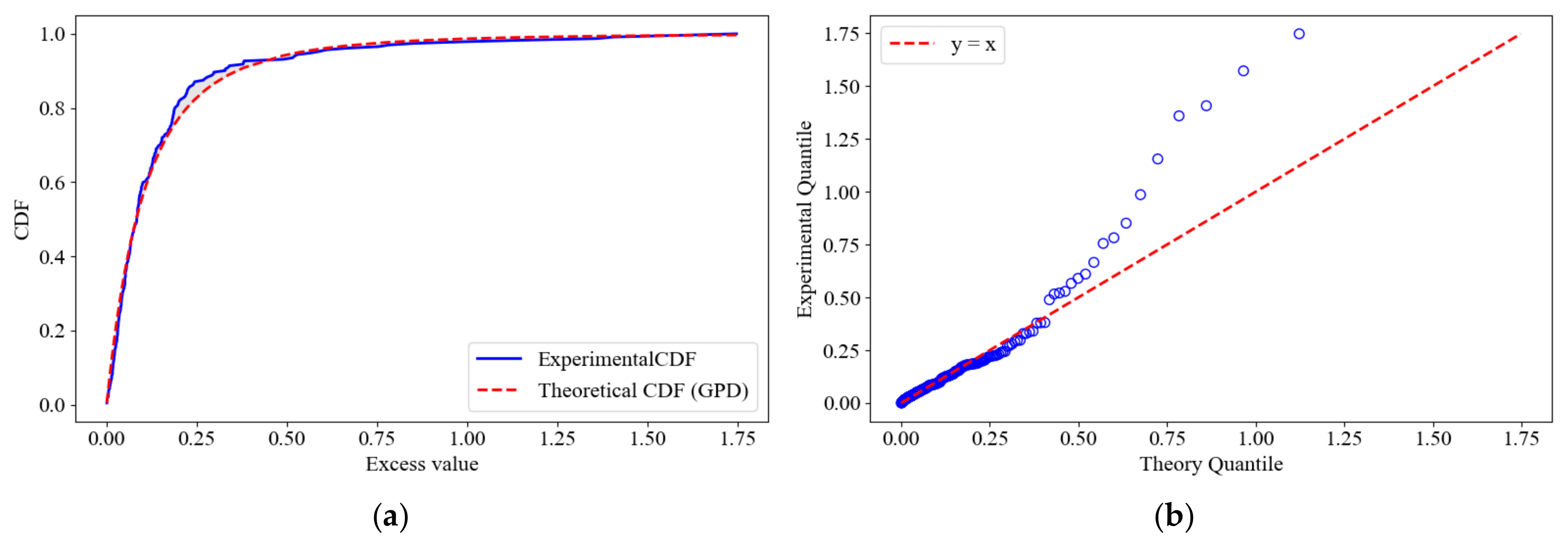
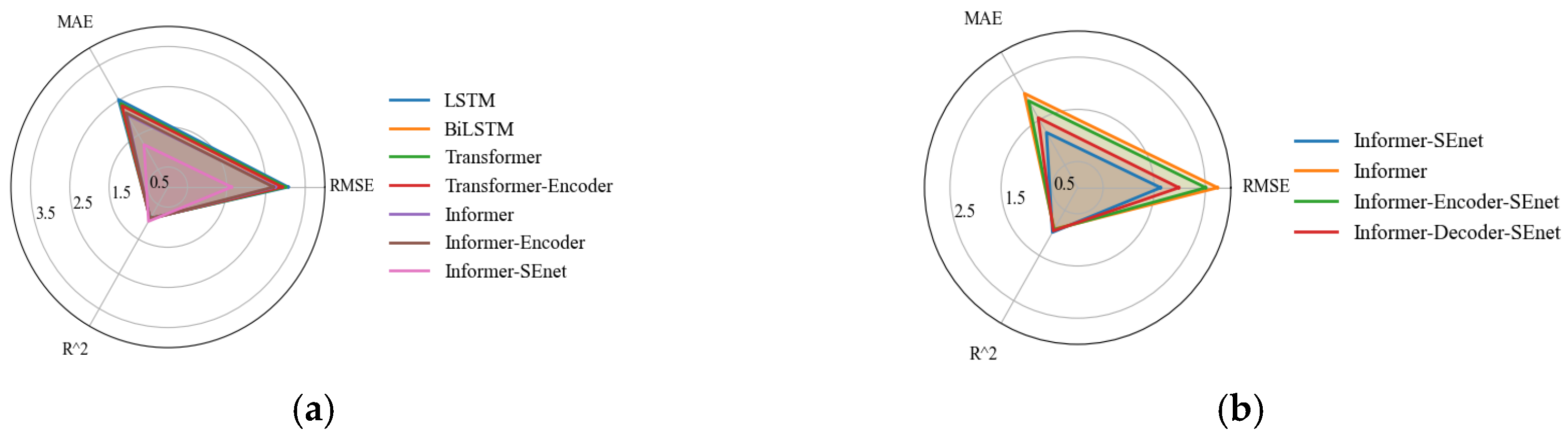
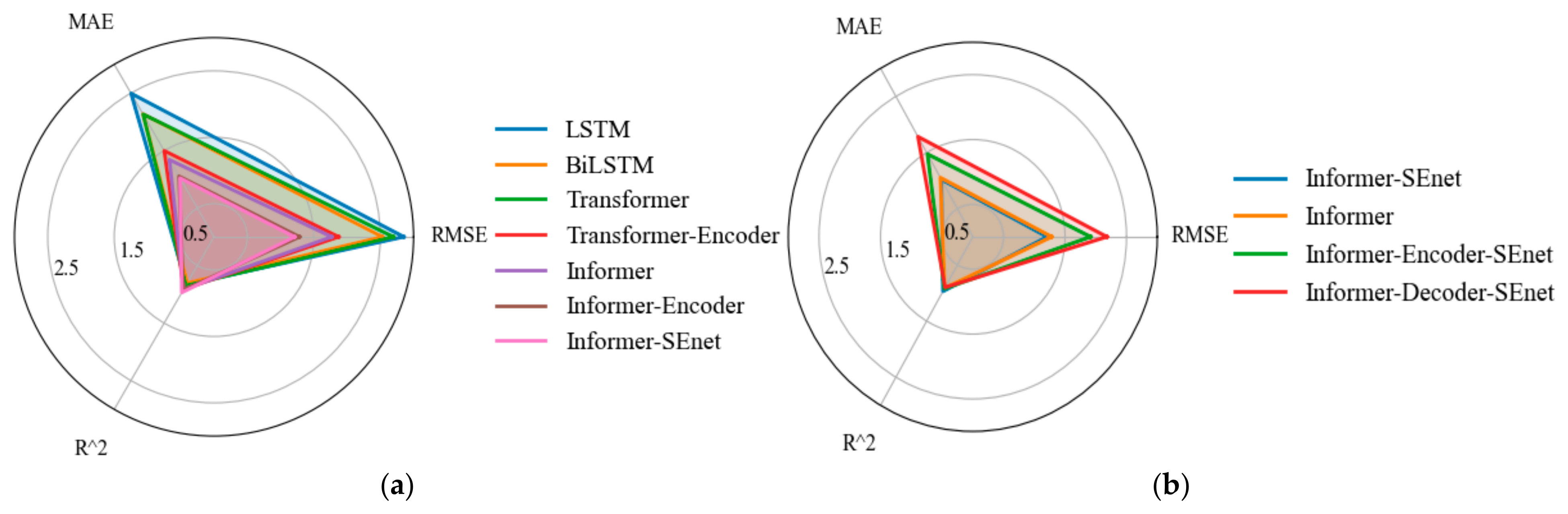
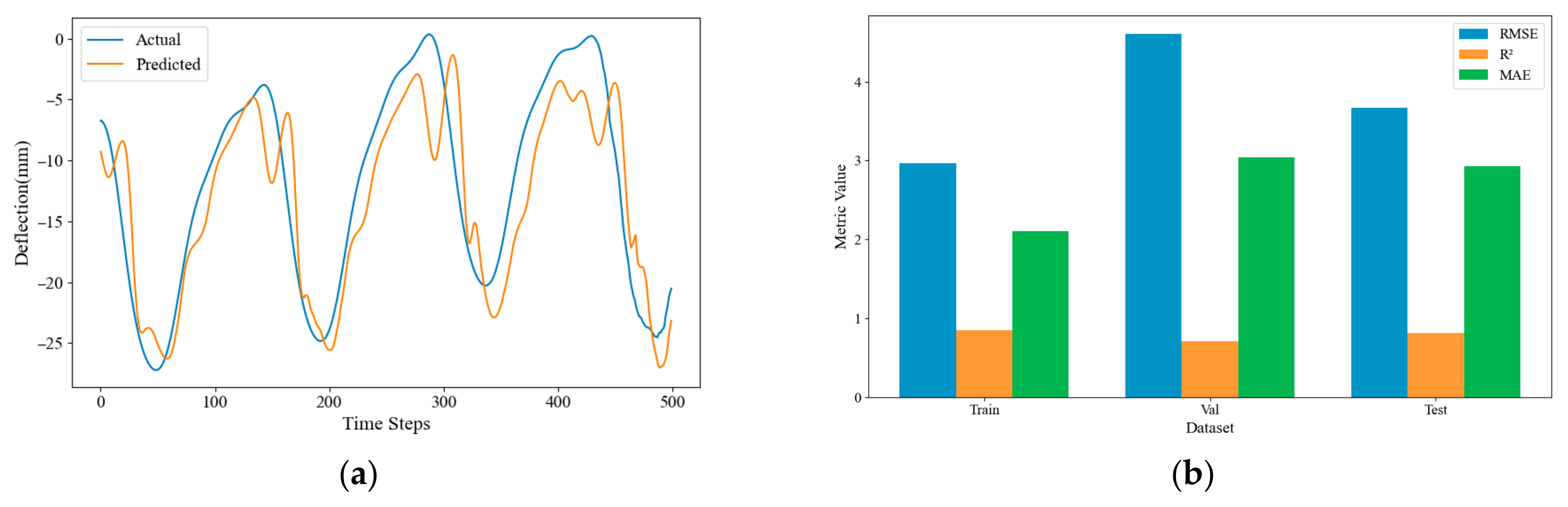
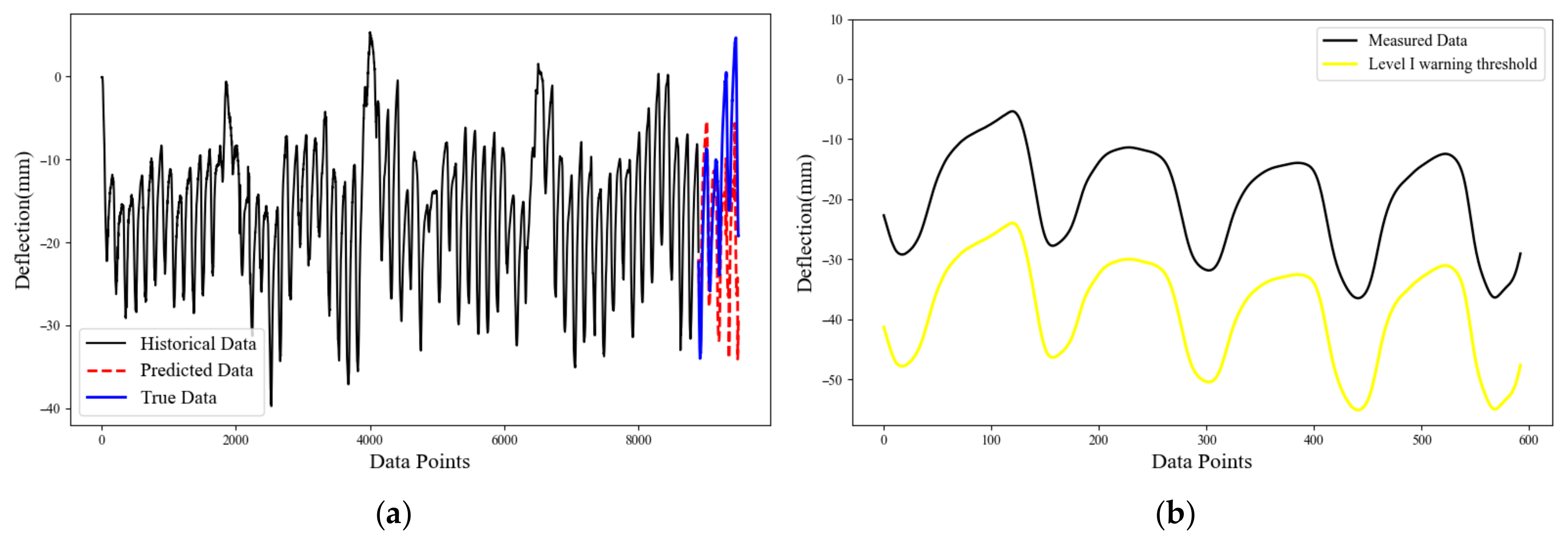
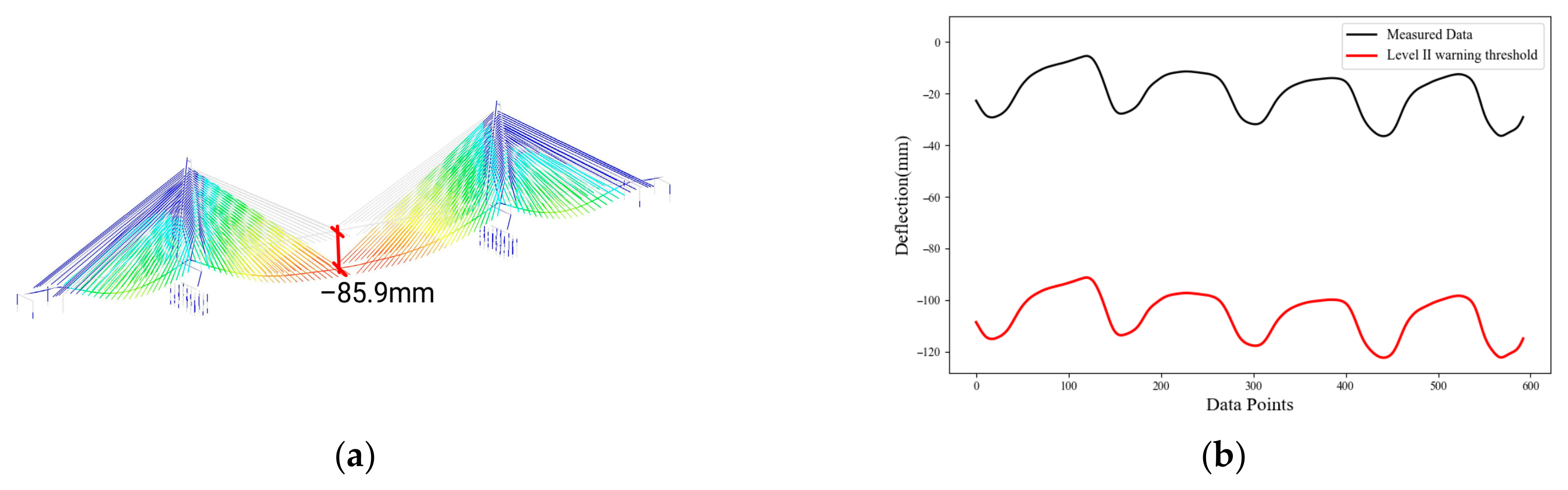
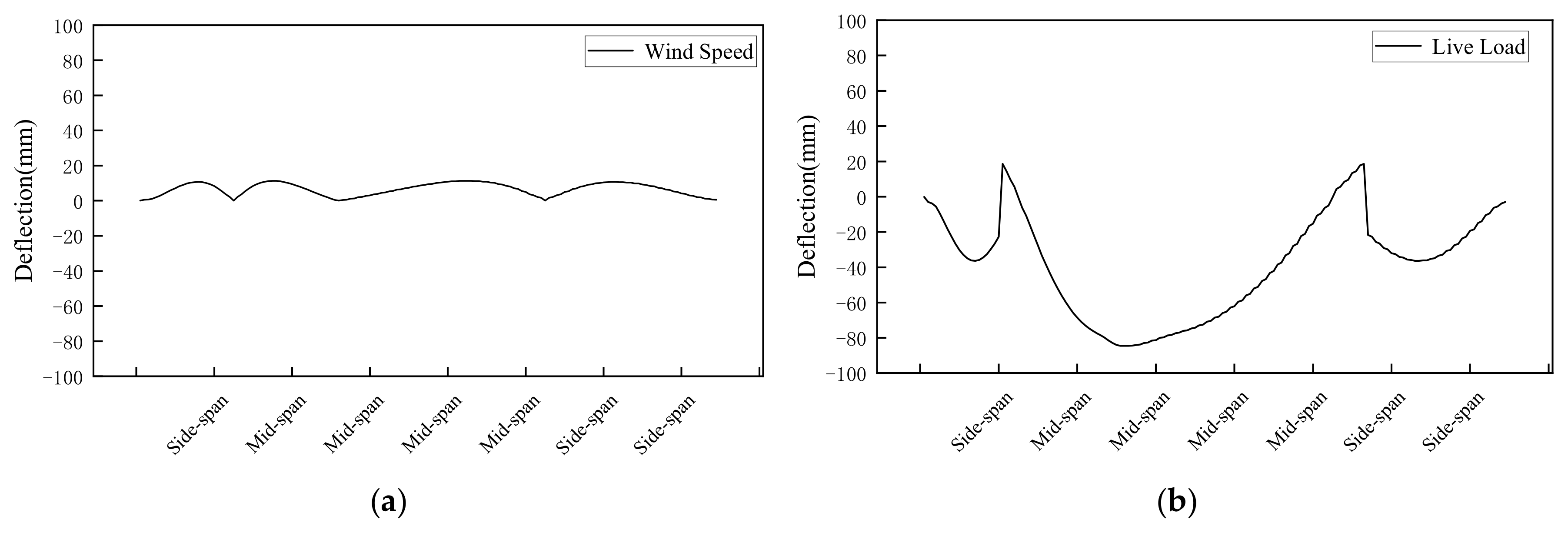
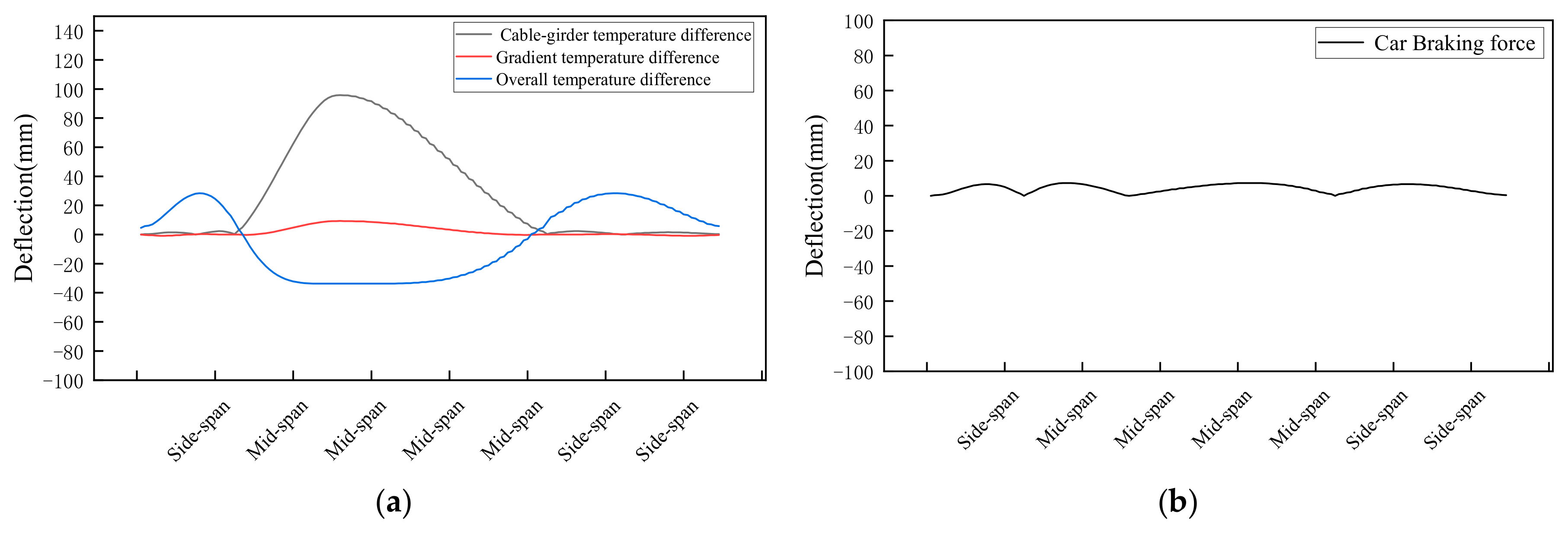
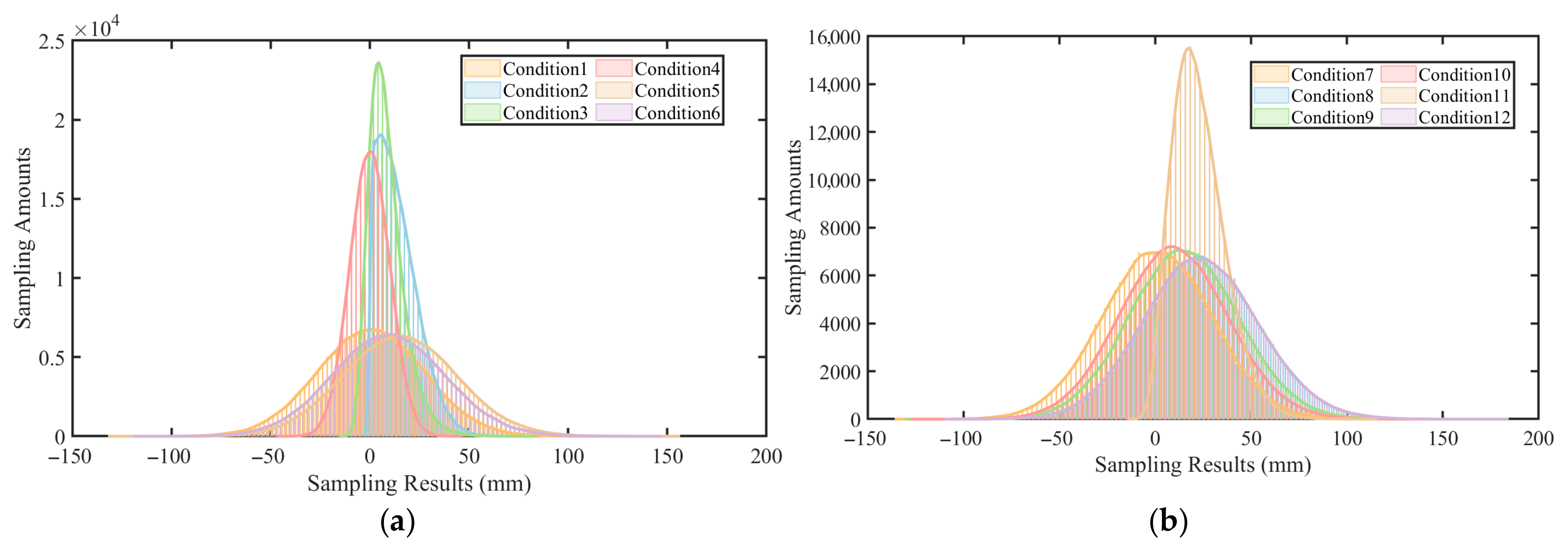
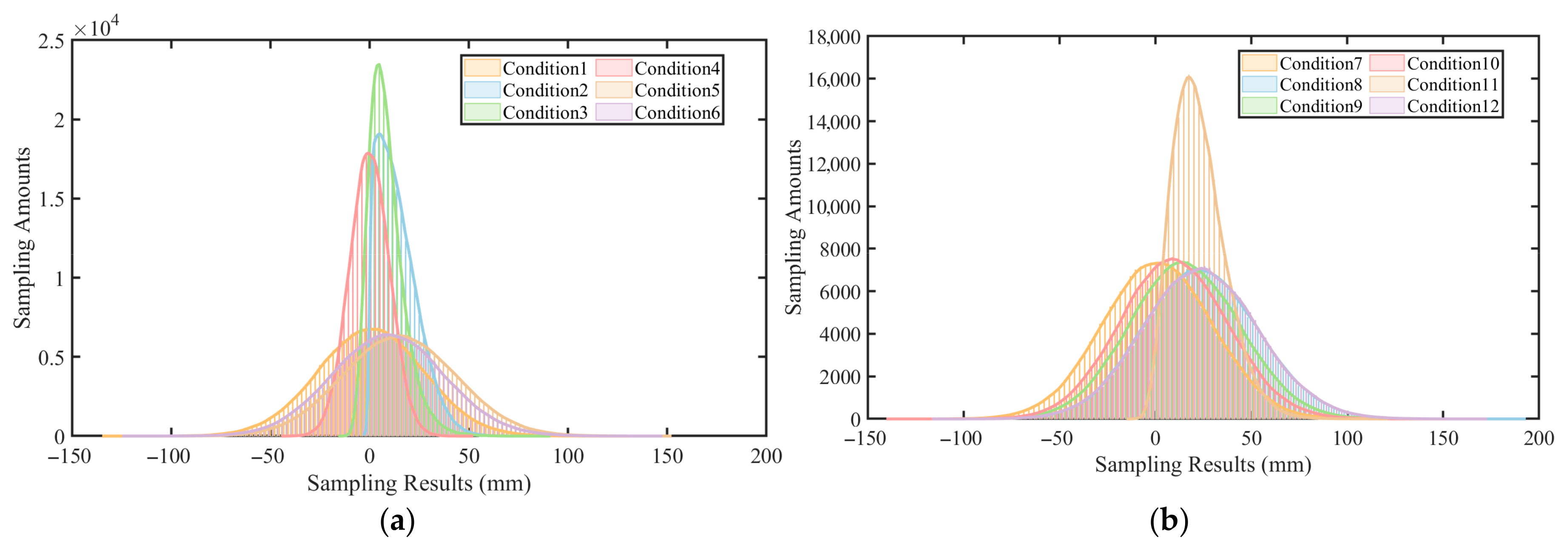
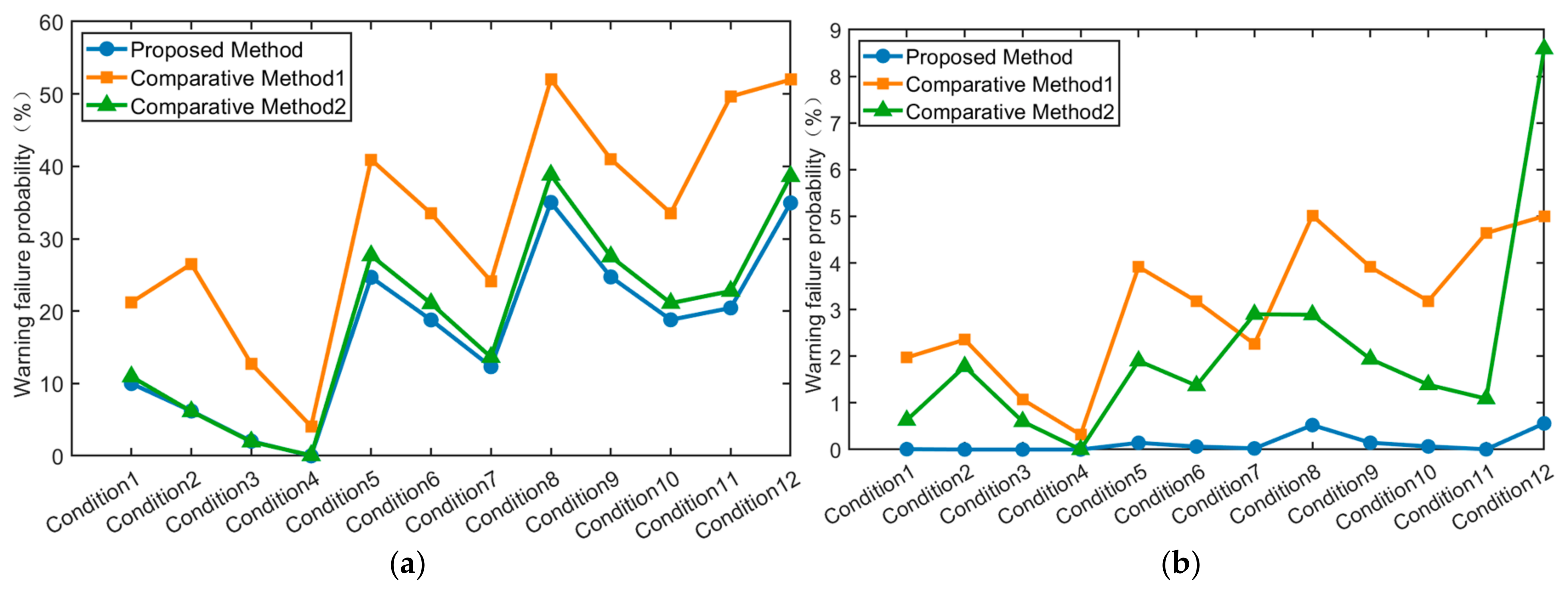
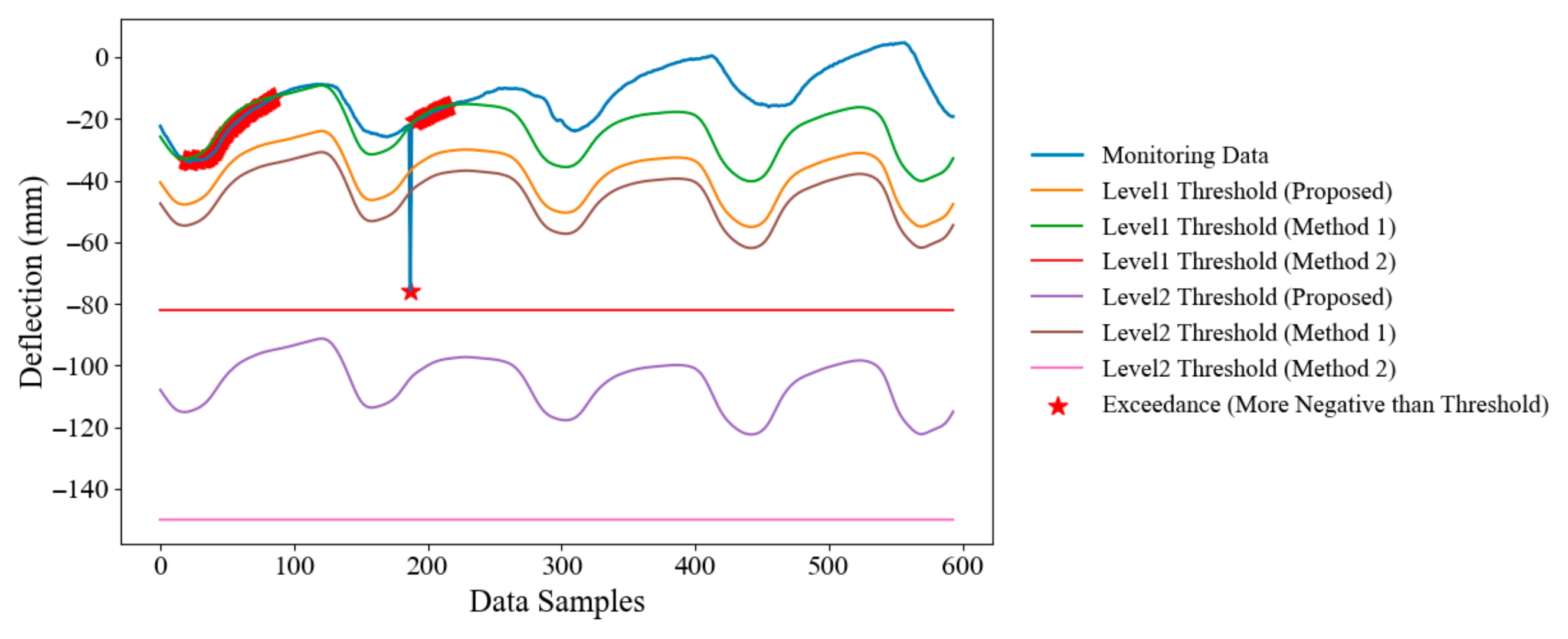
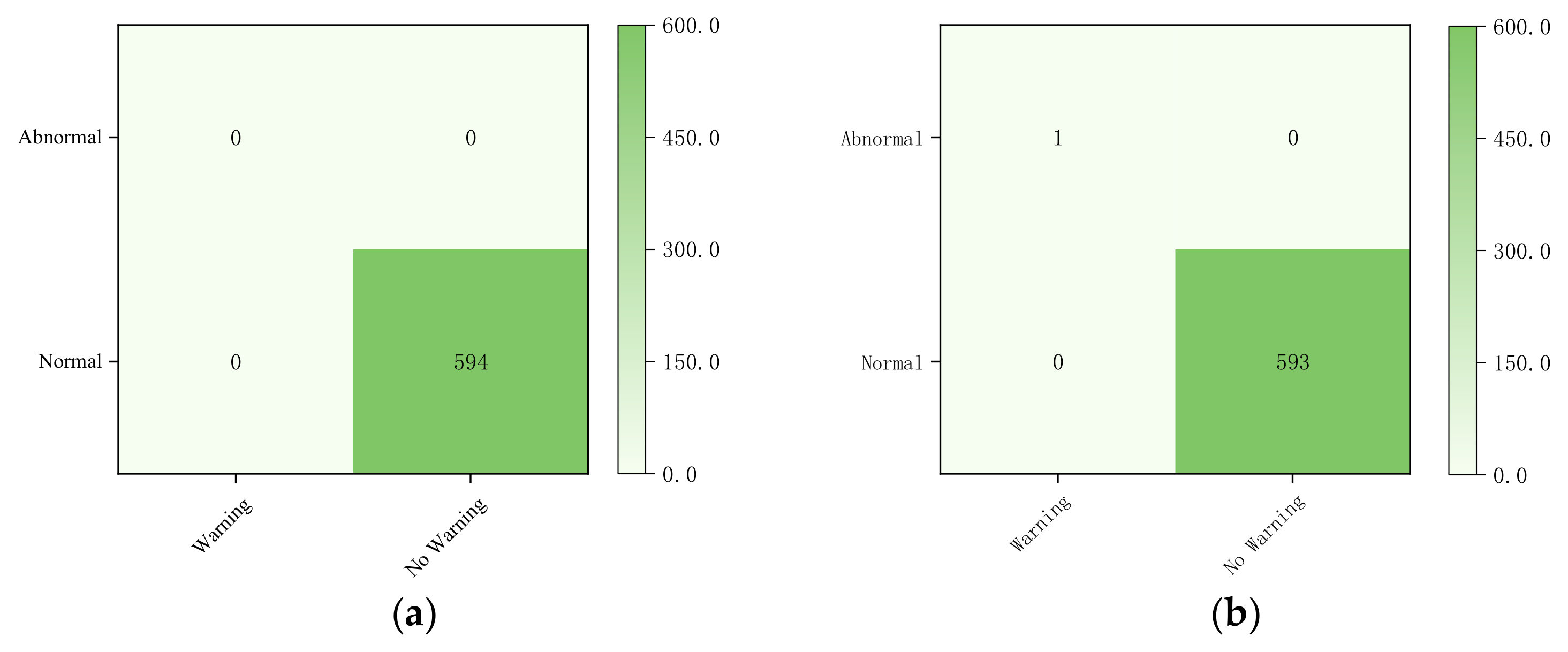
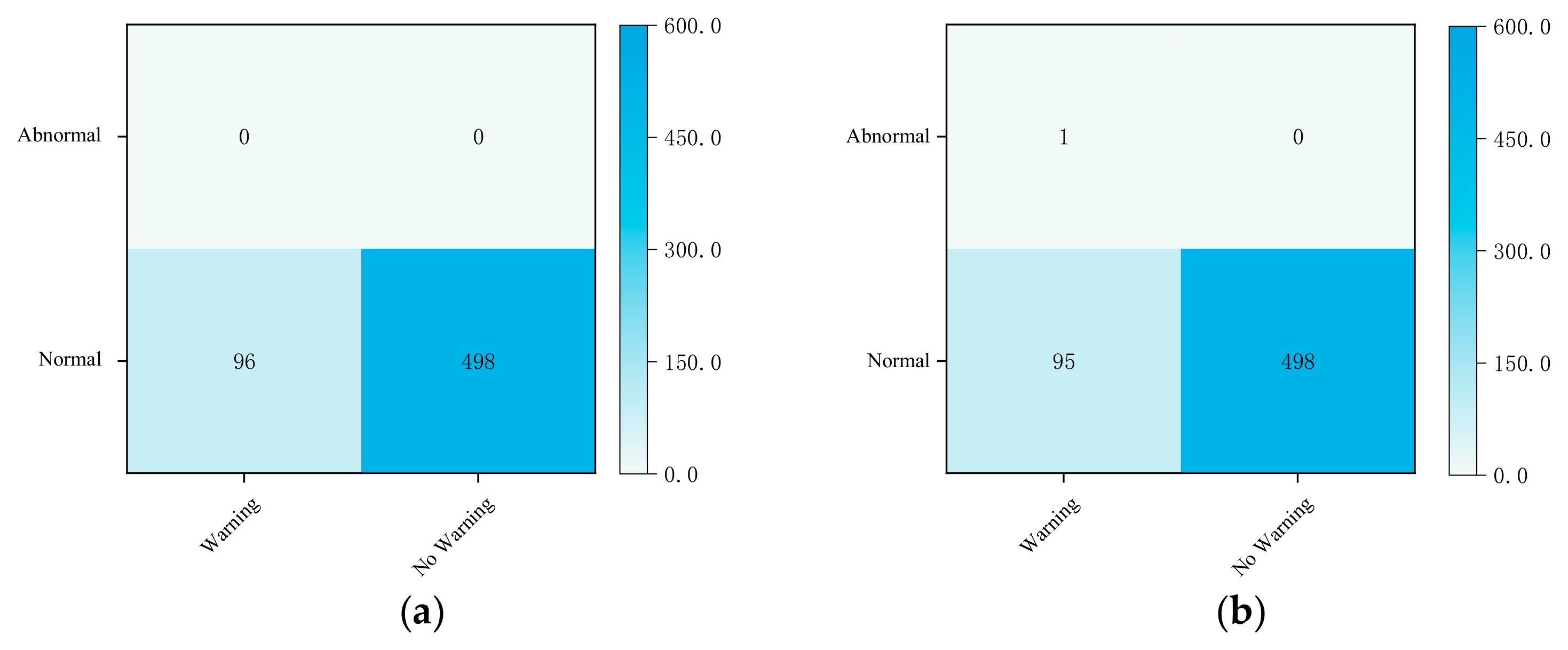
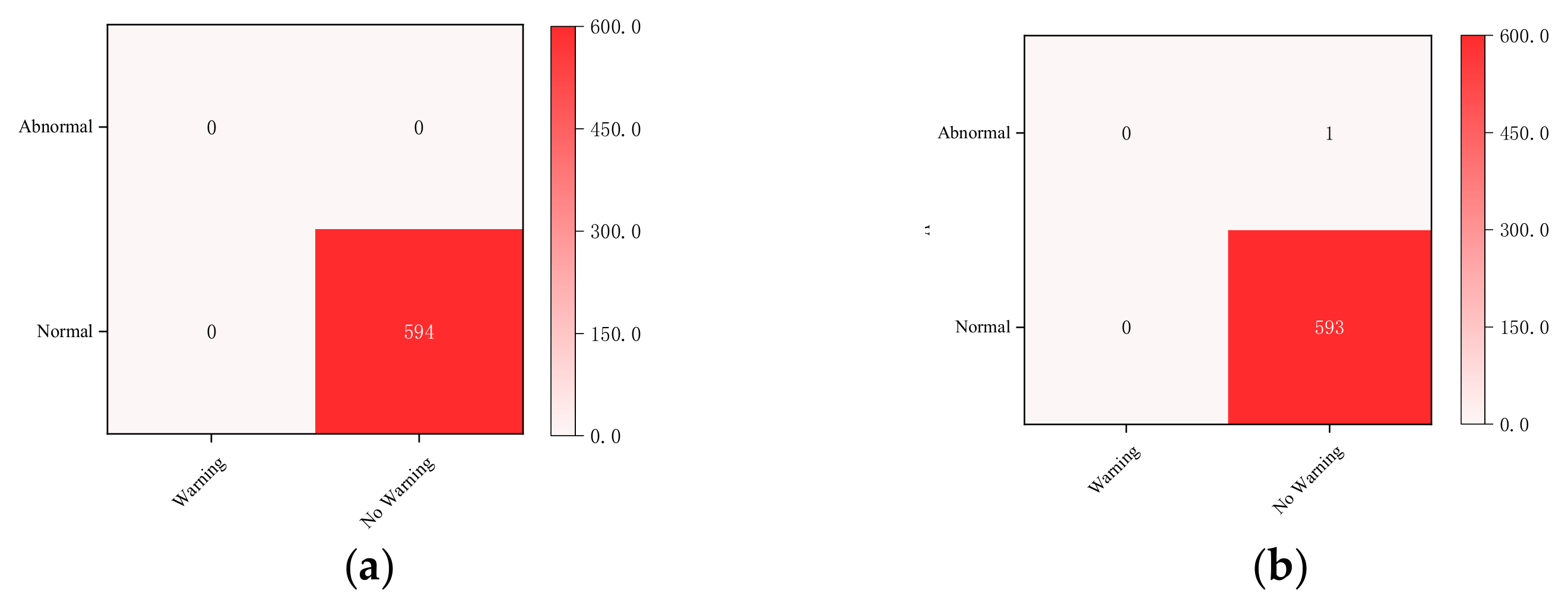
To address the above issues, this study proposes an intelligent bridge health monitoring early-warning framework that integrates data-driven and physics-based modeling, hierarchical threshold setting, and probabilistic reliability assessment into a unified scheme for the first time. First, the temperature effects in mid-span deflection monitoring data are separated using the CPO-VMD method. An Informer–SEnet-based deep learning model is then developed in which temperature and temperature-induced deflection components are used as input features, while the temperature-induced deflection trend is taken as the target variable. A sliding-window strategy is adopted, whereby the subsequent 144 data points are predicted from the preceding 144 historical points, enabling high-accuracy forecasting of the temperature-induced trend. Second, vehicle load effects are characterized through both physical and statistical modeling approaches. On the one hand, a finite element model is used to compute vehicle-load-induced deflection under the serviceability limit state. On the other hand, to capture the heavy-tail characteristics of vehicle-induced deflection, the peaks-over-threshold method based on Pareto extreme value theory is adopted to model tail behavior and estimate vehicle-load-induced deflection at specified exceedance probabilities. These two results are then respectively combined with the temperature-induced trend to construct two-level dynamic early-warning thresholds, enabling synergy between engineering constraints and data adaptivity. Furthermore, a Monte Carlo simulation framework based on stochastic finite element modeling is introduced to jointly account for multiple sources of uncertainty, including temperature variability, stochastic traffic loading, model errors, and prediction uncertainty, and to quantify their propagation effects along the warning chain. Monte Carlo samples are compared with the predefined dynamic thresholds, and the comparison results are used as the reliability control objective: samples exceeding the threshold are classified as failures, while others are regarded as reliable. The threshold performance is thus probabilistically characterized in terms of failure probability. Finally, the effectiveness and engineering applicability of the proposed framework are validated through a real-world bridge case study. The results show that, under multi-condition simulated datasets, the proposed method improves reliability by up to 58.01% compared with traditional fixed-threshold approaches and by up to 6.19% compared with existing dynamic warning methods. In validation using four consecutive days of real-time monitoring data and simulation experiments, confusion-matrix-based evaluation indicates that, relative to fixed-threshold methods, the warning accuracy is increased by up to 0.17% and the false alarm rate is reduced by up to 0.17%; compared with existing dynamic warning methods, the accuracy is improved by up to 19.27% and the false alarm rate is reduced by up to 16.16%. These results confirm the accuracy, stability, and practical engineering value of the proposed method for structural anomaly early warning.
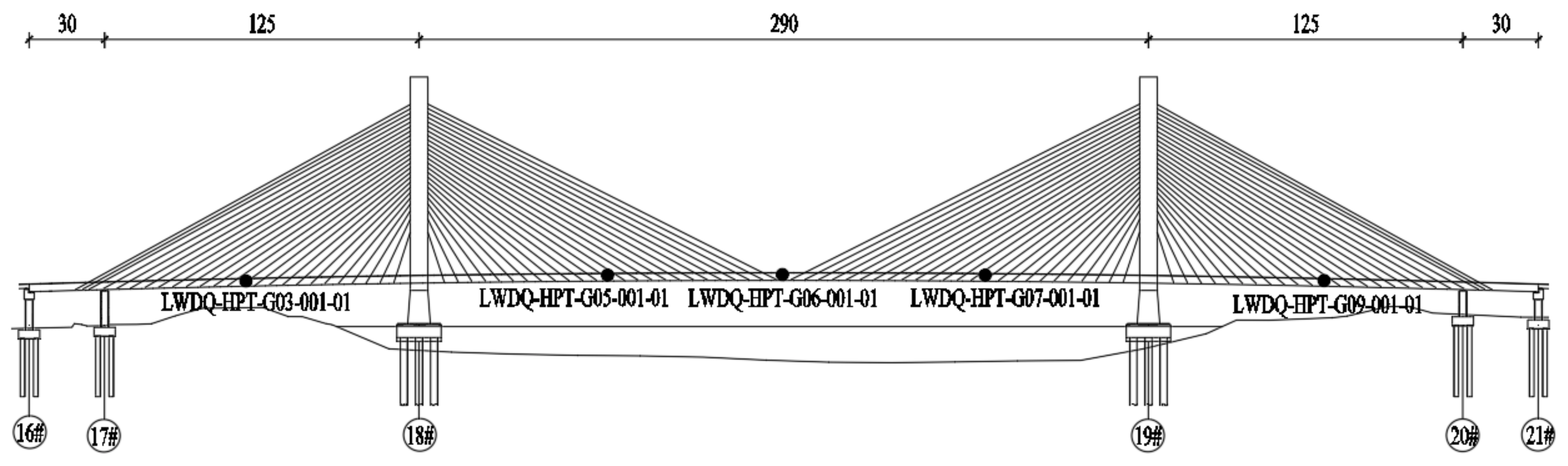
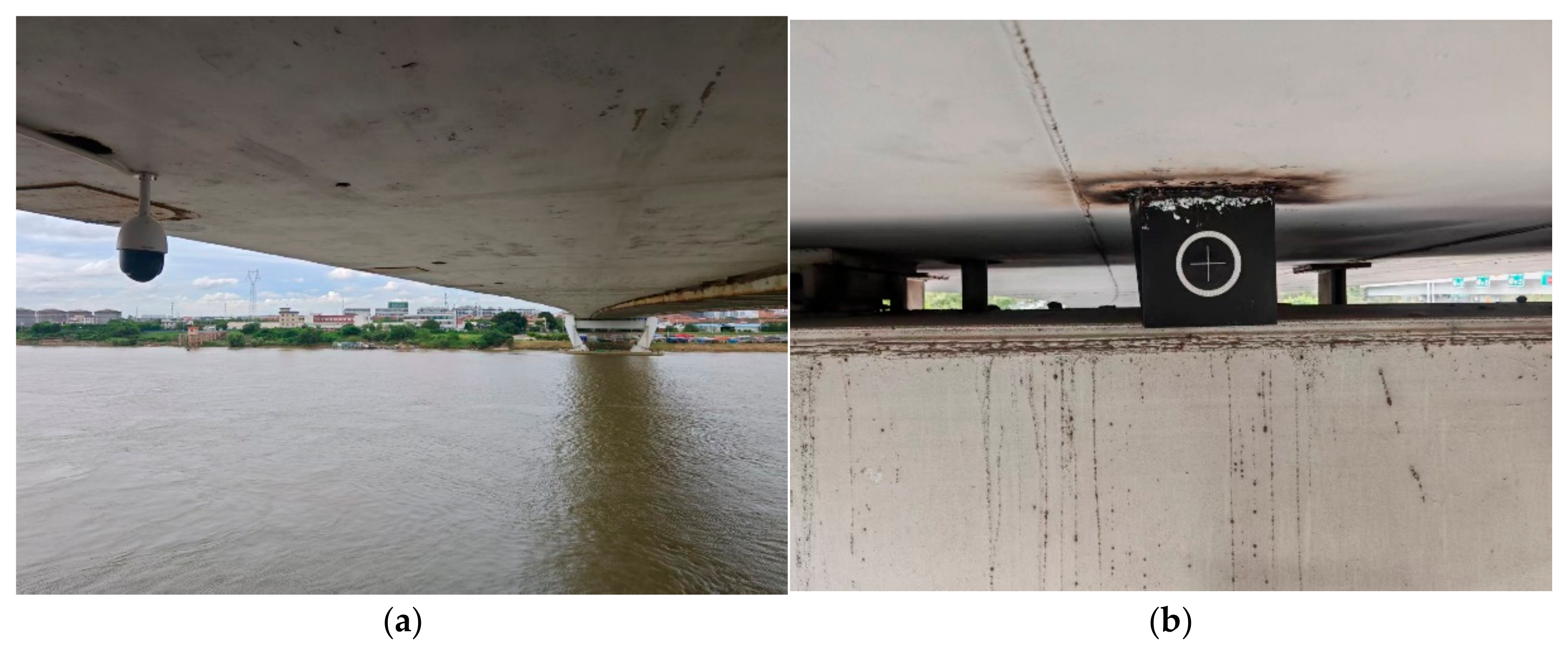
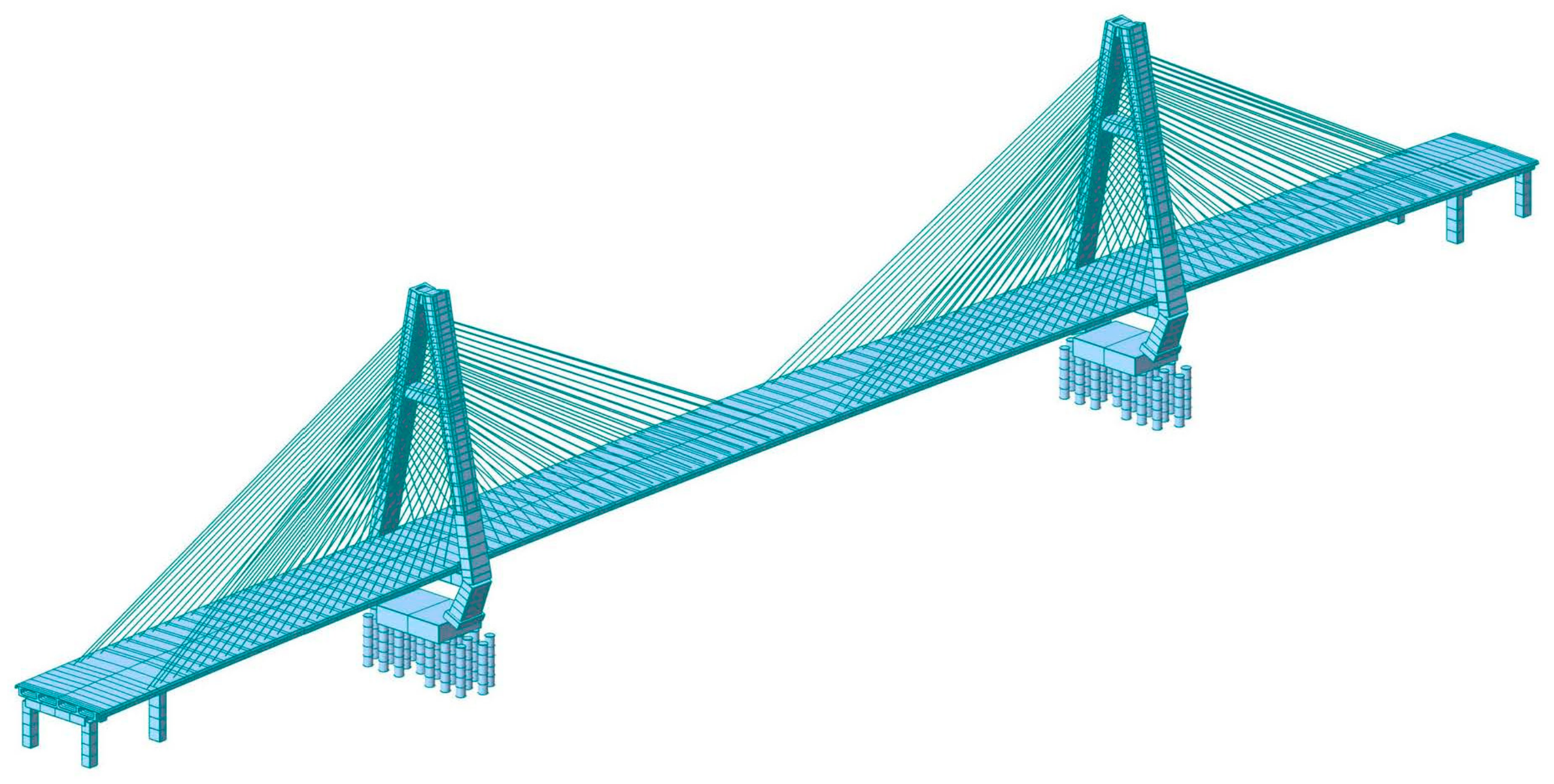
This study proposes a deep learning-based dynamic early warning threshold method for bridge structures. Taking an in-service long-span cable-stayed bridge as the engineering background, the reliability and feasibility of the proposed dynamic warning threshold method are verified from both theoretical and practical engineering perspectives. The remainder of this paper is organized as follows.
Section 2 introduces the principles of the related methodologies, including the Informer–SEnet architecture, extreme value theory, and the stochastic finite element Monte Carlo simulation method.
Section 3 presents the development of the dynamic early warning method based on actual engineering monitoring data using the above approaches.
Section 4 demonstrates the practical performance of the proposed dynamic warning threshold method through an engineering case study. Finally,
Section 5 summarizes the main conclusions of this study.
5. Conclusions
The study addresses the challenge in bridge health monitoring of establishing dynamic warning thresholds that simultaneously account for environmental adaptability, engineering rationality, and quantitative reliability. A deep learning-based dynamic warning threshold method for bridge structures is proposed, and its effectiveness and engineering applicability are systematically investigated using monitoring data from an in-service long-span cable-stayed bridge. The main conclusions are as follows:
(1) To address the strong coupling between temperature effects and vehicle load effects in bridge structural responses, this study develops an Informer–SENet-based deep learning model to accurately predict temperature-induced structural response trends and uses them as a dynamic baseline. On this basis, vehicle load effects are modeled by integrating extreme value theory and finite element analysis, and a two-level dynamic warning threshold strategy suitable for the operational stage is proposed, enabling adaptive adjustment of warning thresholds in response to environmental variations.
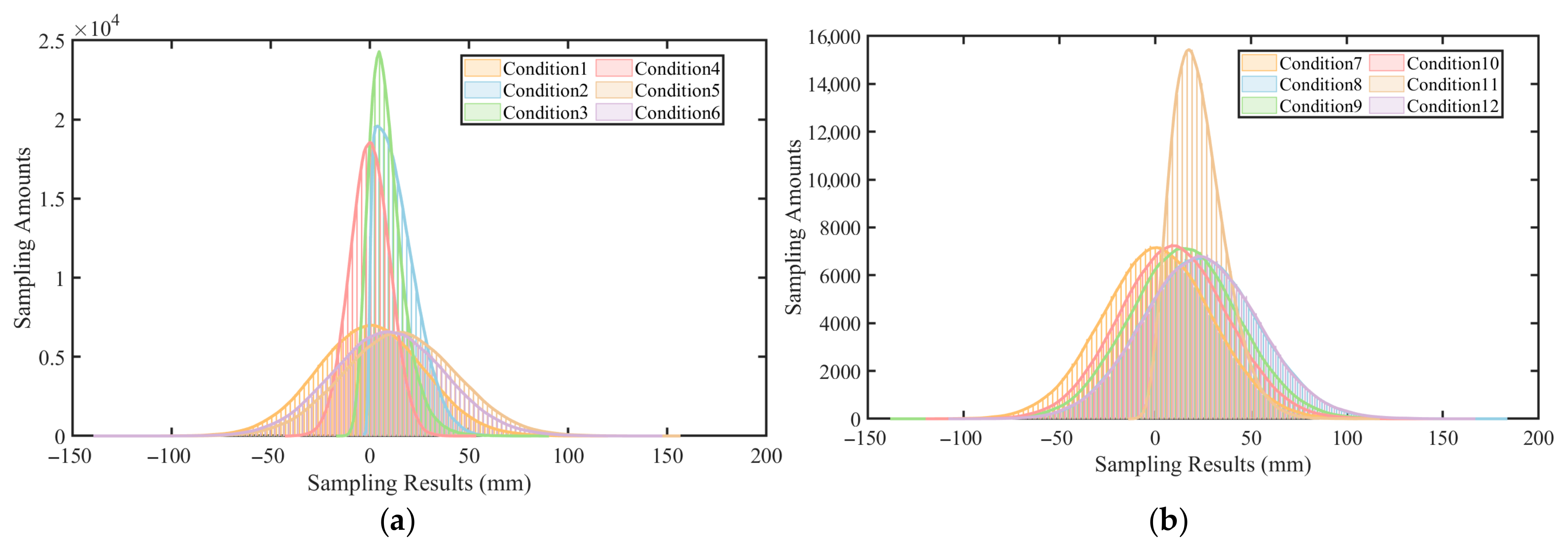
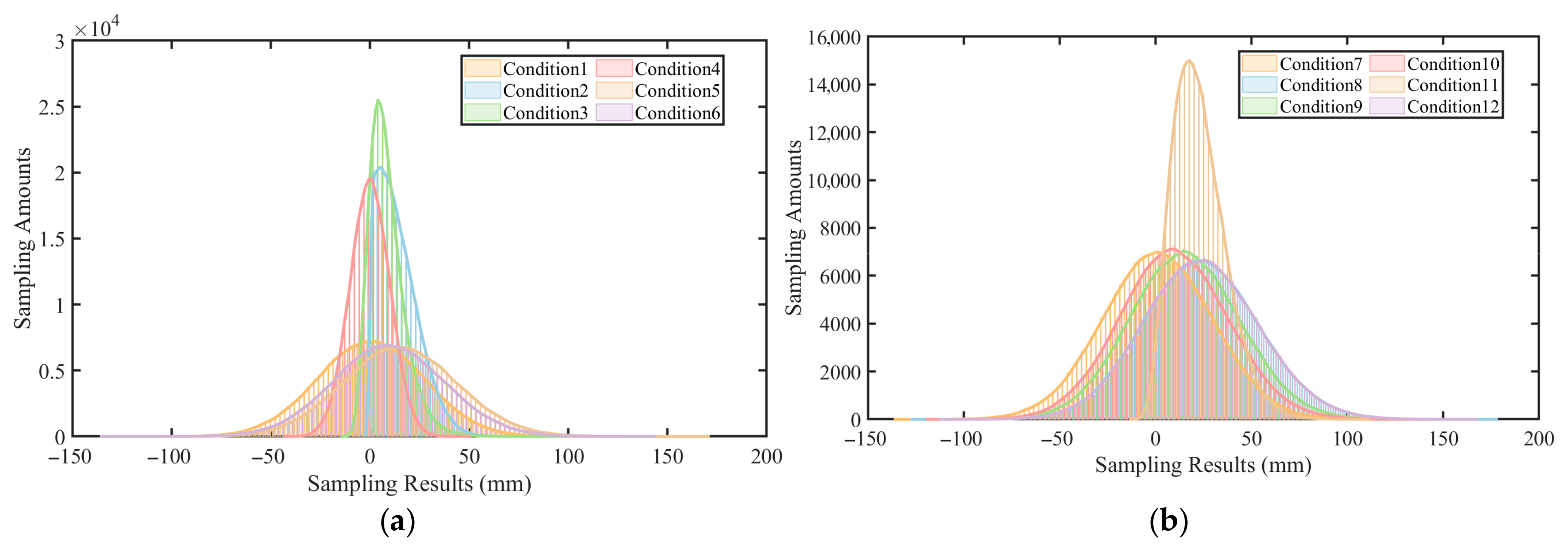
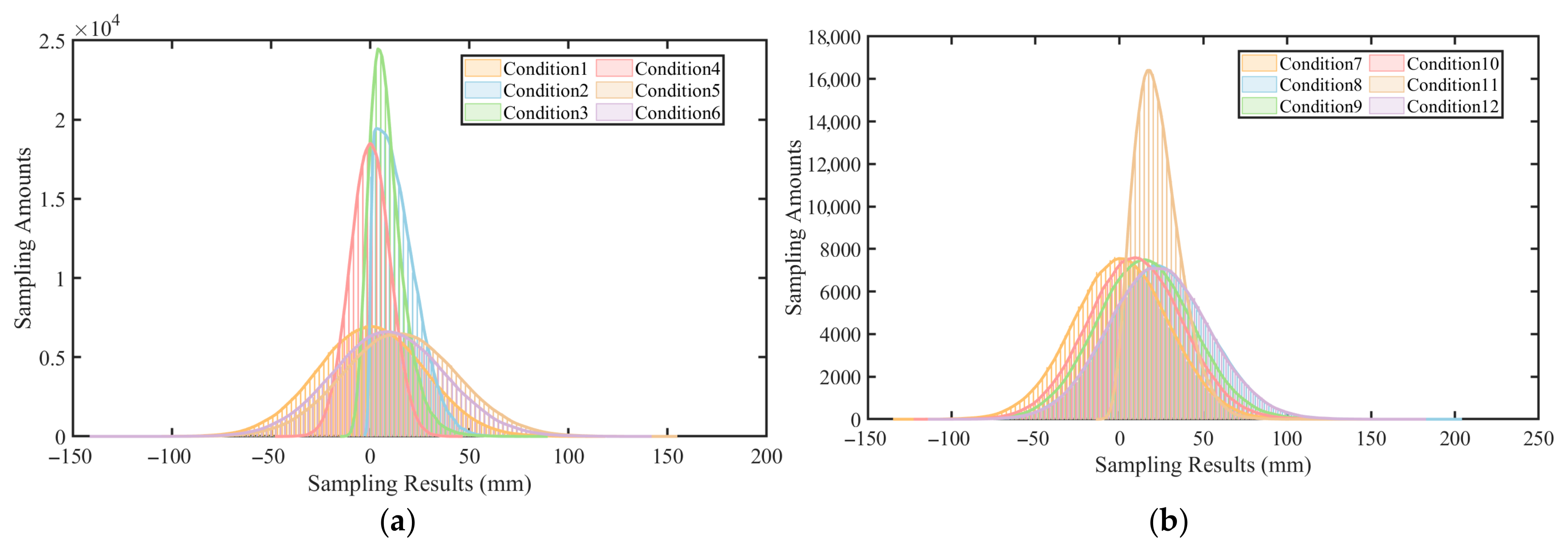
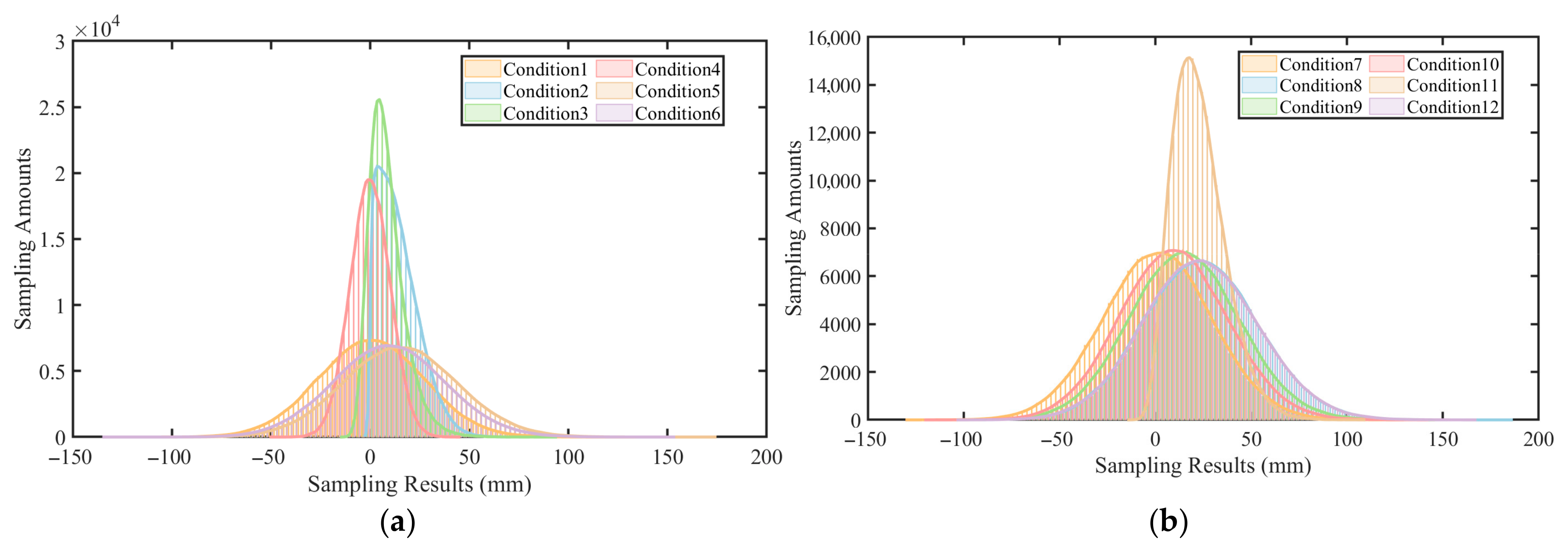
(2) By introducing a stochastic finite element Monte Carlo simulation approach, probabilistic modeling is performed for multi-source uncertainties, including material properties, load effects, and environmental factors. The failure probabilities and reliability indices of different warning levels under multiple combined working conditions are systematically evaluated. Comparative results show that the failure probability of the proposed method is reduced to as low as 0.56% under multi-condition scenarios, demonstrating that the constructed hierarchical dynamic warning thresholds exhibit good stability and clear probabilistic significance under uncertainty, and provide quantitative reliability support for warning decisions.
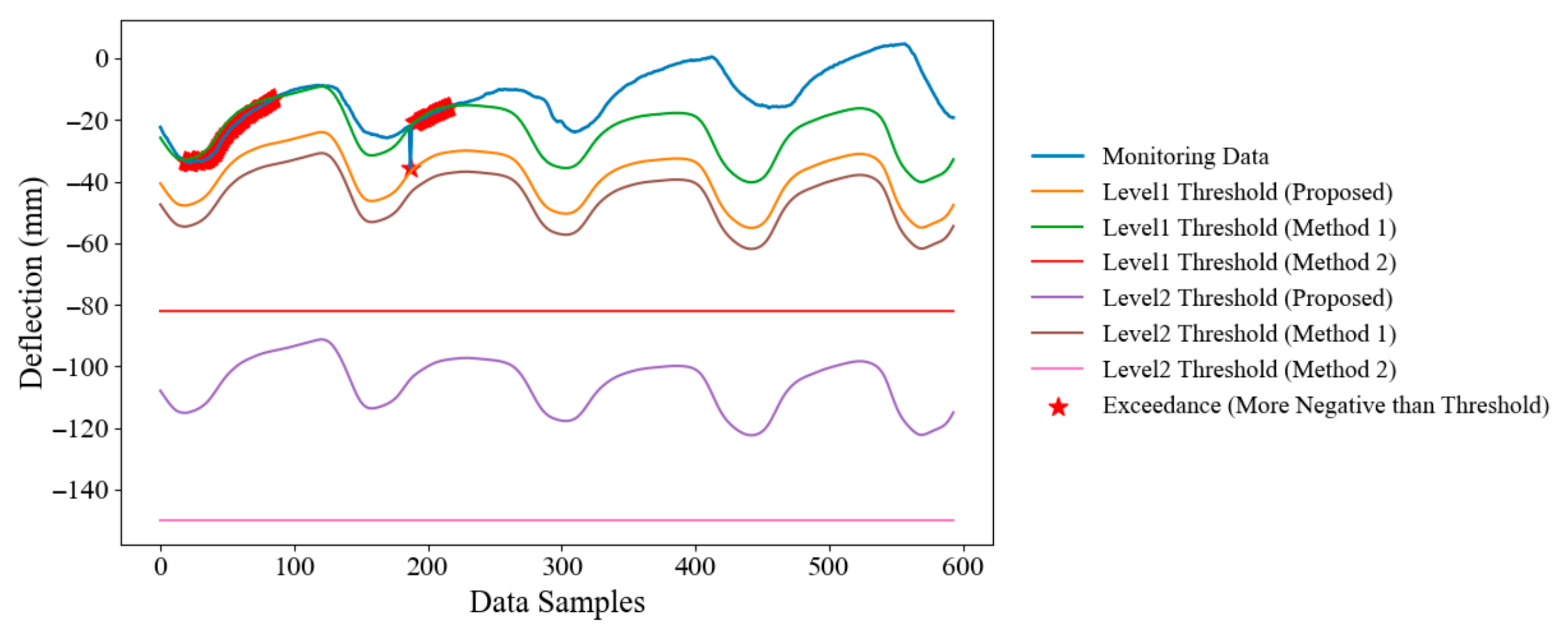
(3) The proposed dynamic warning method is applied to long-term monitoring data from an in-service long-span cable-stayed bridge to analyze the response characteristics of dynamic warning thresholds under real operating conditions. The results indicate that, compared with other threshold-setting methods, the proposed approach effectively suppresses false alarms and missed alarms caused by environmental temperature variations, while maintaining strong detection capability for abnormal responses, thereby improving the overall stability and engineering applicability of the warning system.
(4) A confusion-matrix-based evaluation is introduced to assess the warning performance of the proposed method in real monitoring and simulation experiments. The results show that the proposed method significantly reduces the false alarm rate while maintaining a high abnormality detection capability. Compared with baseline approaches, the warning accuracy is improved by up to 19.27% and the error rate is reduced by as much as 16.16%, further demonstrating the discriminative capability and robustness of the proposed dynamic early-warning method in engineering applications.
Overall, the proposed deep-learning-based dynamic early-warning threshold method for bridge structures is supported by clear physical and statistical foundations. It also demonstrates good adaptability and stability in engineering applications, providing a feasible technical pathway for transforming bridge health monitoring systems from experience-based warning schemes toward data-driven and risk-oriented frameworks. Nevertheless, several limitations remain: (1) Data dependence. The deep learning prediction model is sensitive to the continuity and stability of monitoring data; sensor faults or abnormal data can noticeably affect the performance of dynamic warning. (2) Model transferability and generalizability. The current conclusions are mainly validated on a single bridge. Although the generalization ability of the deep learning model has been examined, systematic cross-bridge validation is still needed. In addition, finite element model parameters require recalibration when structural systems and boundary conditions change. (3) Limited coverage of extreme conditions. For low-frequency but high-impact events—such as overloaded vehicles, extreme temperature gradients, and strong winds—threshold behavior in the tail-risk region still requires long-term verification and calibration using multi-source data, due to the scarcity of such samples and limited monitoring duration.
To address these issues, future research can be pursued in the following directions: (1) Multi-bridge comparison and cross-domain validation. Benchmark datasets covering multiple bridge types and multiple monitoring indicators should be established to systematically evaluate the applicability of the proposed method across different bridges and warning metrics. (2) Enhanced tail-risk and uncertainty modeling. Prediction uncertainty and threshold confidence levels should be further characterized, enabling threshold inversion and risk-constrained design targeting a specified failure probability. (3) Multi-source data fusion and abnormal-scenario simulation. Numerical simulation should be introduced to generate synthetic data under extreme scenarios, thereby expanding training samples and improving the system’s capability to identify and warn against complex abnormal states. With these extensions, the reliability, transferability, and practical engineering value of the proposed dynamic warning method under complex service environments are expected to be further improved.