


Abstract
Green building rating systems (GBRS) (e.g., LEED and BREEAM) assess sustainability in the built environment but require extensive data collection and processing. In this context, digitalization strategies, such as building information Modeling (BIM), enable centralized data management throughout the building’s life cycle. This study presents a PRISMA-based systematic literature review (SLR) of BIM-GBRS integration methods, identifying 83 articles and 13 reviews. The analysis is structured around three key phases defined to enable a systematic comparison of the existing approaches. Phase 1, “Data acquisition”, involves collecting the values of the investigated parameters either from the BIM model or through analysis software (e.g., Insight, One Click LCA) grouped into eight categories. Phase 2, “compliance verification”, focuses on comparing collected data with GBRS requirements using manual or automated tools (e.g., Dynamo). Phase 3, “optimization”, involves improving alternative design scenarios using tools such as plug-ins and MATLAB-based algorithms (e.g., NSGA-II, DWKNN). Emerging digital technologies (e.g., AI, digital twins, IoT) are analyzed to enable automated workflows, while interoperability is examined by distinguishing format-based (e.g., gbXML, IFC) and tool-based (e.g., APIs, VPL) approaches. The study identifies fragmented and limited interoperability in BIM-GBRS integration, highlighting the need for an automated end-to-end framework to support sustainability in the construction sector.
Keywords:
building information modeling; parametric tools; building sustainability assessment; digital technologies; artificial intelligence; Internet of Things; leadership in energy and environmental design; building research establishment environmental assessment method; policy frameworks; visual programming languages 1. Introduction
Over the past few decades, the widespread global consumption of resources and the intensification of the climate crisis have made the adoption of sustainable development strategies increasingly urgent. In this context, the architecture, engineering, and construction (AEC) industry is notable for its significant environmental impact, accounting for a substantial portion of global CO2 emissions and the depletion of natural resources [1]. Meanwhile, by 2050, two-thirds of the world’s population will reside in urban regions, which is projected to account for 75% of the earth’s natural resource use, 50% of the total waste production, and more than 60% of the greenhouse gas emissions worldwide [2].
In this scenario, sustainability assessment frameworks and green building rating systems (GBRS), such as leadership in energy and environmental design (LEED), the building research establishment environmental assessment method (BREEAM), and the Green Star and Sustainable Building Tool (SBTool), promote an integrated approach to sustainable design, encouraging informed decision-making throughout the entire building life cycle [3]. These tools evaluate the environmental, energy-related, and social performance of buildings using a systematic framework composed of categories, prerequisites, credits, and a final score [4]. The final score is the result of the total accumulated points earned from the completed credits. However, their application often involves complex procedures and a large amount of data that needs to be collected, verified, and processed [5].
Table 1 shows a comparison of BREEAM, LEED, SBTool, and Green Star to provide a representative overview of the main international GBRSs adopted for sustainability assessment.
In these fields, digitalization has increasingly become a purposeful strategy in supporting the ecological transition, due to the potential of advanced technologies to optimize design, management, and monitoring processes [6]. The application of advanced digital technologies, such as building information modeling (BIM), Internet of Things (IoT), digital twin, and artificial intelligence (AI), supports the possibility of achieving sustainable and inclusive development, as well as other long-term goals in the social, economic, and environmental domains. In fact, IoT sensors enable real-time data collection, digital twins allow monitoring data, and AI supports process automation and optimization, while BIM serves as a data repository accessible to all stakeholders [7]. These technologies also support the Industry 5.0 paradigm [8] and the sustainable development goals (SDGs) outlined in Agenda 2030 [9], which promote a human-centric, sustainable, and resilient approach to innovation by integrating digital solutions, enhancing both efficiency and environmental responsibility [10].
In the AEC sector, BIM emerges as a digital enabler for the built environment, facilitating the three-dimensional design of a dynamic and centralized information model [11]. One of the key features of BIM is its ability to store, manage, and make available both geometric and semantic data to all stakeholders throughout all phases of the construction process [12]. For example, during the operation and maintenance stage, BIM can integrate operational datasets, enabling more systematic monitoring and decision-making [13,14]. Furthermore, from the early design stages, a BIM-based model can be integrated with digital tools to add analytical and operational capabilities. These tools include visual programming languages (VPLs), such as Dynamo, which enable the automation of complex and custom workflows [15,16], energy and environmental simulation software, such as Energy Plus or Green Building Studio, used to assess the energy performance of buildings from the early design stages and Life Cycle Assessment (LCA) software tools, such as Tally and SimaPro, which help estimate the environmental impacts related to materials and construction solutions [17].
However, despite its potential, the literature highlights that challenges related to interoperability between third-party software and the BIM model remain, primarily due to a lack of shared standards, compatible file formats, and well-organized and scalable workflows. These limitations often lead to fragmented data exchange, manual operations, and inconsistencies between the information generated in different phases and software environments. As a result, workflows become difficult to replicate, automation is hindered, and the reliability of the assessment processes decreases [18].
Table 1.
Comparison among GBRS evaluating as indicators the categories and their relative weights, the country of origin, the certification levels and scores, and the type of certification provided [19,20,21,22].
Although the literature includes several reviews analyzing integration between BIM and GBRS, some aspects remain underexplored, and several research gaps are identified. The analysis of previous reviews, aimed at identifying gaps in existing scientific knowledge, is conducted in Section 3. The BIM-GBRS integration process consists of several phases, as the values required by each credit must first be collected and then compared with the compliance ranges defined by the GBRS. Moreover, in the AEC sector, the integration between BIM and Industry 5.0 digital technologies helps structure dynamic and data-driven approaches across BIM-GBRS assessment phases. Additionally, the analysis of existing data flows across the different phases helps reduce manual operations, the risk of information loss, and time-consuming processes, thereby improving the reliability of results and facilitating the automation of GBRS compliance verification. However, existing reviews do not distinguish the various phases of the process, the digital technologies used within them, or the data flows between the phases. This limits the possibility of comparing the different workflows proposed in the literature and the identification of the most effective tools and methods for each phase. Moreover, the traceability of the information flow is also limited, making BIM-GBRS integration processes less transparent and verifiable.
To address these gaps, the current study proposes a systematic literature review (SLR) of the BIM-GBRS integration process, structured according to a purpose-based identification of three key phases—data acquisition, compliance verification, and optimization—comprehensively discussed in Section 2.1. This discretization, grounded in the intrinsic logic of GBRS workflows, is adopted as an analytical lens to evaluate workflow maturity and identify phase-specific operational limitations. Moreover, this structure is intended to enable consistent and replicable comparisons across studies. In addition, stakeholders are supported in focusing on specific phases of interest, thereby facilitating targeted analysis and informed decision-making according to different operational and design objectives.
To clarify phase boundaries, this study adopted the following rules of thumb based on the purpose of the workflow step, as further detailed in Section 2.1:
- Data acquisition is applied when the primary goal is to extract or compute the input parameter value required by the GBRS credit, for example, generating the numerical value from the BIM model and/or external files/simulations.
- Compliance verification is used when the purpose is to check the obtained value against the GBRS thresholds to determine whether the credit is achieved.
- Optimization is applied when design alternatives are explored to improve performance and maximize the credit outcome, such as exploring scenarios and identifying improvement strategies.
For example, in the case of a daylight-related credit, obtaining illuminance values through model export and simulation corresponds to data acquisition, checking compliance with GBRS minimum illuminance thresholds corresponds to compliance verification, and exploring design changes, such as window-to-wall ratio or shading devices, corresponds to optimization.
Among these, this study explores the role of Industry 5.0 digital technologies across the identified phases of the BIM-GBRS integration process, adopting a purpose-based perspective and focusing exclusively on their application within BIM-based assessment workflows. Subsequently, the data exchange method is addressed, supporting these phases, with specific attention to their role in ensuring data management, continuity, and replicability within the BIM-GBRS integration process.
The three-phase structure reflects the logic of GBRS workflows instead of relying on a generic tool-based categorization, which may be ambiguous due to the multipurpose use of digital instruments. Contributions are primarily classified according to the functional role they play within the BIM-GBRS workflow. Subsequently, the most frequently cited tools in the literature are mapped to each phase, highlighting how the same tool may support different activities depending on its intended purpose.
The evaluation of the technologies and processes adopted in each operational phase allows the identification of best practices, highlighting critical issues and proposing automatable solutions for BIM-GBRS integration processes. Furthermore, the analysis of data flows facilitates the search for automated, data-driven strategies and supports the development of interoperable digital tools, promoting the optimization of certification processes. Accordingly, the following literature research questions (LRQs) are formulated:
LRQ1: “What approaches, tools, workflows, and techniques are adopted to enable the integration of BIM and rating systems across the three operational phases previously defined, i.e., data acquisition, compliance verification, and optimization, and how do they vary among these phases?”
LRQ2: “How are emerging Industry 5.0 technologies, such as AI, digital twins, and IoT, applied within the BIM-rating system integration process, and what benefits are observed in the data acquisition, compliance verification, and optimization phases?”
LRQ3: “What data exchange strategies between the three BIM-GBRS phases are employed, and what are the primary methods and formats used in each?”
LRQ4: “What recurring gaps and future research directions related to BIM rating system integration methods are reported in the literature for each of the three phases?”
This study is organized to provide a comprehensive overview of BIM-GBRS integration. Section 2 describes the methodology used to identify the existing literature on this topic. Section 3 analyzes the state-of-the-art reviews retrieved through the SLR, identifying gaps in existing scientific knowledge. Section 4 highlights the key trends emerging from the selected articles, such as annual distribution of articles, geographical origin of the authors, co-occurrence analysis of keywords, analysis of the GBRSs addressed, and investigation of the BIM modeling software used in the examined articles. Section 5 presents a detailed analysis of the articles, focusing on the three main phases of the BIM-GBRS integration process. Section 6 explores the role of Industry 5.0 digital technologies across these phases, followed by Section 7, which addresses data exchange and its role in ensuring data management and replicability among the three phases. Finally, Section 8 examines the advantages, limitations, and gaps of the BIM-GBRS framework, considering the three integration phases, the digital technologies applied within them, and the role of data exchange.
2. Methodology
2.1. Phases in the BIM-GBRS Integration Process
A methodological choice adopted prior to the literature analysis is the classification of the articles according to three key phases of the BIM-GBRS integration process: data acquisition, compliance verification, and optimization (Figure 1).
Figure 1.
Phases of the BIM-GBRS integration process.
This phase-based classification is adopted as a methodological choice to ensure consistent, replicable comparisons across studies. Specifically, the BIM-GBRS integration is interpreted as a functional sequence composed of: (1) parameter value generation, i.e., data acquisition, (2) threshold-based assessment and credit awarding, i.e., compliance verification, and (3) performance improvement through design alternatives, i.e., optimization. This distinction is grounded in the intrinsic logic of GBRS workflows, where credits can only be awarded after the required indicators are quantified and verified against predefined performance thresholds. Moreover, state-of-the-art workflows are first classified according to the functional role they fulfil within the BIM-GBRS workflow. Subsequently, the tools most frequently reported in the literature are mapped to each phase, highlighting that the same tool can support different activities depending on its intended use. This approach enhances the replicability of the proposed workflows and provides an analytical lens for assessing the maturity of BIM-based GBRS workflows and identifying best practices across phases.
Once the preliminary investigations are completed and the reference rating system is selected, the process is initiated with BIM modeling. Subsequently, three key phases are distinguished, following the rules of thumb detailed in Section 1.
The first phase (see Section 5.1), the data acquisition phase, is a technical–analytical stage in which the specific project is examined to collect all the information required for each credit. This phase is conducted to derive the real values of the investigated parameters, either through direct extraction from the BIM model or by manually exporting files and subsequently importing them into specialized analysis software. The credit of the GBRS determines the type of analysis and simulation under consideration. Depending on the credit, the data acquisition phase may also require the application of formulas or computational models to obtain a numerical value representing the parameter. For instance, for the credits of the materials and resources (MR) category of LEED, MRc5 Credit “Building Life-Cycle Impact Reduction” requires the calculation of parameters, including impact categories, such as global warming potential (GWP) and eutrophication potential (EP). Therefore, the use of LCA and environmental analysis is mandatory. In contrast, for the indoor environmental quality (IEQ) category, credits require the calculation of parameters related to indoor comfort, such as CO2 concentration and Illuminance, for which the use of software for lighting and acoustic analysis is employed.
The second phase (Section 5.2), compliance verification, consists of assessing whether the values obtained during the data acquisition phase meet the performance thresholds defined by the rating system. In this phase, the calculated parameter is imported, either manually or automatically, into the verification environment, where it is compared against the specific compliance ranges established by the GBRS guidelines. This comparison determines whether the credit can be considered achieved; if the parameter does not reach the required threshold, the credit is not awarded. Compliance verification, therefore, functions as the decision-making phase of the BIM-GBRS workflow, as it establishes the degree of alignment between the project’s performance and the sustainability standards defined by the rating system. Such comparisons are carried out either manually or automatically using Excel spreadsheets, parametric scripts, or the support of digital technologies.
Subsequently, the data are imported manually or automatically into the final phase (Section 5.3). The purpose of the optimization phase is to identify and propose solutions to improve the analyzed parameters or to estimate the impact of alternative design solutions. This phase is supported by customized tools, including plug-ins and computational prototypes, as well as the application of multicriteria decision analysis (MCDA) methods. Additionally, digital technologies, particularly algorithms implemented in MATLAB, provide support. Moreover, ensuring the continuity and consistency of information flows across the different phases is regarded as a key aspect; for this reason, data exchange between phases is examined in Section 7.
2.2. Systematic Literature Review with PRISMA Method
The SLR used the PRISMA (Preferred Reporting Items for Systematic Reviews and Meta-Analyses) 2020 Statement (Supplementary Materials) [23] to conduct a systematic review of the state of the art regarding methods developed in the literature for the BIM-GBRS integration process. The research methodology is illustrated in Figure 2.
Figure 2.
Methodology flowchart based on the PRISMA 2020 diagram.
Following the literature search, a three-stage selection procedure is applied to ensure thematic and conceptual consistency. During the first stage, i.e., identification, the Scopus database is used, applying Boolean operators to the fields “Title, Abstract, and Keywords” to identify relevant articles. The full search query and all applied filters are explicitly reported in Figure 2 to ensure replicability. Additionally, documents that do not match the filter are excluded, resulting in 339 documents. Filters included document type, such as article or review, and the English language. In the screening phase, titles and abstracts are examined to verify alignment with the study’s focus on BIM-GBRS integration. Records are excluded when the focus is outside the scope of the review or when the abstract does not report a GBRS-oriented workflow. For example, Gocer et al. [24] proposed a post-occupancy evaluation (POE) framework through which improvements in building performance assessment are reviewed. From this perspective, BIM is integrated with geographic information systems (GIS) to analyze and visualize relationships between geographical units and related data. The framework is tested on a LEED Platinum-certified building; however, certification is considered only in the application context, and no procedure is developed to verify GBRS credits.
Subsequently, a full-text analysis is involved to identify articles assessed for eligibility, resulting in 127 documents, comprising 112 articles and 15 reviews. Although Scopus is used as the primary database, it is recognized that no single database can ensure exhaustive coverage of the entire scientific output. (e.g., Web of Science, IEEE Xplore, ACM Digital Library). However, Scopus is selected for its broad, multidisciplinary coverage and suitability for addressing the scope of this review. In addition, the snowballing strategy is applied to mitigate potential omissions by identifying further relevant studies through citations and reference lists. The articles by Parisa et al. [25], Gandhi et al. [26], Seghier et al. [27], and Zhan et al. [28] are identified using the snowball method. This method involved analyzing citations and references in the selected articles, enabling the discovery of additional relevant studies on the topic. Since this study does not involve meta-analytical synthesis or statistical comparison of study outcomes, no formal risk of bias assessment is conducted. Otherwise, the eligible documents are evaluated based on their thematic relevance and methodological transparency. Similarly, no standardized effect measures are applied, given the descriptive and cross-sectoral nature of the synthesis.
In line with the objectives of this review, inclusion and exclusion criteria are defined to select studies proposing BIM-based methods, tools, or computational workflows supporting the execution of GBRS, while aspects related to specific rating systems, building typologies, geographical contexts, or case study applications were not considered as selection criteria.
During the paper reading process, articles that did not undergo the process aimed at GBRS credit verification are excluded. For example, Ahmad et al. [29] proposed a framework that integrated risk management strategies, BIM, and life cycle sustainability assessment (LCSA) standards to improve project sustainability. This framework was not developed for verifying credits in a rating system, but rather to support risk assessment and identify the most critical processes. Therefore, it was not included among the selected articles. Hollberg et al. [30] presented an experimental application of a BIM-LCA tool to assess the embedded global warming potential (GWP) throughout the entire design process of a real building. This study was excluded from the review because the LCA analysis was not used to verify the LCA-related credits in rating systems, but rather as support for environmental analysis in the design process. Gnädinger et al. [31] proposed integrating BIM models with related datasets within the GIS model of the reference environment, adopting two technical approaches for managing environmental data. This approach was not developed to verify rating system credits, but rather to support interdisciplinary collaboration and enhance the representation of environmental data in a BIM-GIS environment; thus, it was excluded.
An additional exclusion criterion is applied to studies that do not propose BIM-based workflows. In some cases, BIM is mentioned as a potential future integration; however, it is not implemented within the proposed workflow. For example, in Kreiner et al. [32], a systemic workflow for improving building sustainability is developed based on the DGNB certification system. Nevertheless, although the applied method allows the relative influence and the specific optimization potential of different design options to be quantified for each assessment criterion, no BIM-based integration approach is proposed, and BIM is only reported by the authors as a possible future implementation.
After applying the inclusion and exclusion criteria, the 83 articles and 13 reviews included for this review provided a focused overview of the methods used for data acquisition, compliance verification, and optimization within the BIM-GBRS process.
Given the methodological heterogeneity of the included studies and the absence of standardized effect measures, a descriptive synthesis approach is adopted. Accordingly, quantitative pooling of results and meta-analysis are not conducted, as the primary aim is to describe and compare BIM-GBRS integration strategies. For the same reasons, a formal assessment of study risk of bias is not performed, and reporting bias assessment is not evaluated, since no quantitative synthesis is undertaken.
These selected studies formed the basis for a comprehensive analysis of the current state of the art, highlighting both the methodological approaches employed and the existing gaps in the literature.
3. Analysis of State-of-the-Art Reviews
The SLR is applied to preliminarily identify reviews relevant to the topic of BIM-GBRS integration, which allows identification of the main existing literature gap. In fact, in recent years, several studies on the integration of BIM with GBRS have been conducted, highlighting the growing interest in this research area and the need to consolidate the current body of knowledge as a foundation for future investigations (Table 2).
Table 2.
Comparative overview of existing literature reviews on BIM-GBRS integration.
In several reviews, digital tools and advanced technologies are explored to automate the assessment phases. Some contributions provide insights into the range of digital approaches adopted for automated assessments, and their categorization is primarily tool driven. For example, Jakasanka et al. [33] identified and described five main digital approaches for automated building environmental assessment (ABEA): BIM with plug-in software, BIM ontology, cloud BIM, data mining and machine learning, and digital twin-based approaches. The results indicate that only 29.7% of BEA systems worldwide have automated their processes, with automation predominantly observed in the LEED rating system. Cascone [34] identified different methods of integration between LEED and BIM, such as information exchange through third-party software, the cloud-BIM approach, and the development of plug-ins using the application programming interface (API). Optimization models and rule-based methods are also examined to automate LEED certification through BIM. The development of new plug-ins via API is considered the preferred method, as it allows the software to be adapted to the specific needs of each project; however, advanced informatics knowledge is required. In this context, the adoption of Dynamo enables the creation of parametric BIM models integrating LEED credits, reducing interoperability issues, and making the approach accessible to users without advanced informatics skills. Ansah et al. [35] examined the integration of BIM with green building assessment schemes (GBAS) to provide an overview of the possibilities for automated evaluation of GBRS criteria using BIM. The study highlights the opportunities offered by BIM for parametric analyses and the development of comprehensive databases, data-driven models, and information exchange protocols. Three types of databases are distinguished within BIM-GBAS frameworks—augmented, external, and functional—each of which is shown to support the evaluation of criteria in different ways. Regarding data exchange, the most widely used formats are IFC and gbXML. The type of data exchange is also investigated by Akbari et al. [36], which highlighted the lack of a common framework to improve interoperability, as well as visualization issues and limitations in the use of data exchange standards, such as COBie and ODBC, indicating that semantic interoperability and visualization should be further explored in future studies. Moreover, the review highlights that the integration of BIM and GBRS is more relevant for LEED certification. At the same time, other systems, such as BREEAM and BEAM Plus, are less considered.
Some contributions are focused on analyzing the integration between BIM and specific rating systems or on comparing multiple rating systems, identifying which credits can be more easily integrated through BIM and what differences emerge among the different GBRS. For example, Rehman et al. [37] addressed the theme of the potential contribution of BIM-LEED integration in mitigating urban heat islands (UHI). The most effective tool combinations are identified, particularly Design Builder integrated with EnergyPlus and Revit, and Urban Building Energy Modelling (UBEM) integrated with EnergyPlus, which together cover a substantial number of LEED credits. The study highlighted that interoperability problems persist between BIM software and LEED compliance tools, which hinder the automation of credit calculation and reporting. Rooshdi et al. [38] examined the integration between BIM and multiple GBRS in the context of green highways. The data show that the workflows automated the assessment of 17 credits plus two prerequisites using Revit and IES-VE for LEED, 26 points with Revit for BEAM Plus, 14 points via ArchiCAD and plug-ins for BREEAM, and 28 points using Revit and Excel for the green building index (GBI). Acampa et al. [39] distinguished two prominent families of assessment tools: those based on multicriteria analysis, such as BREEAM, LEED, and CASBEE, and those based on the LCA approach. BIM is considered to play a key role within this context, as multiple design scenarios are evaluated in parallel from both environmental and economic perspectives. The review focuses on integrating BIM and assessment tools, with specific attention to LEED. GhaffarianHoseini et al. [40] examined the relationship between BIM and Green Star, the most adopted rating system in New Zealand. The results show that BIM supports stakeholders in meeting approximately 75% of the Green Star criteria, including energy efficiency, indoor air quality, water efficiency, materials, and management systems. However, in practice, only a limited number of designers are reported to have fully exploited this potential, as difficulties are encountered in recognizing and realizing the benefits of the BIM-GBRS integration process.
Some studies are focused on examining which sustainability categories, i.e., energy, materials, and IEQ, are most frequently addressed within BIM-GBRS integration workflows. For example, Olanrewaju et al. [41] analyzed the integration between BIM and green building certification systems (GBCS) to understand the level of BIM implementation across different sustainability domains. The workflow proposed in the analyzed articles is focused on eight credit categories: management and innovation, indoor environmental quality, energy, transport, water, materials, emissions, and social and economic aspects of sustainability. Among these categories, energy represented 71% of the articles. The study also highlighted that emerging technologies, such as IoT, blockchain, and big data analytics, can enhance BIM-GBCS integration. Solla et al. [42] analyzed the use of BIM in combination with multiple GBRS, aiming to evaluate how BIM can support the achievement of credits. The results indicate that for LEED, approximately 55% of the credits are obtained through BIM, corresponding to a Silver-level certification; for BEAM Plus, 44% of the credits are achieved, equivalent to a Bronze certification; and for Green Star, 66% of the credits are earned using BIM, resulting in a 5-Star rating, higher than the other two systems. The review highlights how BIM adoption in the AEC sector allows for a direct, semi-direct, or indirect link between the digital model and the credits of the rating systems. Carvalho et al. [43] examined the role of BIM in integration with the main building sustainability assessment systems, specifically LEED, BREEAM, and SBTool. The use of BIM is primarily focused on evaluating LEED criteria, with 22 out of 26 analyzed studies reported to concern LEED. Fifty percent of the addressed criteria are found to belong to energy and material-related categories, followed by site-related criteria, which are considered in 42% of the publications, and IEQ, which is considered in 35% of the publications. The comparison shows that approximately 67% of LEED and 24% of BREEAM criteria can be assessed through BIM. In comparison, for SBTool, the percentage of assessable criteria is reported to reach 68% in practice and up to 98% theoretically, thereby indicating a potential for a more advanced BIM integration.
Some studies focus on evaluating BIM as an integrated platform for improving coordination, simulations, and decision-making within GBRS. In this regard, Ayman et al. [44] examined the integration between BIM and sustainability practices, including GBRS, in the AEC sector. Two main lines of investigation are highlighted in the review: the analysis of BIM capabilities in relation to design tasks and the relationship between challenges in delivering sustainable projects and BIM-enabled sustainability applications. The results indicate that BIM can support resource management and reduce uncertainties in sustainable construction processes, improving information generation and exchange efficiency, including GBRS. Raouf et al. [45] investigated the integration between BIM and GBRS. The review is structured into two phases: in the first phase, the main difficulties of green projects are identified, including high upfront costs and delays, design complexities, and documentation requirements. The second phase considers studies in which BIM is applied to address these challenges, such as cost and schedule management, handling design complexity, and improving operational performance. The results show that, although several studies have been conducted on the use of BIM for cost and schedule management, studies on the automation of documentation processes and the integration between BIM and green certification systems are still limited.
The analysis of the existing literature review highlighted four co-occurring gaps. The first gap is related to the restriction of the analyses to a limited number of rating systems. This reduces the generalizability of the results, as the identified processes cannot be extended to other sustainability rating systems that have different weights, criteria, and categories. Moreover, the reviewed studies conducted an overall analysis of the sustainability assessment. The lack of phase discretization makes it difficult to compare the frameworks and the obtained results, revealing a reduced transferability of findings and a limited ability to identify operational issues and to develop targeted solutions for each assessment phase. The third gap refers to the limited understanding of the synergies among digital technologies. These technologies are found to enhance the efficiency and accuracy of analyses. Therefore, not examining their use creates a gap in identifying the tools that make BIM-GBRS assessment phases more automated, dynamic, and predictive. Although some studies explore the use of digital technologies, their application is not linked to the phases of sustainability assessment, limiting the understanding of how they can provide a significant contribution. Finally, the conducted analysis shows that the existing reviews address the topic of data exchange only partially. This highlights a gap, as it leads to a lack of understanding of how the data generated in one phase is transferred and effectively used in the subsequent ones, thereby reducing the potential for automation as well as the consistency and traceability of data throughout the entire process.
To overcome the identified gaps, this review introduces a purpose-based phase-driven classification framework.
Specifically, BIM-GBRS integration is interpreted as a functional sequence of three operational phases: (1) parameter value generation, “data acquisition”, (2) threshold-based assessment and credit awarding, “compliance verification”, and (3) performance improvement through design alternatives, “optimization” (see Section 2.1), reflecting the logic of GBRS workflows, where credits can only be awarded after the required indicators are quantified and verified against predefined performance thresholds. This phase-based classification is adopted as a methodological choice to enable consistent and replicable comparisons across studies. This mapping also provides an analytical lens to assess workflow maturity, identify phase-specific operational bottlenecks, and extract best practices across phases.
Furthermore, a purpose-based classification of the tools adopted in the reviewed workflows is reported in Section 5 and is organized across the three operational phases. The assessment of digital technologies (Section 6) and the analysis of data exchange mechanisms (Section 7) are also conducted at the phase level, enabling a structured evaluation of the methods adopted across the BIM-GBRS integration process. The resulting mapping is used as an analytical lens to assess workflow maturity, identify phase-specific operational bottlenecks, and discuss best practices across phases.
4. Key Trends Identified Through Scientometric Analysis
In this section, the 83 articles identified as relevant are analyzed, including the annual distribution of publications, which highlights temporal trends in the field, the geographical distribution of the authors, providing insights into regional research contributions, the co-occurrence of keywords, revealing thematic clusters and research focus areas and the specific GBRS addressed, allowing a comparative understanding of the frameworks most frequently investigated.
Table 3 presents a chronological overview of research on integrating BIM-based processes for credit assessments into GBRS.
Table 3.
Distribution of articles from 2010 to 2025.
Notably, only 14% of the articles on the BIM-based credit evaluation process were published between 2010 and 2014. A significant increase in publications within the BIM-GBRS environment is observed only after 2015, driven by growing demands for sustainability, the SDGs of the 2030 Agenda, and the intensified use of digital tools. Specifically, 65% of the studies found eligible for inclusion in this review were released between 2019 and 2026, with a peak of nine journal articles in 2022 and 15 journal articles in 2023. The growing adoption of digital technologies and automated data processing workflows, in some cases supported by AI, suggests that the trend is likely to continue expanding within the scientific community, which is increasingly engaged in optimizing environmental impact assessment procedures to address global challenges, such as climate change, the scarcity of natural resources, and pollution.
Figure 3 is generated using Microsoft Excel through a filled map chart based on Bing Maps, representing the authors’ affiliations across countries. The affiliation of the authors is determined by considering all the authors of each article. Overall, the map shows that the authors of articles concerning BIM-based processes for GBRS credit evaluation are from 30 different countries.
Figure 3.
Distribution of authors’ affiliation by country.
The geographical distribution of authorship reveals a strong concentration of research activity in China and the United States, which together account for a high number of contributions in the BIM-GBRS domain. This distribution, however, reflects a non-homogeneous geographical representation of the research landscape, highlighting a limitation in terms of global balance and inclusiveness. Considering this, China is the largest contributor, accounting for 16% of the authors, while the United States of America (USA) accounts for 10%. Both countries are characterized by large-scale construction industries, high environmental impact, and increasing regulatory pressure, which create a high demand for digital and automated assessment tools capable of managing complex sustainability requirements. Moreover, the USA developed LEED, the most widely adopted rating system worldwide, which contributes to a greater focus on automating the BIM-GBRS process. While China and the USA have the most cumulative number of active researchers working on BIM-GBRS integration, publications are fragmented, isolated, and context dependent, often tailored to specific tools or rating systems. This lack of collaboration among researchers limits the transferability and standardization of current approaches, indicating that the field is still evolving toward a more integrated and internationally coherent research framework.
Moreover, the literature review enables the identification of three stable research groups in Portugal, Egypt, and Canada, which regularly study the BIM-GBRS topic (Figure 4).
Figure 4.
Distribution of papers among the three research groups.
Figure 5 shows the keyword co-occurrence network of the 83 analyzed papers, generated using VOSviewer. Only keywords with at least two occurrences are included. Node size reflects keyword frequency, while links represent co-occurrence relationships.
Figure 5.
Co-occurrence network involving the 83 papers analyzed.
The analysis of keyword co-occurrence in the examined papers shows that “building information modeling” represents the most recurring term, highlighting that all papers focus on the integration of BIM with sustainability rating systems.
Overall, the analysis confirms that BIM serves as the central node in the research, acting as a point of connection between sustainability and digital tools. Keywords related to sustainability, such as “Green BIM” and “Green Buildings”, show connections with BIM and Dynamo, suggesting that current research is oriented toward integrating digital tools with sustainable assessment. At the same time, the co-occurrence network reveals a strong focus on the most frequently addressed rating systems in the literature, particularly “LEED”. Moreover, keywords such as “Construction Industry” and “Decision-Making” emphasize the practical and operational aspects of BIM-GBRS integration processes. Although the term “optimization” appears rarely, its presence represents a starting point for future research aimed at making workflows more efficient and fully integrated. These trends reveal that the strong association between BIM and digital tools suggests that sustainability evaluation is primarily approached as a computational problem. The absence of keywords related to compliance checking and audit highlights a methodological limitation of the field, where aspects that are procedural, interpretative, or institutionally regulated remain unexplored. Moreover, the repeated focus on a limited set of rating systems and software environments indicates that the literature is still in a consolidation phase, prioritizing tool-based implementations over the development of generalized and transferable assessment frameworks. These trends reflect the current boundaries of BIM-based methods.
Table 4 highlights the frequency analysis of rating systems in the 83 papers. The analysis reveals LEED is the most frequently addressed rating system, with approximately 56% of the articles focusing on BIM-based methods for the automated evaluation of LEED credits, followed by BREEAM and SBTool. However, this distribution also represents a limitation, as the strong focus on LEED-based workflows compared to BREEAM and other rating systems may affect the comparability of approaches across different assessment frameworks. This prevalence is due to the international recognition and widespread adoption of LEED, which is regarded as a reference standard for assessing building sustainability. Moreover, there is a significant presence of customized rating systems. This trend is associated with the need to align sustainability assessment frameworks with regional priorities, regulatory conditions, and context-specific building practices, which influence the definition of evaluation criteria and performance benchmarks. The high number of rating systems identified in the research, which has broad global coverage, is notable, as the authors are reported to come from more than 30 countries (Figure 2).
Table 4.
Frequency analysis of rating systems in the analyzed papers.
While these regional and contextual differences are acknowledged as key factors in the development and diversification of rating systems, they are not explicitly analyzed in the present methodological review, as they primarily affect the formulation of criteria and acceptability thresholds. The focus of this study is instead on how BIM-based approaches are used to operationalize and automate sustainability assessment procedures across different contexts, regardless of the specific regulatory or cultural framework in which the rating systems are applied.
Figure 6 shows the distribution of BIM authoring software usage for three-dimensional information modeling. Autodesk Revit is reportedly the most used software due to its widespread adoption in the AEC industry and its integration with VPL, such as Dynamo. In some studies, three-dimensional modeling from other software is also employed in conjunction with information modeling in Autodesk Revit. For instance, Nocerino et al. [104] reported that the initial building model is generated in Rhinoceros, with LEED requirements parametrized in Grasshopper. The integration with the BIM environment is implemented using Rhino.Inside.Revit plug-in, which enables Rhinoceros and Grasshopper to be managed as add-ins within Revit, allowing for direct data exchange and the inclusion of LEED verification results within the BIM model.
Figure 6.
Distribution of BIM-authoring software usage for 3D modeling.
5. Analysis of the Assessment Phases in the BIM-GBRS Integration Process
The analysis presented in this section is conducted with the specific aim of addressing the first research question of the literature (LRQ1): “What approaches, tools, workflows and techniques are adopted to enable the integration of BIM and rating systems across the three operational phases previously defined, i.e., data acquisition, compliance verification and optimization, and how do they vary among these phases?” Table 5 provides a classification of the articles identified in the SLR according to the three phases of the BIM-GBRS integration process.
Table 5.
Phases of the BIM-GBRS integration process and corresponding papers.
These phases are established as interdependent and sequential: data acquisition must come before compliance verification, while optimization is only implemented after the data acquisition and compliance verification phases. The analysis of the papers deemed eligible for the present review is used to confirm this hierarchical framework. In fact, all the selected papers are classified as employing workflows that include the data acquisition phase, suggesting that this step is considered a prerequisite for any BIM-GBRS integrated assessment process. However, 92% of the studies reportedly include the compliance verification phase in their workflow regarding the ranges provided by GBRS credits, highlighting that only a limited segment of the literature focuses on parameter identification, although this determination is still performed using the methods specified by the corresponding rating system. Moreover, a limited group of contributions is identified in relation to the optimization phase; in fact, only 16% of the articles are reported as proposing workflows capable of supporting the improvement of the analyzed parameters or the comparison of alternative scenarios. This finding highlights a methodological and applicative gap; while data acquisition and compliance verification have already become standard practices, optimization remains an underexplored research area with potential for further development.
5.1. Data Acquisition
Data acquisition is the initial phase of the BIM-GBRS integration process. As highlighted in several of the workflows included in this study, the obtained real data are subsequently treated in the compliance verification phase to compare the acquired values with the GBRS requirements and determine the achievement of the credits. In other cases, the data acquisition phase is only aimed at determining the parameters required by the credits, without any verification step being included. In these cases, the parameter values are still determined using the analytical procedures and calculation methods described in the GBRS, even though compliance with the credit thresholds is not assessed (Figure 7).
Figure 7.
Approaches to data acquisition in BIM-GBRS workflows.
Di Gaetano et al. [107] proposed a BIM-LEED workflow structured in four steps. In Phase 1, data are collected and organized with the “LEED-BIM Worksheets” to enable sustainable strategies and forecast the LEED certification levels of the building under study. Phases 2 and 3 monitor the BIM processes and map roles and BIM uses. Phase 4 extends the framework by integrating selected BIM uses from the LEED Pilot Credits Library, aiming to promote coordination with credit criteria. Despite the multistep structure, there is no formal verification of the parameters against LEED requirements.
Ryu et al. [64] analyzed BIM-LEED integration with a specific focus on energy-related credits, which account for approximately 30% of the total score, with energy simulations representing up to 20% of the individual credits. In the research, the building’s architectural geometry is modeled in BIM and checked using gbXML Viewer and FZKViewer. The data are exported and ready for energy simulation, but without verification against the credit requirements. Gandhi et al. [26] reported a workflow to evaluate how BIM can support Green Star certification. The process involves developing a matrix that maps BIM technologies to Green Star credits, validating the matrix through a case study, and auditing the as-built BIM model using an external database. However, although the data acquisition phase aims to identify the relevant parameters for Green Star credits and establish the potential application of BIM, no structured process is implemented to validate scores or ensure compliance with GBRS requirements.
Data acquisition also involves applying formulas or models to obtain a real numerical value that represents the investigated credit parameter. In this phase, two different approaches are employed, depending on the analysis objectives (Figure 7). In the first method, data are collected directly within BIM environments and used to extract the necessary information for credit evaluation. Chelaru et al. [50] modeled buildings in Autodesk Revit by merging different types and instance parameters related to the performance of building components. These parameters are imposed in Revit through a customized Dynamo script. The recorded data are subsequently extracted from the BIM model and validated to ensure alignment with BREEAM requirements. Akhanova et al. [88] developed a BIM-based framework for automating the calculation of 24 out of 46 KBSAF sustainability criteria. Six indicators are measured directly within Revit software after the building is modeled. For instance, the credit Building Architectural and Planning Solutions Quality 4 (BAS4), related to the Total Specific Floor Area, is calculated using Revit’s Space Scheduling tool. Additionally, the credit Construction Site Selection and Infrastructure 5 (CIS5) is determined by defining sub-areas of the top surface using the “greenspace” property to calculate the model’s green area ratio. Alfalah et al. [90] proposed a BIM-LEED integration framework that distinguished between qualitative credits, based on semantic references, and quantitative credits, which do not always require numerical calculations. In fact, in some cases, graphical analysis is preferable, as in the credit Sustainable Sites—Access to Public Transport (SSc4.1), which can be calculated directly within Revit using defined views. Carvalho et al. [91] evaluated 13 SBToolPT-H rating system criteria by assigning shared parameters to model objects and elements in Autodesk Revit, which allows for the customization of data within individual BIM elements. Once the modeling is completed, Revit quantity schedules are utilized to aggregate data and filter the necessary information for evaluation. At the end of this process, all schedules are extracted directly from the BIM model and processed in the subsequent compliance verification phase.
In other cases, BIM is integrated with third-party software (Figure 7), which is utilized to obtain additional parameters, such as energy consumption, thermal efficiency, or daylight data, that are not directly obtainable from the BIM model. In this study, the tools applied in the data acquisition phase are grouped into thematic macro-categories, in accordance with the type of analysis they support (Table 6).
Table 6.
Macro-categories of tools integrated with BIM for data acquisition in GBRS assessment.
The first thematic macro-category (Mc1) is Energy Simulation and Environmental Analysis Tools. This macro-category comprises tools that process BIM data for computational analyses. Figure 8 illustrates the software used in the papers and the frequency of use. It emerges that the most used software programs are Autodesk Insight, Green Building Studio (GBS), and Integrated Environmental Solutions—Virtual Environment (IES VE). Autodesk Insight and Green Building Studio are the most widely used tools, as they can be directly integrated with Revit, allowing energy data to be automatically generated from the BIM model without requiring the manual upload of parameters [88]. Specifically, GBS is identified as Autodesk’s simulation engine and supports energy analysis capability in Revit and Insight 360. Although IES VE is a third-party program, imports from Revit or other BIM authoring applications are supported directly, allowing BIM geometry and data already created to be utilized for environmental, energy, and daylighting simulation [56].
Figure 8.
Frequency of usage of software in the energy simulation and environmental analysis macro-category.
In this context, Azmi et al. [92] developed a BIM-based workflow for assessing energy-related credits of the ASEAN Green Hotel Standard. Two distinct BIM models are designed: the conventional model, configured with standard materials without sustainable interventions, and the green model, configured with zero-impact measures. Both models are subsequently exported for energy analysis using GBS, connected to Revit through Autodesk Insight, thereby enabling energy simulation and a performance comparison of the two configurations.
Parisa et al. [25] presented a BIM–LEED integration framework in which daylight analysis is incorporated into the building design process. In the first phase, the selected residential building is modeled in Autodesk Revit. For data acquisition, the BIM model is then exported to Ecotect and Green Building Studio, where energy simulations are performed. Through this approach, the energy impact of daylight in interior spaces is assessed from the early design stages, providing designers and clients with a realistic vision of the outcome. Ur Rehman H.S. et al. [100] developed a BIM–LEED integration framework for assessing credits in the Energy and Atmosphere (EA) category. In the first phase, a parametric model of the case study is created using Autodesk Revit, based on the original drawings. The BIM model is then extracted from Revit and imported into Insight, where energy simulations are performed to calculate the necessary parameters. Carvalho et al. [102] developed a BIM-based application, named SBToolBIM, to support the assessment of credits in the SBTool rating system. The application is based on a semi-automated procedure that employs Dynamo to translate the SBToolPT-H rating system criteria into computable rules and to automate data acquisition. However, additional external BIM links are provided to collect the information necessary for the assessment, particularly those related to building performance analysis. These links are established by exporting the BIM model to performance analysis tools, such as CYPE. Cypetherm is connected to Autodesk Revit, enabling the import of BIM models through the intermediate platform BIMServer.center. Finally, to meet a specific assessment requirement established by SBToolPT-H, data are collected through EnergyPlus, with Autodesk Insight serving as an intermediate platform. Marzouk et al. [101] proposed a BIM-based framework to assess and enhance the operational performance of mosques. The first phase involves BIM modeling, where data are acquired using 3D laser scans and LiDAR technology. The BIM model is then imported into IES VE, where energy simulation is executed to evaluate current performance and to collect the data required for reference credits. The third phase involves the development and assessment of different retrofit strategies to identify the most suitable alternatives. Finally, a customized rating system is defined, in which criteria are weighed using AHP and strategies are prioritized through TOPSIS, enabling the selection of the most effective solutions based on the building’s performance objectives. Lobos et al. [114] developed a framework for integrating BIM with the Chilean rating system, CES. In the first phase, a BIM model is created in Autodesk Revit following building performance simulation (BPS) protocols. The model is subsequently imported into a BPS environment, where DesignBuilder, TAS, EcoDesigner, and Green Building Studio are utilized to obtain the energy data required for the CES credits. These data are then subjected to validation in the subsequent verification phase.
The Mc2 is represented by Design Tools, whose frequency of use is reported in Figure 9.
Figure 9.
Frequency of usage of software in the Design Tool macro-category.
These macro-category groups of tools, including parametric ones, are utilized to automate data entry, generate design alternatives, and process heterogeneous datasets. These studies are grouped together because they adopt design-automation tools, rather than fully customized plug-ins or commercial analysis software, to extend BIM functionalities and enable semi-automated or automated assessment processes.
The analysis indicates significant use of parametric software, with particular emphasis on Dynamo. Dynamo is used as a VPL integrated into Autodesk Revit, where parametric scripts are created through graphic nodes and connections. It is employed to automate repetitive tasks, manage complex datasets, extend BIM functionalities, and implement customized workflows without textual coding [121].
Haghighat et al. [109] developed a BIM-LEED framework for evaluating a mixed-use building designed to promote biodiversity conservation. In the proposed framework, Grasshopper is used for the parametric modeling in Rhinoceros. However, importing the model from Rhino into Revit does not produce usable outcomes within a BIM context. To address this issue, Grasshopper is connected to Revit through an Excel file containing the geometric coordinates. Subsequently, Dynamo is employed, together with other tools and plug-ins, such as Insight, to enable preliminary data processing and automate the performance simulation process. The use of Dynamo enables the model to be queried, parameters to be managed, allowing architectural and technical choices to be optimized based on objective climatic and environmental data. Dubljević et al. [103] developed a BIM–LEED workflow to automate the data acquisition for three credits of the MR category, such as the Environmental Product Declaration credit (EPDc), the Sourcing of Raw Materials credit (SRMc), and the Material Ingredients credit (MIc). The process is structured into three phases: in the first, the BIM model is created in Revit. In the second step, material declarations, the selected LEED credits, and available calculators are analyzed to identify the technical data to be collected in an Excel database. In the third step, the list of project parameters is extended to adapt the BIM model to the proposed methodology. The creation of new type parameters in Revit and assigning values to these parameters involves importing data from Excel into Revit through Dynamo. The final phase involves calculating the parameters required for the MR category credits of LEED using a parametric script developed in Dynamo, along with additional packages such as MEPower, archi-lab, Clockwork, and Rhythim. Khoshdelnezamiha et al. [82] proposed using a Dynamo script to retrieve data on the water-efficiency criteria established by the GBI protocol. The parametric script is directly integrated into the BIM model developed in Revit and is structured into distinct modules. In the data acquisition phase, particular relevance is assigned to the organization module and the calculation module. The organization module enables the retrieval and systematic arrangement of parameters and properties that are already compiled within Revit. The calculation module processes the imported data, generating coherent environmental information that can be employed in subsequent verification phases. Data processing in Dynamo enables more flexible and automated acquisition, overcoming the limitations of Revit’s default interface, particularly the schedules’ function, which is found to be insufficient for supporting complex calculations.
The Mc3 is supported by Custom Tools, developed by the authors, that enable the efficient management of complex information, aligning with research objectives. These tools are employed to automate processes, expand the standard functionalities of BIM software, and integrate customized data or simulations, thereby overcoming the limitations of available commercial solutions. Krishnamurti et al. [49] developed a BIM–LEED integration framework to assess credits within the Water Efficiency (WE) category. The workflow employed Revit Architecture 2010 by parameterizing the LEED New Construction (NC) v2.2 criteria to gather data on water use. Since the data embedded in water-related objects does not always contain all the required attributes, these must be manually entered or imported from external databases. The authors developed a Revit add-on capable of automating the calculation of LEED WE credits, extracting data directly from the model for subsequent verification. Simhachalam et al. [54] developed a BIM-BREEAM workflow for automating data acquisition related to Credit 4 of the Energy and Atmosphere (EA) category. A customized plug-in is developed using the Revit API 2021. The algorithm utilizes Revit’s native parameters, such as luminous flux and power consumption, in conjunction with customized parameters for lighting families, including outdoor lighting, sensor connections, and ambient lighting. In the data acquisition phase, the plug-in filters fixtures, collects the relevant information, and calculates the specific power per lux, thereby collecting data for the subsequent verification phase. Chen et al. [75] addressed the issue of construction material sourcing, highlighting how this choice affects the achievement of green certification requirements, such as LEED. The authors proposed the development of a BIM plug-in integrated with a Web Map Service (WMS), connected via APIs, which allows spatial data from online maps to be combined with the information contained in the building’s digital model. The plug-in is structured into three main modules: the WMS module, which retrieves updated maps and plans routes between the construction site and suppliers, the BIM module, which extracts quantities, costs, and material characteristics directly from the digital model, and the transport module, which integrates logistics data, such as truck type and number, load capacity, and delivery times. The data acquired from the three modules are processed by the plug-in, which generates a material assessment table in Excel format, including quantities, costs, transport plan, and environmental impact.
The Mc4 is represented by general data processing and integration tools, whose frequency of use is reported in Figure 10. These tools are employed to organize, store, and customize data. These tools facilitate data exchange in the BIM environment (Section 7).
Figure 10.
Frequency of usage of software in the data processing and integration macro-category.
During the data acquisition phase, Excel and MS Access are used as databases to collect and organize all information, serving as a centralized data repository [50,70,113]. This structure enables systematic management of necessary information, which is then utilized in the subsequent verification phase. In this context, Seghier et al. [27] developed a BIM-based workflow for calculating the envelope thermal transfer value (ETTV), a key indicator of building energy efficiency, which is a prerequisite in the Green Mark and GreenRE rating systems, contributing up to 15 points. In their study, Excel is employed as a central database for collecting and organizing data extracted from the BIM model via Dynamo scripts. Excel employed conditional functions to verify the information required for ETTV calculation. Any missing data can be manually integrated and re-imported into the Revit model, making Excel a key tool for both data acquisition and supporting the subsequent verification phase. Zhang et al. [76] structured a framework that enables real-time assessment of sustainability scores during project development. Within the framework, the authors utilized Protégé OWL to implement the GBROnto ontology, based on 95 selected criteria from the Evaluation Standard for Green Building of China (ESGBC), to formally represent the knowledge necessary for automatically calculating building sustainability scores in the verification phase. Protégé OWL structured the semantic data into classes, object properties, and data properties, creating an ontological database that collects and organizes all quantifiable criteria of the standard, making them usable for subsequent verification phases.
The Mc5 is represented by LCA Tools, whose frequency of use is reported in Figure 11. LCA tools are identified as key target environments into which data extracted from the BIM model are integrated, thereby enabling the execution of LCA [99].
Figure 11.
Frequency of usage of software in the LCA tools macro-category.
These tools are particularly employed in studies examining the energy and materials categories of GBRS, as rating systems include a specific credit dedicated to the LCA. For instance, Jalaei et al. [124] proposed the development of an automated workflow integrating BIM and LEED to assess credits related to the MR category. In the initial phase, an external relational database is created, structured according to the 16 divisions of the MasterFormat, in which up to 3000 project families related to sustainable materials are organized. Subsequently, the BIM tool is customized to manage the model’s modularity. An additional step involves developing a C# plug-in to integrate digital environments, enabling advanced simulations. Ecotect and IES-VE enable environmental evaluations. The authors structured a module dedicated to LCA, which involves transferring material quantities from the BIM model to the ATHENA Impact Estimator tool, enabling the calculation of embodied energy in the materials. The same authors, Jalaei et al. [60], proposed another integration framework to assess credits in the MR category of the LEED rating system. In the previous study, the integration of the LCA module is primarily oriented toward estimating the energy aspect. In this case, the LCA module is structured to assess a broader range of environmental impacts related to materials, such as global warming potential (GWP), acidification, eutrophication, and photochemical smog.
The Mc6 is represented by tools for lighting analysis, which are employed to simulate natural and artificial lighting conditions. Among the papers that include a lighting analysis, the tools employed are Safeira, used for two applications, Dialux, employed in one workflow, and Daysim, used in one application. Rodriguez et al. [52] proposed a protocol that integrates BREEAM standards with BIM. The model is developed in Revit and verified in Solibri. The BIM model is subsequently integrated into HULC and CERMA for energy simulations and into Dialux for lighting analysis. He et al. [117] employed BIM to simulate a traditional Chinese courtyard and assess its sustainability performance in accordance with the Green Star system criteria. The model is initially created in Revit to characterize materials and estimate water conservation. Subsequently, the BIM model is utilized with SketchUp and the Safeira plug-in, enabling natural lighting analyses to be conducted.
Mc7 is represented by tools employed for urban analysis that provide data on site conditions, accessibility, urban morphology, and public transport. Their frequency of use is reported in Figure 12.
Figure 12.
Frequency of usage of software in the urban analysis macro-category.
He et al. [117] developed a BIM–Green Star integration framework. In the first phase, the case study is modeled in Revit. In the second phase, in addition to the simulations analyzed for the Lighting Analysis macro-category, particular attention is given to spatial and accessibility analysis using DepthmapX. The building floor plan, transformed into a convex spatial map, is employed to calculate topological metrics of depth and visibility for evaluating the quality of interior spaces and supporting the subsequent verification of Green Star credits. Liu et al. [115] proposed a customized GBRS that is compliant with the Chinese Green Building Assessment Standard. The case study is modeled in a BIM environment using Autodesk Revit. Subsequently, to calculate the values of indicators related to the rating systems, the BIM model is exported to Ecotect and Pathfinder. Indicators obtained through software simulations are classified into two categories: indicators derived from safety simulation analysis in Pathfinder, and indicators obtained from environmental simulations in Ecotect. The remaining indicators are obtained directly from the BIM model.
The Mc8 is represented by tools functional for Sound Analysis, employed to assess the acoustic performance of buildings. Among the papers that include a sound analysis, the tools employed are Cypesound, used for two applications, and SoundPlan, used in one application. Carvalho et al. [80,102] developed SBToolBIM, an automated procedure that integrates the BIM model with the sustainability criteria defined by SBToolPT-H. First, the rating system requirements are analyzed to identify the necessary inputs, which are then translated into visual codes using Dynamo. The BIM model is created in Revit, incorporating shared parameters and modeling guidelines. The SBToolBIM template is then utilized to collect the necessary data for subsequent verification phases. Since Dynamo does not allow the acquisition of data for all criteria, additional links with external software are used to build performance analyses. Cypesound is used for acoustic analysis in accordance with Portuguese regulations, and Cypetherm is used for energy analysis.
The variability in software and tools utilized underscores the flexibility of data acquisition, which can be based exclusively on BIM or on the integration of BIM with simulation tools, depending on the objectives and the specific scope of each study.
The analysis conducted in this section highlights that the data acquisition phase is characterized by variability in the tools and strategies adopted, a topic that is discussed in detail in Section 8. However, data acquisition is performed either directly within BIM authoring software or, alternatively, using external simulation tools classified according to the type of parameters required for credit assessment. Energy and environmental simulation tools are frequently employed, confirming that the acquisition of energy-related parameters represents a priority in sustainability assessment processes. This also occurs because, within GBRSs, energy-related credits account for a significant portion of the overall score. For instance, in LEED BD + C:NC, the score assigned to the EA category amounts to 35 points, approximately 31% of the total. Moreover, the widespread use of parametric tools and the development of customized tools indicate a growing tendency toward the automation and personalization of data acquisition processes.
5.2. Compliance Verification
The second phase of the BIM-GBRS integration process focuses on compliance verification. In this phase, the values obtained during the data acquisition stage are compared with the range established by the GBRS. The aim is to determine whether the calculated parameters align with the minimum performance thresholds necessary for allocating the credit score within the specific category. If the calculated values do not meet the prescribed requirements, the credit is not considered achieved, with direct consequences for the overall score achievable by the project. The analysis highlighted that the verification phase can be carried out in two main ways: through manual procedures or supported by digital tools, and in some cases directly integrated with BIM.
The SLR identifies 76 contributions that addressed the verification phase. Among these, 25 articles are described as presenting workflows in which verification is carried out manually, relying on direct checks and on the comparison of calculated parameters with the performance thresholds established by the adopted GBRS (Table 7).
Table 7.
Mapping of verification approaches for BIM-GBRS integration.
In Marzouk et al. [58], a BIM-based workflow is developed to monitor two parameters: indoor temperature and particulate matter (PM) concentration. A wireless sensor network (WSN) is implemented in the selected metro station case study. Temperature and humidity data collected by the WSN are transmitted to a central computer via a wireless module and stored in CSV format before being transferred to an MS Access database. These data are imported into Autodesk Revit using an import/export tool. The same procedure is applied to PM measurements, with the difference that the monitoring device stores data in its internal memory, which is then transferred to a computer via a wired connection. In the BIM environment, a manual comparison is made with the threshold indicators defined in the reference rating system to validate the verification of indoor air quality (IAQ) and thermal comfort parameters. Atabay et al. [84] proposed a BIM-based assessment of the Faculty of Civil Engineering building at Yildiz Technical University (YTU), based on the LEED v4 Building Design and Construction (BD + C): the school’s certification system. The original architectural and structural drawings, produced in AutoCAD 2018, are used to reconstruct the 3D model in Revit, which serves as the basis for manual verification of the LEED credits. A simulation of sustainable improvements is then conducted to manually verify the additional points that could be obtained without incurring extra costs or with minimal additional costs. Finally, the construction phase is also considered, where the adoption of sustainable construction practices is hypothesized to achieve further credits. In Al-Rudainy et al. [118], a BIM–LEED integration process is developed to analyze natural lighting in school buildings in Baghdad. The workflow begins with the creation of a Revit model of the case study. Through environmental simulation software, a daylight simulation is conducted by specifying input data according to local climatic conditions. The software provides illuminance values for different parts of the space. These results are manually compared with the threshold defined by LEED v4 to determine compliance with the credit requirements. If the manual check is negative, the process is iteratively repeated. Wu et al. [48] developed a cloud-BIM framework as a collaborative and scalable infrastructure designed to support automated certification processes for GBRS. The application example is represented by the integration of the Bentley AECOsim Energy Simulator with the LoraxPRO cloud platform, through which LEED Online PDF forms are automatically generated from exported energy simulation files. Automation is mainly applied to the documentation phase, where simulation data are transferred directly and in a standardized way to LEED forms, reducing time and errors. However, the verification of sustainability indicators is still performed manually by team members, who are required to check data before submitting it for final approval. Alwan et al. [63] proposed a BIM–LEED integration framework within the Build Qatar Live competition, where one of the winning teams designed an intelligent process to evaluate 14 LEED credits directly from a BIM-based workflow. The software employed includes Revit Architecture, Revit MEP, IES VE, and Project Vasari. Nevertheless, within the competition context, credit compliance verification is performed manually, highlighting that the validation phase is not yet automated. This manual verification approach is characterized by apparent limitations in terms of efficiency, replicability, and error reduction, as it is strongly dependent on the operator’s interpretation and on the time required to perform the checks.
The remaining part of the analyzed articles focuses on verification processes supported by digital tools, through which a higher degree of automation is achieved, and a closer integration with the BIM environment is ensured (Table 7). Figure 13 illustrates the frequency with which different tools are employed in the verification phase across the reviewed papers.
Figure 13.
Distribution of tool usage in the verification phase across the reviewed papers.
The analysis of the papers indicates that the most employed tools in the verification phase are Microsoft Excel and customized tools, which are developed to ensure flexibility and adaptability across different project contexts. These are followed by Dynamo and digital technologies representative of Industry 5.0. In this context, the review identifies and categorizes the Industry 5.0 digital technologies employed in the literature to support the integration between BIM and GBRS (Section 6) in the compliance verification phase, with the aim of framing their purpose and role within existing methodological workflows.
To a lesser extent, Revit templates, Grasshopper, and other supporting software, such as MS Access, qualitative data analysis (QDA) software, and Protégé OWL, are utilized. This reflects a heterogeneous approach to implementing digital verification tools (Table 8).
Table 8.
Compliance verification tools and corresponding paper in BIM-GBRS integration.
Among the studies that employ a customized tool in the verification phase, Kang et al. [86] proposed a methodology for integrating BIM and LEED. The methodology is structured into multiple components: the LEED Evaluation Structure (LES), which organizes credits and guides the evaluation process, the LEED Evaluation Rules (LER), a set of flexible rules used to calculate LEED scores, and a BIM database (BIM DB) containing all the digital building information. These elements are integrated into the RLEM-BIM Process Module, where the LER is applied to the data in the BIM DB following the LES framework, and LEED scores are automatically calculated using programming and database management tools, such as Python and SQL. The outcome of the process is a document called the LEED Evaluation Profile (LEP), which contains all the results of the assessment. Liu et al. [74] proposed the implementation of a BIM plug-in for verifying credits in infrastructure projects. The system consists of three main components. The first is the BIM model user interface, through which material data are entered. The second component is the sustainability rules database, which translates the guidelines of rating systems into structured and codable conditions, allowing automatic verification of project compliance. The last component is the sustainability evaluation processor, which extracts data from the BIM model, configures the rules, performs calculations, and returns the verification results. Ilhan et al. [57] developed the Green Building Assessment Tool (GBAT), a BIM-based tool used to calculate credits in the Materials category of BREEAM. The first phase is focused on the development of the BIM model and the design of both the Green Materials Database (GMDB), a repository of sustainable materials, and the Green Materials Library (GML), a library compatible with ArchiCAD containing sustainable materials that can be directly applied to project elements. In the second phase, a BIM model is generated using the ArchiCAD template, with GML and property sets assigned to each element. Subsequently, the GBAT processed the exported IFC files, calculating and verifying material credits in accordance with BREEAM criteria, and generated detailed reports.
Among the studies that employed Microsoft Excel in the verification phase, Wong et al. [59] developed an integration process for BIM-BEAM Plus. In the first phase, 26 out of 80 credits of the BEAM Plus system are identified as potentially supported by data storable in Autodesk Revit. In the second phase, the case study is modeled in Revit, and 31 type and instance parameters are implemented. Once the modeling is completed, schedules are defined and generated, from which data are exported and transferred to the official BEAM Plus template. This template is an Excel spreadsheet that organizes credits into BEAM categories, enabling users to enter the required data for each indicator. The template automatically calculates the scores for each credit and the overall building score, thus simplifying data management and the preparation of documentation required for certification. Moreover, spreadsheets are structured directly by the authors; for example, Raimondi et al. [73] developed the Materials Selection Optimization Tool (MSOT), an Excel spreadsheet designed to support material selection and maximize LEED credits by integrating data extracted from the BIM model. The methodology is structured as a workflow organized into five main sections. The first section, Bill of Quantities (BoQ), collects the data extracted from the BIM model. The second section, Materials Cost Rating, classifies materials according to their percentage contribution to the total cost, allowing the rapid identification of those with the most significant economic impact. The third section, Material Certifications, records material certifications, which are also parameterized in the BIM model to ensure accurate monitoring. The fourth section, Certifications Calculation, processes the data according to the LEED v4 criteria, weighing the certifications based on their reliability and prioritizing those issued by accredited third-party organizations. Finally, the fifth section, Credit Score and Potential Improvement, combines the results and calculates the total credits for each criterion, displaying the obtained LEED score.
The software Dynamo is commonly employed not only in the data acquisition phase, as highlighted in Section 5.1, but also in the verification phase. This highlights the potential of Dynamo in data management and credit assessment. Among the workflows analyzed in this study, Carvalho et al. [80,102] developed SBToolBIM, a BIM-based application designed to automate the sustainability assessment of buildings according to the criteria of the SBToolPT-H system. To achieve this, the rating system criteria are translated into computable and parametric rules using Dynamo. The process is organized into two main phases: first, the criteria and calculation procedures of SBToolPT-H are analyzed and transformed into visual codes through Dynamo. In the second phase, the BIM model in Revit integrates the evaluation parameters, supported by a dedicated template that establishes the new shared parameters. Dynamo, thus, allows data to be automatically collected from the model, calculations to be executed, and both partial and overall building scores to be returned directly in Revit, with an Excel spreadsheet provided as output. The data exchange between the different phases of the process is discussed in detail in Section 7. Dubljević et al. [51] developed a BIM-based workflow for the automated verification of the Hea(01)—Visual Comfort credit of the Health and Wellbeing category in BREEAM. The approach is based on parameterizing GBRS requirements within a Dynamo script, which enables the real-time retrieval of credits by automatically extracting data from the BIM model. The development of the scripts requires the use of both standard nodes and custom nodes from specific Dynamo packages. Results show a 40% reduction in the evaluation time for the Hea01 credit, with a potential saving of up to 80%. Kensek et al. [67] developed a BIM-LEED framework for assessing the Bird Collisions credit in the Innovation category. The proposed framework employs Dynamo to automate the analysis of interior lighting, evaluating light control during nighttime hours. The workflow requires the designer to create a building model in Revit using custom families that contain parameters related to the data required for visual comfort credits. Subsequently, the data are extracted from the BIM model and processed by a Dynamo script. In Dynamo, the result is calculated using Boolean OR and AND operators to verify whether conditions are satisfied and the project complies with the LEED requirements. If all criteria are met, a Pass is generated; otherwise, a Fail is returned.
The analysis of the contributions addressing compliance verification reveals a heterogeneity in conformity-checking methods, with a predominance of digitally supported approaches over manual procedures. This aspect is further examined in Section 8. Despite this, a considerable portion of the literature continues to rely on manual verification processes, which limit scalability, replicability, and error reduction. Overall, the compliance verification phase emerges as a strategic step, where methodological fragmentation, interoperability, and low levels of standardization persist, hindering the full transition toward automated verification processes. This is reinforced by the fact that the development of automated verification workflows requires advanced skills in programming, data management, parametric scripting, and in-depth knowledge of rating systems, which restricts the diffusion of automated checking procedures. Even when automation is technically feasible, automated methods are not recognized by GBRS as equivalent to traditional procedures, thereby slowing the development of fully digitalized solutions. Moreover, rating systems do not provide standard procedures for validating the correctness of automated scripts, plug-ins, or tools. As a result, verification performed exclusively through automated means, without supporting paper-based documentation, is not formally certifiable and is therefore not recognized during the audit process.
5.3. Optimization
The third phase of the BIM-GBRS assessment process is optimization, which comprises not only the development of strategies aimed at increasing the scores of the credits considered, but also the exploration of solutions capable of improving the analyzed parameters or predicting performance in categories that have not yet been assessed.
From an operational perspective, the optimization phase is implemented as an iterative process for generating, evaluating, and refining design alternatives. For each design alternative, generated parameters are extracted from the BIM model and transferred to calculation or simulation modules or evaluated through rule-based checking (see Section 5.1). The resulting outputs are then aggregated into a global score or ranking (see Section 5.2) and used to update design parameters according to a defined search strategy, including parametric scripts, MCDM strategies, or AI–based methods. The optimization loop continues until a stopping criterion is met, such as convergence, lack of further improvements, or the achievement of benchmark values, producing a set of optimal solutions and corresponding design recommendations.
From this perspective, optimization can involve proposing design modifications, introducing high-performance technologies, or utilizing low-impact materials to achieve the required values. Table 9 illustrates the frequency of tool usage in the optimization phase of the BIM-GBRS integration process.
Table 9.
Optimization tools and corresponding papers in BIM-GBRS integration.
In the optimization phase, the use of digital technologies associated with Industry 5.0 is considered central, as alternative design scenarios can be simulated, predictive capabilities can be enhanced, and uncertainty margins can be reduced (Figure 14). Technologies such as AI [28,58,81,94,108] and digital twins [89] are employed to support faster, data-driven decision-making while enabling the identification of more sustainable solutions and the customization of interventions from a human-centered perspective. The application of Industry 5.0 technologies within BIM-GBRS integration in the optimization phase, including digital twin solutions and AI-based methods, such as GA and KNN, is discussed in detail in Section 6. The contributions presented below are grouped according to the remaining tool categories shown in Figure 14.
Figure 14.
Distribution of tool usage in the optimization phase across the reviewed papers.
Among the contributions highlighted by the literature review, the work of Nasir et al. [119] involves the development of an automated framework for evaluating BIM-based GRIHA-2015 rating system credits, tailored to India. The developed framework is structured into two main components: a BIM model, customized with parameters aligned with GRIHA-2015, and an independent Excel sheet containing calculations and a data repository for certification assessment. Within the BIM models and GRIHA-2015 parameters, energy performance is evaluated and certified automatically. Automation between BIM and Excel is enabled by Dynamo, allowing for the extraction and mapping of certification parameters, as well as the real-time updating of assessments in response to design modifications. Excel, through Visual Basic for Applications (VBA) macros, is used to calculate the final score and perform additional operations to optimize the computation of environmental impacts and the GRIHA-2015 score. Marzouk et al. [101] proposed a BIM-based framework for assessing religious buildings through local rating systems. The proposed workflow is integrated with multicriteria decision-making (MCDM) techniques to optimize the selection of retrofit strategies. After the BIM model is developed and energy simulations are performed, several intervention alternatives are generated. Environmental assessment criteria are divided into five main categories: environmental impact, thermal comfort, natural lighting, heat gains, and life-cycle cost, each articulated through specific attributes. The AHP method is used to determine the weights of the criteria, and the TOPSIS method is used to rank the alternatives. The combined AHP-TOPSIS approach is employed to support a systematic optimization process, facilitating the selection of the most sustainable retrofit strategies in relation to optimizing the BIM-GBRS process. Finally, Nocerino et al. [104] optimized the BIM-LEED integration process using the Grasshopper software. Specifically, Grasshopper, integrated into Revit via a plug-in, is used to provide immediate feedback on obtained credits and suggest design modifications when benchmarks are not achieved, thereby supporting an iterative performance optimization process.
The analysis shows that the optimization phase represents a strategic step in the BIM-GBRS integration process, yet it emerges that this phase is still addressed by a limited number of studies, indicating a lower methodological maturity compared to the data acquisition and compliance verification phases, as further examined in Section 8. The main gaps identified, including the limited number of studies, fragmented approaches, and lack of standards, can be attributed to a combination of technical, methodological, and organizational factors. In fact, optimization is characterized by the need for iterative simulations, complex models, and the integration of multidimensional datasets, such as energy, comfort, materials, costs, and environmental impact data. This complexity makes the optimization phase more demanding than the earlier phases of data acquisition and verification, discouraging its broader application. Moreover, the lack of interoperability, particularly in transferring the parameters required by the credits, makes it difficult to automate optimization cycles that rely on continuous data exchange.
6. Digital Technologies of Industry 5.0 for BIM-GBRS Integration
Industry 5.0 envisions synergy between the principles of sustainability and emerging digital technologies, such as AI, IoT, and digital twins, to shape automated processes in the AEC sector. Within the scope of this review, Industry 5.0 technologies are investigated from a purpose-based perspective, in relation to their role in supporting the integration process between BIM and GBRS across the different phases. As emerged from the previous sections, Industry 5.0 technologies are employed to support the integration between BIM and GBRS, enhancing their capabilities and making the process more lifecycle-oriented. Consequently, the analysis is limited to a specific subset of the literature that is consistent with the methodological focus of the review, without addressing the broader adoption or performance of Industry 5.0 technologies in the AEC sector.
From the SLR, it is observed that digital technologies are predominantly applied in the optimization phase, where technologies such as AI and predictive algorithms allow alternative scenarios to be evaluated and the most efficient design solutions to be identified in relation to GBRS sustainability criteria. A relevant role is also observed in the compliance verification phase, where digital technologies enable building performance to be compared with compliance parameters defined by rating systems [28,89,106,108]. Their application appeared more limited in the data acquisition phase [89], which is less integrated than other phases and relies mainly on traditional techniques, such as the use of external simulation software. The analysis highlights that such emerging digital technologies are applied in only 9 out of 80 papers reviewed, confirming their potential for future research (Figure 15). The annual distribution of the articles confirms their relevance as recent studies, as 56% of the contributions are published between 2022 and 2023 [28,94,97,106,108]. The remaining four articles were published between 2016 and 2021 [66,72,81,89]. This trend is due to the long implementation and validation times required for methodologies such as AI, digital twins, and IoT.
Figure 15.
Distribution of the use of Industry 5.0 digital technologies across the phases of the BIM-GBRS integration process.
This analysis directly addresses LRQ2: “How are emerging Industry 5.0 technologies, such as AI, digital twins, and IoT, applied within the BIM–rating system integration process, and what benefits are observed in the data acquisition, compliance verification, and optimization phases?” It provides an overview of the deployment of these technologies across the three main phases of the BIM-GBRS process and highlights their contributions to process automation, predictive capability, and enhanced decision-making.
Figure 16 provides a comparative analysis of the BIM-GBRS integration workflows proposed in the papers, organized into the three main assessment phases: data acquisition, compliance verification, and optimization.
Figure 16.
Emerging technologies in the BIM-GBRS integration process, Zhan et al., 2022 [28], Marzouk et al., 2016 [66], Marzouk et al., 2018 [72], Jalaei et al., 2020 [81], Tagliabue et al., 2021 [89], Cheng et al. 2022 [94], Laali et al., 2022 [97], Fan et al., 2023 [106], Alothaimeen et al., 2023 [108].
In the diagram, emerging digital technologies are highlighted in green, while the data-exchange modalities examined in Section 7 and often implemented through APIs and parametric scripts are indicated in red. The data acquisition phase is presented as the starting point of all workflows through the structuring of the BIM model, located on the left side of the figure. From this model, data are extracted or integrated by the different authors through additional platforms and software used for data enrichment and integration, including (1) energy-simulation software, i.e., ECOTECT and Green Building Studio, (2) spreadsheets, such as Excel, (3) structured databases, such as MS Access, (4) customized Revit plug-ins, (5) customized prototypes developed in languages such as JavaScript or .NET, (6) georeferencing tools, such as Google Maps, and (7) IoT sensors connected to the digital twin. In the central phase, the workflows are directed toward compliance verification procedures. Among the most recurring approaches, deterministic models and machine-learning techniques are employed. In the optimization phase, emerging digital technologies play a central role. Among the most common techniques, methods based on genetic algorithms (GAs), swarm intelligence, DWKNN, and dynamic-simulation models are employed. Digital twins are also used to validate the optimized results, while communication between modules is maintained to ensure a continuous data flow across the assessment phases. It is observed that all workflows are initiated from the BIM model, which is used as the primary information node, while emerging digital technologies play an increasing role as the process progresses toward the verification and optimization phases.
The digital twin and IoT sensor technologies are considered emerging Industry 5.0 technologies because, unlike traditional static BIM-based approaches, real-time data are integrated, allowing verification during operation of whether performance complies with GBRS criteria. In this context, Tagliabue et al. [89] developed a framework for the dynamic evaluation of building sustainability criteria, based on the integration of digital twin, IoT, BIM, and Dynamo, to enhance traditional rating system assessments, such as LEED. The building’s digital twin, designed during the data acquisition phase, serves as an interactive digital replica, updated in real-time by IoT sensors distributed throughout the building. The framework also supports data management in accordance with LEED requirements, with parameters and scores for the IEQ and MR categories automatically updated both during daily operations and after maintenance interventions. Integration with Dynamo enables the automation of data collection and the generation of real-time updated thematic plans, making the BIM model a continuous snapshot of the building’s status and supporting optimization through real-time corrective actions.
The feedback of processed information within the BIM-GBRS workflow is also envisaged by the workflow developed by Alothaimeen et al. [108], who proposed a multiobjective optimization model based on the NSGA-II genetic algorithm to balance two indicators: achieving the points required for LEED v4 BD + C certification and minimizing the project’s life-cycle cost. The case study is an educational building developed in BIM using tools such as Revit, Dynamo, Autodesk Insight, and Excel. Data on building components, costs, and performance are integrated into MATLAB and used as input for the optimization process. The NSGA-II algorithm, implemented in MATLAB, explores alternative solutions to identify combinations of components capable of maximizing LEED credits while simultaneously reducing life-cycle costs. Finally, a sensitivity analysis is conducted considering key parameters such as building characteristics, expected life cycle, budget constraints, and the targeted certification level, and the outputs are read within the BIM model.
The NSGA-II algorithm can also be applied outside the MATLAB environment. For instance, Marzouk et al. [66] implement NSGA-II in a software prototype developed in .NET C#, which allows interaction with the BIM-GBRS by managing data acquired directly from a Revit model (see Section 7). From this model, information on the main structural elements is extracted and subsequently used for verification and optimization. Specifically, project duration is simulated using Stroboscope, calculating overall construction time based on resources and activities. The LEED optimization model used NSGA-II to identify the best combinations of construction materials, balancing costs and sustainability credits, and a system dynamics model, developed with VENSIM, analyzed cause-and-effect relationships among economic and environmental variables to monitor operational costs and benefits over time.
NSGA-II is a multiobjective optimization algorithm belonging to the genetic algorithms (GA) family. Like other GAs, it is based on evolutionary principles, such as selection, crossover, and mutation, while introducing advanced mechanisms for non-dominated sorting and diversity maintenance. GA-based approaches are also employed in BIM-GBRS integration processes. For example, Marzouk et al. [72] developed an integrated decision-making framework that combines BIM, GA, and Monte Carlo simulation to support the selection of sustainable and cost-effective construction materials and systems throughout the building life cycle. Data on materials, including quantities, costs, and LEED credits, are extracted from a Revit model and exported as inputs to simulation and optimization models. Monte Carlo simulation estimates the life-cycle cost (LCC). At the same time, the GA-based optimization model identifies construction alternatives that minimize life-cycle costs and maximize LEED scores, balancing economic and environmental objectives. Similarly, Laali et al. [97] proposed a BIM-Envision integration framework implemented via GA. A prototype is developed in JavaScript within the Autodesk Infraworks 360 scripting console to manage data via API and run the optimization algorithm. Data from the BIM model feeds the GA with detailed information on bright objects, enabling verification of requirements and maximization of Envision points. Evolutionary approaches, including GA and swarm intelligence, are tested for optimization. Results indicate that the framework facilitates the integration of sustainability into design decisions and provides practical support to both designers and verification stakeholders. Cheng et al. [94] structured an integrated methodology that combines a BIM-based process with GA and machine learning (ML), optimizing temperature and CO2 sensor placement. The BIM model provides geometric and informational data for computational fluid dynamics (CFD) simulations, validated against field measurements. Simulation results and the floor mesh served as input for optimization algorithms, ensuring feasible sensor placement. Verification is conducted in two steps: coverage verification to ensure critical areas are monitored, and accuracy verification to ensure sensors detect significant variations in temperature and CO2. The methodology achieves coverage of over 70% of zones with significant variations, satisfying LEED requirements.
GA algorithms are evolutionary optimization methods, whereas the distance-weighted k-nearest neighbors (DWKNN) are data-driven predictive methods that leverage prior knowledge. DWKNN is employed by Jalaei et al. [81] in a BIM-LEED integration process. Initially, a BIM database of sustainable materials is created, including information on LEED credits. Subsequently, a plug-in interfacing with the Revit API and energy and lighting simulation tools automatically acquires potential building credits. For missing or non-directly calculable data, DWKNN, implemented in MATLAB, predicts LEED credits using historical data and previously certified projects, ensuring accurate categorization. Results, including partial and total LEED scores, are calculated and displayed within the plug-in, enabling the design team to guide decisions toward more sustainable solutions from the conceptual phase.
The potential of MATLAB is further exploited by Zhan et al. [28], who proposed a BIM-based workflow for pre-evaluation of hospital performance. Performance indicators are identified, and a custom multifactorial rating system is built. Indicator weights are determined using the G1 Method and the entropy weight method, and the necessary data are acquired through the BIM model. The model is exported in gbXML format and used in Ecotect to run environmental simulations. MATLAB collected simulated data and, using fuzzy quantification and cyclical optimization, calculated the hospital’s green sustainability level, guiding more sustainable design decisions and effective optimization strategies for constructing green hospitals.
Finally, Fan et al. [106] proposed an approach to optimize sustainability indicators for interior building design using Industry 5.0 technologies, particularly BIM and Bayesian Networks. A BIM model is created, and environmental data, such as thermal comfort, lighting, acoustics, and space usage, are extracted and processed in Ecotect. These data feed a Bayesian network (BN) that models dependencies among sustainability indicators and performs inference to optimize design choices. The BN transforms BIM data into a predictive sustainability evaluation, highlighting the contribution of each environmental factor to the overall sustainability level.
The results of this analysis, discussed in detail in Section 8, highlight that the BIM-GBRS integration workflows reveal a progressive shift from static, model-based data handling toward increasingly dynamic and computation-driven approaches as the process advances from data acquisition to compliance verification and optimization. Evidence from the reviewed studies shows that the BIM model consistently acts as the primary information node, while emerging digital technologies are incrementally introduced to compensate for limitations in traditional BIM-based assessments, particularly in managing complexity, uncertainty, and multiobjective decision-making. However, most workflows are based on multiple platforms, external scripts, and personalized plug-ins, suggesting that the assessment is achieved through tailored and non-replicable strategies rather than through standardized procedures. The concentration of emerging digital technologies within the optimization phase further suggests that automation efforts are predominantly oriented toward performance enhancement and decision support, rather than toward systematic integration across the entire BIM-GBRS process (Section 8). Moreover, the evidence indicates that feedback mechanisms between phases, although conceptually acknowledged, are rarely formalized through standardized data models or interoperable protocols, reinforcing dependency on customized implementations. The use of digital twin and IoT technologies represents a notable advancement toward lifecycle-oriented sustainability assessment, particularly by enabling real-time verification of performance compliance with GBRS criteria during building operation. Nevertheless, the limited number of studies adopting such approaches, along with their reliance on complex, resource-intensive infrastructures, suggests that these solutions remain experimental rather than mature in the BIM-GBRS field. Overall, the analyzed workflows are presented as an ecosystem in transition and indicate the need for the development of frameworks, grounded in emerging digital technologies, that are designed to support automation and enable a seamless connection across the BIM-GBRS assessment phases.
7. Data Exchange in BIM-GBRS Integration Phases
This section addresses LRQ3, “What data exchange strategies between the three BIM-GBRS phases are employed and what are the primary methods and formats used in each?” by examining the approaches that enable interoperability across the different phases of the BIM-GBRS integration process. The possibility of establishing continuous and coherent information flows across the phases of data acquisition, compliance verification, and optimization enables the minimization of errors, ensures analytical accuracy, and enhances the transparency of results. Accordingly, the analysis is limited to a specific subset of the literature that addresses data exchange within BIM-GBRS workflows, without extending to broader discussions on interoperability or data management in the AEC sector.
Data exchange between BIM and GBRS can be ensured by using standardized data exchange formats, which enable the transfer of information between different software. Alternatively, dedicated data exchange tools, such as plug-ins, can establish direct links between specific applications (Table 10).
Table 10.
Distribution of papers by type of data exchange implemented in the BIM-GBRS workflow.
During the data acquisition phase, as detailed in Section 5.1, different software is employed. Data exchange between these software tools is achieved in most studies using standardized data exchange formats. Wei et al. [83] developed a BIM-LEED integration framework for calculating credits in the EA category. After modeling the building in Revit and simplifying the model for export in gbXML format, the data are imported into Ecotect for energy consumption analysis. Subsequently, the simulation results are transferred and processed in Excel, which serves as both a data exchange platform and a support tool for comparing different design alternatives. Jun et al. [61] developed a BIM-based framework for evaluating G-SEED credits. The case study is modeled in Revit, and the model is populated with environmental parameters. Two main formats are used to extract data from the BIM model: Schedules in .txt format and the gbXML format. The schedules consist of tables reporting the properties of building components. Because they are text files, they can easily be exported to spreadsheets or databases and reused in other software for analysis or verification. Unlike .txt files, the open gbXML format enables the extraction of data regarding the building elements defining BIM model spaces. This type of data exchange enables the BIM model to be linked with external analysis tools and databases, supporting both the data acquisition for G-SEED criteria and the production of final reports in Excel. Azhar et al. [47] developed a framework that relates BIM-based sustainability analyses to LEED criteria. The study demonstrates that integrating BIM with analysis software enables the certification process to be simplified and made more efficient, thanks to the structured collection of information required by LEED through gbXML data exchange. In this way, BIM reduces time and resources, improving both the accessibility and accuracy of sustainable design from the earliest stages.
In some articles, during the data acquisition phase, interoperability is achieved through dedicated tools, such as APIs, plug-ins, and Dynamo scripts. Carvalho et al. [85] developed a BIM-based integration framework for calculating credits related to the P1 category—the Construction Materials’ Embodied Environmental Impact. The BIM model of the residential building is developed in Revit. To acquire LCA-related data, a bidirectional data exchange is established via the Tally plug-in. Tally utilizes information imported from the BIM environment to associate environmental data with each building element, allowing for a comprehensive LCA analysis to be conducted entirely within the BIM environment. Salehabadi et al. [98] proposed a BIM-LEED integration framework for the evaluation of single-family detached homes (SFDH). The approach required the development of a BIM model with a level of detail (LOD) of 300, enriched with information on materials, costs, and the supply chain. A Dynamo script automated data extraction from the model, enabling the acquisition of quantities and properties of the main building elements. During the data acquisition phase, Dynamo facilitates the processing of various types of data to inform the different dimensions of the assessment. Thanks to Dynamo, data extraction is automated, reducing manual errors and saving time.
The advantage of enabling an automated and multidimensional sustainability assessment based on a coherent and integrated data flow created through Dynamo is also exploited in Li et al. [79], who developed a BIM-LEED integration framework for evaluating the credits “Access to Quality Transit” and “Diverse Uses” within the Sustainable Sites (SS) category. The process is fully implemented in Dynamo and is structured in multiple phases. During the data acquisition phase, Dynamo uses the Amap API and the DynaWeb package to send web requests and import data in JSON format, containing information on services, infrastructures, and public transport. Interoperability between the data acquisition and compliance verification phases is ensured through Dynamo and the internal Python nodes, which facilitated the comparison of results with the compliance ranges defined by the credits. Finally, the results are displayed directly in Dynamo, with graphical coding highlighting the project, paths, and points of interest.
Interoperability between data acquisition and compliance verification can also be achieved through dedicated tools. For example, Chen et al. [71,75] developed a BIM-based workflow for verifying the credits of the SS category in the LEED rating system. The framework integrates BIM and WMS technologies, using Autodesk Revit for modeling, Google Maps as a map service, and C# programming to connect the respective APIs. The Revit plugin enabled the search for locations, the visualization of maps, the insertion of markers of interest, and the calculation of routes and distances directly within the BIM environment, allowing for the comparison of the obtained results with LEED requirements. Similarly, Azzam et al. [96] developed a dedicated plugin for data exchange in the context of a BIM-based evaluation of a customized rating system. The case study is modeled in a BIM Authoring Tool, and for data acquisition purposes, sustainability data are associated with each element. For data exchange between the data acquisition and compliance verification phases, the Power Plant Sustainability Metric (PPSM) plugin is developed using Revit API and C#, which extracts the model parameters and calculates the sustainability scores. For score calculation, the criteria are evaluated in two ways: automatically for quantitative and parametric criteria, through direct interoperability with the BIM model, and manually through user input for qualitative criteria that cannot be derived from the model.
The transition from the compliance verification phase to the optimization phase is, in some cases, performed through the design of dedicated tools that ensure interoperability between the phases [28,97,104,106,108,119]. Nocerino et al. [104] integrated Grasshopper to automate the data flow across the three phases of the BIM-LEED integration process, allowing data and feedback to be transferred directly between different software. Alothaimeen et al. [108] conducted both compliance verification and the optimization phase within MATLAB, structuring a unified workflow with automated data exchange and ensuring full interoperability between the different phases of the process.
In other cases, data exchange between the verification and optimization phases remains manual [72,81,94,101]. Marzouk et al. [101] proposed a BIM-based framework for evaluating and optimizing the operational performance of mosques using a customized rating system. In this framework, verification is performed manually using data acquired within the BIM environment. Subsequently, the data transfer from the verification phase to the optimization phase is carried out manually through the compilation of forms, which are used in the AHP/TOPSIS process.
8. Discussion
This study, following PRISMA methodology, conducted an SLR of existing literature on the integration of BIM and GBRS, analyzing 96 relevant contributions. These included 83 peer-reviewed papers and 13 reviews. The review identified three key phases of the BIM-GBRS process: (1) data acquisition, (2) compliance verification, and (3) optimization, according to which the various workflows proposed in the literature are examined. The study also assessed the potential of emerging Industry 5.0 technologies, such as AI, digital twin, and IoT, in enabling more digitalized, adaptable, and automated workflows. Particular attention is given to data exchange between phases, considering how data, tools, and workflows are coordinated to ensure continuity, replicability, and consistency throughout the entire BIM-GBRS integration process.
In response to LRQ4—“What recurring gaps and future research directions related to BIM–rating system integration methods are reported in the literature, and which areas of the integration process remain underexplored?”, the review highlighted several results. Figure 17 provides a conceptual synthesis of the BIM-GBRS integration process, articulated into the three main phases that are identified through the SLR: data acquisition (see Section 5.1), compliance verification (see Section 5.2), and optimization (see Section 5.3). Each phase is associated with specific tools, methods, and emerging digital technologies, with particular attention given to the integration of digital technologies related to Industry 5.0 (see Section 6) and manual or automated data exchange between each phase (see Section 7). The main findings and results of the analysis are presented below.
Figure 17.
Diagram of the BIM-GBRS integration process with reference to the three phases (data acquisition, compliance verification, and optimization) and the main digital technologies and tools employed.
The data acquisition phase represents a preliminary stage present in all the analyzed workflows, but is characterized by heterogeneous and fragmented approaches. The results show a considerable variety of tools and methodologies employed to manage the complexity and heterogeneity of the data required by rating systems. This review allows eight macro-categories of tools to be identified, highlighting that data collection is carried out through different approaches. Among these, energy and environmental simulation tools represent the most used category, as the energy category within rating systems has a high overall weight [25,27,64]. These tools enable the generation of parameters necessary for evaluating credits related to energy efficiency, emissions, and environmental comfort. Design tools, including parametric scripts, are employed to automate data entry and generate design alternatives, thereby increasing the flexibility of the process [51,67,102]. Also, the use of custom tools developed by researchers demonstrates the need to extend the functionalities of commercial software to adapt data acquisition to the specific requirements of different assessment systems [49,54,75]. For specific credits, such as those within the materials and indoor environmental quality categories, data acquisition is performed through tools for LCA analysis [124], daylight simulation [117], and acoustic analysis [80]. The variety of tools used reflects the holistic vision of sustainability embedded in rating systems. These tools enhance the potential of the BIM model by integrating parameters that represent building use conditions and contextual factors. The identified gaps derive from the heterogeneity of the tools used and the lack of process standardization. This limits the possibility of replicating workflows and comparing results across different sustainability assessment contexts. Moreover, the strong dependence on external software not directly integrable with BIM, such as IES VE, Excel, and Google Maps, reduces the overall level of automation.
The compliance verification phase is carried out in 92% of the analyzed studies, and the results indicate a distinction between manual approaches [47,52] and those supported by digital tools [66,119] (Figure 18).
Figure 18.
Distribution of verification approaches in the reviewed papers.
Workflows that include tool-supported verification show higher levels of automation and standardization of verification procedures. In this context, the use of customized tools, BIM plug-ins, and VPL environments, such as Dynamo, enables more efficient data management, automation of performance comparisons, and real-time reporting of verification results [51,67,79,102,120]. However, a considerable percentage of studies implement workflows that rely on manual verification. These approaches are characterized by a high dependence on subjective interpretation, which results in efficiency gaps and limited replicability of outcomes. Moreover, the manual comparison of calculated parameters and performance thresholds defined by GBRS entails longer processing times and a higher risk of human error, limiting the scalability of the process in complex projects [110,118].
The optimization phase is addressed in only 16% of the analyzed contributions. The approaches developed in this phase are designed to optimize sustainability assessments by increasing the scores of already verified credits, comparing interventions capable of maximizing the achievable score, and predicting the building’s performance. The use of advanced digital technologies, such as AI, and tools such as Excel, allows immediate feedback and facilitates iterative optimization processes, promoting the selection of the most effective strategies [28,70]. Despite these developments, the literature indicates that optimization often focuses on specific groups of credits or limited categories of interventions, highlighting the need for a broader and more systematic integration of digital tools to cover the entire spectrum of GBRS parameters [104]. The combination of MCDM techniques, such as AHP and TOPSIS, with the use of advanced BIM environments, is shown to have the potential to support more structured decision-making processes aligned with sustainability objectives [101].
Although the BIM-GBRS integration process is discretized into three phases to support systematic comparability across studies and structured reporting of evidence, this phase-based distinction serves as an analytical framework and does not imply a strictly linear sequence of operations. Rather, the phases should be interpreted as interrelated components of a continuous, iterative workflow characterized by recurring data dependencies and feedback loops. Nevertheless, the phase-based structure facilitates phase-specific evidence extraction and synthesis, thereby helping stakeholders focus on a single phase when addressing operational issues or implementing targeted improvements.
In the data acquisition, compliance verification and optimization phases, the use of Industry 5.0 digital technologies is observed. Figure 19 provides a visual summary of the distribution of digital technologies across the three phases of the process.
Figure 19.
Distribution of traditional tools and digital technologies across BIM-GBRS process phases.
The trend line for the use of emerging digital technologies indicates an unbalanced distribution. In the optimization phase, nine out of 13 papers employ Industry 5.0 digital technologies, accounting for to 70%, demonstrating that such technologies, specifically AI algorithms, are predominantly used to support the prediction and selection of optimal scenarios [28,108]. In the optimization phase, predictive algorithms and advanced tools allow for the evaluation of alternative scenarios, identification of the most efficient design solutions, and balancing of multiple objectives, such as achieving sustainability credits while minimizing life-cycle costs [72]. The integration of digital twins with IoT sensors enables real-time monitoring of building performance against rating system criteria, transforming the BIM model from a static information repository into a dynamic digital representation [89]. The adoption of evolutionary algorithms, such as NSGA-II, integrated with BIM and simulation environments, such as MATLAB, allows for the exploration of optimal combinations of materials and construction systems, supporting more informed and sustainable design decisions from the early design stages [66]. Other approaches, such as DWKNN, leverage historical or simulated data to estimate credits that are not directly measurable and predict the impacts of alternative design choices, anticipating building performance already at the conceptual stage [81]. In the compliance verification phase, only four of the 73 studies integrate emerging digital technologies, approximately 5% [28,89,106,108], while in the data acquisition phase, the use of AI is limited to only one article out of 83, approximately 1.3% [89]. The chart highlights a gap; although the data acquisition and compliance verification phases are widely addressed, the adoption of emerging digital technologies is almost exclusively concentrated in the optimization phase. This suggests that the integration of predictive and intelligent technologies is not yet extended to the entire process, opening research opportunities to develop BIM-GBRS workflows that are more automated and based on Industry 5.0 digital technologies already in the early phases.
The flow of continuous and coherent information through automated data exchange between the phases allows discrepancies caused by manual transfers to be minimized and ensures a higher level of analytical accuracy in sustainability assessment. From the review, it emerges that the data exchange strategies adopted are mainly articulated in two ways: the use of standardized formats, such as gbXML, IFC, CSV, and XML, [110,111,124] and the employment of dedicated tools, such as APIs, plug-ins, or parametric scripts developed in Dynamo and Grasshopper [54,97,98,104]. The analysis of data exchange strategies within the BIM-GBRS workflow highlights a fragmented landscape dominated by heterogeneous and non-standardized solutions. Although numerous studies demonstrate that the phases of data acquisition, compliance verification, and optimization are connected through different methods, the lack of unified and interoperable approaches remains a central limitation. The dependence on exchange formats, such as gbXML and IFC, indicates that much of the current integration is still implemented through sequential, file-based processes rather than through bidirectional or real-time information flows [88]. These formats require frequent model simplifications, manual pre-processing operations, or repeated exports. Furthermore, although strategies based on dedicated tools, such as plug-ins, APIs, and VPL, such as Dynamo, enable more advanced forms of interoperability, their adoption is uneven and often limited to isolated case studies [79]. These tools, along with personalized applications, facilitate integration of software, enabling the automation of data transfer across different phases and reducing time and error margins. However, they frequently rely on customized scripts or personalized applications that lack replicability and scalability.
In addition to sustainability assessments, it is desirable that economic evaluations are also conducted, as the overall effectiveness of the BIM-GBRS integration process is influenced by the synergy between these two aspects. The integration of environmental performance and cost analysis allows design alternatives to be evaluated not only in terms of environmental impact and energy efficiency, but also in terms of economic feasibility, promoting design decisions that are more balanced and consistent with holistic objectives. Some examples of practical applications of this integration are reported in the following analyzed studies. Nguyen et al. [46] proposed a BIM-LEED integration framework, distinguishing three types of LEED points associated with credit criteria: Type 1, which involves little or no additional cost, Type 2, which involves a cost with a short-term return on investment, and Type 3, which involves a cost with long-term or no return. Taher et al. [112] proposed a BIM-based framework that integrates value engineering (VE) to evaluate the Life Cycle Impact Reduction credit of the MR category in LEED. Ackay et al. [70] proposed a BIM-LEED integration framework to verify and optimize the Optimize Energy Performance credit in the EA category, identifying the solution that maximizes the number of achievable points while minimizing costs. The method combines energy simulations, material quantity extraction from Revit, and cost estimates using the RSMeans database, automating the process with an Excel macro. The Excel macro automatically selects the material combination that achieves the desired number of credits at minimum cost and produces charts for rapid comparison of costs and LEED points across scenarios. However, the continuity of information flows between economic and environmental data is not always ensured, creating a gap in the ability to conduct integrated and coherent assessments throughout the BIM-GBRS process. Moreover, in many studies, costs are analyzed only for specific credits or categories, reducing the possibility of performing an integrated and holistic evaluation of sustainability and costs.
Overall, an evolving methodological ecosystem is observed, in which BIM is presented as the basic information infrastructure, but the integration with GBRS is not yet fully digitalized. The main critical issues are related to the limited standardization, the restricted automation across phases, and the concentration of emerging digital technologies in the optimization phase. These results indicate that more unified, automated, and scalable frameworks are needed to support sustainability processes that are more coherent, reproducible, and based on continuous information flows.
9. Conclusions
The SLR, conducted according to the PRISMA methodology, analyzed 96 contributions on the integration between BIM and green building rating systems (GBRS), of which 13 are review papers, and 83 are peer-reviewed articles. Three key phases of the integration process—i.e., data acquisition, compliance verification, and optimization—are identified, according to the functional purpose they serve within the BIM-GBRS workflow, and the most recurrent tools are subsequently mapped to each phase, highlighting their multipurpose role across different activities. The analysis also examines the data exchange between the different phases and the role of emerging Industry 5.0 digital technologies, such as AI, digital twin, and IoT, whose potential in making the processes more digitalized, adaptable, and automated is evaluated.
The SLR shows that, although the literature proposes numerous workflows for the integration of BIM and GBRS, the overall process is still fragmented and weakly standardized. The three identified phases, i.e., data acquisition, compliance verification, and optimization, show heterogeneous levels of digital maturity and automation. Data acquisition is characterized by a high heterogeneity of tools and methods, with a strong dependence on external software not natively integrated with BIM. This variety reflects the multidimensional complexity of the rating systems and their credits, but it also results in low workflow replicability, limited interoperability, and a reduced level of automation. The compliance verification phase presents a dualism: the use of automated approaches supported by plug-ins and VPL, such as Dynamo, and other procedures that are completely manual, time-consuming, and prone to errors. This gap indicates that verification, although a crucial phase for achieving the building’s certification level, is not yet fully digitalized. The optimization phase, addressed in a limited number of studies, is presented as the phase with the highest use of emerging digital technologies, i.e., AI, digital twin, and IoT. AI algorithms, VPL tools, and MCDM techniques allow different scenarios to be compared and more effective design solutions to be optimized. However, these approaches are applied only to specific categories of credits, still showing a partial integration of optimization methods in GBRS processes.
The data exchange strategies show heterogeneous approaches; standardized formats, such as gbXML and IFC, support interoperability only in a sequential and file-based way, while dedicated tools, such as APIs, plug-ins, and Dynamo parametric scripts, enable more advanced digital flows. Moreover, the review shows that the integration of economic and environmental data is still not systematic, preventing fully holistic assessments.
Drawing on the gaps identified in the review, BIM-GBRS integration should focus on the following points.
- The development of end-to-end automated workflows. As highlighted in Section 5, although the optimization phase currently shows high levels of automation, data acquisition and compliance verification remain manual, and dependent on external software. Future research should aim to develop fully automated workflows that encompass all phases and employ tools that can be directly integrated with BIM models. In data acquisition, best practices should prioritize BIM-integrated simulation tools (Insight, PyRevit), parametric environments (i.e., Dynamo, Grasshopper), and custom plug-ins capable of extracting and structuring parameters directly from the digital model across the different sustainability macro-categories, minimizing redundant data handling and information loss, as highlighted in Section 5.1. Data acquisition should be explicitly designed to ensure that the collected data are consistent, traceable, and reusable in subsequent phases. In the compliance verification phase, automated tool-based verification approaches (i.e., Dynamo, custom-made plug-in) should replace manual checks, enabling reliable and transparent comparison of computed values and GBRS thresholds, as highlighted in Section 5.2. Finally, end-to-end automation should ensure that data generated upstream can be seamlessly reused in the optimization phase, supporting iterative, feedback-driven improvement processes, as highlighted in Section 5.3. Overall, such integrated workflows would enhance the efficiency, robustness, and replicability of BIM-GBRS processes.
- The cross-phase integration of emerging Industry 5.0 technologies. Indeed, as reported, the use of AI, digital twins, and IoT is currently concentrated in the optimization phase. Future research should extend the use of emerging digital technologies across all phases, starting from data acquisition and compliance verification. AI-based techniques could support predictive modelling, data validation, and early-stage performance estimation, while digital twins could act as a continuous information backbone, ensuring coherence between the BIM model, verification outcomes, and performance evolution. IoT technologies could further enhance real-time data collection and monitoring, enabling dynamic updates of assessment parameters, as highlighted in Section 6. The cross-phase integration of these technologies would support more accurate predictions, proactive identification of design issues, and adaptive decision-making, thereby strengthening the ability of BIM-GBRS frameworks to anticipate performance outcomes rather than react to them.
- Automated and optimized data exchange between phases. The state-of-the-art shows heterogeneity of tools and limited interoperability due to manually performed data extraction and comparison steps. This represents an obstacle to automation and continuous data exchange. Future studies should focus on the development of tool-based data exchange strategies that ensure a smooth and structured flow of information between the BIM environment and the operational phases, as highlighted in Section 7. Best practices indicate the use of BIM-integrated plug-ins, parametric scripts (via Dynamo or Grasshopper), and customized computational prototypes, including API-based solutions and C-based implementations, to support automated data transfer while preserving semantic consistency and traceability. Improving data exchange mechanisms would reduce errors, enhance workflow transparency, and enable continuous reuse of information across phases, which is essential for the development of fully automated and reliable BIM-GBRS integration frameworks.
Moreover, future research is encouraged to complement the present purpose-oriented analysis with detailed case-based validations and investigations of regional and contextual factors influencing the practical implementation of BIM-based GBRS workflows.
In conclusion, the review emphasizes that advancing the BIM-GBRS integration process requires a shift toward automated, interoperable, and intelligent BIM-based frameworks. By extending the use of emerging Industry 5.0 technologies across all phases, i.e., data acquisition, compliance verification, optimization, and integrating environmental and economic assessments, future research can enable a more holistic, efficient, and predictive approach to sustainability evaluation in the built environment, constituting decision support systems (DSS) to assist stakeholders from the earliest design stages.
Supplementary Materials
The following supporting information can be downloaded at: https://www.mdpi.com/article/10.3390/buildings16040758/s1. PRISMA 2020 for Abstracts Checklist and PRISMA 2020 Checklist.
Author Contributions
Conceptualization, S.C. and R.C.; methodology, G.P., S.C. and R.C.; formal analysis, G.P.; investigation, G.P.; data curation, G.P. and S.C.; writing-original draft preparation, G.P.; writing-review and editing, S.C. and R.C.; visualization, G.P., S.C. and R.C.; supervision, S.C. and R.C.; project administration, R.C. All authors have read and agreed to the published version of the manuscript.
Funding
This research received no external funding.
Data Availability Statement
The original contributions presented in this study are included in the article; further inquiries can be directed to the corresponding author.
Conflicts of Interest
The authors declare no conflicts of interest.
References
- UN Environment Programme. Emissions Gap Report 2024: No More Hot Air … Please! With a Massive Gap Between Rhetoric and Reality, Countries Draft New Climate Commitments; ONU Report; United Nations Environment Programme: Nairobi, Kenya, 2024. [Google Scholar] [CrossRef] [Scilit]
- UN Environment Programme. Not Just Another Brick in the Wall: The Solutions Exist—Scaling Them Will Build on Progress and Cut Emissions Fast. Global Status Report for Buildings and Construction 2024/2025; Global Status Report for Buildings and Construction; United Nations Environment Programme: Nairobi, Kenya, 2025. [Google Scholar] [CrossRef] [Scilit]
- Mourad, R.; Wahid, J.B. A Comparative Study on Sustainability Assessment Level (BREEAM, LEED, and Estidama) to Develop Better Environment Sustainability Assessment. Salud Cienc. Tecnol. 2022, 2, 237. [Google Scholar] [CrossRef] [Scilit]
- Xu, J.; Cheng, M.; Sun, A. Assessing Sustainable Practices in Architecture: A Data-Driven Analysis of LEED Certification Adoption and Impact in Top Firms from 2000 to 2023. Front. Archit. Res. 2025, 14, 784–796. [Google Scholar] [CrossRef] [Scilit]
- Yardimci, Y.; Kurucay, E. LCA-TOPSIS Integration for Minimizing Material Waste in the Construction Sector: A BIM-Based Decision-Making. Buildings 2024, 14, 3919. [Google Scholar] [CrossRef] [Scilit]
- Ehtsham, M.; Parisi, G.; Pedone, F.; Rossi, F.; Zincani, M.; Congiu, E.; Marchionni, C. AI-Powered Advanced Technologies for a Sustainable Built Environment: A Systematic Review on Emerging Challenges. Sustainability 2025, 17, 8005. [Google Scholar] [CrossRef] [Scilit]
- Bianchini, S.; Damioli, G.; Ghisetti, C. The Environmental Effects of the “Twin” Green and Digital Transition in European Regions. Environ. Resour. Econ. 2023, 84, 877–918. [Google Scholar] [CrossRef] [Scilit] [PubMed]
- Directorate-General for Research and Innovation. European Commission Industry 5.0 Towards a Sustainable, Human-Centric and Resilient European Industry; European Comission: Brussels, Belgium, 2021. [Google Scholar]
- UN. Trasforming Our World: The 2030 Agenda for Sustainable Development; UN: New York, NY, USA, 2015. [Google Scholar]
- Osello, A.; Del Giudice, M.; Donato, A.J.; Fratto, A. TOWARDS CLIMATE NEUTRALITY: The Key Role of the Digital Twin in Industry 5.0. Agathon Int. J. Archit. Art Des. 2024, 15, 276–285. [Google Scholar] [CrossRef]
- Kamel, E.; Memari, A.M. Review of BIM’s Application in Energy Simulation: Tools, Issues, and Solutions. Autom. Constr. 2019, 97, 164–180. [Google Scholar] [CrossRef] [Scilit]
- Soust-Verdaguer, B.; Gutiérrez Moreno, J.A.; Cagigas, D.; Hoxha, E.; Llatas, C. Supporting Sustainability Assessment of Building Element Materials Using a BIM-Plug-in for Multi-Criteria Decision-Making. J. Build. Eng. 2024, 97, 110818. [Google Scholar] [CrossRef] [Scilit]
- Wang, S. Real Operational Labeled Data of Air Handling Units from Office, Auditorium, and Hospital Buildings. Sci. Data 2025, 12, 1481. [Google Scholar] [CrossRef] [Scilit]
- Wang, S.; Moon, S.; Eum, I.; Hwang, D.; Kim, J. A Text Dataset of Fire Door Defects for Pre-Delivery Inspections of Apartments during the Construction Stage. Data Brief 2025, 60, 111536. [Google Scholar] [CrossRef] [Scilit]
- Cascone, S.; Parisi, G.; Caponetto, R. BIM-Based Strategies for the Revitalization and Automated Management of Buildings: A Case Study. Sustainability 2024, 16, 6720. [Google Scholar] [CrossRef] [Scilit]
- Cascone, S. Eco-Innovative Construction: Integrating Green Roofs Design within the BIM Framework. Sustainability 2024, 16, 1967. [Google Scholar] [CrossRef] [Scilit]
- Fernández Rodríguez, J.F.; Picardo, A.; Aguilar-Planet, T.; Martín-Mariscal, A.; Peralta, E. Data Transfer Reliability from Building Information Modeling (BIM) to Life Cycle Assessment (LCA)—A Comparative Case Study of an Industrial Warehouse. Sustainability 2025, 17, 1685. [Google Scholar] [CrossRef] [Scilit]
- Jin, R.; Zhong, B.; Ma, L.; Hashemi, A.; Ding, L. Integrating BIM with Building Performance Analysis in Project Life-Cycle. Autom. Constr. 2019, 106, 102861. [Google Scholar] [CrossRef] [Scilit]
- LEED Credit Library | U.S. Green Building Council. Available online: https://www.usgbc.org/credits (accessed on 12 September 2025).
- BREEAM Technical Standards. Available online: https://breeam.com/standards (accessed on 12 September 2025).
- SBTool and SNTool | International Initiative for a Sustainable Built Environment. Available online: https://www.iisbe.org/sbmethod (accessed on 12 September 2025).
- Green Star Rating System | Green Building Council of Australia. Available online: https://new.gbca.org.au/green-star/rating-system/ (accessed on 12 September 2025).
- Page, M.J.; McKenzie, J.E.; Bossuyt, P.M.; Boutron, I.; Hoffmann, T.C.; Mulrow, C.D.; Shamseer, L.; Tetzlaff, J.M.; Akl, E.A.; Brennan, S.E.; et al. The PRISMA 2020 Statement: An Updated Guideline for Reporting Systematic Reviews. BMJ 2021, 372, n71. [Google Scholar] [CrossRef] [Scilit]
- Göçer, Ö.; Hua, Y.; Göçer, K. Completing the Missing Link in Building Design Process: Enhancing Post-Occupancy Evaluation Method for Effective Feedback for Building Performance. Build. Environ. 2015, 89, 14–27. [Google Scholar] [CrossRef] [Scilit]
- Parisa Esmaeili Moakher, E.; Pimplikar, S.S. Building Information Modeling (BIM) and Sustainability—Using Design Technology in Energy Efficient Modeling. IOSR J. Mech. Civ. Eng. 2012, 1, 10–21. [Google Scholar] [CrossRef] [Scilit]
- Gandhi, S.; Jupp, J. BIM and Australian Green Star Building Certification. In Computing in Civil and Building Engineering; American Society Civil Engineers: Reston, VA, USA, 2014. [Google Scholar] [CrossRef] [Scilit]
- Seghier, T.E.; Lim, Y.W.; Ahmad, M.H.; Samuel, W.O. Building Envelope Thermal Performance Assessment Using Visual Programming and BIM, Based on ETTV Requirement of Green Mark and GreenRE. Int. J. Built Environ. Sustain. 2017, 4, 227–235. [Google Scholar] [CrossRef] [Scilit]
- Zhan, Z.; Xu, W.; Xu, L.; Qi, X.; Song, W.; Wang, C.; Huang, Z. BIM-Based Green Hospital Building Performance Pre-Evaluation: A Case Study. Sustainability 2022, 14, 2066. [Google Scholar] [CrossRef] [Scilit]
- Ahmad, D.M.; Gáspár, L.; Maya, R.A. Optimizing Sustainability in Bridge Projects: A Framework Integrating Risk Analysis and BIM with LCSA According to ISO Standards. Appl. Sci. 2025, 15, 383. [Google Scholar] [CrossRef] [Scilit]
- Hollberg, A.; Genova, G.; Habert, G. Evaluation of BIM-Based LCA Results for Building Design. Autom. Constr. 2020, 109, 102972. [Google Scholar] [CrossRef] [Scilit]
- Gnädinger, J.; Roth, G. Applied Integration of Gis and Bim in Landscape Planning. J. Digit. Landsc. Archit. 2021, 2021, 324–331. [Google Scholar] [CrossRef] [Scilit]
- Kreiner, H.; Passer, A.; Wallbaum, H. A New Systemic Approach to Improve the Sustainability Performance of Office Buildings in the Early Design Stage. Energy Build. 2015, 109, 385–396. [Google Scholar] [CrossRef] [Scilit]
- Jayasanka, T.A.D.K.; Darko, A.; Edwards, D.J.; Chan, A.P.C.; Jalaei, F. Automating Building Environmental Assessment: A Systematic Review and Future Research Directions. Environ. Impact Assess. Rev. 2024, 106, 107465. [Google Scholar] [CrossRef] [Scilit]
- Cascone, S. Digital Technologies and Sustainability Assessment: A Critical Review on the Integration Methods between BIM and LEED. Sustainability 2023, 15, 5548. [Google Scholar] [CrossRef] [Scilit]
- Ansah, M.K.; Chen, X.; Yang, H.; Lu, L.; Lam, P.T.I. A Review and Outlook for Integrated BIM Application in Green Building Assessment. Sustain. Cities Soc. 2019, 48, 101576. [Google Scholar] [CrossRef] [Scilit]
- Akbari, S.; Sheikhkhoshkar, M.; Pour Rahimian, F.; El Haouzi, H.B.; Najafi, M.; Talebi, S. Sustainability and Building Information Modelling: Integration, Research Gaps, and Future Directions. Autom. Constr. 2024, 163, 105420. [Google Scholar] [CrossRef] [Scilit]
- Rehman, H.S.U.; Alamgir, S.; Khan, M.A.; Masood, R.; Sammad, M.H.; Roy, K. Urban Heat Island Mitigation by LEED and BIM Integration—A Review. Buildings 2025, 15, 2523. [Google Scholar] [CrossRef] [Scilit]
- Rooshdi, R.R.R.M.; Ismail, N.A.A.; Sahamir, S.R.; Marhani, M.A. Integrative Assessment Framework of Building Information Modelling (BIM) and Sustainable Design for Green Highway Construction: A Review. Chem. Eng. Trans. 2021, 89, 55–60. [Google Scholar] [CrossRef]
- Acampa, G.; García, J.O.; Grasso, M.; Díaz-López, C.; Ordóñez García, J. Project Sustainability: Criteria to Be Introduced in BIM. Valori Valutazioni 2019, 23., 119–128. [Google Scholar]
- GhaffarianHoseini, A.; Doan, D.T.; Naismith, N.; Tookey, J.; GhaffarianHoseini, A. Amplifying the Practicality of Contemporary Building Information Modelling (BIM) Implementations for New Zealand Green Building Certification (Green Star). Eng. Constr. Archit. Manag. 2017, 24, 696–714. [Google Scholar] [CrossRef] [Scilit]
- Olanrewaju, O.I.; Enegbuma, W.I.; Donn, M.; Chileshe, N. Building Information Modelling and Green Building Certification Systems: A Systematic Literature Review and Gap Spotting. Sustain. Cities Soc. 2022, 81, 103865. [Google Scholar] [CrossRef] [Scilit]
- Solla, M.; Sdn Bhd, M.; Ismail, L.H.; Yunus, R. Investigation on the Potential of Integrating BIM into Green Building Assessment Tools. ARPN J. Eng. Appl. Sci. 2018, 11, 2412–2418. [Google Scholar]
- Carvalho, J.P.; Bragança, L.; Mateus, R. A Systematic Review of the Role of BIM in Building Sustainability Assessment Methods. Appl. Sci. 2020, 10, 4444. [Google Scholar] [CrossRef] [Scilit]
- Ayman, R.; Alwan, Z.; McIntyre, L. BIM for Sustainable Project Delivery: Review Paper and Future Development Areas. Archit. Sci. Rev. 2020, 63, 15–33. [Google Scholar] [CrossRef] [Scilit]
- Raouf, A.M.I.; Al-Ghamdi, S.G. Building Information Modelling and Green Buildings: Challenges and Opportunities. Archit. Eng. Des. Manag. 2019, 15, 1–28. [Google Scholar] [CrossRef] [Scilit]
- Nguyen, T.H.; Shehab, T.; Gao, Z. Evaluating Sustainability of Architectural Designs Using Building Information Modeling. Open Constr. Build. Technol. J. 2010, 4, 1–8. [Google Scholar] [CrossRef]
- Azhar, S.; Carlton, W.A.; Olsen, D.; Ahmad, I. Building Information Modeling for Sustainable Design and LEED® Rating Analysis. Autom. Constr. 2011, 20, 217–224. [Google Scholar] [CrossRef] [Scilit]
- Wu, W.; Issa, R.R.A. Leveraging Cloud-BIM for LEED Automation. J. Inf. Technol. Constr. 2012, 17, 367–384. [Google Scholar]
- Krishnamurti, R.; Biswas, T.; Wang, T.-H. Modeling Water Use for Sustainable Urban Design; Springer: Berlin/Heidelberg, Germany, 2012; Volume 242, pp. 138–155. [Google Scholar] [CrossRef] [Scilit]
- Chelaru, B.; Onuțu, C.; Ungureanu, G.; Volf, I.; Șerbănoiu, A.A. BIM and Cloud-Based Tools Integration for BREEAM in Energy-Efficient Building Design: A Case Study. Results Eng. 2025, 26, 105493. [Google Scholar] [CrossRef] [Scilit]
- Dubljević, S.; Tepavčević, B.; Stefanović, A.; Anđelković, A.S. BIM to BREEAM: A Workflow for Automated Daylighting Assessment of Existing Buildings. Energy Build. 2024, 312, 114208. [Google Scholar] [CrossRef] [Scilit]
- Rodríguez, J.F.F. Sustainable Design Protocol in BIM Environments: Case Study of 3D Virtual Models of a Building in Seville (Spain) Based on BREEAM Method. Sustainability 2023, 15, 5787. [Google Scholar] [CrossRef] [Scilit]
- Marzouk, M.; Ayman, R.; Alwan, Z.; Elshaboury, N. Green Building System Integration into Project Delivery Utilising BIM. Environ. Dev. Sustain. 2022, 24, 6467–6480. [Google Scholar] [CrossRef] [Scilit]
- Simhachalam, V.; Wang, T.; Liu, Y.; Wamelink, H.; Montenegro, L.; van Gorp, G. Accelerating Building Energy Retrofitting with Bim-enabled Breeam-nl Assessment. Energies 2021, 14, 8225. [Google Scholar] [CrossRef] [Scilit]
- Veselka, J.; Nehasilová, M.; Dvořáková, K.; Ryklová, P.; Volf, M.; Růžička, J.; Lupíšek, A. Recommendations for Developing a BIM for the Purpose of LCA in Green Building Certifications. Sustainability 2020, 12, 6151. [Google Scholar] [CrossRef] [Scilit]
- Edwards, R.E.; Lou, E.; Bataw, A.; Kamaruzzaman, S.N.; Johnson, C. Sustainability-Led Design: Feasibility of Incorporating Whole-Life Cycle Energy Assessment into BIM for Refurbishment Projects. J. Build. Eng. 2019, 24, 100697. [Google Scholar] [CrossRef] [Scilit]
- Ilhan, B.; Yaman, H. Green Building Assessment Tool (GBAT) for Integrated BIM-Based Design Decisions. Autom. Constr. 2016, 70, 26–37. [Google Scholar] [CrossRef] [Scilit]
- Marzouk, M.; Abdelaty, A. BIM-Based Framework for Managing Performance of Subway Stations. Autom. Constr. 2014, 41, 70–77. [Google Scholar] [CrossRef] [Scilit]
- Wong, J.K.W.; Kuan, K.L. Implementing “BEAM Plus” for BIM-Based Sustainability Analysis. Autom. Constr. 2014, 44, 163–175. [Google Scholar] [CrossRef] [Scilit]
- Jalaei, F.; Jrade, A. Integrating Building Information Modeling (BIM) and Energy Analysis Tools with Green Building Certification System to Conceptually Design Sustainable Buildings. J. Inf. Technol. Constr. 2014, 19, 494–519. [Google Scholar]
- Jun, H.; Kim, I.; Lee, Y.; Kim, M. A Study on the BIM Application of Green Building Certification System. J. Asian Archit. Build. Eng. 2015, 14, 9–16. [Google Scholar] [CrossRef] [Scilit]
- Jalaei, F.; Jrade, A. Integrating Building Information Modeling (BIM) and LEED System at the Conceptual Design Stage of Sustainable Buildings. Sustain. Cities Soc. 2015, 18, 95–107. [Google Scholar] [CrossRef] [Scilit]
- Alwan, Z.; Greenwood, D.; Gledson, B. Rapid LEED Evaluation Performed with BIM Based Sustainability Analysis on a Virtual Construction Project. Constr. Innov. 2015, 15, 134–150. [Google Scholar] [CrossRef] [Scilit]
- Ryu, H.S.; Park, K.S. A Study on the LEED Energy Simulation Process Using BIM. Sustainability 2016, 8, 138. [Google Scholar] [CrossRef] [Scilit]
- Raffee, S.M.; Sufian, M.; Karim, A.; Hassan, Z. Building Sustainability Assessment Framework Based on Building Information Modelling. ARPN J. Eng. Appl. Sci. 2016, 11, 5380–5384. [Google Scholar]
- Marzouk, M.; Azab, S.; Metawie, M. Framework for Sustainable Low-Income Housing Projects Using Building Information Modeling. J. Environ. Inform. 2016, 28, 25–38. [Google Scholar] [CrossRef] [Scilit]
- Kensek, K.; Ding, Y.; Longcore, T. Green Building and Biodiversity: Facilitating Bird Friendly Design with Building Information Models. J. Green Build. 2016, 11, 116–130. [Google Scholar] [CrossRef] [Scilit]
- Ferrari, F.; Felice, S.D. Integration between GBC Historic Building® and BIM. DisegnareCON 2016, 9, 6.1–6.5. [Google Scholar]
- Maltese, S.; Moretti, N.; Re Cecconi, F.; Ciribini, A.L.C.; Kamara, J.M. Un Approccio Semplificato per La Valutazione Di Sostenibilità Dell’ambiente Costruito Attraverso Il BIM. TECHNE 2017, 13, 278–286. [Google Scholar] [CrossRef] [Scilit]
- Akcay, E.C.; Arditi, D. Desired Points at Minimum Cost in the “Optimize Energy Performance” Credit of Leed Certification. J. Civ. Eng. Manag. 2017, 23, 796–805. [Google Scholar] [CrossRef] [Scilit]
- Chen, P.H.; Nguyen, T.C. Integrating Web Map Service and Building Information Modeling for Location and Transportation Analysis in Green Building Certification Process. Autom. Constr. 2017, 77, 52–66. [Google Scholar] [CrossRef] [Scilit]
- Marzouk, M.; Azab, S.; Metawie, M. BIM-Based Approach for Optimizing Life Cycle Costs of Sustainable Buildings. J. Clean. Prod. 2018, 188, 217–226. [Google Scholar] [CrossRef] [Scilit]
- Raimondi, A.; Aguerre, M. MSOT: Materials Selection Optimization in the LEED v4 Protocol—A Case Study with BIM. TECHNE 2018, 16, 270–280. [Google Scholar] [CrossRef] [Scilit]
- Liu, Y.; Van Nederveen, S.; Wu, C.; Hertogh, M. Sustainable Infrastructure Design Framework through Integration of Rating Systems and Building Information Modeling. Adv. Civ. Eng. 2018, 2018, 8183536. [Google Scholar] [CrossRef] [Scilit]
- Chen, P.H.; Nguyen, T.C. A BIM-WMS Integrated Decision Support Tool for Supply Chain Management in Construction. Autom. Constr. 2019, 98, 289–301. [Google Scholar] [CrossRef] [Scilit]
- Zhang, D.; Zhang, J.; Guo, J.; Xiong, H. A Semantic and Social Approach for Real-Time Green Building Rating in BIM-Based Design. Sustainability 2019, 11, 3973. [Google Scholar] [CrossRef] [Scilit]
- Mahmoud, S.; Zayed, T.; Fahmy, M. Development of Sustainability Assessment Tool for Existing Buildings. Sustain. Cities Soc. 2019, 44, 99–119. [Google Scholar] [CrossRef] [Scilit]
- Majeed, M.N.; Mustafa, F.A.; Husein, H.A. Impact of Building Typology on Daylight Optimization Using Building Information Modeling: Apartments in Erbil City as a Case Study. J. Daylighting 2019, 6, 187–201. [Google Scholar] [CrossRef] [Scilit]
- Li, J.; Li, N.; Afsari, K.; Peng, J.; Wu, Z.; Cui, H. Integration of Building Information Modeling and Web Service Application Programming Interface for Assessing Building Surroundings in Early Design Stages. Build. Environ. 2019, 153, 91–100. [Google Scholar] [CrossRef] [Scilit]
- Carvalho, J.P.; Bragança, L.; Mateus, R. Optimising Building Sustainability Assessment Using BIM. Autom. Constr. 2019, 102, 170–182. [Google Scholar] [CrossRef] [Scilit]
- Jalaei, F.; Jalaei, F.; Mohammadi, S. An Integrated BIM-LEED Application to Automate Sustainable Design Assessment Framework at the Conceptual Stage of Building Projects. Sustain. Cities Soc. 2020, 53, 101979. [Google Scholar] [CrossRef] [Scilit]
- Khoshdelnezamiha, G.; Liew, S.C.; Bong, V.N.S.; Ong, D.E.L. Evaluation of Bim Application for Water Efficiency Assessment. J. Green Build. 2020, 15, 91–115. [Google Scholar] [CrossRef] [Scilit]
- Wei, T.; Chen, Y. Green Building Design Based on BIM and Value Engineering. J. Ambient Intell. Humaniz. Comput. 2020, 11, 3699–3706. [Google Scholar] [CrossRef] [Scilit]
- Atabay, S.; Pelin Gurgun, A.; Koc, K. Incorporating BIM and Green Building in Engineering Education: Assessment of a School Building for LEED Certification. Pract. Period. Struct. Des. Constr. 2020, 25, 04020040. [Google Scholar] [CrossRef] [Scilit]
- Carvalho, J.P.; Alecrim, I.; Bragança, L.; Mateus, R. Integrating BIM-Based LCA and Building Sustainability Assessment. Sustainability 2020, 12, 7468. [Google Scholar] [CrossRef] [Scilit]
- Kang, T. Rule-Based LEED Evaluation Method Considering BIM Linkage and Variability. KSCE J. Civ. Eng. 2020, 24, 110–121. [Google Scholar] [CrossRef] [Scilit]
- Carvalho, J.P.; Almeida, M.; Bragança, L.; Mateus, R. Bim-Based Energy Analysis and Sustainability Assessment—Application to Portuguese Buildings. Buildings 2021, 11, 246. [Google Scholar] [CrossRef] [Scilit]
- Akhanova, G.; Nadeem, A.; Kim, J.R.; Azhar, S.; Khalfan, M. Building Information Modeling Based Building Sustainability Assessment Framework for Kazakhstan. Buildings 2021, 11, 384. [Google Scholar] [CrossRef] [Scilit]
- Tagliabue, L.C.; Cecconi, F.R.; Maltese, S.; Rinaldi, S.; Ciribini, A.L.C.; Flammini, A. Leveraging Digital Twin for Sustainability Assessment of an Educational Building. Sustainability 2021, 13, 480. [Google Scholar] [CrossRef] [Scilit]
- Alfalah, G.; Al-Sakkaf, A.; Abdelkader, E.M. On the Exploration of Building Information Modeling Capabilities for Promoting Sustainability-Related Practices in Construction Projects: Case Studies in China and Usa. WSEAS Trans. Environ. Dev. 2021, 17, 764–786. [Google Scholar] [CrossRef] [Scilit]
- Carvalho, J.P.; Bragança, L.; Mateus, R. Sustainable Building Design: Analysing the Feasibility of BIM Platforms to Support Practical Building Sustainability Assessment. Comput. Ind. 2021, 127, 103400. [Google Scholar] [CrossRef] [Scilit]
- Azmi, I.A.B.; Razif, F.M.; Basher, H.S.; Sern, C.H.Y.; Mohidin, H.H.B. BIM-Based Building Performance Analysis for a Green Resort in Malaysia. J. Adv. Res. Appl. Sci. Eng. Technol. 2022, 28, 320–335. [Google Scholar] [CrossRef] [Scilit]
- Hasanain, F.A.; Nawari, N.O. BIM-Based Model for Sustainable Built Environment in Saudi Arabia. Front. Built Environ. 2022, 8, 950484. [Google Scholar] [CrossRef] [Scilit]
- Cheng, J.C.P.; Kwok, H.H.L.; Li, A.T.Y.; Tong, J.C.K.; Lau, A.K.H. BIM-Supported Sensor Placement Optimization Based on Genetic Algorithm for Multi-Zone Thermal Comfort and IAQ Monitoring. Build. Environ. 2022, 216, 108997. [Google Scholar] [CrossRef] [Scilit]
- Silva, M.C.d.C.; Silva, A.D.O.; Kohlman Rabbani, E.R.; Alencar, L.H.; Passos Neto, G.d.M.; Couto, J.P.; Valdes-Vasquez, R. Guidelines for the Implementation of BIM for Post-Occupancy Management of Social Housing in Brazil. Energies 2022, 15, 6802. [Google Scholar] [CrossRef] [Scilit]
- Azzam, A.; El Zayat, M.; Marzouk, M. Integrated Approach for Sustainability Assessment in Power Plant Projects Using Building Information Modeling. Energy Sustain. Dev. 2022, 66, 222–237. [Google Scholar] [CrossRef] [Scilit]
- Laali, A.; Nourzad, S.H.H.; Faghihi, V. Optimizing Sustainability of Infrastructure Projects through the Integration of Building Information Modeling and Envision Rating System at the Design Stage. Sustain. Cities Soc. 2022, 84, 104013. [Google Scholar] [CrossRef] [Scilit]
- Salehabadi, Z.M.; Ruparathna, R. User-Centric Sustainability Assessment of Single Family Detached Homes (SFDH): A BIM-Based Methodological Framework. J. Build. Eng. 2022, 50, 104139. [Google Scholar] [CrossRef] [Scilit]
- Marzouk, M.; Thabet, R. A BIM-Based Tool for Assessing Sustainability in Buildings Using the Green Pyramid Rating System. Buildings 2023, 13, 1274. [Google Scholar] [CrossRef] [Scilit]
- Ur Rehman, H.S.; Raza, M.A.; Masood, R.; Khan, M.A.; Alamgir, S.; Javed, M.A.; Roy, K.; Lim, J.B.P. A Multi-Facet BIM Based Approach for Green Building Design of New Multi-Family Residential Building Using LEED System. Int. J. Constr. Manag. 2023, 23, 2024–2038. [Google Scholar] [CrossRef] [Scilit]
- Marzouk, M.; El-Maraghy, M.; Metawie, M. Assessing Retrofit Strategies for Mosque Buildings Using TOPSIS. Energy Rep. 2023, 9, 1397–1414. [Google Scholar] [CrossRef] [Scilit]
- Carvalho, J.P.; Bragança, L.; Mateus, R. Automating Building Sustainability Assessment Using Building Information Modelling: A Case Study. J. Build. Eng. 2023, 76, 107228. [Google Scholar] [CrossRef] [Scilit]
- Dubljević, S.; Tepavčević, B.; Markoski, B.; Anđelković, A.S. Computational BIM Tool for Automated LEED Certification Process. Energy Build. 2023, 292, 113168. [Google Scholar] [CrossRef] [Scilit]
- Nocerino, G.; Leone, M.F. Computational LEED: Computational Thinking Strategies and Visual Programming Languages to Support Environmental Design and LEED Credits Achievement. Energy Build. 2023, 278, 112626. [Google Scholar] [CrossRef] [Scilit]
- Tang, S.; Fan, Z.; Zong, X.; Zhang, D.; Liu, M. Evaluation Platform for Sustainable Operation of Stadiums Integrating Multidimensional Data: Based on a Multifunctional Perspective. Energy Build. 2023, 287, 112957. [Google Scholar] [CrossRef] [Scilit]
- Fan, W.; Yan, B.; Bao, Q.; Zhao, Y.; Zhou, J. Green Evaluation for Building Interior Decoration Based on BIM-BN Technology. Buildings 2023, 13, 744. [Google Scholar] [CrossRef] [Scilit]
- Di Gaetano, F.; Cascone, S.; Caponetto, R. Integrating BIM Processes with LEED Certification: A Comprehensive Framework for Sustainable Building Design. Buildings 2023, 13, 2642. [Google Scholar] [CrossRef] [Scilit]
- Alothaimeen, I.; Arditi, D.; Türkakın, O.H. Multi-Objective Optimization for LEED—New Construction Using BIM and Genetic Algorithms. Autom. Constr. 2023, 149, 104807. [Google Scholar] [CrossRef] [Scilit]
- Haghighat, S.; Sadeh, H. Parametric Design of an Automated Kinetic Building Façade Using BIM: A Case Study Perspective. J. Build. Eng. 2023, 73, 106800. [Google Scholar] [CrossRef] [Scilit]
- Razzaq, I.; Amjad, M.; Qamar, A.; Asim, M.; Ishfaq, K.; Razzaq, A.; Mawra, K. Reduction in Energy Consumption and CO2 Emissions by Retrofitting an Existing Building to a Net Zero Energy Building for the Implementation of SDGs 7 and 13. Front. Environ. Sci. 2023, 10, 1028793. [Google Scholar] [CrossRef] [Scilit]
- Dat, T.D.; Ali, G.; Nicola, N.; Amirhosein, G.; Tongrui, Z.; John, T. An Empirical Examination of Green Star Certification Uptake and Its Relationship with BIM Adoption in New Zealand. Smart Sustain. Built Environ. 2023, 12, 84–104. [Google Scholar] [CrossRef] [Scilit]
- Taher, A.H.; Elbeltagi, E.E. Integrating Building Information Modeling with Value Engineering to Facilitate the Selection of Building Design Alternatives Considering Sustainability. Int. J. Constr. Manag. 2023, 23, 1886–1901. [Google Scholar] [CrossRef] [Scilit]
- Arbabi, A.; Taherkhani, R.; Ansari, R. A Novel Approach for Integrating BIM and Green Building Rating Systems in the Construction Projects Design Phase. Eng. Constr. Archit. Manag. 2024, 32, 6814–6833. [Google Scholar] [CrossRef] [Scilit]
- Lobos Calquín, D.; Mata, R.; Vielma, J.C.; Beaumont-Sepulveda, J.C.; Correa, C.; Nuñez, E.; Forcael, E.; Blanco, D.; Pulgar, P. A Simplified Framework to Integrate Databases with Building Information Modeling for Building Energy Assessment in Multi-Climate Zones. Sustainability 2024, 16, 6123. [Google Scholar] [CrossRef] [Scilit]
- Liu, Y.; Pedrycz, W.; Deveci, M.; Chen, Z.S. BIM-Based Building Performance Assessment of Green Buildings—A Case Study from China. Appl. Energy 2024, 373, 123977. [Google Scholar] [CrossRef] [Scilit]
- Muller, M.F.; Esmanioto, F.; Huber, N.; Loures, E.F.R.; Canciglieri, O.; Costin, A. Novel Framework for BIM Interoperability for Sustainability and Green Buildings—An Application for Concrete Structures. J. Inf. Technol. Constr. 2024, 24, 40–57. [Google Scholar] [CrossRef] [Scilit]
- He, C.; Osmond, P. Performance of Traditional Chinese Courtyard Buildings from a Sustainability Perspective and Implications for Contemporary Green Building Design. J. Chin. Archit. Urban. 2024, 6, 3187. [Google Scholar] [CrossRef] [Scilit]
- Al-Rudainy, A.S.A.; Mahjoob, A.M.R. Using Building Information Modelling to Optimise Design Quality of Natural Lighting in Iraqi School Buildings. Organ. Technol. Manag. Constr. 2024, 16, 52–62. [Google Scholar] [CrossRef] [Scilit]
- Nasir, M.J.M.; Prakash, P.R.; Suman, M. An Automated BIM-GRIHA15-LCA Framework for Building Sustainability Assessment. J. Build. Eng. 2025, 101, 111908. [Google Scholar] [CrossRef] [Scilit]
- Alsehrawy, A.; Tong, M.; Amoudi, O. Leveraging ISO 7817 for BIM-Driven Sustainability Assessments: The GLOIN Framework. J. Build. Eng. 2025, 116, 114527. [Google Scholar] [CrossRef] [Scilit]
- Nasir, M.J.M.; Suman, M.; Prakash, P.R. A BIM-Based Integrated Framework for Building Sustainability Assessment in India: Framework Development, Implementation, and Climate Sensitivity Analysis. Environ. Impact Assess. Rev. 2026, 118, 108318. [Google Scholar] [CrossRef] [Scilit]
- Al-Qawasmi, J.; Othman, A.; Ashour, Z. Assessing the Efficiency of Building Information Modeling in Supporting Energy-Related Aspects of Residential Green Buildings. Buildings 2026, 16, 156. [Google Scholar] [CrossRef] [Scilit]
- Biswas, T.; Wang, T.-H.; Krishnamurti, R. From Design to Pre-Certification Using Building Information Modeling. J. Green Build. Winter 2013, 8, 151–176. [Google Scholar] [CrossRef] [Scilit]
- Jalaei, F.; Jrade, A. Integrating Building Information Modelling with Sustainability to Design Building Projects at the Conceptual Stage. J. Inf. Technol. Constr. 2013, 6, 429–444. [Google Scholar] [CrossRef] [Scilit]
- Liu, P.; Tønnesen, J.; Caetano, L.; Bergsdal, H.; Justo Alonso, M.; Kind, R.; Georges, L.; Mathisen, H.M. Optimizing Ventilation Systems Considering Operational and Embodied Emissions with Life Cycle Based Method. Energy Build. 2024, 325, 115040. [Google Scholar] [CrossRef] [Scilit]
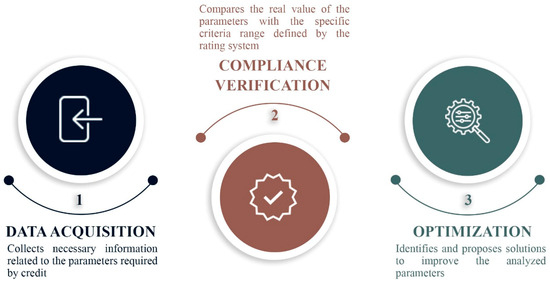
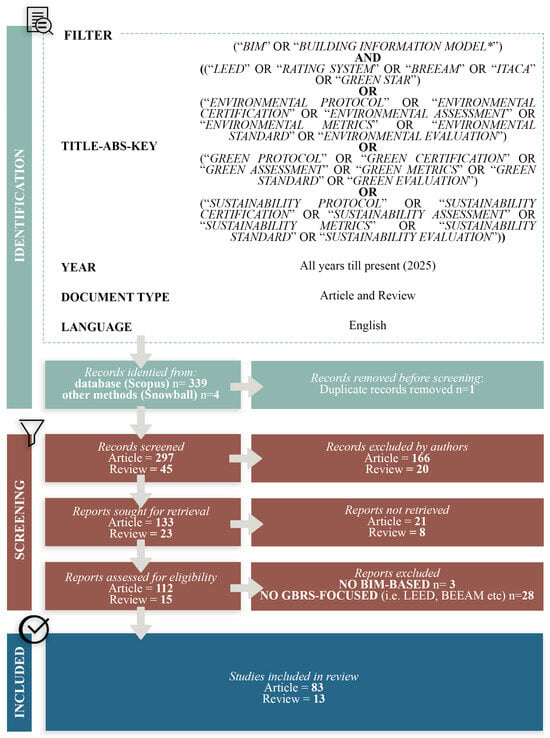
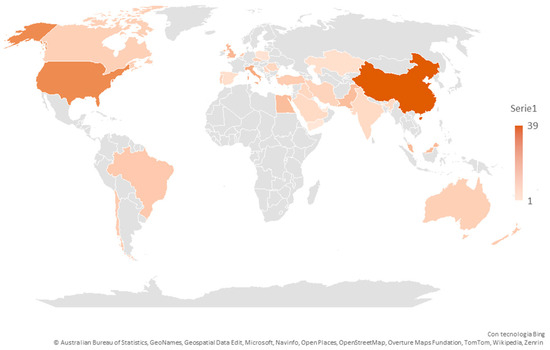
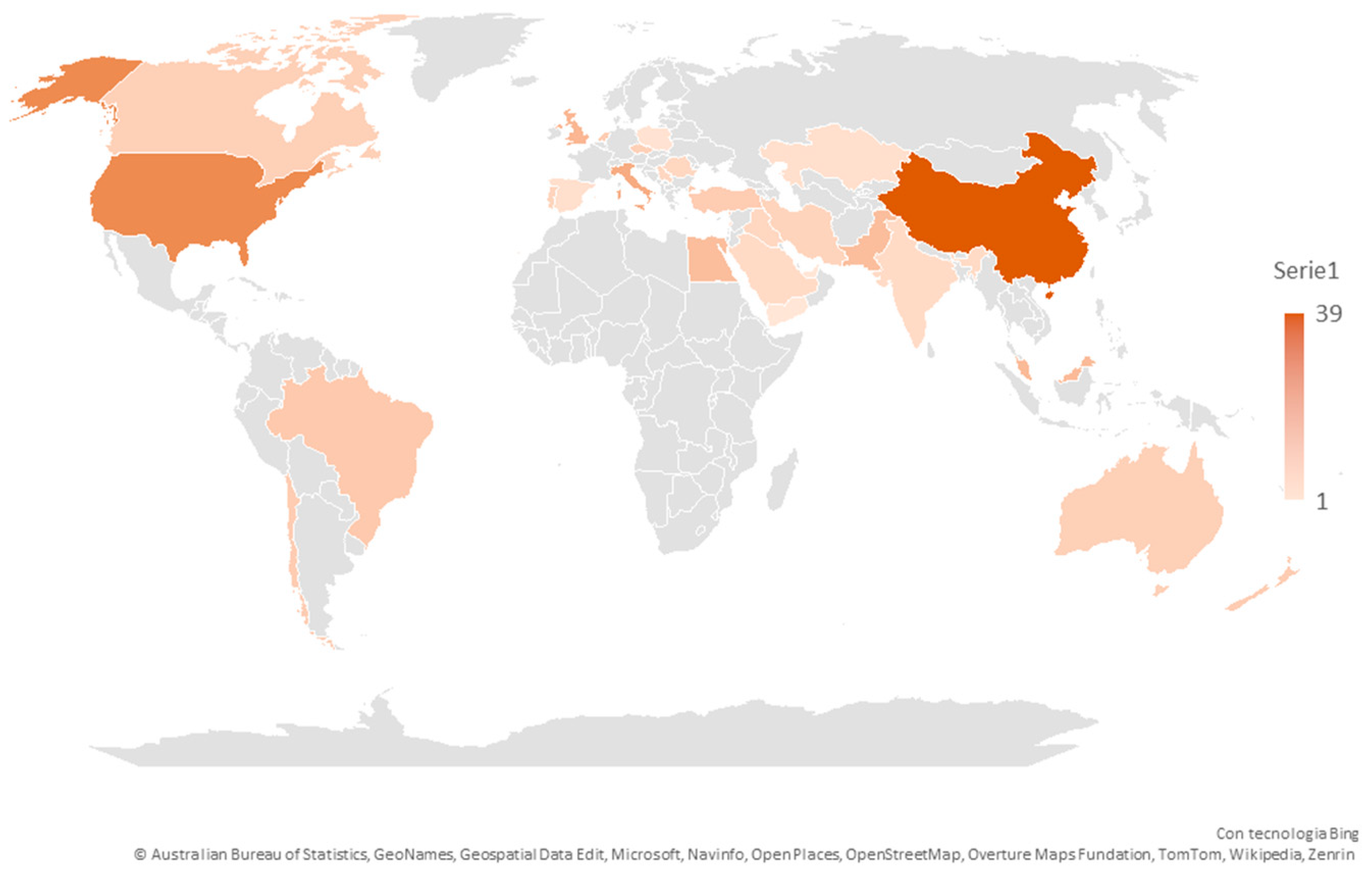
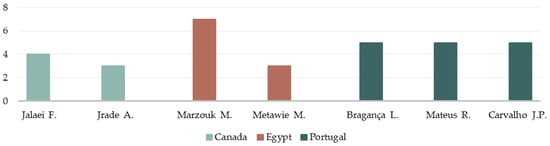
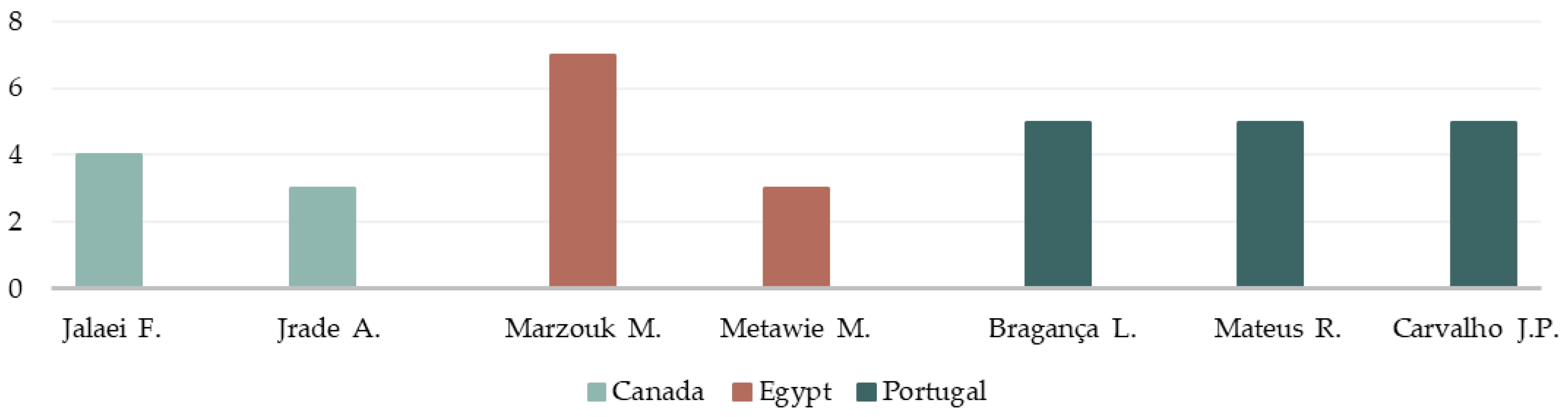
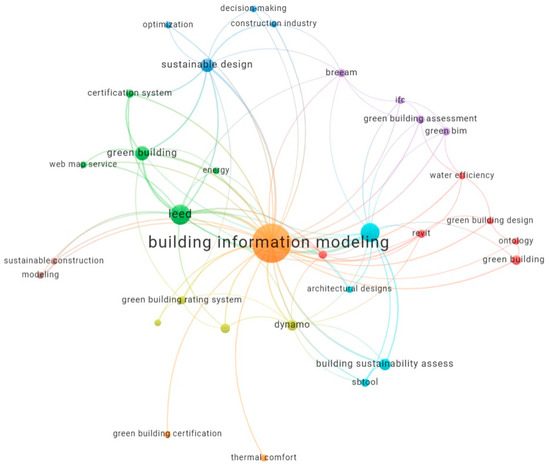
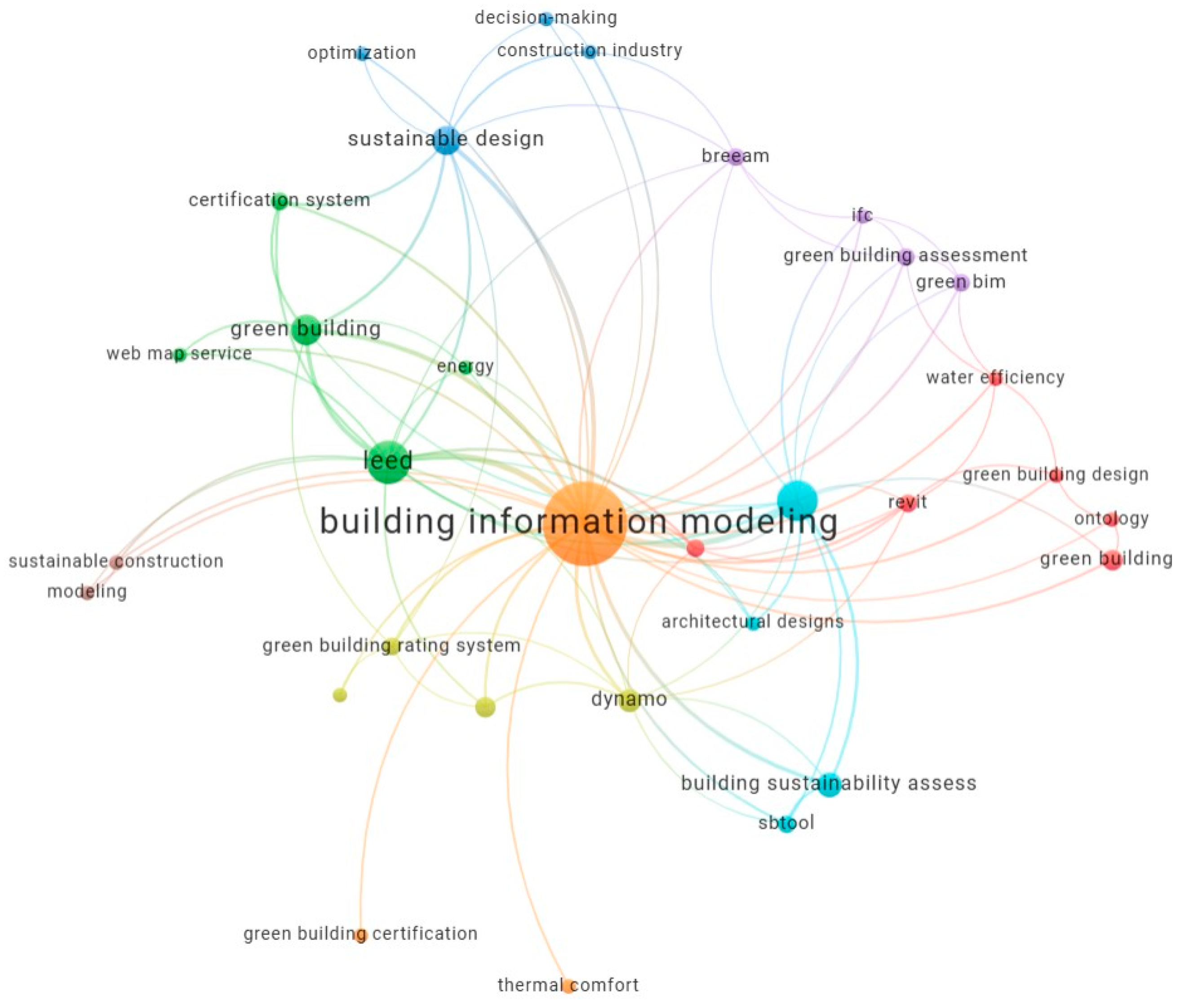
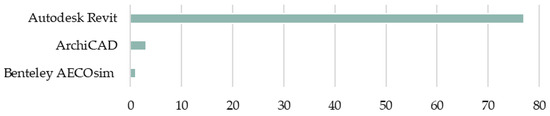
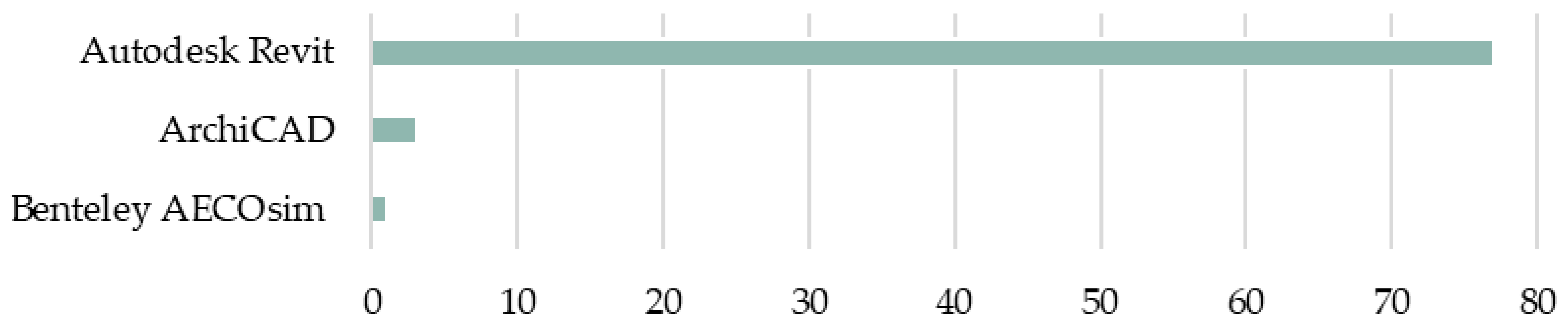
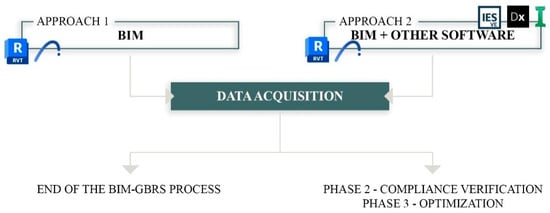
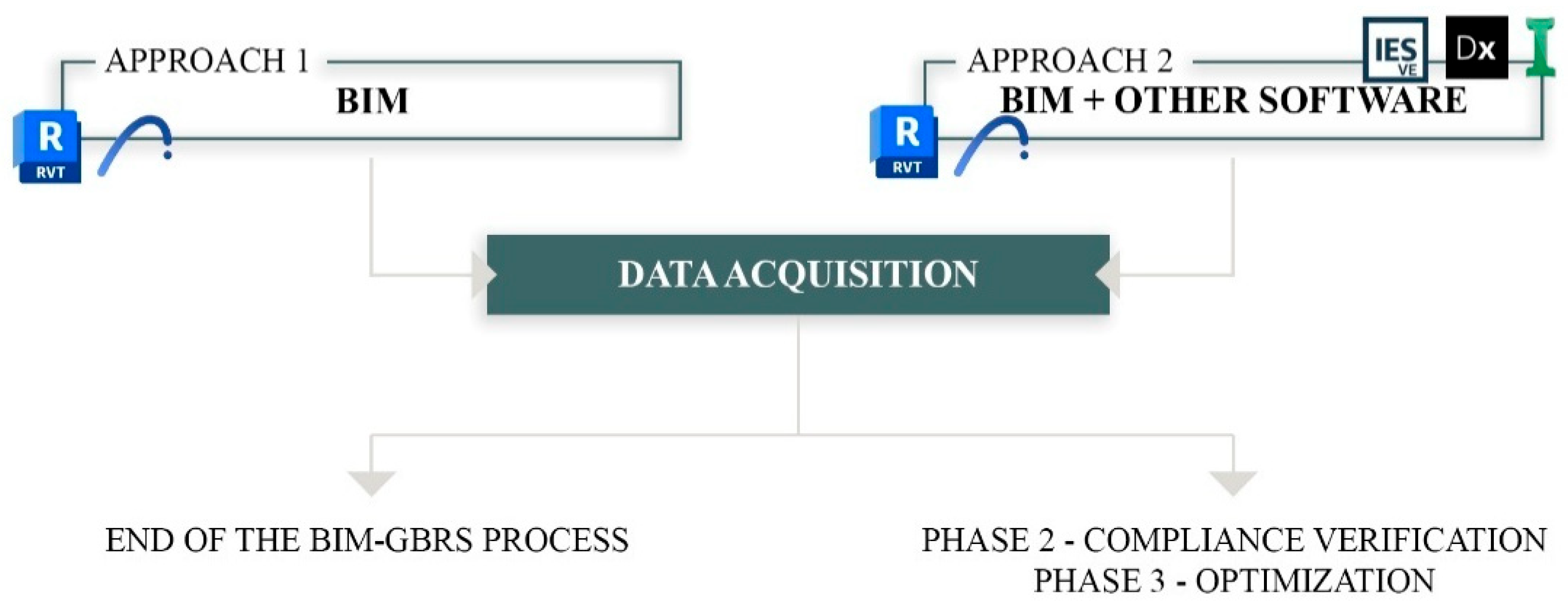
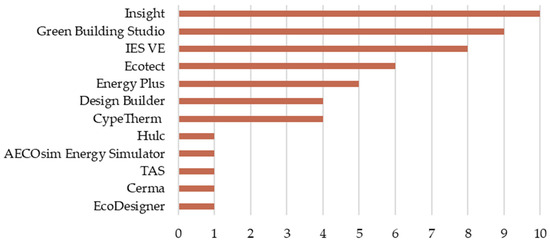
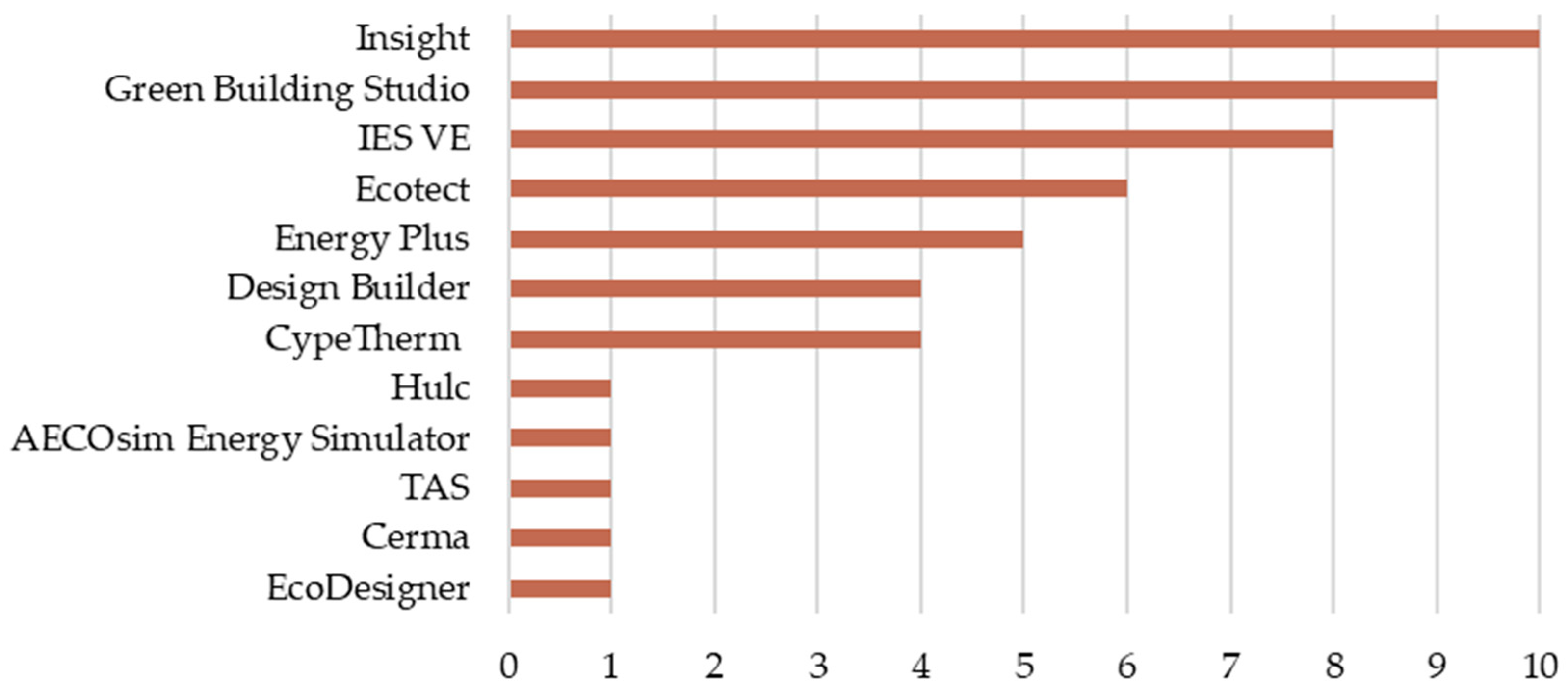
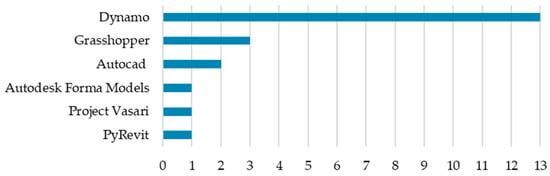
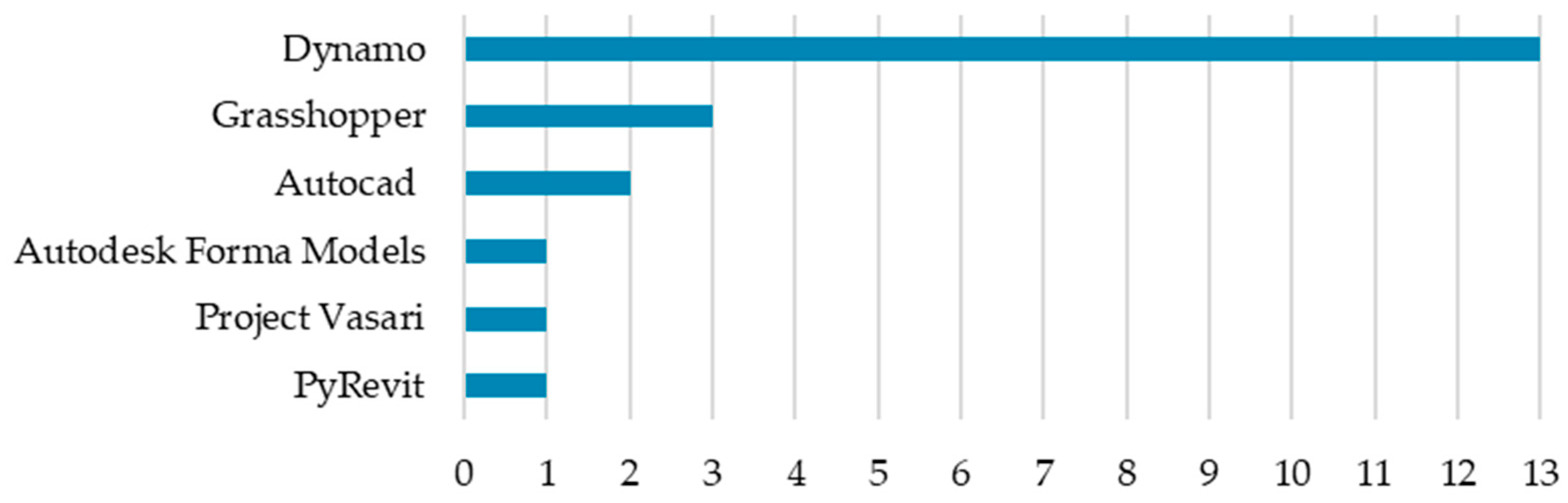


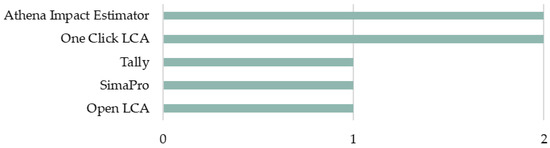
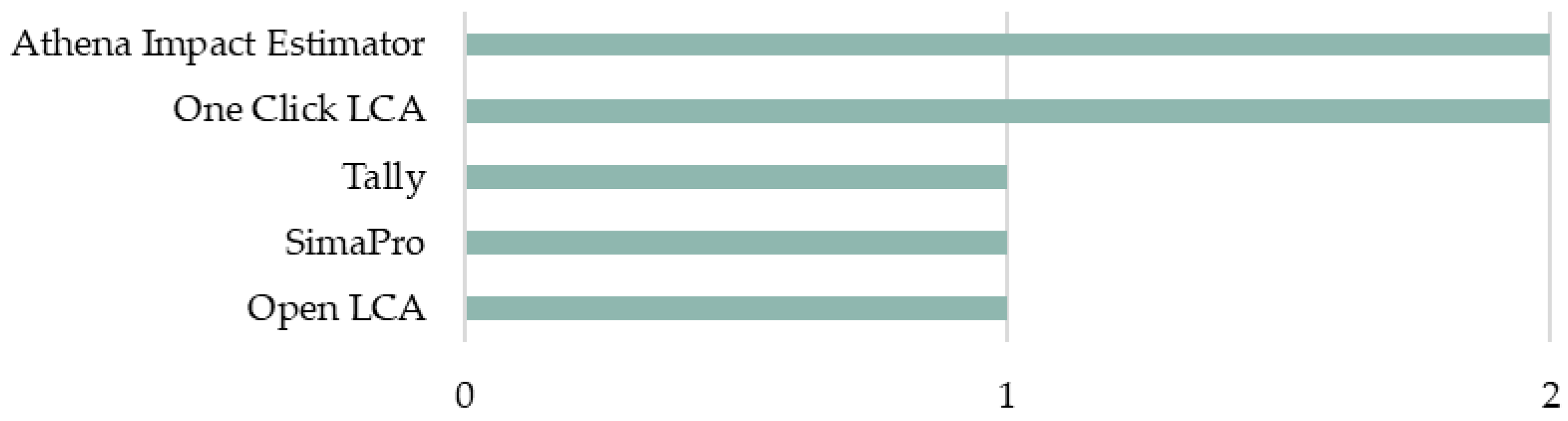
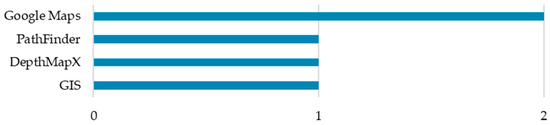
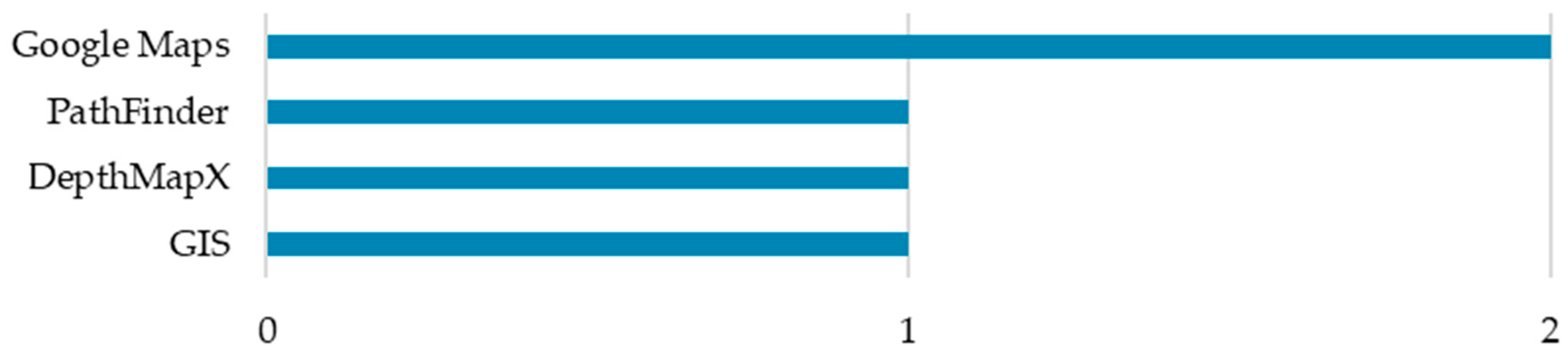
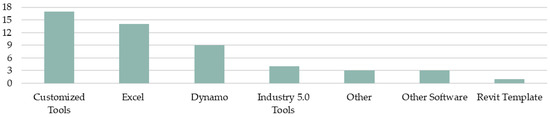
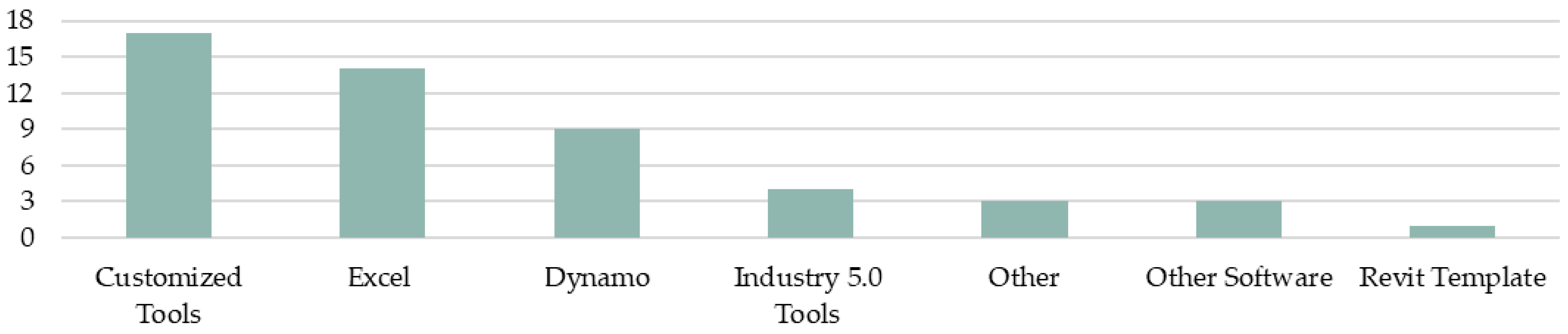
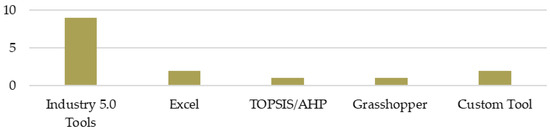
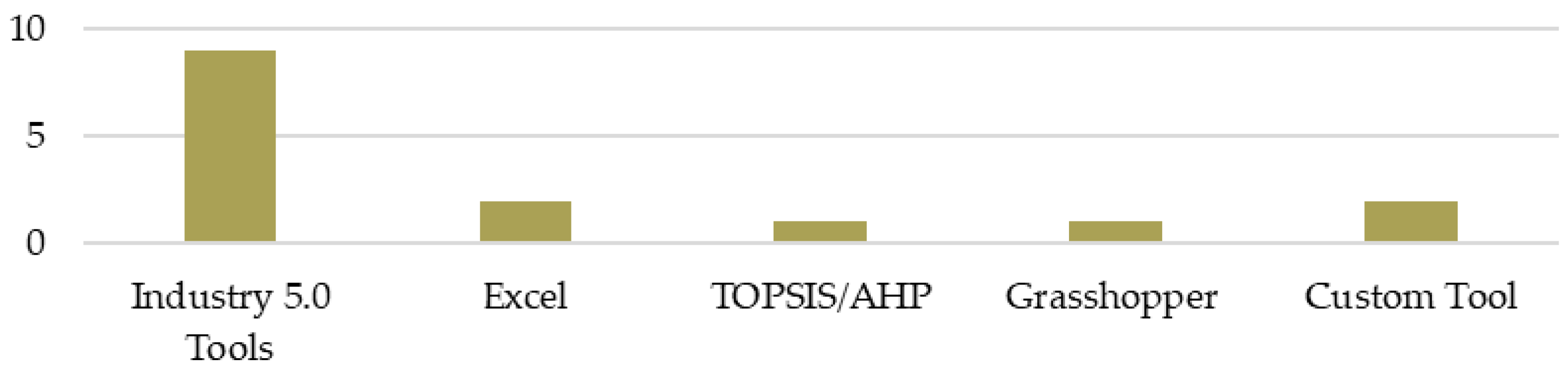
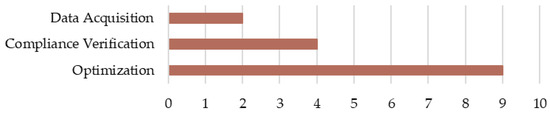
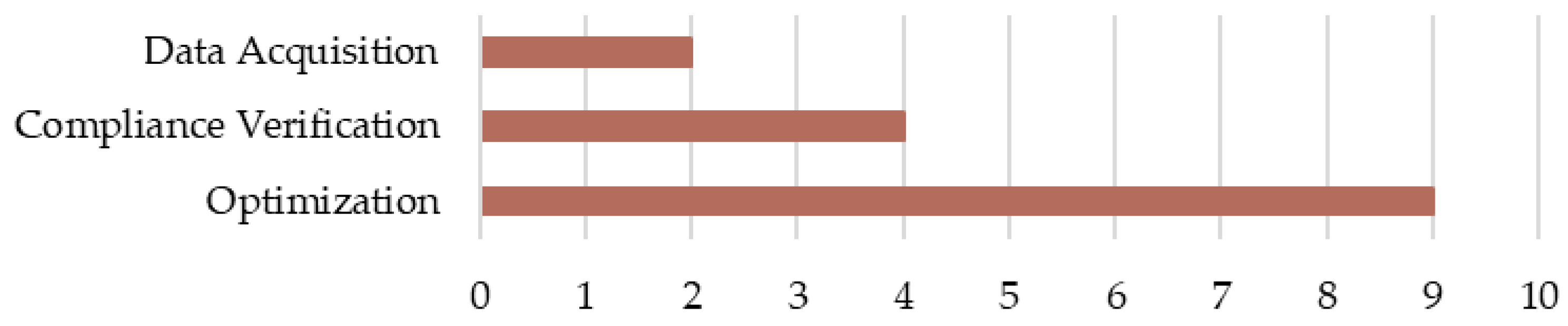
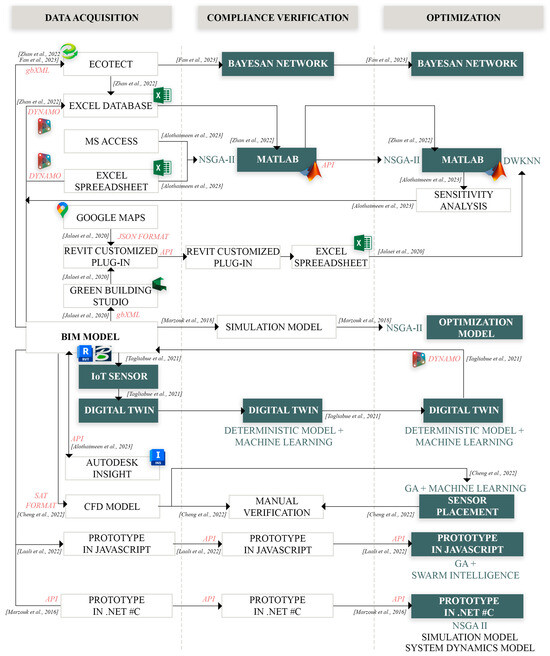
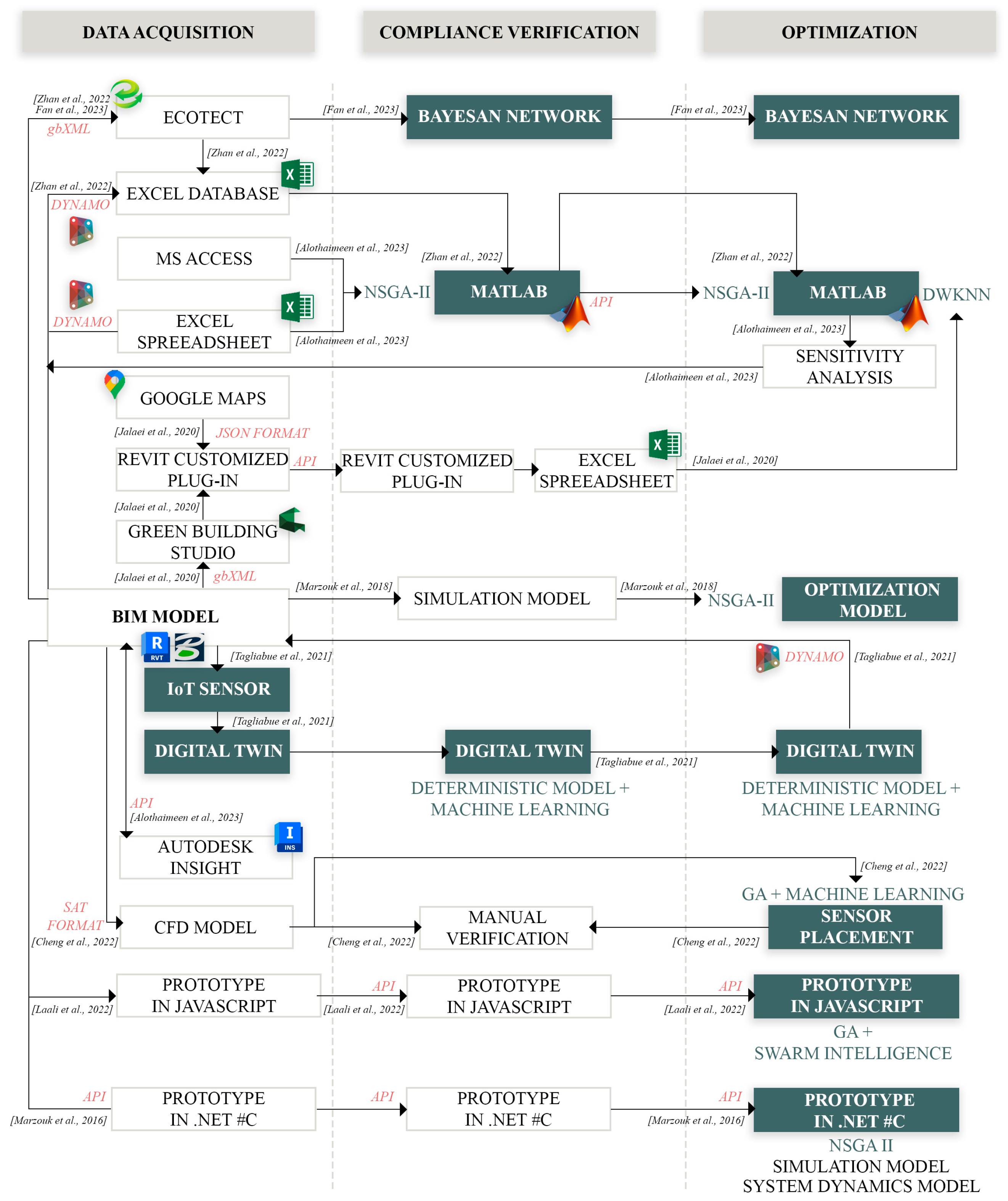
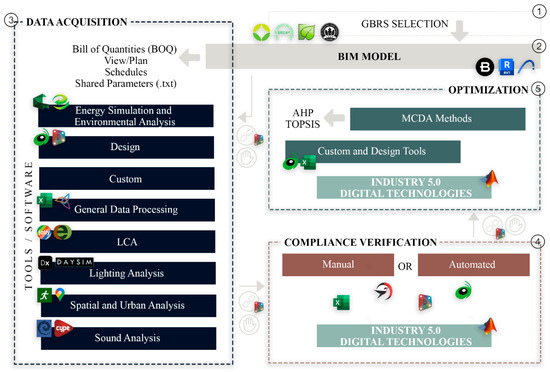
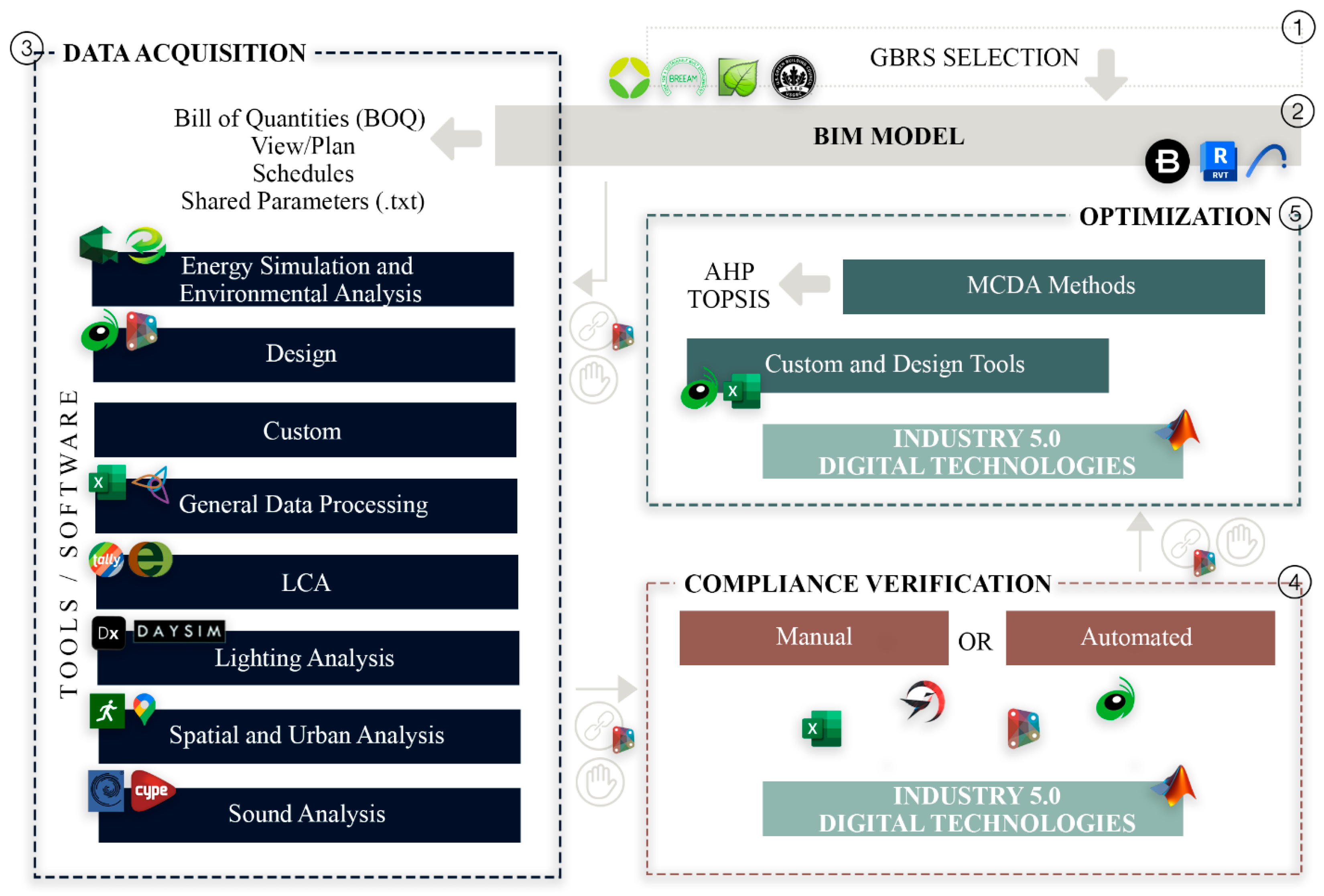
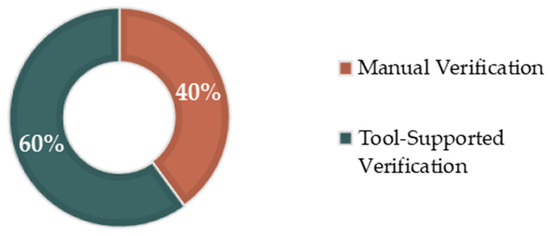
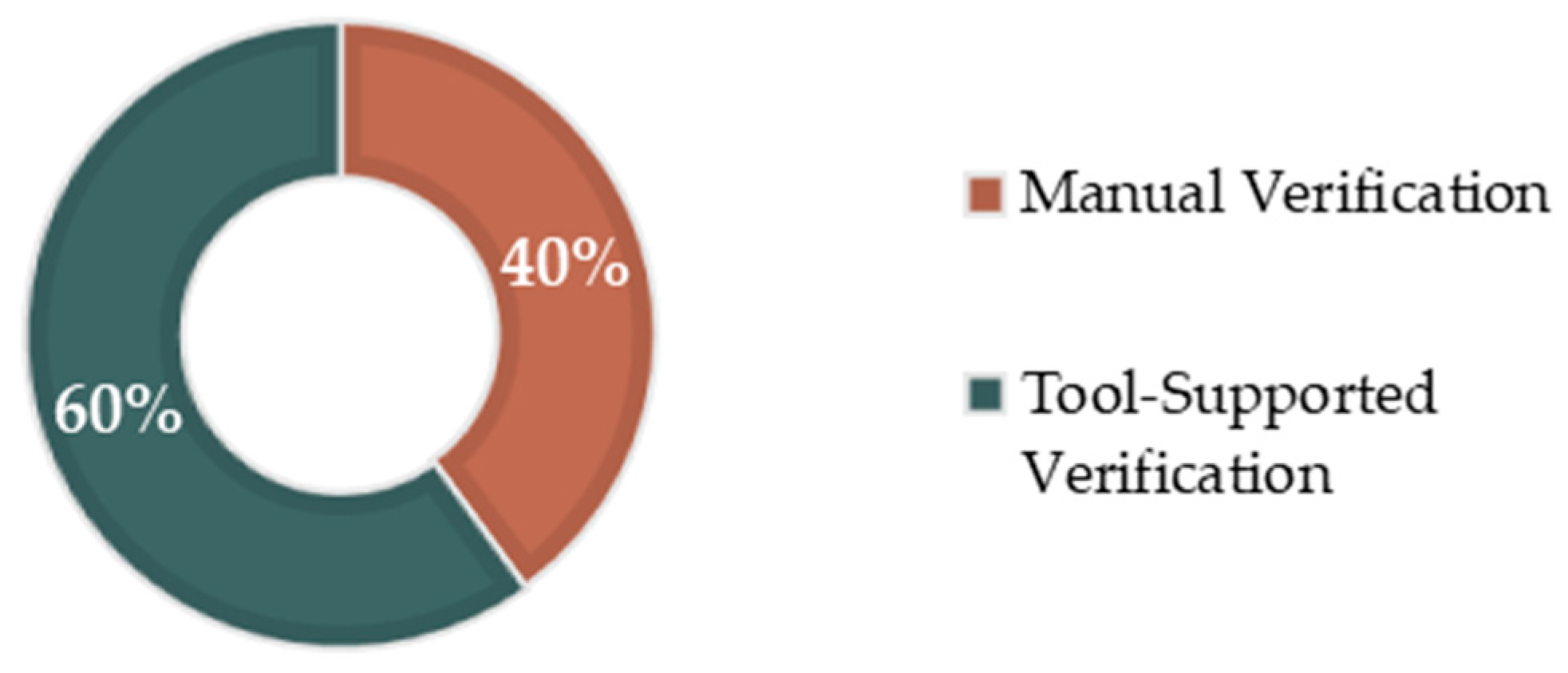
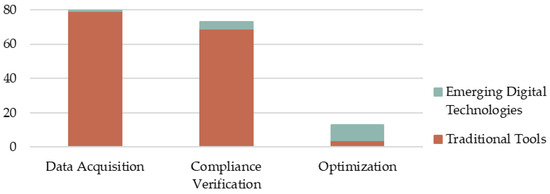
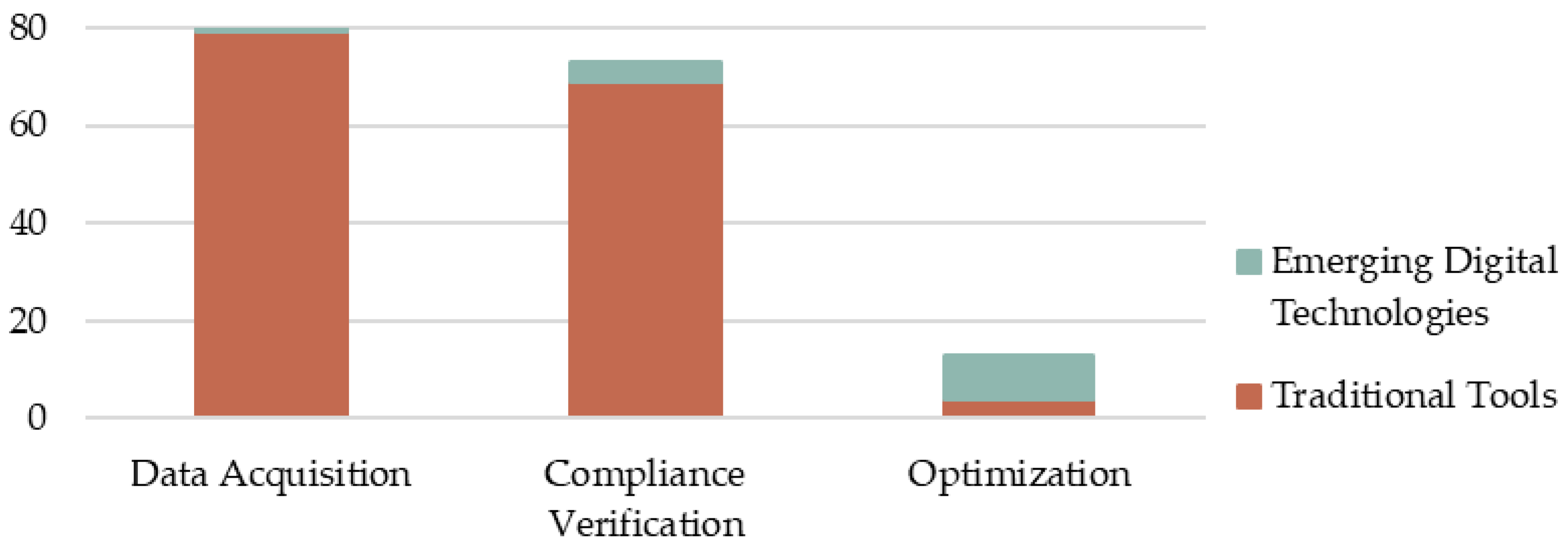

Disclaimer/Publisher’s Note: The statements, opinions and data contained in all publications are solely those of the individual author(s) and contributor(s) and not of MDPI and/or the editor(s). MDPI and/or the editor(s) disclaim responsibility for any injury to people or property resulting from any ideas, methods, instructions or products referred to in the content. |
© 2026 by the authors. Licensee MDPI, Basel, Switzerland. This article is an open access article distributed under the terms and conditions of the Creative Commons Attribution (CC BY) license.