Article

Revitalization of Historic Buildings in China: A Strategic Framework for Adaptive Reuse and Cultural Revitalization of the Xuzhou Urban Area


School of Architecture and Design, China University of Mining and Technology, Daxue Road No. 1, Xuzhou 221116, China
*
Author to whom correspondence should be addressed.
Buildings 2026, 16(4), 700; https://doi.org/10.3390/buildings16040700
Submission received: 21 December 2025 / Revised: 3 February 2026 / Accepted: 5 February 2026 / Published: 8 February 2026
(This article belongs to the Special Issue Advanced Study on Urban Environment by Big Data Analytics)

Abstract

Historic buildings are crucial for urban cultural continuity and sustainable development, but their protection and adaptive reuse are often constrained by institutional, financial, and managerial challenges. This study, using five historic buildings in Xuzhou as case studies, analyzes the key mechanisms influencing adaptive reuse, focusing on the impact of property rights structures, governance systems, and operational models on protection and reuse outcomes. Through semi-structured interviews with government officials, property owners, and the public, combined with on-site surveys and historical data, the study identifies fragmented property rights, limited funding, and homogeneous reuse models as the main barriers. It further highlights that clear property responsibility, a coordinated institutional framework, and diversified operational strategies are linked to successful adaptive reuse. The paper proposes a comprehensive framework covering policy regulation, financial investment, cultural activation, and restoration techniques. Five strategic recommendations are made: policy optimization, diversified funding, strengthened awareness, operational model upgrades, and multi-dimensional revitalization strategies. This research offers an empirical framework for the adaptive reuse of historic buildings, providing insights applicable to similar institutional and developmental contexts.

1. Introduction

Historical and cultural heritage forms a fundamental material foundation for the historical continuity of nations, regions, and cities, serving as both a carrier of collective memory and a critical resource for enhancing cultural identity and soft power [1]. In the context of rapid global urbanization, the conservation and adaptive reuse of historic buildings have become central issues in reconciling heritage protection with urban development. Balancing the preservation of historical value with contemporary urban functions has become a shared challenge in global urban regeneration practices.
Within the Chinese context, national heritage policies emphasize the continuation of historical value through value interpretation and functional transformation. However, in practice, the conservation and reuse of historic buildings often encounter structural challenges, including imbalanced value recognition, fragmented governance mechanisms, and reuse strategies detached from cultural significance [2]. These issues are especially prominent in rapidly transforming urban environments, where many ordinary historic buildings lack effective protection.
At the institutional level, China’s heritage conservation system is primarily based on a grading framework and the designation of Historic and Cultural Cities, Towns, and Villages [3]. While this system has been effective in protecting high-grade heritage assets, many historic buildings outside formal listings remain vulnerable to demolition or inappropriate alteration during urban redevelopment. Additionally, excessive commercialization in some adaptive reuse practices has compromised historical authenticity, exacerbating tensions between conservation and utilization [4]. These challenges highlight the limitations of current mechanisms in addressing the long-term protection and sustainable reuse of ordinary historic buildings at the urban level.
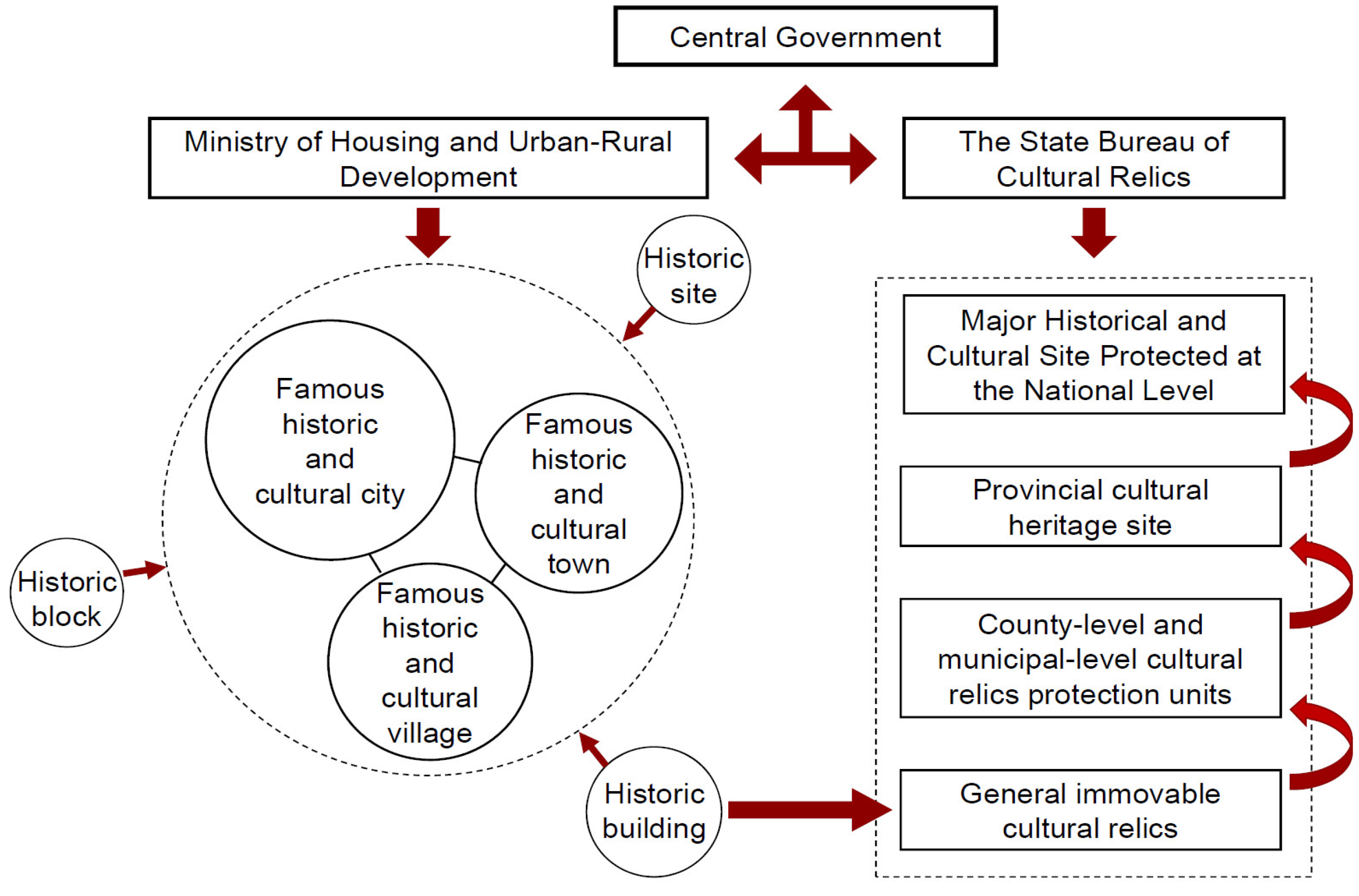
In contrast, European countries have developed relatively mature conservation frameworks rooted in post-war reflection, codified through international charters such as the Venice Charter. These frameworks emphasize statutory protection, professional evaluation, and pluralistic value interpretation. Institutional arrangements such as France’s multi-level governance system [5] and Germany’s automatic protection mechanism for historic buildings [6] exemplify conservation models characterized by strong legal embedding and multi-actor participation. In comparison, China predominantly adopts a government-led, value-prioritized vertical management approach (Figure 1), which differs fundamentally from European systems based on statutory standards and pluralistic governance [7]. These conceptual and institutional differences suggest that, while European experiences are informative, they cannot be directly transplanted to address the specific socio-economic and governance conditions in Chinese cities.
Against this backdrop, there is a lack of empirical research exploring how adaptive reuse mechanisms for historic buildings operate under contemporary Chinese urban conditions. Existing studies primarily focus on high-profile or officially designated heritage sites, while the revitalization of ordinary historic buildings—despite their numerical dominance and vulnerability in urban redevelopment—remains underexplored [8]. This research gap underscores the need for context-sensitive, city-scale investigations into the mechanisms shaping conservation outcomes and reuse strategies.
Based on this, the present study adopts a city-scale, case-based empirical research approach to examine the adaptive reuse of historic buildings. Xuzhou City, Jiangsu Province, is selected as the study area due to its long-standing urban development history and the diversity of its historic building stock. In this research, historic buildings are defined as modern and contemporary structures constructed during different historical periods since the founding of the People’s Republic of China, which embody the specific social contexts and construction conditions of their respective eras. In Xuzhou, these historic buildings are predominantly concentrated in the urban core and, under the combined pressures of intensive land development and the long-term absence of targeted maintenance mechanisms, commonly face challenges such as inappropriate renovation, demolition, and structural deterioration. These characteristics render Xuzhou an appropriate and representative context for analyzing the tensions between conservation and utilization of ordinary historic buildings in rapidly transforming Chinese cities.
The overall aim of this research is to enhance understanding of how heritage conservation can be aligned with sustainable urban development under localized institutional conditions in China. To achieve this aim, the study pursues three specific objectives: (1) to examine the institutional, property-rights, and operational factors influencing the adaptive reuse of historic buildings; (2) to identify the key constraints and conflicts encountered in the revitalization of ordinary historic buildings; and (3) to build an integrated analytical framework that supports the protection of historic buildings and urban regeneration, and provide corresponding strategic recommendations.

2. Literature Review

Currently, a substantial amount of research exists on historical buildings, which can generally be categorized into three main areas based on timeline and content. The first category focuses on the study of historical building protection and management systems, followed by the exploration of historical building values, and finally, the investigation of strategies for the protection and utilization of historical buildings.

2.1. Study of Historical Building Protection and Management Systems

Existing research widely acknowledges that the protection and management of historic buildings are fundamentally shaped by institutional frameworks and governance mechanisms, which define the scope, methods, and limits of conservation practices [9]. Rather than being purely technical operations, management systems serve as regulatory structures that mediate the relationship between protection, utilization, and urban development. As a result, scholarly attention has increasingly shifted from individual restoration techniques to broader institutional and managerial arrangements.
European conservation systems are often cited as paradigmatic due to their long historical evolution and relatively stable legal foundations. Early approaches emphasized the utilitarian value of historic buildings, but from the Renaissance and especially in the late eighteenth century onward, heritage discourse progressively incorporated artistic, historical, and cultural values [10]. In the twentieth century, this shift was formalized through internationally recognized conservation principles—most notably authenticity and its derivative concepts such as minimal intervention, reversibility, recognizability, and site protection [11]. These principles have been operationalized through mature governance models, exemplified by France’s decentralized heritage management system and Italy’s Venice-centered conservation framework [12]. While these models demonstrate strong legal embedding and professional oversight, they are largely rooted in stable property-rights regimes and long-established civic participation mechanisms.
In contrast, China’s historical building protection management system emerged relatively late and remains institutionally transitional. Since the 1980s, Chinese cities have experimented with registration-based protection mechanisms for non-monument historic buildings, marking a departure from the monument-centered conservation paradigms. The formalization of legal protection in the early twenty-first century—particularly through the 2008 regulations and the nationwide identification of historic buildings and districts after 2016—represents significant progress toward a comprehensive system [13]. However, existing studies consistently indicate that implementation remains uneven. While some cities have established systematic survey, documentation, and certification mechanisms, protection outcomes are often constrained by fragmented governance, insufficient operational coordination, and limited adaptability to local socio-economic conditions.
Recent research has sought to address these challenges through technological and managerial innovation, but critical limitations persist. Digital management tools such as HBIM protocols (e.g., BIM legacy) have been proposed to improve workflow integration and interdisciplinary collaboration in heritage projects [14]. Similarly, information management systems designed for large-scale heritage inventories aim to address manpower constraints and standardization issues [15]. Other studies have explored the applicability of emerging technologies, including IoT-based monitoring systems, particularly in smaller towns where management resources are limited [16]. Despite their technical merits, these approaches tend to prioritize efficiency and information integration, often overlooking deeper institutional constraints such as property right ambiguity, stakeholder conflicts, and uneven policy enforcement. As a result, their applicability to ordinary historic buildings in economically less-developed Chinese cities remains insufficiently examined.
While existing studies provide useful institutional insights and technical tools for historic building management, they are predominantly shaped by European governance contexts or concentrate on technical efficiency, often overlooking the socio-institutional complexities specific to urban China. This limitation underscores the need for context-sensitive research that investigates the actual operation of protection and management systems at the city scale, especially for ordinary historic buildings beyond formal heritage classifications.

2.2. Study of Historical Building Values

Research on the values of historic buildings has traditionally focused on understanding the processes through which heritage significance is degraded, transformed, or preserved over time. This body of literature is largely rooted in material-based and performance-oriented perspectives, emphasizing the physical condition of historic buildings as a prerequisite for conservation decision-making. Environmental exposure, material aging, natural hazards, and human-induced disturbances are commonly treated as key factors shaping heritage value loss or resilience.
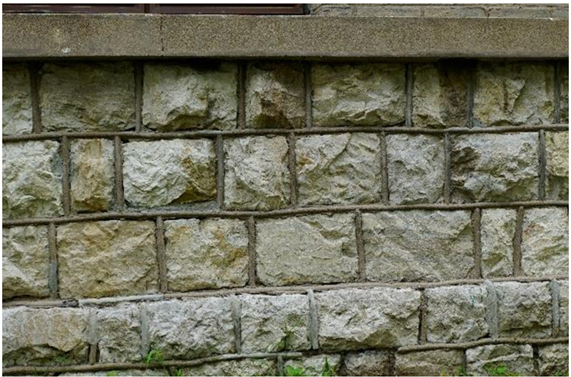
A substantial portion of existing studies concentrates on material deterioration mechanisms. Empirical research has demonstrated that the durability of historic masonry structures is closely related to material composition, environmental conditions, and construction techniques. For example, analyses of brick masonry degradation have identified differential aging processes linked to material quality and exposure conditions, providing a scientific basis for targeted restoration interventions [17]. Similarly, investigations into biological colonization on masonry surfaces have revealed how stone type, surface roughness, and micro-topography influence vegetation growth, which in turn accelerates material decay and compromises structural integrity [18]. These studies provide valuable diagnostic knowledge for preventive conservation but largely conceptualize value in terms of physical fabric preservation.
Structural performance under extreme conditions represents another dominant research trajectory. Simplified analytical models and numerical simulations have been developed to assess the behavior of historic masonry under vertical irregularities, seismic loading, and ground settlement [19,20]. Such approaches enhance risk assessment and structural reinforcement strategies, yet they often abstract historic buildings into isolated technical objects, detached from their social use, functional adaptation, and cultural meanings. As a result, heritage value is implicitly reduced to structural safety and material stability.
Beyond natural and structural factors, scholars have increasingly acknowledged the impact of human activities on historic buildings. Studies on anthropogenic vibrations caused by traffic and technological earthquakes have demonstrated their cumulative effects on material fatigue, joint deterioration, and crack propagation, underscoring the necessity of long-term monitoring and regular inspection regimes [21]. Research on moisture-related decay further highlights the role of environmental management, with diagnostic techniques addressing rising damp, salt crystallization, and moisture-induced aging in masonry and timber structures [22,23,24]. While these contributions broaden the scope of value assessment by incorporating human-induced risks, they remain predominantly oriented toward physical condition rather than socio-cultural significance.
Existing value-oriented studies provide a robust scientific foundation for understanding material degradation and technical vulnerability in historic buildings. However, a critical limitation lies in their narrow conceptualization of “value,” which is largely equated with material integrity, structural performance, or environmental resilience. Such approaches tend to marginalize non-material dimensions, including social memory, everyday use, symbolic meaning, and community attachment—factors that are particularly salient for ordinary historic buildings that lack formal monument status.
This gap becomes especially evident in the context of adaptive reuse, where conservation decisions are not solely driven by physical condition but by negotiations between cultural significance, functional transformation, and stakeholder expectations. Current value-based research offers limited guidance on how material assessments interact with social perceptions and institutional constraints at the urban scale. Consequently, there remains a need for integrative analytical frameworks that reconceptualize historic building value as a composite of physical, social, and cultural dimensions, particularly within rapidly transforming Chinese cities.

2.3. Study of Strategies for the Protection and Utilization of Historical Buildings

Research on strategies for the protection and utilization of historic buildings has expanded significantly in response to the growing tension between rapid urban modernization and cultural heritage conservation. Within this body of literature, adaptive reuse is widely regarded as a key mechanism for reconciling heritage preservation with contemporary urban needs. However, existing studies reveal divergent strategic orientations, each emphasizing different dimensions of conservation practice.
One prominent strand of research focuses on environmentally oriented and energy-efficiency–driven strategies. Scholars have examined how historic buildings can be retrofitted to improve environmental performance while maintaining cultural significance. Studies on historic settlements in economically underdeveloped regions emphasize green design approaches that seek to balance cultural continuity with modernization pressures [25]. Similarly, energy-focused renovation strategies highlight the necessity of integrating technical solutions, financial incentives, and stakeholder collaboration to enhance building performance without undermining heritage value [26]. While these approaches contribute to sustainability goals, they often presuppose stable institutional support and adequate financial resources, conditions that are not universally available, particularly in less-developed urban contexts.
A second research trajectory emphasizes functional transformation and spatial adaptation as core strategies for revitalization. Adaptive reuse is framed as a means of extending the life cycle of historic buildings by introducing new functions compatible with contemporary use demands. Within this perspective, scholars stress principles such as cautious intervention, contextual continuity, and the clear differentiation between old and new architectural elements to prevent historical falsification [27]. These studies provide important design-oriented guidance; however, they tend to prioritize architectural form and spatial configuration while paying limited attention to governance structures, property rights arrangements, and long-term operational mechanisms that shape reuse outcomes in practice.
More recently, a third strand of research has focused on the application of digital and information technologies in heritage conservation and reuse. The integration of Building Information Modeling (BIM), Historical Building Information Modeling (HBIM), geographic information systems, and information and communication technologies has been widely explored as a means to improve documentation accuracy, restoration efficiency, and management coordination [28,29,30,31]. Digital modeling has also been employed to support the preservation and interpretation of historically significant sites, demonstrating the potential of virtual reconstruction and data-driven management in heritage contexts [32]. These technological approaches enhance the scientific basis of conservation practice but are often treated as technical tools rather than components of broader institutional or social processes.
Despite their respective contributions, existing strategic approaches share several common limitations. First, many studies address protection or utilization in isolation, rather than examining their interdependence within dynamic urban systems. Second, strategies are frequently developed with reference to landmark or officially designated heritage sites, where governance structures and funding mechanisms are comparatively robust. As a result, the applicability of these strategies to ordinary historic buildings—characterized by fragmented ownership, limited financial support, and ambiguous institutional responsibility—remains insufficiently examined. Third, technological and design-oriented strategies often underplay the role of social actors, everyday users, and local governance dynamics in shaping conservation outcomes.
These limitations point to a critical research gap in understanding how protection and utilization strategies operate as integrated mechanisms under specific socio-institutional conditions. In cities undergoing rapid transformation, particularly in economically less-developed regions, historic buildings are embedded in complex networks of stakeholders, regulatory frameworks, and market pressures. Addressing this complexity requires moving beyond single-dimensional strategies toward integrated approaches that align material conservation, functional adaptation, and governance arrangements. This gap forms the basis for the present study’s focus on city-scale, context-sensitive analysis of adaptive reuse mechanisms.

2.4. Research Summary

Existing scholarship on historic buildings has evolved along several key trajectories, including the development of institutional frameworks for protection and management, material- and performance-based value assessments, and strategies for conservation and adaptive reuse. Collectively, these studies have made significant contributions to advancing technical knowledge, policy understanding, and design practices in the field of heritage conservation.
At the macro level, research on protection and management systems has clarified the institutional foundations of heritage conservation, particularly through comparative analyses of European and Chinese governance models. These studies shed light on how legal frameworks, administrative structures, and policy instruments shape conservation outcomes. However, they often operate at a high level of abstraction, providing limited insight into how institutional arrangements are negotiated and enacted in everyday urban contexts, particularly for historic buildings that fall outside formal heritage designation systems.
At the micro level, value-oriented research has generated a solid body of scientific knowledge on material degradation, structural performance, and environmental risks. Such studies offer indispensable technical support for conservation decision-making but tend to equate heritage value primarily with physical integrity and structural stability. As a result, key dimensions of value—such as social meaning, everyday use, and cultural memory—remain under-theorized and inadequately integrated into conservation frameworks, especially for ordinary historic buildings.
Research on protection and utilization strategies, including adaptive reuse, has sought to bridge conservation and development through design innovation, energy-efficient retrofitting, and the application of digital technologies. While these approaches demonstrate the potential of technical and functional interventions, they often presuppose favorable economic conditions, clear property rights, and stable governance structures. As a result, their applicability to cities facing economic constraints, fragmented ownership, and institutional ambiguity remains uncertain.
These studies reveal a structural imbalance in current heritage research. While macro-level institutional analyses and micro-level technical investigations are relatively well developed, meso-level research that examines how protection and utilization strategies interact within specific urban, social, and institutional contexts is comparatively scarce. This gap is especially pronounced in studies of ordinary historic buildings in economically less-developed regions of China, where architectural hybridity, complex ownership structures, and limited maintenance resources create conditions that differ markedly from those of both landmark heritage sites and economically advanced cities.
Addressing this gap requires an analytical approach that goes beyond isolated technical or policy perspectives and instead examines adaptive reuse as an integrated process shaped by material conditions, social perceptions, institutional arrangements, and stakeholder interactions. It is in this context that the present study positions itself, seeking to contribute a context-sensitive, city-scale understanding of historic building reuse that is grounded in empirical investigation and responsive to local conditions.

3. Research Design

3.1. Research Framework

This study adopts a multiple-case study design, coupled with grounded theory as the primary qualitative analytical approach, to explore the interactions among the physical conditions of historic buildings, governance mechanisms, and user perceptions in their conservation and adaptive reuse.
The conservation and reuse of historic buildings are highly context-dependent, shaped by local institutional frameworks, economic limitations, and socio-cultural conditions. Unlike quantitative approaches that prioritize variable control and hypothesis testing, a multiple-case study design allows for an in-depth exploration of complex phenomena within real-world contexts, enabling the identification of both shared mechanisms and case-specific variations.
In this study, Xuzhou is treated as a representative analytical context, where historic buildings face common challenges such as limited financial resources, complex ownership structures, and insufficient maintenance mechanisms. By examining multiple cases within the same urban and institutional context, the research facilitates systematic cross-case comparisons while controlling for broader policy and governance conditions.
Within this research framework, grounded theory serves as an analytical tool, not a theoretical discussion subject. Its role is to support the systematic coding and interpretation of qualitative data, helping inductively identify key factors and relationships that shape conservation and reuse practices, and providing an empirical foundation for the development of strategies in later stages.

3.2. Research Methods

This study employs a qualitative case-based research approach, integrating field-based documentation with grounded theory-informed analysis, to examine the mechanisms influencing the conservation and adaptive reuse of historic buildings in a specific urban context.
Given that the conservation and reuse of historic buildings are strongly influenced by local institutional factors, physical characteristics, and stakeholder perceptions, this research prioritizes empirical data collection from real-world settings. Data were gathered using three complementary methods: (1) on-site documentation of building conditions, (2) archival collection of original architectural drawings, and (3) face-to-face interviews and questionnaires with relevant stakeholders.

3.2.1. Documentation of Physical Building Conditions

To establish an objective understanding of the material conditions and spatial characteristics of the selected historic buildings, systematic on-site photographic documentation was conducted. High-resolution photographs were used to record the current conditions of the building exteriors, structural components, spatial layouts, and visible alterations. These visual materials served both as primary empirical evidence and as reference points for subsequent interview interpretation and cross-case comparison.
Additionally, original architectural drawings were collected for the selected buildings where available. These drawings provided vital information regarding the original design intentions, construction techniques, and spatial organization, enabling a comparison between the initial architectural configurations and the current physical conditions. The combined use of drawings and field photographs enabled a more precise assessment of material transformations and intervention intensity over time.

3.2.2. Interview and Questionnaire-Based Data Collection

Qualitative data on cultural values, management practices, and user perceptions were gathered through face-to-face interviews, supplemented with structured questionnaires [33]. A total of 83 interview records were obtained through direct engagement with three categories of stakeholders: building users, management and maintenance personnel, and architectural designers involved in conservation or renovation efforts. The information of the respondents is presented in Table 1.
Interviews were semi-structured, allowing respondents to express their experiences and perspectives while ensuring comparability across cases. The interview topics covered building use patterns, perceived historical and cultural value, management constraints, maintenance practices, and attitudes toward reuse interventions. Among the collected records, 72 interviews were retained for coding and analysis, while an additional 8 interviews were used to test for theoretical saturation.

3.2.3. Analytical Procedure

Grounded theory was employed as the analytical approach to systematically interpret the qualitative data. Interview transcripts and field records were coded through an iterative process involving open coding, axial coding, and selective coding. The constant comparative method was used to identify recurring concepts, relationships, and patterns across different cases and stakeholder groups [34]. The specific analytical process is shown in Figure 2.
The integration of material documentation and interview data allowed for cross-validation between physical evidence and stakeholder narratives. This process helped inductively identify the key factors influencing conservation and reuse outcomes, forming the empirical foundation for the development of an integrated analytical framework in the subsequent sections.

3.3. Sample Selection

Grounded theory requires researchers to continuously formulate hypotheses based on the data and develop new theories through iterative comparison and validation between the data and hypotheses, which are then used to code the data. To establish an initial data foundation that adequately reflects the complexity and variability of the research phenomenon, a systematic purposive sampling approach was used, focusing on the First List of Historical Buildings in Xuzhou City. The sampling process was guided by three key dimensions closely related to the research questions: period of construction, functional type, and architectural style.
Specifically, the sampling aimed to ensure that the selected cases cover all significant characteristic types across these three dimensions as comprehensively as possible. For instance, the periods of construction include distinct historical phases such as 1949–1965, 1966–1976, and 1977 to the late 20th century. Functional types encompass categories such as residential, industrial, and commercial, while architectural styles include variations in materials, structures, and ornamentation. Through this stratified coverage strategy, the aim was to ensure sufficient heterogeneity within the initial sample, thereby providing an information-rich and comparably strong empirical dataset for subsequent coding analysis and theory development [35].
The selected cases consist of typical historical buildings scattered across various locations in Xuzhou. In terms of scale, the sample includes both building complexes and individual structures. Additionally, these cases vary in preservation status, current use, primary function, financial investment, and other aspects, thereby meeting the requirements for sample representativeness (Table 2).

4. Grounded Theory Research on Historical Buildings

4.1. Open Coding

Open coding is the initial step in the grounded theory process, involving the preliminary processing and categorization of collected data to form preliminary concepts and categories. This process can be broken down into three main steps:
1.
Extracting Interview Data: Researchers must approach the collected material with an open mind, minimizing the influence of personal biases or experiential knowledge on the authenticity of the data. During this phase, researchers carefully read and listen to the original data, documenting significant cases and quotes, while abstracting the information through numbering and naming. Table 3 presents the process for extracting some initial conceptual codes.
2.
Inducing Similar Cases: Using a labeling method, the cases are categorized and summarized. For each category, corresponding initial concept codes are derived, as shown in Table 4.
3.
Refining Initial Categories: Based on the meanings extracted from the initial concept codes, categories are further refined and integrated into initial categories. For example, concepts such as establishing training bases for conservation technology, enhancing professional talent cultivation, accelerating the efficiency of talent development, and creating a favorable environment for talent retention all fall under the category of talent cultivation are hence classified together in the same initial category. Ultimately, a total of eight initial categories were summarized, as presented in Table 4.

4.2. Axial Coding

Axial coding is an intermediate step in the grounded theory coding process, aimed at identifying and establishing relationships between different initial categories. This phase involves reorganizing and consolidating the data into a coherent whole, which leads to the formation of higher-order main categories [36]. In this study, the four initial categories identified earlier were condensed and refined during the axial coding phase, resulting in four main categories, as detailed in Table 5.

4.3. Selective Coding

Selective coding is the third stage in the grounded theory coding process, focused on further integrating the main categories to form a core category that encapsulates all concepts. The core category serves as the central narrative thread, systematizing the entire research phenomenon and guiding the development of a complete theoretical model [37].
In this study, the organization and integration of various categories revolve around the central theme of the dynamic utilization and heritage revitalization strategy of historic buildings. The analysis is conducted from four key perspectives: policy, economy, culture, and technology. Specifically, it is crucial for local governments in Xuzhou to adopt flexible responses in the areas of policy and management, especially when dealing with the challenge of low enthusiasm for the preservation of historical buildings. This involves not only implementing effective laws and regulations to provide positive guidance but also mitigating negative consequences arising from personnel and capital management.
In this context, increasing financial investment, attracting foreign capital, and developing specialty industries are essential for supporting ongoing preservation efforts. Moreover, improving infrastructure and enhancing the integration of commercial and cultural development will help attract the migrant workforce back to rebuild their hometowns.
Additionally, both online and offline efforts should be coordinated to enhance cultural promotion and awareness regarding historical buildings. This can be achieved through government-led initiatives, the development of specialized platforms, and active participation from social organizations to comprehensively stimulate public awareness of historical building preservation in Xuzhou.
Furthermore, strengthening restorative research on the appearance, structure, and materials of historical buildings is necessary to ensure they meet modern living requirements. Table 6 illustrates the relationships and processes among the various elements, establishing a strategic model for the dynamic utilization and heritage revitalization strategy of historical buildings.

4.4. Theoretical Saturation Verification

To ensure the theoretical saturation of the dynamic utilization and heritage revitalization strategy model for historical buildings, a saturation test was conducted using eight sets of interview data. The verification process strictly followed the established grounded theory procedures, including open coding, axial coding, and selective coding.
The results indicate that no new concepts or categories emerged, and the relationships among existing categories remained stable. These findings demonstrate that the proposed model has reached theoretical saturation, thereby confirming its robustness and explanatory validity in interpreting the dynamic utilization and heritage revitalization of historical buildings in the context of Xuzhou. The saturation test results are summarized in Table 7.

5. Grounded Theory Outcomes and Analysis of Material Data

5.1. Analysis of Grounded Theory Results

The research results provide an initial understanding of the current status and characteristics of the preservation and utilization of five historical buildings, as well as the challenges they face. The specific findings are outlined as follows.

5.1.1. Property Rights Management Dilemma

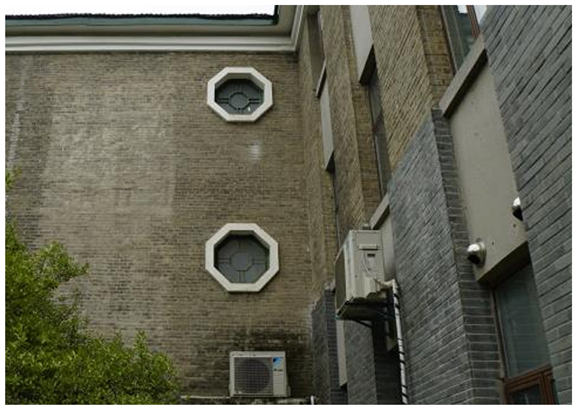
The property rights issues concerning certain historical buildings in Xuzhou are complex and involve multiple government departments. These departments have differing functional roles and value orientations towards historical buildings, which makes it difficult to reach a consensus on preservation and utilization plans. Additionally, the lack of relevant regulatory agencies has led to ongoing issues of inaction and improper interventions. Existing urban construction and land management laws rarely address the protection of historical landscapes and the development of heritage sites. They lack specific criteria for protection, development, and control, resulting in significant physical damage [38]. For example, during the renovation of the Han Wind Tower on the west side, the absence of relevant policy constraints led to a disregard for the building’s original style. The use of dark grey modern bricks and the conspicuous installation of air conditioning units marred the façade, undermining the building’s original antique character.

5.1.2. Insufficient Preservation Funding

The survey indicated that maintenance funding for the five sampled historical buildings primarily comes from the government. This highlights the reliance on government financial support for historical building protection and restoration in Xuzhou, resulting in a singular economic source. Due to factors such as the dispersed nature of historical buildings and the loss of traditional street landscapes, the cultural industries that could support these historical assets have not developed. Long-term dependence on government subsidies has struggled to foster a sustainable economic cycle [39]. Moreover, funding shortages have contributed to outdated infrastructure in these historical buildings. Except for Sample 3, other buildings face deficiencies in drainage, sanitation, gas supply, heating, and fire safety, all of which pose significant risks and inconveniences for daily use.

5.1.3. Weak Preservation Awareness

Due to local economic conditions, the awareness of historical building preservation among the people of Xuzhou is relatively weak. Many interviewees expressed the belief that historical buildings have little preservation value and prefer demolition to make way for newer, modern structures. This attitude has severely damaged the original cultural and stylistic features of historic neighborhoods, causing historical buildings to fade from public consciousness [40]. For instance, during the transformation of the old Xuzhou city government into a cultural and creative park, several buildings underwent modifications to varying degrees. The façade of Building No. 4, in particular, was altered so radically that its original appearance was almost unrecognizable. Furthermore, the operational models for Xuzhou’s historical buildings are overly simplistic; Samples 1, 2, 3, and 4 merely continue the original functions of the buildings. While a few buildings, such as the old city government, have been converted for commercial purposes, these renovations lack a thoughtful consideration of the cultural essence of the historical buildings, leading to unsatisfactory outcomes. Overall, the historical buildings and cultural spaces of Xuzhou are overly scattered and lack systemic coherence, which complicates their role in forming a complete historical and cultural impression in the public’s mind. This fragmentation impedes efforts to enhance the city’s overall cultural image and hampers cultural promotion.

5.1.4. Incomplete Preservation Planning

In the pursuit of improving living standards and accelerating economic development, the government has over-emphasized the incorporation of commercial elements, which has led to constructive damage to historical buildings and their surrounding cultural districts. Many renovation and restoration projects encounter issues such as the loss of original blueprints, the disappearance of relevant technical materials, and a superficial understanding of the historical context. These challenges often result in alterations that obliterate the original layout and character of the buildings [41]. For instance, in Sample 2, a historical building lost its main structure amidst continuous construction, transforming it into an appendage to newly constructed buildings. Additionally, the locations of these historical buildings are often constrained by planning restrictions imposed during the construction period, leading to issues such as insufficient parking, traffic congestion, lack of green spaces, and aging pavements. Over time, historical buildings inevitably face structural aging, roof leaks, and reduced insulation capacity, all of which negatively impact their safety and suitability for use.

5.2. Analysis of Material Data

In the study of the material data of the five historical buildings, detailed information was collected on their floor plans, elevations, and sections. The research focused on distinctive decorative elements, components, and structural details of each building, ultimately creating a comprehensive database based on these five historical structures (Table 8). This database not only serves as an essential reference for the study of historical buildings but also acts as a valuable resource for future maintenance and restoration efforts.
By combining field surveys with historical documentation, it was observed that the historical buildings exhibit unique characteristics corresponding to their respective periods. Samples 1, 2, and 5 were constructed in the early years following the establishment of the People’s Republic of China. During this period, the country was in a phase of reconstruction with limited resources. Despite this, substantial investments were made in public architecture, utilizing the most advanced technologies and materials available at the time. These buildings typically employed metal truss systems for structural support, and roofing often featured Western-style trusses. Load-bearing and enclosing structures were predominantly made of red or blue bricks. Architecturally, these buildings emphasized vertical lines and rhythm, often achieved through the regular arrangement of windows and walls to create a rhythmic facade.
In contrast, Samples 3 and 4 were built in the 1980s, a period marked by significant urban development in China. During this time, advancements in building materials and technology led to a greater emphasis on aesthetic form and architectural beauty. Design elements from this era included the displacement of forms and the delineation of vertical and horizontal lines. For example, in Sample 4, the retreat of the second-floor platform and the use of long horizontal windows are characteristic techniques of that period.
Furthermore, these five historical buildings showcase their unique artistic, technical, and cultural value. For instance, Sample 1 features a distinctive integration of chimneys into the pitched roofs, which is rarely seen in historical architecture in Xuzhou. This design element, commonly found in Western small-scale residential buildings, reflects a clever blend of residential architectural features with public building design. Sample 4, built in the late 1970s, represents a bold innovation, as multi-story buildings were relatively rare in urban settings at the time. By utilizing reinforced concrete and steel trusses, Sample 4 created a vast auditorium space with clear heights of approximately 15 m and spans of about 30 m, breaking through the architectural constraints of the period.
These design practices and techniques reflect the artistic, technical, and cultural values embedded within Xuzhou’s historical architecture, highlighting their significance not only as physical structures but also as representations of the area’s architectural heritage.

5.3. Analysis of the Interconstructive Mechanism Between Grounded Theory Results and Material Data

The analytical framework of this study is rooted in the interplay between grounded theory analysis and material data investigation. These two approaches are not merely complementary but mutually reinforcing, allowing the research to move beyond surface-level descriptions to uncover deeper insights into the constraints, perceptions, and operational dynamics surrounding the conservation and reuse of historic buildings in Xuzhou.
The grounded theory analysis, based on in-depth interviews, identifies key institutional and social challenges, such as fragmented property rights, insufficient financial support, limited public awareness, and inadequate planning mechanisms. These themes not only highlight the obstacles to effective conservation but also reveal the complex social and institutional processes that shape how decisions regarding historic buildings are made. By framing these issues within a theoretical context, grounded theory provides a lens through which the interplay of policy, economics, and social values can be better understood.
Material data analysis enriches this understanding by providing a concrete, spatial dimension to these abstract issues. The detailed documentation of building plans, elevations, and sections, alongside the recording of key architectural elements, offers a clearer picture of how governance challenges manifest in physical spaces. For example, issues such as inappropriate modern interventions or the deterioration of building facades can be directly linked to the broader themes uncovered in the interviews, such as lack of resources, weak regulatory enforcement, and limited public interest. On the other hand, the identification of unique architectural features, such as specific structural systems or materials, highlights the technical and cultural significance of these buildings, reinforcing the need for their careful consideration in any adaptive reuse strategies.
The integration of these two approaches—grounded theory and material data analysis—reveals the dynamic nature of historic buildings as both cultural and functional entities. Far from being static artifacts, these buildings are shaped by a complex interplay of material constraints, social expectations, and institutional decisions. This dual-layered analysis underscores the need for strategies that account for both the technical and socio-institutional dimensions of heritage preservation. It also emphasizes that any successful intervention must be grounded in a nuanced understanding of both the physical characteristics of the buildings and the broader societal forces at play.
This comprehensive perspective not only deepens our understanding of the challenges faced in preserving and reusing historic buildings but also provides a foundation for the development of strategies that are responsive to these multifaceted issues. The subsequent analysis, therefore, continues from this grounded understanding, taking into account both the material realities and the institutional complexities that must be addressed in any attempt to safeguard and revitalize historic architecture.

6. Countermeasures and Recommendations

Building upon a grounded theory methodology that integrates in-depth interviews and on-site surveys, this study addresses the practical challenges of conserving and reusing five historic buildings in Xuzhou. Situated within the unique socioeconomic context of northern Jiangsu—characterized by limited fiscal resources, complex property-rights structures, and significant post-industrial transition pressures—this research develops a comprehensive strategic model for adaptive reuse and cultural revitalization. Within this framework, adaptive reuse serves as the central goal, while cultural revitalization acts as a vital enabling support. The strategies proposed are further detailed in the subsequent sections.

6.1. Policy Optimization and Institutional Innovation

Although Xuzhou has introduced the “Regulations on the Protection of Xuzhou’s Historic and Cultural City (Draft),” the document lacks specific criteria for defining historic buildings, and the number of officially designated structures remains low. As a result, many ordinary historic buildings—while embodying significant local collective memory—fall outside the “precious cultural relic” category. This omission denies these buildings legal protection and access to conservation resources, rendering them highly vulnerable to demolition during urban redevelopment. Thus, there is a pressing need for clear standards to identify historic buildings. We recommend the formulation of Supplementary Standards for the Identification of Historic Buildings in Xuzhou, incorporating value-based criteria that reflect the city’s unique heritage as an industrial base and transportation hub [42]. These standards could include, for instance, buildings representing significant phases of industrial production or landmark facilities integral to the development of railways or canals. Such criteria would enable more locally distinctive buildings to be systematically and effectively included in the formal protection framework.
In addition, there is a need for greater conceptual clarity regarding the definitions, assessed values, conservation methods, and technical approaches applicable to historic buildings. This should be accompanied by more detailed incentives and disincentives. The relationship between protection and adaptive reuse should also be more clearly defined, along with the corresponding principles, frameworks, and operational models. Furthermore, scientifically grounded performance evaluation criteria should be developed for management departments at all levels in Xuzhou [43]. Evaluations should incorporate quantitative indicators aligned with local development priorities—such as the adaptive reuse rate of historic buildings, community benefits, and local job creation—rather than focusing solely on incidents related to the safety of cultural relics. Additionally, training programs on value recognition and conservation techniques should be established for project managers to address the root causes of inconsistent and fragmented conservation practices.
Likewise, property rights systems need proactive innovation to meet contemporary demands. One potential model involves the partial implementation of bundled usage and operational rights [44]. Specifically, for privately owned historic buildings with fragmented ownership where full government acquisition is unfeasible, standardized Conservation and Utilization Agreements could be introduced. These agreements would allow owners or operators to offset part or all of their rental obligations by covering the costs of restoration and maintenance. This approach would help revitalize a number of historic buildings with relatively low direct fiscal expenditure, while aligning economic incentives with long-term conservation goals.

6.2. Multi-Source Funding and Comprehensive Upgrading

6.2.1. Increase Funding Investment Through Diverse Channels

Currently, the conservation and adaptive reuse of historic buildings heavily rely on government funding, a model that is insufficient for ensuring long-term sustainability. This reliance is primarily due to the constrained cultural heritage budgets of local governments in northern Jiangsu. Consequently, innovative financing mechanisms are essential to fill this gap. Diversifying funding sources offers one potential solution, which may involve attracting donations from individuals, legal entities, and other organizations, in addition to broader social investments. Suitable historic buildings could also generate revenue through leasing arrangements or by hosting temporary exhibitions [45].
More importantly, a mechanism tailored to enable low-cost activation within the local economic context is needed. We recommend that the municipal government, in collaboration with local state-owned enterprises, establish a Xuzhou Historic Building Revitalization Seed Fund. This fund would offer small-scale grants and loan interest subsidies, specifically targeting renovation projects that foster local, low-margin community enterprises—such as neighborhood teahouses, artisan workshops, or independent bookstores. Such initiatives would help mitigate initial risks and lower entry barriers for social capital.
To further stimulate private investment, the government should design a package of preferential policies, including tax reductions, loan interest subsidies, and performance-based incentive grants [46]. These policies should be geared towards long-term sustainability. For example, a portion of the locally retained value-added tax and corporate income tax paid by businesses operating within historic buildings could be refunded during their initial years of operation. This would directly link commercial viability to local fiscal benefits. To ensure the ongoing operational sustainability of these buildings, at least 20% of rental income derived from them should be legally allocated for continuous maintenance. This would establish an operational model based on cost recovery, modest profit, and community reinvestment.

6.2.2. Improve Surrounding Environment and Infrastructure Conditions

The conservation of historic buildings must be integrated with the surrounding environment, with priorities such as maintaining historic character, improving traffic flow, ensuring structural integrity, and upgrading mechanical, electrical, and plumbing systems, along with fire safety. Given the substantial fiscal constraints on upgrading infrastructure in older districts, we propose a renovation-in-lieu-of-rent model. Under this framework, the government would oversee integrated infrastructure upgrades—such as the installation of underground utilities and fire safety systems—within historic building clusters. The associated costs could then be converted into credits against future rent for state-owned properties or issued as subsidy vouchers to private owners, thereby overcoming a significant financial and logistical barrier.
For the immediate environment, it is critical to address contemporary functional deficiencies—such as mixed traffic and parking shortages—while preserving the area’s authentic historic fabric. For the buildings themselves, addressing issues such as water leakage, inadequate insulation, and outdated services requires reversible and visually compatible interventions that protect both the architectural integrity and the historical appearance of the structures.

6.3. Strengthening Awareness of Protection and Research on Historical Buildings

6.3.1. Enhancing Awareness Among Local Governments and Residents

Raising public awareness about the value of historic building conservation and adaptive reuse is essential for mobilizing broader societal participation and ensuring the long-term stewardship of these cultural assets [47]. To achieve this, the following targeted initiatives are proposed:
  • Public Engagement: Public involvement can be deepened through participatory activities, such as community narrative collection and architectural photography competitions. The thematic focus should be rooted in local memory—for instance, “My Father’s Factory” or “Life on the Old Street”—to evoke a strong sense of place-based identity and foster emotional investment in preservation efforts.
  • Partnerships with Cultural Institutions: Structured partnerships should be established with museums, cultural centers, and community hubs to deliver free public lectures and skill-building workshops. These programs would provide systematic education on relevant legal frameworks, regulatory policies, and conservation methodologies, thus improving public conservation literacy.
  • Media Outreach: Dedicated editorial columns and features should be launched in both print and digital media to consistently highlight the cultural value of historic buildings and emphasize the urgency of their preservation. This approach would significantly extend the reach of conservation-related information and strengthen community-level awareness.
Additionally, to directly support homeowners and local residents, a practical, visually oriented guide, such as the Xuzhou Old House Maintenance Handbook, should be developed and widely distributed. This resource would provide clear, illustrated instructions for routine upkeep, offering accessible and cost-effective guidance for preventive conservation, thus empowering grassroots preservation efforts.

6.3.2. Strengthening Research on the Aesthetics, Materials, and Techniques of Historical Buildings

The conservation and adaptive reuse of historic buildings require the integration of historical data with modern technology, a crucial synergy for ensuring their appropriate and sustainable future. This dual approach operates on two complementary fronts:
  • Material and Technique Preservation: The materials and techniques intrinsic to historic buildings are unique to their respective eras. Restoring these buildings to their original architectural character requires adherence to the principle of repairing the old with the old, using period-appropriate technologies and materials [48]. When traditional resources are scarce, priority should be given to developing localized alternatives. This could involve collaborating with material science laboratories in Xuzhou to create restoration mortars using local sandstone—balancing performance and cost—or leveraging the local photovoltaic industry to research concealed solar tiles for historic roofs, thus aligning preservation with energy efficiency.
  • Upgrading for Modern Standards: The inherent performance of historic buildings—such as thermal insulation, moisture resistance, and structural strength—deteriorates over time, and outdated services impede their functionality. Therefore, strategic upgrades with modern systems are necessary to meet contemporary standards and ensure long-term operation [49].
To address this need, continuous research into both traditional and modern techniques is crucial. A multi-faceted approach is recommended, including the following key initiatives:
  • Interdisciplinary Research Studio: Establish an interdisciplinary research studio in collaboration with local universities to create a solid knowledge base. This studio would unite expertise from archaeology, engineering, art history, and architecture. For instance, leveraging institutions such as the School of Mechanics and Civil Engineering at China University of Mining and Technology and the Institute of Cultural Heritage at Jiangsin Normal University, a Xuzhou Traditional Construction Techniques Workshop could be founded. This workshop would systematically document local craftsmanship and create a repository of indigenous material samples.
  • Capturing Social and Narrative Dimensions: In addition to technical research, parallel efforts should be made to capture the social and narrative dimensions of heritage. Systematic interviews with original owners, artisans, and other stakeholders are essential for gathering personal histories and a contextual understanding of the buildings.
  • Formulating Conservation Strategies: Building on insights from both material and oral history research, the next step would be to develop scientifically grounded conservation strategies. These strategies should prioritize the integrity and authenticity of each building, avoiding unnecessary damage or alteration. Any intervention should aim to preserve the original fabric, with repairs focused on addressing clearly identified deterioration through minimal and justifiable means [50].
Finally, to translate these theoretical frameworks into practice and amplify their impact, exemplary technical restoration projects should be developed as demonstrative case studies. These flagship projects will operationalize best practices, extend their pedagogical and inspirational influence, and ultimately elevate the cultural stature of Xuzhou’s architectural heritage.

6.4. Upgrading Operational Models

Currently, the five historical buildings in Xuzhou continue to operate under a traditional model of centralized governmental management. Insights from successful domestic cases suggest that adopting diversified governance models could significantly enhance the protection and stewardship of Xuzhou’s historic architecture. A dual-path framework is proposed, encompassing both top-down and bottom-up approaches [51].
From a top-down perspective, it is advisable to establish a coordinated mechanism for the conservation and restoration of architectural heritage. This would involve collaboration among government administrative bodies, academic institutions, design and development entities, and construction units, ensuring the smooth implementation of conservation and adaptive reuse projects.
From a bottom-up perspective, social organizations could take a leading role in mobilizing various societal actors to collaborate on restoration, development, and operation. This would foster an operational model characterized by social organization participation with governmental oversight.
In the current context of Xuzhou, the effectiveness of the top-down model depends on clarifying the government’s dual role as both regulator and facilitator. This can be operationalized by providing standardized contracts, technical consultancy, and seed funding to reduce collaboration costs across stakeholders. Meanwhile, the bottom-up model could be piloted in selected communities by empowering respected local figures—such as community elders or retired teachers—to establish Old House Stewardship Associations. The government could then support these initiatives through service procurement or resource coordination mechanisms, thereby cultivating grassroots, community-driven momentum for preservation.

6.5. Multi-Dimensional Strategies for Revitalization and Utilization

6.5.1. Event-Driven Activation

Event-driven activation represents a strategic approach to revitalizing architectural spaces through curated thematic programming. By combining event design, technological mediation, and experiential engagement, historic structures can be reconfigured as dynamic urban landmarks [52]. This process involves creatively reinterpreting older buildings in ways that resonate with contemporary audiences—an approach that sustains cultural heritage by adding renewed relevance.
Effective activation should transcend ephemeral trends, focusing instead on sustained collaboration with local cultural institutions and communities to foster regular, accessible programming, such as “community theme days.” Illustrative examples might include hosting traditional opera performances in the courtyard residences of Hubushan or organizing oral history sessions with retired industrial workers at heritage manufacturing sites.
Technological integration should prioritize the contextual reconstruction of historical narratives rather than mere visual spectacle. This approach deepens cultural intelligibility for both residents and visitors. Programming frequency can be strategically aligned with traditional festival calendars to reinforce cyclical cultural rhythms. Physical interventions must remain restrained, adhering to a principle of minimal alteration, where preserving the original fabric is paramount. Augmented Reality (AR) and similar immersive technologies should be deployed as scenographic tools, enriching the visitor experience without compromising material authenticity. This fosters an environment that is both educational and sensorially engaging.
This approach reflects the deliberate creation of heritage value through spatial experiences, where cultural meaning is continuously negotiated and performed within historically significant settings.

6.5.2. Transformation into Cultural Hybrid Spaces

The transformation of spaces into cultural hubs entails the strategic rejuvenation of existing structures through the deliberate curation of visitor experience and functional hybridity. This process is guided by an integrated methodology that prioritizes nuanced understanding of user engagement, thoughtful programmatic layering, and the facilitation of social interaction. Under this framework, historically mono-functional cultural venues are reconfigured as vibrant, multi-purpose centres of activity.
By embedding universally resonant amenities—such as reading alcoves, immersive exhibition zones, and casual dining areas—these adapted spaces perform a synthesis of contemporary utility and inherited cultural resonance [53]. This generates distinctive, layered experiences that reactivate historic buildings, allowing them to negotiate present-day cultural economies and shifting public expectations. In effect, such transformation enables architectural heritage to preserve its historical substance while accommodating modern necessities for conviviality, leisure, learning, and commerce—effectively recasting it as a porous and inhabited cultural vessel [54].
Within Xuzhou’s specific socio-spatial context, the logic of integration must be carefully calibrated to reflect indigenous patterns of life. For example, a historic structure embedded within a residential neighbourhood might be reprogrammed to combine a community kitchen, an intergenerational learning space, and a children’s library nook. Conversely, a building situated in a touristic zone could integrate a workshop for intangible cultural heritage crafts, a retail outlet for locally produced goods, and a casual dining café. Such context-sensitive programming ensures that composite functionalities align authentically with the lived practices of both residents and visitors, thereby underpinning the operational and social sustainability of the revitalised site.

6.5.3. Transformation of Platforms for Emerging Industries

The adaptive reuse of historic buildings for emerging industries represents a strategic recalibration of architectural functions and civic purposes in alignment with new economic trajectories. This process, achieved through heritage-conscious restoration, sector-specific programmatic adaptation, and strategic spatial reprogramming, transforms outdated structures from relics of past production into thriving incubators for modern enterprises. Such an approach not only conserves the cultural and aesthetic values embedded in the buildings but also reequips these spaces with operational capacities suited to knowledge-based and logistical industries [55]. As a result, historic buildings are transformed from static artifacts into dynamic platforms for innovation—advancing urban industrial restructuring while ensuring the cultural relevance of the inherited built environment.
The effectiveness of this model depends on its alignment with Xuzhou’s specific industrial transition goals. For example, large former factory buildings could be reimagined as hubs for cross-border e-commerce and live-streaming, or as innovation labs for intelligent logistics, directly supporting the city’s strategic shift toward regional e-commerce and smart logistics leadership. Similarly, well-proportioned former office buildings could be repurposed into co-working studios for architectural design or intellectual property service centers, nurturing a local ecosystem of service industries. To enable such transformations, targeted government support is crucial—not only in the form of comprehensive planning frameworks but also through strategic investment in flagship pilot projects that demonstrate viability and establish replicable benchmarks [56].

7. Research Conclusions

7.1. Key Findings

Based on field surveys, archival research, and in-depth interviews, this study applies grounded theory to examine the adaptive reuse and cultural revitalization of five historic buildings in Xuzhou. The analysis reveals that, under conditions of limited economic resources, the reuse of ordinary historic buildings is jointly shaped by institutional arrangements, funding mechanisms, cultural perception, and technical capacity, rather than by architectural conditions alone.
Empirical findings indicate that the current protection and utilization of historic buildings in Xuzhou are constrained by unclear policy recognition, fragmented governance, single-source funding, and insufficient public engagement. These factors collectively weaken the sustainability of reuse practices and contribute to the marginalization of historic buildings in everyday urban life. Consequently, effective conservation cannot rely solely on physical restoration, but requires coordinated intervention across institutional, economic, cultural, and technical dimensions.

7.2. Integrated Framework for Adaptive Reuse and Cultural Revitalization

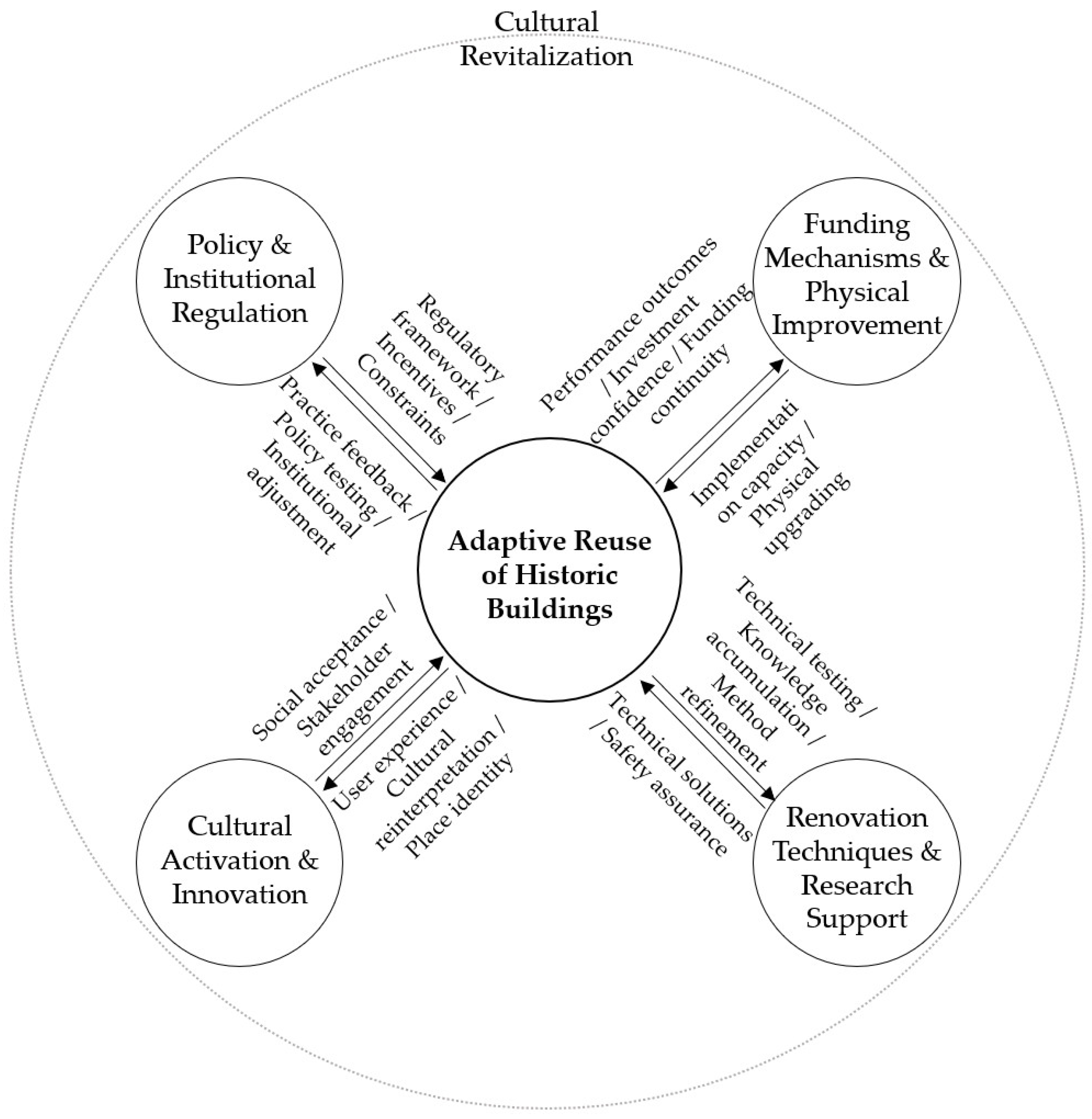
Drawing on grounded theory coding results, this study develops an integrated analytical framework that explains how adaptive reuse and cultural revitalization of historic buildings are dynamically produced under localized institutional and resource-constrained conditions. The framework comprises four interrelated dimensions: policy and institutional regulation, funding and physical improvement, cultural activation and innovation, and renovation techniques and research support (Figure 3).
Within this framework, adaptive reuse of historic buildings functions as the central operational core, while the four dimensions operate through reciprocal and reinforcing mechanisms. Policy and institutional regulation establishes legal legitimacy, governance structures, and operational boundaries for reuse practices, while adaptive reuse projects generate practical feedback that reveals regulatory limitations and informs policy adjustment. Funding and physical improvement provide material support and maintenance capacity, yet the scale and performance of reuse outcomes also shape funding continuity and investment willingness. Cultural activation enhances social recognition, public engagement, and functional vitality, which in turn are continuously reshaped by actual reuse practices and user experience. Renovation techniques and research support underpin technical feasibility and conservation compatibility, while adaptive reuse projects serve as testing grounds that advance technical knowledge and methodological refinement.
Through the interaction of these dimensions, the framework conceptualizes adaptive reuse not as a linear process, but as an iterative system in which institutional, economic, cultural, and technical factors co-evolve, enabling ordinary historic buildings to be sustainably reintegrated into contemporary urban systems.

7.3. Strategic Implications Within the Integrated Framework

Anchored in the integrated framework illustrated in Figure 3, the strategic implications of this study are articulated through the dynamic interaction between adaptive reuse as the core operational objective and the four supporting dimensions. Rather than functioning as independent recommendations, these strategies operate as mutually reinforcing mechanisms within the framework.
First, at the level of policy and institutional regulation, the findings underscore the necessity of clarifying the legal status, protection categories, and administrative responsibilities associated with ordinary historic buildings. Clear policy recognition provides the institutional foundation for adaptive reuse by reducing governance fragmentation and enabling coordinated decision-making among administrative actors. In turn, adaptive reuse practices generate practical feedback that reveals regulatory gaps and implementation challenges, thereby informing incremental adjustment and refinement of institutional arrangements.
Second, with regard to the operational governance of adaptive reuse, the study highlights the importance of regulating commercial and operational practices. Without appropriate institutional oversight, adaptive reuse risks devolving into short-term commercial exploitation that undermines conservation objectives. Embedding operational regulation within the institutional dimension ensures alignment between economic activities and long-term management capacity, while outcomes of reuse projects continuously reshape regulatory priorities and enforcement approaches.
Third, within the dimension of funding mechanisms and physical improvement, the framework emphasizes the necessity of upgrading basic infrastructure and safety conditions, including structural reinforcement, fire protection, and essential facilities. Such physical improvement constitutes a prerequisite for adaptive reuse, particularly in economically constrained urban contexts. The performance of reuse projects subsequently affects the willingness of public and private actors to sustain investment, creating a feedback relationship between physical improvement and reuse viability.
Fourth, also within the funding-related dimension, the framework points to the strategic importance of diversifying funding sources, including public expenditure, social capital, and incentive-based private participation. A diversified funding structure enhances financial resilience and supports the continuity of conservation and reuse practices beyond one-off interventions. Successful adaptive reuse outcomes, in turn, strengthen investor confidence and justify the long-term stabilization of funding mechanisms.
Finally, positioned at the intersection between adaptive reuse and cultural revitalization, the framework stresses the importance of aligning reuse functions with contemporary urban needs and local socio-cultural contexts. Cultural revitalization operates as a cross-cutting mechanism that enhances public recognition, encourages participation, and embeds historic buildings within everyday urban life. As reuse activities activate cultural meanings and social engagement, they reinforce collective support and governance capacity, thereby contributing to the long-term sustainability of adaptive reuse within the integrated framework.

7.4. Contributions and Limitations

The study contributes to existing research by extending the application of grounded theory to the field of historic building conservation in economically underdeveloped urban contexts. Focusing on Xuzhou, it highlights the challenges faced by ordinary historic buildings that fall outside formal heritage hierarchies, thereby complementing studies centered on high-grade or well-funded heritage sites.
Methodologically, the integration of material surveys and qualitative interviews demonstrates the value of linking physical attributes with institutional and socio-cultural factors. Practically, the findings provide a structured reference for local governments and practitioners seeking to balance heritage protection with urban regeneration under resource constraints.
Nevertheless, the research is limited by its reliance on five case studies, which restricts the generalizability of its conclusions. Future studies could expand the case base and test the proposed framework through longitudinal observation and applied projects to further assess its robustness and transferability.

Author Contributions

Conceptualization, M.Z. and Q.L.; data curation, Y.C.; formal analysis, F.L.; investigation, M.Z. and Y.C.; methodology, M.Z.; validation, Y.C.; writing—original draft, M.Z.; writing—review and editing, Q.L. All authors have read and agreed to the published version of the manuscript.

Funding

This work was supported by the Fundamental Research Funds for the Central Universities (number 2024JCXKSK09).

Data Availability Statement

Data available on request due to restrictions on privacy. The data presented in this study are available on request from the corresponding author. The data are not publicly available due to privacy restrictions. Please contact the corresponding author before use.

Acknowledgments

During the preparation of this manuscript, the authors utilized DeepSeek V3.2 for the translation of the paper. The authors have reviewed and edited the output and take full responsibility for the content of this publication.

Conflicts of Interest

The authors declare no conflicts of interest.

References

  1. Zhang, C. The Practical Significance of Cultural Confidence Leading Cultural Inheritance and Development. Acad. J. Humanit. Soc. Sci. 2023, 6, 98–102. [Google Scholar]
  2. Chu, T.; Zhou, M.H.; Wu, J. Sustainability Performance Differences of Industrial Heritage Regeneration Implementation Modes. Buildings 2024, 14, 3489. [Google Scholar] [CrossRef]
  3. Zhao, Y.; Zhang, J. Study on the Conservation Evaluation System and Methods for Historic Cultural Towns and Villages: A Case Study of the First Group of Famous Historic and Cultural Towns and Villages in China. Sci. Geogr. Sin. 2006, 26, 9. [Google Scholar]
  4. Yang, H.G.; Zhang, H.R.; Wang, S.S. Value-Oriented Protection of Architectural Cultural Heritage and Its Decision-Making Implementation Path. Chin. Cult. Herit. 2025, 03, 78–89. [Google Scholar]
  5. Code du Patrimoine; Légifrance: Paris, France, 2004.
  6. Gesetz Zum Schutz von Kulturgut; Bundesministerium der Justiz: Bonn, Germany, 2016.
  7. Zhang, Y.; He, Y. The Research Process, Characteristics and Trends of Historical and Cultural Cities-Based on the Data Visualization Analysis of Citespace. City Plan. 2020, 44, 73–82. [Google Scholar]
  8. Huang, Y.T.; Teng, Z. Application of Architectural Narratology in Renewal of Historical and Cultural Blocks in Xuzhou. Int. J. Front. Sociol. 2021, 3, 82–87. [Google Scholar] [CrossRef]
  9. Mydland, L.; Grahn, W. Identifying Heritage Values in Local Communities. Int. J. Herit. Stud. 2012, 18, 564–587. [Google Scholar] [CrossRef]
  10. Cleere, H. A History of Architectural Conservation. Eur. J. Archaeol. Arch. 2000, 3, 137–139. [Google Scholar] [CrossRef]
  11. Brandi. Theory of Restoration; Nardini Editore: Firenze, Italy, 2005. [Google Scholar]
  12. Zan, L.; Baraldi, S.B.; Gordon, C. Cultural Heritage between Centralisation and Decentralisation. Int. J. Cult. Policy 2007, 13, 49–70. [Google Scholar] [CrossRef]
  13. Zhou, Z.G.; Tang, W.Q. The Evolution of the Concept of Cultural Heritage Legislation and Its Historical Origins. J. Foshan Univ. Sci. Technol. 2025, 43, 32–39. [Google Scholar]
  14. Jordan-Palomar, I.; Tzortzopoulos, P.; García-Valldecabres, J.; Pellicer, E. Protocol to Manage Heritage-Building Interventions Using Heritage Building Information Modelling (Hbim). Sustainability 2018, 10, 908. [Google Scholar] [CrossRef]
  15. Li, S.T.; Zhang, M.; Long, J.Z.; Liu, J. A Protection and Management Oriented Intangible Culture Heritage Mis Architecture and Its Prototype Application. Presented at the IEEE International Conference on Service Operations and Logistics and Informatics, Beijing Jiaotong University, Beijing, China, 12–15 October 2008. [Google Scholar]
  16. Jara, A.J.; Sun, Y.C.; Song, H.B.; Bie, R.F.; Genooud, D.; Bocchi, Y. Internet of Things for Cultural Heritage of Smart Cities and Smart Regions. Presented at the IEEE 29th International Conference on Advanced Information Networking and Applications Workshops WAINA, Gwangju, Republic of Korea, 25–27 March 2015. [Google Scholar]
  17. Dong, Z.; Hou, C.; Liu, X.; Wang, Q. Durability Research on Masonry Structures of Historical Buildings in Xi’an Beilin Museum. Adv. Mater. Process. 2011, 250, 2428–2434. [Google Scholar] [CrossRef]
  18. Korkanc, M.; Savran, A. Impact of the Surface Roughness of Stones Used in Historical Buildings on Biodeterioration. Constr. Build. Mater. 2015, 80, 279–294. [Google Scholar] [CrossRef]
  19. Alecci, V.; De Stefano, M.; Galassi, S.; Nudo, R.; Pugliese, D.; Stipo, G. Evaluation of Vertical Irregularity Effects of Historical Masonry Buildings through a Simplified Procedure: The Case of Florence City Center. Bull. Earthq. Eng. 2024, 22, 2085–2104. [Google Scholar] [CrossRef]
  20. Atmaca, E.E.; Genc, A.F.; Altunisik, A.C.; Gunaydin, M.; Sevim, B. Numerical Simulation of Severe Damage to a Historical Masonry Building by Soil Settlement. Buildings 2023, 13, 1973. [Google Scholar] [CrossRef]
  21. Urushadze, S.; Pirner, M. Analysis and Evaluation of the Effect of Vibrations on Historical Buildings. In MATEC Web of Conferences; EDP Sciences: Les Ulis, France, 2020; Volume 313, p. 00020. [Google Scholar]
  22. Lopez, O.L.; Torres, I. Ventilation System for Drying out Buildings after a Flood: Influence of the Building Material. Dry. Technol. 2017, 35, 867–876. [Google Scholar] [CrossRef]
  23. Alfano, F.R.D.A.; Palella, B.I.; Riccio, G. Moisture in Historical Buildings from Causes to the Application of Specific Diagnostic Methodologies. J. Cult. Herit. 2023, 61, 150–159. [Google Scholar] [CrossRef]
  24. Mi, X.; Li, T.; Wang, J.; Hu, Y. Evaluation of Salt-Induced Damage to Aged Wood of Historical Wooden Buildings. Int. J. Anal. Chem. 2020, 2020, 8873713. [Google Scholar] [CrossRef]
  25. Xie, K.; Zhang, Y.; Han, W. Architectural Heritage Preservation for Rural Revitalization: Typical Case of Traditional Village Retrofitting in China. Sustainability 2024, 16, 681. [Google Scholar] [CrossRef]
  26. Panakaduwa, C.; Coates, P.; Munir, M. Identifying Sustainable Retrofit Challenges of Historical Buildings: A Systematic Review. Energy Build. 2024, 313, 114226. [Google Scholar] [CrossRef]
  27. Penica, M.; Golovina, S.; Murgul, V. Revitalization of Historic Buildings as an Approach to Preserve Cultural and Historical Heritage. Procedia Eng. 2015, 117, 883–890. [Google Scholar] [CrossRef]
  28. Li, Y.; Dong, K.; Li, G.F. The Application of Bim in the Restoration of Historical Buildings. Appl. Mech. Mater. 2014, 638–640, 1627–1635. [Google Scholar] [CrossRef]
  29. Osello, A.; Lucibello, G.; Morgagni, F. Hbim and Virtual Tools: A New Chance to Preserve Architectural Heritage. Buildings 2018, 8, 12. [Google Scholar] [CrossRef]
  30. Virtudes, A.; Almeida, F. Status of Historical Buildings Conservation: Ict Method Results in Caneiras Village. Procedia Eng. 2016, 161, 1915–1919. [Google Scholar] [CrossRef]
  31. Qu, W.; Li, M.J.; Zhang, X.Q.; Wang, Z. Management Processes Reconstruction of Historic Buildings Supported by Smart Technology: A Case Study of Fuzhou City. ISPRS—Int. Arch. Photogramm. Remote Sens. Spat. Inf. Sci. 2019, XLII-2/W15, 953–956. [Google Scholar] [CrossRef]
  32. Guo, L.; Xu, J.; Li, J.; Zhu, Z. Digital Preservation of Du Fu Thatched Cottage Memorial Garden. Sustainability 2023, 15, 1359. [Google Scholar] [CrossRef]
  33. Deterding, N.M.; Waters, M.C. Flexible Coding of in-Depth Interviews: A Twenty-First-Century Approach. Sociol. Methods Res. 2021, 50, 708–739. [Google Scholar] [CrossRef]
  34. Mohajan, D.; Mohajan, H.K. Development of Grounded Theory in Social Sciences: A Qualitative Approach. Stud. Soc. Sci. Humanit. 2022, 1, 13–24. [Google Scholar] [CrossRef]
  35. Zhang, M.; Zhang, J.; Liu, Q.; Li, T.; Wang, J. Research on the Strategies of Living Conservation and Cultural Inheritance of Vernacular Dwellings-Taking Five Vernacular Dwellings in China’s Northern Jiangsu as an Example. Sustainability 2022, 14, 12503. [Google Scholar] [CrossRef]
  36. Vollstedt, M.; Rezat, S. An Introduction to Grounded Theory with a Special Focus on Axial Coding and the Coding Paradigm. In Compendium for Early Career Researchers in Mathematics Education; Kaiser, G., Presmeg, N., Eds.; Springer International Publishing: Cham, Switzerland, 2019; pp. 81–100. [Google Scholar]
  37. Birks, M.; Mills, J.; Francis, K.; Chapman, Y. A Thousand Words Paint a Picture: The Use of Storyline in Grounded Theory Research. J. Res. Nurs. 2009, 14, 405–417. [Google Scholar] [CrossRef]
  38. Guo, N.; Chan, E.H.W.; Yung, E.H.K. Alternative Governance Model for Historical Building Conservation in China: From Property Rights Perspective. Sustainability 2021, 13, 203. [Google Scholar] [CrossRef]
  39. Li, W.; Yuan, F. Research on Comprehensive Treatment of Historical Building Engineering. IOP Conf. Ser. Earth Environ. Sci. 2021, 634, 012154. [Google Scholar] [CrossRef]
  40. Weinstein, B. Questioning a Late Victorian “Dyad”: Preservationism, Demolitionism, and the City of London Churches, 1860–1904. J. Br. Stud. 2014, 53, 400–425. [Google Scholar] [CrossRef]
  41. Liu, X. The Effects of Commercialisation on Urban Heritage in Tianjin: A Study of Citizens’ Livelihood in the Five Avenues (Wudadao) Historical District. Built Herit. 2024, 8, 42. [Google Scholar] [CrossRef]
  42. Yung, E.H.K.; Sun, Y. Power Relationships and Coalitions in Urban Renewal and Heritage Conservation: The Nga Tsin Wai Village in Hong Kong. Land Use Policy 2020, 99, 104811. [Google Scholar] [CrossRef]
  43. Wang, J.; Wang, W.; Lu, C.; Guo, Z. Multidimensional Assessment and Planning Strategies for Historic Building Conservation in Small Historic Towns: A Case Study of Xiangzhu, China. Buildings 2025, 15, 3553. [Google Scholar] [CrossRef]
  44. Lyons, K.; Cottrell, E.; Davies, K. The Case for Refocusing and Re-Engineering Land Administration to Better Meet Contemporary and Future Needs in Property Rights and Markets; Spatial Planning Ltd.: London, UK; Development Economics Ltd.: Chester, UK, 2002. [Google Scholar]
  45. Pickard, R. Funding the Architectural Heritage: A Guide to Policies and Examples; Council of Europe Publishing: Strasbourg, France, 2009. [Google Scholar]
  46. Wang, B.; Geng, L.; Moehler, R.; Tam, V.W.Y. Attracting Private Investment in Public-Private-Partnership: Tax Reduction or Risk Sharing. J. Civ. Eng. Manag. 2024, 30, 581–599. [Google Scholar] [CrossRef]
  47. Olivier, A. Communities of Interest: Challenging Approaches. J. Community Archaeol. Herit. 2017, 4, 20–27. [Google Scholar] [CrossRef]
  48. Brereton, C. The Repair of Historic Buildings: Advice on Principles and Methods; English Heritage: London, UK, 1995. [Google Scholar]
  49. Murgul, V. Features of Energy-Efficient Modernization of Historic Buildings: The Case of Saint Petersburg. J. Appl. Eng. Sci. 2014, 12, 1–10. [Google Scholar] [CrossRef]
  50. Henry, M.C.; Jessup, W. From the Outside In: A Collaborative Approach to Context-Driven and Capacity-Constrained Preventive Conservation Strategies for Collections in Heritage Buildings and Sites. Stud. Conserv. 2018, 63, 121–126. [Google Scholar] [CrossRef]
  51. Xu, K.; Qian, X.; Wen, Q. Stewardship of Built Vernacular Heritage for Local Development: A Field Research in Southwestern Villages of China. Habitat Int. 2022, 129, 102665. [Google Scholar] [CrossRef]
  52. McGillivray, D.; Guillard, S.; Ross, G.; McCaughey, P. Participatory Design Practice, Event (S) and the Activation of Public Space. J. Urban. Int. Res. Placemaking Urban Sustain. 2025, 18, 595–612. [Google Scholar] [CrossRef]
  53. Tresidder, R.; Deakin, E.L. Historic Buildings and the Creation of Experiencescapes: Looking to the Past for Future Success. J. Tour. Futures 2019, 5, 193–201. [Google Scholar] [CrossRef]
  54. Boeri, A.; Gaspari, J.; Gianfrate, V.; Longo, D.; Pussetti, C. The Adaptive Reuse of Historic City Centres. Bologna and Lisbon: Solutions for Urban Regeneration. TECHNE-J. Technol. Archit. Environ. 2016, 12, 230–237. [Google Scholar]
  55. Syafri, N. Adaptive Reuse in Architecture: Transforming Heritage Buildings for Modern Functionality. J. Acad. Sci. 2024, 1, 395–406. [Google Scholar] [CrossRef]
  56. Ma, N. To Drive the Industrialization Development and Transformation in Xuzhou by the High-Tech Industry Model. Value Eng. 2014, 8, 199–200. [Google Scholar]
Figure 1. China’s Cultural Heritage Management Model.
Buildings 16 00700 g001
Figure 2. Schematic diagram of the analytical process.
Buildings 16 00700 g002
Figure 3. Integrated Analytical Framework for Adaptive Reuse and Cultural Revitalization of Historic Buildings.
Buildings 16 00700 g003
Table 1. Summary of Interviewee Profiles.
Statistical DimensionGroupingNumber of PeopleProportion
Age20~2945%
30~391215%
40~493643%
50~592732%
60~6945%
IdentityStudents1012%
Employed Personnel6477%
Unemployed Personnel911%
Core Occupational
Background (for
Employed Personnel)
Technical Engineering2843%
Business Services2032%
Public Administration1117%
Cultural & Educational58%
Educational BackgroundHigh School and Below4857%
University2530%
Master’s Degree and Above1013%
ResidenceLocal7286%
Non-local1114%
Table 2. Basic Information of Typical Cases.
Serial
Number
Sample 1Sample 2Sample 3Sample 4Sample 5
LocationSouth Suburb of
Xuzhou City
Fuxing South RoadYunlong
Mountain
Intersection of Huaihai East Road and Jiefang South RoadHuaihai West Road
Preservation StatusTeaching BuildingHospitalMemorial ArchAuditoriumCommunity Health Service Center
Scale SizeBuilding ComplexSingle
Building
Single BuildingSingle BuildingSingle Building
Financial
Investment
YesYesYesYesYes
RenovationNoYesYesYesYes
Structural FormBrick–Wood Structure; Traditional Chinese Style Roof TrussBrick-Concrete
Structure
Stone CarvingBrick–Concrete StructureBrick-Concrete Structure
Construction Year19581959198019791956
Wall
Material
Grey BricksRed BricksGraniteReinforced
Concrete
Bricks
Architectural
Decoration
Combination of Chinese and
Western Styles
Soviet-style ArchitectureNorthern
Traditional
Official Style
Memorial Arch
ModernismCombination of Chinese and
Western Styles
Current PhotoBuildings 16 00700 i001Buildings 16 00700 i002Buildings 16 00700 i003Buildings 16 00700 i004Buildings 16 00700 i005
Table 3. Example of the Initial Conceptual Coding Extraction Process.
Original Interview Excerpt (Part)Initial Concept Coding
(Are you aware of the government policies regarding the protection and utilization of historical buildings? How would you evaluate the enforcement and effectiveness of these policies?)
Yes, I do pay attention to them, though I can’t list all the specific policy names. There is still considerable room for improvement in terms of enforcement and effectiveness. Current implementation often feels like applying patchwork fixes. In key, well-funded districts, things are done properly, but what about smaller, remote areas? They lack both funding and personnel, making it very difficult to achieve good results.
Standardizing Policy Implementation Procedures
(Does your village or town engage in the adaptive reuse of old houses with significant value? What kind of financial support or measures are available in terms of economic investment?)
There are cases of adaptive reuse, but most of the time, these buildings are simply used as storage spaces for odds and ends. Financially, the government talks about promoting tourism and allocating funds to renovate such houses, but so far, no money has actually materialized. It’s unclear when funds will be available. To be honest, local government budgets have been tight in recent years due to the economic downturn.
Increasing Financial Investment
(In the process of protecting and utilizing these significant old houses, what factors do you think affect their current condition? For instance, issues with the buildings themselves or the conservation of their surrounding environment?)
Weathering, human damage, and insect infestations all threaten the survival of old houses. They require specialized, regular maintenance, but many are now in a state of neglect, left to decay and collapse on their own. In fact, some old houses could still be used if they were provided with basic facilities and repairs to walls, ceilings, and so on.
Implementing Refined Management and Updating Building Facilities to Meet Modern Living Needs
(In recent years, do you think public attention towards protecting old houses has increased or decreased? Are there any methods to attract more people to care about this issue?)
I think more and more people are starting to pay attention, but those who actually participate in protection efforts are still a minority. Most engagement is limited to online discussion. However, increased awareness is a positive start. As for methods, organizing relevant activities could help—attract public participation and raise awareness through these events.
Strengthening Promotion of Historical Building Culture by Grassroots Teams and Encouraging Public Participation
(When an old house is damaged, are there specialized teams responsible for repairs? Are these teams local or from elsewhere?)
Yes, there are. We have previously hired local artisans to carry out repairs. The overall quality was acceptable, though naturally not as good as the original. The signs of repair are still quite visible. However, once repaired, the houses do get used. As long as a building remains in use, it is less prone to deterioration.
Structural Reinforcement and Functional Upgrades Using Modern Technology
(What special considerations and difficulties do you think exist in protecting and repairing significant old houses compared to maintaining ordinary houses?)
Repairing an ordinary house mainly focuses on restoring functionality. But for old houses, one must consider using original materials and traditional techniques. Nowadays, it’s very hard to find craftsmen who understand the old techniques, and the formulas for many traditional materials have been lost.
Enhancing Research on Construction Techniques and Materials from Different Periods
(Do you have any other opinions or suggestions regarding the adaptive reuse of old houses and cultural heritage transmission?)
We could implement a graded protection system for historical buildings. For the most important structures, strict preservation in their original form is required. For those of lower grade, the requirements could be more flexible, allowing for modifications. We could also open up the bidding process more broadly, allowing social forces from the wider community to participate in the protection and restoration of these old houses. This might help solve the funding shortage problem.
Advancing Classified and Tiered Protection and Encouraging and Funding the Participation of Private/Community Forces
Table 4. Open Coding to Form Concepts and Categories.
NumberOriginal Interview Excerpt (Part)Initial Concept CodingInitial Category
24The government should adjust relevant policies, provide corresponding economic support and tax incentives, and encourage social forces to participate in the protection of historical buildings.Adjust relevant policies to benefit the protection of historical buildings.Policy Support
60Historical buildings come in various types, and different types of buildings should be protected and utilized in different ways.Targeted laws and regulations should be enacted.
42Some historical buildings were moved, renovated, or even demolished without proper approval.The execution of policies and procedures needs to be standardized.
1There are relevant regulations for the protection of historical buildings, but the legal strength of these regulations is relatively weak, and the protection effects are not satisfactory.The legal strength of regulations related to historical buildings should be strengthened.
7When renovating historical buildings, changes are often haphazard and disrespectful to their historical significance.More detailed laws and regulations for the protection and renovation of historical buildings should be enacted.
12The market for the protection and development of historical buildings is relatively small, and the level of capital participation is low.Relevant policies should be introduced to encourage capital involvement.
3The funding subsidies for the protection of historical buildings are too few, making them less attractive.The funding subsidies for historical building protection should be increased.
48Overemphasizing commercialization can neglect the protection of the original appearance of historical buildings.Avoid purely commercial operationsStrengthen management
10Various exterior renovations using modern materials and techniques have resulted in some culturally inaccurate landscapes.Efforts should be made to avoid protective renovations that do not align with historical facts.
64Some historical buildings are protected by leaving them untouched, allowing them to deteriorate naturally.Avoid specimen-like or frozen preservation conditions
56The impact of municipal leaders on the renovation and utilization of historical buildings is significant, so it is important to strengthen their training in relevant knowledge and enhance the leadership’s understanding of historical buildings.Strengthening Leadership’s Knowledge Training on Historical Architecture
29The responsibilities of relevant personnel in local departments are unclear, making it difficult to manage accurately.Clearly define the responsibilities of relevant personnel.
26The protection of historical architecture is mostly established at a macro level, resulting in poor practical guidance and operability.Promote the implementation of refined management in classified protection.Model Innovation
30The government will take the lead in introducing funds for renovations and modifications, and will open and manage historical buildings after their restoration.Consider a coordinated government-led model.
33The current condition of historical buildings does not fully correspond with the records in the archives.Promote the documentation and archiving of historical buildings.
4Social organizations can organize development and invest in tourism companies, which will carry out renovations and subsequently manage the operations.Promote a model driven by
social organizations.
25Hold specialized meetings and launch online platforms related to the protection and utilization of historical buildings to facilitate the understanding of project needs by social capital and increase participation opportunities.Specialized Meetings and
Platform Development
47The concept of protection is traditional, the exhibition model is singular, and development has stagnated.Promote innovation in exhibition models.
21The business format is singular, resulting in low appeal to visitors.New model for the protection and utilization of diverse
business formats.
32The government, academia, design teams, and construction parties operate in silos, with each entity unwilling to yield to the others, making it challenging to implement protection efforts accurately.Each party should appoint representatives to establish a protection team to coordinate efforts.
13There are many historical buildings with a wide variety, and maintenance requires large-scale efforts and high costs, leading to insufficient financial investment.Increase financial investmentEconomic development
44Without a unique industry to lead, mere protection cannot be sustained.Develop specialized industries.
34The local wealthy individuals and business tycoons, who were born in the area, show insufficient attention to the development of their hometown.Encourage local residents living elsewhere to give back to their hometown.
8The involvement of grassroots forces in the protection and utilization of historical buildings is low.Encourage and fund the participation of grassroots forces.
20Young people are increasingly willing to spend money while traveling.Strengthen the cultural and tourism development of historical buildings.
53Social capital’s approach to the renovation and utilization of historical buildings is often uniform, lacking full utilization of the unique characteristics of each building.Strengthen research on the characteristic renovation of historical buildings.
18The roads are narrow, with poor accessibility. Pedestrians and vehicles share the same space, resulting in chaotic traffic conditions.Organize the surrounding traffic environment.Improvement of basic conditions
6The environment surrounding the historical buildings has been altered, causing the entire block to lose its original character.Systematic protection and the creation of a cultural atmosphere.
57There is a lack of commercial spaces surrounding the buildings, and the historical and cultural spaces worth visiting are scattered, making the experience tiring.Strengthen the integration of commercial and cultural development for historical buildings.
49The original functions of the buildings have become disconnected from modern lifestyles.Functional updates to adapt to modern life.
41The building facilities have aged and deteriorated, with many no longer being usable.Update the building’s facilities to meet the demands of modern life.
15Many people view historical buildings as just old, dilapidated structures and fail to understand the significance of preserving them. They believe that demolishing them and building new houses would be a better option.Enhance research on the value of historical buildings and strengthen the cultural and spiritual aspects they embody.Cultural promotion
72There is little coverage of historical building preservation in both social media and traditional media. Without exposure, there is naturally little attention given to the issue.Strengthen the role of media in promoting the preservation of historical buildings.
38Young people today pay little attention to historical buildings.Increase young people’s attention to historical culture and historical buildings.
58The methods for cultural inheritance are relatively simplistic, lacking in-depth exploration of culture. There is also a lack of interactive elements, and a collaborative atmosphere has not been created.Deepen the exploration of cultural connotations and strengthen the interactivity and inheritability of culture.
39The preservation of historical buildings has little impact on daily life, leading to low enthusiasm for participation in preservation efforts.Strengthen the efforts of grassroots teams in promoting the culture of historical buildings and encourage public participation.
46Integrating the internet with historical building preservation can make it easier for people to learn about these buildings.Digital preservation and virtual exhibition.
59Many prominent figures have been educated in these buildings, and they could help with promotion or even become ambassadors for the cause.Leverage the celebrity effect to strengthen the promotion of historical building preservation.
65Some historical buildings have suffered structural damage and need reinforcement before they can continue to be used.Structural reinforcement and functional upgrades using modern technology.Technological transformation
43Historical buildings may have certain fire hazards.Carry out fire safety upgrades and renovations for historical buildings.
69Historical buildings, due to the technical limitations of their construction era, have many deficiencies in terms of energy efficiency and environmental sustainability.Carry out technical modifications to historical buildings to improve energy efficiency and reduce emissions.
45Old buildings often experience water leakage, and their insulation performance is generally poor.Carry out waterproofing and insulation upgrades.
27Some historical buildings were constructed using techniques and materials unique to their time period, which cannot be directly replaced by modern technology and materials.Strengthen research on construction techniques and materials from different historical periods.Conservation and restoration research.
68Some restoration personnel lack the necessary skills, and their work has resulted in the destruction of the historical appearance of the buildings.Strengthen systematic research on restoration techniques for historical buildings.
51It is difficult to accurately obtain data and information regarding the current condition of historical buildings.Utilize modern 3D scanning technology to obtain data and information regarding the current condition of historical buildings.
62The historical buildings in northern Jiangsu are mostly built after the founding of the People’s Republic of China.Strengthen research on the construction techniques used in northern Jiangsu after the founding of the People’s Republic of China.
14Some historical buildings have been renovated to the point where it is no longer recognizable as an old building.Strengthen the research on the architectural style of historical buildings to ensure that restoration maintains the original appearance.
37The loss of archival documents and historical blueprints makes it difficult to provide accurate architectural information when assessing historical buildings, hindering precise restoration efforts.Further open historical archives and conduct more in-depth research and inquiries.
54Some historical buildings have suffered severe weathering and damage, making restoration difficult.Consider the technical reconstruction of historical buildings.
Table 5. Axial coding analysis.
Main CategoriesInitial CategoriesConnotative Explanation
Policies and controlPolicy SupportEnact more targeted policies that benefit the protection of historical buildings and standardize the execution procedures.
Strengthen managementProvide systematic training for personnel to prevent renovations that are inconsistent with historical accuracy and avoid negligent preservation practices.
Funding and improvementsEconomic developmentIncrease financial investment, develop specialized industries, and attract foreign capital.
Improvement of basic conditionsEnhance the infrastructure of historical buildings, improve the environment, and create a cultural atmosphere.
Culture and innovationCultural promotionEnhance the overall societal recognition of the value of historical buildings and strengthen the construction of spiritual civilization.
Model InnovationInnovate the organizational model at the government and societal levels, build online platforms, and coordinate various forces to accurately implement the work.
Renovation and researchTechnological transformationTechnically renovate historical buildings to ensure their safety and functionality.
Conservation and restoration researchActively research techniques related to the restoration and reconstruction of historical buildings, and gather, obtain, and preserve archival materials of historical buildings.
Table 6. Analysis of the logical relationship between categories.
Initial CategoriesMain CategoriesCore Category
Policy SupportPolicies and controlAdaptive reuse
Strengthen management
Economic developmentFunding and improvements
Improvement of basic conditions
Cultural promotionCulture and innovationHeritage revitalization strategy
Model Innovation
Technological transformationRenovation and research
Conservation and restoration research
Table 7. Theoretical Saturation Testing Process.
Original Interview Excerpt (Part)Initial Concept CodingInitial CategoriesMain CategoriesCore Category
The enforcement standards from higher authorities are always difficult to unify and frequently change.The execution of policies and procedures needs to be standardized.Policy SupportPolicies and controlAdaptive reuse
Currently, the extent of many renovations is entirely up to the individual understanding of the person in charge, as there are no detailed regulations to refer to.More detailed laws and regulations for the protection and renovation of historical buildings should be enacted.
Government funding is far from sufficient. We need policies to attract corporate and social capital, such as tax incentives or property right transfers.Relevant policies should be introduced to encourage capital involvement.
Covering old houses with tiles and installing aluminum alloy windows might make them look new, but it completely strips away their historical character.Efforts should be made to avoid protective renovations that do not align with historical facts.Strengthen management
Many old buildings are simply left unattended; left like that, they eventually collapse.Avoid specimen-like or frozen preservation conditions
Now, whenever a problem arises, various departments start shifting blame, each saying it’s not their responsibility.Clearly define the responsibilities of relevant personnel.
We know many old houses need repair, but with the limited funds allocated, we can only patch up the worst ones. Comprehensive, systematic protection is impossible.Increase financial investmentEconomic developmentFunding and improvements
Actually, many entrepreneurs who left our hometown still have an emotional connection to it. If there were a reliable channel, they might be willing to fund the renovation of their ancestral homes or invest in the old streets.Encourage local residents living elsewhere to give back to their hometown.
The old granary near my home was renovated into a trendy bookstore; it’s packed on weekends.Strengthen the cultural and tourism development of historical buildings.
We can’t just focus on visits alone. We need to integrate cafes, cultural-creative shops, and small exhibitions. Let people have things to see, places to stroll, and items to buy. This way, preservation can generate economic value and create a virtuous cycle.Strengthen the integration of commercial and cultural development for historical buildings.Improvement of basic conditions
The plumbing, electricity, toilets, and internet in old houses are often inadequate, making them very inconvenient to live in directly.Functional up-dates to adapt to modern life.
Many people don’t understand the value of these old buildings. TV stations and short-video platforms should produce more documentaries or fun clips to tell their stories.Strengthen the role of media in promoting the preservation of historical buildings.Cultural promotionCulture and innovationHeritage revitalization strategy
Young people often think things related to history are just old and dirty.Increase young people’s
attention to historical culture and historical buildings.
Some structures are too fragile or already ruined. We can use 3D scanning to preserve the data and create digital museums, allowing more people to visit online.Digital preservation and virtual exhibition.
We can’t apply the same protection standard to all old houses. More effort must be focused on those that deserve key protection.Promote the implementation of refined management in
classified protection.
Model Innovation
Injecting different business formats can help old buildings adapt to the new era and avoid the limitations of a single function.New model for the protection and utilization of diverse business formats.
Many historical buildings have safety hazards and are classified as dangerous structures.Structural reinforcement and functional up-grades using modern technology.Technological transformationRenovation and research
Traditional firefighting facilities often fall short. We must install advanced fire alarms and suppression systems without damaging the historical appearance.Carry out fire safety upgrades and renovations for historical buildings.
Some historical buildings, due to long-term lack of maintenance, leak rainwater, feel damp and cold, and have large patches of peeling wall plaster.Carry out waterproofing and insulation up-grades.
Fewer and fewer old masters are left who know traditional crafts like the ‘oil-lime backing’ technique for tile roofs or applying ‘hemp-fiber lime mortar’ on walls.Strengthen systematic research on restoration techniques for historical buildings.Conservation and restoration research
We must first thoroughly research the period features, material colors, and craft details of each building. Only then can we apply the right remedy during restoration.Strengthen the research on the architectural style of historical buildings to ensure that restoration maintains the original appearance.
Table 8. Database of Building Samples (Partial).
Technical Drawings (Partial)Detail Photographs (Partial)
Sample 1Buildings 16 00700 i006Buildings 16 00700 i007Buildings 16 00700 i008Buildings 16 00700 i009Buildings 16 00700 i010Buildings 16 00700 i011
Sample 2Buildings 16 00700 i012Buildings 16 00700 i013Buildings 16 00700 i014Buildings 16 00700 i015Buildings 16 00700 i016Buildings 16 00700 i017
Sample 3Buildings 16 00700 i018Buildings 16 00700 i019
Sample 4Buildings 16 00700 i020Buildings 16 00700 i021Buildings 16 00700 i022Buildings 16 00700 i023Buildings 16 00700 i024Buildings 16 00700 i025
Sample 5Buildings 16 00700 i026Buildings 16 00700 i027Buildings 16 00700 i028Buildings 16 00700 i029Buildings 16 00700 i030Buildings 16 00700 i031
Disclaimer/Publisher’s Note: The statements, opinions and data contained in all publications are solely those of the individual author(s) and contributor(s) and not of MDPI and/or the editor(s). MDPI and/or the editor(s) disclaim responsibility for any injury to people or property resulting from any ideas, methods, instructions or products referred to in the content.