1. Introduction
Shaking table model tests are an essential tool for investigating the seismic performance of structures, as they can effectively simulate the structural response of high dams under complex seismic excitation. However, challenges persist in model testing. Due to the limitations of the size and performance of shaking table excitation equipment, physical models simulating the actual concrete high dams and reservoir systems are generally scaled down. The reservoir is typically simulated using natural water, and therefore, the material density scale is approximated as 1. To ensure that the primary low-frequency modes of the scaled model fall within the effective frequency range of the excitation equipment, and to achieve similarity in inertial forces between the model and prototype under seismic loading, it is necessary to simulate the entire dynamic response process of the dam-from elastic deformation and damage cracking to instability failure. This requires that the model material of the dam possesses a low dynamic elastic modulus and exhibits a stress-strain relationship similar to that of prototype dam, maintaining a good similarity in terms of brittle failure modes. Consequently, the development and optimization of high-performance, environmentally friendly, and cost-effective model materials have been a key research focus in the field of dam seismic model testing.
Current development of dam model materials primarily focuses on three core objectives: “low elastic modulus, high density, and similarity.” However, balancing environmental friendliness and mechanical performance remains a common challenge. Early studies, such as those by Oberti and Castoldi [
1], used a saturated zinc chloride solution with a density of 2200 kg/m
3 and baryte slurry to simulate reservoir water, in order to meet the density scale requirements. However, the compressibility and fluidity of this solution differ significantly from natural water, resulting in a distortion of the fluid-structure coupling effect. To overcome the limitations of liquid simulation, later researchers focused on adjusting the density of solid materials. Gutidze [
2] and Harris et al. [
3] increased the material density by adding lead particles and adjusted the strength with bentonite, successfully using natural water to simulate the reservoir water. However, lead materials are expensive, highly toxic, and difficult to dispose of, raising environmental concerns. Zou [
4] and Gong [
5] optimized the physical and mechanical properties of the model by introducing iron powder, baryte, or resin particles with lead cores, but the issues of heavy metal contamination and cost remain unresolved. Additionally, microstructural similarity poses a significant challenge. Zhou et al. [
6] developed a model material using cement, river sand, baryte sand, baryte powder, iron powder, and water, suitable for 1:350 small-scale models. However, the inability to simulate the aggregate gradation of real concrete led to significant differences in the stress intensity factor compared to mass concrete. Wang et al. [
7,
8] used a mixture of barium sulfate, lead oxide, and talc powder to create specialized bricks, adjusting the mixture ratio and compaction pressure to control the material’s properties. The dam model was built using these bricks and bonded with adhesive. Due to significant differences in the micro-mechanical properties between the model material and prototype concrete, failure test results are often limited to qualitative conclusions, making it difficult to precisely reveal the damage and cracking mechanisms of the dam.
The primary goal of researchers in the development and optimization of simulated concrete materials is to successfully apply them in physical model tests. Whether the material performs reliably or not needs to be verified through reasonable experimental design. In the design of seismic dam model tests, the method of vibration excitation for the dam body and the method of reservoir water simulation are key factors influencing the test design. To realistically replicate the dynamic response, damage evolution, and failure modes of the prototype dam under seismic loading, many researchers have conducted extensive and in-depth explorations of model test designs.
The choice of vibration excitation method directly affects the simulation accuracy of dam seismic tests. The main methods currently in use include ambient excitation, shaker excitation, and shaking table excitation. Ambient excitation uses random loads, such as natural wind, traffic disturbances, or artificial hammer strikes, as inputs. Sensor data is then collected to analyze the dam’s dynamic parameters. Sevim et al. [
9,
10] studied the impact of reservoir water level on the natural frequencies and damping ratios of arch dams using this method. It is low-cost, easy to operate, and does not damage the structure. However, the excitation signal is uncontrollable, and modal parameter extraction can be interfered with by environmental noise. It is also difficult to simulate nonlinear responses and failure modes under strong seismic conditions, making it suitable for identifying dynamic characteristics in the elastic stage and detecting light damage. Shaker excitation involves applying controllable excitation signals, including frequency, amplitude, and phase, to the dam structure. The collected response signals are then analyzed using transfer function analysis and modal parameter identification algorithms to obtain dynamic characteristics. This method was used by Oberti and Castoldi [
1] to validate reservoir-structure interaction on a 1:100 scale arch dam model. While this method offers strong signal control, it is difficult to simulate crack propagation and failure modes under strong seismic conditions and does not meet the requirements for ultimate state research. The shaking table excitation method, on the other hand, reproduces seismic motion time histories, allowing direct observation of the model’s nonlinear response and failure modes. Aldemir [
11] and Zhang et al. [
12] used this method to study the base shear characteristics of gravity dams and the seismic damping performance of hollow concrete gravity dams with saturated sandy soil. Although Qiu et al. [
13] did not consider reservoir water due to shaking table size limitations, they also explored the correlation between dam damage and dynamic parameters. This method provides the most realistic excitation scenario and serves as the most direct basis for seismic design and safety assessment.
Additionally, the dynamic coupling between the reservoir water and the dam body is another key factor affecting the accuracy of seismic response simulation. Existing research on reservoir water simulation methods mainly falls into two categories: the added mass method and the natural water method. The added mass method, based on Westergaard’s theory, models hydrodynamic pressure as a concentrated mass fixed on the upstream face of the dam [
14,
15]. Zhu et al. [
16], Kadhim et al. [
17], and Wang et al. [
18] have conducted dynamic model tests using spring systems, added mass blocks, and lead blocks, respectively. This method has a simple setup, avoids erosion caused by liquid leakage, and resolves the issue of selecting liquid materials under density scaling constraints. However, it neglects the compressibility of water and surface wave effects, making it unable to accurately reflect the real coupling mechanism under full reservoir conditions. The natural water method injects natural water into the model reservoir, directly simulating the dynamic coupling effect between the reservoir water and the dam body. Li et al. [
19], under the condition that both acceleration and density scaling are equal to 1, pointed out through comparative experiments that the added mass method tends to be conservative in the elastic stage. To prevent water seepage from altering material properties, Li et al. [
19] and Mridha and Maity [
20] covered the dam face with polyethylene film. Chen et al. [
21] and Altunışık et al. [
22] used natural water in shaking table tests for gravity dams and arch dams, respectively, and validated the rationality of different scaled models. Wang et al. [
23,
24] found significant coupling effects in overflow dam segment tests and proposed a hydrodynamic pressure correction formula through comparative analysis. Xu et al. [
25] also used this method to study the instability peak acceleration of a reinforced concrete gravity dam. Overall, the natural water method realistically incorporates water compressibility and crack water filling effects, offering higher simulation accuracy than the added mass method, making it more suitable for studying nonlinear damage in dams under strong seismic loading.
Numerical simulation is one of the main methods for seismic research on gravity dams. Currently, it is mainly based on the Finite Element Method (FEM), combined with concrete plastic damage models, fracture mechanics models, and others, to achieve quantitative analysis of the dam’s dynamic response and damage evolution. In the study of dam-foundation interaction and geometric parameters, Mange et al. [
26], based on the Rocscience 2D finite element platform, analyzed the effects of seismic coefficients and downstream slope angles on dam stress and displacement using the Cheruthoni gravity dam in India as an example. Xu et al. [
27] combined the modal decomposition response spectrum method and Westergaard’s added mass formula to conduct a seismic safety review of a gravity dam segment. In the areas of reservoir water simulation and fluid-structure coupling algorithms, researchers have made significant contributions. Wang et al. [
28] compared the added mass method, incompressible water body, and compressible water body potential flow method, systematically revealing the impact of different reservoir simulation methods on seismic response. Santosh et al. [
29] used finite element and Eulerian methods to quantify the effects of dam face slope and reservoir bottom topography on hydrodynamic pressure. In terms of optimizing solution algorithms, Rasa et al. [
30] proposed a coupled model based on the Lagrangian method and infinite elements, achieving efficient solution of dynamic equations in the Laplace domain. Additionally, Patra et al. [
31] compared the calculation results of three software programs—EAGD-84, ADRFS v1, and Abaqus 6.14—and clearly pointed out that the Abaqus acoustic element method provides higher accuracy in capturing fluid-structure interaction effects.
In summary, the mechanical properties of simulated concrete materials are key factors determining the model similarity scale, experimental design, and testing costs. The closer the simulated concrete material is to prototype concrete, the higher the fidelity in simulating its microstructure and damage mechanisms. However, two major limitations exist in commonly used dam model materials: ordinary cement mortar, while low in cost, fails to simultaneously meet the density and elastic modulus similarity requirements of prototype concrete, resulting in distortions in simulating the dynamic damage process; while heavy materials containing lead, chromium, and other heavy metal aggregates can meet the density requirements, they face significant challenges due to their toxicity, difficult recyclability, and large deviations in their brittle characteristics compared to prototype concrete. To address these shortcomings, this study developed a microparticle mortar simulated concrete composed of cement (Zhangjiakou Hengtai Cement Co., Ltd., Hebei, China), sand, gypsum (BBMG Coating Co., Ltd., Beijing, China), mineral oil (Sinopec Lubricant Co., Ltd., Beijing, China), water, and baryte sand (Yikang Raditation Protection Equipment Co., Ltd., Shandong, China). Through the synergistic adjustment of multiple components, this material successfully achieves a precise match of low elastic modulus and high density. Not only does it possess environmentally friendly, non-toxic, and water-resistant physical properties, but it also accurately replicates the dynamic stress-strain relationship and damage evolution process of prototype concrete, effectively bridging the gap between mechanical similarity and environmental friendliness in traditional materials.
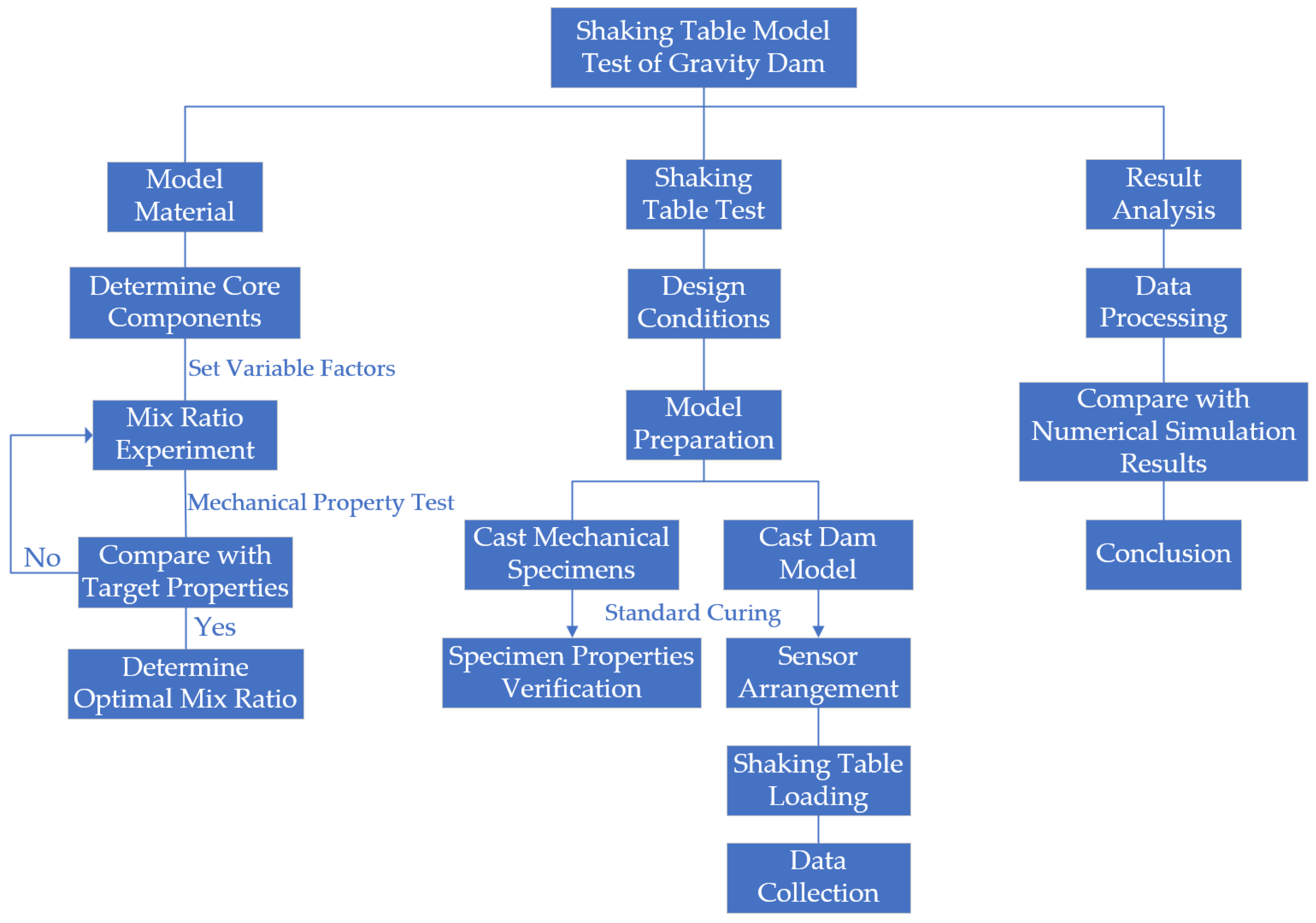
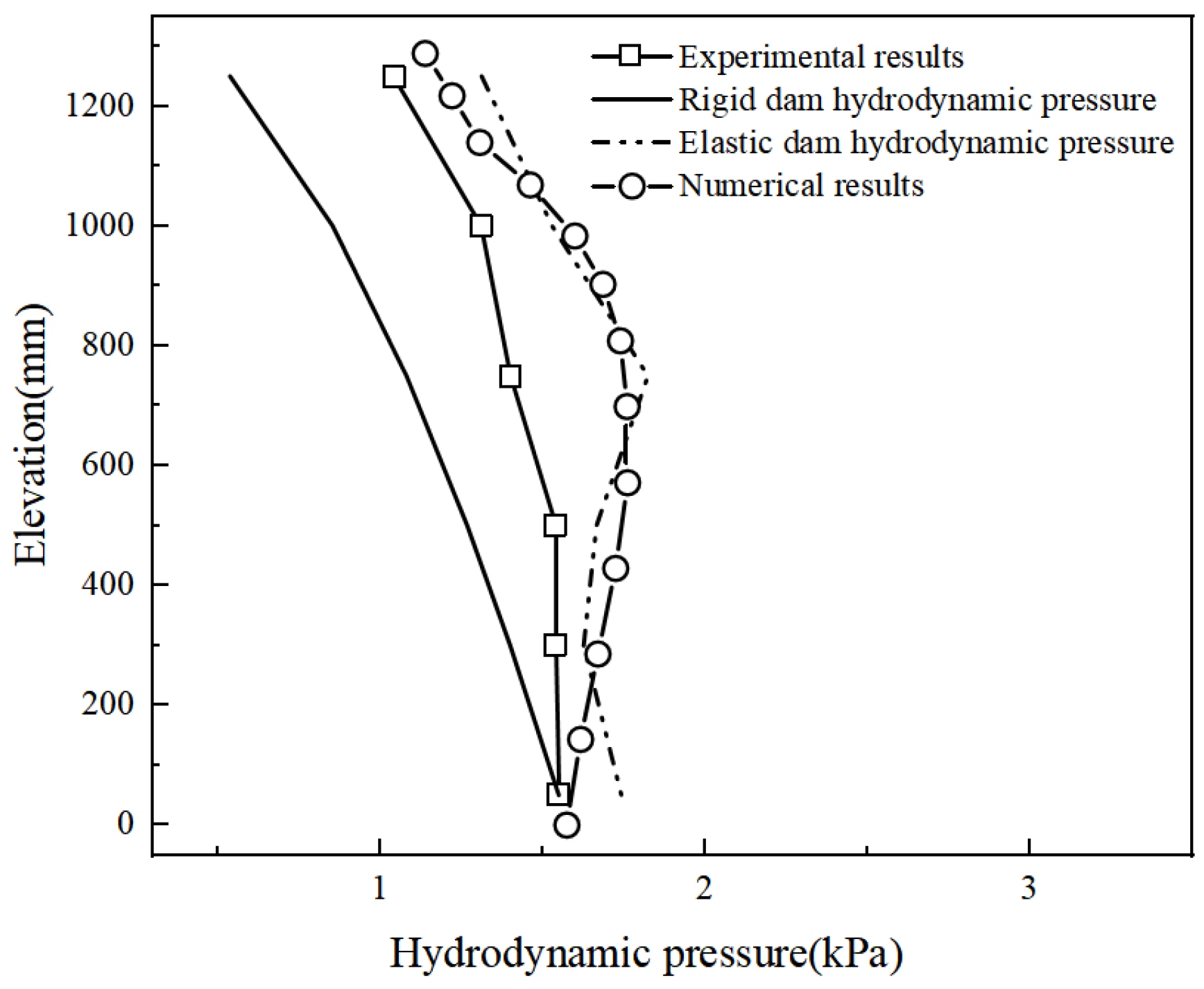
This study aims to overcome the mechanical matching and environmental shortcomings of traditional dam model materials by developing a novel microparticle mortar simulated concrete that integrates accurate simulation performance with environmentally friendly properties. The study comprehensively applies shaking table tests of gravity dam-reservoir systems and analyzes the results using the fluid-structure coupling method in Abaqus software (2020), investigating the dam’s dynamic response characteristics, damage evolution laws, and hydrodynamic pressure distribution patterns. This work provides a reliable material solution and data support for dam seismic physical model tests. The research methodology is shown in
Figure 1. The structure of the subsequent chapters is arranged as follows:
Section 2 introduces the component design and mechanical performance testing of the novel simulated material, clarifying the impact of components on material performance and determining the optimal mix ratio;
Section 3 presents the construction of the 1:70 scaled gravity dam-reservoir system shaking table test model, loading conditions, and data collection plan;
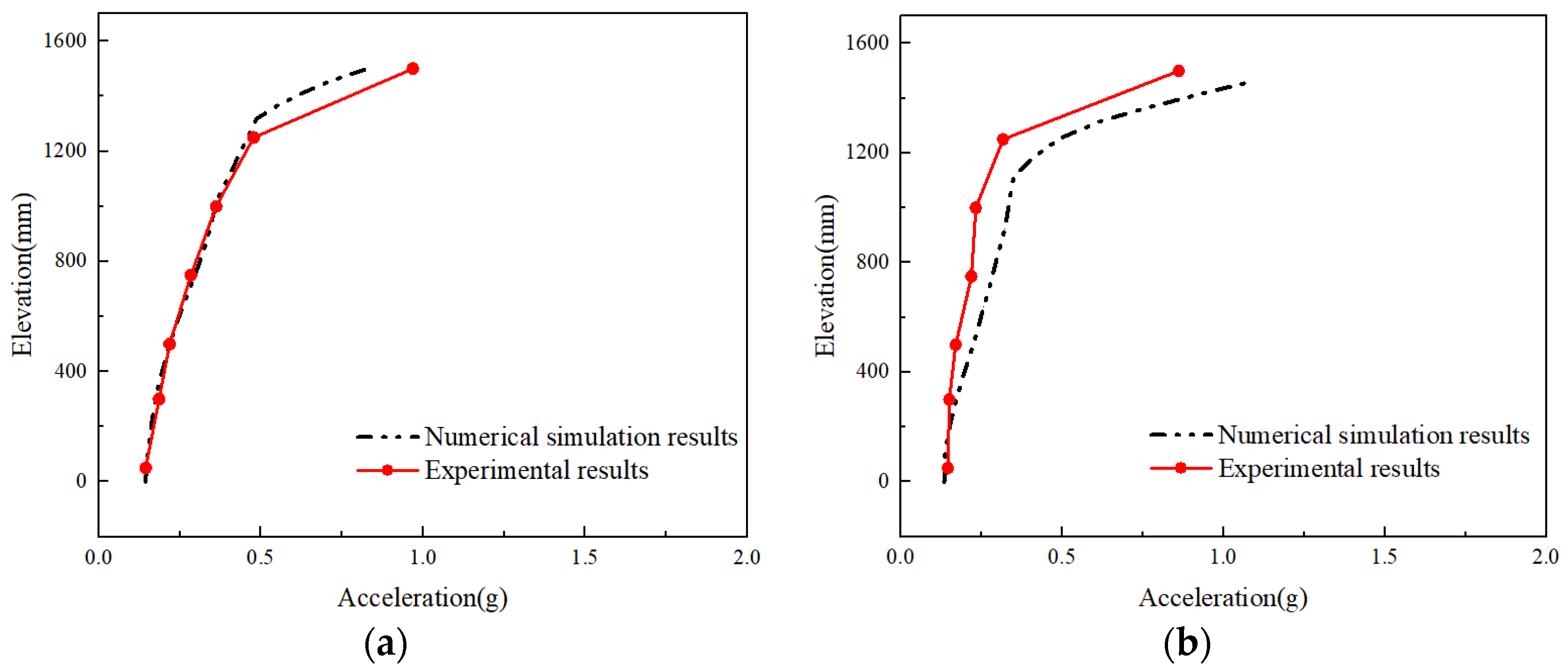
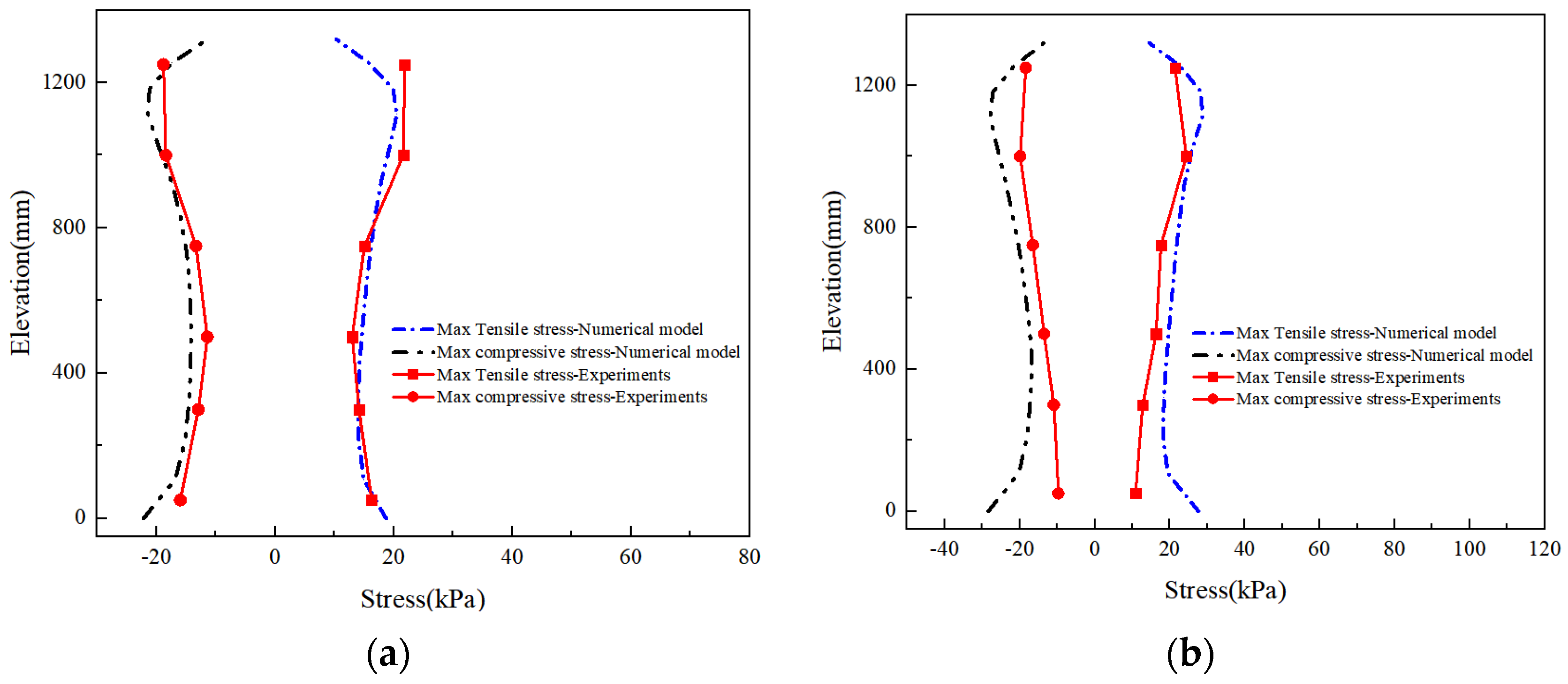
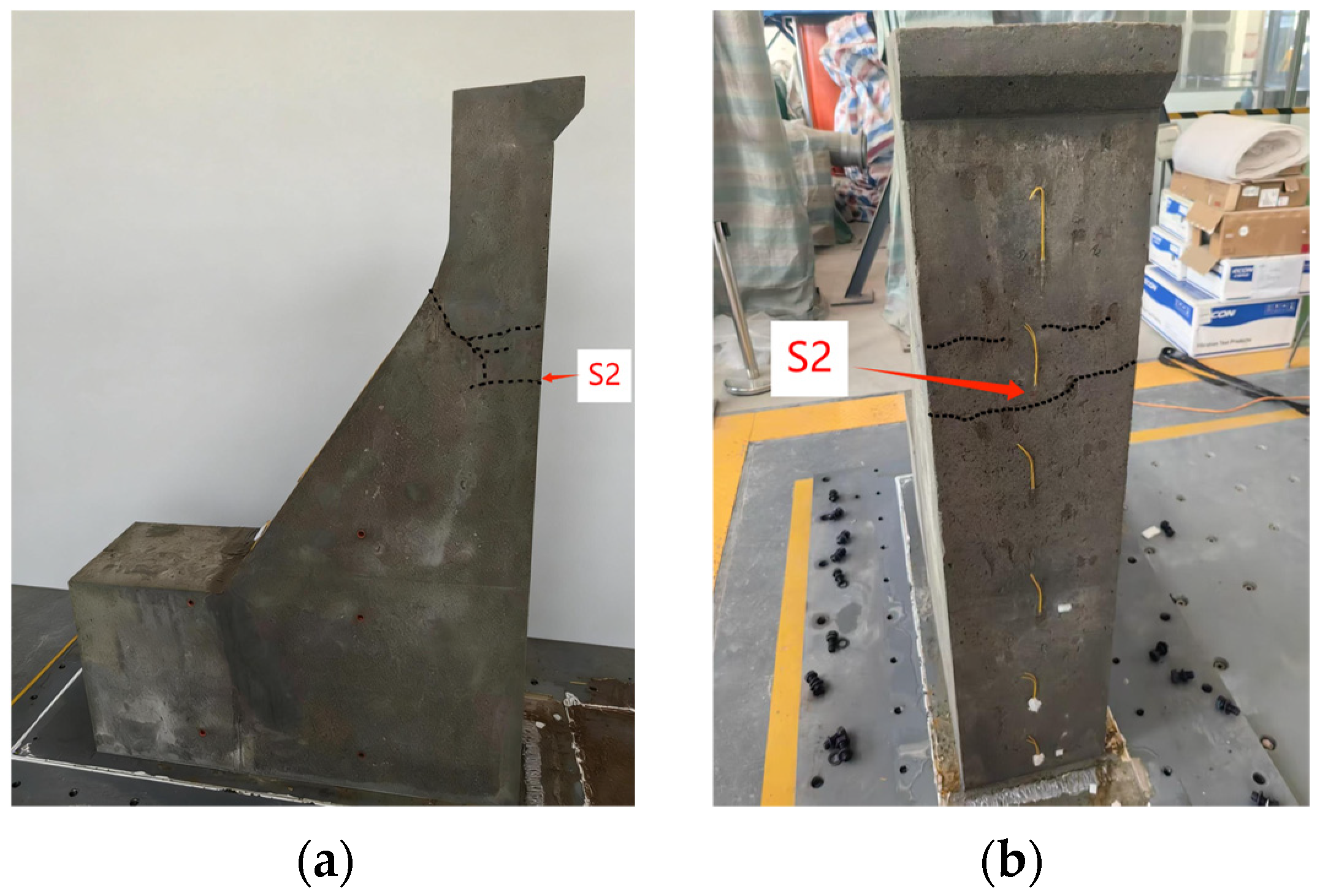
Section 4 analyzes the dam’s dynamic response and damage evolution, comparing the results with numerical simulations for validation;
Section 5 summarizes the research findings and main conclusions.
2. Model Similarity Relations and Model Material Testing
For a gravity dam with a height of 105 m, crest width of 15 m, and downstream slope ratio of 1:1.4, model tests were conducted on a shaking table with a surface area of 3.1 m × 3.1 m, maximum load capacity of 20 t, and working frequency range of 0.1–100 Hz. The tests aimed to study the dynamic characteristics and dynamic response of the dam. Model tests must satisfy similarity ratio requirements, with similarity relations between the model and prototype primarily controlled by geometric scale, mass density scale, and elastic modulus scale.
Considering limitations in the shaking table surface size and the need to simulate reservoir water, the geometric scale of the model relative to the prototype was determined. Since natural water is used to simulate the reservoir, the material mass density scale should be maintained as closely as possible. To ensure an experimental acceleration scale , the elastic modulus scale should be selected to closely match the geometric scale. Additionally, a lower elastic modulus of the model material ensures that the primary low-frequency modes of the model dam fall within the working frequency range of the shaking table.
To meet similarity ratio requirements, a novel microparticle mortar simulated concrete was developed as the model material. Material testing was conducted to evaluate its strength, elastic modulus, and mass density.
2.1. Novel Microparticle Mortar Simulated Concrete
The model material is a key factor for effective dam shaking table tests. The material used in this study is a newly developed microparticle mortar simulated concrete, which must meet model similarity requirements—including mechanical properties such as strength, mass density, stress-strain curve, and Poisson’s ratio. Additionally, the material should be easy to process, mold, and form, while being environmentally friendly.
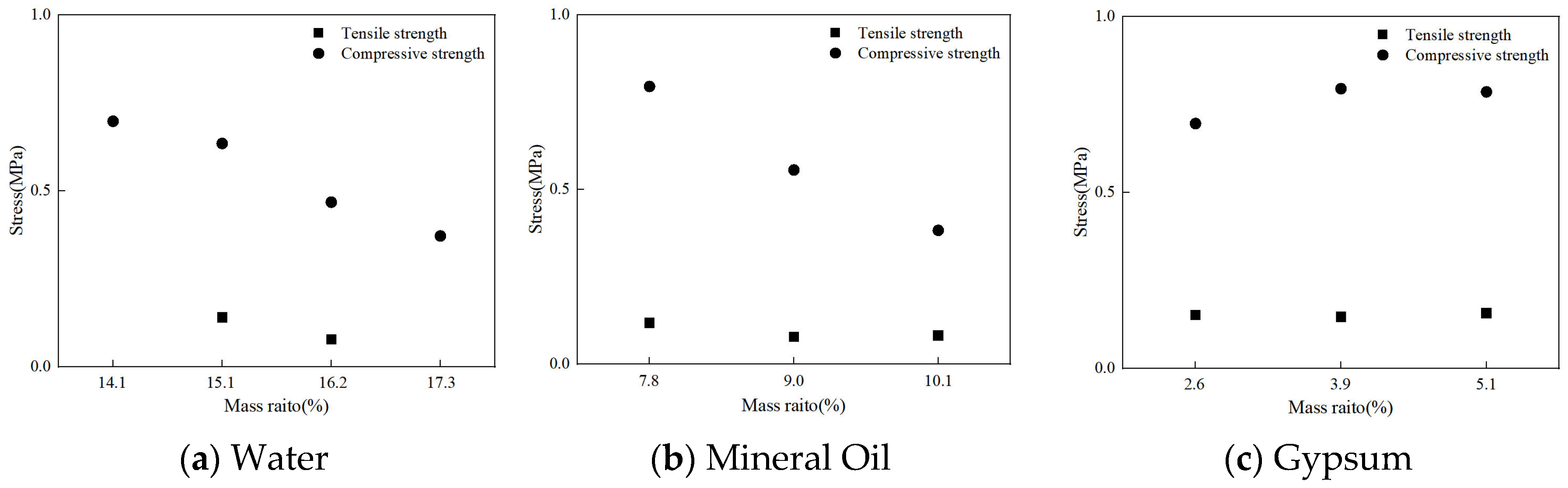
The novel microparticle mortar simulated concrete mainly consists of cement, sand, gypsum, mineral oil, water, and baryte sand. Through extensive material mix proportion experiments, the effects of each component on the physical properties of the simulated concrete were thoroughly studied. As shown in
Figure 2a, increasing the water content in the mix results in a decrease in both the tensile and compressive strength of the material. The primary role of water in the mix is to react with the cement, forming a gel that binds the aggregates together. However, excess water makes the material more difficult to shape, extends the curing period, and leaves more residual water after hydration. As this residual water evaporates, more pores are created, which directly reduces the material’s strength. In
Figure 2b, increasing the proportion of mineral oil (while keeping other mix components unchanged) significantly reduces the compressive strength of the material. Mineral oil prevents cement hydration by coating cement particles, thereby reducing material bonding strength and achieving low-strength simulation. As shown in
Figure 2c, increasing the gypsum content in the mix does not significantly increase material strength. The addition of gypsum improves material brittleness, simulating the tensile strength of dam full-graded concrete (which is much lower than its compressive strength), leading to brittle cracking and failure under strong seismic loading. Generally, increasing gypsum content has little effect on both tensile and compressive strength of the material. Considering that the addition of gypsum and mineral oil reduces the mass density of the material, part of the sand was replaced with baryte sand (specific gravity = 4000 kg/m
3) to increase the mass of the aggregate while maintaining its volume, thereby improving the overall mass density of the material.
In line with the mechanical performance requirements for the dam model material, a large number of mix designs were tested to cast the simulated concrete and evaluate its mechanical properties. The final mix ratio for the novel microparticle mortar simulated concrete was determined to be 1:2:0.4:0.64:0.48:3.3 for cement, sand, gypsum, mineral oil, water, and baryte sand, respectively. The resulting simulated concrete material had a dynamic elastic modulus of 440 MPa and a mass density of 2230 kg/m3. For prototype dam concrete, the dynamic elastic modulus was 33 GPa, mass density was 2400 kg/m3, and Poisson’s ratio was 0.167. Based on these values, the geometric scale for the dam model test was determined as = 1:70, density scale = 1.08, elastic modulus scale = 1:75, frequency scale = 0.12, and acceleration scale = 0.99. Below are the test results for the compressive strength, tensile strength, and dynamic elastic moduli of specimens, which were cast simultaneously with the dam model.
2.2. Model Material Testing
2.2.1. Compressive Strength of Model Material
Compressive specimens of the model material were cubic blocks with a side length of 70.7 mm. After casting, the specimens were demolded after 7 days and cured for 7, 14, and 21 days, respectively, before conducting axial compressive strength tests.
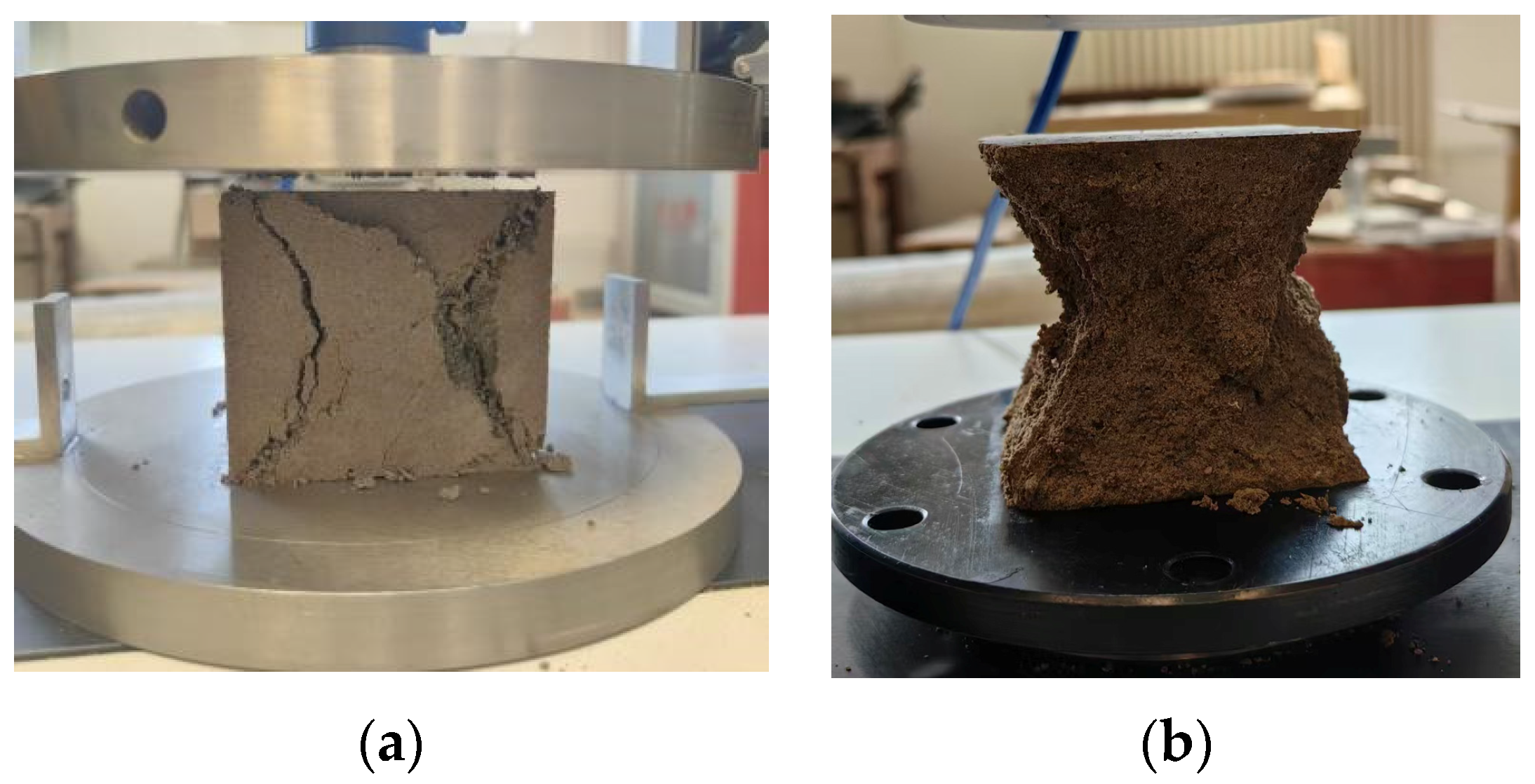
Under axial compression, the cubic specimens experienced maximum stress on the surface at a 45° angle to the axial direction. The failure surface exhibited a typical “X”-shaped pattern, as shown in
Figure 3.
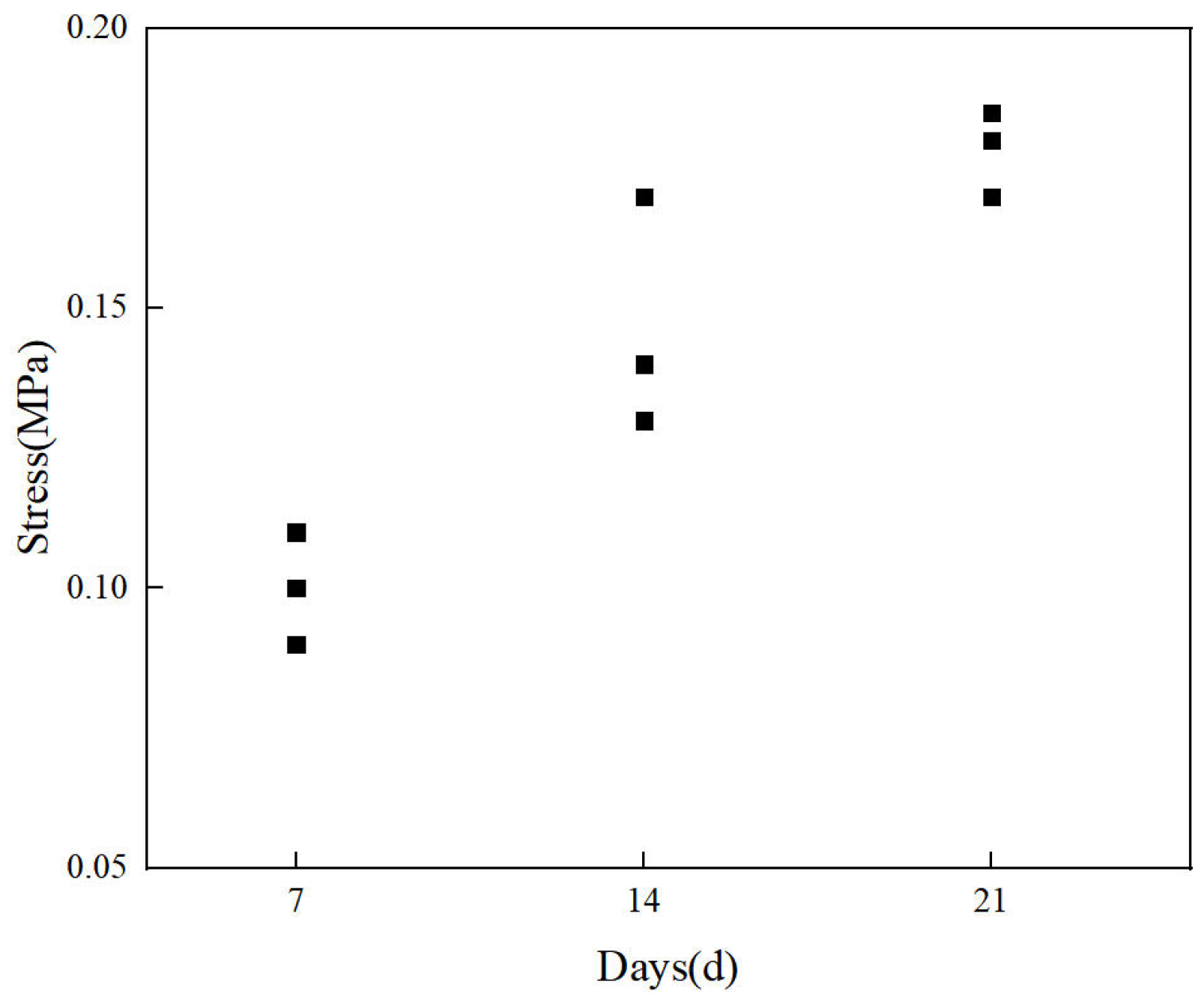
Through multiple sets of cubic compressive tests, the variation in the compressive strength of the simulated concrete with age was determined, as shown in
Figure 4. The average compressive strengths of the simulated concrete at 7, 14, and 21 days were 0.10 MPa, 0.15 MPa, and 0.18 MPa, respectively. Statistical analysis of the data showed that the coefficients of variation for the strengths at these ages were 10.00%, 14.19%, and 4.28%, respectively, all controlled within 20%. This indicates that the specimens made in this experiment have good uniformity, and the test data are reliable. Given the significant impact of age on concrete strength, it is crucial to strictly control the curing time and testing window for the simulated concrete prior to the shaking table test. Additionally,
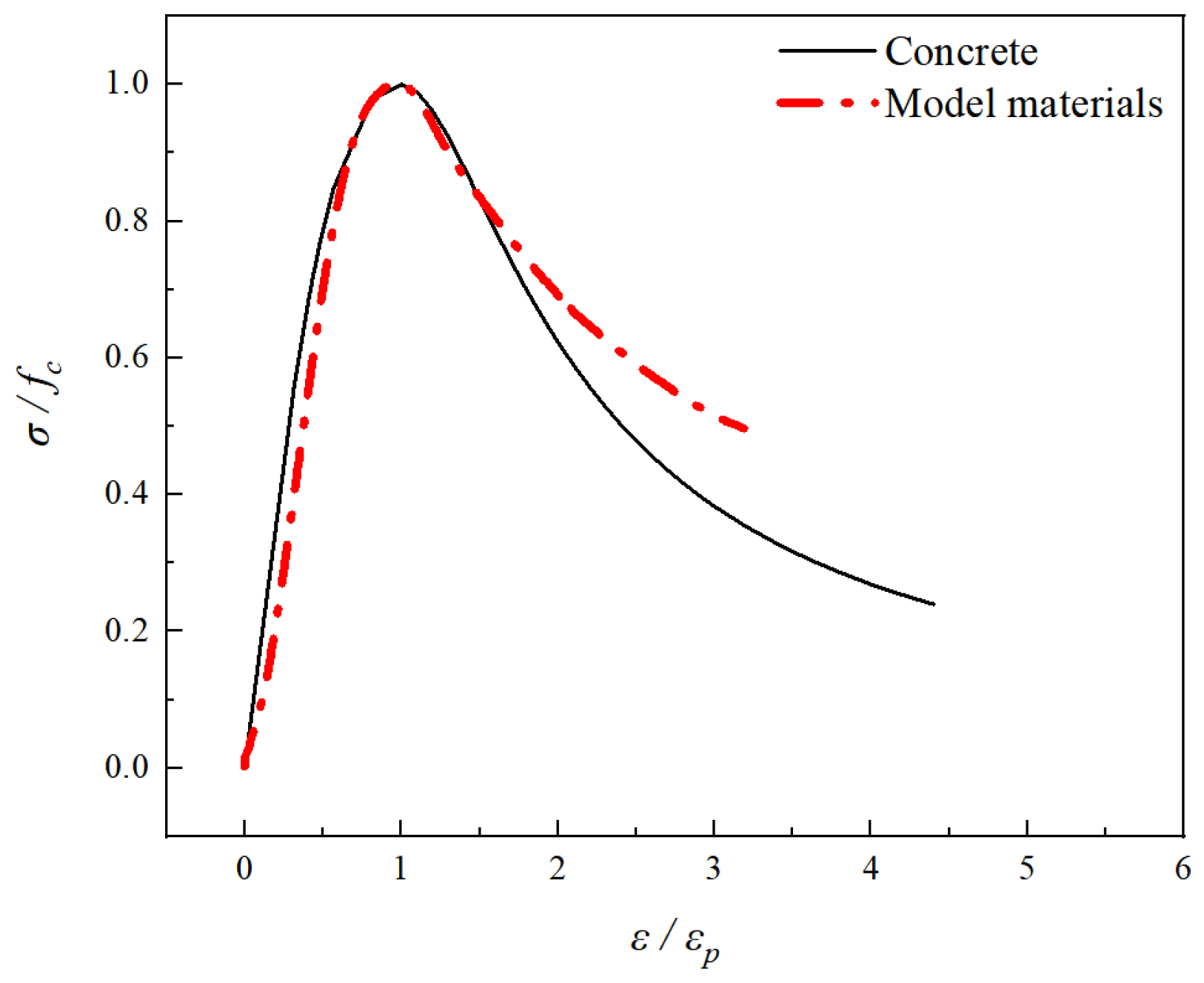
Figure 5 shows the normalized compressive stress-strain curve of the simulated concrete, which closely matches the stress-strain curve of conventional concrete [
32,
33], confirming the similarity in the material’s constitutive relationship.
2.2.2. Tensile Strength of Model Material
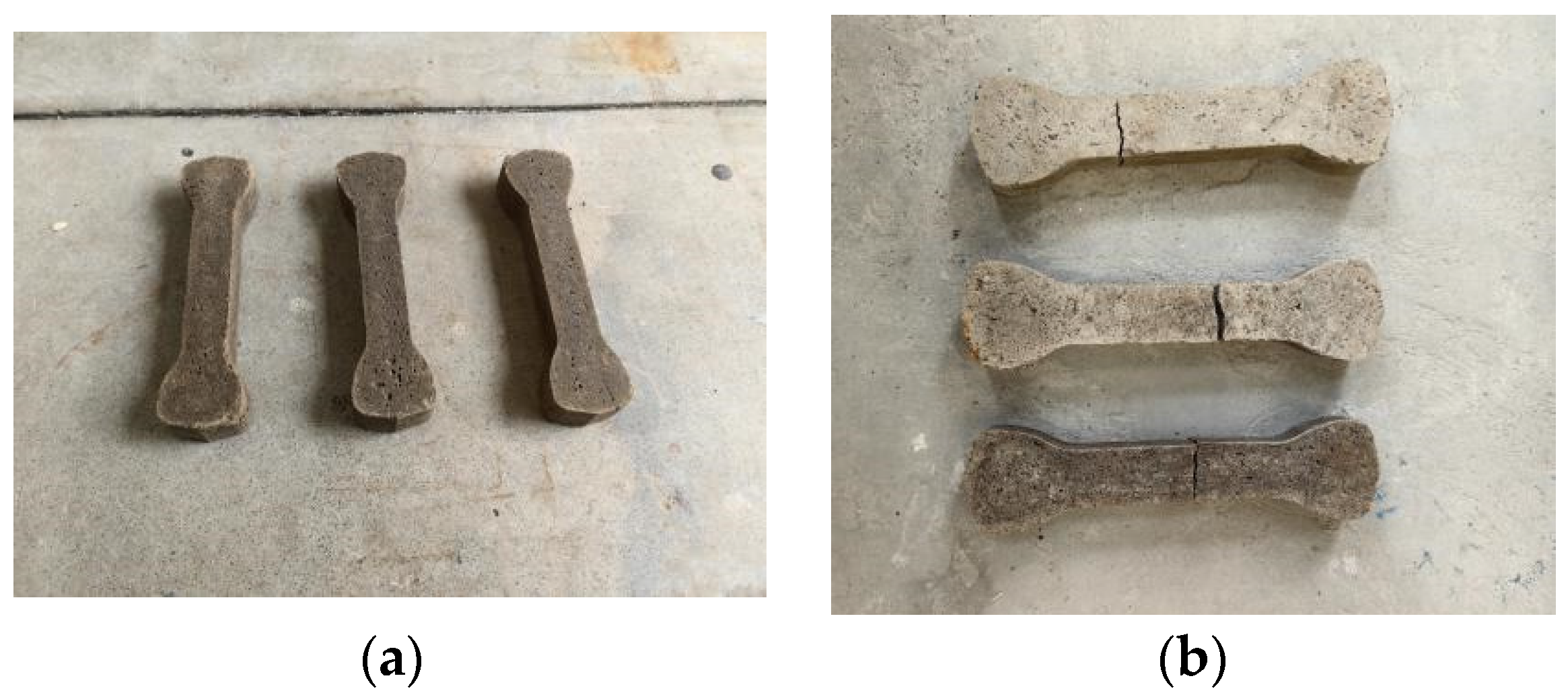
Axial tensile specimens were cast using the model material and subjected to axial tensile testing, as shown in
Figure 6a. Tensile specimen failure primarily occurred at the central section (smaller cross-sectional area), which was the tensile weak zone. The fracture surface was relatively smooth, as shown in
Figure 6b.
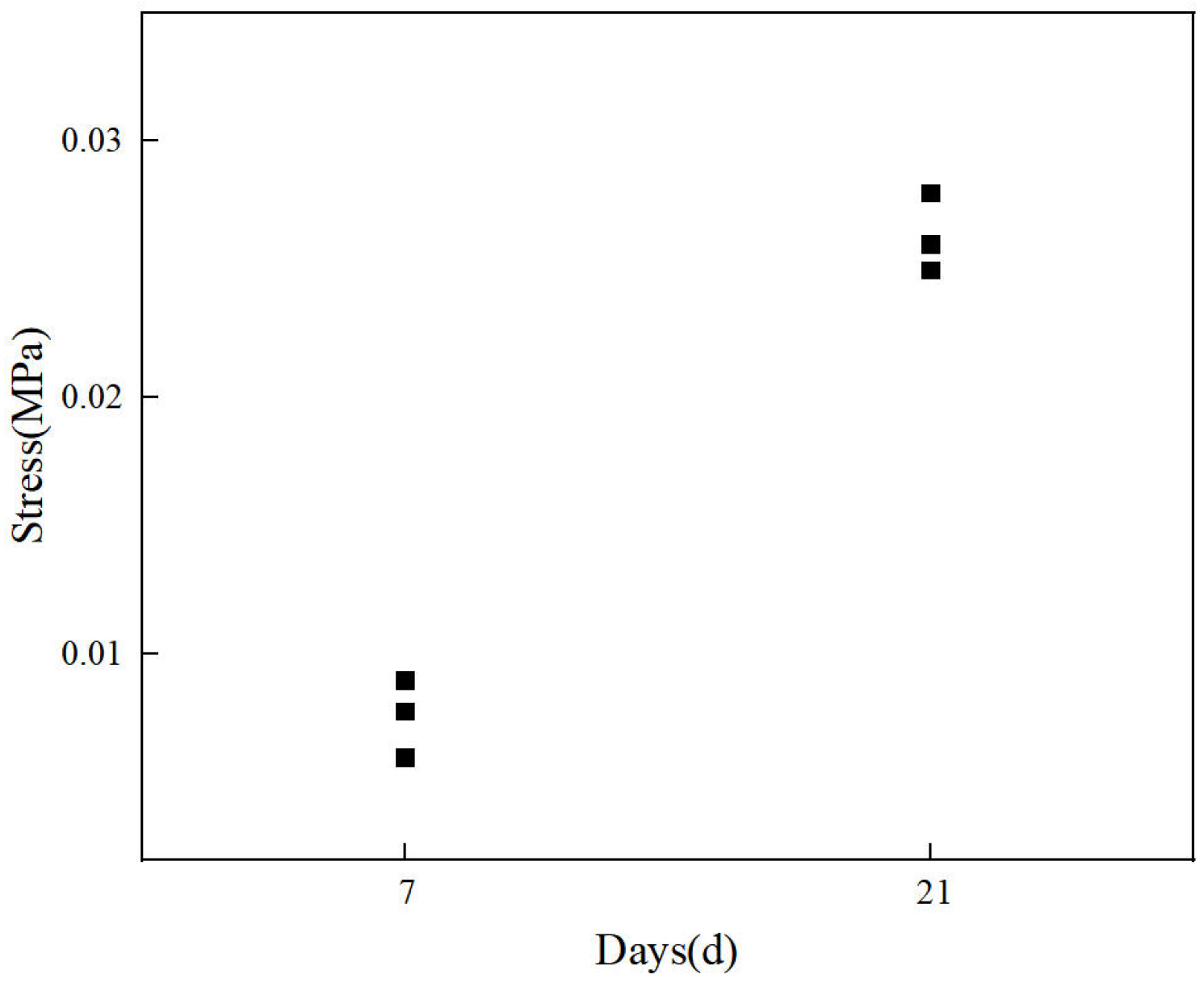
Based on multiple sets of axial tensile tests, the measured data for the axial tensile strength of the simulated concrete were obtained (
Figure 7). The results show that the average axial tensile strength of the simulated concrete at 7 days and 21 days were 0.007 MPa and 0.027 MPa, respectively. Further analysis of the data’s dispersion revealed that the coefficients of variation for the two sets of data were 19.87% and 5.80%, both of which are within the acceptable range of 20%. This fully demonstrates the good homogeneity of the specimens and the reliability of the experimental data.
2.2.3. Dynamic Elastic Modulus of Model Material
The dynamic elastic modulus of the model material is generally determined using the cantilever beam method. Based on the differential equation of free vibration for cantilever beams, the first-order natural frequency is expressed as:
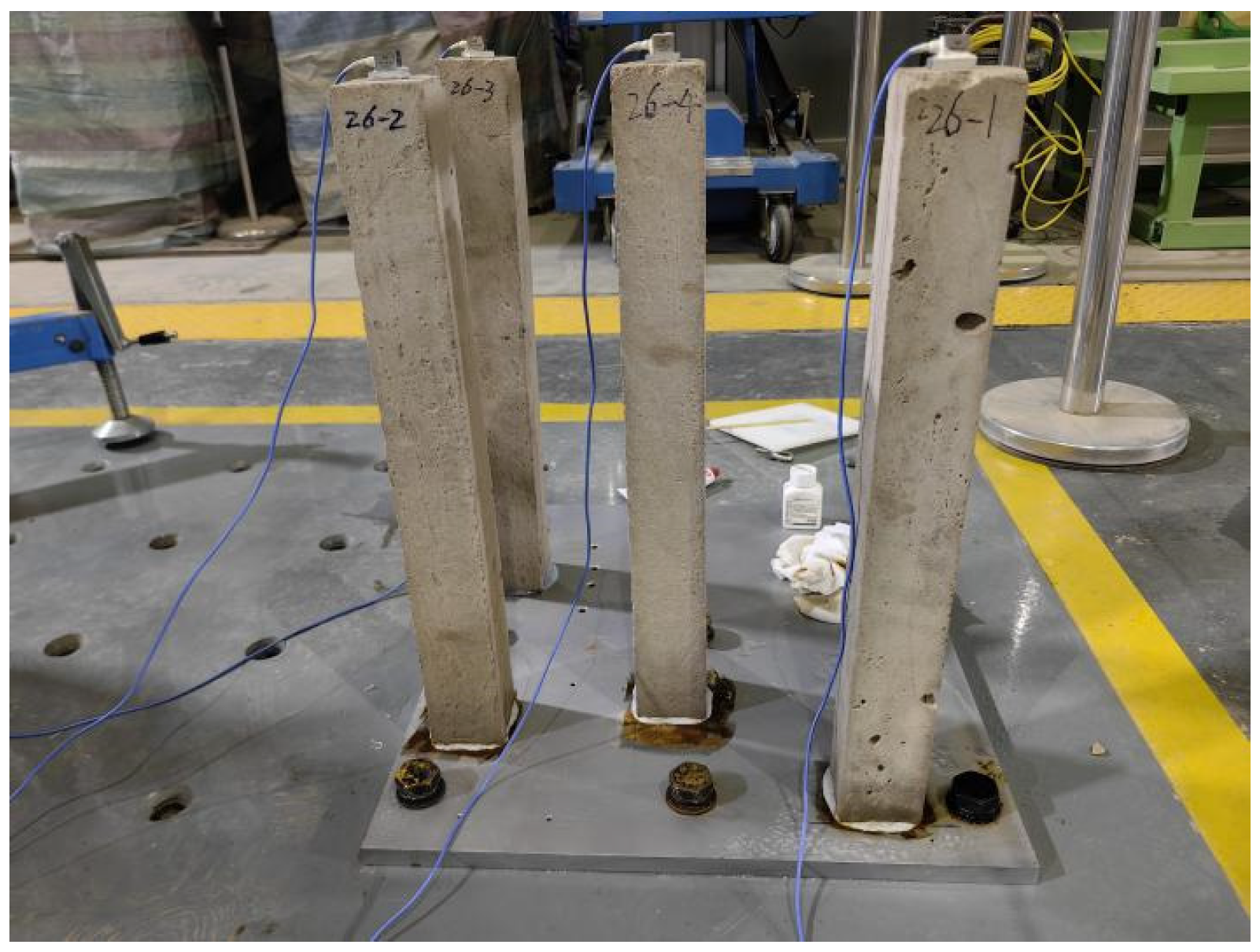
To test the dynamic elastic modulus of the simulated concrete material, several cantilever beam specimens were cast with cross-sectional dimensions of 70.7 mm × 70.7 mm and a height of 600 mm. As shown in
Figure 8, a steel base plate was fixed to the ground, and the cantilever beam specimens were bonded to the surface of the steel plate. After the adhesive had fully cured, a small triaxial accelerometer was fixed at the top of the specimen. The top of the specimen was struck on its orthogonal side with a rubber hammer. The first-order natural frequency was obtained by analyzing the acceleration response, and the dynamic elastic modulus was calculated using Equation (1).
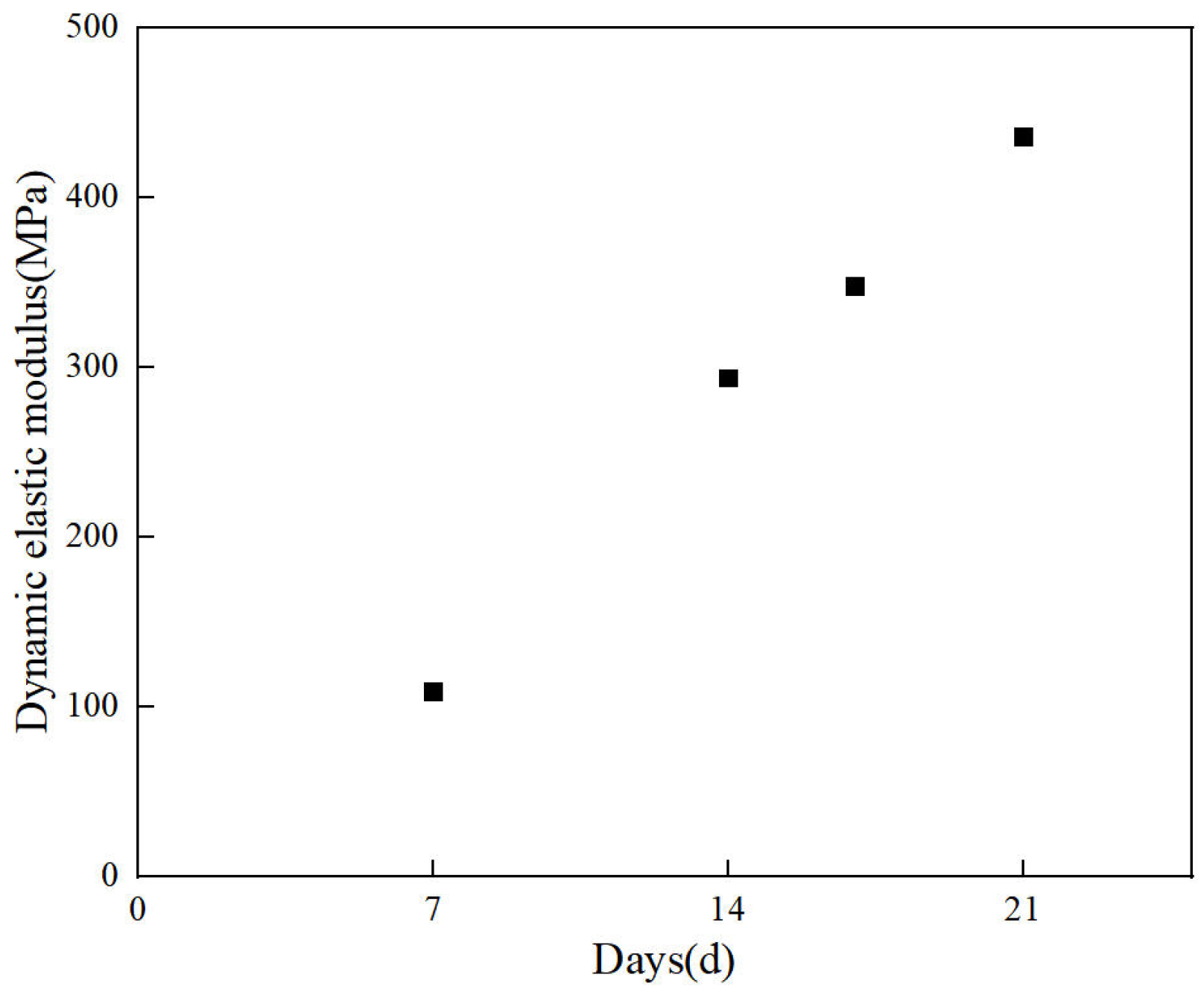
The variation in the dynamic elastic modulus of the simulated concrete with age is shown in
Figure 9. The dynamic elastic modulus of the simulated concrete at 7 days, 14 days, 17 days, and 21 days was 109 MPa, 294 MPa, 348 MPa, and 440 MPa, respectively. Concrete age has a significant effect on the dynamic elastic modulus; therefore, attention should be given to the curing and age of the simulated concrete before conducting shaking table tests.
3. Dynamic Model Test Design
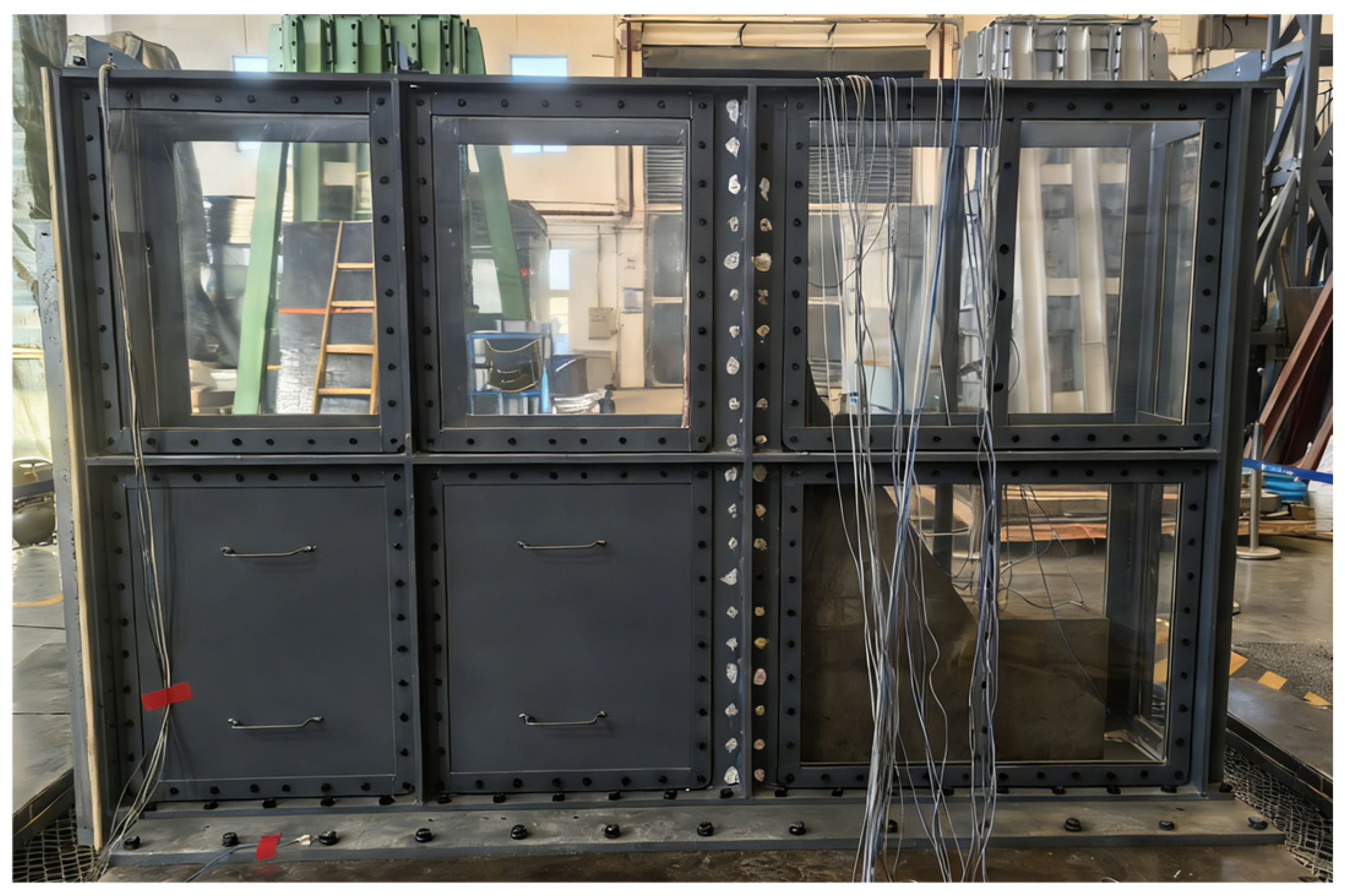
In this experiment, a dam model was cast using specially designed molds. The thickness of the dam body was 0.34 m, and steel reinforcement was welded onto the model’s steel base plate to enhance the connection between the dam body and the base plate, ensuring effective transmission of shaking table excitation to the dam body. A water tank of appropriate size was designed to simulate the dynamic effect of reservoir water on the dam, as shown in
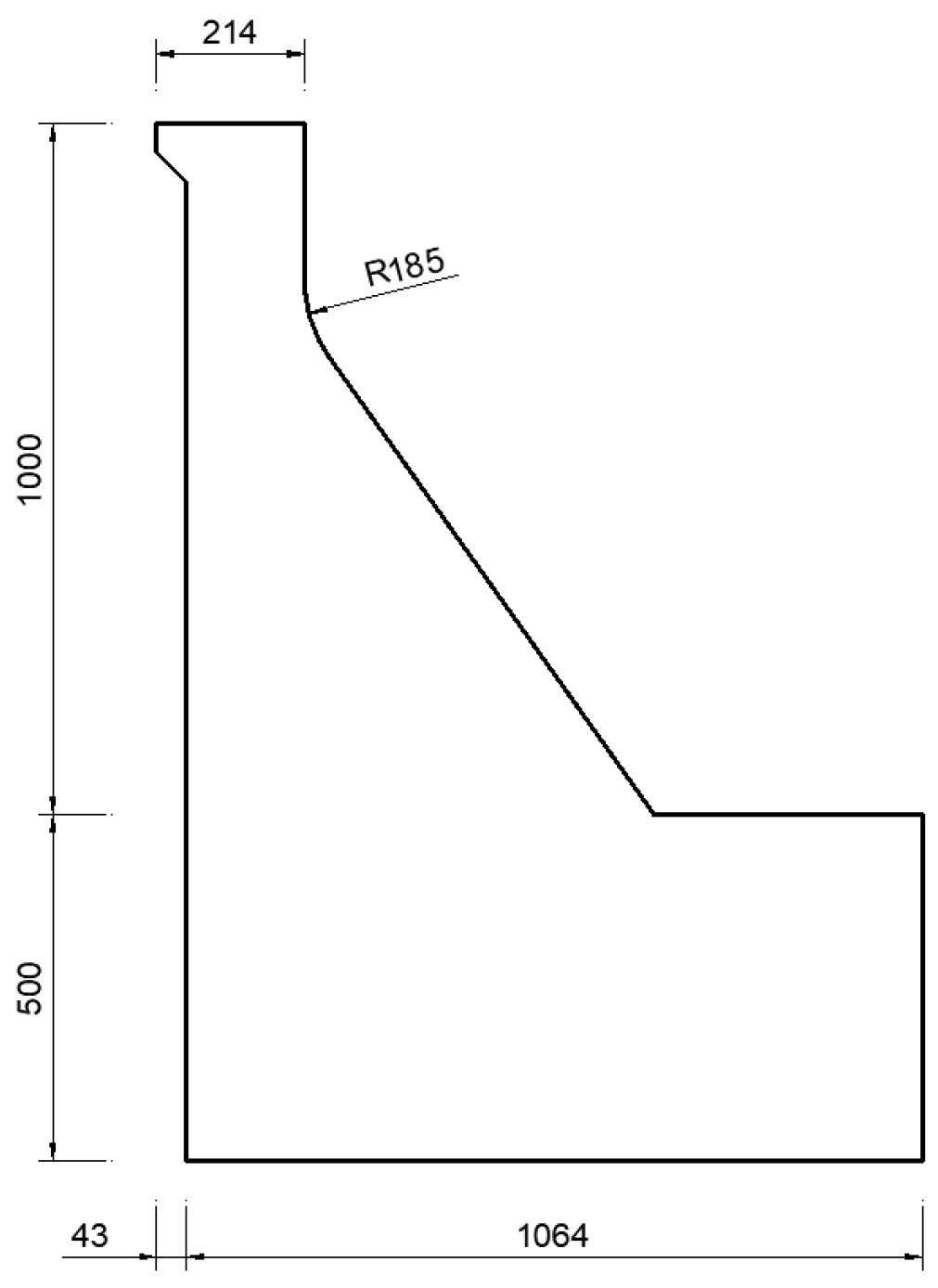
Figure 10. The detailed geometric dimensions of the model dam are shown in
Figure 11.
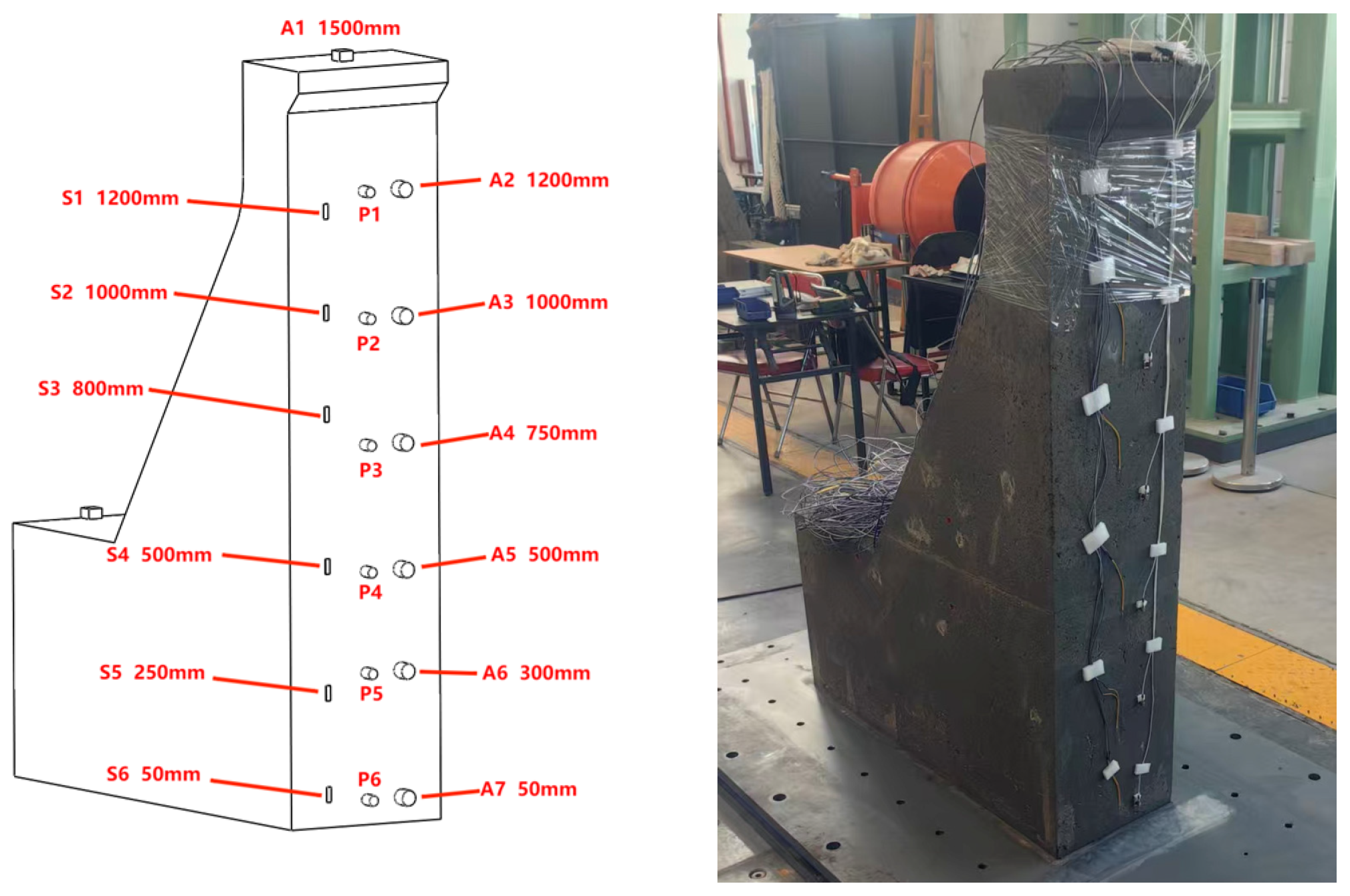
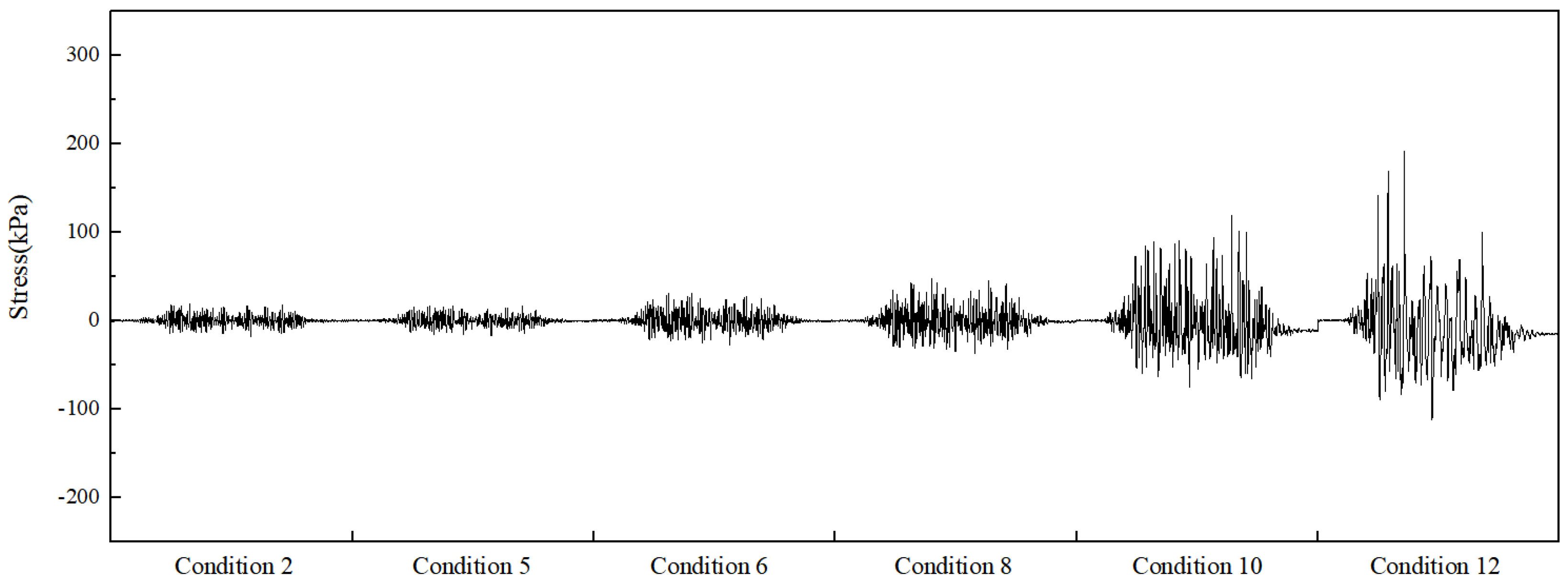
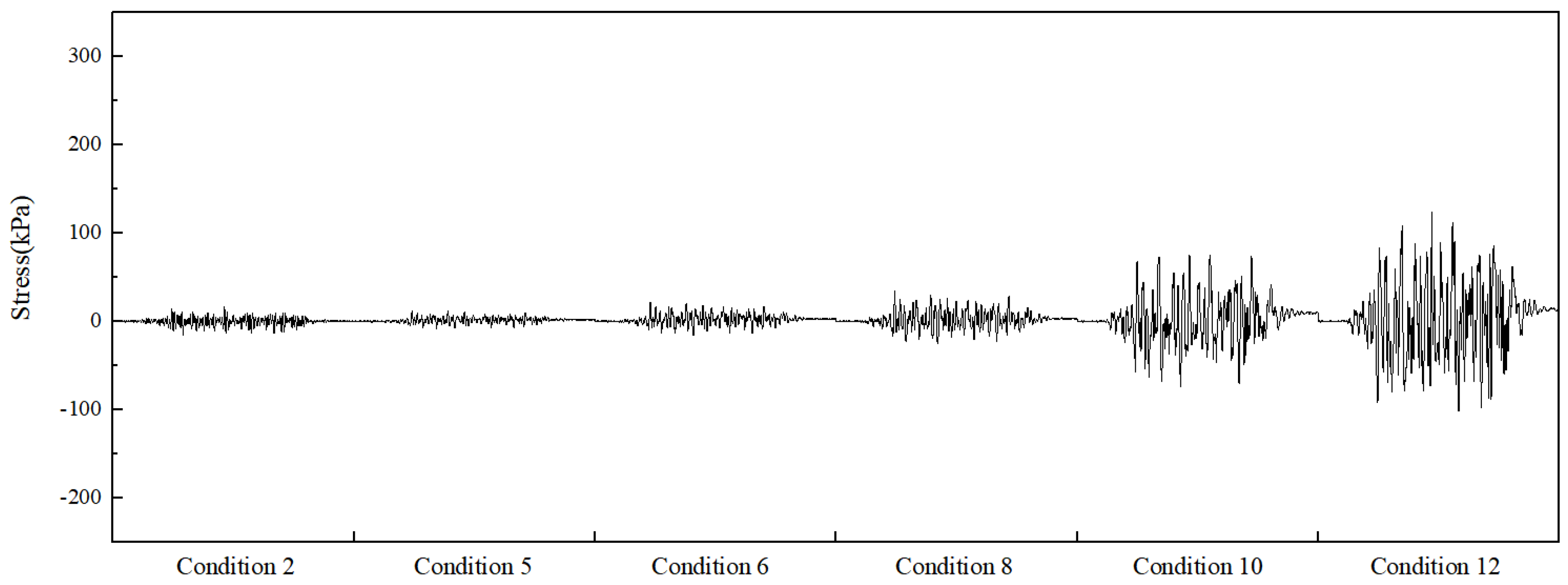
To observe the dynamic response behavior of the gravity dam model from cracking to instability, accelerometers (Hebei MT Microsystems Co., Ltd., Shijiazhuang, Hebei, China), strain gauges (Chengdu Electrical Measurement and Sensing Technology Co., Ltd., Chengdu, Sichuan, China), and hydrodynamic pressure sensors (Shaanxi Dechen Electronic Technology Co., Ltd., Xi’an, Shaanxi, China) were evenly distributed on the dam body.
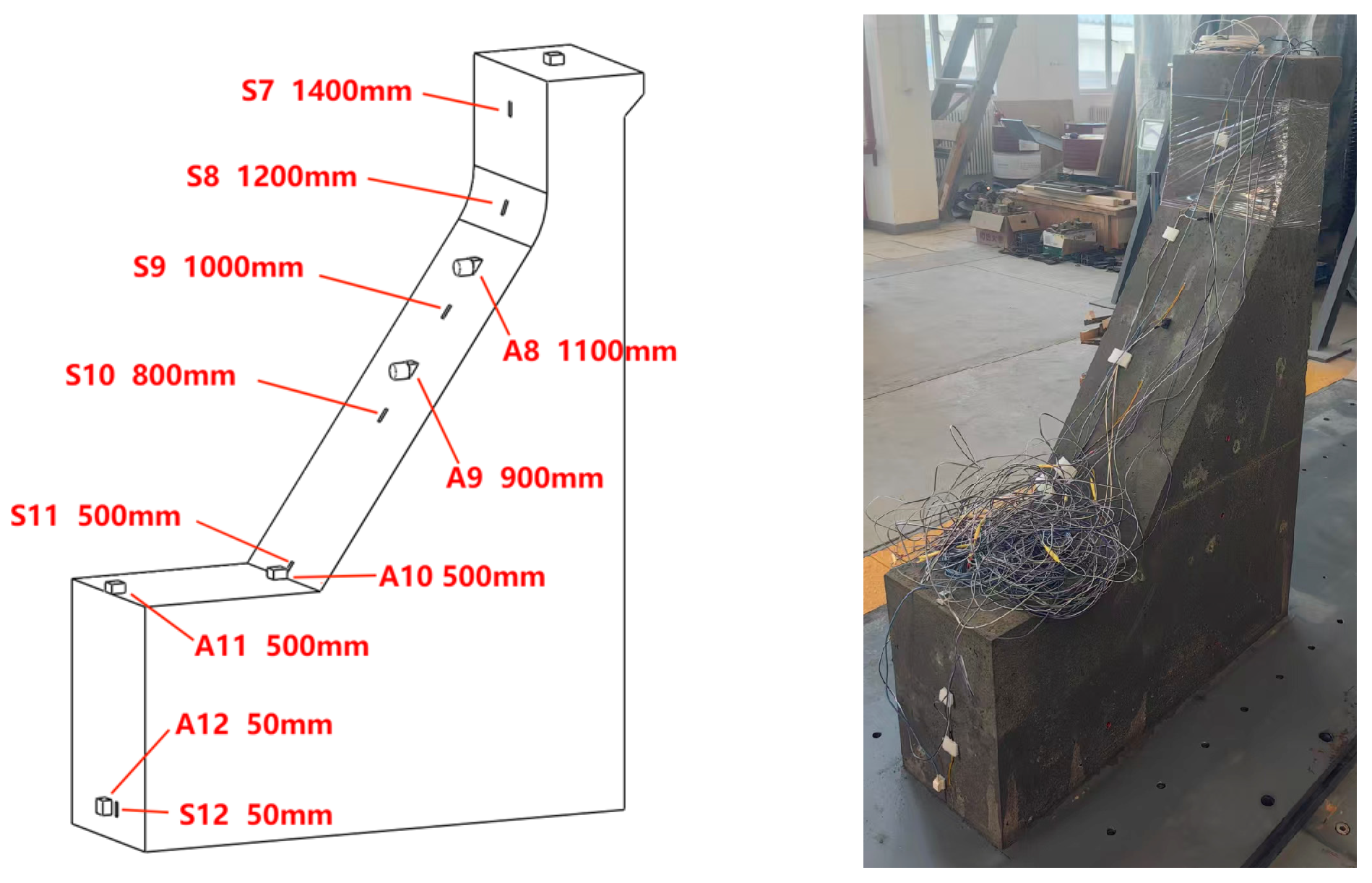
Figure 12 shows the layout of accelerometers, strain gauges, and hydrodynamic pressure sensors on the upstream face of the dam, while
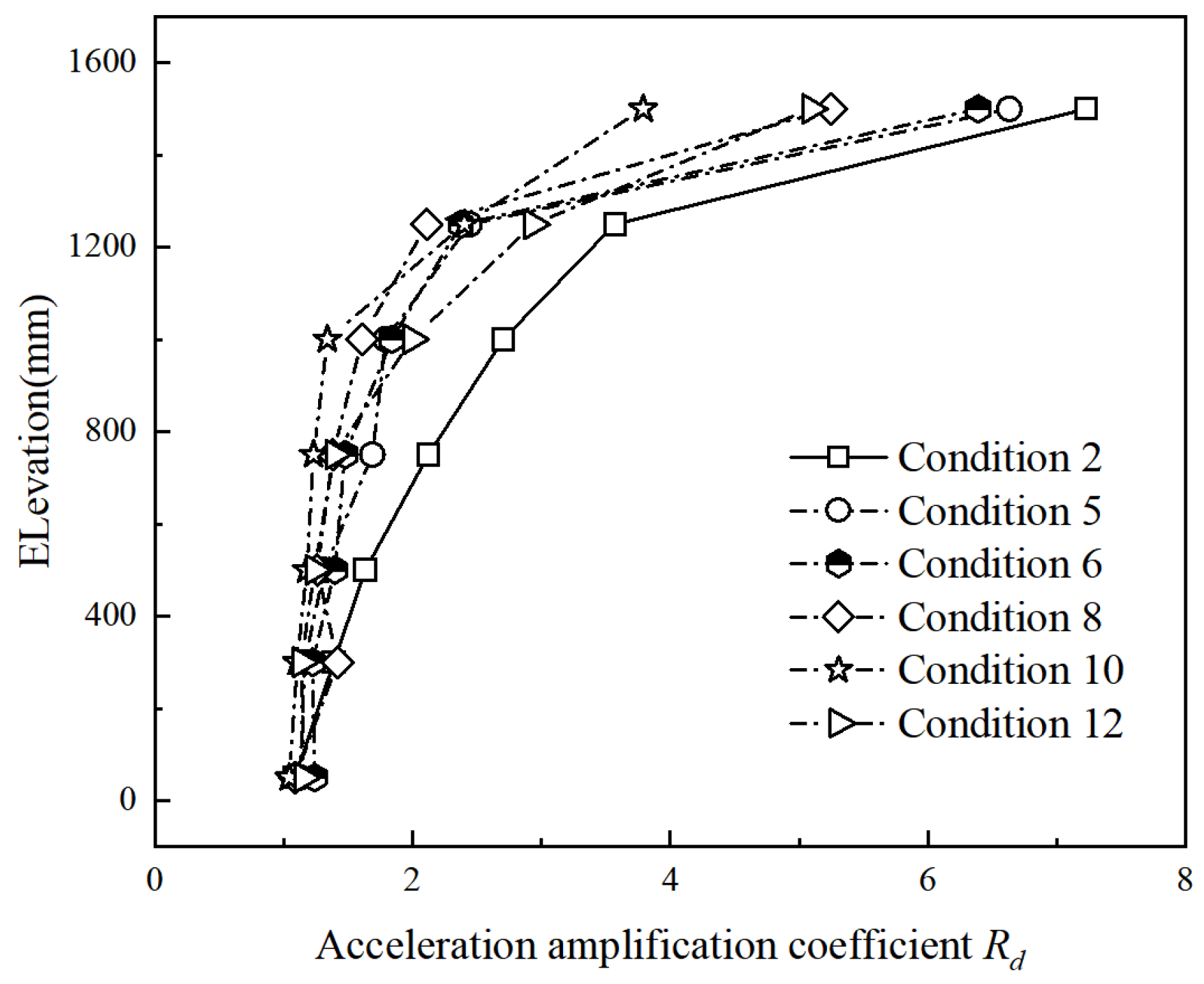
Figure 13 shows the layout of accelerometers and strain gauges on the downstream face. In the figures, “A” denotes accelerometer locations, “S” denotes strain gauge locations, and “P” denotes hydrodynamic pressure sensor locations. The elevation of each measurement point is also indicated. To analyze the relationship between the dam’s acceleration response and hydrodynamic pressure, accelerometers and hydrodynamic pressure sensors on the upstream face were arranged at the same elevation. Additionally, an accelerometer was placed on the steel base plate to monitor the input seismic motion during the test.
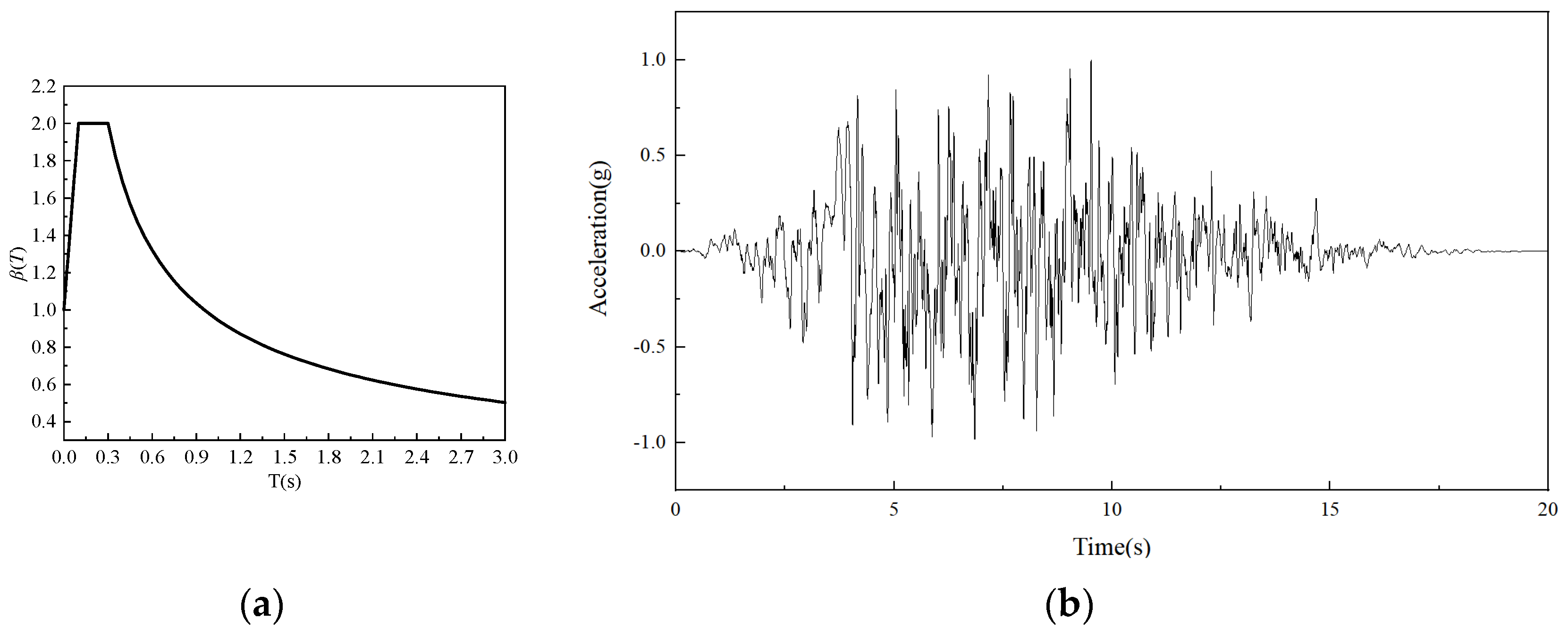
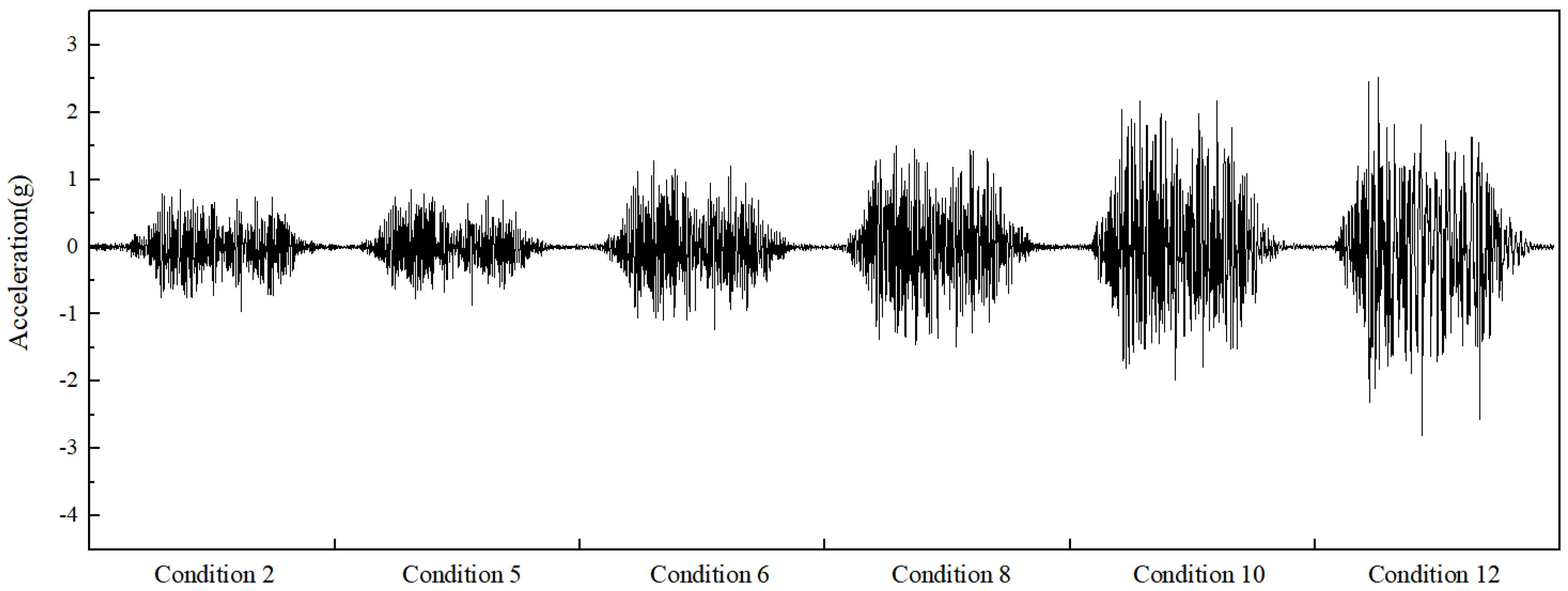
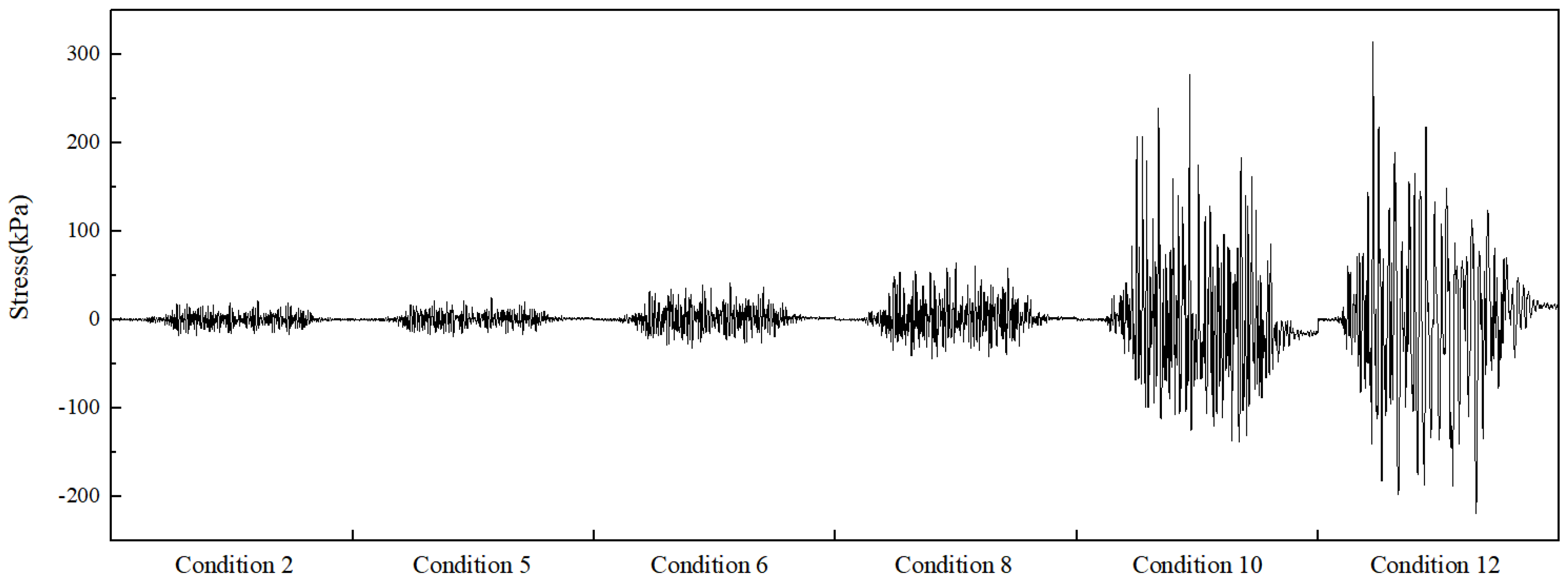
The peak ground acceleration (PGA) of the prototype gravity dam’s design seismic motion is 0.15 g. Based on the engineering design seismic response spectrum, artificial seismic waves were generated as seismic input in the river direction, as shown in
Figure 14. During the experiment, the artificial seismic waves in
Figure 14 were compressed according to the frequency scale and amplified according to the excitation acceleration.
The experimental conditions are listed in
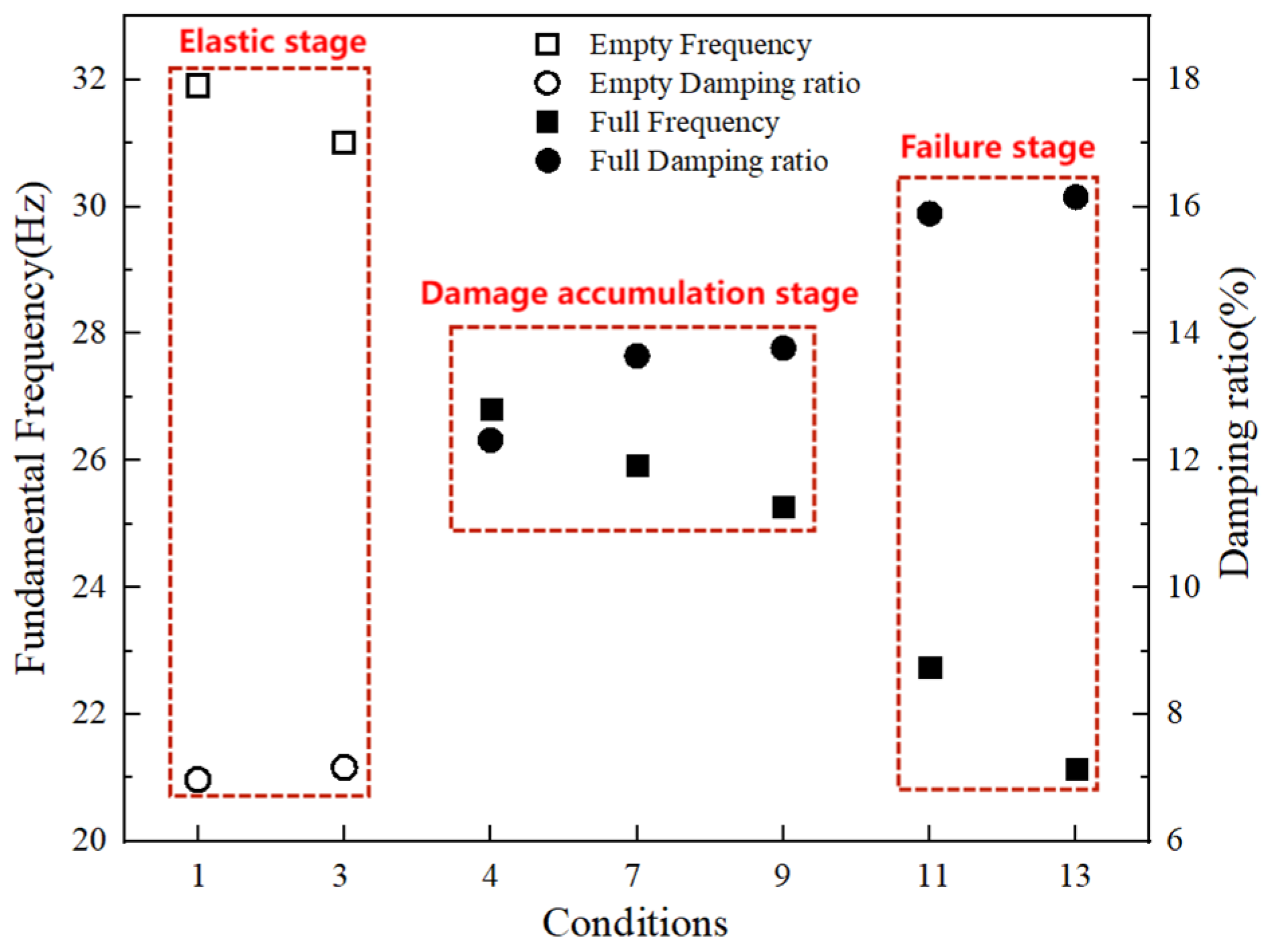
Table 1, which include tests during the elastic stage, damage accumulation stage, and failure stage. First, artificial seismic waves corresponding to the design seismic level (peak ground acceleration of 0.15 g) were input under both empty and full reservoir conditions. Subsequently, under normal water level conditions, an overload excitation test was conducted. In this phase, only the amplitude of the seismic motion was adjusted while keeping the time history waveform unchanged. In each experimental stage, white noise sweeping was performed to identify structural stiffness degradation (i.e., damage level), which is a key method for analyzing the dam’s failure process.