


Abstract
This study treats initial building modal planning as the organizing unit for tropical neighborhood design and unifies three pedestrian-scale objectives: perimeter daylight at 1.5 m (S), grey-space wind (W), and ground-plane visibility (V)—within a typology-aware, two-void layout grammars for Haikou. Using α-referenced deviations (|ΔMean| + 0.25|ΔIQR| per metric) and multi-objective simulated annealing over 16 morphotypes plus two VOIDs, we obtained a Pareto archive of 4000 layouts. A thick knee emerges: mid-field paired voids with bar–court compositions consistently suppress W and V deviations while keeping S close to α; the central spine and cross-breath prototypes dominate among the top solutions, and the 80-layout atlas enables direct selection. The configuration and α baselines were fixed for full reproducibility, supporting policy-grade traceability. All evaluations were performed at the human interface with metric-specific aggregation (S over 14 non-VOID blocks; w/v over all 16), coupling building morphotypes, pedestrian-layer analytics, and archive-aware Multi-Objective Simulated Annealing (MOSA). Collectively, these results provide evidence-backed rules—site two voids near the middle, composed of tempered courts and bars, and provide strong support for near-term tropical planning codes and schematic design decisions.
1. Introduction
Tropical coastal cities do not merely add buildings to empty land; they choreograph massing, porosity, and voids in a climate instrument. In hot–humid belts, the same geometric moves that open a street to winter sun can also steer sea-breeze ventilation and clean up ground-level sightlines that shape use, safety, and wayfinding. When those moves are encoded as morphotypes—bars and rings, courts, and dispersed towers—the choices become tractable and communicable in planning language, rather than a blur of one-off form. The contemporary literature has converged on this point from different angles: daylight in canyons and courts is governed first by form and adjacency, not by material tinkering; corridor-scale ventilation responds to porosity continuity, not isolated “wind gadgets”; and perceived openness at eye level is better captured by 3D visibility than by areal green ratios [1,2].
Daylight research has moved decisively out of the facade box. Urban-scale studies of the canyon aspect, court depth, and ring permeability show daylight autonomy and seasonal energy shifts large enough to matter at the block book scale [3]. Inside the courts, small changes in mouth width and enclosure reallocate light to the ground and lower floors with effects that cannot be matched by incremental glazing tweaks, especially where self-shading dominates [1]. The implications for early planning are as follows: where and how mass is placed around a parcel’s edge constrains daylight more than any later-stage envelope detailing.
The wind at pedestrian height is equally morphological. In the last five years, ventilation corridors have been mapped empirically and through simulations as bands of low aerodynamic resistance that cut across otherwise porous-poor grids. These corridors lower air temperatures, drain pollutants, and stabilize comfort fields when they are aligned with prevailing winds and remain clear through planning [4,5]. Reviews of the Frontal Area Index (FAI) and related indicators clarify the mechanism: the orientation and amount of frontal area in the windward direction are the dependable predictors of through-ventilation at the neighborhood scale [6]. This was not a call for formless openness. It is a call to place voids and light masses in the right cells so that wind paths are continuous from block to block while street edges still do their urban job.
The third strand is visibility, which deserves to sit with the sun and wind, because people occupy what they can see. Street-level visibility is now computed as 3D viewsheds and embodied isovists that consider occluders at eye level—buildings, walls, and planting structures—rather than only planimetric open space [7,8]. A recent study that fused lidar with visibility engines showed that meter-scale differences in massing and voiding can flip an area from “closed” to visually legible, with practical ties to perceived safety and route choice [9,10]. Because visibility and ventilation both benefit from continuous openings, while daylight penalizes certain openings depending on orientation, the three signals are coupled through the very same levers that the planner already controls—void siting, bar spacing, and ring relief.
These levers have entered practice as typologies. Planners and design codes already speak of morphotypes: a bar to hold an edge, a ring for a court, a C-court to open a frontage, a diagonal bar to mark a path, and dispersed towers to relax density. The literature supports treating these as first-class decision variables in simulations and optimization, not as illustrative “examples”. Parametric block-form frameworks show that early-stage mass grammars can be mapped to daylight and microclimate metrics without relying on exhaustive free-form searches [11]. For tropical coastal districts, grammar must include explicit void tokens—planned emptiness—not as leftovers after yield calculations but as primary urban elements that co-shape sun, wind, and sight.
The two methodological choices were as follows. First, the evaluation must align with the human interface: daylight at 1.5 m along building perimeters, gray-space wind speed in non-building ground, and ground-plane visibility from dense observers, each aggregated in a way that respects what the indicator actually measures. This is consistent with how canyon daylight departs from roof metrics, how pedestrian wind diverges from building aerodynamics, and how viewsheds react to eye-level occlusion [12,13]. Second, the search should live in a discrete layout space that planners understand: a set of cells, each hosting a morphotype or a VOID, under feasibility rules that match practice (no height gambling, no mirrors, and repetition allowed). Discreteness is not a compromise; rather, it is realism.
Within discrete spaces, simulated annealing (SA) remains highly competitive, particularly in multi-objective form (MOSA). Recent SA variants in top operations and AI journals compare favorably with evolutionary heuristics on rugged layouts—such as landscapes, precisely because temperature-guided acceptance preserves the ability to cross local basins, while a non-dominated archive tracks the best trade-offs [14,15]. Multi-threaded and hybrid SA further lift performance when the objective surface is non-smooth—exactly the case when swapping a ring for a bar or moving a void, two cells can swing wind and visibility discontinuously [15,16]. Unlike large-population schemes that demand heavy bookkeeping, SA’s single-trajectory logic, paired with an external Pareto archive, fits the realities of evaluation—of heavy environmental simulations without sacrificing front diversity [17].
Focusing on gray-space wind rather than building wind is practical. Ground-layer ventilation determines both thermal comfort and dispersion in streets and courts, and it responds to the continuity of voids across parcels far more than to isolated tweets of a building’s upper geometry. Neighborhood-scale CFD with RANS k-ε and wind-tunnel domains is a durable compromise used by many recent studies, while LES is reserved for smaller academic testbeds; current OpenFOAM reviews document this division plainly [12,18]. The implication is not that detailed physics is unimportant, but that block-scale morphotypes and void locations set the ventilatory stage onto which details later play.
Visibility is an analogous discipline. Image-based and lidar-based methods confirm that eye-level openness is measurable and actionable, and that occlusion relief often aligns with ventilation relief when the openings are placed in the spine of a block, through-lot links, widened courts, and paired voids across a mid-field [7,9]. Indices such as the BGVI layer on human-facing content by quantifying how much green the eye actually sees, again requiring the geometric siting of emptiness and light mass as a design act, not a residual [19].
None of these is reduced to a cookbook. The three indicators can tug against one another: a ring that secures daylight on its inner edge may impede through-flow, while an over-open field may wash out enclosure and sight focus. However, across these strands, most studies remain analytically siloed: daylight and wind are commonly optimized in isolation, while visibility is usually evaluated post hoc rather than treated as a co-equal objective. Corridor-focused research in Asian cities has clarified how moderate, well-aligned openings reduce pedestrian-level ventilation resistance, yet such studies rarely evaluate their simultaneous daylight or visibility consequences [4,20]. D Likewise, courtyard and canyon daylight studies demonstrate that perimeter adjustments can recover solar access without sacrificing enclosure, but typically stop short of integrating wind or eye-level openness into the same optimization loop [3]. Recent visibility research confirms that ray-based metrics capture pedestrian legibility more faithfully than plan-based proxies, while also revealing that visibility is seldom formalized alongside wind and daylight within a unified block-scale design framework [10].
Therefore, a typology-aware, tokenized formulation is natural. Take a compact alphabet of 16 morphotypes spanning the mainstream urban repertoire—bar families of different multiplicities and spans, rings, C/L/U-courts with calibrated mouths, hybrids that bridge an edge, dispersed towers that relax density, and a diagonal strip to acknowledge the dominant network lines. Allow two VOIDs to represent planned open land—greens, squares, setbacks, easements—and declare feasibility rules that mirror what planning law and architectural pragmatics already impose: no mirroring, no height roulette, and repetition allowed. Evaluate the three indicators at the human interface with clear aggregation rules: daylight along the built perimeter only, wind, and visibility across all cells including voids. Then, the discrete space is searched using a multi-objective SA that maintains a diverse archive while exploring aggressively. This is not a toy. It is exactly where urban environmental evidence has been pointing: integrating sun, wind, and sight through form, not as afterthoughts glued to an architectural object [1,11].
The argument matters for tropical sites because monsoon and sea-breeze mechanics reward mid-field porosity and controlled perimeter edges. In practice, void siting and morphotype pairing determine whether a plan holds together environmentally before the first facade section is drawn. A design office can reason in this language where the two holes live, which cells hold bars or courts, how a ring breathes, and what diagonal is justified. The literature supports each step: daylight by canyon/court geometry, ventilation by corridor continuity and frontal area orientation, and visibility by eye-level occlusion. Contemporary optimization evidence supports MOSA as a robust engine for the rugged, discrete search that real parceling demands [14,16].
2. Literature Review
2.1. Daylight Access in Dense Urban Fabrics
Over the last five years, daylight research has shifted from facade-only metrics to urban-fabric reasoning: canyon aspect ratio, perimeter typology, and courtyard geometry now sit alongside window-to-wall ratio (WWR) and glazing color as first-order drivers of luminance and useful daylight autonomy. Recent canyon studies consistently show that morphology controls daylight more than material tweaks: height/width, orientation, and façade treatments co-determine both street-level illumination and interior vertical illuminance on lower floors [1,2].
Courtyard investigations highlight this point. Parametric work on ring and courtyard blocks indicates that modest alterations in court depth, mouth width, and perimeter porosity swing both daylight availability and seasonal cooling demand by double-digit percentages, which are difficult to match with incremental envelope upgrades [3,21].
At the building scale, controlled experiments confirm the hierarchy: WWR and canyon geometry dominate indoor daylight outcomes, with façade color playing a secondary but measurable role in glare and illuminance balance [22].
Urban-scale daylight optimization has also matured. New toolchains link city-block form variables to daylight metrics and energy proxies, enabling multi-objective tuning of massing while keeping computations tractable [11,23].
The focus on the pedestrian layer remains uneven in the literature. Many studies report façade or interior daylight, but the urban experience is negotiated at 1.5 m height where canyon self-shading, reflected components, and sky-view dynamics diverge from roof-level conclusions [10,24].
The upshot for a humid-hot latitude like Haikou is not just “more sun”. Dense fabrics demand calibrated openness: a geometry that captures winter sun without overexposing public ground in the summer. Parametric daylight work in courtyards and canyons supports form-level levers—void location, ring permeability, and bar spacing—as variables with the cleanest daylight payoffs [1,3].
2.2. Grey-Space Wind Environment at Pedestrian Height
The wind at the ground plane is the other half of urban comfort in hot-humid climates. Recent Sustainable Cities and Society and Energy and Buildings papers have connected ventilation corridors and morphology indices (e.g., frontal area index, plan density, and porosity) with pedestrian wind ratios and microclimate stability. Morphology-based maps of air pathways, validated against CFD, now inform zoning and open-space structuring in high-density districts [25,26].
Methodologically, RANS k–ε remains common for neighborhood-scale assessments because of its cost-accuracy balance, while LES is reserved for detailed canyon dynamics or academic benchmarks, and reviews of OpenFOAM practice underscore this pattern and note that buoyancy/thermal coupling is still underused in city-scale runs [18,27].
Wind-environment studies have also broadened beyond airflow to co-effects: energy use and thermal comfort co-vary with block form and ventilation quality, with neighborhood morphology explaining systematic differences in building cooling loads and UHI response [28,29].
Ventilation-corridor papers now test where to place openness—not just how much—and quantify the cooling and dispersion benefits of air-guiding belts that cross otherwise impermeable grids [4,28].
Still, two gaps recur. First, evaluation domains vary—some average over all cells and others reconstruct built pixels—making cross-study comparisons brittle. Second, plot-scale typologies (bar, ring, hybrid courts) are typically treated as incidental rather than explicit decision variables. Pedestrian-layer wind, sensitive to block porosity axes and void placement, demands typological granularity that general skyline indicators cannot fully supply [6,30].
2.3. Ground-Level Visibility and Spatial Openness
Visibility belongs to wind and daylight, because people optimize what they can see, feel, and access. Recent work has moved past binary line-of-sight to 3D viewshed and embodied isovist methods that capture occlusions by building mass and vegetation at the eye level. In landscape and urban planning journals, viewshed-based-exposure to greenery offers a reproducible lens of visual openness, linked to legibility and perceived safety [7,10].
Urban management outlets add lidar-resolved visibility at meter-scale grids, demonstrating that 3D analysis shifts conclusions relative to 2D proxies [9]. Within streets, BGVI and similar indices quantify pedestrian-level “green view”, again relying on visibility engines rather than raw canopy cover [19]. These methods align well with isovist theory and visibility graphs, which have matured from academic prototypes to decision tools capable of handling entire parks or districts [8,31].
However, visibility literature rarely co-optimizes with wind and daylight at the block scale. Many studies have read visibility as an amenity or safety signal without treating it as a formal objective in mass optimization. However, openness, which lifts visibility, often co-moves with wind porosity and daylight access; incorporating it cleanly requires discrete typological moves (e.g., where to place voids and how to break a ring) so that the three signals can converge rather than conflict [9,10].
2.4. Algorithmic Optimization: Why Simulated Annealing Belongs in Urban Block Design
Multi-objective optimization (MOO) is now routine in block and district design—daylight-energy trade-offs, thermal comfort–energy trade-offs, or vegetation–microclimate trade-offs. The dominant heuristic is evolutionary (GA/NSGA-II). Several groups have presented urban or block-scale frameworks that balance daylight with energy or solar PV, confirming both the value of the Pareto search and the computational strain of full-physics evaluations [11].
Machine-learning surrogates tied to GA can accelerate these searches at the city scale, but they do not eliminate the combinatorial discreteness of actual plot typologies, where swapping two block types or opening a void flips the performance non-smoothly [32]. This discreteness is exactly where the Simulated Annealing (SA) remains competitive. In recent years, multi-objective SA (MOSA) variants in high-impact operations journals have shown strong performance on layouts, such as assembly lines, shop scheduling, and routing, wherein expensive neighborhoods and rugged objective landscapes favor temperature-controlled acceptance over purely dominance-based selection [14,33].
Hybrid schemes that blend SA with evolution strategies or variable-neighborhood descent further improve convergence in discrete spaces without losing the occasional uphill movement, which prevents premature freezing [15,34]. In urban research, multi-objective SA is less common than GA, but adjacent literature on facility and layout planning provides methodological analogs: token-based encodings, swap/shift operators, archive management, and cooling schedules that can be ported to block-type strings [16,35]
Two advantages justify SA in dense-form planning: (1) temperature-guided diversification tolerates early “risk” (e.g., temporarily breaking a promising corridor) to discover structurally different prototypes; (2) archive-aware MOSA can maintain a non-dominated memory while exploring aggressively, keeping candidate diversity high without a large population overhead [14,36].
2.5. Toward an Integrated, Typology-Aware Performance Agenda
Contemporary research argues for integration through form. Daylight access depends on the placement and shape of openness, pedestrian wind depends on porosity continuity and frontal area orientation, and ground-level visibility depends on the occlusion geometry around the walker. These are the same levers—void siting, bar spacing, ring relief, and hybrid courts— observed under different sensors. Reviews of morphology indicators (e.g., FAI) and neighborhood microclimate confirm that typology is not a stylistic add-on; it is the mechanism by which blocks exchange light, air, and sight [6,26].
The remaining gaps are pragmatic rather than exotic: (i) few studies pose daylight, wind, and visibility together as explicit objectives at the plot scale; (ii) evaluation conventions differ (e.g., whether voids are counted in denominators), obscuring the comparative strength of configurations; (iii) typologies are seldom encoded as discrete search objects, even though practitioners think in such grammars; and (iv) voids are often treated as residual land rather than primary design variables, despite evidence that mid-field openness can stabilize both wind and visibility without wrecking daylight [4,10].
A literature-grounded route forward is therefore clear: treat block types and voids as tokens, search them with a discrete, archive-aware MOSA, and score each candidate on pedestrian-layer daylight, grey-space wind, and visibility computed under a single, transparent protocol. That is where the most current work in each silo is already pointing— not yet in concert [9,23].
3. Experimental Design
3.1. Methods Framework
We adopted a performance-driven workflow that links morphology, parametric simulations, and a multi-objective simulated annealing (MOSA) optimizer under explicit planning constraints (Figure 1). The three performance dimensions are defined at pedestrian scale: (i) direct sun hours along building perimeter at 1.5 m height (S), (ii) gray-space wind speed at ground plane (W), and (iii) ground-plane visibility percentage (V). The triplet prioritizes resilience and experience at the human–environment interface and is compatible with established urban environmental modeling practices (Ladybug for sun/visibility; Butterfly/OpenFOAM for wind). This study treats α as the planning-informed ideal arrangement, while β/γ/δ represents non-ideal ensembles with two explicitly vacant parcels (“VOID”) to reflect open-space/land-use contingencies in real development processes (corridors, squares, setbacks). The optimizer seeks two new void layouts that minimize deviations from α across S/W/V, evaluated as an absolute mean difference plus a small dispersion penalty based on the Inter Quartile Range (IQR) per metric, all of which are per block and then aggregated at a layout scale. The configuration, α baselines, and runtime parameters were recorded in a run log for reproducibility.
Figure 1.
Methods framework for building-led, performance-driven block layout.
3.2. Study Area (Haikou)—Figure Slot Reserved
Haikou (Hainan, China; see Figure 2) is a humid–hot coastal city with a sea-breeze regime and pronounced monsoonal seasonality; ventilation corridors and open-space continuity have been repeatedly reported as effective levers for cooling and air exchange in such climates [4,25,37]. In keeping with these regional insights, the experimental block set aims to emulate the massing logic and street proportions observed in recent Haikou district plans without reproducing any particular parcel.
Figure 2.
Study area context: Haikou, tropical coastal city.
3.3. Parametric Survey and Testbed Construction
3.3.1. Environmental Testbed: Why 16 Blocks and How They Are Placed
We create a neutral and repeatable urban testbed: a 4 × 4 grid of 16 blocks, each 90 m × 90 m, separated by 10 m internal streets and 5 m edge setbacks, yielding a 400 m × 400 m outer domain, where the 90 m module approximates prevalent mid-size urban blocks in recent Haikou district plans and the 16-cell grid balances neighborhood-scale representativeness with computational tractability for repeated CFD and daylight simulations. Block rasterization allows controlled variation in building morphotypes (below) and void allocation while keeping orientation, spacing, and domain size fixed across experiments, which is a common strategy to isolate morphological effects in CFD/daylighting studies [38,39].
All experiments forbid mirroring/rotation and height changes; type repetition is allowed. In non-ideal ensembles, exactly two cells are set to VOID. These are hard constraints enforced by the layout grammar and MOSA neighborhood operators (Section 3.5). The two-void rule encodes the two realities.
- (1)
- Planning/open-space contingencies (green slots, plazas, setbacks) that frequently interrupt ideal tessellations
- (2)
- Ventilation/visibility leverage is supported by recent corridor and visibility research in hot-humid cities, where strategically located voids improve air exchange and sightlines without necessarily penalizing solar access if balanced at the parcel level [9].
3.3.2. Sixteen Morphotypes: How They Were Elicited and Parameterized
A typology survey was conducted to derive 16 recurrent morphotypes that appeared in Haikou’s recent neighborhood projects and in comparable Chinese coastal cities. The selection balances bar-like, clustered tower, and perimeter/courtyard families to span a shape grammar meaningful for both daylight and ventilation.
- A-family (A1–A5): cellular/towers—from dispersed micro-towers (A1) and towers (A2) to diagonal twins (A3), triads (A4), and single cores (A5).
- B-family (B1–B3): bars, three, two, or a single horizontal bar building.
- C-family (C1–C6): perimeter/courtyard and hybrids—from full ring (C1) to C/U/L courts (C2–C4), broken ring (C5), and I-beam hybrid (C6).
- D1/E1: a thick ring and a diagonal bar variant.
Each morphotype was parameterized in Grasshopper as a plan-level mass, scaled to a 90 m cell with a constant street interface. The typology image prepared by the authors (16 thumbnails) is shown in Figure 3. We further documented the verbal descriptors in Table 1 (for review traceability) and supplied the plan templates to the simulation stack. This procedure resonates with recent morphology-performance syntheses that advocate concise shape grammars for early-stage environmental feedback [11,40,41].
Figure 3.
Sixteen building morphotypes used as design tokens.
Table 1.
Building morphotypes dictionary (A1—E1).
3.3.3. Why α, and Why β/γ/δ Have Two VOIDs
α (ideal) encodes a planning-informed arrangement with explicit adjacency logic: bar-type morphotypes are preferentially placed adjacent to courtyard or ring types to reconcile enclosure and porosity, diagonal bars are positioned to align cross-block sightlines and ventilation paths, and clustered towers are relegated to peripheral or corner cells to avoid obstructing midfield continuity, all without introducing empty parcels. It reflects a best-practice block choreography, consistent with design guidance that pursues balanced daylight, wind porosity, and sight continuity at the neighborhood scale [1,24].
β/γ/δ (non-ideal) deliberately introduces two VOIDs and randomizes morphotype assignment. Methodologically, this (i) yields contrastive baselines where α’s implicit regularities are broken; (ii) simulates open-space imprints—green wedges, squares, or parcel gaps—that recent multi-scale urban studies identify as critical void elements for structuring wind–thermal performance and ground-level visibility in humid–hot cities [5]; and (iii) allows the optimizer to learn void placement as a first-class decision variable [4,25,37]. The simulation settings for the S/W/V chains are summarized in Table 2, and the end-to-end parametric pipelines are illustrated in Figure 4.
Table 2.
Simulation settings.
Figure 4.
Parametric pipelines for S, W, and V.
3.4. Simulation Chains for S/W/V
All simulations were executed using Grasshopper 1.0.0007. Sun and visibility rely on Ladybug Tools, and wind uses Butterfly as a Grasshopper–OpenFOAM bridge. The chains below follow our internal protocol (sampling radii, grids, and post-processing) and were applied consistently to α/β/γ/δ to generate per-block means and interquartile ranges (IQR). Tools and bridge choices are standard and have been validated in the environmental design community (Ladybug/Butterfly documentation; OpenFOAM validations).
3.4.1. Sun Exposure at 1.5 m Along Building Perimeter (S)
Goal. Quantify direct sun hours along the building–street interface at 1.5 m (pedestrian equivalence), reflecting seasonal daylight and micro-comfort constraints in humid climates [1,42].
Chain.
- Import the CHN_HI_Haikou.597580_TMYx.2009–2023 EPW (typical meteorological year compiled from long-term observations); generate sun vectors with Ladybug Sun Path for the analysis period;
- Extract each block’s outer perimeter and distribute 180 equidistant samples;
- Compute Direct Sun Hours at 1.5 m for each point;
- Aggregate per block (mean and IQR);
- Layout aggregation (S): statistics over 14 non-VOID blocks.
Perimeter-based sampling has precedent in street-canyon daylight research and policy toolkits; adaptations at the block scale are consistent with recent morphology–daylight works [1,43].
3.4.2. Gray-Space Wind Speed (W)
Goal. Evaluate mean wind speed in non-building ground spaces (gray space) per block under a representative cool-season condition, using the October (1–31) prevailing NE wind sector derived from the selected EPW, which characterizes typical pedestrian-level ventilation in Haikou. The OpenFOAM (RANS k–ε) steady solver was used through Butterfly, a validated workflow for urban wind assessment [38,39].
Chain.
- Build wind tunnel and snappy HexMesh domain with near-wall refinement;
- Set NE inlet boundary condition;
- Solve steady incompressible RANS k–ε;
- Sample a 200 × 200 grid within each block’s gray space polygon (remove points inside solids).
- Aggregate per block (mean & IQR);
- Layout aggregation (W): statistics for all 16 cells (VOID included as open ground).
This layout-invariant protocol follows the best practice in canyon/wind corridor and microclimate studies, where morphology and porosity dominate pedestrian-level ventilation [25,44].
3.4.3. Ground-Plane Visibility Percentage (V)
Goal. Approximate isovist-like visibility at the ground plane by casting radial rays from 10 × 10 observers per block within a 100 m radius; the fraction of unobstructed area approximates the visibility percentage per observer (average per block). Recent studies have argued for dense 2D/3D visibility sampling in parks and neighborhoods to link perception and safety with physical openness [9,45].
Chain.
- Generate 10 × 10 ground observers;
- For each, cast n = 200 rays within R = 100 m;
- Intersect rays with massing; collect visible polygon and area;
- Aggregate per block (mean & IQR);
- Layout aggregation (V): Statistics for all 16 cells (VOID as fully open).
Methodological details (meshing tolerance, list operations, and outlier removal) follow our reproducible Grasshopper definition and have been used in prior visibility pipelines.
3.5. Multi-Objective Simulated Annealing (MOSA) with a Void-Aware Layout Grammar
3.5.1. Objectives and α-Referenced Scoring
The optimizer searches for two-void layouts that approximate α simultaneously in S/W/V under the non-result scoring defined here:
with (dispersion penalty). Δ is computed relative to α per metric, and the layout-level means/IQRs follow Section 3.4 aggregation rules (S over 14 non-VOID; w/v over 16, including VOID). The α reference and configuration were stored in the run log.
This “minimize deviation from α” design is aligned with multi-objective urban design practice that balances similarity to a policy-informed reference and improvements under constraints [11,46].
3.5.2. Layout Representation and Feasibility
A layout is a vector of 16 tokens drawn from {A1, …, E1, VOID}, with exactly two VOIDs, no mirroring/rotation, fixed height, and repeatable types. The repair operator enforces feasibility after every move. This discrete encoding matches the recent combinatorial layout literature for urban/industrial design, where SA and hybrids excel under hard constraints [12,47].
3.5.3. Neighborhoods and Move Set
We use six neighborhoods to ensure both global drift and local refinement:
- Void Swap (swap positions of the two VOIDs)
- Type Swap (swap two non-VOID cells)
- Type Reassign (change one non-VOID cell to another type)
- Void Relay out (move one VOID and repair feasibility)
- Row Shuffle (permute a row)
- Col Shuffle (permute a column)
Operator selection is adaptive: weights are updated toward operators with higher recent acceptance, a common SA heuristic that improves search efficiency on rugged landscapes [23,41].
3.5.4. Acceptance, Cooling, and Diversity
We implement MOSA with
- (i)
- dominance acceptance (if the candidate non-dominates the incumbent in any objective, accept); otherwise, Metropolis with where is relative deterioration across S/W/V;
- (ii)
- geometric cooling with ;
- (iii)
- reheating when archive growth stalls; and (iv) an external non-dominated archive with ε-grid subsampling to maintain front diversity. This is a standard multi-objective SA pattern with a competitive performance in constrained layout problems [47].
3.5.5. Budgeting, Parallelism, and Checkpoints
Given the time budget of typical desktop-level experiments, we run a multi-chain MOSA (one chain per CPU logical core) and synchronize chains into a shared ε-archive at every checkpoint (default 5–15 min). Each checkpoint writes archive snapshots and operator/temperature logs to facilitate process diagnostics (acceptance heat maps; per-objective deterioration), allowing reviewers to audit non-black-box behavior, which is an increasingly emphasized requirement in urban performance optimization.
The software stack (Grasshopper + Ladybug (v1.7.0), Butterfly (v0.0.05)/OpenFOAM (v2.3); Python (v3.1) for MOSA and plotting) and file outputs (CSV/Excel/JSON; SVG/PDF figures) were scripted for one-click reproducibility, and parameter values were obtained from the configuration file recorded with the run log.
4. Results
4.1. Computing Environment, Data Assets, and Baselines
The entire optimization–evaluation pipeline was executed on a workstation equipped with an Intel® Core™ i9-13980 CPU and an NVIDIA® GeForce RTX™ 4070 GPU paired with a toolchain that combines parametric modeling (Rhino/Grasshopper), environmental engines (Ladybug Tools for sun and visibility; Butterfly/OpenFOAM for wind), and a Python MOSA optimizer with parallel chains and checkpointed exports for auditability. The full run configuration (random seed, penalty weights, exporting options, color maps, and chain orchestration) and the α reference statistics are locked into the project run log and accompany all graphics and tables reported in this chapter. In particular, the dispersion penalty is fixed at , and the α baselines are:
These values serve as metric anchors for all deviations reported below and are used consistently across the analyses. The final non-dominated archive contains 4000 layouts and is used as the canonical result set in Section 4.2, Section 4.3, Section 4.4, Section 4.5 and Section 4.6.
Three performance dimensions were evaluated at the pedestrian scale and aggregated per block before layout-level summarization: S (direct sun hours along the building perimeter at 1.5 m), W (gray-space wind speed at ground), and V (ground-plane visibility percentage). To maintain a tight focus on human-environment interfaces and to avoid mixing in roof or interior metrics, each dimension is computed over a clearly defined sampling domain and then summarized by means and interquartile ranges (IQR) at two levels (block and layout). Crucially, the layout-level statistics differ by metric in a way that reflects how the open ground interacts with the indicator:
- ①
- For S, the layout aggregation includes only the 14 non-VOID blocks (two VOIDs are conceptualized as non-built and therefore excluded from perimeter-sun statistics).
- ②
- For W and V, the layout aggregation includes all 16 blocks (VOIDs are fully valid gray/open spaces for wind and visibility).
This asymmetry is an intentional part of the evaluation protocol and is held constant throughout the chapter.
Two complementary results artifacts frame everything that follows. First, a six-surface modeling view captures the type-effect consolidation used by the optimizer and by the overview figures in this section; it places, side by side, the per-type aggregates inferred from the α/β/γ/δ runs for S/W/V, exposing the course, reproducible tendencies of the morphotypes across metrics. Second, the non-dominated archive acts as a factual catalog of best trade-offs under the two-void constraint, with each member layout recorded as a matrix of tokens and accompanied by the layout-level S/W/V mean–IQR tuple and by three deviation scores:
Were helpful, a composite proximity may be referenced:
the first enhances legibility, the second emphasizes worst-dimension control, and the third suggests balanced closeness. These are reporting lenses and not additional optimization objectives. The six-surface modeling view is reported in Figure 5. The α baselines, configuration, and reproducibility keys are summarized in Table 3.
Figure 5.
Six-surface “type-effect” modeling view (results baseline). and corresponding performance simulation diagrams.
Table 3.
α baselines, configuration, and reproducibility keys.
Therefore, this chapter treats the α vector as the idealized reference and evaluates the frontier of the two-VOID layouts exclusively by their absolute deviations from α in the three S/W/V dimensions. The choice of two VOIDs is integral to the results: it renders question-and-answer pairs that matter for planning practice—where should emptiness live, and what should fill the rest—and the evidence below is organized to make those trade-offs transparent without reverting to algorithmic internals.
4.2. Global Performance and Pareto Geometry
The resulting non-dominated set formed a broad, well-populated front in the three pairwise projections. The − plot shows a diagonal swath in which closeness in one dimension can be achieved without catastrophic loss in the other. The area near the origin—low deviations in both—is occupied in a continuous band rather than by a handful of outliers. In − , the cloud is shallower toward the low–low quadrant, yet remains connected, indicative of layouts that manage simultaneously tempered sun deviations and strong visibility alignment with α. tightens further, echoing how the two metrics respond to porosity and field continuity at ground plane under the two-VOID grammars. The Pareto geometry and pairwise projections of the non-dominated archive are shown in Figure 6.
Figure 6.
Pareto geometry of the non-dominated archive (n = 4000).
The diagnostic is not that one metric collapses into the other, but that the front does not fracture into disjoint clusters: there exists a family of mutually supportive trade-offs rather than mutually exclusive “winners” along single axes.
Statistics summarize space without imposing value judgements. The composite proximity displays a dense central body and tapered tails, consistent with a typical multi-objective front, where numerous layouts are nearly indistinguishable in aggregate metric distance while diverging subtly in their distribution of advantages across S/W/V. As anticipated by the metric definitions, low solutions tend to inhabit a broad belt of moderate , and vice versa; the exceptional cases that suppress both to very low levels exist but are neither solitary nor visually aberrant—they join a smooth curve that “rounds” the front’s knee rather than breaking into an angular elbow. Key archive statistics for the non-dominated front are summarized in Table 4.
Table 4.
Archive statistics for the non-dominated front.
Two pragmatic notions guide the subsequent selection. First, equilibrated proximity favors layouts with a small (the worst deviation is minimized), ensuring that no metric is sacrificed to polish others. Second, perceptual proximity—as read by —discourages “hiding” error in one dimension behind improvements in two others; the intent is to elevate solutions whose closeness to α is coherent and not an artifact of additivity.
When the archive is broad, the density ridge along each projection is sufficiently sharp to support repeatable choices. The ridge’s stability across checkpointed exports was visually checked to ensure that an enlarged archive extended the front rather than rewriting its topology; in the end, additions filled holes between known good neighborhoods rather than creating new islands. From the results standpoint, this matter because it enables unambiguous panel curation in Section 4.3 and clean statistical aggregation in Section 4.4/Section 4.5 without the distraction of late-appearing, qualitatively different regimes. (Any reference to “checkpoints” here serves only to define the final corpus; no process analysis is needed to make sense of the front.)
There are three key points of explanation that our team should remind the reproducer to pay special attention to:
- (i)
- The origin attraction is genuine: low deviations in two dimensions do not systematically repel the third. There is a population of layouts that remains small in all three simultaneously, which legitimizes equilibrated selection without diminishing the breadth of alternatives.
- (ii)
- The front curvature is smooth; stopping at the knee does not force a binary choice between an S-dominant or V-dominant posture; rather, there is a small bracket of near-ties that negotiate the trio well.
- (iii)
- The two-VOID constraints do not hinder balance; the front does not bear the scar of being “cut” by missing cells. This constraint still yields a generous low-deviation population, which is, in itself, a strong result for planning use.
4.3. Representative Solutions and the 80-Image Wall
The purpose of curation here is to translate front geometry into intelligible exemplars. The archive is not summarized by a single “best” layout; instead, three selection filters are applied to assemble a compact, human-readable panel, and separately, a comprehensive 80-image wall that sweeps the top-k variety.
First, a set of equilibrated layouts was extracted by minimizing . By construction, each member maintains its worst deviation tightly, which reads as a balanced closeness to α. In the panel, these layouts appear quiet and deliberate; the two VOIDs settle into positions that do not overoptimize any single metric at the expense of the others. The S/W/V badges beneath each thumbnail tend to present three short bars of similar length, a visual grammar that invites decision-makers who value risk-averse designs (no single weak axis).
Second, a triad of single-axis champions was formed by independently minimizing , , and . The point is not to endorse skewed designs but to make the outer edges of what the grammar allows visible. These thumbnails predictably show stronger modulation of VOIDs and morphotypes around one theme: layouts that press down often activate porous lanes in the mid-field; those that tame may embrace calibrated separations between bars and courts, and those that reduce focus on regularized perimeters around built cells. Reading them together prevents misinterpretation: none of the three abolishes the other two metrics—each remains within the reach of α, even when its favored dimension is privileged.
Third, a knee subset is drawn by minimizing but is subjected to a neighborhood check in F-space to ensure that each chosen layout represents a distinct position along the front’s gently curved ridge. This prevents the panel from collapsing into nearby duplicates and provides a faithful sense of the menu of defensible compromises. The knee set frequently inherits one or two members from the equilibrated group, flanked by a pair that is mildly S-forward and mildly V-forward, and five to seven thumbnails define a coherent strip in the wall that visually declares the “sweet spot.”
To make these categories portable, the panel in Figure 7 is printed with four concise overlays below each map: , , , and IQR deltas; each pair is scaled to the α baseline for legibility, so that a value of “0.10” literally reads as “ten percent of the α level” in that dimension. In practice, this makes layout-to-layout comparison immediate: a thumbnail with three compact deltas reads as “globally close,” one with a single short and two moderate bars reads as “goal-directed but fair,” and so on. All badges follow the same aggregation rules as in Section 4.1 (S over 14 non-VOID; w/v over 16 including VOID), preserving comparability across the chapter.
Figure 7.
Representative panel (12 layouts).
The 80-image walls (Figure 8) answer a different need: breadth. It assembles the top non-dominated layouts into a 10 × 8 mosaic sorted by a chosen proximity metric (the default in this project is the lexicographic order in , although a sort can be used for surface balance first). The wall is not a gallery of trophies; it is a design atlas. This allows a quick scan for recurring void motifs, for morphotype clusters around the two VOIDs, and for the range of S/W/V balances that still meet the proximity bar. Corner numbering (#1…#80) serves purely as a cross-reference to the representative list in Table 5 and to the underlying archive row IDs, facilitating retrieval for downstream verification or project-specific tailoring.
Figure 8.
Top-k layout wall (10 × 8 mosaic).
Table 5.
Representative solutions index (cross-reference to Figure 8).
Several consistent visual rhythms emerge when the panel and wall are read side-by-side. Layouts near the very top of the wall—those with strikingly small badges—often position the two VOIDs in ways that connect or partially align across the , creating permeability at the ground without excessively breaking perimeter conditions for S. As the sequence marches right and downward, more idiosyncratic pairs appear: one VOID nudges against a corner or an edge, while the other remains central, or both move to the side and are compensated by type selections that quietly rebuild enclosures or sightlines. These observations are not conclusions; they are descriptive scaffolds that make the later cluster and heat-map analyses easier to read when they arrive in Section 4.4 and Section 4.5.
A note on presentational disciplines. The thumbnails are deliberately uniform: a thin black frame, a neutral background, and a single-line badge that reports mean/IQR pairs for S, W, and V in the same order across all images. Readers do not need a legend beyond the three labels; color is used sparingly to avoid a banner-like an emphasis. Information density is carried out by consistency and not by ornamentation.
Combining Section 4.1, Section 4.2 and Section 4.3, the frontier is sufficiently rich to support multiple defensible narratives—equilibrated proximity, dimension-forward excellence, and knee-region compromise—without resorting to special pleading or edge-case hunting. The α baselines anchor all reporting, the per-metric aggregation rules keep the numbers honest, and the two-VOID grammars demonstrate that open-space obligations can coexist with multi-metric alignment to policy-like ideals. The following sections exploit this breadth by quantifying void hotspots and type regularities (Section 4.4), and by compressing the archive into interpretable prototypes (Section 4.5), before a succinct selection summary closes the chapter (Section 4.6).
4.4. Void Hotspots and Type Regularities (Spatial Statistics)
A result set of this size is only as useful as the patterns yielded. The non-dominated archive provides two complementary lenses: where emptiness concentrates, and how massing types co-arrange around that emptiness. The first is captured by a 16-cell void frequency heatmap; the second is captured by a pair of type distributions, global and position-specific, plus a co-occurrence matrix that quantifies which morphotypes prefer to appear together. The void frequency heatmap is shown in Figure 9, and the type position frequencies and co-occurrence regularities are summarized in Figure 10.
Figure 9.
Two-VOID position heatmaps (full archive vs. top-k).
Figure 10.
Type regularities: position frequencies and co-occurrence.
Formally, the void frequency at cell is
where the non-dominated archive, and the token at cell in layout . A top-k refinement restricts the denominator to the best layouts under a proximity metric (either lexicographic in or Euclidean ); the resulting sharpens the heatmap for ready-reading decisions. Second set of frequency record type usage,
and a symmetric co-occurrence table
These quantities do not require model assumptions; they are the direct statistics of the verified best solutions.
The void heatmap had a distinct signature. Emptiness rarely migrates to two corners simultaneously in the best layouts; such placements cause the frontiers in S/W/V to pull against each other and are screened out by the non-dominated filter. Instead, the mid-field belt concentrates on the most persuasive configuration. When the two VOIDs align across the center band, either orthogonally or in a gentle offset, they depress the wind and visibility deviations together without triggering large swings in the sun deviation. This is evident in two ways. On the full-archive map, the belt already glows warmer than the corners; on the top-k map, it becomes a dominant spine with a couple of secondary warm patches just off the center. The two maps, read together, say that emptiness is not merely allowed in the middle; it is wanted there by the best compromise.
A more nuanced read separates the paired patterns. VOIDs placed on opposite sides of the same row or column provide a clean channel effect and stabilize visibility; however, they can be marginally more sensitive to the sun perimeter if the flanking types are heavy rings. VOIDs placed on a diagonal across the loosened the grid more flexibly; they did not perform worse on average but produced greater diversity in S because ring-like neighbors magnified local shadowing on one side. This asymmetry explains why the top-k belt is a little thicker than a single line: it is the aggregate of several viable two-emptiness geometries, not a single prescription. Both geometries keep the void pair close enough to the center to influence the cross-block connectivity, which is an important planning lever in humid-hot districts.
Type usage and co-occurrence corroborate the void stories. The B-family (bars) and C-family (courtyard/perimeter hybrids) are workhorses around mid-field emptiness. Bars adjacent to a courtyard edge frequently appear in the better half of the wall and tend to dampen the wind and visibility deviations jointly. It is less the absolute count of bars that matter and more how bar axes relate to the void pair: when a pair of bars holds a short span between them and C-type anchors on the opposite side, the layout avoids over-porosity in S and still breathes at ground. Conversely, very thick rings that attempt to seal the mid-field repeatedly slip out of the top-k subset, not because they are categorically poor, but because they must be rescued by delicate void placement to keep W and V in check. The co-occurrence matrix makes these relationships legible: B—C pairs carry a higher probability mass than chance would suggest; D—D or D—E pairs are underrepresented in the top-k set and live more often in the full archive’s long tail.
A position-specific map of types , sharpens these trends. Near the middle, C1/C2 (ring and C-court) recurs as stabilizers facing a void, whereas a two-bar motif (B2) sets a short distance across the second void. At one step-off center, I-beam hybrids (C6) appear just enough to tune visibility without exploding wind porosity, especially when the partner cell across the void is a single bar (B3). The corners are more forgiving for family A (dispersed towers) because they do not hijack the mid-field’s field lines. The data show that A1/A4 behaves like pressure release valves that smooth S and carry little penalty in W and V when used sparingly. None of these observations rely on a single “golden layout.” They emerge from the frequency surfaces and persist when the top-k is swapped from lexicographic to radial sorting.
As these are spatial statistics, they are resilient to the aesthetic idiosyncrasies of individual solutions. Designers can read them as likelihood fields: push emptiness toward the middle and flank it with reconciling types yields a higher chance of landing in the good part of the wall than scattering holes to the corners or sealing the center with a monolithic ring. The value of an archive of 4000 is precisely that any single panel could be a happy accident, but a ridge of heat in the same cells across the selection thresholds is not.
4.5. Prototype Clustering and the Knee Map
Spatial frequencies indicate where the prototypes explain what. To compress the front without losing its texture, the layouts are clustered under a Hamming distance on the 16-token strings (two layouts match fully if they carry the same token in all cells). The outcome is a small letter of recurring prototypes that a human reader can remember and compare. Four profiles dominated, with one or two minor variations around each. The resulting prototype spectrum is summarized in Figure 11.
Figure 11.
Prototype spectrum of the front.
The first is the Central Spine: two VOIDs set across the middle band, slightly offset so that one rests just left of the center and the other just right. Bars flank the spine, often a pair of short bars on one side and either a single bar or a C-court on the other. The prototype excels at jointly controlling W and V, and its S deviations are moderate and predictable. On the wall, these layouts frequently occupied the top two rows under both sorting rules.
The second is Cross-Breath: the voids align in a T or a shallow cross, and a courtyard hybrid (C2—C4) sits at the head of T to prevent overexposure. It stakes out the equilibrated knee: no single metric leads the pack, but the worst deviation is reliably small, a property that makes these layouts suitable for plots where site risk or program needs require a low variance in environmental performance.
A third family, Court-Strip Hybrids, binds to a C-type court with a one-bar family that runs across the court’s open side, leaving a void at the mouth and a second void at the court’s far flank. This pattern reads as a softened perimeter: it respects the enclosure on two or three sides while maintaining porosity across the long axis. It consistently trims visibility deviations and tames the wind without inflating S. The fourth, Perimeter Relief, starts from a ring idea but punches two holes in the right places—one opening the inner court toward the center and the other breaking the ring’s opposite side. This is the “make rings work” strategy; it appears less frequently than the spine and cross, but proves that ring-heavy block books are not disqualified—they pay an openness tax and can refund it by placing voids exactly where the heatmaps advise. Variants with a diagonal gate (E1 plus an inner breach) acted as a bridge between the third and fourth families and performed well when the built program insisted on a dominant diagonal axis.
Each prototype is not a single point in the F-space. Instead, it carves out a short segment along the front. To depict this, a knee map is drawn. For each layout, the distance to the ideal point is computed, and the front is swept to identify tight clusters of low . The spine and cross families populate the lowest arc; the hybrid and relief families form the adjacent arc that runs slightly higher in S, while remaining flat in W and V. The spread within a family is informative: if a prototype’s arc is long and shallow, designers can modify the mix of types within the grammar without exiting the sweet zone; if it is short and vertical, small moves extract disproportionate penalties in a single dimension and should be handled as fixed details rather than a tuning knob. The knee map that situates prototype families along the front is reported in Figure 12.
Figure 12.
Knee-region recommendations.
This prototype language has two virtues beyond compactness. First, it deduplicates the visual glut of the wall: a cross that happens to swap two bars in the flanks is chemically the same arrangement and deserves the same paragraph in the design brief. Second, it matches the urban vocabulary used by agencies and clients—“open a cross-lot corridor”, “break the ring”, “hold a court edge”, “string two bars”—so the best-in-class claims can be argued in those terms without numerical digressions. Evidence still matters: every prototype listed here is traced back to multiple layouts at the top of the wall, and none is a boutique artifact.
There is a final compositional test worth applying within each family: the worst-dimension control. For element , define . Families with a small median are safer to deploy across more parcels because they promise bounded risk regardless of the local weight being the highest. The cross-family leads on , followed closely by spine layouts with a court on the more exposed side; perimeter relief lags slightly in but compensates with predictability—its distribution is narrow, which can be strategically desirable on regulated plots. This is not the discussion section; the point here is to say that prototypes are not just cinematic stills. They come with risk profiles that cleanly align with the front geometry.
4.6. Integrative Summary and Selection Guidance
The archive is unequivocal: Two-void layouts can approximate the α ideal without gaming a single metric. Emptiness is most productive when it works in the middle, and types that mediate between openness and enclosure—bars and tempered courts—populate the front vanguard. The end of the Results section must convert these facts into choices that a planner or design team can carry into a schematic design for a humid-hot coastal city.
An actionable synopsis begins with void siting. A designer who starts from scratch and wants a high probability of success should begin by reserving two mid-field cells for VOIDs, slightly offset them to allow a through-breath channel, and avoid over-regularizing the central belt. Placing them on the same row or column is not a mistake; it produces very clean w/v behavior but will demand more careful S-side flanking. A shallow diagonal pair broadens the room for type placement and is particularly forgiving on parcels that must host a diagonal program line. The corners are rarely the right home for both voids when balance is the goal; a single corner void can be made to work if the second is returned to the middle.
Subsequently, the type composition was determined. If the program allows bars, a two-bar set (B2) facing a C-family across one of the voids is a dependable skeleton; it anchors the channel without collapsing the court. If bars must be minimized, a C1/C2 core with a single bar (B3) across the void stabilizes V while keeping W in the low-deviation band; the package reads as a “court that breathes.” When a thick perimeter is mandated, it is treated as a relief problem, not as a default, punching one internal breach toward the mid-field void and opening the opposite face across the second void. This yields a relief ring that behaves like a tempered court, rather than a sealed bucket. Dispersed towers from the A-family are best used as local regulators at the edges and corners; they absorb residual S sensitivities without disrupting the W and V lines that the central choreography has already set.
The prototype selection is then a function of the risk appetite and local weights. Under balanced weights, Cross-Breath and Central Spine families furnish the knee—they minimize and, more importantly, keep the worst axis in check (small ). A site with more stringent wind targets can lean toward spine variants that lift porosity along one axis, whereas a visibility-heavy brief can prefer court-strip hybrids that clear long-sight corridors through void-bar alignment. When a ring is non-negotiable for placemaking, adopt the Perimeter Relief recipe and budget an early iteration for tuning breach width and placement; high-performing examples in the archive use the breaches to connect rather than merely erode the ring.
The same archive argues for parsimony. Many combinations that look different in plan are the same under the grammar of performance: swapping two bars on the flank or rotating an L-court does not move a layout between prototype families, nor does it change its proximity tier. This is a practical relief. This means that stylistic details are not over-optimized if the prototype and void positions are correct; the front geometry promises that you are already in the low-penalty basin. The converse is also true: if both voids are trapped at the periphery and a thick ring chokes the middle, no amount of minor edging will drag the layout onto the knee.
Because projects differ in emphasis, it is convenient to define a post hoc selection score that filters the archive to a recommended short list:
Weights can be set case by case (e.g., more weight on wind for exposure-prone sites). Because each term is normalized by the archive median, the score resists scale effects and maintains a stable ranking. In practice, two or three weight triads suffice to generate choice sets: balanced, wind-learning, and visibility-learning. The knee members recur across all three sets, and the family-specific recommendations move in and out of the top rows accordingly.
All the above lands are directly in Haikou’s planning vocabulary. In a sea-breeze, humid-hot regime, mid-field porosity is not a slogan, but a reproducible structural feature of the-best-performing designs. The through-breath offered by the spine and cross-voiding keeps the ground layer ventilated without burning daylight credits along the built perimeter. Courtyard hybrids face void supply openness without disassembly; two-bar spines add clarity to the wind path and keep the visibility field legible. Where a ring is culturally or programmatically desired, a relief ring balances placemaking with environmental function. In neighborhood plans that must also juggle traffic and frontage, the prototypes are flexible: spine and cross voids align naturally with pedestrian axes and slow streets, while courts anchor local squares; nothing in the grammar fights the block book. Therefore, all of the above design concepts and data results will have a strong beneficial effect in the future architectural modal planning context of Haikou.
For projects outside Haikou but within similar climatic envelopes, guidance scales. Start with two voids near the middle; compose with a bar-plus-court handshake on at least one side of a void and resist the impulse to close the mid-field unless a relief strategy is budgeted from day one. If the brief insists on a diagonal program, let one void sit astride the diagonal and counterbalance it with a court or bar across the other. The archive makes two promises: there are many ways to land in the knee, and the family resemblance between them is strong enough to be written into zoning overlays and design codes.
The results make it clear which combinations are structurally helpful—mid-field voiding, bar-court companionship, rings with designed breaches, and which are consistently performed—double-corner emptiness, sealed centers without relief, and heavy pairs that isolate voids. The chapter adopts a simple rule: use what the archive shows to be repeatedly good and do not spend cycles rescuing patterns that are set off on the wrong foot. With 4000 non-dominated layouts on record, this is not an opinion; it is a reading of the center of gravity of the data. The design space remains wide, the prototypes remain legible, and the route from the diagram to the parcel is now short enough to practice.
5. Discussion and Limitations
The three-metric reading of block form—daylight along building perimeters, grey-space wind at 1.5 m, and ground-level visibility—lands on a consistent message: planned emptiness in the middle of the fabric is productive. When the two VOIDs sit on or near the mid-band and are flanked by reconciling morphotypes (bars and tempered courts), the archive repeatedly delivers layouts whose deviations from the α reference remain small on all three axes. This is not a single lucky layout; it is a ridge of solutions visible in the Pareto geometry and in the heat maps of void positions and type usage. This finding is operationally attractive for hot-humid cities because it translates into a short list of prototypes—Central Spine, Cross-Breath, Court-Strip Hybrid, Perimeter Relief—that a design office can deploy under routine constraints without tinkering at the facade scale. The discipline that makes these claims credible is the fixed, human-interface evaluation protocol and the locked α baselines used across all analyses; the configuration, sampling, and aggregation rules are the same everywhere in this chapter and are traceable in the run record.
Two points of integration are worth underscoring. First, wind and visibility cooperate when the void pair creates a through-lot channel or shallow cross; the spatial continuity that opens sightlines is the same continuity that lowers the flow resistance at pedestrian height. This aligns with recent sensitivity work on pedestrian-wind criteria and direction sets, which shows that evaluation choices strongly shape comfort classification. Our archive’s balanced solutions remain stable across such choices because the underlying porosity is continuous rather than piecemeal [46]. Second, daylight does not collapse when the center is opened. Courtyard and ring variants that “breathe” toward the spine maintain perimeter sun while managing enclosures, consistent with street-canyon illumination studies that relate visual comfort to canyon light fields when geometry is controlled with intent [48]. Haikou’s sea-breeze regime amplifies this benefit: spine- and cross-type openness can be aligned with local prevailing winds without sacrificing legibility on the ground. The prototypes do not read as one-off; they read as repeatable compositions with distinct risk profiles (small worst-axis deviations for the “knee” families; narrow variance for relief rings placed with precision).
The tokenized typology is the second contribution. Encoding bars, rings, hybrid courts, diagonal strips, dispersed towers, and VOIDs as first-class symbols elevates early urban design from sketches to searchable structures. In this discrete space, simulated annealing with a non-dominated archive proves to be a pragmatic engine: temperature-guided moves keep the search exploratory in rugged neighborhoods, while the archive protects accumulating diversity. The pattern echoes outcomes in adjacent layout domains—multi-objective assembly and facility arrangements—where objective trade-offs are sharp and neighborhoods are discrete, yet compact metaheuristics still converge toward high-quality, diverse fronts [49]. At the city-block scale, this is more than algorithmic convenience; it is how planning language (voids, bars, courts) becomes computable without dissolving into continuous variables that practitioners rarely control directly. The visual outputs—80-image walls, representative panels, prototype clusters—close the loop from data to decision, giving agencies a menu of defensible compromises instead of a single point recommendation.
There is also a human-facing thread that runs through all the three metrics. Visibility studies converge toward 3D, eye-level measures, and the archive’s best families are the same families that make streets legible and align with emerging perception-informed mapping [50]. Walkability research that fuses street-view semantics with block attributes adds weight to this orientation: spatial openness and line-of-sight clarity are actionable predictors of perceived safety and use, not soft add-ons [51]. The fact that our knee-region prototypes succeed under environmental metrics and speak fluently to legibility is not accidental; it reflects a shared geometric logic—continuous mid-field openness, disciplined edges, and calibrated mouths on courts.
Limitations sit mostly on the evaluative envelope rather than the structural conclusions. The present protocol fixes morphotype heights and exclude mirrors, adopts one wind sector per analysis run, and computes visibility against the built mass without detailed vegetation semantics. These choices sharpen internal comparability but may under-represent seasonal or greenery effects in specific projects. The literature on illumination and comfort in canyons suggests that the time-of-day and seasonal sampling can be widened without changing the role of geometry, and the practical step is to expand direction sets and comfort criteria in future runs, not to rethink the prototypes that already demonstrate cross-metric resilience [46,48]. Algorithmically, annealing’s single-trajectory nature trades population size for depth of exploration; a future hybrid that couples multi-thread SA with occasional path-relinking or surrogate screens can shorten the-wall-clock time while preserving the archive’s breadth [49]. On the human side, integrating semantic visibility—what is seen, not only how far—will bring the graphic legibility argument closer to behavior [50]. Finally, thermal comfort under material choices can be layered on top of the present geometry-first grammar to tune surfaces after the void-and-type skeleton is fixed, a sequence consistent with street-scale comfort studies in humid climates [52,53,54].
6. Conclusions
In conclusion, the study demonstrates that two-void block planning, expressed in a compact typology and searched with MOSA, can deliver a rich, verifiable set of options that jointly stabilize daylight, grey-space wind, and visibility at pedestrian height.
The results were not brittle; they were families with clear signatures and traceable risks. For Haikou-like climates, mid-field porosity with bar-and-court companionship should be the default stance, with relief rings as targeted exceptions. For practice, the promise is straightforward: decide where emptiness lives, let types reconcile, and use a transparent, archive-based search to keep choices honest and abundant.
Author Contributions
Conceptualization, P.S. and J.W.; methodology, P.S. and J.W.; software, Y.Z. and J.N.; investigation, Y.Z. and Y.L. and T.W.; formal analysis, J.N. and Y.L. and T.W.; data curation, Y.Z. and Y.L.; visualization, Y.Z. and J.N. and T.W.; supervision, B.Z.; project administration, J.W. and B.Z.; funding acquisition, J.W. and J.N. All authors have read and agreed to the published version of the manuscript.
Funding
This research was funded by the Fundamental Research Funds for the Central Universities (grant number 2023lzujbkyxs02).
Data Availability Statement
The datasets generated and analyzed during the current study are not publicly available due to confidentiality agreements of our laboratory but are available from the corresponding author upon reasonable request.
Acknowledgments
The authors are grateful for the financial support for this research.
Conflicts of Interest
The authors declare no conflicts of interest.
References
- Nasrollahi, N.; Rostami, E. The Impacts of Urban Canyons Morphology on Daylight Availability and Energy Consumption of Buildings in a Hot-Summer Mediterranean Climate. Sol. Energy 2023, 266, 112181. [Google Scholar] [CrossRef] [Scilit]
- Rostami, E.; Nasrollahi, N.; Khodakarami, J. A Comprehensive Study of How Urban Morphological Parameters Impact the Solar Potential, Energy Consumption and Daylight Autonomy in Canyons and Buildings. Energy Build. 2024, 305, 113904. [Google Scholar] [CrossRef] [Scilit]
- Diz-Mellado, E.; Ruiz-Pardo, Á.; Rivera-Gómez, C.; José, F.; Galán-Marín, C. Unravelling the Impact of Courtyard Geometry on Cooling Energy Consumption in Buildings. Build. Environ. 2023, 237, 110349. [Google Scholar] [CrossRef] [Scilit]
- Luo, Y.; Wu, Z.; Wong, M.S.; Yang, J.; Jiao, Z. Simulating the Impact of Ventilation Corridors for Cooling Air Temperature in Local Climate Zone Scheme. Sustain. Cities Soc. 2024, 115, 105848. [Google Scholar] [CrossRef] [Scilit]
- Liu, H.; Zhou, X.; Ge, X.; Han, D.; Zhuang, W.; Tang, Y.; Shen, X. Multiscale Urban Design Based on the Optimization of the Wind and Thermal Environments: A Case Study of the Core Area of Suzhou Science and Technology City. Front. Archit. Res. 2024, 13, 822–841. [Google Scholar] [CrossRef] [Scilit]
- Xu, F.; Gao, Z. Frontal Area Index: A Review of Calculation Methods and Application in the Urban Environment. Build. Environ. 2022, 224, 109588. [Google Scholar] [CrossRef] [Scilit]
- Wróżyński, R.; Pyszny, K.; Wróżyńska, M. Reaching beyond GIS for Comprehensive 3D Visibility Analysis. Landsc. Urban Plan. 2024, 247, 105074. [Google Scholar] [CrossRef] [Scilit]
- Krukar, J.; Manivannan, C.; Bhatt, M.; Schultz, C. Embodied 3D Isovists: A Method to Model the Visual Perception of Space. Environ. Plan. B Urban Anal. City Sci. 2021, 48, 2307–2325. [Google Scholar] [CrossRef] [Scilit]
- Cheng, H.; Rui, Q.; Yu, K.; Shan, L.; Chen, Y.; Chen, Y.; Ding, G.; Liu, J. 3D Visibility Analysis of Urban Parks Using LIDAR for Enhanced Accuracy. J. Environ. Manag. 2025, 389, 126226. [Google Scholar] [CrossRef] [Scilit]
- Cimburova, Z.; Blumentrath, S. Viewshed-Based Modelling of Visual Exposure to Urban Greenery—An Efficient GIS Tool for Practical Planning Applications. Landsc. Urban Plan. 2022, 222, 104395. [Google Scholar] [CrossRef] [Scilit]
- Liu, K.; Xu, X.; Huang, W.; Zhang, R.; Kong, L.; Wang, X. A Multi-Objective Optimization Framework for Designing Urban Block Forms Considering Daylight, Energy Consumption, and Photovoltaic Energy Potential. Build. Environ. 2023, 242, 110585. [Google Scholar] [CrossRef] [Scilit]
- Wang, Y.; Li, J.; Liu, W.; Zhang, S.; Dong, J.; Liu, J. Prediction of Urban Airflow Fields around Isolated High-Rise Buildings Using Data-Driven Non-Linear Correction Models. Build. Environ. 2023, 246, 110894. [Google Scholar] [CrossRef] [Scilit]
- Tang, L.; He, J.; Peng, W.; Huang, H.; Chen, C.; Yu, C. Assessing the Visibility of Urban Greenery Using MLS LiDAR Data. Landsc. Urban Plan. 2023, 232, 104662. [Google Scholar] [CrossRef] [Scilit]
- Huang, Y.; Sheng, B.; Fu, G.; Luo, R.; Lu, Y. Multi-Objective Simulated Annealing Algorithm for Robotic Mixed-Model Two-Sided Assembly Line Balancing with Setup Times and Multiple Constraints. Appl. Soft Comput. 2024, 156, 111507. [Google Scholar] [CrossRef] [Scilit]
- Yu, V.F.; Anh, P.T.; Gunawan, A.; Han, H.-C. A Simulated Annealing with Variable Neighborhood Descent Approach for the Heterogeneous Fleet Vehicle Routing Problem with Multiple Forward/Reverse Cross-Docks. Expert Syst. Appl. 2024, 237, 121631. [Google Scholar] [CrossRef] [Scilit]
- Leelertkij, T.; Buddhakulsomsiri, J.; Huynh, V.-N. A Multi-Thread Simulated Annealing for Multi-Objective Vehicle Routing Problem with Time Windows and Demand Priority. Comput. Ind. Eng. 2025, 207, 111253. [Google Scholar] [CrossRef] [Scilit]
- Cunha, M.; Marques, J. A New Multiobjective Simulated Annealing Algorithm—MOSA-GR: Application to the Optimal Design of Water Distribution Networks. Water Resour. Res. 2020, 56, e2019WR025852. [Google Scholar] [CrossRef] [Scilit]
- Ricci, A. Review of OpenFOAM Applications in the Computational Wind Engineering: From Wind Environment to Wind Structural Engineering. Meccanica 2025, 60, 1695–1735. [Google Scholar] [CrossRef] [Scilit]
- Qi, L.; Hu, Y.; Bu, R.; Xiong, Z.; Li, B.; Zhang, C.; Liu, H.; Li, C. Spatial-Temporal Patterns and Influencing Factors of the Building Green View Index: A New Approach for Quantifying 3D Urban Greenery Visibility. Sustain. Cities Soc. 2024, 111, 105518. [Google Scholar] [CrossRef] [Scilit]
- Lau, T.-K.; Tsai, P.-C.; Ou, H.-Y.; Lin, T.-P. Efficient and Cost-Effective Method for Identifying Urban Ventilation Corridors Using a Heuristic Search Algorithm. Sustain. Cities Soc. 2023, 101, 105144. [Google Scholar] [CrossRef] [Scilit]
- M’Saouri El Bat, A.; Romani, Z.; Bozonnet, E.; Draoui, A.; Allard, F. Optimizing Urban Courtyard Form through the Coupling of Outdoor Zonal Approach and Building Energy Modeling. Energy 2023, 264, 126176. [Google Scholar] [CrossRef] [Scilit]
- Moustapha, M.; Galimshina, A.; Habert, G.; Sudret, B. Multi-Objective Robust Optimization Using Adaptive Surrogate Models for Problems with Mixed Continuous-Categorical Parameters. Struct. Multidiscip. Optim. 2022, 65, 357. [Google Scholar] [CrossRef] [Scilit]
- Wang, Y.; Guo, J.; Jiang, Y.; Sun, C. Multi-Objective Optimization of Buildings in Urban Scale for Early Stage Planning and Parametric Design. Sustain. Cities Soc. 2024, 113, 105714. [Google Scholar] [CrossRef] [Scilit]
- Rostami, E.; Nasrollahi, N. The Impact of Urban Morphology on Sunlight Availability at Urban and Neighborhood Scales: A Systematic Review. Sustain. Cities Soc. 2025, 121, 106194. [Google Scholar] [CrossRef] [Scilit]
- Xie, P.; Li, Q.; Yu, B.; Lu, Y. A New Morphology-Based Approach for Urban Ventilation Corridor Analysis Inspired by the Lattice Boltzmann Method. Sustain. Cities Soc. 2025, 130, 106668. [Google Scholar] [CrossRef] [Scilit]
- Cui, P.; Lu, J.; Wu, Y.; Tang, J.; Jiang, J. Effect of Urban Morphology on Microclimate and Building Cluster Energy Consumption in Cold Regions of China. Sustain. Cities Soc. 2024, 115, 105838. [Google Scholar] [CrossRef] [Scilit]
- Yin, S.; Zhang, Y.; Lin, T.; He, Y.; Liu, T.; Liao, W.; Zhan, Q.; Wong, S.; Lai, W.; Ng, E.; et al. A Fine-Resolution Ventilation Performance Spatial Model at Pedestrian-Level Based on Wind Tunnel Studies for High-Density Neighborhoods. Build. Environ. 2025, 281, 113207. [Google Scholar] [CrossRef] [Scilit]
- Li, Q.; Zheng, J.; Yuan, S.; Zhang, L.; Dong, R.; Fu, H. RAV Model: Study on Urban Refined Climate Environment Assessment and Ventilation Corridors Construction. Build. Environ. 2023, 248, 111080. [Google Scholar] [CrossRef] [Scilit]
- Jie, P.; Su, M.; Du, S.; Ye, Y.; Gao, N.; Li, P.; Shi, X. Assessing How Wind Environments Impact Urban Building Energy: A Simulation Workflow Application and Evaluation in Shanghai. Sustain. Cities Soc. 2025, 127, 106442. [Google Scholar] [CrossRef] [Scilit]
- Norouziasas, A.; Pilechiha, P.; Ahmadi, M.; Rijal, H.B. Evaluation of Urban Form Influence on Pedestrians’ Wind Comfort. Build. Environ. 2022, 224, 109522. [Google Scholar] [CrossRef] [Scilit]
- Inglis, N.C.; Vukomanovic, J.; Costanza, J.; Singh, K.K. From Viewsheds to Viewscapes: Trends in Landscape Visibility and Visual Quality Research. Landsc. Urban Plan. 2022, 224, 104424. [Google Scholar] [CrossRef] [Scilit]
- Li, P.; Xu, T.; Wei, S.; Wang, Z.-H. Multi-Objective Optimization of Urban Environmental System Design Using Machine Learning. Comput. Environ. Urban Syst. 2022, 94, 101796. [Google Scholar] [CrossRef] [Scilit]
- Ceschia, S.; Schaerf, A. Multi-Neighborhood Simulated Annealing for the Capacitated Facility Location Problem with Customer Incompatibilities. Comput. Ind. Eng. 2024, 188, 109858. [Google Scholar] [CrossRef] [Scilit]
- Khurshid, B.; Maqsood, S. A Hybrid Evolution Strategies-Simulated Annealing Algorithm for Job Shop Scheduling Problems. Eng. Appl. Artif. Intell. 2024, 133, 108016. [Google Scholar] [CrossRef] [Scilit]
- Varadharajan, T.K.; Rajendran, C. A Multi-Objective Simulated-Annealing Algorithm for Scheduling in Flowshops to Minimize the Makespan and Total Flowtime of Jobs. Eur. J. Oper. Res. 2005, 167, 772–795. [Google Scholar] [CrossRef] [Scilit]
- Vargas-Martínez, M.; Rangel-Valdez, N.; Fernández, E.; Gómez-Santillán, C.; Morales-Rodríguez, M.L. Performance Analysis of Multi-Objective Simulated Annealing Based on Decomposition. Math. Comput. Appl. 2023, 28, 38. [Google Scholar] [CrossRef] [Scilit]
- Li, X.; Lin, K.; Cheng, D.; Zou, H.; Shu, Y.; Jin, Z.; Zhu, J. Meteorological Effects of Ventilation Corridor in Central Urban Areas: A Case Study of Wuhan. Sustain. Cities Soc. 2024, 114, 105752. [Google Scholar] [CrossRef] [Scilit]
- Palusci, O.; Monti, P.; Cecere, C.; Montazeri, H.; Blocken, B. Impact of Morphological Parameters on Urban Ventilation in Compact Cities: The Case of the Tuscolano-Don Bosco District in Rome. Sci. Total Environ. 2022, 807, 150490. [Google Scholar] [CrossRef] [Scilit]
- Guo, X.; Buccolieri, R.; Gao, Z.; Zhang, M.; Lyu, T.; Rui, L.; Shen, J. On the Effects of Urban-like Intersections on Ventilation and Pollutant Dispersion. Build. Simul. 2021, 15, 419–433. [Google Scholar] [CrossRef] [Scilit]
- Castrejon-Esparza, N.M.; González-Trevizo, M.E.; Martínez-Torres, K.E.; Santamouris, M. Optimizing Urban Morphology: Evolutionary Design and Multi-Objective Optimization of Thermal Comfort and Energy Performance-Based City Forms for Microclimate Adaptation. Energy Build. 2025, 342, 115750. [Google Scholar] [CrossRef] [Scilit]
- Li, R.; Shari, Z.; Ab Kadir, M.Z.A. A Review on Multi-Objective Optimization of Building Performance—Insights from Bibliometric Analysis. Heliyon 2025, 11, e42480. [Google Scholar] [CrossRef] [Scilit]
- Pan, W.; Du, J. Effects of Neighbourhood Morphological Characteristics on Outdoor Daylight and Insights for Sustainable Urban Design. J. Asian Archit. Build. Eng. 2021, 21, 342–367. [Google Scholar] [CrossRef] [Scilit]
- Chen, G.; Rong, L.; Zhang, G. Impacts of Urban Geometry on Outdoor Ventilation within Idealized Building Arrays under Unsteady Diurnal Cycles in Summer. Build. Environ. 2021, 206, 108344. [Google Scholar] [CrossRef] [Scilit]
- Miao, C.; Yu, S.; Hu, Y.; Bu, R.; Qi, L.; He, X.; Chen, W. How the Morphology of Urban Street Canyons Affects Suspended Particulate Matter Concentration at the Pedestrian Level: An In-Situ Investigation. Sustain. Cities Soc. 2020, 55, 102042. [Google Scholar] [CrossRef] [Scilit]
- Omrani Azizabad, S.; Mahdavinejad, M.; Hadighi, M. Three-Dimensional Embodied Visibility Graph Analysis: Investigating and Analyzing Values along an Outdoor Path. Environ. Plan. B Urban Anal. City Sci. 2024, 52, 1669–1684. [Google Scholar] [CrossRef] [Scilit]
- Chen, Y.; Chan, W.H.; Lee, E.; Diao, Q. Multi-Objective Optimization for Smart Cities: A Systematic Review of Algorithms, Challenges, and Future Directions. PeerJ Comput. Sci. 2025, 11, e3042. [Google Scholar] [CrossRef] [Scilit] [PubMed]
- Song, X.; Poirson, E.; Ravaut, Y.; Bennis, F. Efficient Multi-Objective Simulated Annealing Algorithm for Interactive Layout Problems. Int. J. Interact. Des. Manuf. 2021, 15, 441–451. [Google Scholar] [CrossRef] [Scilit]
- Yarmoradi, M.; Nasrollahi, N. The Impact of Urban Canyon Illumination Levels on Visual Comfort and Energy Consumption in Buildings: A Case Study of Kermanshah. Energy Build. 2025, 334, 115510. [Google Scholar] [CrossRef] [Scilit]
- Lind, A.; Elango, V.; Hanson, L.; Högberg, D.; Lämkull, D.; Mårtensson, P.; Syberfeldt, A. Multi-Objective Optimization of an Assembly Layout Using Nature-Inspired Algorithms and a Digital Human Modeling Tool. IISE Trans. Occup. Ergon. Hum. Factors 2024, 12, 175–188. [Google Scholar] [CrossRef] [Scilit]
- Tan, X.; Song, Q.; Liu, X.; Qiu, W. Visual Perception-Informed Urban Design Toolkit: Computational Urban Morphology Optimisation to Inform Real-Time Perceived Safety. J. Urban Manag. 2025, in press. [Google Scholar] [CrossRef] [Scilit]
- Ki, D.; Chen, Z.; Lee, S.; Lieu, S. A Novel Walkability Index Using Google Street View and Deep Learning. Sustain. Cities Soc. 2023, 99, 104896. [Google Scholar] [CrossRef] [Scilit]
- Zhang, T.; Fu, X.; Qi, F.; Shen, Y.; Xu, P.; Tao, Y.; Liu, T.; Song, Y. Optimizing Pedestrian Thermal Comfort in Urban Street Canyons for Summer and Winter: Tree Planting or Low-Albedo Pavements? Sustain. Cities Soc. 2025, 120, 106143. [Google Scholar] [CrossRef] [Scilit]
- Kim, H.-J.; Kim, M.-J.; Jin, Y.-B. An Integrated Multi-Objective Optimization Framework for Environmental Performance: Sunlight, View, and Privacy in a High-Density Residential Complex in Seoul. Sustainability 2025, 17, 7490. [Google Scholar] [CrossRef] [Scilit]
- Li, L.; Zhang, C.; Niu, C.; Zhang, H. Parametric Multi-Objective Optimization of Urban Block Morphology Using NSGA-II: A Case Study in Wuhan, China. Sustainability 2025, 17, 9724. [Google Scholar] [CrossRef] [Scilit]
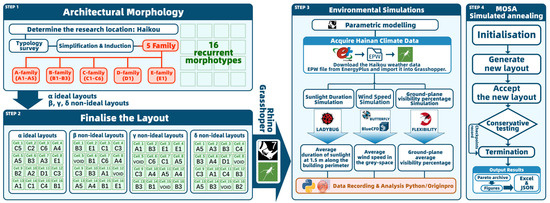
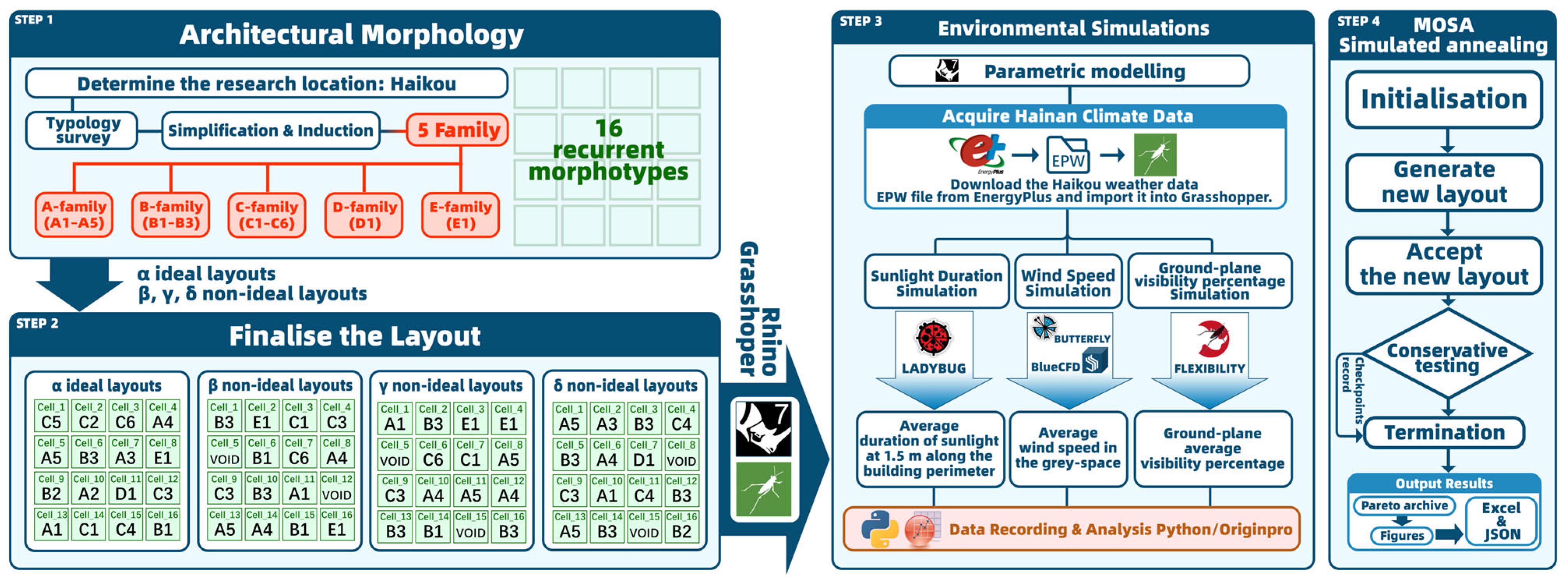
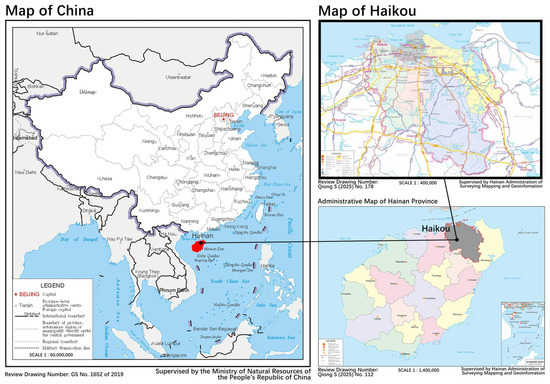
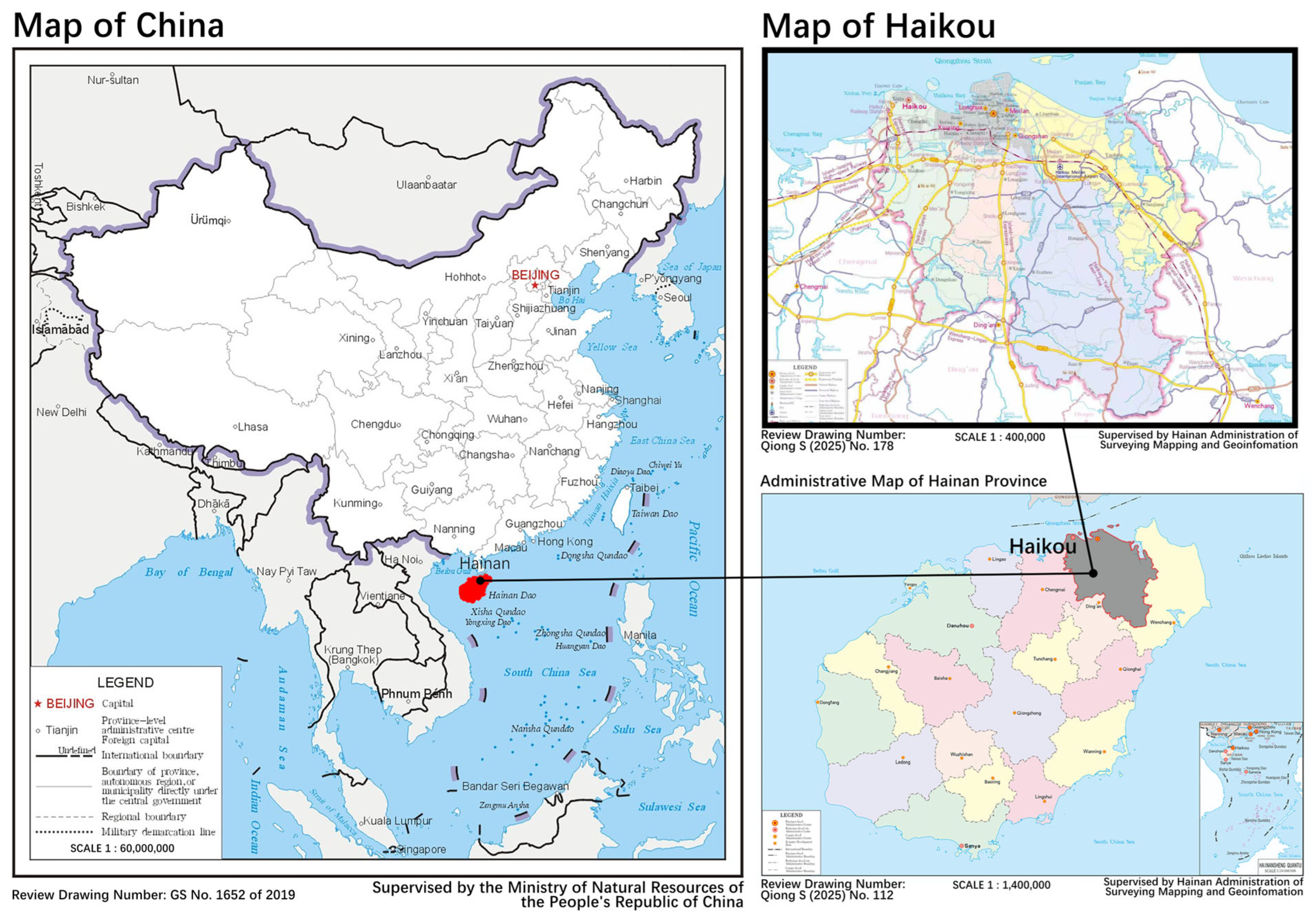
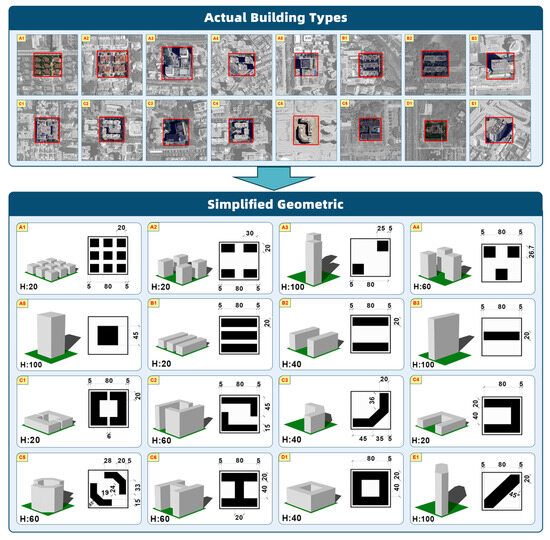
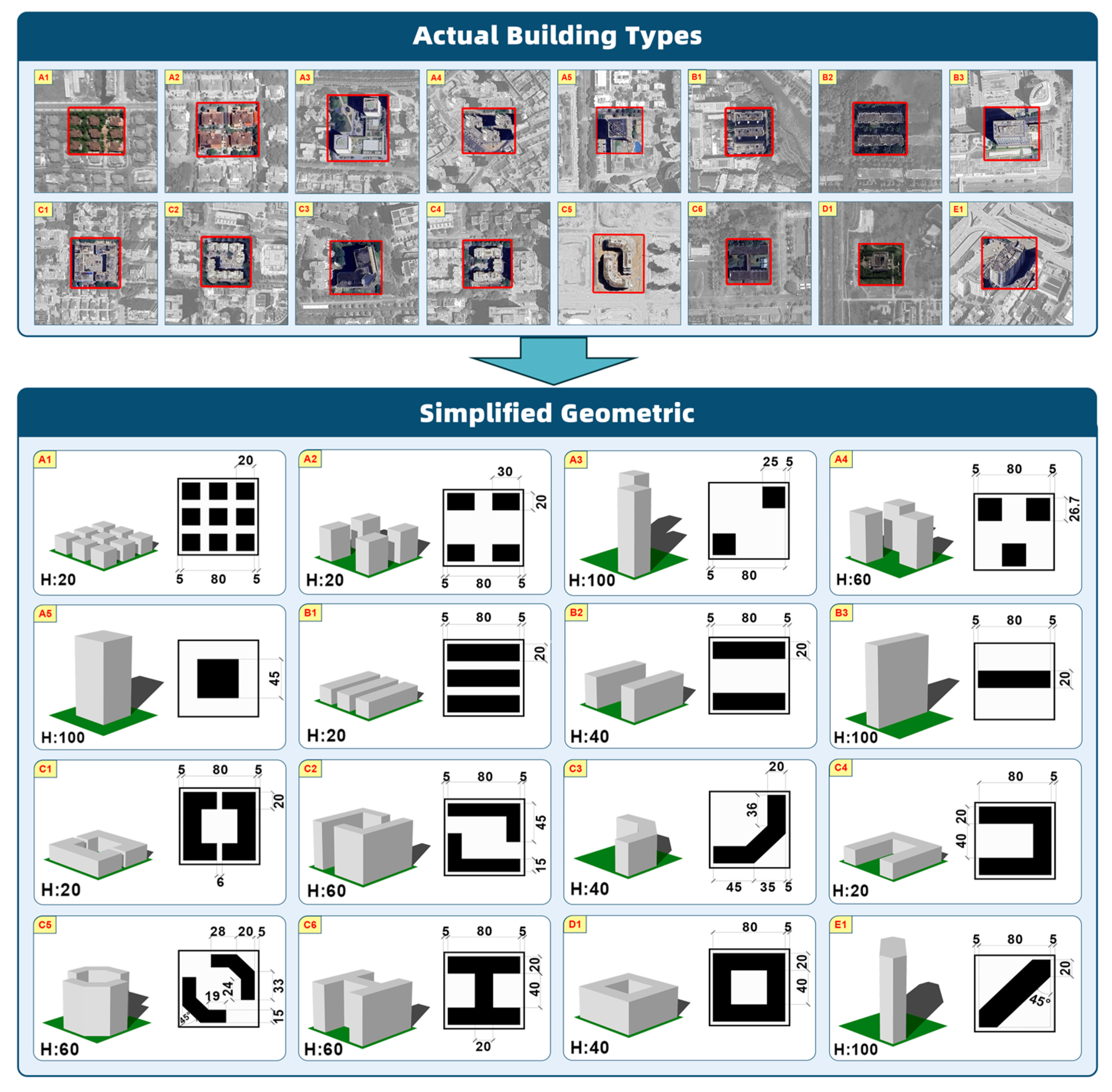
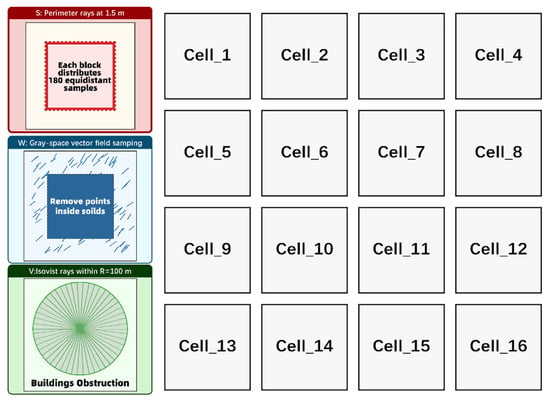
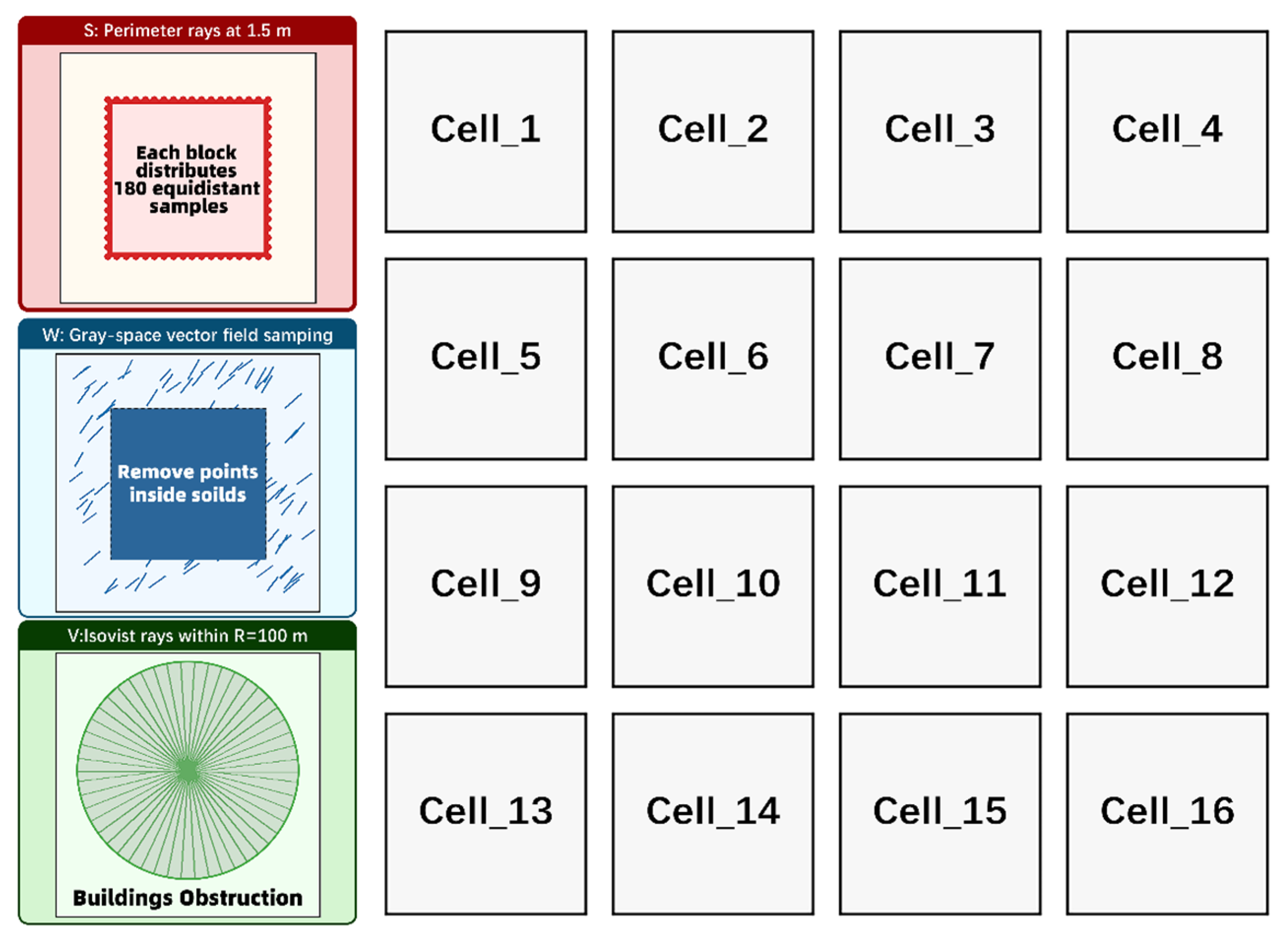
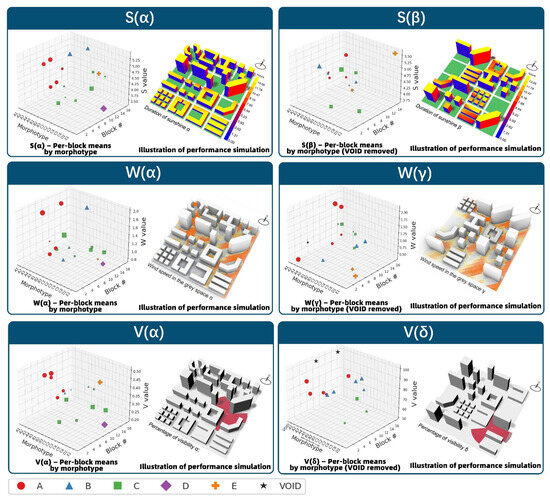
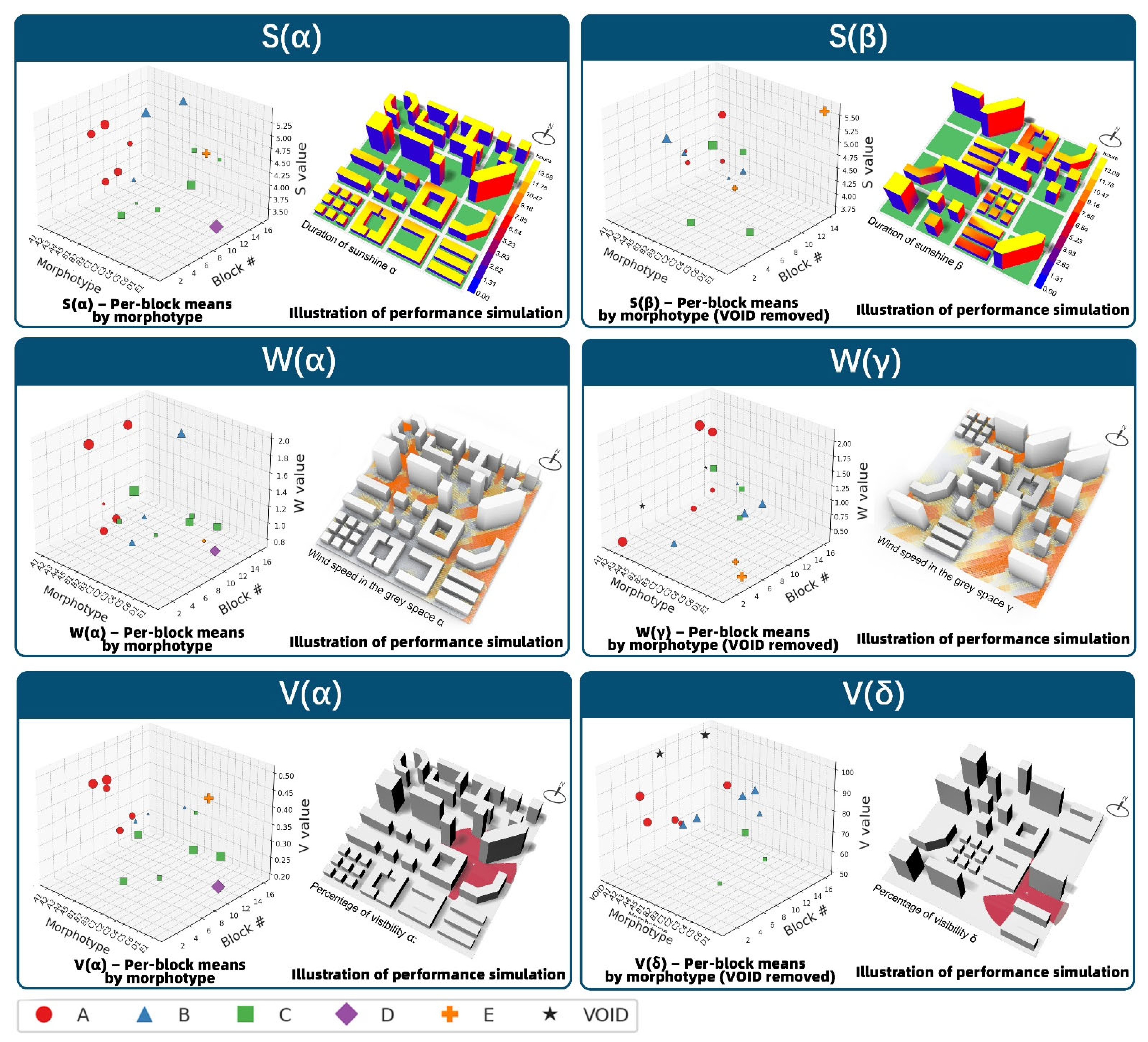
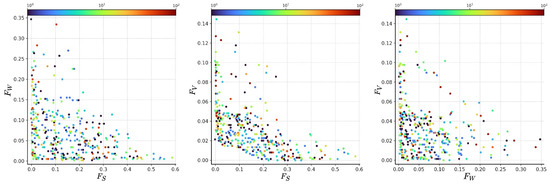
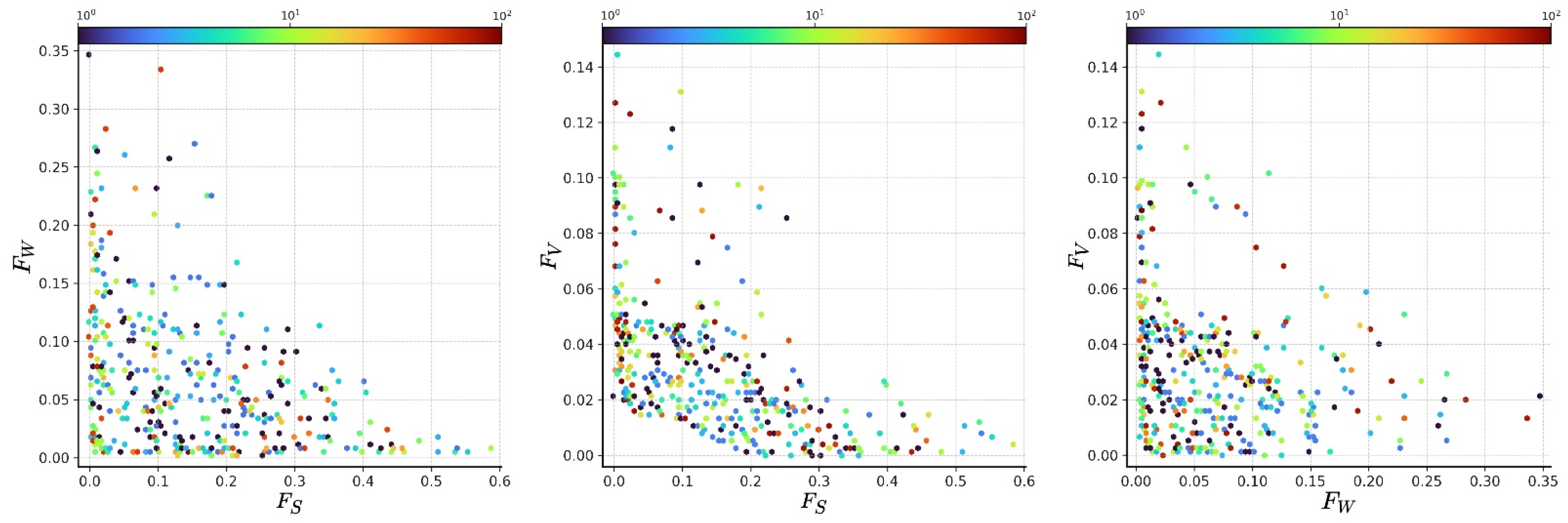
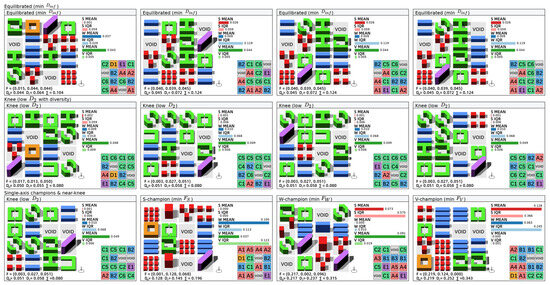
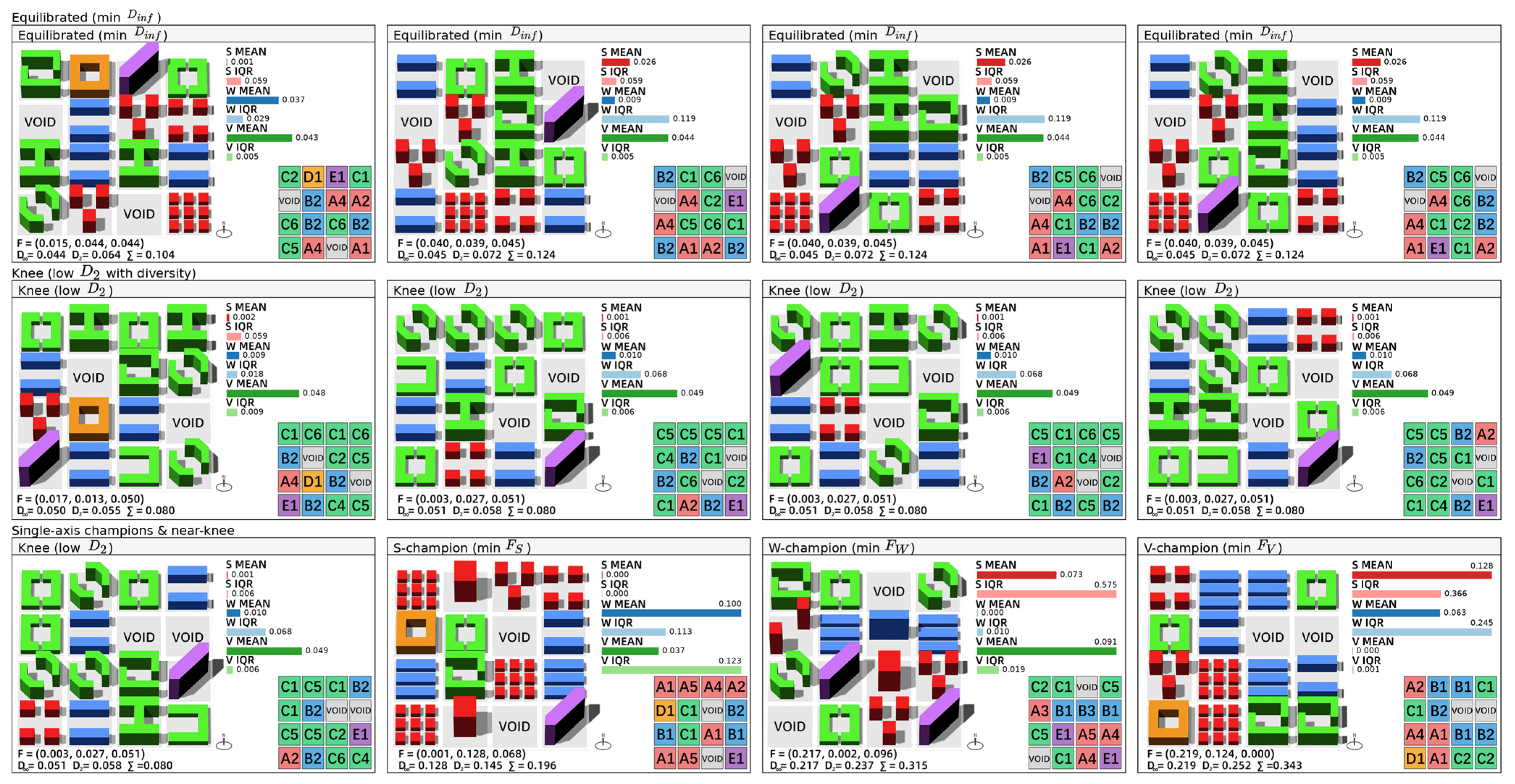
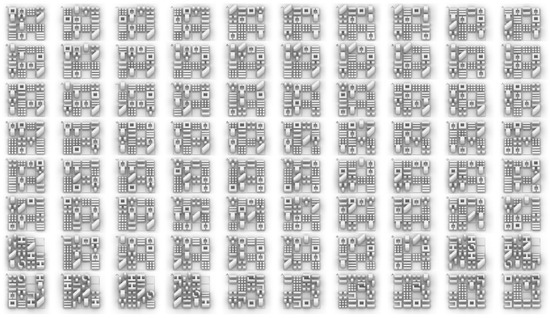
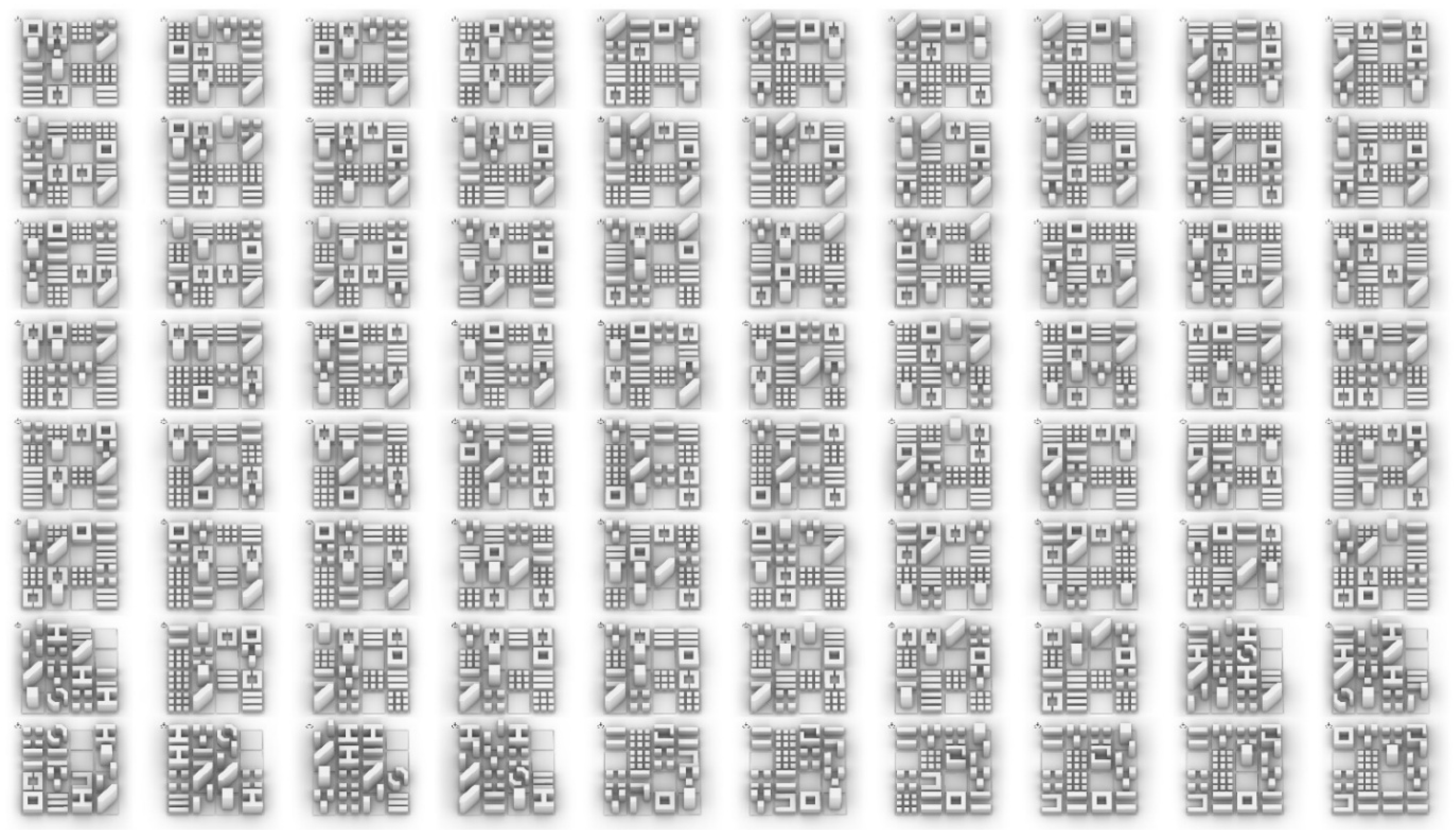
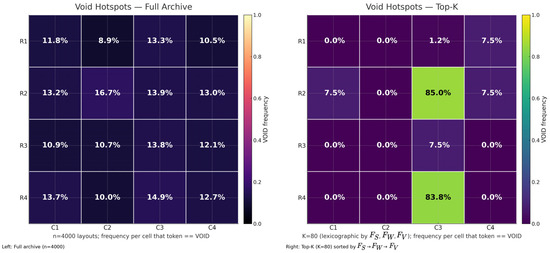
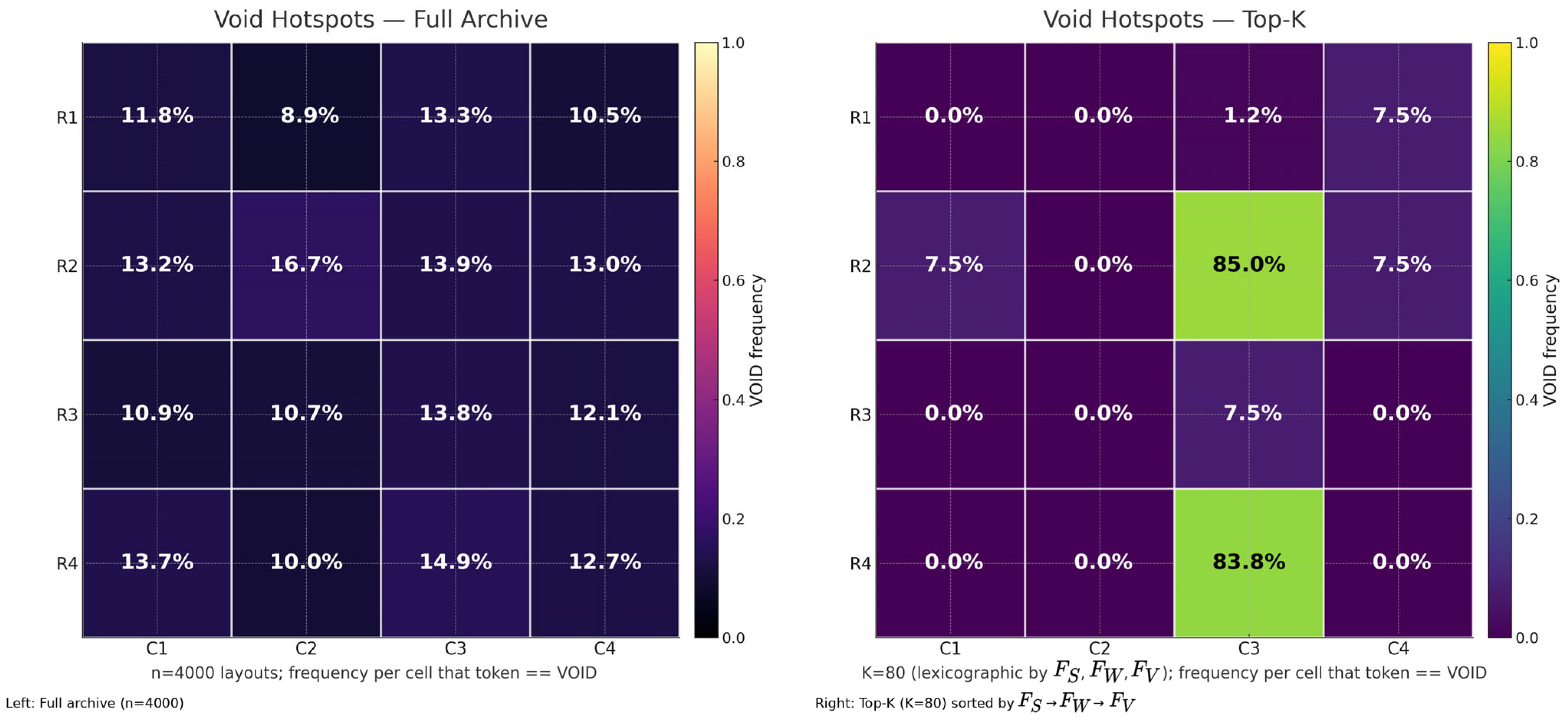
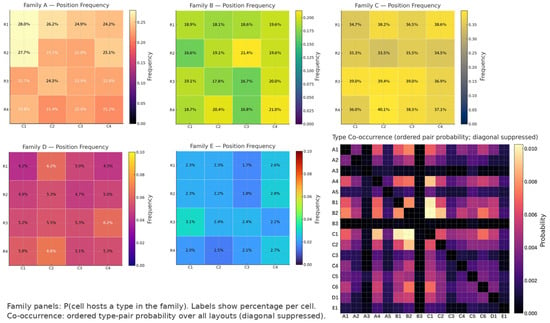
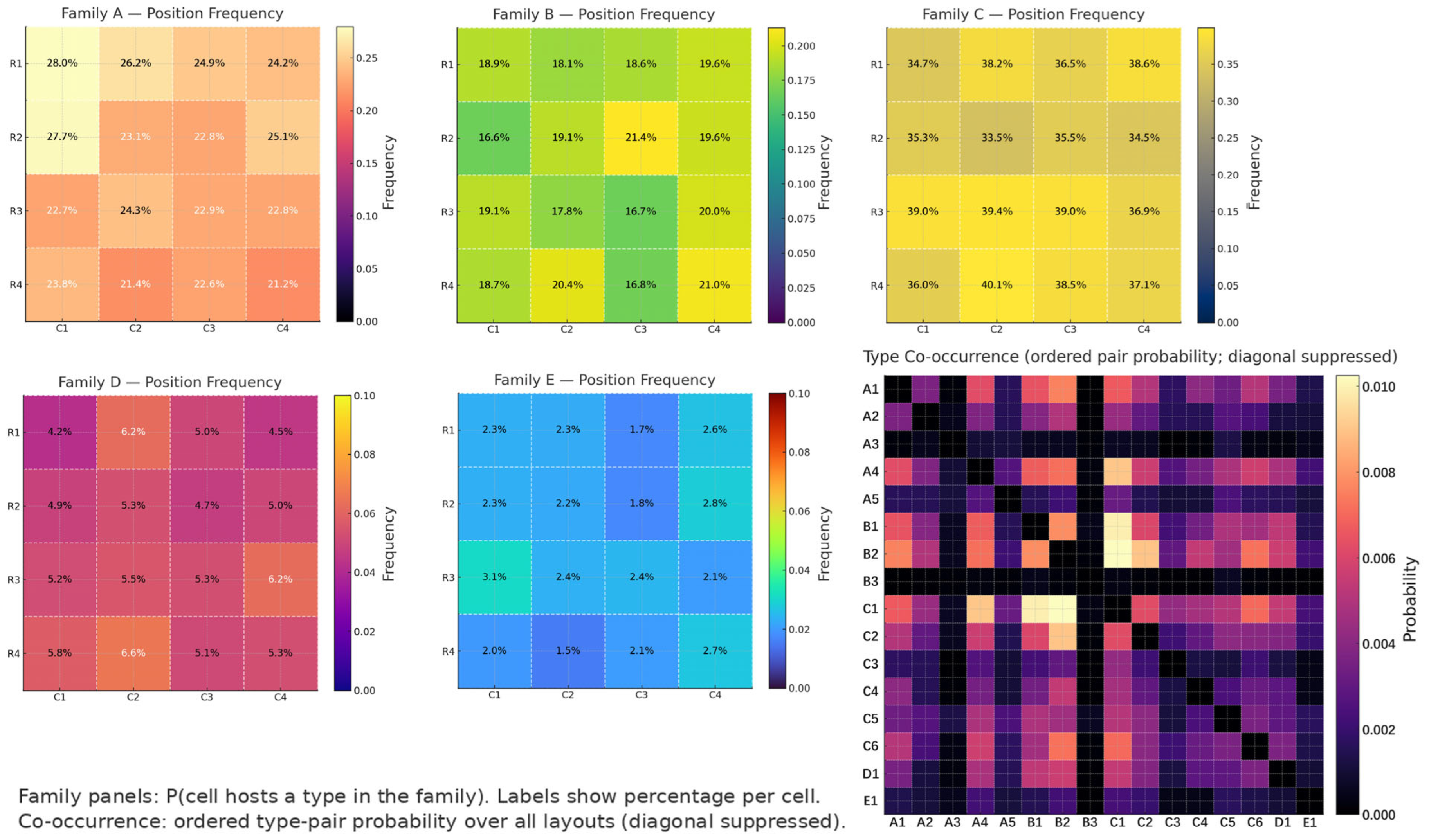
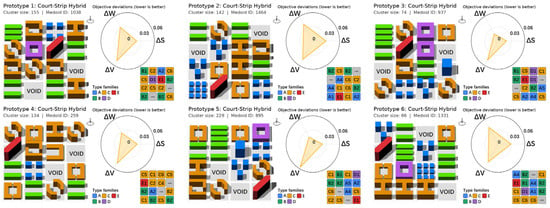
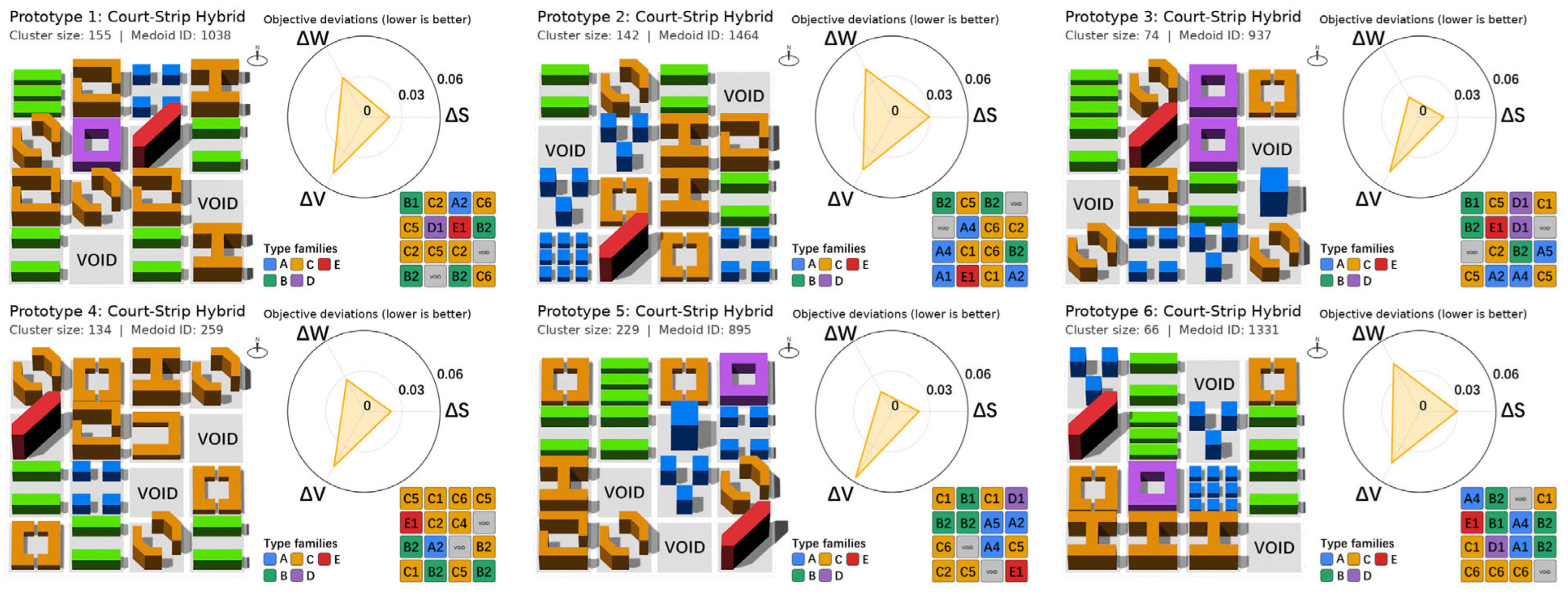
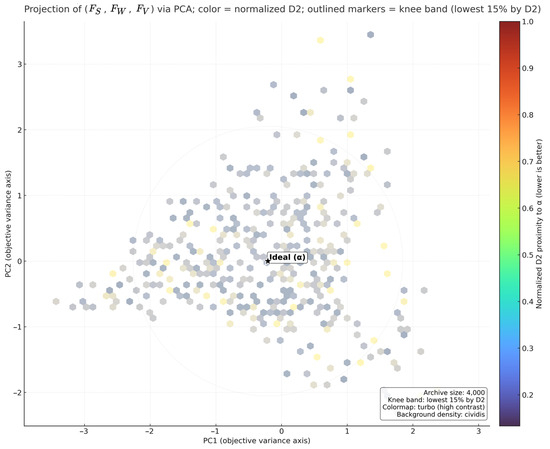
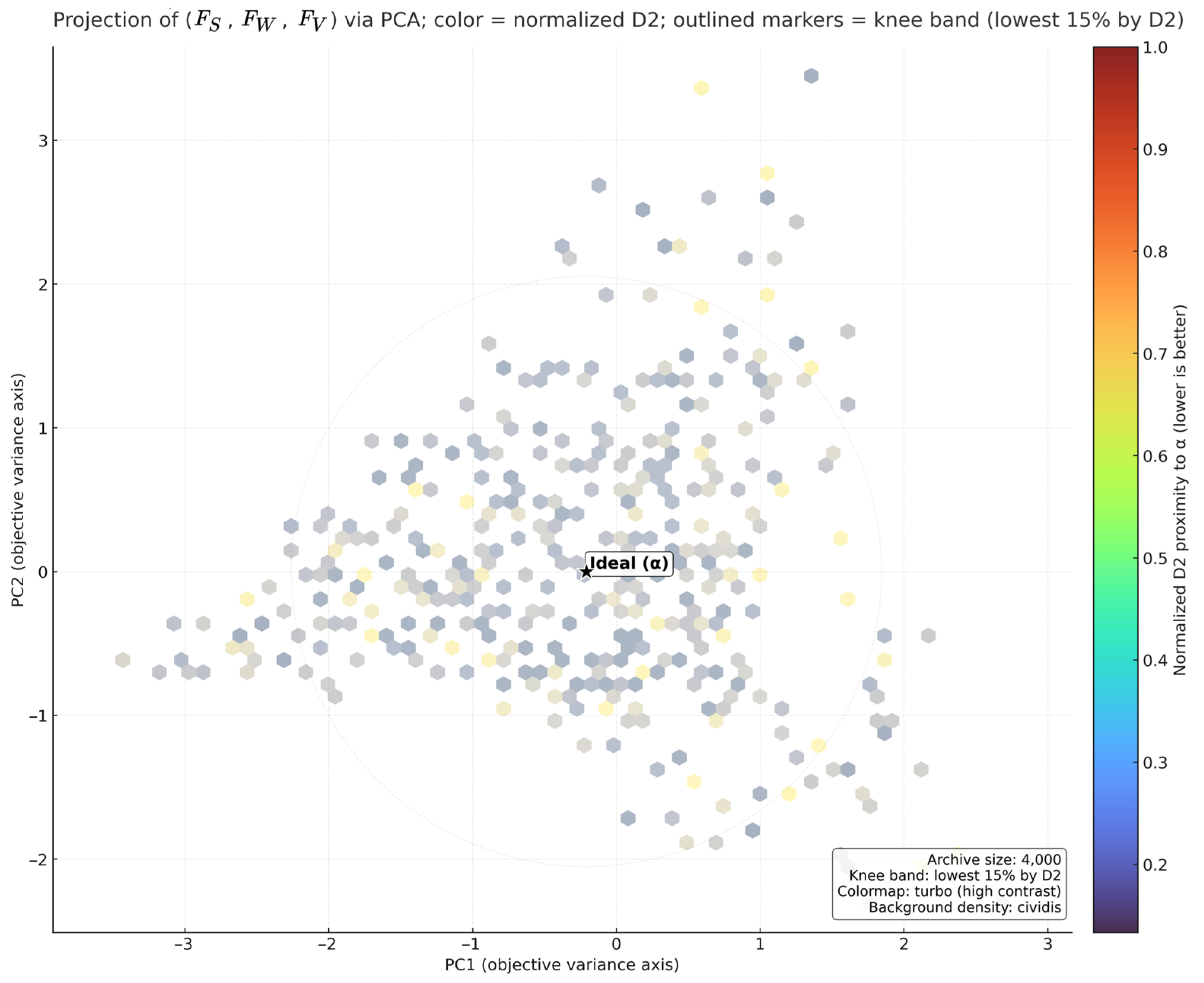

Disclaimer/Publisher’s Note: The statements, opinions and data contained in all publications are solely those of the individual author(s) and contributor(s) and not of MDPI and/or the editor(s). MDPI and/or the editor(s) disclaim responsibility for any injury to people or property resulting from any ideas, methods, instructions or products referred to in the content. |
© 2026 by the authors. Licensee MDPI, Basel, Switzerland. This article is an open access article distributed under the terms and conditions of the Creative Commons Attribution (CC BY) license.